

Information
Address
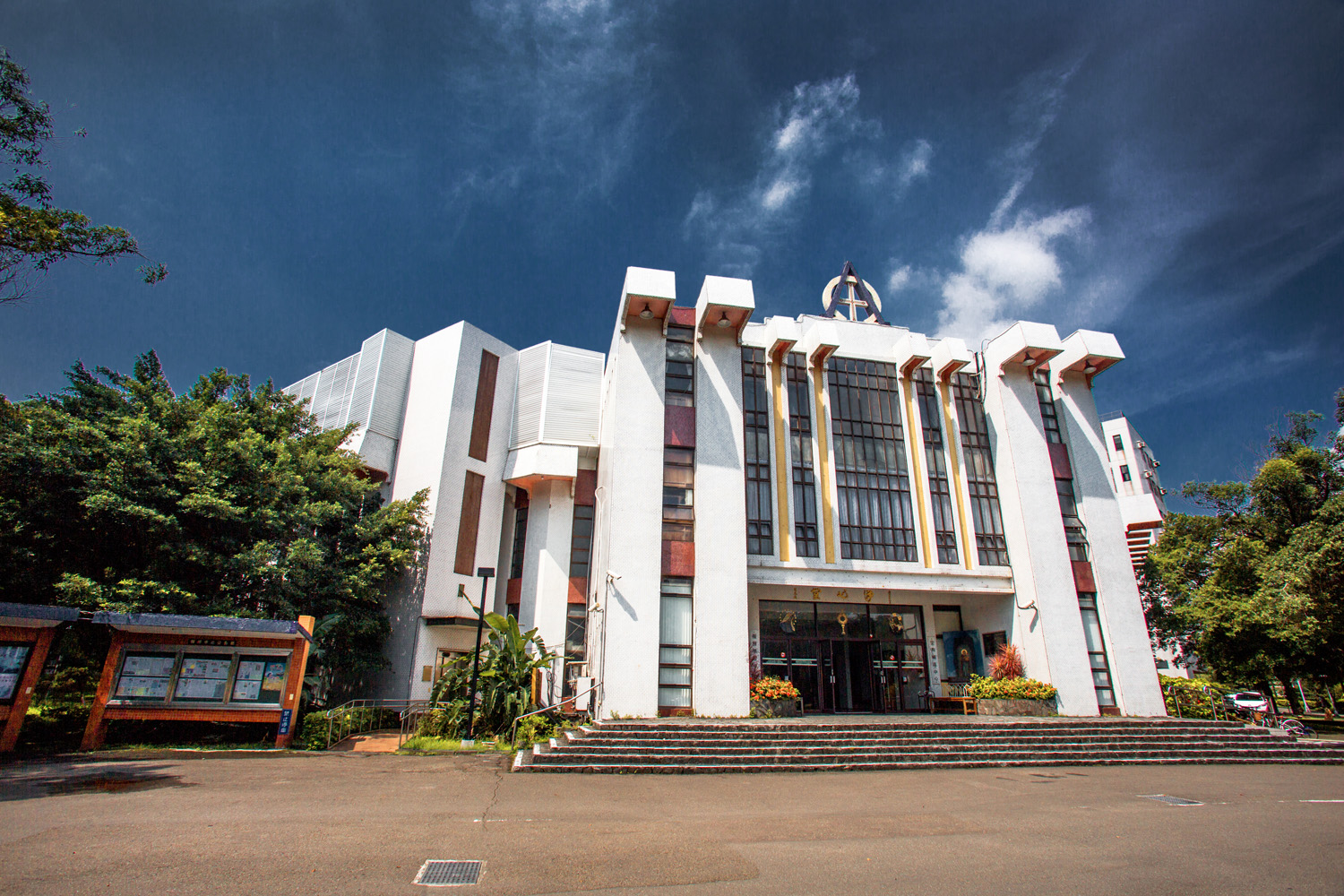
510, Zhongzheng Road, Xinzhuang District, New Taipei City, Taiwan
Tuition and Accommodation Fees
Tuition: NTD 94,860 ~ 145,000/YR
Accommodation: NTD 16,540 ~ 43,200/YR
Living Expenses: NTD 79,200 ~ 95,040/YR
Social Media
Fu Jen Catholic University Overseas Chinese, Hong Kong, and Macao Admissions Office
Contact Information
+886-2-2905-2224
[email protected]
Introduction
FJCU is located in New Taipei City, Taiwan, and is the only Catholic comprehensive university in Taiwan directly subordinated to the Holy See. It has 12 colleges including Literature, Arts, Art, Medicine, Communication, Education and Sports Health, Science and Engineering, Foreign Languages & Literatures, Human Ecology, Fashion and Textiles, Law, Management, and Social Sciences, with 53 departments, 48 master’s programs, 23 executive master’s programs, 12 doctoral programs, 16 extension departments, and 500 sister schools worldwide.
The campus features a well-organized layout with comprehensive hardware and software facilities, providing students with a diverse, holistic, interdisciplinary, and international learning and living environment. Founded over 100 years ago, it has more than 260,000 alumni at home and abroad, who have achieved outstanding results in various fields, laying a brilliant vision for the university.
Outstanding Performance
- Ranked 7th in Taiwan in the Times Higher Education World University Impact Rankings
- 《104 Job Bank University Brand Power》Ranked 1st in Taiwan for two consecutive years in 2024 / 2025
- 《1111 Job Bank Enterprise Favorite University》Ranked 2nd among private universities for two consecutive years in 2024/2025
- 《Cheers Magazine 2025 Enterprise Favorite Postgraduate Student Survey》Ranked 2nd among private universities
- 《Global Views Magazine Survey 2025 Enterprise Favorite University》Ranked 13th in Taiwan and 3rd among private universities
- 《Global Views Magazine USR University Social Responsibility Award》Double Model Award
- 《2025Asia Pacific Sustainability Action Awards(APSAA)》SDG17 Diverse Partnerships Only winning school
- The College of Management is the first institution in Taiwan to receive AACSB accreditation, placing it among the world’s elite business schools. Furthermore, it is ranked as one of the top five business schools in Taiwan by Eduniversal, a prestigious European ranking agency. As a result, credits earned by Fu Jen students are widely recognized by leading universities worldwide. (Source: AACSB, EDUNIVERSAL)
- The Department of Electrical Engineering, Department of Computer Science and Information Engineering, and Bachelor’s Program in Medical Informatics and Innovation Applications of the College of Science and Engineering of Fu Jen University have successfully maintained IEET accreditation, ensuring that our teaching quality, faculty expertise, and facilities meet international standards. This global recognition of our degrees provides students with a competitive edge and significantly enhances their future career development.
- The Department of Occupational Therapy has successfully passed the WFOT (World Federation of Occupational Therapists) re-evaluation for its entry-level education programs.
- The university has been honored with a prestigious 5-star rating in the 2019 Ranking of Universities in Greater China by Cuaa.net. This recognition places us alongside world-renowned institutions such as City University of Hong Kong, University of Macau, Hong Kong Polytechnic University, Beijing Forestry University, Central University of Finance and Economics, Beijing University of Science and Technology, Central China Normal University, Northwest University and other universities. Notably, we are ranked first among all private comprehensive universities in Taiwan.
- Fu Jen’s overseas service learning footprints span five continents and 24 countries, deeply cultivating 26 regions, allowing the spirit of professional achievement to go international.
Counseling Mechanism and Campus Activities
In order to care for Overseas Chinese Student so that they can quickly adapt to local life and study with peace of mind, our school has a special “Overseas Compatriot and Mainland Chinese Students Advising Division” to take charge of related counseling matters, including arranging academic counseling, assisting in handling residence and entry-exit matters, club activities, and work-study opportunities. Encourage Overseas Chinese Student to learn the attitudes of democracy, autonomy, responsibility, caring for others, and serving the society through practical participation, develop students’ potential for independent thinking, and promote the extension and learning of activities other than academic work.
To support Overseas Chinese Student with financial difficulties, the University provides assistance in applying for various scholarships and financial aid programs, helping to reduce financial burdens and ensure a worry-free learning experience. In addition, Overseas Chinese Student are eligible to enroll in Overseas Chinese Student Accident Insurance and the National Health Insurance program, and may receive medical services directly at the University-affiliated clinics and hospitals, ensuring comprehensive healthcare coverage during their studies.
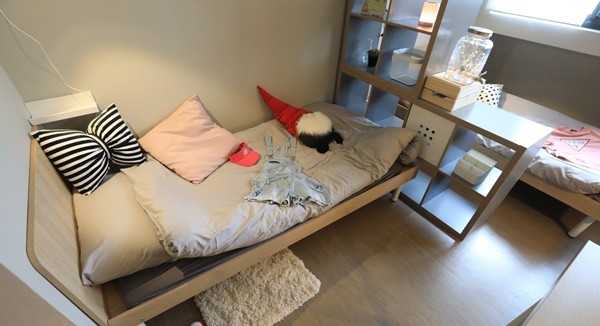
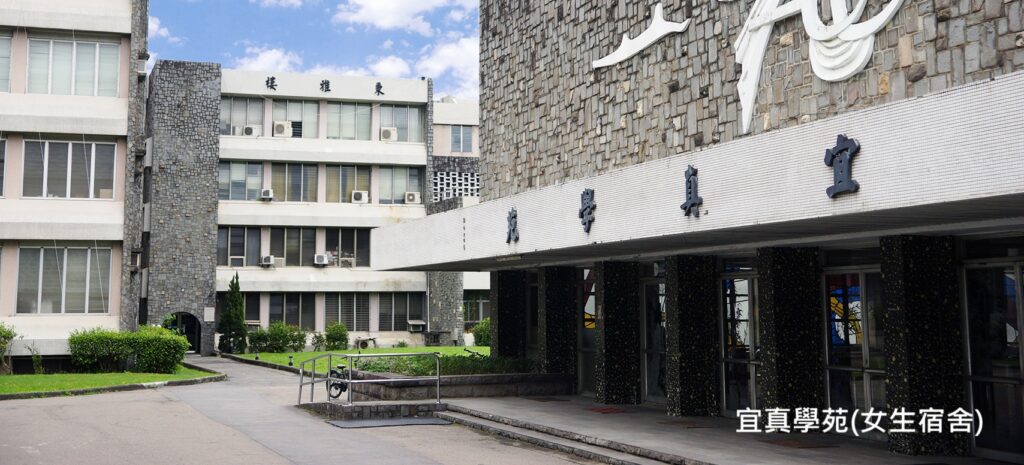
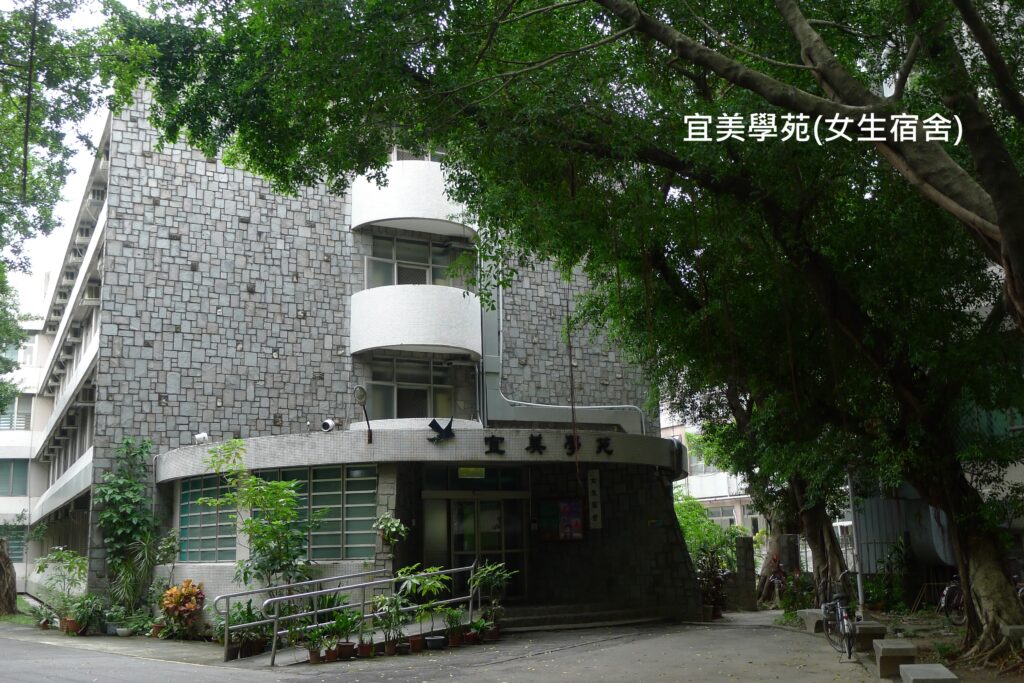
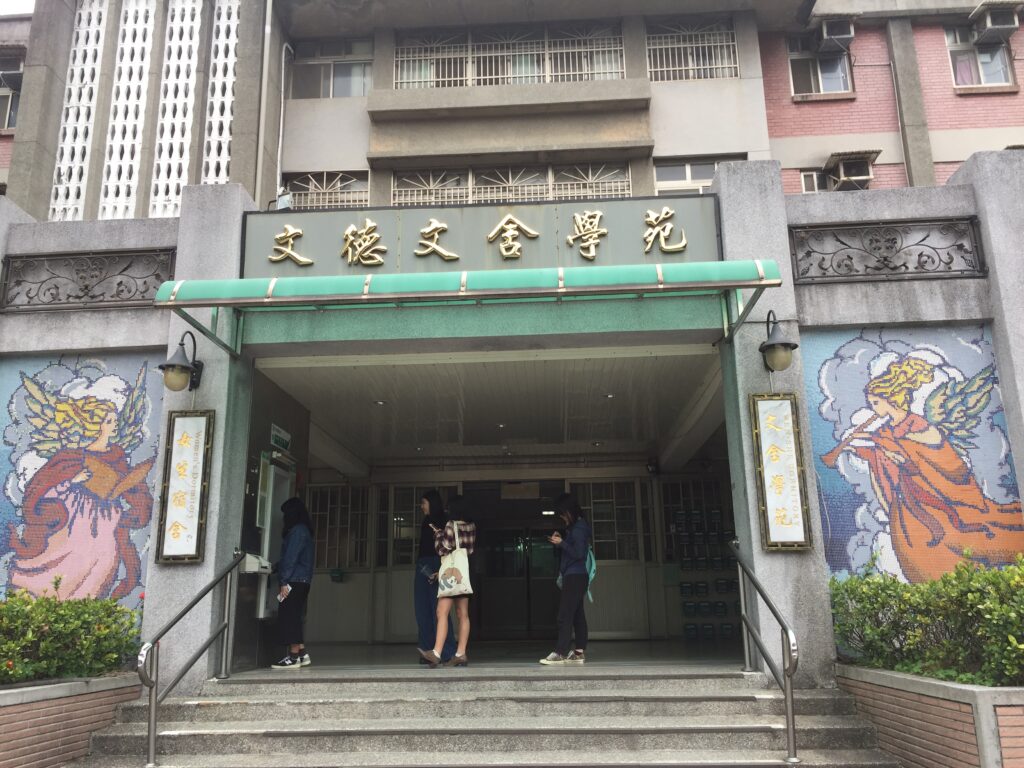
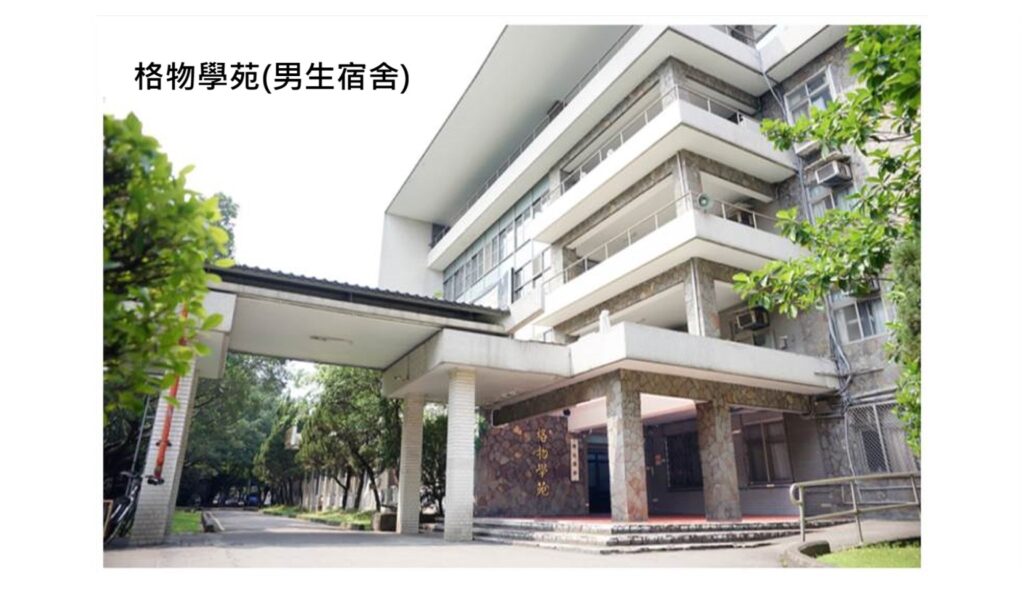
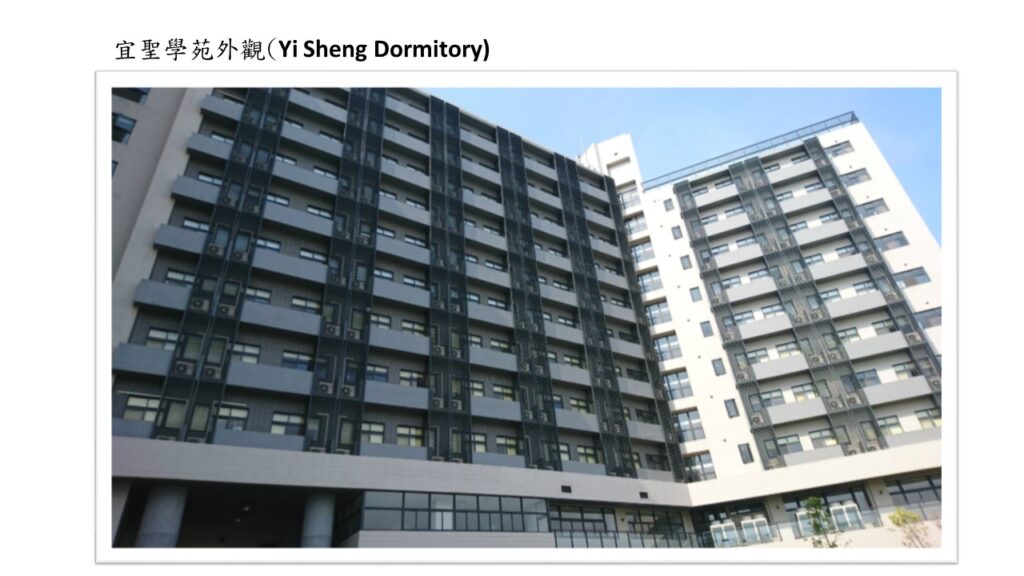
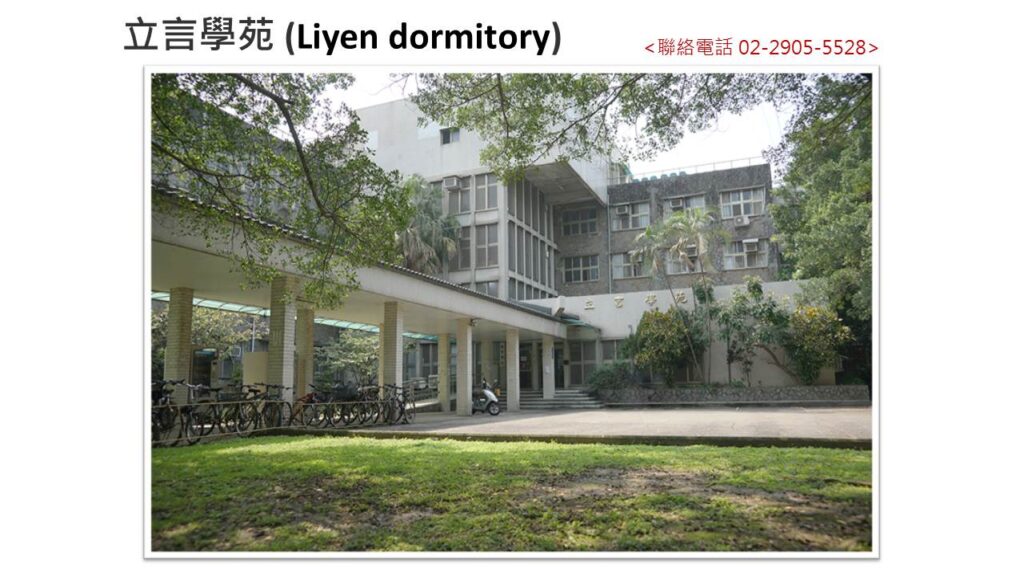
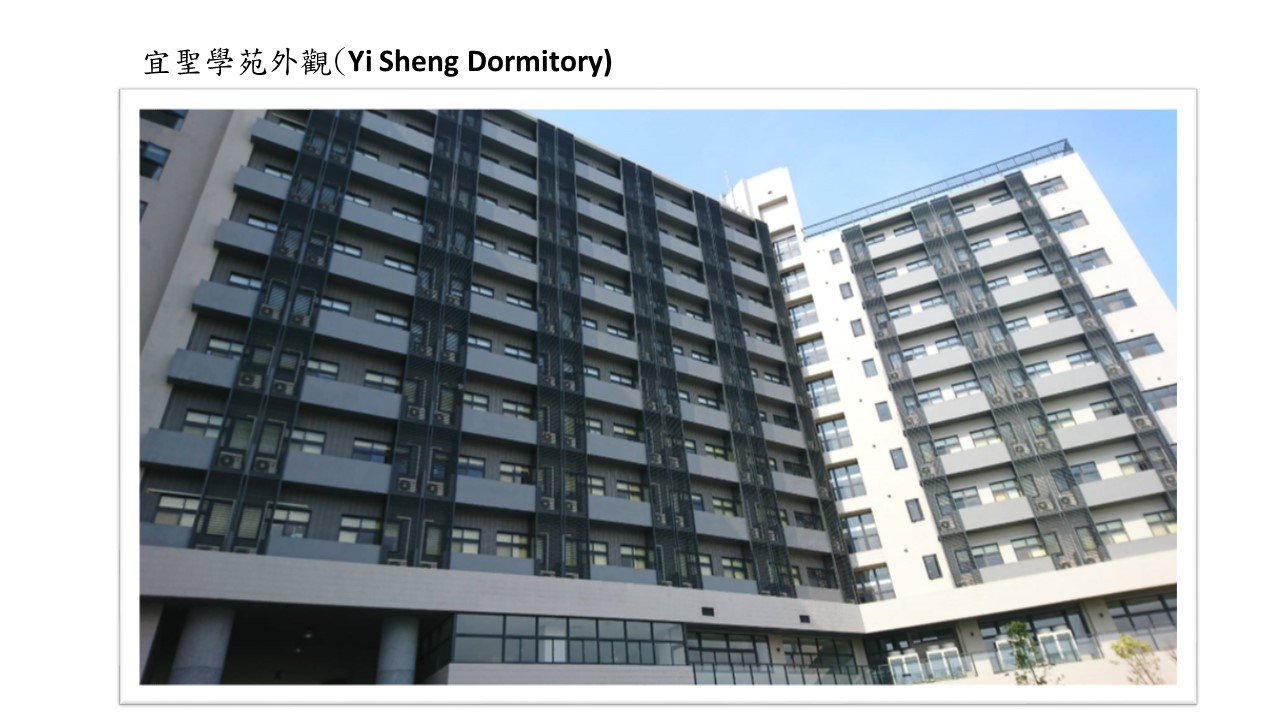
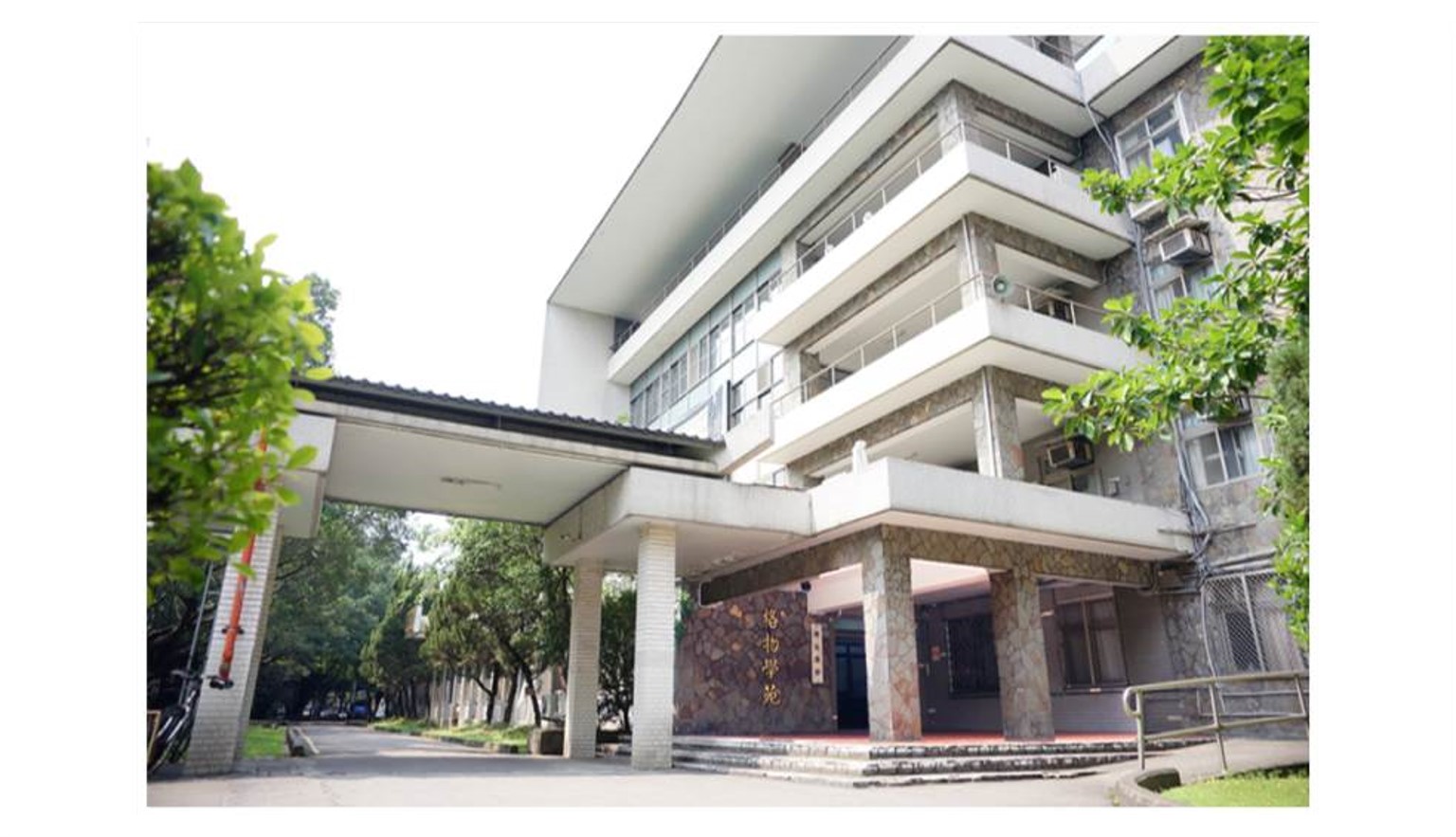
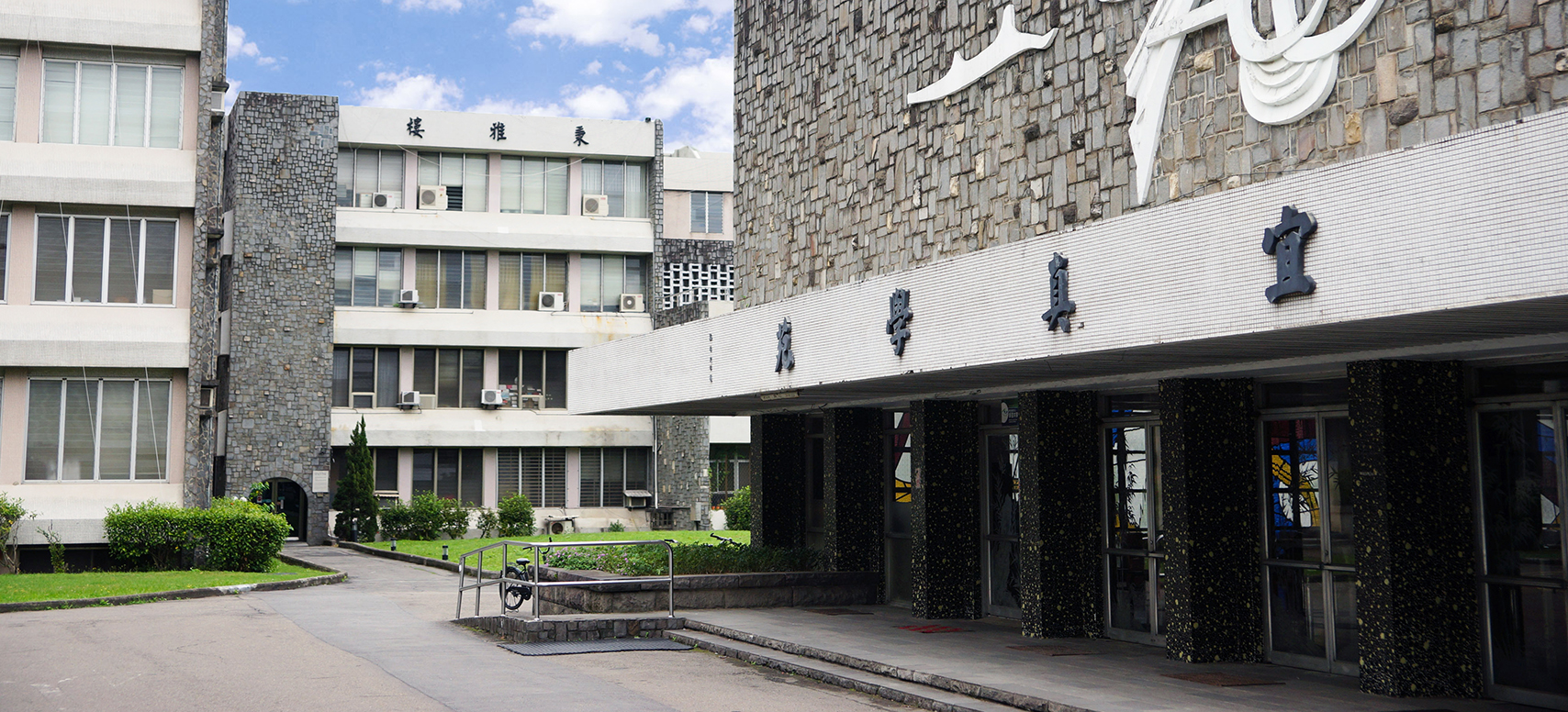
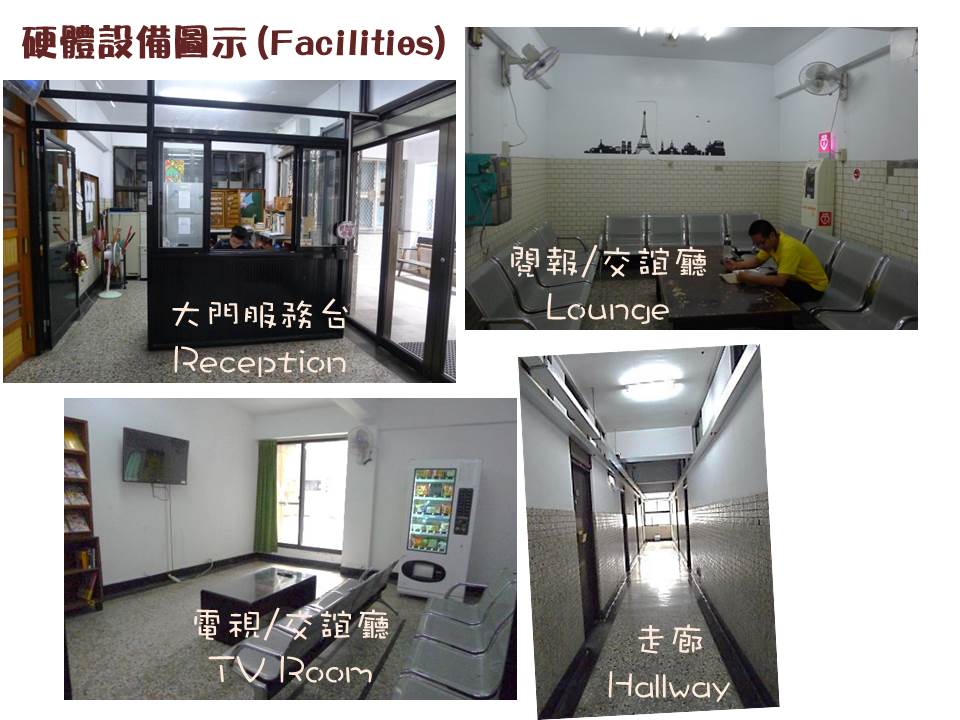
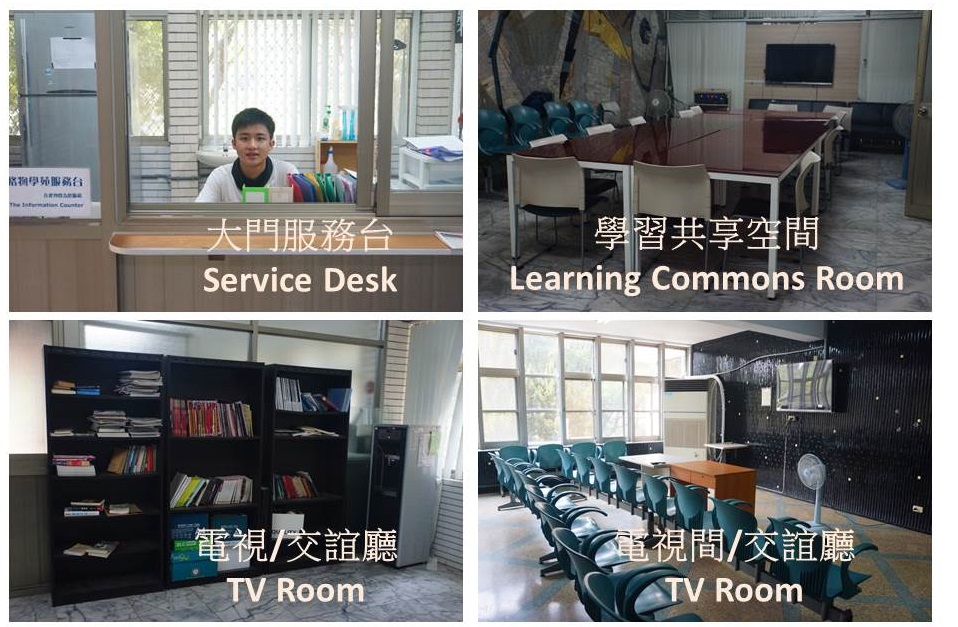
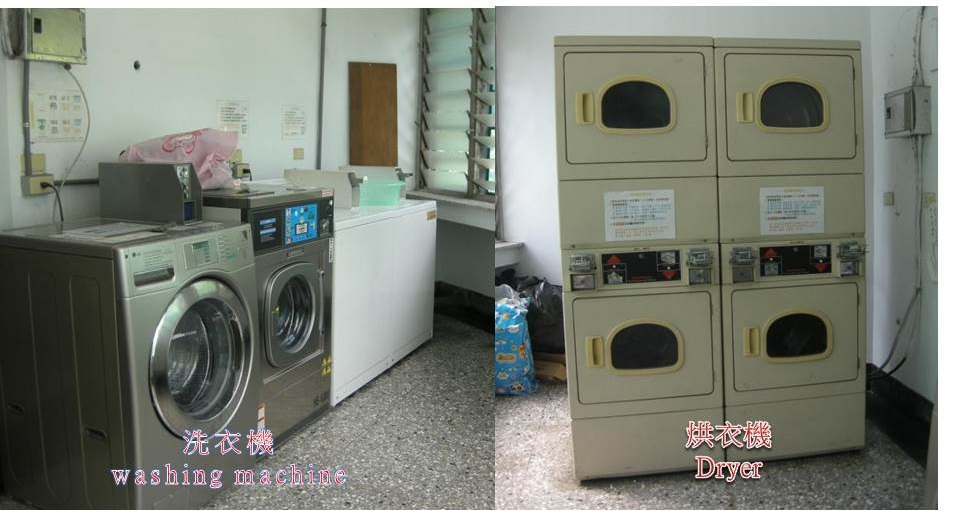
Overseas Chinese students are given priority for four years of on-campus accommodation. The dormitories are conveniently located near restaurants, convenience stores, and other daily amenities. Student organizations for overseas Chinese students include the Overseas Chinese Student Association, the Hong Kong and Macau Student Association, the Malaysian Student Association, and the Indonesian Student Association, providing a supportive and welcoming campus community.
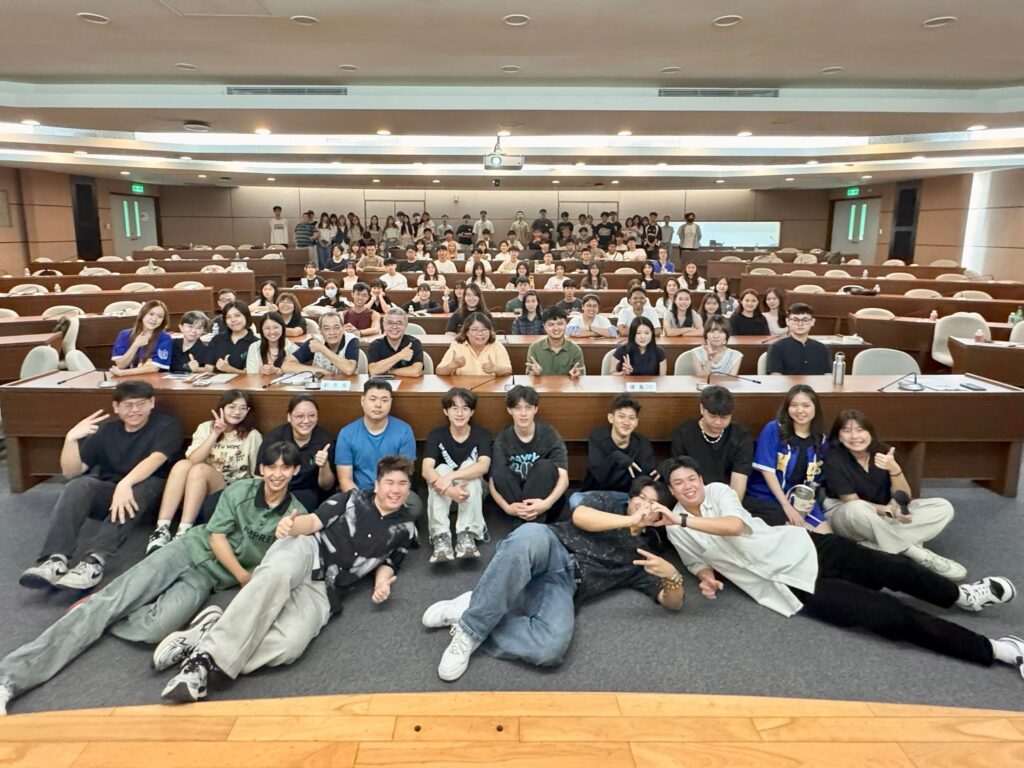
Alumni
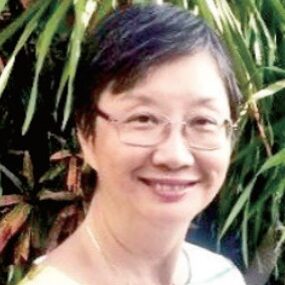
葉秀華
Principal of Chong Chun Middle School
Hong Kong
Justice of the Peace, Former Principal of Shatin Chong Chun Middle School
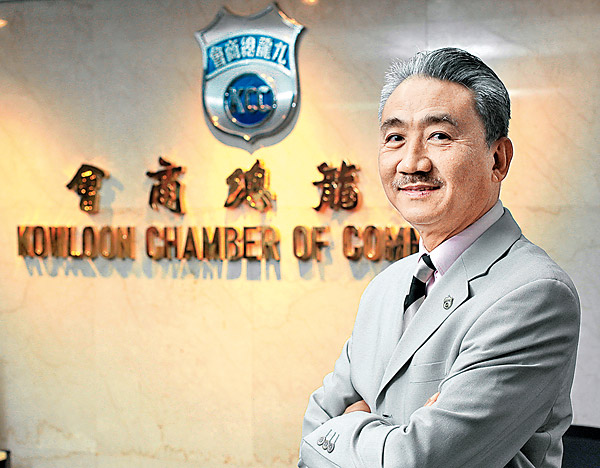
李光華
Chairman of the Kowloon General Chamber of Commerce
Hong Kong
Chairman of Zhuhai Rigao Sporting Goods Development Co., Ltd., Chairman of the Kowloon General Chamber of Commerce
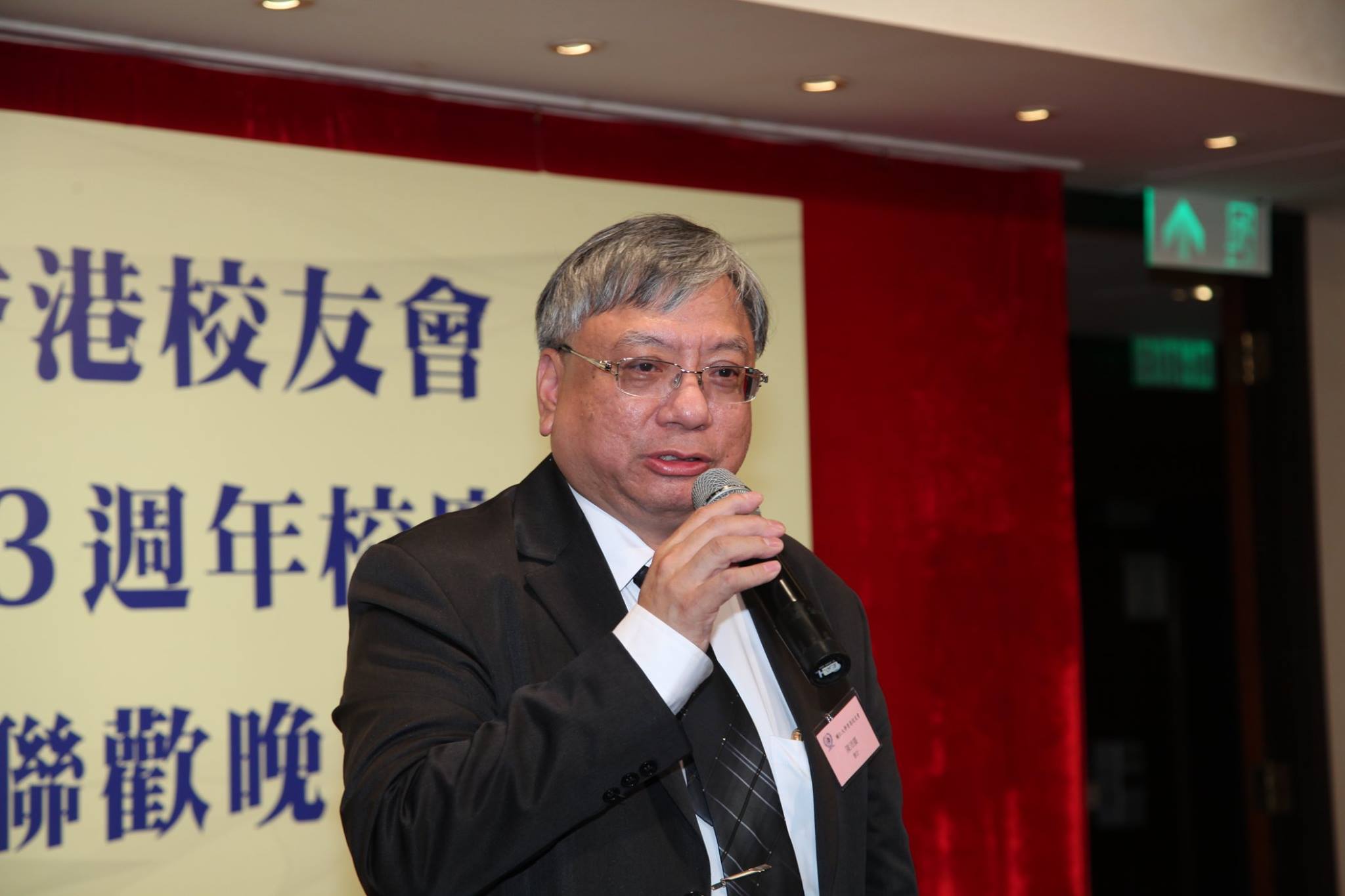
陳沛廣
President of the Fu Jen Catholic University Global Alumni Association
Hong Kong
President of the Hong Kong Alumni Association
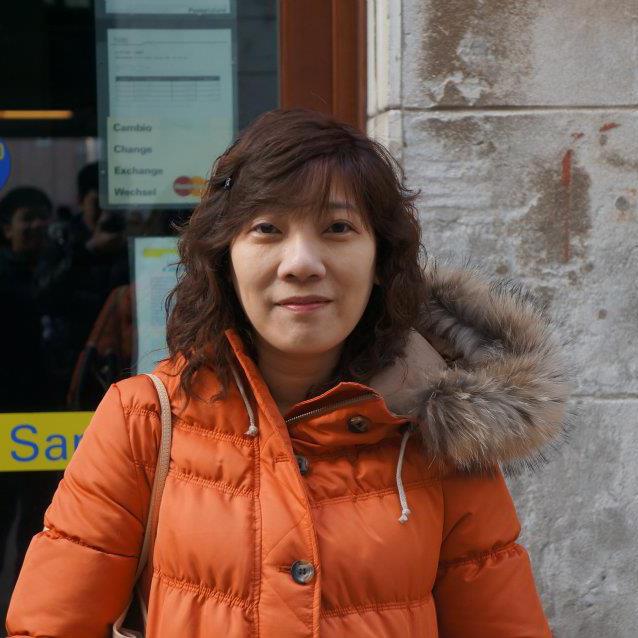
陳曉娟
President of the Fu Jen Catholic University Global Alumni Association
Malaysia
Overseas Chinese Affairs Promotion Commissioner of the Republic of China
President of the 5th, 6th, and 7th Sessions of the Fu Jen Catholic University Alumni Association in Malaysia
Deputy Director of the Public Relations Group of the United Federation of Alumni Associations in Malaysia, Deputy Coordinator of the Education Exhibition, Head of the Publicity Group
President of the FJCU Global Alumni Association
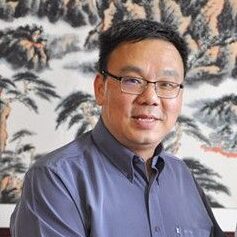
李裕光
President of INTI International University
Malaysia
President of INTI International University
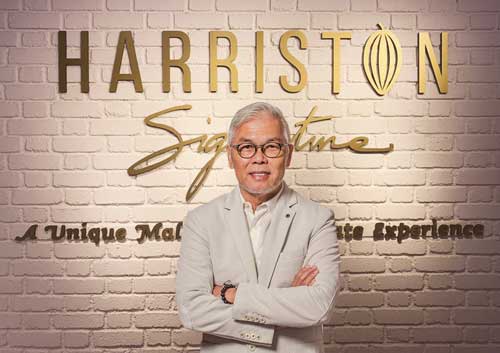
唐志忠
Founder of Harrington Chocolate Brand Malaysia
Founder of Harrington Chocolate Brand

林偉祥
Advisor and Dean of the Faculty of Technology, Jakarta International University
Indonesia
Advisor and Dean of the Faculty of Technology, Jakarta International University
王賢達
Roti’O Backery , D’prima Hotel
Indonesia
Overseas Chinese Affairs Promotion Commissioner of Taiwan
President of the 5th, 6th, and 7th Sessions of the Fu Jen Catholic University Alumni Association in Malaysia
Deputy Director of the Public Relations Group of the United Federation of Alumni Associations in Malaysia, Deputy Coordinator of the Education Exhibition, Head of the Publicity Group
President of the Fu Jen Catholic University Global Alumni Association
Highlights
Interdisciplinary College
Interdisciplinary studies are a current trend, making various fields more special and creative. At Fu Jen, through the development of AI, there can be more interdisciplinary combinations, and science can also be integrated with humanities, arts, health, leisure, and business management. The credit programs of the Interdisciplinary College add unlimited points to students’ resumes. Let students live out their own slash life in various fields.
Foreign Language Teaching and Digital Learning Resource Center
Provide students with a field and equipment for autonomous foreign language learning, such as: language self-study classrooms and nearly 2,000 foreign language learning software, and provide various media smart classrooms and a variety of online interactive language learning digital platforms.
Convenient Transportation
FJCU is located at the intersection of the Xinzhuang MRT Line and the Airport MRT Line, and there are also convenient buses to and from, and the convenient transportation network is conducive to the internationalization of student commuting.
Rich Learning Resources
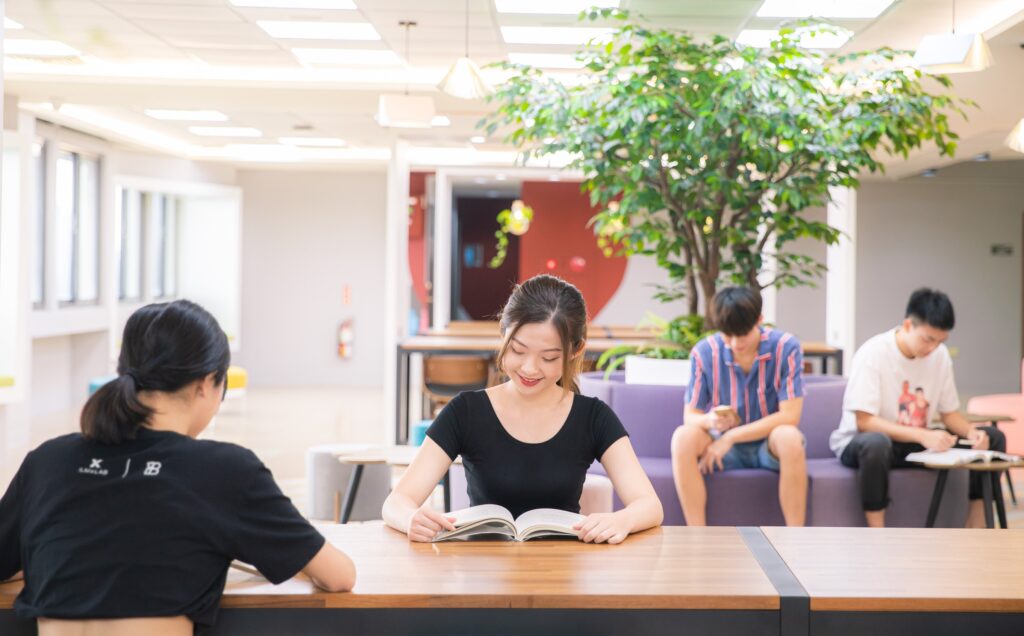
The school has a student learning center and rich library resources, allowing students to study in a pleasant and comfortable environment. There are also E-lounge, Fun Learning Self-study Center, Learning Counseling Center, ESCHOOL, Zongfu Office, Curriculum Diagnosis Center, and TA assistance to provide you with comprehensive care in academics, coursework, or spiritual levels, and a lot of self-study courses and lectures are held.
High-quality Accommodation Environment
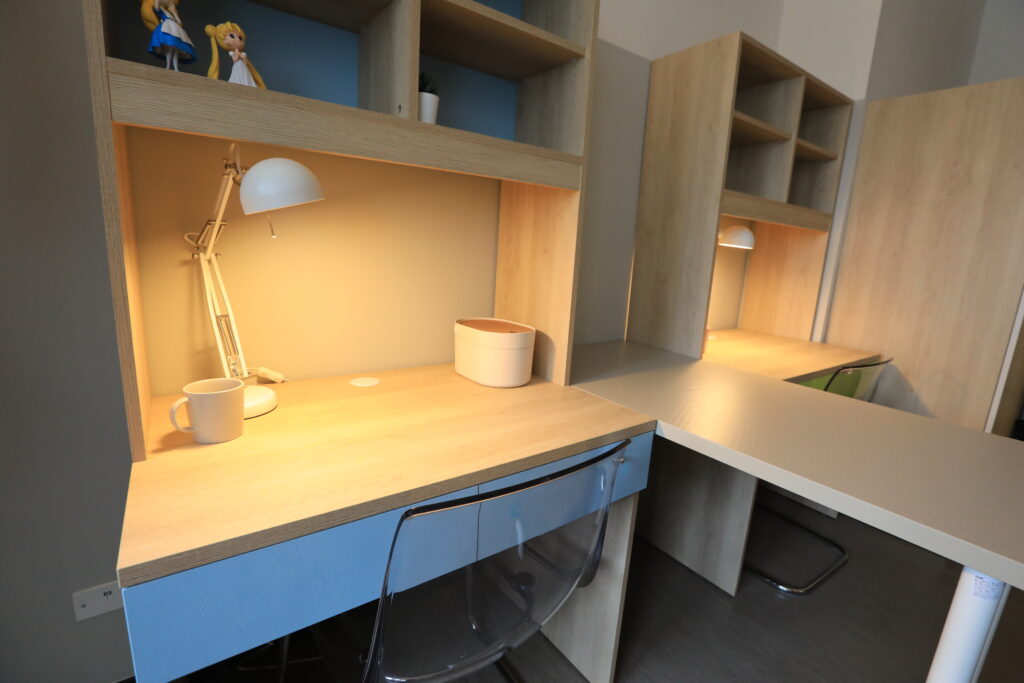
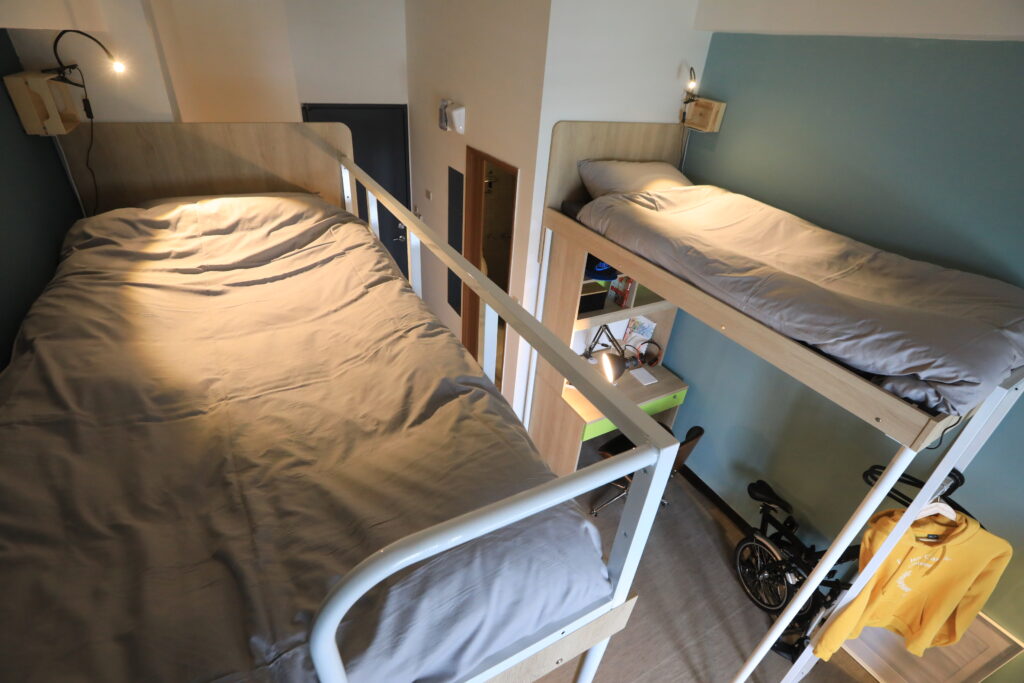
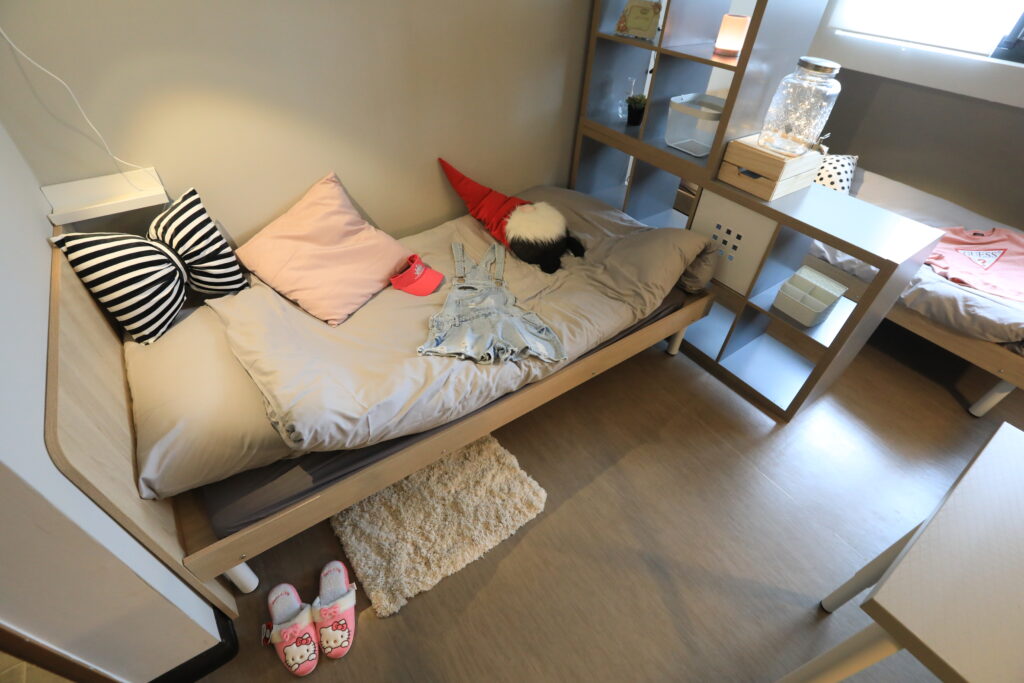
Our school provides a high-quality accommodation environment, hoping that children away from home can live comfortably, and there is a warmth of home when you walk into the dormitory. Our school has 7 dormitories with about 4,300 beds. In addition to providing the necessary equipment, the dormitory rooms are also equipped with 24-hour dormitory wired network. The dormitory is conveniently located near the dormitory.
Diverse Club Activities
Our school has six attributes (academic, leisure and social, service, physical fitness, art, music) with a total of more than 91 clubs for you to choose from. In addition to professional learning, there are also unique inter-school activities, joint club orientation activities, theme garden parties, sports games, autonomous learning competitions, and annual results presentations.
Campus Internationalization
Our school currently has more than 500 international sister schools, and actively promotes various international academic exchange activities, including exchange students, dual degree programs, visiting professors, joint seminars, visits and exchanges, and cooperative exchange programs. Through campus international exchange activities, cross-cultural lectures, and the International Corner, we build a foreign language learning environment for students and create a campus internationalization atmosphere.
Departments
School Departments and Programs
College of Liberal Arts
College of Art
College of Communication
College of Education and Sport Health
College of Medicine
College of Science and Engineering
- Bachelor's Program in Medical Informatics and Innovative Applications
- Dept. of Electrical Engineering (Master's Program)
- Dept. of Mathematics (Master's Program)
- Dept. of Chemistry (Ph.D. Program)
- Dept. of Computer Science and Information Engineering (Master's Program)
- Dept. of Life Science (Master's Program)
- Dept. of Physics (Master's Program)
Faculty of Foreign Languages
- Dept. of English Language & Literature(Master's Program)
- Dept. of Japanese Language and Culture (Master's Program)
- Dept. of French Language & Culture(Master's Program)
- Dept. of Spanish Language & Culture (Master's Program)
- Dept. of German Language and Culture(Master's Program)
- Dept. of Italian Language and Culture
- Bachelor’s Program in Global Communications & Technological Innovations
College of Fashion and Textiles
College of Human Ecology
School of Law
College of Management
College of Social Sciences
Fu Jen Global Academy
Photos & Videos
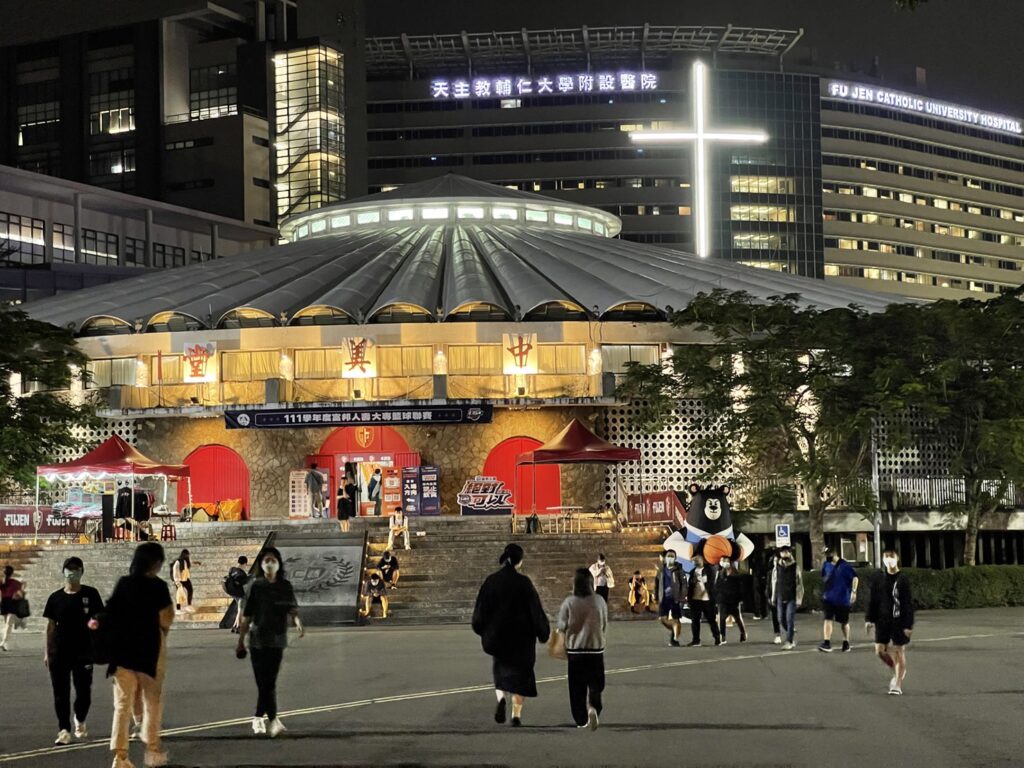
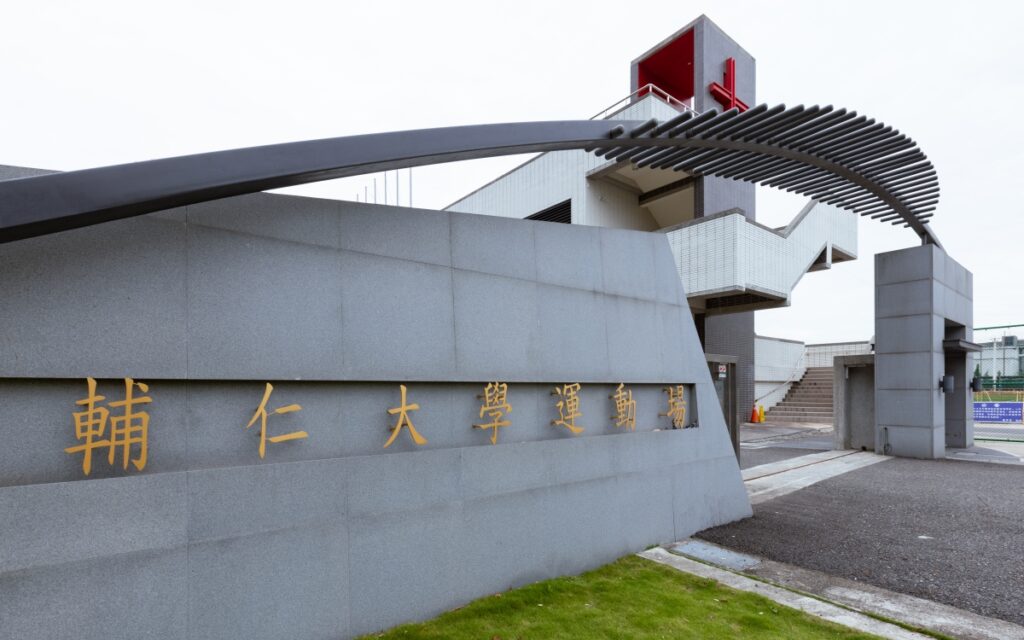
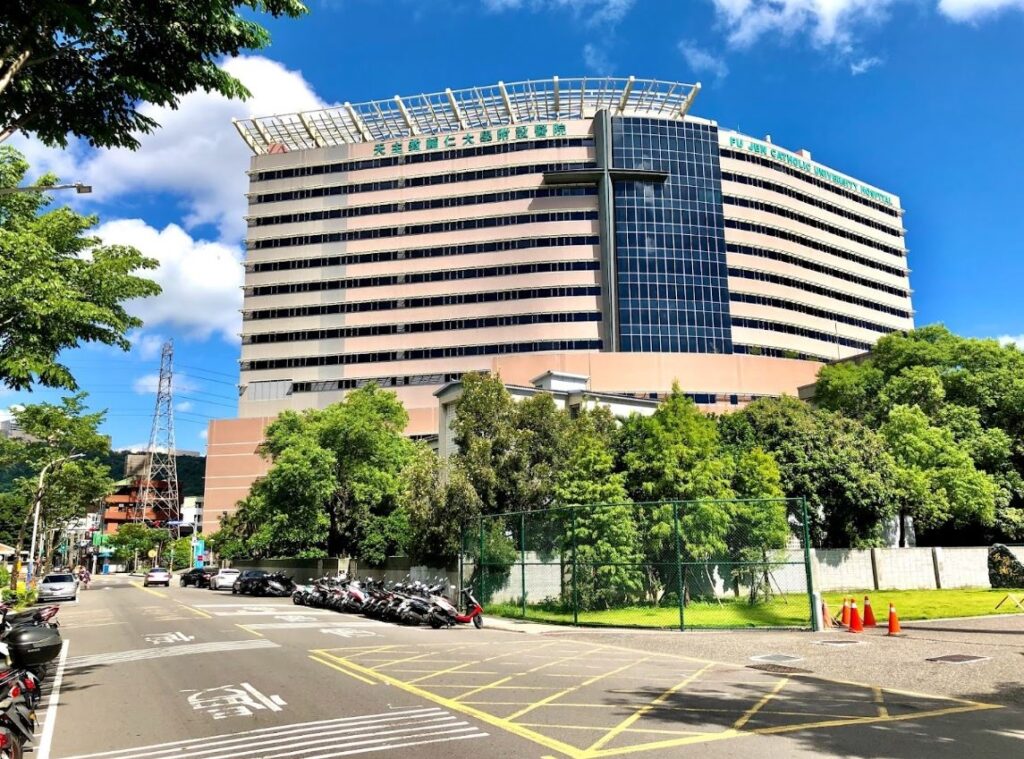
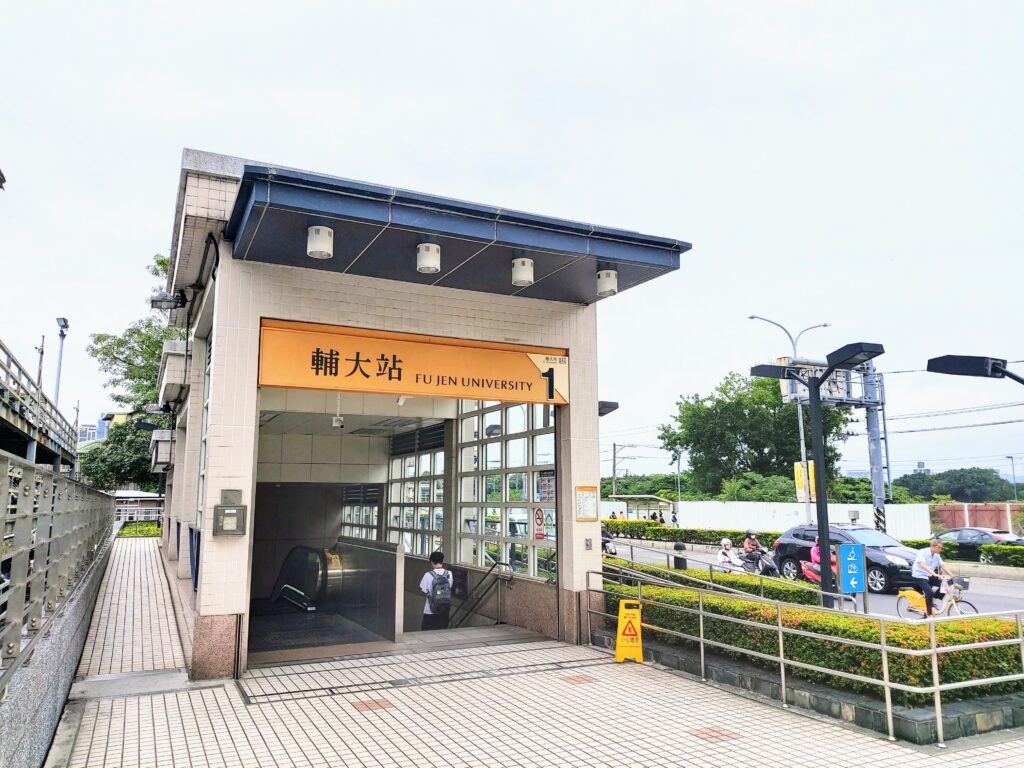
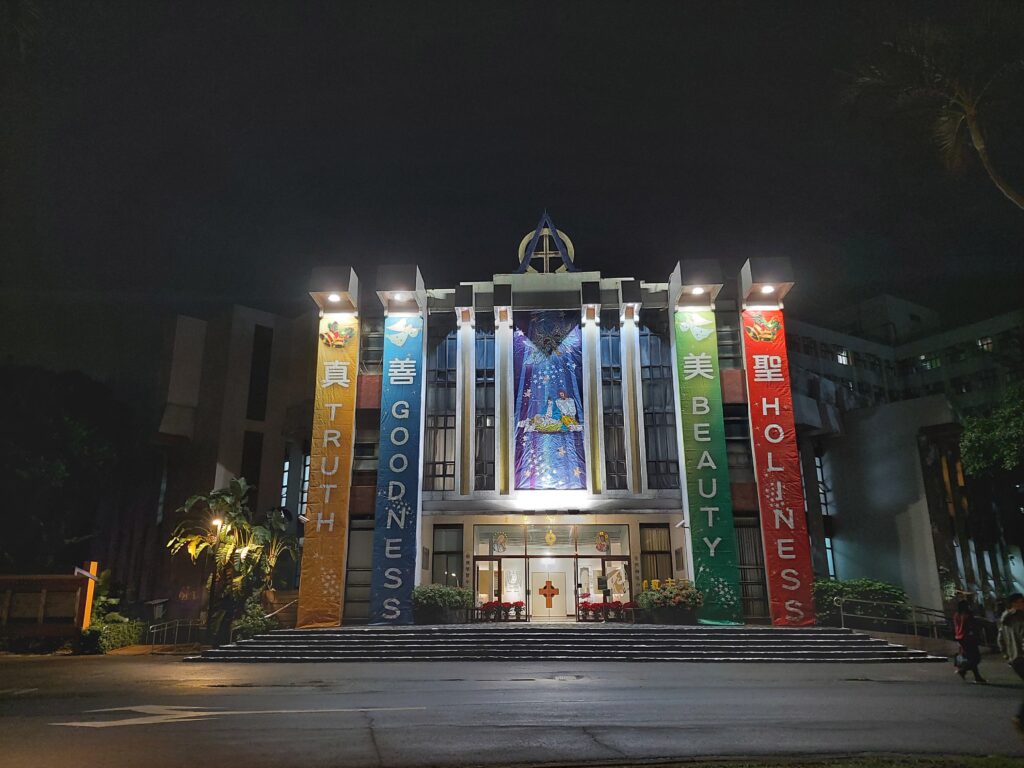
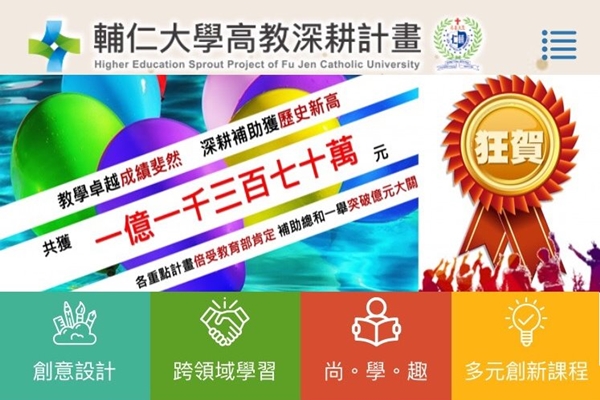
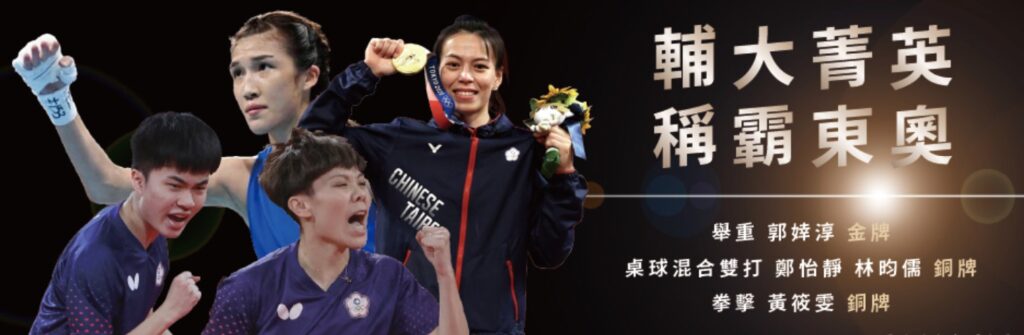
Videos
Fu Jen Catholic University_Overseas Chinese Student Sharing Indonesia
Fu Jen Catholic University_Overseas Chinese Student Sharing Myanmar Black Dragon Middle School
Fu Jen Catholic University Centennial Celebration
Fu Jen Catholic University_Overseas Chinese Student Sharing_Kuan Yew High School, Malaysia
Fu Jen Catholic University_Overseas Chinese Student Sharing_Hua Ren High School, Malaysia









Scholarships
Tuition/Year
|
One semester |
One academic year |
|---|---|
|
College of Liberal Arts |
NTD 94,860 |
|
College of Art |
NTD 109,780 |
|
College of Management (except Department of Information Management) |
NTD 96,280 |
|
College of Science and Engineering |
NTD 110,700 |
|
College of Medicine (except Department of Medicine) |
NTD 116,400 |
|
Department of Medicine, Faculty of Medicine |
NTD 145,000 |
|
Bachelor’s Program in Interdisciplinary Studies |
NTD 142,720 |
Living Expenses/Year
Living Expenses: NTD 79,200 ~ 95,040/YR
Accommodation: NTD 16,540 ~ 43,200/YR
|
One semester |
One academic year |
Other Notes |
|---|---|---|
|
NTD 8,270~21,600 |
NTD 16,540~43,200 |
Varies by dormitory; for reference only. |
School accommodation
Pathways
Mackay Medical University
Information
Address
No. 46, Section 3, Zhongzheng Road, Sanzhi District, New Taipei City, 252005, Taiwan
Tuition and Accommodation Fees
Tuition: NTD/YR 97,000~122,000
Accommodation: NTD/YR 42,000
Official website
Contact Information
+886-2-2636-0303
[email protected]
Introduction
School Features
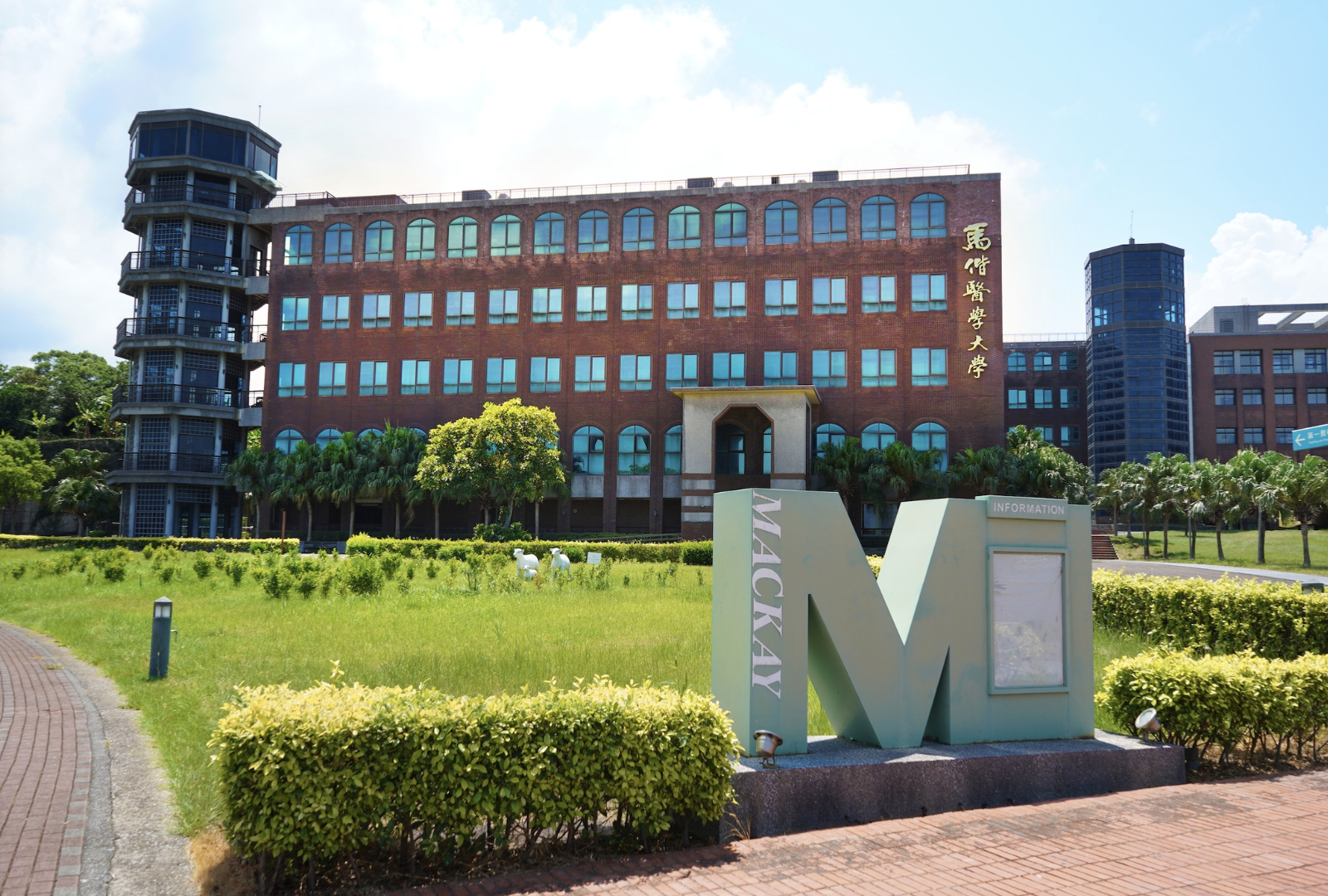
|Enjoy the Mountains and the Sea| The campus of MMU is located in the scenic and tranquil Sanzhi District of New Taipei City, where mountains meet the sea and nature supports focused learning and personal growth. MMU serves as the main teaching hospital for students. The teaching equipment is modern and well-maintained, and the research facilities are comprehensive and continuously updated. With dedicated and experienced faculty, thoughtfully designed curricula, a human-centered architectural design, a supportive student–teacher ratio, and abundant learning resources, MMU is a medical university committed to nurturing compassionate, competent, and globally minded healthcare professionals.
|Mackay’s Legacy Continues| MMU was founded in 1880 and is the oldest Western-style hospital in Northern Taiwan. In recent years, medical biotechnology has advanced rapidly. Recognizing that excellent clinical care must be supported by strong education and research, the University continues Dr. George Leslie Mackay’s enduring spirit of “rather burn out than rust out.” Guided by this legacy, the University provides students with a holistic medical education that emphasizes the integrated healing of body, mind, and spirit, grounded in Christian values. Mackay Medical University aims to cultivate healthcare professionals who respect life, serve with compassion, and care for others with empathy and integrity.
|Mackay Memorial Hospital: Your Strongest Support| MMU has four major branch hospitals across Taiwan—Taipei, Tamsui, Hsinchu, and Taitung—providing diverse clinical settings and rich learning opportunities. By integrating the hospital’s extensive clinical resources with its strong research and teaching capacity, the University continuously strengthens its academic environment. Outstanding clinicians are invited to teach and mentor students, and students have opportunities to participate in clinical observation and internship programs across different branch hospitals. After graduation, Mackay Memorial Hospital proudly remains a preferred and trusted career destination for many alumni.
School Resources
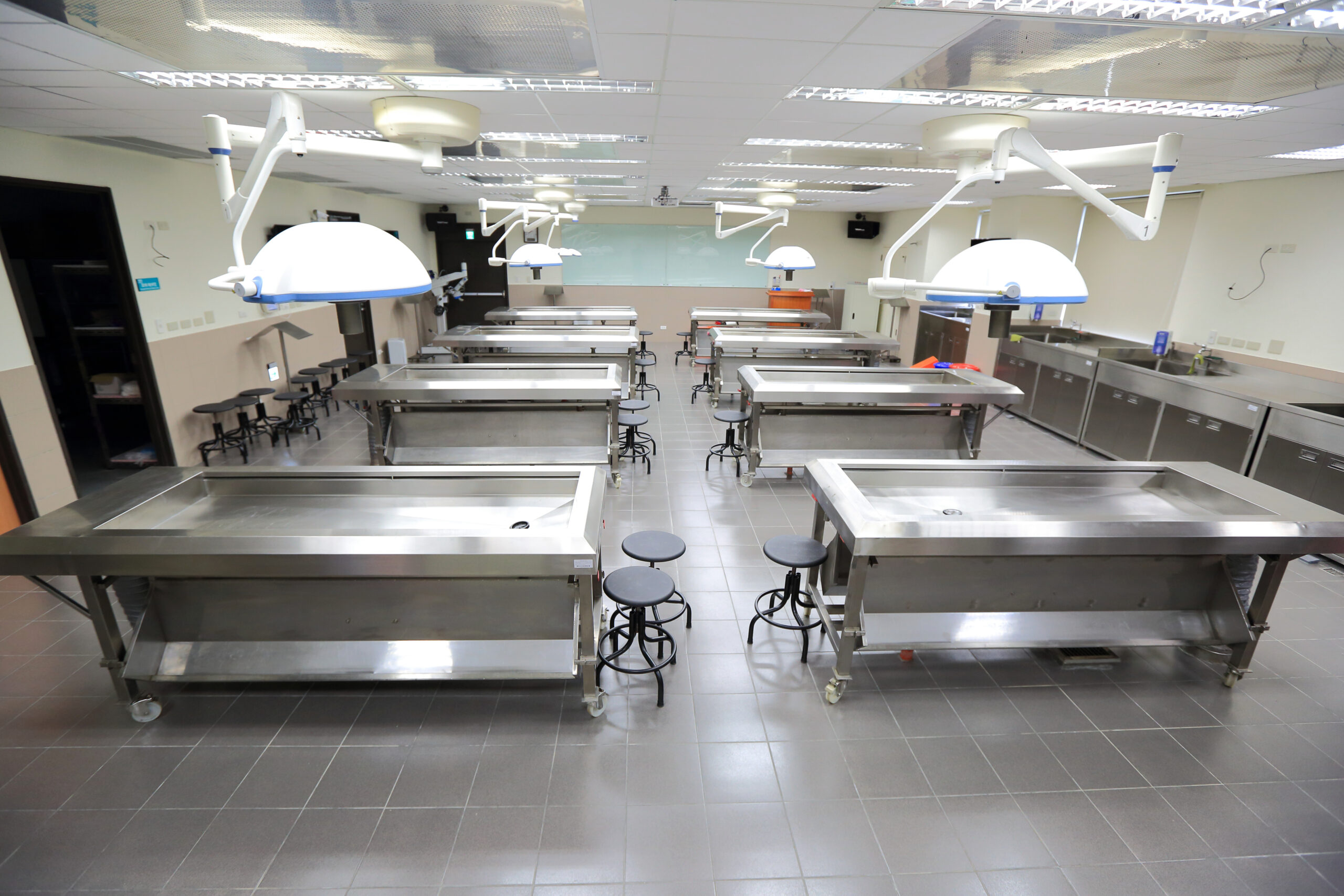
Each department is equipped with modern basic science and specialized laboratories, including a cadaver dissection room, specimen display room, nursing skills center, obstetric nursing demonstration classroom, simulation classrooms, video creativity center, and small discussion rooms. Additionally, there are professional facilities such as IAC soundproof rooms, acoustic analysis labs, audiology rooms, and large observation rooms. Furthermore, Mackay Memorial Hospital has completed a brand-new Tamsui campus medical building, built at a cost of NTD 3 billion, featuring specially designed teaching consultation rooms and multiple discussion rooms to meet the requirements of PBL (Problem-Based Learning) instruction.
Teaching Effectiveness
Students at MMU have consistently demonstrated excellent academic performance and strong professional readiness, as reflected in their outstanding national examination results. Over the years, the pass rates have reached 89% for the first stage of the national medical examination, 96% for the second stage, 95% for the Nursing Department, and an average pass rate of 97% for audiologists and 99% for speech-language pathologists in the Department of Audiology and Speech-Language Pathology.
Notably, students from the Department of Audiology and Speech-Language Pathology have achieved remarkable national recognition. In the 2022 academic year, they swept the top three positions in the national audiologist examination. In the 2023 academic year, they earned first place in the national audiologist examination and captured the fourth and fifth places in the national speech-language pathologist examination. In the 2024 academic year, students ranked third and seventh nationwide in the speech-language pathologist examination. In the 2025 academic year, they achieved the sixth and seventh places in the audiologist examination, as well as the first and third places in the speech-language pathologist examination—once again affirming the University’s strong teaching effectiveness and commitment to student success.
International Exchange and Cooperation
To date, the School of Medicine has signed memoranda of understanding with eight overseas medical schools and medical centers, including the University of Bristol and the University of Edinburgh in the UK, and Hirosaki University in Japan. The Departments of Nursing and Speech-Language Pathology also continue to support students in applying for the “Learning Abroad Dream Project,” enabling short-term study and exchange at foreign universities. These opportunities broaden students’ international perspectives and allow them to pursue careers overseas after graduation, instilling the concepts of “Medicine Without Borders” and the “Global Physician.”
Living Resources
MMU is located in the scenic Sanzhi District of New Taipei City, surrounded by mountains and facing the sea, creating a peaceful learning environment reminiscent of a gentle seaside town in a Miyazaki film. Nearby leisure and cultural destinations—including Baisha Bay, Qianshui Bay, the Sansheng Trail (famous for cherry blossoms), Sanzhi Four Art Villages, and the Fengzhimen Bicycle Trail—offer students and faculty abundant opportunities for relaxation and inspiration.
The campus is conveniently accessible via public transportation. Students may take the Taipei MRT Red Line to Tamsui Station and transfer to bus routes 861 or 876, or take the MRT to Hongshulin Station and transfer to bus routes 882 or 879. All bus routes stop directly at the university entrance, making daily commuting convenient and stress-free.
The campus features an on-campus dining facility that provides breakfast, lunch, and dinner. Students who enjoy cooking may also shop for fresh ingredients at nearby supermarkets or traditional markets and share home-cooked meals with roommates. In addition, Sanzhi Township offers a variety of well-known local restaurants, serving Chinese, Western, Southeast Asian cuisine, as well as charming afternoon tea and dessert cafés, enriching students’ daily life.
Student Dormitories
The student dormitories are designed based on the college-style residential philosophy of well-known international universities, fostering a warm sense of community and belonging. Each dormitory unit accommodates eight students(four bedrooms per unit, two students per bedroom). Beds, desks, and storage cabinets are arranged on the same level for comfort and accessibility.
Each unit includes a shared living room, dining area, and a bathroom with separate wet and dry zones, and is fully equipped with an electric ceramic cooktop, refrigerator, air conditioning, dryer, and double-layer clothes drying racks. Public spaces also include a piano room, and all dormitories are secured with electronic access control systems, ensuring both comfort and safety.
Club Activities
Student clubs at MMU are categorized into academic, sports, service, and recreational groups, with spacious activity areas and well-maintained facilities. Students are encouraged to establish new clubs based on their interests, express creativity, and cultivate leadership and teamwork skills.
There are currently 21 student clubs, including:
1. Seven Autonomous Organizations:
Student Union; Department of Medicine Student Association; Department of Nursing Student Association; Department of Audiology and Speech-Language Pathology Student Association; Department of Optometry Student Association; Department of Medical Laboratory Science and Regenerative Medicine Student Association; Dormitory Self-Government Association
2. Five Academic and Arts Clubs:
Orchestra Club; Hot Music Club; Choir; Photography Club; Guitar Club
3. Five Sports Clubs:
Hot Dance Club; Table Tennis Club; Badminton Club; Basketball Club; Volleyball Club
4. Three Service Clubs:
Hope and Love Club; Love Plus Club; Mao Bao Club
5. One Recreational Club:
Baking Club
Alumni
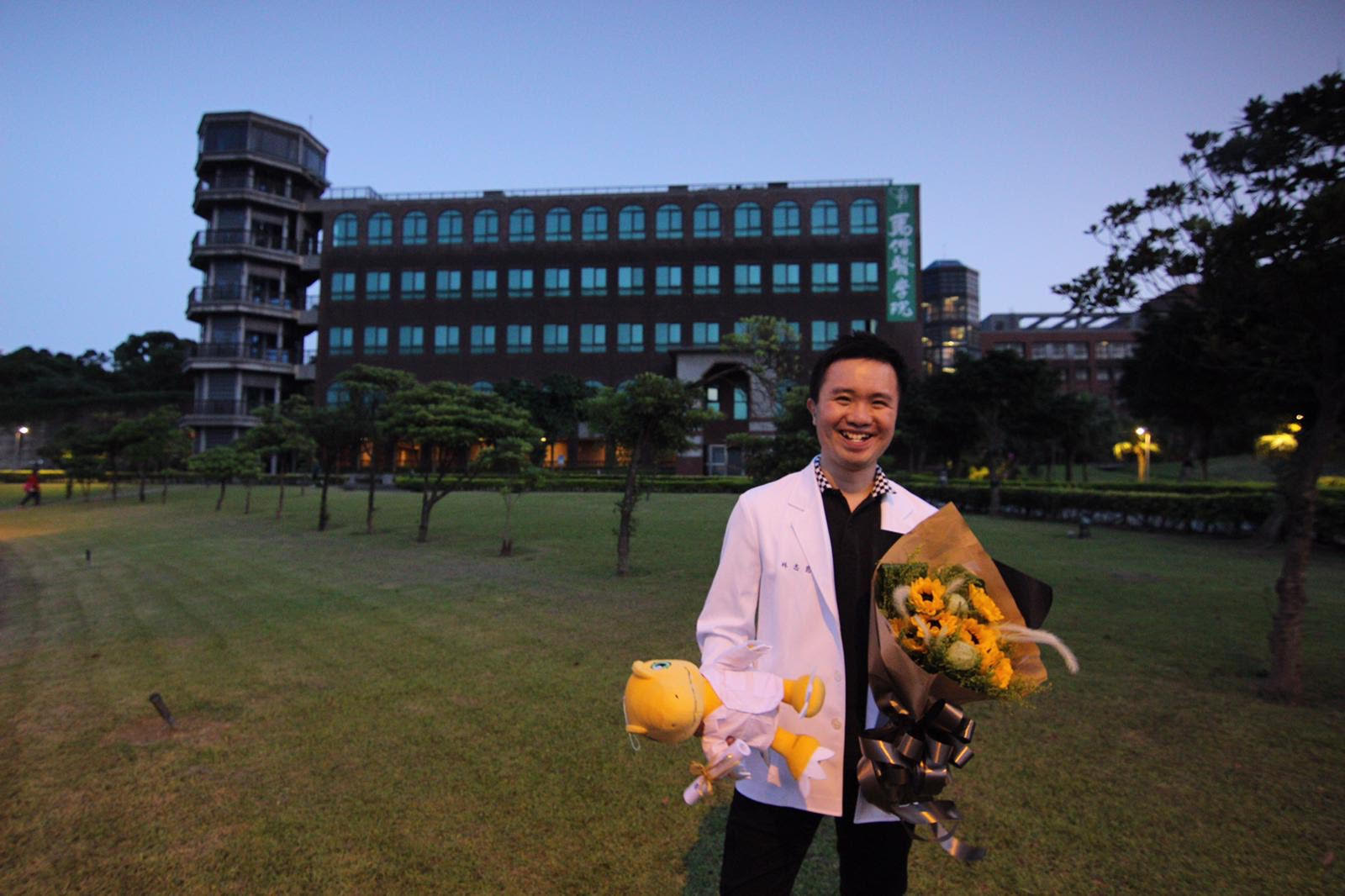
林志恩
Outstanding Alumnus
Hong Kong
Representing the school to participate in the AMSEP Zhengzhou Medical Student Exchange Program, traveling to Australia to conduct academic exchanges with medical students from other countries
Representing the school to exchange with students from Jichi Medical University in Japan, introducing them to Taiwan and visiting our hospital’s facilities
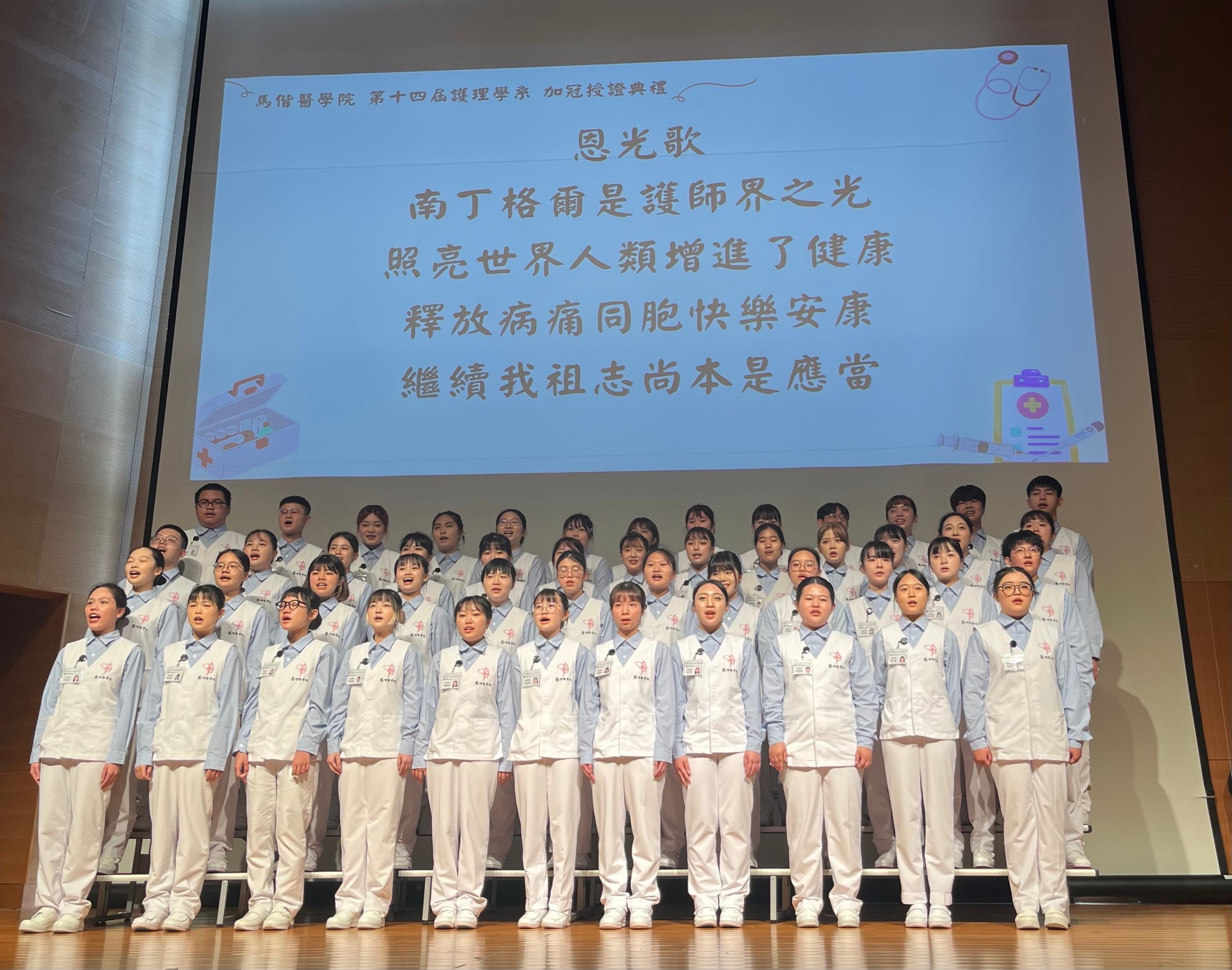
Capping Ceremony, welcoming the hospital internship life with anticipation
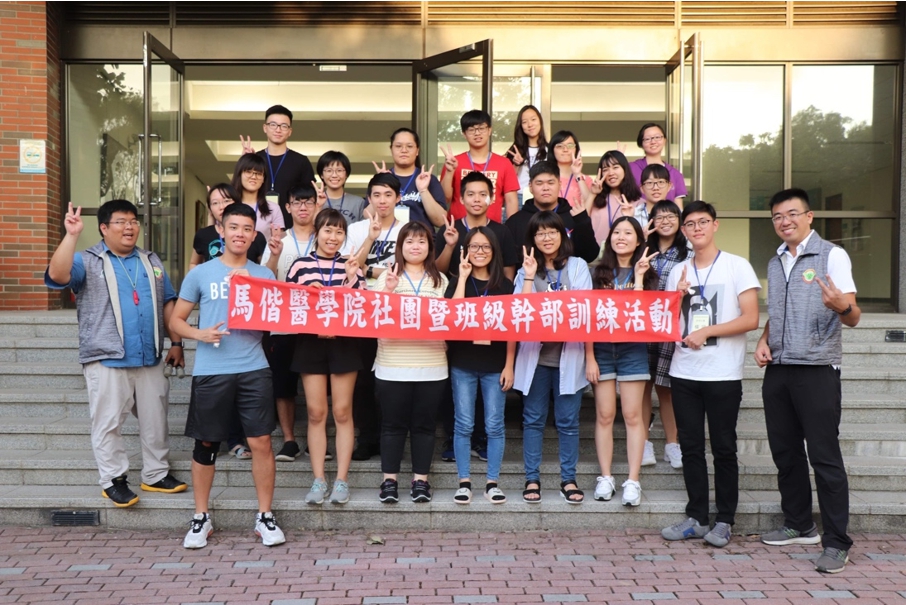
楊明
Outstanding Alumnus
Korea
Mentor-Student Dinner Activity Mackay Medical University is a small and exquisite school, and the relationship between mentors and students is very close. The mentor-student dinner activity held regularly every semester can not only enhance the good interaction between teachers and students, but also allow overseas Chinese students to adapt and integrate into university life more quickly. Welcome to join the warm Mackay family.
Club Cadre Training Activities Mackay Medical College has a rich and diverse range of clubs, and the average club participation rate of each student is quite high. In addition to literary, academic, and sports clubs, the school also established an Overseas Chinese Student Club for overseas Chinese students, whose purpose is to guide and care for each overseas Chinese student, solve various study abroad matters, and promote cross-national and cross-cultural exchanges.
AMSEP Asian Medical Student Exchange Program Through the Asian Medical Student Exchange Program, medical education and cultural exchange activities can be carried out with well-known universities in Asia.
Admission Highlights
[School of Medicine]
Cultivating future Dr. Mackay(s) and outstanding physicians who are committed to making meaningful contributions to global health and humanity.
Department Features
- One of the best student–teacher ratios nationwide (3.48), ensuring close mentorship and personalized learning
- Consistently high national examination pass rates, including 93% in the first stage and a 100% pass rate in the second stage in the 114th academic year
- A strong emphasis on medical humanities integrated into clinical training
- A seamless connection between education and career development: Mackay Memorial Hospital operates four major branch hospitals in Taipei, Tamsui, Hsinchu, and Taitung, offering well-established pathways for employment, residency training, and professional advancement
- A long-standing commitment to caring for underserved populations and promoting equitable access to medical resources
Teaching Resources
The Department of Medicine is equipped with comprehensive basic science laboratories, covering eight core disciplines: biology, general chemistry, anatomy, physiology, microbiology, pharmacology, pathology, and parasitology. In addition, the department offers six small-group discussion rooms, a gross anatomy laboratory, and a specimen display room, supporting both foundational learning and interactive discussion.
Mackay Memorial Hospital has invested NTD 3 billion in the construction of a new medical building at the Tamsui branch, featuring purpose-designed consultation rooms and multiple discussion spaces to support problem-based learning (PBL). Furthermore, twelve newly built OSCE training classrooms (including six discussion rooms) have been completed and are now fully operational, strengthening students’ clinical competence and readiness.
Featured Courses
1. Practical Anatomy
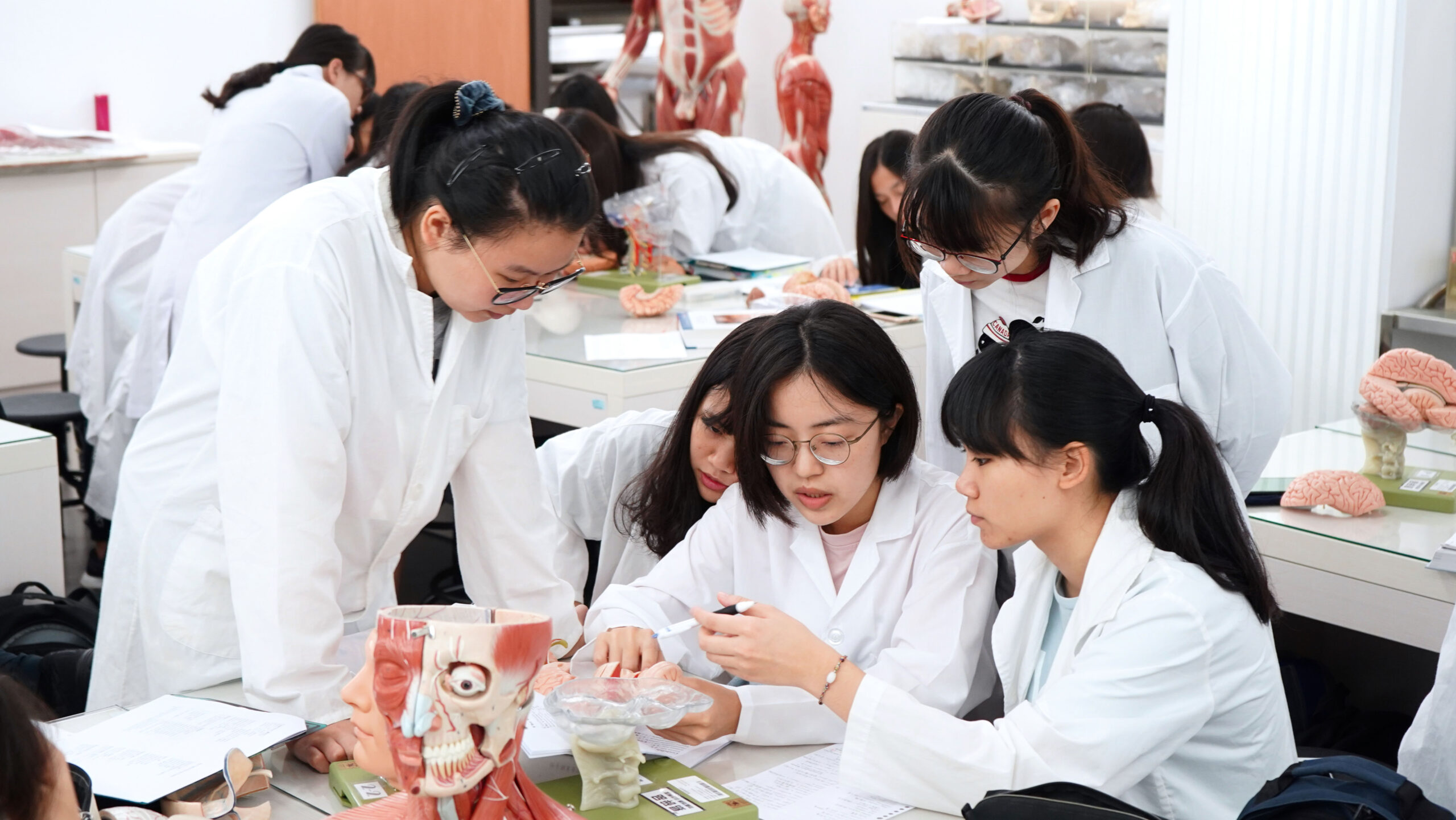
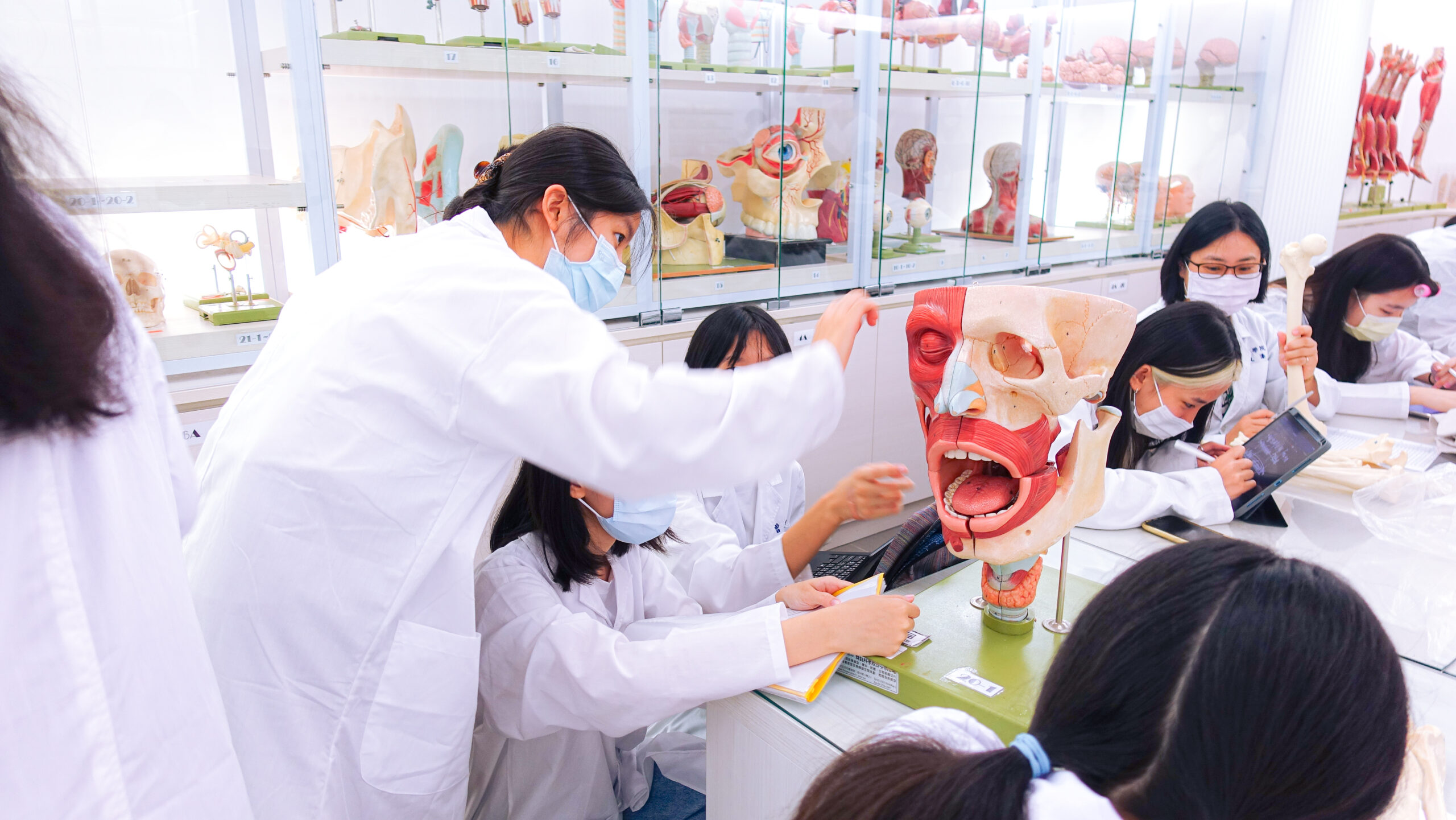
Gross anatomy is the foundational discipline for entering the medical profession. The Practical Anatomy course fully reflects the integration of theory and hands-on practice that characterizes medical education. The Department emphasizes learning through actual cadaver dissection, allowing students to develop essential skills in palpation, cutting, separation, identification, and spatial understanding of human structures. Through direct practice in the anatomy laboratory, students independently analyze, integrate, and synthesize anatomical knowledge, building a solid foundation for future clinical learning.
2. Medical Humanities Course
This course engages medical students in structured debates and discussions on ethical issues arising from contemporary medical, educational, and social contexts. According to the course progression, faculty members specializing in medical humanities guide in-depth dialogue with students. The curriculum includes an exploration of healthcare delivery in remote areas of Taiwan, as well as the geographical, cultural, and epidemiological characteristics of Indigenous communities. Students also examine the interrelationships among medical ethics, medical law, medical history, medical sociology, and the role of physicians in modern society, fostering reflective and compassionate medical practice.
3. Problem-Based Learning (PBL)
Through PBL curricula developed by experienced clinical physicians, real-world clinical scenarios are used to integrate disease presentation, progression, and decision-making processes. Students learn to apply evidence-based reasoning, understand differential diagnosis, pathophysiology, treatment principles, and prognosis, and develop strong problem-solving skills. Medical humanities perspectives are intentionally incorporated, with ethical issues serving as a basis for deeper discussion, helping students grow into thoughtful and socially responsible physicians.
Future Development
⦁ Career Development
Graduates are well prepared to pursue careers as physicians, public health professionals, and researchers in pathology or pharmacology. With the Mackay Medical System as a strong and trusted foundation, graduates may serve as physicians across various Mackay branch hospitals, benefiting from clear clinical training pathways and professional advancement opportunities.
⦁ Further Education Options
Mackay Medical University offers a range of advanced study opportunities, including a Master’s Program in Clinical Medicine, a Graduate Institute of Biomedical Sciences (Master’s and Doctoral Programs), a Graduate Institute of Long-Term Care, and a Graduate Institute of Geriatric Welfare Technology. In addition, the affiliated hospital system provides well-established channels for overseas study and international training. Graduates of the Department of Medicine may design flexible career pathways, choosing to focus on clinical service, academic teaching, or biomedical research, according to their interests and aspirations.
[Department of Nursing]
Cultivating compassionate and professionally competent nursing professionals who excel in clinical patient care, care for vulnerable populations, and embrace a strong international perspective.
Department Features
The faculty members of this department possess expertise across diverse nursing specialties, rich clinical experience, and a strong passion for education. They serve as professional role models, integrating general education with core nursing courses to foster students’ empathy, ethical awareness, and emotional intelligence, all of which are essential qualities in high-quality nursing practice.
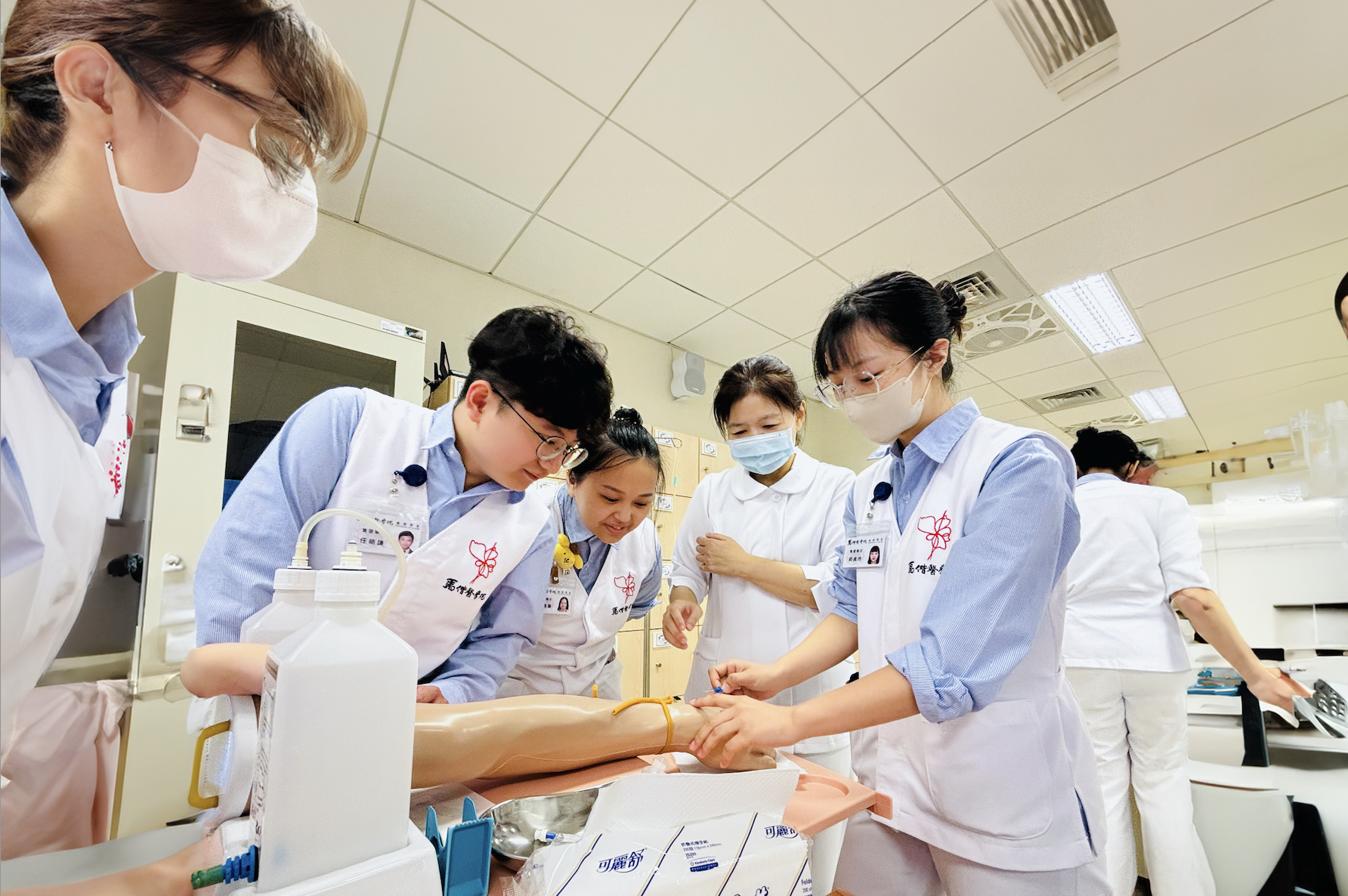
The department actively leverages both domestic and international educational resources, providing diverse learning opportunities that inspire students in service, healthcare technology, and global engagement. By closely integrating the acute, chronic, and long-term care systems within the Mackay Medical System, the curriculum progressively bridges theory and practice. Through extensive use of real clinical cases, students develop solid nursing knowledge, practical competence, and professional judgment.
Teaching Resources
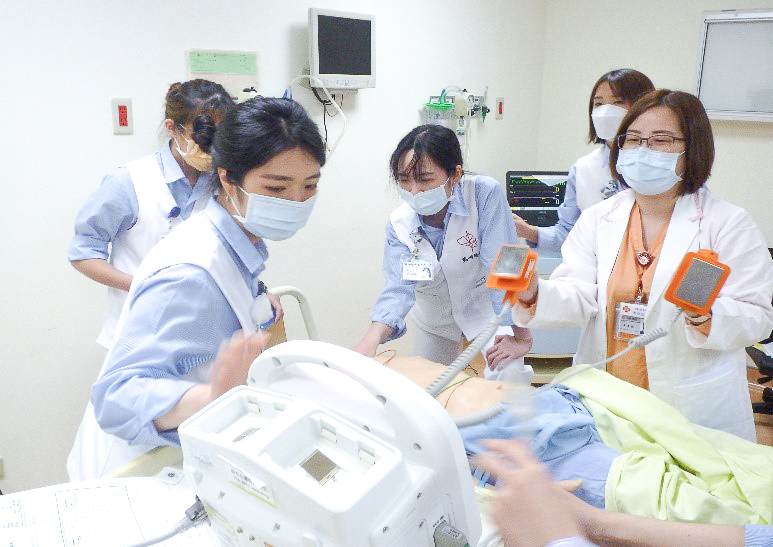
The department’s teaching facilities include a nursing skills center, an obstetrics nursing demonstration classroom, and small-group discussion rooms designed to support interactive learning. All teaching equipment is closely aligned with real clinical environments, and is systematically managed, maintained, and regularly updated by a dedicated professional team, ensuring optimal functionality and a high-quality learning experience.
Featured Courses
1. Oncology and Palliative Nursing Care
Founded on the ideals of Dr. George Leslie Mackay, Mackay Medical University is deeply rooted in holistic and compassionate care. The Mackay Hospice and Palliative Care Center is one of Taiwan’s most important training bases for Oncology nursing and palliative care professionals. In clinical practice, healthcare providers frequently face complex decisions related to end-of-life care. Through this course, students develop a clear understanding of cancer care and hospice philosophy, learn symptom management at the end of life, and acquire skills to address the physical, psychological, social, and spiritual needs of terminally ill patients and their families.
2. Introduction to Acute and Critical Nursing Care
This course cultivates students’ interest in acute and critical nursing care, emphasizing critical thinking, interdisciplinary coordination, and teamwork. Students acquire fundamental competencies in assessment, clinical judgment, and intervention for critically ill patients. Toward the end of the course, high-fidelity simulated resuscitation scenarios are integrated with theoretical instruction, allowing students to experience real-time emergency decision-making, and to build confidence and competence in managing acute and critical situations.
3. Introduction to Long-Term Care
Long-term care has become a key global healthcare issue in aging societies. This course introduces students to long-term care systems, services, and professional roles, broadening their perspectives and expanding future career opportunities across healthcare and community-based settings.
Future Development
⦁ Career Development
- Clinical Nursing:
Graduates may participate in the national professional examination to obtain a registered nursing license and serve in major hospitals and long-term care institutions. - Teaching and Research:
Graduates may apply to domestic or international graduate programs in nursing or healthcare-related fields, and pursue careers in academic teaching, clinical education, or research institutions. - Administration and Management:
Opportunities include serving as administrative or managerial professionals in healthcare organizations, as well as roles in research, development, and business operations within medical and nursing-related industries. - Healthcare Industry Development:
Graduates may also engage in research and development or business roles within healthcare, medical technology, and nursing-related industries.
⦁ Further Education Options
MMU offers a Master’s Program in Nursing, providing nurses with structured opportunities for advanced professional development, specialization, and lifelong learning.
Industry–Academia Collaboration
Mackay Memorial Hospital operates four major branch hospitals across Taiwan—Taipei, Tamsui, Hsinchu, and Taitung. In addition, the Hsinchu Municipal Children’s Hospital, established in the 111th academic year, further strengthens pediatric and community healthcare services. By integrating the hospital system’s extensive clinical resources with its research and teaching capacity, the University continuously enhances educational quality.
Students have opportunities to participate in clinical observation and internship programs across multiple branch hospitals. After graduation, Mackay Memorial Hospital remains a trusted and preferred first-choice employer, offering graduates a smooth transition from education to professional nursing practice.
[Department of Audiology and Speech-Language Pathology]
Cultivating highly skilled, compassionate audiologists and speech-language pathologists dedicated to improving communication and quality of life across the lifespan
Department Features
Mackay Memorial Hospital is renowned for its strong pediatric medical and nursing teams, and its Department of Otolaryngology is a national pioneer in newborn hearing screening in Taiwan. The clinical audiology and speech centers at the Taipei and Tamsui branches are fully staffed with experienced audiologists and speech-language pathologists, and are equipped with comprehensive, state-of-the-art clinical facilities.
To meet the specialized curriculum needs of this department, faculty members from diverse professional backgrounds are recruited, ensuring a broad and integrated approach to audiology and speech-language pathology education. As a result, the department has established a solid and comprehensive foundation in curriculum design, clinical instruction, and teaching equipment, providing students with rigorous theoretical training combined with high-quality clinical education. Outstanding clinical instructors, well-structured clinical training, and excellent learning environments are defining strengths of the Department of Audiology and Speech-Language Pathology.
Teaching Resources
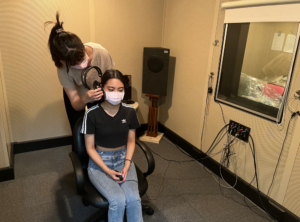
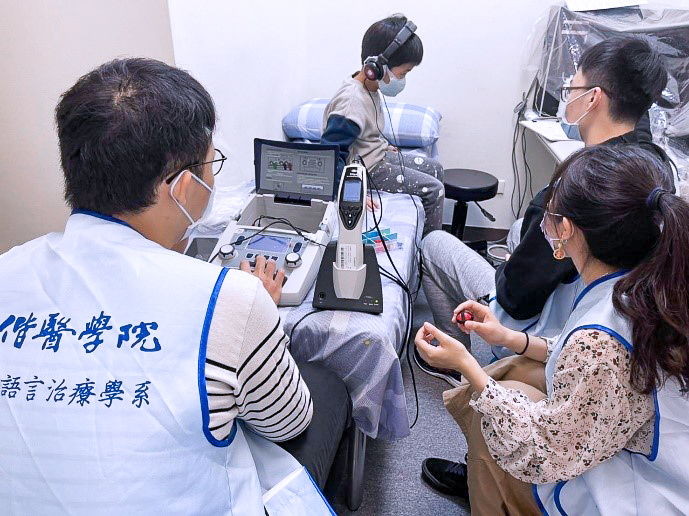
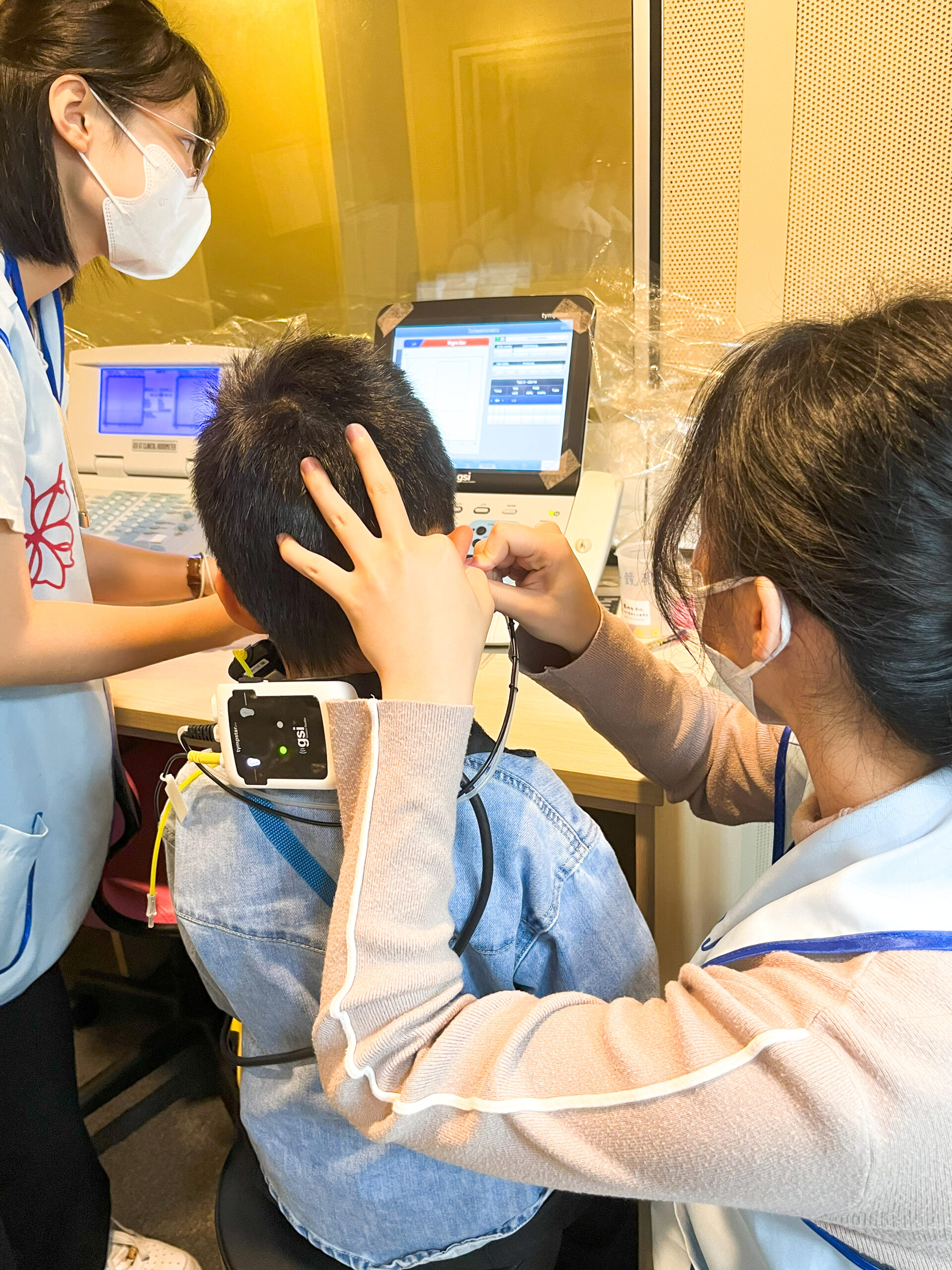
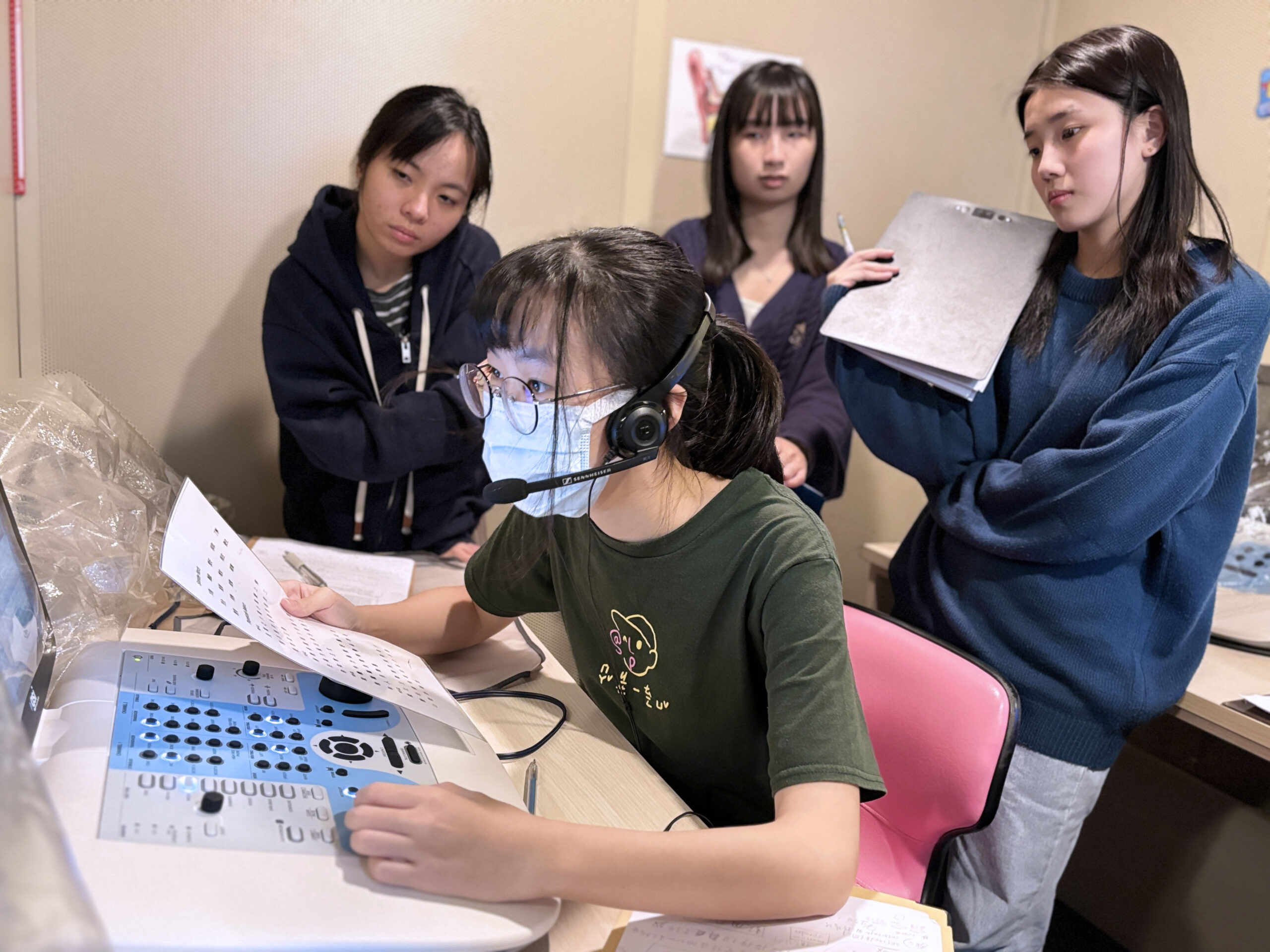
The department currently houses one of the most comprehensive audiology and speech-language teaching and practice centers in Taiwan, integrating a clinical education center and audiology and speech research laboratories. Facilities include a wide range of specialized professional spaces, such as IAC soundproof booths, acoustic analyzer examination rooms, large audiology observation rooms, and speech and language acoustics research laboratories.
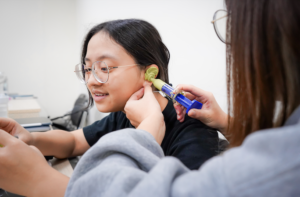
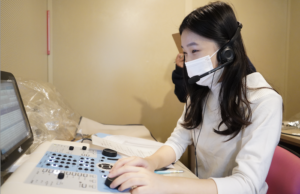
These facilities are equipped with internationally standardized audiology and speech-language instrumentation, including tympanometers, pure-tone audiometers, aerodynamic analyzers, nasalance measurement systems, and other advanced diagnostic tools. In addition, the department operates a professional remote audio-visual clinical education center, supported by synchronous video-based teaching systems, enabling real-time clinical instruction in collaboration with Mackay Memorial Hospital and enhancing students’ clinical learning experiences.
Featured Courses
1. Basic Audiology Observation/Internship
This department plans for audiology students in their junior year to observe at Mackay Memorial Hospital. The observation areas include the otolaryngology outpatient clinic, balance/dizziness examination room, and audiology examination room. The observation goal is to enable students to understand the hospital’s routine and clinical audiologist’s work flow, familiarize themselves with the theory and operation methods of various audiological assessment tools, and lay the necessary practical operation ability for clinical internships in their senior year.
2. Speech Sound Discrimination and Visual Reading
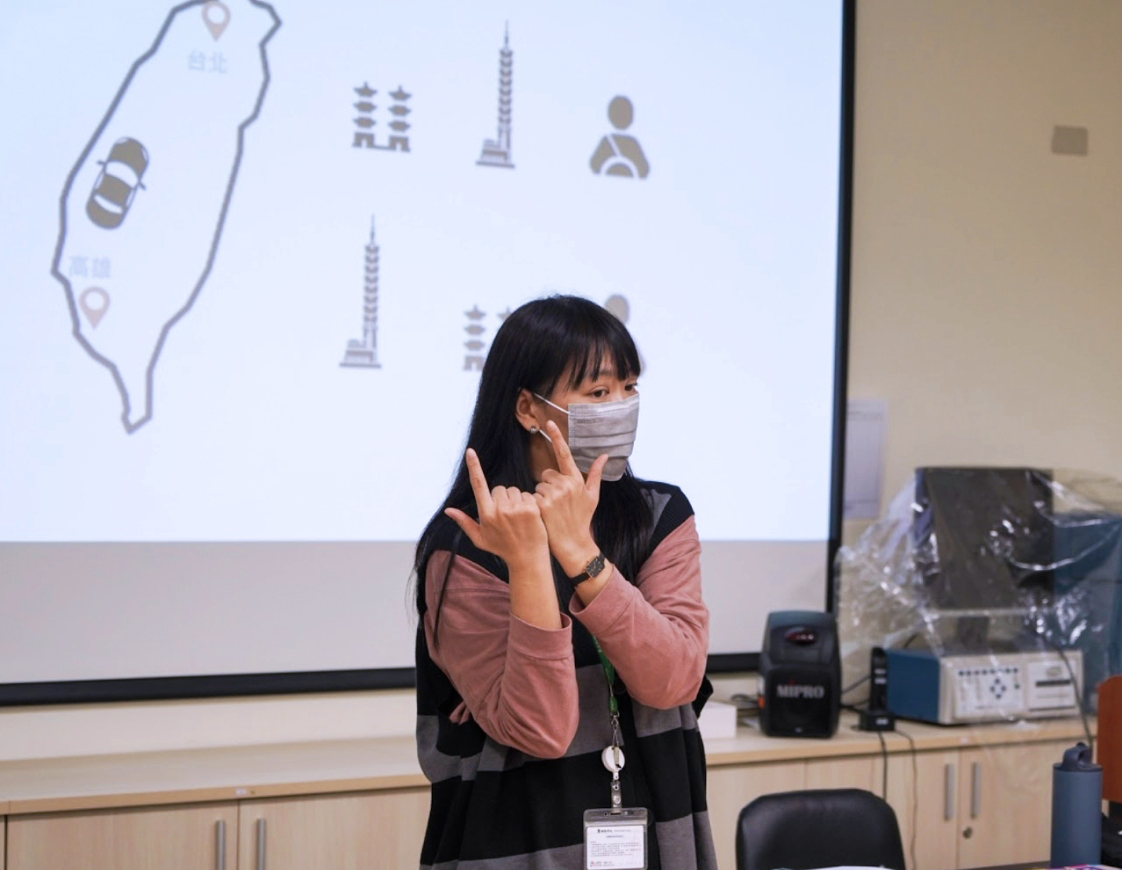
This course focuses on the perceptual and cognitive foundations of speech and language processing, guiding students to develop skills in speech sound discrimination and visual reading (lip-reading). Through structured practice, audiovisual materials, and guided exercises, students learn to identify, analyze, and differentiate speech sounds, as well as to integrate visual cues to enhance speech comprehension, particularly in individuals with hearing impairment.
The course emphasizes the clinical relevance of auditory–visual integration, helping students understand how these skills are applied in speech-language assessment and intervention, and building a strong foundation for future clinical training in speech-language pathology.
3. Basic Speech Therapy Internship
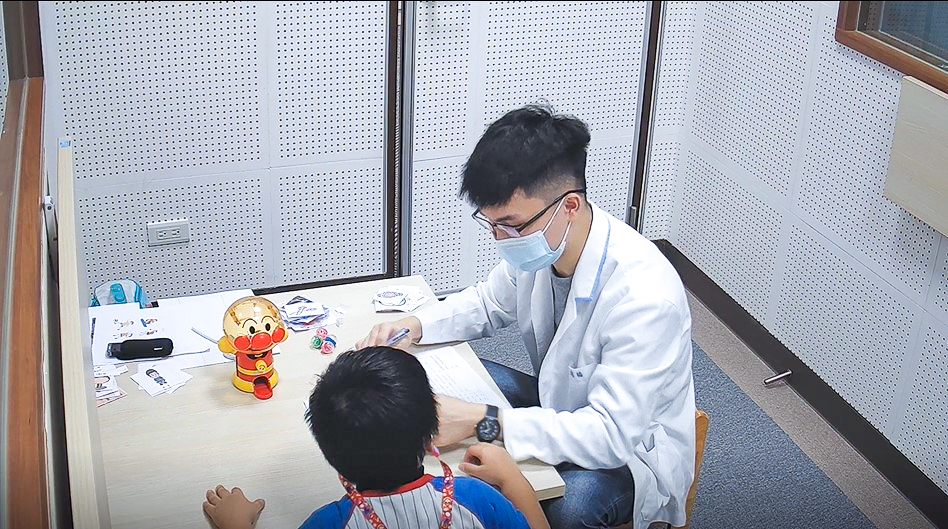
This course is a hands-on clinical internship that allows students to directly engage with real clinical cases and apply classroom learning in practice. Internships take place at the on-campus audiology and speech-language center, as well as at approved off-campus clinical institutions.
Under the supervision and guidance of experienced clinical professionals, students learn to select appropriate assessment tools, conduct evaluations based on case information, make clinical judgments, and write professional assessment reports. Students also gain experience in designing individualized treatment plans and developing therapeutic communication and counseling skills. This course lays a solid practical foundation for students’ advanced clinical internships in their senior year and supports their transition into professional practice.
Future Development
⦁ Career Development:
Clinical services in public and private rehabilitation hospitals, specializing in audiology and speech-language rehabilitation for children and adults.
- Clinical practice as audiologists or speech-language pathologists in general hospitals, providing assessment and intervention services across the lifespan.
- Employment in hearing aid and assistive device companies, engaging in hearing aid fitting, auditory rehabilitation, and client counseling.
- Independent practice, including establishing private audiology clinics or speech-language therapy clinics.
- Participation in government and public-sector services, such as special education units and social welfare agencies, assisting in the planning and implementation of programs for individuals with hearing or speech impairments.
- Engagement in basic and applied research in hearing and language sciences, including overseas study, academic research, or positions in research and development units of hearing aid or communication technology companies.
⦁ Further Education Options:
The Department offers a Master’s Program in Audiology and Speech-Language Pathology, providing audiologists and speech-language pathologists with advanced professional training, specialization opportunities, and continuing education to support long-term career development and lifelong learning.
[Department of Optometry]
Cultivating professional optometrists with expertise in clinical optometry, industry practice, visual science research, and cross-disciplinary collaboration.
Department Features
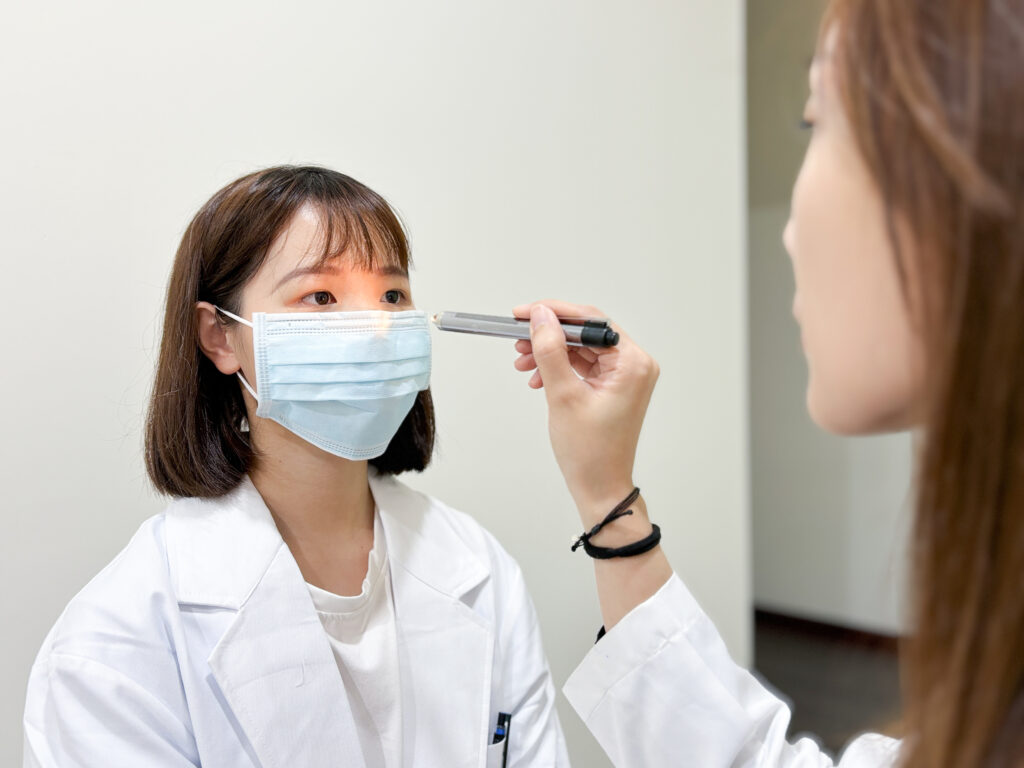
The Department of Optometry is the only optometry program in the country directly affiliated with a medical school system. Operating within a medical school–centered educational framework, the department nurtures optometry professionals with strong clinical competence, industry-oriented skills, and cross-disciplinary learning capabilities.
Built upon the medical school as its academic foundation, the curriculum integrates basic sciences, foundational medical education, clinical optometry, and interdisciplinary learning. The program places particular emphasis on developing optometrists with solid optometric medical expertise, research and innovation capacity, and cross-disciplinary strengths in biomedical engineering, medical engineering, and optical design. Through this integrated approach, students are well prepared for diverse professional pathways in clinical practice, industry, and research.
Teaching Resources
- Built upon three core pillars—basic sciences, foundational medical education, and professional optometry training—the program systematically cultivates students’ optometric competencies. To further strengthen cross-disciplinary development, the Department offers three interdisciplinary elective tracks, including biomedical and visual science research, intelligent medical device design and development, and lens materials and optical system design, enabling students to grow into high-level, cross-domain optometry professionals.
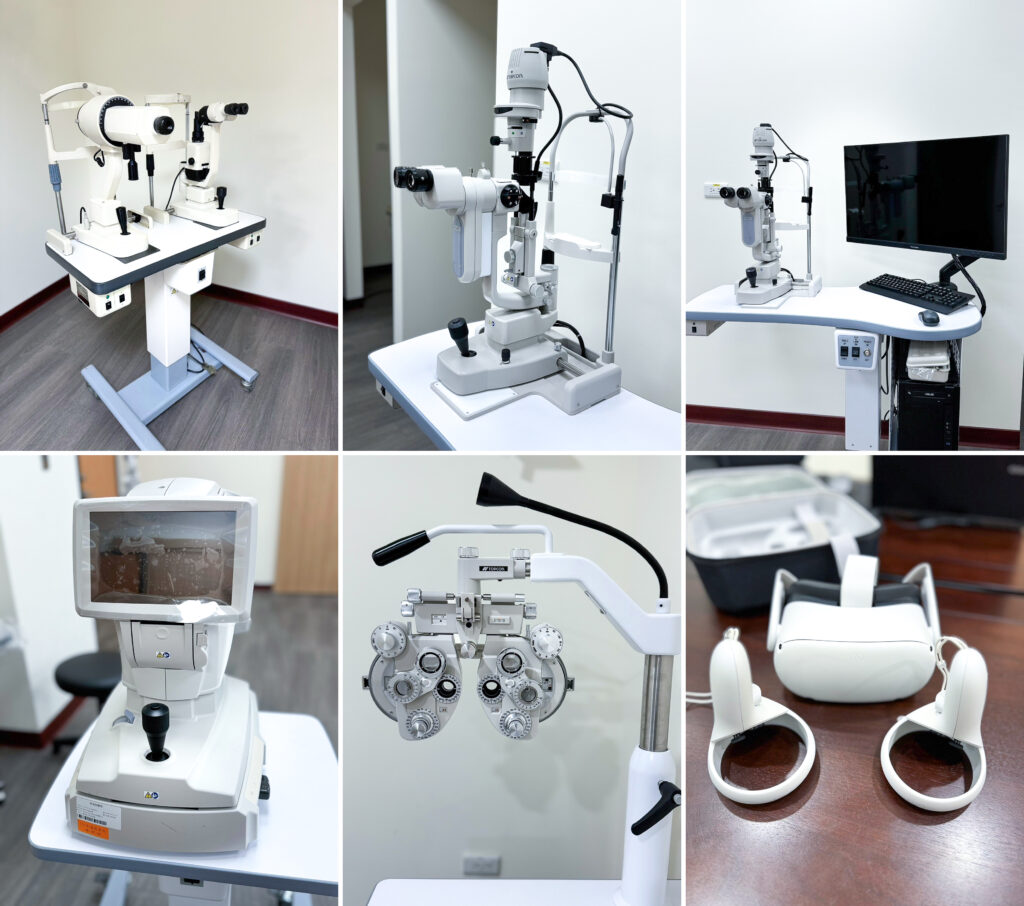
- Clinical instruction is supported by comprehensive, multi-functional teaching facilities, including clinical optometry laboratories, contact lens laboratories, spectacle dispensing laboratories, and low-vision assessment and assistive device laboratories. These resources provide students with well-structured curricula and an immersive, practice-oriented learning environment.
- For clinical internships, the Department integrates the extensive clinical resources of the four major Mackay Memorial Hospital campuses, offering students diverse and comprehensive internship opportunities. From ophthalmology outpatient clinics and operating rooms to optometry clinics, students receive training in real clinical settings, encounter a wide range of cases, and progressively build hands-on clinical experience and professional confidence.
- The Department actively connects with the global optometry community, collaborating with Pacific University (USA)and The University of Queensland (Australia) to establish international exchange pathways for faculty and students, broadening academic perspectives and enriching clinical exposure.
Featured Courses
Curriculum planning in the Department of Optometry follows the medical school’s educational philosophy, emphasizing both foundational medical sciences and clinical optometry practice. The curriculum closely integrates industry needs and clinical realities, while maintaining strong connections with the international optometry academic community. Through this approach, the Department provides a high-quality, future-oriented learning environmentand cultivates optometry professionals with solid medical literacy and professional competence.
Key curriculum features include:
- Diverse Career Pathway Development: Expanding students’ future opportunities through cross-disciplinary training in optometry-related medical electronics and applied technologies, creating competitive advantages in the optometry industry.
- Optometry Holistic Medical Education: Emphasizing the integration of medical education and hands-on optometry practice to strengthen clinical reasoning and patient-centered care.
- Strengthened Industry–Academia Collaboration: Actively expanding fundamental research activities and cooperative projects with the optometry industry, enhancing students’ understanding of real-world professional practice.
- Close Engagement with International Optometry Institutions: Encouraging participation in international research networks, academic exchanges, and professional service communities within the global optometry field.
Integrate related departments such as the Department of Audiology and Speech-Language Pathology and the Department of Medical Laboratory Science and Regenerative Medicine to promote precise vision testing and regenerative visual aging medicine, create a comprehensive health care system with good hearing and vision, and improve the quality of life and health and well-being of the elderly.
Future Development
- Career Development:
- Optometrist: Provide comprehensive vision examinations, prescribe optical corrections, and perform spectacle fitting and dispensing, delivering patient-centered clinical optometry services.
- Product Specialist: Work in optical lens, contact lens, or ophthalmic instrument companies, responsible for product planning, market analysis, and sales or technical support, bridging clinical expertise with industry needs.
- Education and Training Specialist: Serve as professional trainers within optical lens, contact lens, or ophthalmic instrument companies, delivering product knowledge education, explaining technical features and clinical advantages, and supporting effective product application and promotion.
- Biotechnology Research and Development Specialist: Engage in biomedical research related to ocular diseases and visual disorders, utilizing animal and cellular models, and translating research outcomes into applications in visual science and eye care technologies.
- Research Professionals in Optometry and Optical Materials: Collaborate with national biotechnology and biomedical industry initiatives, contributing to research and innovation in optometric medicine and optical-related materials.
- Further Education Options:
- Advanced Study in Visual and Biomedical Sciences: Pursue careers as optometry educators or researchers, engaging in visual science, biomedical research, and academic teaching.
- Doctoral-Level Optometry Training:Continue studies toward an optometry doctoral degree overseas, leading to careers in clinical practice, academic teaching, or leadership roles within the global optometry industry.
Industry-Academia Collaboration
In addition to the extensive clinical resources provided by Mackay Memorial Hospital’s four major hospital campuses across Taiwan, the Department actively collaborates with leading domestic chain optometry clinics, including Baodao Optical, Xiaolin Optical, and Deentang Optical, as well as ophthalmology medical institutions such as Mackay Memorial Hospital and Baodao Ophthalmology.
Through these partnerships, students are offered diverse clinical internship opportunities that span hospital-based ophthalmology services and community-based optometry practice. These collaborations not only support hands-on clinical training, but also create clear pathways for future employment, enabling students to smoothly transition from academic learning to professional practice in both clinical and industry settings.

[Department of Medical Laboratory Science and Regenerative Medicine]
Integrating expertise in Clinical Medical Laboratory Testing, Regenerative Medicine, and Precision Medicine within a single, future-oriented department.
Department Features
This department is distinct from traditional medical laboratory science programs. In addition to ensuring that students master the core competencies of clinical medical laboratory testing, the curriculum is designed to equip students with a second area of professional expertise in either regenerative medicine or precision diagnostics.
Through this integrated approach, the program not only strengthens students’ qualifications as medical laboratory technologists, but also expands their training into emerging and forward-looking fields of modern medicine. This enables graduates to develop diverse professional strengths, significantly enhancing their competitiveness and adaptability in the evolving healthcare and biotechnology workforce.
After completing four years of study, students are eligible to sit for the national examination for medical laboratory technologists. In parallel, the curriculum is closely aligned with current industry trends, providing students with early exposure to and training in industry-relevant skills and certifications, including precision medicine development and application, regenerative medicine research and application, GTP laboratory training, and laboratory-developed test services (LDTS) development.
These courses not only demonstrate the academic depth and interdisciplinary strength of the Department, but also allow students to engage early with the critical knowledge and practical skills required in the biotechnology and pharmaceutical industries. By doing so, students are well positioned to anticipate industry trends, seize emerging opportunities, and seamlessly connect with global developments in precision medicine and regenerative medicine.
Teaching Resources
Basic Medicine and Professional Faculty
The University has already established a comprehensive team of faculty members in basic medicine and foundational sciences, and continues to actively recruit a new generation of professional educators with expertise in precision medicine and regenerative medicine. Together, they form a solid, forward-looking teaching team responsible for delivering professional courses and cultivating future biomedical talent.
Advanced Laboratories and Equipment
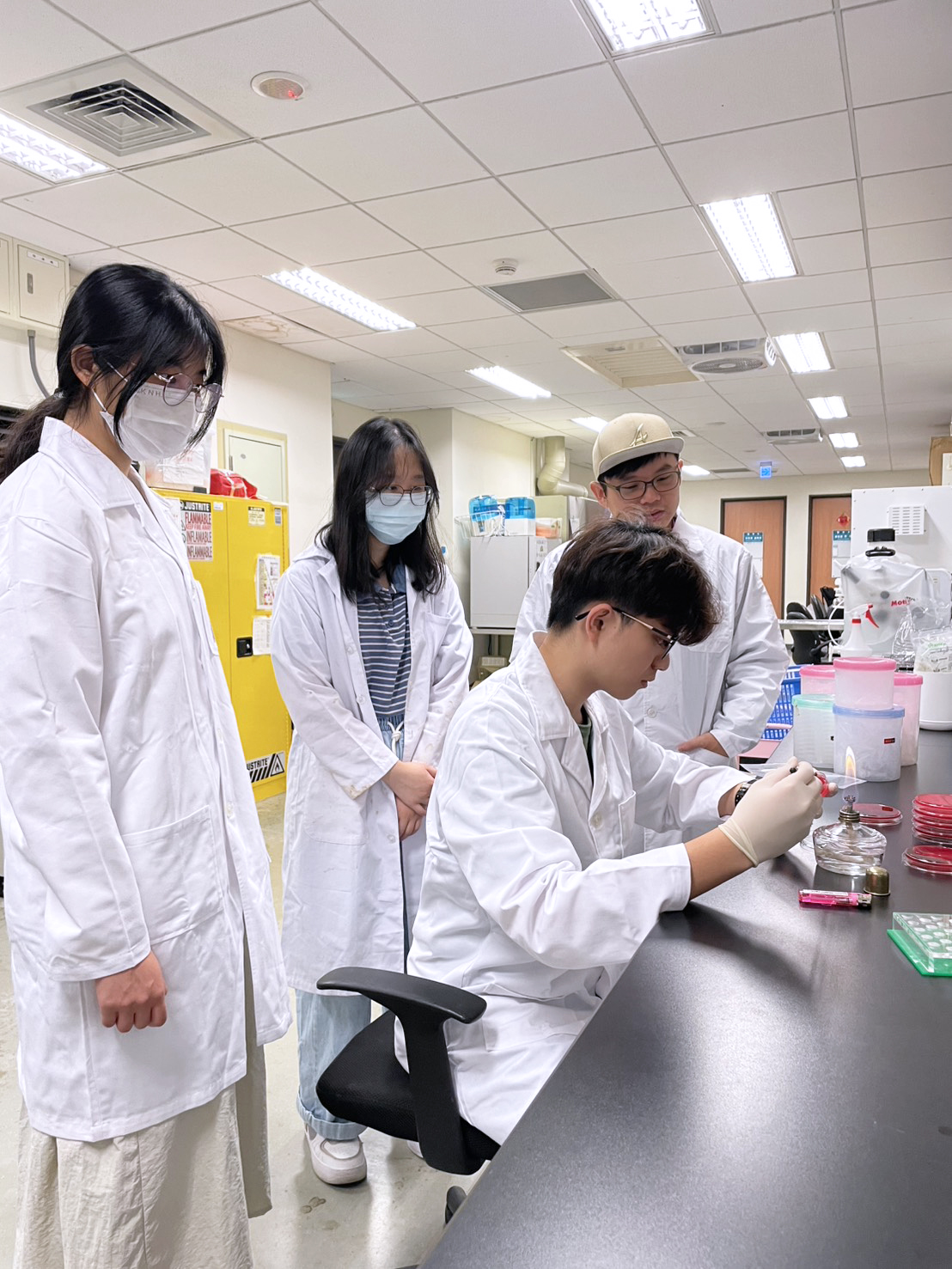
The Department has developed well-integrated research and teaching facilities, including practice-oriented teaching laboratories, such as GTP and LDTS laboratories, as well as access to the clinical internship environment of Mackay Memorial Hospital. These resources provide faculty and students with a rich hands-on learning environment, enabling close integration of academic research and clinical application, and significantly enhancing overall learning effectiveness.
Featured Courses
In addition to comprehensive training for clinical medical laboratory technologists, the Department proactively introduces courses in Precision Medicine and Regenerative Medicine, aiming to cultivate biomedical professionals with strong cross-disciplinary capabilities who are closely aligned with current and future industry needs.
The four-year curriculum fully covers all required courses and credits for the Higher Examination of Medical Laboratory Technologist Professional Technology, including 800 hours of clinical internship. At the same time, the curriculum is designed with diversified freshman-year courses, allowing students to early explore precision medicine and regenerative medicine, helping them identify interests, strengthen career direction, and gain academic inspiration.
Beginning in the second semester of the sophomore year, students may choose to specialize in either Precision Medicine or Regenerative Medicine based on their interests and career plans. Through track-based training guided by professional faculty, students receive focused, in-depth, and rigorous preparation in their chosen field.
This curriculum not only ensures that all students meet the eligibility requirements for the national medical laboratory technologist examination, but also allows those focusing on precision medicine or regenerative medicine to develop a distinct professional profile, laying a strong and promising foundation for future career development.
- Future Development
- Career Development
- Hospital Clinical Practice: After graduation, students may sit for the national medical laboratory technologist examination. Upon passing, they can work as professional clinical laboratory technologists, responsible for specimen collection, analysis, and reporting, providing critical support for clinical diagnosis and treatment.
- Research Careers: With solid experimental and laboratory training, graduates are well prepared for research and development roles, forming a strong foundation for future scientific inquiry and innovation.
- Public Service: Graduates may enter government agencies such as the Food and Drug Administration (FDA), Centers for Disease Control (CDC), and local Health Bureaus, engaging in public health, inspection, and testing-related work after passing relevant national examinations.
- Industry Development: Graduates may pursue careers in LDTS and GTP laboratories, biotechnology companies, or pharmaceutical manufacturers, serving as senior laboratory technologists, cell therapy R&D engineers, genetic testing specialists, or R&D and product specialists, working at the core of the biotechnology and pharmaceutical industries.
⦁ Further Education Options:
The Department’s training covers a broad range of disciplines, including life sciences, chemical principles and analysis, microbiology, immunology, clinical medicine, and big data analysis. After graduation, students may pursue advanced studies in life sciences, biomedical sciences, or cross-disciplinary graduate programs, further expanding their professional expertise and academic horizons.
Industry-Academia Collaboration
Through close collaboration with Mackay Memorial Hospital and the precision and regenerative medicine industries, the Department has established a comprehensive system linking clinical internships with future employment. This integrated approach not only provides students with diverse internship opportunities, but also builds a clear and stable pathway for long-term career development.
[Graduate Institute of Biomedical Sciences]
Cultivating graduate students with strong core knowledge in molecular biomedicine and the ability to translate this knowledge into clinical and discovery-driven research.
Department Features
1. Integrated Research in Clinical and Basic Medicine
The Graduate Institute operates in close alignment with the Mackay Memorial Hospital system, forming a seamless academic–clinical research network. Through strong collaboration between the College of Medicine and affiliated hospitals, the Institute fully integrates biomedical research with clinical medical applications, with the ultimate goal of advancing translational and patient-centered medical discovery.
2. Forward-Looking Curriculum and Research Focus
The curriculum is designed to bridge basic biomedical science and clinical medicine, with a strong emphasis on translational research. Research and training focus on the pathogenesis of modern civilization-related diseases, guided by the educational mission of cultivating graduate students with solid molecular biomedical foundations and the ability to apply them to basic or clinical research settings.
Teaching Resources
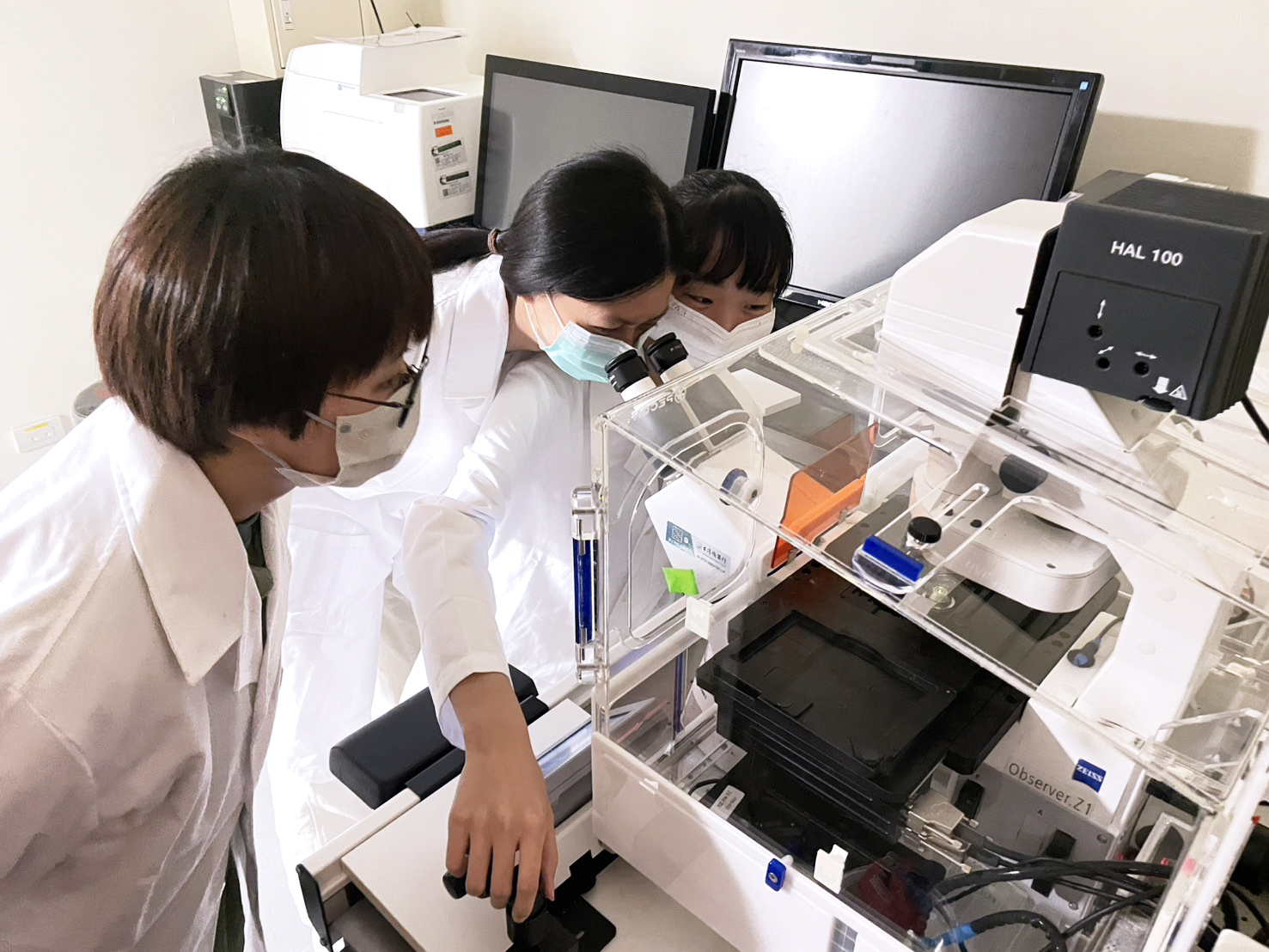
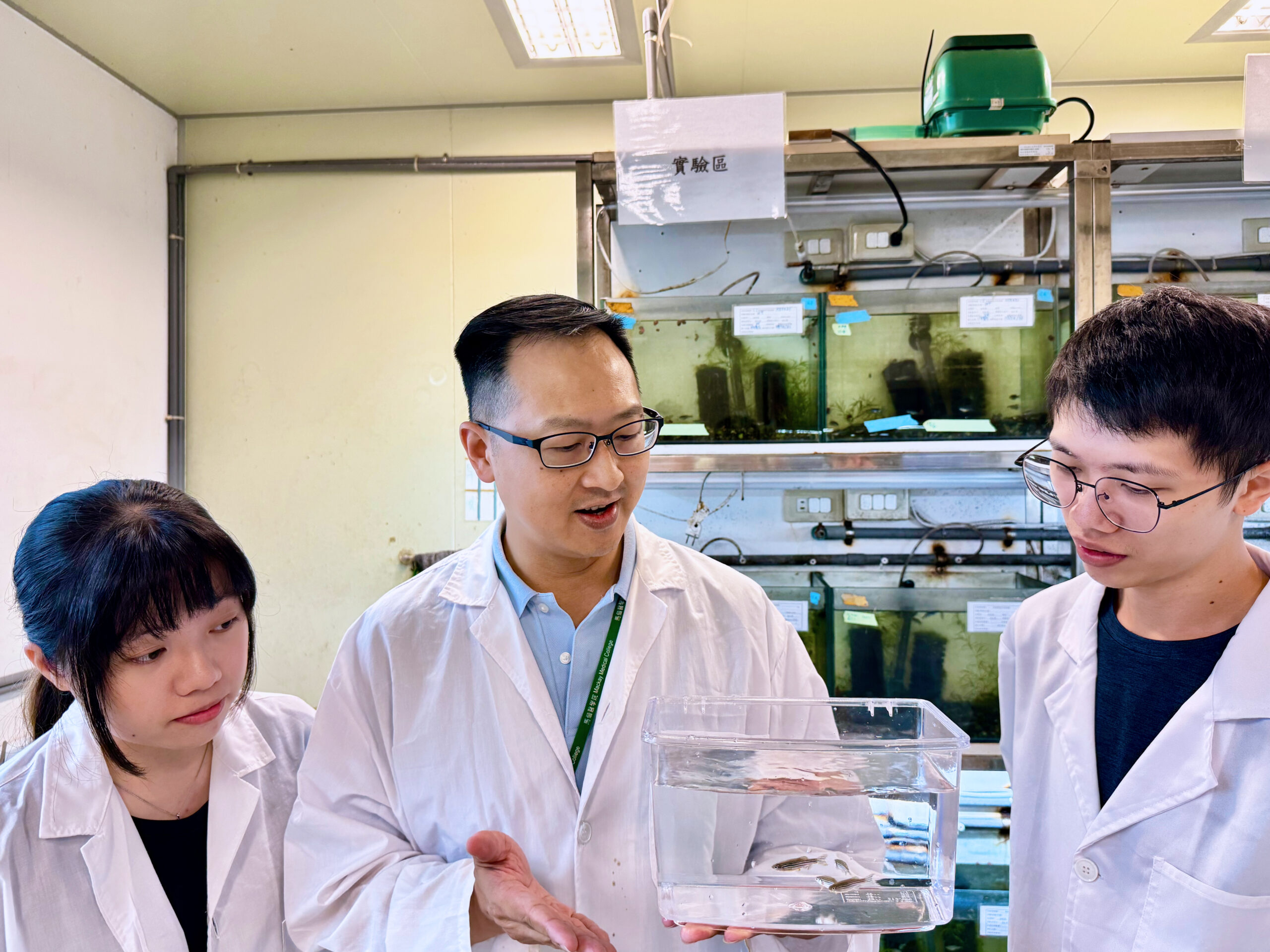
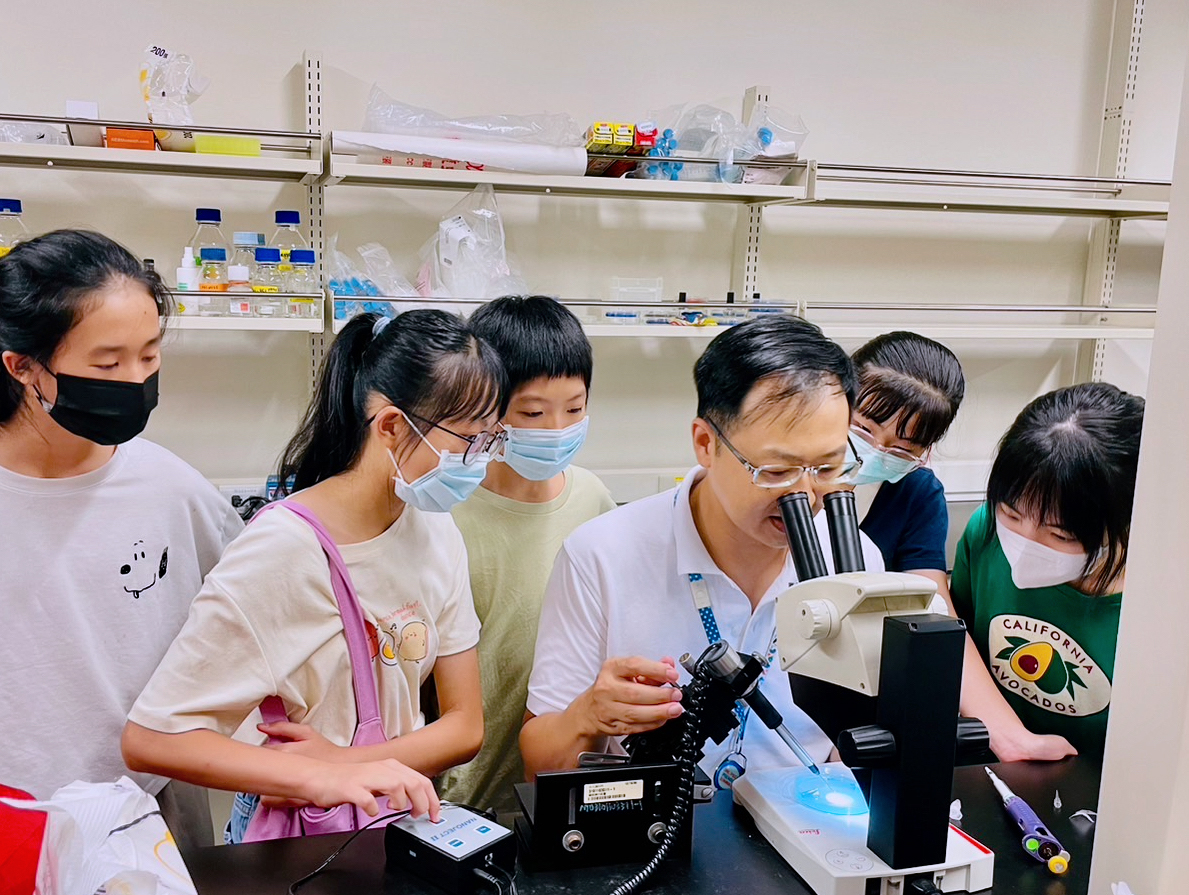
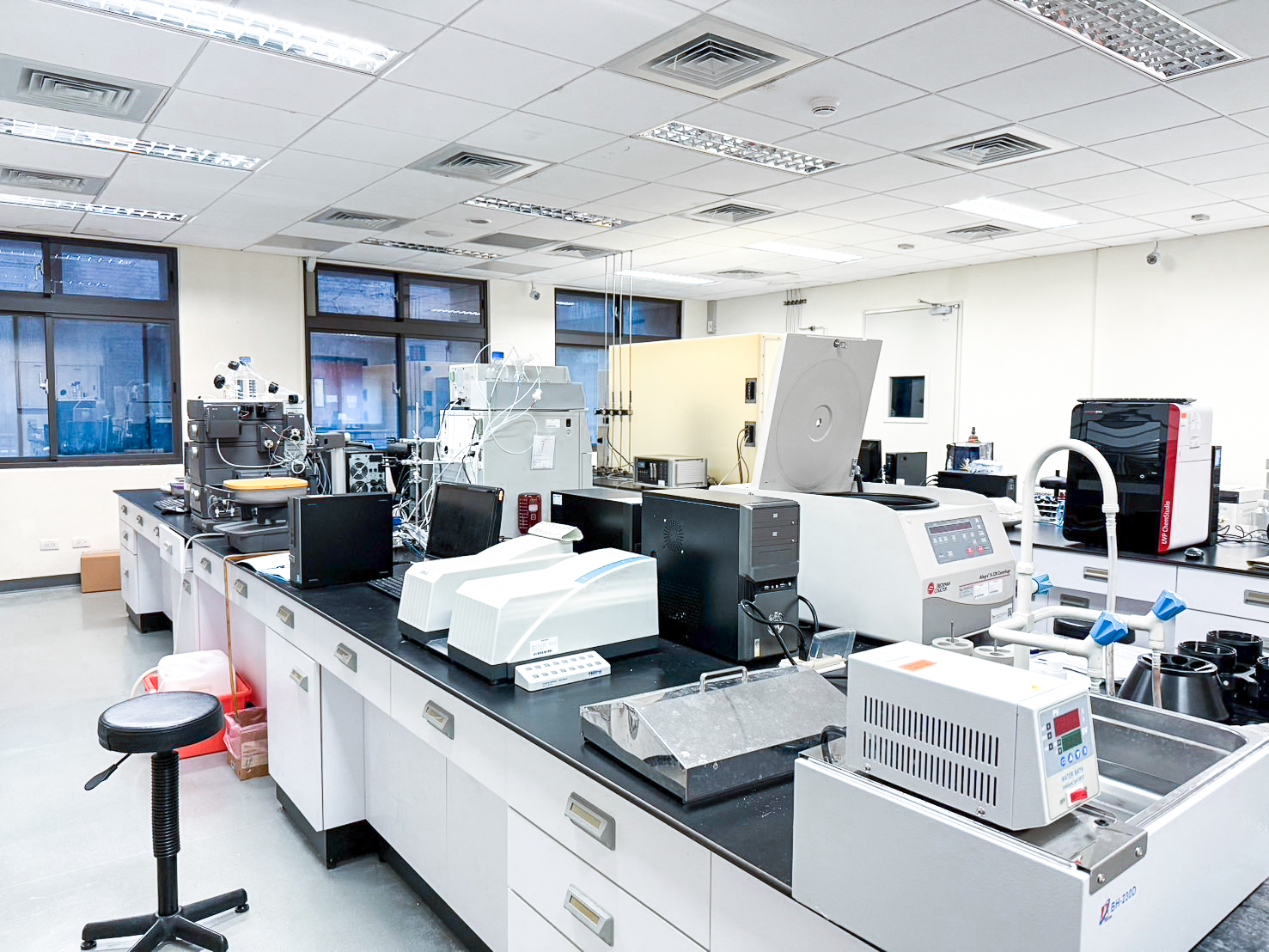
The Institute and the University are supported by well-established core instrumentation centers, equipped with a wide range of advanced and state-of-the-art research equipment, including confocal laser scanning microscopes, multi-fluorescence microscopy systems, microinjection platforms, flow cytometers, cell sorters, in vivo molecular imaging systems, real-time quantitative PCR systems, HPLC/FPLC platforms, and Seahorse bioenergetics analyzers.
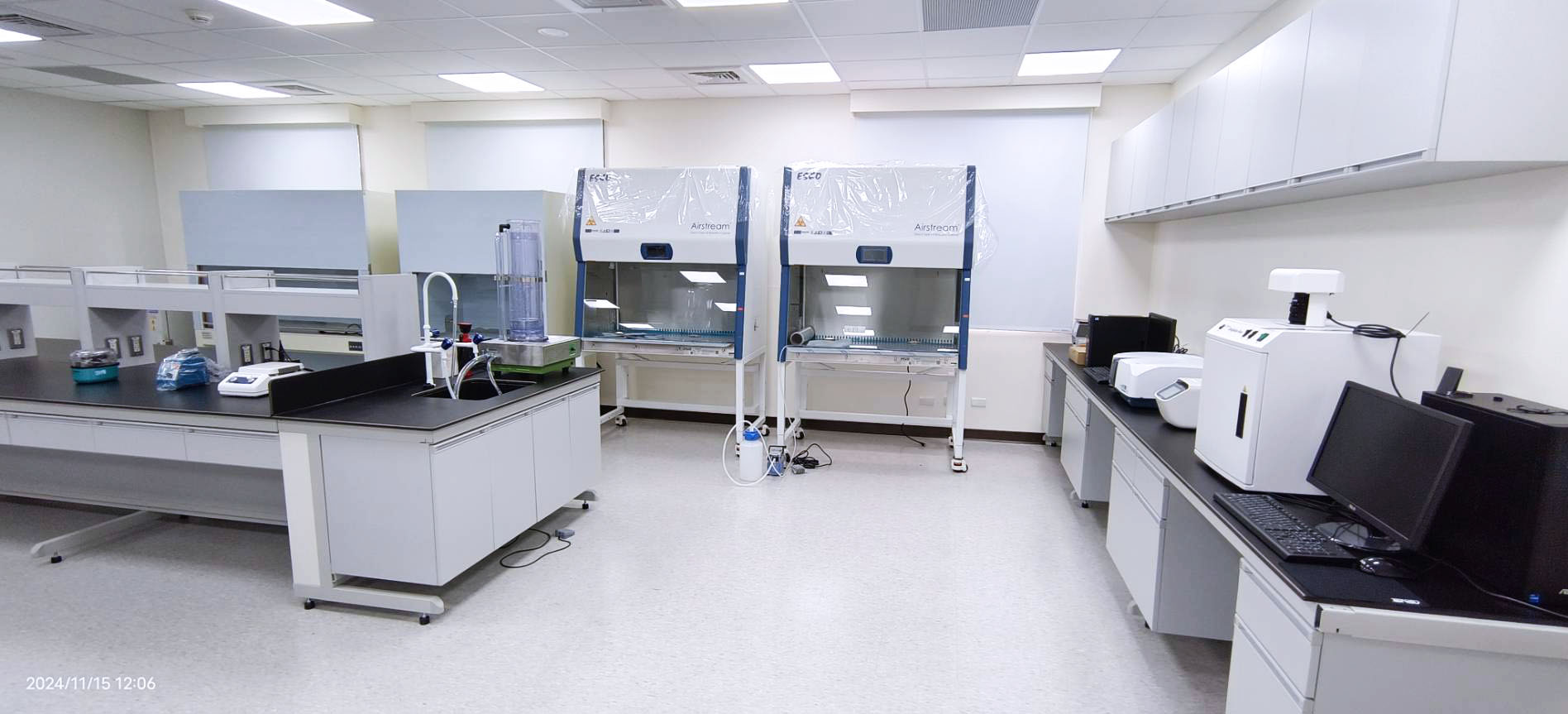
In addition, the Institute provides multiple cell culture laboratories and advanced P2-level laboratories, offering faculty and graduate students safe, flexible, and high-quality research environments to conduct a broad spectrum of biomedical investigations.
Featured Courses
Integration of Basic and Clinical Medicine
Since the 2020 academic year, the Institute has developed a series of “Integrated Course in Basic & Clinical Medicine” for graduate students. These courses include Modern Molecular Medicine Research Methods, Animal Models for Cardiovascular Research, Special Topics in Clinical Biomedical Research, and Advanced Clinical Biomedical Research Seminars. Together, they strengthen students’ ability to translate fundamental discoveries into clinically relevant research questions.
Future Development
⦁ Career Development:
The Institute organizes annual career planning seminars, inviting professionals from medical centers, biotechnology companies, and pharmaceutical industries to share insights on current workforce demands, research career pathways, and required professional competencies in the biomedical field.
⦁ Further Education Options:
The University offers both a Master’s Program and a Doctoral Program in Biomedical Sciences, providing students with structured pathways for advanced training, academic development, and long-term research careers.
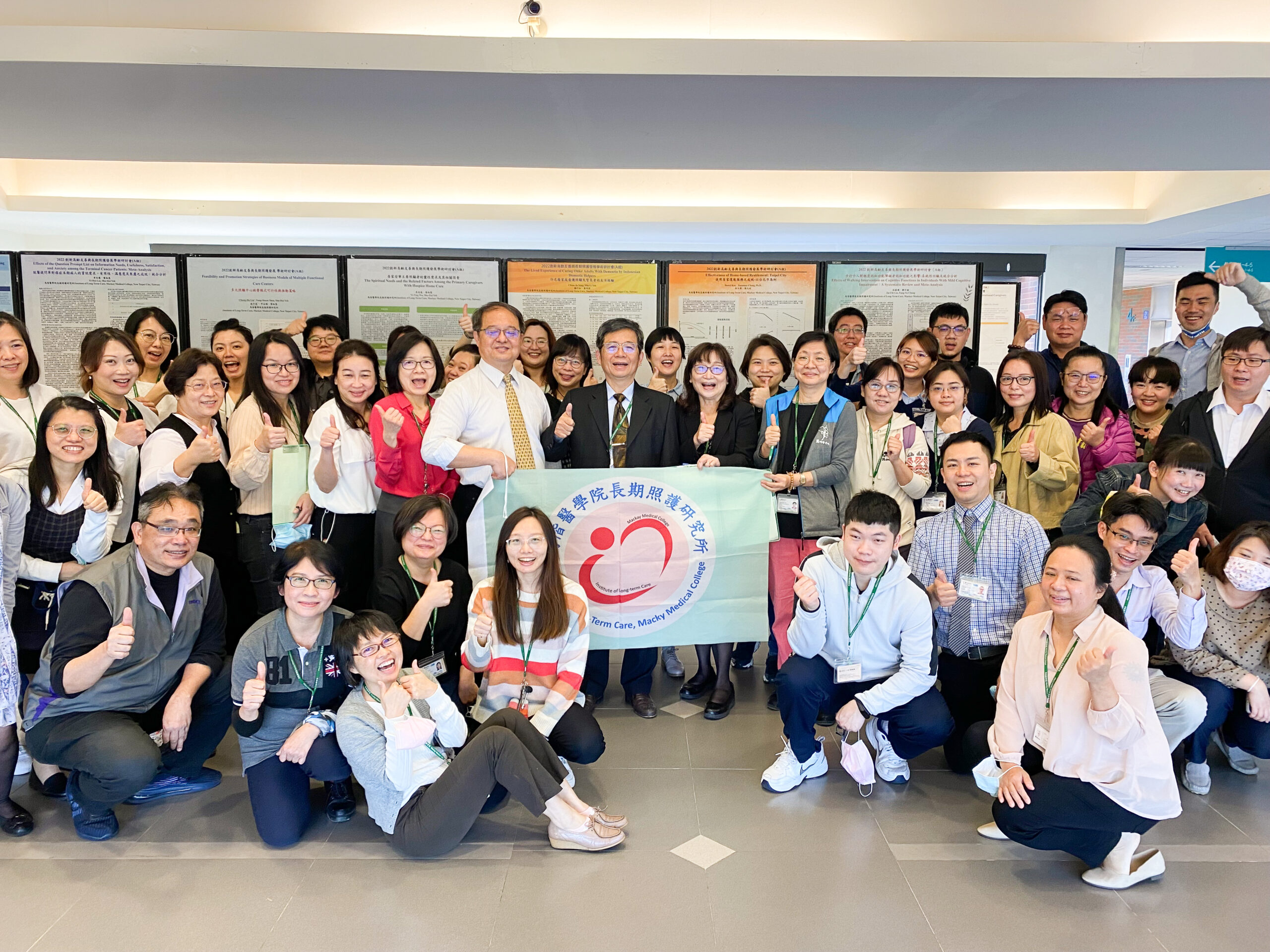
[Graduate Institute of Long-Term Care]
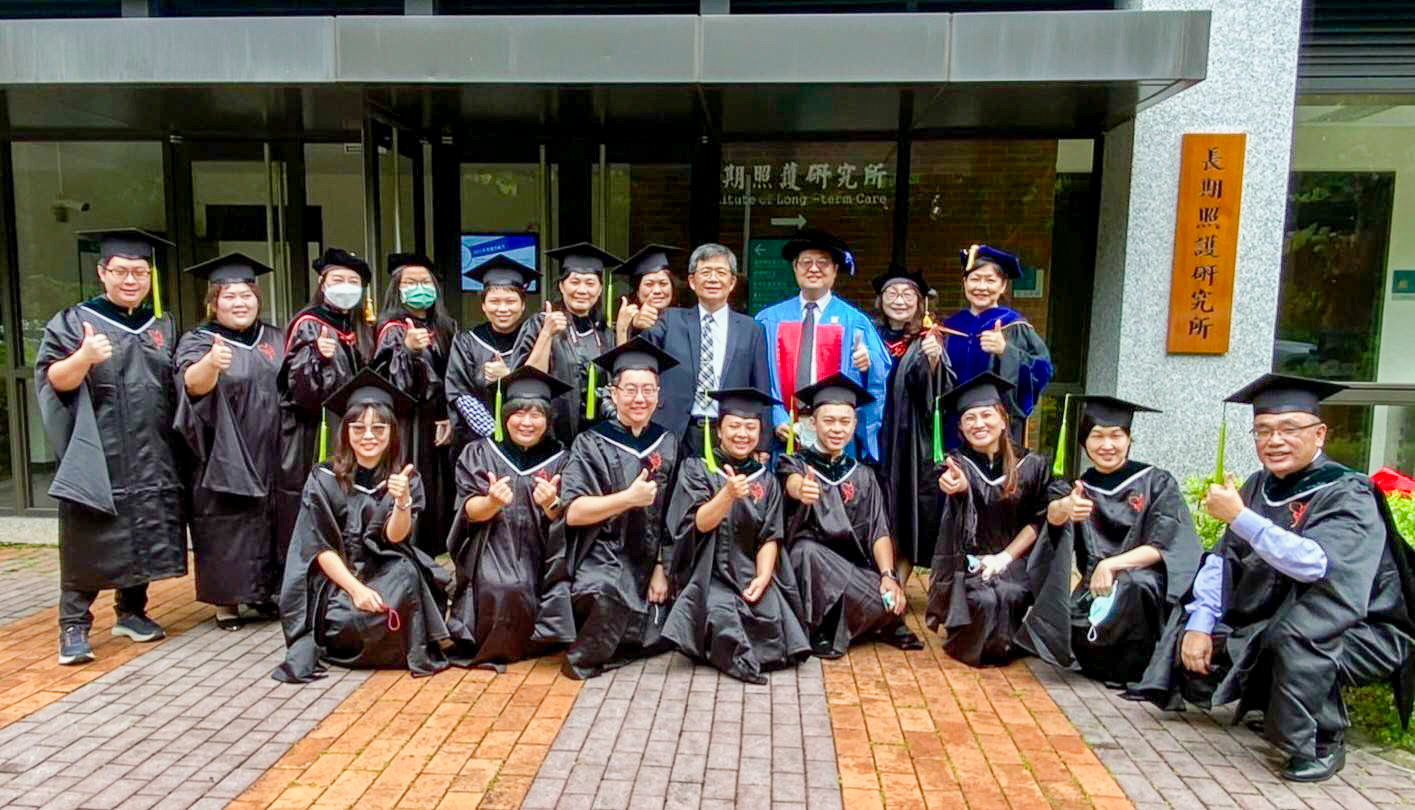
Cultivating interdisciplinary advanced professionals with competencies in long-term care practice, management, education, and research.
Department Features
In response to the global trend of population aging, the Graduate Institute of Long-Term Care promotes a team-based, interdisciplinary approach to healthcare, with a strong emphasis on teaching, research, management, and professional practice. The Institute actively integrates resources from the long-term care industry, government agencies, and academic institutions, aiming to cultivate high-level professionals with an international perspectivewho can contribute meaningfully to the sustainable development of the long-term care sector.
Teaching Resources
The Institute’s teaching facilities include conference rooms, small-group classrooms, graduate student workspaces, as well as specialized centers such as the Mind–Body Activation Research Center and the Care Innovation Research Center. In alignment with sustainable development goals, environmentally friendly laboratories are being progressively established.
The University has also developed diverse creative learning spaces, along with seven fully equipped e-learning facilities and interdisciplinary research platforms. In addition, the Institute integrates rich resources from Mackay Memorial Hospital, including expertise in geriatric medicine, long-term care services, and an internationally accredited hospice education center, providing graduate students with valuable opportunities for internships, field practice, and applied research.
Featured Courses
Integrated Long-Term Care Professional Curriculum
The curriculum is structured around three core modules: Health Care, Policy and Management, and Friendly Environments and Technology. With a diverse and interdisciplinary faculty, the Institute designs flexible learning pathways that allow students to tailor their coursework to individual academic interests and career goals. Through this approach, students are prepared to meet the complex and evolving professional demands of contemporary long-term care systems.
Future Development
- Career Development: Graduates of the Institute are well prepared to pursue careers as long-term care practitioners, facility and service managers, policy or program coordinators, and educators. Employment opportunities include long-term care institutions, community-based care organizations, healthcare-related agencies, and educational or training institutions.
- Further Education Options: Graduates may apply to doctoral programs in Taiwan or abroad in fields such as long-term care, physical therapy, environmental or universal design, gerontology, and aging industry–related disciplines, further advancing their academic and professional development.
[Graduate Institute of Geriatric Welfare Technology]
Cultivating interdisciplinary talents with core competencies in humanistic care, innovative research, and collaborative teamwork, enabling them to analyze and solve challenges related to life-care support for older adults and sub-healthy populations.
- Department Features
- Cultivating interdisciplinary professionals capable of analyzing and solving challenges in life-care support technologies for older adults and sub-healthy populations.
- Establishing high-quality applied research that integrates modern engineering technologies, living technologies, long-term care, life sciences, and clinical medicine.
- Leveraging Taiwan’s strengths in industrial technology to develop innovative products and services, and fostering a globally competitive next-generation technology industry for elderly care and life-support systems.
- Promoting interdisciplinary collaboration across academic units within the University, integrating Mackay’s strong clinical healthcare resources, and extending the development of an integrated teaching and research model focused on community-based and in-home aging and long-term care support technologies.
Teaching Resources
1. Equipment:
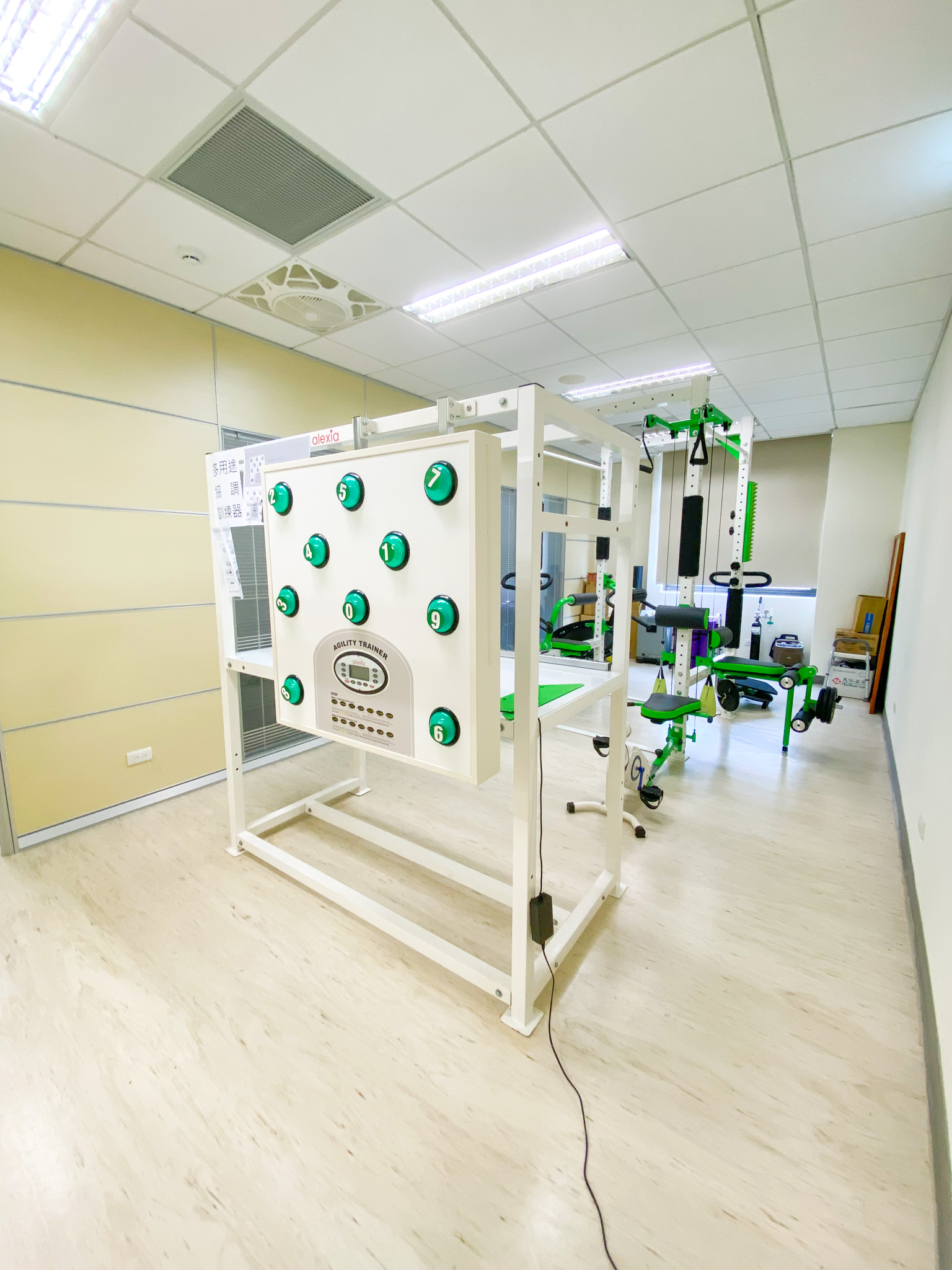
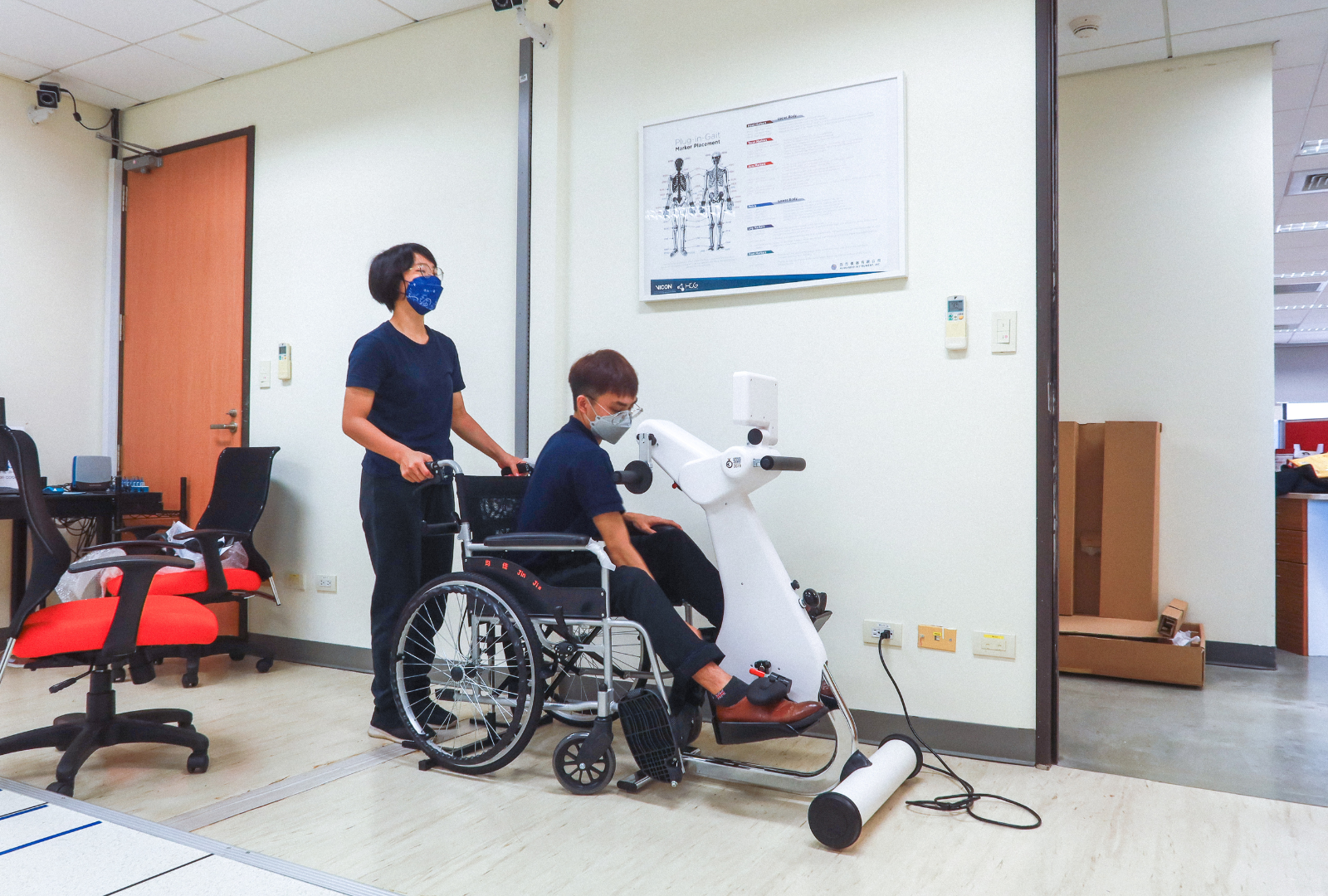
The Institute has established a comprehensive shared instrumentation platform, including cloud computing servers, electronic system development equipment, 3D printing devices, and human motion analysis systems, supporting interdisciplinary research and innovation.
2. Specialized Laboratories:
The Institute operates a diverse range of professional laboratories, including computer-aided design and analysis rooms, aging and intergenerational innovation design laboratories, limb and mobility support laboratories, communication and information interaction laboratories, smart and age-friendly space laboratories, and empowerment and health resilience laboratories.
3. Teaching Space and Digital Facilities:
The Institute is equipped with dedicated classrooms and seminar rooms, along with comprehensive e-learning facilities that support both synchronous and asynchronous digital instruction. The Moodle learning management system, integrated with virtual classrooms and remote video technologies, enables a wide range of interactive, self-directed learning experiences that transcend time and geographic boundaries.
Featured Courses
The Graduate Institute of Geriatric Welfare Technology centers on the integration of humanistic values, technology, and elderly welfare, with a focus on developing support technologies that enhance the living environment and quality of life for aging populations. Core thematic areas include aging and intergenerational innovation, limb and mobility support, smart and age-friendly spaces, communication and information interaction, and health empowerment and resilience.
1. Technological Development of Aging and Intergenerational Innovation
Focusing on the psychological and social issues of technology for the elderly and intergenerational interaction, including
⦁ Technological applications and design for active aging and intergenerational interaction
⦁ Technological applications and design for elderly learning/education
⦁ Promotion and assessment of elderly physical and mental health
2. Technological Development of Aging and Intergenerational Innovation
Focusing on the psychological and social dimensions of aging technologies and intergenerational interaction, this area includes: Promotion and assessment of physical and mental health in older populations; Technology applications and design for active aging and intergenerational engagement; and Technology-based learning and educational design for older adults
3. Technological Development of Smart and Friendly Spaces
Emphasizing the research and development of mobility support and assistive technologies for older adults, including: Application and environmental integration of assistive and mobility support systems and Design and construction of individualized and transitional mobility support technologies
4. Technological Development of Communication and Information Interaction
Targeting the advancement of communication, information access, and digital interaction technologies for older adults, including: Artificial intelligence applications for aging-related information and interaction design; Information communication systems and applied technologies; Digital applications and health-support technologies for aging populations; and Diverse data analysis and information integration
5. Technological Development of Empowerment and Health Resilience
Focusing on professional practices that enhance and empower health functions in older adults, including: Aging health management and preventive medicine strategies; Design and evaluation of empowerment-based health activities; and Development and implementation of precision exercise programs for older adults
Future Development
⦁ Career Development:
- Participation in innovative research and development within elderly life-care technology industries, including smart and age-friendly spaces, limb and mobility support systems, and communication and information interaction technologies.
- Engagement in technology innovation, support system design, and operational technologies for long-term care and healthcare institutions, including roles in policy planning, system integration, and technical consulting for the promotion of elderly care support technologies.
⦁ Further Education Options:
Graduates may pursue doctoral studies in Taiwan or abroad in fields such as medical engineering, smart building technologies, information applications, physical therapy, and various engineering and technology-related disciplines, further advancing interdisciplinary research and professional leadership.
Industry-Academia Collaboration
The Institute has established formal academic and industry exchange partnerships with Olida Co., Ltd., Jih Tai Precision Industry Co., Ltd., and Kang Ling United Health Business, fostering collaborative research, technology development, internships, and knowledge transfer between academia and industry.
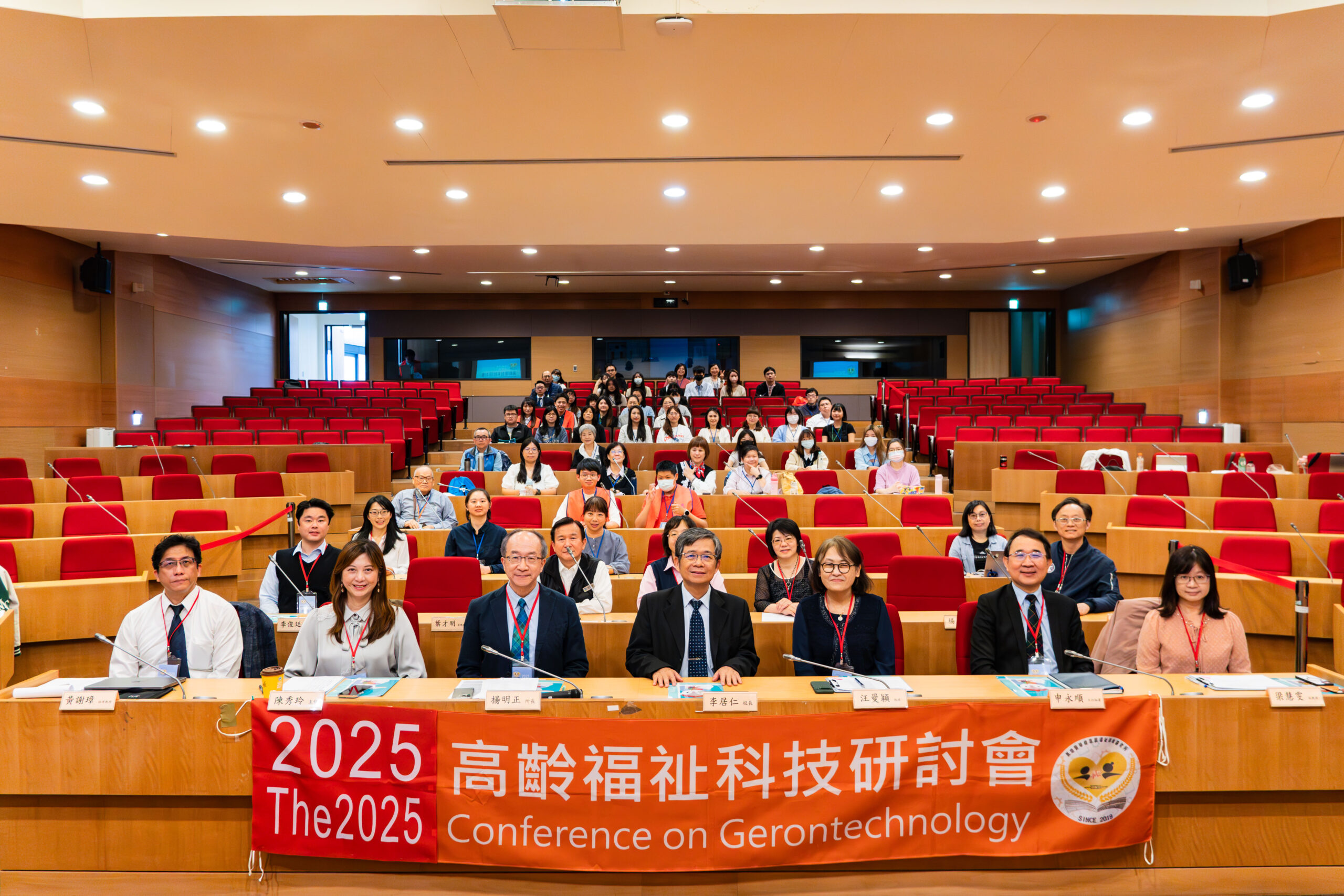
[Master’s Program in Audiology and Speech-Language Pathology]
Cultivating advanced professionals in audiology and speech-language pathology with strengths in clinical expertise, research, management, and specialized practice.
Department Features
In response to its social responsibility and professional mission, the Master’s Program is founded on the goal of deepening the academic foundations of audiology and speech-language sciences, while enhancing the professionalism of clinical supervision, education, and management, and promoting the development of innovative and integrated service models.
The Program is dedicated to cultivating advanced professionals in audiology and speech-language clinical services, education, and leadership. Supported by a strong faculty team and well-established teaching and research infrastructure, the Program features a comprehensive and mature educational environment in both hardware and software. It exemplifies a true model of “department–institute integration” and places a strong emphasis on both clinical practice and applied research, with the aim of leading the future development of audiology and speech-language pathology in Taiwan.
Teaching Resources
The Department operates a national-level audiology and speech-language teaching and practice center, a clinical education center, and a fully equipped research and experimental center. Facilities include a wide range of specialized professional spaces, such as IAC soundproof booths, acoustic analyzer examination rooms, large audiology observation rooms, and speech and language acoustics research laboratories.
These facilities are equipped with internationally standardized audiology and speech-language instruments, including tympanometers, pure-tone audiometers, aerodynamic analyzers, nasometers, and other advanced diagnostic systems. In addition, the Program is supported by synchronous video-based clinical teaching equipment, enabling real-time online clinical instruction in collaboration with Mackay Memorial Hospital.
Featured Courses
The Master’s Program is divided into two specialized tracks: the Speech-Language Therapy Track and the Audiology Track, with students admitted directly into their respective fields of specialization.
The curriculum structure includes:
- 14 credits of required core professional courses
- 6 credits of required Master’s thesis research
- At least 18 credits of elective courses, including a minimum of 12 credits of core electives and at least 6 credits of free electives
The minimum graduation requirement for both tracks is 38 credits.
Elective courses are organized into three professional domains:
⦁ Field 1: Research-Oriented Courses
⦁ Field 2: Clinical Supervision and Professional Education Courses
⦁ Field 3: Innovative and Integrated Service Model Courses
The elective courses in the three fields are:
⦁ Field 1: Research Topic Courses
⦁ Field 2: Clinical Supervision and Education Courses
⦁ Field 3: Innovative Service Integration Courses
These course domains enable students to strengthen research competence, enhance clinical leadership and teaching capacity, and explore innovative service integration, supporting diverse career pathways in clinical practice, education, administration, and advanced research.
Future Development
⦁ Career Development:
- Professionals in Basic Audiology and Speech-Language Research:
Graduates may pursue careers in medical research departments, academic faculty positions in audiology and speech-language pathology programs, or serve as research and development professionals in audiology- and speech-language–related industries. - Clinical Supervision and Management Professionals in Audiology and Speech-Language Pathology: Graduates are prepared for roles in clinical supervision, program management, and professional leadership within hospitals, rehabilitation centers, and specialized clinics.
- Professionals in Diversified and Innovative Service Development: Graduates may engage in innovative and integrated service models beyond traditional clinical settings, using audiology and speech-language services as a core foundation to promote cross-sector integration across education systems, long-term care services, early intervention programs, and rural or underserved community services.
- Clinical Practice as Audiologists and Speech-Language Pathologists: Career pathways include independent practice (self-employment), as well as clinical positions within hospital-based early intervention systems, school special education systems, Ministry of Health and Welfare long-term care systems, hospital rehabilitation departments, and otolaryngology services.
- Careers in Communication Enhancement and Related Industries: Graduates may enter the audiology and speech-language communication technology industries, including communication assistive devices, hearing aids (CI/HA/ALD), acoustics and sound engineering industries, and AI-driven communication and healthcare technology sectors.
⦁ Further Education Options:
Graduates who are interested in research careers (industry-oriented) or pursuing overseas further studies and academic teaching positions may continue their studies by applying to relevant doctoral programs in audiology and speech-language pathology, both domestically and internationally, after completing this Master’s program.
[Master of Science in Nursing]
Cultivating master-level Nurse Practitioners who strengthen the professional value of nursing roles and enhance advanced clinical care functions
Department Features
The establishment of this MSN Program aims to create a high-level platform for the exchange and sharing of advanced clinical nursing practice and professional scholarship. Through strong industry–academia collaboration, this Program horizontally integrates resources from the four major campuses of Mackay Memorial Hospital and partner hospitals in Northern Taiwan, while vertically leveraging and extending the academic and teaching resources of multiple departments within Mackay Medical University.
Based on this integrated framework, the Program is dedicated to cultivating master-level Nurse Practitioners with strong competencies in both academic research and advanced clinical care, preparing graduates to meet the evolving healthcare needs and societal expectations of Taiwan.
Teaching Resources
- The Department of Nursing at MMU has a long-standing history and has successfully passed national quality assurance accreditation commissioned by higher education institutions. It is supported by an experienced and dedicated faculty, a high-quality teaching environment, and strong academic performance, as well as comprehensive clinical internship sites provided by Mackay Memorial Hospital, including the Taipei, Tamsui, Hsinchu, and Taitung campuses.
- Curriculum planning is student-centered and practice-oriented, with courses scheduled on two days each week to support working professionals. To ensure close alignment with clinical teaching and practice, instruction is conducted not only in on-campus classrooms, but also by utilizing teaching facilities at Tamsui Mackay Memorial Hospital. This arrangement helps reduce travel burden during coursework and clinical training, allowing students to focus more effectively on learning and professional development.
Featured Courses
Core Competencies of Graduates
Graduates of this MSN Program are expected to demonstrate advanced clinical judgment, evidence-based nursing practice, professional leadership, interdisciplinary collaboration, and the ability to integrate research into clinical care, aligning with the core competencies required of master-level Nurse Practitioners.
To support the development of these competencies, the curriculum is structured into three integrated components:
- Professional Foundations (22 credits in total, including 6 credits for the Master’s thesis)
- Professional Core Courses (10 credits)
- Elective Courses (6 credits)
Students must complete a minimum of 38 credits to fulfill graduation requirements.
For students who do not yet hold a Nurse Practitioner (NP) license or formal NP training certificate, it is recommended that they enroll in designated courses such as Health Problem Diagnosis and Treatment, Clinical Evidence-Based Care, and Special Topics in Nurse Practitioner Internship. These courses are designed to meet the Nurse Practitioner training requirements announced by the Taiwan Nurse Practitioner Association, including 184 hours of academic coursework and 504 hours of supervised clinical training.
Upon completion of the program and fulfillment of the required training hours, graduates will be eligible to apply for and sit the Nurse Practitioner qualification examination, supporting a smooth transition into advanced nursing practice roles.
Future Development
⦁ Career Development:
Graduates are prepared to assume advanced professional roles such as clinical care experts, healthcare managers, professional consultants, care coordinators, case managers, and contributors to healthcare policy development.
Through the integrated resource network of the Mackay Medical System, graduates may pursue employment opportunities in medical and healthcare institutions across Taiwan, enabling them to apply advanced nursing competencies in diverse clinical, managerial, and policy-oriented settings.
⦁ Further Education Options:
Graduates of the MSN Program may pursue advanced academic and professional development through further studies in doctoral programs in nursing, healthcare sciences, public health, health policy, or related interdisciplinary fields, both domestically and internationally.
With strong preparation in advanced clinical practice, research methodology, and evidence-based nursing, graduates are well positioned to continue their education toward doctoral-level training, supporting career pathways in advanced clinical leadership, nursing education, healthcare research, and policy development. These opportunities enable graduates to further expand their professional impact, academic depth, and leadership roles within the healthcare system.
Industry-Academia Collaboration
Mackay Memorial Hospital has long been committed to the cultivation of high-quality clinical medical care across its Taipei, Tamsui, Hsinchu, and Taitung campuses, and is a recognized and qualified Nurse Practitioner (NP) training hospital.
With a team of advanced nursing professionals who possess strong academic foundations and extensive clinical experience, Mackay Memorial Hospital not only delivers high-quality patient-centered care but also serves as a key clinical teaching partner. These experienced professionals actively participate as clinical instructors, supporting the design and implementation of practice-oriented training courses within the MSN Program.
Through this close and complementary industry–academia collaboration, students benefit from integrated clinical training and mentorship, and upon graduation, may pursue employment opportunities within the Mackay Medical System, forming a seamless pathway from advanced education to professional clinical practice.
[Master’s Program in Clinical Medicine, Department of Medicine]
Cultivating physicians with strong research capacity, innovative thinking, and international competitiveness in modern clinical medicine.
Department Features
The Department of Medicine at Mackay Medical University (hereinafter referred to as the Department) has long upheld its educational mission of “Continuing the Mackay spirit and cultivating good doctors of tomorrow.” Over the years, the Department has nurtured numerous outstanding physicians, earning high recognition from both the medical community and society.
With ongoing changes in population structure and disease patterns, future physicians will face increasingly complex challenges. They must be capable of mastering advanced medical knowledge and emerging technologies, while demonstrating clinical excellence, adaptability, and innovation within diverse and rapidly evolving healthcare environments.
As Taiwan enters a super-aging society, the medical field has placed growing emphasis on areas such as aging medicine, regenerative medicine, precision medicine, cardiovascular and preventive medicine, chronic disease management, immunology and cancer medicine, as well as neurological and psychiatric medicine. These developments highlight the critical role of the Department in cultivating advanced clinical talents in these key medical domains.
To align with the Department’s Doctor–Scientist Credit Program and the educational concept of a post-graduation “gap year”, the Master’s Program in Clinical Medicine has been established to provide structured advanced training pathways for promising medical graduates. The Program aims to cultivate clinically competent, research-oriented physicians who can respond effectively to societal needs and future transformations in medical practice.
Teaching Resources
The Department is equipped with comprehensive teaching and research facilities, including PBL discussion rooms, pathology laboratories, micro-immunology and parasitology laboratories, general chemistry laboratories, general biology laboratories, and medical morphology laboratories, all of which support both instruction and academic research.
The Master’s Program in Clinical Medicine, Department of Medicine, was formally approved for establishment in the 2025 academic year. Based on existing teaching and research spaces, the Department has confirmed that current facilities and resources are sufficient to support program implementation.
To accommodate future development, the Department plans to establish a dedicated “Medical Department Discussion Room” in the 2025 academic year, equipped with discussion tables, projection systems, and related facilities, providing flexible space for courses, thesis discussions, academic meetings, and interdisciplinary collaboration.
Featured Courses
The University’s key strategic development areas include Aging Medicine, Regenerative Medicine, and Precision Medicine. In alignment with these priorities, the Master’s Program in Clinical Medicine actively integrates training in cardiovascular and preventive medicine, immunology and cancer medicine, and neurological and psychiatric medicine.
The curriculum further extends into applied and translational medical fields, including pharmaceutical research, interventional therapies, stem cell science, gene and cell therapy, and brain and behavioral psychology research, equipping students with a broad and forward-looking clinical research perspective.
Future Development
⦁ Career Development:
- Graduates may pursue careers as clinical specialist physicians, rural or primary healthcare providers, clinical researchers, or medical educators, contributing across diverse healthcare settings.
- For students who already hold full-time clinical positions, the Program provides opportunities to strengthen professional expertise, research capacity, and clinical competitiveness, enhancing advancement potential within hospitals and medical institutions.
⦁ Further Education Options:
Looking ahead, the Department plans to establish a Doctoral Program in Clinical Medicine, Department of Medicine, creating a continuous master’s–doctoral training pathway. This initiative aims to further cultivate high-level clinical physician–scientists and to fully realize the Department’s enduring educational mission of “Cultivating Tomorrow’s Competent Doctors.”
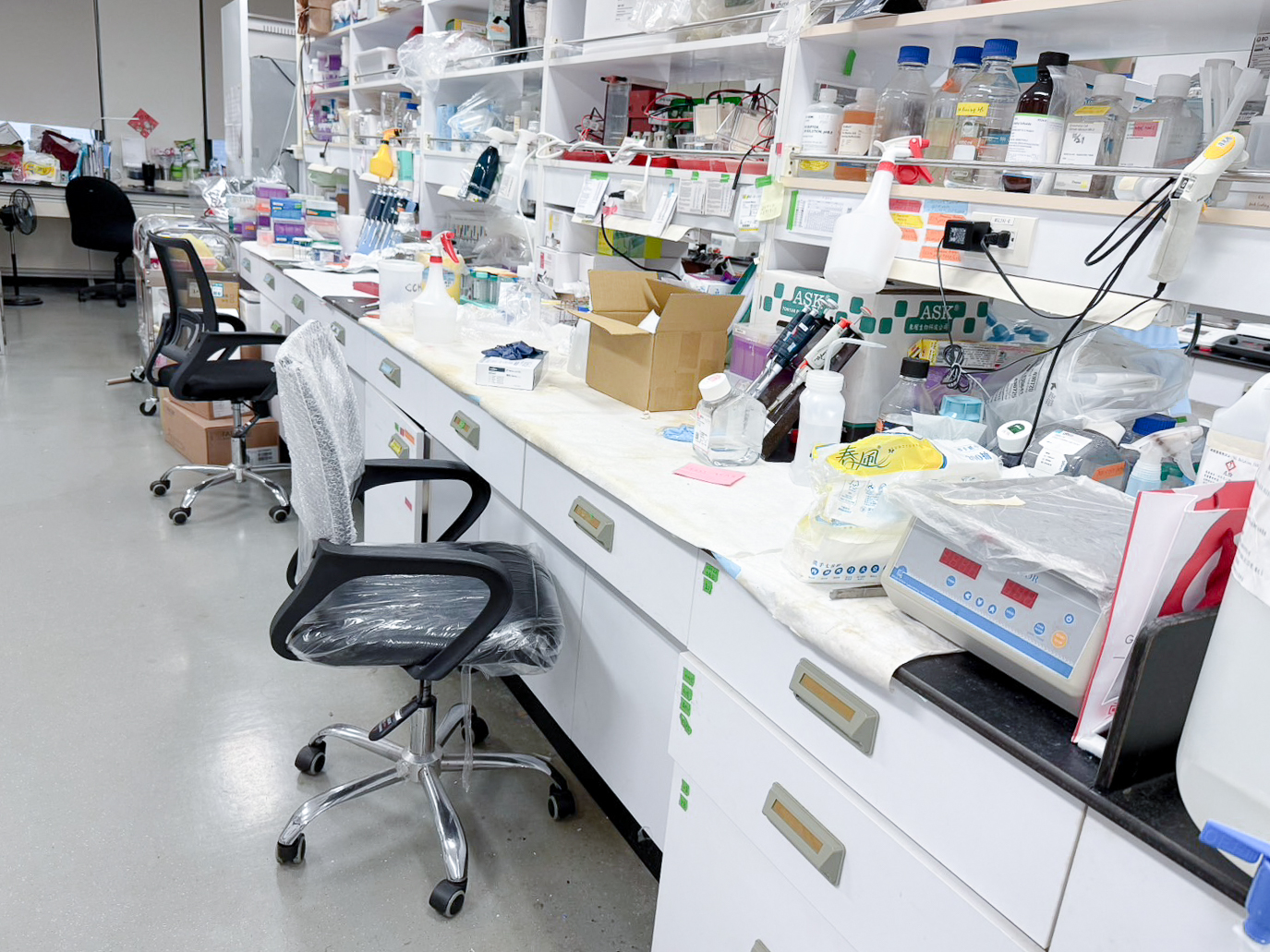
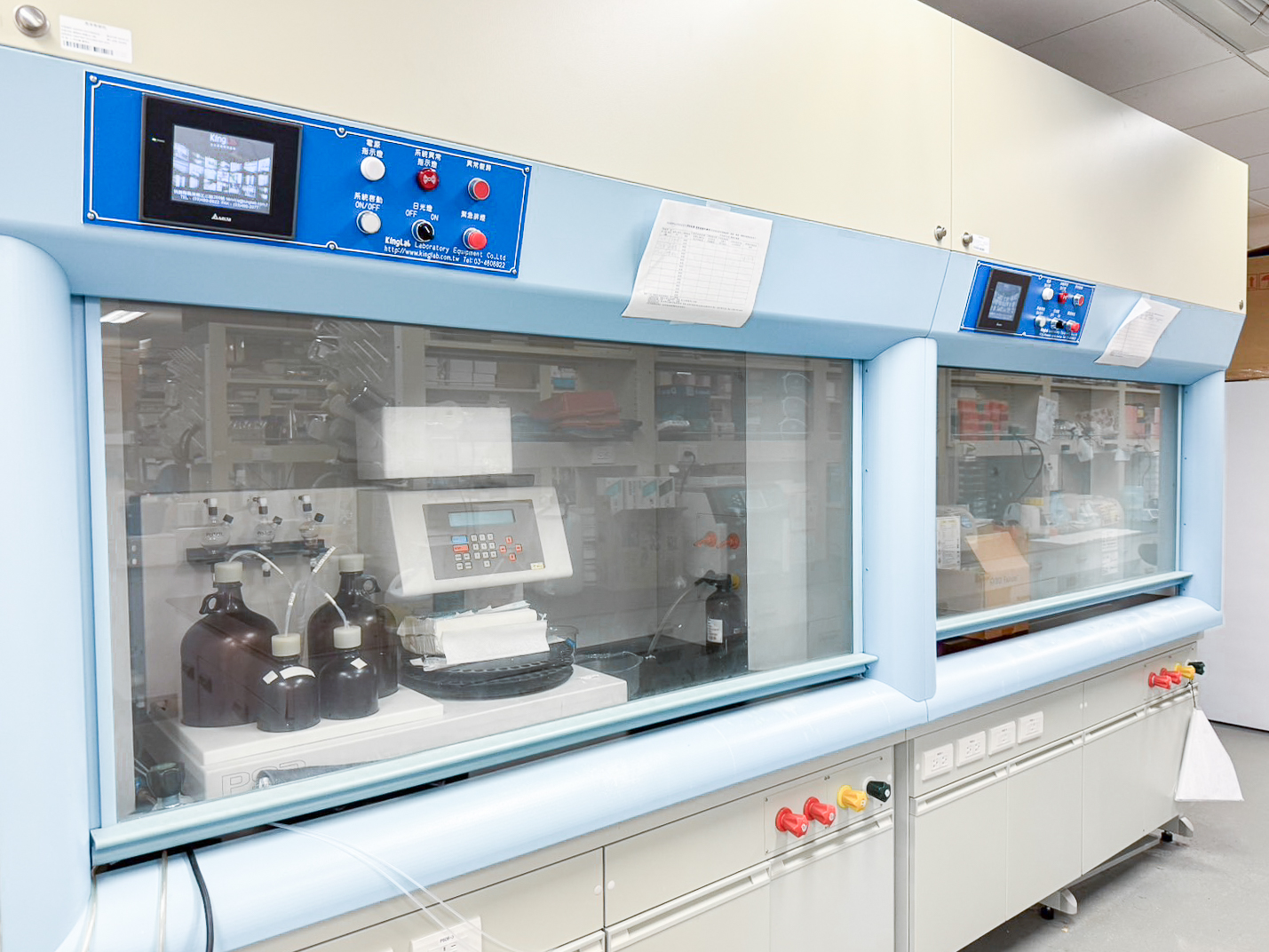
Photos & Videos
Photos


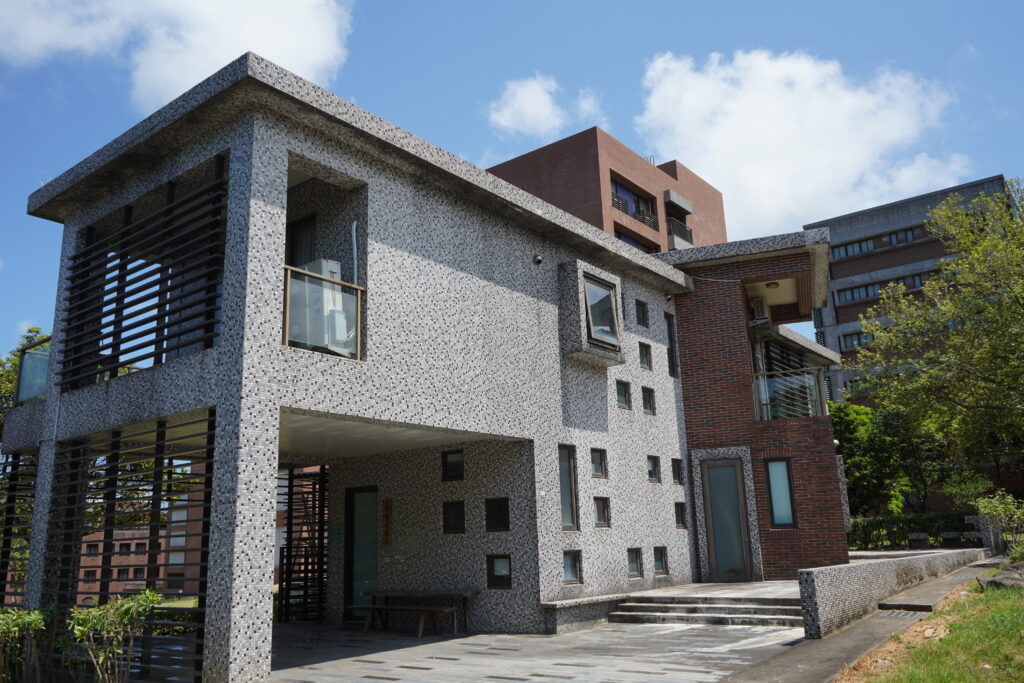
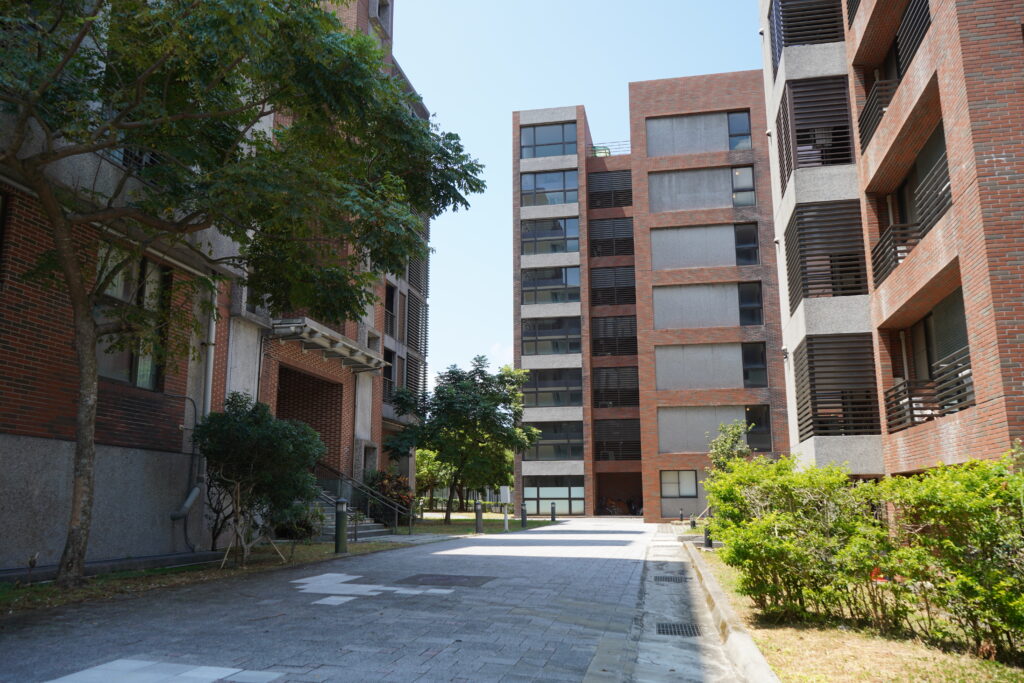

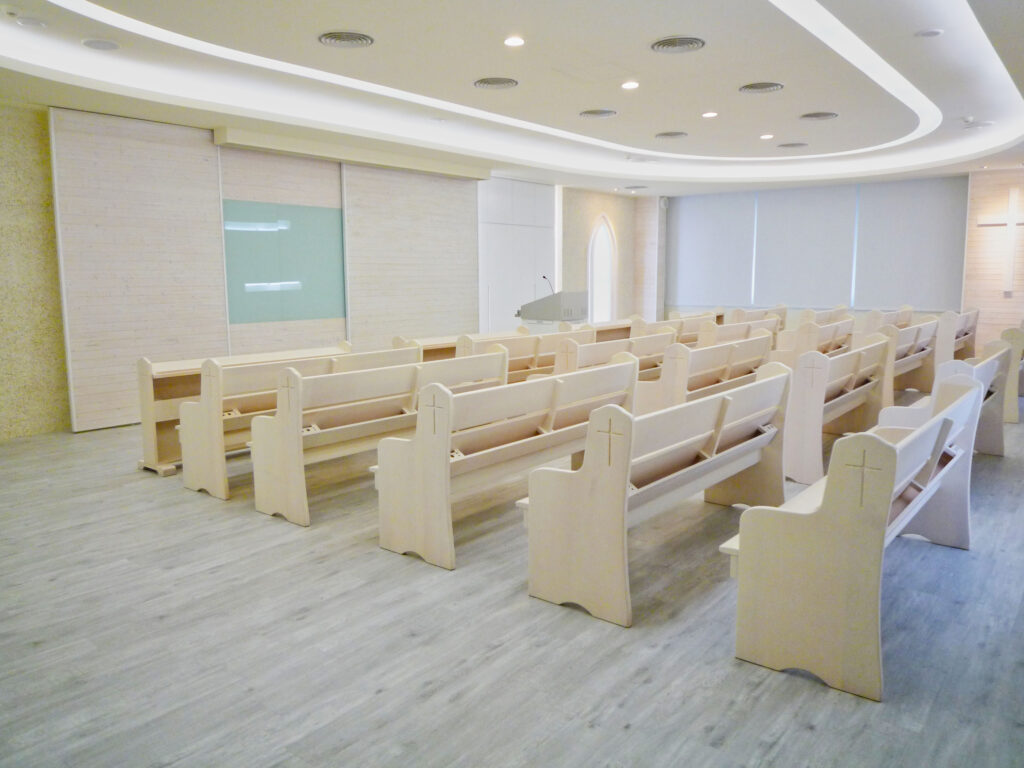
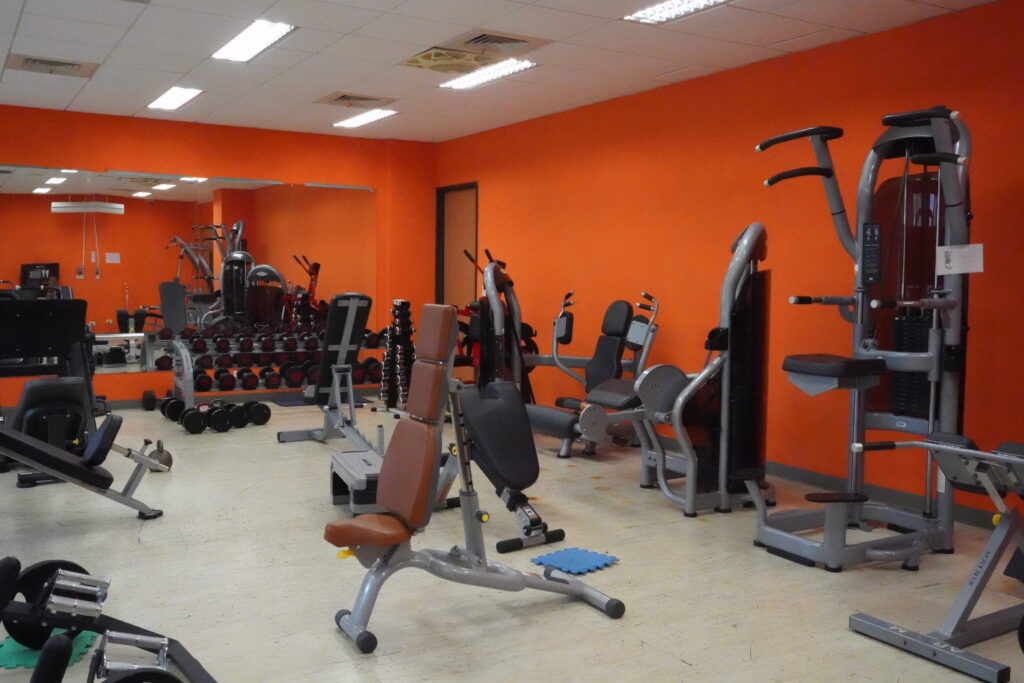
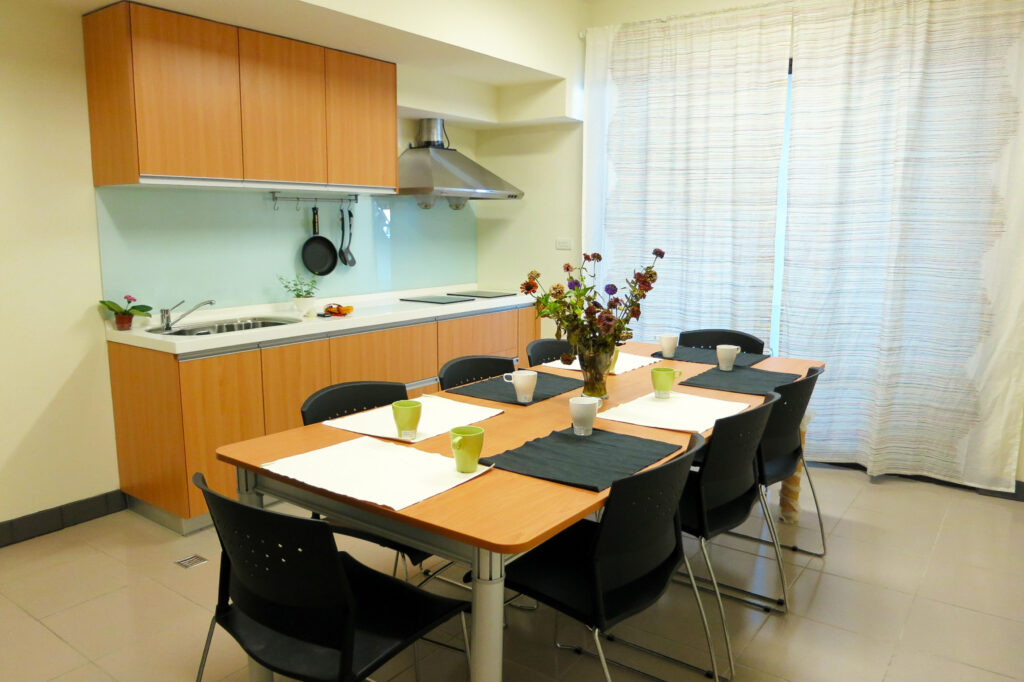

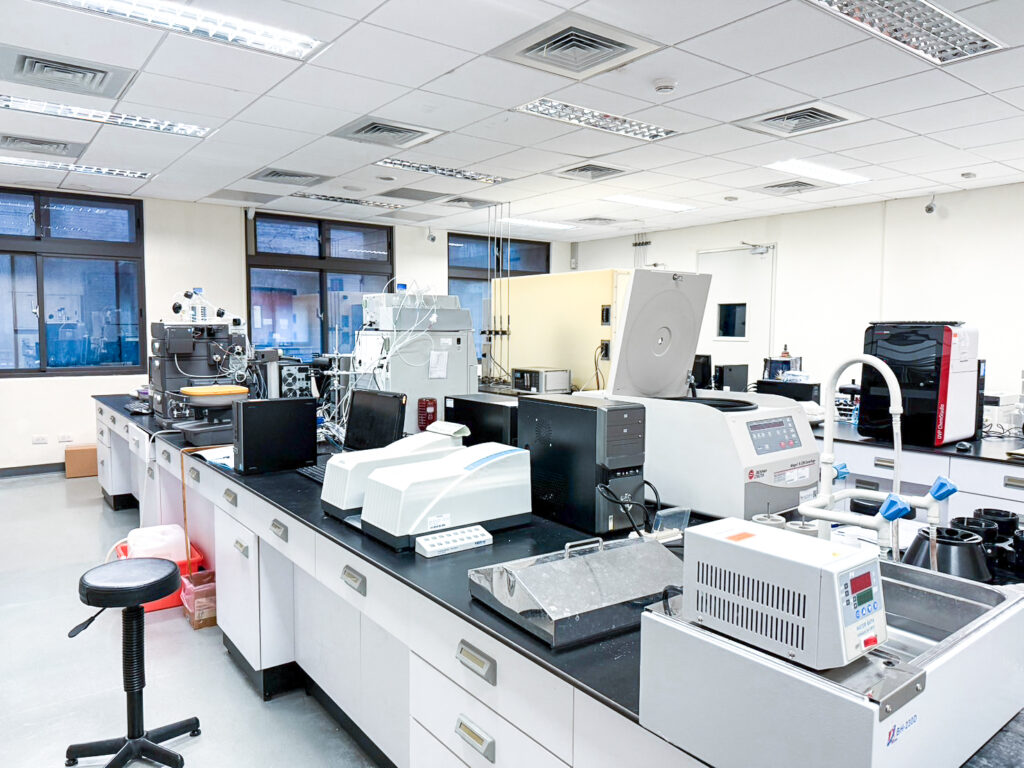
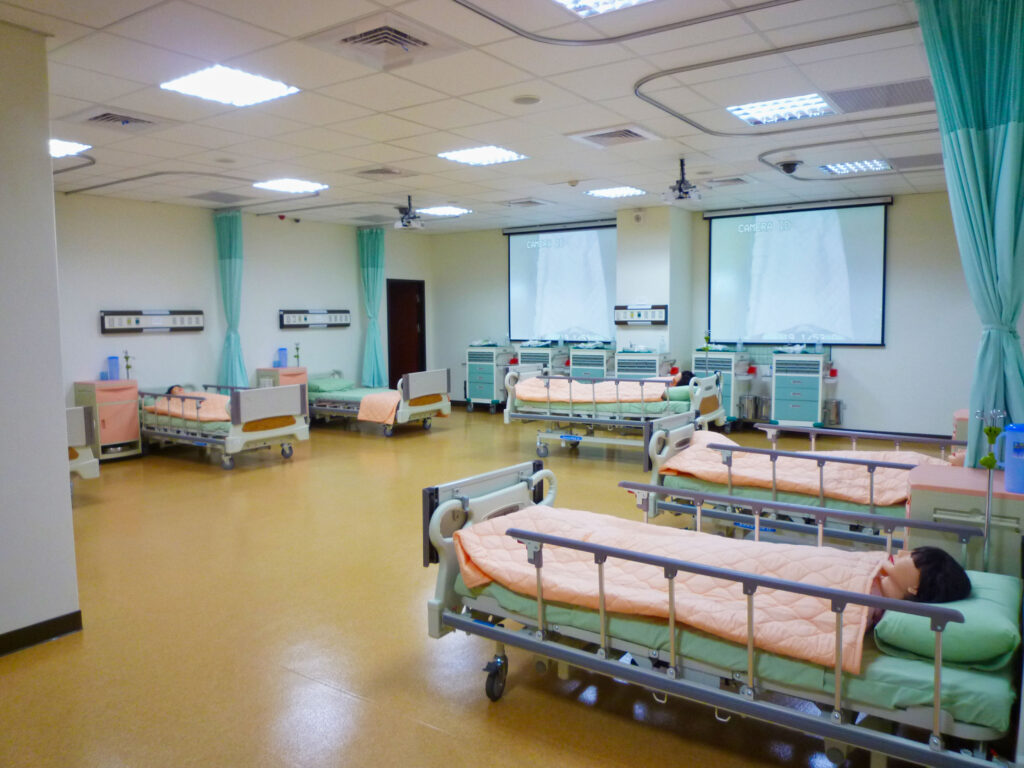
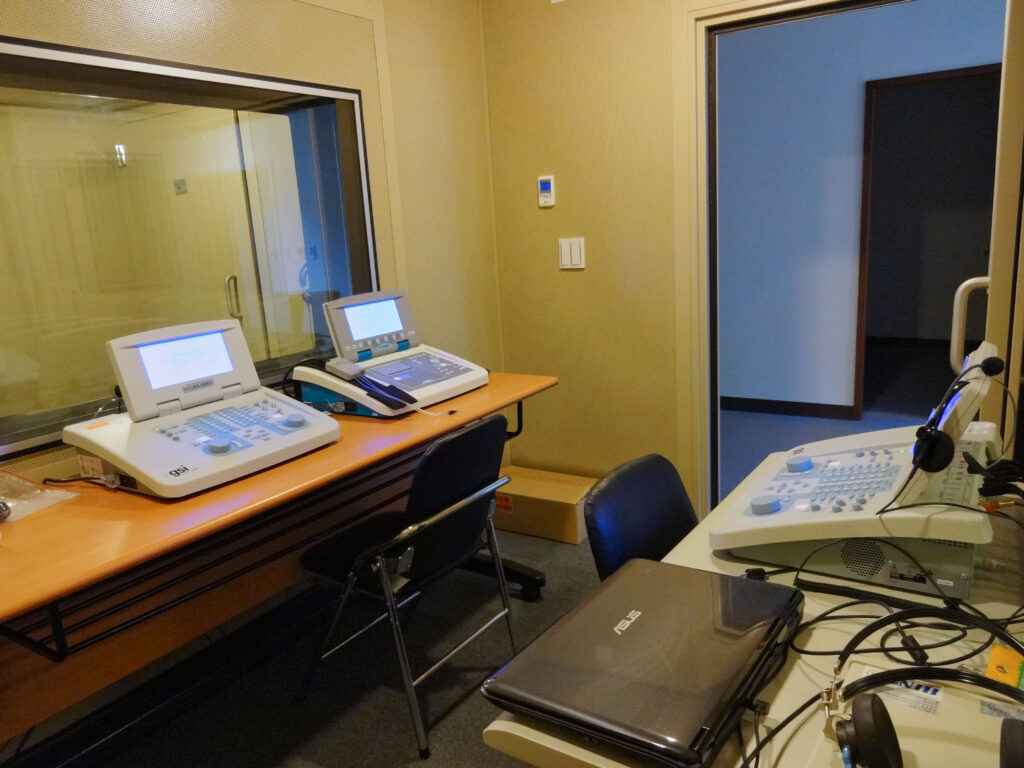
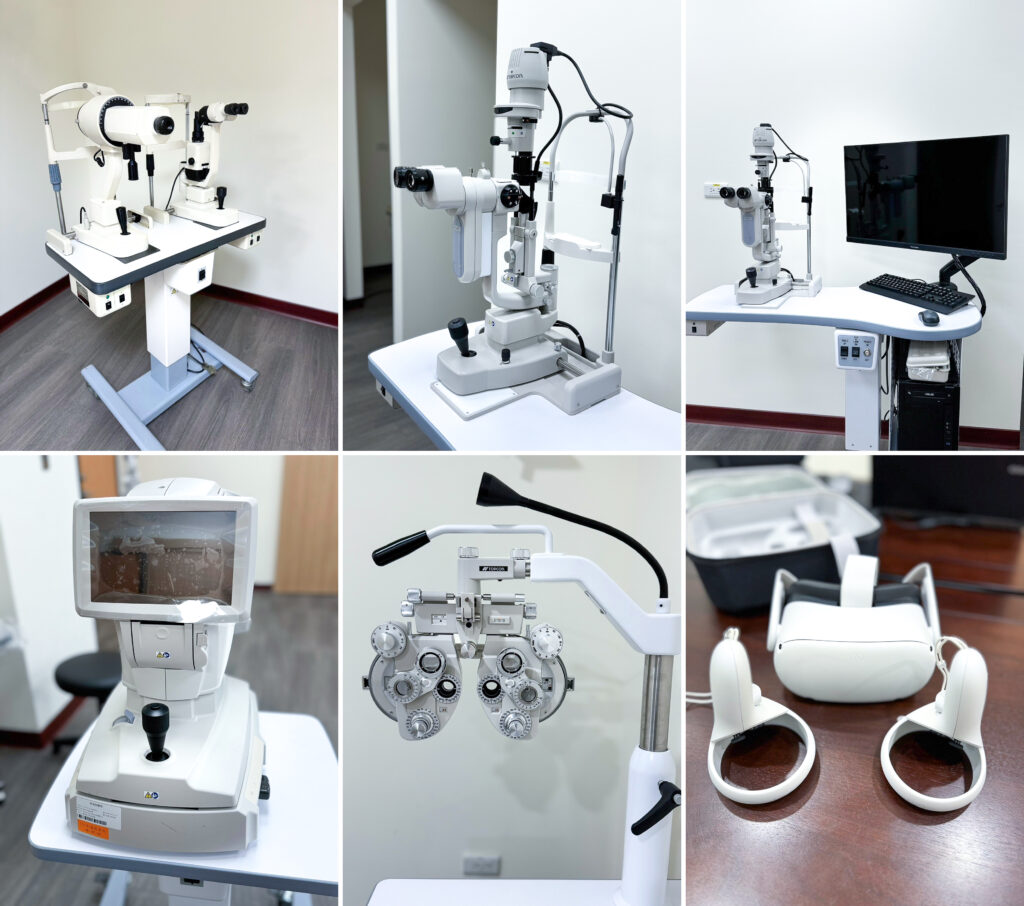
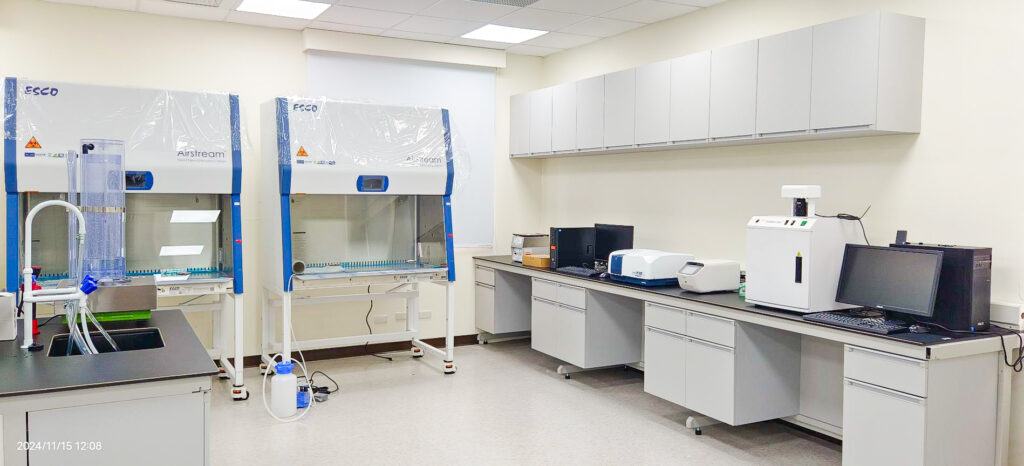
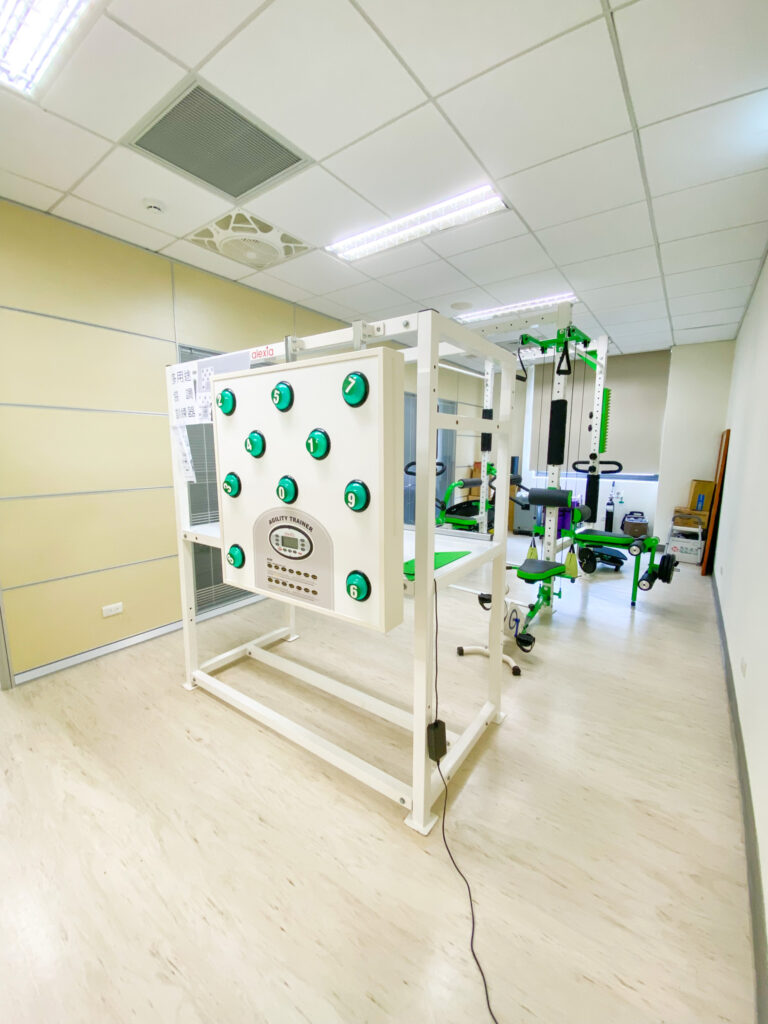
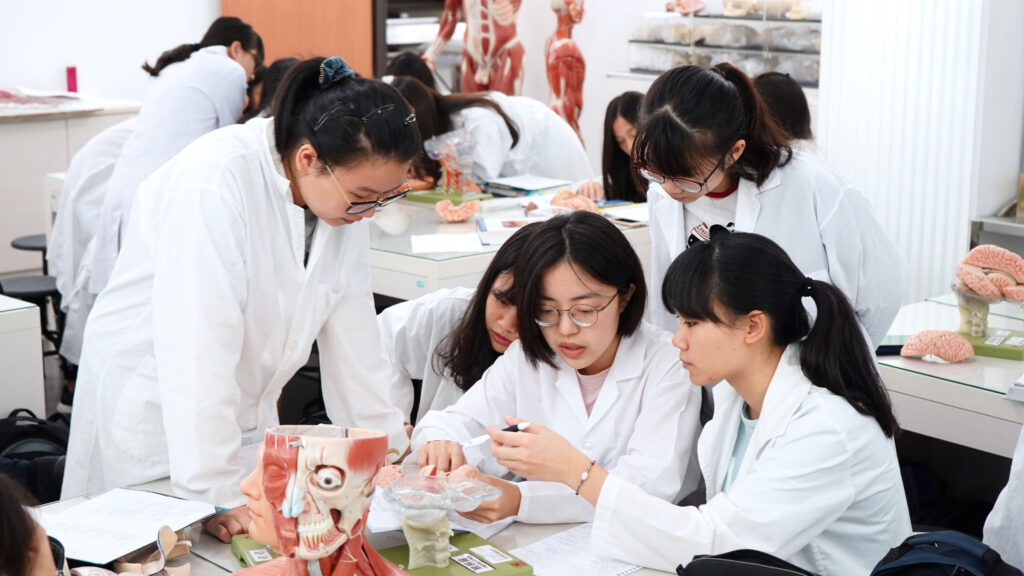
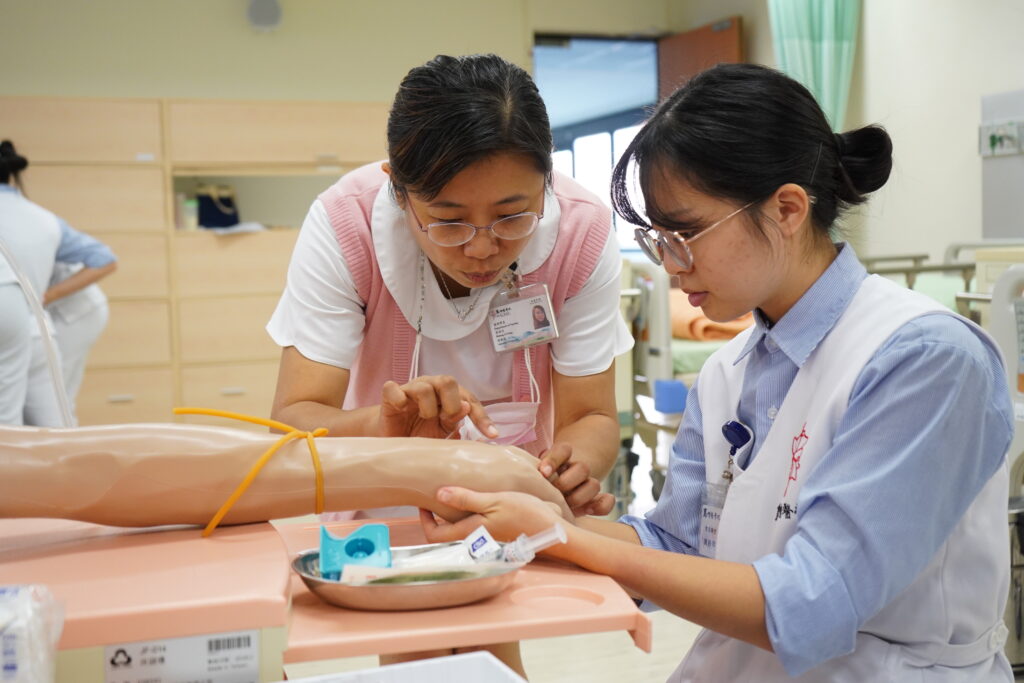
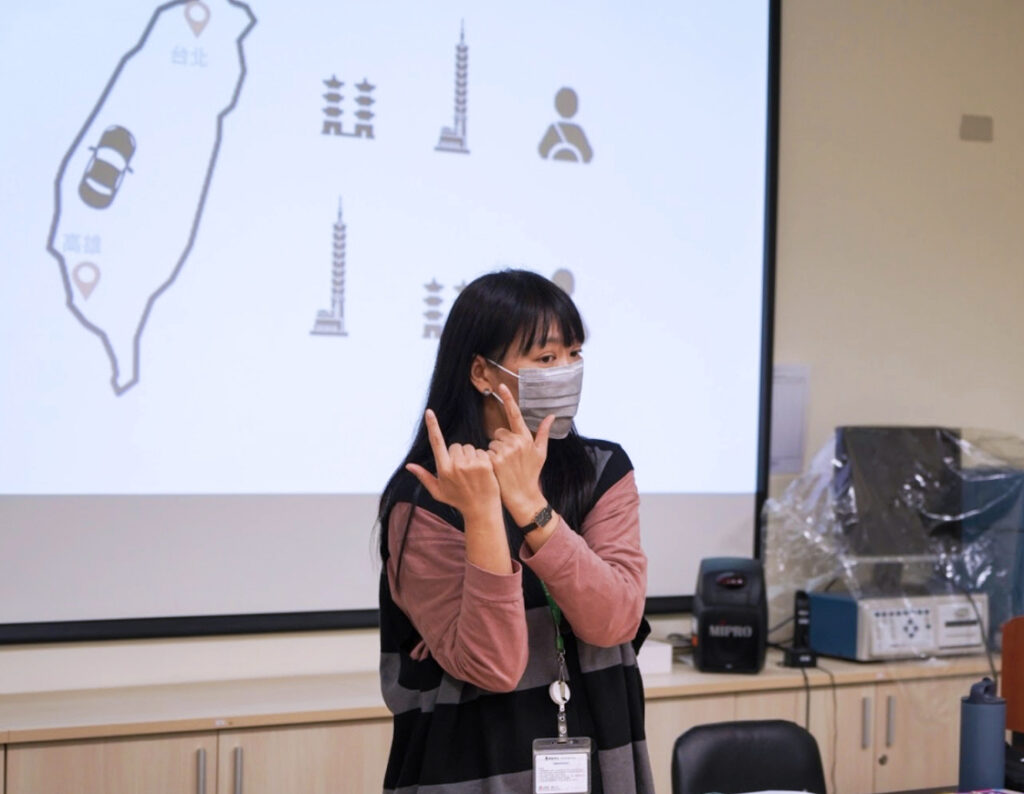
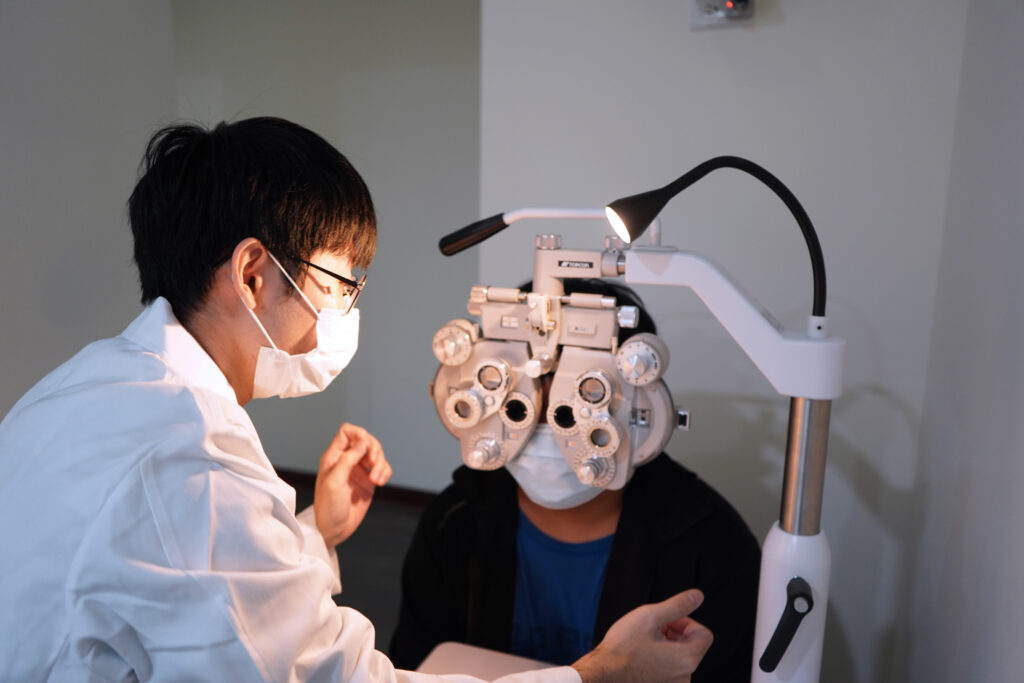
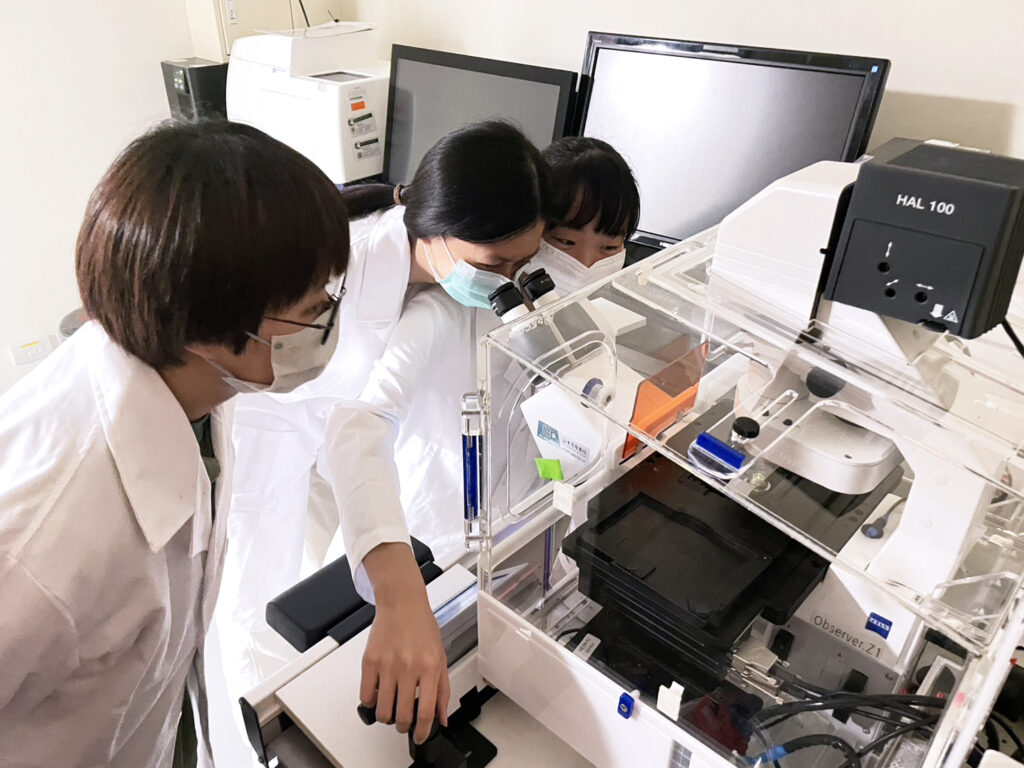
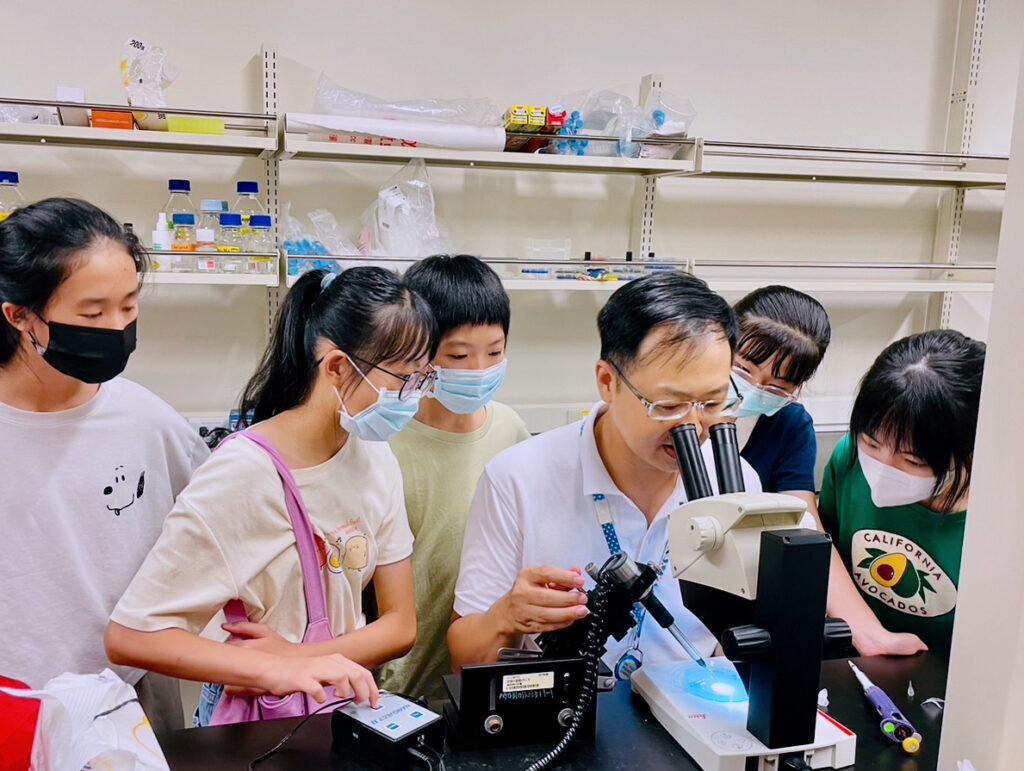
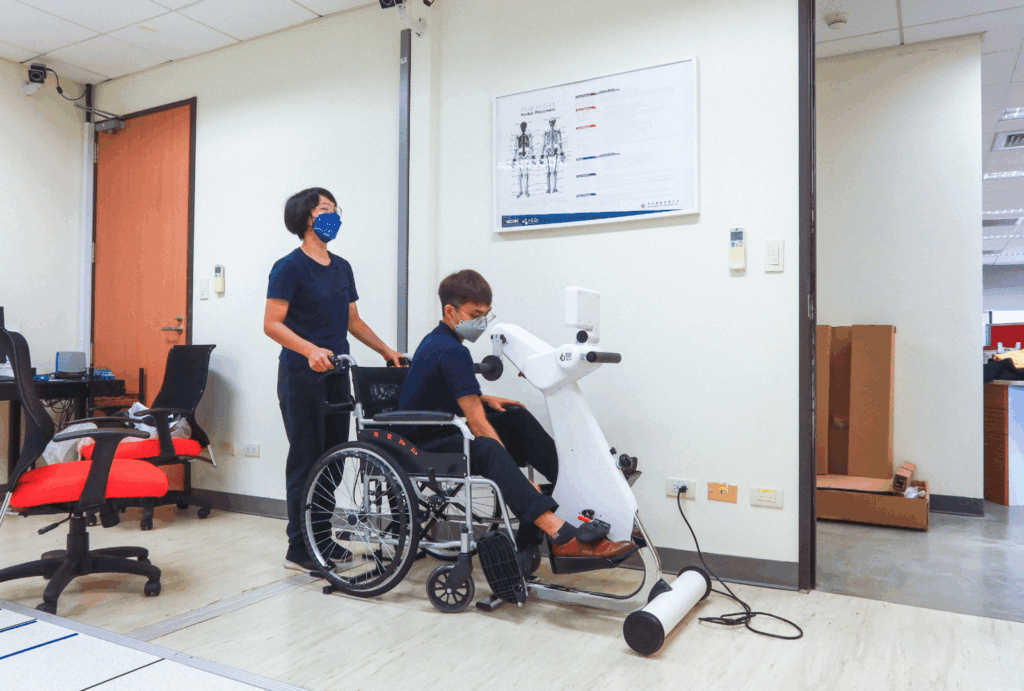
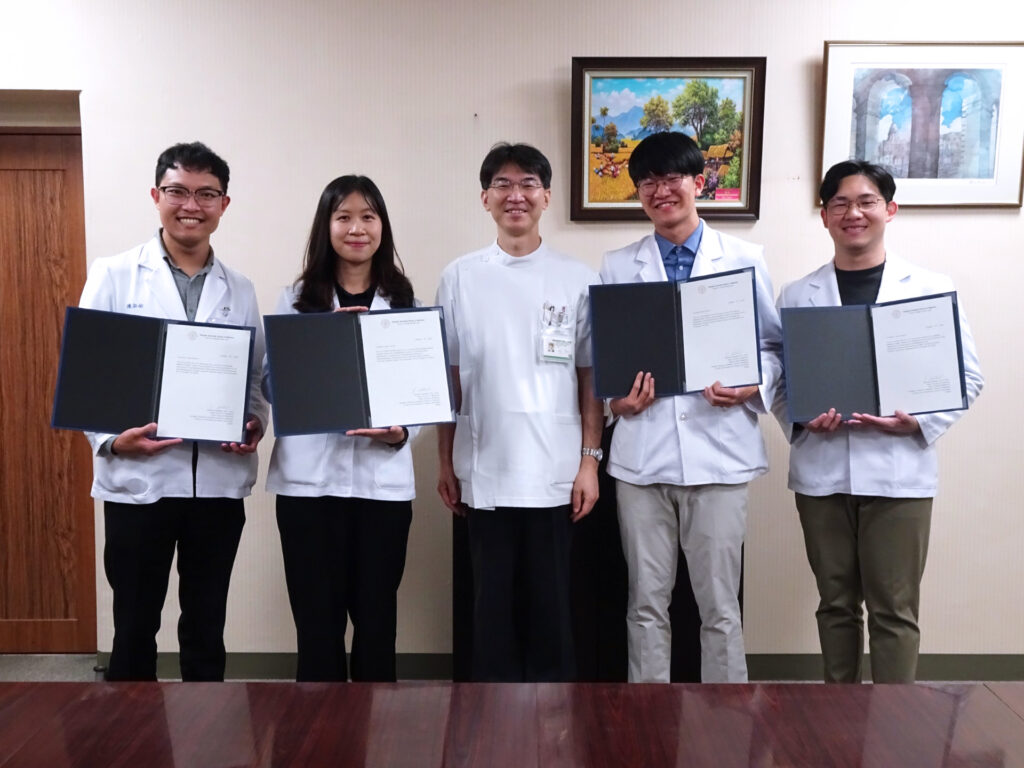


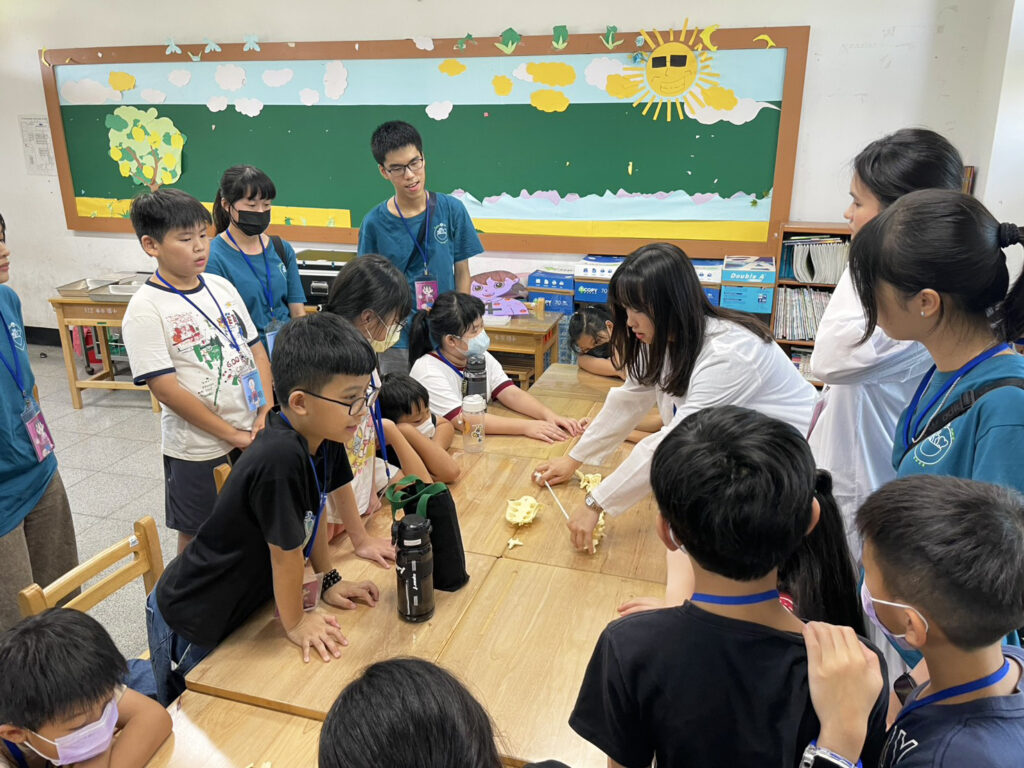
Videos
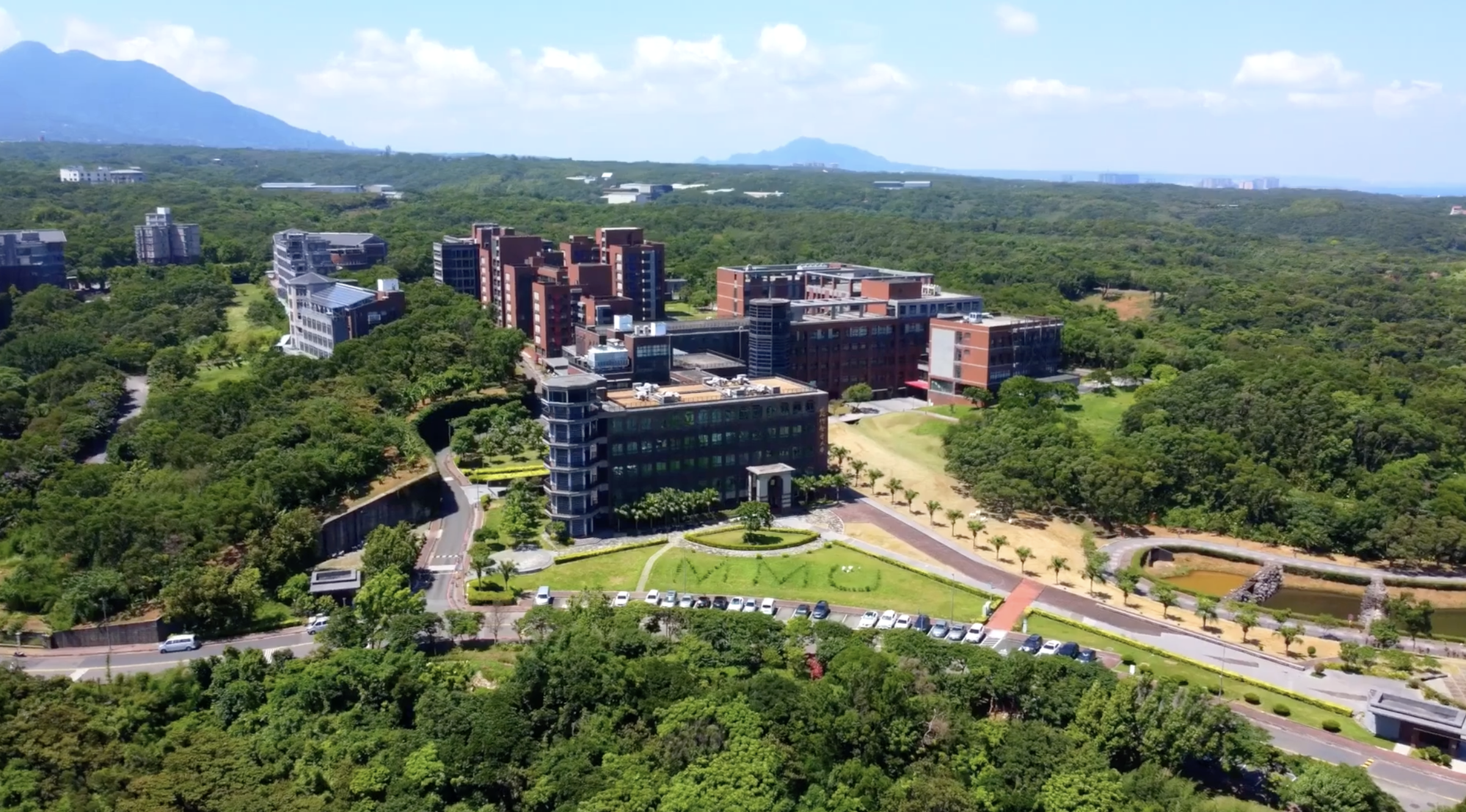
[Bachelor’s Program] Professors Tell You


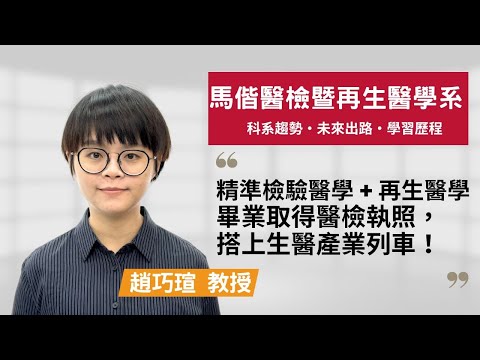

[Bachelor’s Program] Alumni Tell You
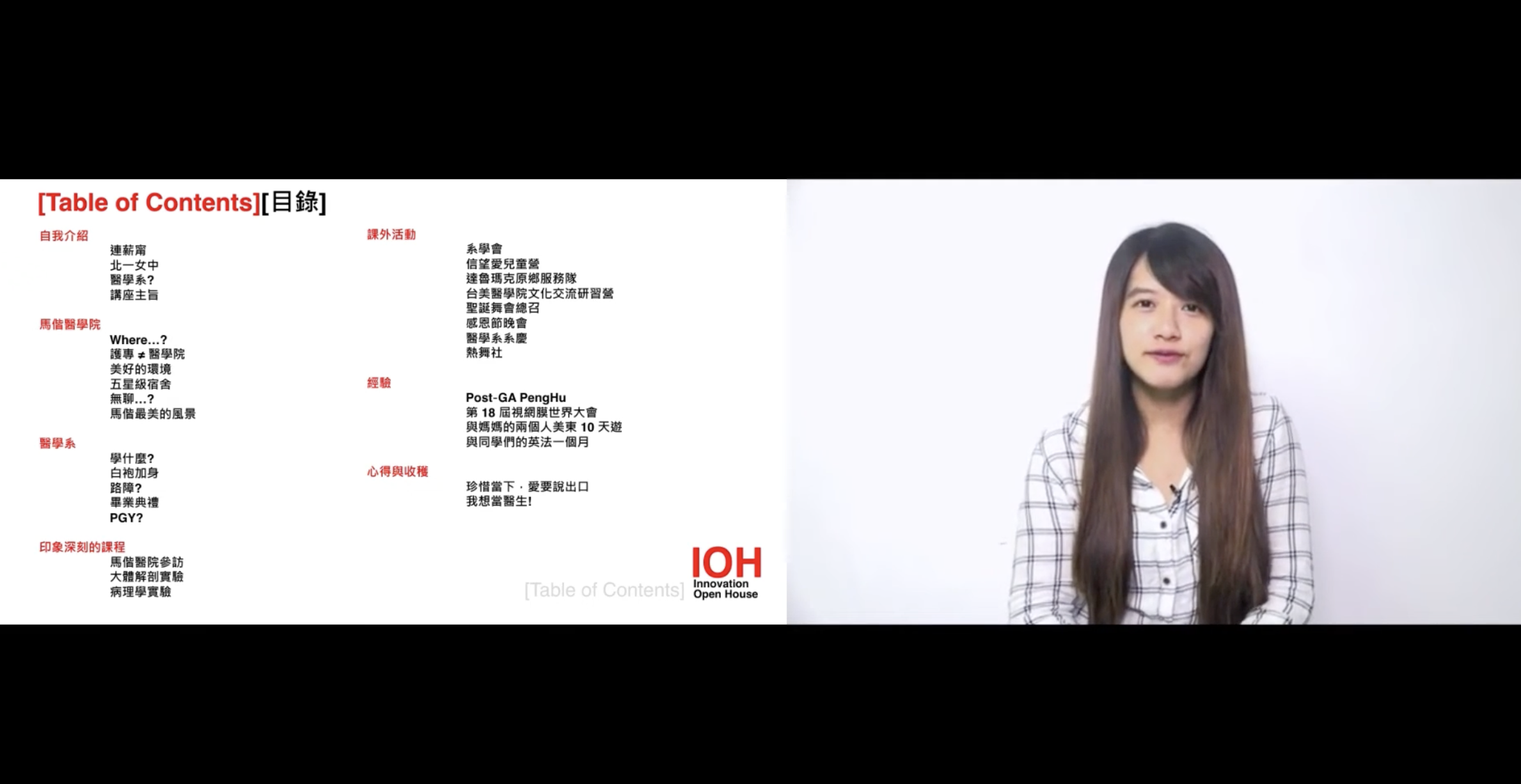
[Master’s Program] Professors Tell You
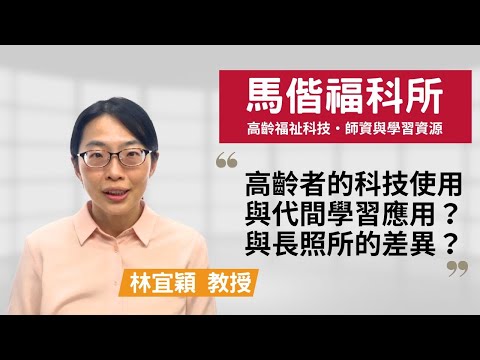
Scholarships
Tuition and Miscellaneous Fees by Department
|
College Name
|
Tuition and Miscellaneous Fees (NTD/Year)
|
|---|---|
|
Department of Medicine
|
NTD/YR 122,000
|
|
Department of Nursing
|
NTD/YR 97,000
|
|
Department of Audiology and Speech-Language Pathology
|
NTD/YR 97,000
|
|
Department of Optometry
|
NTD/YR 113,000
|
|
Department of Medical Laboratory Science and Regenerative Medicine
|
NTD/YR 118,000
|
|
Two-Year Bachelor’s Program in Nursing
|
NTD/YR 115,000
|
|
Graduate Institute of Biomedical Sciences
|
NTD/YR 98,100 (Master’s & Doctoral Programs Grades 1-2)
|
|
Graduate Institute of Long-Term Care
|
NTD/YR 98,100 (Master’s Program Grades 1-2)
|
|
Graduate Institute of Geriatric Welfare Technology
|
NTD/YR 98,100 (Master’s Program Grades 1-2)
|
|
Graduate Institute of Long-Term Care (Executive Master’s Program)
|
NTD/YR 117,000 (Executive Master’s Program Grades 1-2)
|
|
Master’s Program in Clinical Medicine, Department of Medicine
|
NTD/YR 110,000 (Master’s Program Grades 1-2) NTD/YR 55,500 (Master’s Program Grade 3)
|
|
Master of Science in Nursing
|
NTD/YR 98,100 (MSN Program year 1-2)
|
|
Master’s Program in Audiology and Speech-Language Pathology
|
NTD/YR 98,100 (Master’s Program Grades 1-2)
|
Scholarships
|
Scholarships
|
Scholarship Amount
|
Eligibility
|
|---|---|---|
|
Academic Excellence Award (Top Student of the Class)
|
Award Items: After the Department of Audiology and Speech-Language Pathology is divided into groups, the top two students in each group will receive scholarships of NTD 12,500 for first place and NTD 10,000 for second place, respectively.
|
Award Eligibility: All undergraduate students in Years 1 to 4 of the University are eligible to apply. Students who receive a New Student Admission Scholarship, as well as students graduating in the second semester of their fourth year, are not eligible under this regulation. Award Criteria & Selection Process:
Selection PrinciplesStudents’ academic status and class affiliation shall be determined according to the official student roster issued by the Office of Academic Affairs. Award Quota Based on class standing, the top three students in each class in terms of academic performance shall be selected as awardees. In the event of a tie in academic performance (calculated to the second decimal place), all tied students shall be awarded.
|
Visual Guide to Student Dormitories
|
One semester
|
One academic year
|
Other explanations
|
|---|---|---|
|
Buildings A and B: NTD 20,740
|
Buildings A and B: NTD 41,480
|
Dormitory Name: Buildings A & B / Buildings C & D Accommodation Eligibility: All students of the University Room Type: Facilities: In addition, each unit includes a shared living room, dining area, and bathrooms with separate wet and dry zones, providing a comfortable and home-like residential environment. Note: https://www.youtube.com/watch?v=2MCjmegregA&t=6s
|
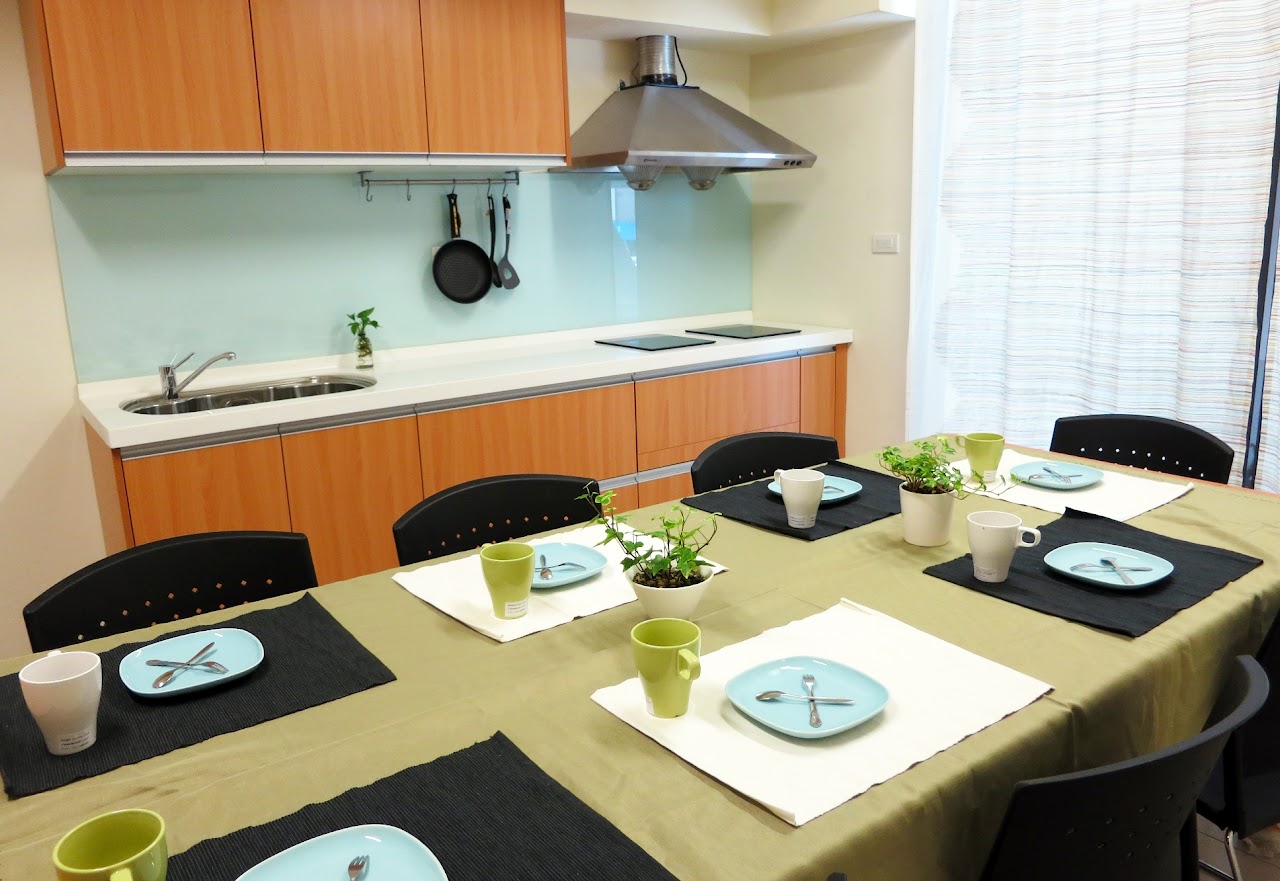
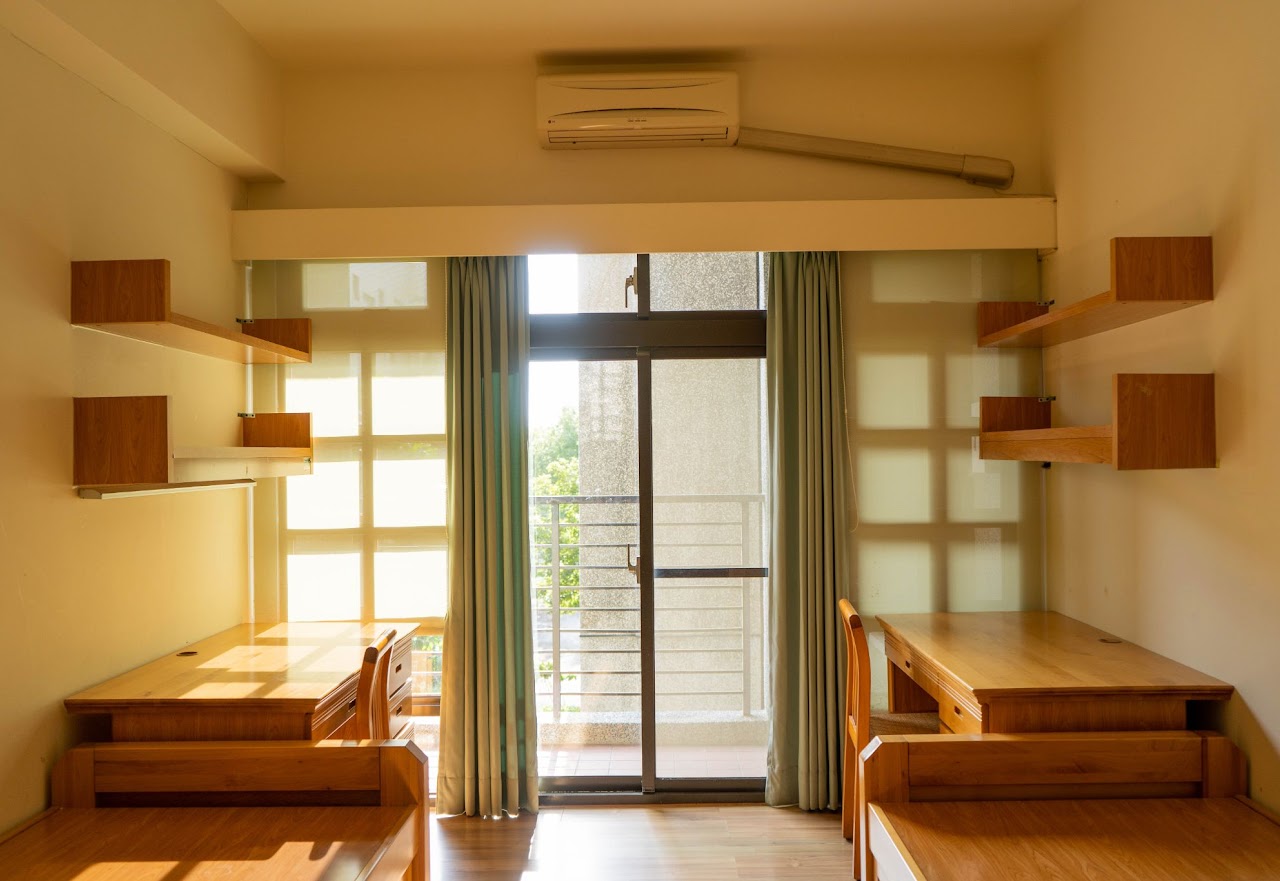
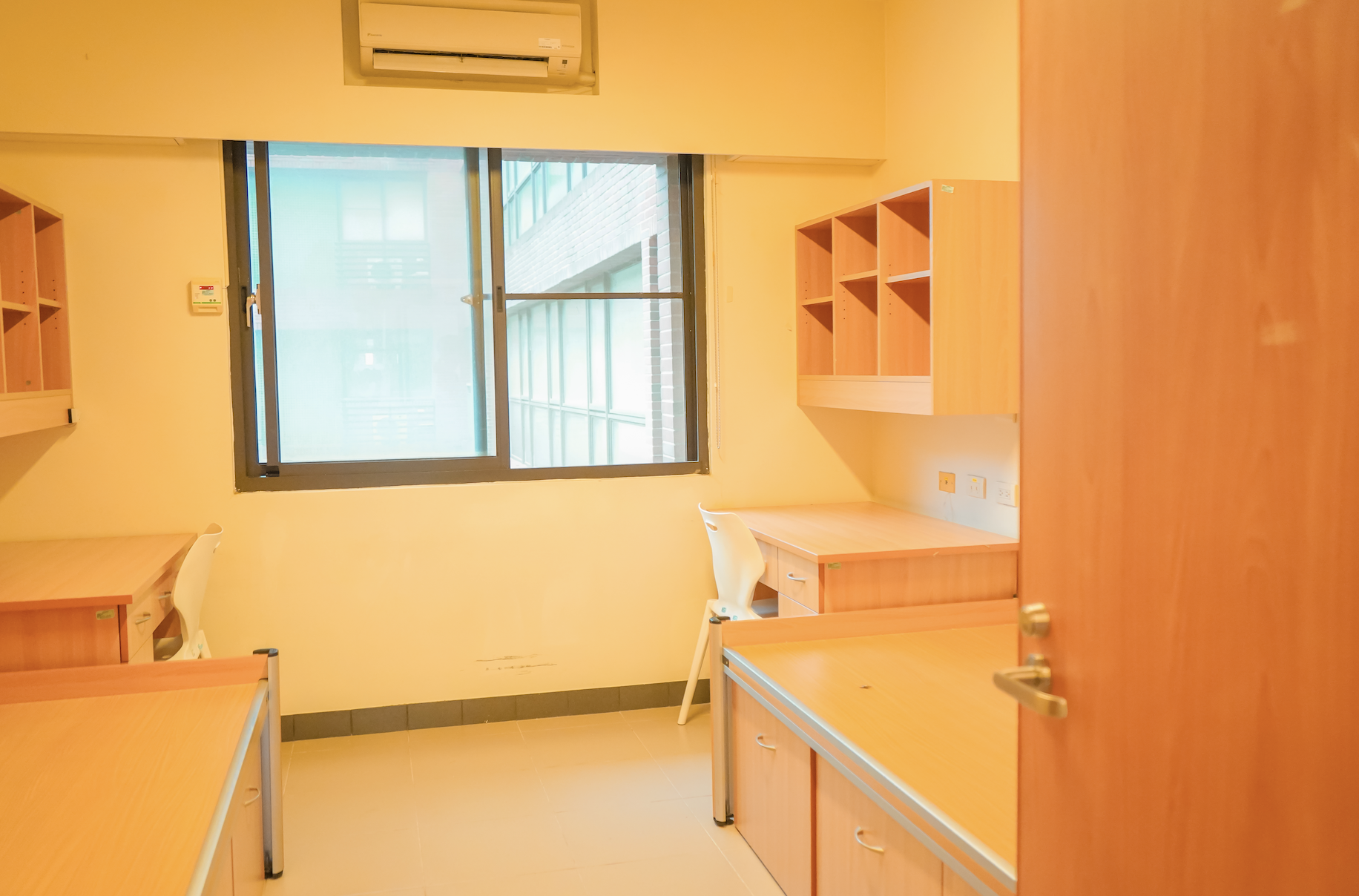
Pathways
LEE-MING INSTITUTE OF TECHNOLOGY
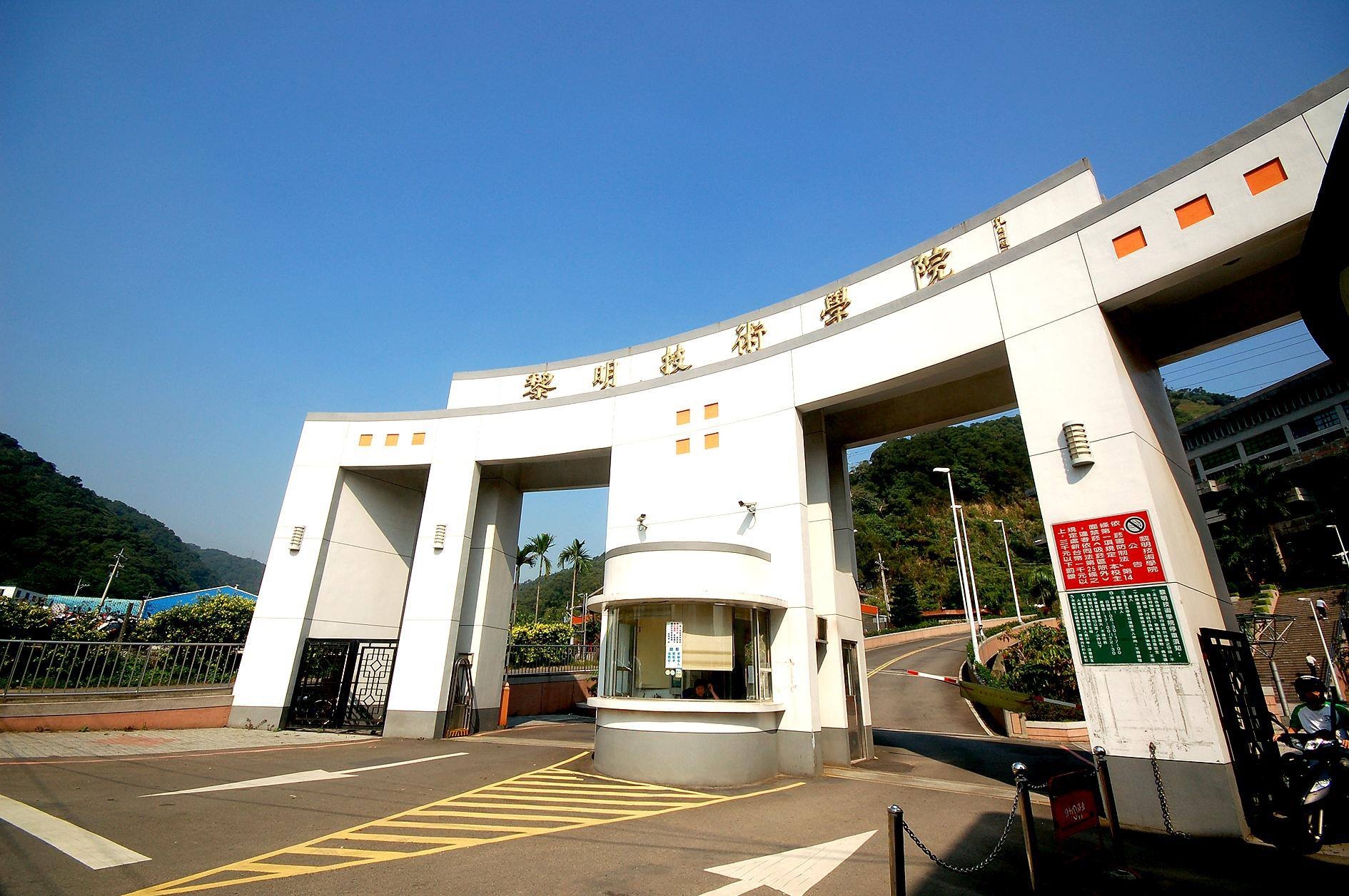
Information
Address
243083 No. 22, Section 3, Tailin Road, Taishan District, New Taipei City
Tuition and Accommodation Fees
Tuition: NTD/YR 92,852~101,686
Accommodation fee: NTD/YR 21,000 (including NTD 1,000 per semester for dormitory internet fee)
Living expenses: NTD/YR 80,000~100,000
Social Media
https://www.facebook.com/LITofficial.website/
Contact Information
Introduction
LMTC was founded in 1969. The university’s educational objectives are employment-oriented, focusing on cultivating students with professional practical skills. To develop distinctive features for each academic cluster, the university has established the Creative Design Center, New Media Center, Smart Technology Center, Tourism and Hospitality Innovation Center, E-sports Talent Training Center, and Green Energy Vehicle Research & Training Center.
By integrating departmental resources and collaborating with industry partners, and aligning with industry needs, the university cultivates professionals with strong practical ability, creativity, and employability. All departments have national certification examination centers, providing students with training to obtain professional licenses and enhance employment competitiveness. Students have also repeatedly won major awards in international skills competitions, earning the university high recognition for four consecutive years as a leading institution in vocational and technical education.
Exclusive Scholarship
• Handled in accordance with the school’s “Lee-Ming Institute of Technology Scholarship Regulations for Overseas Chinese Students and Foreign Students”.
• Overseas Chinese students and foreign students (including Hong Kong and Macau students) who have obtained admission permits from the university can receive a total scholarship of approximately NTD 120,000 in accordance with the university’s Scholarship Regulations for Overseas Chinese Students and Foreign Students (distributed in eight semesters over four years by means of pre-deduction); that is, the scholarship for the first academic year is NTD 30,000/per semester, and the scholarship for the second to fourth academic years is NTD 10,000/per semester to reduce the burden on parents and students.
Support System for International Students
• The university’s International Office employs 23 foreign teachers to assist overseas Chinese and foreign students with their lives and academic counseling; the proportion of foreign counseling teachers is the highest in Taiwan, providing overseas Chinese and foreign students with complete counseling and services.
Student dormitory provided
• Freshmen have priority to live in student dormitories; the dormitories are equipped with air conditioning, bathroom facilities, internet, etc., and are fully equipped with living facilities.
• The accommodation fee is NTD 10,500 per semester (including the dormitory internet fee of NTD 1,000); in addition, a dormitory deposit of NTD 1,000 must be paid during freshman registration; no additional fees will be charged during winter and summer vacations.
Alumni
楊智超
Distinguished Alumni
Hong Kong
–Served as the 15th Student Council President
–Personal participation in the 2nd 321 Joint Film Festival [Live in Life]: –
1. The entry work “Binbin Group B” won the Best Drama Award
2. The entry work “A Cigarette Time” was shortlisted

曾怡淇
Distinguished Alumni
Malaysia
–5th Malaysia Golden Star Awards–Outstanding Youth of the Year, Outstanding Female Singer
–Record Singer
江妍慜
Distinguished Alumni
Malaysia
–Participated in team production: – 1. The work “To Youth” was shortlisted for the IM Cross-Strait Youth Film Festival
2. The work “Chatbot” participated in the Golden Horse Awards
3. The work “Happiness in the Painting” participated in the Screwdriver Film Festival
4. The documentary “Old Mr. Huang Has a Piece of Land” participated in the Prize Hunter, Chuanliu Film Festival, and Student Image Rising Star Award

涂婉琳
Outstanding Alumni
Malaysia
–Participated in team production: – 1. The work “To Youth” was shortlisted for the IM Cross-Strait Youth Film Festival
2. The work “Chatbot” participated in the Golden Horse Awards
3. The work “Happiness in the Painting” participated in the Screwdriver Film Festival
4. The documentary “Old Mr. Huang Has a Piece of Land” participated in the Prize Hunter, Chuanliu Film Festival, and Student Image Rising Star Award

蘇湋森
Outstanding Alumni
Malaysia
–Won the Best Creative Award in the 2nd Overseas Chinese Dance Cup
–Participate in competitions and constantly work hard to improve yourself: –
1. 2022 GIVING BATTLE VOL.7
2. 2022 One Judge Tricking X Street Dance Competition
3. 2023 Shin Kong Cup Dance Open Group
4. 2023 Hsiung Cheng Wu Tou Dance Open Group
5. 2023 GIVING BATTLE VOL.8
6. 2023 One Judge Street Dance Autumn Competition
7. 2023 DANCE FOR HIGH TAIPEI 1v1 All Style Battle
柯敬傑
Outstanding alumni
Malaysia
1. Starred in New Taipei City Government’s 2022 Art Full City Fragrance “Princess Winnie”
2. Starred in New Taipei City Government’s 2023 Art Full City Fragrance “Super Player”
3. Starred in the 2024 Forest Settlement Taiwanese Children’s Musical “Where is Spring?”
4. 2023 Vocational Chain Jumps to the Future Singing Musical Works – Single “Fly Away Party” – Single “Dream On”
5. 2024 Indigenous Pop Music Industry Singing Musical Works
-Single “Dream On”
-Single “Fourth Floor Classmates”
6. 2025.8 Kelantan Chinese Chamber of Commerce, Malaysia (Hear the Sparkling Bonfire Party in 2025)

曾怡雯
Distinguished Alumni
Malaysia
–Won the 6th Malaysia Golden Star Awards Outstanding Chinese Youth, Most Popular Performing Singer
Won the Outstanding Performing Singer Award at the 8th Malaysia Golden Star Awards in 2023
Won the Outstanding Chinese Youth Award at the 8th Malaysia Golden Star Awards in 2023
Shortlisted for the National Finals of the 2024 National University Overseas Chinese Students Mandarin Singing Competition
Shortlisted for the National Finals of the 2025 National University Overseas Chinese Students Mandarin Singing Competition
Shortlisted for the Global Finals of the 2025 Global Overseas Chinese School and Overseas Chinese Student Singing Competition
卜子城
Distinguished Alumni
Malaysia
The youngest contestant in the 2019 Du Hsiao Yueh “Minced Pork Creative Cuisine” Competition
葉怡芬
Distinguished Alumni
Malaysia
Won the 2020 NTT International Creative Aesthetics Skills Competition – International Professional Coffee Latte Art Convection Competition Group
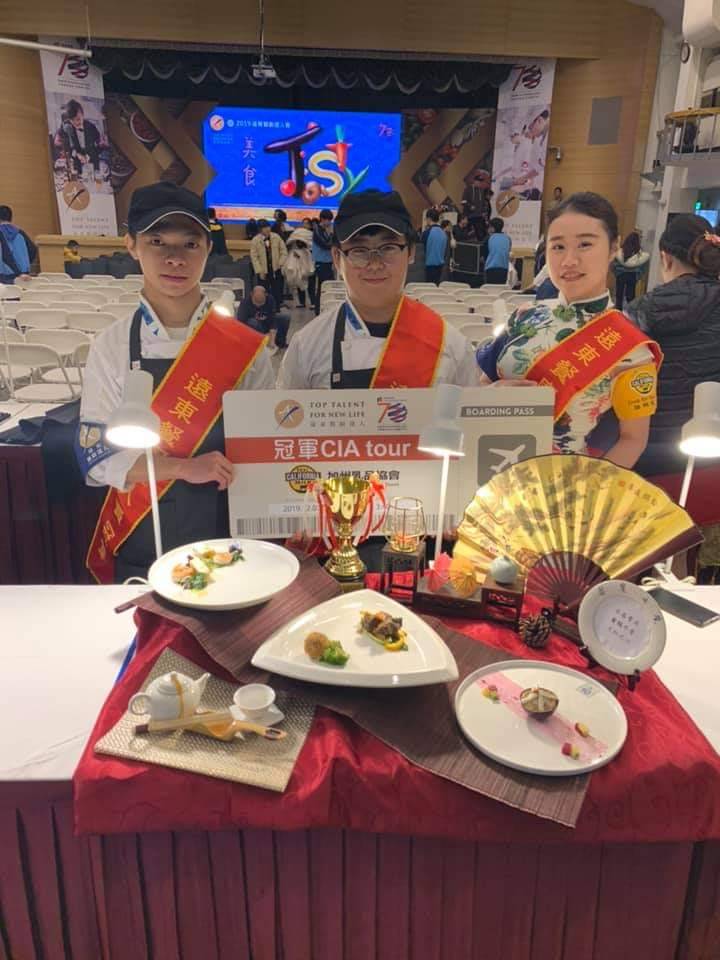
謝惠欣
Distinguished Alumni
Malaysia
Won Honorable Mention in the 2020 Young Sommelier Elite Competition
Won the Bronze Medal in the 2019 Frying Pan Master Competition
Won the championship and a bonus of 300,000 in the 2019 Far Eastern Catering Master Competition
Champion of the 2019 Far Eastern Catering Master Competition
-1.jpg)
吳忆萱
Outstanding alumni
Malaysia
1. Participated in the team’s short film production “Red Balloon”: Won the Bronze Award in the Social Group of the 3rd Golden Light Short Film Festival, and was shortlisted for the Best Film in the Social Group of the 2019 MOD Micro Film and Golden Film Creation Competition
2. Participated in the team production “Home. Walk”: Won the first place in the school’s internal selection
3. 2020 First Campus Golden Horse Awards Shortlisted for Best Film
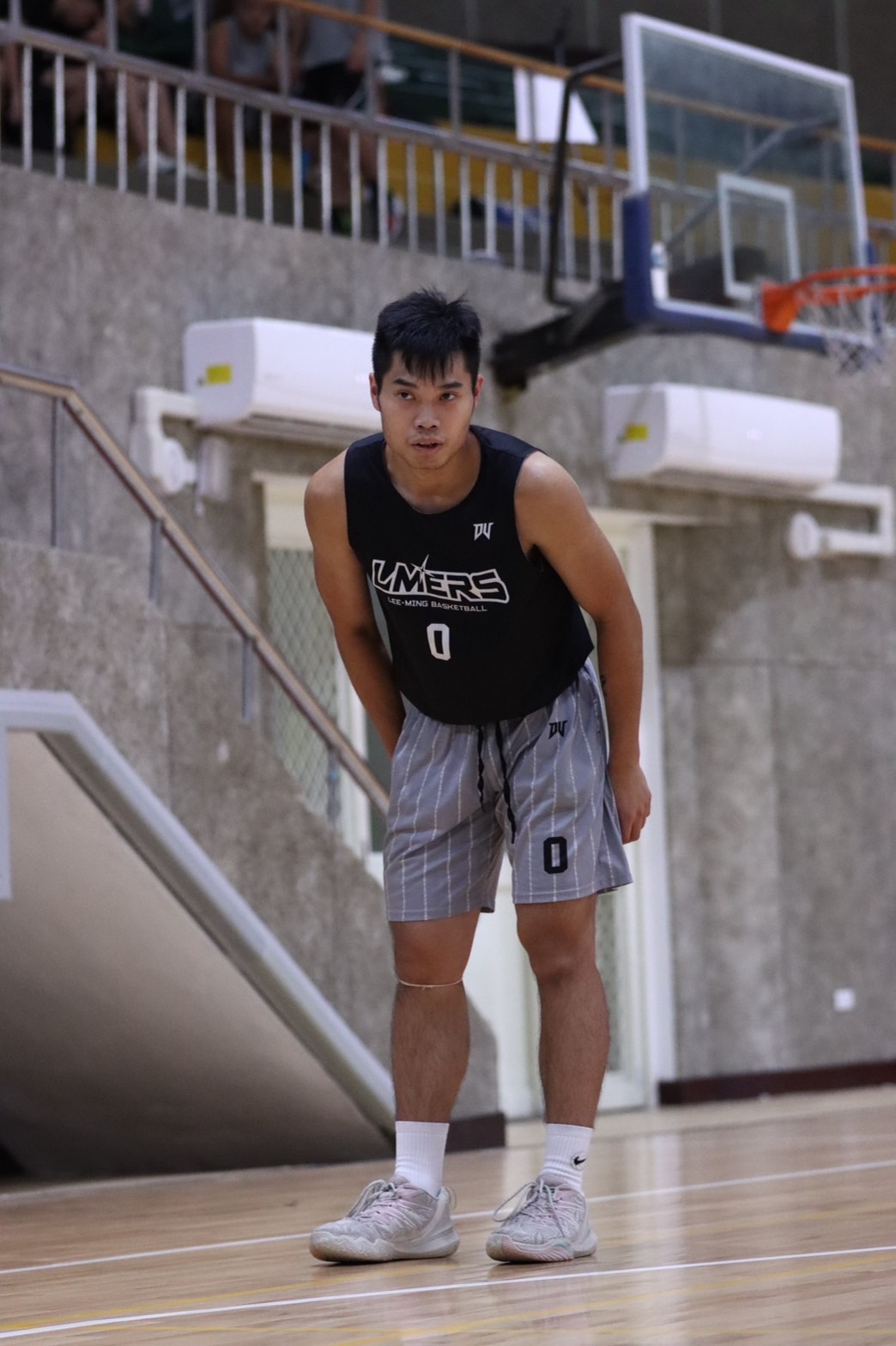
巢醒釗
Distinguished Alumni
Macau
–Won the 2023 Hualien Elite Cup Championship
–Won the 2023 Pan American Cup Championship
–Won the 2023 Yungching Cup Championship
–Won the 5th place in the 2022-2023 UBA University Cup
–Won the 2023-2024 UBA University Cup Championship

楊秋銘
Distinguished Alumni
Malaysia
1. Participated in the 2025 Avignon Arts Festival in France
2. Participated in the 2024 School of Performing Arts and Film Studies Student Art Competition [Golden Excellence Award]
Highlights
Featured courses
The university emphasizes practical teaching, linking specialized courses, industry-academia cooperation and off-campus competitions, taking into account basic, professional and characteristic courses, so that students can achieve the learning effect of “Learn by doing, apply as you learn”.
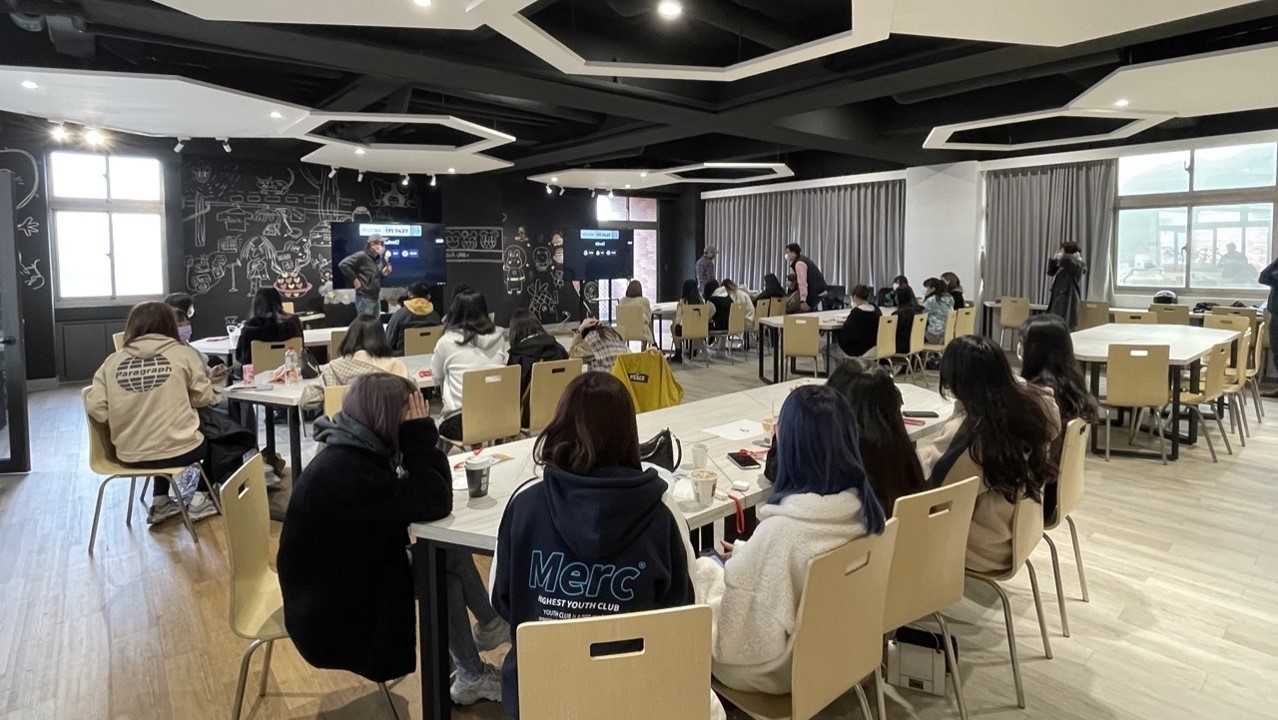
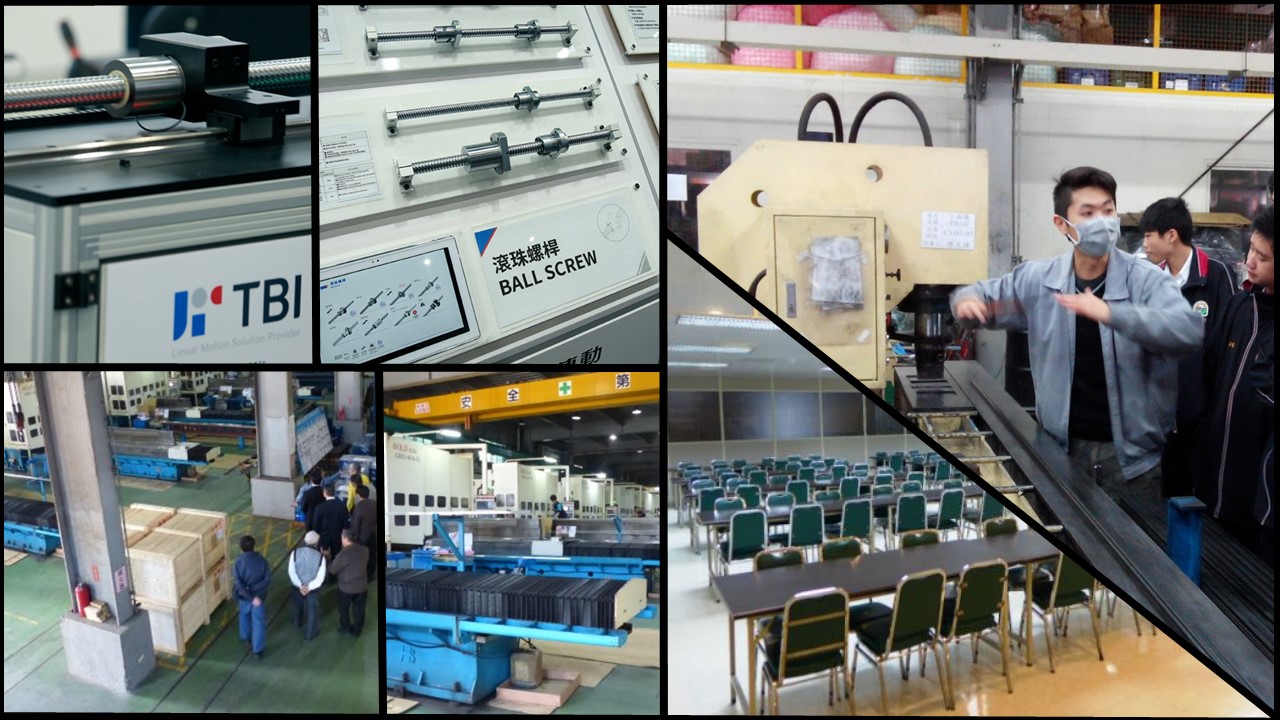
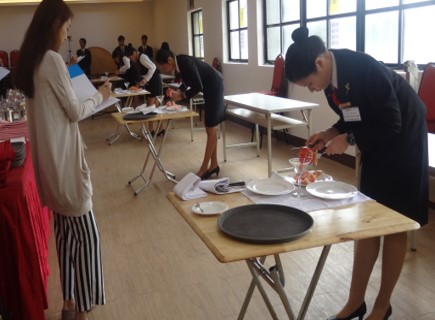
industry-academia cooperation or school-employment integration system
The university closely cooperates with related enterprises through industry-academia cooperation, off-campus internships and practical project production to cultivate students’ practical skills, innovation and employment competitiveness, and achieve an educational model that seamlessly connects with enterprises for employment.
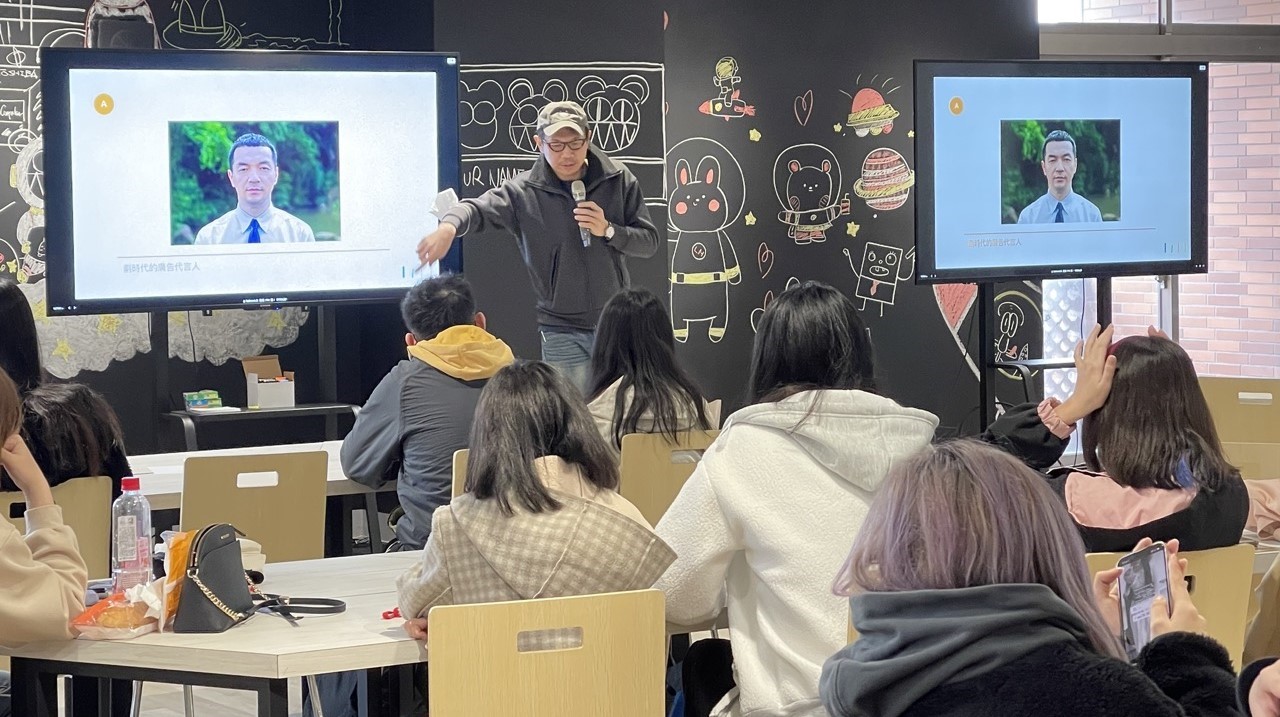
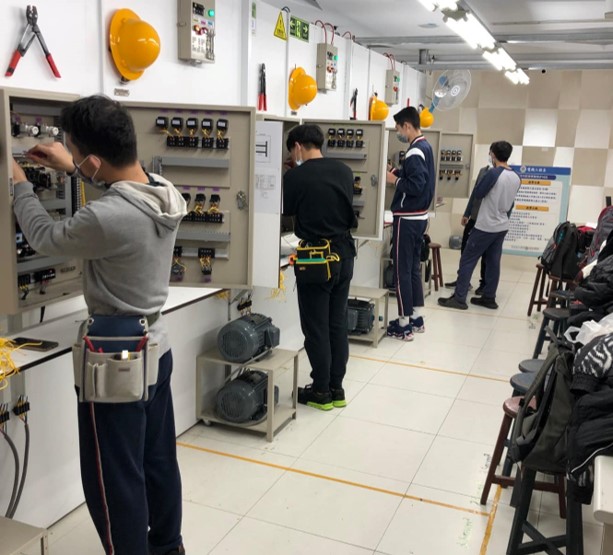
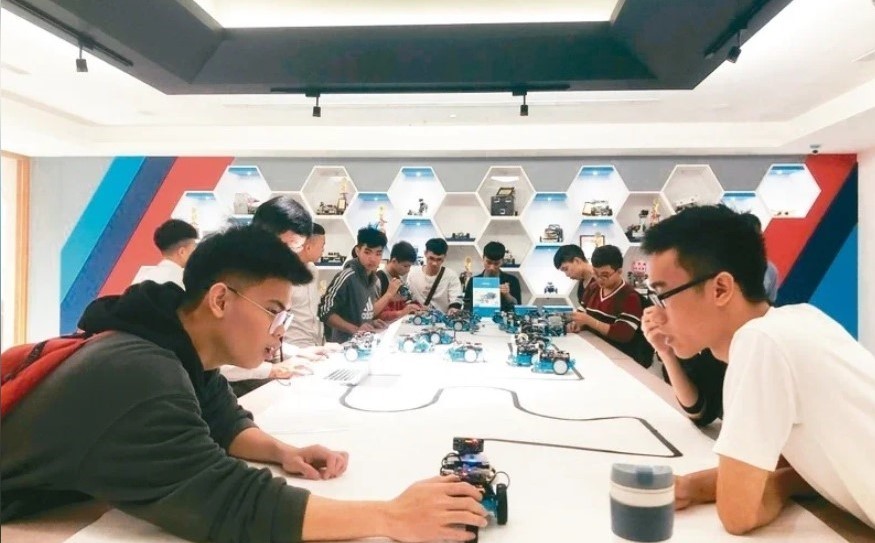
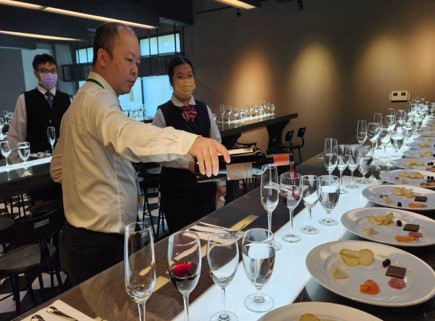
Departments
School Departments and Programs
College of Film and Arts
College of Tourism and Hospitality
College of Intelligent Engineering
College of Fashion and Creativity
Photos & Videos
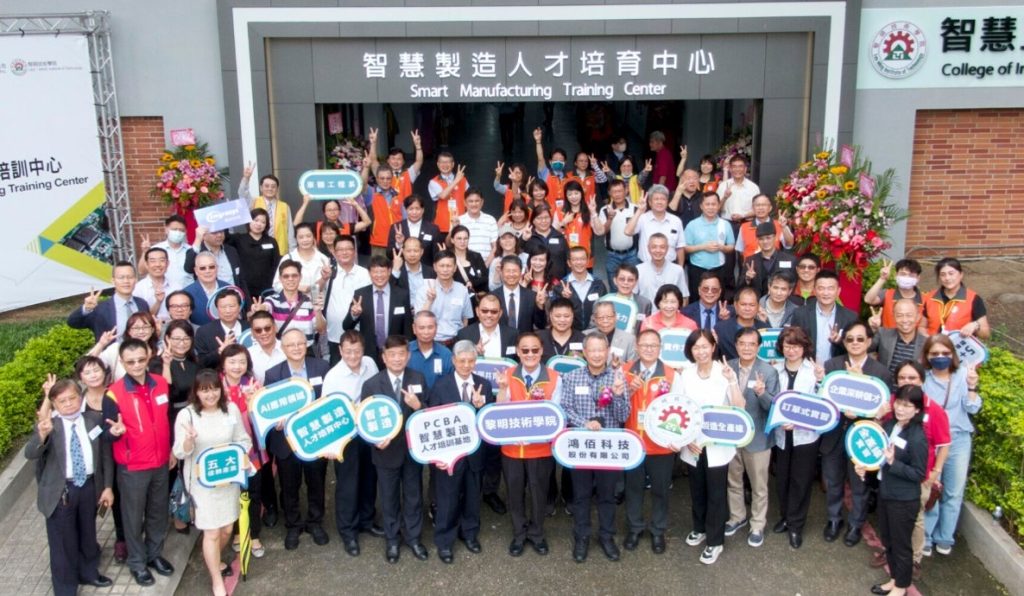
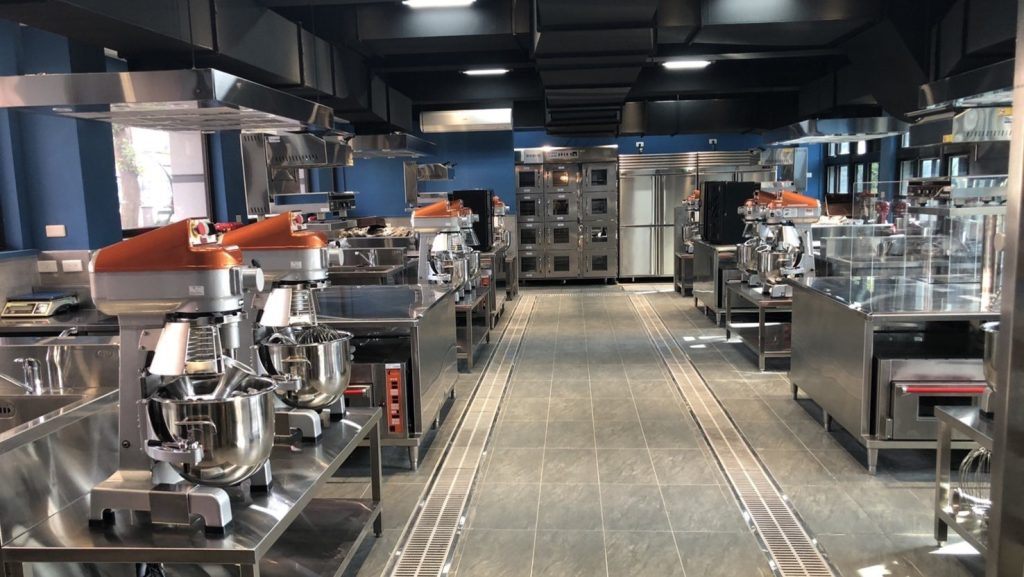
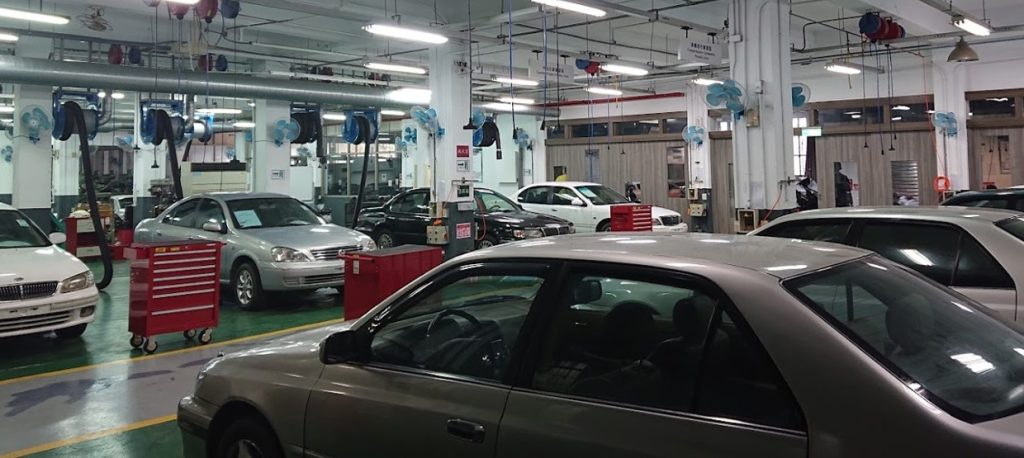
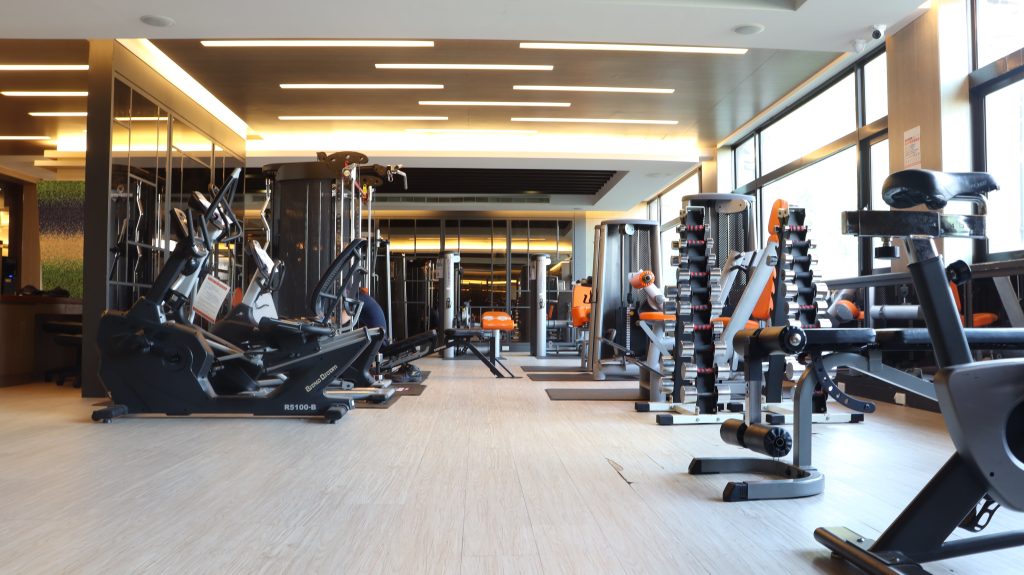
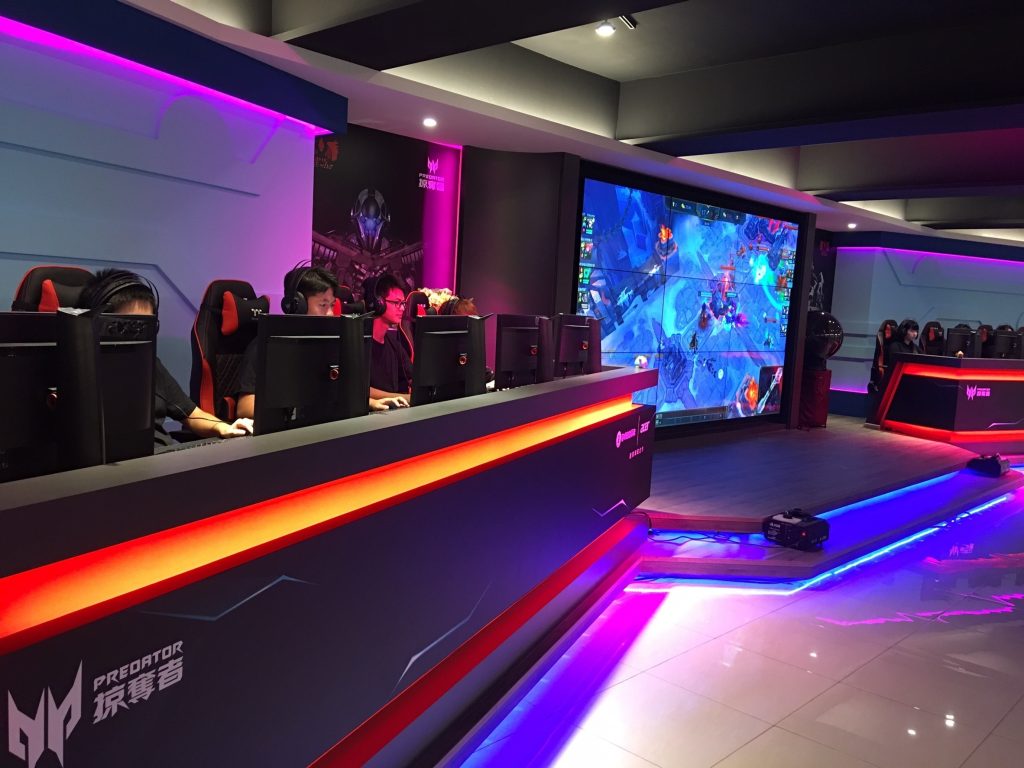
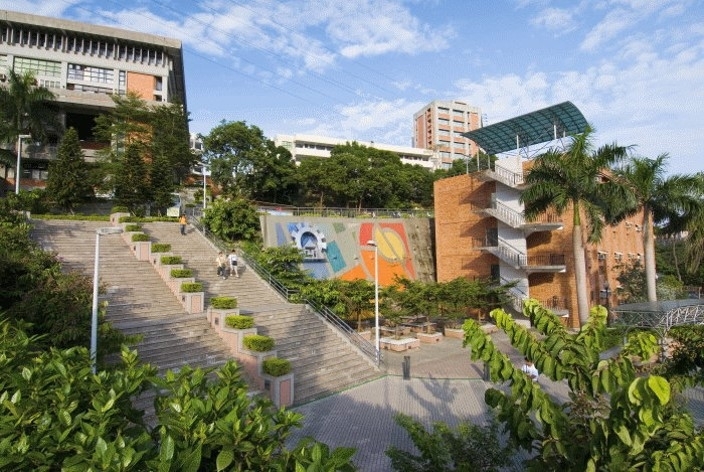
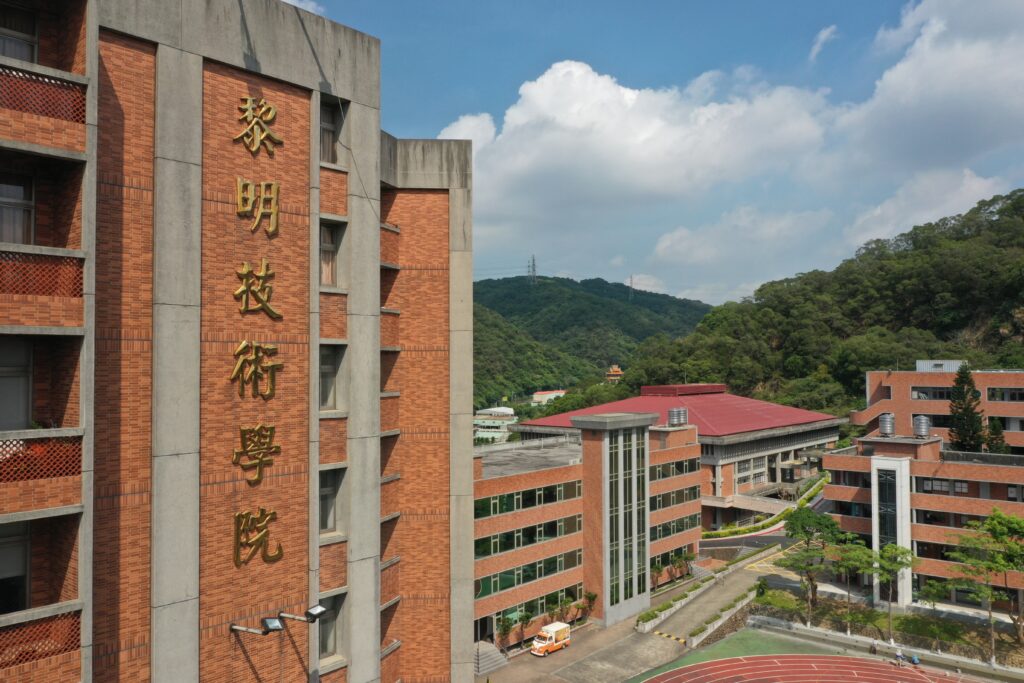
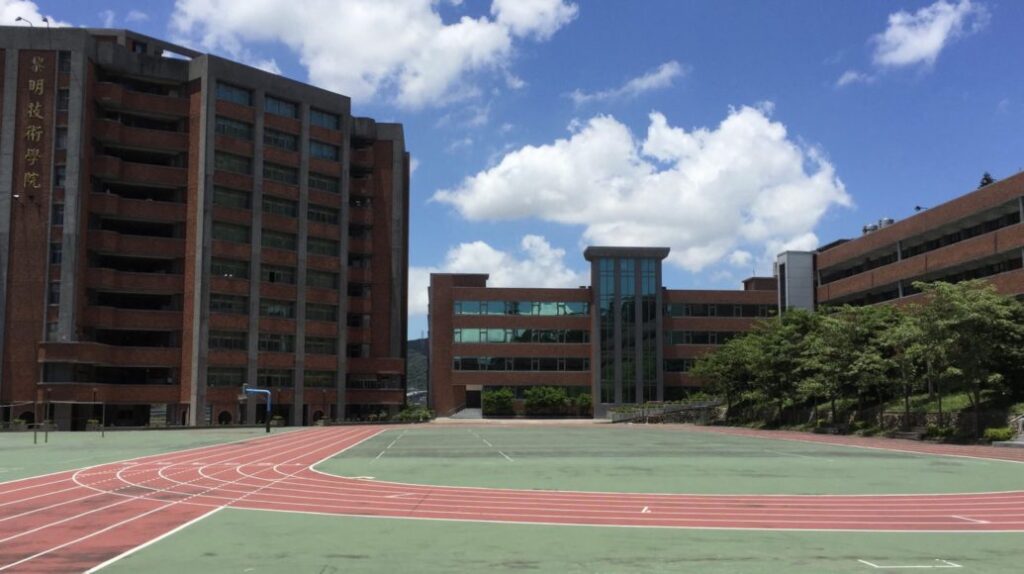
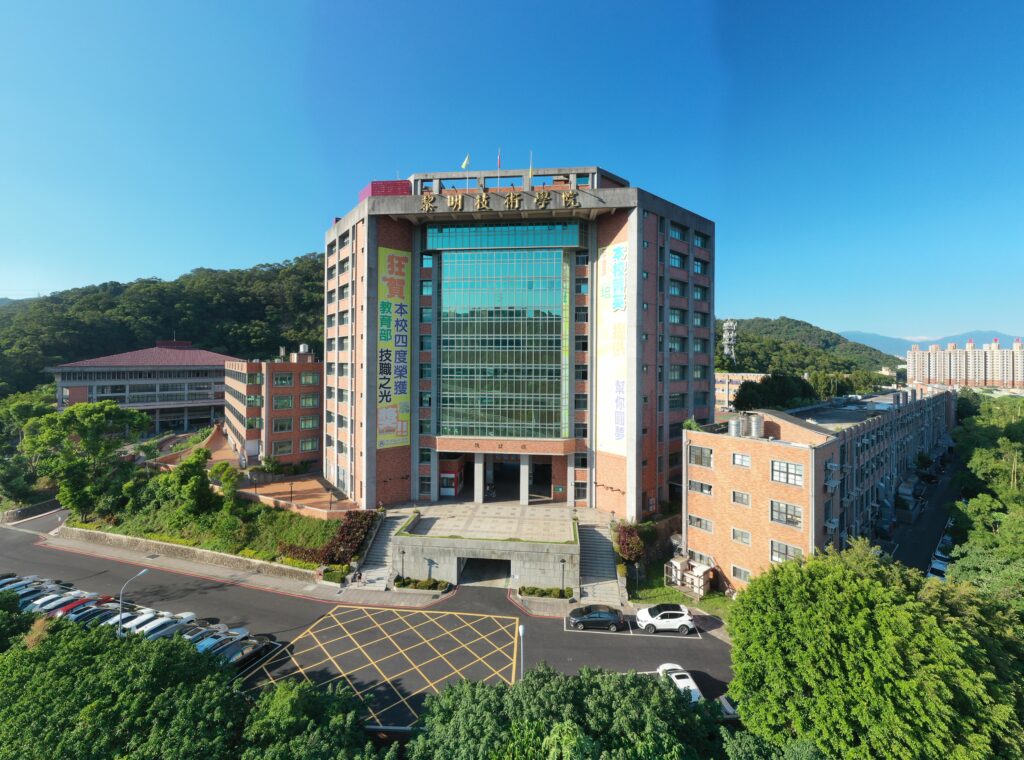
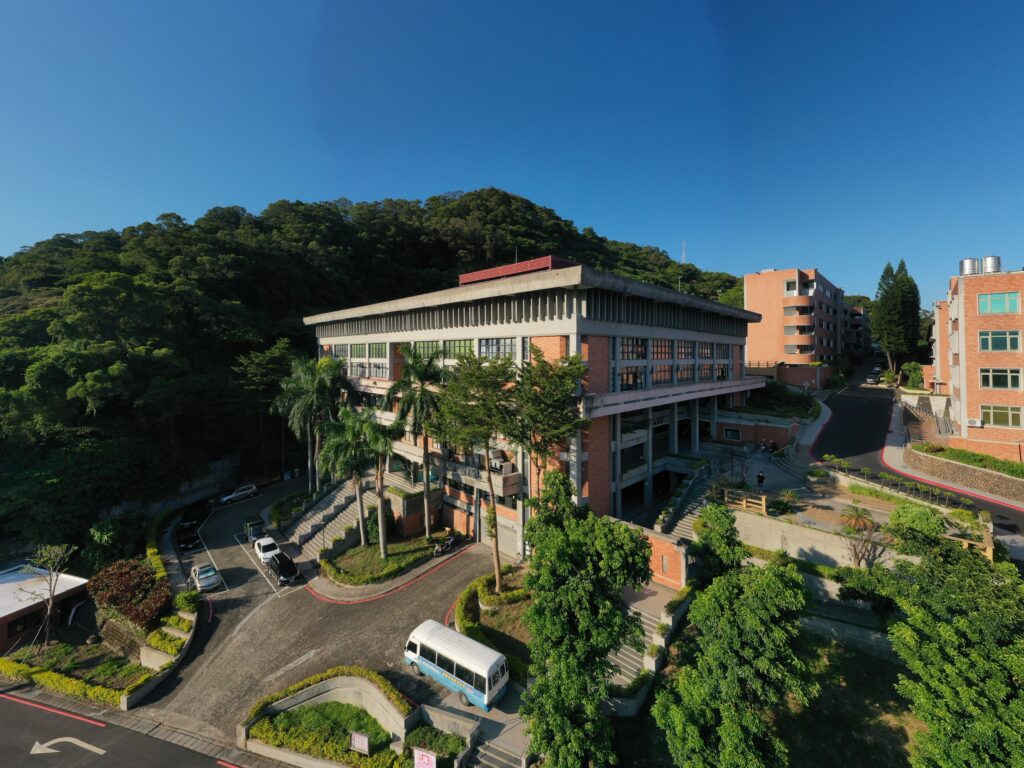
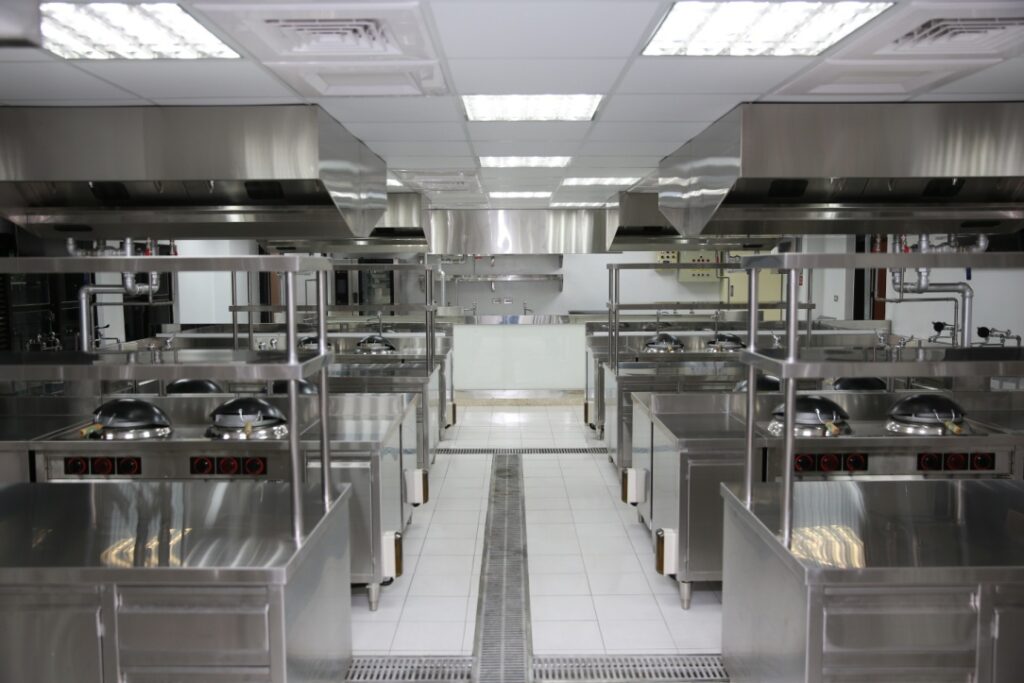
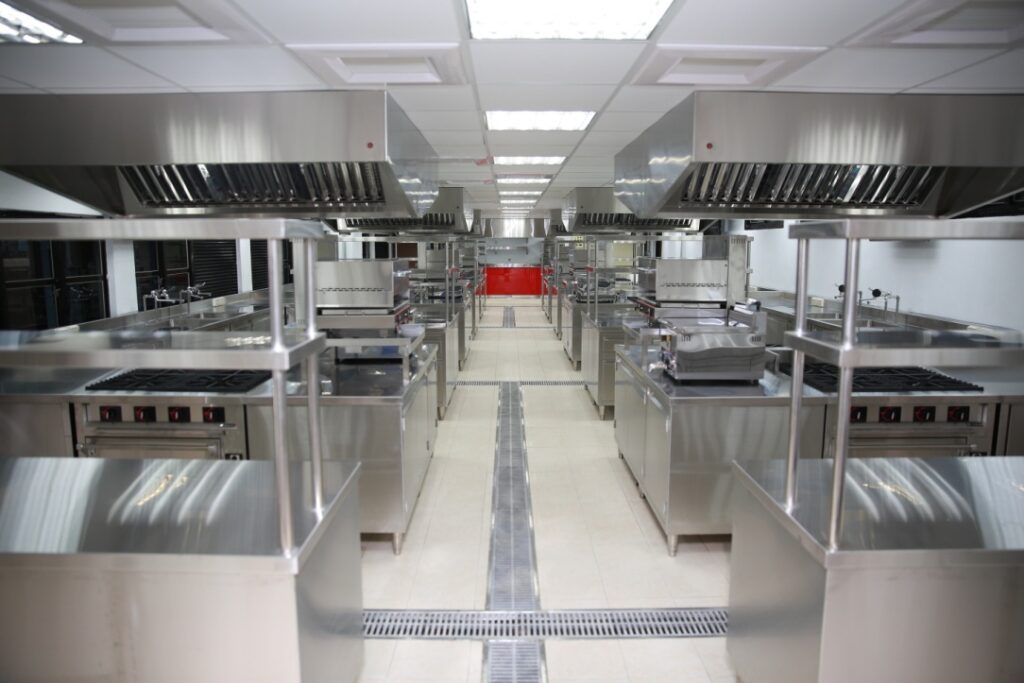
.jpg)
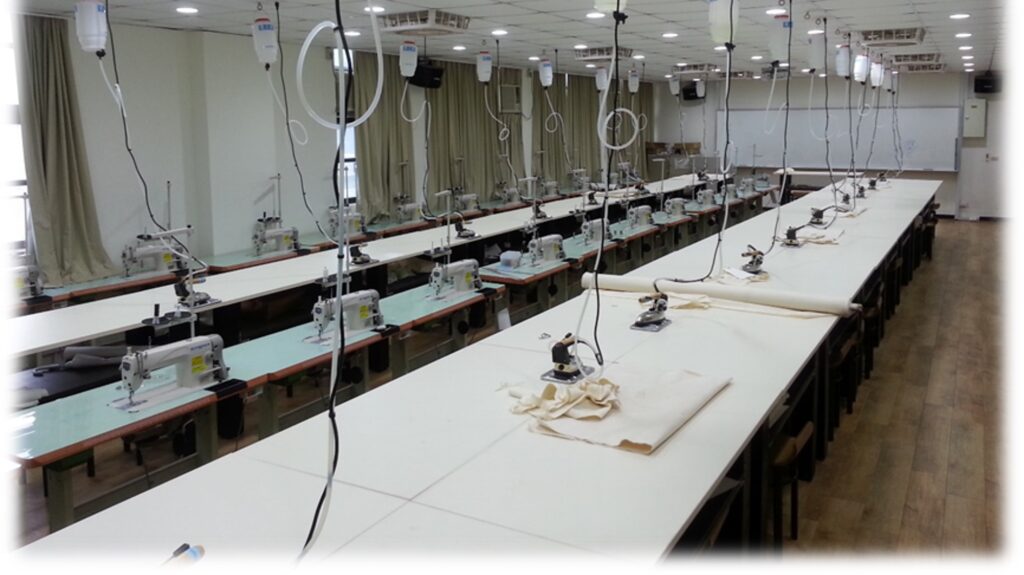
Videos


Scholarships
Scholarships
|
Scholarships |
Scholarship Amount |
Eligibility
|
|---|---|---|
|
Freshman Scholarship (First Academic Year) |
NTD 30,000/semester |
All new students are eligible to receive it; and the process is conducted in accordance with the “Scholarship and Financial Aid Regulations for Overseas Chinese and International Students of Liming Institute of Technology.”
|
|
Overseas Chinese and Foreign Student Scholarship (Second to Fourth Academic Year) |
NTD 10,000/semester |
All overseas Chinese and foreign students are eligible to receive it; and the process is conducted in accordance with the “Scholarship and Financial Aid Regulations for Overseas Chinese and International Students of Liming Institute of Technology.”
|
Tuition/Year
[The following tuition and miscellaneous fees do not include scholarships]
|
College Category |
Tuition/Year
|
|---|---|
|
Smart Engineering Cluster |
NTD/YR 101,686
|
|
Performing Arts and Film Studies Cluster |
NTD/YR 101,686
|
|
Tourism and Hospitality Cluster |
NTD/YR 92,852
|
|
Fashion and Creative Design Cluster |
NTD/YR 100,886~ 101,686
|
Living Expenses/Year
Unit is calculated in New Taiwan Dollars
Living expenses: NTD/YR 80,000~100,000
Accommodation fee: NTD/YR 21,000 (including NTD 1,000 per semester for dormitory internet fee)
|
One semester |
One academic year |
Other explanations
|
|---|---|---|
|
NTD 10,500 |
NTD 21,000 |
Student Dormitory
|
School accommodation
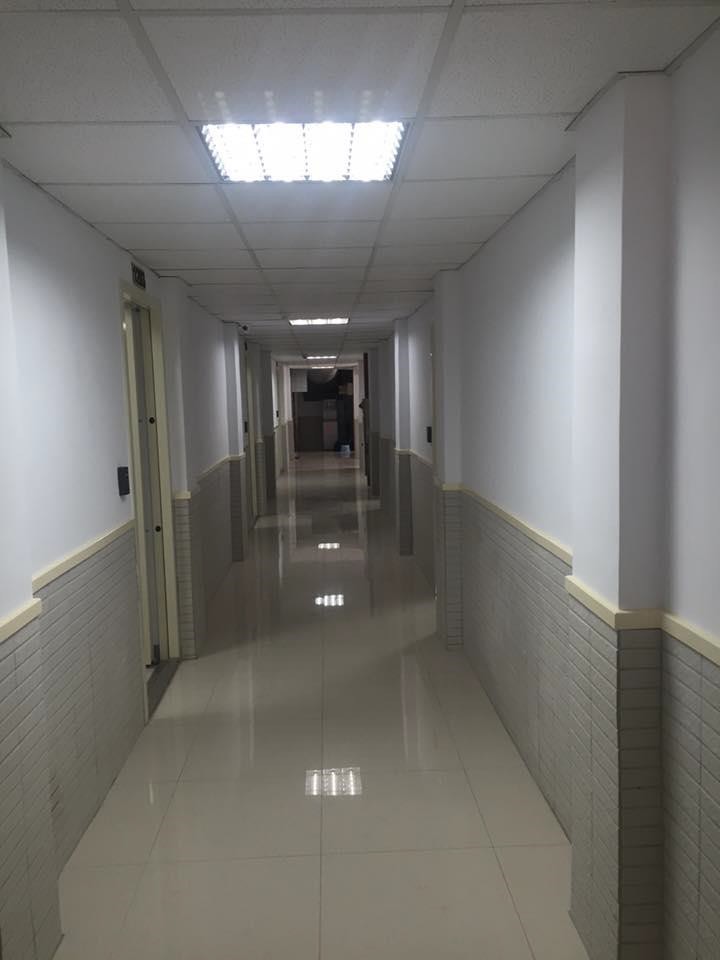
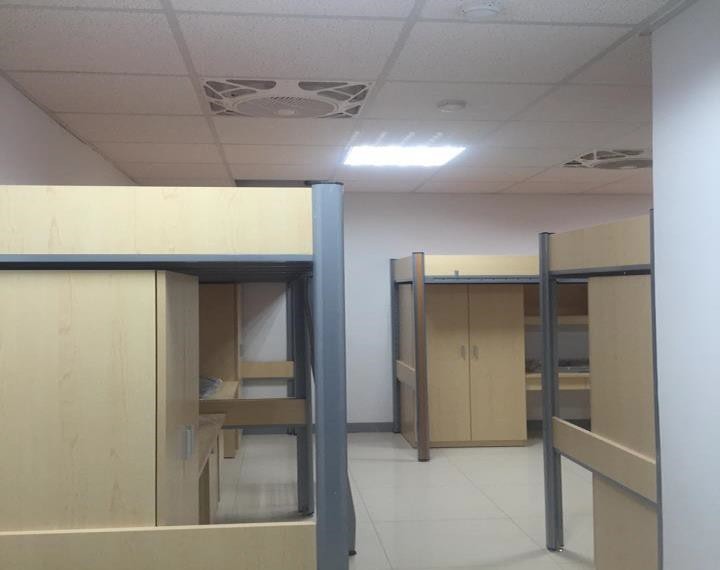
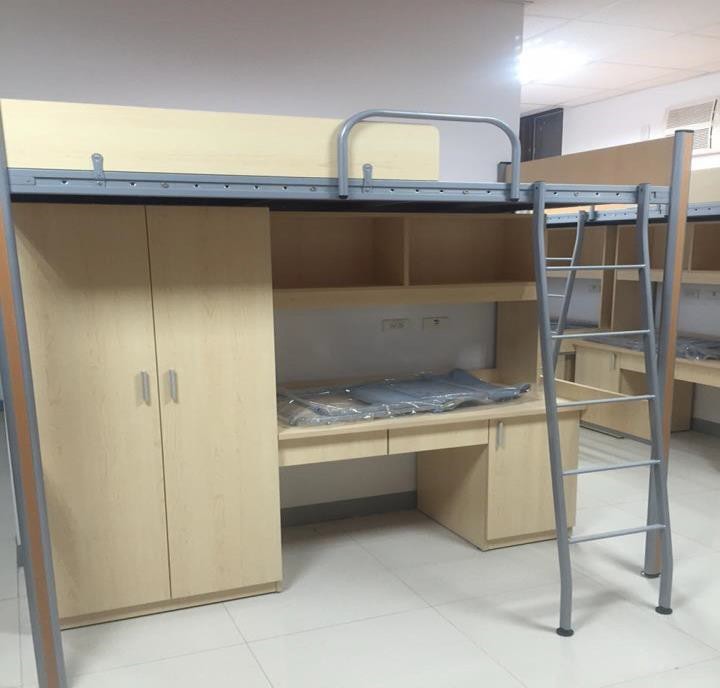
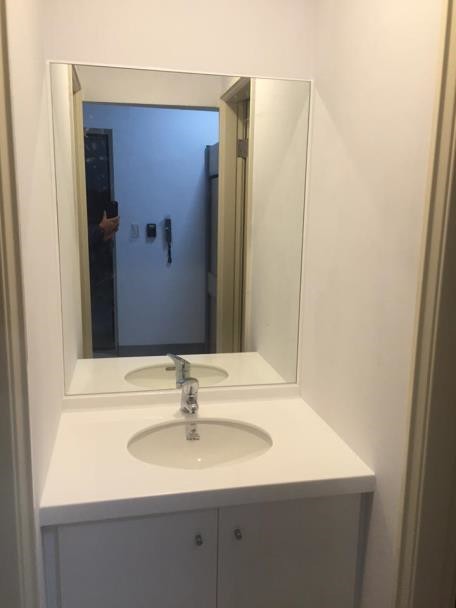
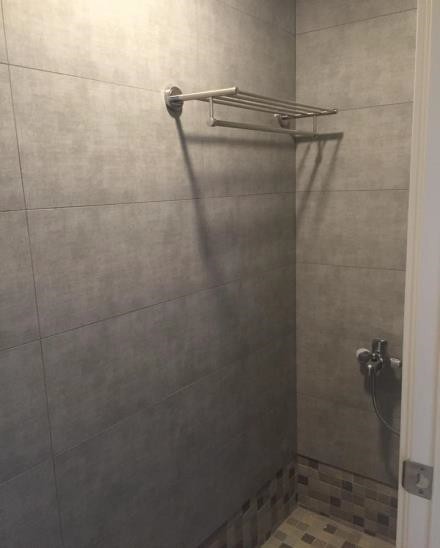
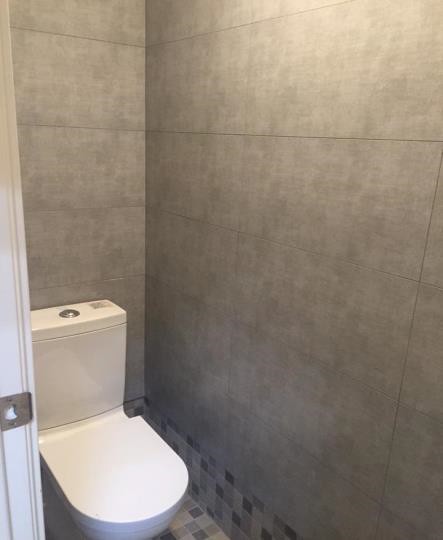
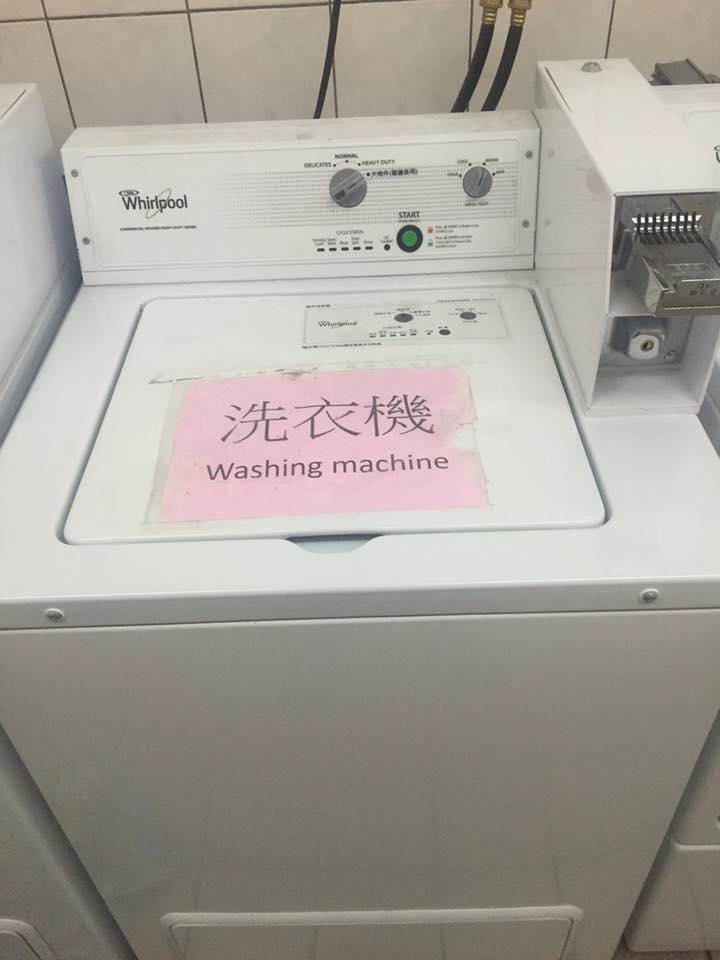
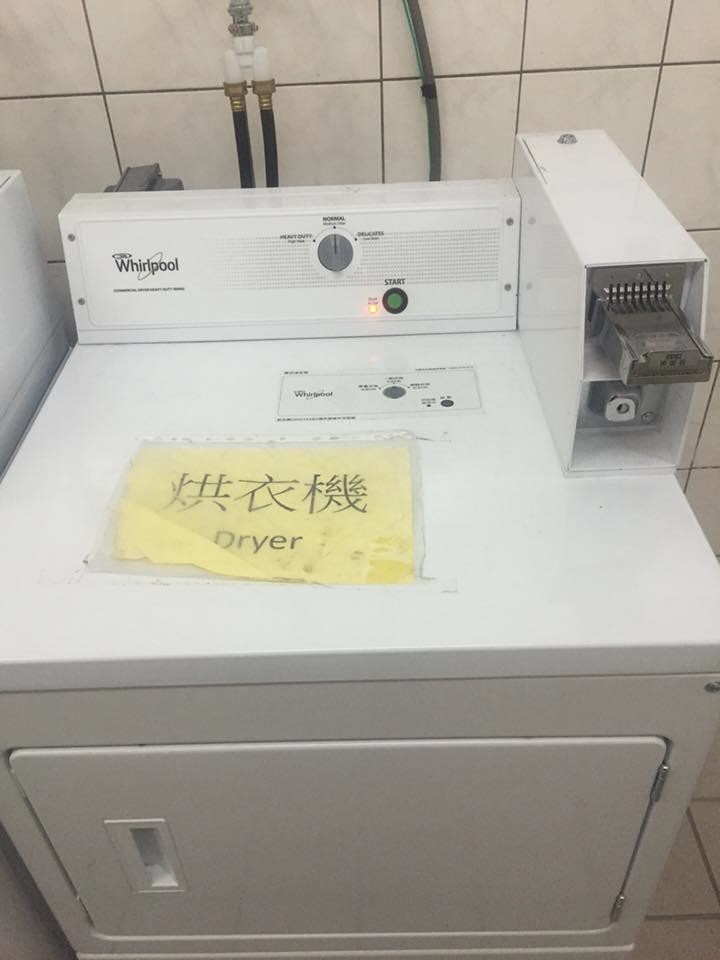
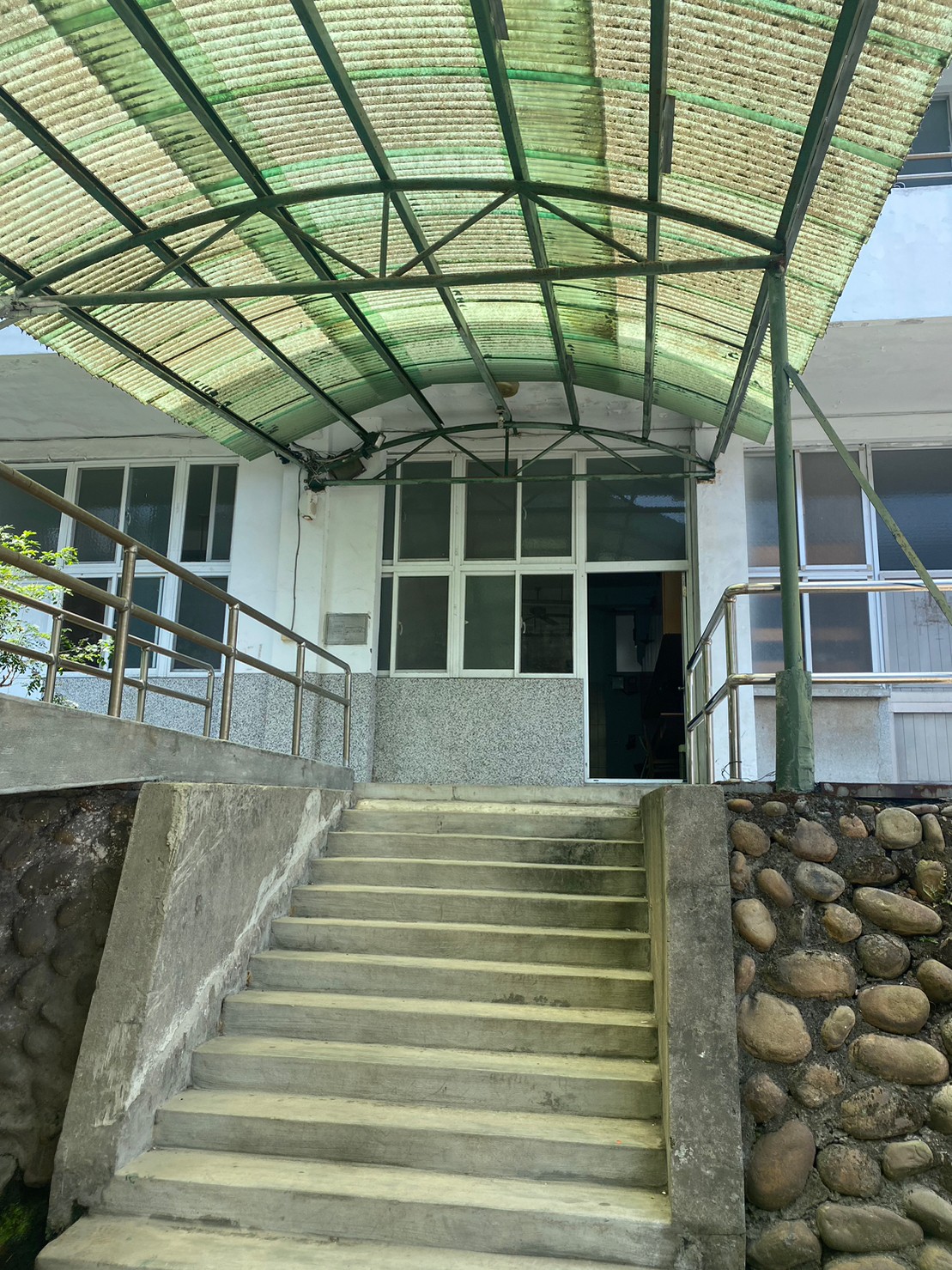
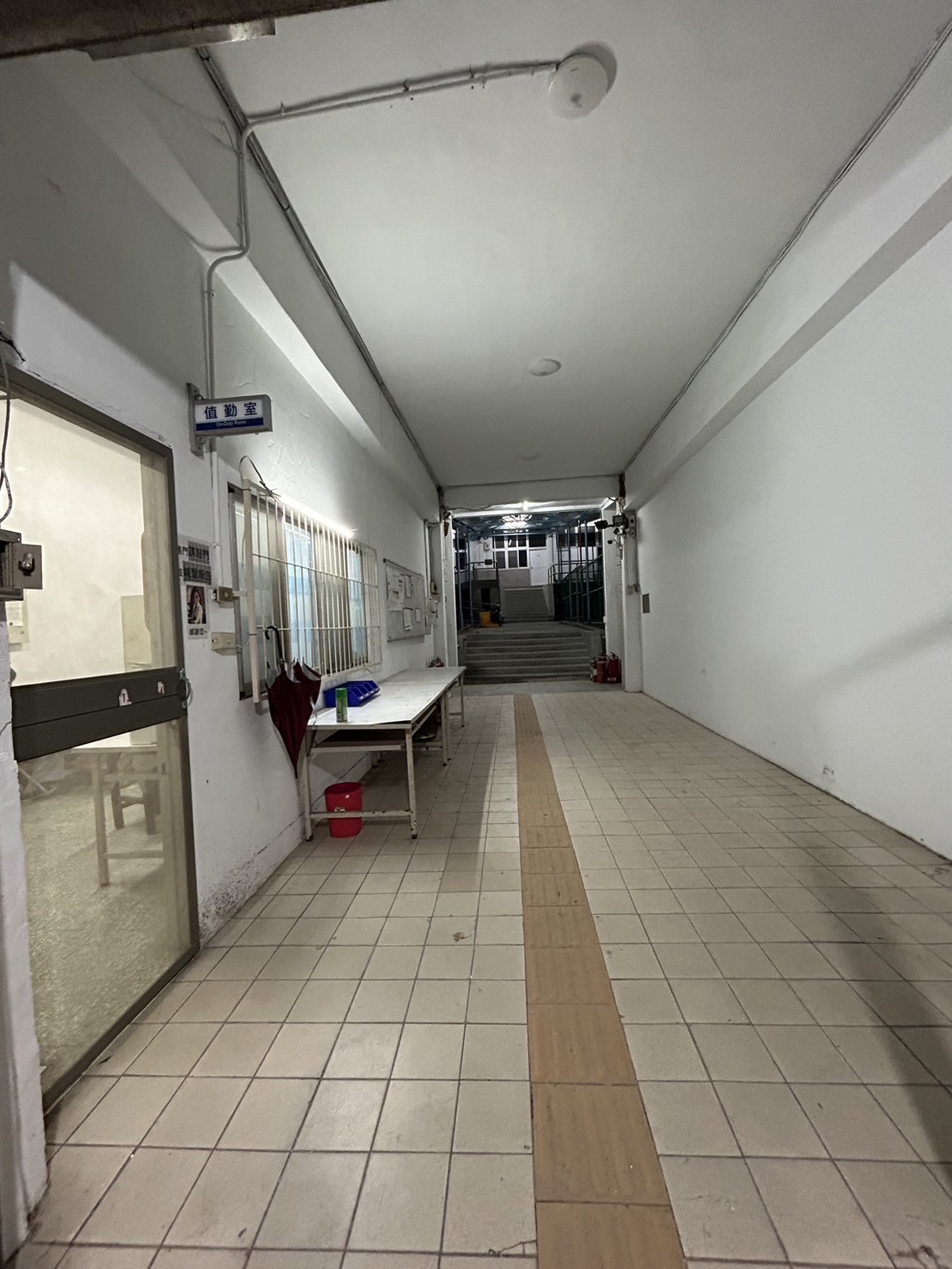
Pathways
Dharma Drum Institute of Liberal Arts

Information
Address
No. 700, Dafagu Road, Xihu Village, Jinshan District, New Taipei City, 208303, Taiwan
Tuition and Accommodation Fees
Tuition and fees: NTD/YR 58,000 (Bachelor’s program)
Tuition and fees: NTD/YR 59,800 (Master’s and Doctoral programs)
Accommodation fee: NTD/YR 30,000 [International students who meet the requirements can enjoy a 25%~100% reduction in accommodation fees]
Living expenses: NTD/YR 80,000~130,000
※Accommodation deposit: NTD 1,000 (refundable upon check-out)
Social Media
DILA, Dharma Drum Institute of Liberal Arts
Contact Information
+886-2-24980707#5316
[email protected]
Introduction
Teaching quality and academic prestige
Department of Buddhist Studies Features:
The Department of Buddhist Studies employs more than 20 full-time and part-time professors who graduated from renowned universities in Taiwan and abroad, all specializing in Buddhist studies. The department offers a comprehensive and in-depth curriculum that integrates both Buddhist scholarship and practice.
Building upon over 30 years of academic experience and resources from the Institute of Chung-Hwa Buddhist Studies, the Dharma Drum Institute of Liberal Arts – Department of Buddhist Studies has developed strong foundations in teaching, research, and library collections, and is widely recognized as one of the leading Buddhist education institutions in Taiwan and internationally.
Features of the Master’s Program in Life Education:
1. Realize the wisdom of life and create a pattern for life
2. Life contemplation and reflection
3. Cross-cultural and diverse perspectives
4. Settle the body and mind of oneself and others
Features of the Master’s Program in Social Enterprise and Innovation:
1. Taking the Dharma Drum Mountain’s concept of spiritual environmental protection as its core, it is committed to building a Pure Land in the world
2. Cultivate social interdisciplinary issue advocacy, and attach importance to community and environmental sustainability and social enterprise expertise
3. Through self-reflection and self-awareness, cultivate inner energy, expand resource links and enhance public welfare action capabilities
4. Curriculum design that meets social needs, combining theory and practice
Graduate Path
Department of Buddhist Studies Features:
1. Further studies: Graduate schools at universities in Taiwan and abroad
2. Research: writing books and translating Buddhist scriptures
3. Buddhist religious teachers: clinical religious teachers, promotion, and meditation
4. Cultural and educational undertakings: publishing and editing, writers
5. Dharma Drum Mountain system: Schools, foundations, the Six Ethics Dharma Propagation Group, Dharma Drum Culture, and the Sheng Yen Academy
6. Charitable organizations
Master’s Program in Life Education:
Graduates of DILA build upon their original undergraduate professional training and further develop distinct competitive advantages through the Institute’s interdisciplinary programs, integrated learning platforms, and diverse learning models such as research center participation and talent cultivation initiatives.
Master’s Program in Social Enterprise and Innovation:
Graduates can invest in social enterprise management, innovative entrepreneurship, non-profit organization management, corporate sustainability and social responsibility departments, apply for public officials, and continue their studies.
International Exchange and Cooperation
1. Regularly subsidize students to study abroad for credits and internships every year
2. The Institute welcomes students from other domestic and international universities to study and conduct research on campus, promoting multicultural exchange between local students and international students.
3. The Institute offers visiting scholar and visiting researcher programs, accepting outstanding scholars and doctoral students from Taiwan and abroad to conduct academic research and deliver lectures.
4. In terms of academic collaboration, the Institute integrates its rich academic research resources with a curriculum framework centered on the core value of spiritual environmentalism, creating a diverse and comprehensive research and learning environment that combines Buddhist studies and secular studies. The Institute also cooperates with numerous overseas institutions on various projects and organizes international academic activities.
Exclusive Scholarship
1. The Department of Buddhist Studies provides generous scholarships. Students with an overall average of 85 points in the semester and conduct grades will be awarded full tuition (monks and nuns will be awarded tuition and miscellaneous fees). There are also subsidies for overseas study expenses and scholarships for other outstanding academic achievements and thesis writing projects
2. Scholarships for Master’s Programs in Life Education, Social Enterprise and Innovation: Monks and nuns with an average of 85 points in semester and conduct grades will be awarded tuition and miscellaneous fees
Support Mechanism for Hong Kong Students
The Academic Affairs Section, Extracurricular Activities and Life Counseling Section, and International Affairs Section are jointly responsible for matters related to overseas Chinese student counseling, so that students can study with peace of mind, such as: overseas Chinese student academic counseling, scholarship applications, and campus service dedication applications, health services and insurance, etc.
The school’s International Affairs Section is responsible for assisting in handling visa matters.
Library and Information Center
The school’s Library and Information Center is divided into the Main Library and the Liying Library. The Main Library mainly collects Buddhist books and periodicals, including more than 80 sets of Tripitaka in Chinese, Tibetan, Manchu, Sanskrit, Pali, Japanese, English, Thai, Burmese, Cambodian, and Dai, making it a large-scale Buddhist library in Taiwan. It is currently continuing to expand academic works on Buddhist studies in Chinese, Japanese, and European languages.
The Li-Ying Building mainly collects humanities and social sciences books, and is a comprehensive collection to support the classroom teaching and research of teachers and students in the school’s humanities and social sciences.
The Digital Archives Group under the library is responsible for the digitization, production and application of Buddhist classics, the establishment of Buddhist research databases, and the research and construction of Buddhist information courses in cooperation with the school’s Buddhist Information Credit Program, in order to achieve the cultivation of new generation talents and the inheritance of experience.
The dormitory provides
The school provides student dormitories for international students, mainly double rooms.
Alumni
盧致新
Advanced Doctoral Student, Department of Buddhist Studies
Hong Kong
I am a student from Hong Kong. After graduating with a Ph.D. in Psychology, I have been working in society for many years and continue to learn.
When learning and using psychology to serve the public, I found that psychology is very useful for solving people’s psychological problems, but ultimately, it cannot completely transcend people from psychological problems.
Later, I came into contact with Buddhist studies, which brightened my eyes. After a period of preliminary study of Buddhist studies, I realized that if psychology and other “worldly studies” are rooted in the soil of Buddhist studies, “worldly studies” can radiate infinite vitality and power, and psychology can also become a convenient method to help people completely transcend psychological problems.
In order to further my studies in Buddhist studies, I came to Taiwan Dharma Drum Institute of Liberal Arts in 2019 to study in the doctoral program of the Department of Buddhist Studies.
I actually spent three or four years investigating and understanding the Buddhist studies departments of various schools in Taiwan before finally choosing Dharma Drum Institute of Liberal Arts.
The training goal of the Dharma Drum Department of Buddhist Studies is “on the one hand, to cultivate outstanding interdisciplinary Buddhist education and research talents, and on the other hand, to cultivate Buddhist professionals with the goal of caring for the mind and purifying society.”
The work I have been doing is “caring for the mind and purifying society.” I increasingly realize the important value of Buddhism in this regard, and for Buddhism to play a role, it needs in-depth research on Buddhist studies.
The Dharma Drum Department of Buddhist Studies has a complete Buddhist studies curriculum, an excellent faculty, solid training in literature languages (Sanskrit, Pali, Tibetan, etc.), internationally renowned Buddhist information technology, exchanges with the international academic community, and a rich collection of books, which can fully meet my learning needs.
What makes me feel refreshed is that our school is located on Dharma Drum Mountain in Jinshan District, with beautiful scenery. The distance from the city is neither too far nor too close, which is very suitable for cultivating the body and mind and in-depth learning of professional knowledge. Although the school area is not large, the facilities are very complete, with a standard gymnasium (“Yang Sheng Hall”), and the campus landscape is very quiet and elegant.
The teachers and students of the school are very kind and friendly, and we are like a big family. Half of the students in our school are from other countries, and the degree of internationalization is very high. You can meet friends from different nationalities, understand different cultures, and broaden your horizons.
In addition, the education method in Taiwan is different from that in Hong Kong. Teachers strongly encourage students to express their opinions; our school also has small class teaching, so there is great teacher-student interaction in class. If you want to master solid Buddhist knowledge and hope to apply Buddhism in your life and interpersonal relationships;
Or you want to integrate Buddhism with worldly knowledge to serve society well; or you want to learn the perfect combination of Buddhist studies and modern digital technology, so that you have a very special career plan;
Or you want to study in Taiwan to prepare for further studies internationally… I invite you to learn more about our school, and I also invite you to study at our school and share a good time.
岑嘉宏
Advanced Student, Master’s Program in Environment and Development
Hong Kong
Three years have really passed quickly. I remember when I chose to come to Dharma Drum Institute of Liberal Arts, I mainly wanted to settle my body and mind and also sort out my work experience in Hong Kong in the past five or six years in the field of food and agriculture education.
Studying in the Master’s Program in Environment and Development has given me a broader perspective on thinking about environmental issues, and it can also be connected to real life, such as walking into rural communities in Satoyama or ecological conservation areas, which also allows me to have a different level of understanding of the meaning of food and agriculture education.
During the process of my thesis research, the teachers in the program provided support and different opinions, which gave me a deeper understanding of adult food and agriculture education courses in Taiwan’s community universities, and combined with the learning foundation to sort out new insights.
In general, I have really learned a lot in these three years. In addition to knowledge about environmental conservation and related policies, the cleansing of the school’s quiet and natural environment, coupled with cross-program learning opportunities, has allowed me to learn to find peace in the midst of disturbances, to learn to let go but not give up, and to learn to know myself better and then try to dissolve myself. In fact, each of us is a member of nature, no different from grass and ants.
Thank you again to every teacher, senior and classmate I met on this learning journey, and especially thank you to the teachers in our Environment and Development Program for their guidance and inspiration.
Student Cen Jiahong graduated in July 2022 and won the 2022 Academic Thesis Award from the Taiwan Agricultural Extension Society in November.
陳婉芳
Bachelor’s Program in Buddhist Studies
Hong Kong
A Gift to Myself Since coming to Taiwan in 2019, it has been the fourth year and the last year of the Bachelor’s Program in Buddhist Studies in the blink of an eye. In a very fulfilling life, I have found the joy of learning and the nourishment of life. I can never catch up with the progress of learning in the limited time.
There is everything here. When various learning and activities fill up the time, you feel that there are many things you want to do, but not enough time. The four-year curriculum includes both practice and understanding. I still remember when I first found the course outline information online, I felt an unspeakable joy.
There is no such comprehensive Buddhist studies curriculum in Hong Kong that focuses on spiritual environmental protection and emphasizes both understanding and practice. Most of the courses in Hong Kong focus on academic pursuits, and there is no combination of temple and school for understanding and practice.
Coming here, I also feel that this is the most correct decision in my life, to correct and fill in the gaps on the road of faith, understanding, practice, and realization, and return to the original intention of the Buddha.
Here, the fixed practice of practice includes participating in the morning/evening class in the main hall and the morning/evening joint practice of meditation in the meditation hall, as well as holding Chan Five and Chan Seven at the beginning of the semester. Since you have come to the Dharma Drum Mountain meditation dojo, you must not miss the opportunity to learn meditation.
The courses from the first to third years teach different meditation methods to help students practice collecting their body and mind, from scattered mind to unified mind to no mind.
The understanding courses in the four years range from shallow to deep, from classical meaning, interpretation of Chinese original texts/philology, Buddhist history (Han, Indian, Tibetan), Buddhist ethics and precepts, Buddhist social practice, Buddhist culture and art, Buddhist information, to general education subjects, everything is available to develop students’ literacy and practical ability.
In terms of language, for the understanding of the original Buddhist texts, you can also choose to learn Sanskrit, Pali, Tibetan, as well as Japanese and English. It depends on how you arrange to complete the required credits in four years. In addition, there are master’s and doctoral programs available to open another door for students who intend to pursue further studies.
In addition to the Department of Buddhist Studies, you can also choose the Master of Life Education or the Master of Social Enterprise and Innovation in the College of Humanities and Social Sciences.
There are treasures everywhere on the mountain. In addition to the teachers who teach carefully, who are the best in their academic fields, the school’s two libraries are also treasures. The main library has the richest collection of Buddhist books in Taiwan. It is also a pleasure to browse the Tripitaka; and the other library collects books other than Buddhism, and the collection is more than what we need for learning.
The activities of various clubs cover all kinds of interests, both dynamic and static. From calligraphy and painting, music (guitar, piano, guzheng, jazz drums, Chinese drums), sports (fitness, badminton, skateboarding), coffee making, etc. You don’t have to worry about not finding a way to adjust in busy learning.
Don’t hesitate, come here to study, it’s like giving yourself a gift!
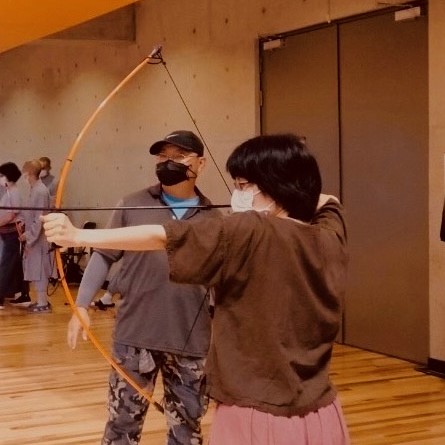
翁曉娟
Bachelor’s Program in Buddhist Studies
Hong Kong
The curriculum feature of the Department of Buddhist Studies at Dharma Drum Institute of Liberal Arts is “emphasis on both understanding and practice.” We have both academic courses in Buddhist studies, worldly studies, and general education, as well as practice courses with Buddhist characteristics such as morning and evening classes, meditation classes, and chanting classes.
The learning in the past three years has made me feel the diversity of Buddhist studies and Buddhism. Buddhism is a religion, but it also has the perspectives of philosophy, science, psychology, and sociology.
We learn about the forms and meanings of Buddhism in ancient and modern society from different fields such as Buddhist history, meaning, literature, figures, and art. It has inextricable relationships with the societies and cultures of India, Southeast Asia, China, and Japan.
The interaction between Buddhist studies and worldly studies also makes me think about the role of Buddhism in modern society. We can also learn Buddhist languages such as Sanskrit, Pali, and Tibetan.
The school life outside the classroom is also very diverse and lively. Various academic seminars, clubs, or school-organized activities allow us to participate freely. I learned how to hand-brew coffee, experienced tea meditation, flower arrangement, and participated in the planning of club activities, the work in the kitchen, and the Dharma Drum Mountain Dharma assembly, which added a lot of color to university life.
In addition, the natural scenery of the campus is really beautiful. I like to watch the ever-changing clouds in the sky and listen to the sounds of birds, insects, wind, rain, and water in different seasons.
My deepest experience is that “emphasis on both understanding and practice” is not just about the accumulation of knowledge, but also requires the practice of Buddhist knowledge learned through hearing and learning in daily life, and step by step correcting one’s own biased body, speech, and mind according to right knowledge and right view, which is also for us who are in a restless era to find the power of peace of mind.
All kinds of problems in the world seem to be inseparable from people’s good and evil minds. Buddhist learning, thinking, and cultivation are all methods of training the mind, such as the school’s meditation course, which is a method of cultivating the mind that combines theory and practice. Therefore, whether it is for liberation from life and death or for settling down, learning Buddhist studies and life education at Dharma Drum Institute of Liberal Arts is also a good starting point for reflecting on one’s life.
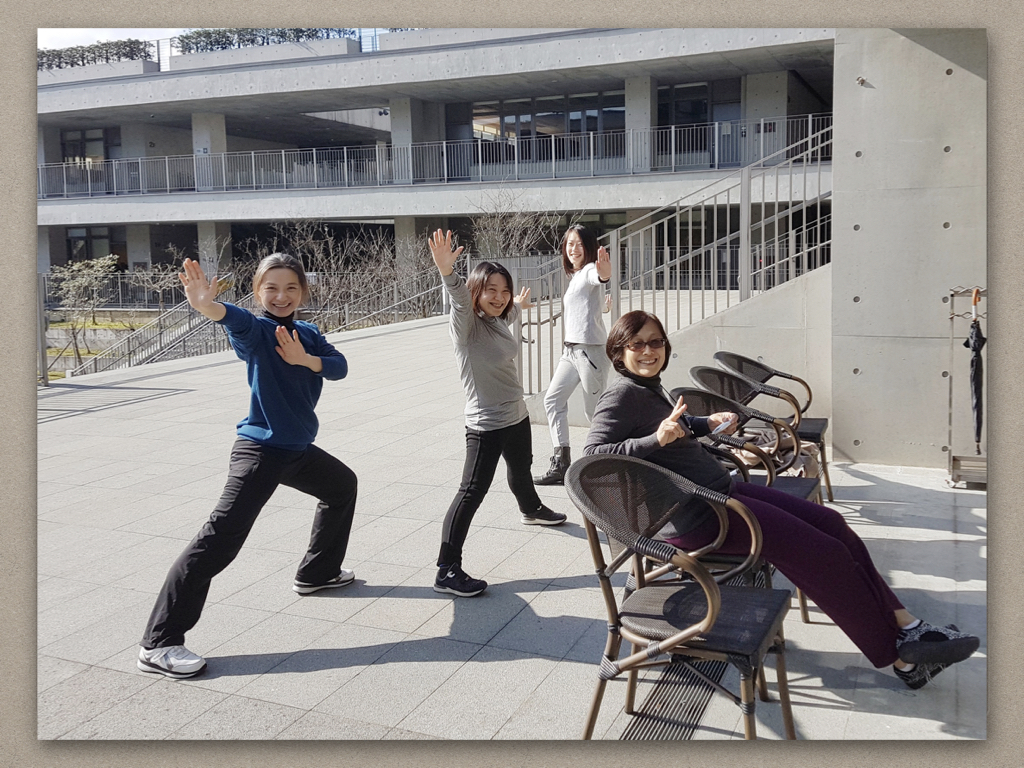
劉倩青
Advanced Student, Master’s Program in Life Education
Macau
When people become more and more mature, and find that the things they used to pursue become less important, I began to want to adjust my life. In a meditation study in Taiwan, I discovered the Master’s Program in Life Education at Dharma Drum Institute of Liberal Arts. I want to study life education, and famous universities in Taiwan also offer this course.
I have worked in a university for more than ten years, and my confidence and views on academics have gradually changed. At this moment, I want to learn from a group of people who are truly practicing, which is more important than the academic content itself. Therefore, I chose Dharma Drum Institute of Liberal Arts, a place with a strong Buddhist atmosphere and a large number of people who are studying diligently, a place full of Zen and poetry.
Here, I regained my childlike innocence and learned freely. Most of my classmates have rich academic experience and insights into life. More importantly, they have a strong desire to learn and share. Meeting them is a great gain for me.
Meeting teachers who are consistent in their words and deeds makes me full of hope and energy for life. I started a new life in Taiwan in the simplest way, because I liked it because of in-depth understanding (there are many social courses in the curriculum), and because of a good support network, I easily applied for immigration and started a new life in Taiwan.
Encourage those who want to change but are waiting to take action to consider this path.
釋常慧
Advanced Student, Master’s Program in Life Education
Malaysia
If I hadn’t come to the Life Education Program, I wouldn’t have known that there were so many misunderstandings in my life.
Coming to the Life Education Program, I slowly embarked on the path of exploring the deep meaning of life through different courses. Life is not necessarily exactly as we remember it. Through in-depth understanding of the life philosophy of Lao Zhuang and Su Shi, coupled with meditation, self-awareness, and life and death issues that meet the mind, after two years, I feel that life has a kind of clarity and understanding like seeing the sun after the clouds have cleared.
Malaysia is a tropical country, and it often expresses ideas and needs in a very direct and simple way. If you can learn more subtle thinking methods and self-awareness exercises, you can really understand the deep meaning of the inner life of overseas Chinese immigrants.
I feel that after studying the Life Education Program, I have a more multi-faceted view and understanding of the land of Malaysia, and I am also more curious about its more unknown aspects.
I believe that continuing to learn will allow me to bring more abilities to give back to my homeland.
Highlights
Featured courses
The Department of Buddhist Studies provides complete Buddhist language courses from beginner to advanced, including Buddhist Chinese, Sanskrit, Pali, and Tibetan. In addition to Buddhist theory courses, the Department of Buddhist Studies has a wealth of Buddhist practice and interdisciplinary (life education, social enterprise, etc.) courses, including meditation, Buddhist rituals, Buddhist art, Buddhist psychological counseling, Buddhist information and digital humanities, etc.
Interdisciplinary curriculum design
The Master’s Program in Social Enterprise and Innovation cultivates well-informed professionals with spiritual environmental protection, with expertise in interdisciplinary social innovation management, in-depth community issue advocacy and public welfare practice, and ecological literacy and environmental sustainability. The curriculum directions include: spiritual environmental protection and sustainable development, social enterprise innovation and entrepreneurship, community revitalization theory and practice, and natural conservation and environmental ethics.
Overseas study
The University offers generous scholarships to select students for overseas exchange programs, study-abroad opportunities, and internships, with the aim of broadening students’ international perspectives, strengthening their academic research capabilities, and cultivating independence as well as problem-solving and decision-making skills.
Website for student research results reports over the years: http://oia.dila.edu.tw/?page_id=339
Cultivate interdisciplinary talents
The curriculum planning of the Master’s Program in Life Education covers physical, mental and spiritual growth, and also includes the study and training of related religious fields, so students can also develop their future careers in the religious field. DILA was founded by Dharma Drum Mountain, and has long interacted with other religions, emphasizing the correspondence of the essence of life.
Regardless of whether students have a Buddhist or other religious background, students in this program can use their internalized religious literacy to work in meditation (practice) centers, social charities, cultural education, community development, international aid and other units founded by various religions, especially during the study stage, they can plan their careers according to their interests, backgrounds and abilities, and combine domestic and foreign internship opportunities to make the most complete preparations.
Reference for employment institutions:
1. Research talents in research institutions related to cross-Eastern and Western cultures and interdisciplinary subjects
2. Cultural industry
3. Non-governmental organizations and corporate organizations
4. Government unit administrative system
5. Public and private educational institutions
6. Counseling and social service undertakings
Cultivate reflection and contemplation on life
Master’s Program in Life Education: Through the development of courses such as life and death issues, community applications, and diverse counseling theories and practices, students are expected to understand deep life issues, transform themselves and establish positive thinking patterns, and provide broad and profound influence in formal and non-formal education fields.
Reconstruction of Life Education Relationships
Master’s Program in Life Education: Starting from learning the relationship between people and themselves, conduct contemplation and reflection on inner life issues to deepen self-awareness and value reflection, and then develop multi-faceted thinking on relationships through ethical issues, covering multicultural cognition to enhance cross-cultural perspectives.
Practical ability of life education
Master’s Program in Life Education: Taking courses such as “Special Topics in Counseling and Guidance” and “Action Research Topics” as advanced courses, and at the same time, through meditation learning, more profound reflection ability, and from the understanding of multiculturalism to cross-cultural integration, lay the foundation for entering the practice field.
Social care ability
Master’s Program in Life Education: Through the course “Life Care Practice(including practicum)” and “Hospice and Elderly Care Topics”, implement theory and support students’ ability to participate in group coordination and development in the future.
Departments
School Departments and Programs
Dharma Drum Institute of Liberal Arts
Graduate School of Humanities and Social Sciences
Photos & Videos
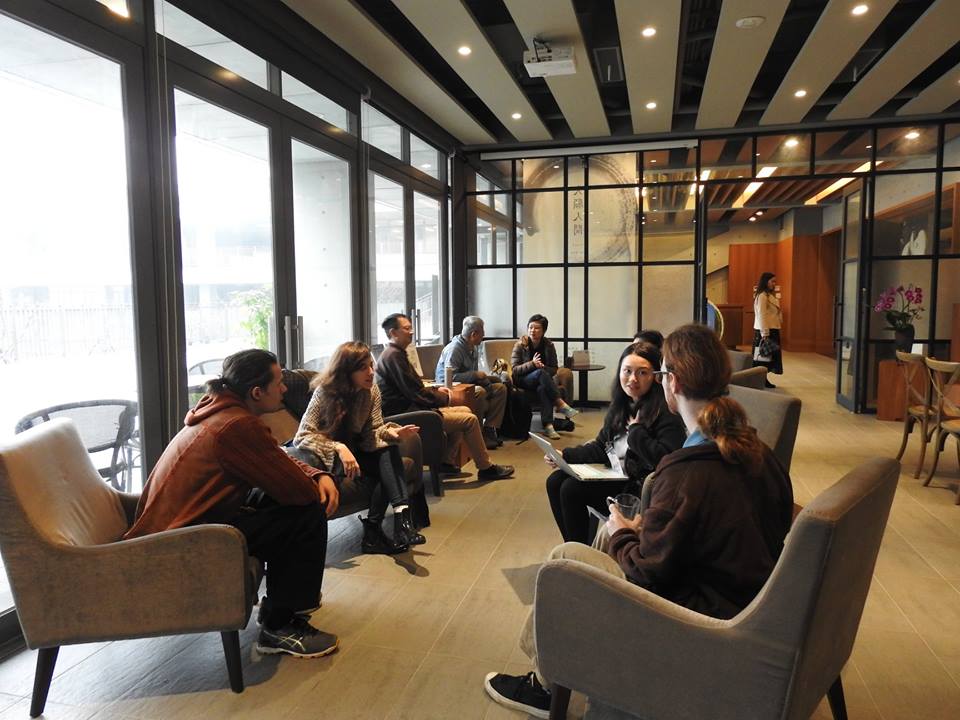
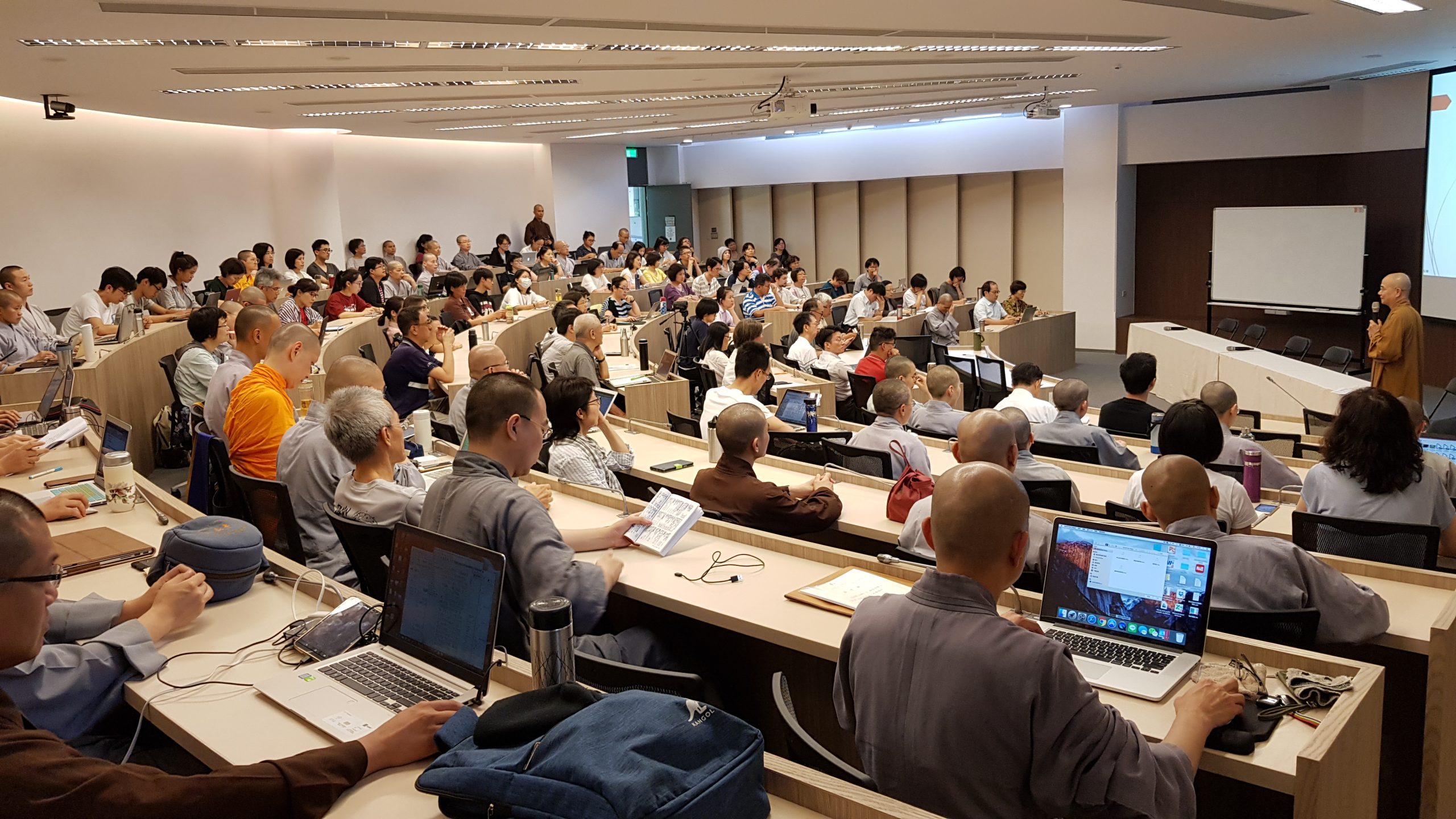
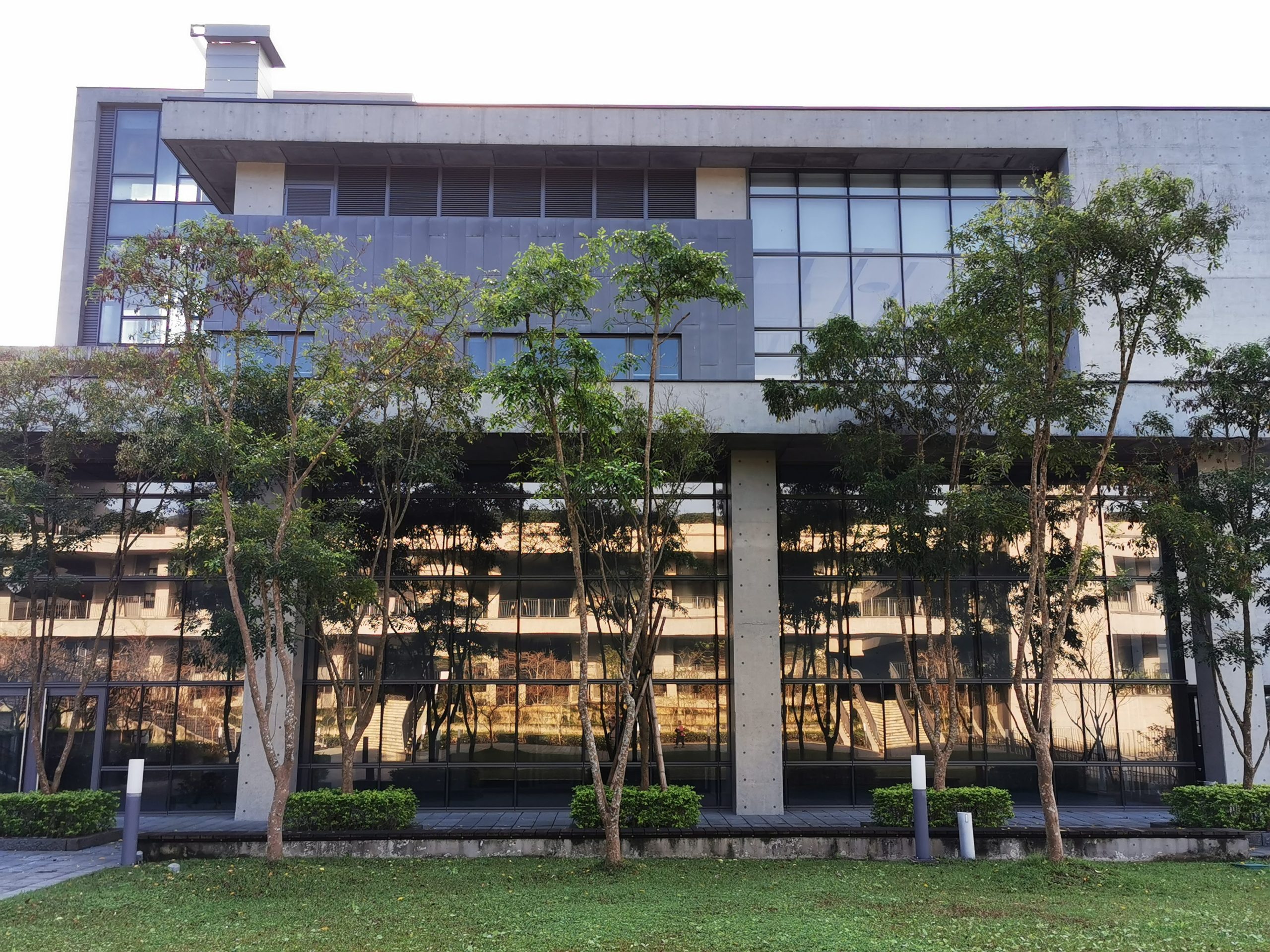
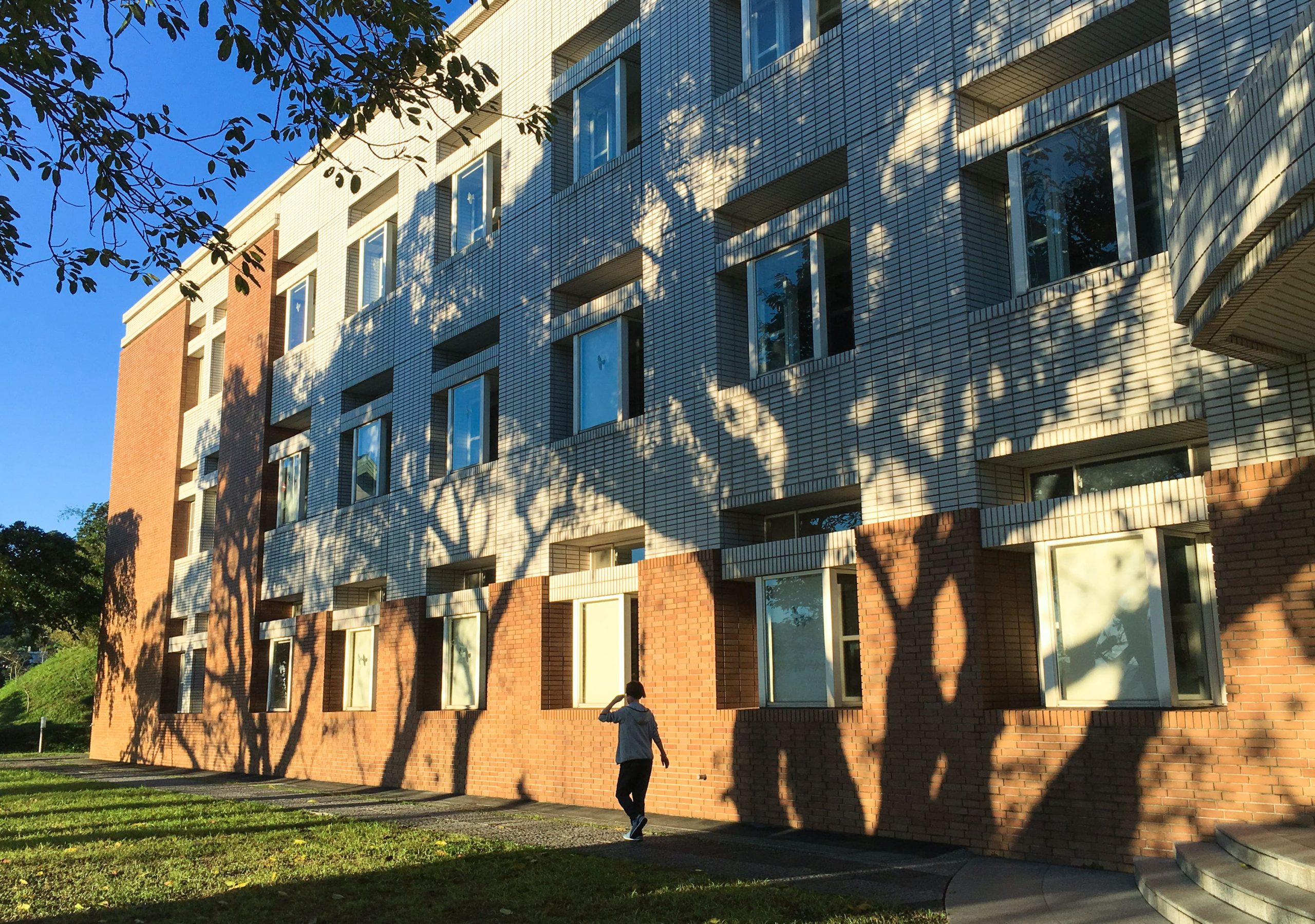
Photos
Videos

Scholarships
Scholarships
Scholarship Inquiry Website
Academic Publication Research Award Inquiry Website
|
Scholarships |
Scholarship Amount |
Eligibility
|
|---|---|---|
|
Sangha and Buddhist Studies Department Scholarship for Lay Students |
NTD 22,000~48,000 |
1. Monks and nuns in the Department of Buddhist Studies: 1. Scholarship period: Bachelor’s, master’s, and doctoral students are considered extended students from the fifth, third, and fourth academic years respectively. Extended students in each class can receive scholarships for various expenses in the first year of extension. 2. Scholarship expenses: tuition, credit fees, miscellaneous fees, thesis guidance and oral examination fees, computer and network communication usage fees, accommodation fees (excluding accommodation fees during winter and summer vacations and accommodation deposit), and student group insurance fees. 2. Monks and nuns in the College of Humanities and Social Sciences: 3. Lay students in the Department of Buddhist Studies: 2. Scholarship expenses: tuition. 4. Current students: If either semester of the previous academic year fails to meet the required standard, the scholarship or grant for the corresponding semester of the following academic year will not be awarded.
|
|
Doctoral Student Journal Paper Publication Award |
NTD5,000~10,000 and each article is limited to one application. If the manuscript fee exceeds the award amount, the application will not be accepted. |
1. Eligible applicants: 2. Subsidy principles: 2. Submissions in the humanities and social sciences field to peer-reviewed international journals are eligible. If the published paper requires editing or revision, an application for support can also be submitted.
|
|
Subsidy for Doctoral Candidates in Buddhist Studies to Write Doctoral Dissertations |
NTD 15,000/month The scholarship period is from August 1 of the current year to July 31 of the following year. |
1. Applicants should meet the following qualifications: 2. Must not hold a full-time job. 3. The applicant must first apply to the Ministry of Science and Technology (MOST) “Humanities and Social Sciences Doctoral Candidate Dissertation Grant”; if not awarded, the applicant may apply to the university and must provide relevant documentation. 4. The applicant must have a commitment from their advisor to supervise the research and maintain excellent academic performance. 5. Applicants who have already received other Doctoral-related grants from the university are not eligible for this subsidy. 6. The applicant’s dissertation research topic must be related to Buddhist studies. 2. The advisor should meet the qualifications for advisors of the school department and be willing to guide doctoral students in research work.
|
|
Subsidy for Doctoral Students to Publish Papers Abroad |
Up to NTD 40,000 per student (a maximum subsidy of NTD 40,000), including airfare and accommodation expenses reimbursed based on actual receipts. |
1. Those who meet the following qualifications may apply for a subsidy in accordance with these guidelines: 2. Those who accept this subsidy are limited to once in the same academic year. If the paper and creation are co-authored by multiple students, only one student is allowed to apply.
|
|
Bursary for overseas Chinese students |
Subsidies are disbursed monthly according to the subsidy standards announced by the Ministry of Education in the current year, with each disbursement limited to one year (from September of the current year to August of the following year, and until June for graduating students). |
I. Eligibility: 2. Applicants must provide official proof of overseas financial status or evidence of economic hardship. If necessary, the university may directly verify with the Overseas Community Affairs Council. 3. For applicants in year two or above, the full academic year average must be passing and the conduct/behavior average must be at least 80, with no disciplinary records at or above a warning level. 4. Applicants must not have already received government-provided tuition/fee subsidies, reductions, or scholarships. II. Subsidy Principles: 1. Number of Recipients: Handled in accordance with the regulations of the Ministry of Education. 2. Subsidy Amount: Subsidies are disbursed monthly according to the subsidy standards announced by the Ministry of Education in the current year, with each disbursement limited to one year (from September of the current year to August of the following year, and until June for graduating students). 3. After approval, if a student takes a leave of absence, withdraws, or transfers, or receives a disciplinary record or expulsion, the scholarship will be suspended from the following month. 4. If a student is found to have forged or submitted false documents, they must repay any scholarship funds already received.
|
|
Scholarships for Outstanding Overseas Chinese Students in Master’s and Doctoral Programs |
NTD10,000/month. The first semester is disbursed from August 1 to January 31 of the following year, and the second semester is disbursed from February 1 to July 31. For graduates, the disbursement will be made until the month of graduation. |
I. Number of Scholarships: II. Scholarship Amount: Less than NTD 10,000, issued monthly based on the roster. III. Eligibility: 2. Doctoral Program: Overseas Chinese students in the first to fourth year of the doctoral program. 3. New students may apply starting from the second semester. 4. The average academic performance in the previous semester must be 80 points or higher (with at least 7 credits taken), conduct score must be 80 points or higher, and the student must not have received any disciplinary action of minor demerit or above. 5. Must not be receiving any scholarships or subsidies from government agencies (institutions) or schools. Scholarship Issuance Period: (2) Doctoral Program: From the second semester of the first year to the second semester of the fourth year, up to 7 semesters.
|
|
Overseas Community Affairs Council Scholarship for Outstanding Academic Performance of Overseas Chinese Students |
The number of scholarships and the amount will be determined by the Overseas Community Affairs Council. If the number of applicants exceeds the number determined by the Overseas Community Affairs Council, the Overseas Community Affairs Council will approve the scholarships according to the order of the list submitted by each school, within the limit of the quota. |
I. These guidelines are specifically established by the Overseas Community Affairs Council to encourage overseas Chinese students with excellent academic performance. II. Overseas Chinese students who meet one of the following qualifications may apply for the Academic Excellence Scholarship: 1. Enrolled in the second year or above of a university or college (fourth year or above of a five-year junior college), with an overall average academic score of 80 or above in the previous academic year, and conduct grades of A (80 points) or above in both semesters. However, master’s and doctoral students are not eligible to apply. 2. Enrolled in the second year or above of a secondary school (including vocational schools), with an overall average academic score or grade conversion score of 85 or above in the previous academic year, and no disciplinary action of warning or above. Hong Kong and Macao students studying in domestic universities and colleges in accordance with the Regulations Regarding Hong Kong and Macao Residents Studying in Taiwan, who meet the qualifications in the first paragraph, may also apply.
|
|
Student Awards for Passing Foreign Language Proficiency Tests |
Handled in accordance with the Dharma Drum Institute of Liberal Arts Student Awards for Passing Foreign Language Proficiency Tests Guidelines. |
According to the “Dharma Drum Liberal Arts College Student Foreign Language Proficiency Test Incentive Guidelines”, students of DILA College who, during their enrollment, take English, Japanese, or Chinese language proficiency tests and meet the reward criteria may apply for the incentive in the same semester as the test date or the following semester. Applications submitted after this period will be considered forfeited and will not be accepted. For the same language proficiency test, a student may receive the incentive only once, and each test result is eligible for a single application only.
|
Tuition and Miscellaneous Fees
Dharma Drum Institute of Liberal Arts Tuition: NTD/YR 44,000
Dharma Drum Institute of Liberal Arts Miscellaneous Fees: NTD/YR 15,800
Since the student fee standards for the 115th academic year (2026) have not yet been finalized, only the student fee standards for the 114th academic year (2025) are provided for reference. Please visit the https://account.dila.edu.tw/?page_id=374 website for details.
Living Expenses
Accommodation Fee: NTD/YR 30,000 + Accommodation Deposit NTD 1,000 (refundable upon check-out)
[International students who meet the conditions can enjoy a 25%~100% reduction in accommodation fees]
Living Expenses: NTD/YR 80,000~130,000
Introduction to the school’s accommodation environment with pictures and text Link
|
One semester |
One academic year |
Other Notes
|
|---|---|---|
|
NTD15,000 |
NTD30,000 |
Accommodation Deposit NTD 1,000 (refundable upon check-out)
|
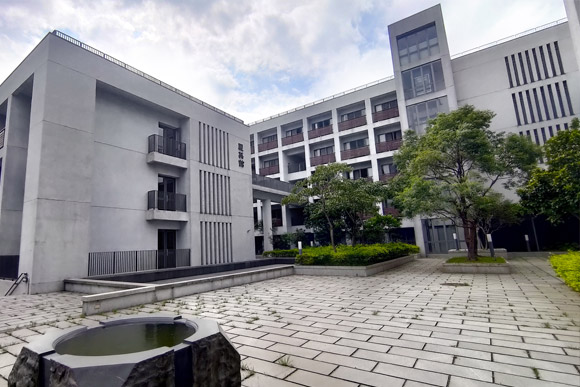
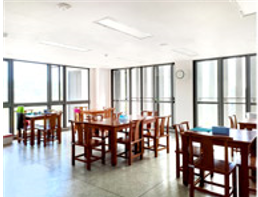
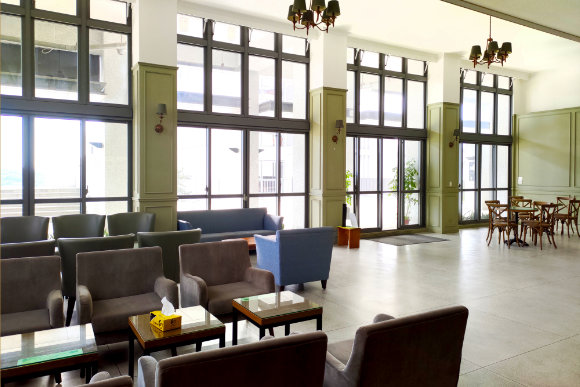
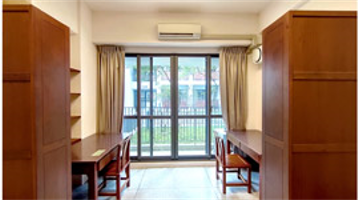
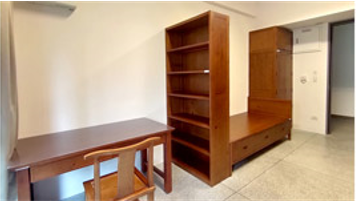
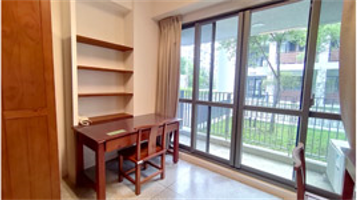
Pathways
Hungkuo DeLin University of Technology
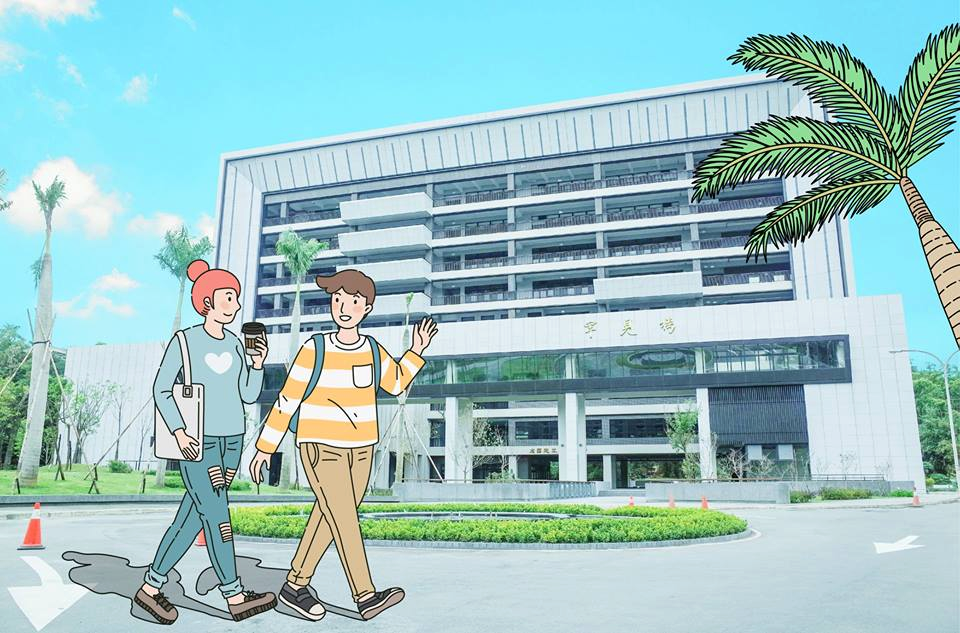
Information
Address
No. 1, Lane 380, Qingyun Road, Tucheng District, New Taipei City
Tuition and Accommodation Fees
Tuition: NTD/YR 94,650 ~ 108,580
Accommodation Fee: Approximately NTD/YR 37,600
Living Expenses: Approximately NTD/YR 78,000
Official website
Contact Information
+886-2-22733567 ext. 837
[email protected]
Introduction
International Certification
The “Han-Chien Hall” teaching and research space has been awarded the LEED Gold certification by the U.S. Green Building Council for Leadership in Energy and Environmental Design. The newly completed “Sihai Hotel” includes a training hotel, training restaurant, banquet hall, leisure and sports center, marketing live-streaming studio, multicultural experience rooms, large conference and exhibition venues, and training guest rooms. These learning facilities enable faculty and students across the university to fully integrate theory with practice.
Welfare for International Students
Full tuition waiver for the first semester, half tuition for the second semester
Highlights
Learning Features
Teaching Features:
— Linking with local industry chains, partnering with industry instructors, and planning employment-oriented practical courses to jointly cultivate talents needed by the industry.
— Entrepreneurship course design to cultivate students’ innovation and creativity.
— Offering off-campus internship courses to facilitate seamless integration of study and employment.
Internship Features:
— The school’s new “Sihai Hotel” practice hotel includes the construction of the E-Te practice restaurant, banquet hall, leisure sports area, marketing live broadcast room, large conference and exhibition area, practice guest rooms, and other areas, allowing students to fully integrate theory with practice.
— Each year, students are selected to participate in overseas internships in countries such as Hong Kong, Singapore, the United States, and Japan. In addition, students are selected each year to participate in cultural and international volunteer service activities at sister schools such as the University of Montana and Beppu University in Japan.
International Exchange:
— Digital Language Center, foreign language environment classrooms, bilingual websites and signage, complete foreign language learning environment, English learning and testing software.
— Leading students to participate in international competitions to enhance their international workplace competitiveness.
— Rich and diverse international cultural theme exchange activities: all-English winter and summer camps, international cultural theme exhibitions, etc., creating a campus real-world learning atmosphere.
— Signing contracts with international universities and enterprises to promote international exchange activities, master lectures series, international academic seminars, international elite forums, international trade fair simulation competitions, etc.
Employment Connection
— Supported by the related enterprise Hung Kuo Group and Caesar Park Hotel, grasp industry development trends and cultivate industry talents.
— Cooperating with Acbel Polytech Inc. under the multinational enterprise Kinpo Group to enhance international integration and employment competitiveness.
— Closely linking with the New Taipei City industrial park to create local employment opportunities.
— Closely linking with industry associations to strengthen professional practical scenario teaching.
— Combining learning and employment with innovative patent inventions to facilitate employment.
— Overseas internships, CEO leadership lectures, and tailored career planning.
Departments
School Departments and Programs
暫無系所資料
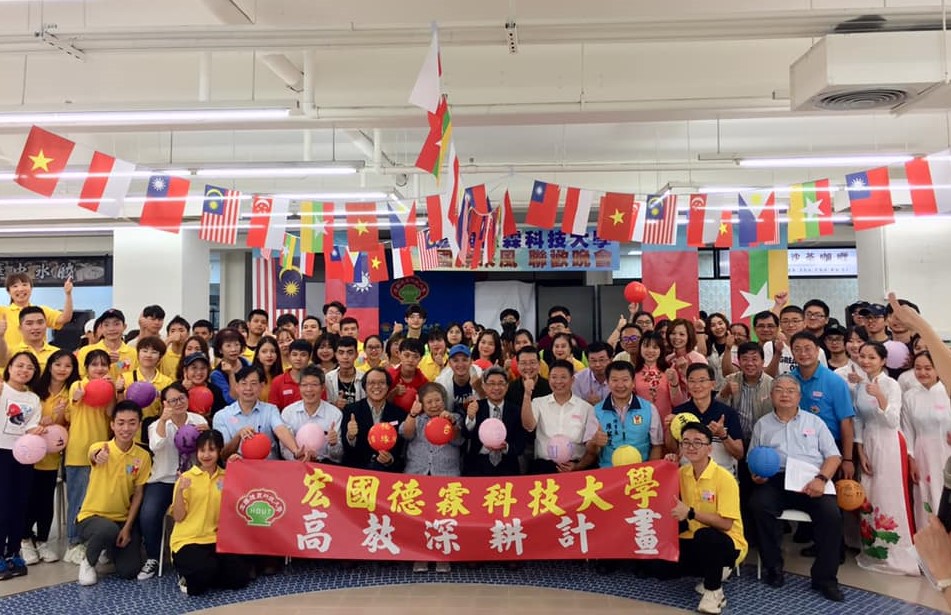
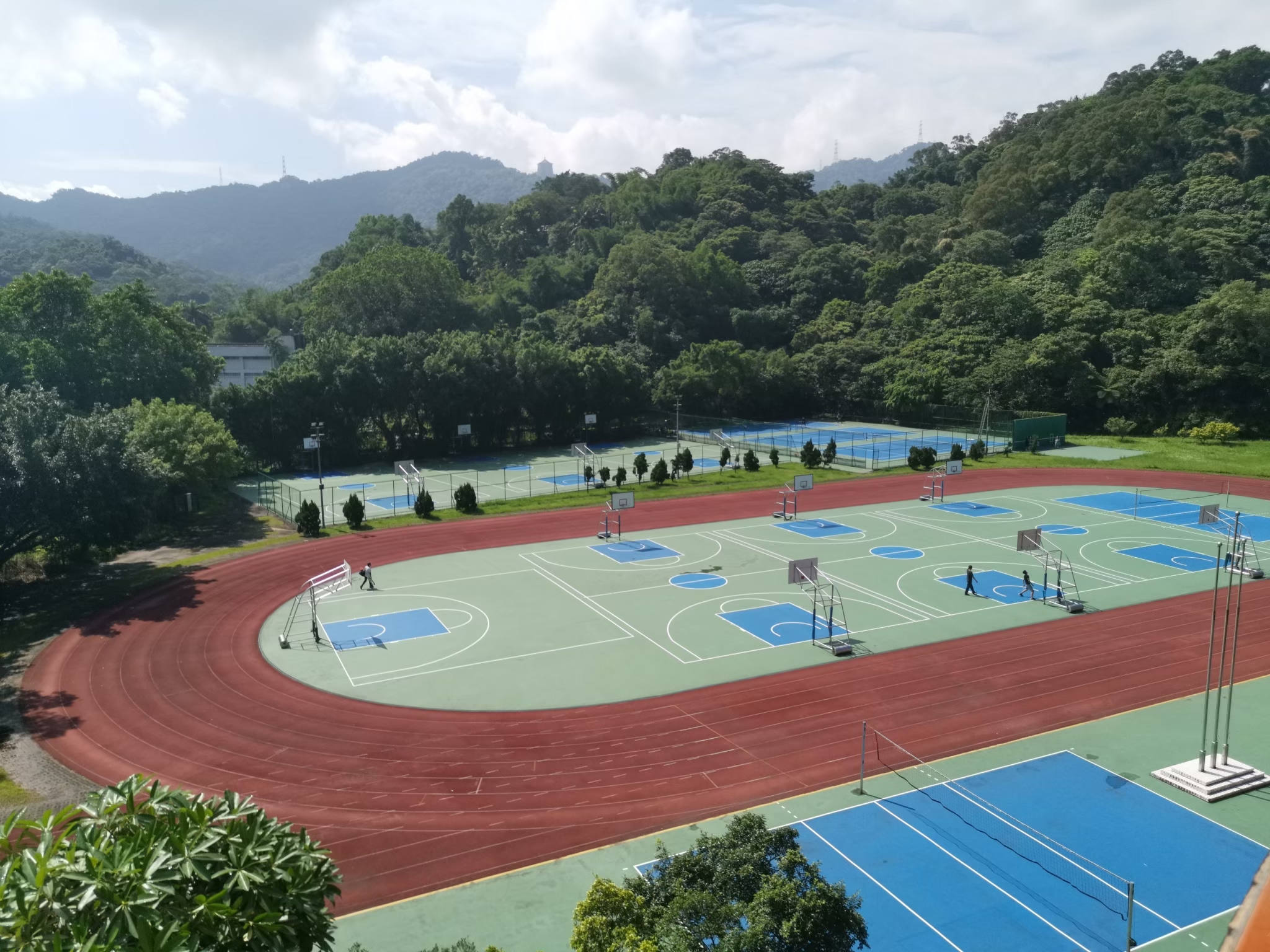
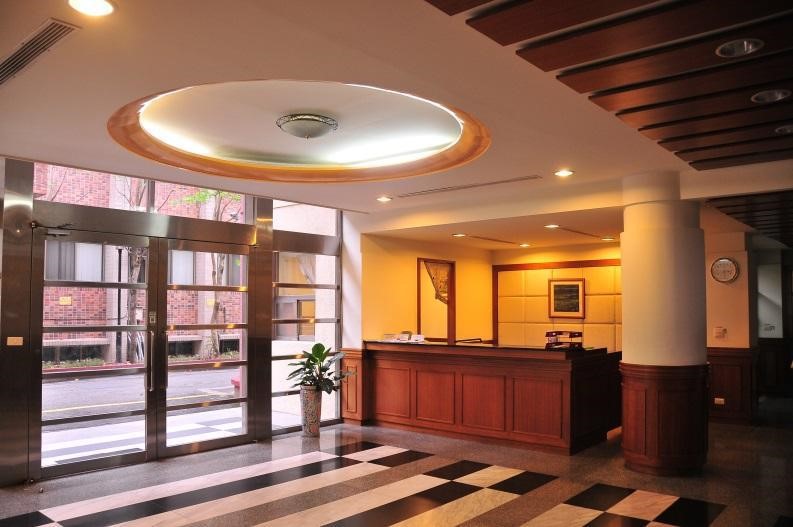
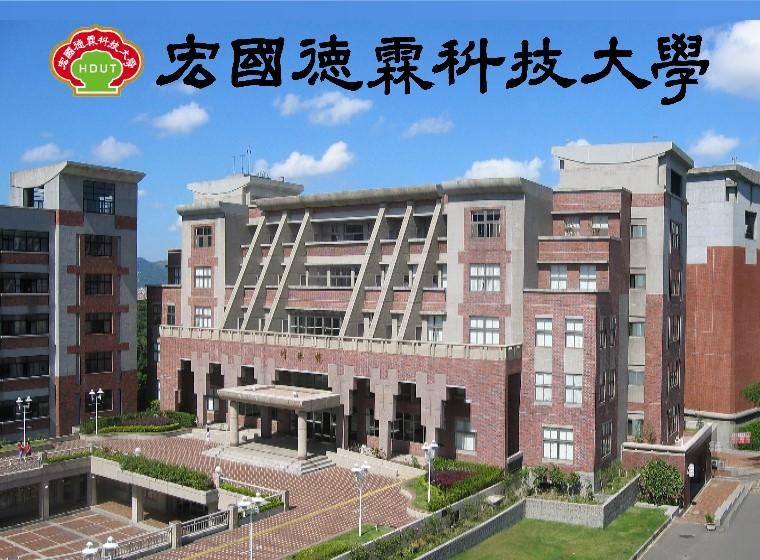

Scholarships
Scholarships
|
Scholarships |
Scholarship Amount |
Eligibility
|
|---|---|---|
|
Full tuition and accommodation fee waiver for the first semester |
NTD64,025 ~ NTD70,990 |
Overseas Chinese freshmen, Hong Kong and Macao freshmen, and foreign students from New Southbound Policy countries.
|
|
Half tuition and accommodation fee waiver for the second semester |
NTD34,113 ~ NTD37,595 |
Overseas Chinese freshmen, Hong Kong and Macao freshmen, and foreign students from New Southbound Policy countries.
|
Tuition and Miscellaneous Fees
Engineering Departments:
NTD 54,290 for a full semester without off-campus internship
NTD 51,394 for a full semester with off-campus internship
Business Departments:
NTD 47,325 for a full semester without off-campus internship
NTD 45,471 for a full semester with off-campus internship
Living Expenses
Living Expenses: NTD/YR 72,000
Accommodation Fee: NTD 26,000 (additional NTD 100/day for winter and summer vacations)
|
One semester |
One academic year |
Other Notes
|
|---|---|---|
|
NTD 38,055 |
NTD 76,110 |
No off-campus internship fees for the College of Hospitality
|
Pathways
Taipei University of Marine Technology
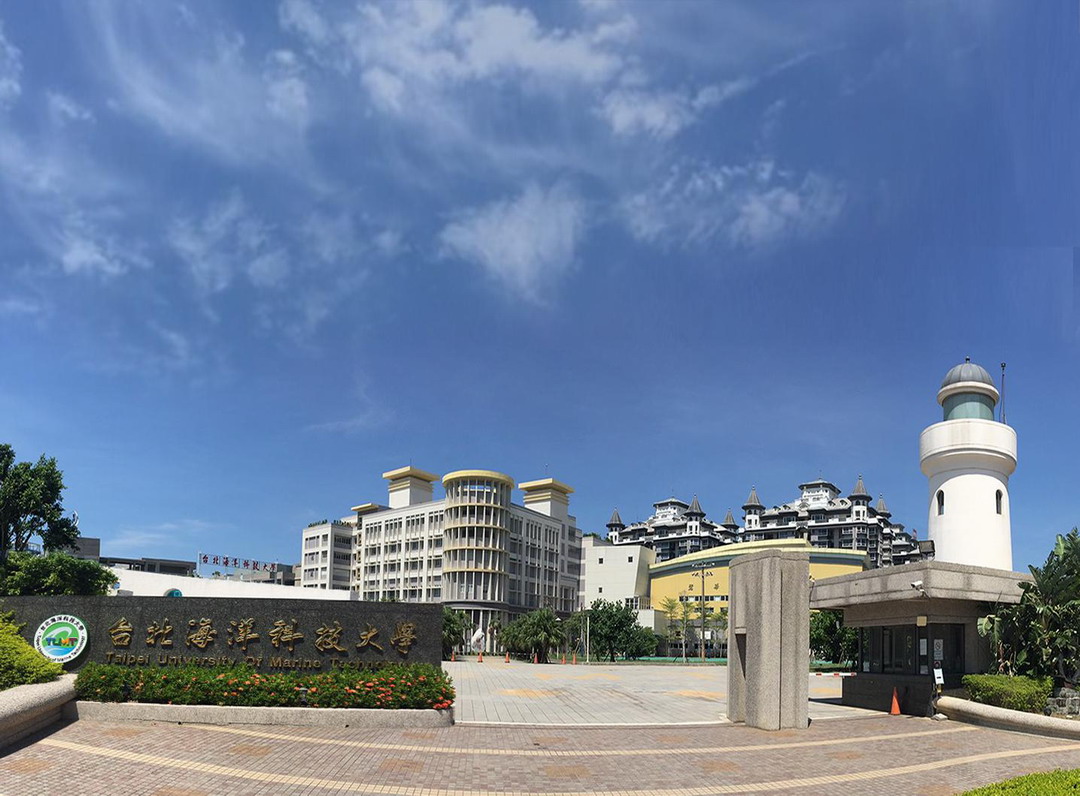
Information
Address
No. 150, Section 3, Binhai Road, Tamsui District, New Taipei City
Tuition and Accommodation Fees
Tuition: NTD/YR 47,720-55,000
Dormitory fee: NTD/YR 21,000 (first year free of dormitory fee)
Living expenses: NTD/YR 80,000
Official website
Contact Information
Introduction
School Introduction
TUMT is one of the three universities in the country that specializes in marine development. It is a long-established maritime professional institution that has long cooperated with the government in developing marine policies. To date, it has cultivated many maritime, shipping talents, government officials, and business giants.
The school is positioned as a “Practice-oriented teaching” university. “Professionalism, Loyalty, Diligence, Perseverance, and Service” are the educational philosophies of TUMT. The learning environment with unlimited wireless network service, central air-conditioning, and professional equipment such as maritime teaching, also has the only teaching yacht wharf in Taipei City.
It currently comprises the College of Marine Affairs, the College of Health and Living, and the College of Innovative Design, with a total of three colleges and fourteen departments.
Transportation
Tamsui Main Campus: No. 150, Section 3, Binhai Road, Tamsui District, New Taipei City
Shilin Campus: No. 150, Section 3, Binhai Road, Tamsui District, New Taipei City
Highlights
Featured courses
Department of Marine Sports and Leisure
The curriculum planning takes into account both academic and practical subjects, based on management practices. The curriculum includes water sports technology (windsurfing, canoeing, sailing, surfing, swimming and water rescue skills, snorkeling, scuba diving skills, kayaking, power boating), sports leisure management and water leisure recreation programs, in order to grasp the social pulse, connect with the world, meet the needs of the people for marine sports and leisure recreation, and grasp the leisure trends in the 21st century global and Taiwan.
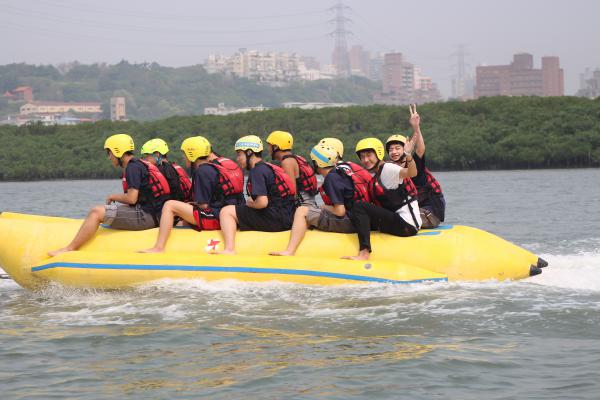
Department of Air and Sea Logistics and Marketing Management
The department is equipped with a range of specialized facilities, including an Aviation Logistics Operations Center, a Taipei Shipping Group Simulation Company, an Air and Sea Logistics Information Center, a Digital Marketing Center, and a Global Innovation and Planning Classroom.
The planning, upgrading, and expansion of equipment are carried out in accordance with departmental development goals and students’ learning needs. Through these resources, the department strengthens students’ capabilities in air and sea transportation, logistics, global supply chain management, marketing planning, and corporate decision-making, thereby enhancing their competitiveness in future internships and employment.
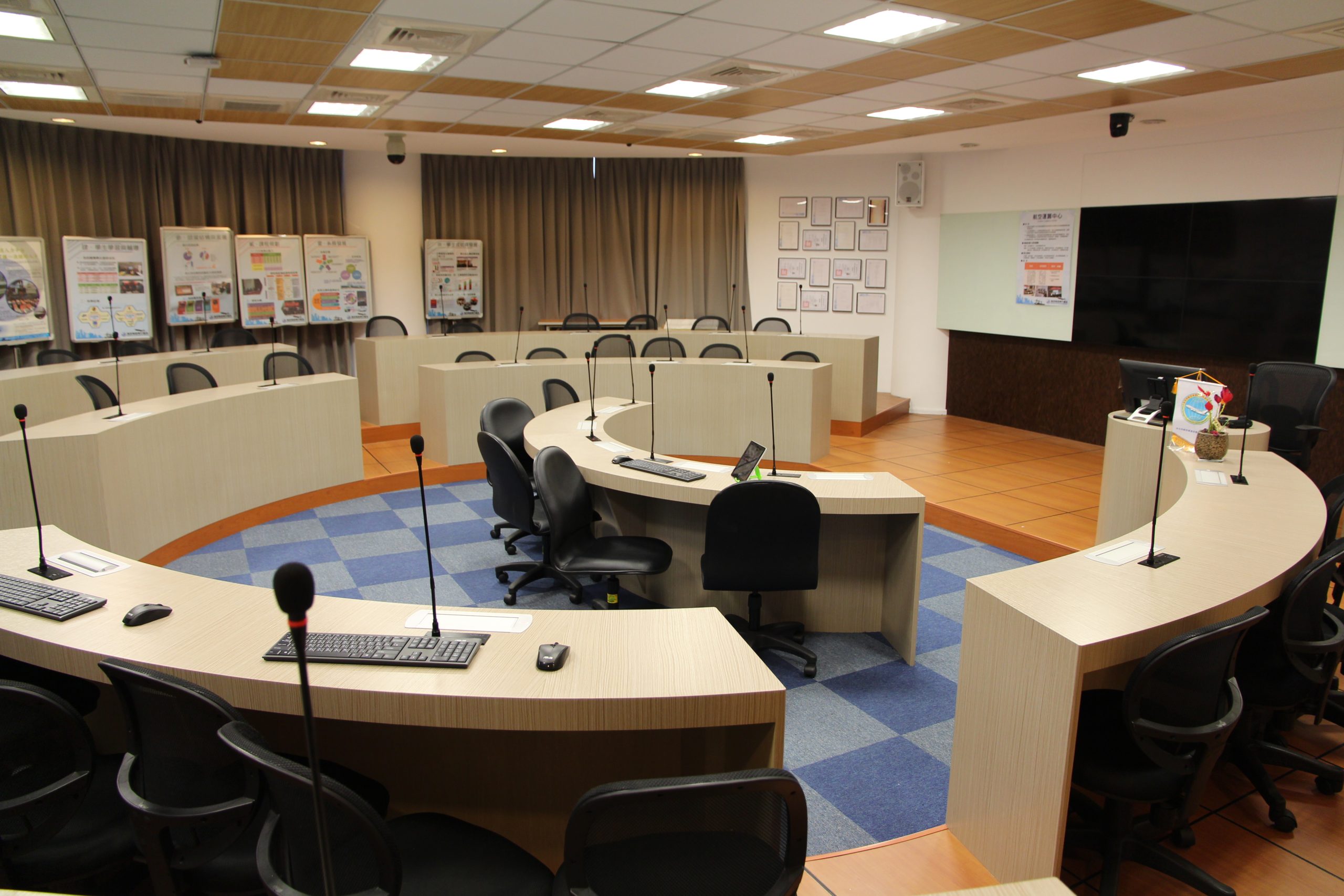
Main Departments
暫無系所資料
Photos & Videos
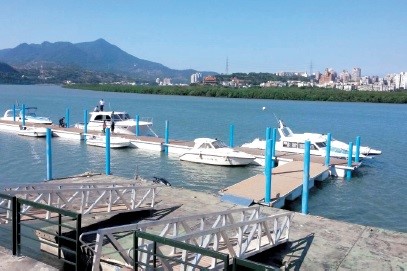
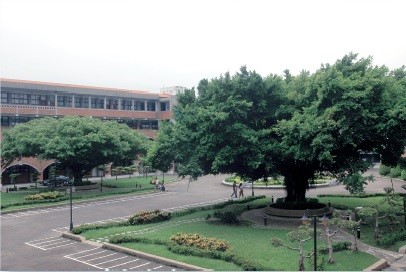
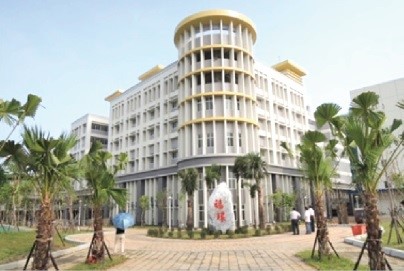
Photos
Videos
Scholarships
Living Expenses
Dormitory fee: NTD 21,000 (first year free of dormitory fee)
Living expenses: NTD/YR 80,000
Tuition and Miscellaneous Fees
Engineering/Maritime: NTD 55,000
Business: NTD 47,720
Other: NTD 52,730
Pathways
Hsing Wu University of Science and Technology
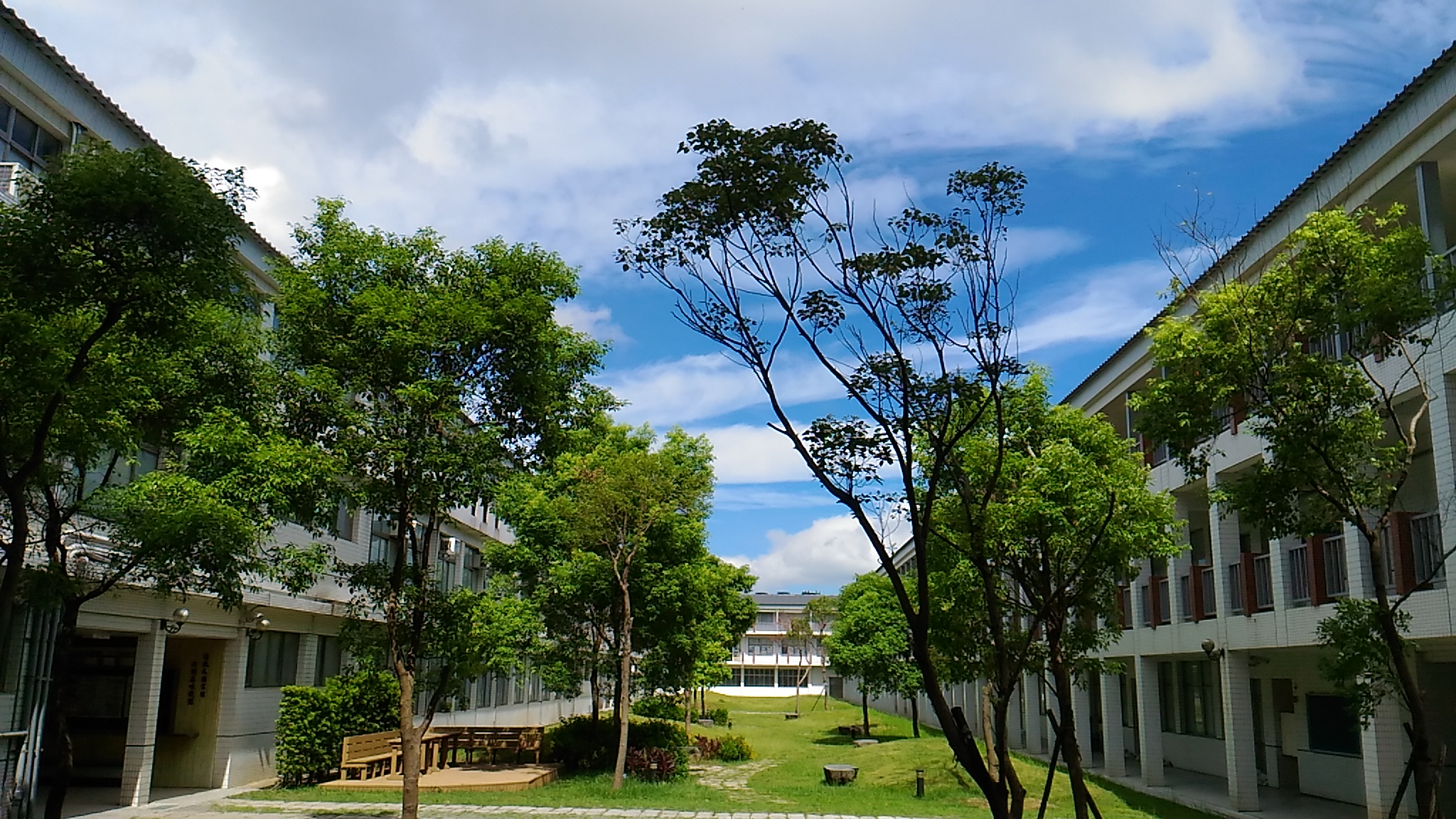
Information
Address
No. 101, Section 1, Fenliao Road, Linkou District, New Taipei City
Tuition and Accommodation Fees
Tuition: NTD/YR 48,717
Accommodation Fee: NTD/YR 20,000
Living Expenses: NTD/YR 43,000~91,000
Official website
Office of International Affairs, Hsing Wu University of Science and Technology
Contact Information
+886-2-2601-5310#1126
[email protected]
Introduction
Teaching Quality and Characteristics
1. HWU has been awarded a subsidy of NTD 65.77 million per year, totaling NTD 329 million over 5 years, from the Ministry of Education’s Higher Education Sprout Project.
2. According to a survey by 1111 Job Bank, HWU’s employment rate ranks among the top 10 in the country and is one of the universities most favored by enterprises.
3. The university has established Sanlih E-Television College, EeLin College, and cooperates with Eastern Broadcasting Group to jointly offer master-level courses.
4. Excellent performance in domestic and international competitions. In the 2017-2019 academic years, students won a total of 704 domestic and international competition awards, including 129 gold, 69 silver, and 63 bronze awards, including the German Red Dot Design Award. Award of Excellence in the 2019 Alibaba Cross-border E-commerce Competition.
5. Institutes of Tourism, Marketing, and Information Communication are established to cultivate high-level management talents.
Transportation and Living Functions
1. Convenient transportation: HWU is located in Linkou, New Taipei City, and is within a 30-minute drive of Taipei 101, Taoyuan International Airport, and Taoyuan High-Speed Rail Station. School bus routes and national highway bus routes are very convenient. In addition, free shuttle buses are available at Taoyuan and Banqiao Railway Stations, as well as Xinzhuang, Xinpu, Airport MRT A8, and A9 MRT stations.
2. Living functions: The campus is close to Linkou Old Street, Mitsui Mall, Global Mall, Xinjing Plaza, and 2 large cinemas. There are famous old restaurants, many exotic restaurants, and various restaurants and merchandise stores, creating a complete and convenient university life circle.
Welfare and Counseling Mechanisms for International Students
1. Provide various generous scholarships: including tuition waivers for admission and various scholarships within the school.
2. Priority is given to providing dormitories and unlimited campus internet access.
3. Priority is given to on-campus work-study programs and assistance in perfecting work and internship mechanisms.
4. Provide Taiwan cultural tours and diverse exchange activities.
Highlights
Cultivating cross-domain innovative service talents integrating “wisdom” and “fashion”
HWU is the first in the country to establish a multi-disciplinary college and a unique creative center:
Hsing Wu Sanlih E-Television College
Hsing Wu EeLin College
Internet Celebrity E-commerce College
International Culinary Arts College
Science and Technology Art Exhibition Center
Fondant Research Center
Michelin Culinary Arts Center
Hsing Wu-Jinde Korean Language Center
E-sports Training Center
E-sports Professional Water-cooled Assembled Computer Center
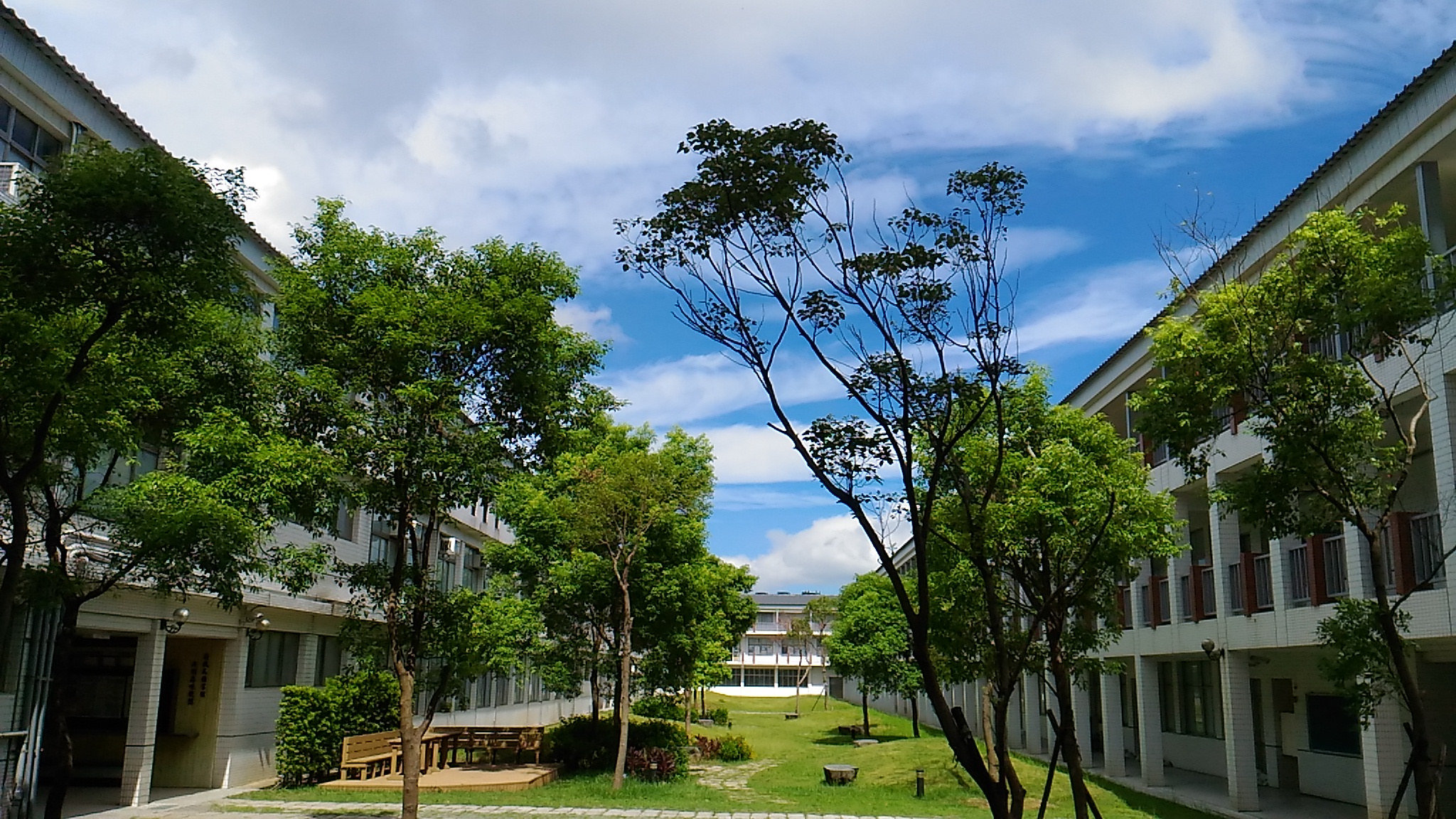
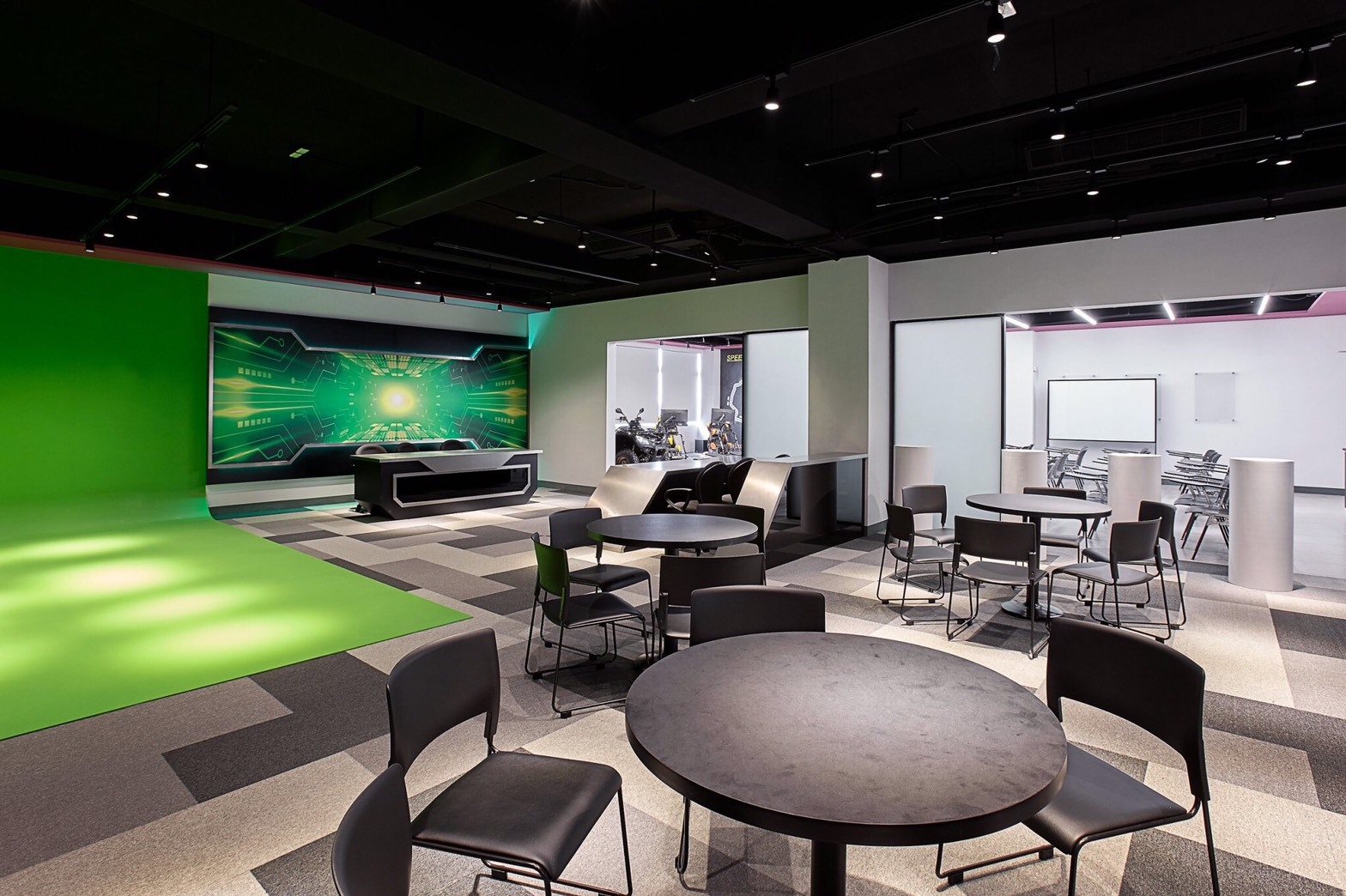
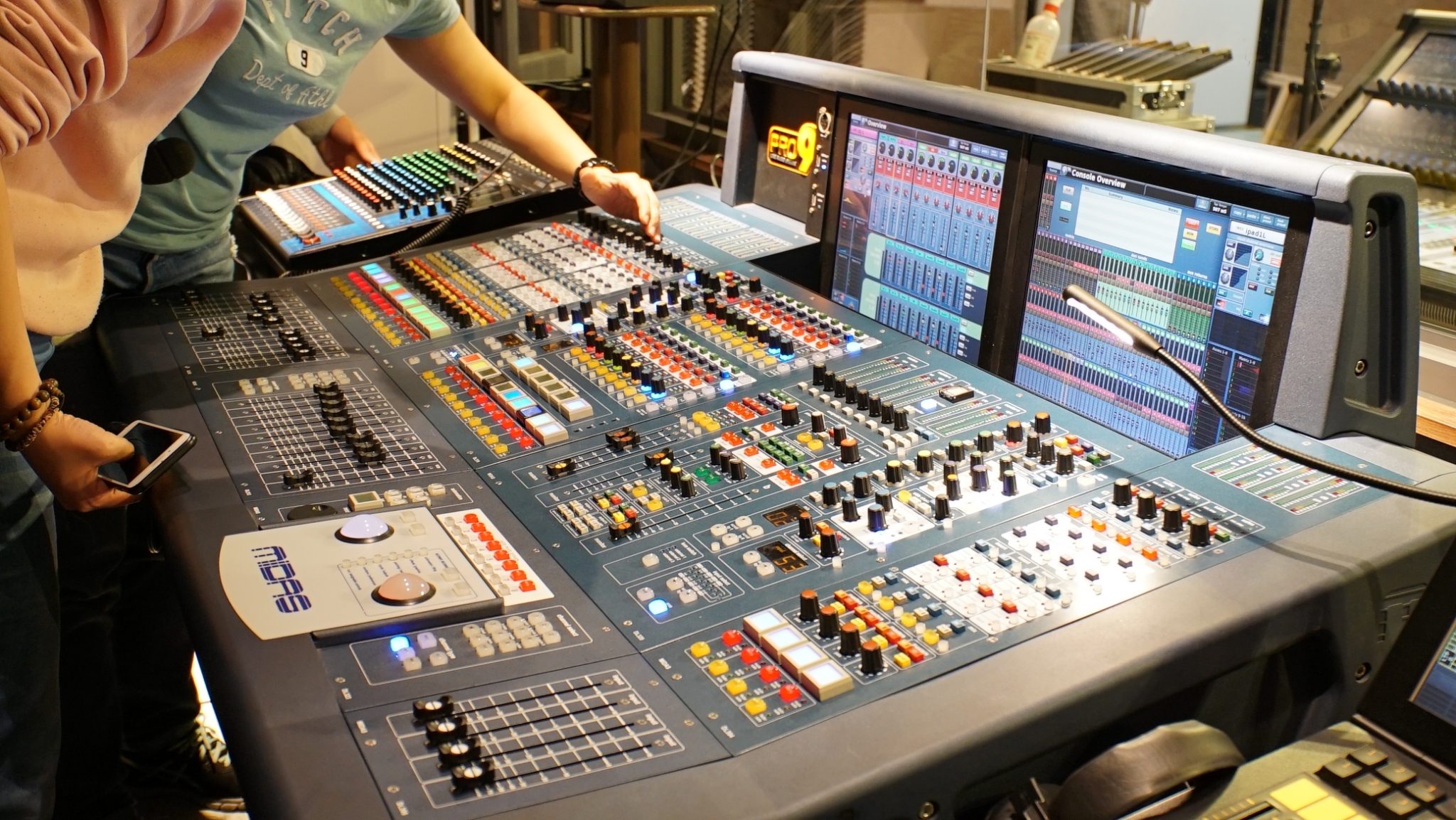
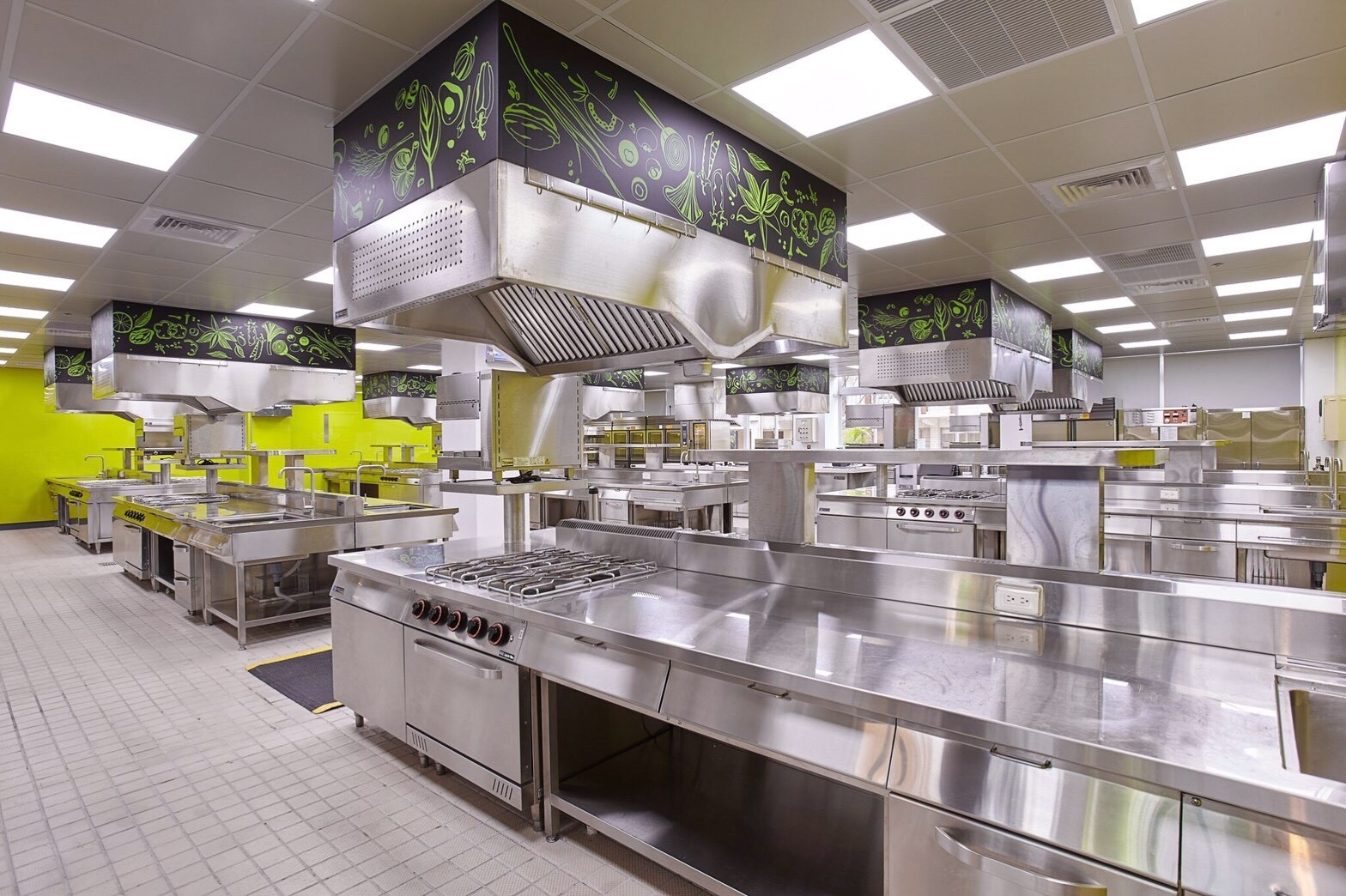
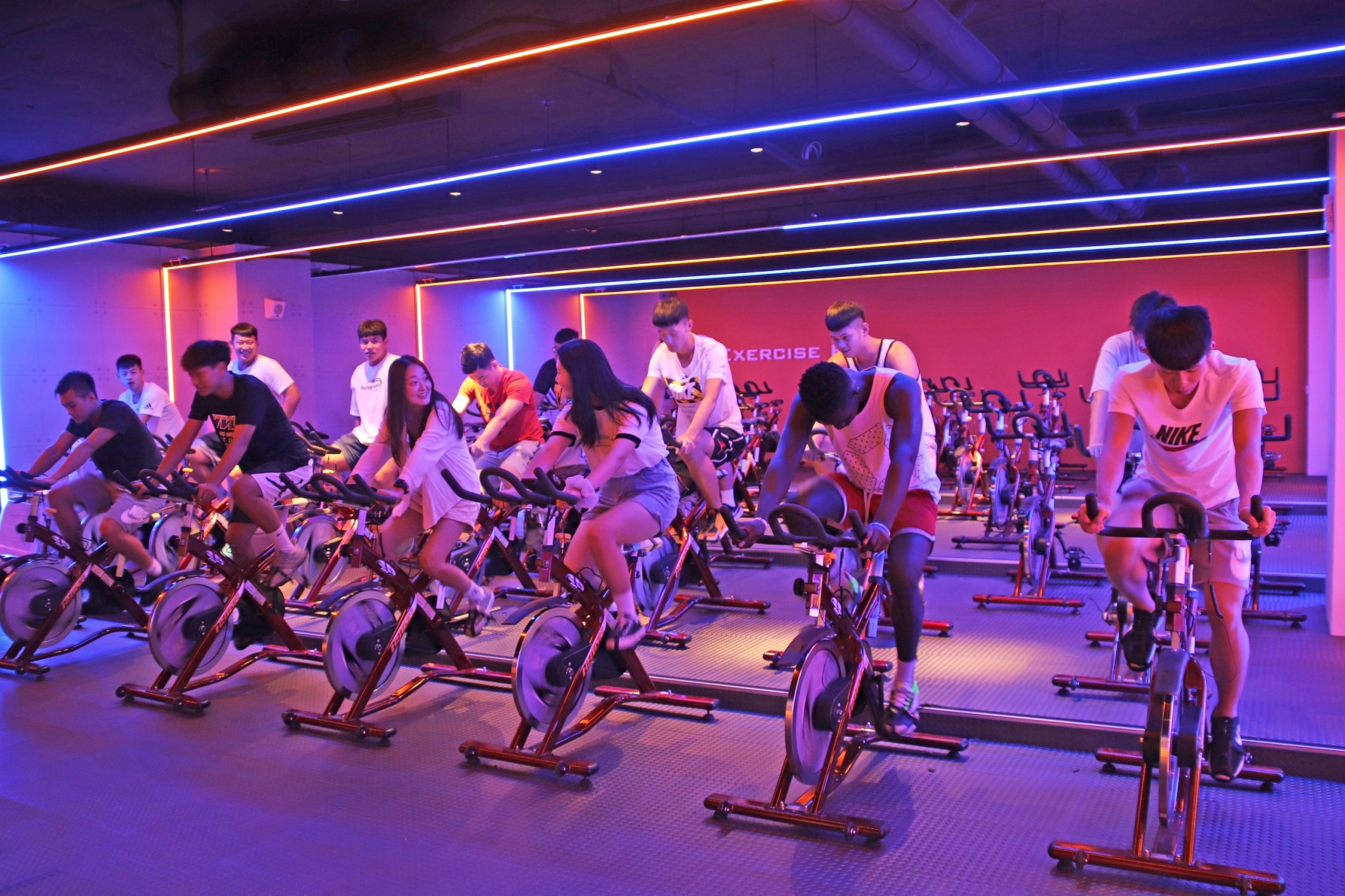
Departments
School Departments and Programs
暫無系所資料
Photos & Videos
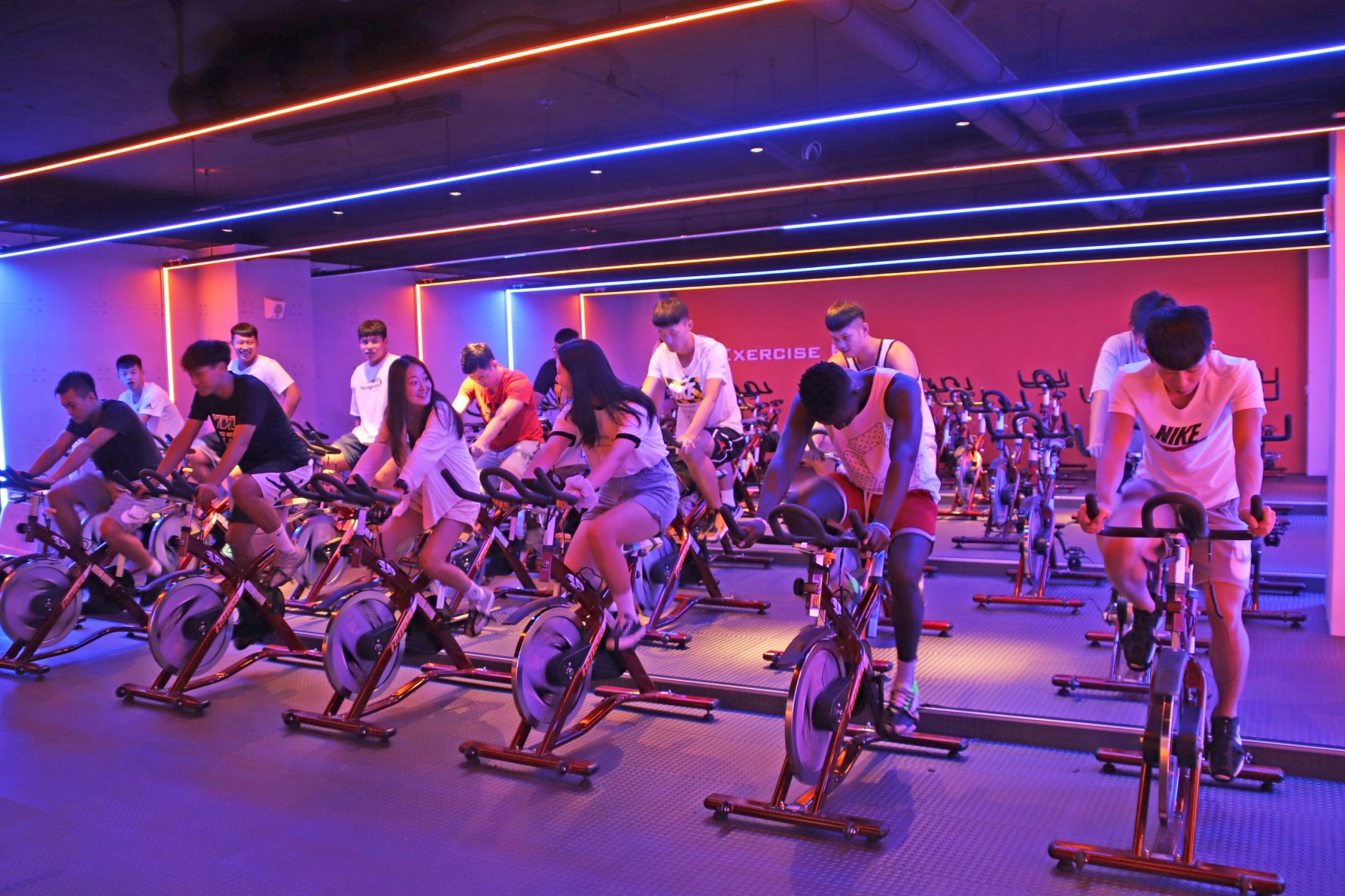
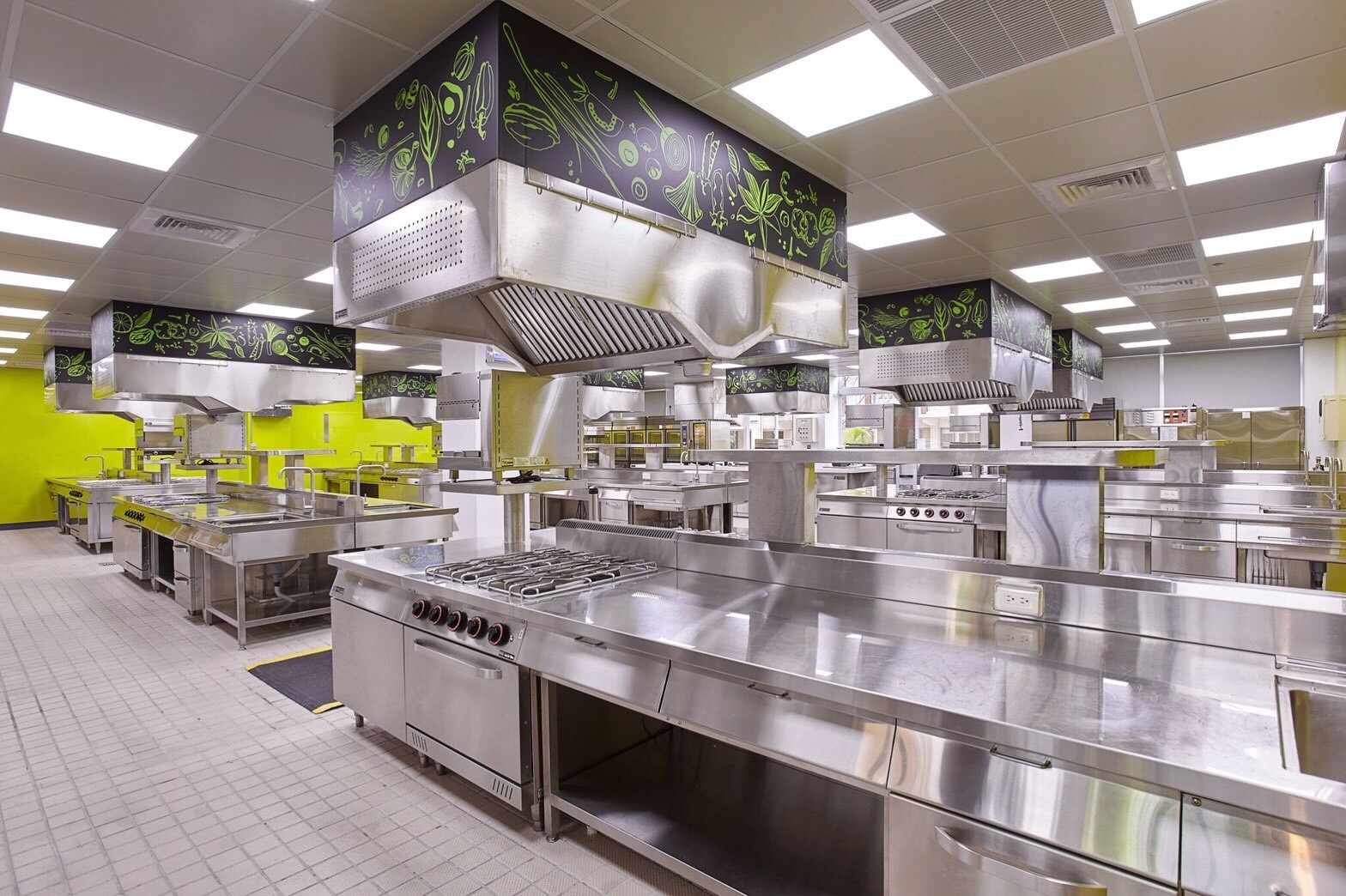


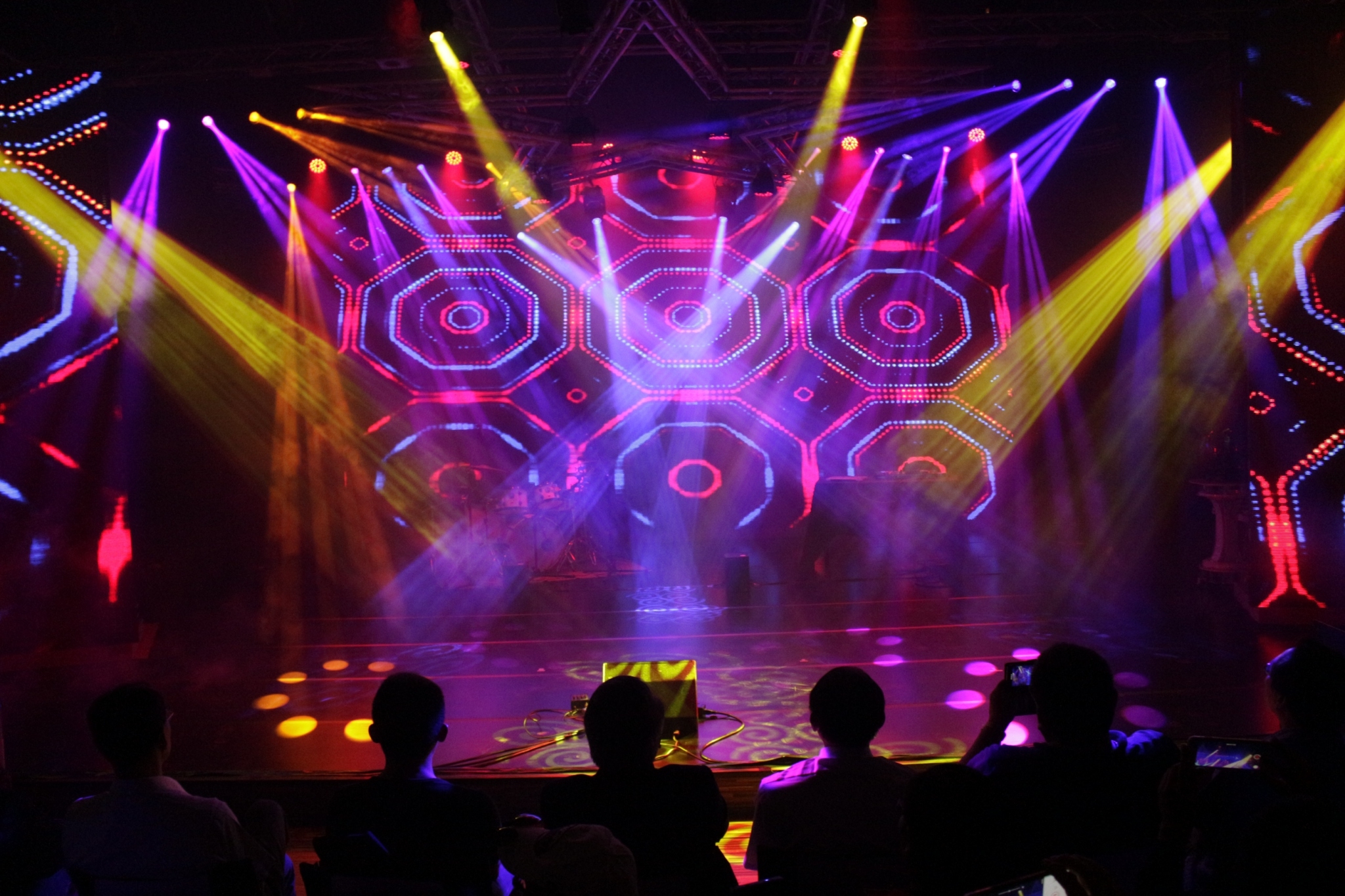

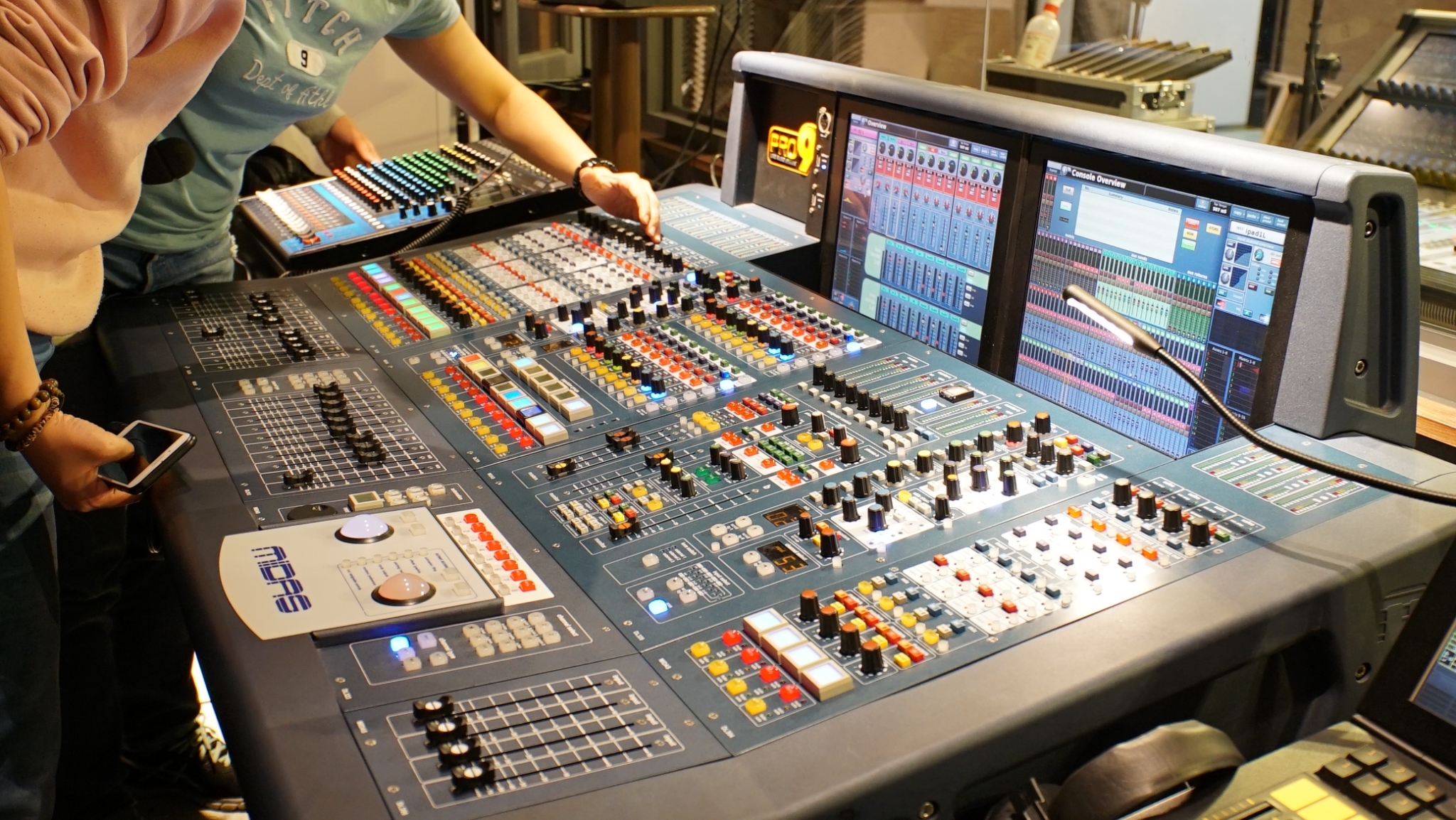
Photos
Videos




Scholarships
Living Expenses
Accommodation Fee: NTD 10,000 (per semester)
Living Expenses: NTD/YR 43,000~91,000
Tuition and Miscellaneous Fees
College of Business and Management NTD 48,717
College of Tourism and Hospitality NTD 48,717
College of Fashion and Arts NTD 48,717
College of Design NTD 48,717
Scholarships
|
Scholarships |
Scholarship Amount |
Eligibility
|
|---|---|---|
|
Regulations for Scholarships for Foreign Students |
(1) Full tuition waiver for the first semester. (2) A reduction of NTD 10,000 per semester from the 2nd to 8th semesters. |
Except for the 1st semester, the average score of conduct in the previous semester must be 75 points (inclusive) or above, and no major demerit shall be given, and the academic performance must be 70 points (inclusive) or above.
|
Pathways
Jinwen University of Science and Technology
Information
Address
No.99, Anzhong Rd.,Xindian Dist., New Taipei City 231055, Taiwan
Tuition and Accommodation Fees
Tuition: NTD 90,000-104,000/YR
Accommodation: NTD 21,000-46,000/YR
Living Expenses: NTD 72,000-91,000/YR
Social Media
https://www.facebook.com/just.edu.tw
Contact Information
+886-2-82122000#2207
[email protected]
Introduction
Teaching Quality and Academic Reputation
Our university is a practice-oriented university, aiming to cultivate practical talents needed by the industry. We have set four major goals and concrete strategies: “Shaping holistic technology talents,” “Strengthening two-way school-enterprise exchanges,” “Improving the overall effectiveness of the school,” and “Embracing the community with international aspirations” to improve our teaching, student affairs, research, industry-academia connection, internationalization, and software and hardware environment standards. We provide teachers and students with a high-quality environment, cultivate elite talents needed by the industry, provide professional consulting and guidance cooperation to the industry, and create a JUST (Joyous, Unique, Sincere, Truthful, JUST) Jinwen University of Science and Technology brand image, moving towards sustainable development and pursuing excellence, to achieve the vision of “cultivating a first-class institution for the most beloved talents of enterprises.”
Jinwen University of Science and Technology(JUST) is a practice-oriented institution committed to cultivating skilled professionals required by various industries. The university has established four key goals: to shape holistic technological talents, to strengthen university–industry collaboration, to enhance institutional efficiency, and to embrace the community with a global vision.
Through these strategic objectives, the university continuously advances its teaching quality, student affairs, research capacity, industry-academia cooperation, internationalization, and overall learning environment. By providing faculty and students with a high-quality educational setting, JWUST aims to nurture elite talents who meet industry needs, offer professional consulting and cooperation to enterprises, and create the distinguished brand image of JUST — Joyous, Unique, Sincere, and Truthful.
With this vision, the university strives for sustainable development and excellence, aspiring to become a leading institution that cultivates the most sought-after professionals by enterprises.

International Exchange and Cooperation
The university places special emphasis on two-way exchange between schools and enterprises, pioneered customized courses, strengthened industry-academia cooperation teaching, matched students with industry, cultivated outstanding talents early, and actively promoted student off-campus internships and overseas internships. In order to cultivate students’ employment competitiveness, a student career development center was established to plan a series of counseling courses and activities from freshman to senior year to achieve the school’s purpose of employment upon graduation. The school comprehensively promotes students’ domestic and overseas internships, allowing students to come into contact with the workplace during their studies and be employed upon graduation.
The JUST places great emphasis on two-way collaboration between academia and industry. It has pioneered industry-aligned curricula to strengthen cooperative teaching and to connect students with enterprises, cultivating outstanding professionals in advance. The JUST also actively promotes both domestic and overseas internships.
To enhance students’ employability, the Career Development Center offers a series of counseling programs and activities from freshman to senior year, fulfilling the goal of “employment upon graduation.” Through comprehensive promotion of internships at home and abroad, students gain practical workplace experience and are well prepared to enter the job market immediately after graduation. The JUST encourages students to participate in both domestic and international internships, helping them gain real-world experience and secure employment right after graduation.
International Achievements
◆ International Students: 983
◆ Partner Universities: 20 Countries
◆ Global partners include Japan, Korea, Thailand, Indonesia, Guam, USA, and Vietnam. ◆ Regular events: International Cultural Week, Exchange Programs, and Overseas Student Gatherings.
◆ International Students: 983
◆ Partner Universities: 20 Countries
◆ Global partners include Japan, Korea, Thailand, Indonesia, Guam, USA, and Vietnam. ◆ Regular events: International Cultural Week, Exchange Programs, and Overseas Student Gatherings.
2023–2025 International Competition Achievements
- 2025 Singapore FHA Culinary Challenge, Singapore
🏅 1 Gold, 6 Silver, 15 Bronze - 2024 KR Busan International Challenge
🏅 Classic Fruit Carving – 1 Silver, 7 Bronze
🏅 Fruit Carving Team Display – Bronze - 2024 AFA Korea Culinary Competition
🏅 15 Gold, 2 Silver - 2024 Golden Bee Biennale, Russia
🏅 2 Selected Entries - 2025 HKICC Hong Kong International Culinary Classic
🏅 1 Bronze, 3 Merits - 2025 Thailand Ultimate Chef Challenge
🏅 8 Silver, 9 Bronze, 10 Merits - 2025 WCC World Chefs Championship, Malaysia
🏅 3 Grand Gold, 21 Gold, 8 Silver, 1 Bronze - 2024 IIIC International Invention Competition
🏅 2 Gold, 4 Silver
Special Activities for International Students
Every year, the school holds festive events especially for international students, so that international students who cannot return home can also feel the warmth of home in a foreign country.
Every year, the university organizes festive events specially for international students, allowing those who cannot return home to feel the warmth of family even while studying abroad.

Convenient Transportation
In addition to the bus service connecting the university gate to the Taipei MRT system, the opening of the Ankeng Light Rail has made transportation even more convenient. The K5 Jinwen University of Science and Technology Station is only 200 meters from the campus gate, and it takes just 20 minutes to reach downtown Taipei.
In addition to the bus service connecting the university gate to the Taipei MRT system, the opening of the Ankeng Light Rail has made transportation even more convenient. The K5 Jinwen University of Science and Technology Station is only 200 meters from the campus gate, and it takes just 20 minutes to reach downtown Taipei.
In addition to the bus service connecting the university gate to the Taipei MRT system, the opening of the Ankeng Light Rail has made transportation even more convenient. The K5 Jinwen University of Science and Technology Station is only 200 meters from the campus gate, and it takes just 20 minutes to reach downtown Taipei.

International Student Milestones
2023 – Held the “International Cultural Week” to promote cultural exchange between Taiwanese and foreign students
2023 – Hosted the International Cultural Week to promote cultural exchange between local and international students.
2024 – Signed sister-school agreements with several institutions, including the University of Guam, University of Indonesia, and Shizuoka Design College.
2024 – Signed sister-school agreements with several institutions, including the University of Guam, University of Indonesia, and Shizuoka Design College.
2024 – Conducted overseas study tours and short-term internships in Japan and Korea
2024 – Conducted overseas study tours and short-term internships in Japan and Korea .
2025 – Established the AI International Learning Zone to strengthen digital skill development for international students
2025 – Established the AI International Learning Zone to strengthen digital skill development for international students.
2025 – Hosted the Northern Taiwan Technical and Vocational Universities Institutional Research Exchange Forum
2025 – Hosted the Northern Taiwan Technical and Vocational Universities Institutional Research Exchange Forum.
Alumni
謝業政
Head Chef, Nandao Yakiniku – Okinawa Wagyu Specialty Restaurant
Self-Employed – RU Ma Malaysian Cuisine
Malaysia
2020 Innovation and Entrepreneurship Base – “Happy Technology Exhibits the Future, If You Dare to Start a Business, Come Here” Competition; stood out from 101 participating teams and won an Honorable Mention
林詩韻
張慧恩
Founder of Be+Cze Creative Design
Hong Kong
Opened a personal studio in Taipei after graduation, “Be+Cze Creative Design”
繆樂瑤
Outstanding alumni
Hong Kong
2024 8th International Culinary and Food Art Awards / Gold Medal
張梓泳
Outstanding alumni
Hong Kong
2024 Chinese Olympic Cup Jam Painting Plate / Gold Medal
何卓怡
Outstanding alumni
Hong Kong
2024 8th International Culinary and Food Art Awards / Gold Medal / Highest Score in the Category, Little Golden Man
方蒨彤
WEBTOON Reader Popularity Vote Nominee
Macau
I. Serialized Works:
1. Serialized a comic on the US Tapas platform for one year
2. Currently serialized on the Singapore ComicVid platform 3. 7 works are being freely updated on WEBTOON
II. Participated in Competitions:
1. Taiwan WEBTOON platform – Reader Popularity Vote Nominee
2. International platform ART STREET: ART Street Character Design Contest
3. Japan Comico: 3rd Comico Challenge GP F.S.T is Fang Qian-Tong’s pen name
Work Title: 666 – Day of the Devil Short comic, available in Chinese and English Comic Link, Video Link
謝幸怡
First President of the Chinese Culinary Fruit Carving Club
Malaysia
2024 IKA Culinary Olympics Classic Vegetable and Fruit Carving / Gold Medal
2023 Overseas Community Affairs Council Outstanding Overseas Student Committee Chairman Award
2022 Outstanding Youth of Universities and Colleges
2020 9th Gourmet Art Exhibition – Vegetable and Fruit Carving Youth Group – Bronze Medal
4th International Culinary and Food Art Awards – Catering Art Category – Gold Medal, On-site Vegetable and Fruit Carving – Silver Medal
2021 Fo Guang Cup National Vegetarian Culinary Competition Static Fruit Carving Group – Gold Medal
3rd Pan-Pacific International Culinary Competition – Gold Medal
Highlights
International Exchange Activities – Expanding Students’ International Horizons with Outstanding Performance
Currently, exchange and cooperation agreements have been signed with 161 schools in 20 countries, providing students with scholarships to study for dual degrees, exchange programs, and overseas internships, internationalizing their studies and expanding their international horizons.
Departments
School Departments and Programs
College of Hospitality and Tourism Management
- Department of Tourism Management, Aviation and Transportation Service Management Group
- Department of Tourism Management, Leisure and Recreation Management Group
- Department of Food and Beverage Management, Baking Group
- Department of Food and Beverage Management, Management Group
- Department of Food and Beverage Management, Culinary Arts Group
- Department of Hotel Management
- Department of Applied Foreign Languages
College of Intelligent Innovation
College of Information Technology and Management
Photos & Videos
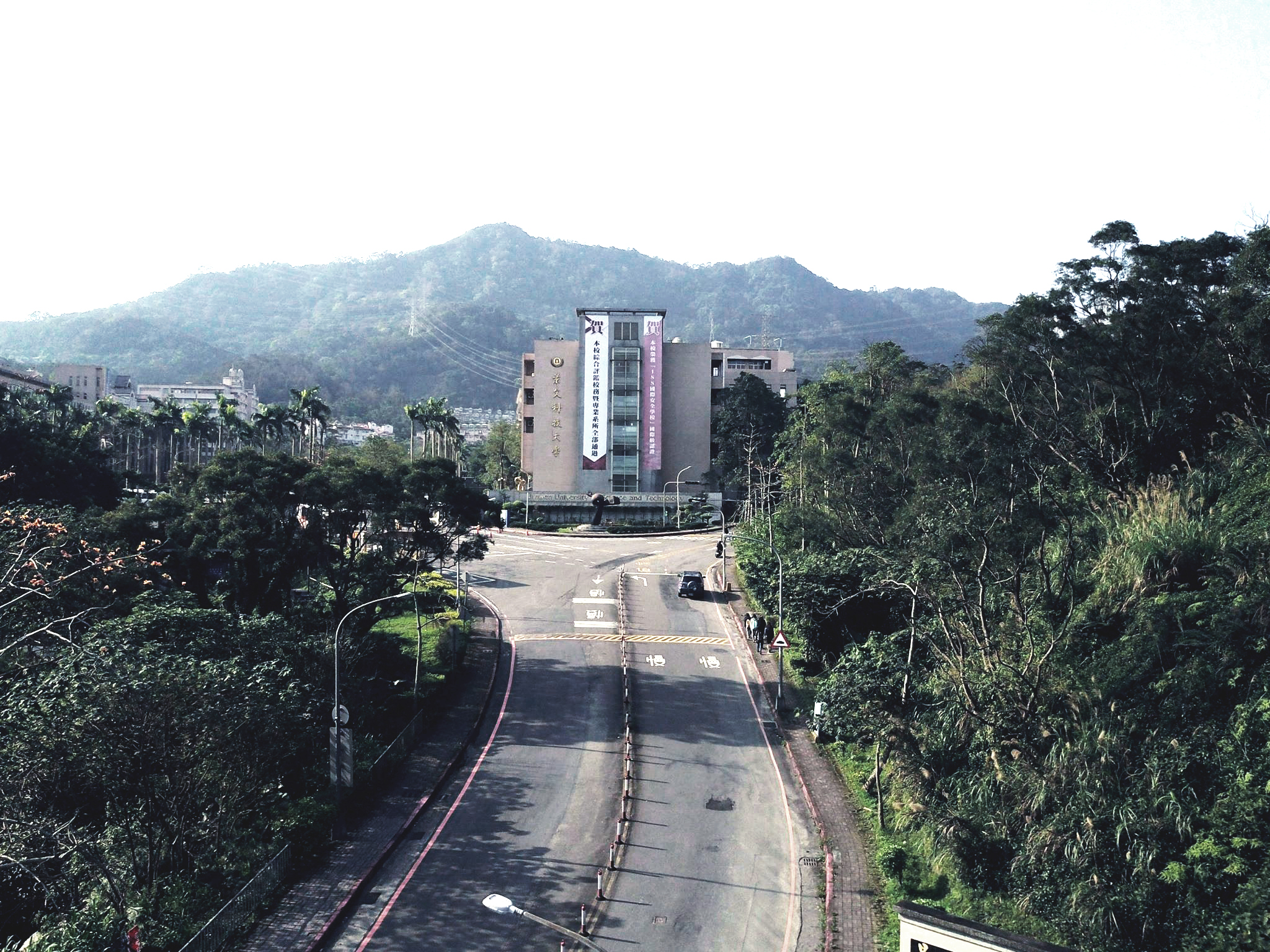
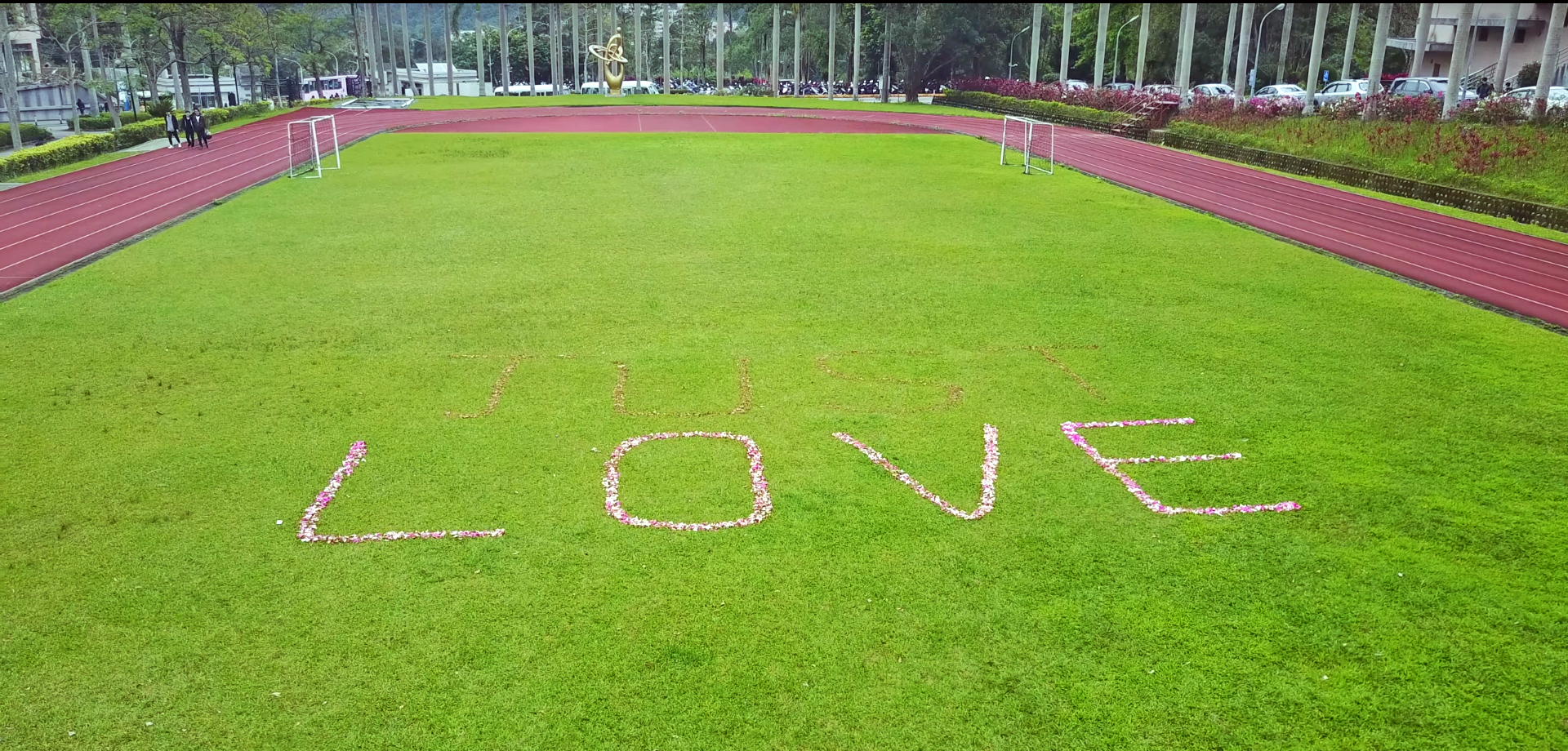
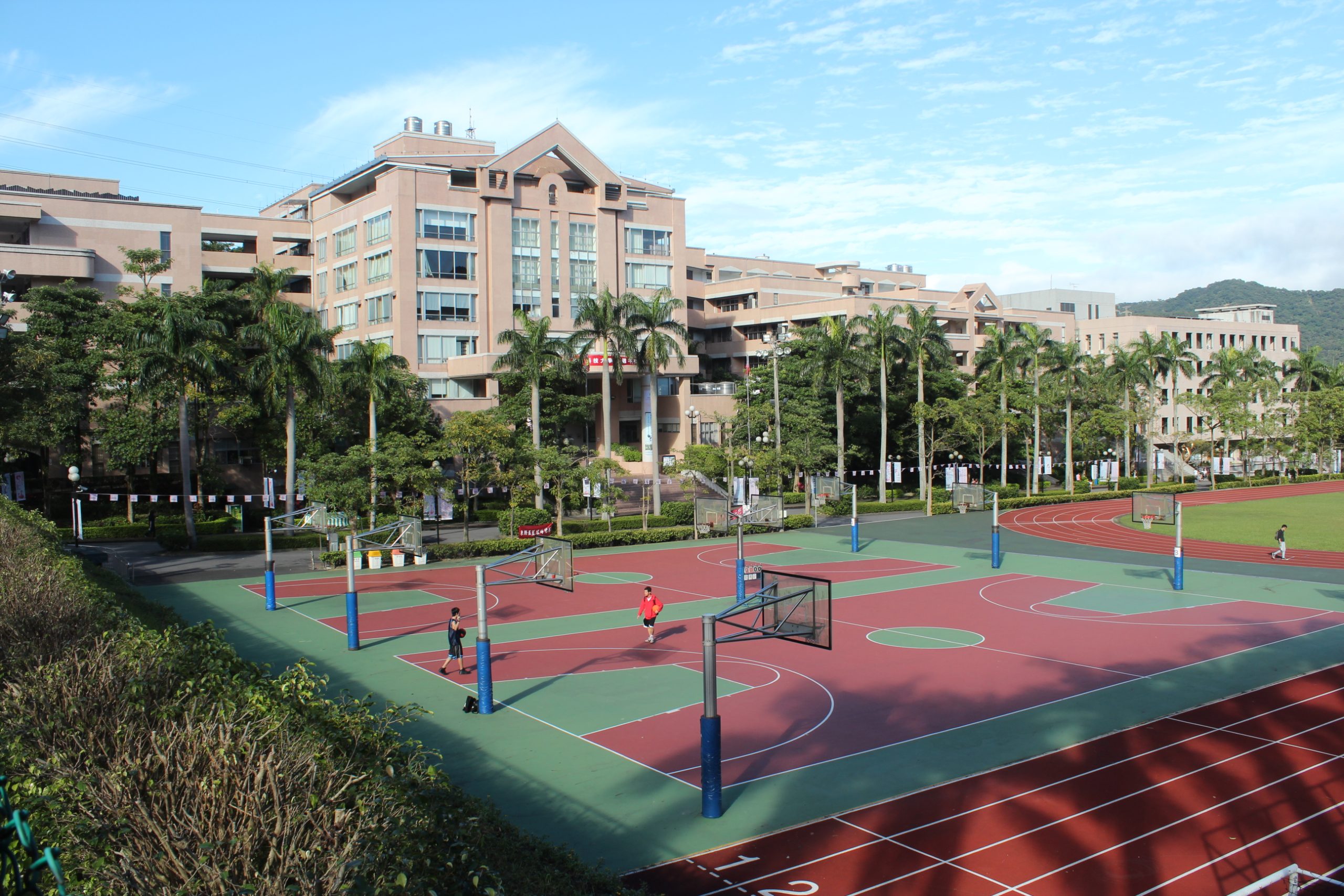
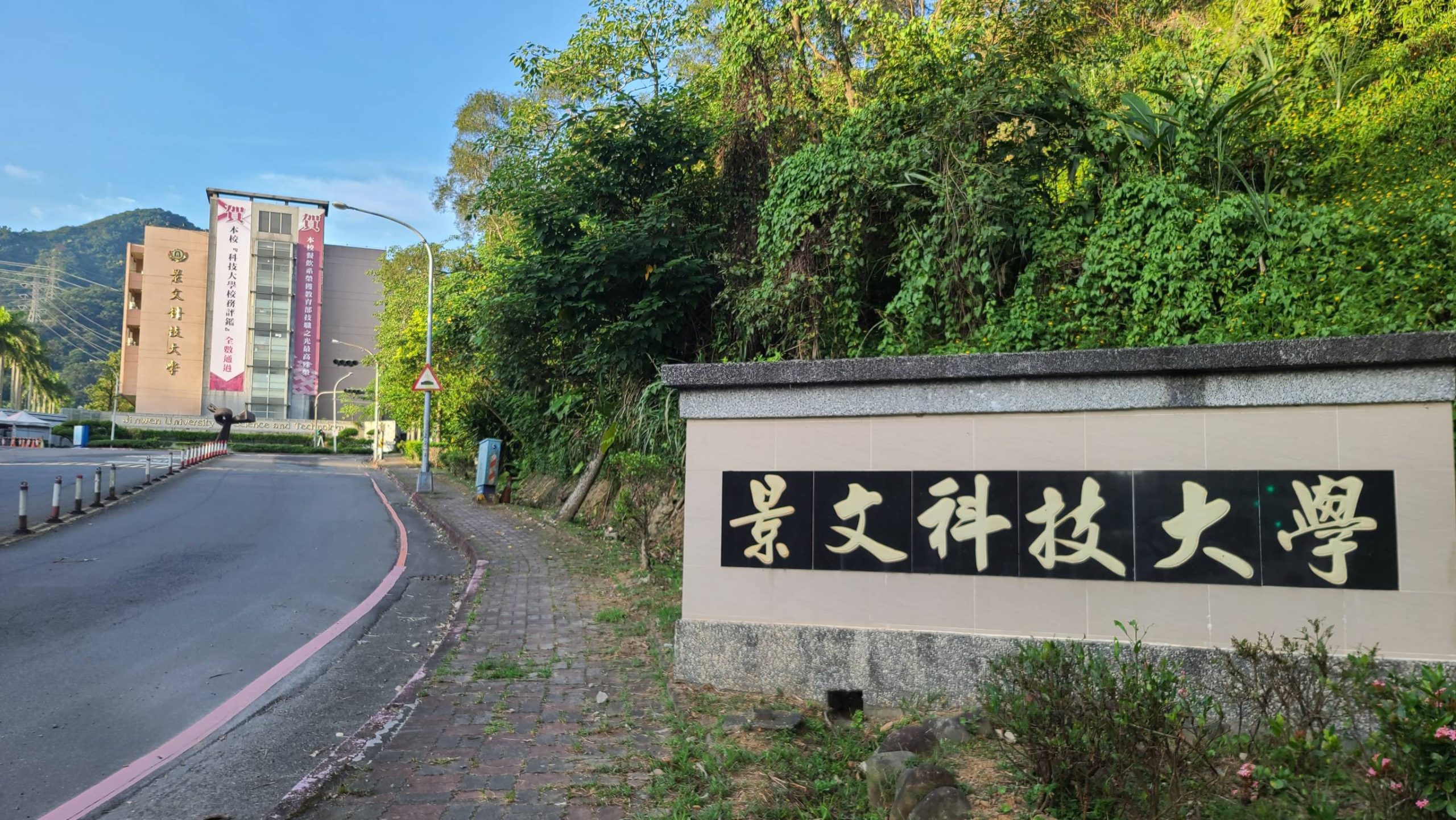
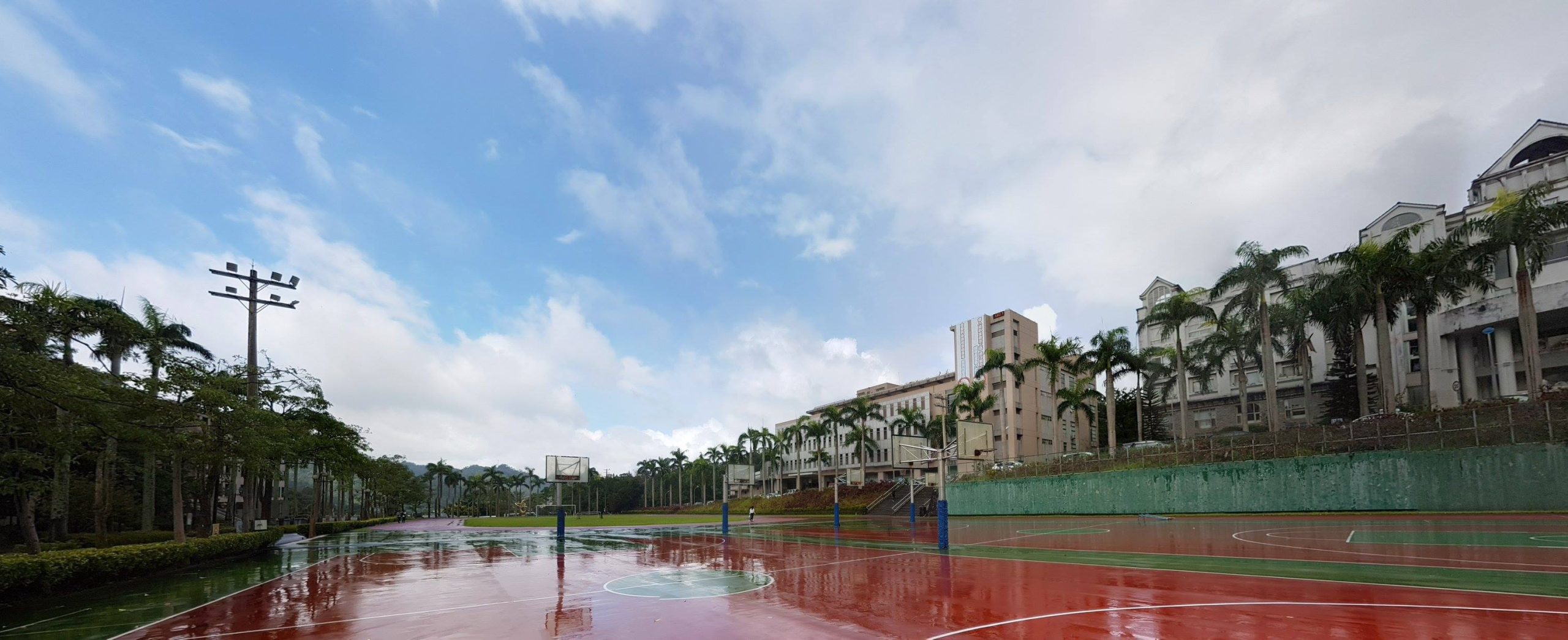
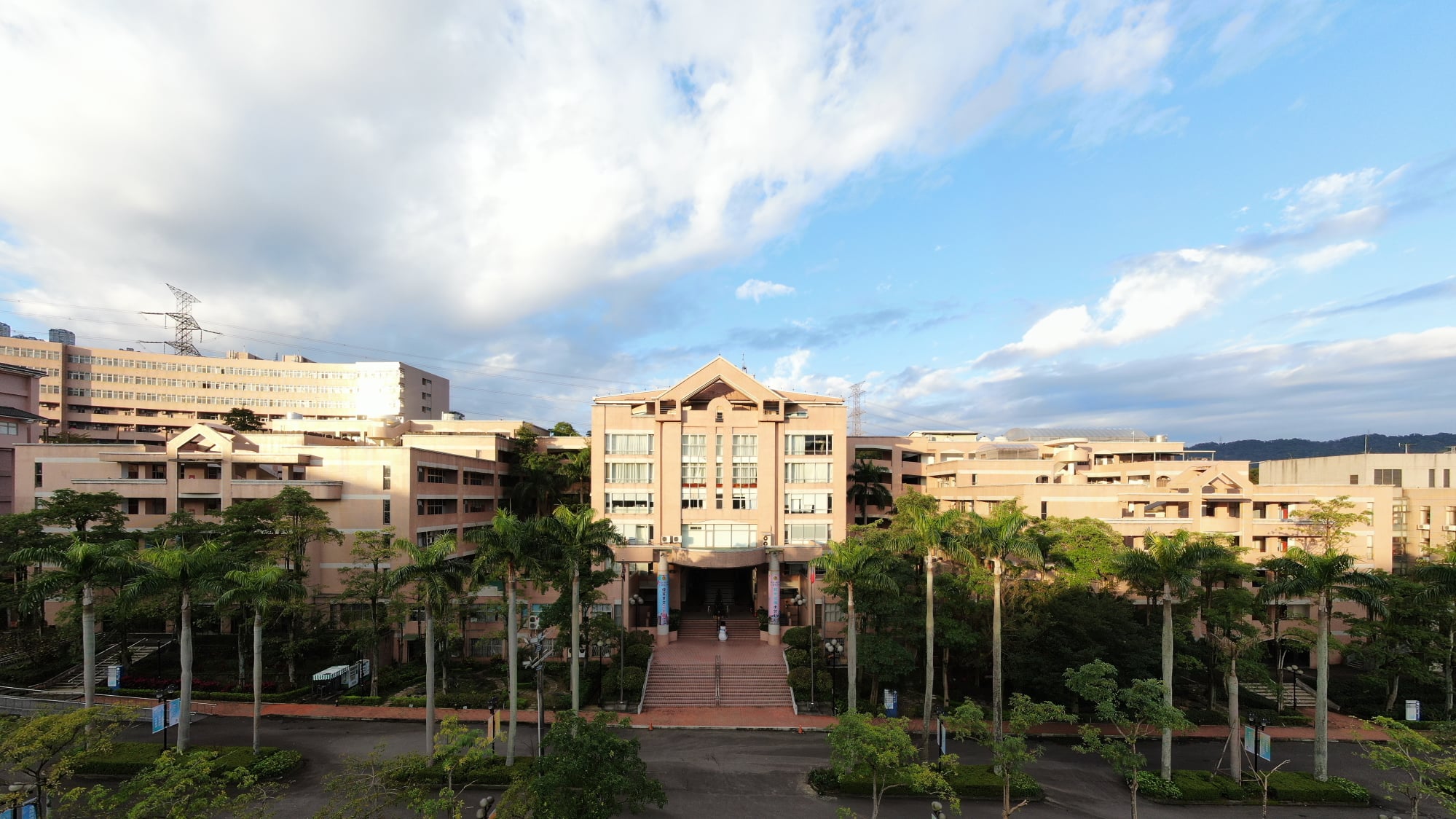
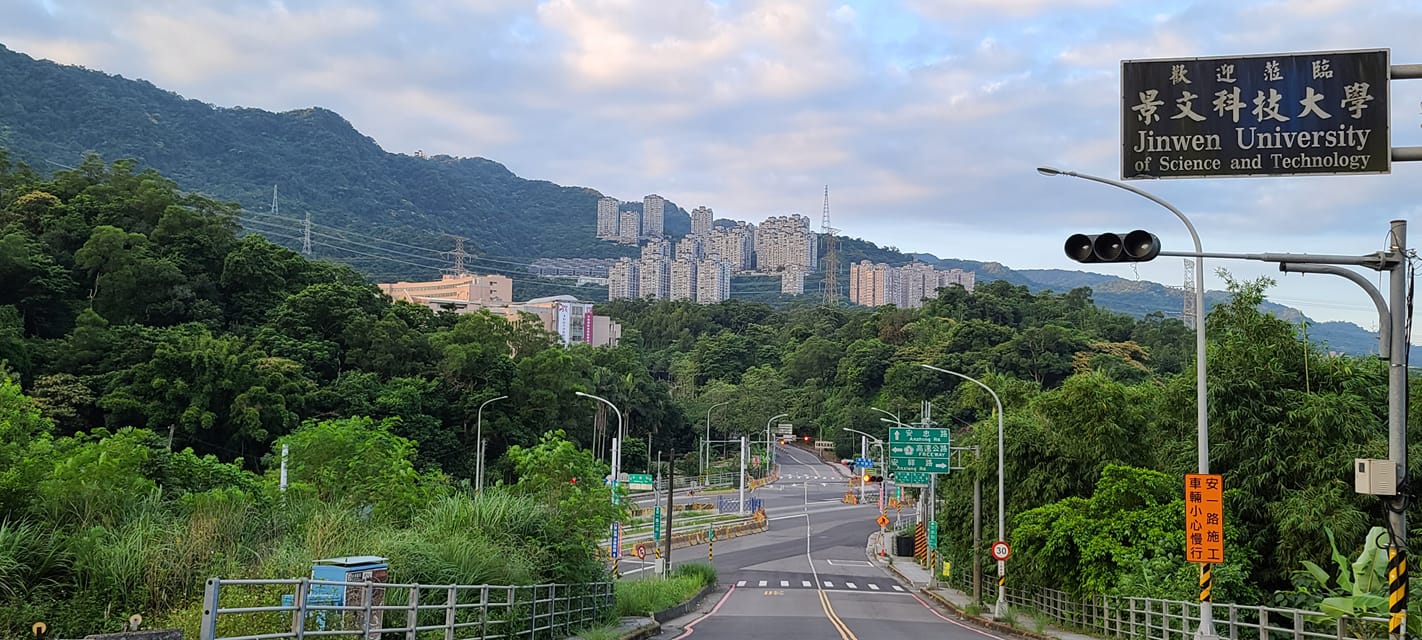
Photos
Videos


Scholarships
Living Expenses
Accommodation: NTD 23,000-51,000
Living Expenses: NTD 80,000-100,000
Tuition and Miscellaneous Fees
College of Tourism and Hospitality NTD 86,320
College of Intelligent Innovation (Business-Related Departments) NTD 86,320
College of Intelligent Innovation (Department of Information and Communication) NTD 99,256
Scholarships
|
Scholarships |
Scholarship Amount |
Eligibility
|
|---|---|---|
|
Preferential Admission for International Students at Jinwen University of Science and Technology |
NTD 17,000 (Business-related) |
Newly enrolled international students will be granted a scholarship for the first academic year after registration NTD 17,000 per student per year will be awarded to students in business-related departments; NTD 18,000 per student per year will be awarded to students in industrial-related departments
|
|
Jinwen University of Science and Technology Scholarship for International Students with Excellent Academic Performance |
NTD 35,000 (Business-related) |
International students who have an average academic score of 80 or higher and a conduct score of 80 or higher in the previous semester, and who rank in the top 4% of their class, will be awarded a scholarship each semester in the current academic year for business-related departments
|
|
Jinwen University of Science and Technology Scholarship for International Students with Excellent Academic Performance |
NTD 17,000 (Business-related) |
International students who have an average academic score of 75 or higher and a conduct score of 80 or higher in the previous semester, and who rank in the top 10% of their class, will be awarded a scholarship each semester in the current academic year for business-related departments
|
School accommodation
|
One semester |
One academic year |
Other Notes
|
|---|---|---|
|
NTD 23,000 |
NTD 46,000 |
Room Type: Double Suite https://dorm.just.edu.tw/
|
|
NTD 18,250 |
NTD 36,500 |
Room Type: Quadruple Suite https://dorm.just.edu.tw/
|
|
NTD 14,000 |
NTD 28,000 |
Room Type: Quadruple Room https://dorm.just.edu.tw/
|
|
NTD 10,500 |
NTD 21,000 |
Room Type: Six-Person Room https://dorm.just.edu.tw/
|
Pathways
National Taiwan Normal University Academy of Preparatory Programs for Overseas Compatriot Students
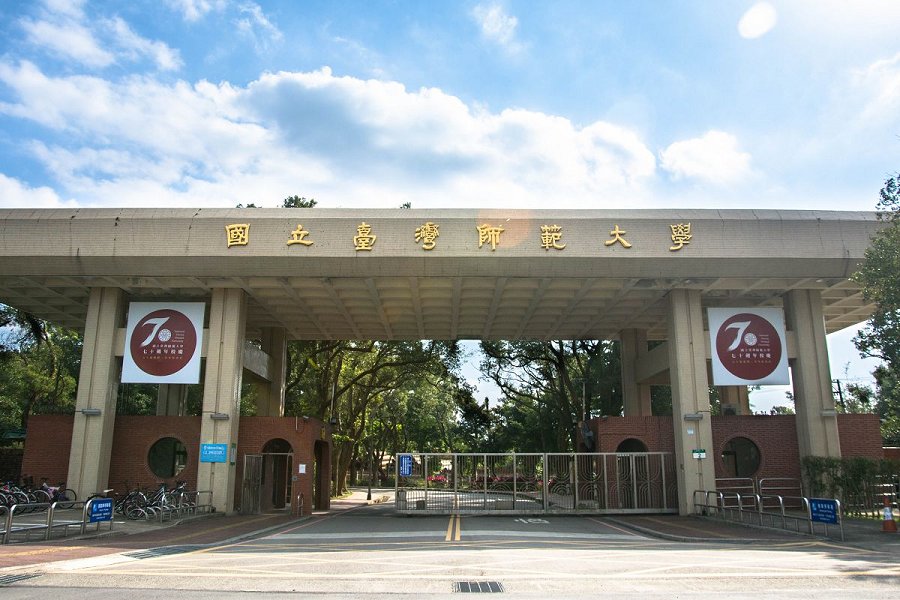
Information
Address
No 2, Sec. 1, Renai Rd., Lin-kou District, New Taipei City 244014, Taiwan(R.O.C)
Tuition and Accommodation Fees
Tuition: NTD 49,000~53,000/YR
Dormitory Fee (4-person room): NTD 18,900/YR
Living Expenses: NTD 72,000~96,000/YR
Social Media
Facebook: https://www.facebook.com/joinmenups
Instagram: https://www.instagram.com/joinmenups
Youtube: https://www.youtube.com/watch?v=FpQ4rTesAlM
Contact Information
+886-2-7749-8888
[email protected]
Malaysia: [email protected]
Indonesia, Philippines: [email protected]
Vietnam, Myanmar, Hong Kong and Macau: [email protected]
Introduction
The National Taiwan Normal University Overseas Compatriot Students Division (formerly the National Overseas Chinese Students University Preparatory School) is the only institution in the country that provides preparatory education for overseas Chinese students.
Founded in 1955, the National Overseas Chinese Students University Preparatory School merged with National Taiwan Normal University in 2006 and was renamed the “National Taiwan Normal University Overseas Compatriot Students Division” (hereinafter referred to as the Overseas Compatriot Students Division), maintaining the original function of the “National Overseas Chinese Students University Preparatory School” with a long history.
After completing their university preparatory education here, overseas students enter bachelor’s degree programs at universities and colleges in Taiwan through the Overseas Joint Enrollment Committee’s “Individual Application System” or “Joint Placement System.”
The dormitory provides
The Overseas Compatriot Students Division provides accommodation for all students, with four students per room, each equipped with air conditioning, providing a comfortable living environment.
Transportation
• Approximately 30 minutes from Taoyuan International Airport and 15 minutes by car from Linkou Chang Gung Memorial Hospital.
• The No. 936 bus at the school gate provides access to Linkou city center and the Airport MRT A8 station, as well as Yuanshan Station on the Taipei MRT.
Other special performances
In 2025, 87% of Category 1 students were admitted to national universities, 96% of Category 2 students were admitted to national universities, and 62% of Category 3 students were admitted to medical, dental, and pharmaceutical-related departments, including 19 students (29.23%) in medical departments, 2 students (3.08%) in Chinese medicine departments, 4 students (6.15%) in dentistry departments, 5 students (7.69%) in veterinary medicine departments, and 10 students (15.38%) in pharmacy departments.
✨2025 Overseas Compatriot Students Division Graduates List: https://www.nups.ntnu.edu.tw/list-year
Alumni
伍建新
Elected Member of the Yau Tsim Mong District Council, Hong Kong
Hong Kong
Alumnus of the Overseas Compatriot Students Division (formerly the 8th class of the National Overseas Chinese Students University Preparatory School) who graduated in 1970 and subsequently studied in the Department of Social Education at National Taiwan Normal University.
Specific outstanding achievements
–Awarded one of Hong Kong’s Ten Outstanding Young Persons Awards in 1985
–Awarded the Queen’s Badge of Honour by the Queen of England in 1988
–Awarded the Hong Kong Government’s Civil Service Bureau Good Service Award in 2004
–Outstanding Alumnus of National Taiwan Normal University in 2009
李三財
Recipient of the 2018 Republic of China Youth Medal
Hong Kong
Alumnus of the Overseas Compatriot Students Division who graduated in 1998 (formerly the 36th class of the National Overseas Chinese Students University Preparatory School) and subsequently studied at Shih Hsin University and National Taipei University of Business. San-Tsai Lee actively integrates into entrepreneurship in Taiwan, applying what he has learned! In the past decade, Alumnus Lee San-Tsai has shown concern for the local community and has repeatedly received various honors and media coverage. In addition to being awarded the Outstanding Alumnus Award by the Division in 2015, he was also awarded the Youth Medal by former President Ma Ying-Jeou on Youth Day, March 29, 2018.
Specific outstanding achievements
–2025 Global Outstanding Overseas Chinese Alumnus Award from the Overseas Community Affairs Council in the “Social Welfare” category
–Ministry of Education’s 3rd Global Outstanding Alumni Award in Taiwan, 2022
–Recipient of the 2018 Republic of China Youth Medal
–“Outstanding Contribution Award for Taiwan-Thailand Exchange” 2017
–Taiwan Fund for Children and Families “Child Care Model” 2015
–“Outstanding Alumnus” of the Overseas Compatriot Students Division of this school 2015
–Rotary International District 3520 “Special Contribution Award for District Service” 2014
Detailed information: https://reurl.cc/nLvE28
王家棟
Outstanding alumni
Hong Kong
Chairman of the Hong Kong Alumni Association of this school, Chief Vice President of the General Association of Hong Kong Alumni Associations of Various Universities in Taiwan
鄭錫杰
Chairman of the Macau Alumni Association
Macau
Chairman of the Macau Alumni Association of this school, Director of the Educational Research and Educational Reform Support Department of the Macau Education and Youth Development Bureau, manages the Macau Alumni Association of this school and organizes summer overseas activities for young students.
黃金豹
Chairman of Shengfang Group (AMKO)
Malaysia
Graduated from the Overseas Compatriot Students Division in 1970 (formerly the 7th class of the National Overseas Chinese Students University Preparatory School), was assigned to the Department of International Trade at National Chengchi University, and continued his studies at Tulane University’s EMBA/MBA program and Harvard University’s Family Business Management program.
Specific outstanding achievements
–Recipient of the Ministry of Education’s 4th “Global Outstanding Alumni Award in Taiwan” in 2024.
–Mr. Huang Chin-Pao has been successful in business, has been enthusiastic about public welfare for a long time, cares for the disadvantaged, and has participated in international service activities many times. He was elected as the Governor-designate of Rotary District 3520 for 2013-2014.
–Served as Chairman of the Taiwan Creative Content Platform Foundation. The foundation will promote culture and art to the general public through an “education platform”, actively carry out arts and culture experiences in remote areas, and hold art and aesthetics lectures and exhibitions. By establishing a “transaction platform”, it will hold international exhibitions, establish cultural and creative pavilions at home and abroad, and other concrete exchange platforms, and establish a “data platform” to establish a systematic professional database, establish a system for the certification and registration of artistic talents and cultural relics and works, and improve relevant laws and regulations.
–The foundation actively and enthusiastically organizes various art and cultural activities, popularizes the artistic atmosphere, implements the integration and archiving of cultural and creative industry data, and preserves the cultural spirit through information platforms, documentaries, and archive databases, consolidates cultural assets, and devotes itself to art and cultural experience activities for disadvantaged children in remote areas, implements the core values and spirit of cultural citizenship, stimulates children’s potential wisdom and creative value, cultivates artistic spirit, implements aesthetic education, cultivates an international perspective, and helps children understand themselves and find their ideal goals in life.
陳紹厚
President of the Asian Federation of Taiwan Alumni Associations
Malaysia
Graduated from the Overseas Compatriot Students Division in 1977 (formerly the 15th class of the National Overseas Chinese Students University Preparatory School), was assigned to the Department of Navigation at National Taiwan Ocean University, and graduated with a master’s degree from the Department of Agricultural Economics at National Pingtung University of Science and Technology.
Specific outstanding achievements
–Persatuan Foochow Labuan Deputy President (1992-1996) President (1996-2000) To build Persatuan Foochow Labuan Building during his term. Completed the association building in 4 years
–Labuan Golf Club President (1993-1999) Persatuan Alumni Taiwan Sabah (Labuan) President (1995-1999)
–Sabah Golf Association Vice President (1995-1997)
–Cheng Khor Moral Uplifting Society Labuan F.T Honorary President (1999-2014)
–Chung Hwa primarily school Life Honorary President
–Federation of Foochow Association Of Malaysia Vice President (1997-1999)
–Persatuan Alumni Taiwan Sabah President (2012-2016)
–Dewan Perniagaan Bersepadu Labuan President (2008-2014)
–The Federation of Alumni Association年 Of Taiwan Universities Vice President (2014-2016)
–Overseas Chinese Affairs Overseas Compatriot Affairs Commission (2012-2020) Council Overseas Compatriot Affairs Advisor R.O.C(Taiwan)
–The Federation of Alumni Association of Taiwan Universities President (2018-2020)
–The Asia of Alumni Association of Taiwan Universities President (2018-2020)
–Lions Club of Labuan Mandarin 1997–1998 Charter President (2003 – 2004 President /2005 – 2006 President /2009 – 2010 President /2010 – 2011 President /2011 – 2012 President)
–District 308-A2國際獅子會308A2區District Chairperson Club Registration 2011-2012 Zone 11 Chairperson2012-2013 Second Vice District Governor2013-2014 First Vice District Governor2014-2015 District Governor2015-2016
–Multiple Distinct 308 2016-2017 308區副議長 Vice Council chairman
–Established 《Lions House of Love 》《愛之家》spending a total of seven million ringgits, with a nursing home, a disability training center and various facilities.
李子松
Awarded the Ministry of Education’s Global Outstanding Alumni Award in Taiwan in 2018
Malaysia
Graduated from the Overseas Compatriot Students Division in 1980, assigned to the Department of Accounting at Tamkang University
Specific outstanding achievements
Lee Tzu-Sung was born in Malacca, Malaysia in 1960. After graduating from Pay Fong High School in Malacca in 1979, he went to Taiwan for further studies and graduated from the Department of Accounting at Tamkang University in Taiwan in 1985. His wife, Hou Mei-Ling, is from Taiwan and graduated from the Department of Cooperative Economics at Tamkang University. They have two sons and one daughter. The eldest son, Lee Tsung-Wei, graduated with a Master of Business Administration from RMIT University in Australia, the second son, Lee Tsung-Yu, graduated with a Master of Chemical Engineering from the University of Melbourne in Australia, and the daughter, Lee Chieh-Hsi, is currently studying at the University of Melbourne in Australia. After returning to Malaysia from Taiwan, he started a business in his hometown of Malacca and has been engaged in the manufacturing and export industry for more than 30 years.
In 2012, Lee Tzu-Sung was awarded the “Tamkang Elite” Golden Eagle Award from his alma mater, Tamkang University, and was the first overseas compatriot student to be awarded the Outstanding Alumnus Award from Tamkang University. In 2014, he was awarded the D.P.S.M. Datuk title by the Governor of Malacca, in recognition of his contributions to the country and society! In 2015, he was awarded the Huaguang Second Class Medal by the Overseas Community Affairs Council of the Republic of China. In 2018, he was awarded the Ministry of Education’s Global Outstanding Alumni Award in Taiwan.
黃軒
Acting Director of the Department of Thoracic Medicine, Taichung Tzu Chi Hospital Malaysia
Specific outstanding achievements
Current position
Fellow of the United Nations Academy of Engineering and Technology (AETDEW)
Director of Artificial Intelligence, University of Sabah Malaysia Hospital
Advisor, Malaysia Talent Education and Industry Cooperation Association (M-TEIA)
Education
Graduated from the National Taiwan Normal University Overseas Compatriot Students Division in 1989
Bachelor of Medicine, China Medical University, graduated in 1996
Master of Clinical Research, Chung Shan Medical University, graduated in 2001
Ph.D. in Medical Imaging and Radiological Sciences, Central Taiwan University of Science and Technology, graduated in 2015
Experience
Attending Physician, Department of Internal Medicine, Kuang Tien General Hospital, Department of Internal Medicine, Chung Shan Medical College Hospital, Department of Internal Medicine, China Medical College Hospital, Department of Thoracic Medicine and Intensive Care, Director of the Intensive Care Unit, Taichung Tzu Chi Hospital, Acting Director of the Department of Thoracic Medicine, Taichung Tzu Chi Hospital, Deputy Director of the International Center, China Medical University Hospital
Honors
Fellow of the United Nations Academy of Engineering and Technology (AETDEW) 2025
Overseas Community Affairs Council 2023 Global Outstanding Alumnus – Social Welfare Award
12th Outstanding Alumnus of National Taiwan Normal University
In view of the serious harm caused by smoking, Dr. Huang Xuan, a smoking cessation clinic physician at Taichung Tzu Chi Hospital, became the only physician volunteer for the John Tung Foundation in Taichung City and County. In his busy work as a physician, he still takes the time to provide one hour of online consultation every Thursday noon to promote public health.
Since the COVID-19 pandemic has been raging for more than 2 years, Dr. Huang has not only published articles on Facebook social media, but also enjoys appearing on health programs and even crossing over into entertainment programs, using edutainment methods to educate the public. He believes that “saving people is not just about surgery,” and that medical education cannot be just rigid. Through edutainment methods, medical knowledge can be better conveyed to the public.
Dr. Huang Xuan expects himself to move towards Southeast Asia in the future, continue to use his expertise, convey medical knowledge and promote literary education. Dr. Huang Xuan has been donating to the Taiwan Scholarship Fund for more than 10 years to help students come to Taiwan for further studies. Promote the international connection of medical services between Taiwan and Malaysia and enhance Taiwan’s visibility. Selected as the Overseas Community Affairs Council’s 2023 Global Outstanding Alumnus (Social Welfare Category).
Detailed information: https://reurl.cc/L6lpoa
林潤崧
Founder of AKASHA Learning Community Development Association
Malaysia
12th Outstanding Alumnus of National Taiwan Normal University, graduated from the Overseas Compatriot Students Division in 1994, assigned to the Department of Chinese Literature at National Cheng Kung University, has served as a teacher, founder and executive director of the Learning Community Development Association (AKASHA), columnist, writer, volunteer social worker for life care, founder of the Malaysian Seed Engineering Youth Leadership Life Education Experience Camp (since 2001), recipient of the 2011 Malaysian Top Ten Outstanding Youth “Humanitarian and Volunteer Service Achievement Award”, 2012 Malaysian Book Fragrant Campus “Reading” Ambassador.
Currently serving as the founder and executive director of the AKASHA Learning Community Development Association in Malaysia.
Specific outstanding achievements
In 2004, Lin Run-Song had an idea in a moment of silence: “Full-time work for moral re-engineering.” After that, he immediately put his idea into practice, and within a short period of 2 years, he established the “Community Learning Center – AKASHA” for moral re-engineering in Malaysia, turning the belief of “Change starts with me” into action, guiding the Malaysian Chinese towards a learning community, hoping to create a warm and mutually respectful beautiful society for Malaysia.
In 2011, he won the Malaysian Top Ten Outstanding Youth Award — Humanitarian and Volunteer Service Achievement Award. Dedicate life as a long-term unpaid social worker.
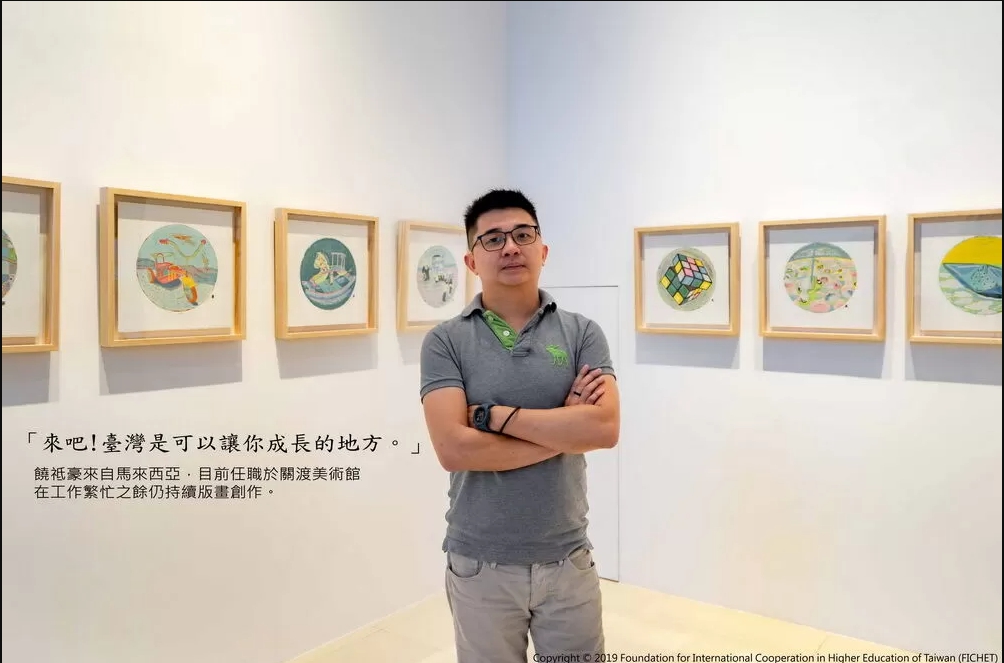
饒祇豪
Outstanding Alumnus
Malaysia
Alumnus of the Overseas Compatriot Students Division in 2006 (formerly the 44th class of the National Overseas Chinese Students University Preparatory School), graduated and was assigned to the Department of Fine Arts at National Taipei University of the Arts.
Specific outstanding achievements
Currently working as an artist, currently employed at the Kuandu Museum of Fine Arts, and continues to create prints in his spare time. For him, the process of studying and creating in Taiwan is a valuable nutrient for becoming an artist.
Please see for details: Ministry of Education/Alumnus Rao Zhihao – Sharing of Experiences of Graduates from New Southbound Countries Outstanding Foreign Taiwan Alumni: Yow Chee Hoe
余蒂娜
Outstanding alumni
Indonesia
President of the Indonesian West Kalimantan Alumni Association, Principal of Trilingual School
高德材
Outstanding alumni
Indonesia
Honorary President of the North Sumatra Alumni Association
楊仲青
Outstanding Alumnus
Myanmar
Education
Graduated from the Overseas Compatriot Students Division (formerly the National Overseas Chinese Students University Preparatory School) in 2005, assigned to the Bachelor of Medical Management at Taipei Medical University, and continued his studies at the Graduate Institute of Chinese Studies at National Taiwan Normal University.
Current position
Director of the Myanmar Office of the Life and Peace University Preparatory Office
Secretary General of the Myanmar Taiwanese Chamber of Commerce
Director of the Myanmar Taiwan Alumni Association
Principal of Myanmar American International School
Honors
2015 The Smile Land Platform of the Creative Industry Center of Chinese Culture University was elected as the “Public Affairs Expert” honor
2017 Won the Overseas Outstanding Youth Medal
2018 Won the New Taipei City Outstanding Youth Award
2020 Listed in the Overseas Compatriot Affairs Commission’s Myanmar Outstanding Taiwan Alumni List
Honors and Outstanding Achievements
• Promoting Overseas Chinese Education
1. In order to improve the teaching quality and campus management of overseas Chinese schools in Myanmar, he has planned and organized the “Myanmar Overseas Chinese School Summer Teacher Training Program”, “Myanmar Region Overseas Chinese School Teacher Training Class” and “Myanmar Region Overseas Chinese School Teacher Training Class” (2013), and “Overseas Chinese Language Teacher Workshop” (2017) for many consecutive years. In order to enable overseas Chinese students in Myanmar to receive higher education in Taiwan, he has been running around to fight for it, so that the Myanmar region finally reopened enrollment affairs in 2009; at the same time, he also served as the Ministry of Education’s “Eight-Year Plan for Moving Towards a Major Country in the Chinese Language Education Industry”, assisting in planning the plans and itineraries of Myanmar and Thailand, and serving as a researcher for the plans of the two countries.
• Promote international volunteer service and multicultural education, and promote international exchanges between Myanmar and Taiwan
Since 2008, he has assisted students from universities and colleges in Taiwan to organize overseas international volunteer groups to serve and exchange in various parts of Myanmar. Since 2012, he has organized high school international volunteer groups to serve in Myanmar during the summer vacation. The results have been fruitful and have been supported by all sectors of society. After that, more high schools joined the team and took students to Myanmar for service learning during the summer vacation, assisting Chinese schools in establishing Chinese libraries, and allowing Taiwanese high school students and local overseas Chinese students in Myanmar to exchange and learn together.
• Work together to build a Life and Peace University
Serving as the director of the Myanmar Office of the Taiwan Ling鹫 Mountain Life and Peace University Preparatory Office, this university will be located in Myanmar, with the goal of protecting the ecological environment, making the earth sustainable, and making mankind sustainable through education. The purpose is to cultivate high-tech professional seed talents who “protect the ecology, value environmental protection, love the earth, and love peace” for Myanmar and the international community. The theme of the course is to solve the ecological crisis. It is a short-term course for master’s and doctoral students. Professors and students come from 16 countries around the world and learn from each other in Myanmar, which has been valued and affirmed by the Myanmar government.
王崇喜
Outstanding Alumnus
Myanmar
Sharing from an alumnus of the Overseas Compatriot Students Division (formerly the 43rd class of the National Overseas Chinese Students University Preparatory School) who graduated in 2005
Specific outstanding achievements
–Principal of Yangon Oriental Language and Business Center (Confucius Classroom)
–President of Yangon Confucian Academy
–President of the Myanmar Chinese Writers Association
–President of the Myanmar Chinese Pentagon Poetry Society
–Vice President of the Northern Myanmar Painting and Calligraphy Association
–Director of the Southeast Asian Chinese Poets Association
Highlights
Lay the foundation for university preparatory courses
Assist overseas Chinese students in completing university preparatory education, consolidate the foundation of academic knowledge and ability, can more smoothly connect with university courses, and have more outstanding performance in university.
Partial school credit transfer
1. Students with SPM diplomas in Malaysia need to take 12-24 credits of remedial courses to directly enter university. Graduates who study in the Overseas Compatriot Students Division can be exempted from remedial credits when entering university. Studying in the Overseas Compatriot Students Division first and then entering university can reduce some university course pressure.
2. After being assigned to a university through the Overseas Compatriot Students Division, according to the regulations of each school, some universities can accept the transfer of credits for related courses.
Perfect university counseling services
1. Personal counseling service: Professional teachers provide one-on-one consultation and counseling, provide suggestions for choosing a volunteer, guide students to prepare review materials, and give letters of recommendation to the best students.
2. University counseling room resources: The university counseling room has past students’ review materials, university counseling books and related resources, which are open for students to refer to at any time.
3. University counseling lectures: Including the introduction of the distribution system/academic groups/university departments, experience sharing of alumni, etc., so that students can explore their interests and choose suitable volunteers in rich university counseling activities.
4. University visit activities: Visit and experience university life and learning environment in person, understand the characteristics and overview of the university, and also better understand the future career directions of each major and make appropriate choices.
5. University counseling assistant: LINE provides instant online university counseling consultation services.
6. University Expo: There are more than 140 universities in Taiwan. The universities set up booths directly in the Overseas Compatriot Students Division, so you can directly meet and understand each university face-to-face, and you are not afraid of choosing the wrong volunteer.
Many places for department distribution
The Overseas Compatriot Students Division has independent ladders and places. There are more than 140 schools in Taiwan, and there are many places, giving students plenty of choices.
The category change is up to you
If you want to change your professional learning, you can change the category within two weeks of the start of the semester (liberal arts to science/science to liberal arts).
Change starts with the Overseas Compatriot Students Division
After choosing the Overseas Compatriot Students Division, the past high school (middle school) grades will not be considered. The university will be assigned based on the one-year grades of the Overseas Compatriot Students Division.
Guarantee students’ accommodation rights
1. Every student has a dormitory to live in, four people in a room, and each dormitory is equipped with air conditioning, a comfortable living environment!
2. Provide a partial number of single rooms and double rooms (fees apply).
Free night tutoring on weekdays
To enhance the basic abilities of students, students can participate in the night tutoring courses arranged by the school for free, such as: chemistry, physics or biology, etc.
Departments
School Departments and Programs
Academy of Preparatory Programs for Overseas Compatriot Students
Photos & Videos
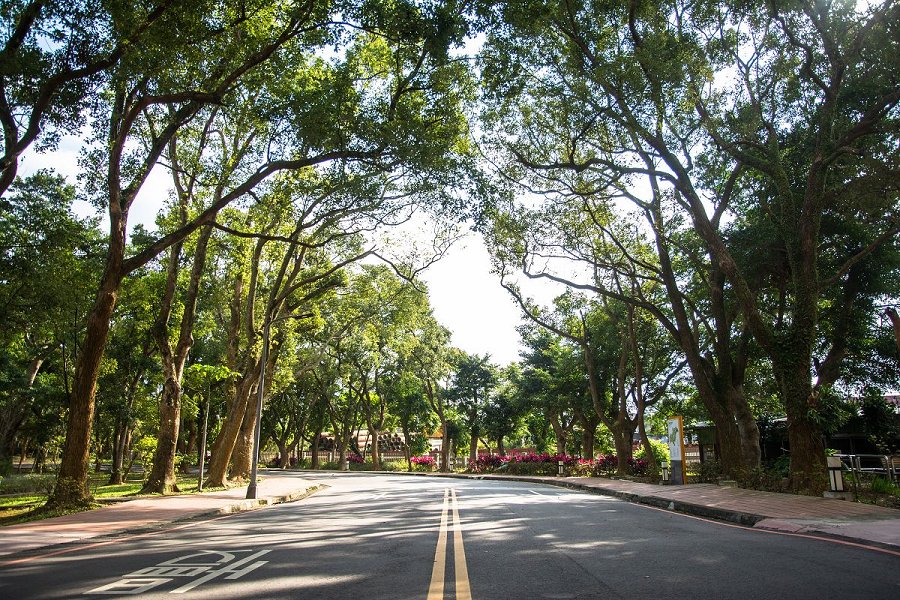
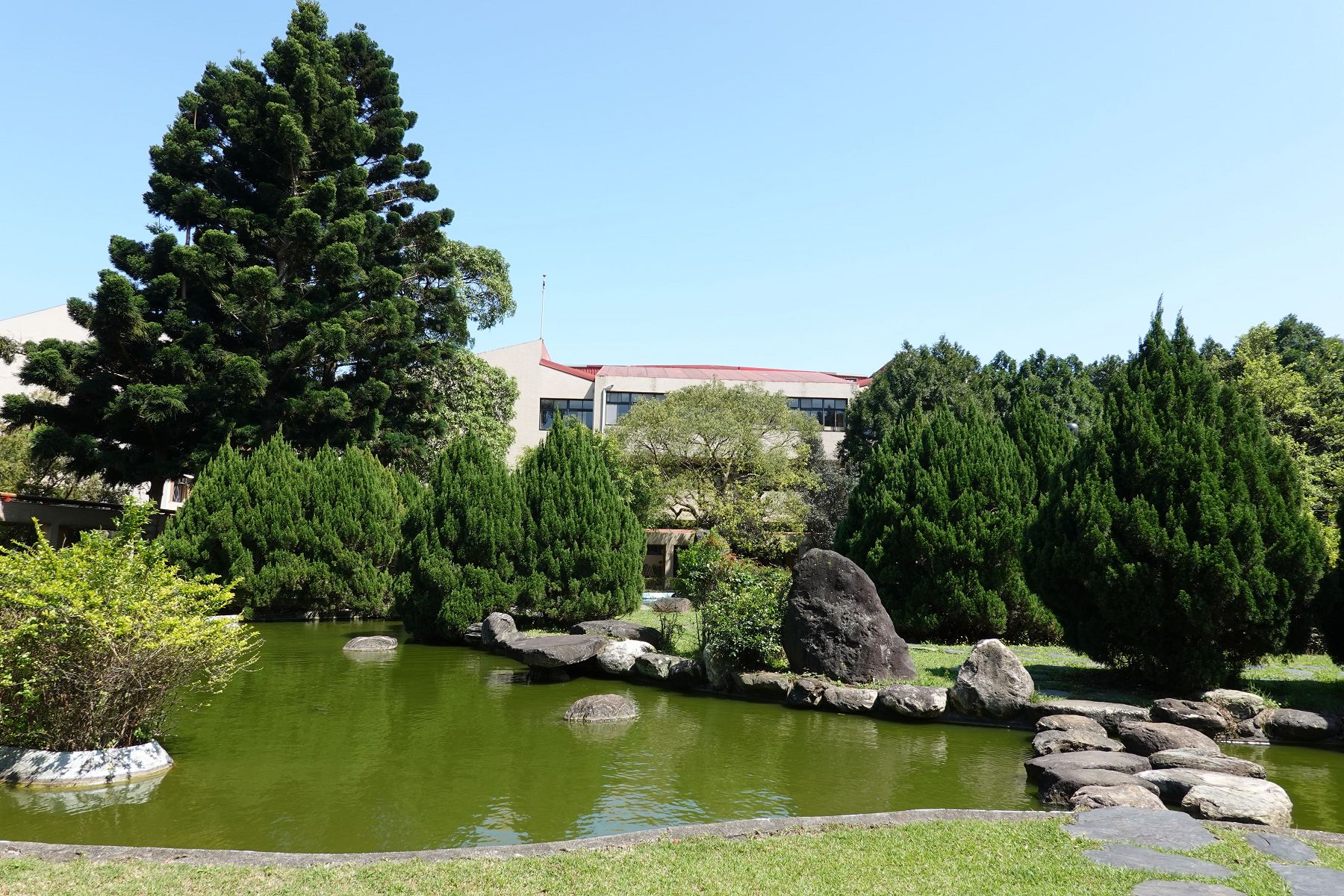
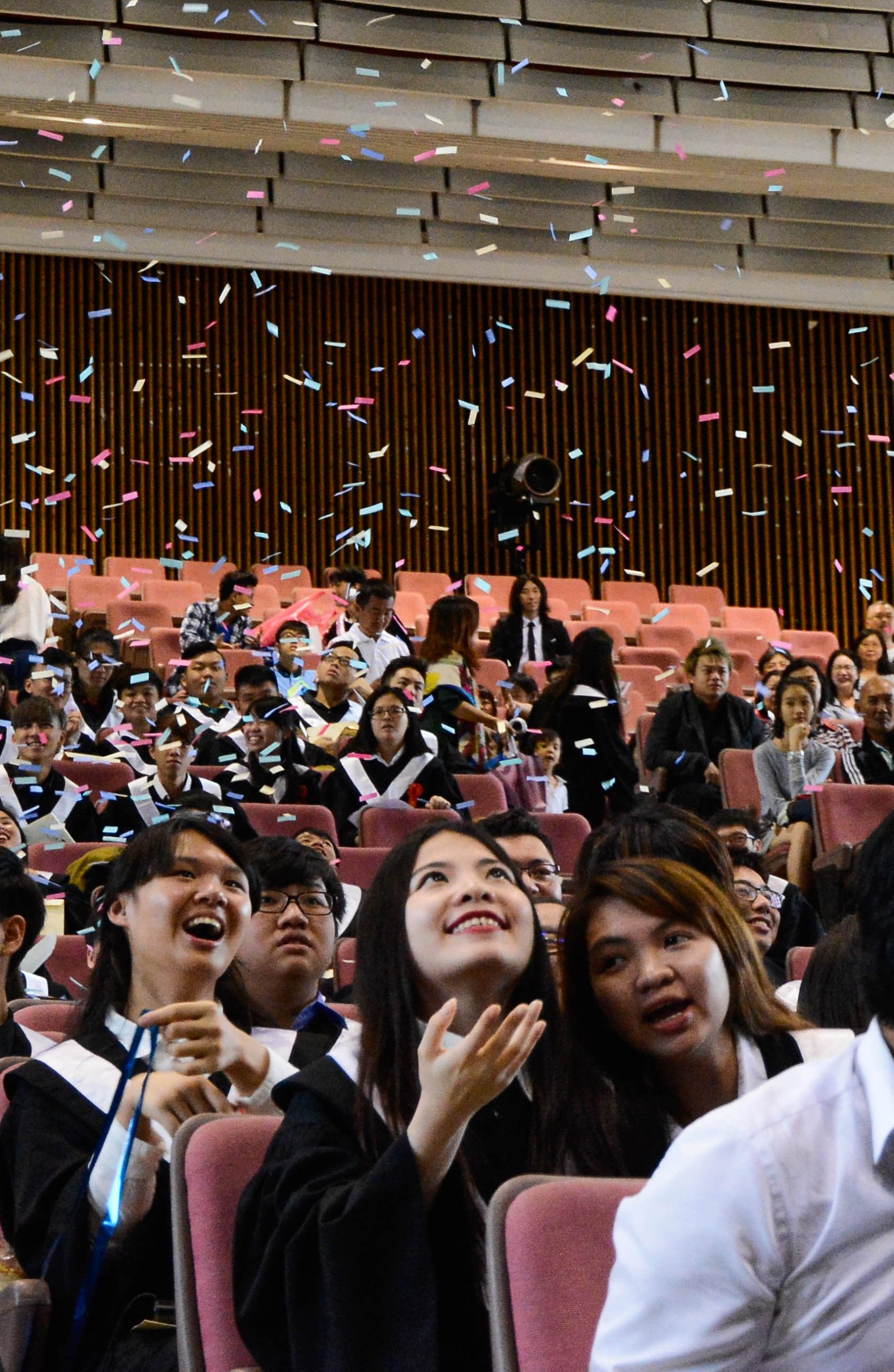
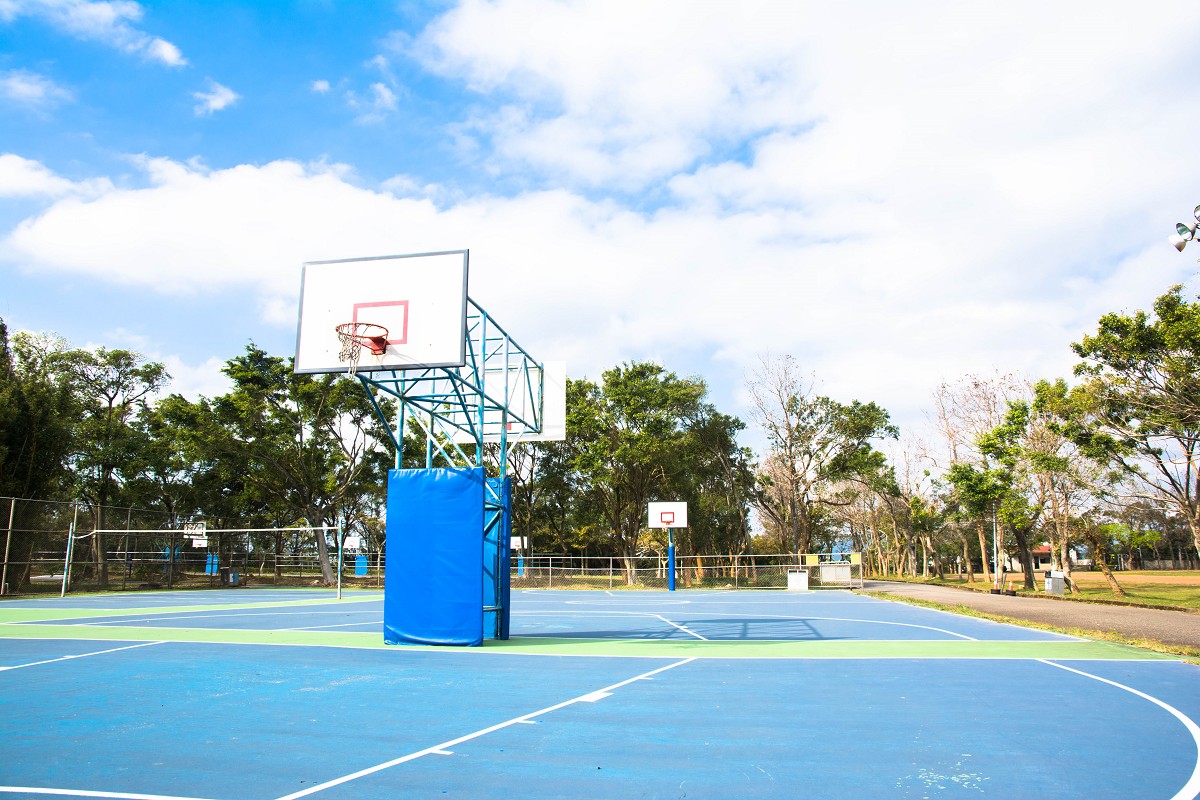
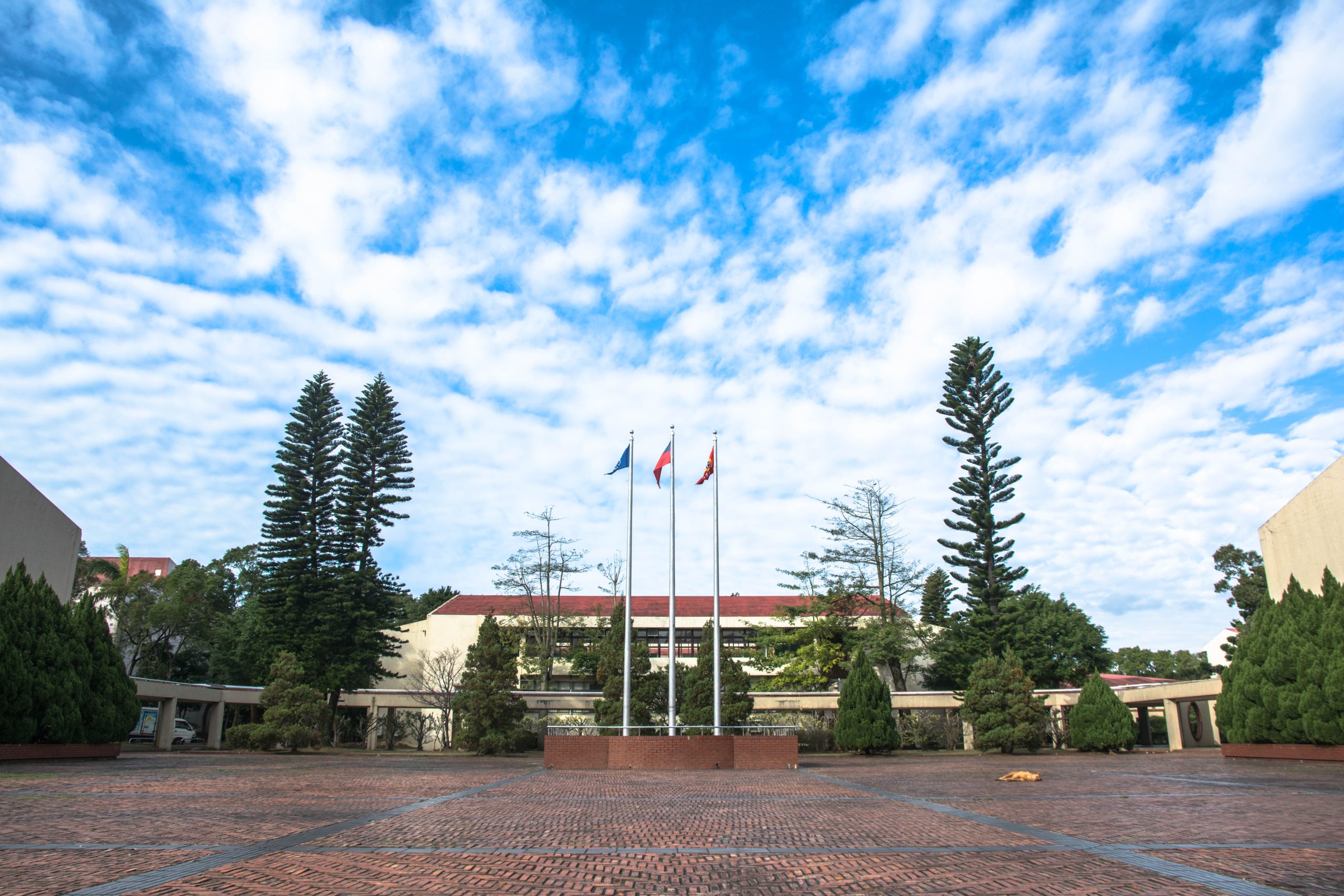
Photos
Videos




Scholarships
Scholarships
|
Scholarships |
Scholarship Amount |
Eligibility
|
|---|---|---|
|
Learning Assistance Fund |
NTD 4,500/month |
Poor students who are willing to participate in service learning
|
|
Bursary for overseas Chinese students |
Approximately NTD 3,000/month |
Must have a certificate of poverty
|
|
Tsung Cho-Chang Education Foundation Scholarship |
NTD 30,000 |
Old students, whose average academic performance in the previous academic year reached 80 points, and who are from poor families and have good moral character
|
|
Academic Excellence Award for the First Semester |
Depending on the funding for the year |
—
|
|
Spring Class Learning Assistance Fund |
NTD 4,500/month |
Poor students who are willing to participate in service learning
|
|
Indonesian Mr. Liang Shizhen Scholarship (First Semester) |
NTD 12,000 |
Poor and outstanding students after the midterm exam, with 3 from Indonesia and 3 from other regions, held twice each academic year
|
|
Indonesian Mr. Liang Shizhen Scholarship (Second Semester) |
NTD 12,000 |
Poor and outstanding students after the midterm exam, with 3 from Indonesia and 3 from other regions, held twice each academic year
|
|
Spring Class Scholarship for Poor Overseas Chinese Students |
Approximately NTD 3,000/month |
Must have a certificate of poverty
|
|
Overseas Compatriot Affairs Commission Outstanding Poor Scholarship |
NTD 5,000 |
One is given to each graduating class, mainly for the poor and outstanding.
|
|
Overseas Compatriot Affairs Commission Graduation Outstanding Student Award |
No need to apply on your own, approximately NTD 2,000 gift certificate |
Awarded at the graduation ceremony, primarily for students who actively serve their classmates, with gift certificates ranging from NT$1,000 to NT$2,000.
|
|
Ministry of Education Graduation Outstanding Student Award |
No need to apply on your own, approximately NTD 1,000 gift certificate |
Awarded at the graduation ceremony, primarily for students who actively serve their classmates, with gift certificates ranging from NT$1,000 to NT$2,000.
|
|
Academic Excellence Award for the Second Semester |
Depending on the budget for the year / |
—
|
|
Longmen Educational Foundation Graduation Scholarship |
Level A: NT$30,000; Level B: NT$20,000; Level C: NT$10,000 |
—
|
Tuition and Miscellaneous Fees
Preparatory Program for Overseas Chinese Students, Group 1: NT$68,252 (including quad room accommodation)
Preparatory Program for Overseas Chinese Students, Group 2: NT$71,792 (including quad room accommodation)
Preparatory Program for Overseas Chinese Students, Group 3: NT$71,792 (including quad room accommodation)
Special Tutoring Class: NT$68,252 (including quad room accommodation)
Living Expenses
Accommodation Fee: NT$19,900
Living Expenses: NT$72,000~96,000
Introduction to School Dormitories with Pictures
|
Room Type |
One semester |
One academic year |
Other Notes
|
|---|---|---|---|
|
4-person shared room |
NT$9,950 |
NT$19,900 |
All students are required to live in the dormitory, with 4 students per room.
|
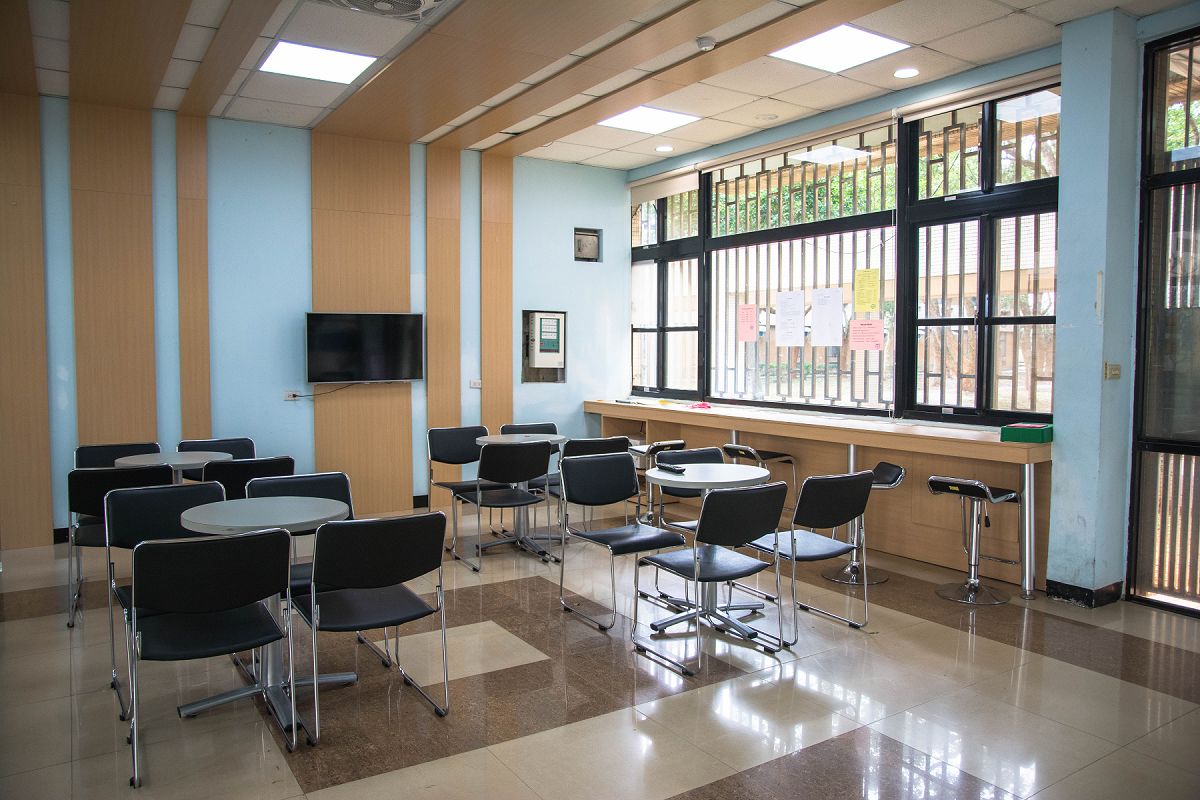
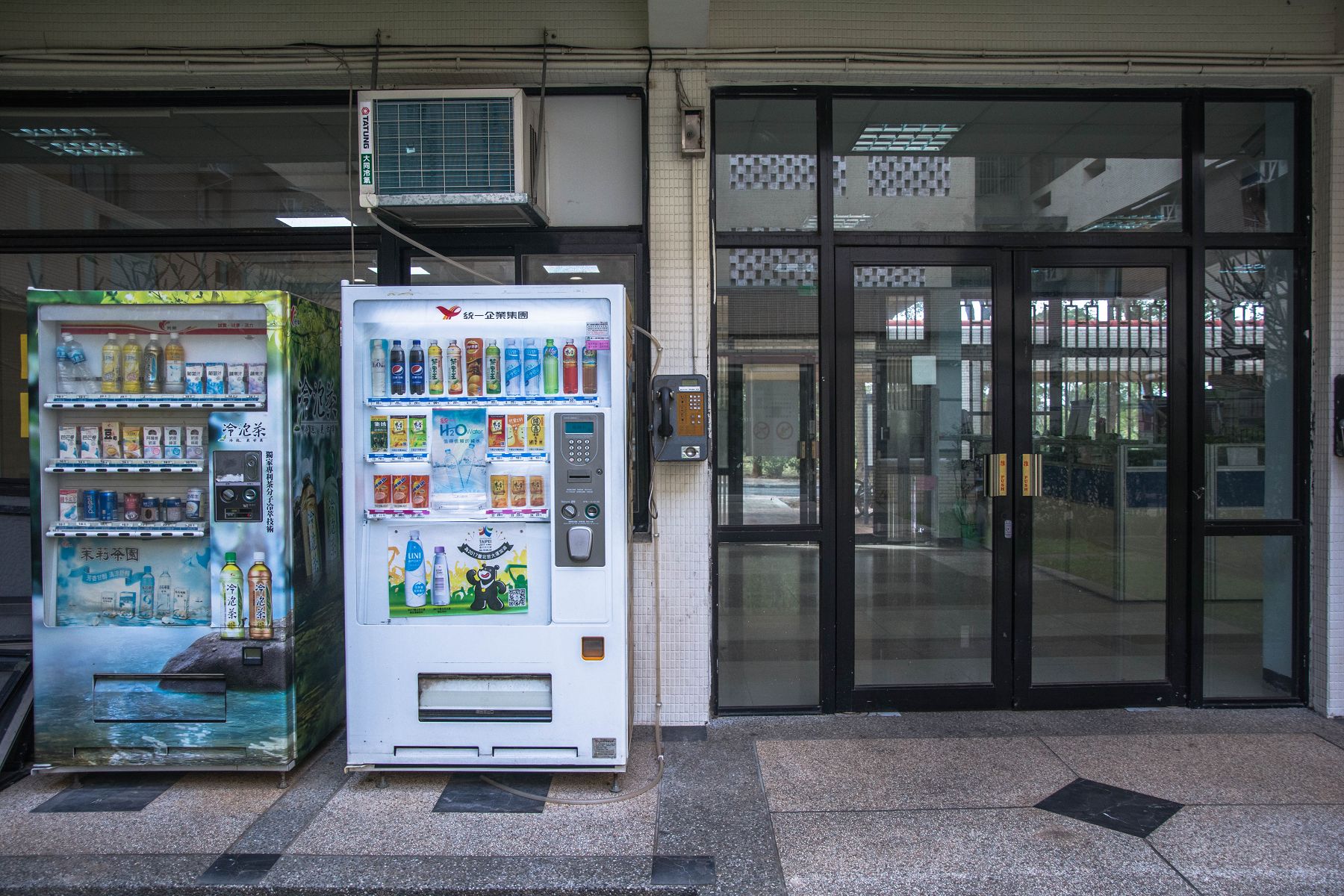
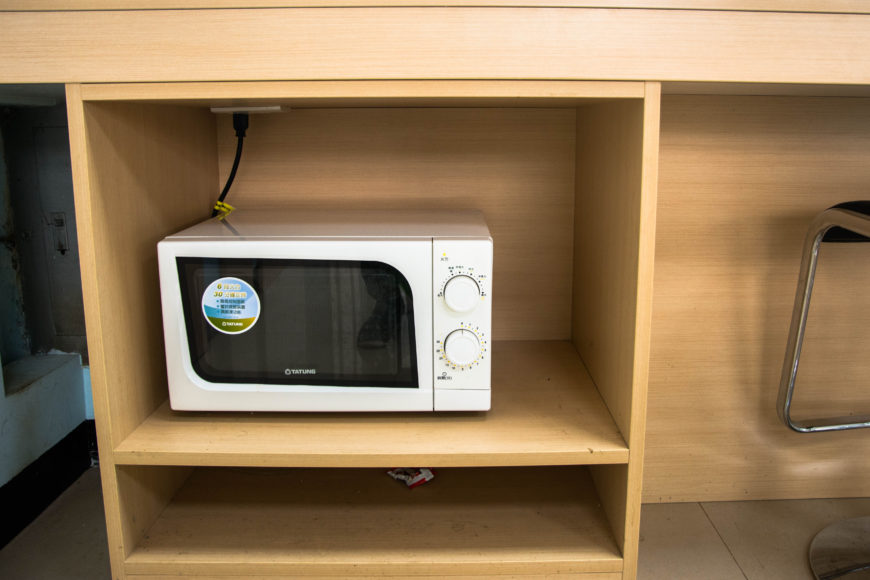
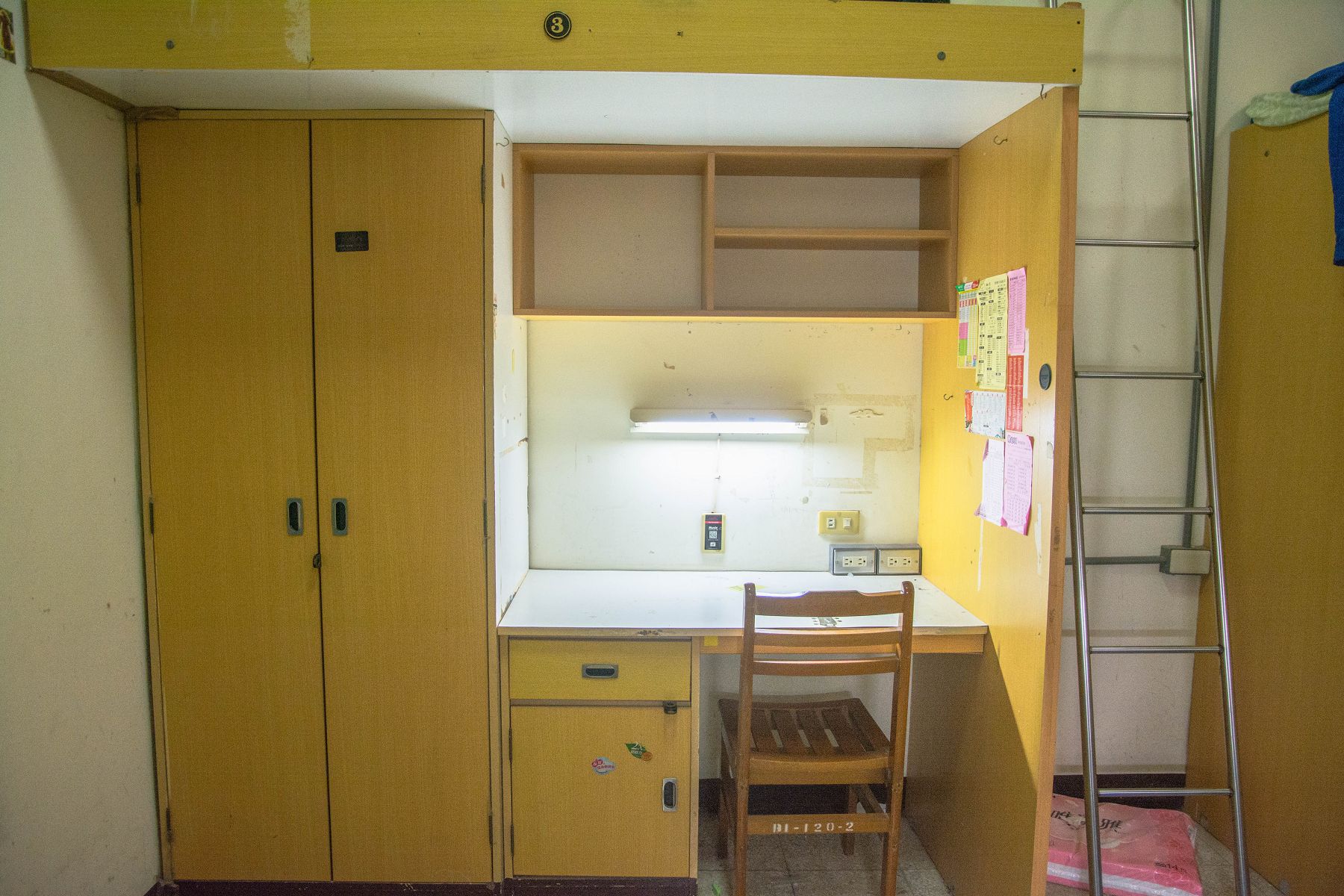
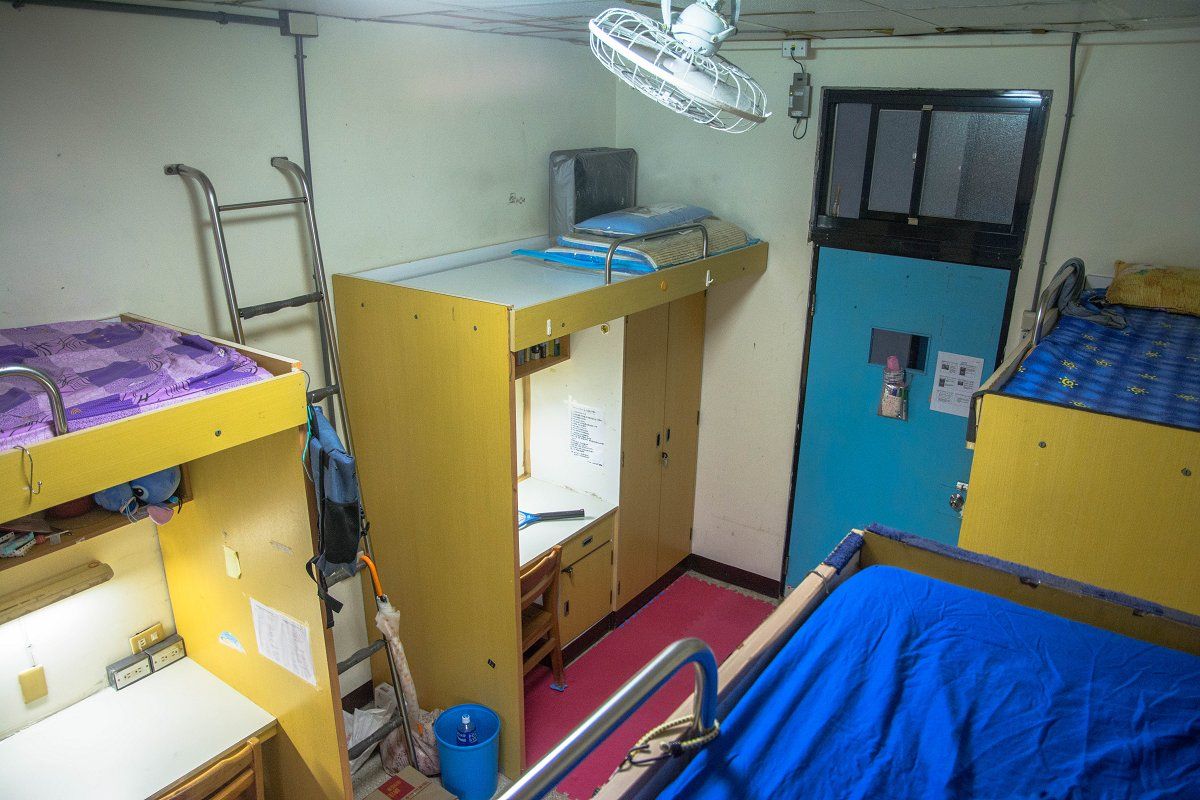
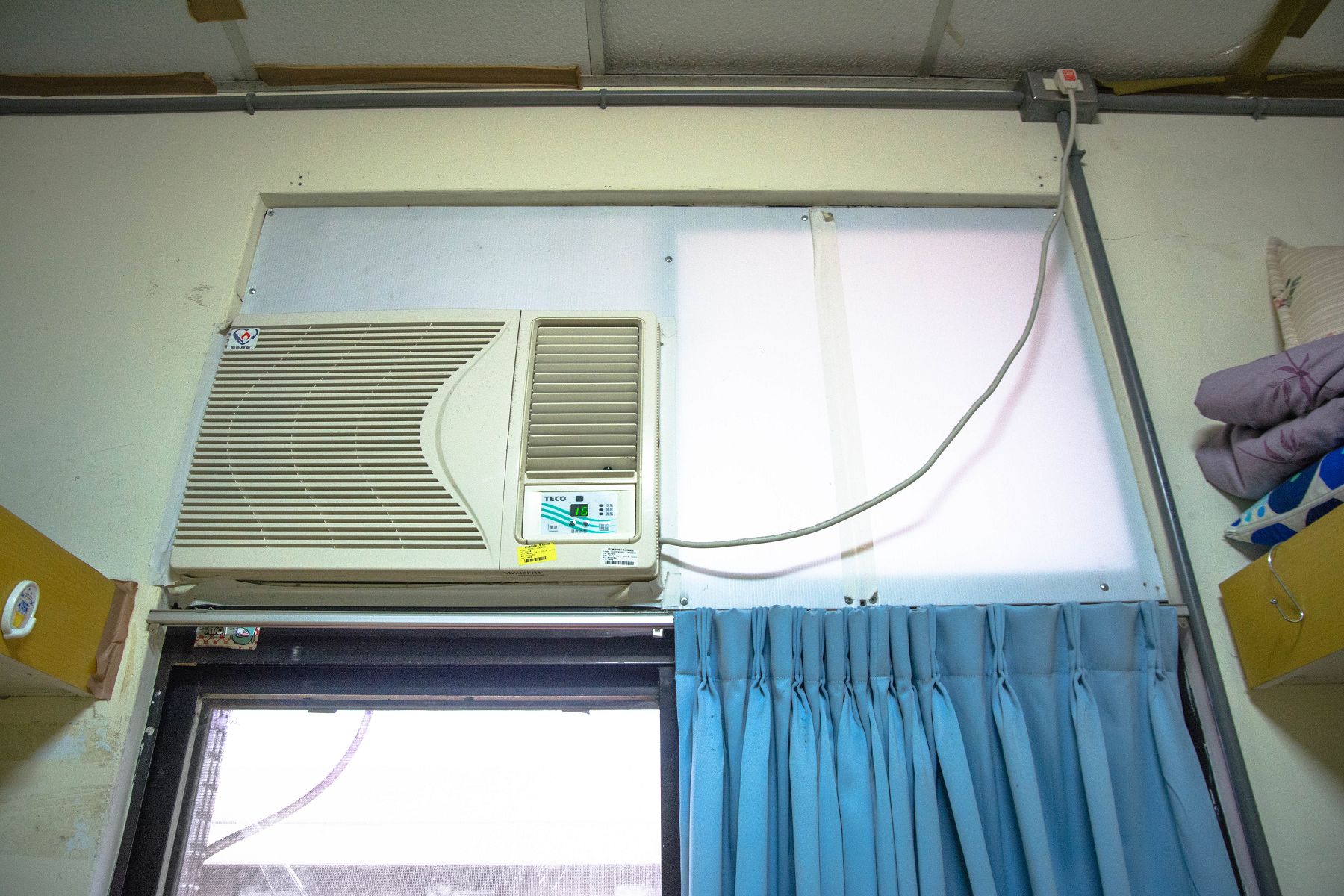
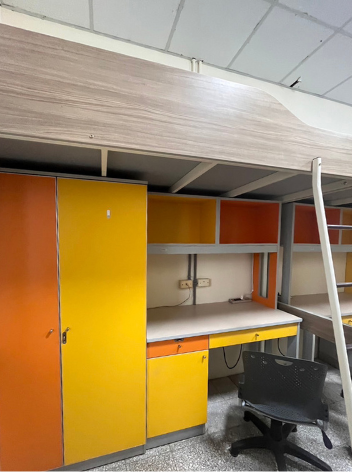
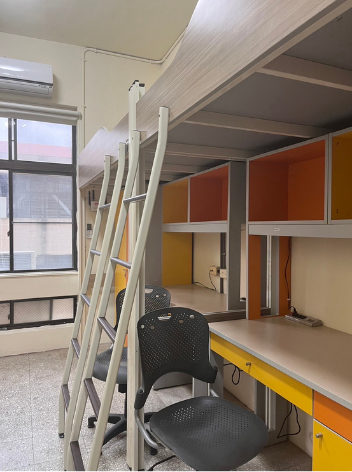
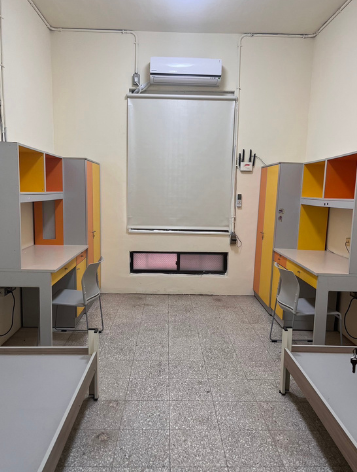
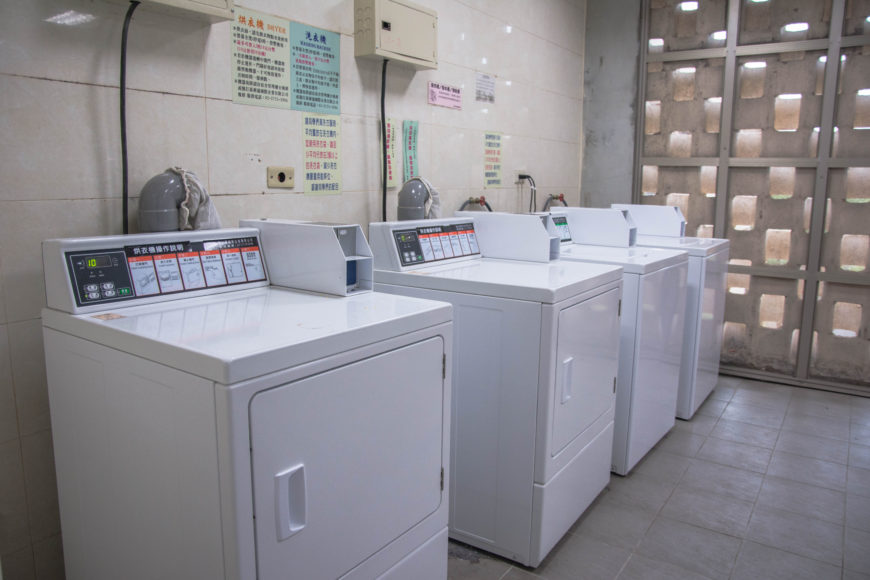
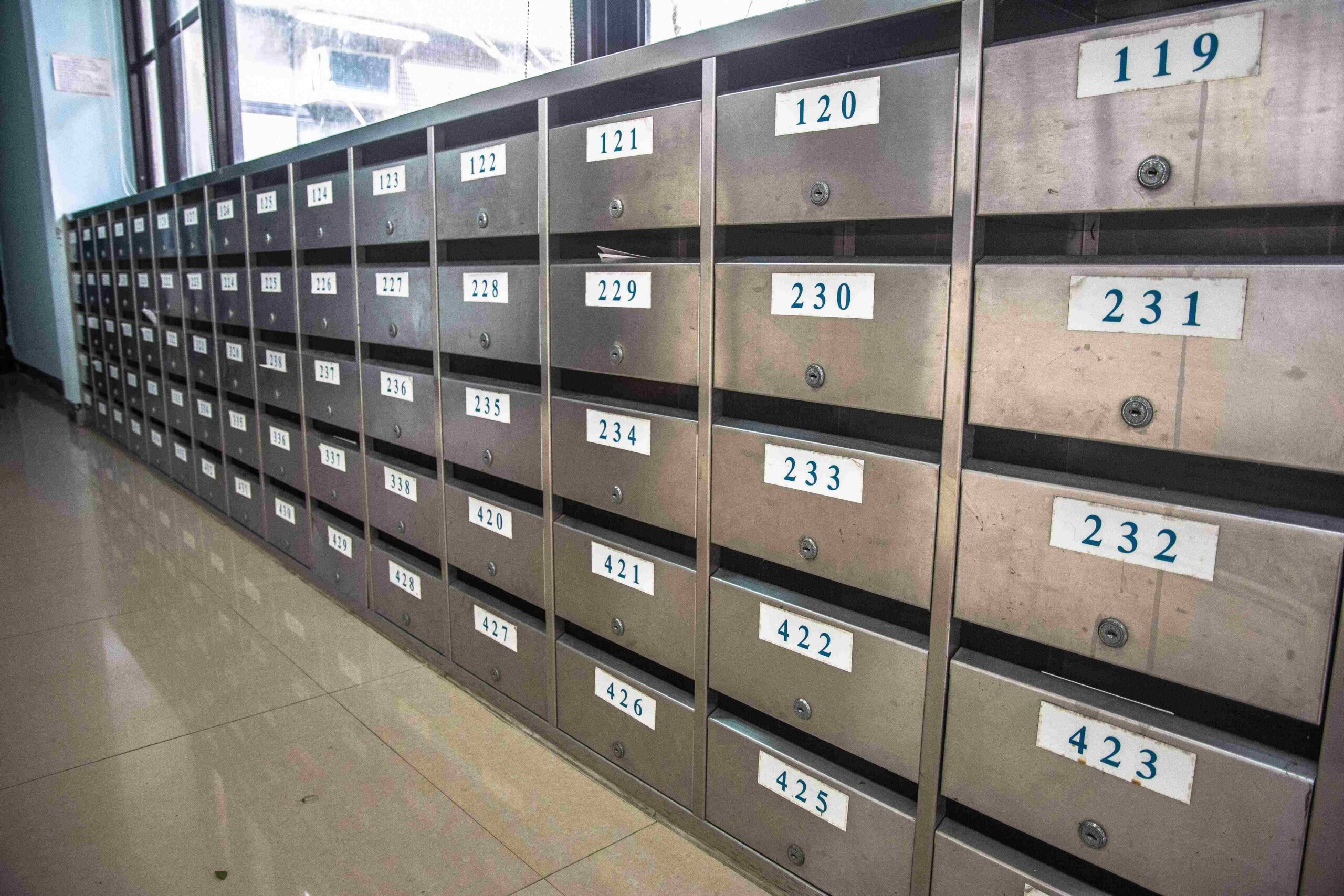
Pathways

