

Introduction
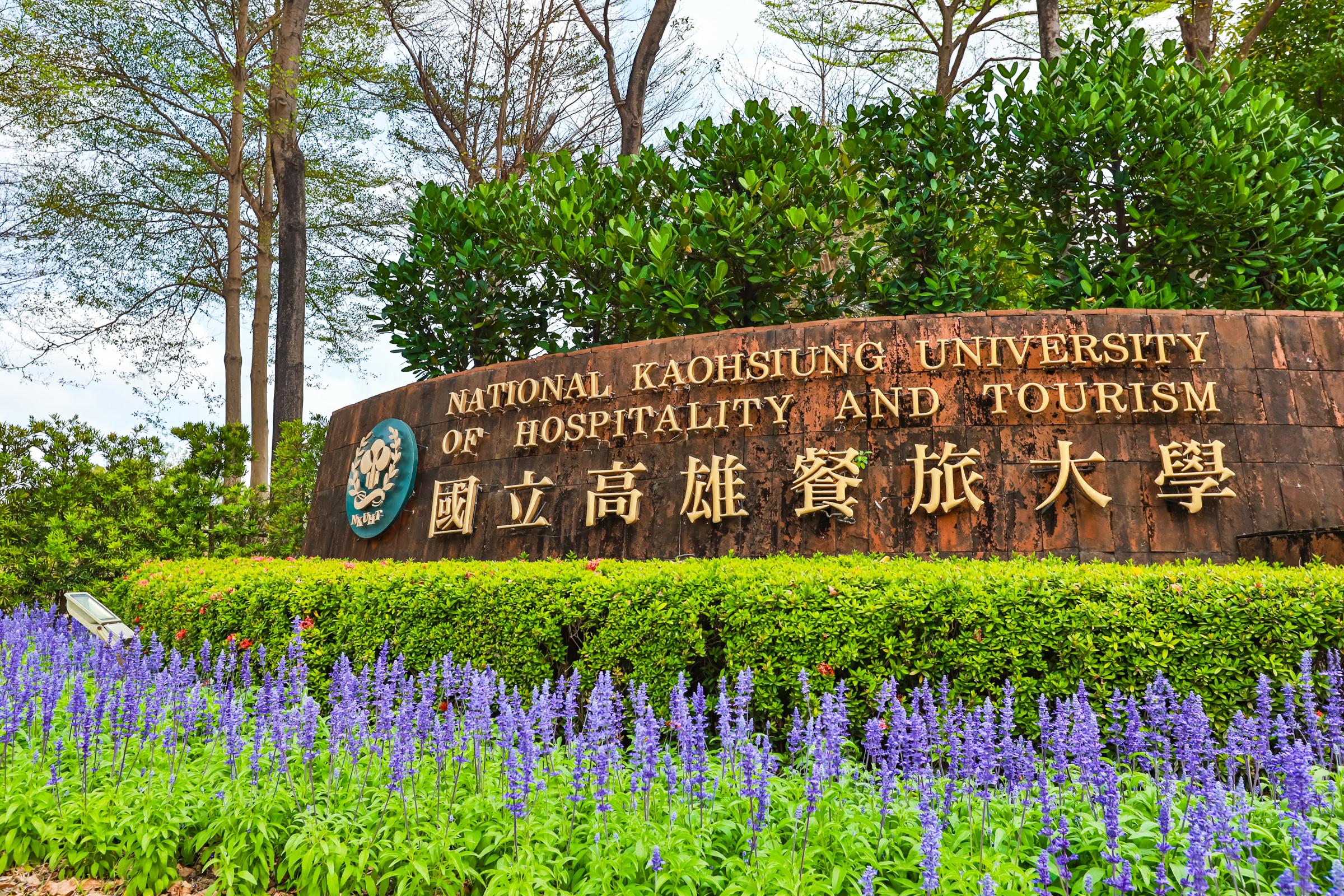
Founded in 1995 and located in Kaohsiung, Taiwan, National Kaohsiung University of Hospitality and Hospitality (NKUHT) offers a wide range of degree programs, including associate’s, bachelor’s, master’s, and doctoral degrees, with a total of 4 faculties and 18 departments.
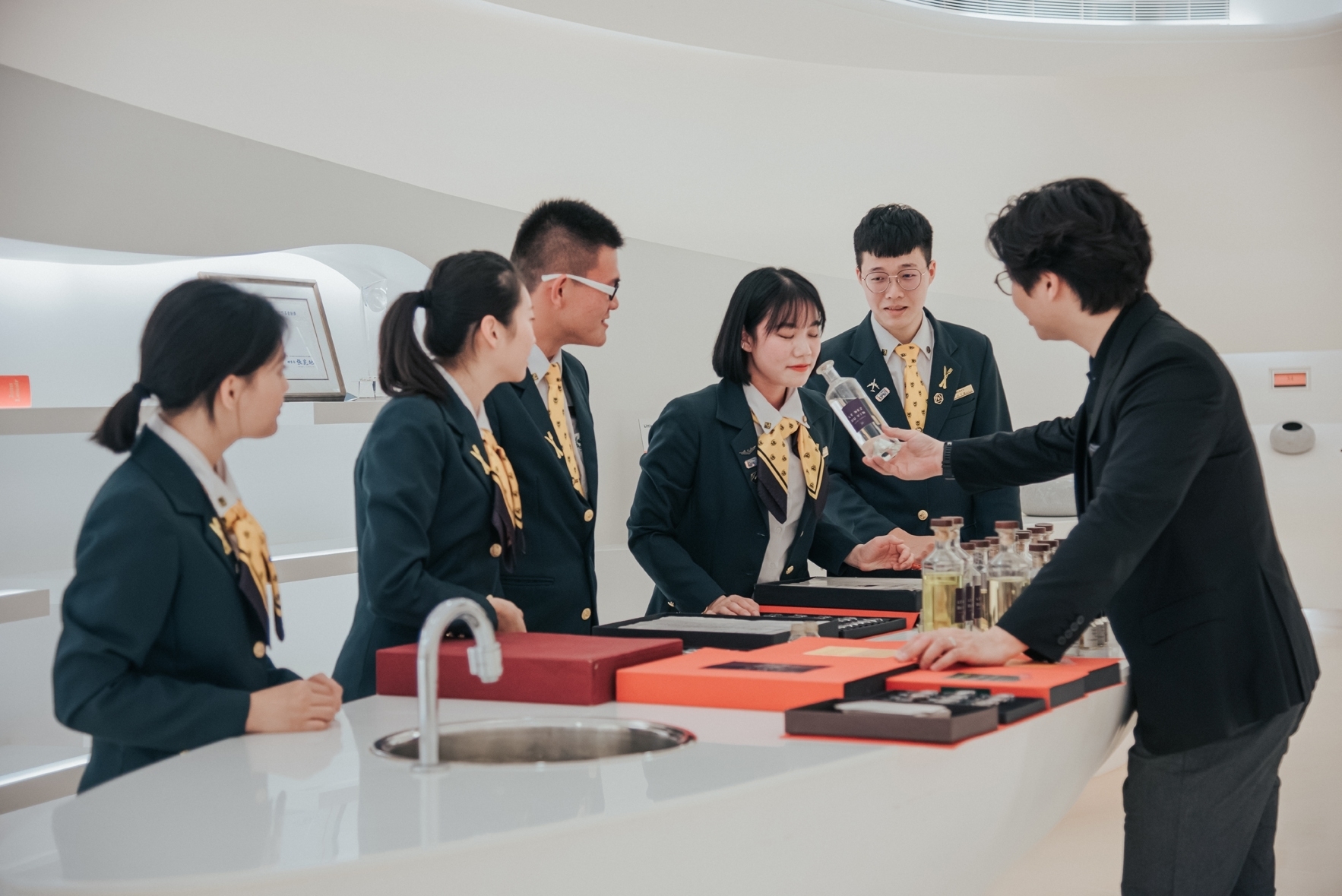
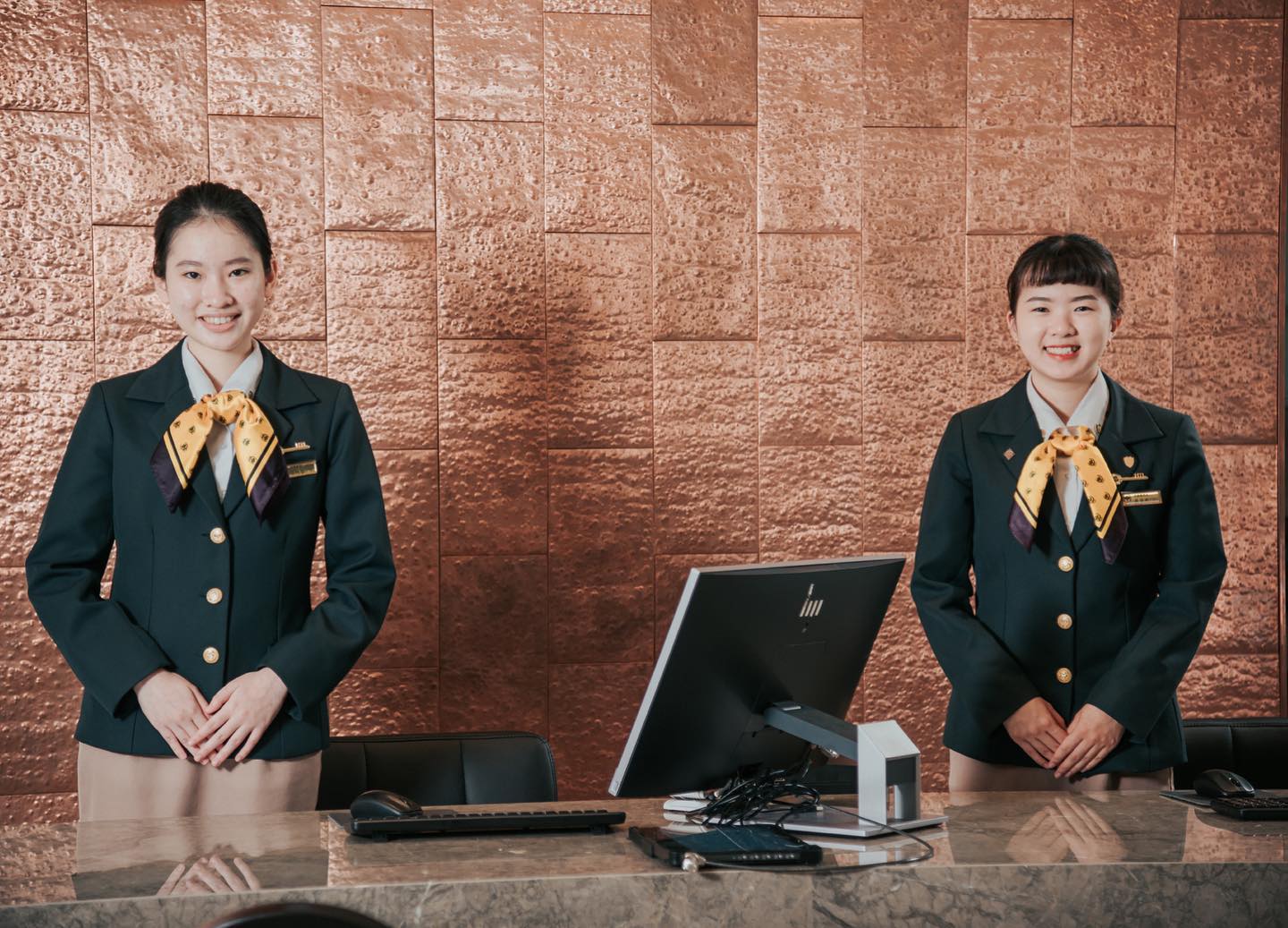
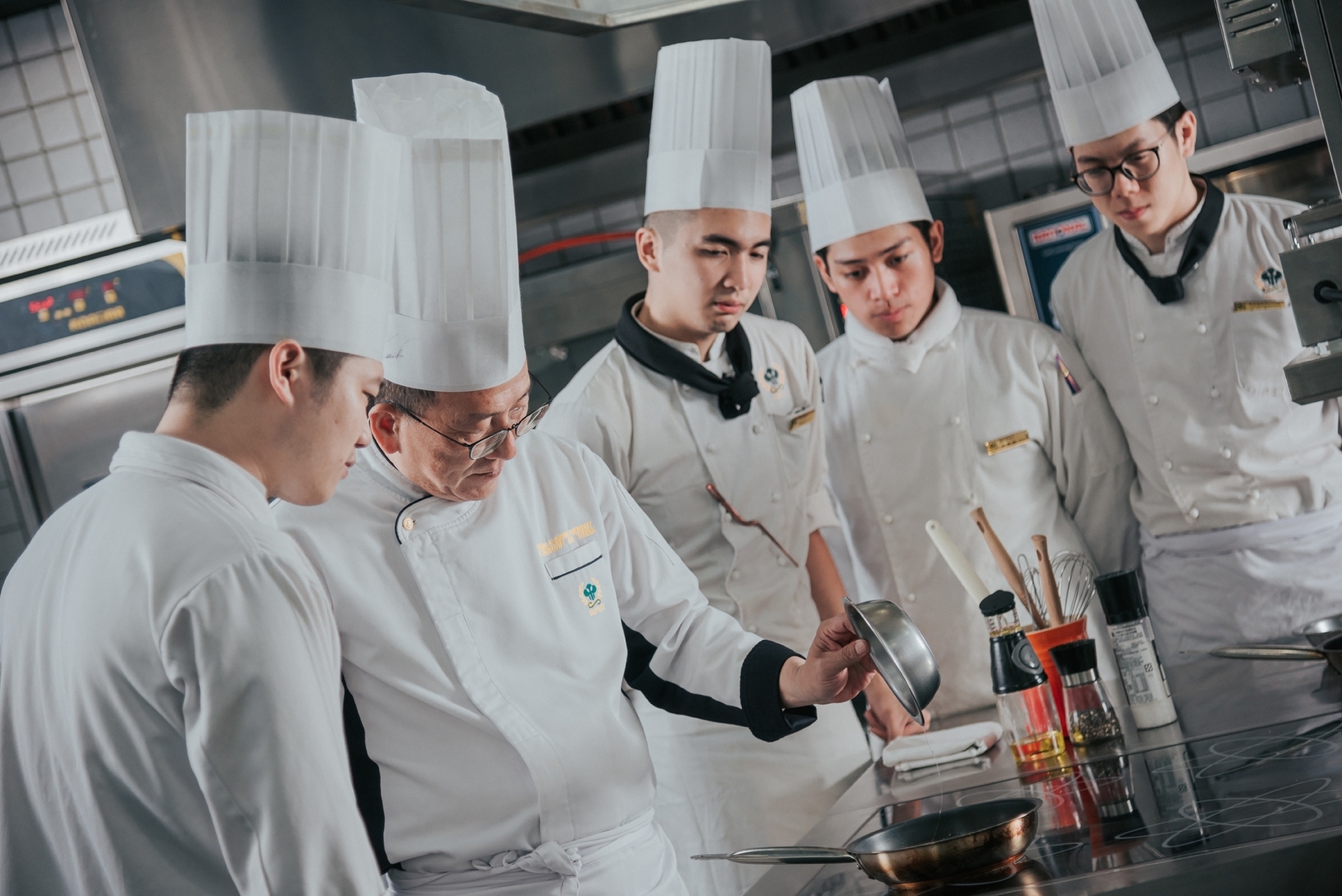
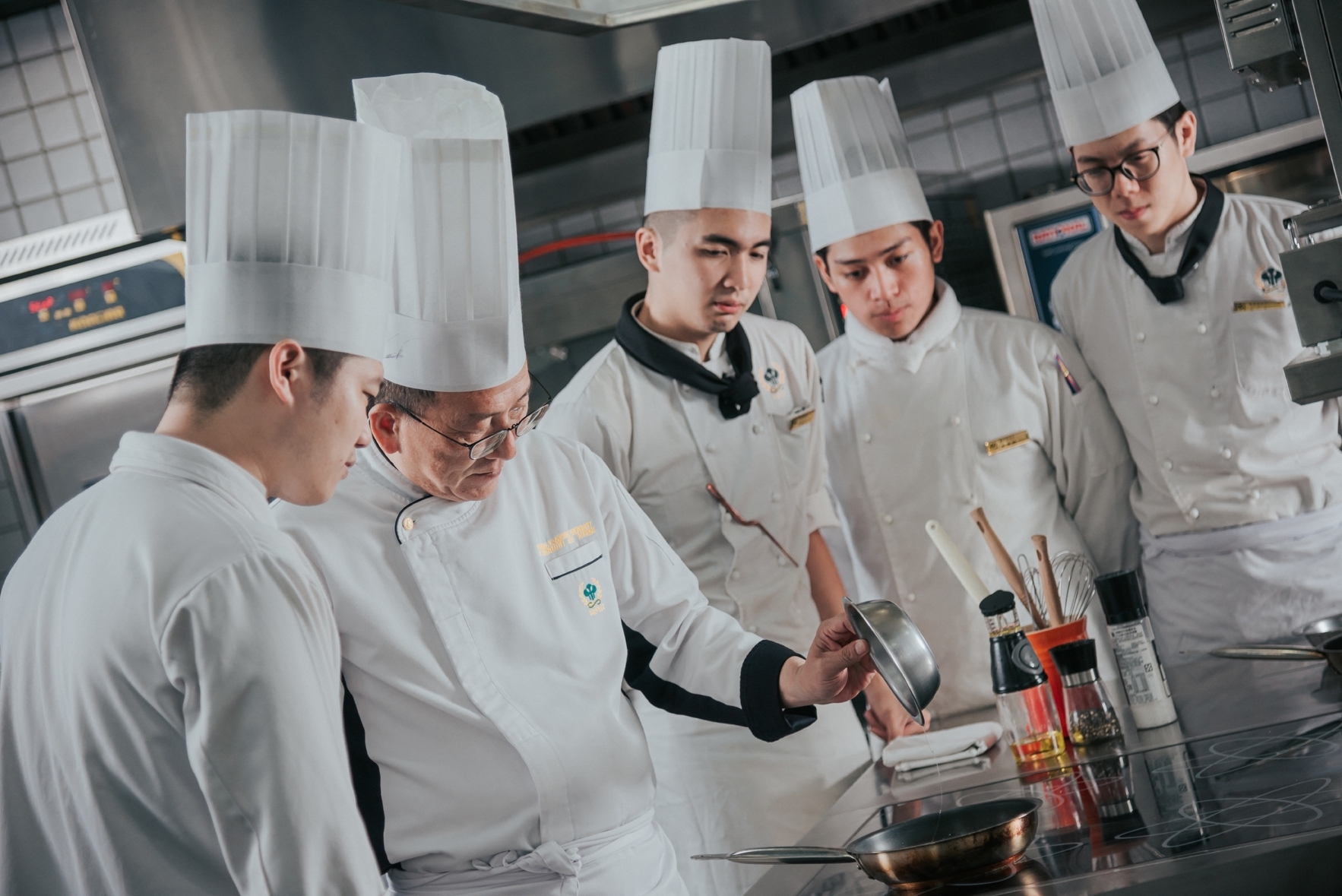
• Taiwan’s only national university with a reputation for hospitality, tourism, and culinary skills
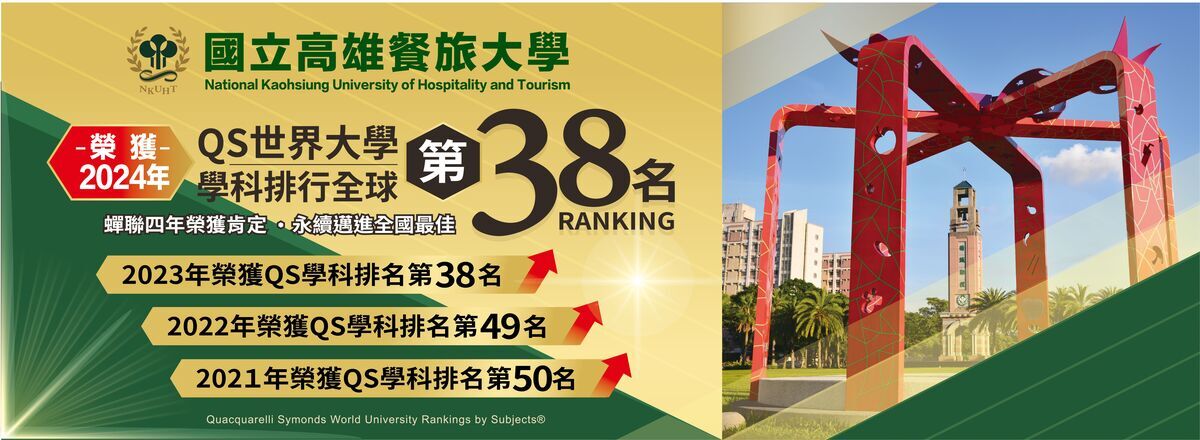
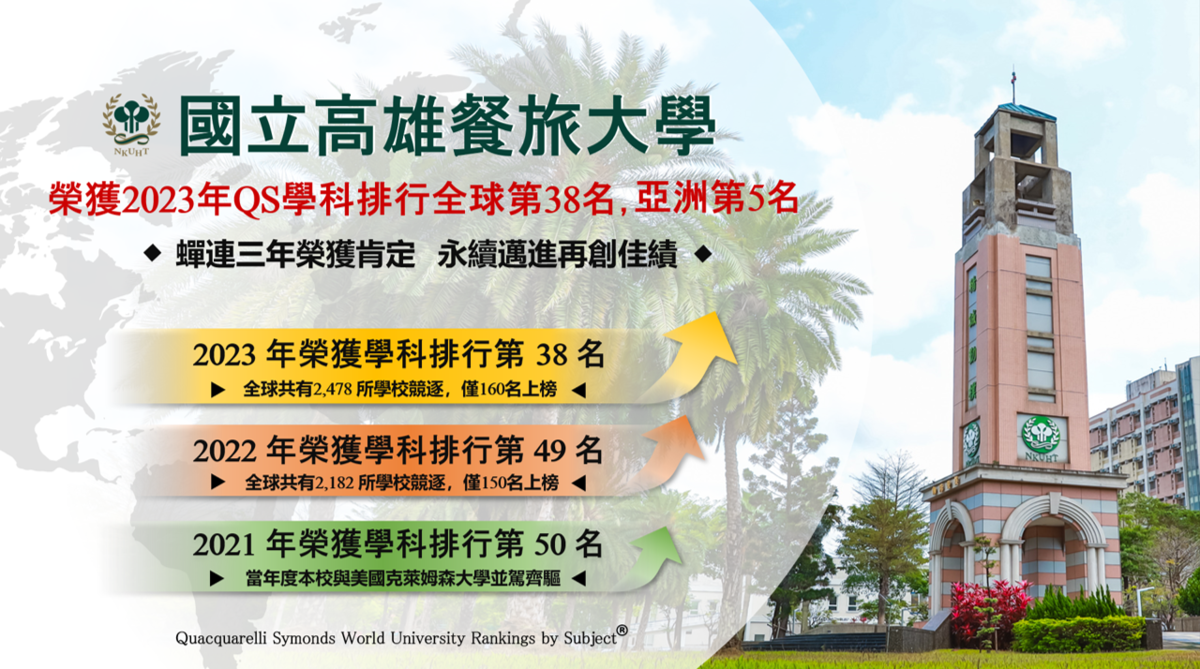
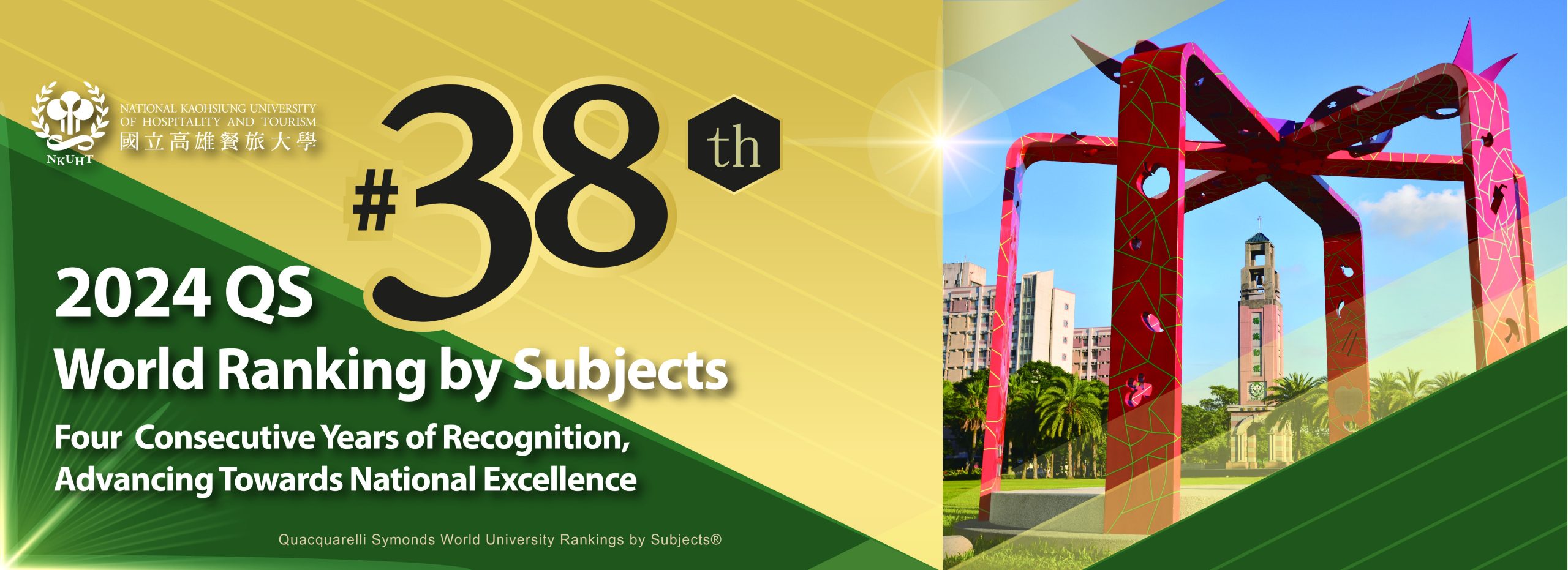
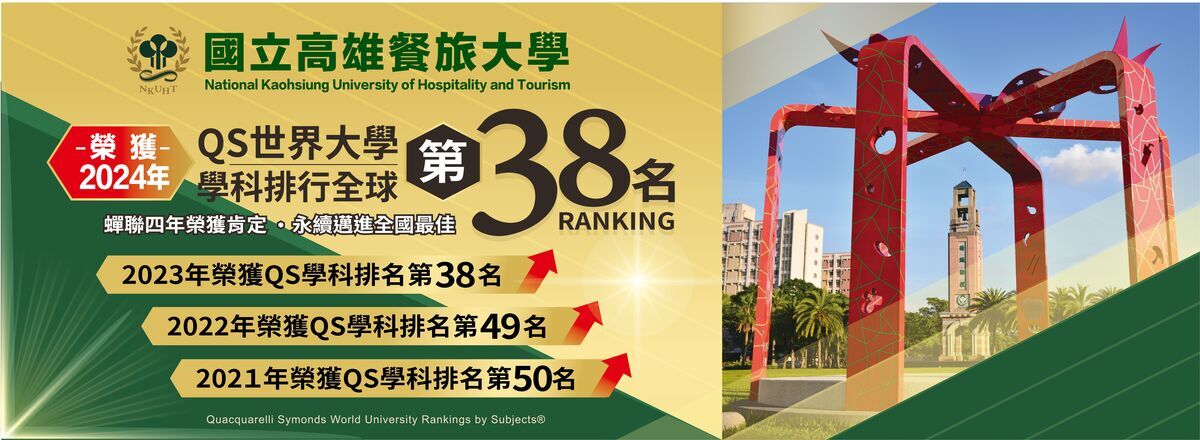
• Ranked among the top 50 in the world in the field of hospitality and hospitality in the QS World University Rankings for 3 consecutive years
• In 2024, the QS World University Rankings jumped to 38th in the world, advancing to 5th in Asia, and ranking first in Taiwan
• For 3 consecutive years, it has been ranked first among college students in the tourism and leisure category of Foresight Magazine
International Certification
• In 2024, QS ranked 38th in the world and 5th in Asia in terms of subjects
• The-ICE (International Centre of Excellence in Tourism and Hospitality Education)
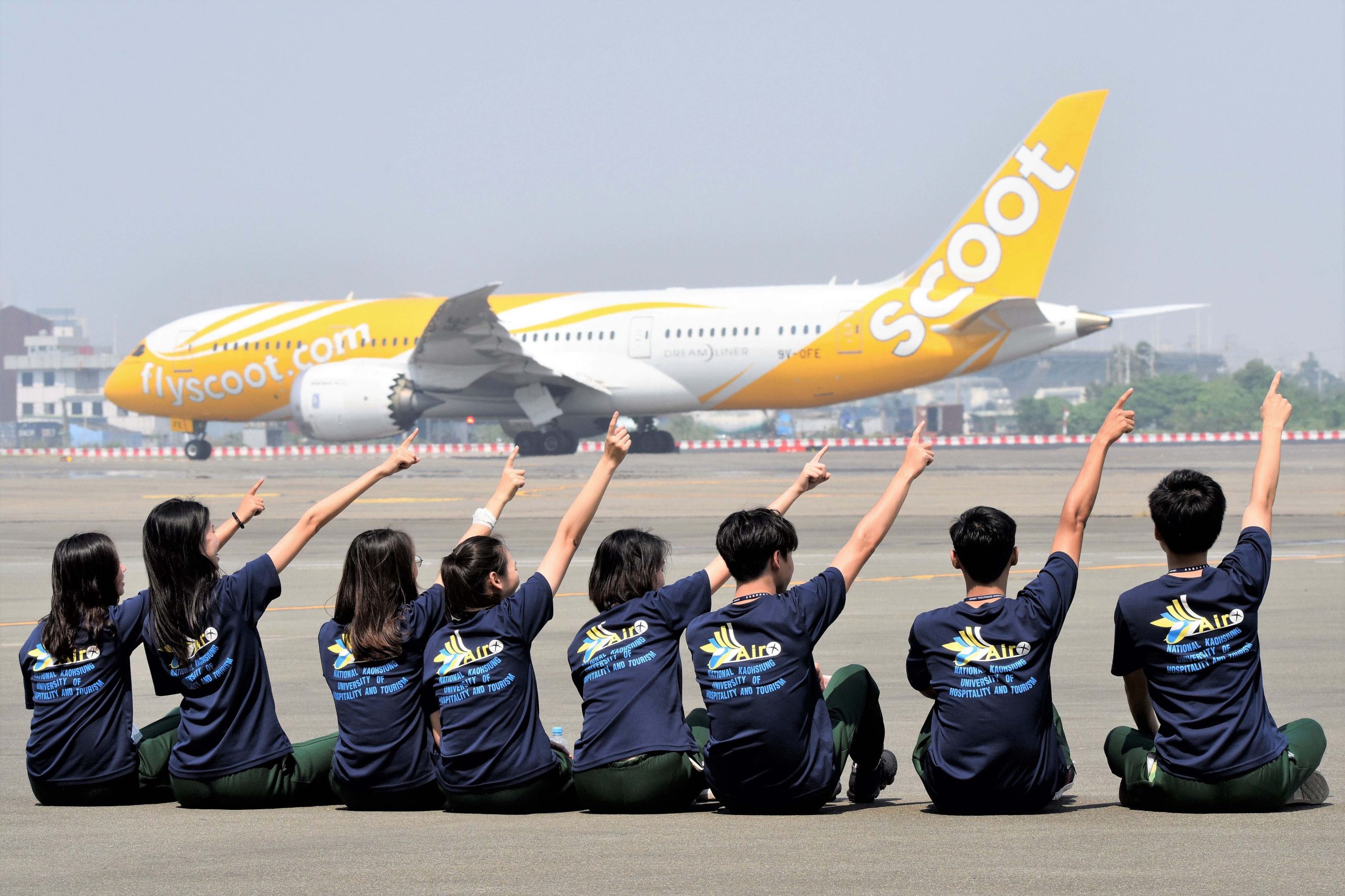
• IATA Authorized Training Centers
• British Wine Spirits Foundation Examination Centre WSET Global APP
International Exchange and Cooperation
• Many foreign sister schools, including the world’s top 30 in the hospitality category, have a lot of cooperation and exchanges
• Diversified overseas sister school exchange program (half a year/one year)
• Complete overseas industry internship program
• Short-term language and culture study program at overseas sister schools during winter and summer vacations
Welfare for overseas students
• National Kaohsiung University of Hospitality and Tourism Scholarship for Foreign Students (Foreign Students)
• Overseas Chinese students-related scholarships
• International Student Society ISA
• Other scholarships inside and outside the university, including awards for overseas exchange studies/dual scholarships, graduate students attending international seminars, Chinese language certificate awards, etc
• Various study activities for international students, including intensive study of Chinese, foreign language/English tutoring, study companion mechanisms, experiencing Taiwanese cultural activities, counseling internships/work mechanisms in Taiwan, etc
• Provide a variety of Chinese language courses for various levels
• Irregular Le Cordon Bleu cooking class experience
Featured courses
• All English-taught (bachelor’s program): bachelor’s degree program in international culinary arts, bachelor’s degree program in international tourism
• Bilingual Group (Bachelor’s Program): Department of Leisure and Recreation Management
• All English taught (master’s program): International tourism and hospitality all-English master’s degree program
• All English-taught (doctoral program): Doctoral program of the Institute of Tourism
• Culinary arts major (bachelor’s program): Department of Baking Management, Department of Western Culinary Arts, Department of Chinese Culinary Arts
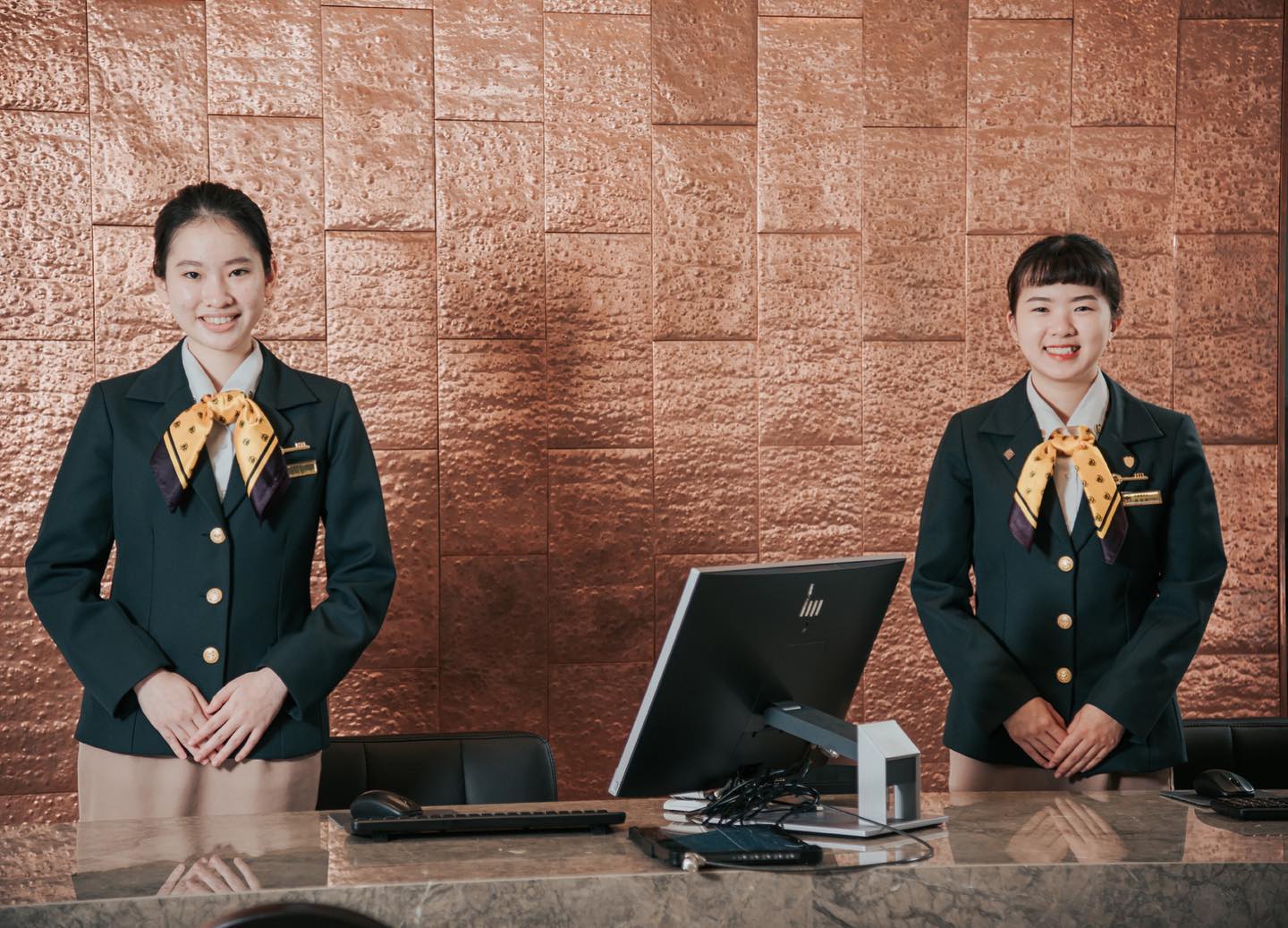
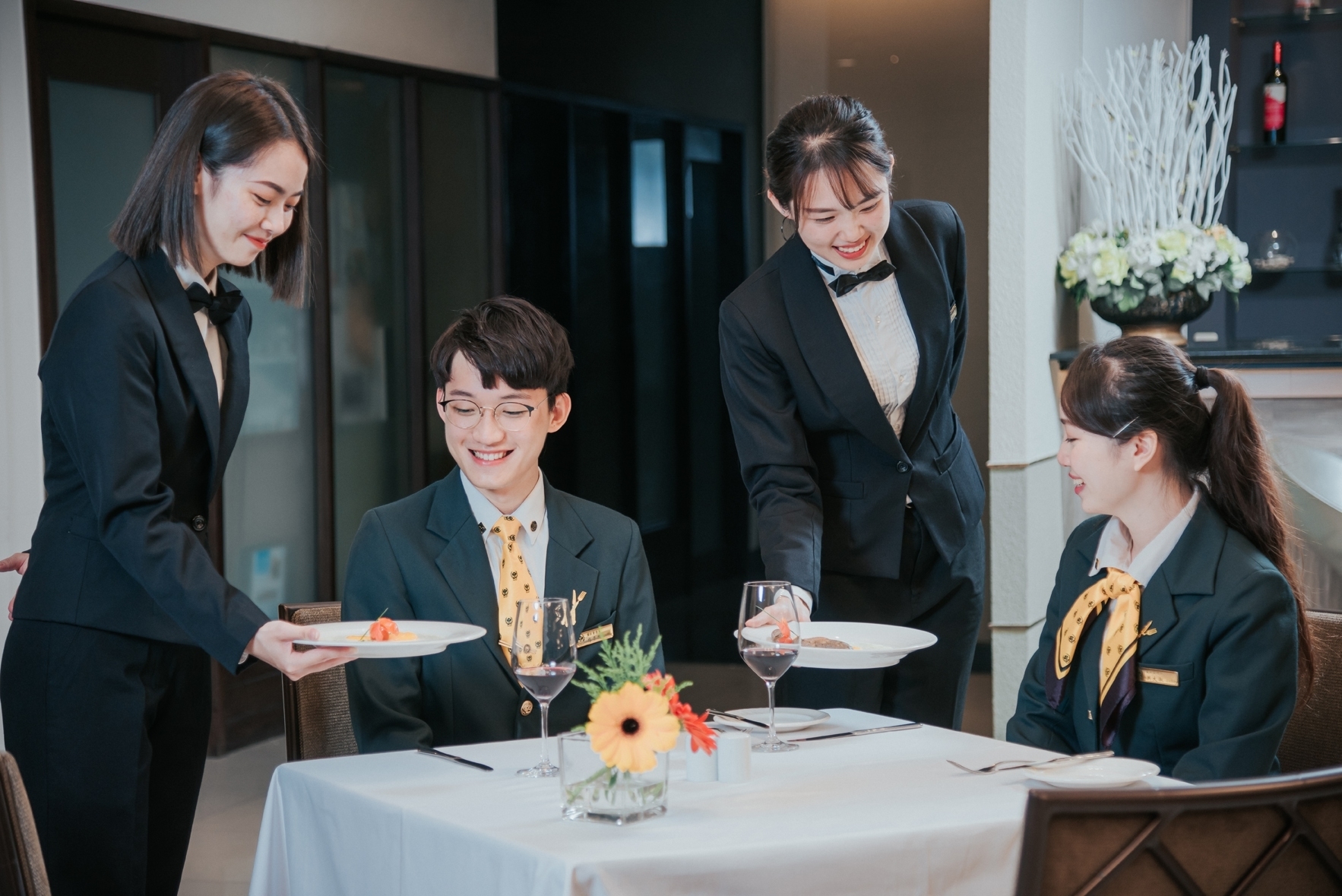
• Hospitality major (bachelor’s program): Department of Travel Management, Department of Aviation and Transportation Management, Department of Hospitality and Exhibition Marketing Management, Department of Catering Management, Department of Hotel Management
• Language Major (Bachelor’s Program): Department of Applied English, Department of Applied Japanese
• Hospitality and Tourism Major (Master’s Program): Tourism Research Institute, Hospitality Management Institute, Food Culture and Catering Innovation Institute
• One-year off-campus internship or overseas training (compulsory): Students can participate in overseas training, overseas internship, or domestic internship selection according to their personal interests and considerations. The allowance is provided by the internship unit.
Graduate Path
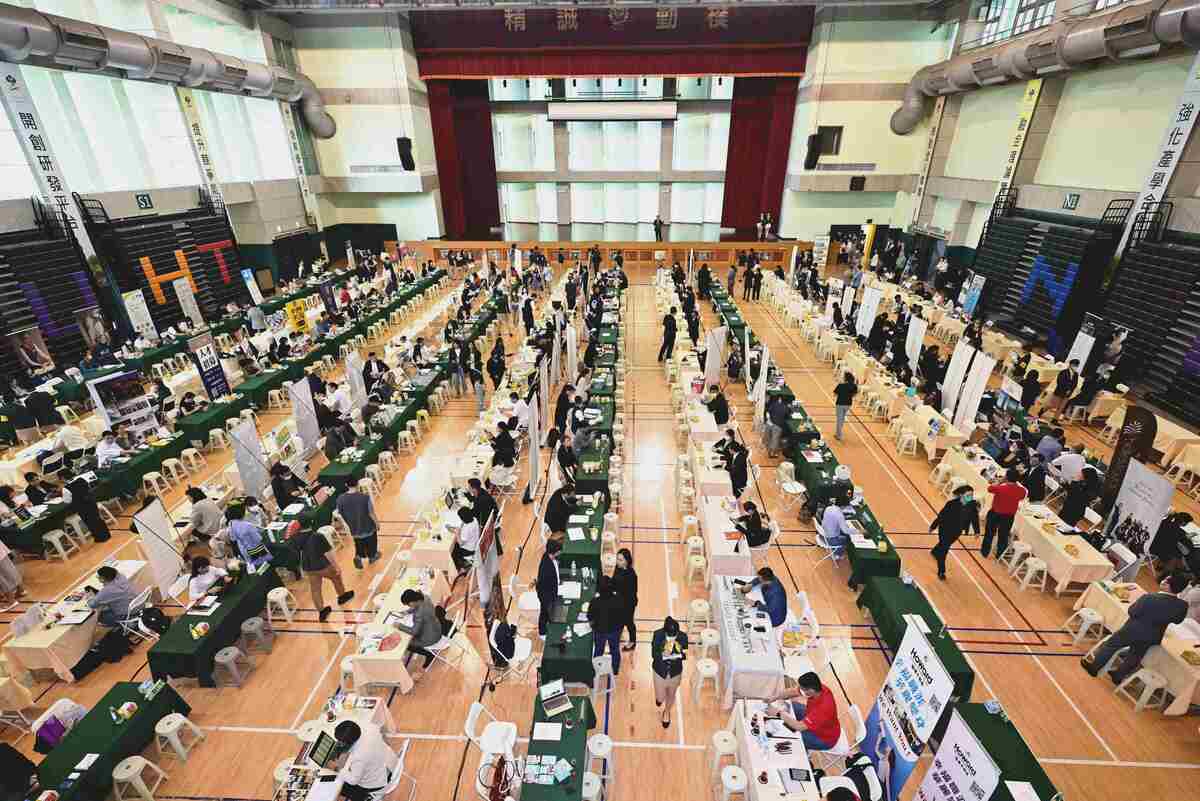
• Before graduation, you can participate in the domestic and foreign job fairs organized by the school
• Well-known industry employment opportunities at home and abroad: such as W Hotel, InterContinental Hotel, Singapore Sands Hotel, Shangri-La Hotel, Grand Hyatt Hotel, Din Tai Fung, Taiwan High Speed Rail and other groups
• Organizers of various conventions and exhibitions: such as GIS Group brainstorming exhibition business
Alumni
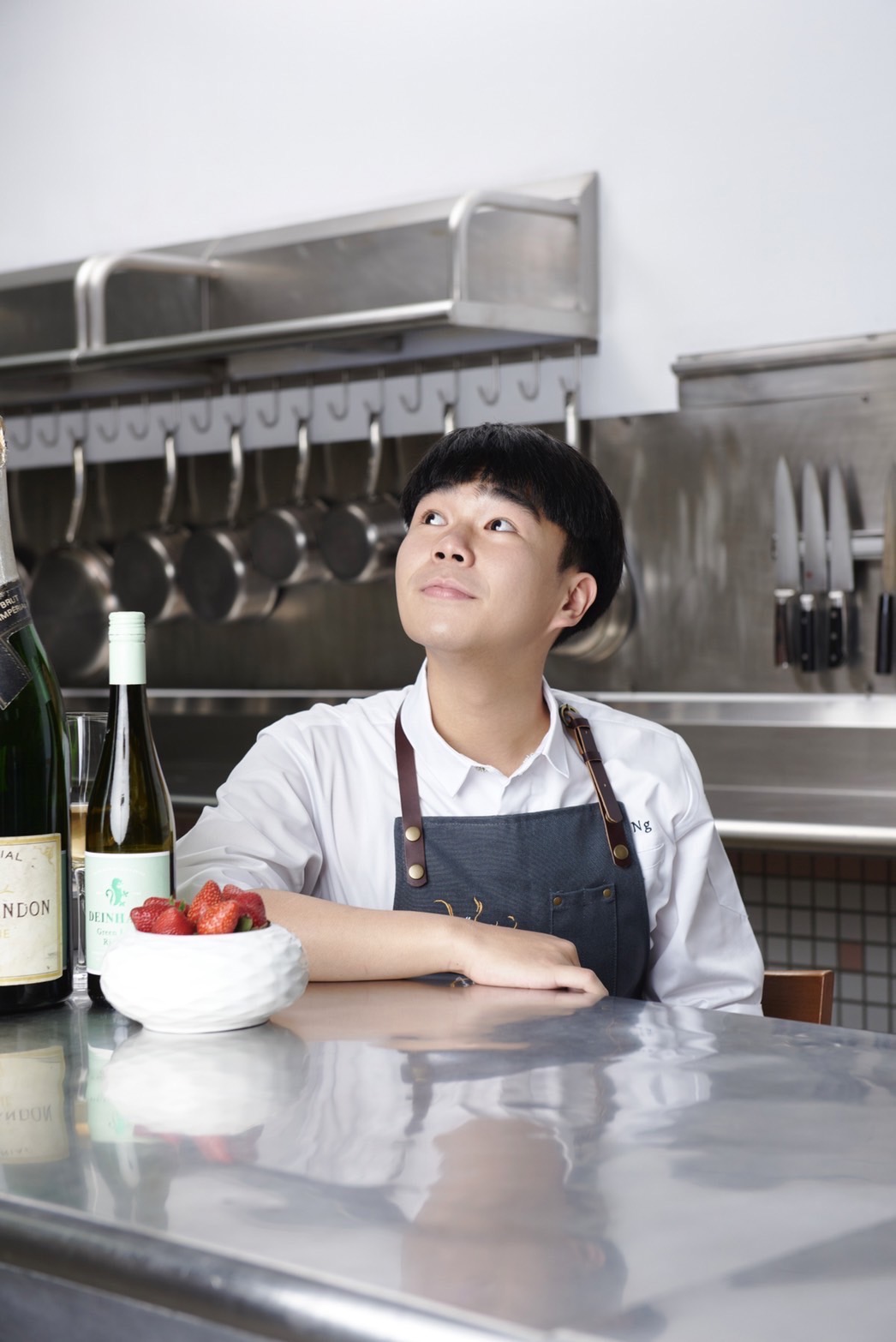
吳嘉謙
Outstanding alumni
Hong Kong
Graduated from the Department of Western Culinary Arts, National Kaohsiung University of Hospitality and Tourism, and is currently a pastry chef at Taipei Mecherin Restaurant
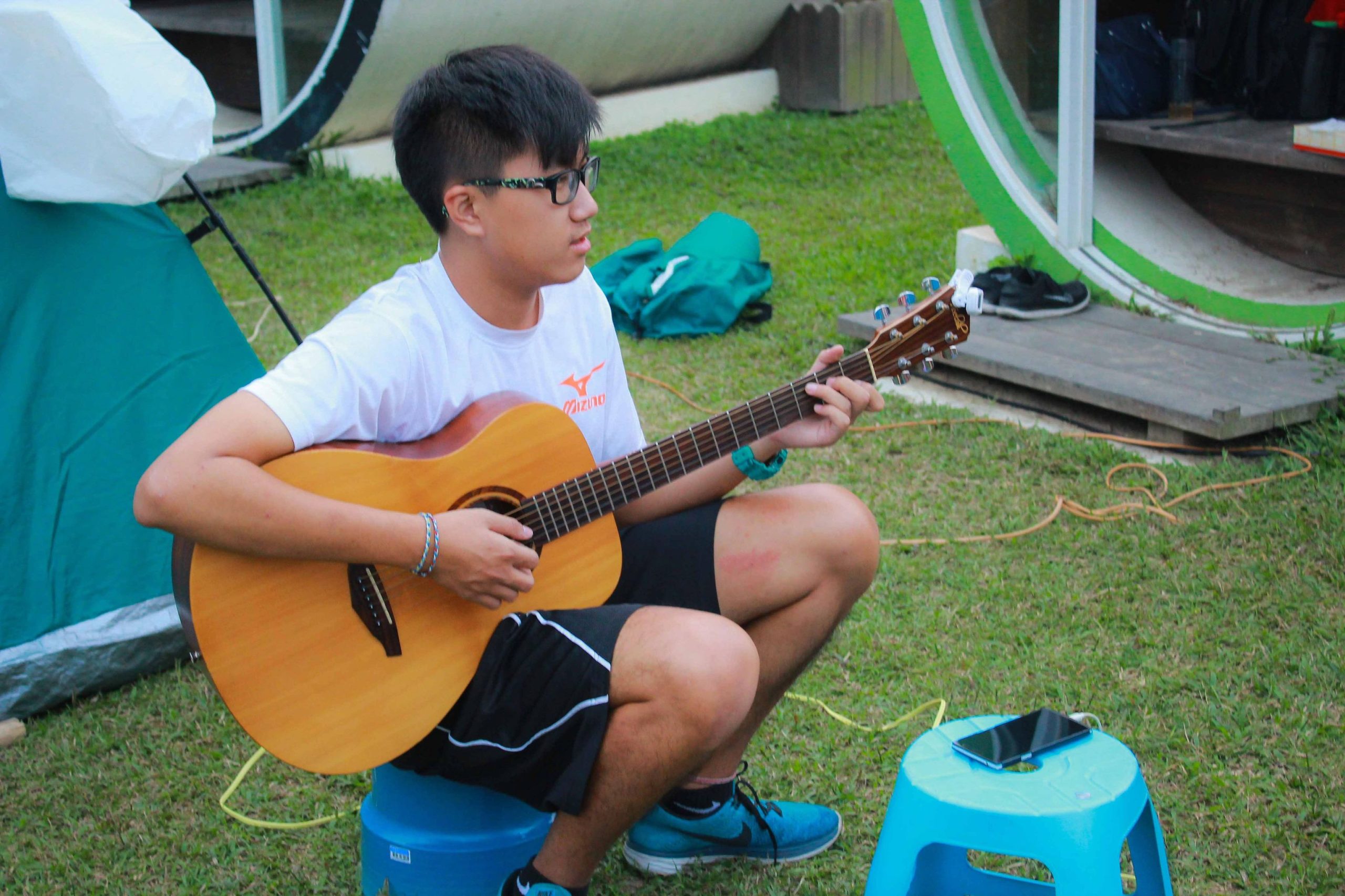
許俊傑
Outstanding alumni
Macao
Graduated from the Graduate School of Tourism of National Kaohsiung University of Hospitality and Tourism
Experience: MGM Cotai Macau – Front Desk Supervisor
Current: Kimpton Daan Hotel Taiwan – Front Desk Manager
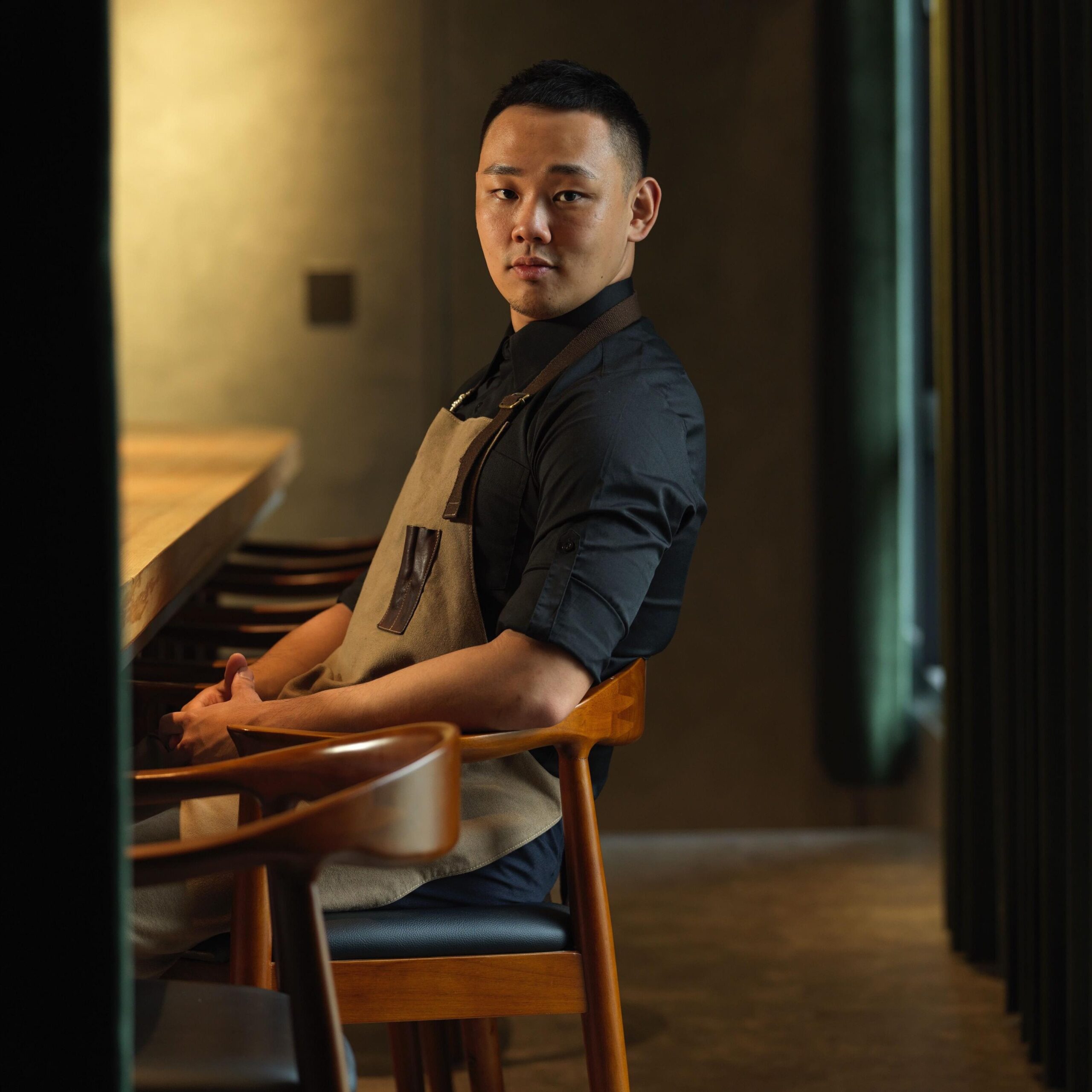
劉育捷
Outstanding alumni
Malaysia
Graduated from the Bachelor of International Culinary Arts Program at National Kaohsiung University of Hospitality and Tourism Experience: Invited to participate in the Ritz-Carlton guest sommelier in Macau
He won the runner-up in the professional category of the AWI 2023 11th National Intercollegiate Cup Young Sommelier Classic
He was awarded the 2019 Singapore Airlines Best Intern
It has won the Four Seasons Hotel GPS (Gratitude Play Surprise) Service Surprise Award
Current: Taichung Michelin Plate Recommendation L’Atelier par Yao Sommelier
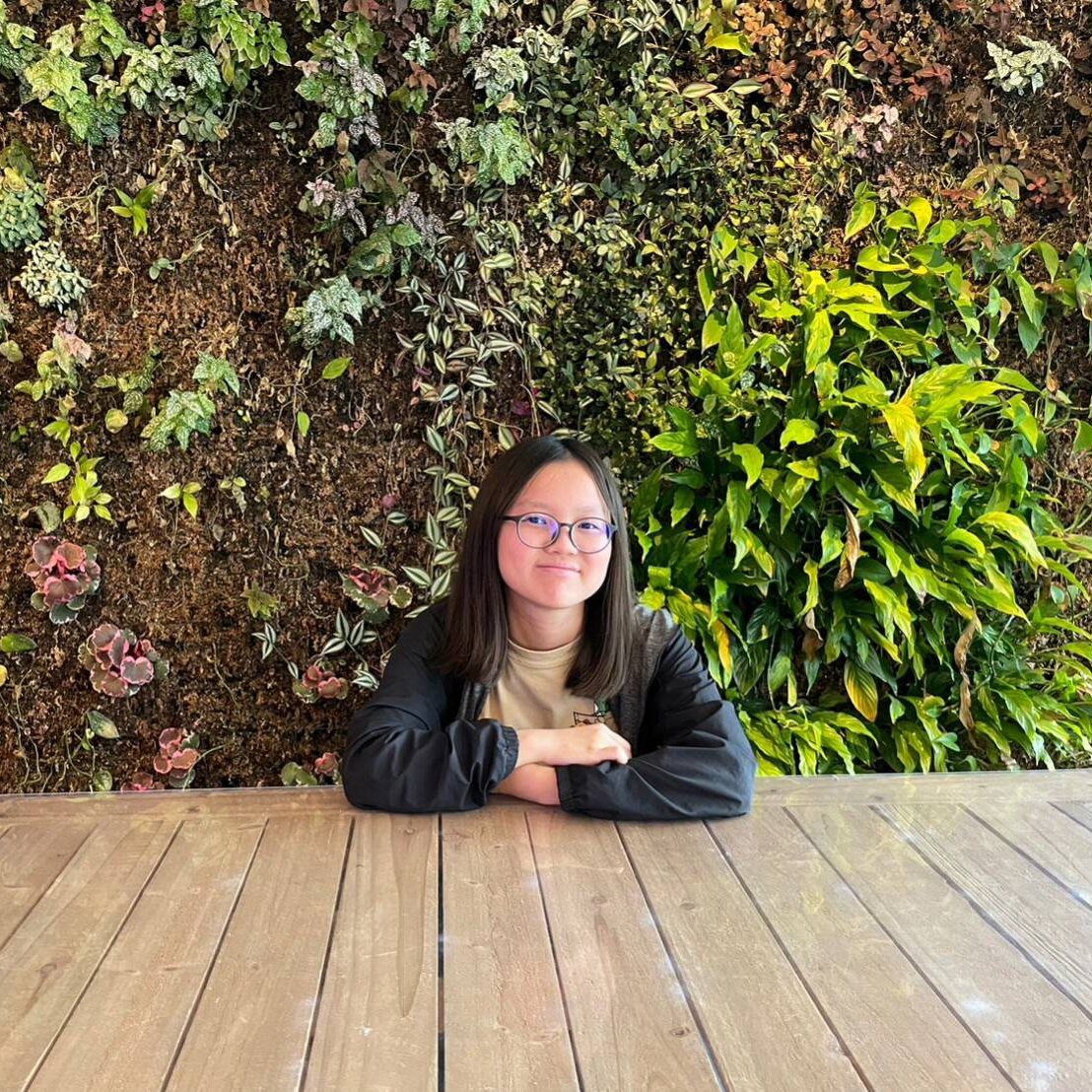
謝欣恩
Outstanding alumni
Indonesia
Graduated from the Department of Chinese Culinary Arts of National Kaohsiung University of Hospitality and Tourism
Experience: Yongxin Fengcha Internship
Current: Mandarin Oriental Hotel Taipei Accord Kitchen Dim Sum Four Chefs
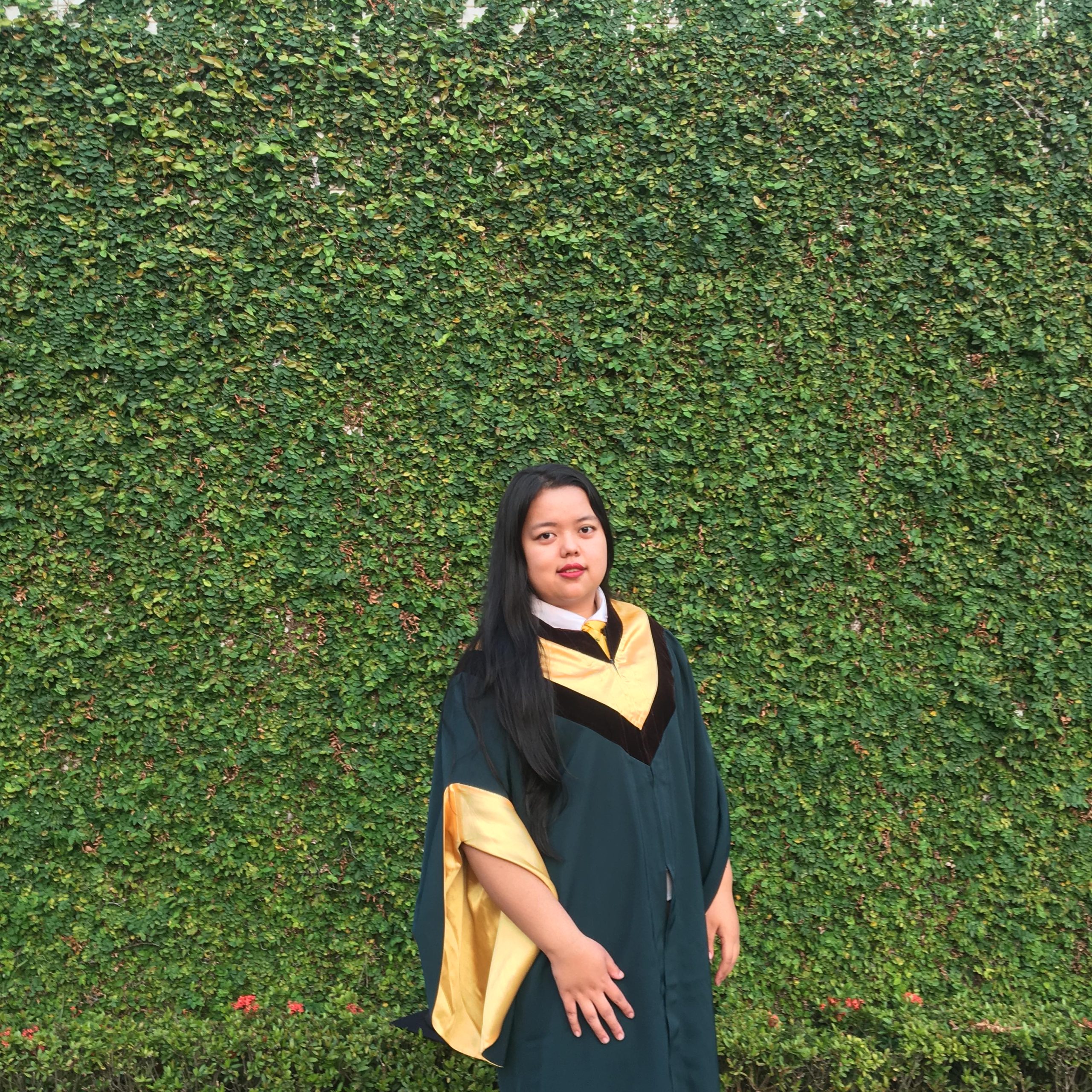
楊鳳琴
Outstanding alumni
Myanmar
Graduated from the Bachelor of International Culinary Arts Program at National Kaohsiung University of Hospitality and Tourism
Experience: Internship at the Louvre at Fuhua Hotel in Taipei, reserve cadre at a café on a university campus
Current: University campus café manager
Highlights
It has an international reputation
Founded in 1995 and located in Kaohsiung City, Taiwan, National Kaohsiung University of Hospitality and Tourism (NKUHT) offers a wide range of degree programs, including associate’s, bachelor’s, master’s, and doctoral degrees, with a total of 4 faculties and 18 departments.
• Taiwan’s only national university with a reputation for hospitality, tourism, and culinary skills
• Ranked among the top 50 in the world in the field of hospitality and hospitality in the QS World University Rankings for 3 consecutive years
• For 3 consecutive years, it has been ranked first among college students in the tourism and leisure category of Foresight Magazine
The curriculum design is professional and diverse, strengthening connections with the industry
Bachelor’s class
All English: Bachelor of International Culinary Arts Program, Bachelor of International Tourism Program
Bilingual Group: Department of Leisure and Recreation Management
Language Majors: Department of Applied English, Department of Applied Japanese
Culinary majors: Baking Management Department, Western Culinary Arts Department, Chinese Culinary Arts Department
Hospitality majors: Department of Travel Management, Department of Aviation and Transportation Management, Department of Hospitality and Exhibition Marketing Management, Department of Catering Management, Department of Hotel Management
Master’s program
Taught in English: Master’s degree program in international tourism and hospitality in English
Hospitality Major: Graduate School of Tourism, Graduate School of Hospitality Management, Institute of Food Culture and Catering Innovation Undergraduate Department, one-year off-campus internship
Doctoral program
Taught entirely in English: Doctoral program at the Institute of Tourism
• Overseas training (compulsory): Students can participate in overseas training, overseas internships, or domestic internship selections according to their personal interests and considerations. The allowance is provided by the internship unit.
Emphasis is placed on international student mobility
• Many foreign sister schools, including the world’s top 30 in the hospitality category, have a lot of cooperation and exchanges
• Diversified overseas sister school exchange program (half a year/one year)
• Complete overseas industry internship program
• Short-term language and culture study program at overseas sister schools during winter and summer vacations
Excellent overseas student benefits and perfect counseling measures
• National Kaohsiung University of Hospitality and Tourism Scholarship for Foreign Students (Foreign Students)
• Overseas Chinese students-related scholarships
• International Student Society ISA
• Other scholarships inside and outside the university, including awards for overseas exchange studies/dual scholarships, graduate students attending international seminars, Chinese language certificate awards, etc.
• Various study activities for international students, including Chinese language intensive study, foreign language/English tutoring, learning companion mechanism, experiencing Taiwanese cultural activities, counseling internship/work mechanism in Taiwan, etc.
Diverse employment opportunities at home and abroad
• Before graduation, you can participate in the domestic and foreign job fairs organized by the school
• Well-known industry employment opportunities at home and abroad: such as W Hotel, InterContinental Hotel, Singapore Sands Hotel, Shangri-La Hotel, Grand Hyatt Hotel, Din Tai Fung, Taiwan High Speed Rail and other groups
• Organizers of various conventions and exhibitions: such as GIS Group brainstorming exhibition business
Departments
School Departments and Programs
College of Engineering
Department of Mechanical Engineering/Mechanical Engineering Group, Automotive Group
Cultivate specialized and practical mechanical professionals
Cultivate dedicated and cooperative modern social citizens
Department of Industrial and Commercial Design
Integrates humanities, arts, aesthetics, engineering, business, multimedia and other fields. With “industrial design” as the main focus and “commercial design” as the auxiliary, it cultivates students’ open and innovative design thinking through the combination of practice and theory, establishes exclusive design capabilities, and cultivates all-round design talents.
Department of Materials, Textile and Clothing
Cultivate students to become industrial technology innovation talents with technological application and integration capabilities
College of Information and Communication Science
Department of Electrical Engineering
Focus on artificial intelligence, Internet of Things,
Power electronics, power technology and intelligent control, etc., to cultivate senior talents with both theoretical and practical abilities
Department of Electronic Engineering (Vietnam Special Class)
Cultivate talents with professional practical ability in electronic engineering
Cultivate talents with forward-looking technical capabilities in intelligent electronic system design
Cultivate talents with cross-disciplinary integration capabilities in biomedical electronic health care
Department of Communication Engineering (Master Program, Overseas Youth Class)
Cultivate practical application technologies for information and communication talents and R innovation that are popular in the industry
College of Healthcare Management
Department of Information Management
Cultivate information talents with sound personality, innovative practice and management
Department of Industrial Management (Haiqing Class, Vietnam Special Class)
Based on management theory, cultivate professional talents with practical experience and professional ethics
Department of Marketing and Distribution Management (Master Program)
Cultivate marketing and distribution professionals with “professional practice and application”
Department of Healthcare Administration
Cultivate integrated health care and management capabilities
Cultivate practical skills in health information analysis and management Department of Nursing (Four-year program, Two-year program, Continuing Education Division, Master Program)
Cultivate graduates with the nine core competencies of nursing, including basic medical science knowledge, critical thinking ability, general nursing skills, communication and cooperation ability, care, ethics, dedication, lifelong learning and innovation ability
Photos Videos
Photos
Videos


Scholarships
Scholarships
|
Scholarships |
Scholarship Amount |
Eligibility |
|---|---|---|
|
National Kaohsiung University of Hospitality and Tourism Scholarship for Foreign Students |
It will be handled according to the content of the award |
Foreign students |
|
Various scholarships for overseas Chinese students |
It will be handled according to the content of the award |
Overseas Chinese students |
|
Teaching assistant scholarship |
It will be handled according to the content of the award |
Overseas Chinese students |
Tuition and Miscellaneous Fees
|
institute |
Tuition and Fees (Annual) |
|---|---|
|
Undergraduate Division |
NTD$ 45,961*2 semesters
|
|
Master’s program |
(NTD$ 38,124 + credit fee (per credit/hour) NTD$ 1,400) * 2 semesters
|
|
Doctoral program |
(NTD$ 38,124 + Credit Fee (per credit/hour) NTD $1,400) * 2 semesters
|
Living Expenses
Living expenses: about NTD$ 84,000/year
Accommodation fee: NTD$36,500-41,900/year for on-campus dormitories, about NTD$60,000-84,000/room/year for off-campus rental
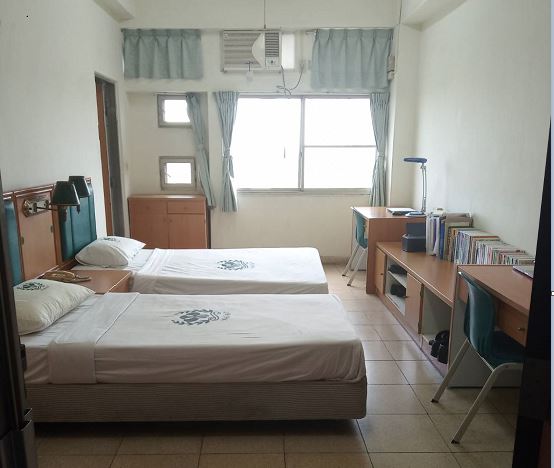
School accommodation
|
One semester |
One academic year |
Other Notes |
|---|---|---|
|
NTD$11,500-14,200 (excluding winter and summer vacations) |
NTD$23,000-28,400 (excluding winter and summer vacations) |
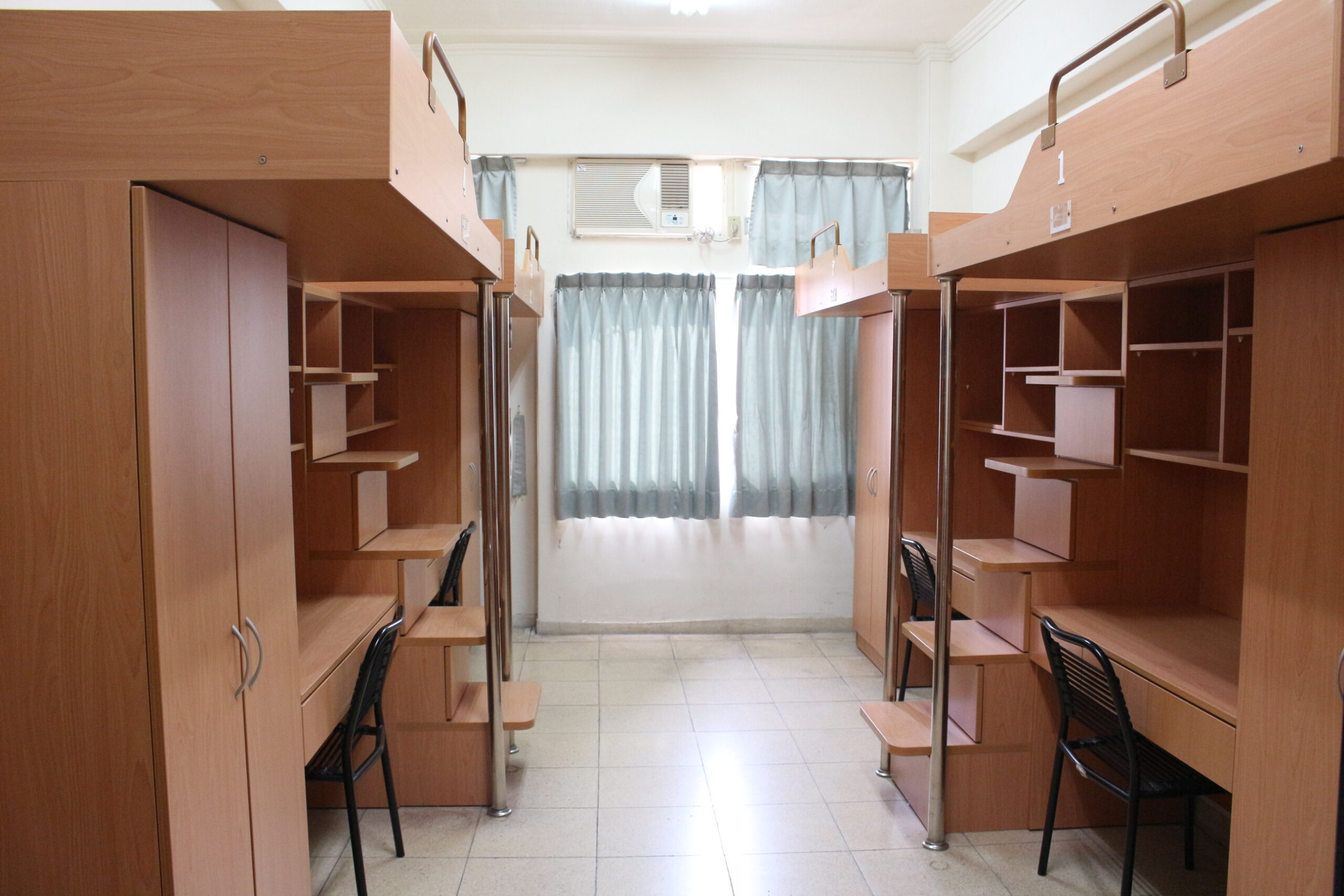
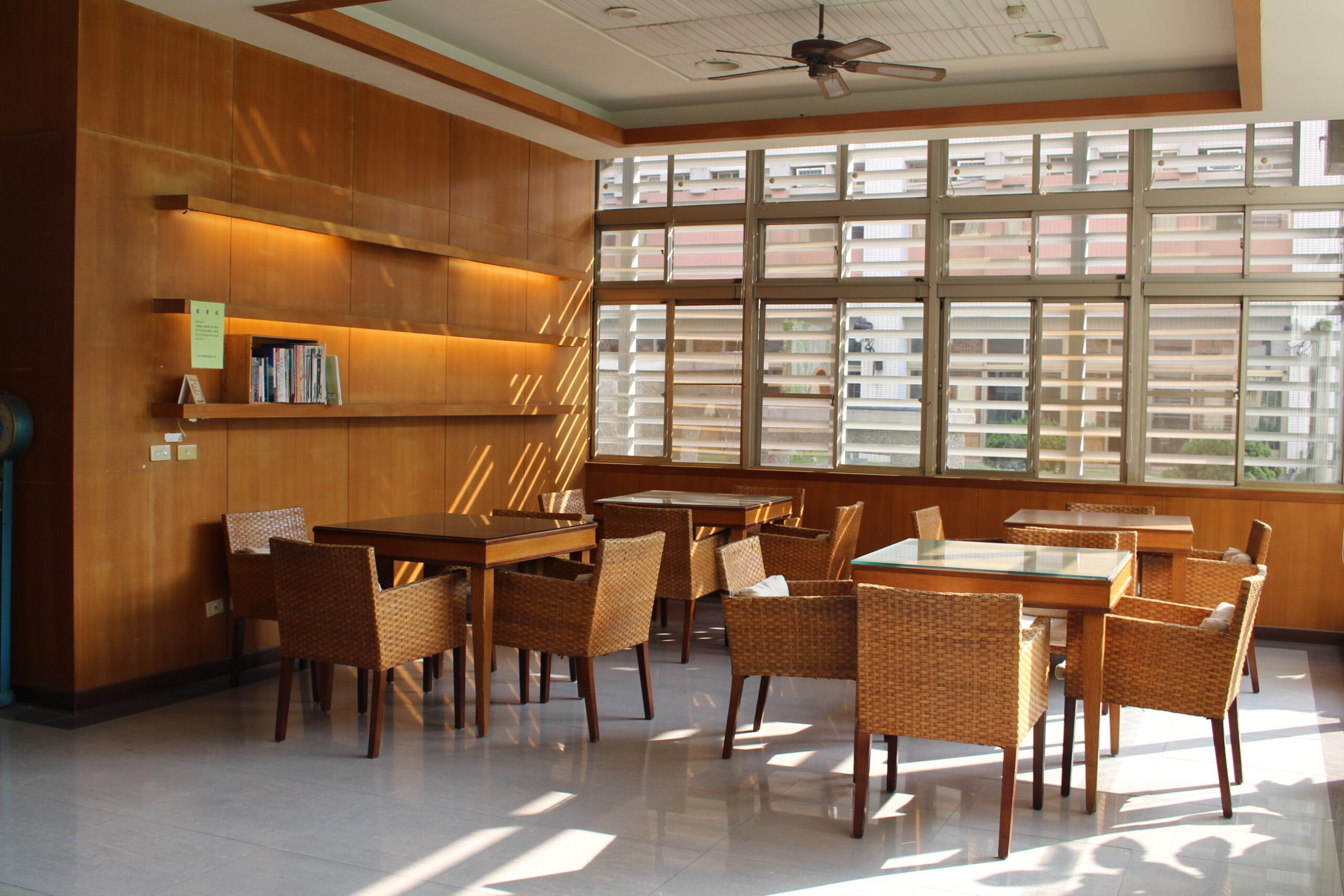
There are two dormitories on campus, and bachelor’s degree freshmen are required to live in their first year. Doctoral or master’s students can apply.
|
Pathways
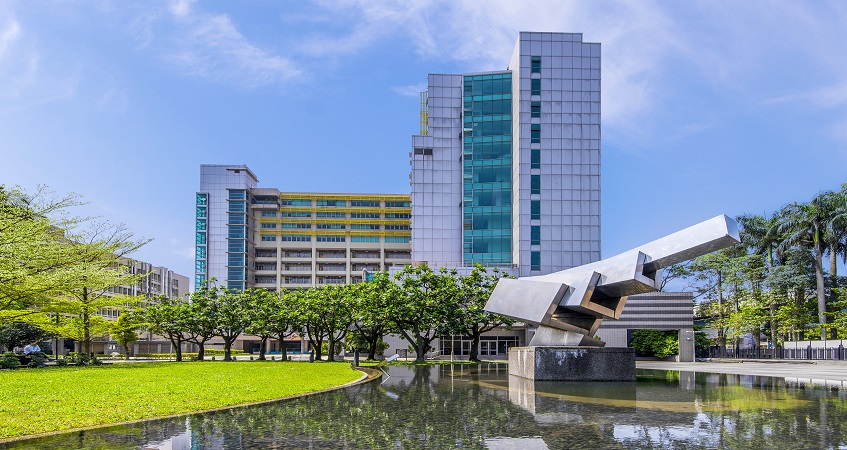
National Taiwan University of Science and Technology
Information
Address
43,Sec.4,Keelung Rd.,Daan District, Taipei,106,Taiwan,R.O.C.
Tuition and Accommodation Fees
Tuition fee NTD 48,680~56,780
Accommodation fee NTD 13,000~55,000
Living expenses NTD 96,000~120,000
Social Media
https://www.facebook.com/NTUST.official/?locale=zh_TW
Contact Information
+886-2-27333141
[email protected]
Introduction
Founded in 1974, National Taiwan University of Science and Technology (Taiwan Tech) was the first technological university in Taiwan. Dedicated to cultivating high-level technical and management talent, the university strives to provide holistic education and serve as the backbone of Taiwan’s industrial sector, ensuring students are ‘career-ready upon graduation.’ Our vision is to develop into an international, applied research university focused on technological innovation and industrial application. To achieve this, we emphasize the cultivation of ‘π-shaped talent’—going beyond the traditional T-shape—by strengthening three core competencies: Professional Practical Skills (the left leg), Liberal Arts Literacy (the right leg), and International Connectivity (the crossbar). Taiwan Tech comprises 7 colleges—Engineering, Electrical Engineering and Computer Science, Management, Design, Liberal Arts and Social Sciences, Applied Sciences, and Industry-Academia Innovation—including 27 departments, 4 undergraduate programs, and 2 bachelor’s degree programs.
Three-school alliance
NTUST has established a three-university alliance with National Taiwan University and National Taiwan Normal University, and students share the teaching resources of the three universities to study courses across schools to establish a complete learning network, with the goal of becoming the world’s top joint university system.
Academic Reputation
According to the “2024 Asian University Rankings” by The Times Higher Education Special Issue (THE), NTUST has jumped significantly to 71st place, fourth in Taiwan, maintaining the first place in Taiwan in international outlook projects, and improving its research quality to fourth in Taiwan. In the “2024 World’s Best Young University Rankings”, NTUST ranked 52nd in the world, second in Taiwan and first in technical and vocational schools. Among them, it continued to rank first in Taiwan in the evaluation index “International Outlook”.
According to the 2024 Asian University Rankings by QS, a British higher education research agency, NTUST ranks 74th in Asia and fifth in Taiwan. The “International Students” project ranked first in Taiwan and 63rd in Asia.
Teacher-student performance
In 2023, NTUST won three concept design awards at the Red Dot Design Awards, known as the Oscars of the design industry. At the same time, NTUST has been ranked first in the Asia-Pacific region of the Red Dot Design Rankings for three consecutive years, and its abundant design and innovation capabilities have been internationally recognized.
NTUST students are highly favored by employers. According to the 2024 Global Views Monthly survey on ‘Employer’s Favorite University Graduates,’ NTUST ranked third in the overall national rankings.
International Exchange and Cooperation
Our student exchange and cooperation schools include 60 countries around the world, and implement a dual education system with many schools.
More than 600 two-way exchange students each year
400+ partner schools worldwide (263 in Asia, 131 in Europe, 34 in the Americas, 12 in Oceania and 5 in Africa)
There are 40+ dual school partner schools around the world.
Alumni

魏國強
Outstanding alumni
Hong Kong
Graduated from the Department of Industrial Management of NTUST
Professor at the Hong Kong University of Science and Technology
吳慧莉
(Dr. Felycia Edi Soetaredjo)
Outstanding alumni
Indonesia
Graduated from the Department of Chemical Engineering of NTUST
Won the “Asia Top 100 Outstanding Scientists Award”
艾玉寧
(Aning Ayucitra)
Outstanding alumni
Indonesia
Graduated from the Department of Chemical Engineering of NTUST
He served in the Vatican’s Wildya Mandala in Surabaya
Vice-Chancellor of the Catholic University
善素莉 (Syamsuri)
Outstanding alumni
Indonesia
Graduated from the Department of Mechanical Engineering of NTUST
He teaches at the Indonesian Institut Teknologi Adhi Tama Surabaya (ITATS) and is currently the principal of the school.
趙德胤
Outstanding alumni
Myanmar
Graduated from the Department of Design at NTUST
Won the Overseas Chinese Affairs Council Global Outstanding Alumni Award
Highlights
Top-Ranked Universities
#No. 1 in Technological Universities, and No. 1–3 Nationally.
#No. 1 among Technological Universities for the “World’s Top 2% Scientists” published by Stanford University.
Enterprises’ Favorite
#Enterprises’ Favorite University
Ranked 1st among Technological Universities and 3rd Overall in Taiwan’s ‘2024 Employer’s Favorite University Graduates’ by Global Views Monthly..
#Times Higher Education (THE) Asia University Rankings 2024
NTUST surged to 71st in Asia and 4th in Taiwan. We maintained our #1 position in Taiwan for ‘International Outlook’ and climbed to 4th nationwide in ‘Research Quality.
#Times Higher Education (THE) World’s Best Young Universities Rankings 2024
Ranked 52nd globally, 2nd in Taiwan, and 1st among technological universities. Notably, we continue to lead the nation as #1 in ‘International Outlook,’ showcasing our vibrant global campus.
Abundant Resources
NTUST, NTU, and NTNU are members of the NTU System (NTU System) and share resources with teachers and students, and students can take courses, minors, and double majors across schools
Globalized Campus
NTUST boasts the largest number and highest density of international graduate students in Taiwan.
Our campus offers a highly internationalized environment that fosters global collaboration and academic excellence.
Multidisciplinarity
NTUST encourages diversity, cross-domain, and multiple learning channels.
A variety of incentives are set up and a variety of scholarships and bursaries are available for application.
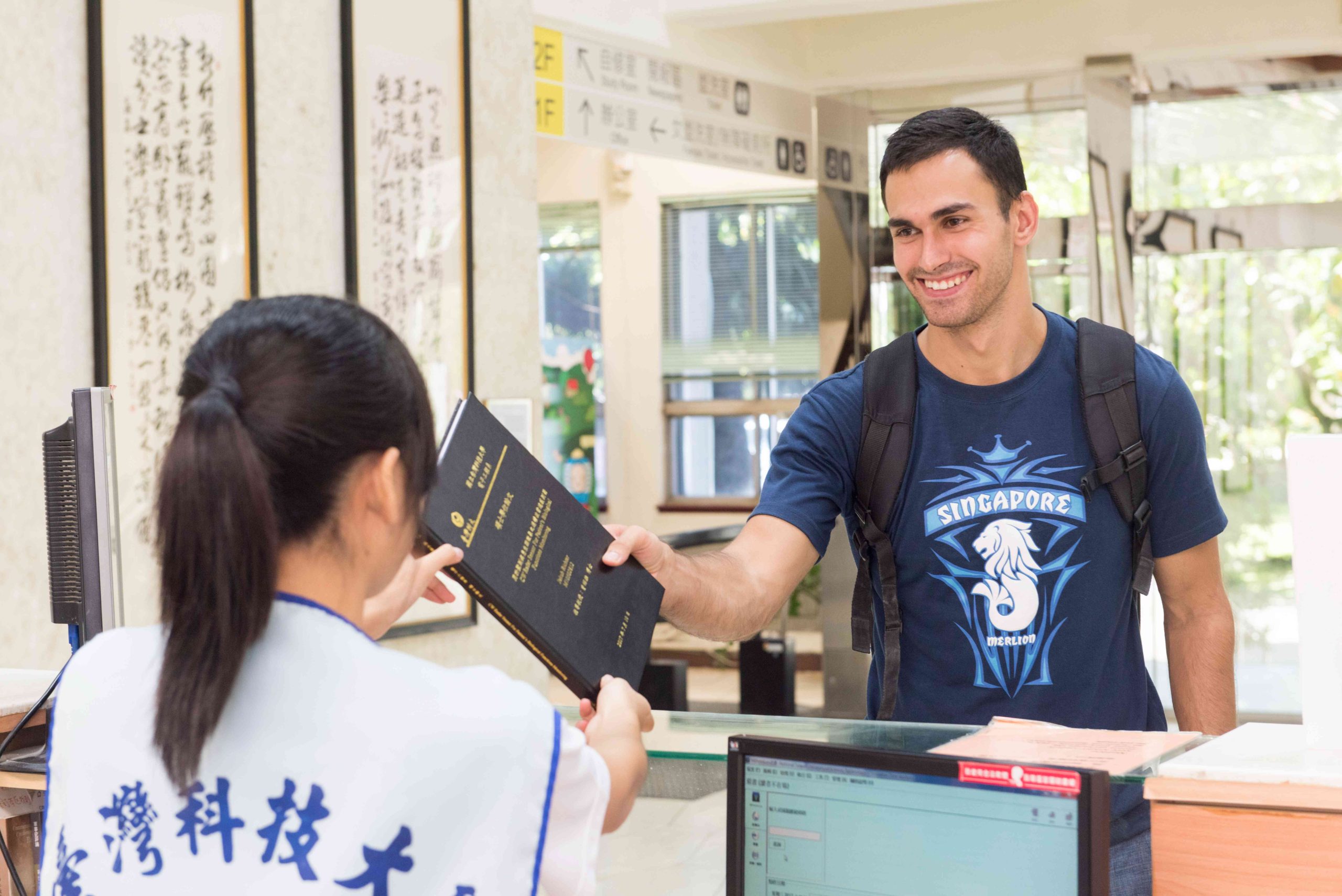
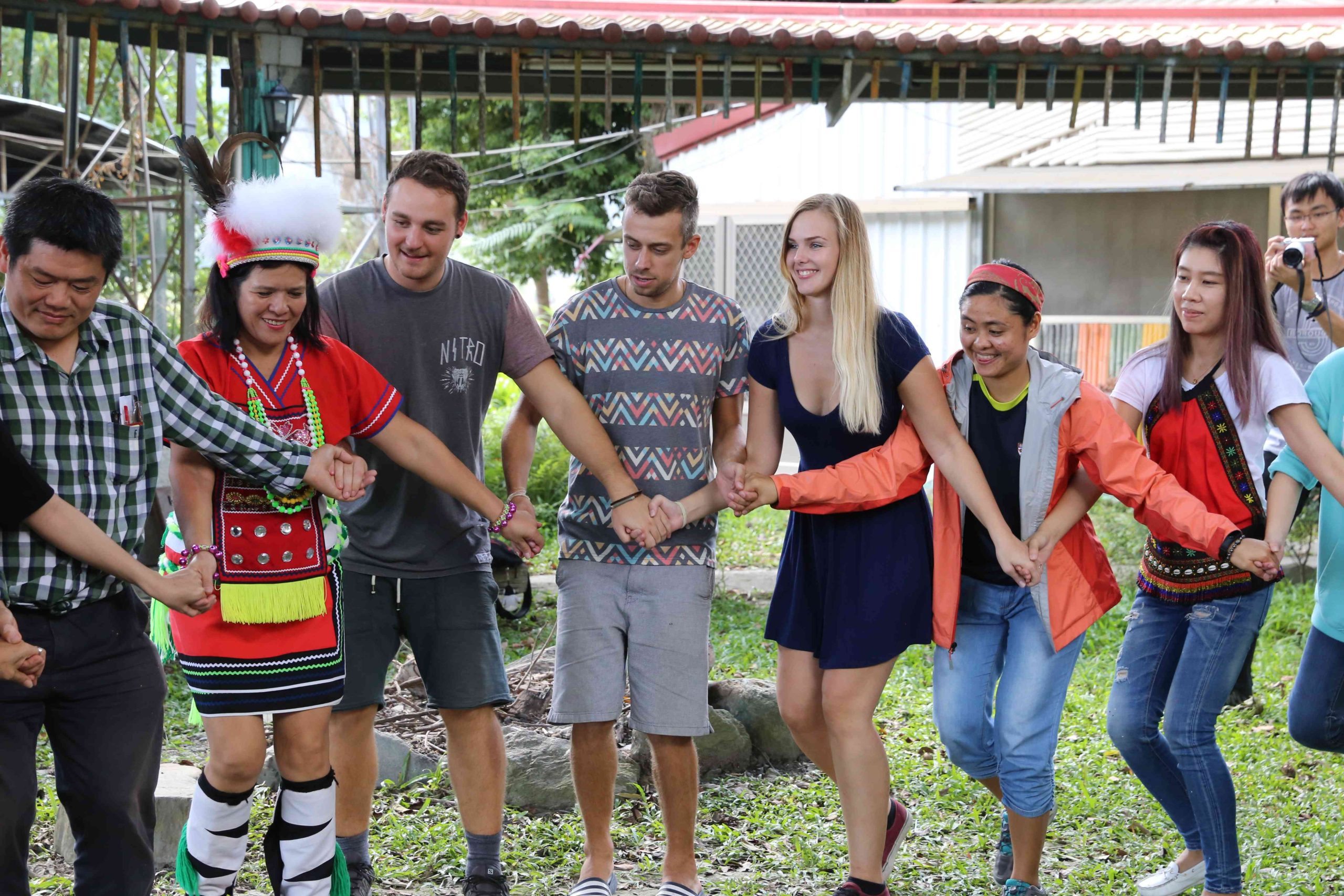
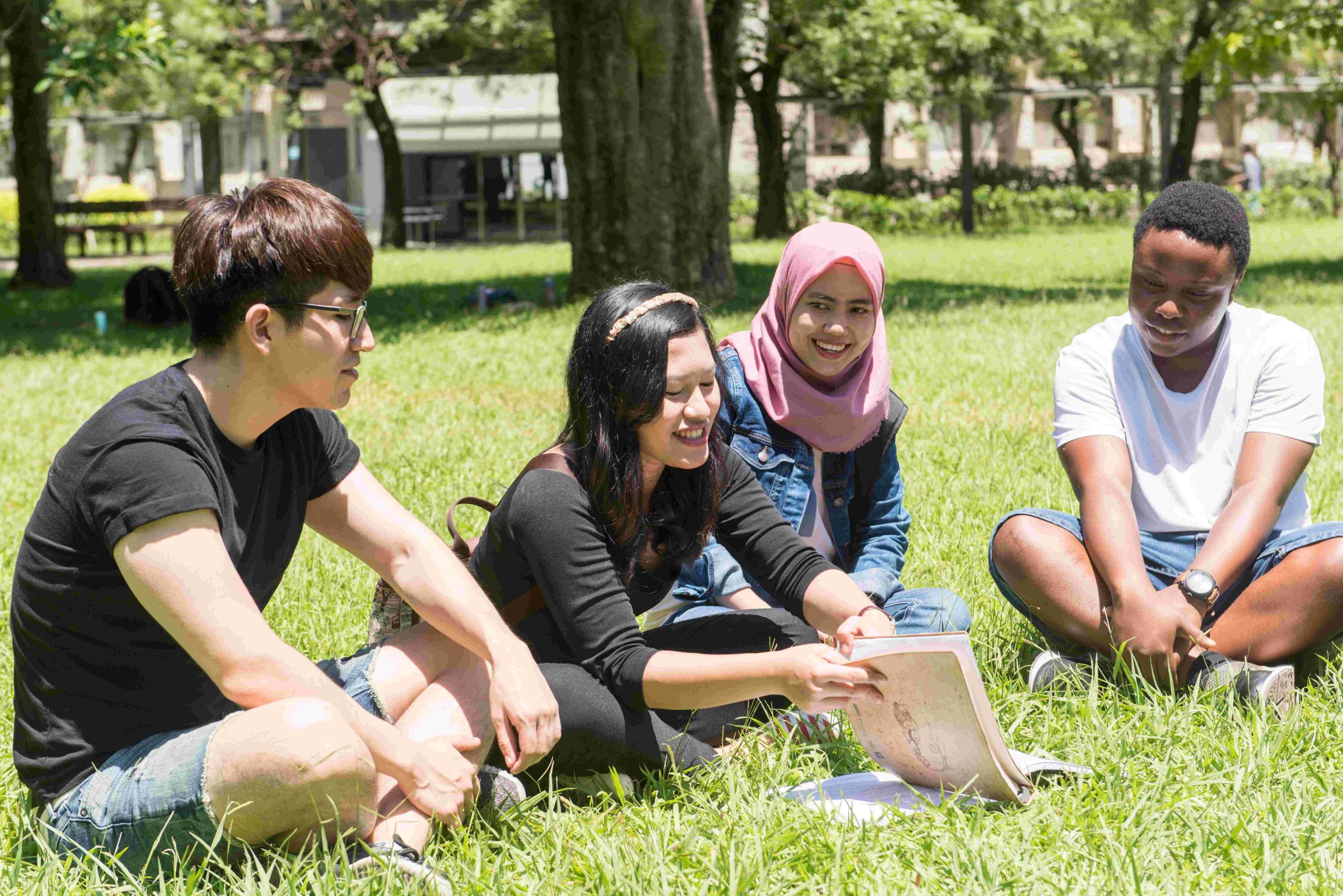
Departments
School Departments and Programs
College of Engineering
College of Electrical Engineering and Computer Science
School of Management
College of Design
College of Liberal Arts and Social Sciences
Photos & Videos
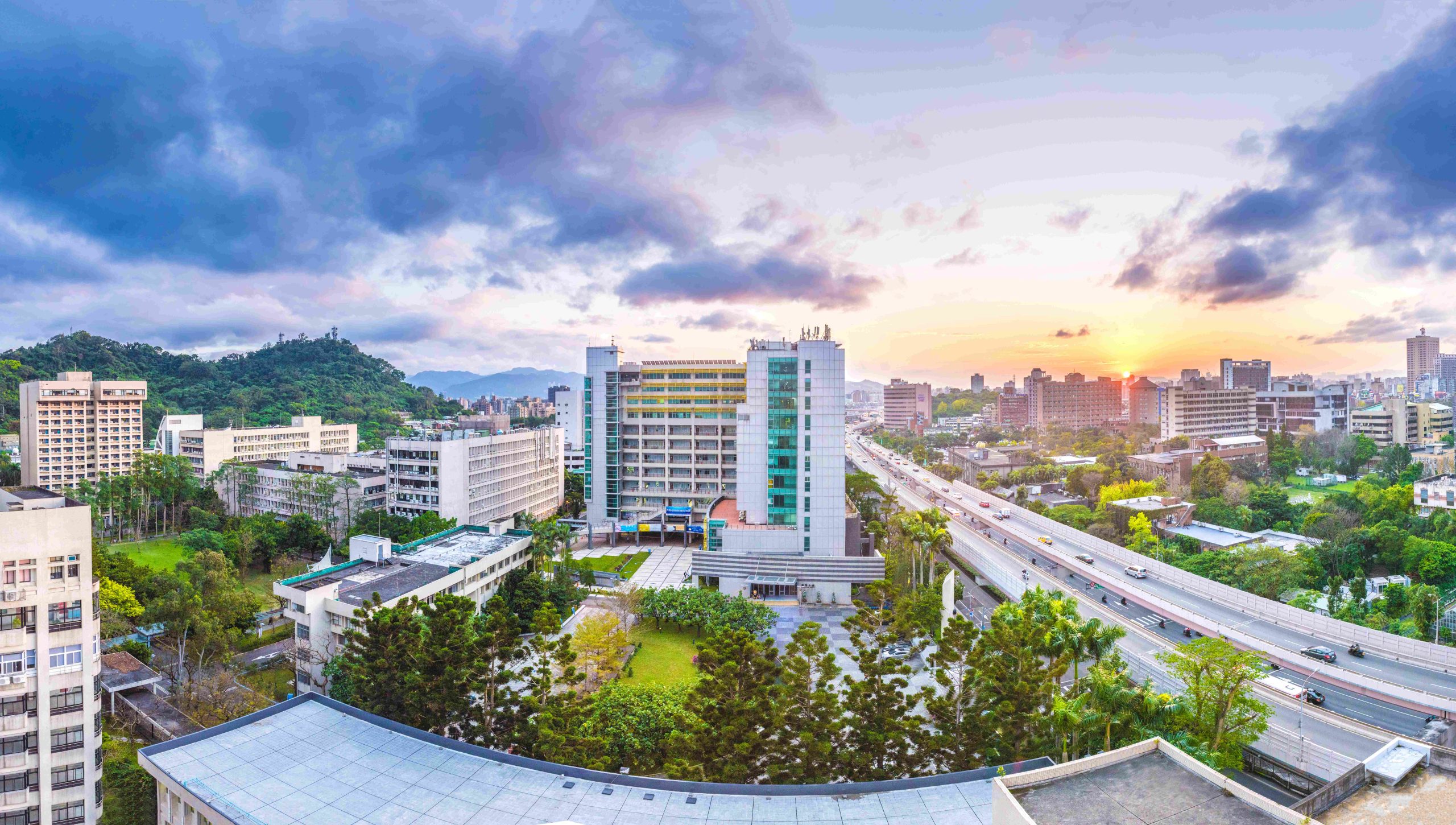
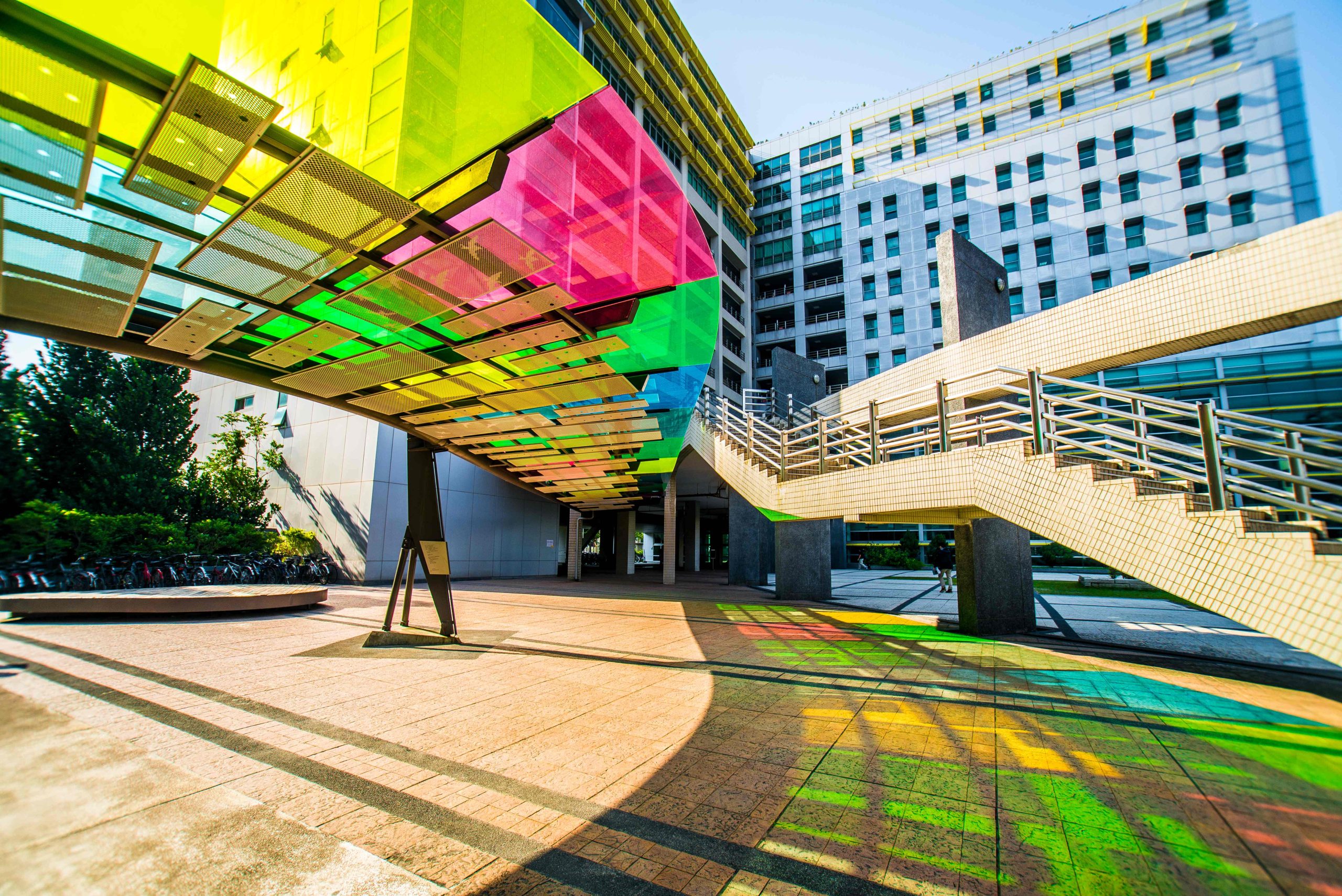
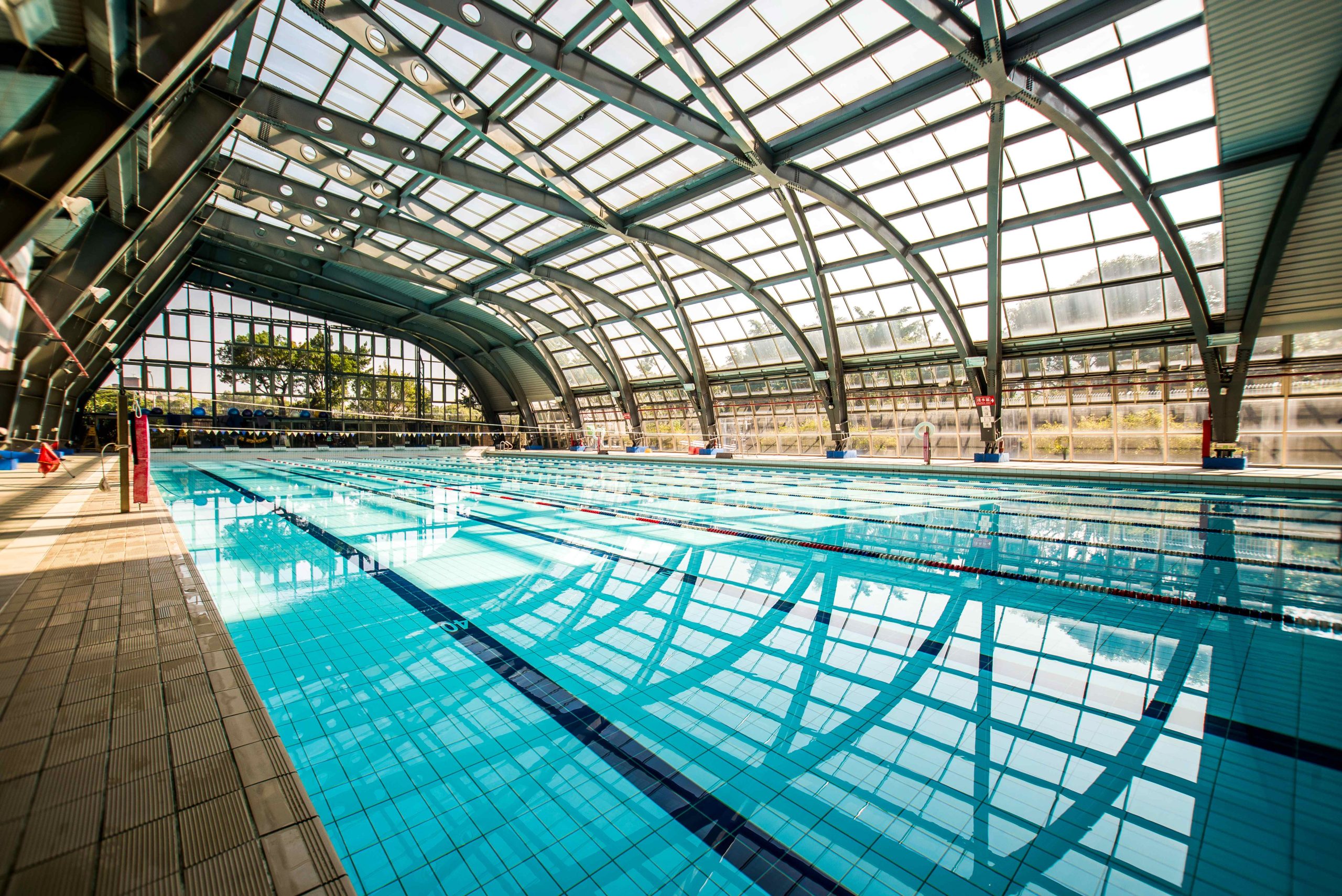
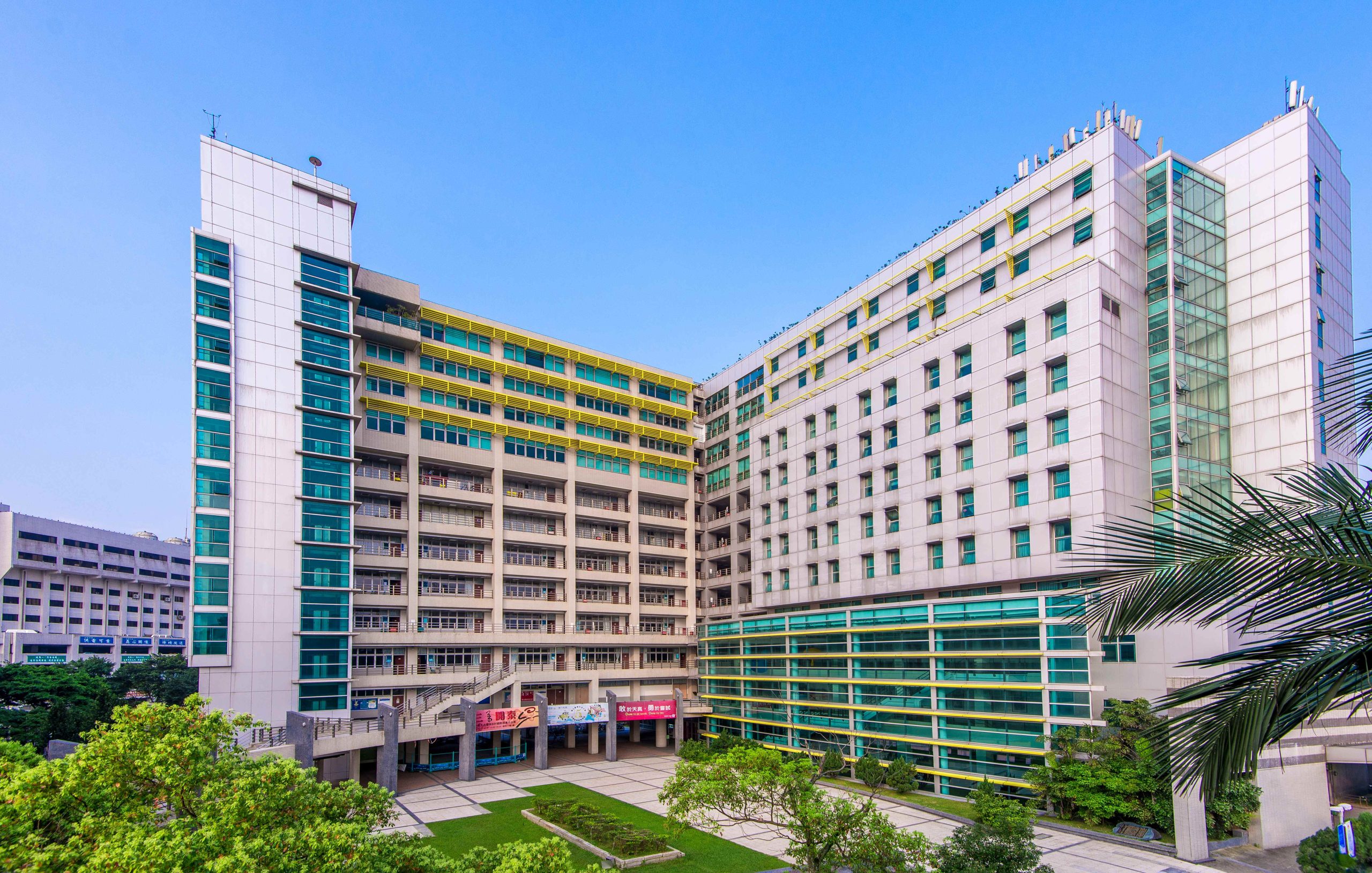
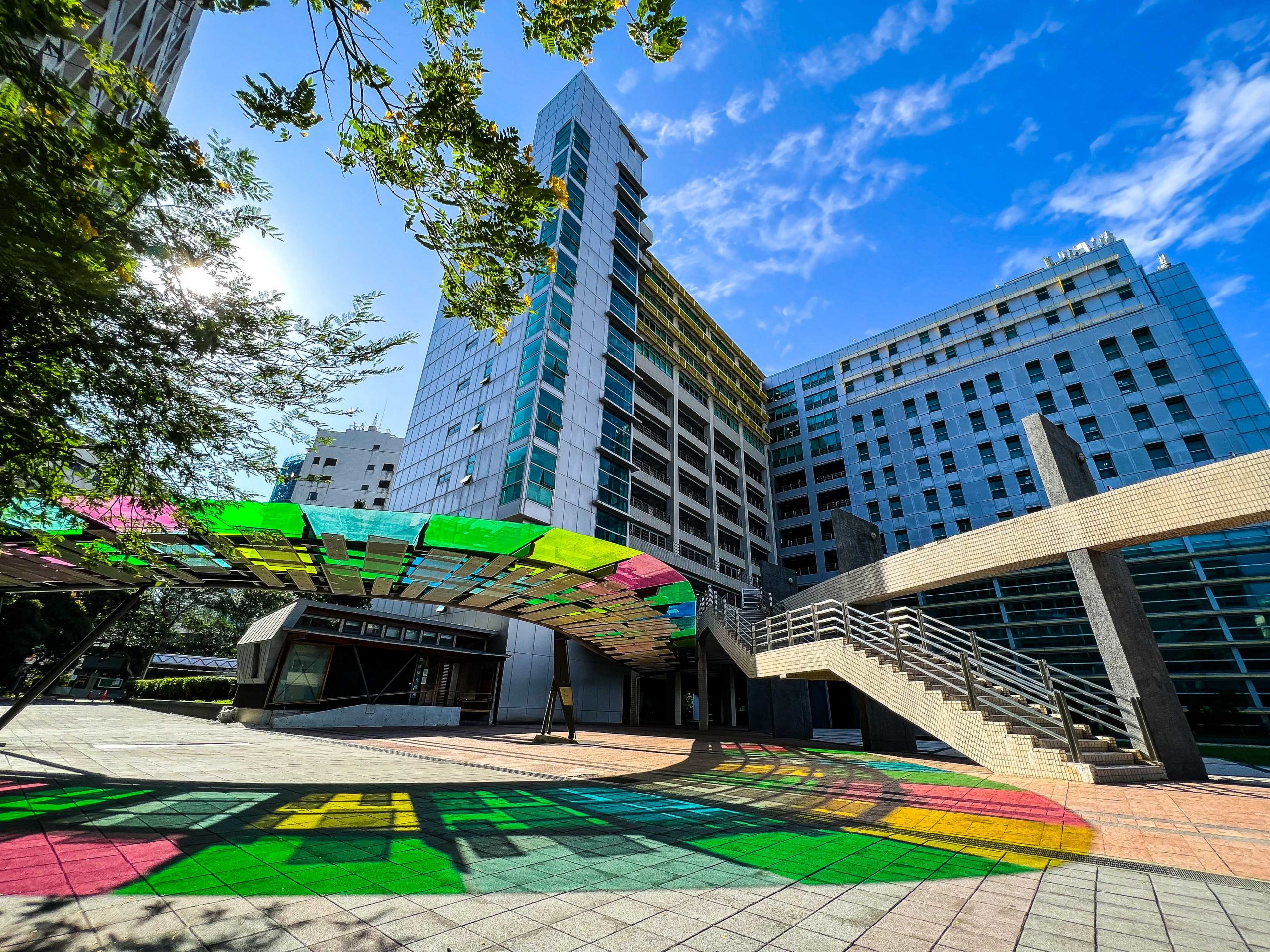
Photos
Videos



Scholarships
Scholarships
|
Scholarships
|
Scholarship Amount
|
Eligibility
|
|---|---|---|
|
Ministry of Education Financial Aid for Economically Disadvantaged Overseas Chinese Students
|
NTD 36,000/YR
|
1. Based on official overseas financial statements or certificates of financial hardship provided by overseas Chinese students. 2. For overseas Chinese students enrolled in the second year or above, applicants must have achieved a passing overall academic average for the previous academic year and must not have received any disciplinary action above a warning at colleges or universities, or above a minor demerit at senior high schools.
|
|
Ministry of Education Outstanding Overseas Chinese Student Scholarship
|
NTD 120,000/YR
|
1. Applicants admitted through the joint admission channel of the University Entrance Committee For Overseas Compatriot Students, who rank among the top five in overall placement scores across all categories and sessions, and whose scores fall within the top 1% of their respective category.
|
|
Overseas Chinese Affairs Committee Work-Study Program for Financially Disadvantaged Overseas Chinese Students
|
NTD 2200
|
1. Based on official overseas financial statements or certificates of financial hardship provided by overseas Chinese students.
|
|
Overseas Chinese Affairs Committee Scholarships for Overseas Chinese Students
|
NTD 5000
|
An overall academic average of 80 or above for the previous academic year, with a Conduct grade of ‘A’ (80 or above) for both semesters.
|
|
Overseas Chinese Affairs Committee Scholarships for Top and Outstanding Overseas Chinese Students
|
NTD 100,000 ~ 260,000/YR
|
Overseas Chinese students who hold a high school diploma or higher, demonstrate excellent academic performance and upright character, and meet the requirements for bachelor’s degree studies in Taiwan under Article 2 of the ‘Regulations Regarding Study and Counseling Assistance for Overseas Chinese Students in Taiwan’.
|
|
Overseas Chinese Association Scholarship
|
NTD 10,000/YR
|
The average academic score in the previous academic year was above 80 points, and the conduct score was above 75 points.
|
|
Overseas Chinese Association Grant
|
NTD 5,000/YR
|
Applicants from economically disadvantaged families or those experiencing a sudden disruption in financial support must have a conduct score of 75 or above.
|
|
Overseas Chinese Association Mr. Shen Changhuan Memorial Scholarship
|
NTD 20,000/YR
|
The overall average academic score is 90 or above and the conduct score is 80 or above.
|
Tuition/Year
|
College Category
|
Tuition/Year
|
|---|---|
|
College of Engineering
|
NTD 56,780/YR
|
|
College of Electrical Engineering and Computer Science
|
NTD 56,780/YR
|
|
College of Design
|
NTD 56,780/YR
|
|
School of Management (excluding Department of Information Management)
|
NTD 49,400/YR
|
|
Department of Information Management
|
NTD 56,780/YR
|
|
College of Liberal Arts and Social Sciences
|
NTD 48,680/YR
|
Living Expenses/Year
Living expenses: NTD 100,000 – NTD 120,000
Accommodation fee: NTD 26,000 – NTD 40,000
School accommodation
|
Dormitory Name
|
Accommodation fee
|
Other Instructions
|
|---|---|---|
|
First dormitory
|
1 semester: NTD 12,500
|
Room type: 6 people shared room
|
|
First dormitory
|
1 semester: NTD 16,000
|
Room type: 4-person suite
|
|
First dormitory
|
1 semester: NTD 27,500
|
Room type: 2-person suite
|
|
Barrier-free room in the first dormitory
|
1 semester: NTD 16,500
|
Room type: 2-person suite
|
|
The 2nd~13th floor of the second dormitory
|
1 semester: NTD 6,500
|
Room type: 6 people shared room
|
|
The 14th floor of the second dormitory
|
1 semester: NTD 7,000
|
Room type: 4-person suite
|
|
Room 15 on each floor of the second dormitory
|
1 semester: NTD 6,600
|
Room type: 4-person shared room
|
|
Third dormitory
|
1 semester: NTD 6,800
|
Room type: 6-person suite
|
|
Barrier-free room in the second and the third dormitory
|
1 semester: NTD 7,100
|
Room type: 3-person (or below) suite
|
|
15th floor of the second dormitory
|
1 semester: NTD 8,500
|
Room type: 6-person suite
|
|
15th floor of the second dormitory
|
1 semester: NTD 10,000
|
Room type: 4-person suite
|
For detailed fees and dormitory photos, please visit the website:
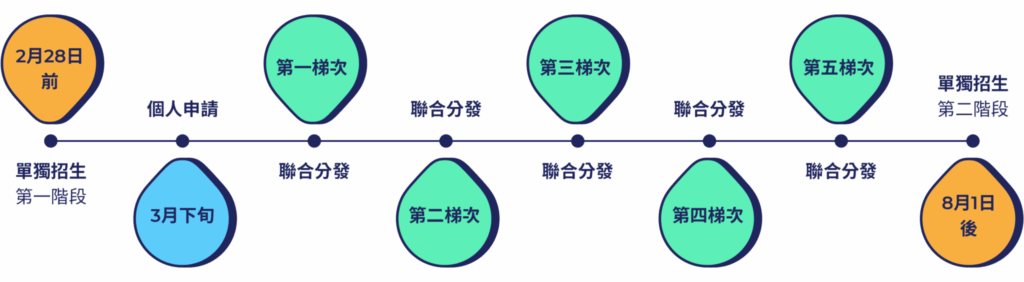
Personal Application
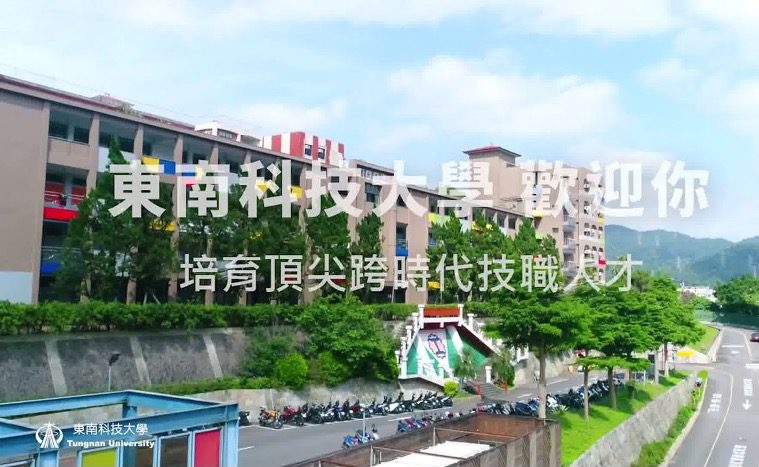
Tungnan University
Information
Address
222304 No. 152, Section 3, Beishen Road, Shenkeng District, New Taipei City
Tuition and Accommodation Fees
Tuition fee NTD/YR 89,420~102,686
Accommodation fee NTD/YR 21,450
Living expenses are NTD/YR 150,000
Social Media
https://www.facebook.com/TNUFB/?locale=zh_TW
Contact Information
02-8662-5948/5949
[email protected]
Introduction
The school was founded in August 1970, formerly known as “Tungnan Junior College of Technology”, and was approved to be restructured into “Tungnan Institute of Technology” on August 1, 2000, and was approved to change its name to “Tungnan University” on August 1, 2007.
In order to ensure the sustainable operation and development of the school, as well as the accurate implementation of the school affairs plan, various business and department adjustments have been made in response to the needs of sustainable development after the name change to the University of Science and Technology, and at the same time, in order to improve the effectiveness of teacher teaching and student learning, the practices and effectiveness indicators of the relevant plans for promoting the development of teaching excellence will be closely linked to the school’s mid-term school affairs development plan, and implement the school’s “students first, teaching paramount”, “Education tailored to individual aptitudes, with equal access to learning for all”The school’s philosophy comprehensively improves students’ learning ability and workplace employability, achieves successful career careers for our graduates, cultivates talents who make positive contributions to society and industry, and establishes the characteristics and reputation of the school.
International Exchange and Cooperation
In order to promote the operation of internationalization, our school has set up an international and cross-strait exchange center under the Research and Development Office in the 100th academic year, actively promoting the signing of cooperation agreements with overseas friend schools, and conducting student exchange and study, overseas high school strategic alliances and other activities. In recent years, due to the increasing vigor of international exchange activities, the frequency of international exchanges between the two sides of the Taiwan Strait, and the increasing diversification of exchange forms, it is urgent to establish a dedicated unit for international affairs in order to further enhance the degree of “internationalization” of the university and integrate relevant resources within the university.
Therefore, in the 2014 academic year, the “International Affairs Office” was established, which was officially operated on February 1, 2015, to oversee the international affairs of the whole school, handle international and cross-strait activities, and provide comprehensive exchange and consulting services between overseas students and overseas scholars, thereby deepening the overall “internationalization” of the campus, enhancing the international vision of teachers and students, and strengthening the international competitiveness and popularity of the school. Our school attaches great importance to the cultivation of students’ international mobility, and has achieved good results in students’ overseas study and overseas internships. On August 1, 2023, the Comprehensive Business Group of the International Affairs Office of the Office was officially renamed the International and Cross-Strait Affairs Office.
Description of scholarships and bursaries for overseas Chinese students and foreign students
1. Types and amounts of student aid
(1) Overseas Chinese and foreign students who apply for the first year of each academic system of the school will receive NTD 20,000per semester in the first academic year. In the second semester of undergraduate and the second semester of graduate school, students who have a total average of 85 points in the previous semester and a total score of less than 85 points in the semester are not allowed to apply for this bursary.
(2) Overseas Chinese and foreign students in the second year or above (hereinafter referred to as overseas Chinese and foreign students, including transfer students), but excluding students who have extended their study period. From the 3rd semester to the 8th semester of the undergraduate department and the 3rd semester to the 4th semester of the graduate school, the bursary is NTD 15,000 per semester. According to the student’s overall average of conduct scores in the previous semester of less than 85 points and the total average score of the semester is less than 85 points, they are not allowed to apply for this bursary.
(3) Transfer students are not eligible to apply in the semester of transfer admission. Applications may be submitted starting from the following semester, in accordance with the regulations applicable to enrolled overseas Chinese and international students.
(4) Students resuming their studies are not eligible to apply in the semester of reinstatement. Applications may be submitted starting from the following semester, in accordance with the regulations applicable to enrolled overseas Chinese and international students.
(5) Applicants must not be recipients of any other scholarships or grants provided by the University.
(6) Applicants who have been approved to receive financial aid under these Regulations and subsequently take a leave of absence, withdraw from the University, or are expelled shall refund a prorated portion of the financial aid for the semester, calculated based on the official date of departure.
(7) Students enrolled in overseas Chinese and international special programs who transfer to regular degree programs are not eligible to apply in the semester of transfer. Applications may be submitted starting from the following semester, in accordance with the regulations applicable to enrolled overseas Chinese and international students.
(8) Applicants who accumulated more than 40 class periods of absences and leaves (excluding official leave) in the preceding semester are not eligible to apply for this financial aid. For students admitted in or before Academic Year 2023 (inclusive), the limit is 50 class periods.
(9) Applicants with any outstanding fees owed to the University are not eligible to apply.
(10) Non-first-time undergraduate students may apply for financial aid for a maximum of eight semesters during their period of study at the University. Non-first-time graduate students may apply for a maximum of four semesters.
2. The budget required for each academic year of this bursary shall be allocated and paid by the school’s tuition and miscellaneous fee income for the current academic year.
Accommodation arrangement instructions
The two student dormitories of our school have a total of about 1,000 beds and can be moved in. The dormitory and bed allocation of dormitory students will be prioritized by the student assistance team, and appropriate adjustments may be requested if there are special circumstances. After students arrive at the school, they should be familiar with and abide by the school’s student dormitory counseling methods and dormitory life conventions. The dormitory work and rest are jointly cared for by class tutors, counselors, counseling instructors and dormitory autonomous cadres, etc., and students with enthusiasm for service are arranged to live in nearby dormitories to assist in daily daily life, so that students can feel warm and adapt to the new school environment as soon as possible.
Fee payment amount (per semester)
(1) Dormitory fee: NTD 10,725 /1 semester for rooms with less than 4 people.
(2) Winter and summer vacation accommodation: Only students who are produced by teachers and overseas students who cannot return to China for special reasons are allowed to apply for accommodation.
(3) Winter and summer vacation fee payment regulations: Accommodation fees are calculated on a weekly basis (NTD 596/week for rooms with less than 4 people), and 1 week fees will be calculated if you do not stay for less than 1 week
Transportation
1. Taipei Railway Station> >Southeast University of Science and Technology
Taipei Main Station (MRT Blue Line) → Exit 3 of Shifu MRT Station→ transfer to bus 912 Zhongxiao Fuxing Station (MRT Brown Line) → Muzha Station→ transfer to bus 251.660.666.679.795.819
2. Xinyi Business District> >Southeast University of Science and Technology
Exit 3 of Municipal MRT Station or Exit 1 of Xiangshan Station→ transfer to bus 912
3. Dazhi and Neihu areas> >Southeast University of Science and Technology
Dazhi or Neihu MRT Station (MRT Wenhu Line) →Muzha Station →transfer to bus 251.660.666.679.795.819)
4. Shilin, Beitou, Tamsui area> >Southeast University of Science and Technology
Shilin, Beitou, Tamsui area (MRT Red Line) → Xiangshan Station Exit 1 → transfer to bus 912
5. Central and Yonghe District> >Southeast University of Science and Technology
Zhongyonghe Area (MRT Orange Line) → Guting Station Exit 4 → transfer to bus 949 Zhongyonghe Area (MRT Orange Line) → Dongmen Station (MRT Orange Line) → Xiangshan Station Exit 1 → transfer to bus 912
6. Banqiao, Tucheng area> >Southeast University of Science and Technology
Banqiao area, train station (MRT Blue Line) → Exit 3 of the Municipal MRT Station→ transfer to bus 912
7. Xinzhuang, Luzhou, and Sanchong areas> >Southeast University of Science and Technology
Luzhou or Xinzhuang MRT Station (MRT Orange Line) → Xiangshan Station Exit 1 (Guide Bus 912)
Alumni
方清兒
Outstanding alumni
Macau
Southeast University of Science and Technology Department of Performing Arts Drama and Dance Performance “Zero” – Dancer
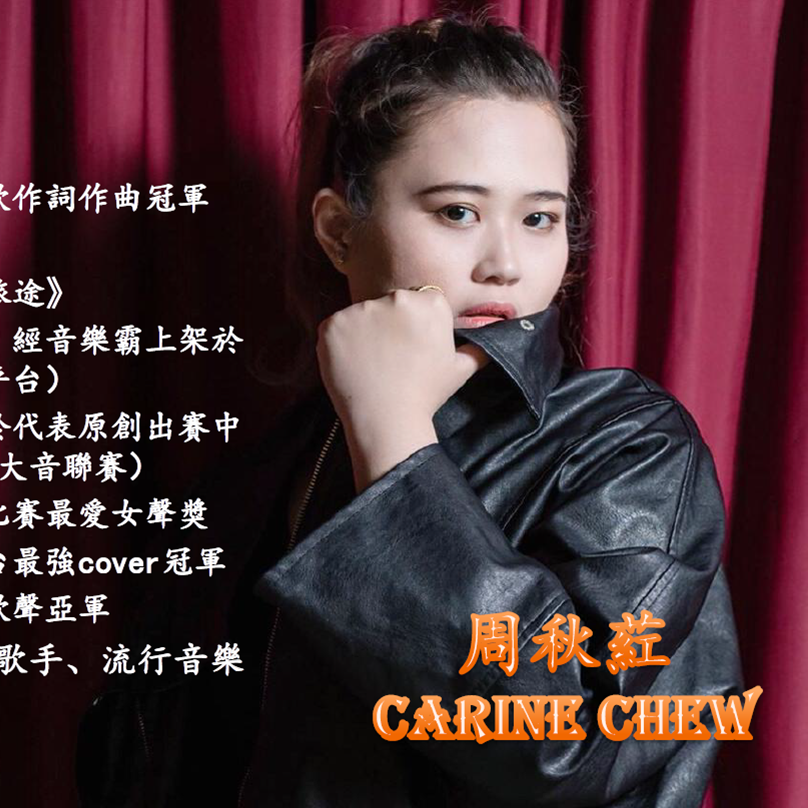
周秋葒
Outstanding alumni
Malaysia
2023 Global Overseas Chinese School Students and Overseas Chinese Students Singing Contest Domestic Overseas Chinese Students Group – Champion
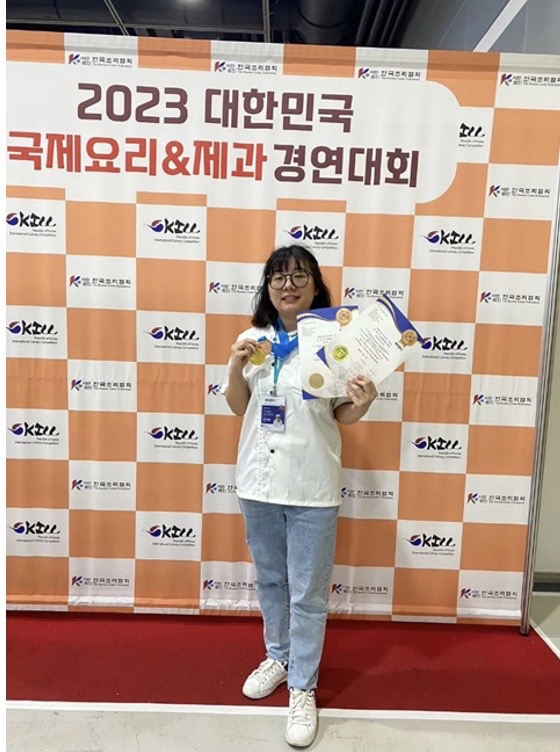
黃惠敏
Outstanding alumni
Myanmar
023 Korea Catering International Competition 1 gold and 1 bronze
Japan International Tourism Product Design Competition 2 gold
Highlights
Promote integrated teaching
Integration teaching is the process of breaking down some important concepts or skills into pieces, integrating related issues into the main curriculum, and transmitting them to students through infiltration to achieve the intangible purpose of education. These related topics can be general knowledge or cross-disciplinary expertise, as well as hot topics or practical cases.
The school encourages teachers to teach students important issues such as basic literacy, core competencies of departments, moral education, and service education through integrated courses.
Build a teaching quality assurance system to improve teaching quality
Students are guided by learning outcomes, and the relationship between educational goals and courses is planned in the course map, allowing students to learn from the department’s courses and understand their career development after graduation.
In addition to implementing placemental, formative, diagnostic and summative teaching evaluation mechanisms, the teaching cycle is improved according to the principle of aptitude, and the “1131” learning measures are implemented, that is, students must obtain 1 service certificate, 1 interdisciplinary course, and 3 types of certificates – foreign language proficiency certificate and professional ability certificate before graduation , information ability certificate, and complete the study requirements of the 1st department to improve learning effectiveness.
In addition, to ensure the quality of teaching at our school, we will actively participate in international education certifications to improve educational quality and align with international standards.
All-round student counseling with attention, care, care and care
“attention” to strengthen students’ learning adaptation, learning early warning and counseling; “care” opens up schoolwork and employment channels for students; To provide students with a high-quality learning environment with “care”; “Care” is used to establish a number of life adaptation counseling mechanisms for students to take care of students’ hearts and lives.
Departments
School Departments and Programs
School of Engineering and Electrical Engineering
Department of Mechanical Engineering (including master’s programs)
Department of Mechanical Engineering, Department of Vehicle Engineering, Department of Electrical Engineering
Department of Electrical Engineering
Master’s Program in Construction Technology and Disaster Prevention (no bachelor’s program)
The Engineering College
School of Hospitality, Leisure and Management
College of Innovation and Design
School of Hospitality, Leisure and Management
Department of Leisure Business Management
Department of Hospitality and Tourism
School of Innovative Design
Department of Digital Media Design
Department of Interior Design
Photos & Videos
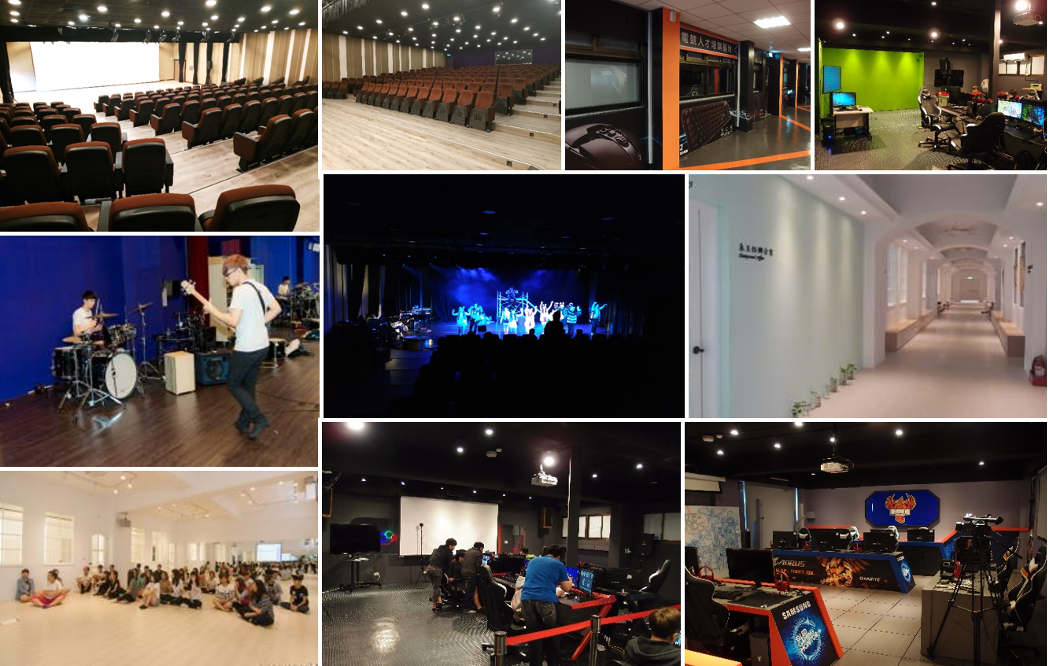
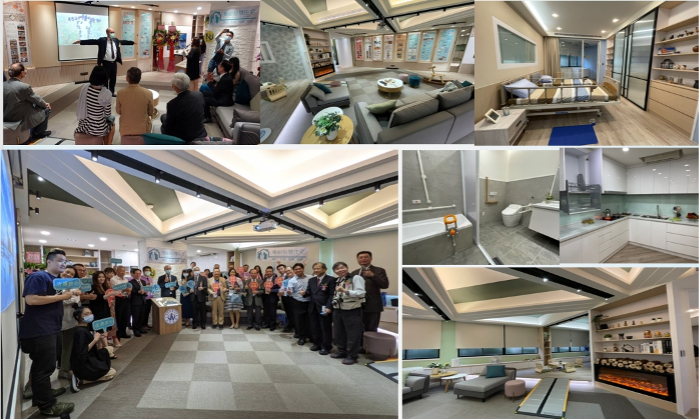
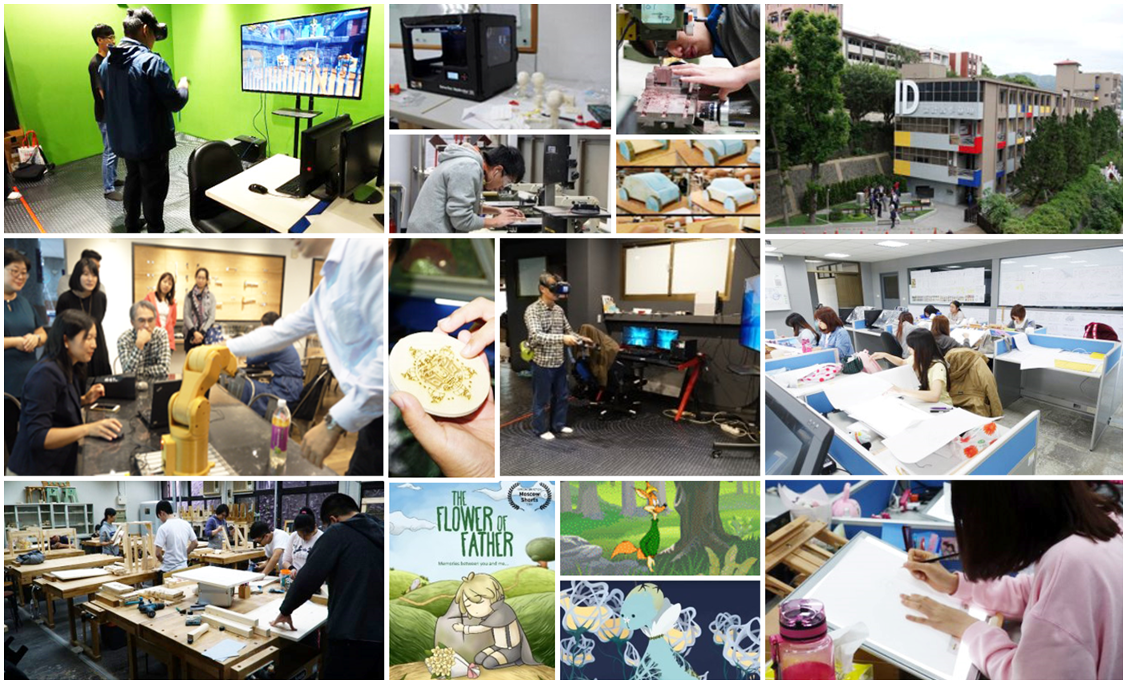
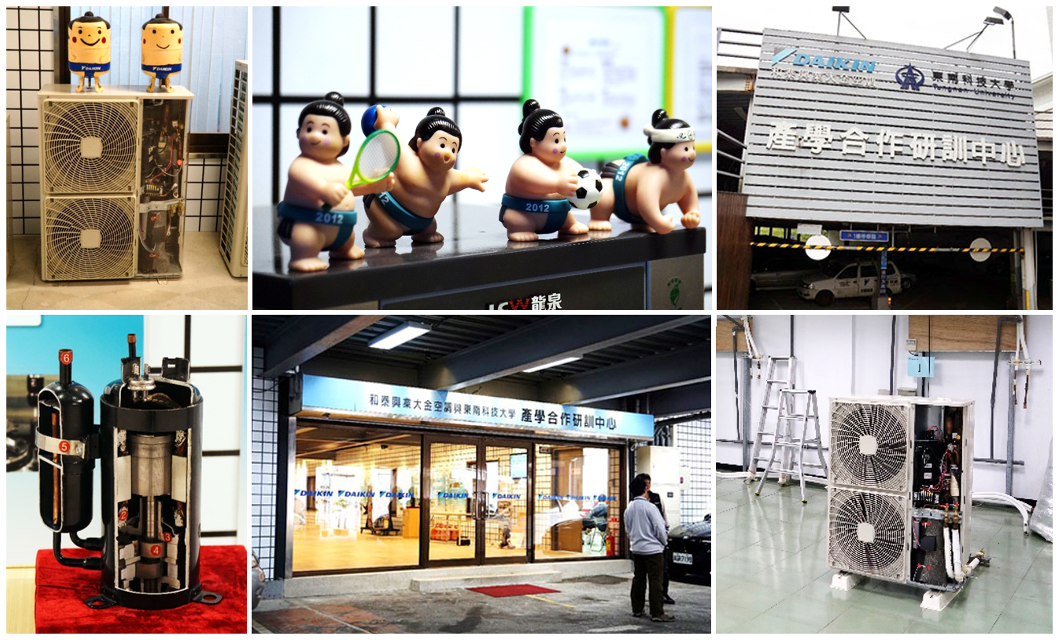
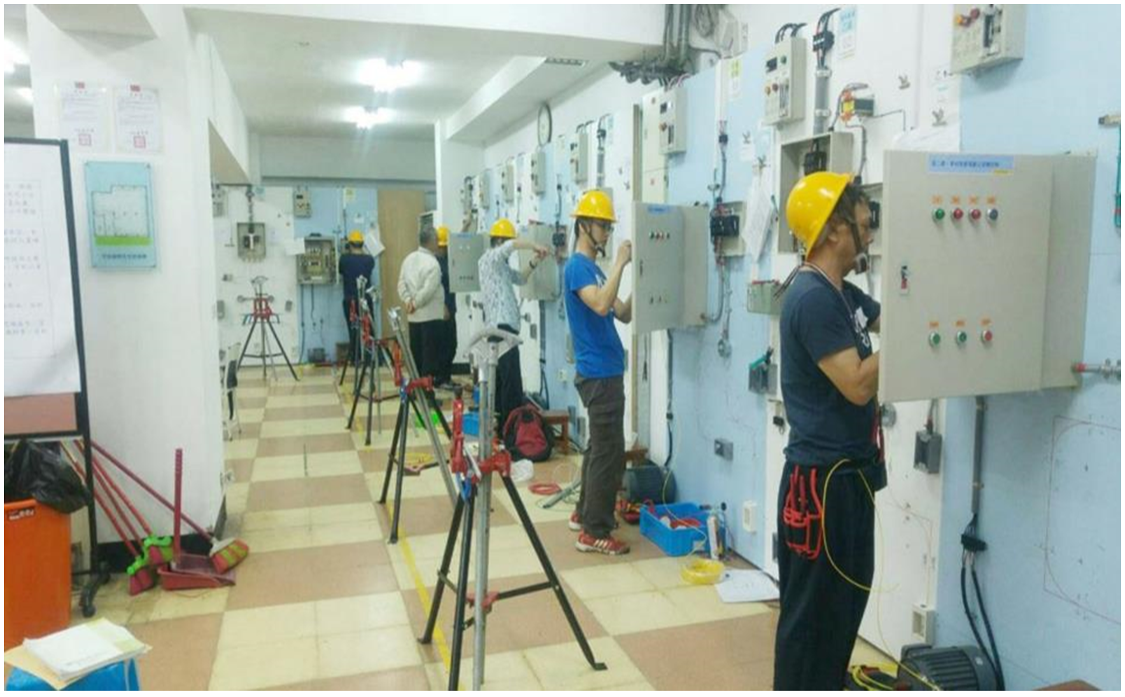
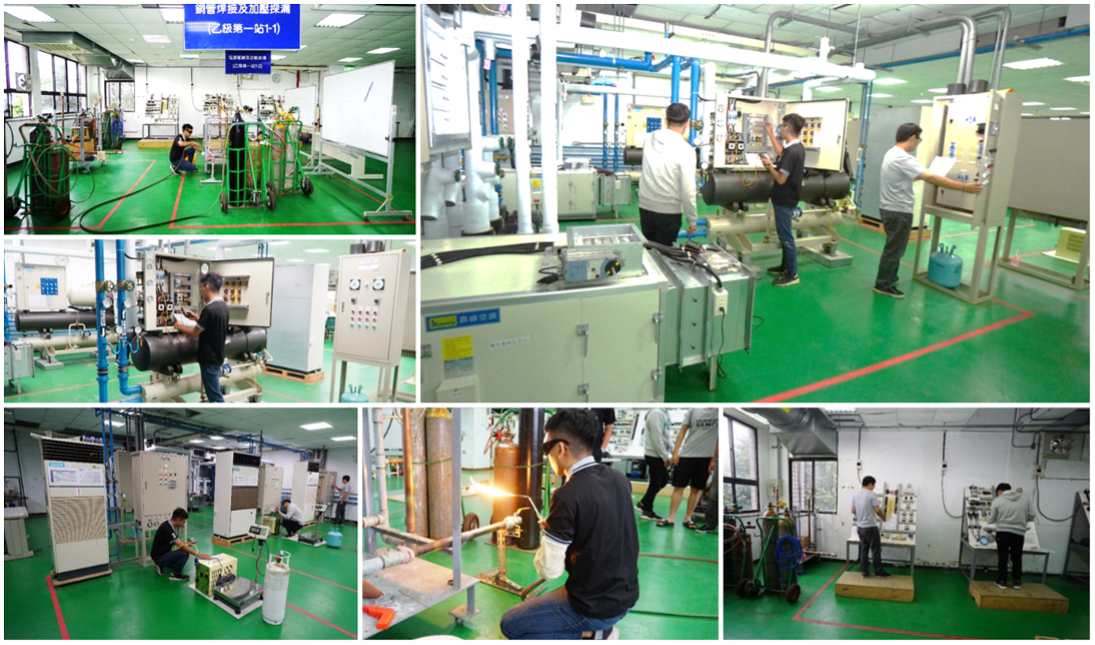
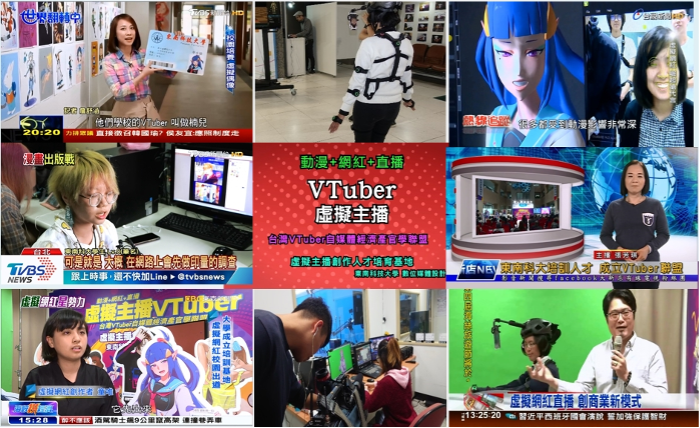
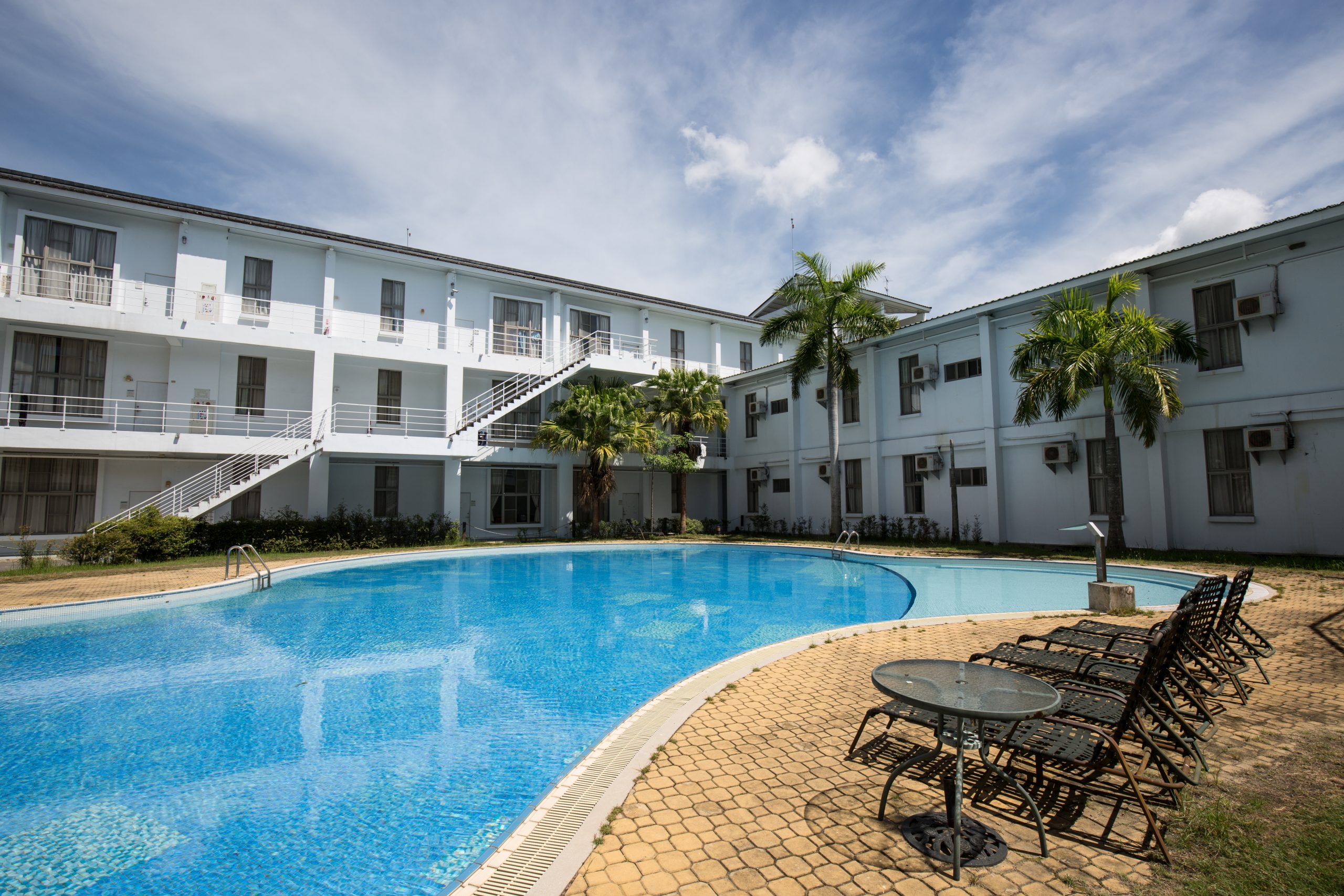
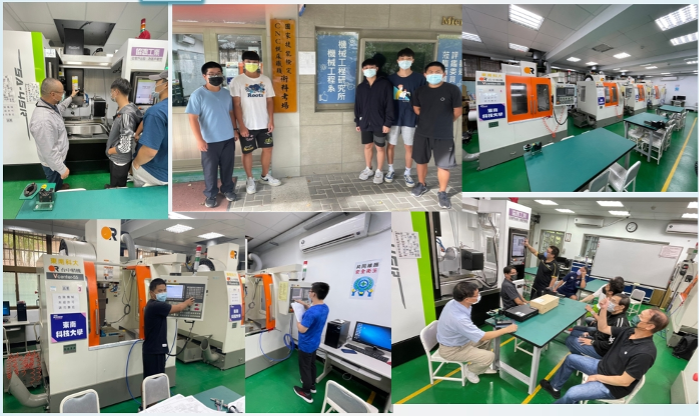
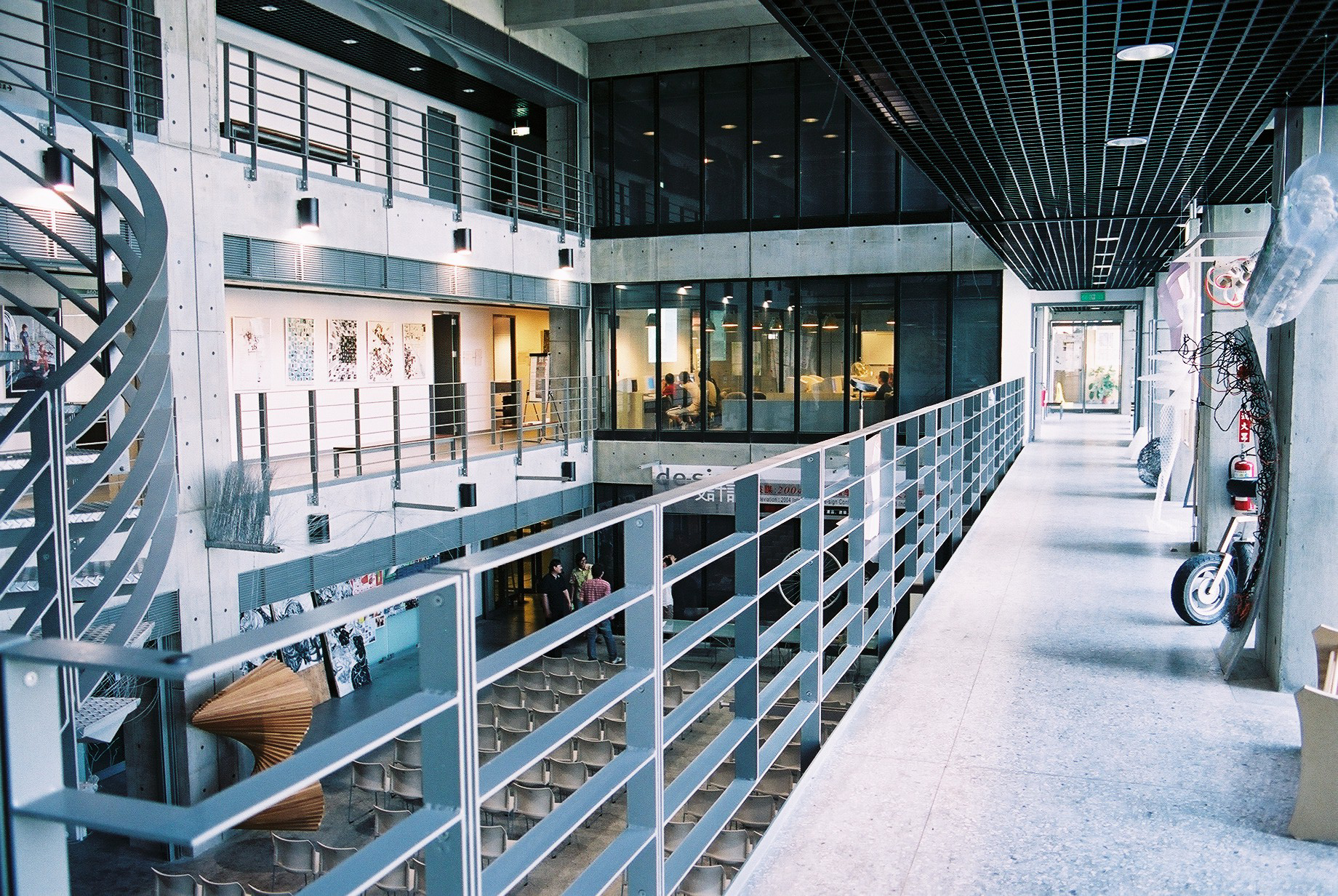
Photos
Videos


Scholarships
Scholarships
|
Scholarships |
Scholarship Amount |
Eligibility
|
|---|---|---|
|
Description of scholarships and bursaries for overseas Chinese students and foreign students |
NTD20,000 |
1. Types and amounts of student aid: (2) Overseas Chinese and foreign students in the second year or above (hereinafter referred to as overseas Chinese and foreign students, including transfer students), but excluding students who have extended their study period. From the 3rd semester to the 8th semester of the undergraduate department and the 3rd semester to the 4th semester of the graduate school, the bursary is NTD 15,000 per semester. According to the student’s overall average of conduct scores in the previous semester of less than 85 points and the total average score of the semester is less than 85 points, they are not allowed to apply for this bursary. (3) Transfer students are not eligible to apply in the semester of transfer admission. Applications may be submitted starting from the following semester, in accordance with the regulations applicable to enrolled overseas Chinese and international students. (4) Students resuming their studies are not eligible to apply in the semester of reinstatement. Applications may be submitted starting from the following semester, in accordance with the regulations applicable to enrolled overseas Chinese and international students. (5) Applicants must not be recipients of any other scholarships or grants provided by the University. (6) Applicants who have been approved to receive financial aid under these Regulations and subsequently take a leave of absence, withdraw from the University, or are expelled shall refund a prorated portion of the financial aid for the semester, calculated based on the official date of departure. (7) Students enrolled in overseas Chinese and international special programs who transfer to regular degree programs are not eligible to apply in the semester of transfer. Applications may be submitted starting from the following semester, in accordance with the regulations applicable to enrolled overseas Chinese and international students. (8) Applicants who accumulated more than 40 class periods of absences and leaves (excluding official leave) in the preceding semester are not eligible to apply for this financial aid. For students admitted in or before Academic Year 2023 (inclusive), the limit is 50 class periods. (9) Applicants with any outstanding fees owed to the University are not eligible to apply. (10) Non-first-time undergraduate students may apply for financial aid for a maximum of eight semesters during their period of study at the University. Non-first-time graduate students may apply for a maximum of four semesters. 2. The budget required for each academic year of this bursary shall be allocated and paid by the school’s tuition and miscellaneous fee income for the current academic year.
|
Tuition and Miscellaneous Fees
|
institute |
Tuition and Fees (NTD/year)
|
|---|---|
|
School of Engineering and Electrical Engineering |
NTD/YR 104,624~106,324
|
|
School of Hospitality, Leisure and Management |
NTD/YR 93,058
|
|
School of Innovative Design |
NTD/YR 106,324
|
Living Expenses
Living expenses: NTD/YR 150,000
Accommodation fee: NTD10,725 (1 semester)
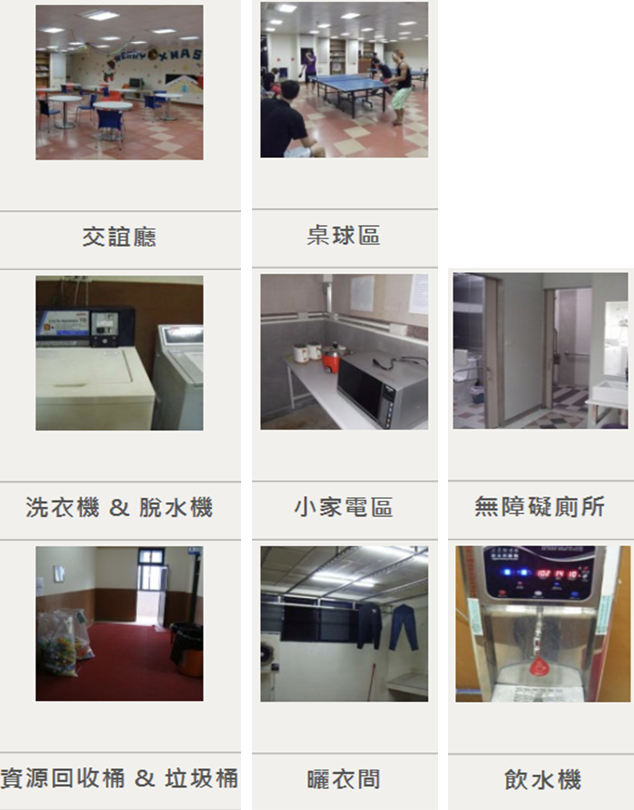
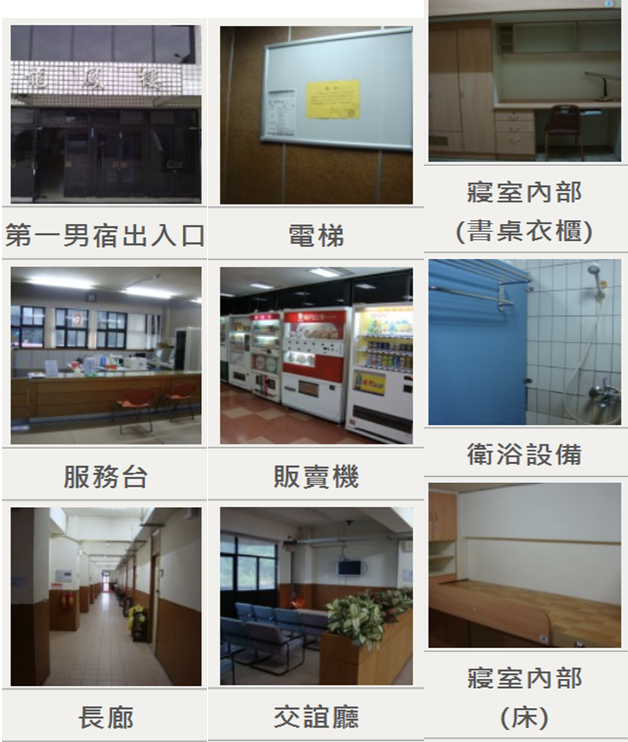
Graphic introduction to the school accommodation environment
|
One semester |
One academic year
|
|---|---|
|
NTD10725 |
NTD21450
|
Pathways
Chihlee University of Technology
Information
Address
No. 313, Section 1, Wenhua Road, Banqiao District, New Taipei City
Tuition and Accommodation Fees
Tuition fees for Master’s Program: NTD/YR 93,522
Tuition fees for Bachelor’s Program: NTD/YR 94,122
Tuition fees for 5-year Junior College Program: NTD/YR 71,220
Dormitory Fee: NTD/YR 19,000~29,000
Living Expenses: NTD/YR 120,000
Social Media
https://www.facebook.com/ChihleeFB
https://www.instagram.com/chihlee.fans/
Contact Information
+886-2-2257-6167 or
+886-2-2257-6168 ext. 4178
[email protected]
Introduction
Our university is an innovative, learning-oriented institution dedicated to cultivating outstanding business professionals with strong practical capabilities. We focus on nurturing talents in business management, international trade and foreign languages, and innovative design, all with a strong global perspective. Located in the heart of the Greater Taipei metropolitan area, the university enjoys the most convenient transportation network in Taiwan.
The university places great emphasis on character education and has been awarded the Ministry of Education’s highest honor in student affairs, the “Friendly Campus” distinction. It has also received multiple recognitions as an Outstanding Institution in Character Education, Service Learning, and Life Education, and is further recognized as a “Three Acts of Goodness Model Campus” by Fo Guang Shan.
In terms of professional competency development, the university has ranked No. 1 nationwide for professional certification attainment for 11 consecutive years, earning strong recognition from both students and parents. Over the past four years, the average freshman enrollment rate has reached 95%, rising to an impressive 99% in the 2024 academic year. The university has produced numerous government and corporate leaders as well as members of parliament, establishing itself as a prestigious institution for elite talent cultivation.
Teaching quality and academic prestige
In the 2023 Technological and Vocational School Affairs Evaluation, all school affairs categories passed the evaluation, and it has won the “Teaching Excellence Project” university for 10 consecutive years (2008-2017), and has won the Higher Education Deep Cultivation Program Award for 6 consecutive years (2018-2023). Among them, in 2023, it reached a record high, winning a subsidy of NTD 86.54 million from the Higher Education Deep Cultivation Program.
In addition, it has won the “Character Education Promotion and Deep Cultivation School” awarded by the Ministry of Education for 12 consecutive years (2011-2022), and has won the Star Master Education Foundation “Three Good Campus Practice School” for 7 times (2014-2016, 2019-2022), and was awarded the Model School.
In the 1111 Job Bank survey in 2024 on the “Most Satisfactory University for Enterprises,” it won the first place in the Taiwan Private University of Science and Technology Group for 9 consecutive years (2016-2024).
In 2020, the College of Business Management won the ACCBE’s highest 5-year Chinese Business Management College certification, and the College of Business Foreign Languages and the College of Innovative Design won the Taiwan Assessment Association’s highest 5-year teaching quality assurance service certification from the “Teaching Quality Assurance Service Program.”
International Certification and Competition
Our students have achieved excellent results in international competitions as follows:
1. In 2018, 2022, and 2024, it won the world champion, runner-up, and third runner-up in the World Cup Computer Skills Competition respectively.
2. Won the International iF Design Award from 2019 to 2024.
3. Won the German Red Dot Brand and Communication Design Award in 2020, 2022 and 2024.
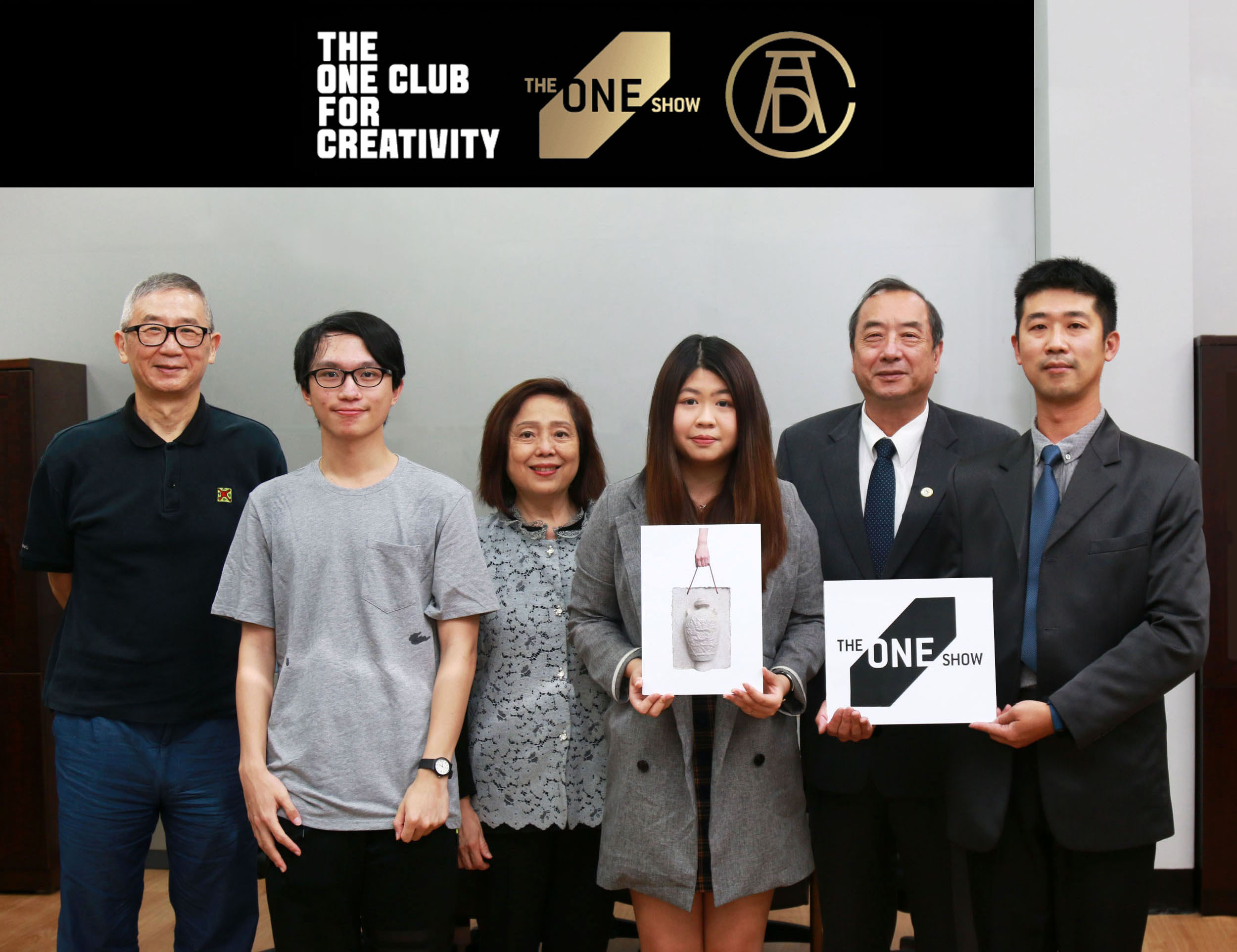
4. Won the Silver Award in the American One Show Interactive Advertising Creative International Student Award in 2022.
5. From 2020 to 2024, it won many awards such as the Global Brand Planning Competition, the Top Marketing and Sales International Marketing Planning Competition champion, and the runner-up.
6. Won gold and silver awards in international invention exhibitions in Japan, Malaysia, Moscow, Poland, Ukraine and other countries.
Graduate Path
1. Dual Degree Programs with Overseas Universities:
Our university currently maintains dual degree collaborations with the following institutions:
- Middlesex University, UK: Five program models are available:
- 3+1 years for a Bachelor’s + MBA dual degree
- 3+15 months for a Bachelor’s + Master’s in International Business dual degree
- 3+1 years for a dual Bachelor’s degree
- 1+1 years for a dual Bachelor’s degree
- 5+2 years for an Associate + Bachelor’s degree
- University of Sunderland, UK: 3+1 years for a dual Bachelor’s degree.
- San Francisco State University, USA: 3+1+1 years, awarding a Bachelor’s degree from our university and an MBA from SFSU.
- Missouri State University, USA: 3+1 years for a dual Bachelor’s degree.
2. Internship and Career Guidance: The university provides counseling and assistance in matching students with internship opportunities and employment in Taiwan.
Degree of Internationalization
At present, we have signed exchange agreements with 128 schools in mainland China, the United States, Japan, Australia, and ASEAN countries such as Vietnam and Thailand, and actively promote international and cross-strait cooperation.
6. Guidance Mechanism for Overseas Chinese, Hong Kong and Macao Students
The university has established a dedicated “Archangel” mentorship system for international students. Each class is also assigned a homeroom advisor to assist with academic guidance. The Office of International and Cross-Strait Affairs provides specialized staff to support overseas Chinese and Hong Kong/Macau students with residency permits, entry and exit procedures, scholarship applications, and other administrative matters, ensuring that students can focus on their studies with peace of mind.
Alumni
林華琴
General Manager of Meipeng Enterprise Co., Ltd.
Hong Kong
Alumnus of the 6th session of our school.
Currently the General Manager of Meipeng Enterprise Co., Ltd. and the President of the Hong Kong Taiwan Women’s Association.
譚康樂
Outstanding Alumnus
Hong Kong
Graduated from our school in 2017.
Currently residing in Taiwan, he used to be an engineer at Wistron Corporation.
潘悧蓉
Best Paper Award at the International Business and Management Practice Seminar
Malaysia
Graduated from the Service Industry Management Master’s Program, Department of Business Administration, our school in 2020.
In 2019, he won the Best Paper Award at the Taipei University of Business Academic Forum – International Business and Management Practice Seminar (National Forum).
王雪婷
Venture Grab, Co-founder and Chief Marketing Officer of the Entrepreneurship Platform
Malaysia
Co-founder and Chief Marketing Officer of Venture Grab, an entrepreneurial platform
何俊樺
Director of the Guidance Office of Foon Yew High School
Malaysia
Director of the Student Affairs Department of Foon Yew High School, Johor Bahru
許環偉
Director of the Counseling Office of Yik Chiao High School
Malaysia
Director of the Counseling Department of Yik Chiao Secondary School, Perak
吳鄢如
Director of the Propaganda and Education Office of Yik Chiao High School
Malaysia
Director of the Religious Education Department of Yik Chiao Secondary School, Perak
鄭雅君
Deputy Director of the Student Affairs Office and Head of the Counseling Group of Kuan Cheng High School
Malaysia
Deputy Director of the Student Affairs Office and Head of the Counseling Group of Kuan Cheng High School
Highlights
1. The Most Well-Known Business University
Founded 60 years ago, it has a long history and is a well-known brand and teaching excellence university in Taiwan for cultivating business management talents.
2. The Most Innovative Teaching Methods
Through innovative teaching methods such as MOOCs, Virtual Reality VR, and Big Data, we train well-rounded talents who integrate online and offline resources.
3. Students Have the Most Global Mobility
Adaptive counseling and teaching, using technological management hard power + workplace ethics soft power to cultivate students with the international ability to travel around the world.
4. The Most Intelligent and Friendly Campus
Integrate digital and mobile mechanisms to build a smart learning environment and create an efficient, convenient, and friendly campus.
5. Located in the City Center with the Most Convenient Transportation
Located in the metropolitan center, it is the most convenient university in Taiwan in terms of transportation. It has diverse and rich functions for studying, internships, employment, and life.


Main Departments
暫無系所資料
與俄羅斯阿基米德發明展金牌暨羅馬尼亞國際特別獎獲獎師生合影.jpg)
與2023年IF設計獎獲獎師生合影-1-scaled.jpg)


Scholarships
Scholarships
|
Scholarships |
Scholarship Amount |
Eligibility
|
|---|---|---|
|
Scholarships for International Students |
Up to NTD/YR 71,000 |
1. Eligibility: Mainly for overseas Chinese students. 2. Overseas Chinese students submit applications, which are reviewed and approved by the Internationalization Scholarship Review Committee. 3. Other information: There are various scholarships and grants in the school, and applications can be submitted every September.
|
|
Ministry of Education Scholarship for Poor Overseas Chinese Students |
NTD/YR 36,000 |
1. Eligibility: Primarily for overseas Chinese students and students from Hong Kong and Macau. 2. Application Procedure: Every year in October, the Ministry of Education announces the approved quota. Applicants must submit an application form along with the evaluation sheet, and applications are ranked based on the review results before being submitted to the Ministry. 3. Additional Information: The scholarship provides NTD 3,000 per month per student, totaling NTD 36,000 per year. Payments are distributed in two periods: September–December and January–August. For fourth-year students, the second-period disbursement covers only January–June. 4. Regulation: Administered in accordance with the Ministry of Education Guidelines for Financial Assistance to Economically Disadvantaged Overseas Chinese Students at Senior High Schools and Above.
|
|
Overseas Community Affairs Council Scholarship for Overseas Chinese Students with Excellent Academic Performance |
NTD/YR 5,000 |
1. Eligibility: Overseas Chinese, Hong Kong and Macao students above the second grade, with an average academic score of 80 points per semester in the previous academic year; a conduct score of 80 points per semester 2. Application method: Submit the application form, transcript of the previous academic year, and a copy of the residence permit within the announced deadline. 3. Other information: Scholarship of NTD 5,000 and a certificate. 4. Regulations: Key Points for the Issuance of Scholarships for Overseas Chinese Students with Excellent Academic Performance by the Overseas Community Affairs Council.
|
|
Overseas Community Affairs Council Scholarship for Graduating Overseas Chinese Students with Excellent Academic Performance |
NTD/YR 1,000 |
1. Eligibility: Graduating students, with an average academic score of 80 points in seven semesters from freshman year to the first semester of senior year, and a conduct score of 80 points 2. Application method: Submit transcripts of previous years within the announced deadline 3. Other information: Scholarship of NTD 1,000 and a certificate
|
|
Overseas Community Affairs Council Accepts Donated Scholarships |
The amount of scholarships each year is based on the amount donated by the Overseas Community Affairs Council. |
1. Eligibility: Overseas Chinese, Hong Kong and Macao students above the second grade, with an average academic score of 75 points per semester in the previous academic year; a conduct score of 80 points per semester (students who attach proof of financial hardship will be given priority) 2. Application method: Submit transcripts of previous years within the deadline announced by the office. Other information: The scholarship is based on the final review and award of the scholarship donated by the Overseas Community Affairs Council, and a certificate. 3. Regulations: Guidelines for the Overseas Chinese Students Scholarship Sponsored by Donations, Administered by the Overseas Community Affairs Council
|
Tuition and Miscellaneous Fees
Tuition and fees: NTD 91,820
Living Expenses
Living expenses: Approximately NTD 8,000~10,000 per month
Accommodation fee: NTD 19,000 ~ 29,000
|
One semester |
One academic year |
Other Notes
|
|---|---|---|
|
NTD 9,500~14,500 |
NTD 19,000 ~ 29,000 |
Guaranteed Accommodation for Overseas Chinese, Hong Kong and Macao Students
|
Pathways
Tamkang University
Information
Address
No.151, Yingzhuan Rd., Tamsui Dist., New Taipei City 251301, Taiwan (R.O.C.)
Tuition and Accommodation Fees (per year)
Tuition: NTD 93,760~112,180
Dormitory Fee: NTD 25,000~50,000 (Off-campus Rental: NTD 60,000~100,000)
Living Expenses: NTD 150,000~200,000
Social Media
Contact Information
Admissions Strategy Center, Office of Academic Affairs, Tamkang University
TEL: +886-2-26215656 #3567
Email: [email protected] /[email protected]
Introduction
Founded in 1950, Tamkang University (TKU) upholds the educational philosophy of “internationalization, information-oriented education, and future-oriented education” advocated by Founder Chang Chien-pang. Through four stages of development and construction: “foundation,” “positioning,” “promotion,” and “transformation,” it has built an integrated campus of Tamsui, Taipei, Lanyang, and the Internet, forming a stable foundation for Tamkang.
Tamkang University is committed to achieving the medium- and long-term vision of “Co-creating Greater Tamsui, Intelligent Great Future,” and is moving towards the school development goals of “AI+SDGs=∞” and “ESG+AI=∞,” to build Tamkang University into an international, smart, future-oriented, sustainable cloud university city.
With approximately 320,000 alumni in various fields demonstrating immediate combat effectiveness in the workplace, Tamkang University has been ranked first among private universities for 28 consecutive years in the 2025 Cheers magazine survey of “Top University Graduates Favored by 2000 Major Enterprises.”
Our school, founded over 75 years ago, cultivates students with a focus on the Five Disciplines within the Three Main Areas and Eight Core Competencies. With forward-looking thinking that keeps pace with the times, we have a sound Tamkang DNA. In the future, we will continue to cultivate talents most favored by enterprises, carry on the excellent Tamkang culture, and, with the support of alumni around the world, jointly create a world-class, exquisite, and outstanding comprehensive university.
International Exchange and Cooperation
1. Established the “Vice President for International Affairs,” “Office of International and Cross-Strait Affairs,” “Committee for Internationalization and International Exchange,” and “Cross-Strait Academic Cooperation Project Team” to formulate and implement the school’s internationalization strategy.
2. Since establishing the first sister school with Chuo Gakuin University in Japan in 1968, we have established sister school partnerships with 285 international and mainland schools in 45 countries.
3. Since 1994, we have been promoting the “Junior Year Abroad Program,” and have cumulatively sent 9,516 students to study abroad.
4. Conduct student exchanges with 218 sister schools, and signed 45 dual degree cooperation agreements with 29 sister schools in 9 countries.
5. Develop overseas training programs for faculty and staff, encouraging or subsidizing teachers and students to go abroad for exchanges and learning.
6. Provide students with diverse international learning programs: exchange student programs, junior year abroad, dual degree programs, short-term study, camp activities, experiential internships, international volunteers, NGO activities, international youth conferences or competitions, etc.
7. Offer English enhancement courses and hold study abroad experience salon lectures, intercultural lectures, cross-cultural communication workshops, etc., to help students who are interested in studying abroad to have professional knowledge and enhance their international perspective and literacy.
8. Sister schools customize camps and feature-themed physical or online short-term courses to deepen local connections and promote campus internationalization.
境外生輔導機制
1. Dedicated counselors provide students with comprehensive and thoughtful counseling, assistance, and services.
2. Orientation for new students: Explaining regulations related to overseas students and residence, entry and exit, work-study, scholarships for underprivileged students, health insurance, etc.
3. Accommodation counseling: Reserving some dormitory beds and providing off-campus accommodation information.
4. Caring seminars: Holding face-to-face small group counseling and providing career planning information.
5. Academic counseling: Helping students solve academic problems and arranging small class or one-on-one tutoring.
6. Peer counseling: Senior students assist freshmen with their daily lives in Taiwan and help them adapt to life in Taiwan.
7. Providing scholarships: Providing entrance scholarships, as well as scholarships and work-study opportunities for current students.
8. Psychological counseling: Providing professional counseling to students in need to help them solve psychological problems.
9. Career counseling: Inviting business people to the school to share their career experiences and integrating employment resources to achieve the goal of making the best use of talent.
Alumni
麥業成
Elite Alumni of Tamkang University
Hong Kong
Elite Alumni of Tamkang University
Received the Tamkang Golden Eagle Award in 2014
Current Vice President of the Tamkang University Hong Kong Alumni Association (18th to 19th)
Current Honorary President of the Federation of Hong Kong Alumni Associations of Taiwan Universities
Vice Chairman of the Yuen Long District Council (2021.7.12)
葉雅琴
Honorary President of the Federation of Hong Kong Alumni Associations of Taiwan Universities
Hong Kong
Honorary President of the Federation of Hong Kong Alumni Associations of Taiwan Universities
President of the Federation of Hong Kong Alumni Associations of Taiwan Universities (2017-2019)
Vice President of the 10th World Federation of Taiwan Alumni Associations
Founded the Taiwan Universities Education Exhibition (Hong Kong) in 2017
Former President of the Tamkang University Hong Kong Alumni Association (14th to 16th)
梁宗榮
Supervisor of the Tamkang University Hong Kong Alumni Association
Hong Kong
Current Supervisor of the Tamkang University Hong Kong Alumni Association (18th to 19th)
Former President of the Tamkang University Hong Kong Alumni Association (17th)
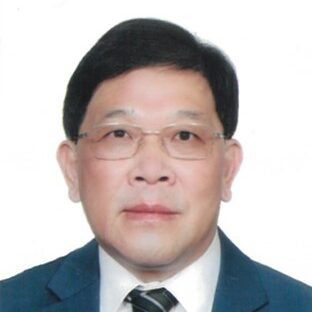
賴志文
President of the Tamkang University Hong Kong Alumni Association
Hong Kong
Executive Director of Man Shi Jia Property Services Limited
Member of the Registration and Appeal Committee of the Urban Renewal Authority of Hong Kong
Member of the Training and Education Committee of the Hong Kong Qualifications Framework
Member of the Focus Group of the Hong Kong Property Management Authority
Secretary-General of the 7th Council of the Hong Kong Federation of Property Management
Specially Invited Director of the Hong Kong Property Services Alliance
Secretary-General of the Hong Kong Institute of Housing
Member of the Appeal Committee of the Property Management Authority of the Hong Kong Home Affairs Department (2020-2023)
President of the 5th Council of the Hong Kong Federation of Property Management (2018-2020)
Secretary-General of the Hong Kong Federation of Property Management (2012-2018)
Current President of the Tamkang University Hong Kong Alumni Association

李小娟
Distinguished Alumni
Hong Kong
Current President of the Tamkang University Hong Kong Alumni Association (18th to 19th)
APSCA / Professional Assessment Examiner (2020 to present)
KiK Textilien und Non-Food Gmb / Senior Sustainability Consultant (2018-2023)
ALDI Services Asia Limited / Asia Pacific Director of Sustainability (2013-2017)
s.Oliver Asia Limited / Senior Manager of Sustainability Asia Pacific (2011-2013)
The Walt Disney Company Asia Pacific Limited / Asia Pacific Manager of International Labor Standards (1997-2011)
張嘉寅
President of the Tamkang University Alumni Association of Macao
Macao
Photographer, Macao Special Administrative Region Government Information Bureau
President of the Tamkang University Alumni Association of Macao
李振聲
Outstanding alumni
Macau
Chief Senior Technician, Macao Housing Bureau
Vice President of the Tamkang University Alumni Association of Macao
周頌偉
Outstanding alumni
Macau
Chairman of the Tamkang University Alumni Association of Macao
季明君
Outstanding alumni
Macau
Supervisor of the Tamkang University Alumni Association of Macao

李子松
Dato’
Malaysia
Honorary President of the Federation of Alumni Associations of Taiwan Universities, Malaysia
Consultant, Overseas Community Affairs Council, Republic of China
Group Chairman, SQC Strategic Quality Management Consultant Co., Ltd.
President of the 10th World Federation of Taiwan Alumni Associations
Winner of the 1st “Global Outstanding Alumni Award from Taiwan”
Chairman of the Sanda Group
Received the Tamkang Golden Eagle Award in 2012
Advisor, Federation of Tamkang University Alumni Associations in Southeast Asia
巫曉微
Vice Principal, Han Chiang High School, Penang, Malaysia
Malaysia
Vice Principal, Han Chiang High School, Penang, Malaysia
黎鎮光
Principal, Yuh Cai Independent High School, Perak, Malaysia
Malaysia
Principal, Yuh Cai Independent High School, Perak, Malaysia
楊麗絲
Outstanding alumni
Malaysia
Former Vice Principal, Poi Lam High School, Malaysia
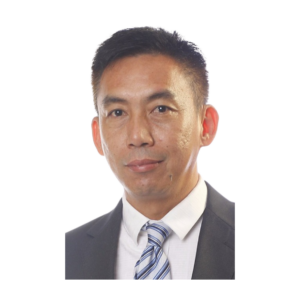
彭慶和
President of the Federation of Alumni Associations of Taiwan Universities, Malaysia
Malaysia
Honorary President of the Federation of Tamkang University Alumni Associations in Southeast Asia
Received the Tamkang Golden Eagle Award in 2025
陳棏義
Outstanding alumni
Malaysia
Advisor, Tamkang University Alumni Association in Malaysia
袁家宏
Outstanding alumni
Malaysia
Advisor, Tamkang University Alumni Association in Malaysia
Vice President of the Federation of Tamkang University Alumni Associations in Southeast Asia
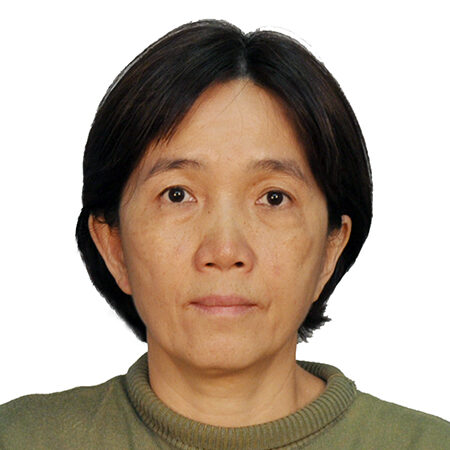
何子瑜
President of the Tamkang University Alumni Association in Malaysia
Malaysia
President of the Tamkang University Alumni Association in Malaysia
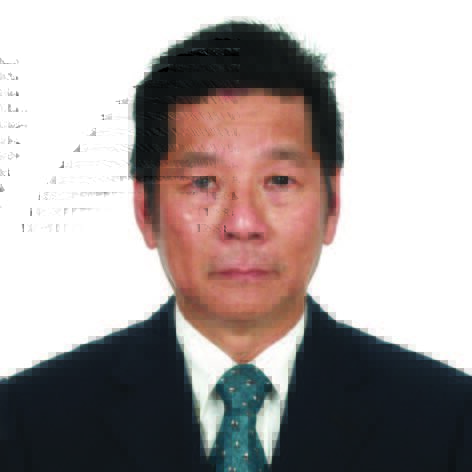
呂世典
Elite Alumni of Tamkang University
Indonesia
Advisor, Federation of Alumni Associations of Taiwan Universities, Indonesia
Advisor, Tamkang University Alumni Association in Indonesia
Chairman, Jakarta Kinmen Mutual Aid Foundation, Indonesia
Chairman of the Indonesian Chinese Association
Chairman of the Indonesian Chamber of Commerce and Industry
Honorary Chairman, Indonesian Hokkien Association
Advisor, Federation of Tamkang University Alumni Associations in Southeast Asia
Director, PT. PRIMA MANUNGGAL INTI INTERNUSA, Indonesia
賴律宋
Outstanding alumni
Indonesia
Advisor, Tamkang University Alumni Association in Indonesia
Vice President of the Federation of Tamkang University Alumni Associations in Southeast Asia
Director, PT. VISIMODA ANDALAN, Indonesia
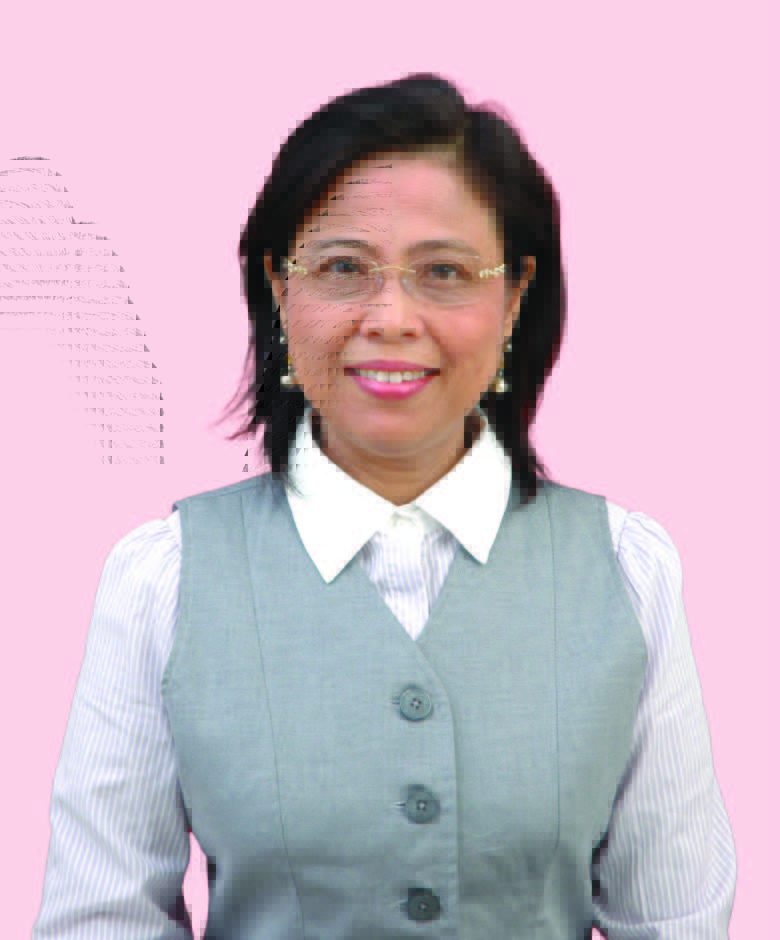
周麗燕
Elite Alumni of Tamkang University
Indonesia
Founded D*LIGHT GROUP in 2006
Selected by GLOBE ASIA magazine as one of the “99 Best Female Entrepreneurs” for 2007-2018
Selected by INVESTOR Finance Magazine as the “Best CEO of Securities Companies” in 2011
Founded D*LIGHT INSTITUTE in 2012
Independent Administrative Head of PT Narada Kapital Indonesia in 2013
Executive Director of the Indonesian Securities Companies Association (2014~)
Received the Tamkang Golden Eagle Award in 2015
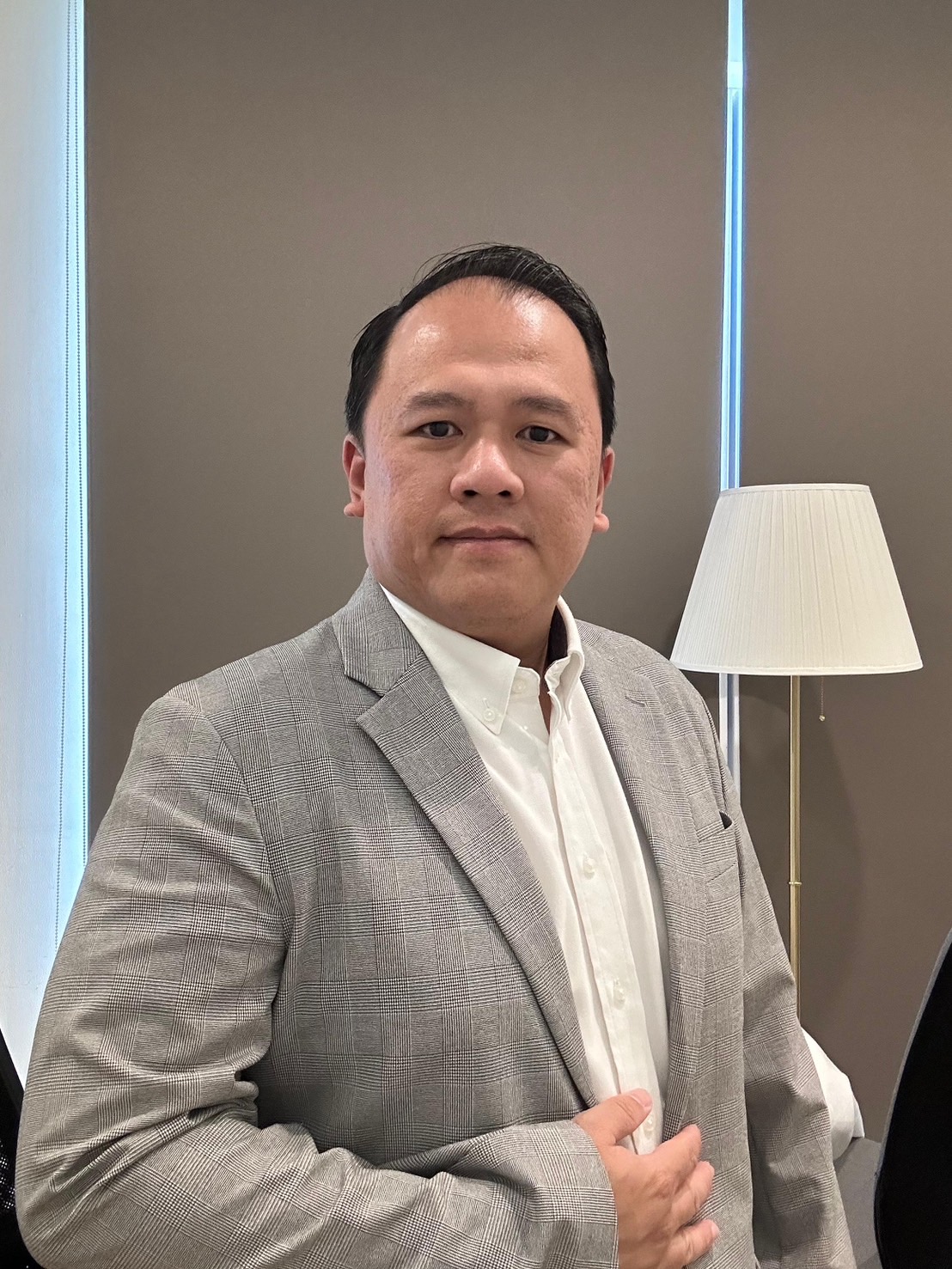
張哲菘
President of the Tamkang University Alumni Association in Indonesia
Indonesia
President of the Tamkang University Alumni Association in Indonesia
General Manager, SAKURA ELEVATOR INDONESIA CORP
Highlights
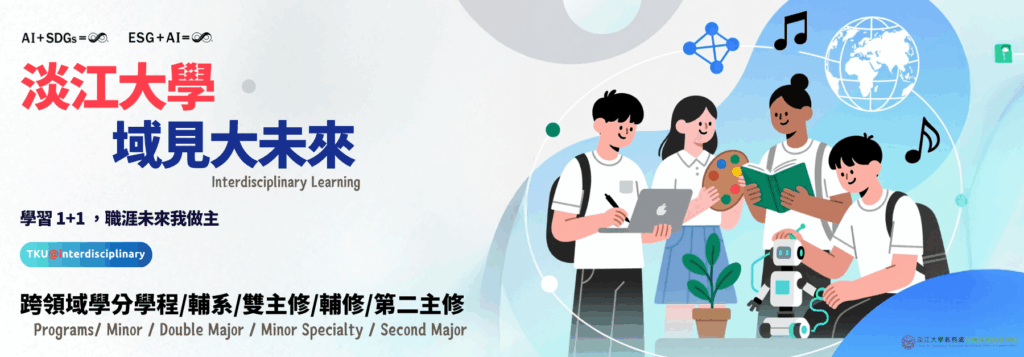
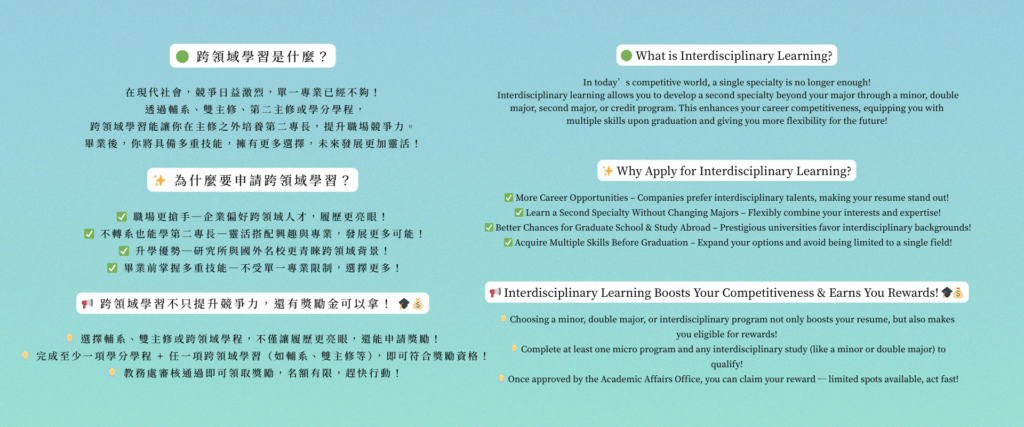
Envisioning the Future: Interdisciplinary Learning
[Cross-Department Course Selection]
Cultivate interdisciplinary expertise through cross-department course selection or interdisciplinary credit programs.
[Cross-School Course Selection]
Courses from U9 League Universities, cross-school course selection.
[New Minor System, Rich Expertise]
You can choose another department as a minor, sub-major, or second major to expand your second expertise.
[Department Transfer]
Well-established department transfer system within the school.
[EMI All-English Instruction]
Excellent quality of all-English courses, doubling your strength.
All-English Bachelor’s Programs (Three-Pronged Education)
The All-English Bachelor’s Program in the Department of Information Engineering, the All-English Bachelor’s Program in the Department of Business Administration, the All-English Bachelor’s Program in the Department of English, the All-English Bachelor’s Program in the Department of International Tourism Management, and the All-English Bachelor’s Program in the Department of Global Political Economics aim to promote Tamkang’s unique culture and continue to create the school’s pioneering characteristics in the country. With the aim of “All-English Teaching, All-Junior Year Abroad, and All-Residential College,” we plan and implement the holistic development courses, study abroad counseling, and all-residential college activities of the Three-Pronged Education Bachelor’s Program to achieve the goal of cultivating high-quality professionals with international competitiveness, social participation, and interpersonal interaction.
Through the All-Junior Year Abroad program, we assist students in expanding their international horizons and enriching their international learning experiences. Through all-English teaching and counseling mechanisms, we strengthen students’ English proficiency, which helps improve their international language communication skills, smoothly connect to their junior year abroad, and lay the foundation for internationalization. Through the planning of all-residential college courses and activities, we promote the practice of localized internationalization, cultivate students’ self-directed learning and interdisciplinary thinking, and actively engage in social participation to promote holistic development.
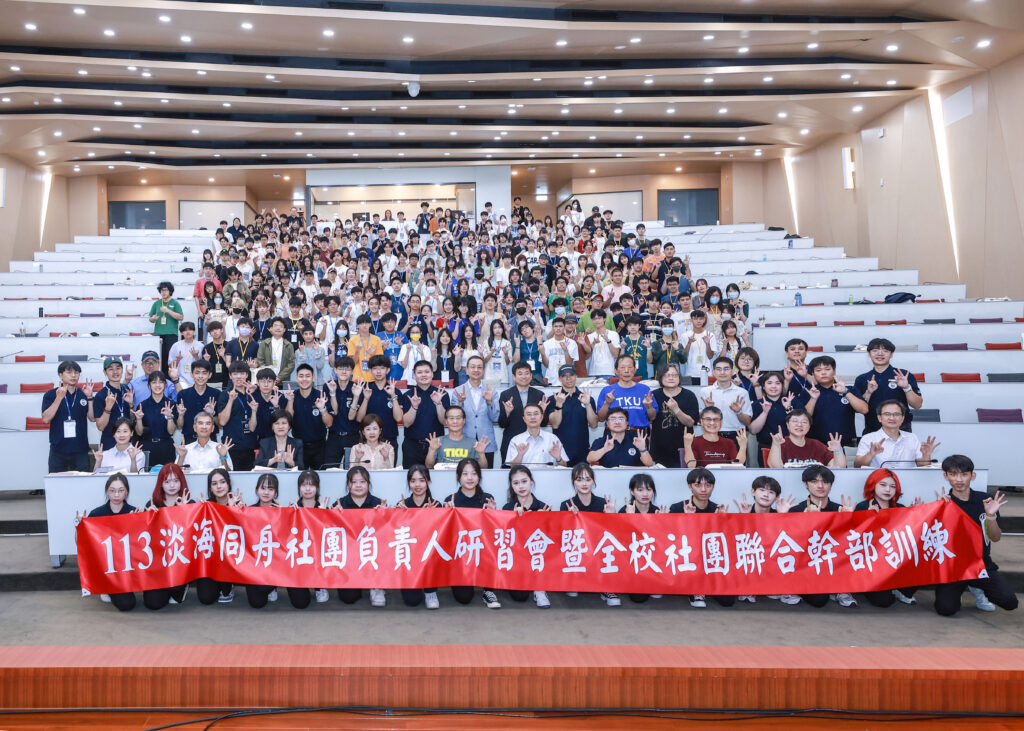
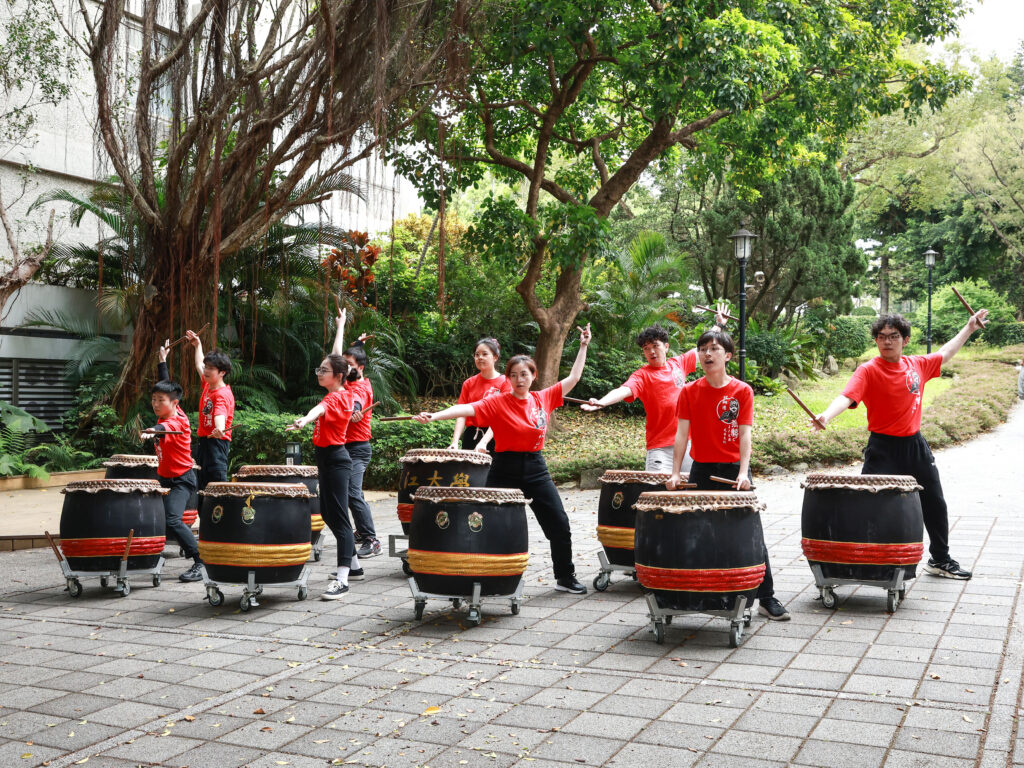
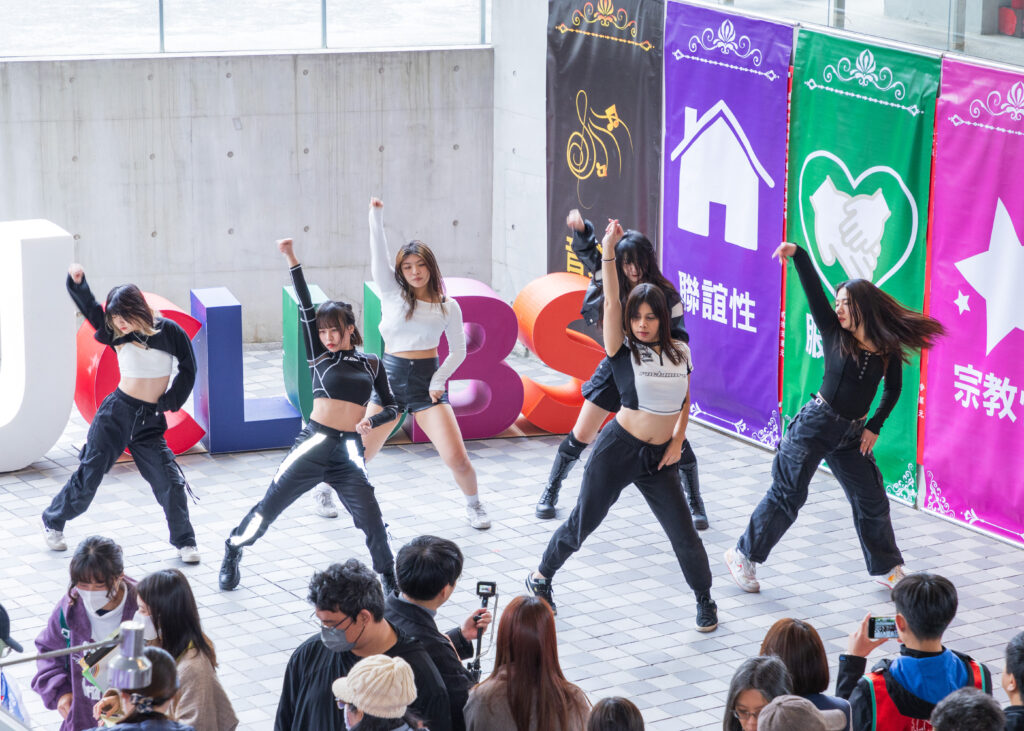
Club Learning and Practical Courses
By “guiding introductory courses,” students enhance their basic understanding of club activities. Through “activity participation and execution,” they establish club values and learn seven major skills in the process of participating in activities: positive thinking, innovation and creativity, communication and expression, interpersonal relationships, critical thinking, problem-solving, and teamwork, cultivating their competitiveness for future entry into the workplace. This course is required and consists of three parts:
A. Introductory Courses
Planning courses such as self-awareness, team formation, activity brainstorming, practical planning, presentation of results, problem-solving, and communication. Experts and industry professionals with club experience and related backgrounds are invited to guide students to have a basic understanding of participating in clubs.
B. Activity Participation
Through club experiences and diverse activities, students develop creative thinking and cultivate critical thinking skills.
C. Activity Execution
Through planning and organizing club activities, students demonstrate teamwork and cultivate problem-solving skills.
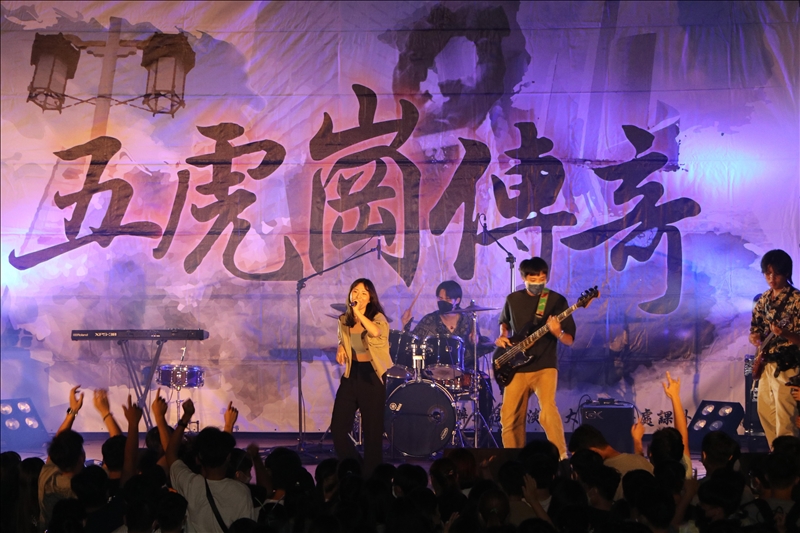
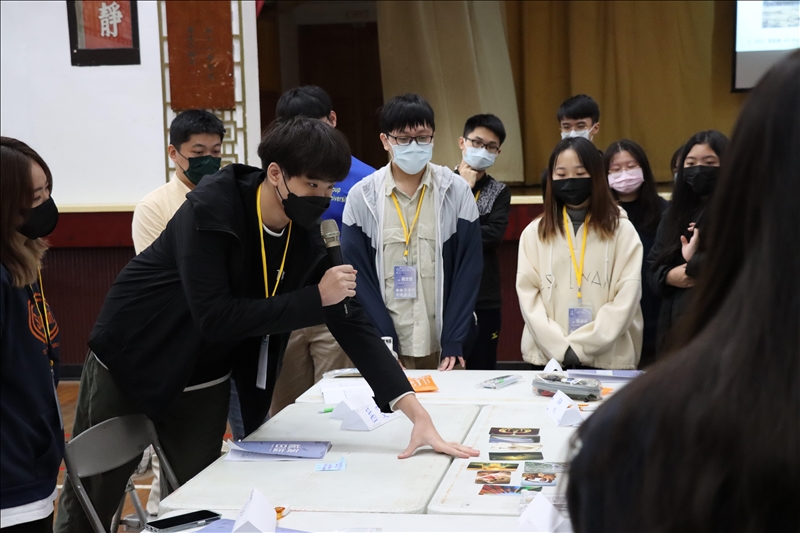
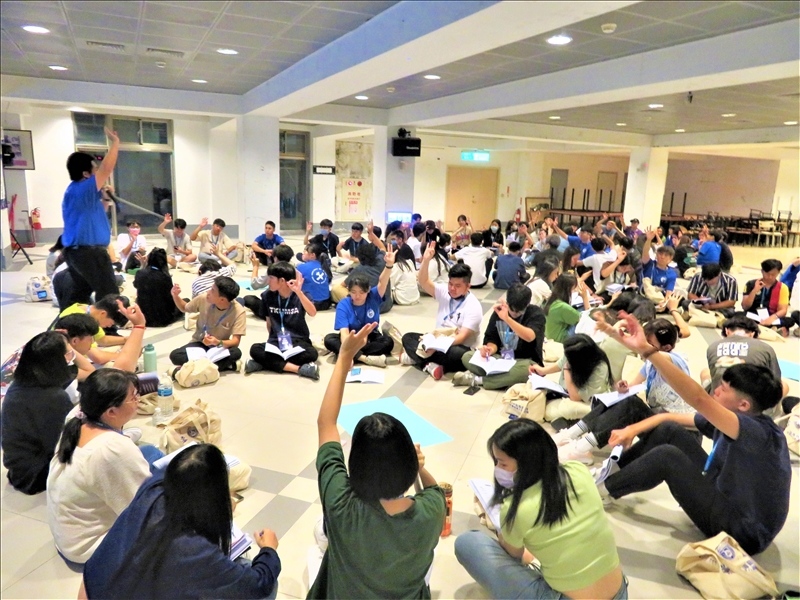
Outstanding Internationalization Achievements
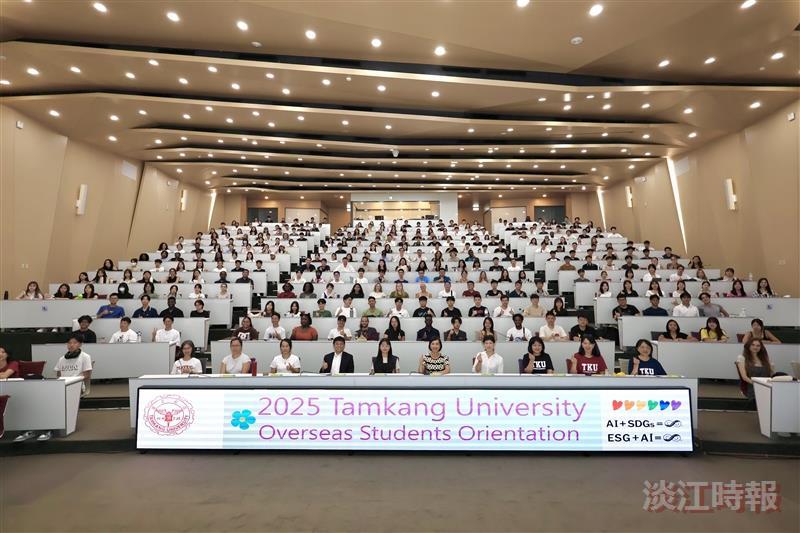
Tamkang has long been deeply involved in internationalization and has laid a solid foundation. In 2015, it won the “Special Excellence Award for Internationalization Quality Inspection of Universities and Colleges from the Ministry of Education” and is a model university for internationalization. Accumulated achievements include: establishing 45 countries and 285 sister schools; signing 9 countries and 29 schools with 45 transnational dual degree programs; and being an internationalized campus with approximately 1,500 international students.
Tamkang is committed to cultivating students to become world citizens with international competitiveness. The “Junior Year Abroad Program,” the first of its kind in the country, has been promoted since 1994, and has cumulatively sent 9,516 students to study abroad. Each year, junior students are selected to study at well-known universities in Europe, America, Australia, Southeast Asia, Japan, Korea, and mainland China. We also cooperate with sister schools on exchange student programs, transnational dual degree programs, and transnational distance learning courses to provide students with diverse overseas mobile learning programs.
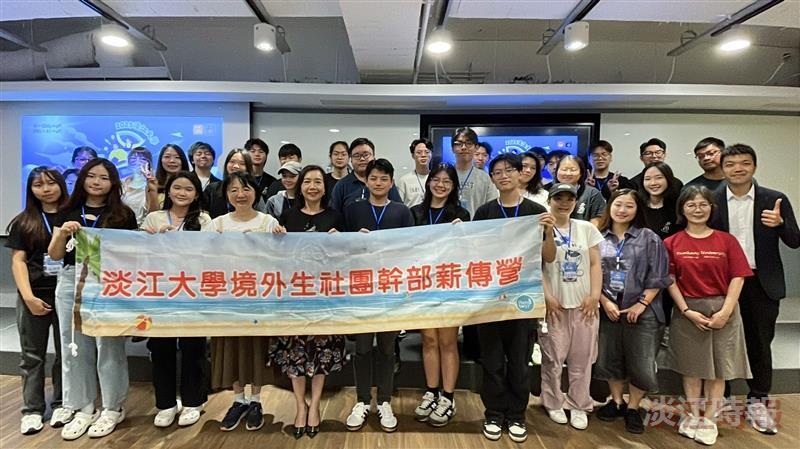
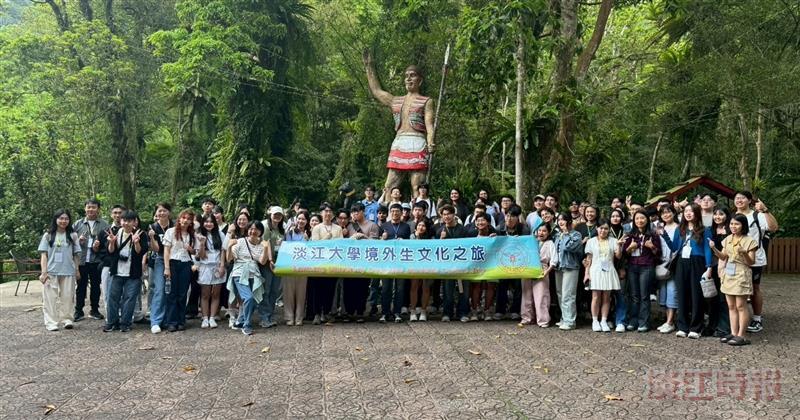
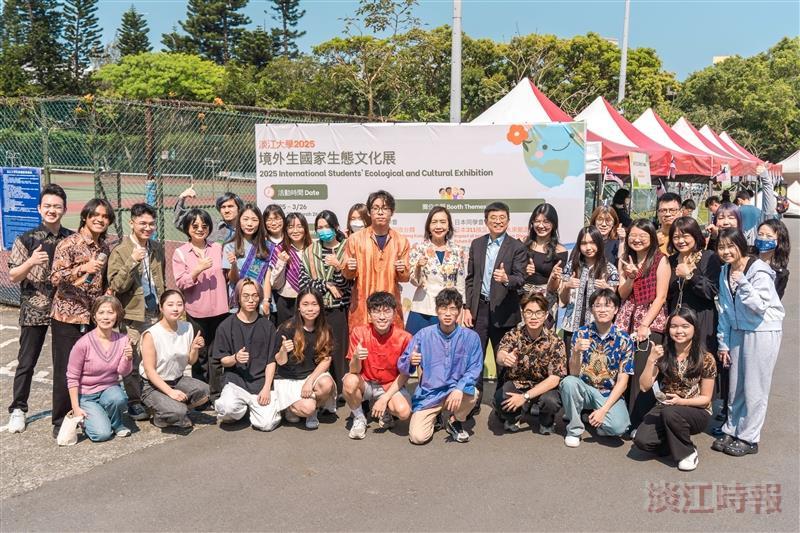
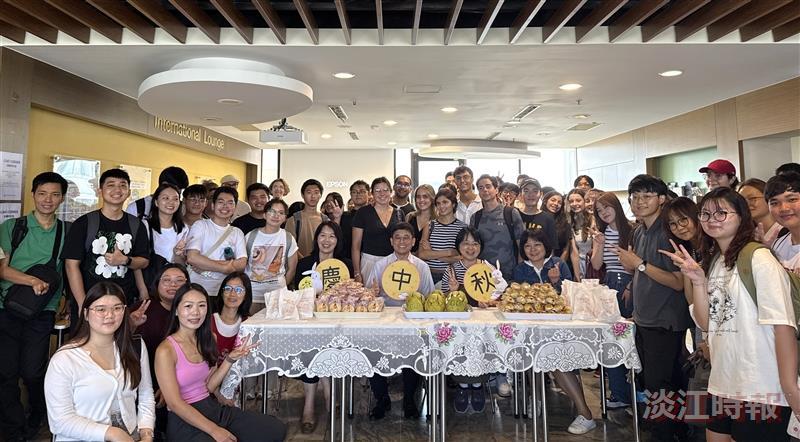
Departments
School Departments and Programs
College of Liberal Arts
College of Science
College of Engineering
- Master's Program, Department of Architecture
- Master's Program, Department of Civil Engineering
- Master's Program, Department of Water Resources and Environmental Engineering
- Master's Program, Department of Mechanical and Electro-Mechanical Engineering
- Master's Program, Department of Chemical and Materials Engineering
- Department of Electrical and Computer Engineering
- Doctoral Program, Department of Computer Science and Information Engineering
- Master's Program, Department of Aerospace Engineering
College of Business and Management
- Division of International Economics and Management, Department of International Business (Chinese-Taught Program)
- Master's Program, Department of Banking and Finance
- Department of Risk Management and Insurance
- Master's Program, Department of Economics
- Master's Program, Department of Business Administration
- Master's Program, Department of Accounting
- Department of Statistics and Data Science
- Master's Program, Department of Information Management
- Department of Transportation Management
- Department of Public Administration and Law
- Department of Management Sciences
College of Foreign Languages and Literature
- Doctoral Program, Department of English
- Master's Program, Department of Japanese
- Division of Spanish, Department of European Languages and Cultures
- Division of French, Department of European Languages and Cultures
- Division of German, Department of European Languages and Cultures
- Division of Russian, Department of European Languages and Cultures
College of International Affairs
College of Education
Department of Artificial Intelligence
Photos & Videos
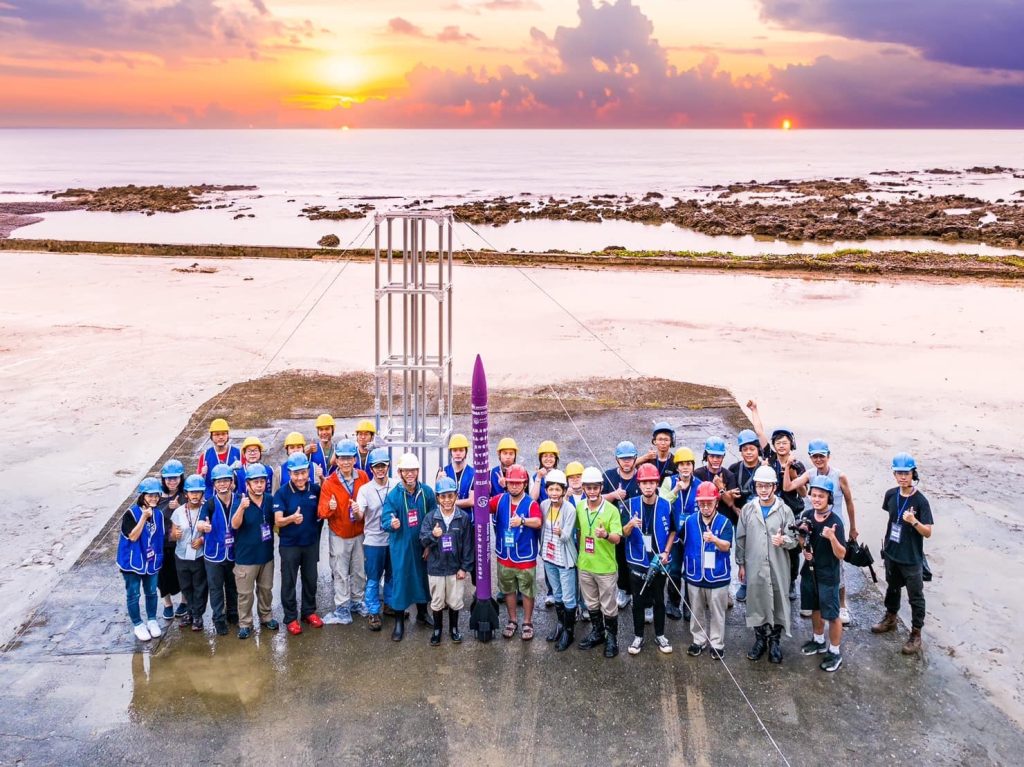
_240930_30-1024x683.jpg)
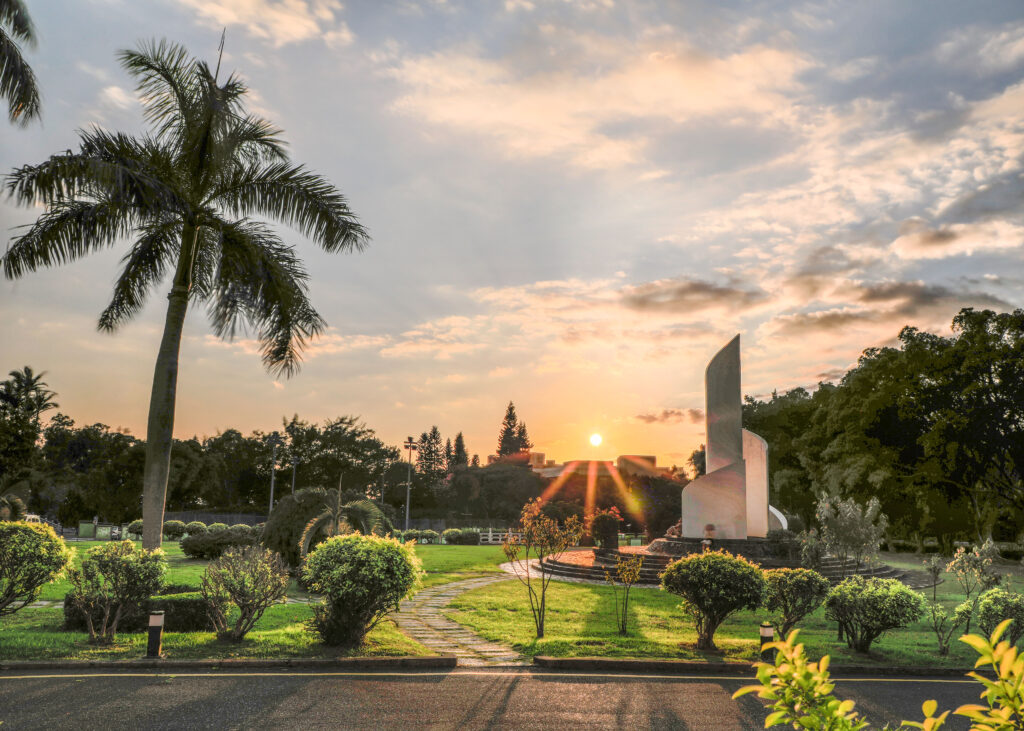
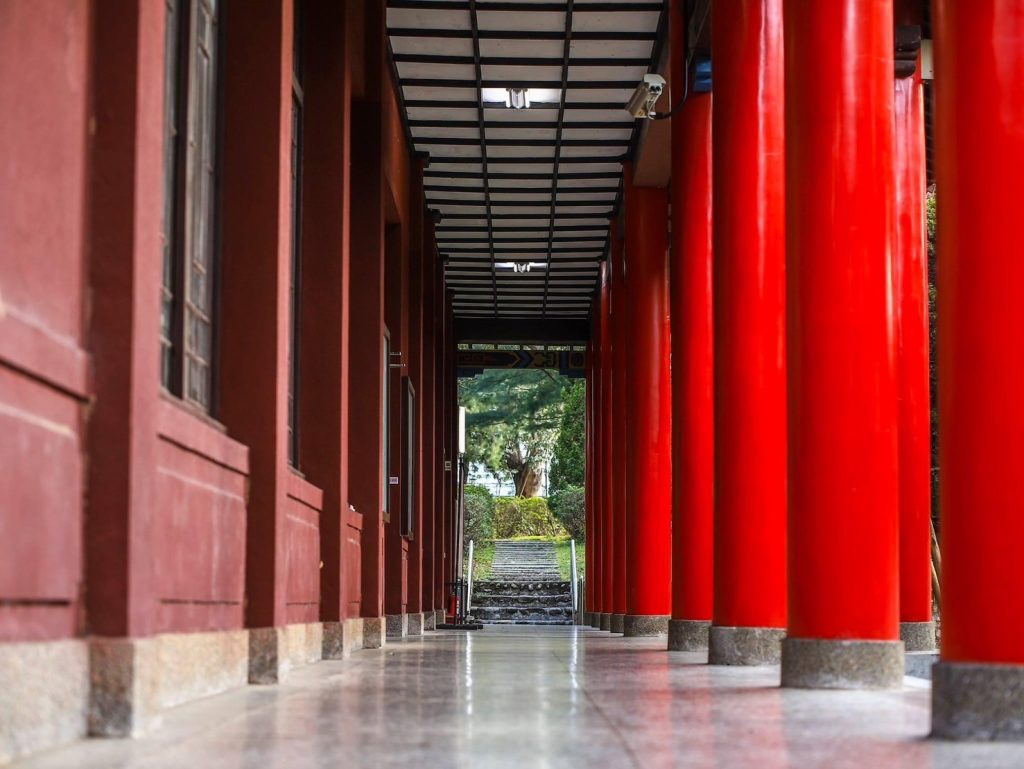
Beautiful Tamsui Campus Scenery
_240930_3-1024x730.jpg)
_240930_12-1024x732.jpg)
_240930_26-1024x683.jpg)
_240930_31-1024x683.jpg)
_240930_39-1024x769.jpg)
Videos


Scholarships
Scholarships
|
Scholarships |
Scholarship Amount |
Eligibility
|
|---|---|---|
|
Hong Kong and Macao Region |
One Year of Tuition and Miscellaneous Fee Waiver |
Tamkang University Overseas Students
|
|
Malaysia |
One Year of Tuition and Miscellaneous Fee Waiver |
Tamkang University Overseas Students
|
|
Indonesia |
One Year of Tuition and Miscellaneous Fee Waiver |
Tamkang University Overseas Students
|
|
Tamkang University |
NTD 50,000 per undergraduate student |
Tamkang University Overseas Students
|
|
Overseas Student Scholarship |
NTD 8,600/semester |
Tamkang University Overseas Chinese Students
|
|
Ministry of Education Bursary for Poor Overseas Chinese Students |
NTD 3,000/month |
Tamkang University Underprivileged Overseas Chinese Students
|
Tuition/Year
|
College Category |
Tuition/Year
|
|---|---|
|
College of Liberal Arts, College of Foreign Languages and Literature, College of International Affairs, College of Education |
Bachelor’s Program: NTD 93,760
|
|
College of Science, College of Precision Health |
Bachelor’s Program: NTD 108,520
|
|
College of Engineering, AI Academy |
Bachelor’s Program: NTD 109,440
|
|
School of Business and Management |
Bachelor’s Program: NTD 95,180
|
|
Department of Mass Communication, Department of Information and Communication, Department of Information Management |
Bachelor’s Program: NTD 109,440
|
Living Expenses/Year
Living Expenses: NTD 150,000 – NTD 200,000
School Dormitory Fee: NTD 25,000~50,000 (Off-Campus Rental Fee: NTD 60,000~100,000)
School accommodation
Our school’s student dormitories are divided into Songtao Building 1, 2, and 3 (female shared room dormitories), Songtao Building 4 and 5 (female family-style suite dormitories), and off-campus Tamkang International College suite dormitories.
In addition to the diversity of hardware room types, more importantly: diverse purposes, diverse education, and diverse methods
The diverse main axes of each dormitory are: shaping the internationalized “Tamkang International College”; creating a new Dongcun “family settlement dormitory”; and establishing an integrated “environmental education dormitory.”
For details, please check the New Student Accommodation Area on the website: http://oosa.tku.edu.tw/asdx-freshman
|
Songtao Building 1~3 (Female Dormitory) |
Tamkang International College (Male/Female Dormitory)
|
|---|---|
|
Room Type: 2-person shared room (no balcony) (NTD 25,700/semester) |
Room Type: 3-person suite, 4-person suite (NTD 19,250/semester)
|
|
Dormitory Deposit: 2-person shared room (NTD 4,000/academic year) Students approved for accommodation should pay accommodation-related fees for the upper and lower semesters within the specified period and must live for one academic year; those who do not live for a full academic year will not be refunded the dormitory deposit. |
Dormitory Deposit: NTD 5,000/academic year Students approved for accommodation should pay accommodation-related fees for the upper and lower semesters within the specified period and must live for one academic year; those who do not live for a full academic year will not be refunded the dormitory deposit.
|
|
Management Fee: 0 |
Management Fee: NTD 3,000/semester (24-hour security/shuttle bus/internet)
|
|
Utilities: 0 |
Utilities: Charged according to the meter
|
|
Air Conditioning Fee: Paid according to the meter reading with an air conditioning stored-value card |
Air Conditioning Fee: 0
|
|
Internet Fee: NTD 639/semester (including dormitory telephone use) |
Internet Fee: 0
|
|
Dormitory Self-Government Association Fee: NTD 100/academic year |
Dormitory Self-Government Association Fee: NTD 100/academic year
|
|
Remarks: |
Remarks: The room has a single bed board, desk, wardrobe, and bathroom. A public washing, drying, and drying area is set up on the top floor.
|
*The various fees for the 115th academic year dormitory shall be subject to the announcement of the Schedule of Fees for the Use and Maintenance of Various Venues and Equipment of our school for the 115th academic year.
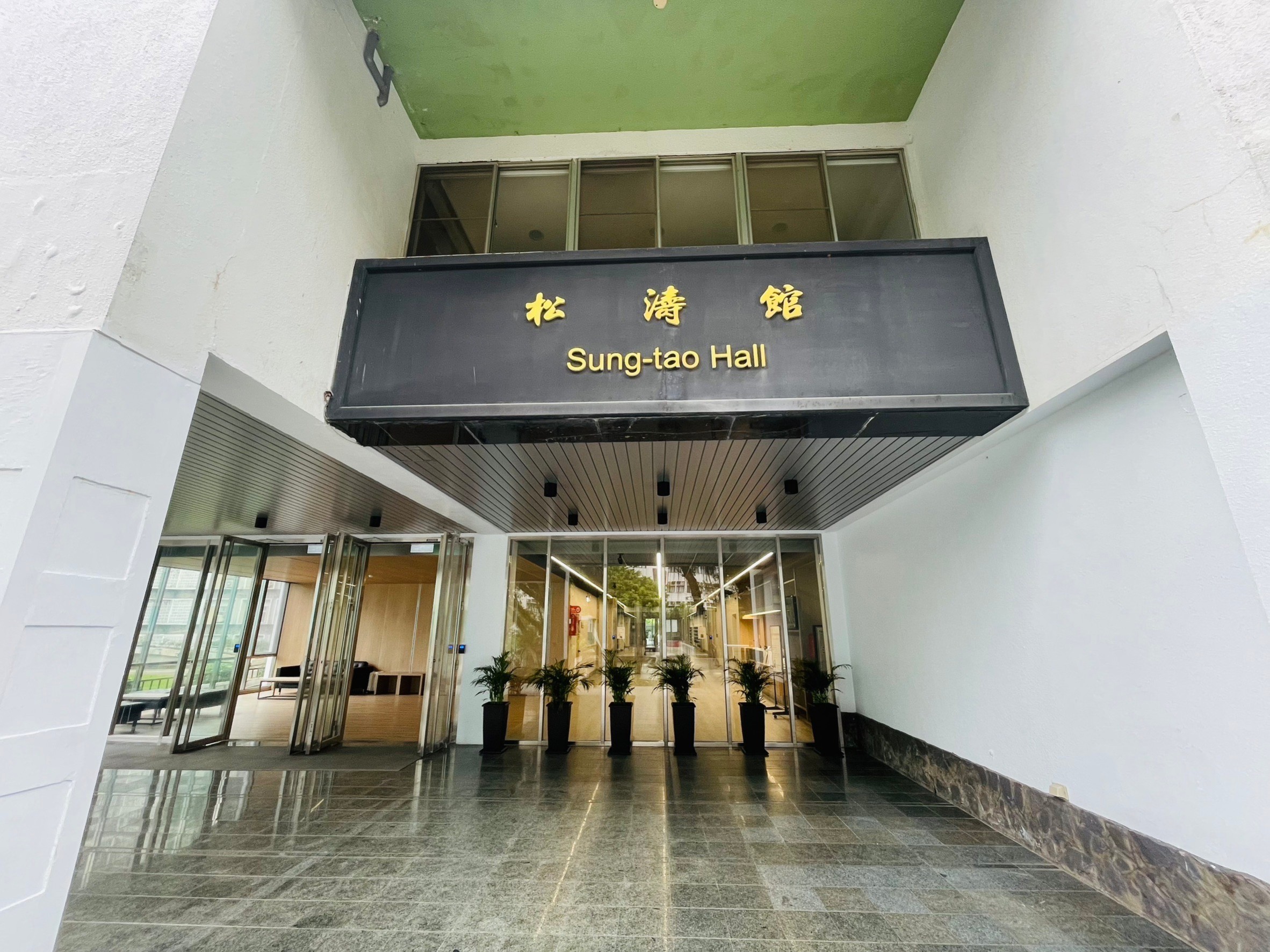
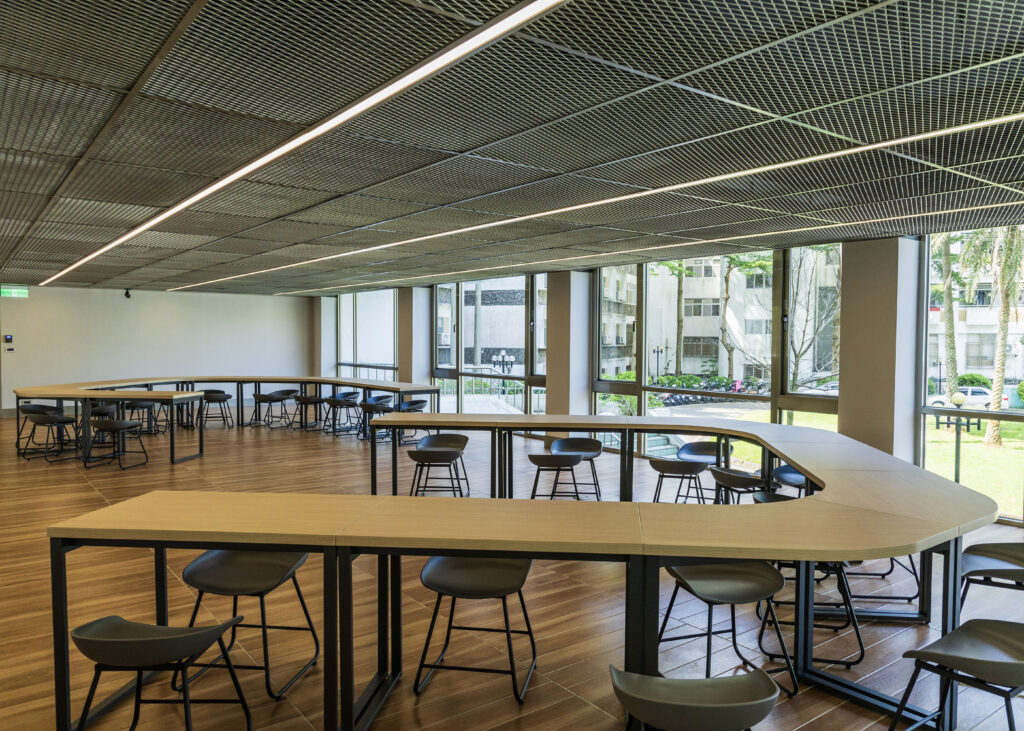
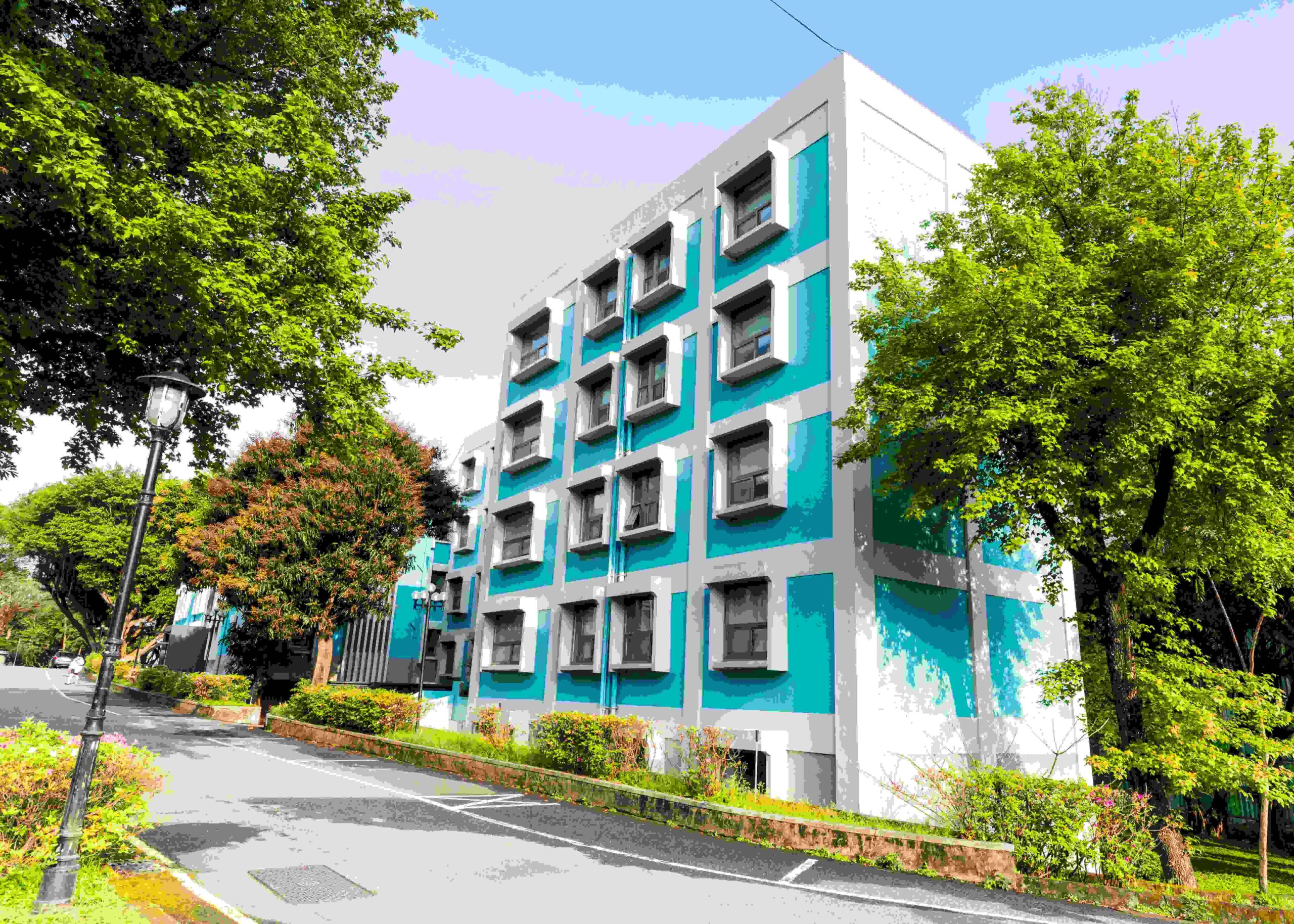
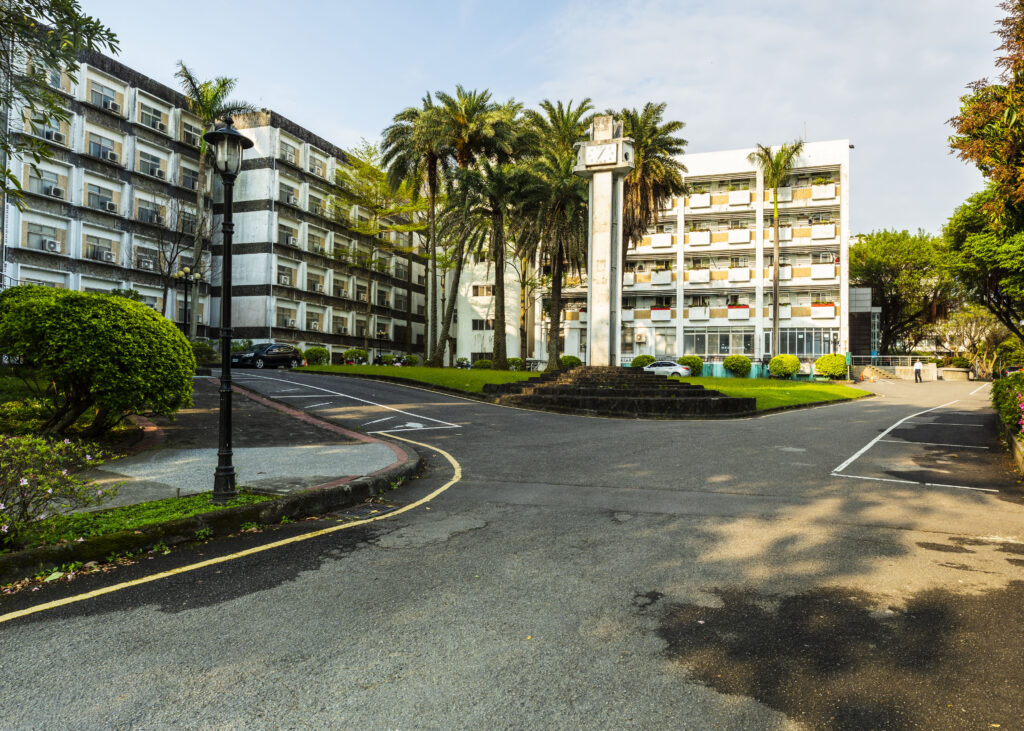
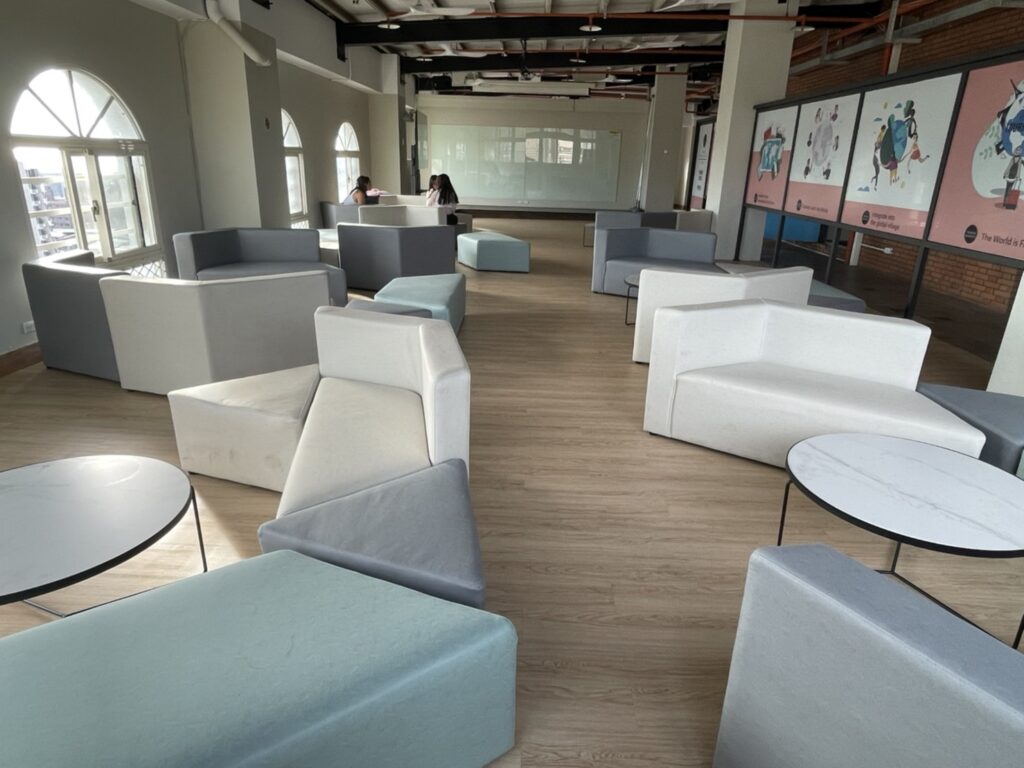
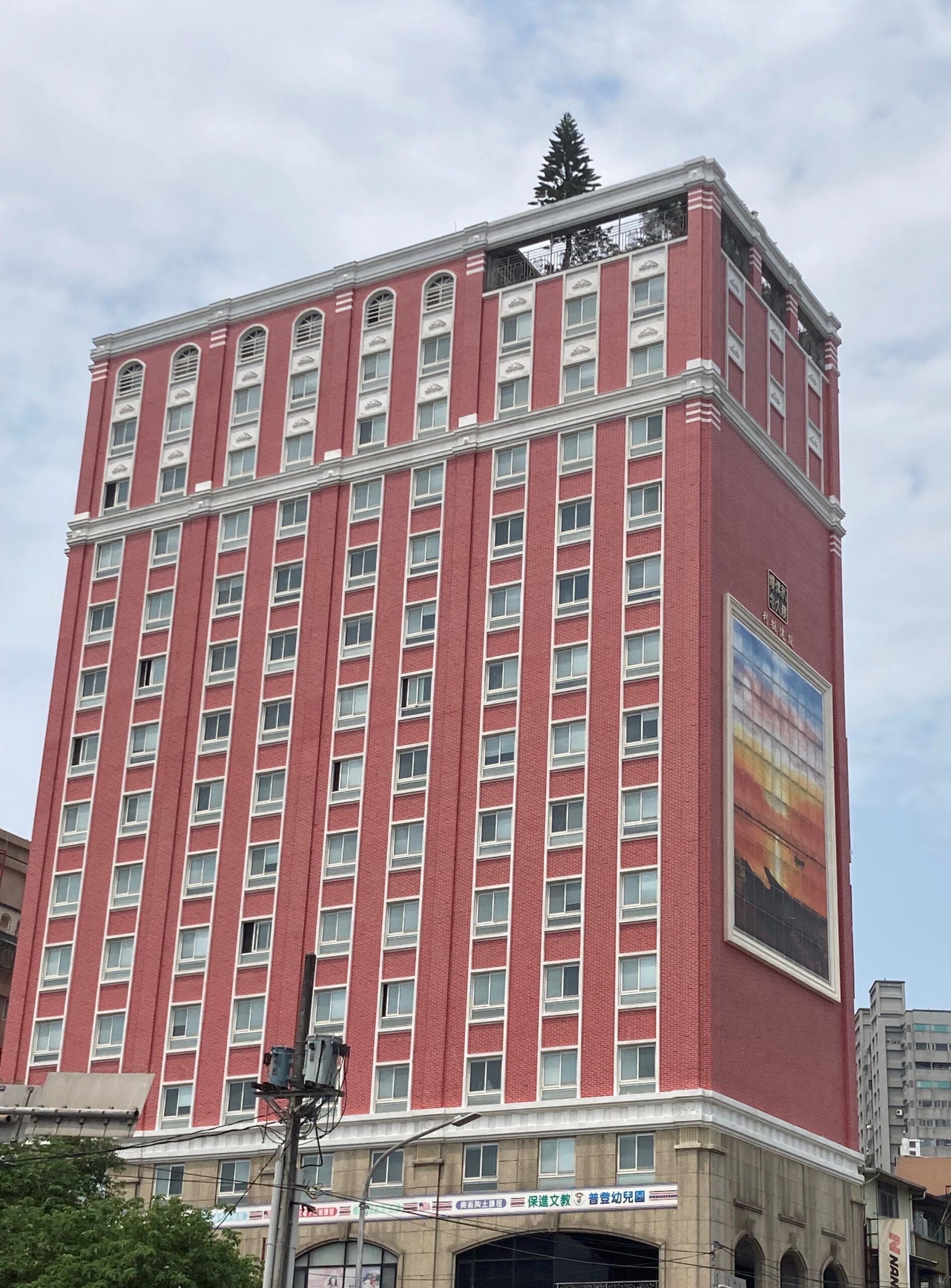
Pathways
MING CHI UNIVERSITY OF TECHNOLOGY
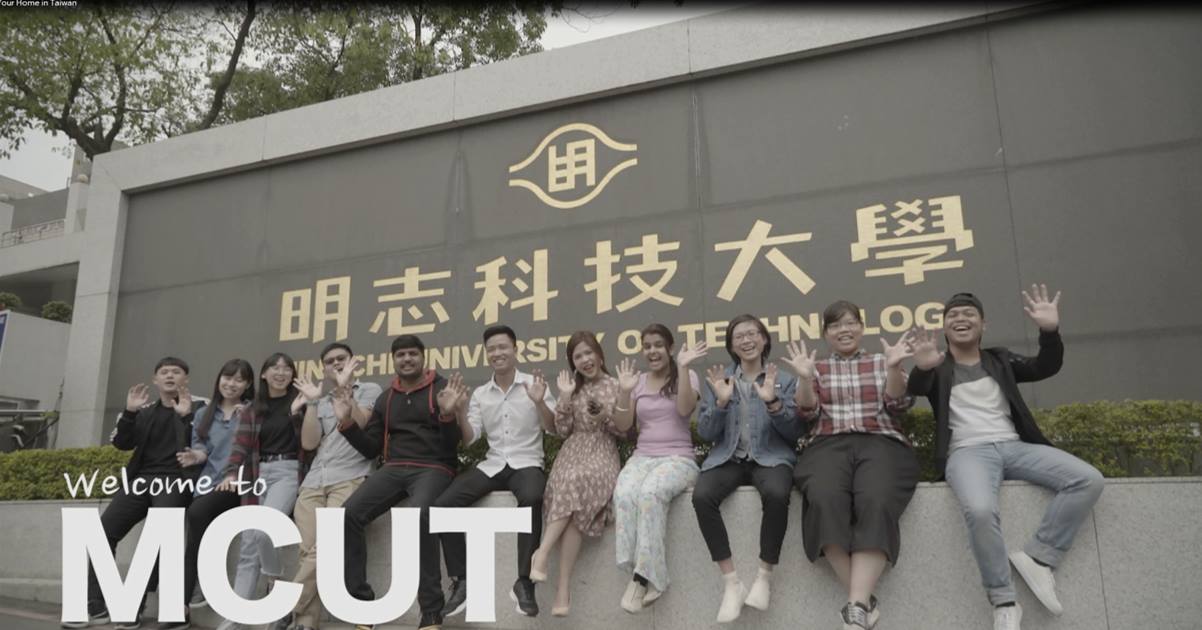
Information
Address
No. 84, Gongzhuan Rd., Taishan Dist., New Taipei City 243303, Taiwan (R.O.C.)
Tuition and Accommodation Fees
Tuition: NTD/YR 101,520
Dormitory Fee: Male NTD/YR 8,000, Female NTD/YR 10,000
Living Expenses: NTD/YR 60,000
Official website
Contact Information
+886-2-2908-9899#3007
[email protected]
Introduction
Based on the concept of holistic education, our university strives to grasp industry trends, making MCUT a leading base for cultivating first-class industry talents. Our students are independent, down-to-earth, hardworking, and have a thorough attitude. On average, graduates possess more than two professional licenses, with 100% employment rate. Their performance in academic or industrial and commercial fields is highly recognized. The employer satisfaction survey results for our graduates within one year after graduation average about 4 points (out of 5) in the past three years, with satisfaction scores of over 4.3 points for practical skills, computer application ability, sense of responsibility, and emphasis on workplace ethics.
In addition, we have repeatedly won the title of “favorite graduates of enterprises” by 1111 Job Bank, 104 Job Bank, and Global Views Magazine. Since 2017, in the Global Views Magazine’s [University Ranking Survey], our university has been ranked first among private universities of science and technology. In the 2022 Times Higher Education (THE) World University Rankings, our university is the only university of science and technology in Taiwan (regardless of public or private) to be listed in the world rankings.
Fast Track Program for Bachelor’s and Master’s Degrees
After enrolling in the bachelor’s program, students can take master’s courses in advance during their senior year, obtaining both bachelor’s and master’s degrees in just 5 years. Alternatively, they can choose to go to overseas sister schools with scholarships to continue studying for another master’s degree, completing a transnational dual master’s program, which greatly saves time and expenses, maximizing learning efficiency.
Overseas Sister School Exchange
Provides students with opportunities to exchange and study at overseas sister schools (exchange students, short-term study, dual degree programs), allowing them to have diverse international experience during their studies.
Industry-Academia Collaboration Internship within the University
During the junior year, students participate in industry-academia projects of research centers or department professors within the university. In addition to enhancing professional skills, they also accumulate practical experience in cooperation with the Taiwanese industry.
Alumni
莊靈鷲
Outstanding alumni
Hong Kong
After obtaining a bachelor’s degree in Industrial Design, he was admitted to the university’s master’s program with excellent grades and actively participated in various international exchange activities, making him a good helper for the teachers.
韋健嵐
Outstanding alumni
Macao
After passing a rigorous review, he was recruited by the parent company, Formosa Plastics Group, to the headquarters’ computer department for a one-year work-study internship. His hard work, strong learning ability, and dedication were highly praised by his supervisors.
趙煜辰
Outstanding alumni
Malaysia
Switching from a liberal arts background to science and engineering, although the coursework started from scratch, he continued to work hard and his proactive attitude is exemplary.
Highlights
Industry-Academia Collaboration Internship within the University
During the third year, students participate in industry–academia projects led by on-campus research centers or department professors. This not only enhances their professional skills but also allows them to gain practical experience collaborating with Taiwanese industries.
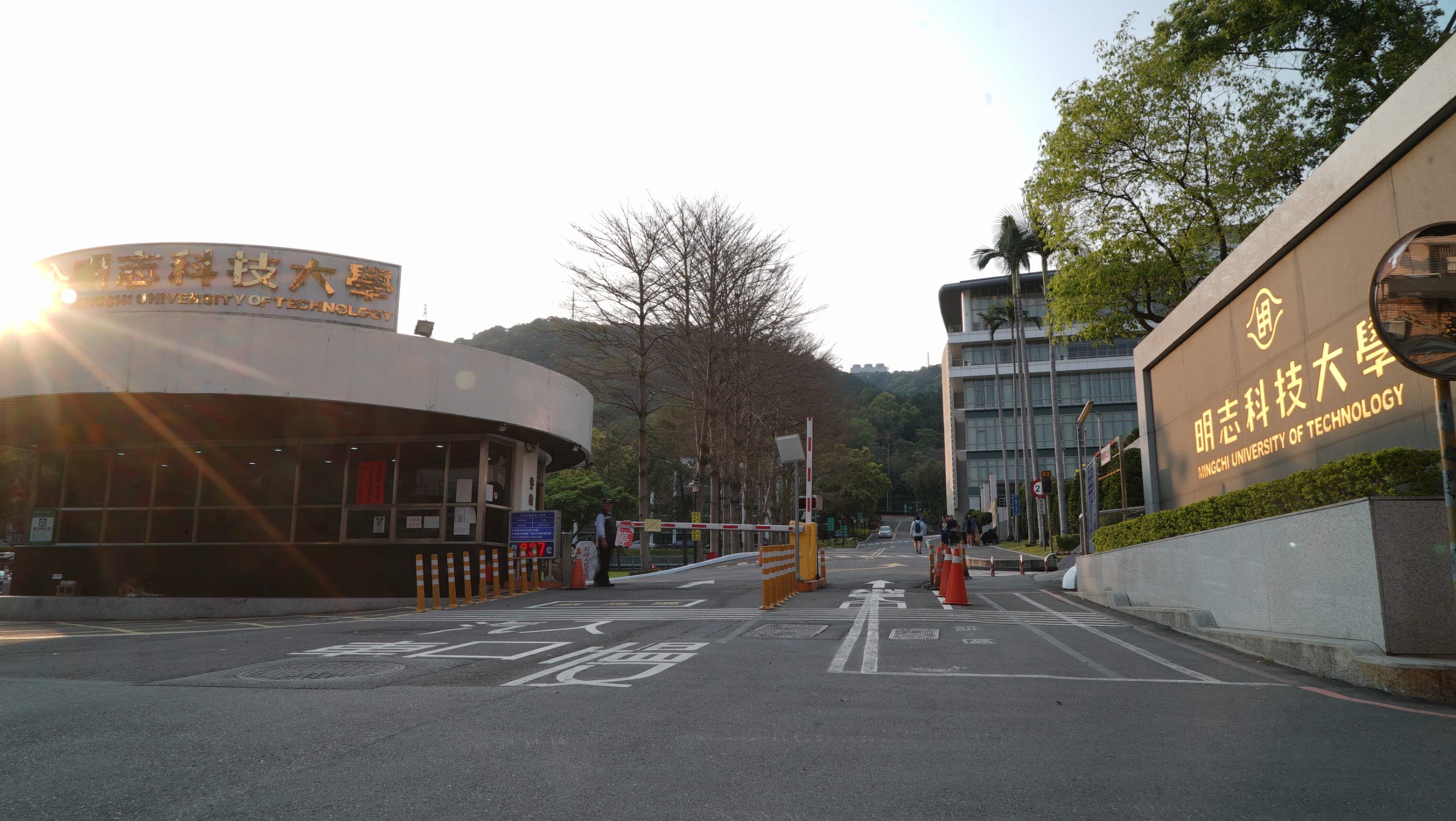
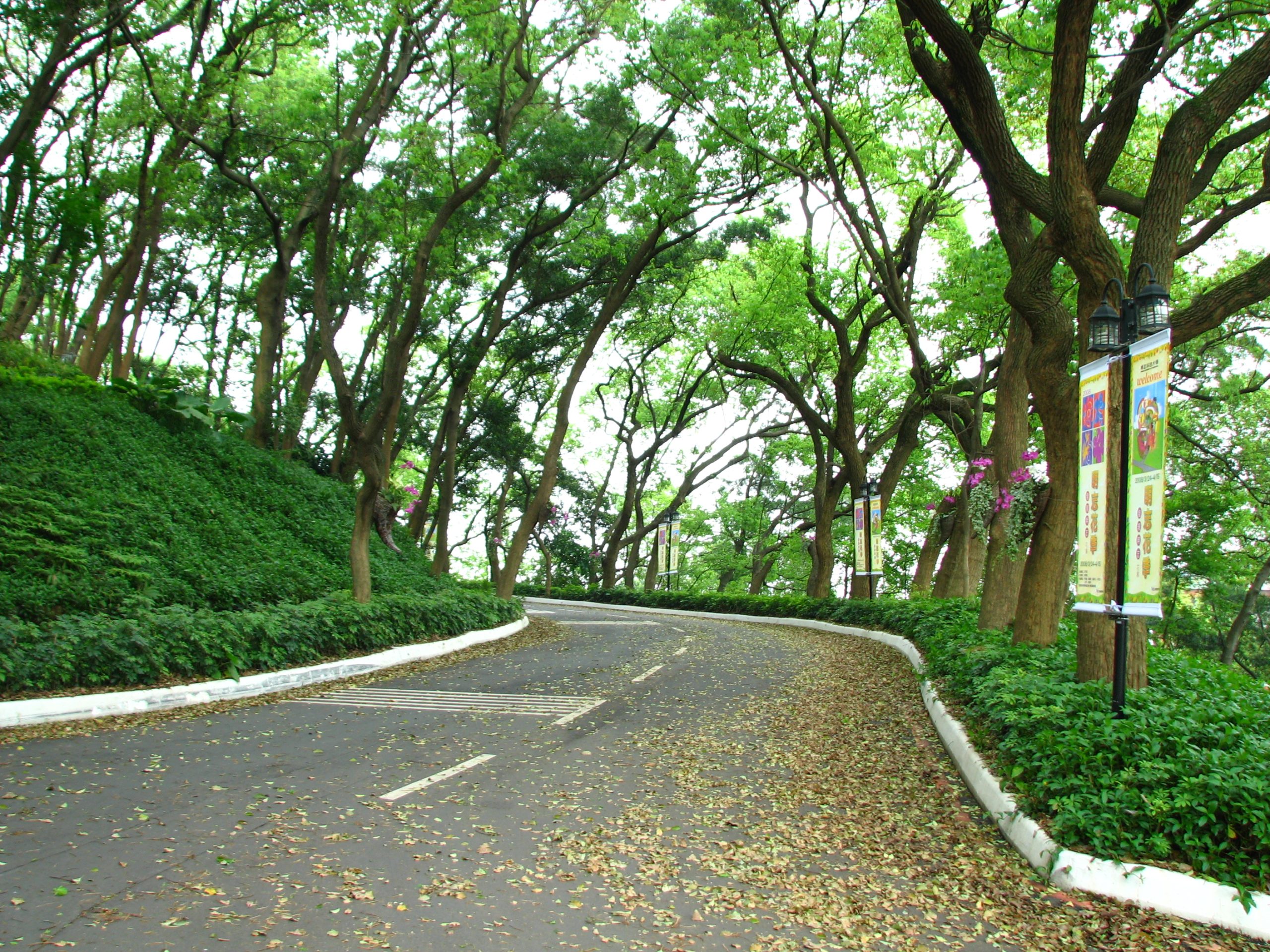
Departments
School Departments and Programs
暫無系所資料
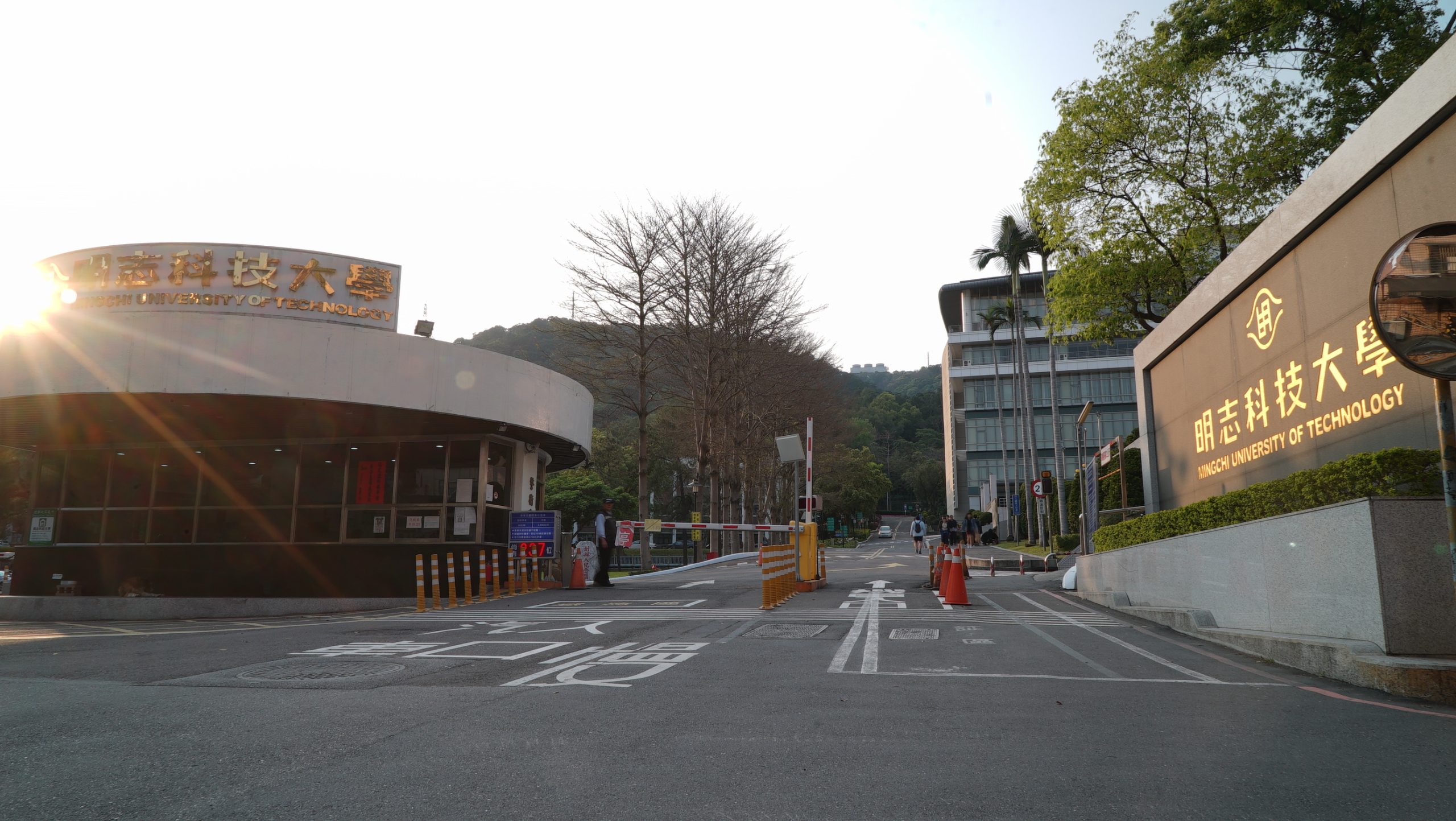
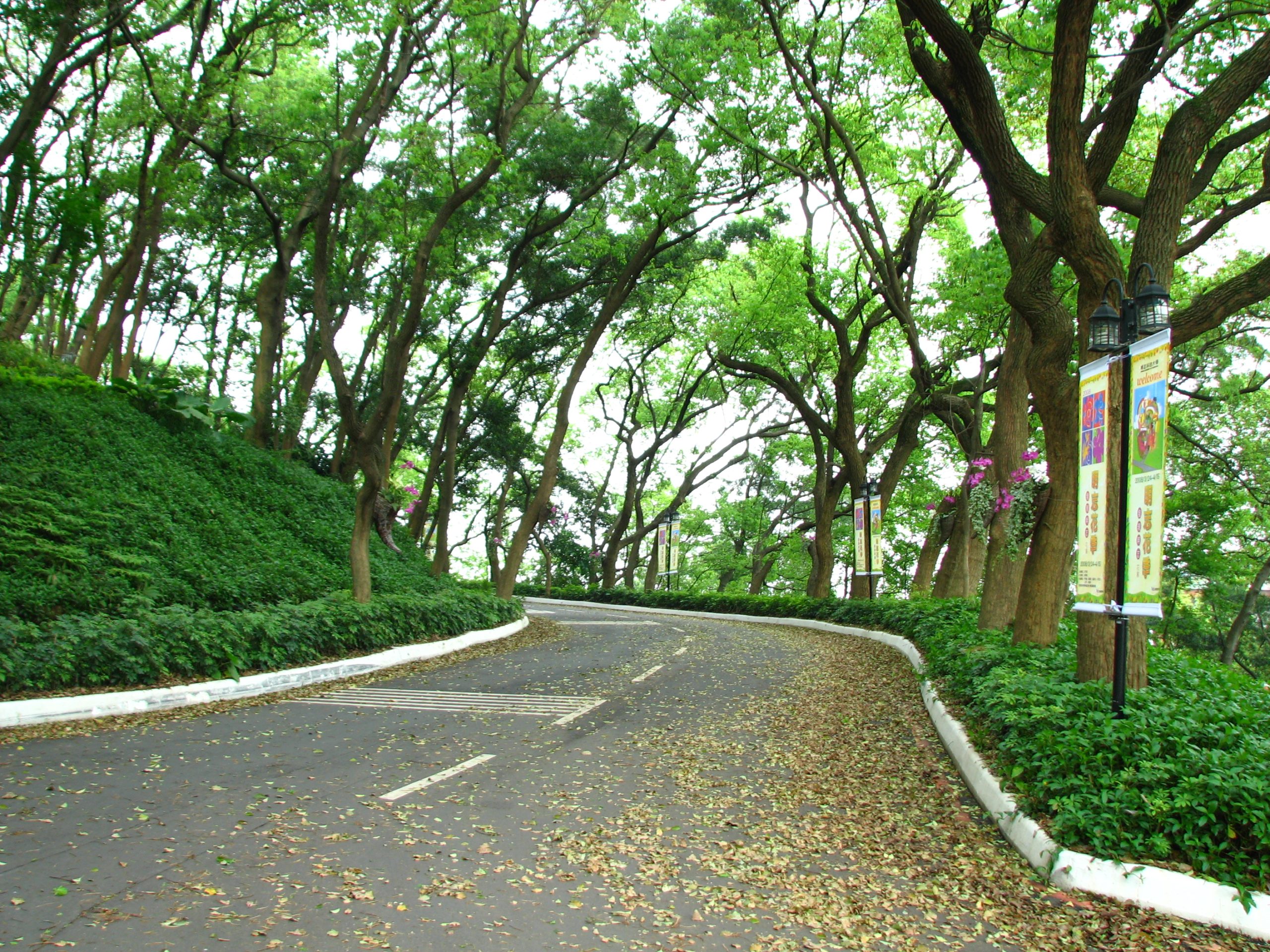

Scholarships
Scholarships
|
Scholarships |
Scholarship Amount |
Eligibility
|
|---|---|---|
|
Scholarships for International Undergraduate Students |
NTD 15,927 (Male) |
Dormitory fees are subsidized for up to five semesters, and meal expenses for up to four semesters. The first semester of enrollment receives the subsidy unconditionally. For subsequent semesters, students can continue to receive the subsidy if they meet the required number of credits and pass the academic performance and conduct review.
|
Tuition and Miscellaneous Fees
College of Engineering NTD 50,760×2 (semesters) = NTD 101,520
College of Environmental Resources NTD 50,760×2 (semesters) = NTD 101,520
College of Management and Design NTD 50,760×2 (semesters) = NTD 101,520
Living Expenses
Living Expenses: NTD 5,000*12 (months) =NTD/YR 60,000
Dormitory Fee:
Male: NTD 4,000*2 (semesters) = NTD 8,000
Female: NTD 5,000*2 (semesters) = NTD 10,000
|
One semester |
One academic year |
Other Notes
|
|---|---|---|
|
NTD 4,000 NTD 5,000 |
NTD 8,000 NTD 10,000 |
Male Female
|
Pathways
National Taipei University
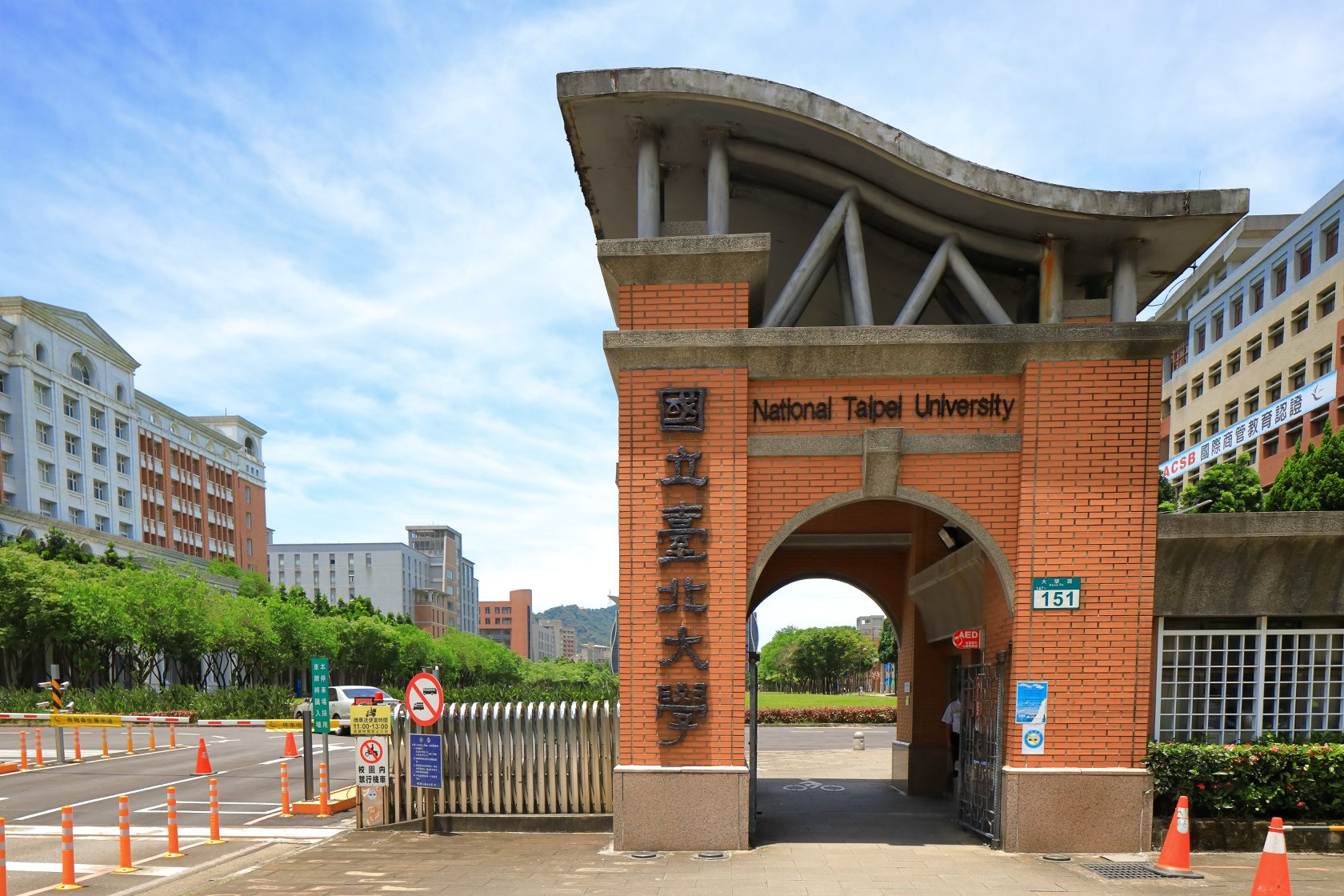
Information
Address
237303 No.151, Daxue Rd., Sanxia Dist.,New Taipei City, Taiwan
Tuition and Accommodation Fees
Tuition: 45,691 – 52,668 NTD/YR
Accommodation: 24,000 NTD/YR
Living Expenses: 230,000 NTD/YR
Social Media
https://www.facebook.com/ntpu.oia
Contact Information
+886-2-8674-1111
[email protected]
Introduction
Since its establishment in 1949 as the Taiwan Provincial College of Local Administration, the university has gone through various stages of development as the Provincial College of Law and Business, the Provincial Chung Hsing University College of Law and Business, and the National Chung Hsing University College of Law and Business. In 2000, it was approved to be reorganized as “National Taipei University” and has become a well-known comprehensive university in the country.
Outstanding alumni are found in all walks of life, including the Governor of the Central Bank, the Chairman of state-owned enterprises, Grand Justices of the Judicial Yuan, and more than 40 heads of central agencies of various government ministries; more than 20 legislators; and more than 30 local administrative heads, councilors, and key party and government officials; and countless elites in other fields such as business, media, arts and culture, social movements, social services, film and television. This proves the achievement of the university in talent cultivation, and also makes the alumni network an important advantage and solid backing for the university to promote its development, jointly building the important cornerstone of the university in teaching, research, social practice, and public development.
Teaching quality and academic prestige
National Taipei University inherits the excellent traditions of Chung Hsing University’s College of Law and Business, focusing on teaching and research in the fields of law, politics, society, and economics, and promoting the campus spirit of “pursuing truth and serving the people.”
Since its establishment in 1949 as the Taiwan Provincial College of Administration, it has been around for more than sixty years. Approximately 20% of the graduates hold leadership positions in various public and private sectors, spread across central and local governments, judicial departments, the investigation and police system, the legal profession, and major accounting firms and financial holding groups, serving as management and key personnel, which is an important advantage and support for the university to promote its school development.
Since 2000, the university has been promoted to a brand-new comprehensive university. For the development of school affairs, SWOT analysis is used to position the university, and four school missions are promoted: “Cultivating students with a global perspective,” “Strengthening the research capacity of teachers,” “Strengthening students’ learning ability,” and “Activating the assets of the Taipei campus.”
Since 2009, the university has continuously received awards from the Ministry of Education’s Teaching Excellence Program, and continues to offer professional and interdisciplinary courses, and exchanges with world-renowned universities. 43% of undergraduate freshmen come from the top 15 high schools in the country, the average enrollment rate for master’s programs is 92.9%, and the average enrollment rate for doctoral programs is 81.6%, making it a desirable goal for students.
In 2011, the Ministry of Education approved the establishment of the “Taipei United University System” with National Taipei University of Technology, Taipei Medical University, and National Taiwan Ocean University, which has become an advantage and opportunity for the university to develop its school affairs. The university strengthens the integration of learning and application according to industry needs, and establishes departments according to the human resources and industrial upgrading professional needs of the country and society, focusing on industry-academia cooperation.
International Exchange and Cooperation
Internationalization is the primary strategy for the future development of National Taipei University. The university establishes a campus environment conducive to international exchanges, expands the international vision of all faculty and students, enhances the overall competitiveness of the university, and continues to face global challenges with an innovative and proactive attitude.
The university is committed to enhancing the service capacity of international academic cooperation, cultivating students with the ability to develop internationalization, encouraging active participation in studying abroad, establishing the ability to connect with the world, and pursuing substantive cooperation through strategic sister school searches and signing cooperation agreements, in order to maximize the benefits for faculty and students.
Students who go to sister schools abroad for exchange can not only make friends from different countries, but also broaden their horizons and expand their horizons. At present, the university has exchange student programs with about 223 universities around the world. Students can also obtain a master’s degree in the shortest time by going to the United States or Europe through a dual degree program, increasing their knowledge and competitiveness.
International Certification
1. 2020 THE World University Rankings, 12th among public universities in Taiwan. Ranked 301-350 in Asia, and 201-250 among the youngest universities in the world.
2. College of Business: Obtained AACSB international authoritative business management education certification in 2016; ranked 301-400 in the world in the 2020 THE World Rankings for Business and Management.
3. Department of Accounting: ACCA Chartered Certified Accountant Association and Australian CPA certification
4. Department of Real Estate and Urban-Rural Studies: RICS Royal Institution of Chartered Surveyors certification
5. College of Electrical Engineering and Computer Science: Taiwan IEET certification
Welfare for Hong Kong and Macao students, guidance mechanism for Hong Kong and Macao students
The university has established a complete counseling mechanism for overseas Chinese students from Hong Kong and Macao, which is handled by the “Overseas Chinese and Mainland Students Group” of the Office of International Affairs. It is responsible for admission counseling, airport pick-up, assisting in handling residence permits and entry and exit matters, academic counseling, life counseling, physical and mental counseling, scholarship applications, and arranging work-study opportunities, so that students can study with peace of mind without any worries.
The Overseas Chinese and Foreign Students Group also established the “Overseas Chinese and Foreign Students Association” to regularly hold various rich club activities.
The dormitory provides
Overseas Chinese and foreign freshmen enjoy guaranteed accommodation. Cost: NT$12,000 per semester for a 4-person room, excluding winter and summer vacations. For details, please click link to view
Exclusive Scholarship
A large number of scholarships (grants) are available for application every year. The sources range from appropriations from the Ministry of Education and the Overseas Community Affairs Council, and various departments of Taipei University and Taiwanese enterprises across the country provide generous scholarships (grants), such as the Xitou Miti Hotel Filial Piety Scholarship, the Taipei University Village Qian Hope Scholarship, and the Ms. Zheng Chunzhi Diligence Scholarship.
Transportation
The main campus of the university is located in Sanxia District, New Taipei City, and is integrated with the local community to become the “Taipei University Special Zone.” This area is known as a “university town.” The roads in the area are wide, and most of them are tree-lined avenues. The transportation is convenient. It is only a 30-minute drive from downtown Taipei and Taoyuan International Airport. The streets are neat and tidy, and it is also known as the back garden of Greater Taipei.
The school is surrounded by complete living functions, with supermarkets, convenience stores, and hypermarkets clustered together. It is only a 5-minute drive from the center of Sanxia City. The environment is good, and the air is good for 53.83% of the year. There are also many clinics and regional hospitals (Enzhugong Hospital) near the school. There are many snacks in Sanxia Old Street, and there is Qingshui Zushi Temple next to the old street for worship; Yuan Mountain is a good place for hiking, enjoying the sunset and watching the night view; and the works of famous artists can be seen everywhere on the Art Avenue.
Campus Events
The school has a fellowship association for overseas Chinese, foreign and mainland students (Overseas Chinese, Foreign and Mainland Students Association), with 5 subordinate associations (Malaysian Students Association, Hong Kong and Macao Students Association, Myanmar Students Association, Overseas Students Association).
There are many general student clubs, which can be divided into service, recreation, music, and academic, etc. Students can choose suitable clubs according to their interests.
Alumni
黃進能
President of the Hong Kong Alumni Association
Hong Kong
President of the Hong Kong Alumni Association, who previously served as a consultant for studying in Taiwan at the Haihua Service Foundation and a consultant for Hong Kong film censorship, and founded the Outstanding Hong Kong Students Award Program for various universities in Taiwan.
Currently working as a bank manager, he has provided comprehensive solutions for many companies in the past, including: providing 300 million euros of off-balance sheet financing advice to Chinese companies in industries with overcapacity to release excess capacity to build photovoltaic power plants in Europe; providing 3 billion Hong Kong dollars of financing advice to Taiwanese real estate groups to eliminate the risk of their capital chain breaking; providing Eurasian payment solutions advice to Hong Kong financial institutions, etc.
高端訓
Founder of Big Data Hot Brand Innovation Center
Malaysia
Founder of Big Data Hot Brand Innovation Center
Chief Consultant of Leo Burnett Big Data Brand
Brand Director of the Brand Acceleration Center of the General Chamber of Commerce
Adjunct Professor of the Department of Business Administration, National Chengchi University
Adjunct Professor of EMBA, Taipei University
鄧伊琪
Outstanding alumni
Hong Kong
Currently a Director and Partner of AMS UK International Education (Macau and Dubai),
International Director of the Academy of Multi-Skills International Curriculum,
General Manager of the International Academic Department of the French Carrelsson University.
冼明德
Outstanding alumni
Hong Kong
After graduating, he obtained a teacher’s qualification,
and is currently working in a secondary school for ethnic minorities, supporting non-Chinese speaking students and cultivating talents.
曾肇文
Outstanding alumni
Hong Kong
Vice President of the Hong Kong Alumni Association.
He has worked in the financial and banking industries for more than ten years. He now runs a regional business center, providing comprehensive business solutions for start-ups,
supporting start-up offices, secretarial and accounting audit services, and also serves as a consultant for many secretarial companies, and a compliance officer for money laundering reports.
Highlights
Important base for civil servant training
Taipei University is an important base for civil servant training in Taiwan. 25% of its graduates work in the civil service system. Following the excellent traditions of the past, it expects students to care about society and use cross-border expertise and international mobility to meet global competition and challenges.
Continuing the foundation of the College of Law and Business of Chung Hsing University in the past, alumni are located in the central and local governments, the judicial investigation and police system, finance, law, and public and private enterprises. These outstanding alumni accumulated over the years have become the unique advantage of Taipei University.
Cross-border, multinational talents
The Graduate Institute of Urban Planning of the university is the first graduate institute in the country to cultivate mid- and high-level urban planning talents. The Graduate Institute of Criminology and the Graduate Institute of Classical Literature and Folk Arts are among the few in national universities.
Accounting Department/Institute with guaranteed employment
In addition to the large number of alumni who have passed the bar exam and become judges, the Department of Accounting of the university is known as a guarantee of employment. In the four major accounting firms in Taiwan, an average of two to three jobs can be admitted per person.
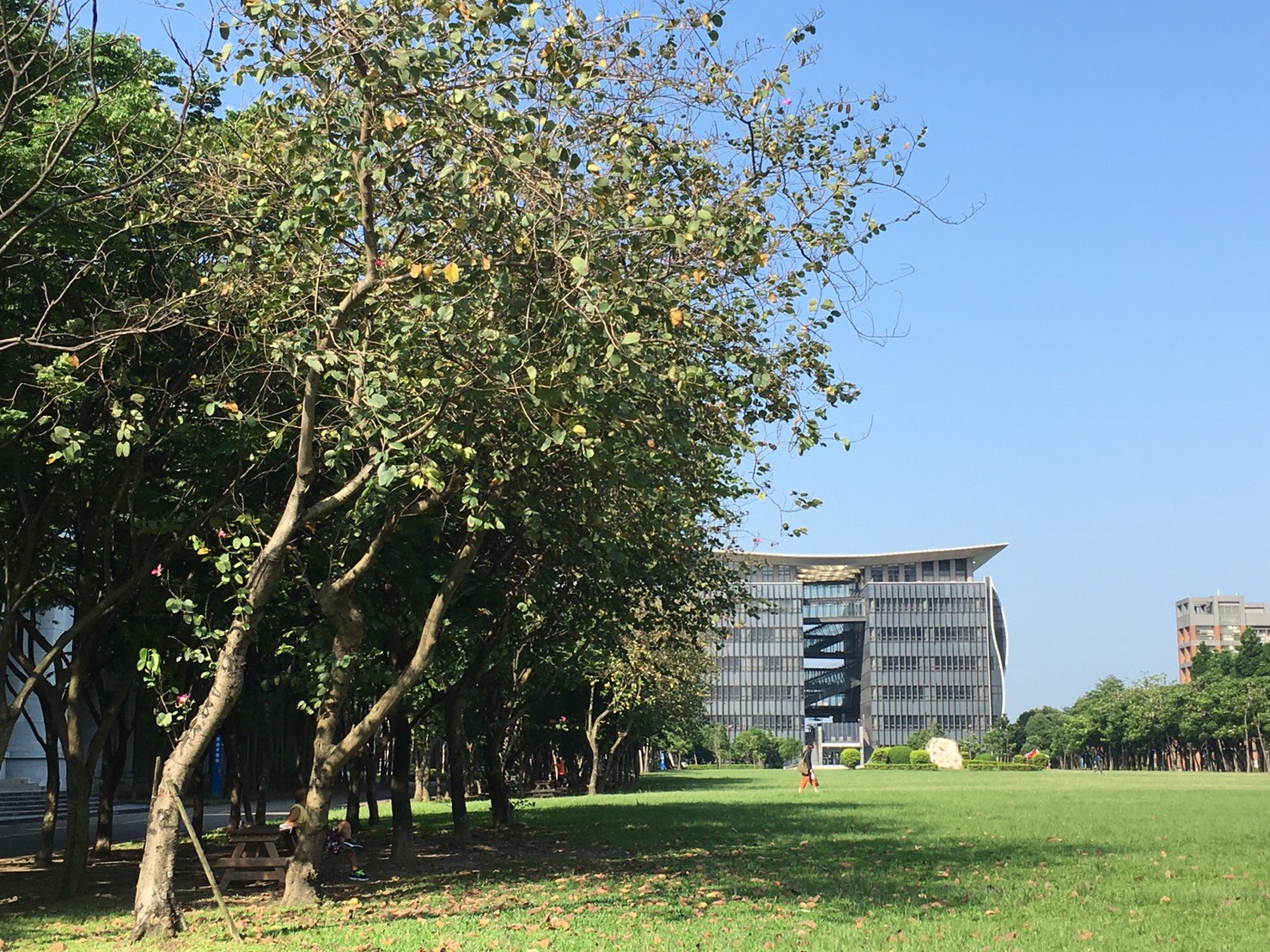
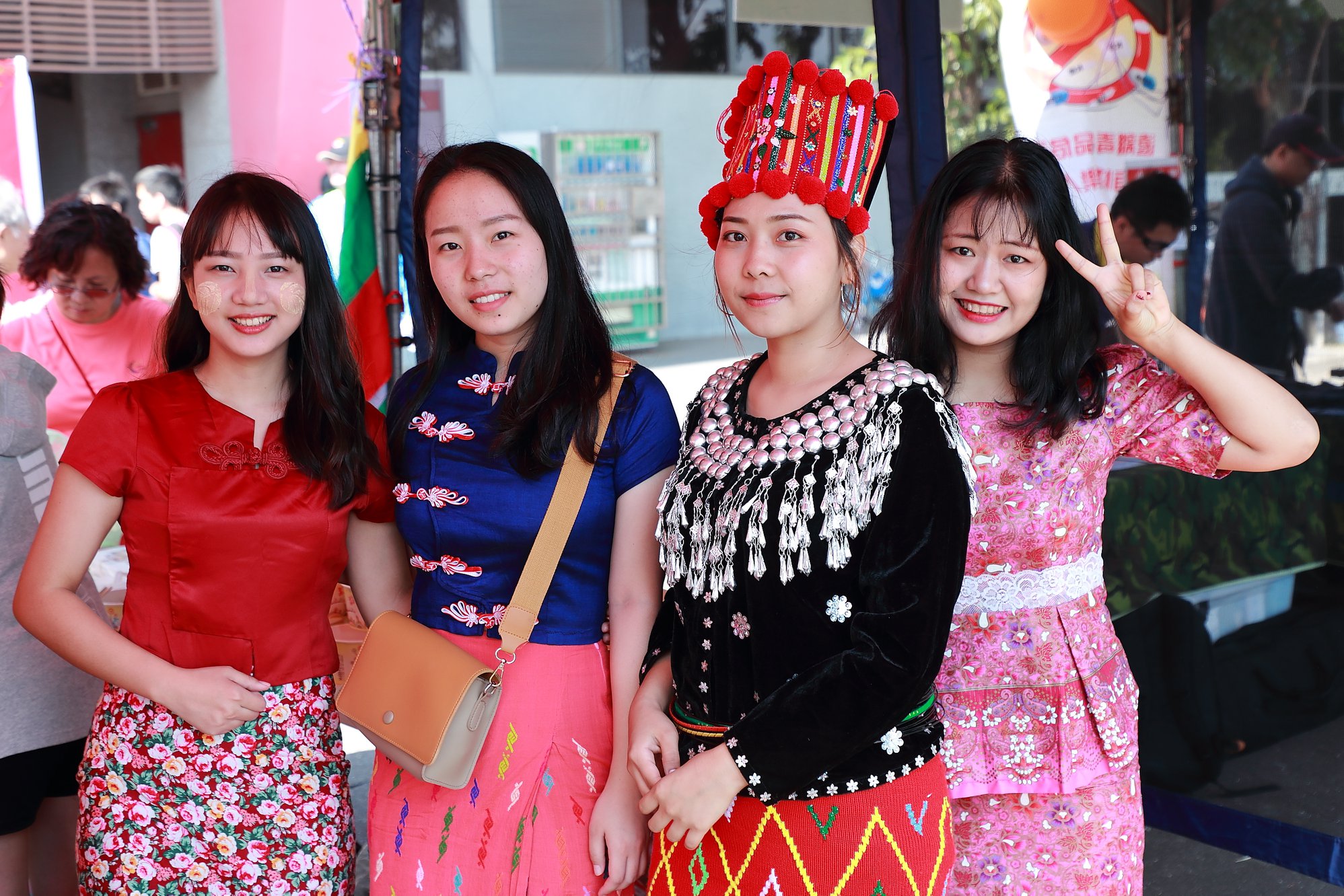
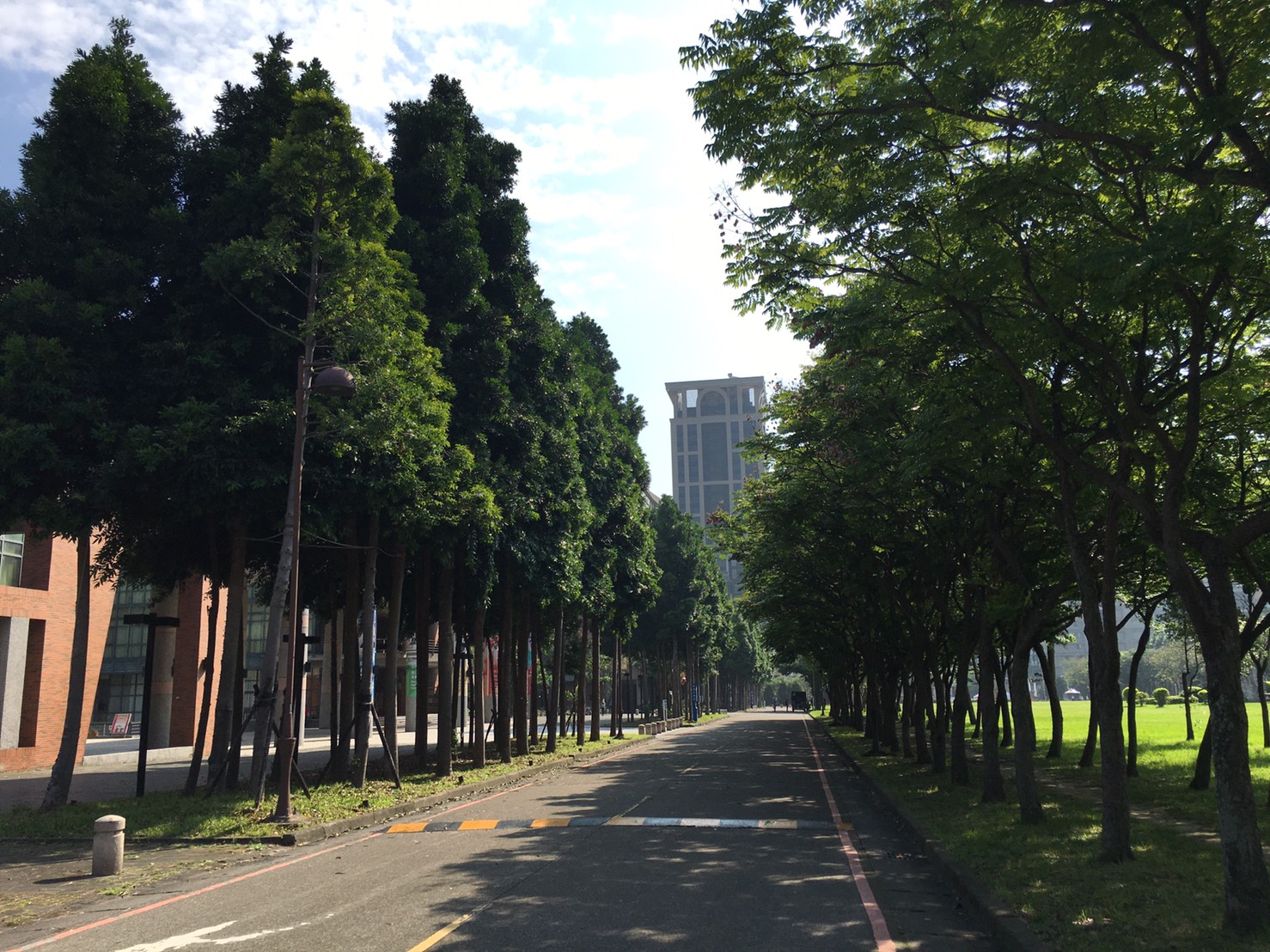
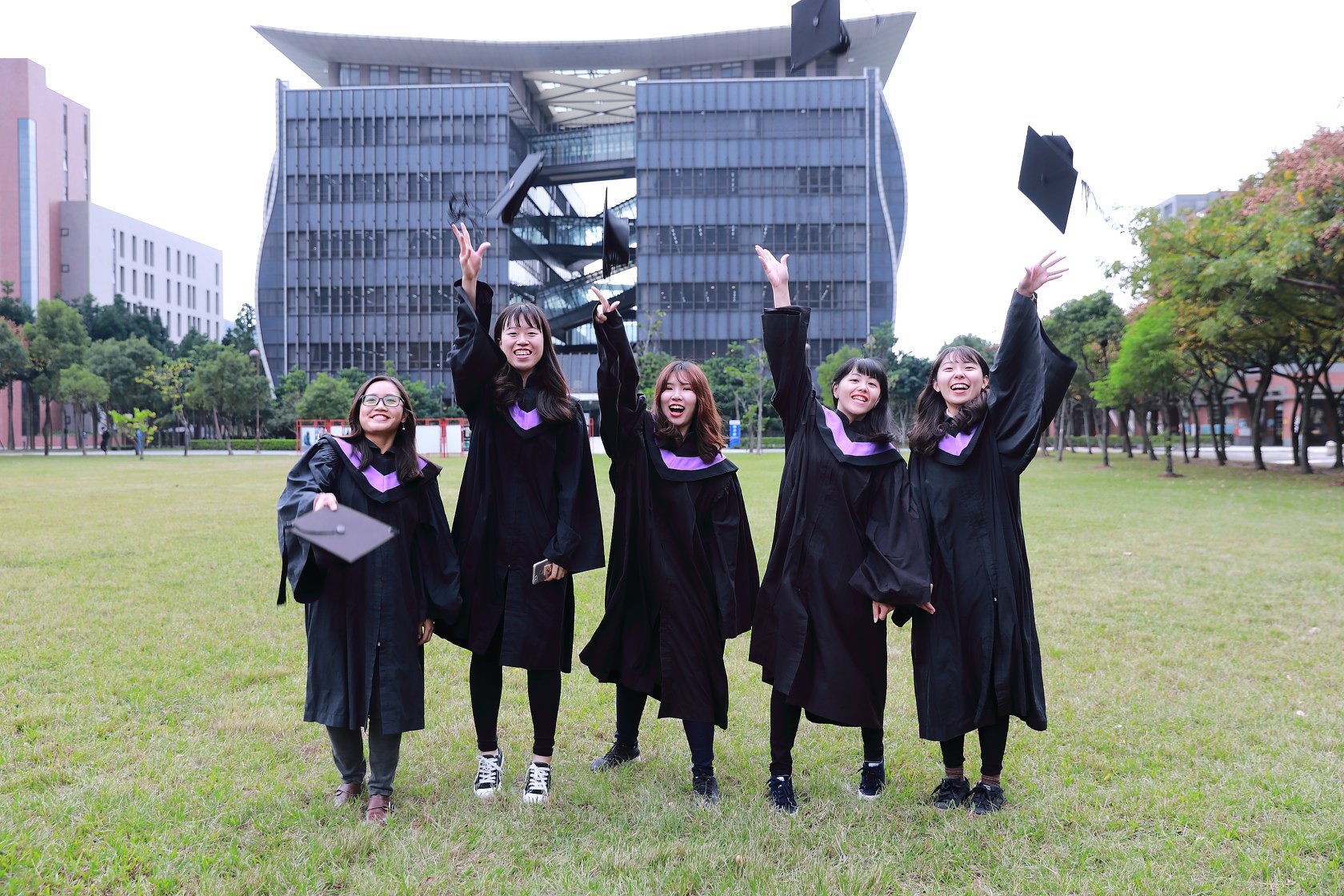
Departments
School Departments and Programs
College of Public Affairs
College of Business
College of Law
College of Social Sciences
College of Humanities
College of Electrical Engineering and Computer Science
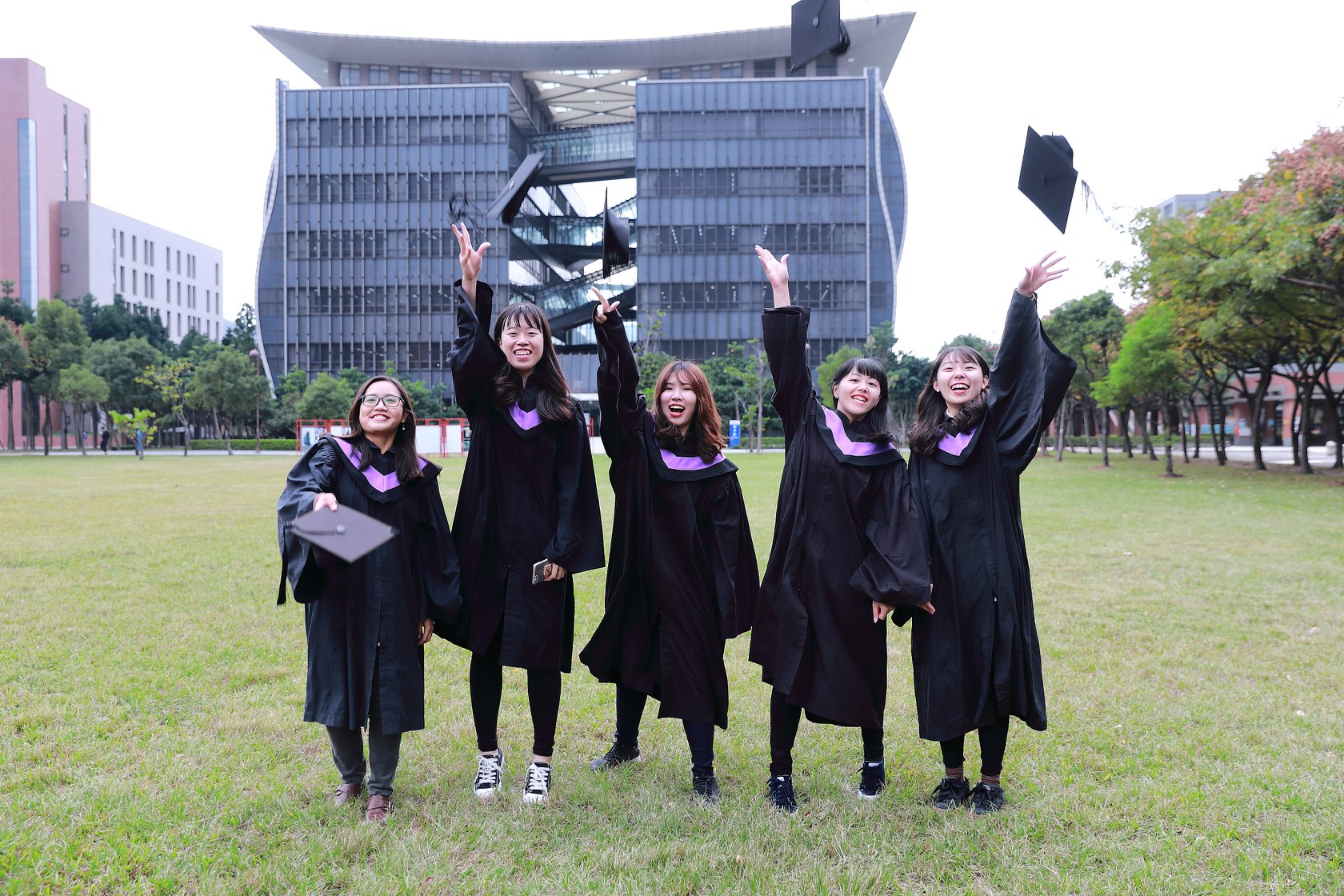
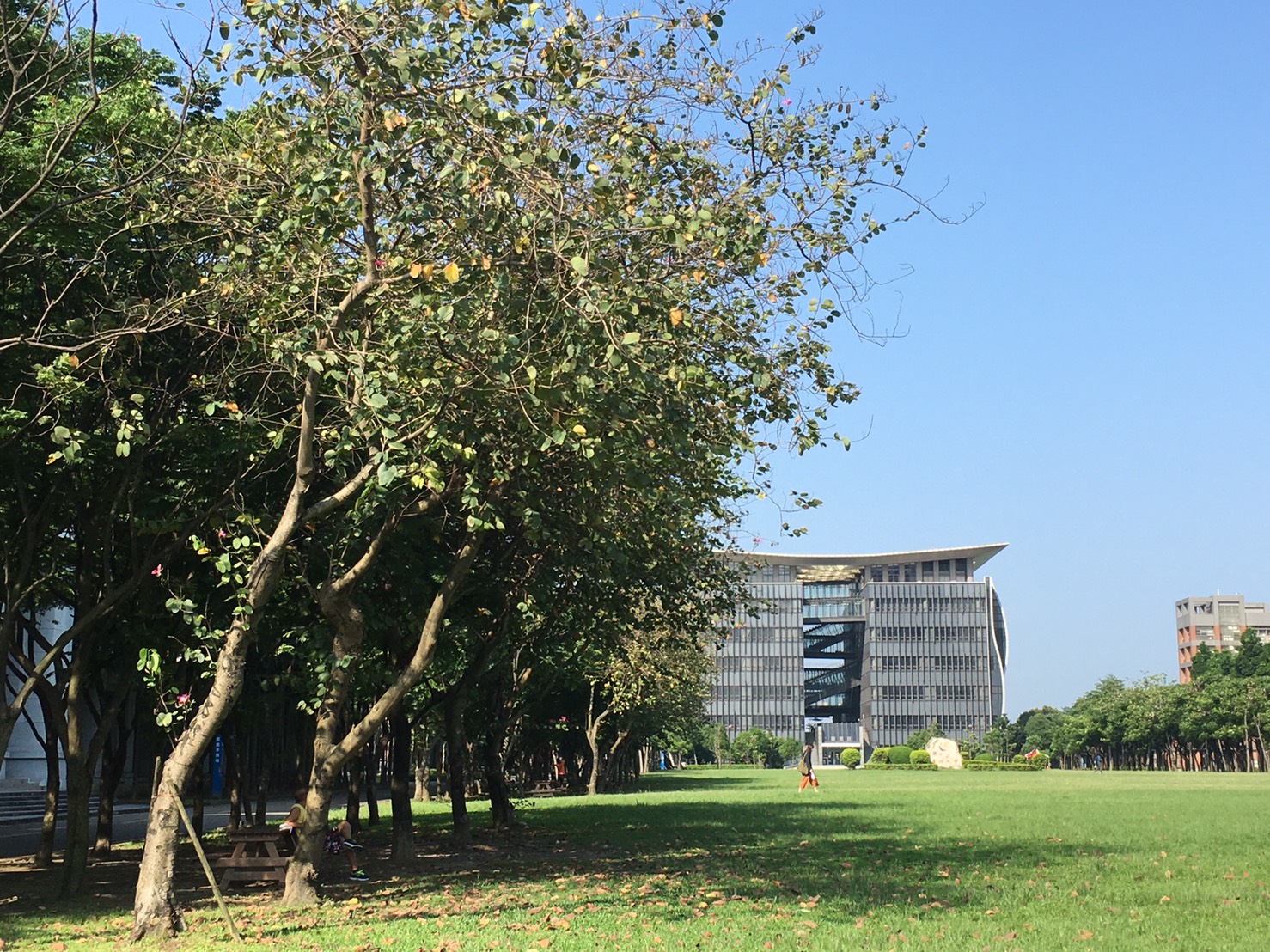
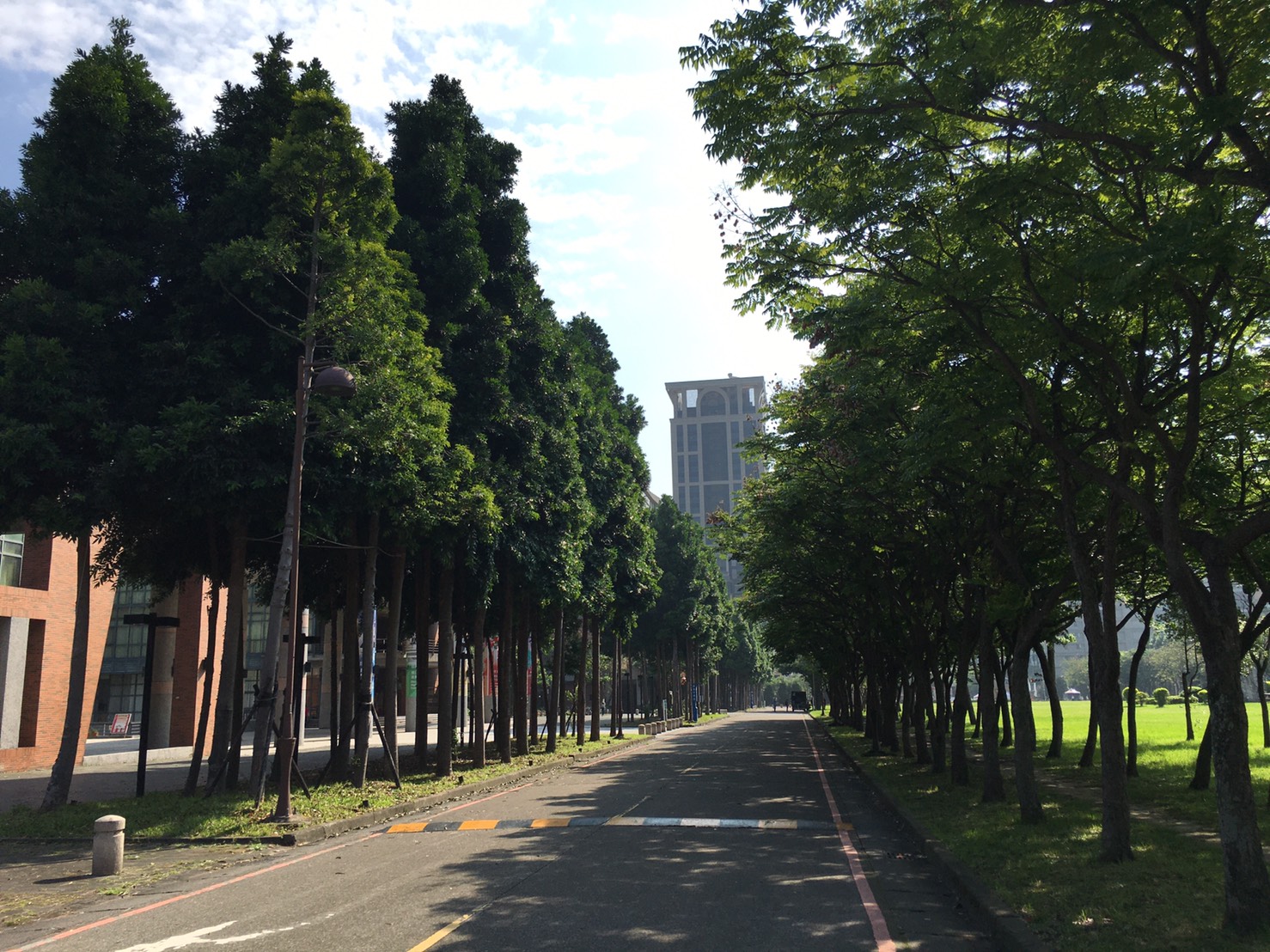
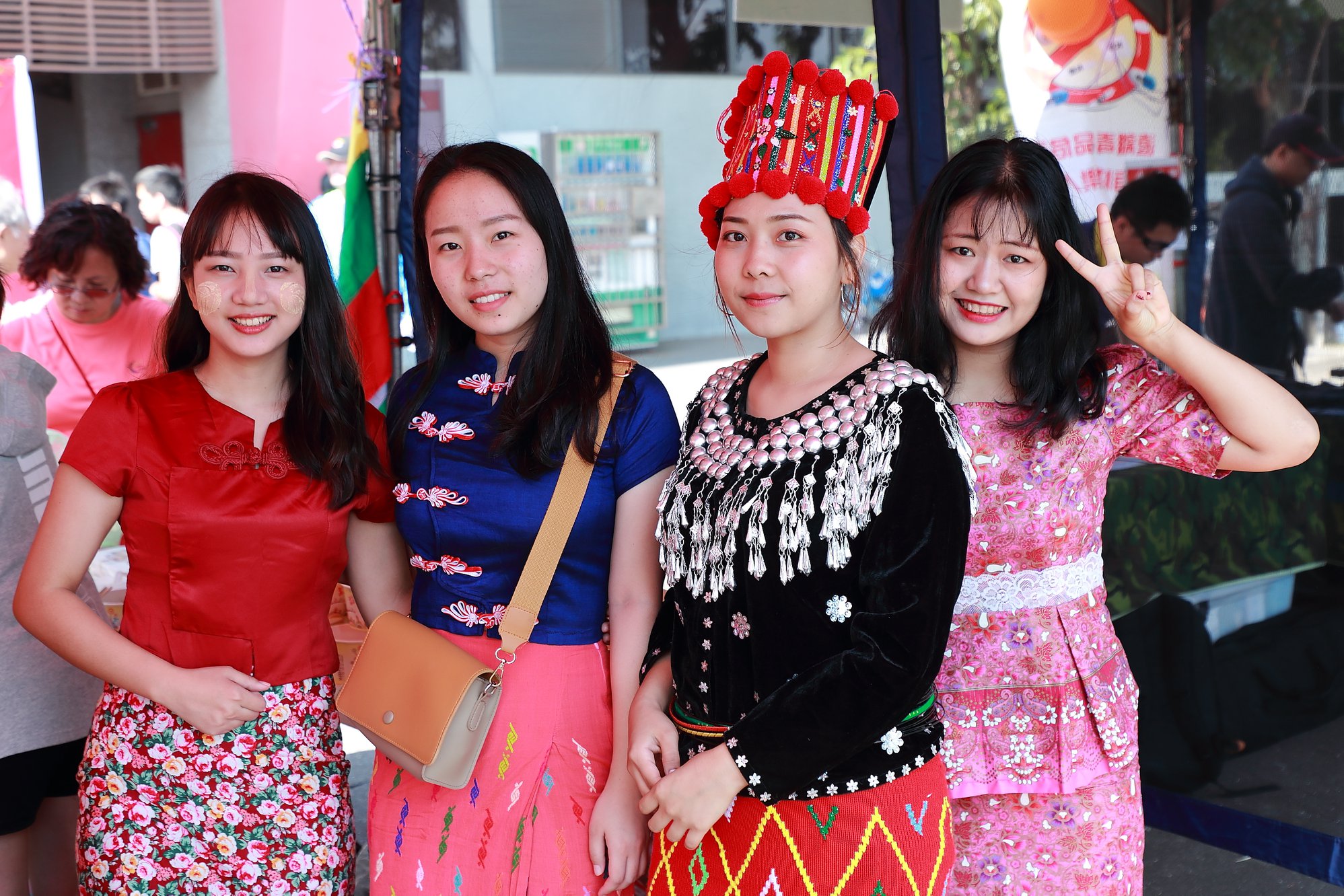
Scholarships
Scholarships
|
Scholarships |
Scholarship Amount |
Eligibility
|
|---|---|---|
|
Ministry of Education Bursary for Poor Overseas Chinese Students |
NTD 36,000 (NTD 3,000 per month) |
According to the latest brochure announced by the Office of International Affairs of the university
|
|
Ministry of Education Scholarship for Outstanding Overseas Chinese Graduate Students |
NTD 60,000 |
According to the latest brochure announced by the Office of International Affairs of the university
|
|
Overseas Community Affairs Council Outstanding/Excellent Academic Overseas Chinese Student Scholarship |
Outstanding Overseas Chinese Students NTD 50,000; Excellent Academic Performance NTD 5,000 |
According to the latest brochure announced by the Office of International Affairs of the university
|
|
Overseas Community Affairs Council Accepts Donated Overseas Chinese Student Scholarships |
NTD 5,000~20,000 |
According to the latest brochure announced by the Office of International Affairs of the university
|
|
Overseas Chinese Association Scholarship/Grant |
Scholarship: NTD 10,000; Grant: NTD 5,000 |
According to the latest brochure announced by the Office of International Affairs of the university
|
|
Shanghai Commercial Bank Malaysian Chinese Scholarship |
NTD 20,000 |
According to the latest brochure announced by the Office of International Affairs of the university
|
|
Various Overseas Chinese Student Scholarships from the Overseas Chinese Salvation Federation (Overseas Chinese Federation Cultural and Educational Foundation) |
NTD 5,000 |
According to the latest brochure announced by the Office of International Affairs of the university
|
|
National Taipei University Village Qian Hope Scholarship |
NTD 20,000~25,000 |
According to the latest brochure announced by the Student Affairs Office of the university
|
|
Ms. Zheng Chunzhi Memorial Scholarship |
NTD 15,000 |
According to the latest brochure announced by the Alumni Center of the university
|
Tuition and Miscellaneous Fees
College of Law, College of Public Affairs, College of Social Sciences, College of Humanities NTD45,691
College of Business NTD46,091
College of Electrical Engineering and Computer Science NTD52,668
Living Expenses
Living expenses: NTD 230,000
Please refer to the website for dormitory-related expenses: https://www.ntpu.edu.tw/admin/a8/org/a8-9/intro.php
School accommodation
The student dormitory on the Sanxia campus is located in the center of the Sanxia campus, next to the Xin Lake. There are currently four student dormitories, namely Xiaori Building, Haoyue Building, Fanxing Building, and Chenxi Building, which surround the Roman Square and jointly form the student dormitory area; a gym and table tennis room are set up in the basement of the dormitory area for students to use for leisure and fitness.
Student Dormitory – Haoyue Building
Haoyue Building is currently a female dormitory with 14 floors. The rooms are 3-person or 4-person suites, all with private bathroom facilities and balconies, and are equipped with internet, air conditioning and indoor extensions for students to use. Each floor has a dedicated lounge, and the lounges on the 4th and 9th floors are equipped with simple dormitory kitchens. The lounges on the 4th, 6th, 9th, 12th, and 14th floors are equipped with TVs, and there is a reading room on the 1st floor. The laundry rooms on each floor are equipped with washing machines, dryers, spin dryers, and laundry sinks.
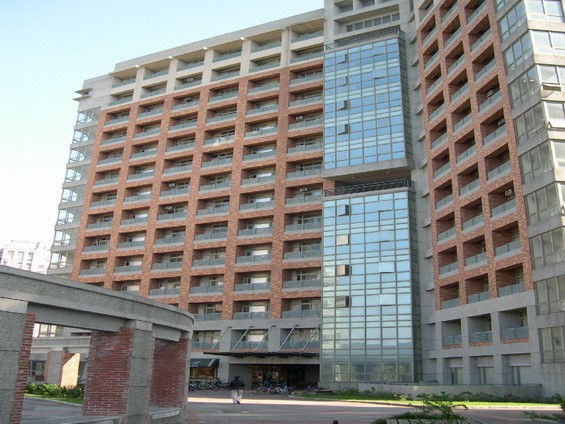
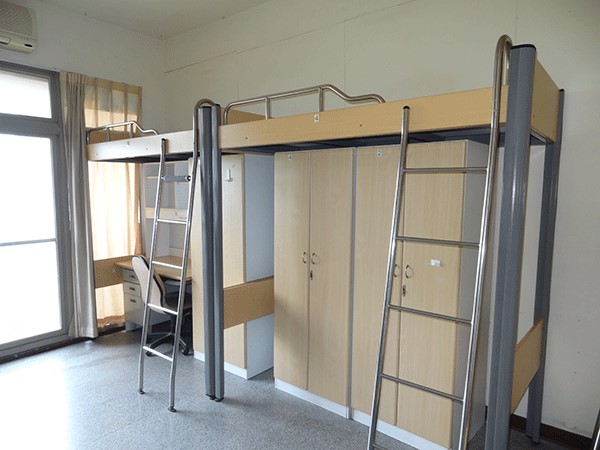
Student Dormitory – Xiaori Building
Xiaori Building is currently a male dormitory with 7 floors. The rooms are 3-person or 4-person suites, all with private bathroom facilities and balconies, and are equipped with internet, air conditioning and indoor extensions for students to use. Each floor has a dedicated lounge, the lounge on the 3rd floor is equipped with a simple dormitory kitchen, the 2nd and 6th floors have reading rooms, and the lounges on the 3rd and 5th floors are equipped with TVs. The laundry rooms on each floor are equipped with washing machines, dryers, spin dryers, and laundry sinks.
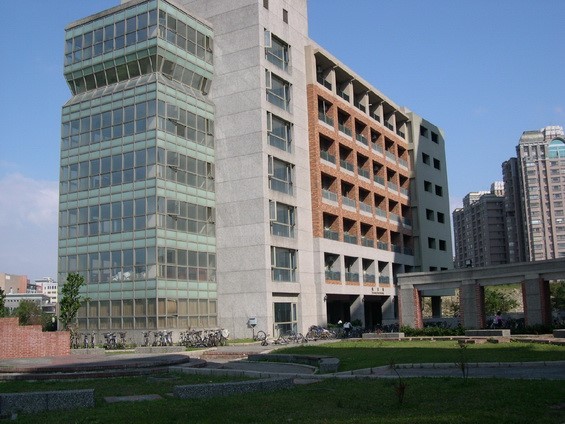
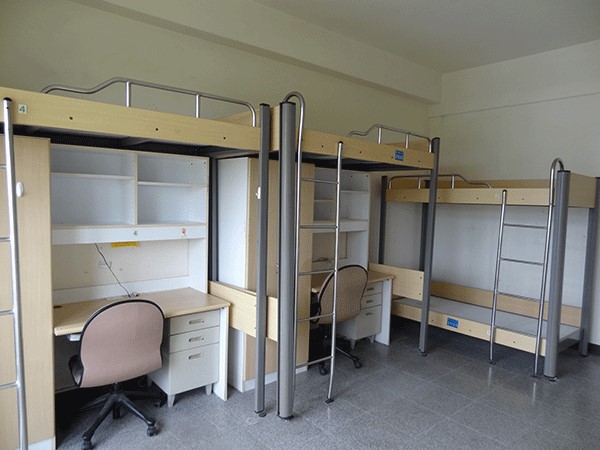
Student Dormitory – Fanxing Building
Fanxing Building is currently an international scholar dormitory and a male dormitory with 9 floors. The 9th floor is an international scholar dormitory, and the 1st to 8th floors are 2-person suite student dormitories, all with private bathroom facilities and balconies, and are equipped with internet, air conditioning and indoor extensions for students to use. Each floor has a dedicated lounge, the lounge on the 3rd floor is equipped with a simple dormitory kitchen, and the lounges on the 3rd and 5th floors are equipped with TVs. The laundry rooms on each floor are equipped with washing machines, dryers, spin dryers, and laundry sinks.
Student Dormitory – Chenxi Building
Chenxi Building is currently mainly planned as a dormitory with the same building but different floors for men and women. It has 10 floors. It is tentatively scheduled that men will be on the 2nd-5th floors/women will be on the 6th-10th floors (the floors will be slightly adjusted each year according to the number of new students applying); the rooms are 4-person suites, all with private bathroom facilities and balconies, and are equipped with internet, air conditioning and indoor extensions for students to use. Each floor has a dedicated lounge, and the lounges on the 3rd, 6th and 9th floors are equipped with simple dormitory kitchens. The lounges on the 3rd, 5th, 6th and 9th floors are equipped with TVs. The laundry rooms on each floor are equipped with washing machines, dryers, spin dryers, and laundry sinks.
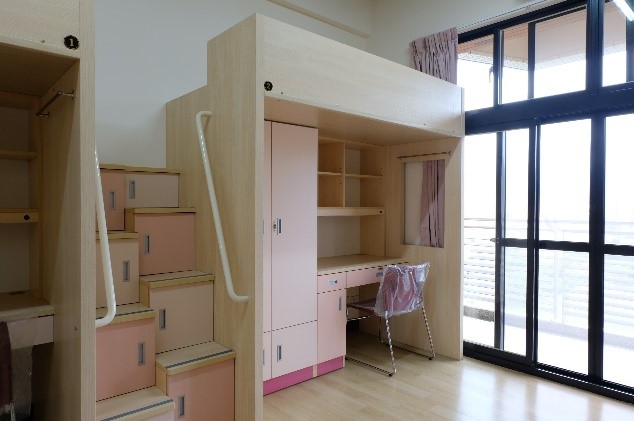
Pathways
National Taiwan University of Arts
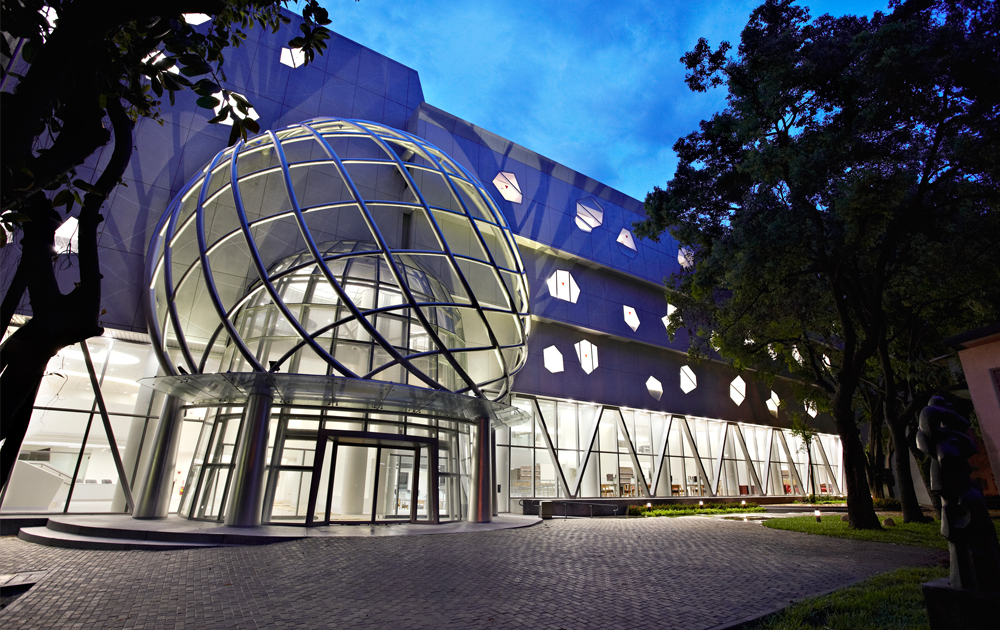
Information
Address
No.59, Sec. 1, Daguan Rd., Banqiao Dist., New Taipei City
Tuition and Accommodation Fees
Tuition
Undergraduate: 52,460 NTD/YR
Graduate/Credits: 24,360+1,440 NTD/YR
Accommodation Fee:
NTD/YR19,000 (4 people per room, undergraduate dormitory)
NTD/YR22,000 (2 people per room, graduate dormitory)
Living Expenses:
NTD 96,000 – 120,000NTD/YR, depending on personal living habits
Official website
NTUA OIA Office of International Affairs
Contact Information
(+886) 02-22722181
[email protected]
Introduction
Teaching quality and academic prestige
*Cheers Magazine’s “2021 Survey of Enterprises’ Favorite Master’s Students”: Our university won 11th place among national universities & 13th place among all universities in the category of enterprises’ favorite master’s students.
*Cheers Happy Worker Magazine – 2021 Best Graduate School Guide: Our university won 2nd place in the “Arts, Design, and Architecture” category among all universities and colleges in the country.
*Cheers Magazine’s survey of Taiwan’s 2000 enterprises ranked our university second among enterprises’ favorite master’s students in the architecture/design/art category.
*Our university has won the “Best Performing School Award” in the MOD Micro Film and Golden Film Creation Competition for 3 consecutive years (2018-2020).
*The NTUA Art Village Renovation Project upholds the preservation of cultural assets and the establishment of an art ecological park. The art village on the north side of the school was originally an old, idle dormitory for teachers. The plan is to recycle, renovate, and repair it, and cooperate with the existing courtyard texture of each building to develop into an art landscape garden with exhibition and performance functions, enhance the special urban geographical and humanistic value, and transform it into an international art village with humanistic and historical texture.
International Exchange and Cooperation
*Our university has signed academic exchange and cooperation agreements with more than 200 outstanding art universities and comprehensive universities around the world. All students enrolled in our university are eligible to apply for overseas exchange and study opportunities to enhance their international perspective and practical experience in exchange.
*We encourage teachers and students to participate in international competitions, exhibitions, and performances, and have a subsidy program for teachers and students to participate in international teaching, exhibition, and competition performances, which subsidizes more than 100 teachers and students to participate in international competitions every year.
*Each department has activities such as exhibitions, performances, and academic seminars in cooperation with well-known foreign universities, providing opportunities to contact well-known domestic and foreign artists and increase opportunities for international internships and participation in exhibitions and performances.
Care for international students’ life on campus
*Our university gives priority to providing accommodation for international students, 4 years for undergraduates and 2 years for graduate students.
*Dormitory Apple Festival activities to care about the accommodation status of boarding students and build relationships.
*The International Affairs Office and the Overseas Chinese and Foreign Student Association of our school hold monthly cultural activities for overseas students, in addition to increasing interaction opportunities with Taiwanese students, to strengthen the care for overseas students studying in Taiwan.
Highlights
Featured courses
The National Taiwan University of Arts (hereinafter referred to as NTUA) implements the horizontal and vertical development of art interdisciplinary experimental education in the technology era. With the concept of a central settlement, it connects the Center for Technology and Art Experiment and the Center for Sound Art Experiment, and mediates the Research Center for Cultural Heritage Maintenance, and expands the Research and Teaching Center for Intangible Cultural Heritage and the Experimental Teaching Center for Physical Art to gather diverse art practice energy and continue to develop innovative interdisciplinary experimental characteristic courses.
NTUA has always emphasized the solid deployment of teaching, and also balanced the distribution of students from various departments and institutes of characteristic courses. Starting from the interdisciplinary workshop of the pre-repair (college-level) academic innovation platform for bachelor and graduate students, the five centers strengthen the application-oriented science and technology of humanistic thinking, emphasize the radical experience of innovative knowledge and creative development, and cultivate young students to become outstanding art talents with aesthetic perception and interdisciplinary practice. From the 109th academic year to the present, NTUA has successively offered more than 40 series of innovative experimental/technology interdisciplinary courses, which have been fruitful. Focusing on the first semester of the 111th academic year, the five centers offered a total of 14 courses.
Center for Technology and Art Experiment
A total of 2 innovative courses in technology and art application are offered. Courses such as “Digital Matte Painting Workshop” and “Virtual Concert Production Workshop” allow students to understand the process of game scene concept design, from composition to lighting and design concepts to help cultivate digital concept designers to meet industry trends, as well as manage virtual characters and use Mocap motion capture technology to complete the character’s performance production; Unreal Engine is used to create a complete stage and visual effects to create a trendy stage with idol charm.
Sound Art Experiment Center
A total of 1 music technology interdisciplinary application course is offered. In the course “Max/MSP’s Sensory Symphony and Immersion Design”, students will learn about the artistic issues and programming skills involved in the development of interactive computer music and art. The course focuses on the Max/MSP programming environment, the basic principles of programming, MIDI, the details of digital audio, the algorithmic composition of music, and artificial intelligence, etc., to expand and enhance students’ basic abilities in sound software, and to have a basic understanding of immersive experience perception and cognitive design.
Research Center for Cultural Heritage Maintenance
A total of 2 courses on scientific research on cultural relic restoration are offered. Through courses such as “Cultural Heritage Scientific Testing and Analysis Class (Beginner Class)” and “Microscopic Testing Technology and Radiation Safety Personnel Training and Certification Class”, the basic scientific concepts and chemical practices related to cultural relic preservation are promoted through parallel teaching and training of academic theory and operational skills.
Research and Teaching Center for Intangible Cultural Heritage
A total of 4 practical courses on the preservation of intangible cultural heritage are offered. In response to current needs, traditional skills and modern design are integrated to launch courses such as “Development and Application of Lead-Free Glaze for Koji Pottery”, “Traditional Craftsman Qualification Training Class – Clay Sculpture and Cut and Paste”, “Introductory Course on Lacquer Thread Carving Craft”, and “Traditional Music Rooting Workshop – Beiguan Music”, to construct knowledge and content of cultural heritage, stimulate potential professional research on cultural heritage, cultivate technical and artistic talents for cultural heritage inheritance, and assist in applying for the review of traditional craftsman qualifications by the Ministry of Culture to improve the overall quality of technical talents in our school.
Experimental Teaching Center for Physical Art
A total of 5 experimental courses on innovative development of physical movements are offered. Courses such as “Let’s Use Theater to Dialogue”, “Portrait Series of Artists – A Comprehensive View of Performing Body”, “Master the Skills of Storytelling! – Howling Performance’s Howling Short Film Creation Mindset”, “Suzuki Tadashi Actor Training Method (Beginner)”, and “Theater X Image X Immersive Interaction – ‘The Real Appearance’ Performance Workshop” allow students to develop critical thinking from different perspectives, redeploy spatial systems, bodies, and various media from their own contexts, find new perspectives of viewing and narration, and experience the integration or conflict of cross-border productions, etc., and then enhance their aesthetic literacy and analytical skills in Western mainstream contemporary theater, and develop creative models with local potential. The five centers will continue to pursue the combination and application of art and technology, and promote forward-looking art experimental characteristic courses through the integration of teaching, research and creation in the central settlement, and fulfill NTUA’s role as a stage for art and technology exhibition, performance, screening, and discussion.
Industry-Academia Cooperation
In order to implement the integration of learning and application, our school has begun to strengthen the connection between industry and academia, leading students to carry out industry-academia cooperation projects, internships and on-site visits to industries, combining the theoretical knowledge of the classroom and the practical operation of the industry to understand the basic knowledge and abilities of the current industry situation, and guide students to carry out product commercialization, participate in international competitions, patent licensing, innovation and entrepreneurship and other industrial knowledge, cultivate students’ ability to connect with the industry, and integrate the upstream, midstream and downstream of talent cultivation in a consistent mode of learning, internship, production and marketing, guide students to create, start businesses and find employment, and effectively enhance students’ employment competitiveness.
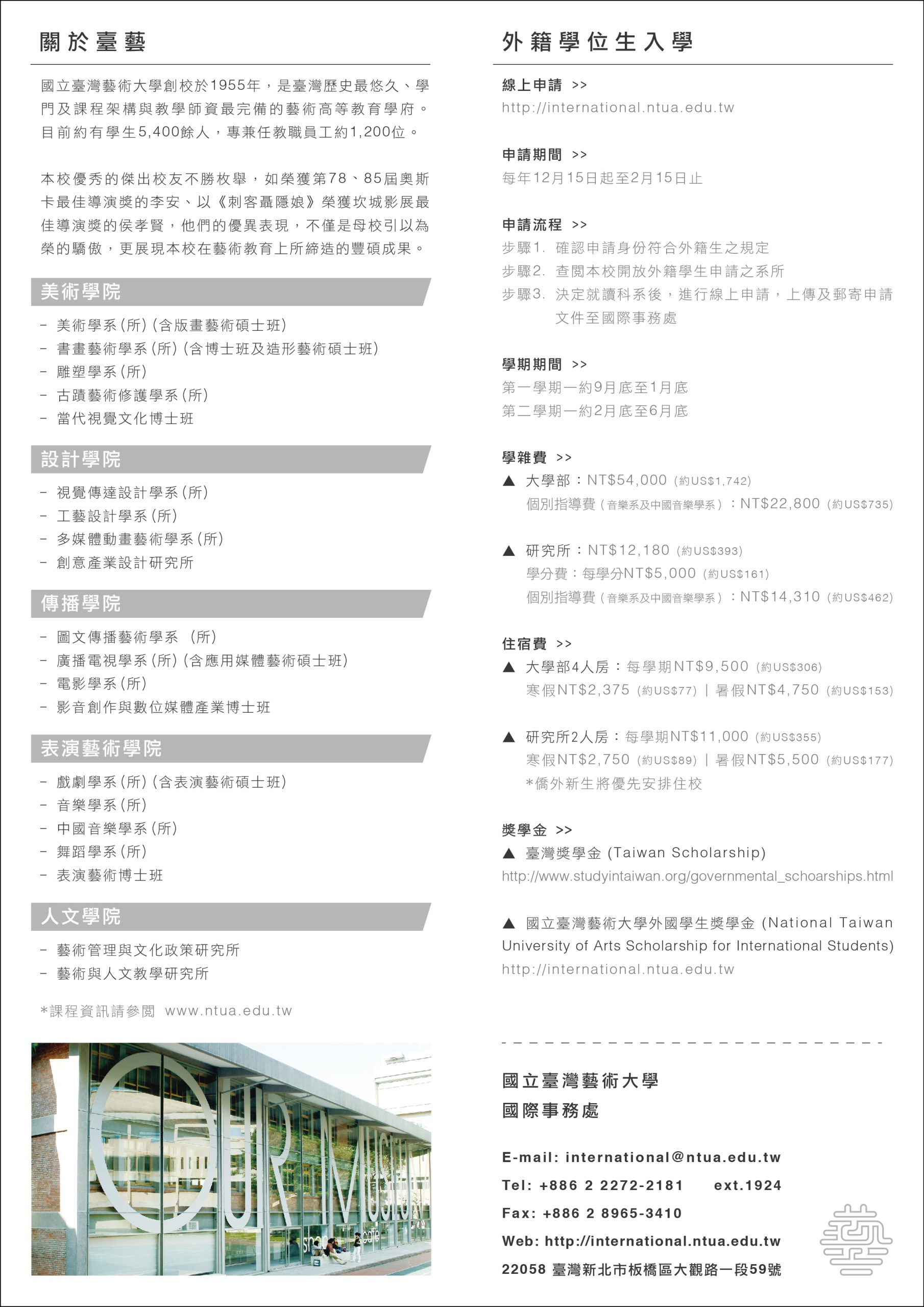
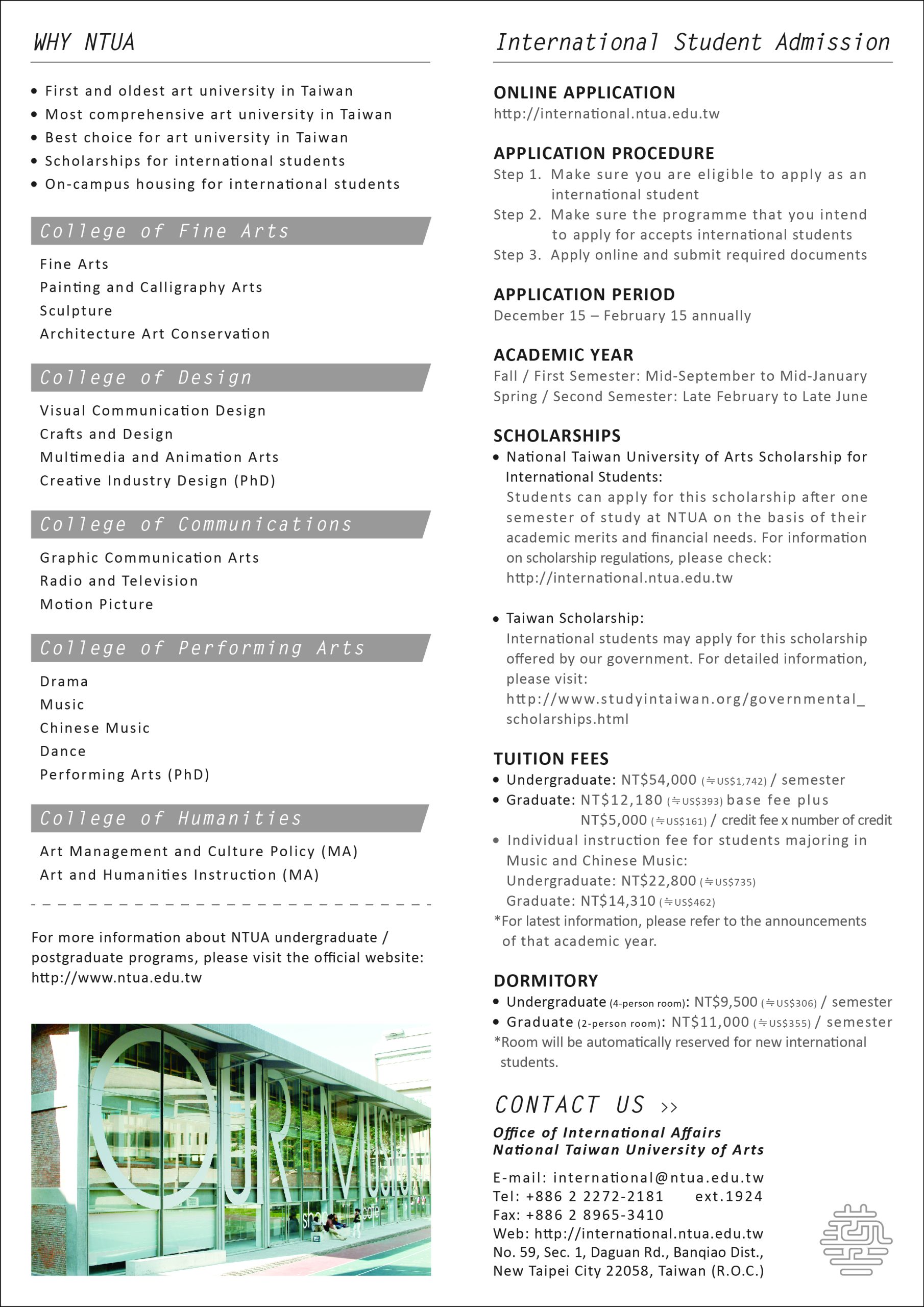
Departments
School Departments and Programs
暫無系所資料
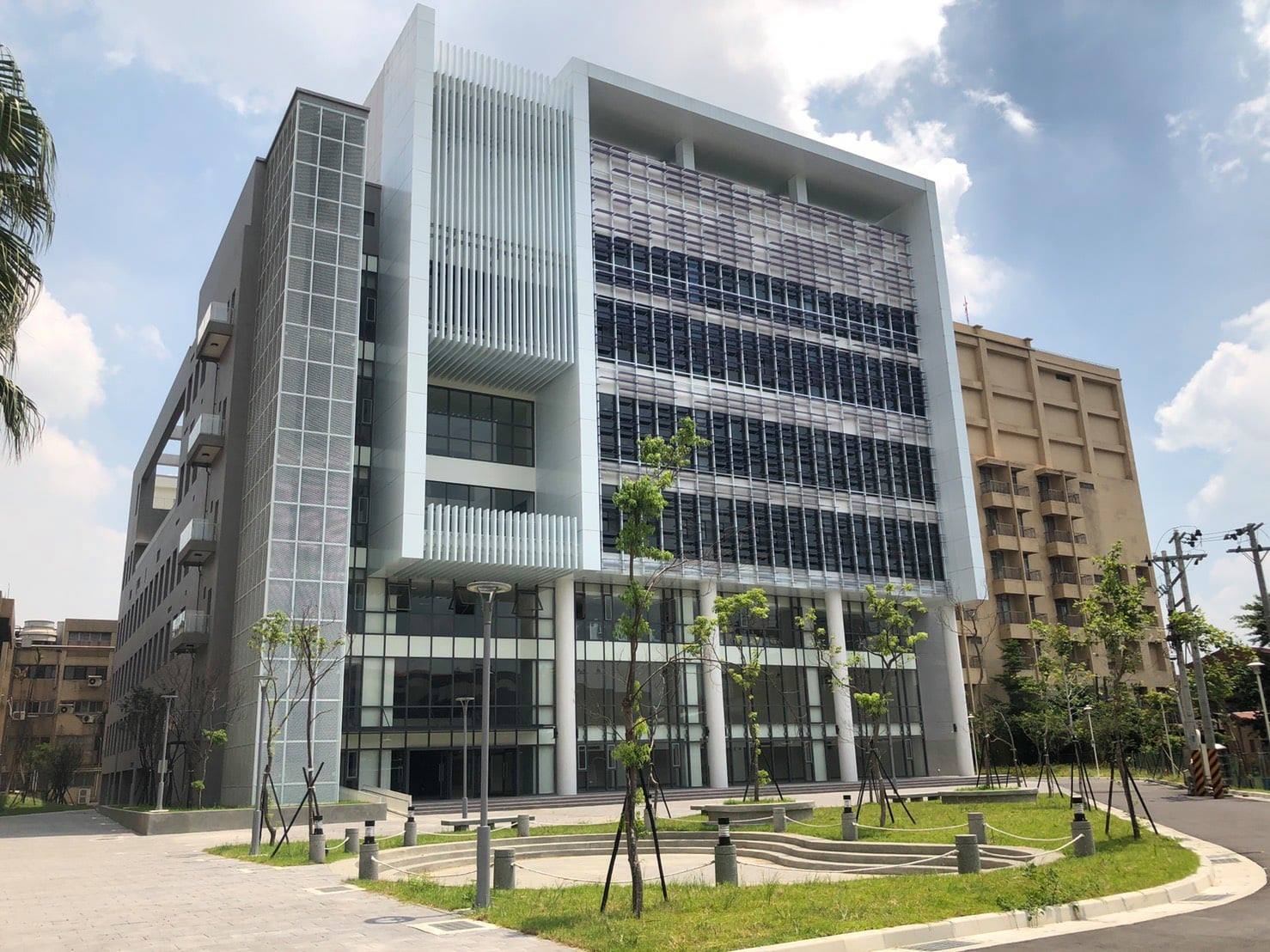
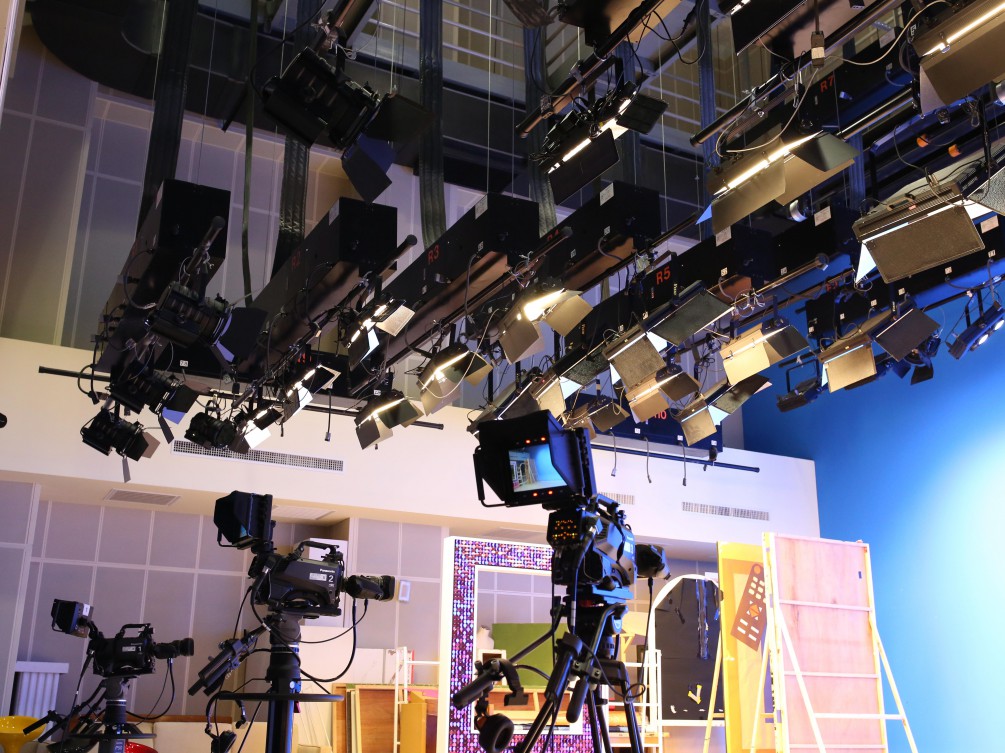
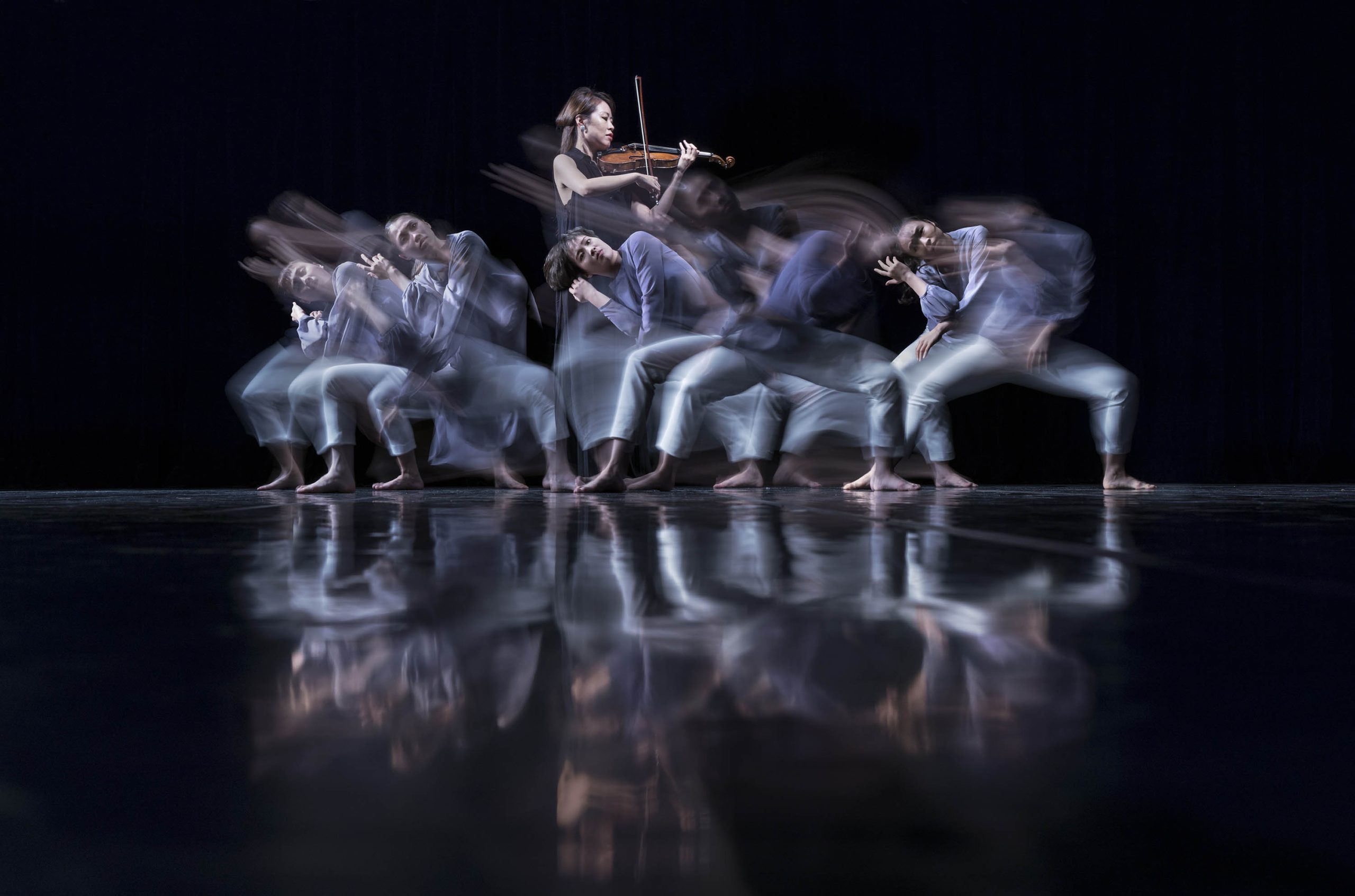
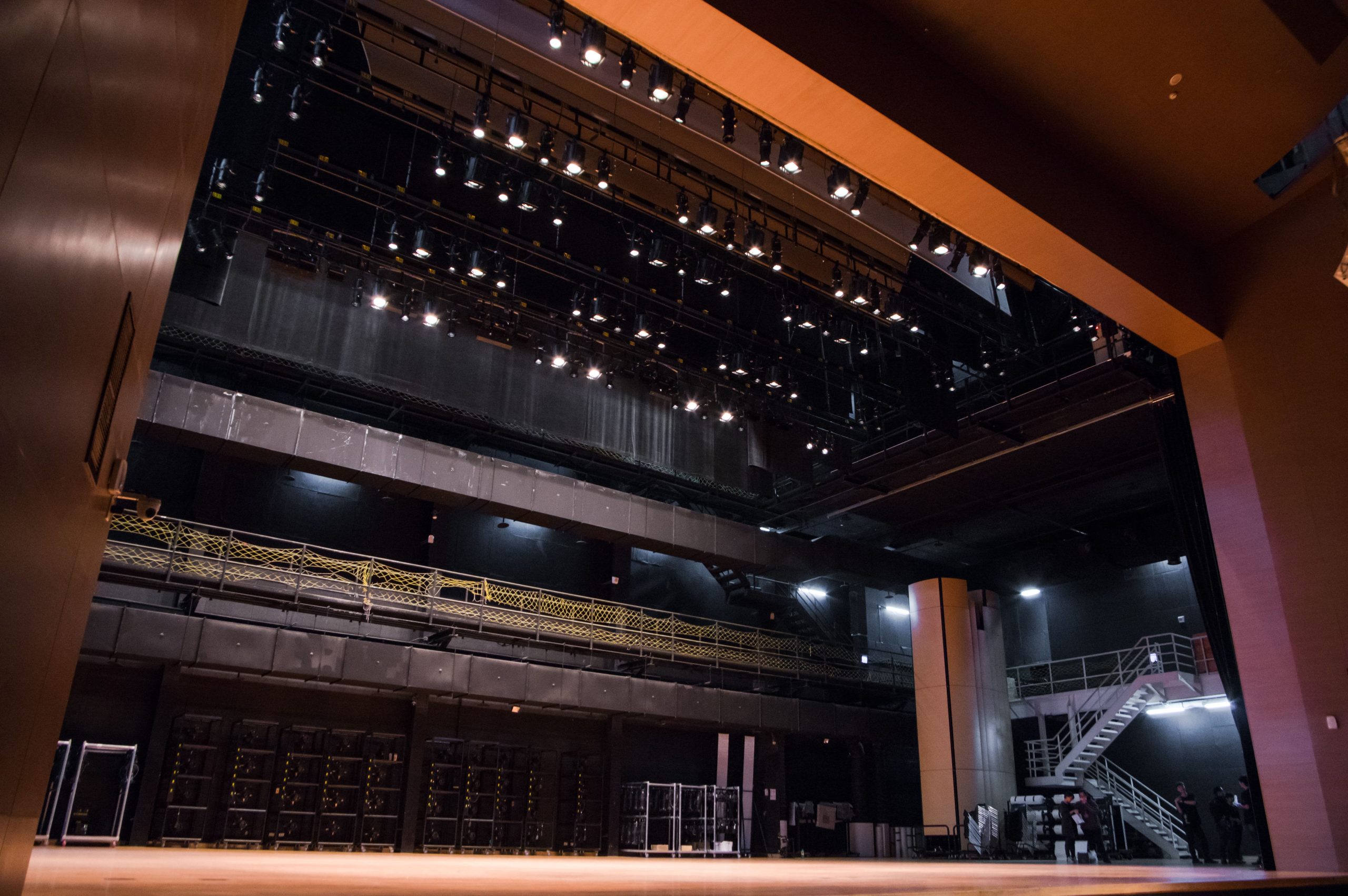
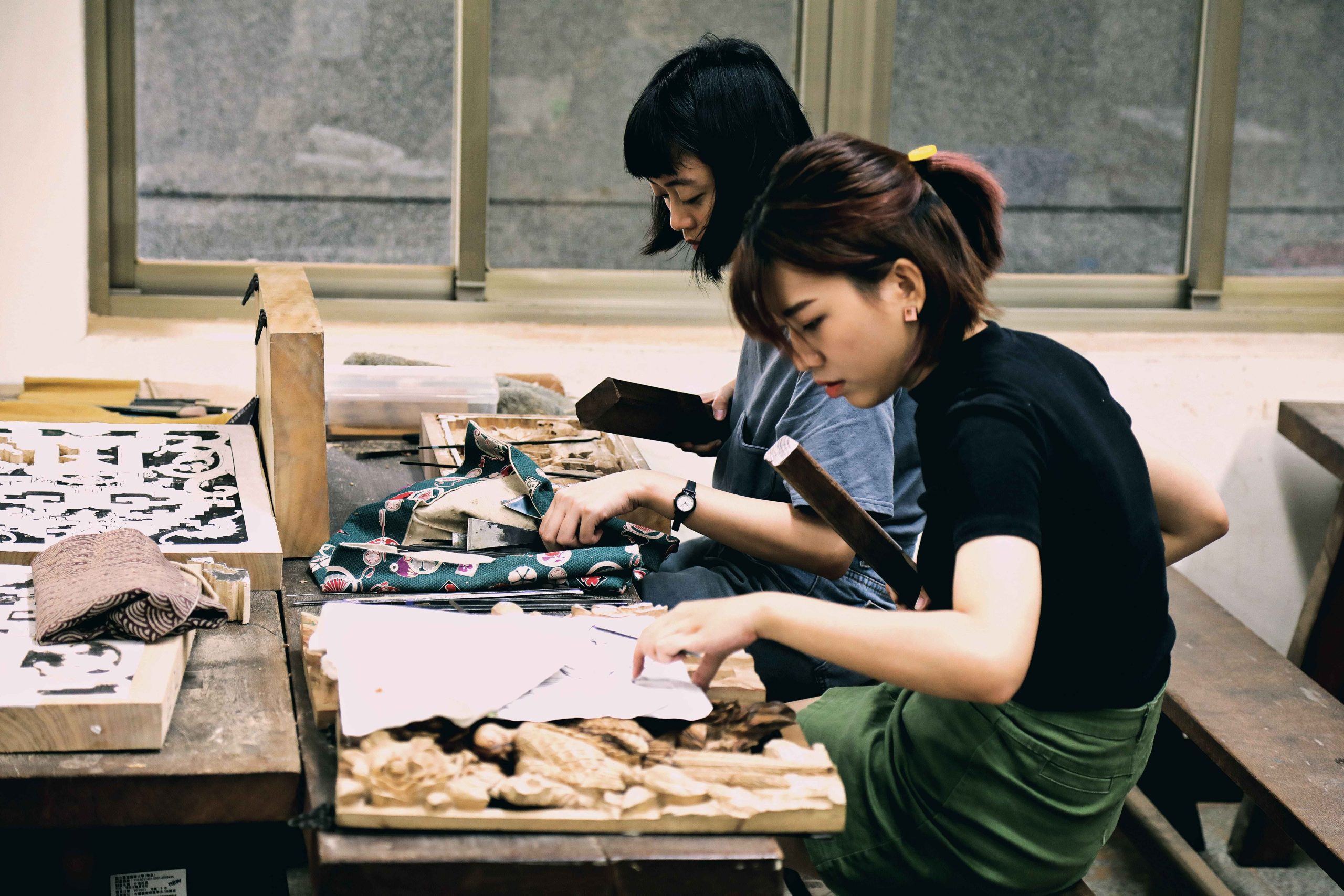


Scholarships
Scholarships
|
Scholarships |
Scholarship Amount |
Eligibility
|
|---|---|---|
|
OCAC Academic Excellence Scholarship |
NTD 5000 |
Overseas Chinese students (excluding master’s and doctoral students) who are officially enrolled in the school and are in their second year or above.
|
|
Overseas Community Affairs Council Accepts Donated Overseas Chinese Student Scholarships |
Based on each donor |
Overseas Chinese students who are officially enrolled in the school
|
|
Ministry of Education Scholarship for Overseas Chinese Graduate Students |
NTD 60,000 |
Overseas Chinese students who are officially enrolled in the school and are in their first year or above (excluding students who are extending their studies), or those who originally studied at a university in Taiwan and graduated in the current year and continue to study in graduate school.
|
Tuition and Miscellaneous Fees
|
College Name |
Tuition and Miscellaneous Fees
|
|---|---|
|
College of Fine Arts |
Undergraduate NTD 52,460
|
|
Department of Music |
Additional fees for major courses
|
Living Expenses
Living expenses: NTD 96,000 – 120,000, depending on personal living habits
Accommodation fee: NTD 19,000 (4 people per room, undergraduate dormitory) NTD 22,000 (2 people per room, graduate dormitory)
|
One semester |
One academic year |
One academic year
|
|---|---|---|
|
NTD 9,500 |
NTD 19,000 |
Female Dorm 1: 4 floors, 4-person room. *Bed set (desk below, bed above, bedding to be prepared by yourself), bookcase, wardrobe, locker, air conditioner, telephone (incoming calls only), internet. *Bed size: 195cm X 90cm
|
School accommodation
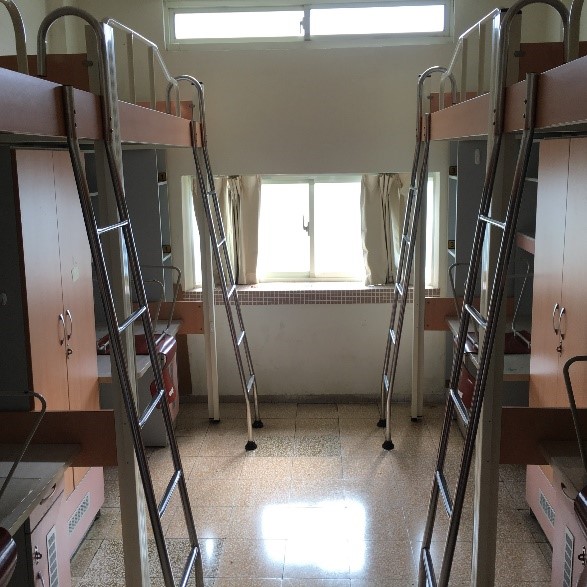
Pathways
Aletheia University
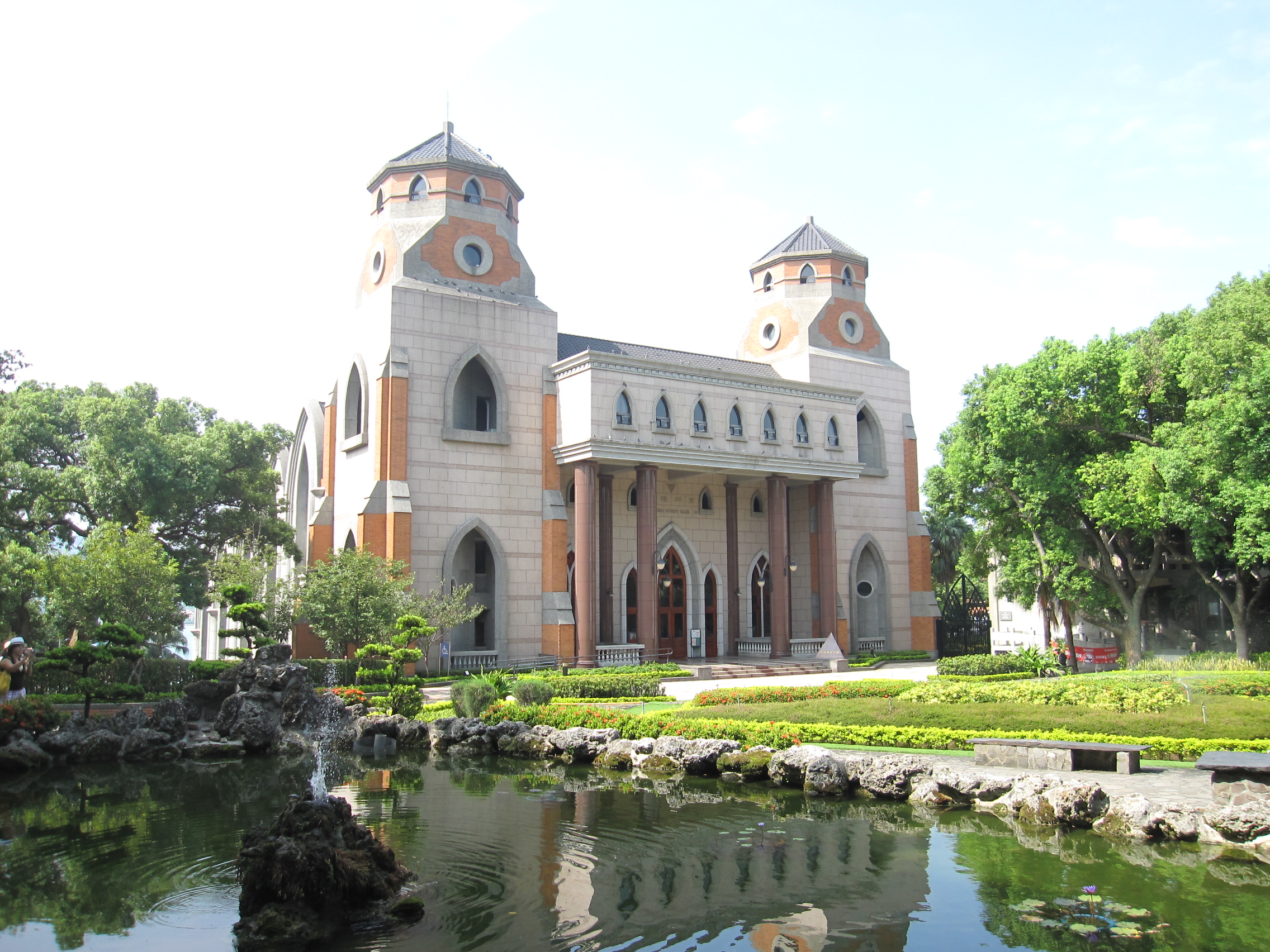
Information
Address
No. 32, Aletheia Street, Tamsui District, New Taipei City, 25103
Tuition and Accommodation Fees
Tuition: NTD/YR 90,340~104,480
Accommodation: NTD/YR 33,000~37,000
Living expenses: NTD/YR 96,000~100,000
Social Media
https://www.facebook.com/aucfia/?view_public_for=1416356578666952
Contact Information
+886-2-2621-2121
[email protected]
[email protected]
Introduction
A teaching-oriented university that emphasizes practical skills
- Emulate the spirit of Mackay and create environmental advantages.
- Many visits and internships, industry-academia collaboration.
- Promotion of “interdisciplinary courses” and “micro-credit courses.”
- International exchange, global perspective.
Pragmatic teaching, excellent performance: Aletheia is visible
- Emphasis on industry internship status, seamless integration of certification training and employment.
- Emphasis on character education, balanced performance in both literary and martial arts.
- Encourage participation in relevant off-campus competitions, and excellent performance verifies academic success.
- The faculty are experts in various fields and strive to obtain teaching resources with dedication.
- Dual degree programs, a grand slam for international studies.
- Emphasize social responsibility and realize Mackay’s spirit of love and service.
A distinguished alumni network and a time-honored brand guarantee quality
- Alumnus Lin Ting-san, the “Rice Expert,” is famous overseas, working with Taiwan and Japan to create a win-win situation.
- Warm-hearted CEO: Yang Chi-hua, Chairman of Din Tai Fung
- Distinguished alumnus Chang Kuo-wei, Chairman of Starlux Airlines, personally inspected and flew the plane back to Taiwan.
- Taiwanese snacks seen by the world: Lin Tsung-ming, CEO of Shay Guo Yu Tou, returns to his alma mater.
- AU’s outstanding alumnus Bai Wenliang promotes a win-win situation for alumni network enterprises and sustainable co-prosperity.
- Outstanding alumnus enterprise of the school: Fushou wins the Circular Economy Leadership Award.
Multiple transnational courses and activities, lively and pragmatic international exchanges
- Overseas study camps: Korea Exchange In-depth Cooperation Program, Japan Meijo University Skiing Course Program, Mainland Sister School Summer Camp, Philippines Winter and Summer Vacation Study Tours.
- Sister schools have been established with many schools in the United States, Europe, Japan, South Korea, Mainland China, and the Philippines.
- Dual degree programs: Middlesex University, University of the West of England, Sant Pol Hotel, University of Girona, Spain
– Tourism College StPOL
Exclusive Resources for International Students
- Exclusive activities for international students: New student orientation, welcome activities, cultural and intellectual tours, care activities, and festival activities, etc.
- Scholarships: AU Scholarship for Outstanding International Students, AU Scholarship for International Students, AU Scholarship for Overseas Chinese Students.
Highlights
AU Deep-Rooted Education: Teaching Innovation, Dedicated Counseling
Starting from Mackay’s spirit of “pursuing truth, love, and service,” we strengthen the advantages of culture, technology, and innovation, emphasize interdisciplinary and practical teaching, as well as the characteristics of local connection, international exchange, and care for the disadvantaged, to become a first-class teaching university with both humanistic qualities and emphasis on practical skills.
— Teacher professional growth training: Provide teachers with teaching or learning, multiple self-training and discussion channels, so that teaching courses develop in a high-quality direction that keeps pace with the times.
— Industry-academia internships and workplace experience: Provide students with workplace internship channels, realize the application of what they have learned, and seamlessly integrate skills into today’s industry, and graduate to employment.
— Curriculum micro-learning flexibility: Make teaching innovation thematic, flexible credits, so that the topics learned are many and broad, and induce students’ ability to learn independently and make learning life-oriented.
— Promotion of interdisciplinary courses: In order to meet the diverse and ever-changing industry needs, cultivate cross-domain talents, broaden students’ learning fields, and cultivate students’ core expertise and employment capabilities.
— Implement a counseling mechanism for academic and life: Implement the mentor system, and carefully counsel students in their studies and life: let students adapt to the living environment and optimize learning methods.
— Competency Diagnosis and Career Exploration: Assessing individual abilities and interests to cultivate advantageous skill pathways, integrating learning outcomes to further explore suitable career fields.
— University Social Responsibility Promotion: Give back to the society what you have learned, encourage the use of professional knowledge and creativity, improve the gap between learning and application, focus on social issues, and practice sustainable development.
AU Limited Art and Culture Experience: Experience the power of immersive art and culture and walk out of AU’s values
General Art and Culture New Experience ─ New Generation Art Care Course:
1. The new taste of Tamsui Old Street: Returning to agriculture and cultural and creative marketing
2. Theater performance ─ Whimsical Drama Classroom
3. Mackay’s natural class
4. A date with Li Tianlu Puppet Show
Because of the school’s beautiful and historically rich campus, it is the best environment for implementing art and culture courses. In addition to being close to the abundant artistic energy of the Tamsui area, it can quickly connect the rich artistic resources of the Greater Taipei area, giving students a broader learning momentum.
Since the 98th academic year, we have started to offer the “General Art and Culture New Experience ─ New Generation Art Care” course, actively inviting high-quality art and cultural and creative groups from outside the school to offer courses, and successively cooperated with Cloud Gate Dance Theater, Juming Museum, Tamsui Fort Santo Domingo, Li Tianlu Puppet Show Museum, Vanilla Street House Cultural and Creative Company, and Whimsical Theater to offer courses, and combined with the New Taipei City Tamsui Environmental Art Festival to deepen the localization characteristics of this project and increase the diversity and richness of general education courses.
The learning environment is no longer a classroom lecture alone, but emphasizes the two-way interaction between learners and the physical art and cultural environment and industry. The teachers are all leaders in the fields of art, culture, and cultural research, so that students participating in the course can gain a lot and receive continuous positive feedback.
Featured courses
Highlight 1 Mackay Cultural and Creative
Mackay and cultural development have always been inseparable. Highlight 1 presents the school’s various developments in “Mackay + Cultural and Creative,” including digital museums, monument performances, and the famous Mackay Natural Class, etc.
Highlight 2 Care for the Disadvantaged
The school’s volunteer service has always enjoyed a good reputation. This highlight uses local and overseas services to promote Mackay’s compassion and benefit the disadvantaged.
industry-academia cooperation or school-employment integration system
Highlight 3 Innovation and Sustainability
The school has always focused on innovative teaching. Through overseas and industry-academia internships, combined with innovative teaching and services, it enhances students’ learning outcomes and competitiveness.
Highlight 4 Programming Popularization
In view of the rapid development of information technology, this highlight’s plan focuses on cultivating students’ latest information technology and developing professional talents in various industries.

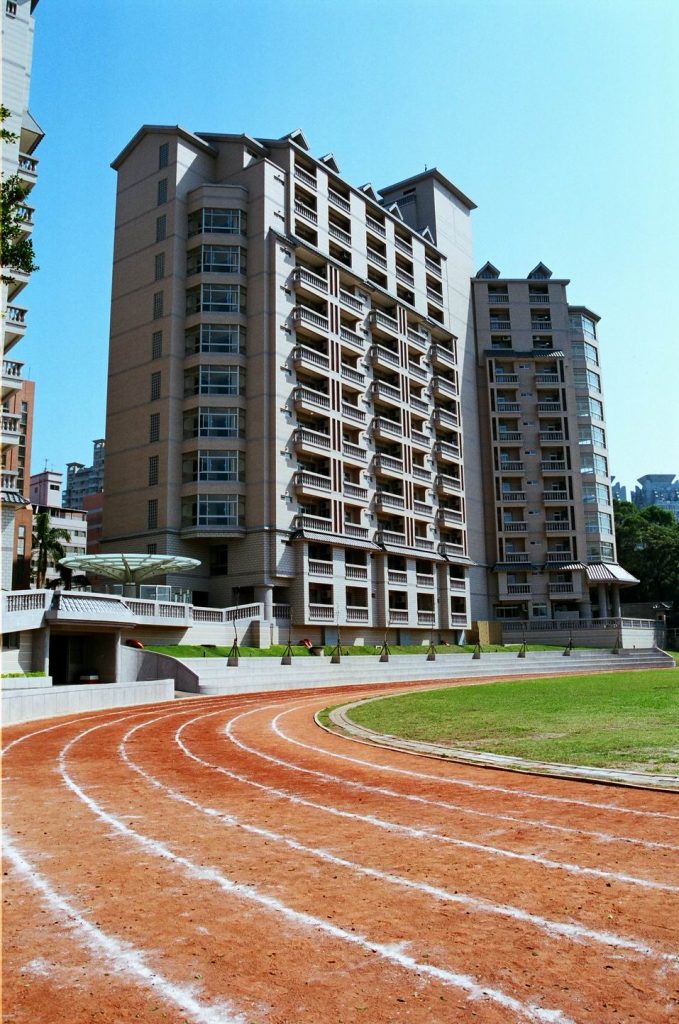
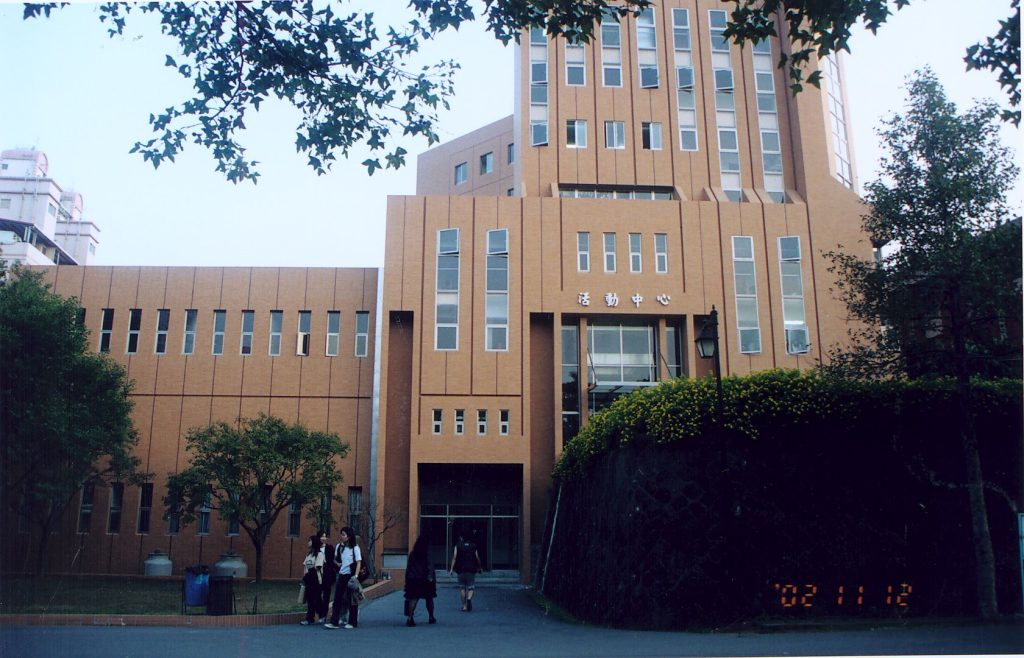

Departments
School Departments and Programs
College of Liberal Arts
College of Tourism, Leisure and Sports
College of Management and Information
College of Finance and Economics
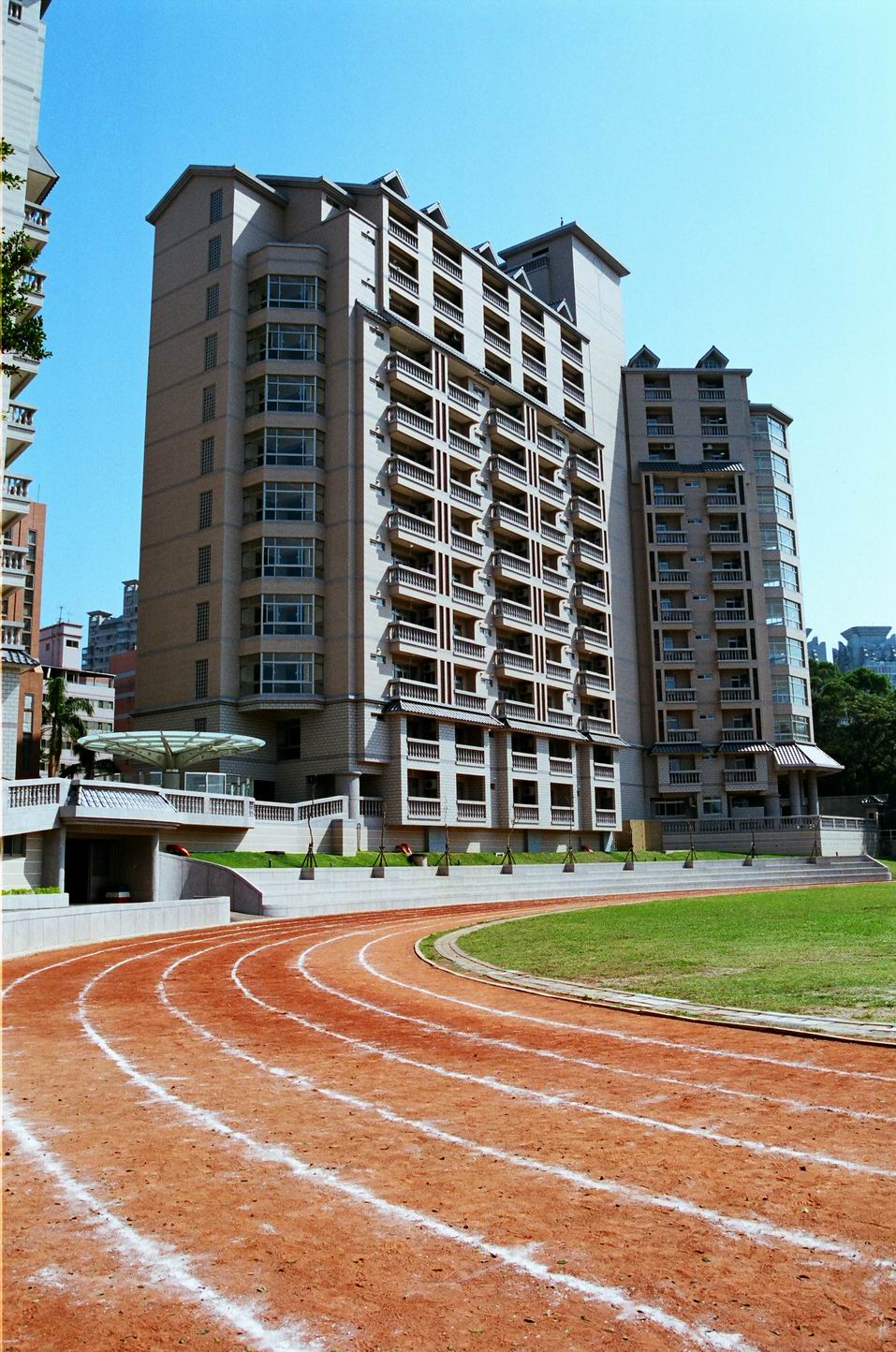
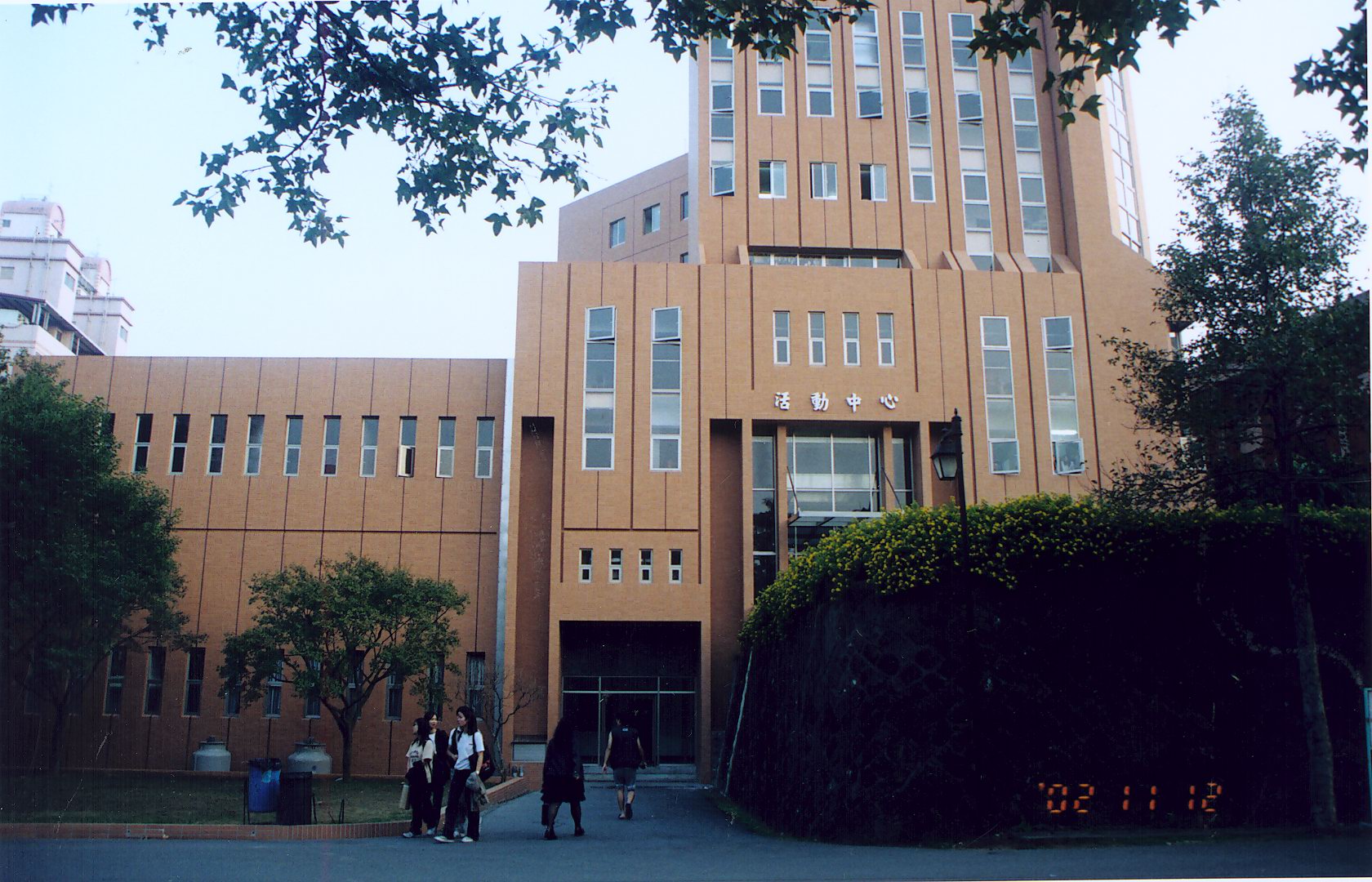
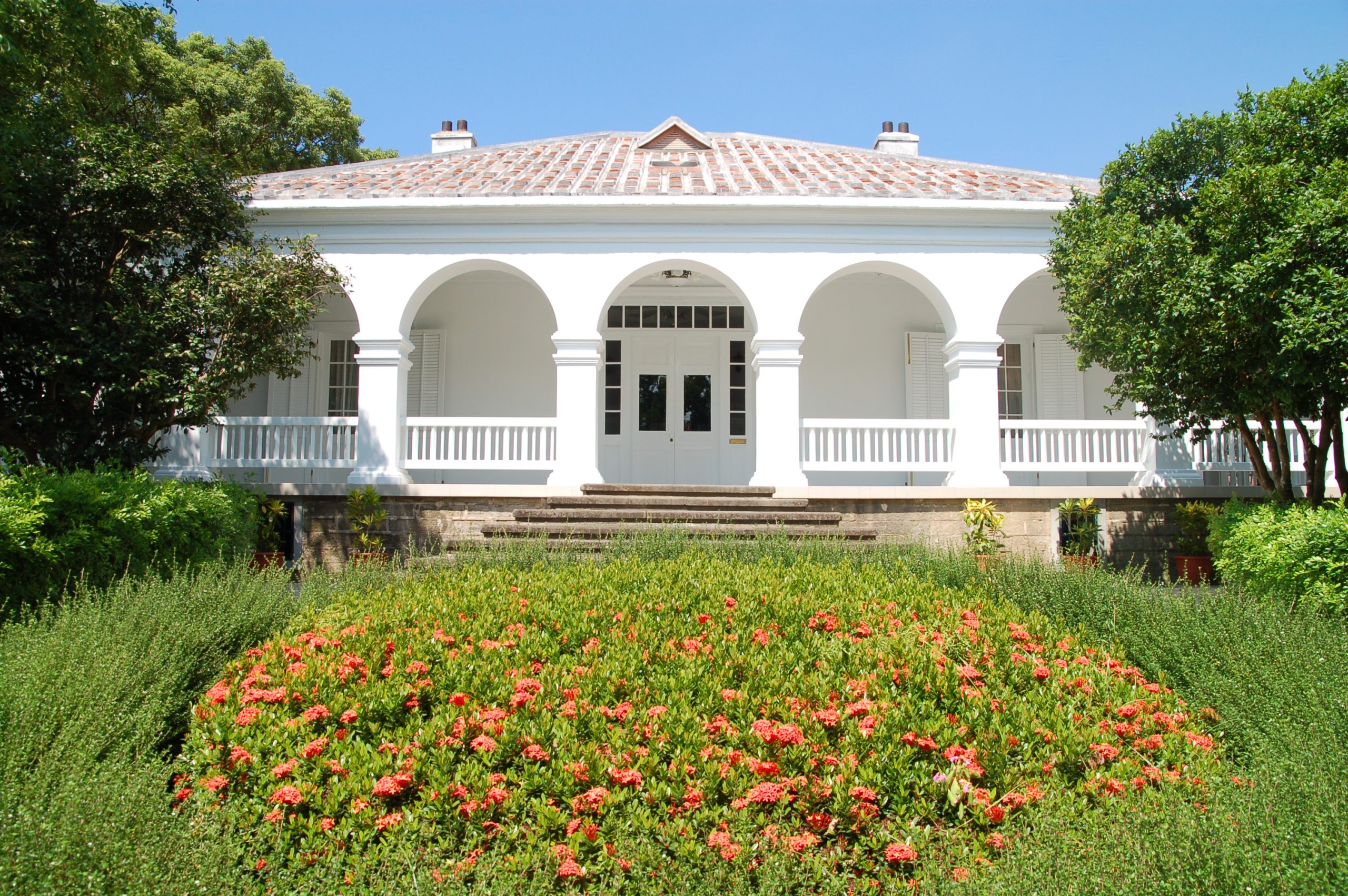
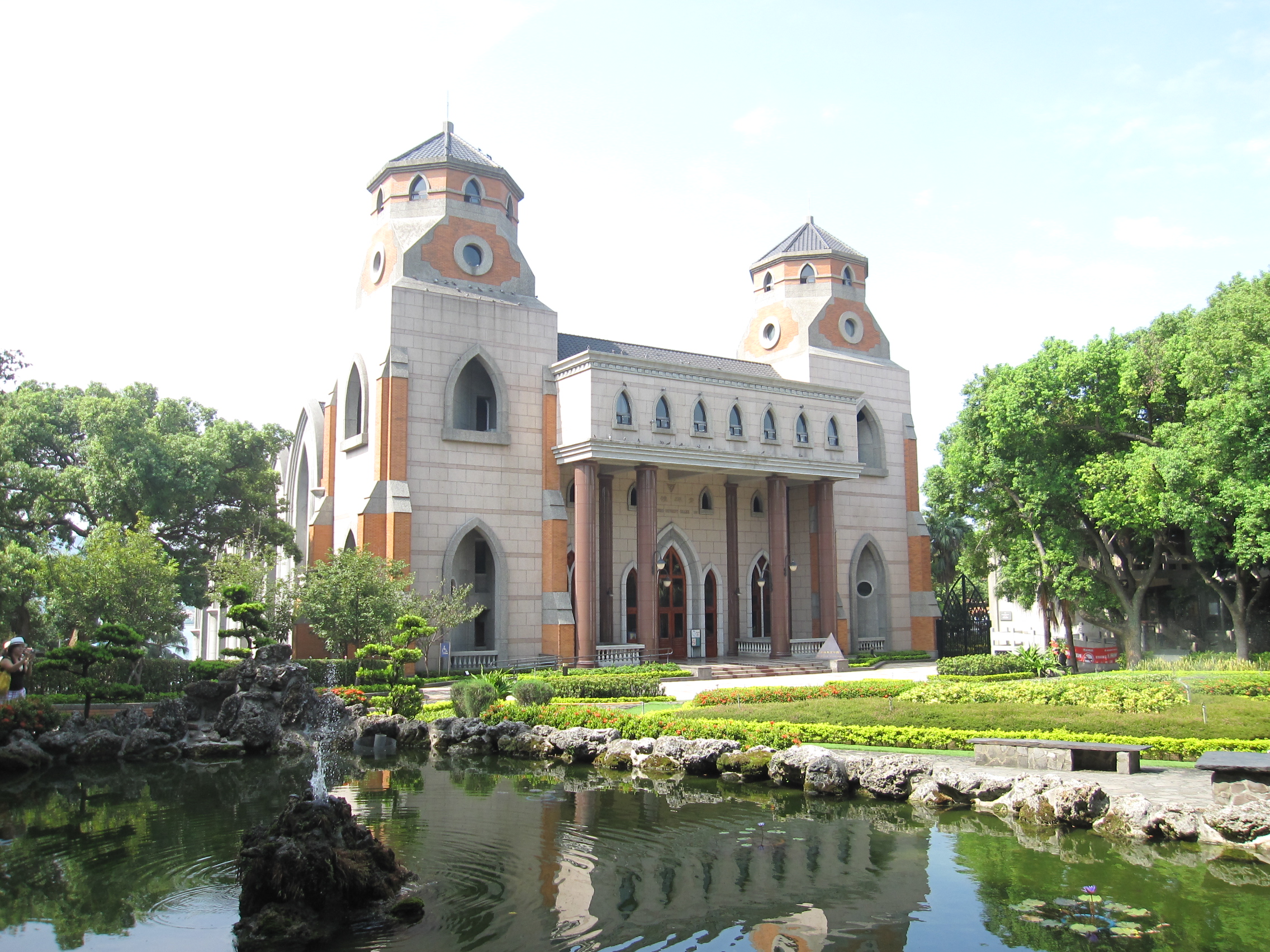

Scholarships
Scholarships
|
Scholarships |
Scholarship Amount |
Eligibility
|
|---|---|---|
|
Scholarships for Overseas Students |
NTD13,000 |
International students who are admitted to the school through the following three channels will receive a full accommodation subsidy for staying in the school’s four-person dormitory: 1. Those who participate in the Overseas United Admissions Committee, fill in the school as their first choice and are admitted to the school. 2. Overseas Chinese students who are admitted to the school through the school’s independent admissions channel. 3. Foreign students who are admitted to the school.
|
|
Regulations for Scholarships for Outstanding International Students |
NTD45,170~52,440 |
International students (excluding transfer students) who apply for admission and are officially admitted to the school and do not receive other full scholarships will be awarded based on their application documents, Chinese proficiency, and academic performance (including academic, moral, and sports performance) in the previous academic year after review.
|
Tuition and Miscellaneous Fees
College of Humanities NTD/YR 90,340~90,740 College of Management and Information NTD/YR 91,720~104,880 College of Finance NTD/YR 91,720~92,120 College of Tourism, Leisure and Sports NTD/YR 91,720~99,478
Living Expenses
Living expenses: NTD/YR 96,000~100,000 Accommodation: NTD/YR 33,000~37,000 (including electricity and deposit)
School accommodation
|
One semester |
One academic year |
Other Notes
|
|---|---|---|
|
Four-person room type NTD 16,500 Three-person room type NTD 18,500 |
Four-person room type NTD 33,000 Three-person room type NTD 37,000 |
1. The dormitory rooms include bathroom equipment, desks and chairs, bookshelves, curtains, bed sets, wardrobes, electric fans, air conditioners, and dormitory internet. 2. The public space is equipped with a lounge, reading room, storage room, and night self-study room. There are also automatic washing machines, dryers (coin-operated), and spin dryers.
|
Pathways
Mackay Medical University
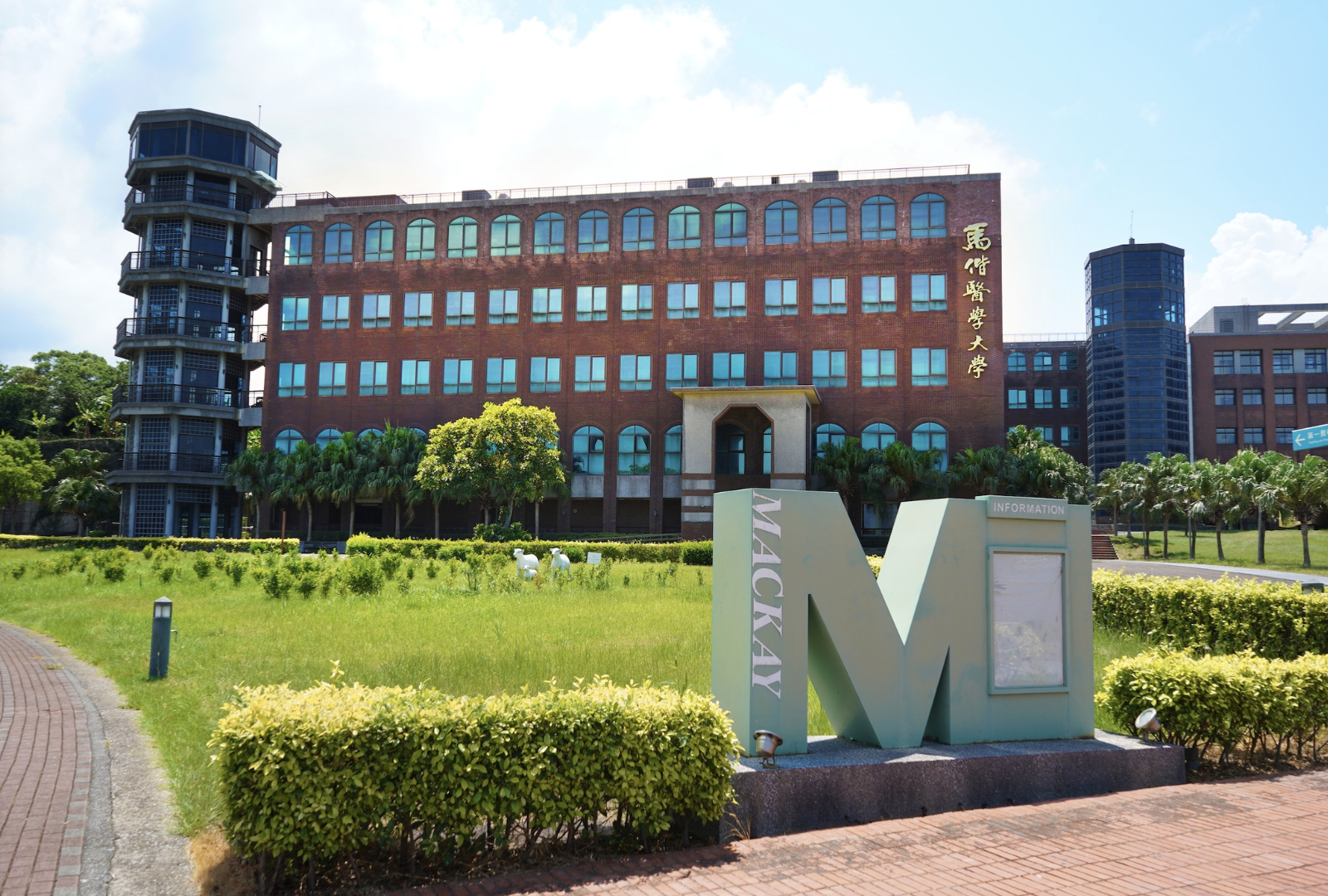
Information
Address
No. 46, Section 3, Zhongzheng Road, Sanzhi District, New Taipei City, 252005, Taiwan
Tuition and Accommodation Fees
Tuition: NTD/YR 97,000~122,000
Accommodation: NTD/YR 42,000
Official website
Contact Information
+886-2-2636-0303
[email protected]
Introduction
School Features
|Enjoy the Mountains and the Sea| The campus of MMU is located in the scenic and tranquil Sanzhi District of New Taipei City, where mountains meet the sea and nature supports focused learning and personal growth. MMU serves as the main teaching hospital for students. The teaching equipment is modern and well-maintained, and the research facilities are comprehensive and continuously updated. With dedicated and experienced faculty, thoughtfully designed curricula, a human-centered architectural design, a supportive student–teacher ratio, and abundant learning resources, MMU is a medical university committed to nurturing compassionate, competent, and globally minded healthcare professionals.
|Mackay’s Legacy Continues| MMU was founded in 1880 and is the oldest Western-style hospital in Northern Taiwan. In recent years, medical biotechnology has advanced rapidly. Recognizing that excellent clinical care must be supported by strong education and research, the University continues Dr. George Leslie Mackay’s enduring spirit of “rather burn out than rust out.” Guided by this legacy, the University provides students with a holistic medical education that emphasizes the integrated healing of body, mind, and spirit, grounded in Christian values. Mackay Medical University aims to cultivate healthcare professionals who respect life, serve with compassion, and care for others with empathy and integrity.
|Mackay Memorial Hospital: Your Strongest Support| MMU has four major branch hospitals across Taiwan—Taipei, Tamsui, Hsinchu, and Taitung—providing diverse clinical settings and rich learning opportunities. By integrating the hospital’s extensive clinical resources with its strong research and teaching capacity, the University continuously strengthens its academic environment. Outstanding clinicians are invited to teach and mentor students, and students have opportunities to participate in clinical observation and internship programs across different branch hospitals. After graduation, Mackay Memorial Hospital proudly remains a preferred and trusted career destination for many alumni.
School Resources
Each department is equipped with modern basic science and specialized laboratories, including a cadaver dissection room, specimen display room, nursing skills center, obstetric nursing demonstration classroom, simulation classrooms, video creativity center, and small discussion rooms. Additionally, there are professional facilities such as IAC soundproof rooms, acoustic analysis labs, audiology rooms, and large observation rooms. Furthermore, Mackay Memorial Hospital has completed a brand-new Tamsui campus medical building, built at a cost of NTD 3 billion, featuring specially designed teaching consultation rooms and multiple discussion rooms to meet the requirements of PBL (Problem-Based Learning) instruction.
Teaching Effectiveness
Students at MMU have consistently demonstrated excellent academic performance and strong professional readiness, as reflected in their outstanding national examination results. Over the years, the pass rates have reached 89% for the first stage of the national medical examination, 96% for the second stage, 95% for the Nursing Department, and an average pass rate of 97% for audiologists and 99% for speech-language pathologists in the Department of Audiology and Speech-Language Pathology.
Notably, students from the Department of Audiology and Speech-Language Pathology have achieved remarkable national recognition. In the 2022 academic year, they swept the top three positions in the national audiologist examination. In the 2023 academic year, they earned first place in the national audiologist examination and captured the fourth and fifth places in the national speech-language pathologist examination. In the 2024 academic year, students ranked third and seventh nationwide in the speech-language pathologist examination. In the 2025 academic year, they achieved the sixth and seventh places in the audiologist examination, as well as the first and third places in the speech-language pathologist examination—once again affirming the University’s strong teaching effectiveness and commitment to student success.
International Exchange and Cooperation
To date, the School of Medicine has signed memoranda of understanding with eight overseas medical schools and medical centers, including the University of Bristol and the University of Edinburgh in the UK, and Hirosaki University in Japan. The Departments of Nursing and Speech-Language Pathology also continue to support students in applying for the “Learning Abroad Dream Project,” enabling short-term study and exchange at foreign universities. These opportunities broaden students’ international perspectives and allow them to pursue careers overseas after graduation, instilling the concepts of “Medicine Without Borders” and the “Global Physician.”
Living Resources
MMU is located in the scenic Sanzhi District of New Taipei City, surrounded by mountains and facing the sea, creating a peaceful learning environment reminiscent of a gentle seaside town in a Miyazaki film. Nearby leisure and cultural destinations—including Baisha Bay, Qianshui Bay, the Sansheng Trail (famous for cherry blossoms), Sanzhi Four Art Villages, and the Fengzhimen Bicycle Trail—offer students and faculty abundant opportunities for relaxation and inspiration.
The campus is conveniently accessible via public transportation. Students may take the Taipei MRT Red Line to Tamsui Station and transfer to bus routes 861 or 876, or take the MRT to Hongshulin Station and transfer to bus routes 882 or 879. All bus routes stop directly at the university entrance, making daily commuting convenient and stress-free.
The campus features an on-campus dining facility that provides breakfast, lunch, and dinner. Students who enjoy cooking may also shop for fresh ingredients at nearby supermarkets or traditional markets and share home-cooked meals with roommates. In addition, Sanzhi Township offers a variety of well-known local restaurants, serving Chinese, Western, Southeast Asian cuisine, as well as charming afternoon tea and dessert cafés, enriching students’ daily life.
Student Dormitories
The student dormitories are designed based on the college-style residential philosophy of well-known international universities, fostering a warm sense of community and belonging. Each dormitory unit accommodates eight students(four bedrooms per unit, two students per bedroom). Beds, desks, and storage cabinets are arranged on the same level for comfort and accessibility.
Each unit includes a shared living room, dining area, and a bathroom with separate wet and dry zones, and is fully equipped with an electric ceramic cooktop, refrigerator, air conditioning, dryer, and double-layer clothes drying racks. Public spaces also include a piano room, and all dormitories are secured with electronic access control systems, ensuring both comfort and safety.
Club Activities
Student clubs at MMU are categorized into academic, sports, service, and recreational groups, with spacious activity areas and well-maintained facilities. Students are encouraged to establish new clubs based on their interests, express creativity, and cultivate leadership and teamwork skills.
There are currently 21 student clubs, including:
1. Seven Autonomous Organizations:
Student Union; Department of Medicine Student Association; Department of Nursing Student Association; Department of Audiology and Speech-Language Pathology Student Association; Department of Optometry Student Association; Department of Medical Laboratory Science and Regenerative Medicine Student Association; Dormitory Self-Government Association
2. Five Academic and Arts Clubs:
Orchestra Club; Hot Music Club; Choir; Photography Club; Guitar Club
3. Five Sports Clubs:
Hot Dance Club; Table Tennis Club; Badminton Club; Basketball Club; Volleyball Club
4. Three Service Clubs:
Hope and Love Club; Love Plus Club; Mao Bao Club
5. One Recreational Club:
Baking Club
Alumni
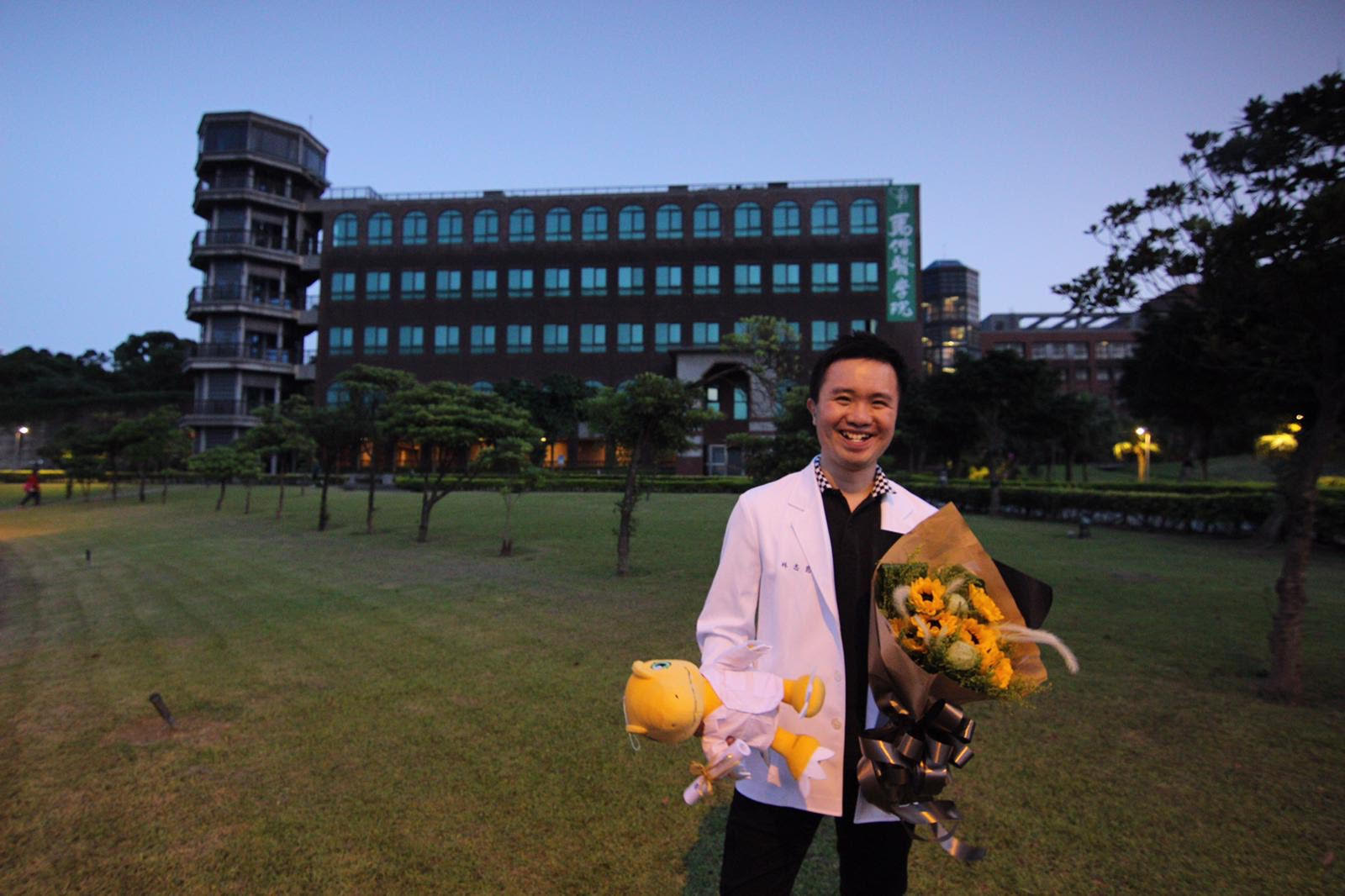
林志恩
Outstanding Alumnus
Hong Kong
Representing the school to participate in the AMSEP Zhengzhou Medical Student Exchange Program, traveling to Australia to conduct academic exchanges with medical students from other countries
Representing the school to exchange with students from Jichi Medical University in Japan, introducing them to Taiwan and visiting our hospital’s facilities
Capping Ceremony, welcoming the hospital internship life with anticipation
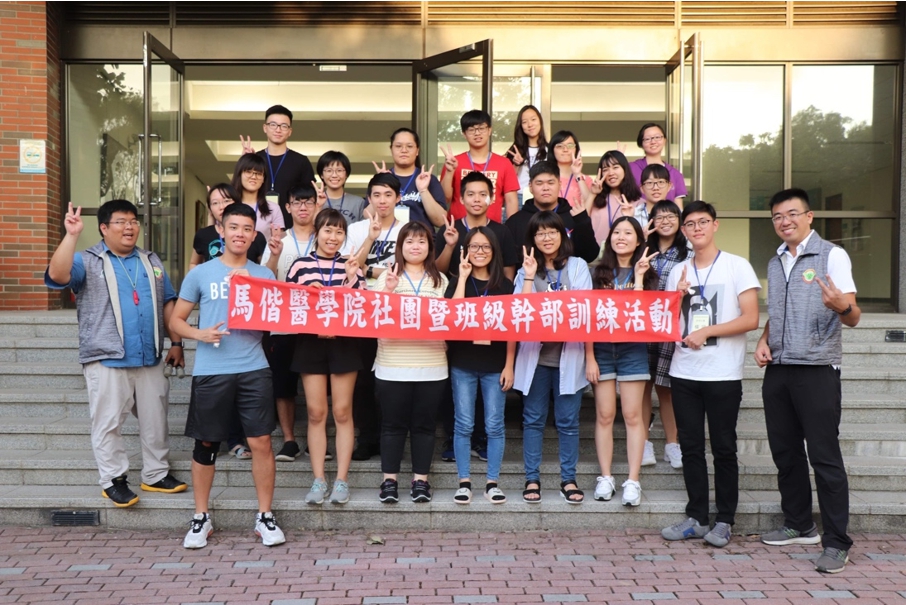
楊明
Outstanding Alumnus
Korea
Mentor-Student Dinner Activity Mackay Medical University is a small and exquisite school, and the relationship between mentors and students is very close. The mentor-student dinner activity held regularly every semester can not only enhance the good interaction between teachers and students, but also allow overseas Chinese students to adapt and integrate into university life more quickly. Welcome to join the warm Mackay family.
Club Cadre Training Activities Mackay Medical College has a rich and diverse range of clubs, and the average club participation rate of each student is quite high. In addition to literary, academic, and sports clubs, the school also established an Overseas Chinese Student Club for overseas Chinese students, whose purpose is to guide and care for each overseas Chinese student, solve various study abroad matters, and promote cross-national and cross-cultural exchanges.
AMSEP Asian Medical Student Exchange Program Through the Asian Medical Student Exchange Program, medical education and cultural exchange activities can be carried out with well-known universities in Asia.
Admission Highlights
[School of Medicine]
Cultivating future Dr. Mackay(s) and outstanding physicians who are committed to making meaningful contributions to global health and humanity.
Department Features
- One of the best student–teacher ratios nationwide (3.48), ensuring close mentorship and personalized learning
- Consistently high national examination pass rates, including 93% in the first stage and a 100% pass rate in the second stage in the 114th academic year
- A strong emphasis on medical humanities integrated into clinical training
- A seamless connection between education and career development: Mackay Memorial Hospital operates four major branch hospitals in Taipei, Tamsui, Hsinchu, and Taitung, offering well-established pathways for employment, residency training, and professional advancement
- A long-standing commitment to caring for underserved populations and promoting equitable access to medical resources
Teaching Resources
The Department of Medicine is equipped with comprehensive basic science laboratories, covering eight core disciplines: biology, general chemistry, anatomy, physiology, microbiology, pharmacology, pathology, and parasitology. In addition, the department offers six small-group discussion rooms, a gross anatomy laboratory, and a specimen display room, supporting both foundational learning and interactive discussion.
Mackay Memorial Hospital has invested NTD 3 billion in the construction of a new medical building at the Tamsui branch, featuring purpose-designed consultation rooms and multiple discussion spaces to support problem-based learning (PBL). Furthermore, twelve newly built OSCE training classrooms (including six discussion rooms) have been completed and are now fully operational, strengthening students’ clinical competence and readiness.
Featured Courses
1. Practical Anatomy
Gross anatomy is the foundational discipline for entering the medical profession. The Practical Anatomy course fully reflects the integration of theory and hands-on practice that characterizes medical education. The Department emphasizes learning through actual cadaver dissection, allowing students to develop essential skills in palpation, cutting, separation, identification, and spatial understanding of human structures. Through direct practice in the anatomy laboratory, students independently analyze, integrate, and synthesize anatomical knowledge, building a solid foundation for future clinical learning.
2. Medical Humanities Course
This course engages medical students in structured debates and discussions on ethical issues arising from contemporary medical, educational, and social contexts. According to the course progression, faculty members specializing in medical humanities guide in-depth dialogue with students. The curriculum includes an exploration of healthcare delivery in remote areas of Taiwan, as well as the geographical, cultural, and epidemiological characteristics of Indigenous communities. Students also examine the interrelationships among medical ethics, medical law, medical history, medical sociology, and the role of physicians in modern society, fostering reflective and compassionate medical practice.
3. Problem-Based Learning (PBL)
Through PBL curricula developed by experienced clinical physicians, real-world clinical scenarios are used to integrate disease presentation, progression, and decision-making processes. Students learn to apply evidence-based reasoning, understand differential diagnosis, pathophysiology, treatment principles, and prognosis, and develop strong problem-solving skills. Medical humanities perspectives are intentionally incorporated, with ethical issues serving as a basis for deeper discussion, helping students grow into thoughtful and socially responsible physicians.
Future Development
⦁ Career Development
Graduates are well prepared to pursue careers as physicians, public health professionals, and researchers in pathology or pharmacology. With the Mackay Medical System as a strong and trusted foundation, graduates may serve as physicians across various Mackay branch hospitals, benefiting from clear clinical training pathways and professional advancement opportunities.
⦁ Further Education Options
Mackay Medical University offers a range of advanced study opportunities, including a Master’s Program in Clinical Medicine, a Graduate Institute of Biomedical Sciences (Master’s and Doctoral Programs), a Graduate Institute of Long-Term Care, and a Graduate Institute of Geriatric Welfare Technology. In addition, the affiliated hospital system provides well-established channels for overseas study and international training. Graduates of the Department of Medicine may design flexible career pathways, choosing to focus on clinical service, academic teaching, or biomedical research, according to their interests and aspirations.
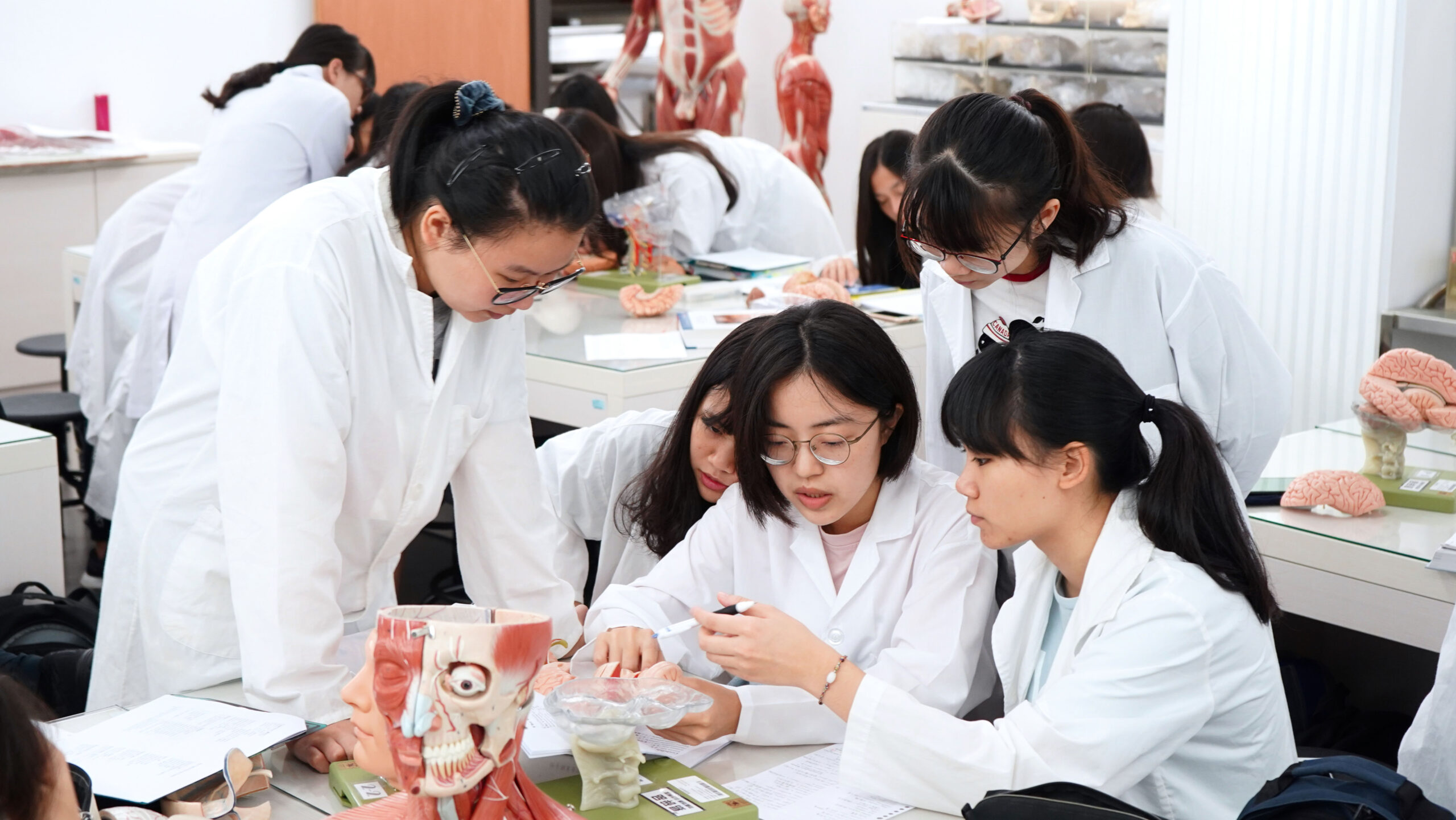
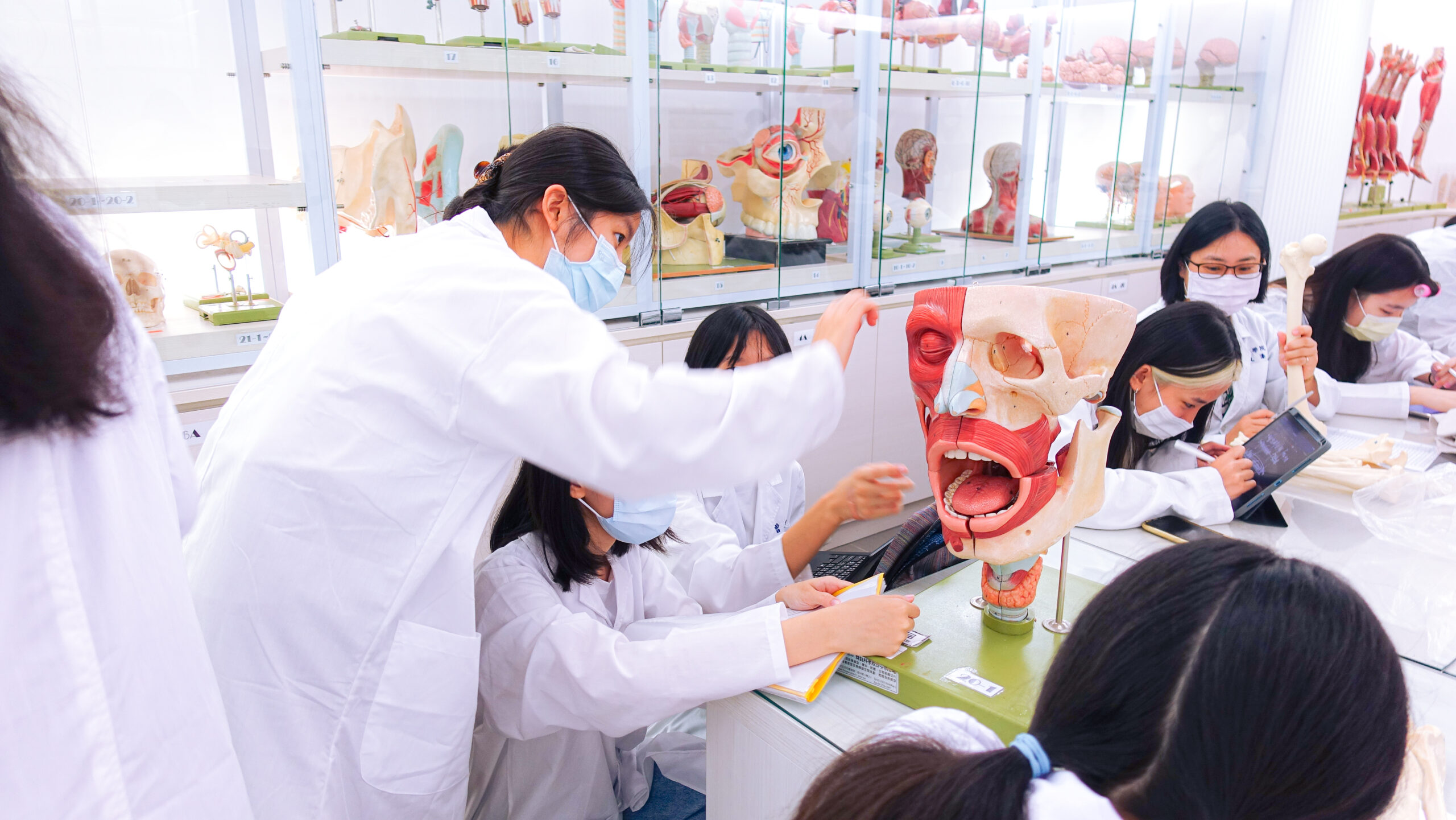
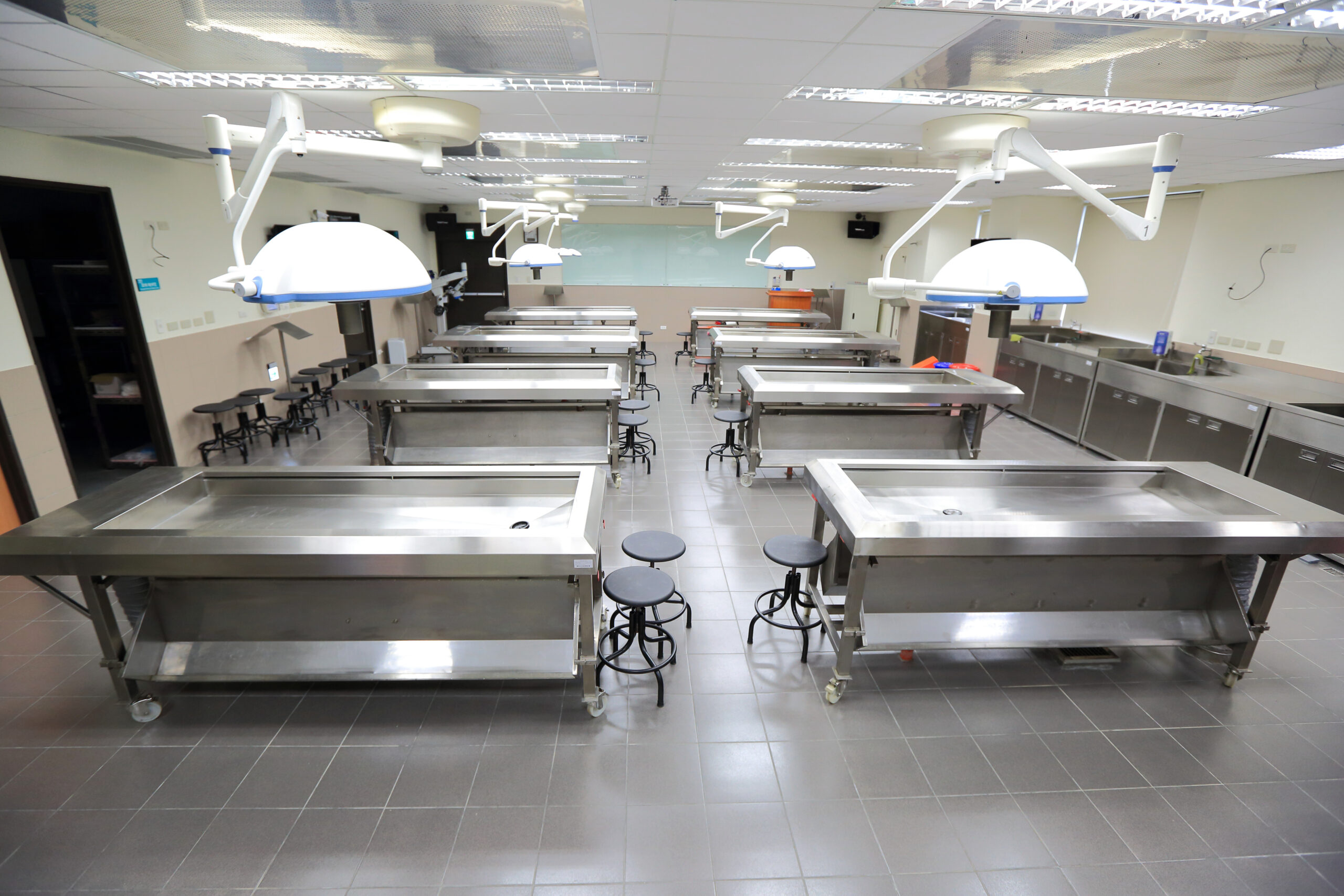
[Department of Nursing]
Cultivating compassionate and professionally competent nursing professionals who excel in clinical patient care, care for vulnerable populations, and embrace a strong international perspective.
Department Features
The faculty members of this department possess expertise across diverse nursing specialties, rich clinical experience, and a strong passion for education. They serve as professional role models, integrating general education with core nursing courses to foster students’ empathy, ethical awareness, and emotional intelligence, all of which are essential qualities in high-quality nursing practice.
The department actively leverages both domestic and international educational resources, providing diverse learning opportunities that inspire students in service, healthcare technology, and global engagement. By closely integrating the acute, chronic, and long-term care systems within the Mackay Medical System, the curriculum progressively bridges theory and practice. Through extensive use of real clinical cases, students develop solid nursing knowledge, practical competence, and professional judgment.
Teaching Resources
The department’s teaching facilities include a nursing skills center, an obstetrics nursing demonstration classroom, and small-group discussion rooms designed to support interactive learning. All teaching equipment is closely aligned with real clinical environments, and is systematically managed, maintained, and regularly updated by a dedicated professional team, ensuring optimal functionality and a high-quality learning experience.
Featured Courses
1. Oncology and Palliative Nursing Care
Founded on the ideals of Dr. George Leslie Mackay, Mackay Medical University is deeply rooted in holistic and compassionate care. The Mackay Hospice and Palliative Care Center is one of Taiwan’s most important training bases for Oncology nursing and palliative care professionals. In clinical practice, healthcare providers frequently face complex decisions related to end-of-life care. Through this course, students develop a clear understanding of cancer care and hospice philosophy, learn symptom management at the end of life, and acquire skills to address the physical, psychological, social, and spiritual needs of terminally ill patients and their families.
2. Introduction to Acute and Critical Nursing Care
This course cultivates students’ interest in acute and critical nursing care, emphasizing critical thinking, interdisciplinary coordination, and teamwork. Students acquire fundamental competencies in assessment, clinical judgment, and intervention for critically ill patients. Toward the end of the course, high-fidelity simulated resuscitation scenarios are integrated with theoretical instruction, allowing students to experience real-time emergency decision-making, and to build confidence and competence in managing acute and critical situations.
3. Introduction to Long-Term Care
Long-term care has become a key global healthcare issue in aging societies. This course introduces students to long-term care systems, services, and professional roles, broadening their perspectives and expanding future career opportunities across healthcare and community-based settings.
Future Development
⦁ Career Development
- Clinical Nursing:
Graduates may participate in the national professional examination to obtain a registered nursing license and serve in major hospitals and long-term care institutions. - Teaching and Research:
Graduates may apply to domestic or international graduate programs in nursing or healthcare-related fields, and pursue careers in academic teaching, clinical education, or research institutions. - Administration and Management:
Opportunities include serving as administrative or managerial professionals in healthcare organizations, as well as roles in research, development, and business operations within medical and nursing-related industries. - Healthcare Industry Development:
Graduates may also engage in research and development or business roles within healthcare, medical technology, and nursing-related industries.
⦁ Further Education Options
MMU offers a Master’s Program in Nursing, providing nurses with structured opportunities for advanced professional development, specialization, and lifelong learning.
Industry–Academia Collaboration
Mackay Memorial Hospital operates four major branch hospitals across Taiwan—Taipei, Tamsui, Hsinchu, and Taitung. In addition, the Hsinchu Municipal Children’s Hospital, established in the 111th academic year, further strengthens pediatric and community healthcare services. By integrating the hospital system’s extensive clinical resources with its research and teaching capacity, the University continuously enhances educational quality.
Students have opportunities to participate in clinical observation and internship programs across multiple branch hospitals. After graduation, Mackay Memorial Hospital remains a trusted and preferred first-choice employer, offering graduates a smooth transition from education to professional nursing practice.
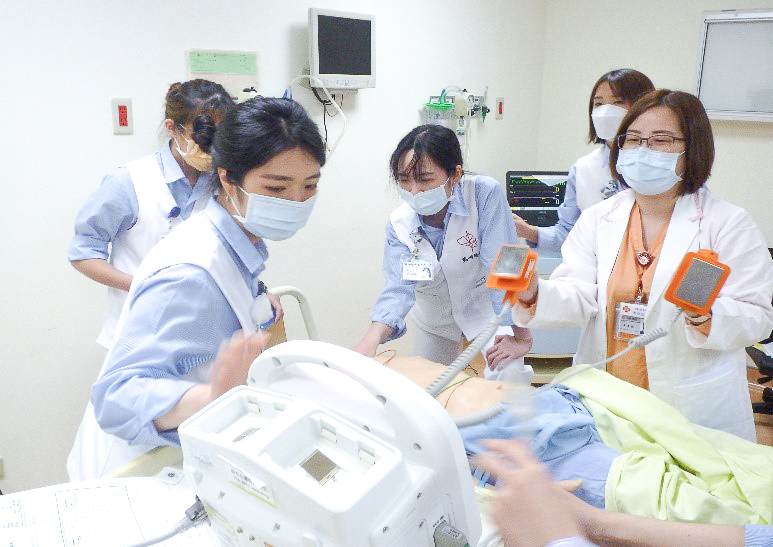
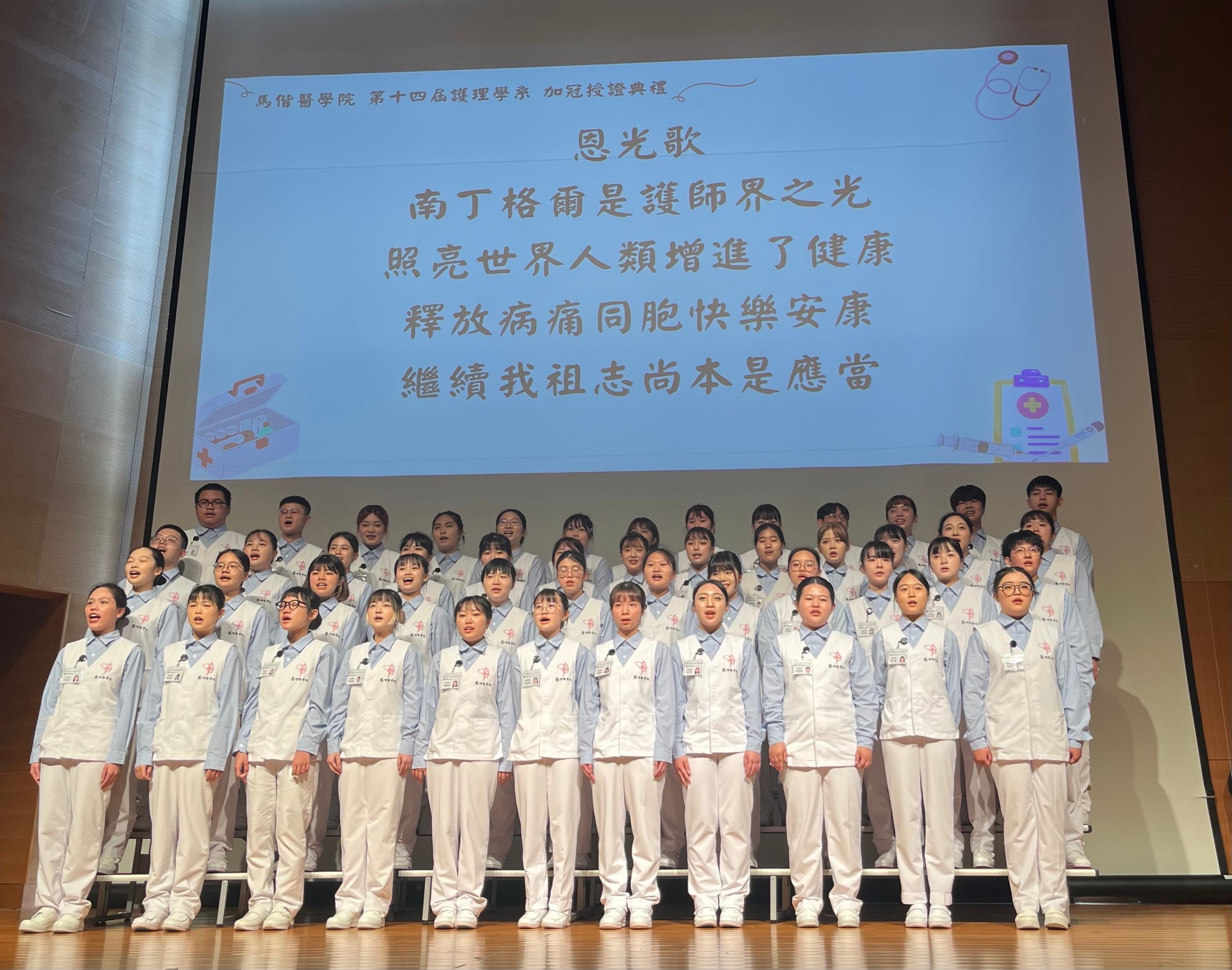
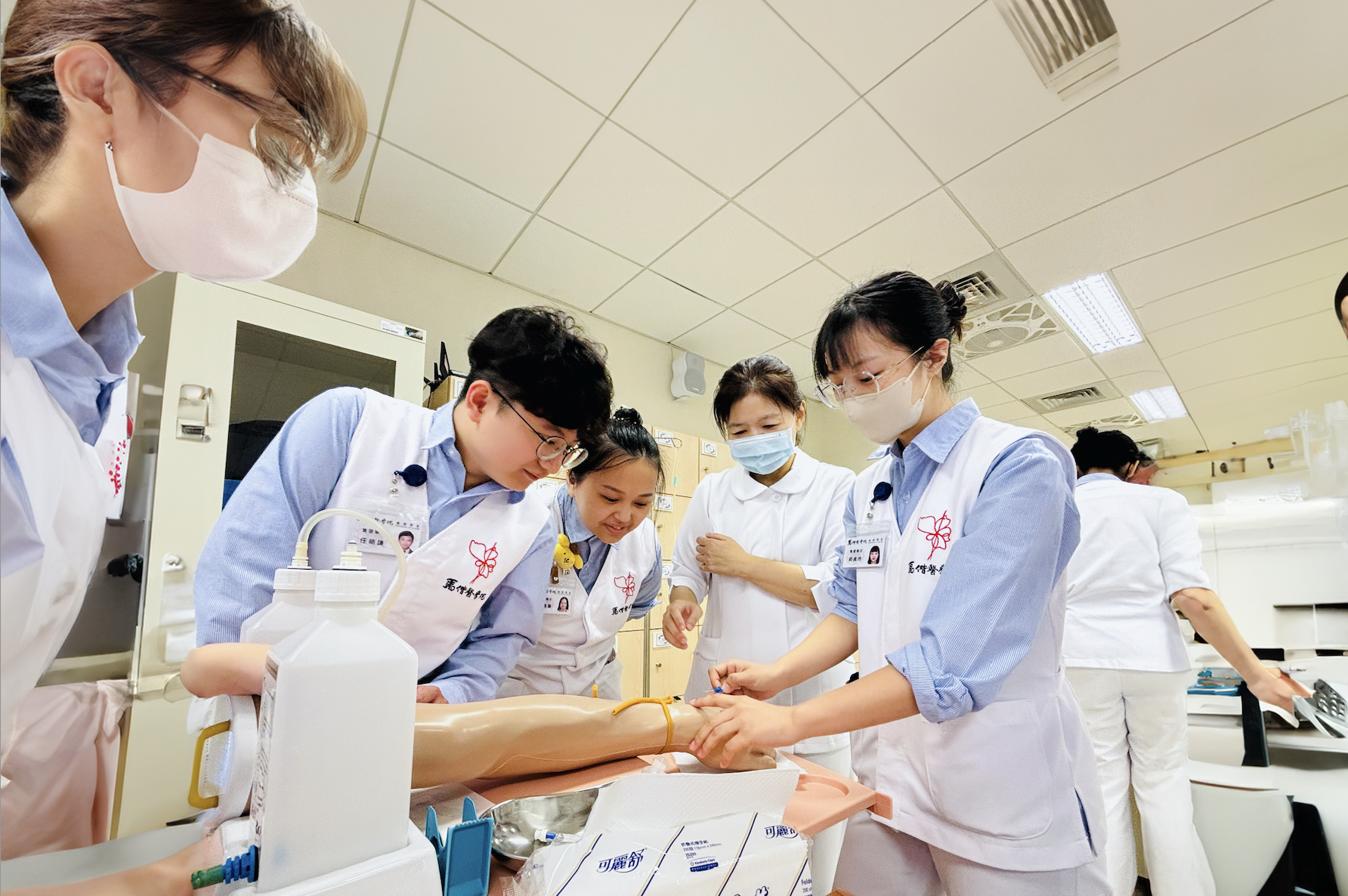
[Department of Audiology and Speech-Language Pathology]
Cultivating highly skilled, compassionate audiologists and speech-language pathologists dedicated to improving communication and quality of life across the lifespan
Department Features
Mackay Memorial Hospital is renowned for its strong pediatric medical and nursing teams, and its Department of Otolaryngology is a national pioneer in newborn hearing screening in Taiwan. The clinical audiology and speech centers at the Taipei and Tamsui branches are fully staffed with experienced audiologists and speech-language pathologists, and are equipped with comprehensive, state-of-the-art clinical facilities.
To meet the specialized curriculum needs of this department, faculty members from diverse professional backgrounds are recruited, ensuring a broad and integrated approach to audiology and speech-language pathology education. As a result, the department has established a solid and comprehensive foundation in curriculum design, clinical instruction, and teaching equipment, providing students with rigorous theoretical training combined with high-quality clinical education. Outstanding clinical instructors, well-structured clinical training, and excellent learning environments are defining strengths of the Department of Audiology and Speech-Language Pathology.
Teaching Resources
The department currently houses one of the most comprehensive audiology and speech-language teaching and practice centers in Taiwan, integrating a clinical education center and audiology and speech research laboratories. Facilities include a wide range of specialized professional spaces, such as IAC soundproof booths, acoustic analyzer examination rooms, large audiology observation rooms, and speech and language acoustics research laboratories.
These facilities are equipped with internationally standardized audiology and speech-language instrumentation, including tympanometers, pure-tone audiometers, aerodynamic analyzers, nasalance measurement systems, and other advanced diagnostic tools. In addition, the department operates a professional remote audio-visual clinical education center, supported by synchronous video-based teaching systems, enabling real-time clinical instruction in collaboration with Mackay Memorial Hospital and enhancing students’ clinical learning experiences.
Featured Courses
1. Basic Audiology Observation/Internship
This department plans for audiology students in their junior year to observe at Mackay Memorial Hospital. The observation areas include the otolaryngology outpatient clinic, balance/dizziness examination room, and audiology examination room. The observation goal is to enable students to understand the hospital’s routine and clinical audiologist’s work flow, familiarize themselves with the theory and operation methods of various audiological assessment tools, and lay the necessary practical operation ability for clinical internships in their senior year.
2. Speech Sound Discrimination and Visual Reading
This course focuses on the perceptual and cognitive foundations of speech and language processing, guiding students to develop skills in speech sound discrimination and visual reading (lip-reading). Through structured practice, audiovisual materials, and guided exercises, students learn to identify, analyze, and differentiate speech sounds, as well as to integrate visual cues to enhance speech comprehension, particularly in individuals with hearing impairment.
The course emphasizes the clinical relevance of auditory–visual integration, helping students understand how these skills are applied in speech-language assessment and intervention, and building a strong foundation for future clinical training in speech-language pathology.
3. Basic Speech Therapy Internship
This course is a hands-on clinical internship that allows students to directly engage with real clinical cases and apply classroom learning in practice. Internships take place at the on-campus audiology and speech-language center, as well as at approved off-campus clinical institutions.
Under the supervision and guidance of experienced clinical professionals, students learn to select appropriate assessment tools, conduct evaluations based on case information, make clinical judgments, and write professional assessment reports. Students also gain experience in designing individualized treatment plans and developing therapeutic communication and counseling skills. This course lays a solid practical foundation for students’ advanced clinical internships in their senior year and supports their transition into professional practice.
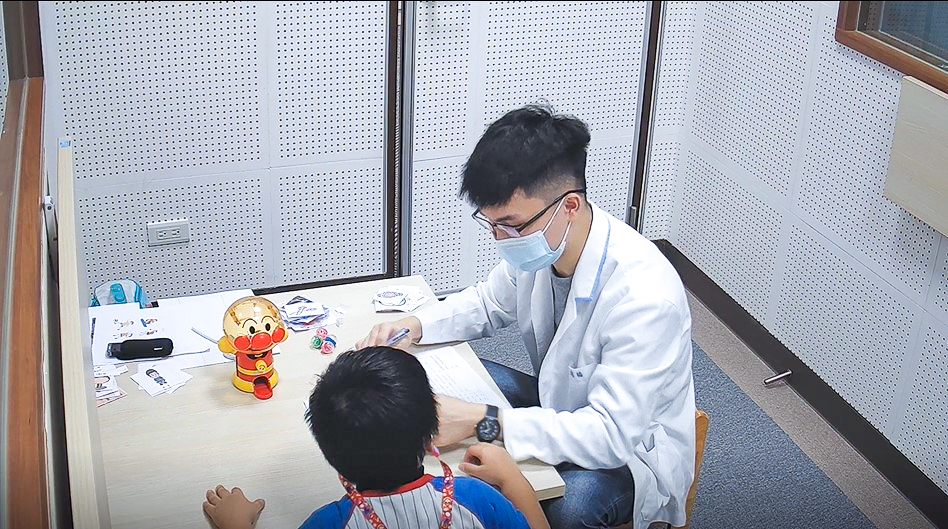
Future Development
⦁ Career Development:
Clinical services in public and private rehabilitation hospitals, specializing in audiology and speech-language rehabilitation for children and adults.
- Clinical practice as audiologists or speech-language pathologists in general hospitals, providing assessment and intervention services across the lifespan.
- Employment in hearing aid and assistive device companies, engaging in hearing aid fitting, auditory rehabilitation, and client counseling.
- Independent practice, including establishing private audiology clinics or speech-language therapy clinics.
- Participation in government and public-sector services, such as special education units and social welfare agencies, assisting in the planning and implementation of programs for individuals with hearing or speech impairments.
- Engagement in basic and applied research in hearing and language sciences, including overseas study, academic research, or positions in research and development units of hearing aid or communication technology companies.
⦁ Further Education Options:
The Department offers a Master’s Program in Audiology and Speech-Language Pathology, providing audiologists and speech-language pathologists with advanced professional training, specialization opportunities, and continuing education to support long-term career development and lifelong learning.
[Department of Optometry]
Cultivating professional optometrists with expertise in clinical optometry, industry practice, visual science research, and cross-disciplinary collaboration.
Department Features
The Department of Optometry is the only optometry program in the country directly affiliated with a medical school system. Operating within a medical school–centered educational framework, the department nurtures optometry professionals with strong clinical competence, industry-oriented skills, and cross-disciplinary learning capabilities.
Built upon the medical school as its academic foundation, the curriculum integrates basic sciences, foundational medical education, clinical optometry, and interdisciplinary learning. The program places particular emphasis on developing optometrists with solid optometric medical expertise, research and innovation capacity, and cross-disciplinary strengths in biomedical engineering, medical engineering, and optical design. Through this integrated approach, students are well prepared for diverse professional pathways in clinical practice, industry, and research.
Teaching Resources
- Built upon three core pillars—basic sciences, foundational medical education, and professional optometry training—the program systematically cultivates students’ optometric competencies. To further strengthen cross-disciplinary development, the Department offers three interdisciplinary elective tracks, including biomedical and visual science research, intelligent medical device design and development, and lens materials and optical system design, enabling students to grow into high-level, cross-domain optometry professionals.
- Clinical instruction is supported by comprehensive, multi-functional teaching facilities, including clinical optometry laboratories, contact lens laboratories, spectacle dispensing laboratories, and low-vision assessment and assistive device laboratories. These resources provide students with well-structured curricula and an immersive, practice-oriented learning environment.
- For clinical internships, the Department integrates the extensive clinical resources of the four major Mackay Memorial Hospital campuses, offering students diverse and comprehensive internship opportunities. From ophthalmology outpatient clinics and operating rooms to optometry clinics, students receive training in real clinical settings, encounter a wide range of cases, and progressively build hands-on clinical experience and professional confidence.
- The Department actively connects with the global optometry community, collaborating with Pacific University (USA)and The University of Queensland (Australia) to establish international exchange pathways for faculty and students, broadening academic perspectives and enriching clinical exposure.
Featured Courses
Curriculum planning in the Department of Optometry follows the medical school’s educational philosophy, emphasizing both foundational medical sciences and clinical optometry practice. The curriculum closely integrates industry needs and clinical realities, while maintaining strong connections with the international optometry academic community. Through this approach, the Department provides a high-quality, future-oriented learning environmentand cultivates optometry professionals with solid medical literacy and professional competence.
Key curriculum features include:
- Diverse Career Pathway Development: Expanding students’ future opportunities through cross-disciplinary training in optometry-related medical electronics and applied technologies, creating competitive advantages in the optometry industry.
- Optometry Holistic Medical Education: Emphasizing the integration of medical education and hands-on optometry practice to strengthen clinical reasoning and patient-centered care.
- Strengthened Industry–Academia Collaboration: Actively expanding fundamental research activities and cooperative projects with the optometry industry, enhancing students’ understanding of real-world professional practice.
- Close Engagement with International Optometry Institutions: Encouraging participation in international research networks, academic exchanges, and professional service communities within the global optometry field.
Integrate related departments such as the Department of Audiology and Speech-Language Pathology and the Department of Medical Laboratory Science and Regenerative Medicine to promote precise vision testing and regenerative visual aging medicine, create a comprehensive health care system with good hearing and vision, and improve the quality of life and health and well-being of the elderly.
Future Development
- Career Development:
- Optometrist: Provide comprehensive vision examinations, prescribe optical corrections, and perform spectacle fitting and dispensing, delivering patient-centered clinical optometry services.
- Product Specialist: Work in optical lens, contact lens, or ophthalmic instrument companies, responsible for product planning, market analysis, and sales or technical support, bridging clinical expertise with industry needs.
- Education and Training Specialist: Serve as professional trainers within optical lens, contact lens, or ophthalmic instrument companies, delivering product knowledge education, explaining technical features and clinical advantages, and supporting effective product application and promotion.
- Biotechnology Research and Development Specialist: Engage in biomedical research related to ocular diseases and visual disorders, utilizing animal and cellular models, and translating research outcomes into applications in visual science and eye care technologies.
- Research Professionals in Optometry and Optical Materials: Collaborate with national biotechnology and biomedical industry initiatives, contributing to research and innovation in optometric medicine and optical-related materials.
- Further Education Options:
- Advanced Study in Visual and Biomedical Sciences: Pursue careers as optometry educators or researchers, engaging in visual science, biomedical research, and academic teaching.
- Doctoral-Level Optometry Training:Continue studies toward an optometry doctoral degree overseas, leading to careers in clinical practice, academic teaching, or leadership roles within the global optometry industry.
Industry-Academia Collaboration
In addition to the extensive clinical resources provided by Mackay Memorial Hospital’s four major hospital campuses across Taiwan, the Department actively collaborates with leading domestic chain optometry clinics, including Baodao Optical, Xiaolin Optical, and Deentang Optical, as well as ophthalmology medical institutions such as Mackay Memorial Hospital and Baodao Ophthalmology.
Through these partnerships, students are offered diverse clinical internship opportunities that span hospital-based ophthalmology services and community-based optometry practice. These collaborations not only support hands-on clinical training, but also create clear pathways for future employment, enabling students to smoothly transition from academic learning to professional practice in both clinical and industry settings.

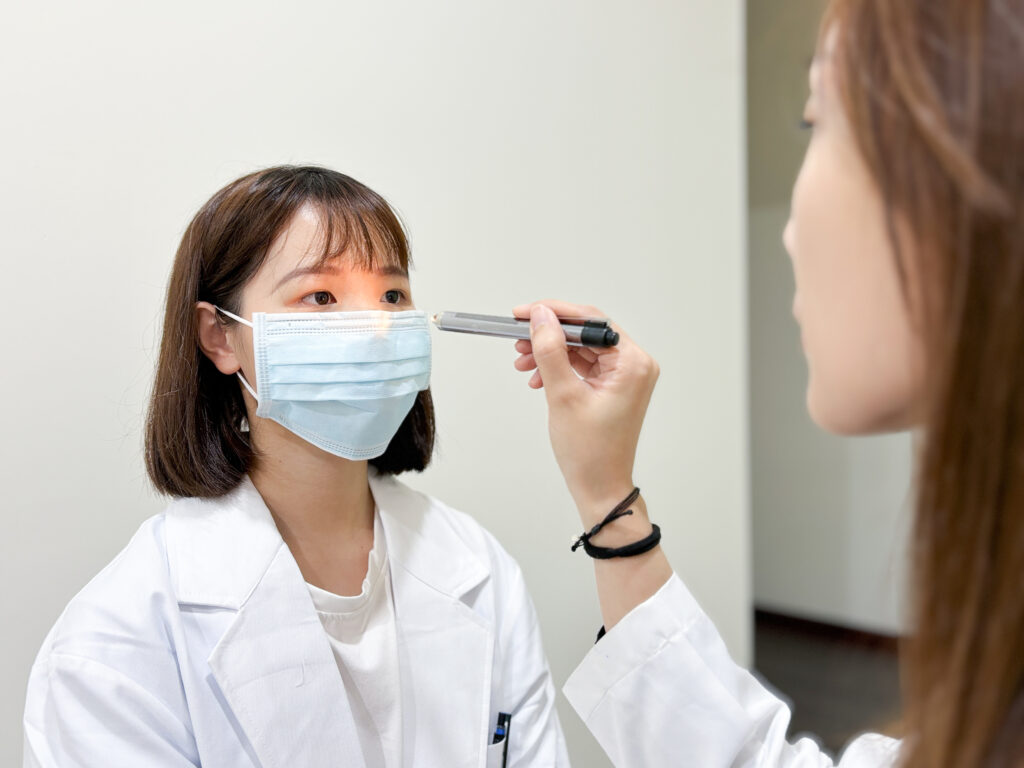
[Department of Medical Laboratory Science and Regenerative Medicine]
Integrating expertise in Clinical Medical Laboratory Testing, Regenerative Medicine, and Precision Medicine within a single, future-oriented department.
Department Features
This department is distinct from traditional medical laboratory science programs. In addition to ensuring that students master the core competencies of clinical medical laboratory testing, the curriculum is designed to equip students with a second area of professional expertise in either regenerative medicine or precision diagnostics.
Through this integrated approach, the program not only strengthens students’ qualifications as medical laboratory technologists, but also expands their training into emerging and forward-looking fields of modern medicine. This enables graduates to develop diverse professional strengths, significantly enhancing their competitiveness and adaptability in the evolving healthcare and biotechnology workforce.
After completing four years of study, students are eligible to sit for the national examination for medical laboratory technologists. In parallel, the curriculum is closely aligned with current industry trends, providing students with early exposure to and training in industry-relevant skills and certifications, including precision medicine development and application, regenerative medicine research and application, GTP laboratory training, and laboratory-developed test services (LDTS) development.
These courses not only demonstrate the academic depth and interdisciplinary strength of the Department, but also allow students to engage early with the critical knowledge and practical skills required in the biotechnology and pharmaceutical industries. By doing so, students are well positioned to anticipate industry trends, seize emerging opportunities, and seamlessly connect with global developments in precision medicine and regenerative medicine.
Teaching Resources
Basic Medicine and Professional Faculty
The University has already established a comprehensive team of faculty members in basic medicine and foundational sciences, and continues to actively recruit a new generation of professional educators with expertise in precision medicine and regenerative medicine. Together, they form a solid, forward-looking teaching team responsible for delivering professional courses and cultivating future biomedical talent.
Advanced Laboratories and Equipment
The Department has developed well-integrated research and teaching facilities, including practice-oriented teaching laboratories, such as GTP and LDTS laboratories, as well as access to the clinical internship environment of Mackay Memorial Hospital. These resources provide faculty and students with a rich hands-on learning environment, enabling close integration of academic research and clinical application, and significantly enhancing overall learning effectiveness.
Featured Courses
In addition to comprehensive training for clinical medical laboratory technologists, the Department proactively introduces courses in Precision Medicine and Regenerative Medicine, aiming to cultivate biomedical professionals with strong cross-disciplinary capabilities who are closely aligned with current and future industry needs.
The four-year curriculum fully covers all required courses and credits for the Higher Examination of Medical Laboratory Technologist Professional Technology, including 800 hours of clinical internship. At the same time, the curriculum is designed with diversified freshman-year courses, allowing students to early explore precision medicine and regenerative medicine, helping them identify interests, strengthen career direction, and gain academic inspiration.
Beginning in the second semester of the sophomore year, students may choose to specialize in either Precision Medicine or Regenerative Medicine based on their interests and career plans. Through track-based training guided by professional faculty, students receive focused, in-depth, and rigorous preparation in their chosen field.
This curriculum not only ensures that all students meet the eligibility requirements for the national medical laboratory technologist examination, but also allows those focusing on precision medicine or regenerative medicine to develop a distinct professional profile, laying a strong and promising foundation for future career development.
- Future Development
- Career Development
- Hospital Clinical Practice: After graduation, students may sit for the national medical laboratory technologist examination. Upon passing, they can work as professional clinical laboratory technologists, responsible for specimen collection, analysis, and reporting, providing critical support for clinical diagnosis and treatment.
- Research Careers: With solid experimental and laboratory training, graduates are well prepared for research and development roles, forming a strong foundation for future scientific inquiry and innovation.
- Public Service: Graduates may enter government agencies such as the Food and Drug Administration (FDA), Centers for Disease Control (CDC), and local Health Bureaus, engaging in public health, inspection, and testing-related work after passing relevant national examinations.
- Industry Development: Graduates may pursue careers in LDTS and GTP laboratories, biotechnology companies, or pharmaceutical manufacturers, serving as senior laboratory technologists, cell therapy R&D engineers, genetic testing specialists, or R&D and product specialists, working at the core of the biotechnology and pharmaceutical industries.
⦁ Further Education Options:
The Department’s training covers a broad range of disciplines, including life sciences, chemical principles and analysis, microbiology, immunology, clinical medicine, and big data analysis. After graduation, students may pursue advanced studies in life sciences, biomedical sciences, or cross-disciplinary graduate programs, further expanding their professional expertise and academic horizons.
Industry-Academia Collaboration
Through close collaboration with Mackay Memorial Hospital and the precision and regenerative medicine industries, the Department has established a comprehensive system linking clinical internships with future employment. This integrated approach not only provides students with diverse internship opportunities, but also builds a clear and stable pathway for long-term career development.
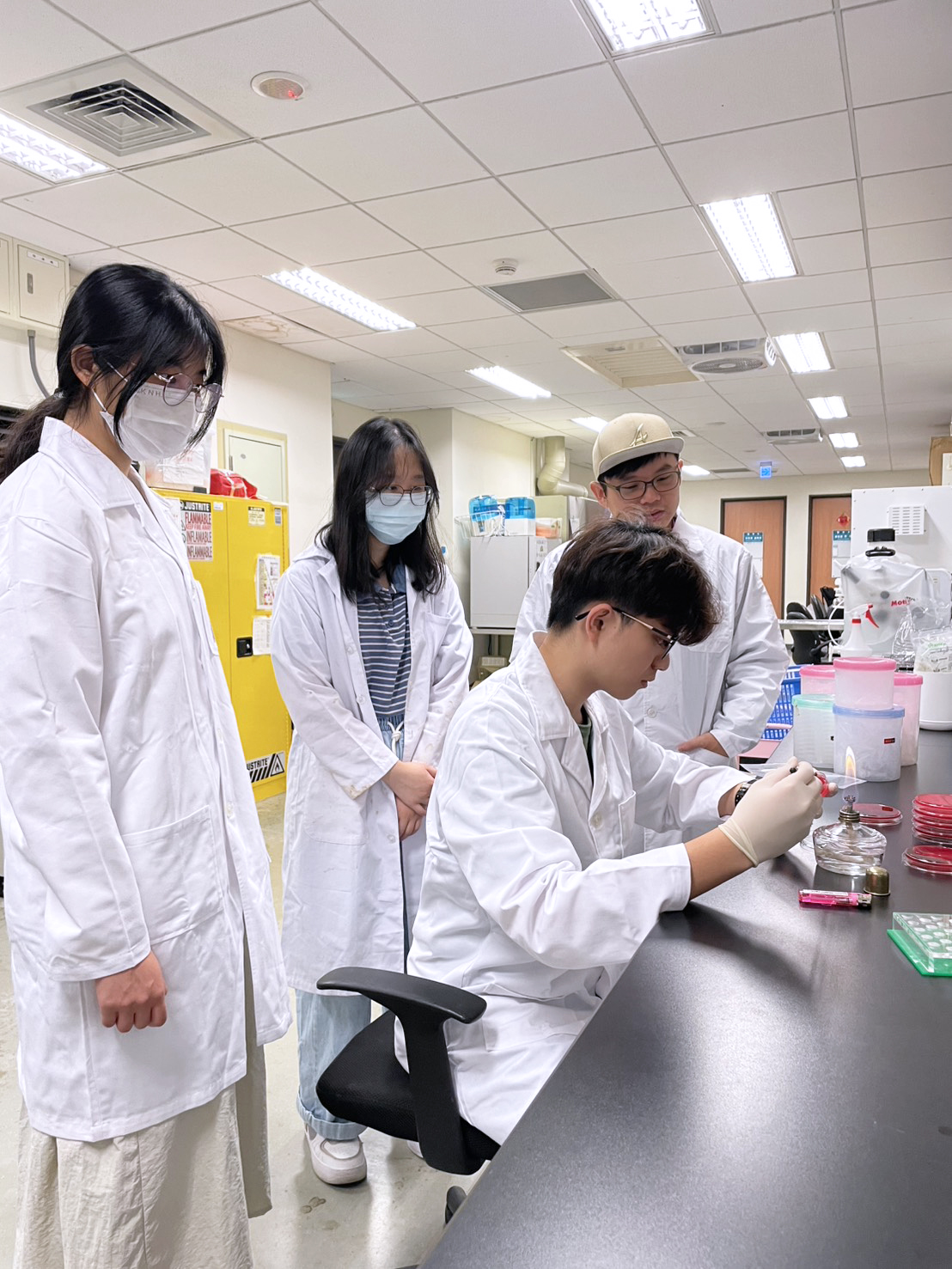
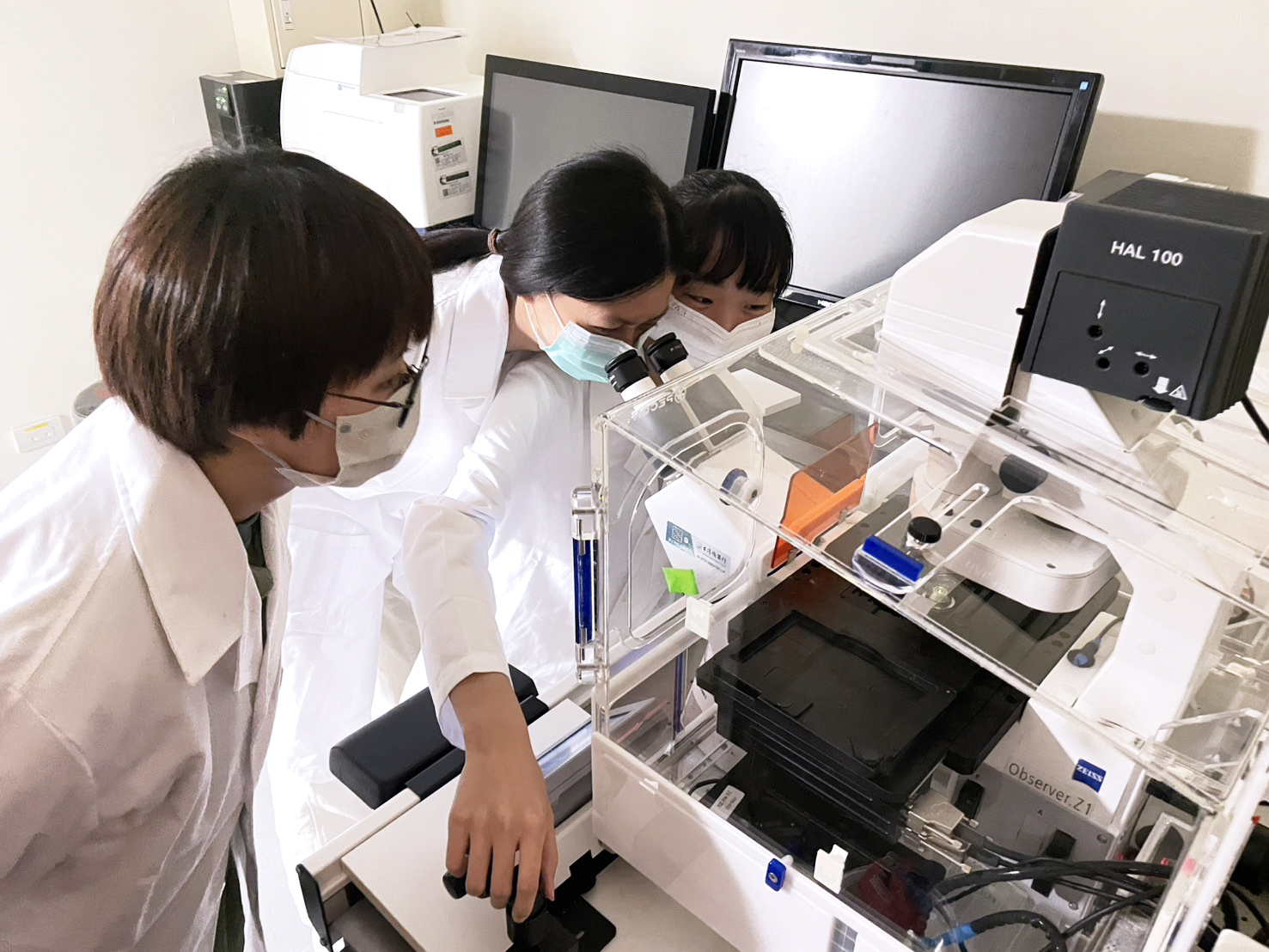
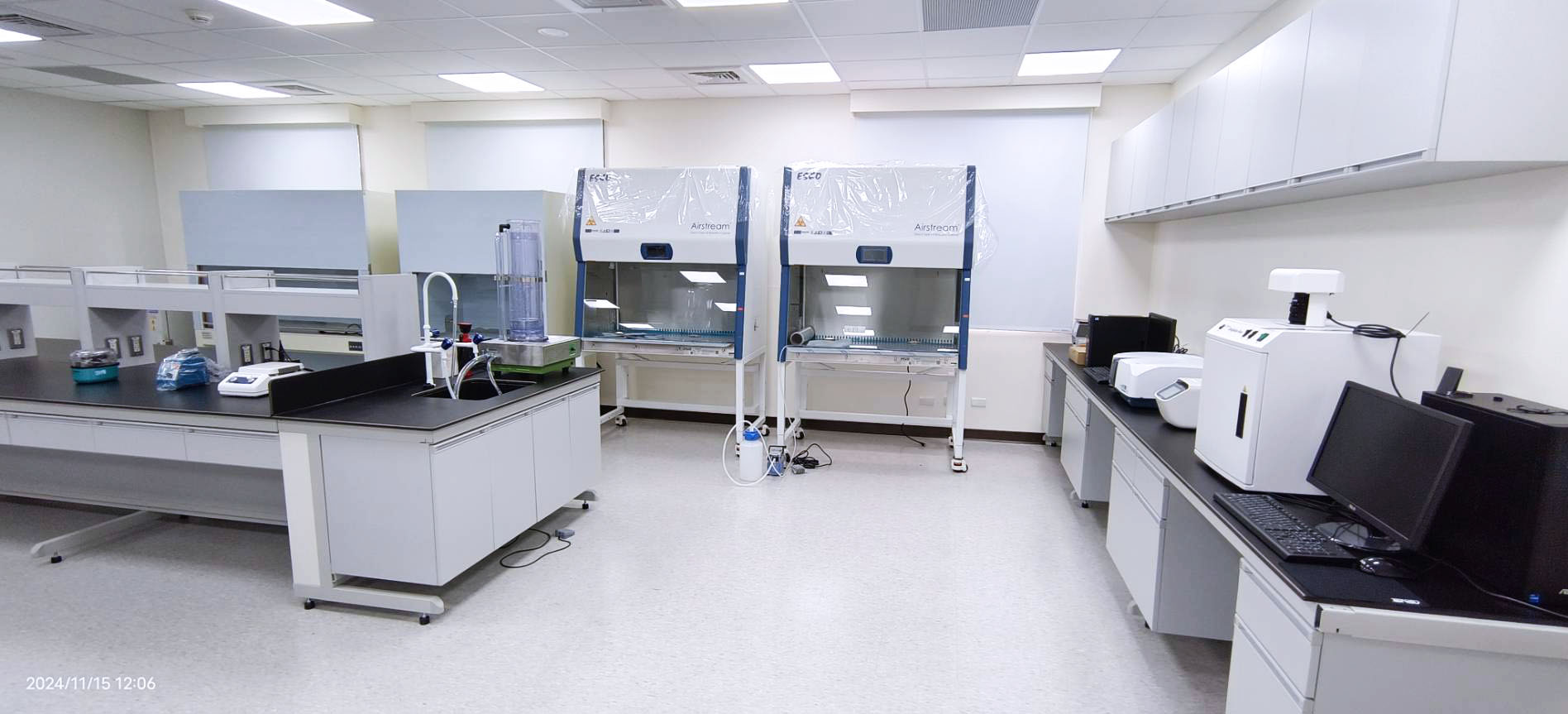
[Graduate Institute of Biomedical Sciences]
Cultivating graduate students with strong core knowledge in molecular biomedicine and the ability to translate this knowledge into clinical and discovery-driven research.
Department Features
1. Integrated Research in Clinical and Basic Medicine
The Graduate Institute operates in close alignment with the Mackay Memorial Hospital system, forming a seamless academic–clinical research network. Through strong collaboration between the College of Medicine and affiliated hospitals, the Institute fully integrates biomedical research with clinical medical applications, with the ultimate goal of advancing translational and patient-centered medical discovery.
2. Forward-Looking Curriculum and Research Focus
The curriculum is designed to bridge basic biomedical science and clinical medicine, with a strong emphasis on translational research. Research and training focus on the pathogenesis of modern civilization-related diseases, guided by the educational mission of cultivating graduate students with solid molecular biomedical foundations and the ability to apply them to basic or clinical research settings.
Teaching Resources
The Institute and the University are supported by well-established core instrumentation centers, equipped with a wide range of advanced and state-of-the-art research equipment, including confocal laser scanning microscopes, multi-fluorescence microscopy systems, microinjection platforms, flow cytometers, cell sorters, in vivo molecular imaging systems, real-time quantitative PCR systems, HPLC/FPLC platforms, and Seahorse bioenergetics analyzers.
In addition, the Institute provides multiple cell culture laboratories and advanced P2-level laboratories, offering faculty and graduate students safe, flexible, and high-quality research environments to conduct a broad spectrum of biomedical investigations.
Featured Courses
Integration of Basic and Clinical Medicine
Since the 2020 academic year, the Institute has developed a series of “Integrated Course in Basic & Clinical Medicine” for graduate students. These courses include Modern Molecular Medicine Research Methods, Animal Models for Cardiovascular Research, Special Topics in Clinical Biomedical Research, and Advanced Clinical Biomedical Research Seminars. Together, they strengthen students’ ability to translate fundamental discoveries into clinically relevant research questions.
Future Development
⦁ Career Development:
The Institute organizes annual career planning seminars, inviting professionals from medical centers, biotechnology companies, and pharmaceutical industries to share insights on current workforce demands, research career pathways, and required professional competencies in the biomedical field.
⦁ Further Education Options:
The University offers both a Master’s Program and a Doctoral Program in Biomedical Sciences, providing students with structured pathways for advanced training, academic development, and long-term research careers.
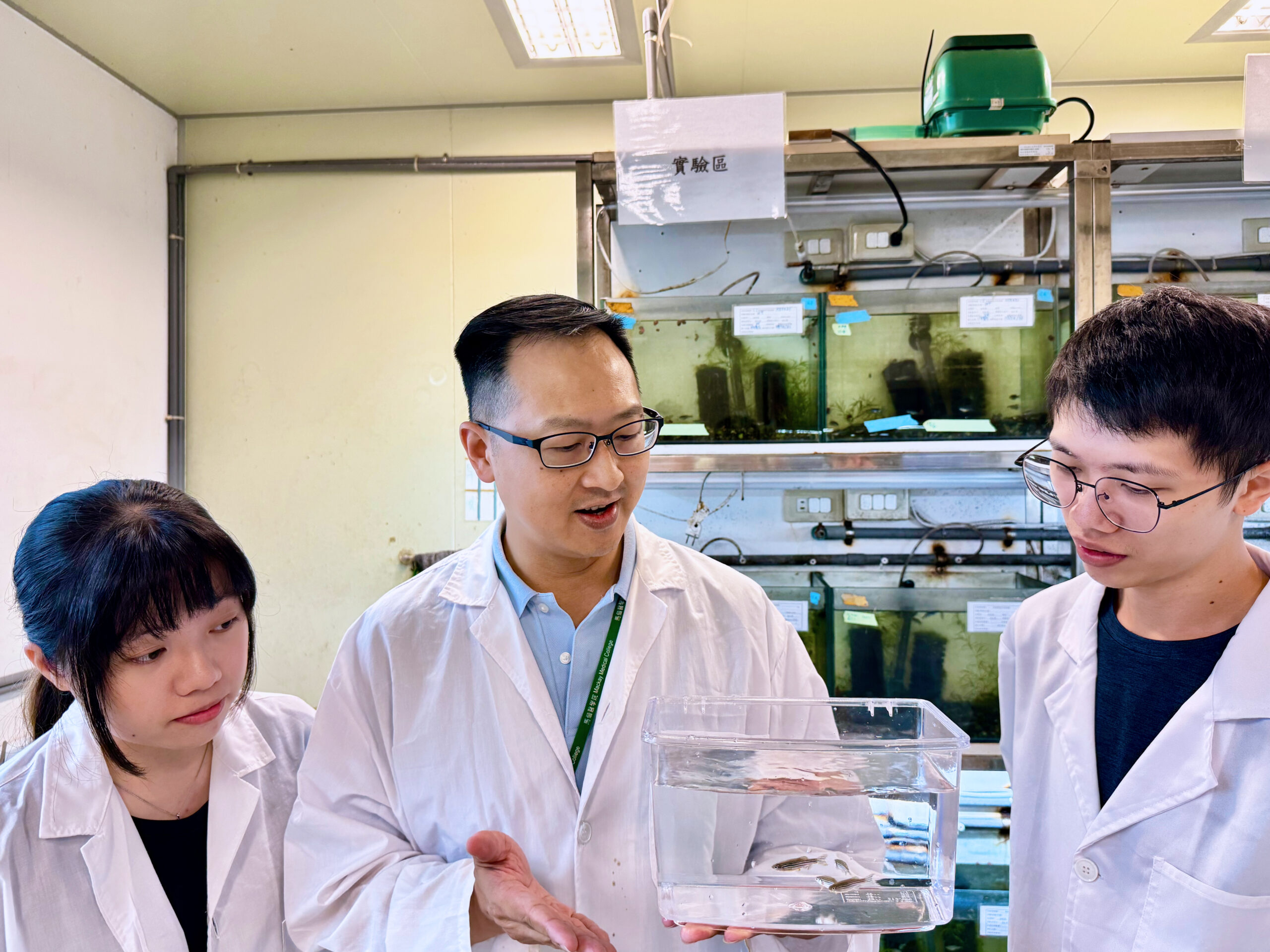
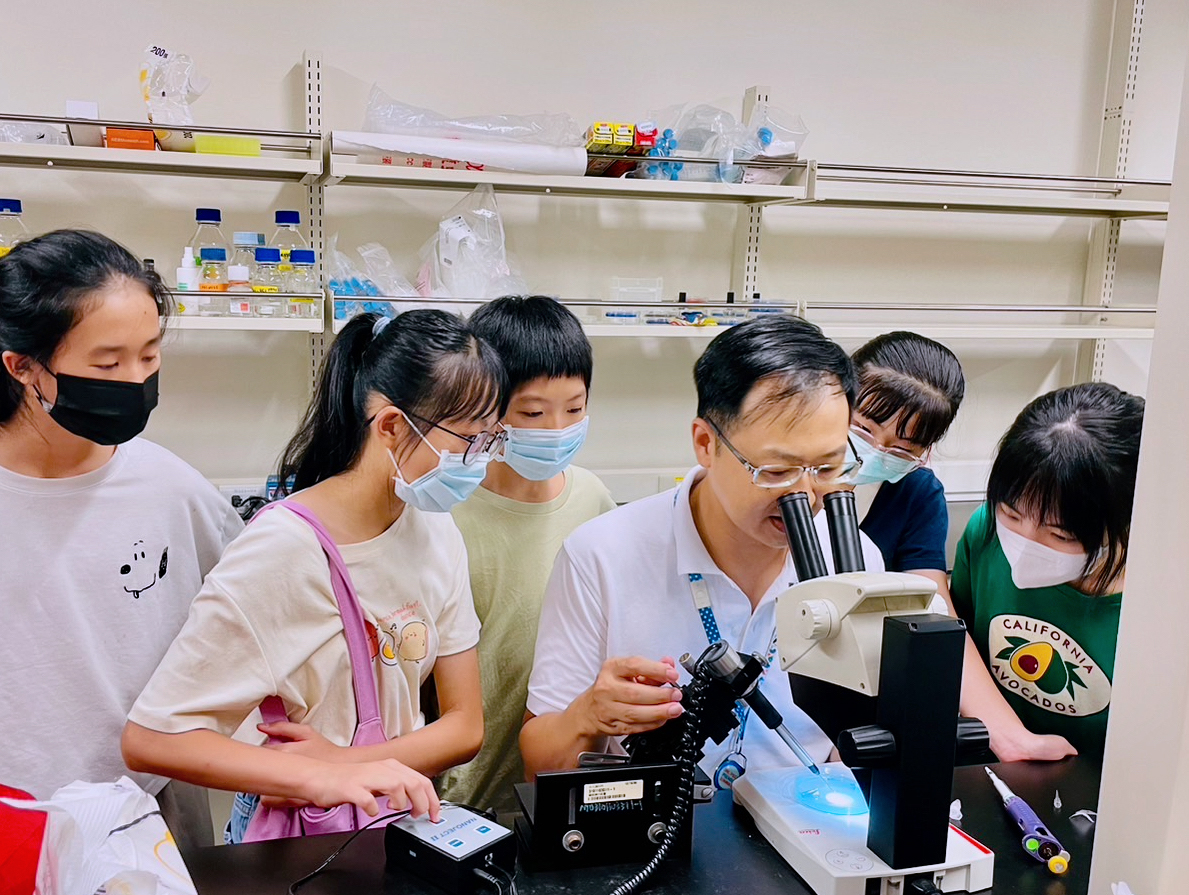
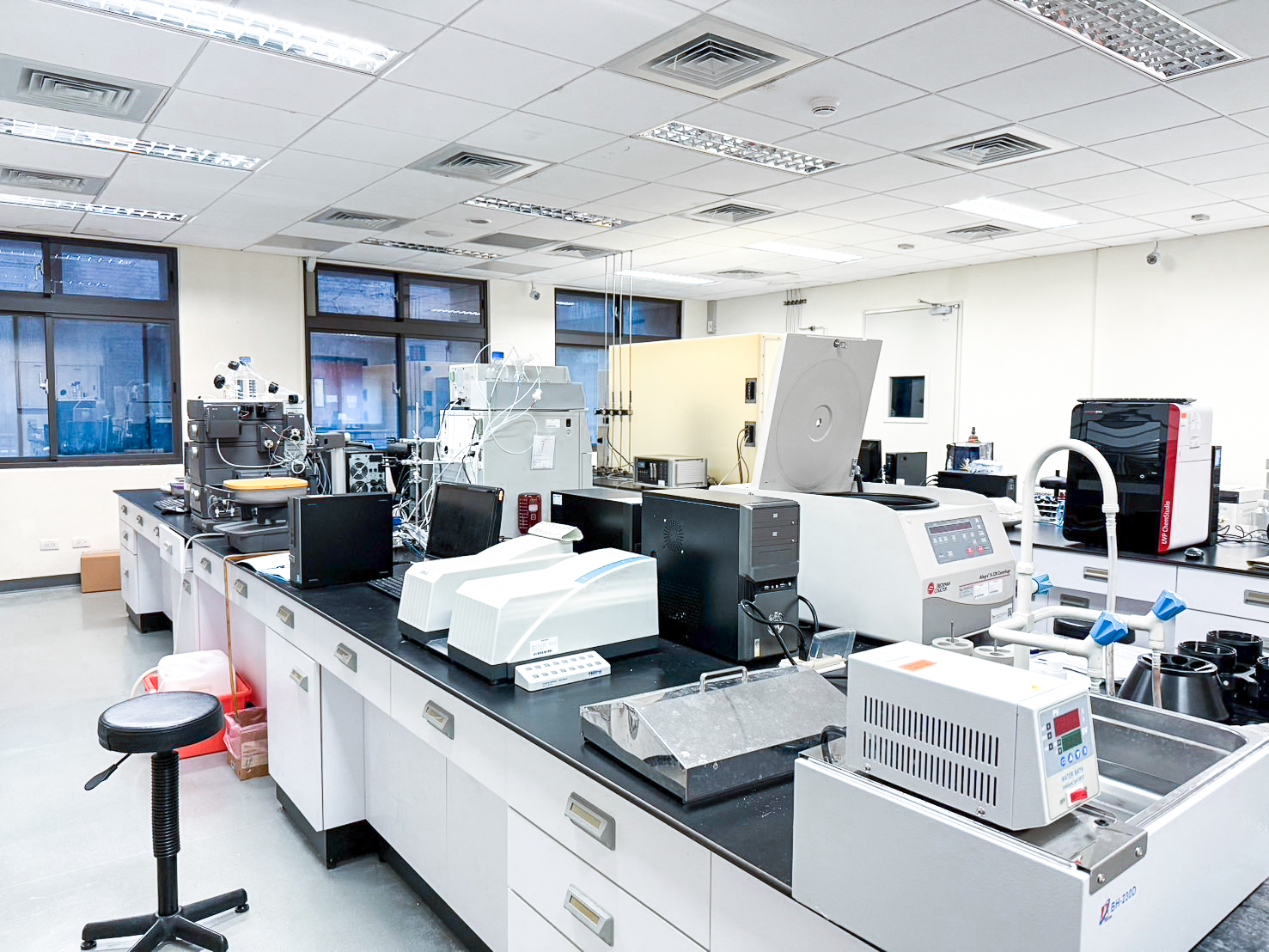
[Graduate Institute of Long-Term Care]
Cultivating interdisciplinary advanced professionals with competencies in long-term care practice, management, education, and research.
Department Features
In response to the global trend of population aging, the Graduate Institute of Long-Term Care promotes a team-based, interdisciplinary approach to healthcare, with a strong emphasis on teaching, research, management, and professional practice. The Institute actively integrates resources from the long-term care industry, government agencies, and academic institutions, aiming to cultivate high-level professionals with an international perspectivewho can contribute meaningfully to the sustainable development of the long-term care sector.
Teaching Resources
The Institute’s teaching facilities include conference rooms, small-group classrooms, graduate student workspaces, as well as specialized centers such as the Mind–Body Activation Research Center and the Care Innovation Research Center. In alignment with sustainable development goals, environmentally friendly laboratories are being progressively established.
The University has also developed diverse creative learning spaces, along with seven fully equipped e-learning facilities and interdisciplinary research platforms. In addition, the Institute integrates rich resources from Mackay Memorial Hospital, including expertise in geriatric medicine, long-term care services, and an internationally accredited hospice education center, providing graduate students with valuable opportunities for internships, field practice, and applied research.
Featured Courses
Integrated Long-Term Care Professional Curriculum
The curriculum is structured around three core modules: Health Care, Policy and Management, and Friendly Environments and Technology. With a diverse and interdisciplinary faculty, the Institute designs flexible learning pathways that allow students to tailor their coursework to individual academic interests and career goals. Through this approach, students are prepared to meet the complex and evolving professional demands of contemporary long-term care systems.
Future Development
- Career Development: Graduates of the Institute are well prepared to pursue careers as long-term care practitioners, facility and service managers, policy or program coordinators, and educators. Employment opportunities include long-term care institutions, community-based care organizations, healthcare-related agencies, and educational or training institutions.
- Further Education Options: Graduates may apply to doctoral programs in Taiwan or abroad in fields such as long-term care, physical therapy, environmental or universal design, gerontology, and aging industry–related disciplines, further advancing their academic and professional development.
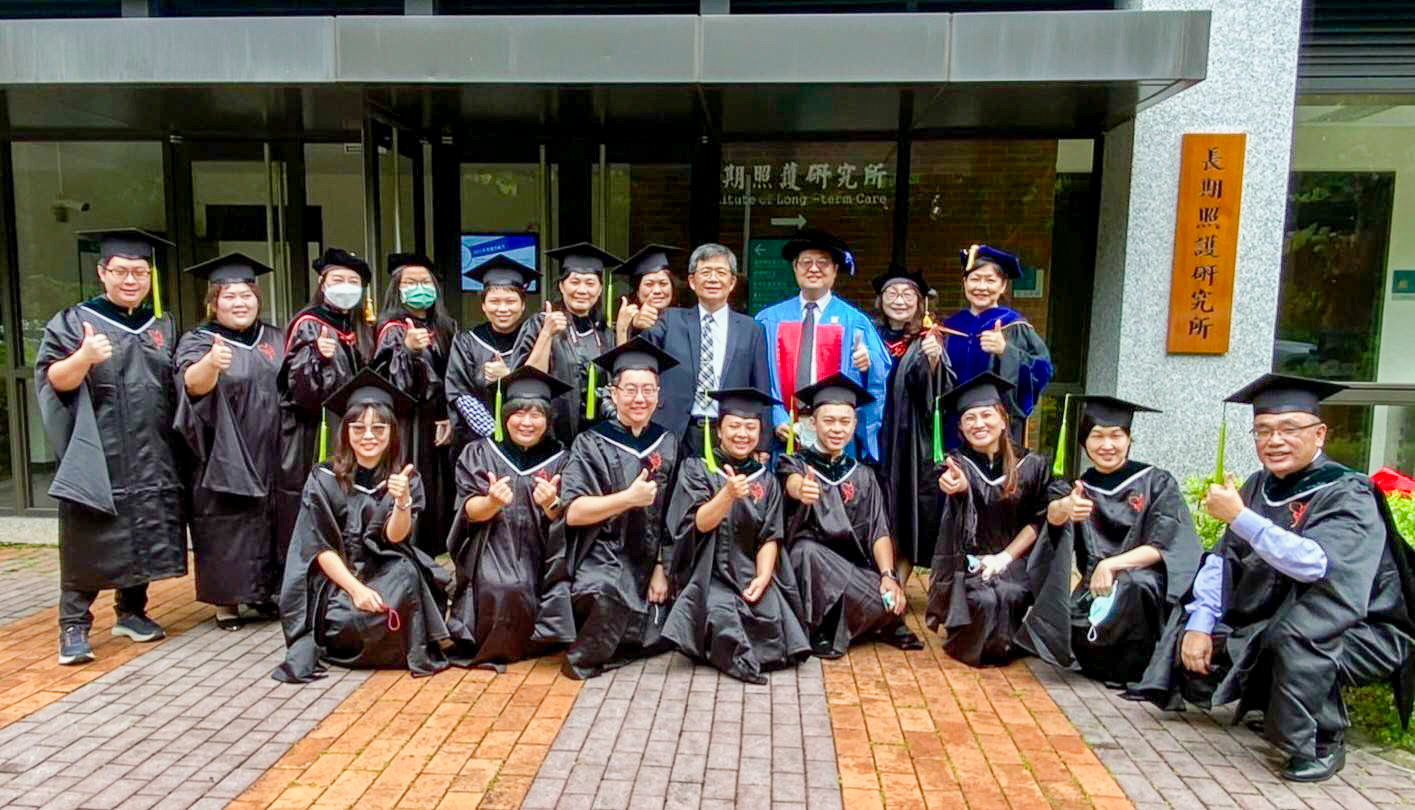
[Graduate Institute of Geriatric Welfare Technology]
Cultivating interdisciplinary talents with core competencies in humanistic care, innovative research, and collaborative teamwork, enabling them to analyze and solve challenges related to life-care support for older adults and sub-healthy populations.
- Department Features
- Cultivating interdisciplinary professionals capable of analyzing and solving challenges in life-care support technologies for older adults and sub-healthy populations.
- Establishing high-quality applied research that integrates modern engineering technologies, living technologies, long-term care, life sciences, and clinical medicine.
- Leveraging Taiwan’s strengths in industrial technology to develop innovative products and services, and fostering a globally competitive next-generation technology industry for elderly care and life-support systems.
- Promoting interdisciplinary collaboration across academic units within the University, integrating Mackay’s strong clinical healthcare resources, and extending the development of an integrated teaching and research model focused on community-based and in-home aging and long-term care support technologies.
Teaching Resources
1. Equipment:
The Institute has established a comprehensive shared instrumentation platform, including cloud computing servers, electronic system development equipment, 3D printing devices, and human motion analysis systems, supporting interdisciplinary research and innovation.
2. Specialized Laboratories:
The Institute operates a diverse range of professional laboratories, including computer-aided design and analysis rooms, aging and intergenerational innovation design laboratories, limb and mobility support laboratories, communication and information interaction laboratories, smart and age-friendly space laboratories, and empowerment and health resilience laboratories.
3. Teaching Space and Digital Facilities:
The Institute is equipped with dedicated classrooms and seminar rooms, along with comprehensive e-learning facilities that support both synchronous and asynchronous digital instruction. The Moodle learning management system, integrated with virtual classrooms and remote video technologies, enables a wide range of interactive, self-directed learning experiences that transcend time and geographic boundaries.
Featured Courses
The Graduate Institute of Geriatric Welfare Technology centers on the integration of humanistic values, technology, and elderly welfare, with a focus on developing support technologies that enhance the living environment and quality of life for aging populations. Core thematic areas include aging and intergenerational innovation, limb and mobility support, smart and age-friendly spaces, communication and information interaction, and health empowerment and resilience.
1. Technological Development of Aging and Intergenerational Innovation
Focusing on the psychological and social issues of technology for the elderly and intergenerational interaction, including
⦁ Technological applications and design for active aging and intergenerational interaction
⦁ Technological applications and design for elderly learning/education
⦁ Promotion and assessment of elderly physical and mental health
2. Technological Development of Aging and Intergenerational Innovation
Focusing on the psychological and social dimensions of aging technologies and intergenerational interaction, this area includes: Promotion and assessment of physical and mental health in older populations; Technology applications and design for active aging and intergenerational engagement; and Technology-based learning and educational design for older adults
3. Technological Development of Smart and Friendly Spaces
Emphasizing the research and development of mobility support and assistive technologies for older adults, including: Application and environmental integration of assistive and mobility support systems and Design and construction of individualized and transitional mobility support technologies
4. Technological Development of Communication and Information Interaction
Targeting the advancement of communication, information access, and digital interaction technologies for older adults, including: Artificial intelligence applications for aging-related information and interaction design; Information communication systems and applied technologies; Digital applications and health-support technologies for aging populations; and Diverse data analysis and information integration
5. Technological Development of Empowerment and Health Resilience
Focusing on professional practices that enhance and empower health functions in older adults, including: Aging health management and preventive medicine strategies; Design and evaluation of empowerment-based health activities; and Development and implementation of precision exercise programs for older adults
Future Development
⦁ Career Development:
- Participation in innovative research and development within elderly life-care technology industries, including smart and age-friendly spaces, limb and mobility support systems, and communication and information interaction technologies.
- Engagement in technology innovation, support system design, and operational technologies for long-term care and healthcare institutions, including roles in policy planning, system integration, and technical consulting for the promotion of elderly care support technologies.
⦁ Further Education Options:
Graduates may pursue doctoral studies in Taiwan or abroad in fields such as medical engineering, smart building technologies, information applications, physical therapy, and various engineering and technology-related disciplines, further advancing interdisciplinary research and professional leadership.
Industry-Academia Collaboration
The Institute has established formal academic and industry exchange partnerships with Olida Co., Ltd., Jih Tai Precision Industry Co., Ltd., and Kang Ling United Health Business, fostering collaborative research, technology development, internships, and knowledge transfer between academia and industry.
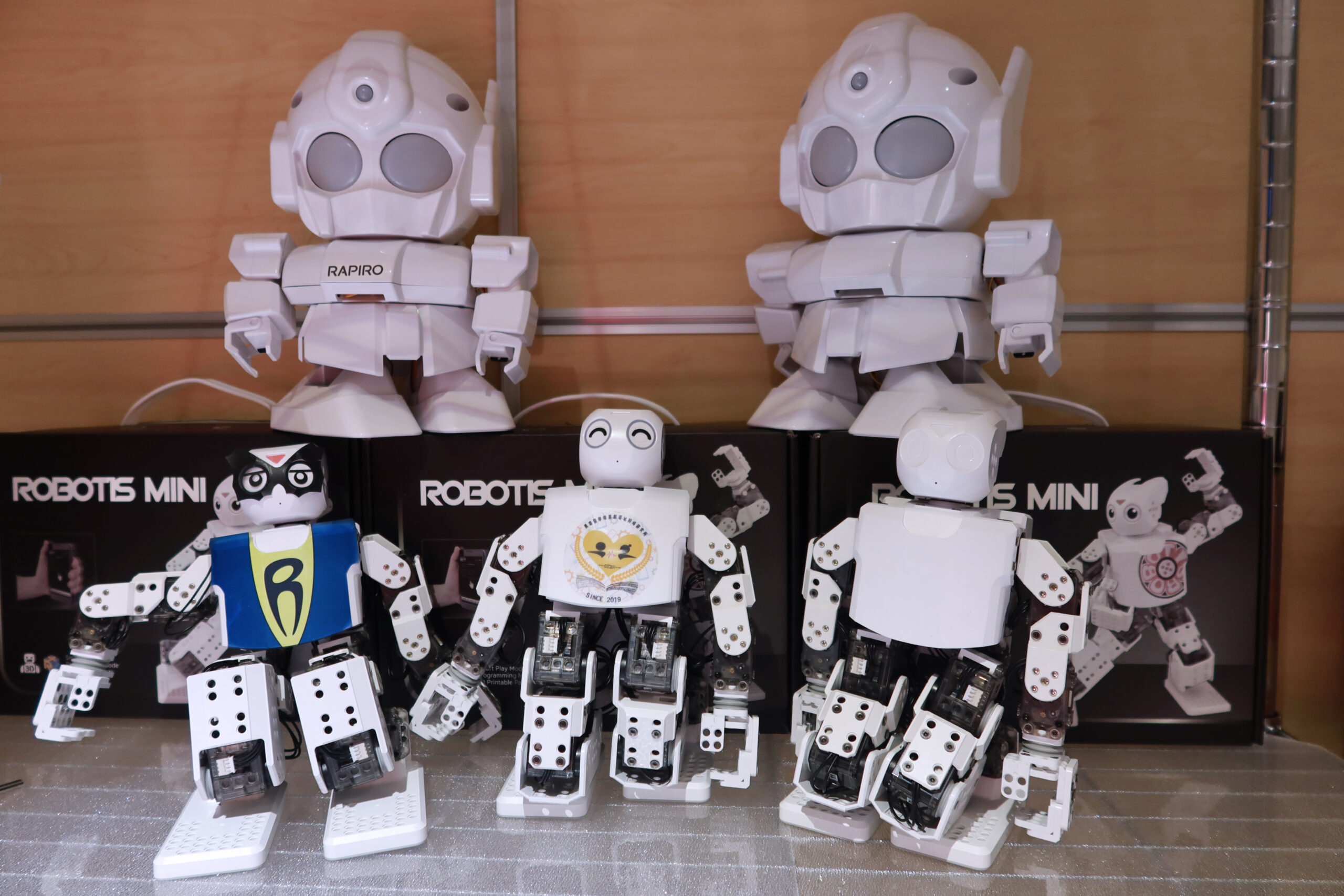
[Master’s Program in Audiology and Speech-Language Pathology]
Cultivating advanced professionals in audiology and speech-language pathology with strengths in clinical expertise, research, management, and specialized practice.
Department Features
In response to its social responsibility and professional mission, the Master’s Program is founded on the goal of deepening the academic foundations of audiology and speech-language sciences, while enhancing the professionalism of clinical supervision, education, and management, and promoting the development of innovative and integrated service models.
The Program is dedicated to cultivating advanced professionals in audiology and speech-language clinical services, education, and leadership. Supported by a strong faculty team and well-established teaching and research infrastructure, the Program features a comprehensive and mature educational environment in both hardware and software. It exemplifies a true model of “department–institute integration” and places a strong emphasis on both clinical practice and applied research, with the aim of leading the future development of audiology and speech-language pathology in Taiwan.
Teaching Resources
The Department operates a national-level audiology and speech-language teaching and practice center, a clinical education center, and a fully equipped research and experimental center. Facilities include a wide range of specialized professional spaces, such as IAC soundproof booths, acoustic analyzer examination rooms, large audiology observation rooms, and speech and language acoustics research laboratories.
These facilities are equipped with internationally standardized audiology and speech-language instruments, including tympanometers, pure-tone audiometers, aerodynamic analyzers, nasometers, and other advanced diagnostic systems. In addition, the Program is supported by synchronous video-based clinical teaching equipment, enabling real-time online clinical instruction in collaboration with Mackay Memorial Hospital.
Featured Courses
The Master’s Program is divided into two specialized tracks: the Speech-Language Therapy Track and the Audiology Track, with students admitted directly into their respective fields of specialization.
The curriculum structure includes:
- 14 credits of required core professional courses
- 6 credits of required Master’s thesis research
- At least 18 credits of elective courses, including a minimum of 12 credits of core electives and at least 6 credits of free electives
The minimum graduation requirement for both tracks is 38 credits.
Elective courses are organized into three professional domains:
⦁ Field 1: Research-Oriented Courses
⦁ Field 2: Clinical Supervision and Professional Education Courses
⦁ Field 3: Innovative and Integrated Service Model Courses
The elective courses in the three fields are:
⦁ Field 1: Research Topic Courses
⦁ Field 2: Clinical Supervision and Education Courses
⦁ Field 3: Innovative Service Integration Courses
These course domains enable students to strengthen research competence, enhance clinical leadership and teaching capacity, and explore innovative service integration, supporting diverse career pathways in clinical practice, education, administration, and advanced research.
Future Development
⦁ Career Development:
- Professionals in Basic Audiology and Speech-Language Research:
Graduates may pursue careers in medical research departments, academic faculty positions in audiology and speech-language pathology programs, or serve as research and development professionals in audiology- and speech-language–related industries. - Clinical Supervision and Management Professionals in Audiology and Speech-Language Pathology: Graduates are prepared for roles in clinical supervision, program management, and professional leadership within hospitals, rehabilitation centers, and specialized clinics.
- Professionals in Diversified and Innovative Service Development: Graduates may engage in innovative and integrated service models beyond traditional clinical settings, using audiology and speech-language services as a core foundation to promote cross-sector integration across education systems, long-term care services, early intervention programs, and rural or underserved community services.
- Clinical Practice as Audiologists and Speech-Language Pathologists: Career pathways include independent practice (self-employment), as well as clinical positions within hospital-based early intervention systems, school special education systems, Ministry of Health and Welfare long-term care systems, hospital rehabilitation departments, and otolaryngology services.
- Careers in Communication Enhancement and Related Industries: Graduates may enter the audiology and speech-language communication technology industries, including communication assistive devices, hearing aids (CI/HA/ALD), acoustics and sound engineering industries, and AI-driven communication and healthcare technology sectors.
⦁ Further Education Options:
Graduates who are interested in research careers (industry-oriented) or pursuing overseas further studies and academic teaching positions may continue their studies by applying to relevant doctoral programs in audiology and speech-language pathology, both domestically and internationally, after completing this Master’s program.
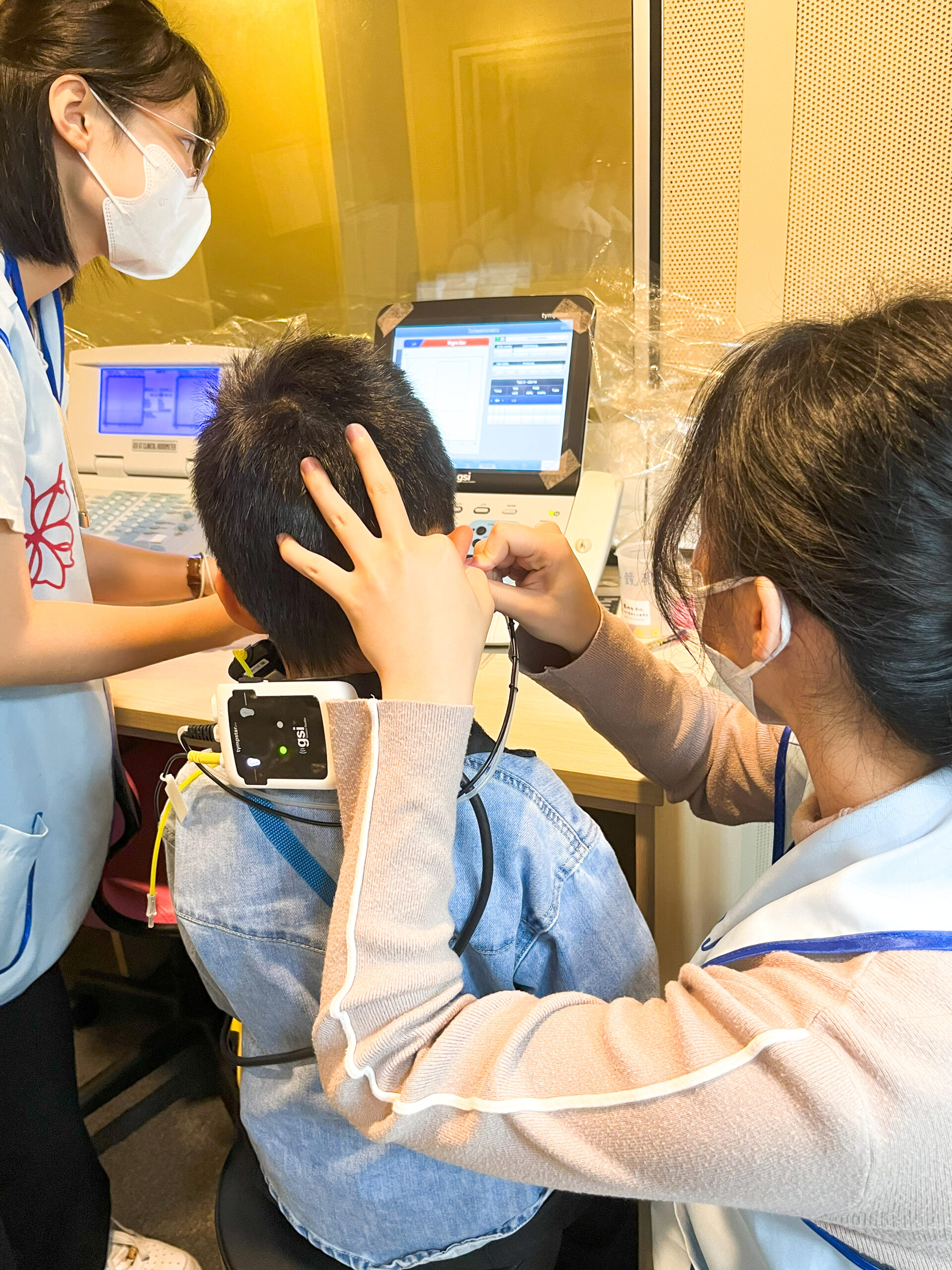
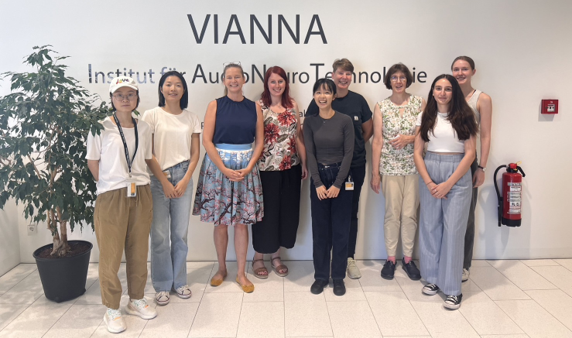
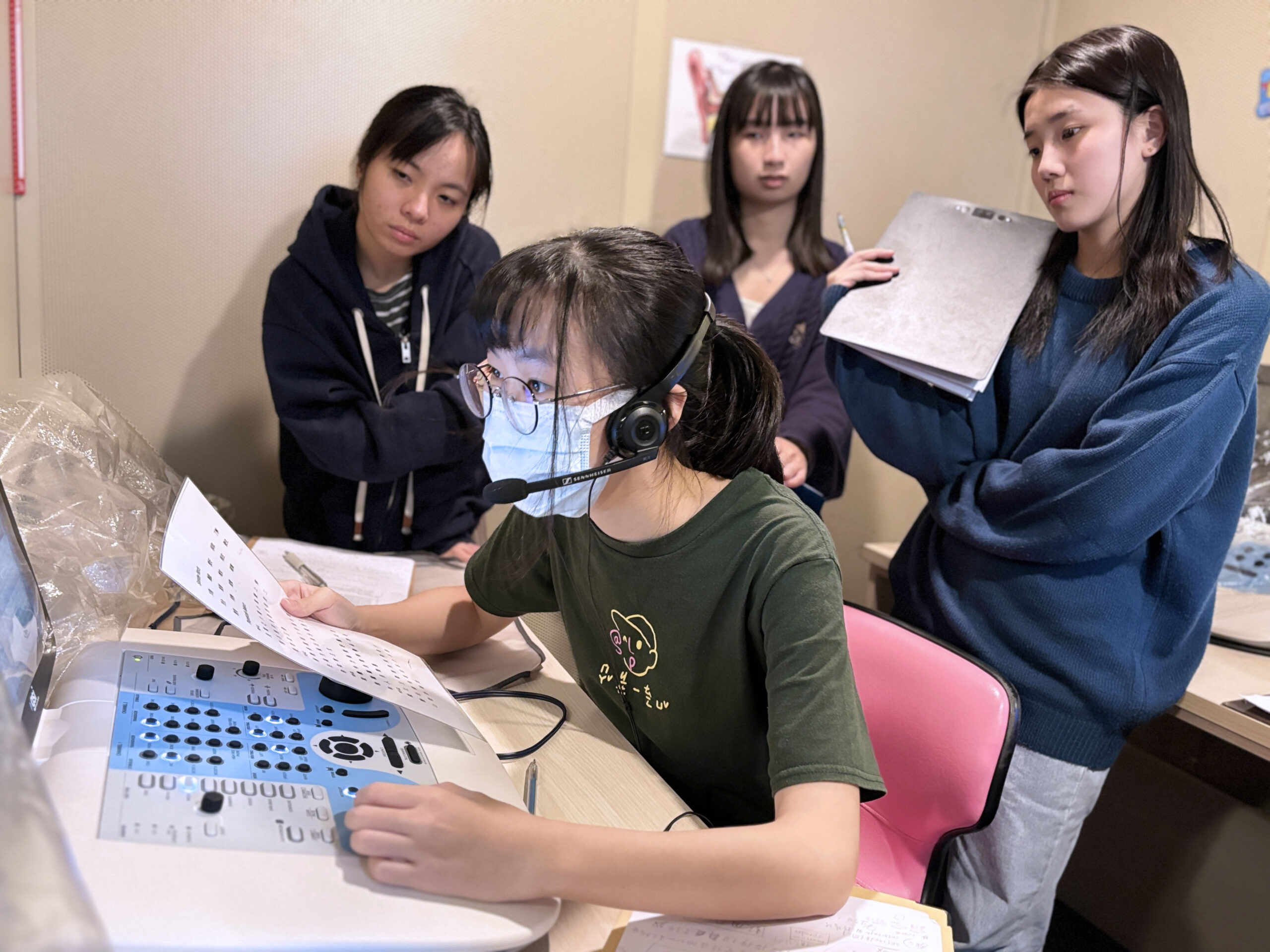
[Master of Science in Nursing]
Cultivating master-level Nurse Practitioners who strengthen the professional value of nursing roles and enhance advanced clinical care functions
Department Features
The establishment of this MSN Program aims to create a high-level platform for the exchange and sharing of advanced clinical nursing practice and professional scholarship. Through strong industry–academia collaboration, this Program horizontally integrates resources from the four major campuses of Mackay Memorial Hospital and partner hospitals in Northern Taiwan, while vertically leveraging and extending the academic and teaching resources of multiple departments within Mackay Medical University.
Based on this integrated framework, the Program is dedicated to cultivating master-level Nurse Practitioners with strong competencies in both academic research and advanced clinical care, preparing graduates to meet the evolving healthcare needs and societal expectations of Taiwan.
Teaching Resources
- The Department of Nursing at MMU has a long-standing history and has successfully passed national quality assurance accreditation commissioned by higher education institutions. It is supported by an experienced and dedicated faculty, a high-quality teaching environment, and strong academic performance, as well as comprehensive clinical internship sites provided by Mackay Memorial Hospital, including the Taipei, Tamsui, Hsinchu, and Taitung campuses.
- Curriculum planning is student-centered and practice-oriented, with courses scheduled on two days each week to support working professionals. To ensure close alignment with clinical teaching and practice, instruction is conducted not only in on-campus classrooms, but also by utilizing teaching facilities at Tamsui Mackay Memorial Hospital. This arrangement helps reduce travel burden during coursework and clinical training, allowing students to focus more effectively on learning and professional development.
Featured Courses
Core Competencies of Graduates
Graduates of this MSN Program are expected to demonstrate advanced clinical judgment, evidence-based nursing practice, professional leadership, interdisciplinary collaboration, and the ability to integrate research into clinical care, aligning with the core competencies required of master-level Nurse Practitioners.
To support the development of these competencies, the curriculum is structured into three integrated components:
- Professional Foundations (22 credits in total, including 6 credits for the Master’s thesis)
- Professional Core Courses (10 credits)
- Elective Courses (6 credits)
Students must complete a minimum of 38 credits to fulfill graduation requirements.
For students who do not yet hold a Nurse Practitioner (NP) license or formal NP training certificate, it is recommended that they enroll in designated courses such as Health Problem Diagnosis and Treatment, Clinical Evidence-Based Care, and Special Topics in Nurse Practitioner Internship. These courses are designed to meet the Nurse Practitioner training requirements announced by the Taiwan Nurse Practitioner Association, including 184 hours of academic coursework and 504 hours of supervised clinical training.
Upon completion of the program and fulfillment of the required training hours, graduates will be eligible to apply for and sit the Nurse Practitioner qualification examination, supporting a smooth transition into advanced nursing practice roles.
Future Development
⦁ Career Development:
Graduates are prepared to assume advanced professional roles such as clinical care experts, healthcare managers, professional consultants, care coordinators, case managers, and contributors to healthcare policy development.
Through the integrated resource network of the Mackay Medical System, graduates may pursue employment opportunities in medical and healthcare institutions across Taiwan, enabling them to apply advanced nursing competencies in diverse clinical, managerial, and policy-oriented settings.
⦁ Further Education Options:
Graduates of the MSN Program may pursue advanced academic and professional development through further studies in doctoral programs in nursing, healthcare sciences, public health, health policy, or related interdisciplinary fields, both domestically and internationally.
With strong preparation in advanced clinical practice, research methodology, and evidence-based nursing, graduates are well positioned to continue their education toward doctoral-level training, supporting career pathways in advanced clinical leadership, nursing education, healthcare research, and policy development. These opportunities enable graduates to further expand their professional impact, academic depth, and leadership roles within the healthcare system.
Industry-Academia Collaboration
Mackay Memorial Hospital has long been committed to the cultivation of high-quality clinical medical care across its Taipei, Tamsui, Hsinchu, and Taitung campuses, and is a recognized and qualified Nurse Practitioner (NP) training hospital.
With a team of advanced nursing professionals who possess strong academic foundations and extensive clinical experience, Mackay Memorial Hospital not only delivers high-quality patient-centered care but also serves as a key clinical teaching partner. These experienced professionals actively participate as clinical instructors, supporting the design and implementation of practice-oriented training courses within the MSN Program.
Through this close and complementary industry–academia collaboration, students benefit from integrated clinical training and mentorship, and upon graduation, may pursue employment opportunities within the Mackay Medical System, forming a seamless pathway from advanced education to professional clinical practice.
[Master’s Program in Clinical Medicine, Department of Medicine]
Cultivating physicians with strong research capacity, innovative thinking, and international competitiveness in modern clinical medicine.
Department Features
The Department of Medicine at Mackay Medical University (hereinafter referred to as the Department) has long upheld its educational mission of “Continuing the Mackay spirit and cultivating good doctors of tomorrow.” Over the years, the Department has nurtured numerous outstanding physicians, earning high recognition from both the medical community and society.
With ongoing changes in population structure and disease patterns, future physicians will face increasingly complex challenges. They must be capable of mastering advanced medical knowledge and emerging technologies, while demonstrating clinical excellence, adaptability, and innovation within diverse and rapidly evolving healthcare environments.
As Taiwan enters a super-aging society, the medical field has placed growing emphasis on areas such as aging medicine, regenerative medicine, precision medicine, cardiovascular and preventive medicine, chronic disease management, immunology and cancer medicine, as well as neurological and psychiatric medicine. These developments highlight the critical role of the Department in cultivating advanced clinical talents in these key medical domains.
To align with the Department’s Doctor–Scientist Credit Program and the educational concept of a post-graduation “gap year”, the Master’s Program in Clinical Medicine has been established to provide structured advanced training pathways for promising medical graduates. The Program aims to cultivate clinically competent, research-oriented physicians who can respond effectively to societal needs and future transformations in medical practice.
Teaching Resources
The Department is equipped with comprehensive teaching and research facilities, including PBL discussion rooms, pathology laboratories, micro-immunology and parasitology laboratories, general chemistry laboratories, general biology laboratories, and medical morphology laboratories, all of which support both instruction and academic research.
The Master’s Program in Clinical Medicine, Department of Medicine, was formally approved for establishment in the 2025 academic year. Based on existing teaching and research spaces, the Department has confirmed that current facilities and resources are sufficient to support program implementation.
To accommodate future development, the Department plans to establish a dedicated “Medical Department Discussion Room” in the 2025 academic year, equipped with discussion tables, projection systems, and related facilities, providing flexible space for courses, thesis discussions, academic meetings, and interdisciplinary collaboration.
Featured Courses
The University’s key strategic development areas include Aging Medicine, Regenerative Medicine, and Precision Medicine. In alignment with these priorities, the Master’s Program in Clinical Medicine actively integrates training in cardiovascular and preventive medicine, immunology and cancer medicine, and neurological and psychiatric medicine.
The curriculum further extends into applied and translational medical fields, including pharmaceutical research, interventional therapies, stem cell science, gene and cell therapy, and brain and behavioral psychology research, equipping students with a broad and forward-looking clinical research perspective.
Future Development
⦁ Career Development:
- Graduates may pursue careers as clinical specialist physicians, rural or primary healthcare providers, clinical researchers, or medical educators, contributing across diverse healthcare settings.
- For students who already hold full-time clinical positions, the Program provides opportunities to strengthen professional expertise, research capacity, and clinical competitiveness, enhancing advancement potential within hospitals and medical institutions.
⦁ Further Education Options:
Looking ahead, the Department plans to establish a Doctoral Program in Clinical Medicine, Department of Medicine, creating a continuous master’s–doctoral training pathway. This initiative aims to further cultivate high-level clinical physician–scientists and to fully realize the Department’s enduring educational mission of “Cultivating Tomorrow’s Competent Doctors.”
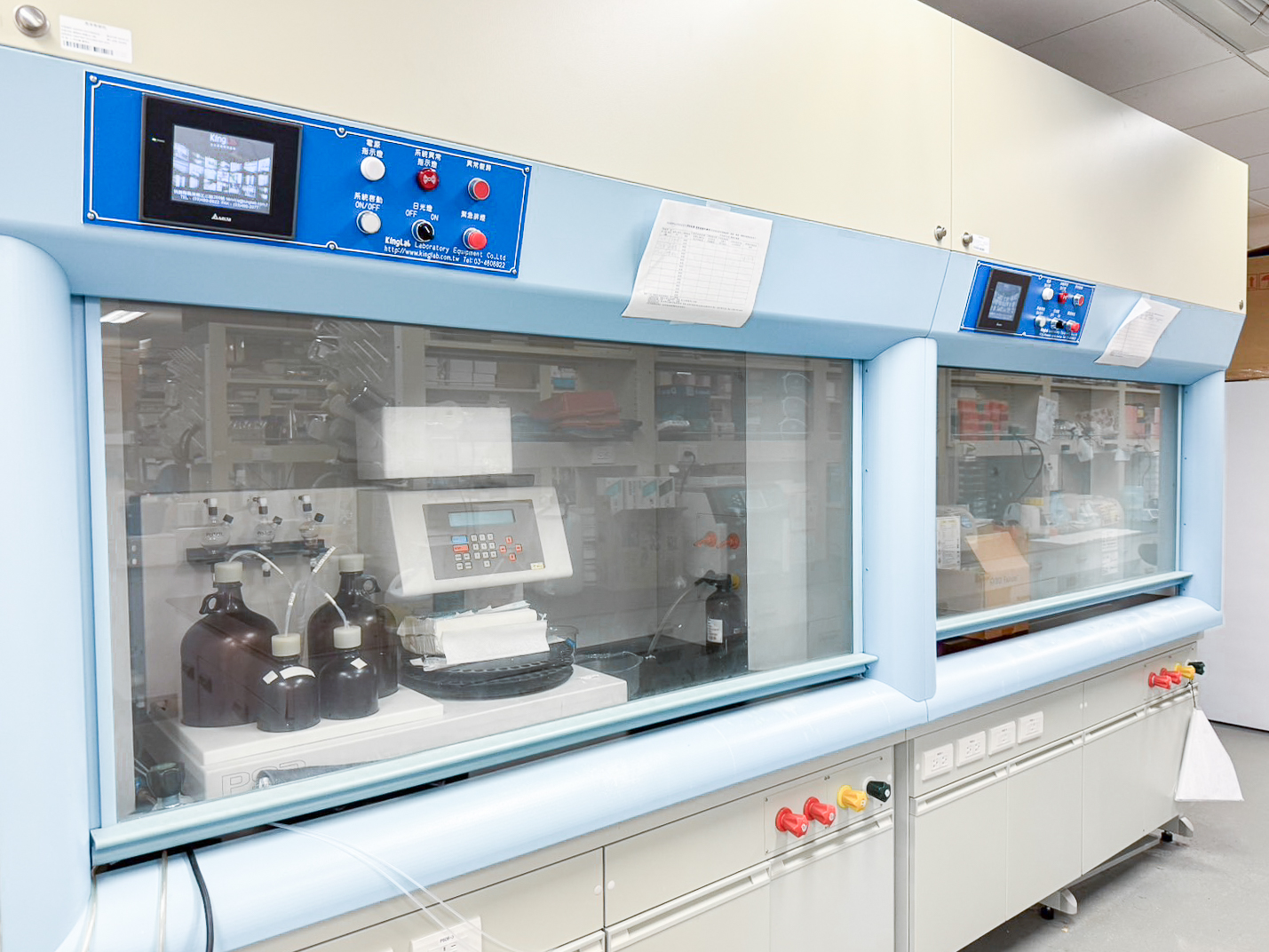
Photos & Videos
Photos


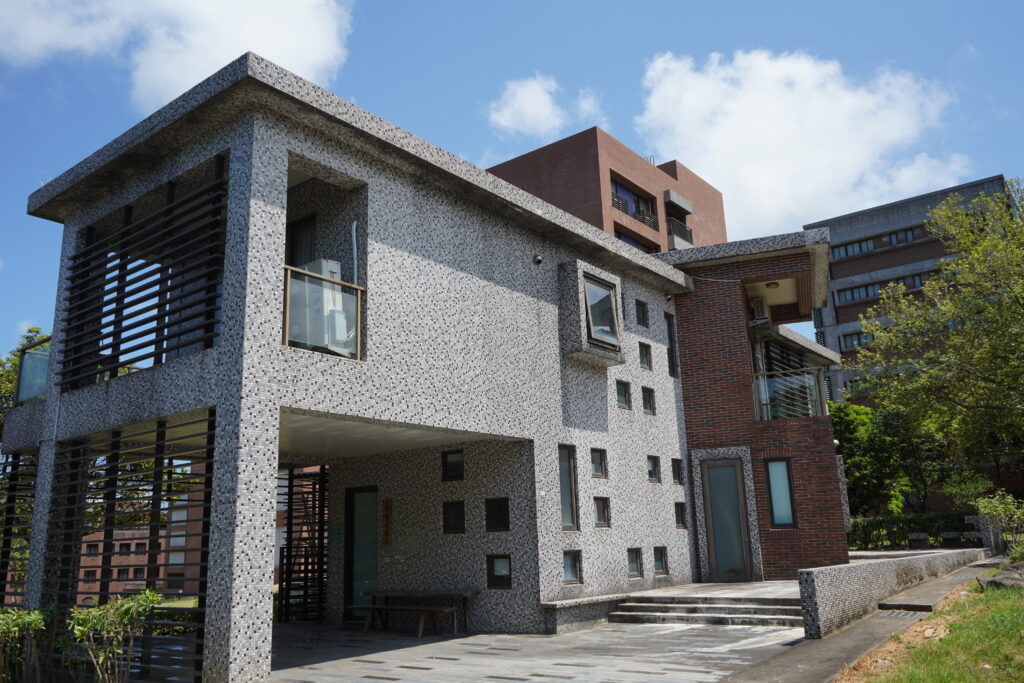
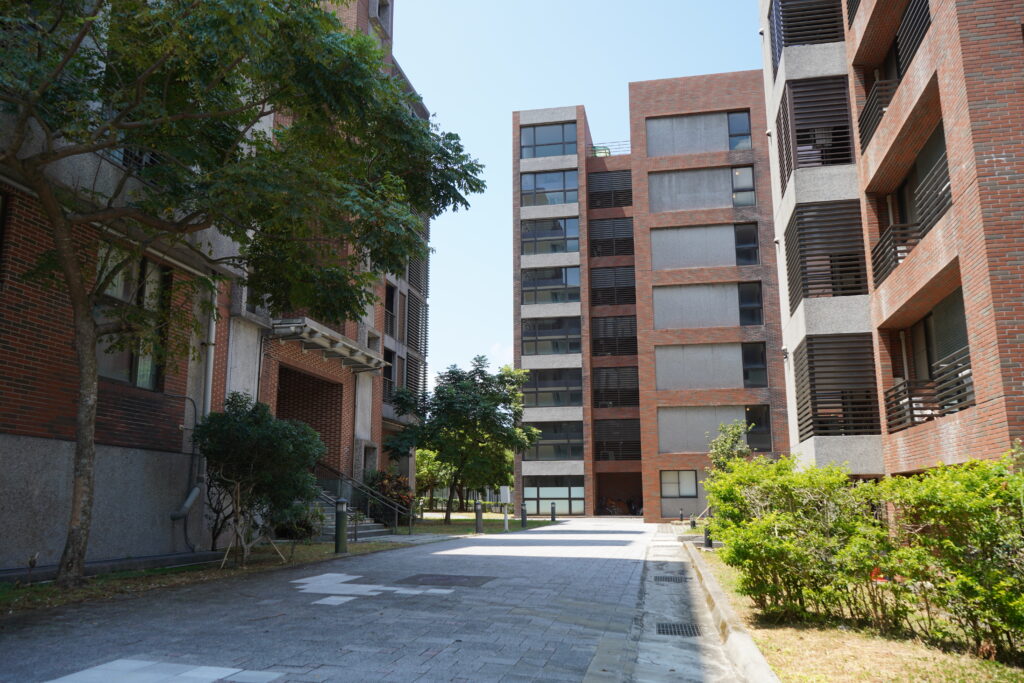

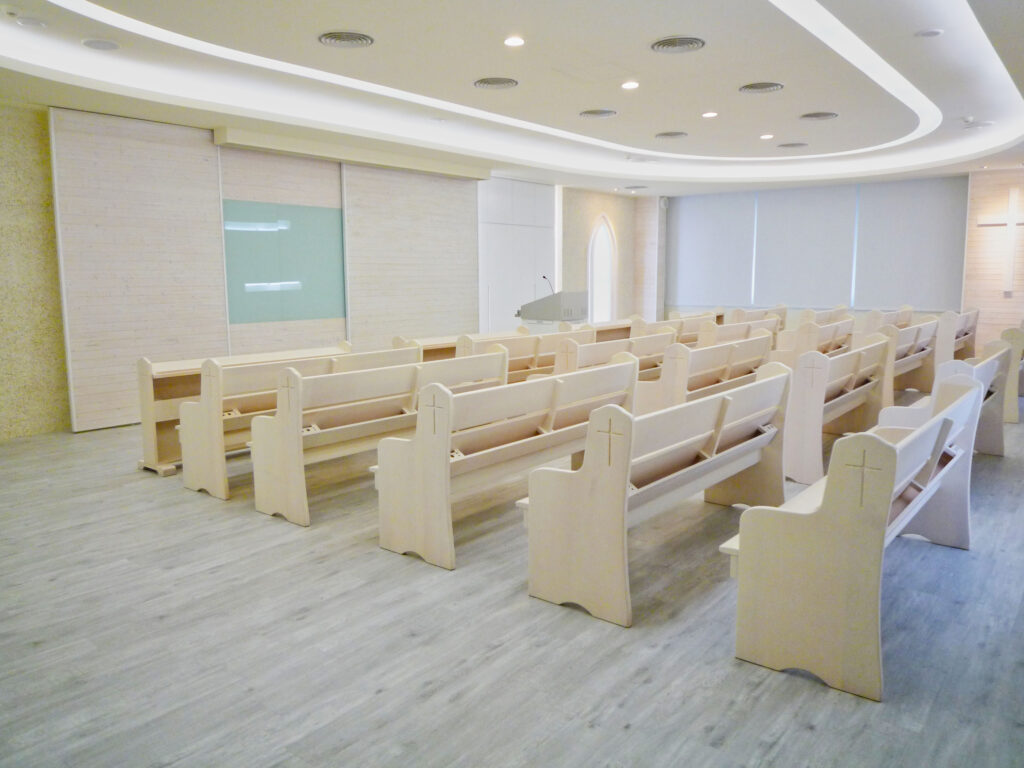
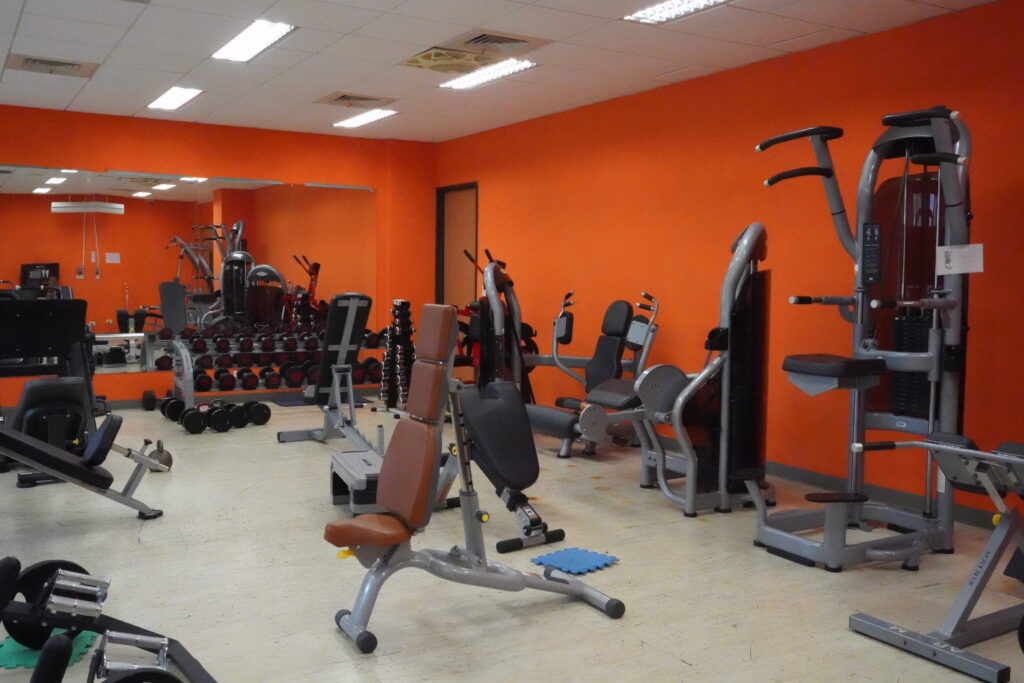
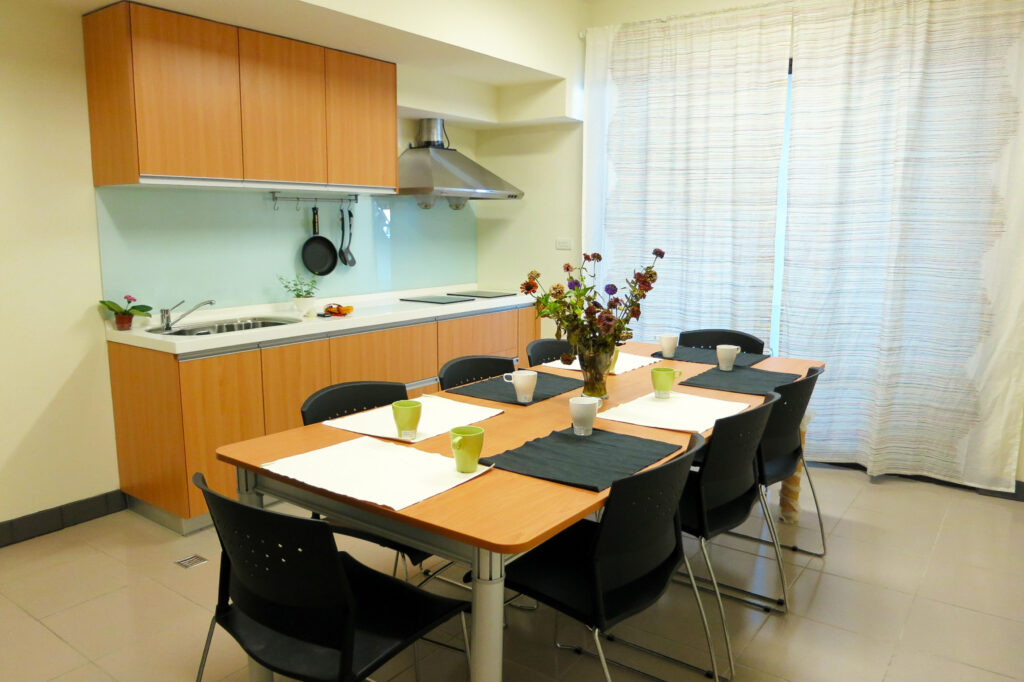

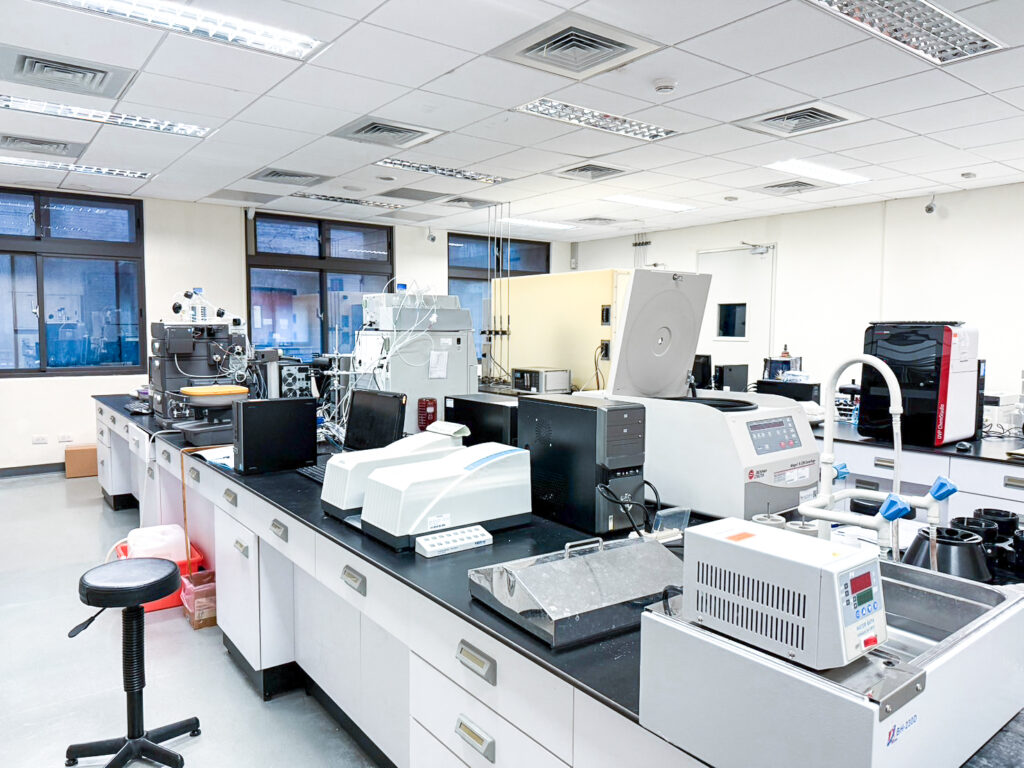
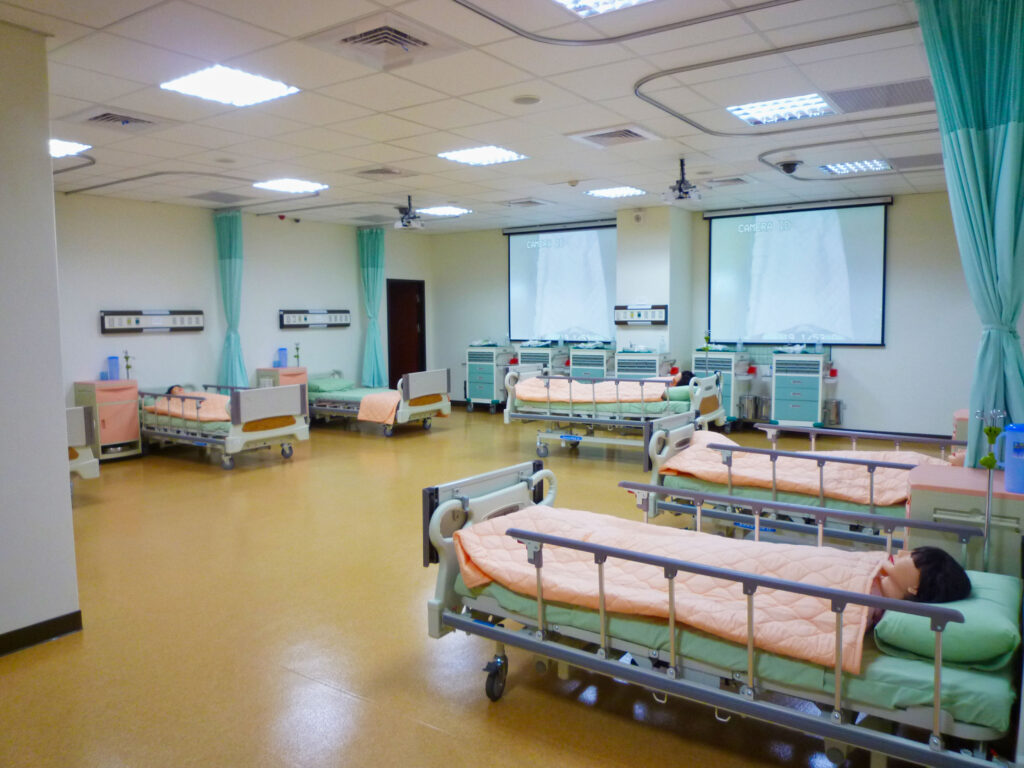
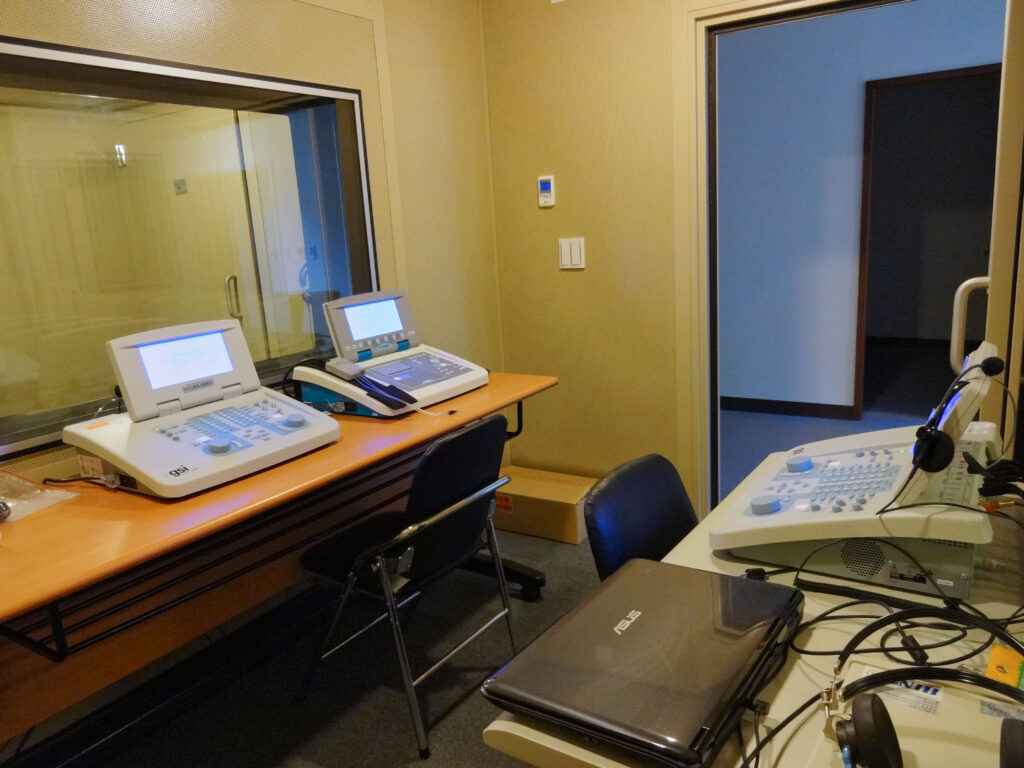
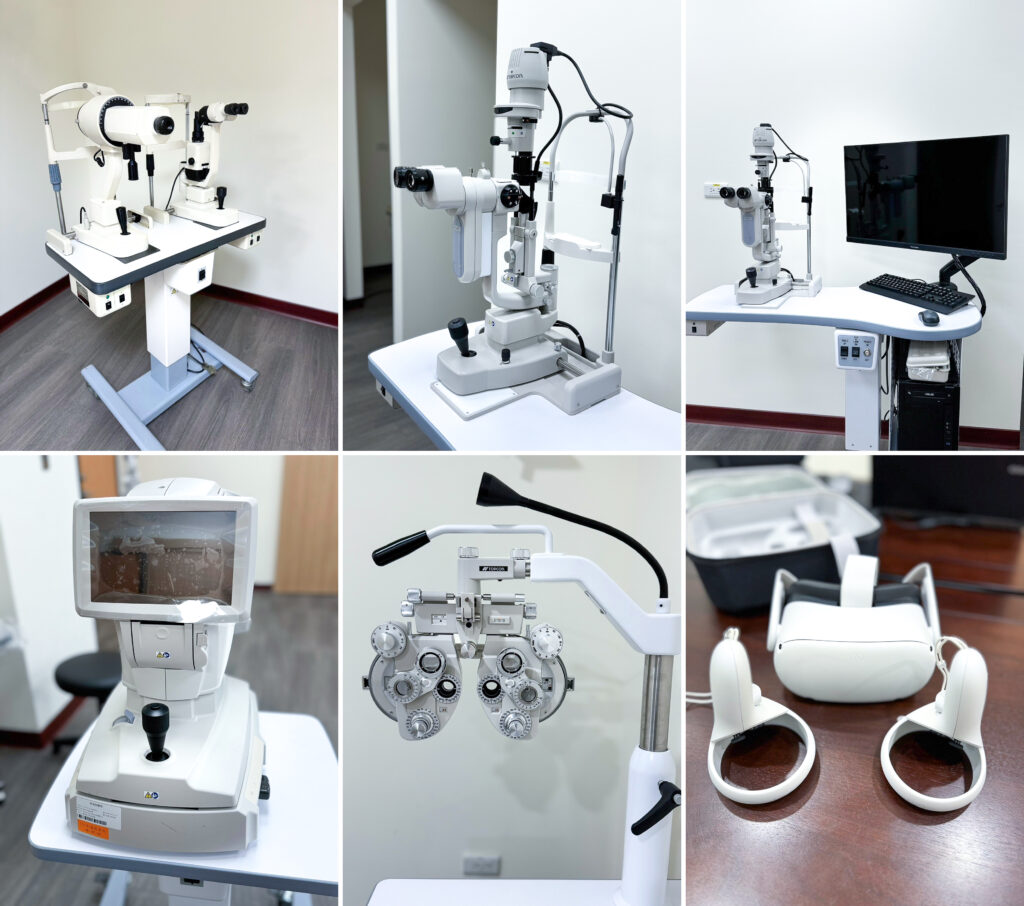
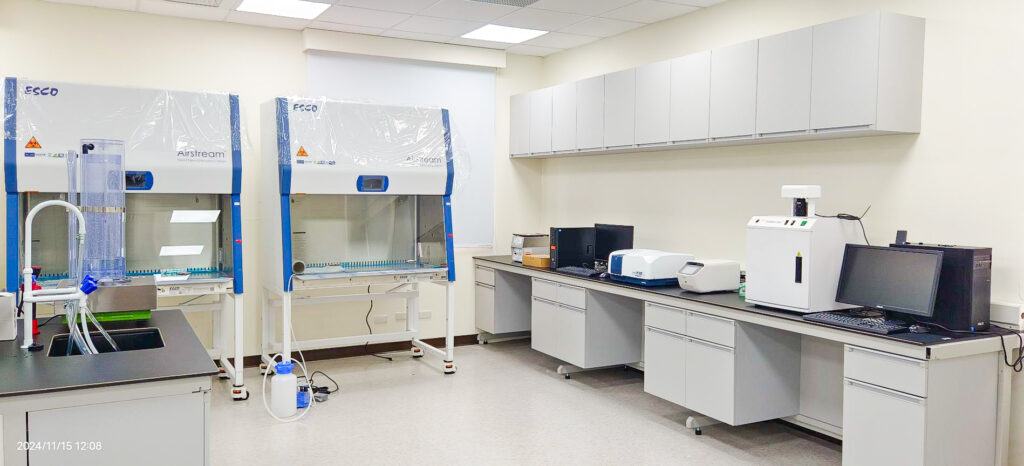
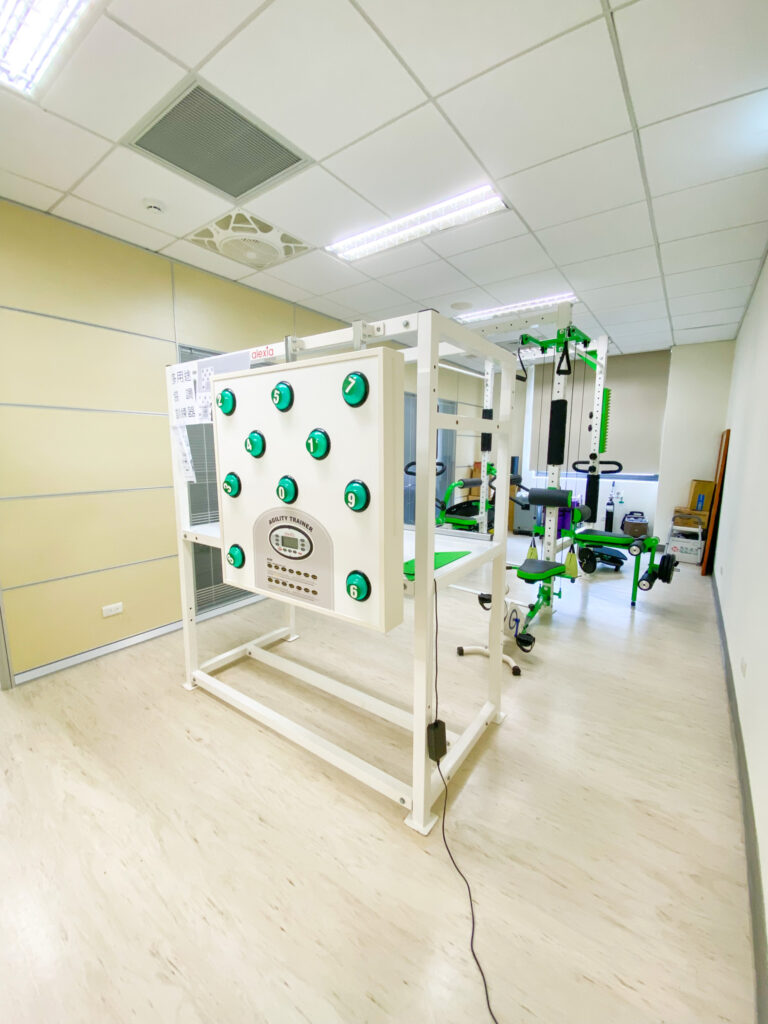
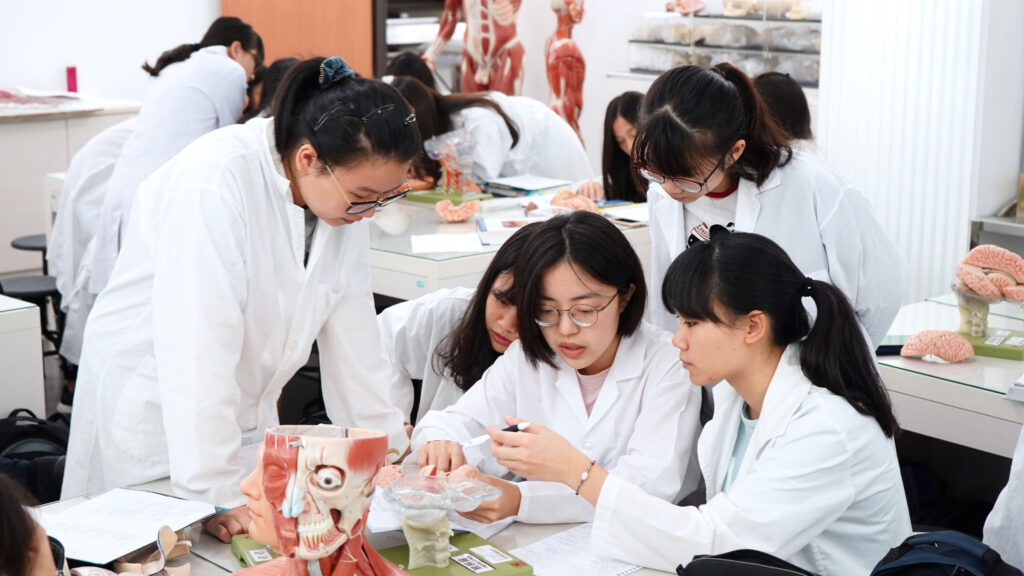
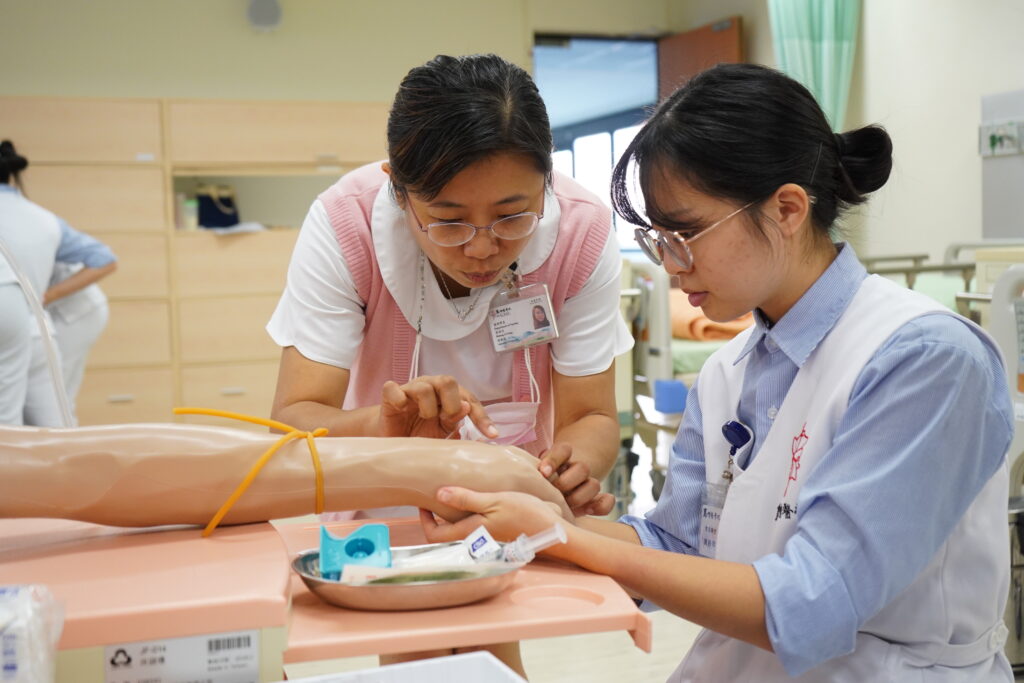
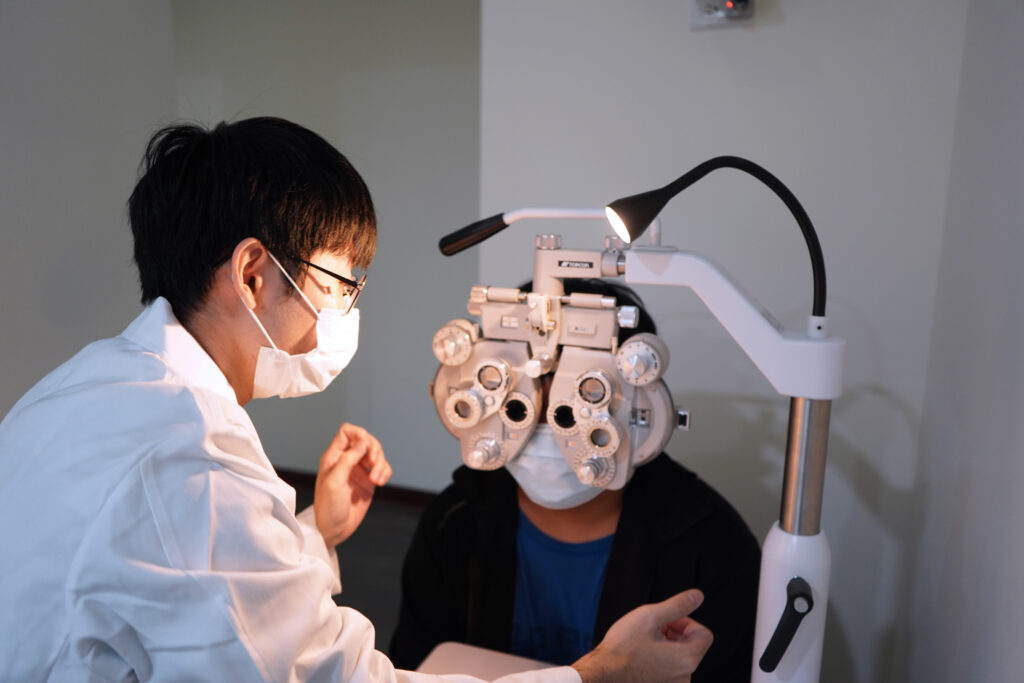
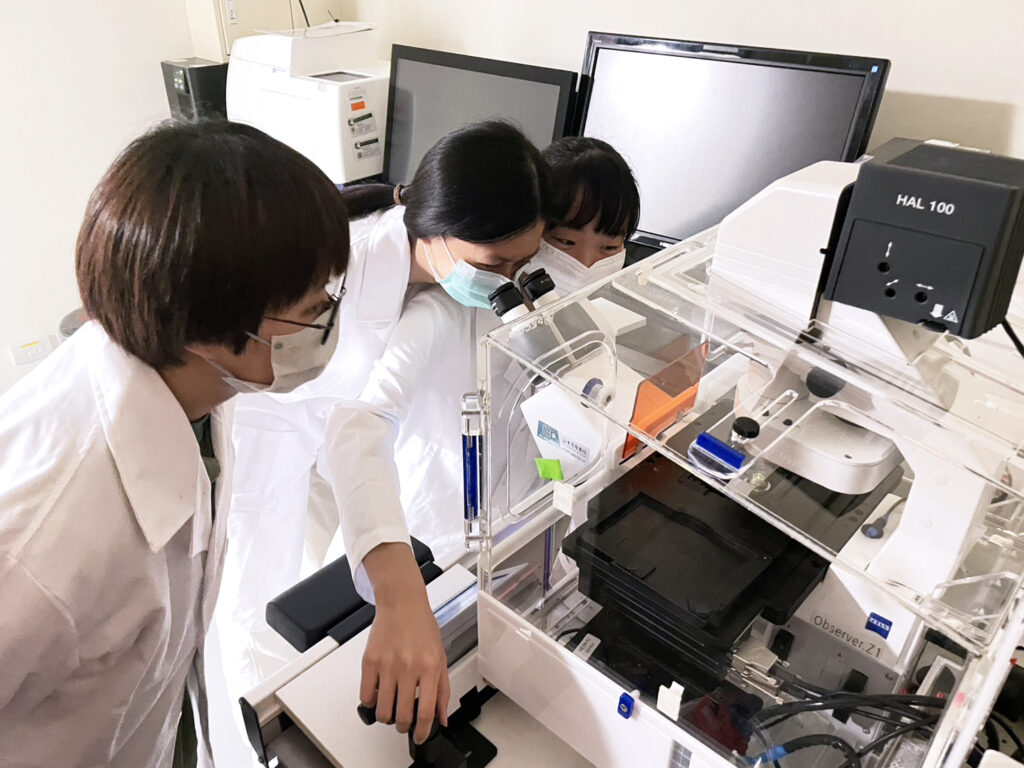
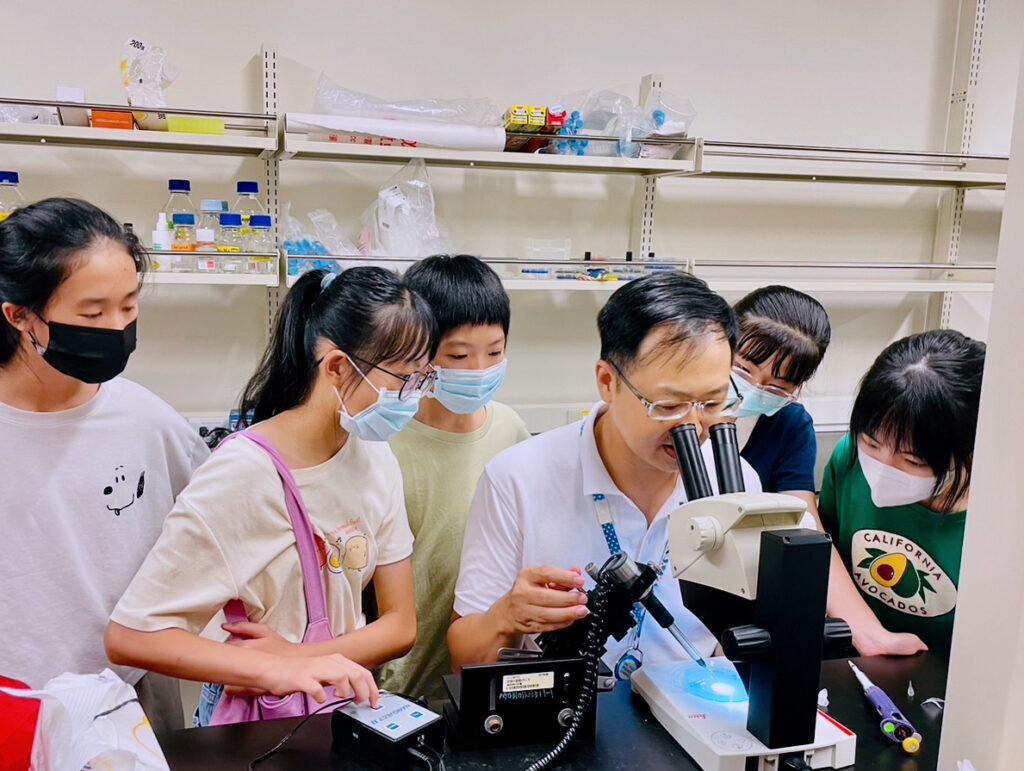
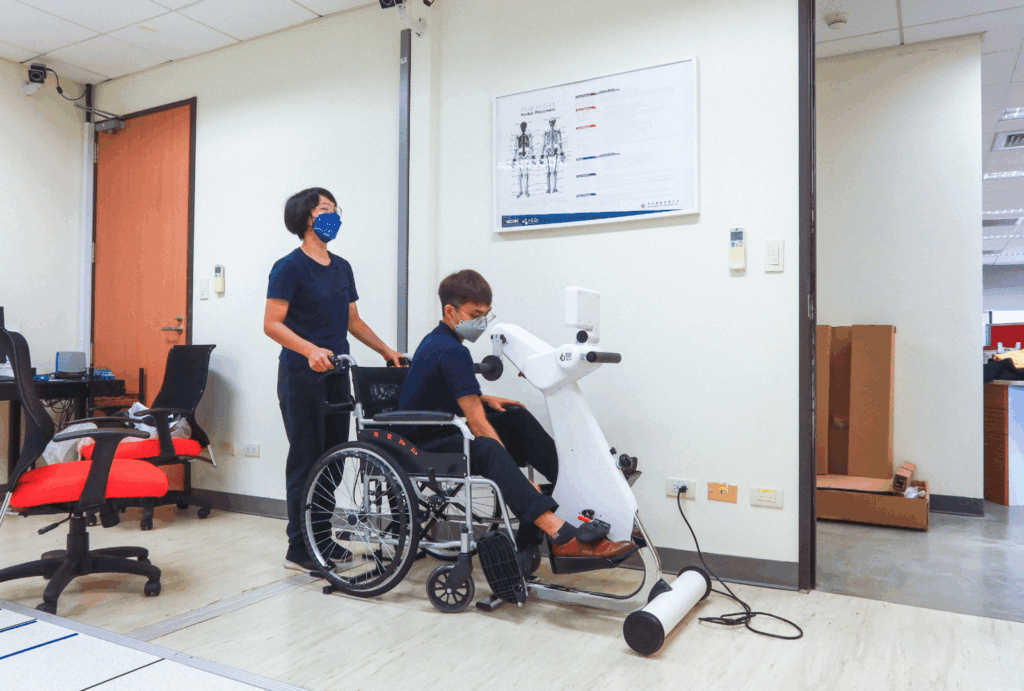
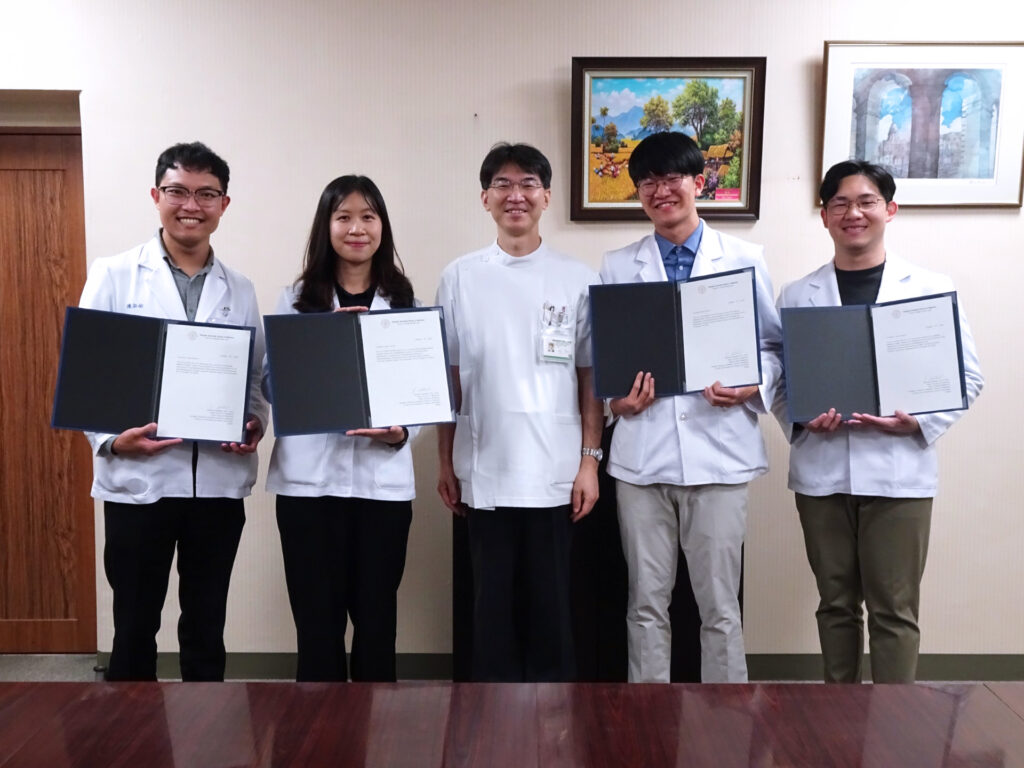


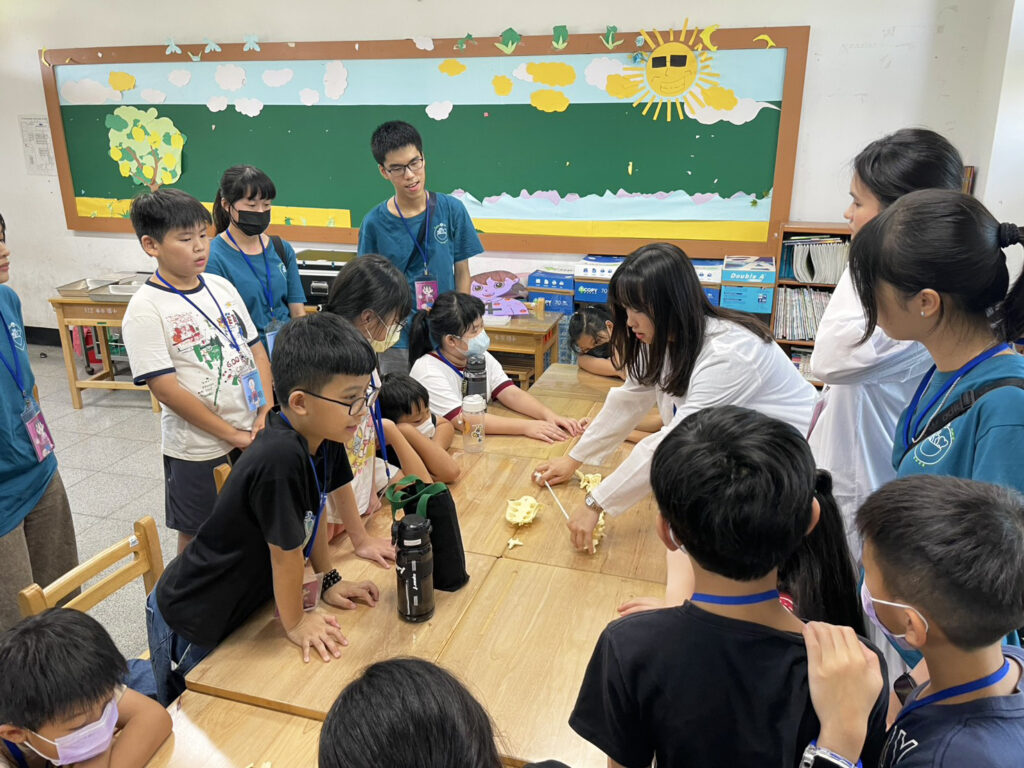
Videos
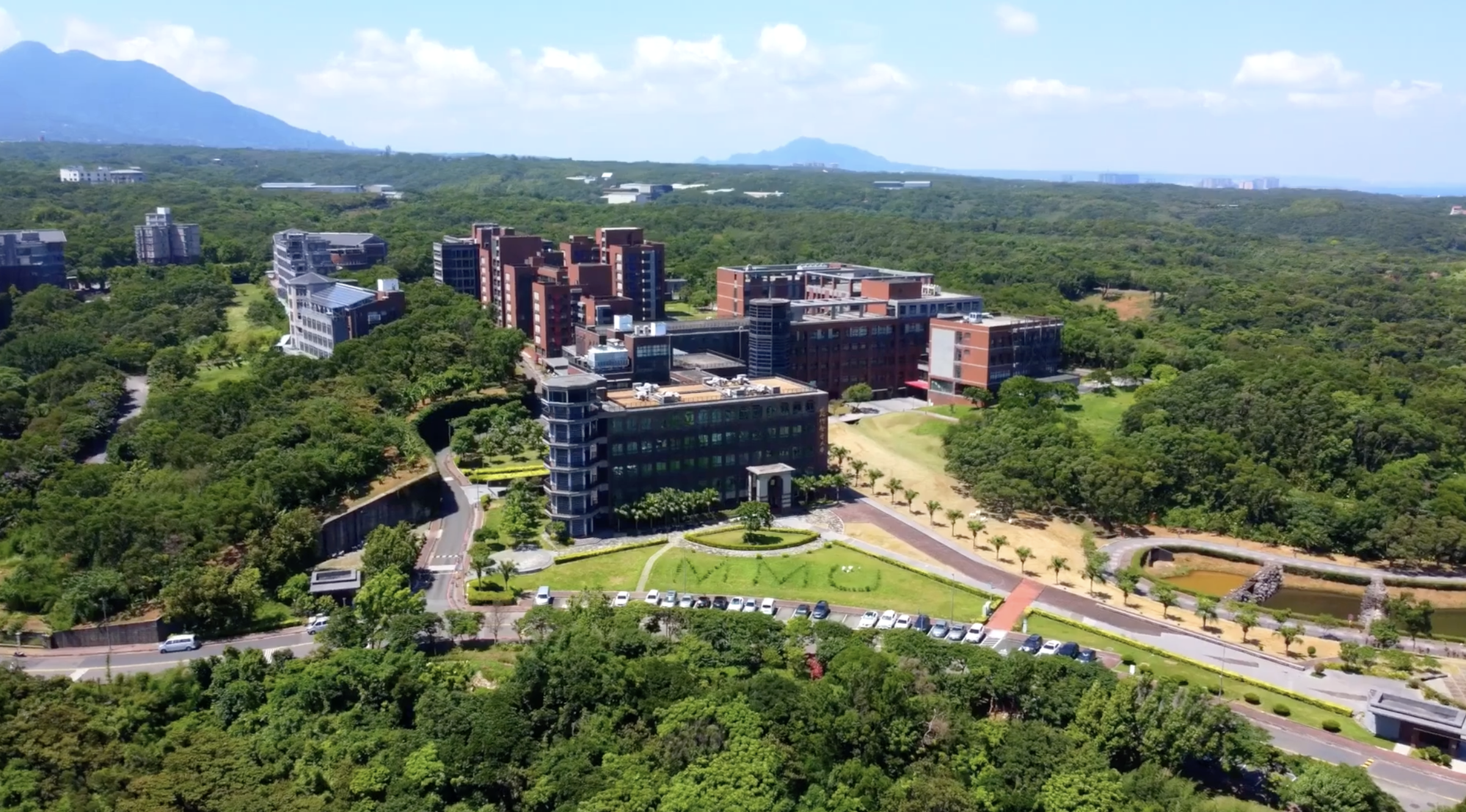
[Bachelor’s Program] Professors Tell You



[Bachelor’s Program] Alumni Tell You
[Master’s Program] Professors Tell You
Scholarships
Tuition and Miscellaneous Fees by Department
|
College Name |
Tuition and Miscellaneous Fees (NTD/Year)
|
|---|---|
|
Department of Medicine |
NTD/YR 122,000
|
|
Department of Nursing |
NTD/YR 97,000
|
|
Department of Audiology and Speech-Language Pathology |
NTD/YR 97,000
|
|
Department of Optometry |
NTD/YR 113,000
|
|
Department of Medical Laboratory Science and Regenerative Medicine |
NTD/YR 118,000
|
|
Two-Year Bachelor’s Program in Nursing |
NTD/YR 115,000
|
|
Graduate Institute of Biomedical Sciences |
NTD/YR 98,100 (Master’s & Doctoral Programs Grades 1-2)
|
|
Graduate Institute of Long-Term Care |
NTD/YR 98,100 (Master’s Program Grades 1-2)
|
|
Graduate Institute of Geriatric Welfare Technology |
NTD/YR 98,100 (Master’s Program Grades 1-2)
|
|
Graduate Institute of Long-Term Care (Executive Master’s Program) |
NTD/YR 117,000 (Executive Master’s Program Grades 1-2)
|
|
Master’s Program in Clinical Medicine, Department of Medicine |
NTD/YR 110,000 (Master’s Program Grades 1-2) NTD/YR 55,500 (Master’s Program Grade 3)
|
|
Master of Science in Nursing |
NTD/YR 98,100 (MSN Program year 1-2)
|
|
Master’s Program in Audiology and Speech-Language Pathology |
NTD/YR 98,100 (Master’s Program Grades 1-2)
|
Scholarships
|
Scholarships |
Scholarship Amount |
Eligibility
|
|---|---|---|
|
Academic Excellence Award (Top Student of the Class) |
Award Items: After the Department of Audiology and Speech-Language Pathology is divided into groups, the top two students in each group will receive scholarships of NTD 12,500 for first place and NTD 10,000 for second place, respectively. |
Award Eligibility: All undergraduate students in Years 1 to 4 of the University are eligible to apply. Students who receive a New Student Admission Scholarship, as well as students graduating in the second semester of their fourth year, are not eligible under this regulation. Award Criteria & Selection Process:
Selection PrinciplesStudents’ academic status and class affiliation shall be determined according to the official student roster issued by the Office of Academic Affairs. Award Quota Based on class standing, the top three students in each class in terms of academic performance shall be selected as awardees. In the event of a tie in academic performance (calculated to the second decimal place), all tied students shall be awarded.
|
Visual Guide to Student Dormitories
|
One semester |
One academic year |
Other explanations
|
|---|---|---|
|
Buildings A and B: NTD 20,740 |
Buildings A and B: NTD 41,480 |
Dormitory Name: Buildings A & B / Buildings C & D Accommodation Eligibility: All students of the University Room Type: Facilities: In addition, each unit includes a shared living room, dining area, and bathrooms with separate wet and dry zones, providing a comfortable and home-like residential environment. Note: https://www.youtube.com/watch?v=2MCjmegregA&t=6s
|
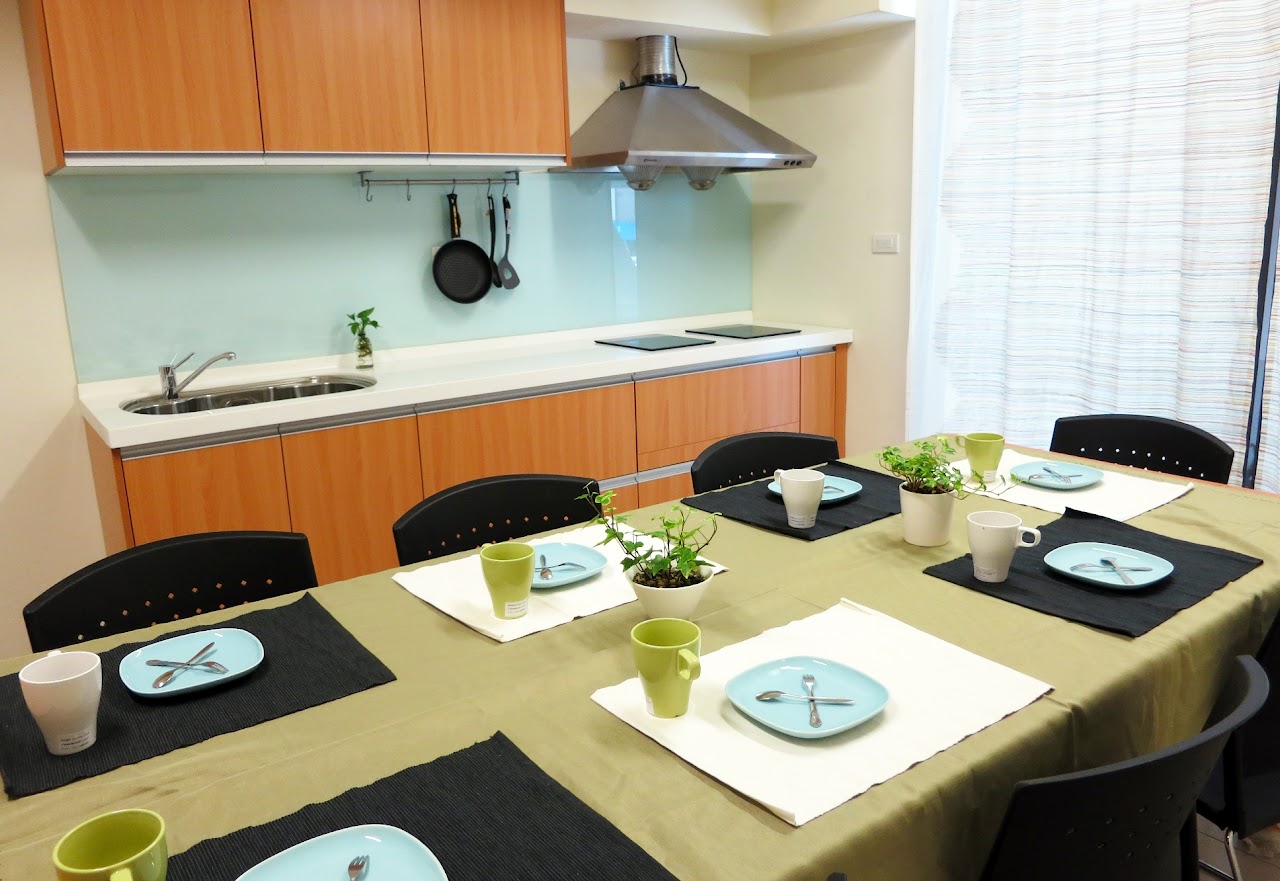
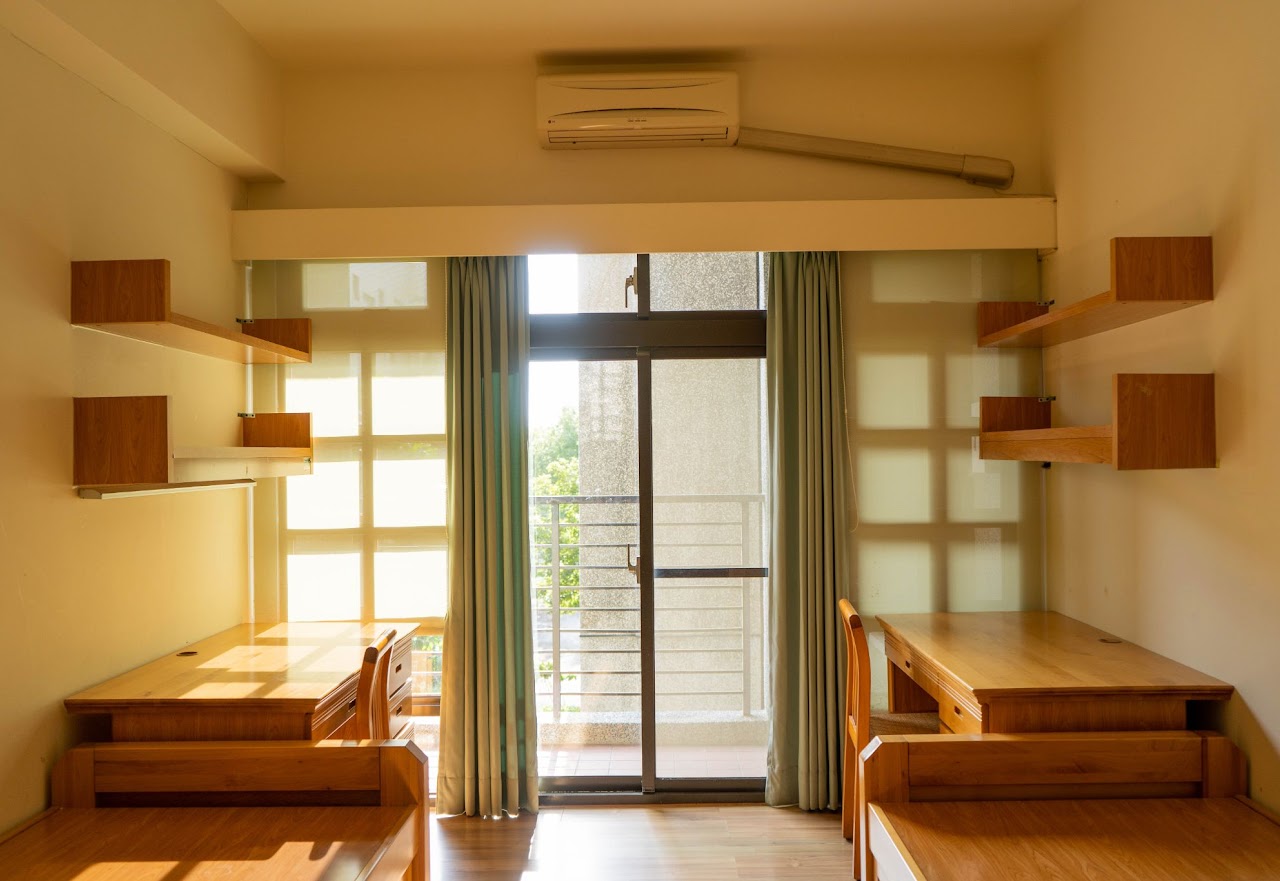
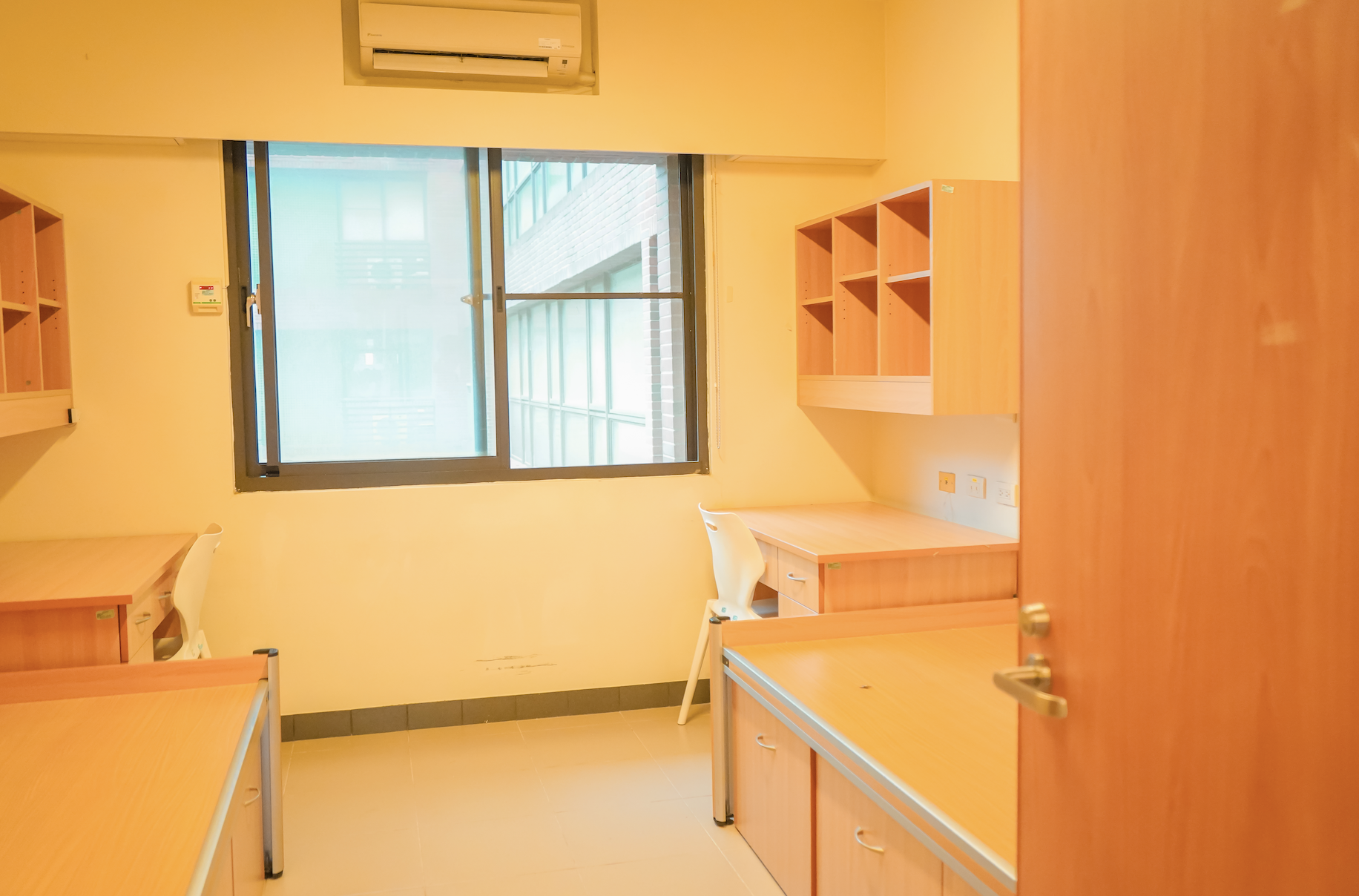
Pathways

