

Information
Address
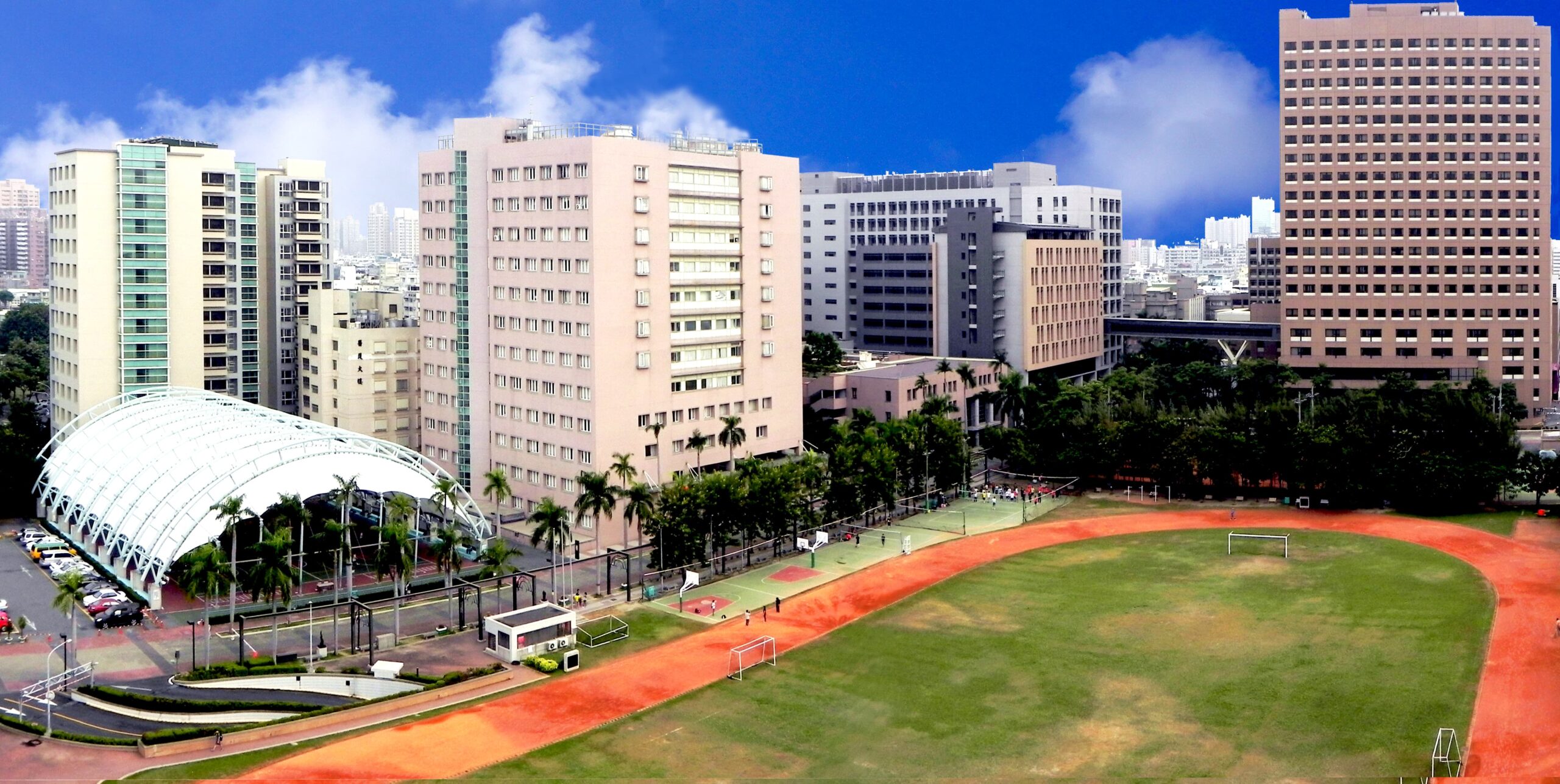
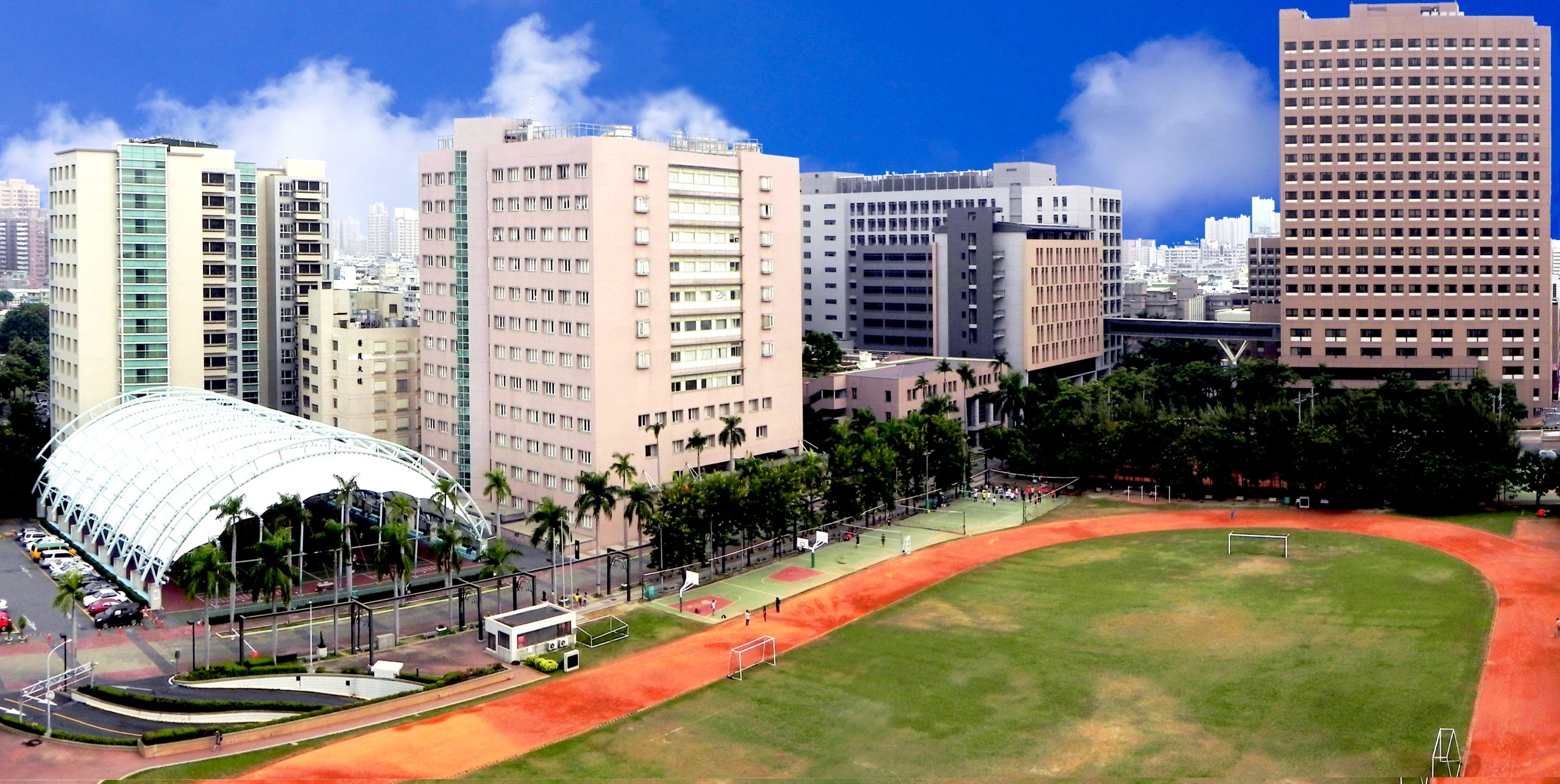
No. 100, Shiquan 1st Road, Sanmin District, Kaohsiung City, Taiwan
About KMU
College of Medicine/ College of Dental Medicine/ College of Pharmacy/ College of Nursing/ College of Health Sciences/ College of Life Science/ College of Humanities and Social Science
KMU Website
Contact Information
+886-7-312-1101
[email protected]
Introduction
Academic Prestige
1. Founded in 1954, KMU is the first private medical university in Taiwan.
2. Ranked 5th among private universities in Taiwan and 17th nationwide in the 2024 Times Higher Education (THE) World University Impact Rankings.
3. Ranked 1st in Taiwan and 6th globally for SDG 3 (Good Health and Well-being), reflecting our profound contribution to global health.
4. A total of 44 faculty members were named among the “World’s Top 2% Scientists” in the 2025 report released by Stanford University.
5. Our alumni hold prominent leadership roles, including Senior Advisors to the President, National Policy Advisors, the Minister of Health and Welfare, and the Administrative Deputy Minister of the Ministry of Sports.
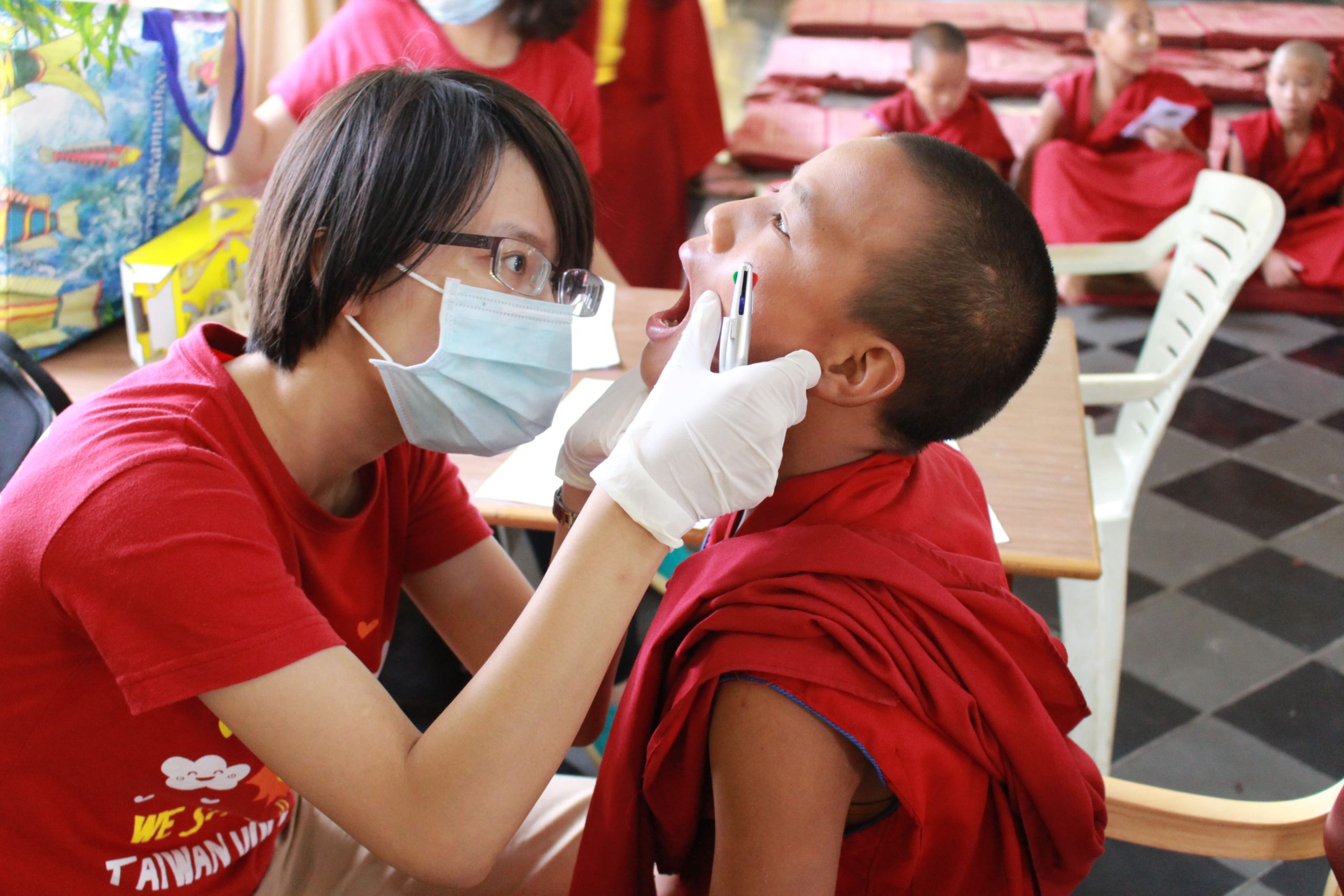
6. KMU boasts the highest number of “Medical Dedication Award” recipients in the nation, symbolizing our commitment to humanitarian service.
Diverse Clinical Internships
The university operates the KMU Chung-Ho Memorial Hospital, the first medical center in Southern Taiwan to achieve JCI International Accreditation. Additionally, KMU manages the Kaohsiung Municipal Siaogang Hospital and Cijin Hospital on behalf of the city government, with the Gangshan Hospital officially commencing operations in 2024. By integrating resources from teaching hospitals, academic institutions, government agencies, and industrial partners across Taiwan, KMU provides students and faculty with the premier environment for clinical practice, research, and internships.
International Student Support & Guidance
KMU offers robust support systems through the Office of Student Affairs and the Office of Global Affairs. We assist international students with ARC (Alien Resident Certificate) applications, work permits applications, and scholarship opportunities. We also hold regular seminars and workshops focusing on academic and life adjustment. We host various student associations, including the Malaysian Student Association and the Hong Kong & Macau Student Union. Senior students actively share their academic and life experiences to help newcomers. Through activities such as Overseas Chinese Student Week, inter-school events, and farewell banquets, we ensure every international student feels at home within the KMU family.
Alumni
Angel Luk
Herboratory Founder
Hong Kong
Originally from Hong Kong, Angel graduated from our Department of Biomedical Science and Environmental Biology. She then pursued a Master’s degree in the Department of Entomology at National Chung Hsing University. Driven by a passion for traditional wisdom, she moved to Guangzhou to study at the Guangzhou University of Chinese Medicine, where she is currently a Ph.D. candidate in Traditional Chinese Medicine (Regimen/Health Preservation).
Angel is the Founder of Herboratory Institute, where she provides wellness consulting services rooted in TCM (Traditional Chinese Medicine) principles. Her professional work also involves cutting-edge R&D in the integration of TCM and Big Data, bridging the gap between ancient healing and modern technology.
In her spare time, Angel is dedicated to helping students who aspire to study in Taiwan. She offers pro bono career planning and academic counseling services. To further support the student community, she developed the “Abacus-Kun” (算盤子君) Telegram Bot, a digital tool designed to help students easily navigate information on Taiwanese universities, departments, and potential research supervisors.
Kan Kin-Fong
Registered Occupational Therapist (Macau) & President of KMU Macau Alumni Association Macau
A graduate of KMU’s Department of Occupational Therapy, Kin-Fong has dedicated his career to pediatric occupational therapy and parent-child education. He is a frequent speaker at community seminars, empowering parents with practical interaction strategies and developmental insights.
As a prominent healthcare professional in Macau, Kin-Fong actively contributes to local academic research, specifically focusing on handwriting speed among elementary school students. He is also a pioneer in Gamified Therapy, integrating board games into parent-child education and clinical treatment while promoting the cultural and creative development of educational board games.
Currently serving as the President of the KMU Macau Alumni Association, Kin-Fong provides invaluable career resources and networking opportunities for graduates. He is also deeply committed to academic counseling, helping aspiring students understand the medical sciences in Taiwan and providing personalized enrollment analysis and career planning for those looking to study abroad.
Ling Siew Ching
Senior Pharmacist
Malaysia
A graduate of KMU’s School of Pharmacy, Siew Ching returned to Malaysia to dedicate her expertise to the pharmaceutical profession. Her diverse career path has taken her from serving as a Marketing Specialist for a genetic testing firm (while practicing as a part-time pharmacist) to her current pivotal role as a Community Pharmacist.
Observing the rising prevalence of chronic diseases in Malaysia—driven largely by unhealthy diets and lifestyles—Siew Ching has shifted her focus toward root-cause intervention. Beyond providing professional medication counseling, she is passionate about guiding patients toward correct nutritional knowledge and healthy living habits to manage and prevent chronic conditions.
With extensive experience as a Pharmacy Branch Manager, Siew Ching now serves as a Trainer for newly appointed Branch Managers and as the Regional Manager for three pharmacy branches. Her leadership ensures operational excellence and high standards of patient care across her region.
Siew Ching is committed to expanding the influence of community pharmacies. By championing the philosophy that “prevention is better than cure,” she aims to empower more individuals to take control of their health and lead vibrant, healthy lives.
劉思慧
Outstanding alumni
Malaysia
高醫的教育質量相當高,擁有許多優秀的師資和先進的教學儀器設施,提供學生們優質的學術資源和研究機會。
不論是在大學或是研究所就學期間,學校皆提供獎助學金,鼓勵學生們出國參加國際研討會以及到海外見習、參訪,增加國際間的合作也開拓學生的視野。
Kaohsiung Medical University (KMU) upholds an exceptional standard of education, supported by a wealth of esteemed faculty and cutting-edge teaching facilities.
The university also offers students access to top-tier academic resources and extensive research opportunities.
Besides, KMU provides scholarships for undergraduate and graduate students to participate in international conferences, overseas internships, and student exchange programs, thus nurturing international collaboration and broadening their global perspectives.
Kartiko Arif Purnomo
Pharmacist (Apoteker)
印尼
Kartiko is a PhD graduate from Graduate Institute of Natural Products, College of Pharmacy, Kaohsiung Medical University.
During his study in KMU, he did research on compounds isolation and structural elucidation from various plants under the guidance of Distinguished Prof. Fang-Rong Chang.
The research and academic resources in KMU helped him to improve his skills and expand his perspectives. Therefore, he could published his research results on reputable journals and patents.
After graduation, he continues his academic journey as postdoctoral researcher in the field of natural products pharmacy.
Highlights
International exchange activities
The Closest Distance to Harvard in Taiwan-KMU boasts an extensive network of partner and sister universities across Asia, Europe, the Americas, Northeast Asia, and Southeast Asia, demonstrating exceptional academic exchange and research vitality.
A cornerstone of our international strategy is the KMU-Harvard Alliance. In collaboration with Harvard Medical School, we offer prestigious programs including clinical clerkship exchanges for medical students, dual degree programs for Ph.D. candidates, student exchanges, overseas internships, and cultural study tours.
With a diverse student body from various countries and backgrounds, our internationalized learning environment and competitive edge make KMU a top choice for overseas students.
For more information:https://reurl.cc/le19aQ
Interdisciplinary Learning
In response to rapid industrial innovation and social diversification, KMU offers a wide array of Interdisciplinary Credit Programs and Micro-programs. We integrate faculty expertise and teaching resources to develop theme-based curricula.
Furthermore, through our partnership with National Sun Yat-sen University (NSYSU), we provide cross-institutional credit programs to broaden students’ learning horizons. These programs are tuition-free, allowing students to strengthen their expertise in secondary professional fields without financial burden. Top student picks include Prosthetics and Orthotics, Innovative Medical Technology and Management, and Art Therapy.
For more information:https://cfip.kmu.edu.tw/
Cultivating Research Competitiveness
KMU is committed to nurturing the next generation of scientists. Through various internal and external talent cultivation grants, subsidies, and seminars, we encourage students to engage in research projects and publish their findings from the very beginning of their academic journey.
During summer breaks and extracurricular hours, students can participate in specialized training such as Summer R&D Technology Training Classes, Summer Interdisciplinary R&D Talent Workshops, and “9th Period” Advanced Seminars on Specialized Fields (Topics include: Precision Instrument Operation, Animal Testing, AI Applications, Assistive Device R&D, Drug Development, and Medical Research Trends).
(Course content is subject to annual university announcements.)
For more information:https://devel.kmu.edu.tw/
Departments
School Departments and Programs
College of Medicine
College of Dental Medicine
College of Pharmacy
College of Nursing
College of Health Sciences
- Department of Medical Laboratory Science and Biotechnology
- Department of Medical Imaging and Radiological Sciences
- Department of Public Health
- Department of Occupational Therapy
- Department of Physical Therapy
- Department of Healthcare Administration and Medical Informatics
- The Master Program of AI Application in Health Industry
College of Life Science
College of Humanities and Social Sciences

Scholarships & Accommodation
Scholarships
【Scholarships for Overseas Chinese, Hong Kong, and Macau Students】For detailed information on eligibility and application procedures, please visit the Student Life & Counseling Division (Office of Student Affairs): Click Here to View Scholarship Information
Tuition and Accommodation Fees
Tuition & Fees: Please refer to the Accounting Office announcements.Click Here for more information
Accommodation: NTD 22,000~60,000/YR
Living Expenses: NTD 96,000~120,000/YR
Accommodation
Dormitories:Click Here for Housing Details
|
One semester |
One academic year |
Other Notes |
|---|---|---|
|
NTD 12,000 |
NTD 22,500 |
KMU Dormitory residency is generally based on a full academic year. Dormitory fees are paid per semester. Fall semester includes the winter break period, but spring semester does not include the summer break period. Dormitory A provides modern living spaces for both domestic and international students, offering 4-person and 3-person suites For the latest housing fee standards, environmental introductions, and dormitory management regulations, please visit the following link: https://reurl.cc/V19D7A |
Pathways
Fooyin University
Information
Address
No. 151, Jinxue Road, Daliao District, Kaohsiung City, Taiwan 831301
Tuition and Accommodation Fees
Tuition: NTD/YR 107,740~113,220
Accommodation Fee: NTD/YR 22,000~27,000
Living Expenses: NTD/YR 60,000~72,000
Social Media
Contact Information
+886-7-7811151#2401
[email protected]
Introduction
High international academic reputation
• Ranking Web of Universities honored it as the first medical and nursing professional technology university in Taiwan.
• According to the 2025 《Global Views Magazine》 “Most Favorite University Students by Enterprises” survey, it ranks first in southern Taiwan and fourth in Taiwan in the most favorite university students by hospitals; it ranks third in southern Taiwan and top ten in Taiwan (ninth place) in the most favorite university students by the medical and biotechnology industry.
• 《Cheers Magazine》 reported in 2025 that the ranking of internationalization indicators of technical and vocational colleges and universities won the third place in Taiwan and the second place in private technical and vocational colleges and universities.
• In the 2024 《Global Views Magazine》 Taiwan’s Best University Rankings, it is among the top ten medical universities, and the Ministry of Education’s stable employment rate is the first among private universities of science and technology in southern Taiwan and the second in Taiwan.
• 《Global Views Magazine》 ranked it among the top ten universities in Taiwan for academic achievement improvement.
• Chen Zhongyi, Dean of the College of Medicine and Health Sciences of the school, has long focused on the research of traditional Chinese medicine pharmacology and beauty-related research, published more than 500 papers, and has a number of international patents. He has been on the double list of “Top 2% of Scientists in the World” by Stanford University in the United States for the sixth time (lifetime and annual), demonstrating outstanding academic influence and research strength.
• Teachers and students of the Department of Health and Beauty participated in the ISO BEAUTY STARS WORLD CUP 2025 International Competition and won six golds, two silvers, and three bronzes. The school won the Outstanding Beauty Industry School Award.
• Each department has won many awards in the IIIC International Innovation and Invention Competition, the Hong Kong International Invention Exhibition, the American Da Vinci International Invention Exhibition, and the International Aromatherapy Competition.
Internationally recognized academic qualifications
Departments such as Environmental Engineering and Science, Biotechnology and Green Industry, Applied Chemistry and Materials Science, Occupational Safety and Health, and Information Technology and Management have obtained IEET international engineering education certification, and their academic qualifications are professionally recognized internationally.
High employment satisfaction
• Emphasizes certification and practical teaching. After graduation, students not only have practical skills, but also have valuable technical licenses, which are competitive in the market and have high employer satisfaction.
• The official statistics of the Ministry of Education of Taiwan show that the employment rate of university graduates ranks 3rd in Taiwan, and the employer satisfaction rate is 90%.
Alumni
陳雅涼
Outstanding alumni
Hong Kong
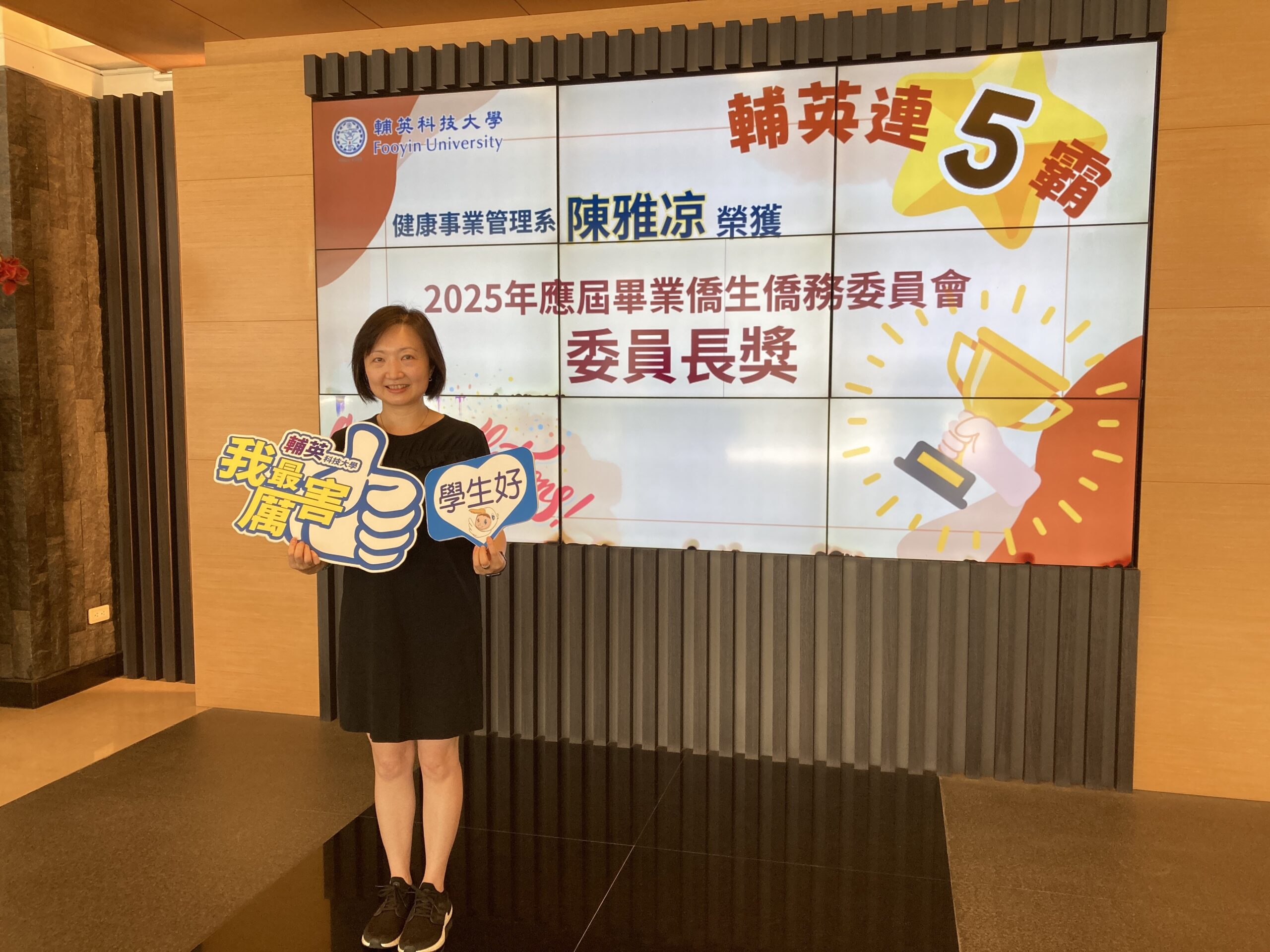
Won the 2025 Overseas Compatriot Affairs Commission Chairman’s Award for graduating overseas Chinese students

林增汛
Outstanding Alumni
Vietnam
Won the 2024 Overseas Compatriot Affairs Commission Chairman’s Award for graduating overseas Chinese students

潘菁花
Outstanding Alumni
Vietnam
Won the 2023 Overseas Compatriot Affairs Commission Chairman’s Award for graduating overseas Chinese students
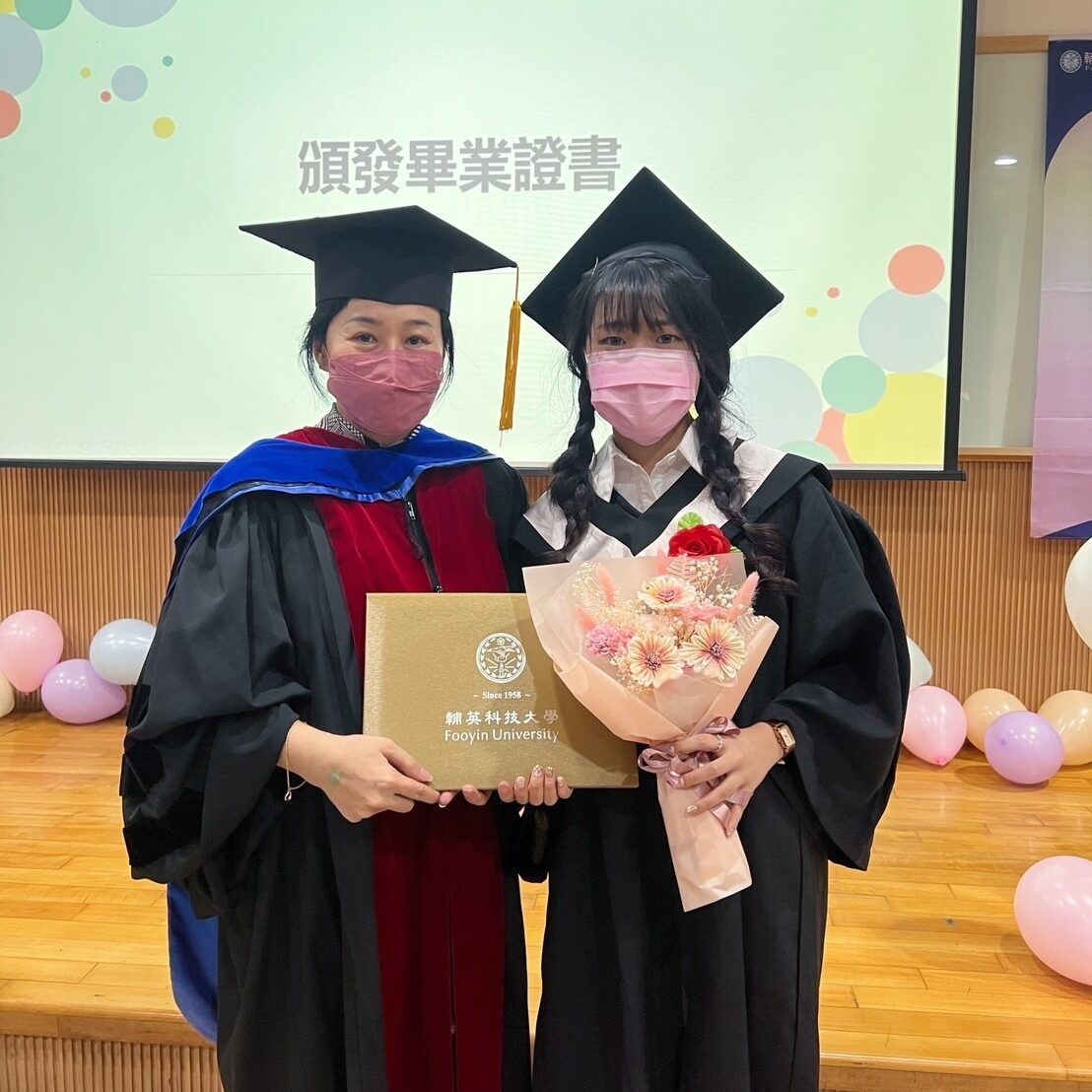
黃馨筠
Outstanding alumni
Malaysia
Won the 2022 Overseas Compatriot Affairs Commission Chairman’s Award for graduating overseas Chinese students
Obtained expert-level certificates in “PVQC Beauty and Makeup”, Class B and C technicians of the Ministry of Labor’s Beauty, and Class B of “Biotechnology Cosmetic R Management Engineer” and other certificates
楊秀君
Outstanding alumni
Malaysia
Won the 2021 Overseas Compatriot Affairs Commission Chairman’s Award for graduating overseas Chinese students
Obtained a Taiwanese nutritionist certificate
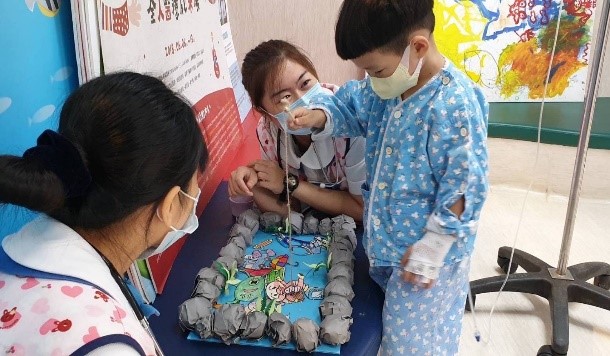
劉穎翹
Outstanding alumni
Hong Kong
Passed the Taiwan and Hong Kong Registered Nurse Examination
Obtained a Taiwan work permit and worked as a registered nurse in a hospital
Passed the Taiwan and Hong Kong Registered Nurse Examination
Obtained a Taiwan work permit and worked as a registered nurse in a hospital
黃芷茹
Outstanding alumni
Hong Kong
Passed the national examination – Medical Laboratory Technologist, practicing in Hong Kong
鍾淑賢
Outstanding alumni
Hong Kong
Passed the national examination – Physical Therapist
吳茵怡
Registered Nurse
Hong Kong
Passed the national examination – Registered Nurse
高文偉
Physical Therapist
Macau
Passed the national examination – Physical Therapist
林銳祥
Physical Therapist
Malaysia
Passed the national examination – Physical Therapist
Highlights
Professional License Acquisition
Each department has professional licenses corresponding to the practical field that can be obtained
• Professional certifications include national licensure examinations for Registered Nurse, Midwife, Physical Therapist, Medical Laboratory Scientist, Dietitian, Data Management and Analysis Specialist, and Occupational Safety and Health Manager, among other professional and technical certifications.
• The licensure examination pass rates at Fooyin University consistently exceed the national average across Taiwanese universities. In particular, its students have achieved top rankings nationwide in examinations such as Registered Nurse, Dietitian, and Mining and Industrial Safety Engineer.
Professional Classroom Learning Equipment
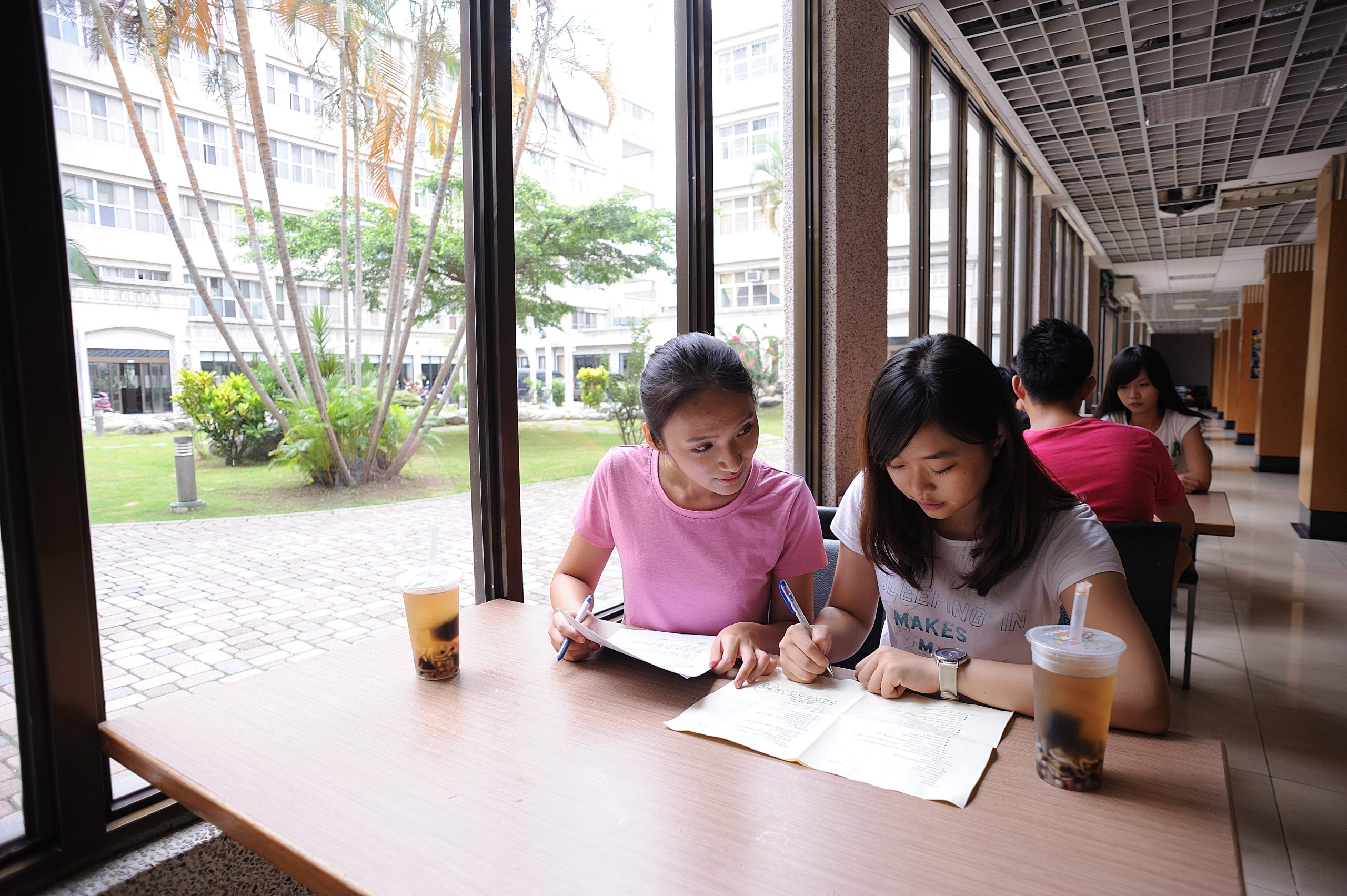
Internship Simulation and Scenario Classroom Equipment
• The only university of science and technology in Taiwan with an affiliated hospital, with international-standard health care, medical examination, physical therapy, skill assessment centers and other medical and health care facilities and teaching.
• Each department in FYU has various professional classrooms and scenario simulation classrooms, including internship hotels, travel agencies, and various practical training classrooms such as baking classrooms, HACCP food safety control, catering production, group meal production, five-star hair and nail, SPA, skin care, childcare, kindergartens, nanny training, industrial environmental safety, plant and electrical machinery, cell culture biotechnology mass production, etc., complete professional education and training.
Unrestricted Second Expertise Cross-Domain Learning
FYU values students’ adaptive development and diversified learning in order to strengthen students’ future employment competitiveness. It encourages students to develop a second major and does not set limits on transferring departments, minor subjects, double majors, and cross-domain credit programs. Students can choose flexibly, and there are various hardware and software equipment such as a digital self-study center for certificate examinations to assist students in conducting certificate training.
Credit Transfer to Improve Grade Application
Hong Kong Associate Degree Credit Transfer to Improve Editing
• Hong Kong students holding an associate degree from an educational institution recognized by the Ministry of Education of Taiwan can transfer credits to improve their grade in a 4-year program.
• You can submit an application for credit transfer after enrollment, with a maximum of 80 credits that can be transferred.
Departments
School Departments and Programs
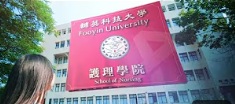
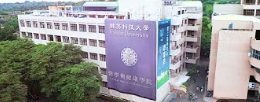
School of Nursing
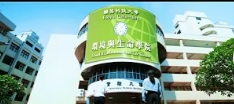
School of Environment and Life Sciences
Photos Videos
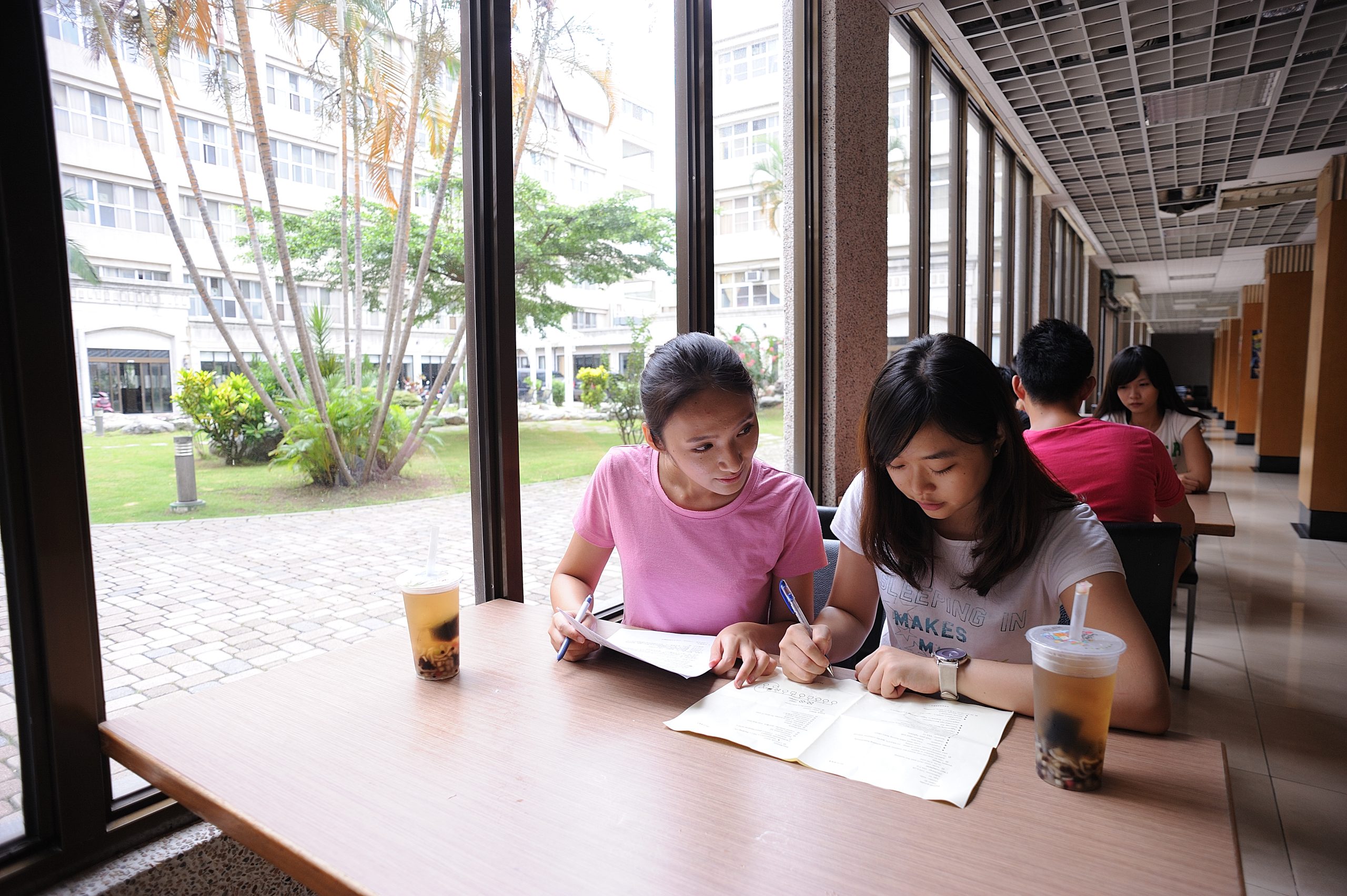
Photos
Videos
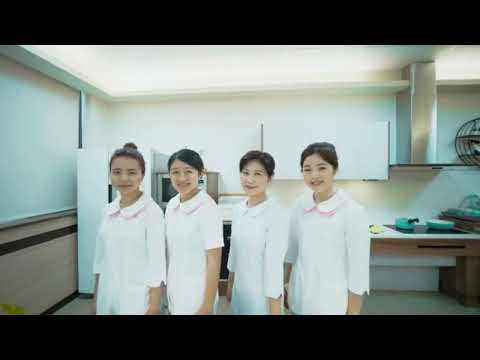
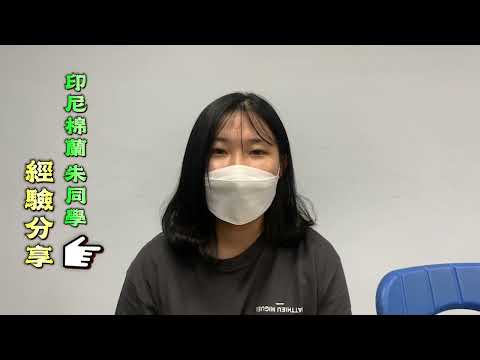


Scholarships
Scholarships
|
Scholarships
|
Scholarship Amount
|
Eligibility
|
|---|---|---|
|
Excellent International Student Awards
|
Full Tuition Waiver
|
Eligible Recipients
Eligibility and Scholarship Benefits (1) Students admitted through the university’s independent admissions process or through the Overseas Joint Admission Committee (individual application system or joint placement system), with this university as their first-choice institution:
From the third semester onward for four-year technical and five-year junior college students (or after foundation students formally enroll in a bachelor’s program), and from the second semester onward for master’s and two-year technical students, those whose class ranking in the previous semester is within the top 10 percent are eligible for a full waiver of tuition and miscellaneous fees; those ranked between the top 10 percent and top 20 percent are eligible for a half waiver of tuition and miscellaneous fees. (2) Students who did not list this university as their first choice or who were admitted as transfer students: From the second semester onward for four-year technical and five-year junior college students (or after foundation students formally enroll in a bachelor’s program), those whose class ranking in the previous semester is within the top 10 percent are eligible for a full waiver of tuition and miscellaneous fees; those ranked between the top 10 percent and top 20 percent are eligible for a half waiver of tuition and miscellaneous fees. (3) Students recommended for admission by partner institutions with which the university has separate agreements shall receive scholarships in accordance with the agreed terms. (4) Students applying for renewal of scholarships must meet the following requirements in the previous semester to be eligible:
|
Tuition and Miscellaneous Fees
|
institute
|
Tuition and Fees (Annual)
|
|---|---|
|
College of Medicine and Health Sciences
|
NTD/YR 113,220
|
|
College of Environment and Life Sciences
|
NTD/YR 107,740
|
|
College of Nursing
|
NTD/YR 113,220
|
|
College of Humanities and Management
|
NTD/YR 107,740
|
Living Expenses
Living Expenses: NTD/YR 60,000~72,000
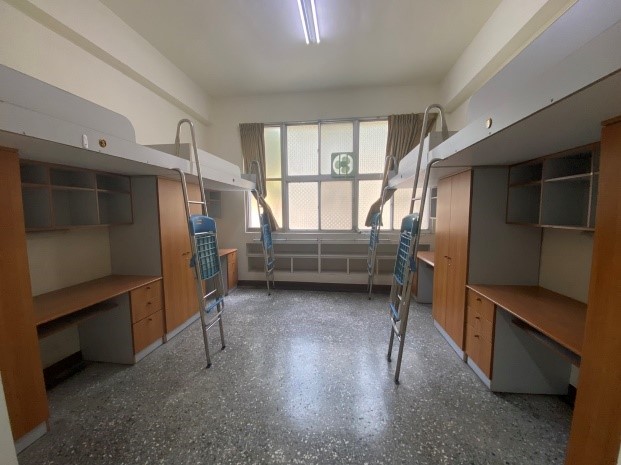
Accommodation Fee: NTD/YR 22,000~27,000
Graphic introduction to the school accommodation environment
|
One semester
|
One academic year
|
Other explanations
|
|---|---|---|
|
NTD11,000 ~ 13,500
|
NTD22,000~27,000
|
A four to six-person room in the on-campus dorm is furnished with wifi, air conditioning, shower supplies, a desk, a wardrobe, etc. Additionally, offer lounge, dehydrators, and washing machines.
|
Pathways
Fu Jen Catholic University
Information
Address
510, Zhongzheng Road, Xinzhuang District, New Taipei City, Taiwan
Tuition and Accommodation Fees
Tuition: NTD 94,860 ~ 145,000/YR
Accommodation: NTD 16,540 ~ 43,200/YR
Living Expenses: NTD 79,200 ~ 95,040/YR
Social Media
Fu Jen Catholic University Overseas Chinese, Hong Kong, and Macao Admissions Office
Contact Information
+886-2-2905-2224
[email protected]
Introduction
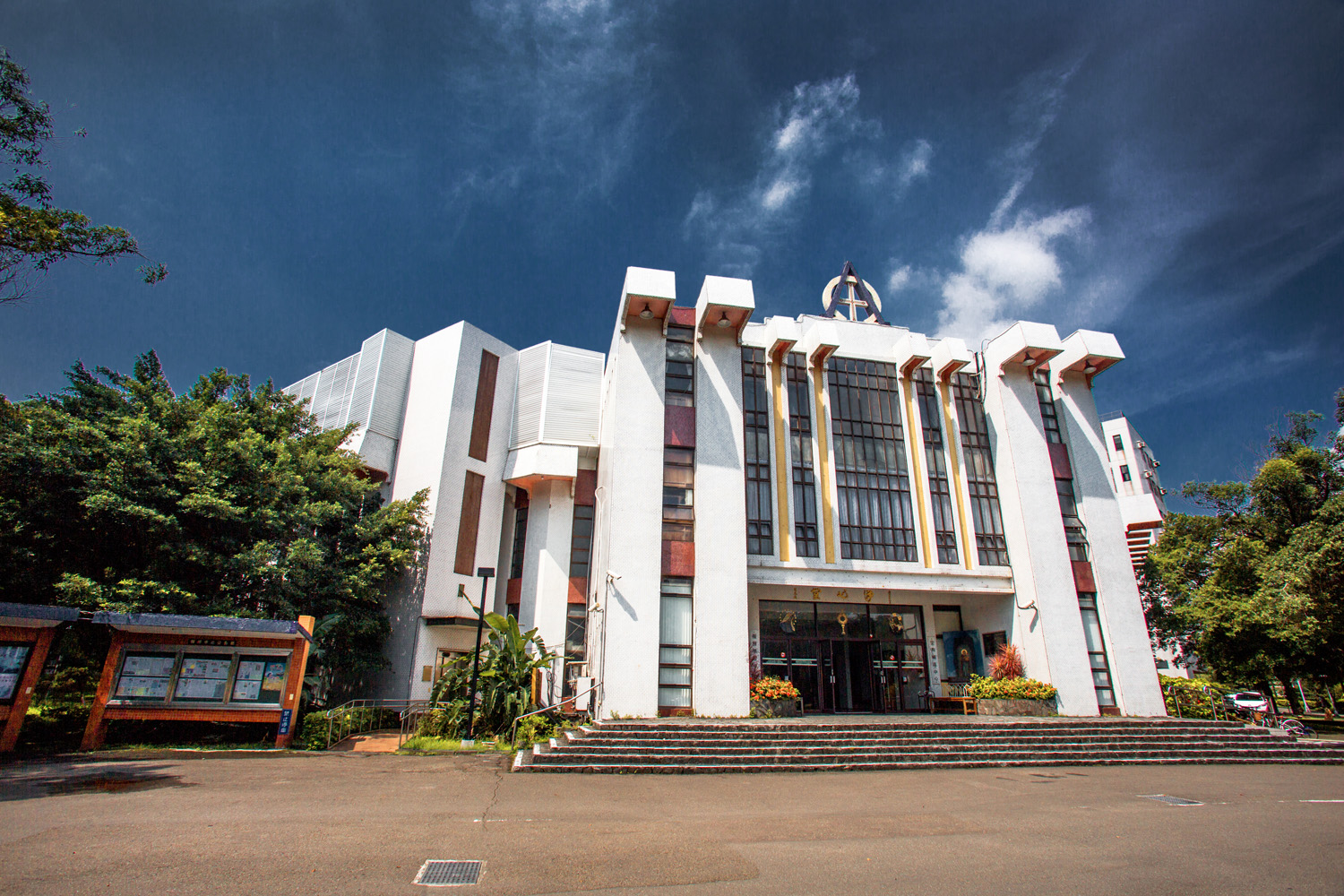
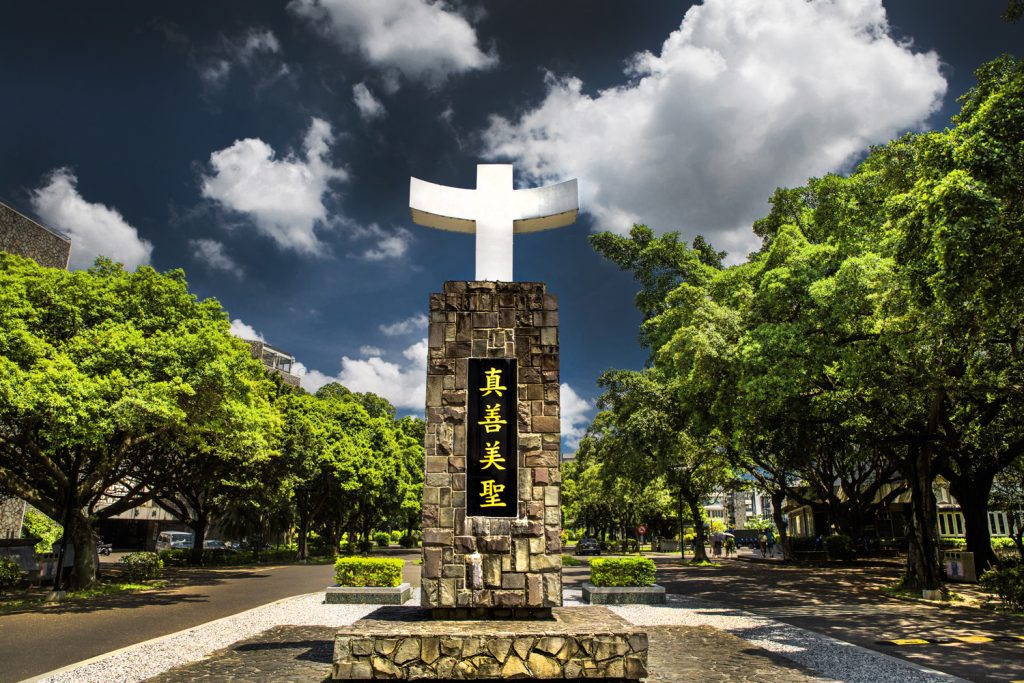
FJCU is located in New Taipei City, Taiwan, and is the only Catholic comprehensive university in Taiwan directly subordinated to the Holy See. It has 12 colleges including Literature, Arts, Art, Medicine, Communication, Education and Sports Health, Science and Engineering, Foreign Languages & Literatures, Human Ecology, Fashion and Textiles, Law, Management, and Social Sciences, with 53 departments, 48 master’s programs, 23 executive master’s programs, 12 doctoral programs, 16 extension departments, and 500 sister schools worldwide.
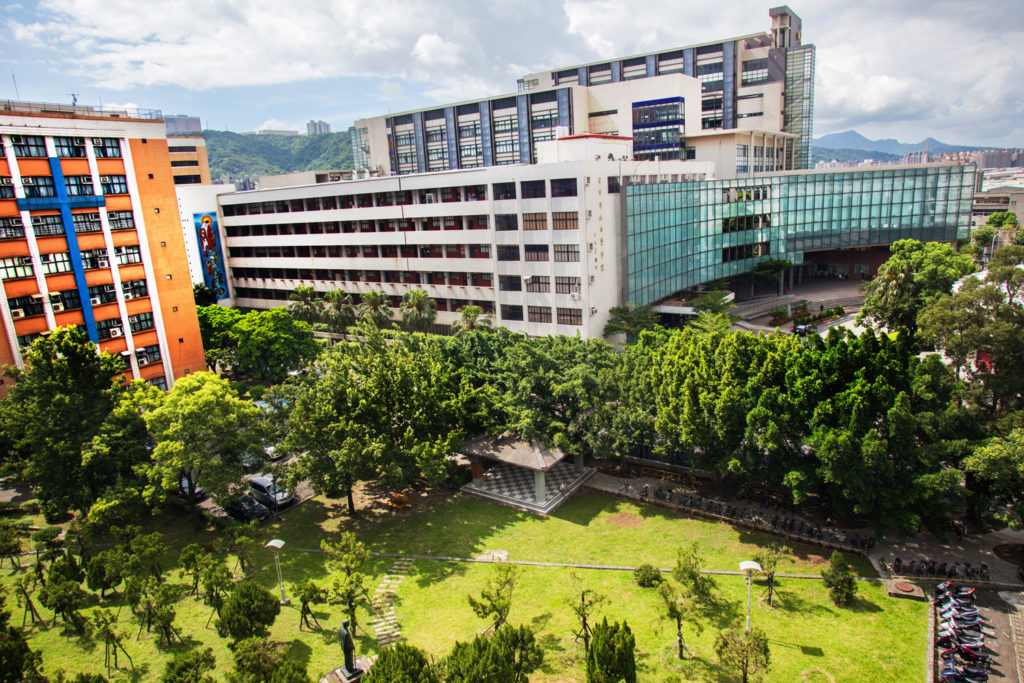
The campus features a well-organized layout with comprehensive hardware and software facilities, providing students with a diverse, holistic, interdisciplinary, and international learning and living environment. Founded over 100 years ago, it has more than 260,000 alumni at home and abroad, who have achieved outstanding results in various fields, laying a brilliant vision for the university.
Outstanding Performance
- Ranked 7th in Taiwan in the Times Higher Education World University Impact Rankings
- 《104 Job Bank University Brand Power》Ranked 1st in Taiwan for two consecutive years in 2024 / 2025
- 《1111 Job Bank Enterprise Favorite University》Ranked 2nd among private universities for two consecutive years in 2024/2025
- 《Cheers Magazine 2025 Enterprise Favorite Postgraduate Student Survey》Ranked 2nd among private universities
- 《Global Views Magazine Survey 2025 Enterprise Favorite University》Ranked 13th in Taiwan and 3rd among private universities
- 《Global Views Magazine USR University Social Responsibility Award》Double Model Award
- 《2025Asia Pacific Sustainability Action Awards(APSAA)》SDG17 Diverse Partnerships Only winning school
- The College of Management is the first institution in Taiwan to receive AACSB accreditation, placing it among the world’s elite business schools. Furthermore, it is ranked as one of the top five business schools in Taiwan by Eduniversal, a prestigious European ranking agency. As a result, credits earned by Fu Jen students are widely recognized by leading universities worldwide. (Source: AACSB, EDUNIVERSAL)
- The Department of Electrical Engineering, Department of Computer Science and Information Engineering, and Bachelor’s Program in Medical Informatics and Innovation Applications of the College of Science and Engineering of Fu Jen University have successfully maintained IEET accreditation, ensuring that our teaching quality, faculty expertise, and facilities meet international standards. This global recognition of our degrees provides students with a competitive edge and significantly enhances their future career development.
- The Department of Occupational Therapy has successfully passed the WFOT (World Federation of Occupational Therapists) re-evaluation for its entry-level education programs.
- The university has been honored with a prestigious 5-star rating in the 2019 Ranking of Universities in Greater China by Cuaa.net. This recognition places us alongside world-renowned institutions such as City University of Hong Kong, University of Macau, Hong Kong Polytechnic University, Beijing Forestry University, Central University of Finance and Economics, Beijing University of Science and Technology, Central China Normal University, Northwest University and other universities. Notably, we are ranked first among all private comprehensive universities in Taiwan.
- Fu Jen’s overseas service learning footprints span five continents and 24 countries, deeply cultivating 26 regions, allowing the spirit of professional achievement to go international.
Counseling Mechanism and Campus Activities
In order to care for Overseas Chinese Student so that they can quickly adapt to local life and study with peace of mind, our school has a special “Overseas Compatriot and Mainland Chinese Students Advising Division” to take charge of related counseling matters, including arranging academic counseling, assisting in handling residence and entry-exit matters, club activities, and work-study opportunities. Encourage Overseas Chinese Student to learn the attitudes of democracy, autonomy, responsibility, caring for others, and serving the society through practical participation, develop students’ potential for independent thinking, and promote the extension and learning of activities other than academic work.
To support Overseas Chinese Student with financial difficulties, the University provides assistance in applying for various scholarships and financial aid programs, helping to reduce financial burdens and ensure a worry-free learning experience. In addition, Overseas Chinese Student are eligible to enroll in Overseas Chinese Student Accident Insurance and the National Health Insurance program, and may receive medical services directly at the University-affiliated clinics and hospitals, ensuring comprehensive healthcare coverage during their studies.
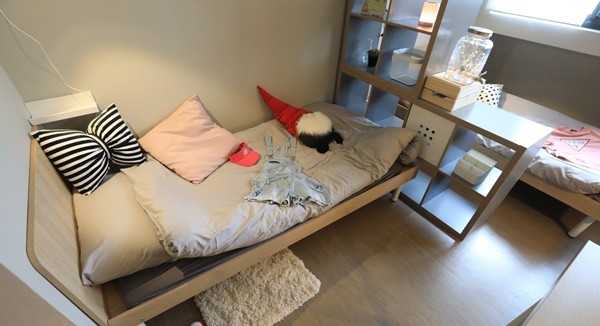
Overseas Chinese students are given priority for four years of on-campus accommodation. The dormitories are conveniently located near restaurants, convenience stores, and other daily amenities. Student organizations for overseas Chinese students include the Overseas Chinese Student Association, the Hong Kong and Macau Student Association, the Malaysian Student Association, and the Indonesian Student Association, providing a supportive and welcoming campus community.
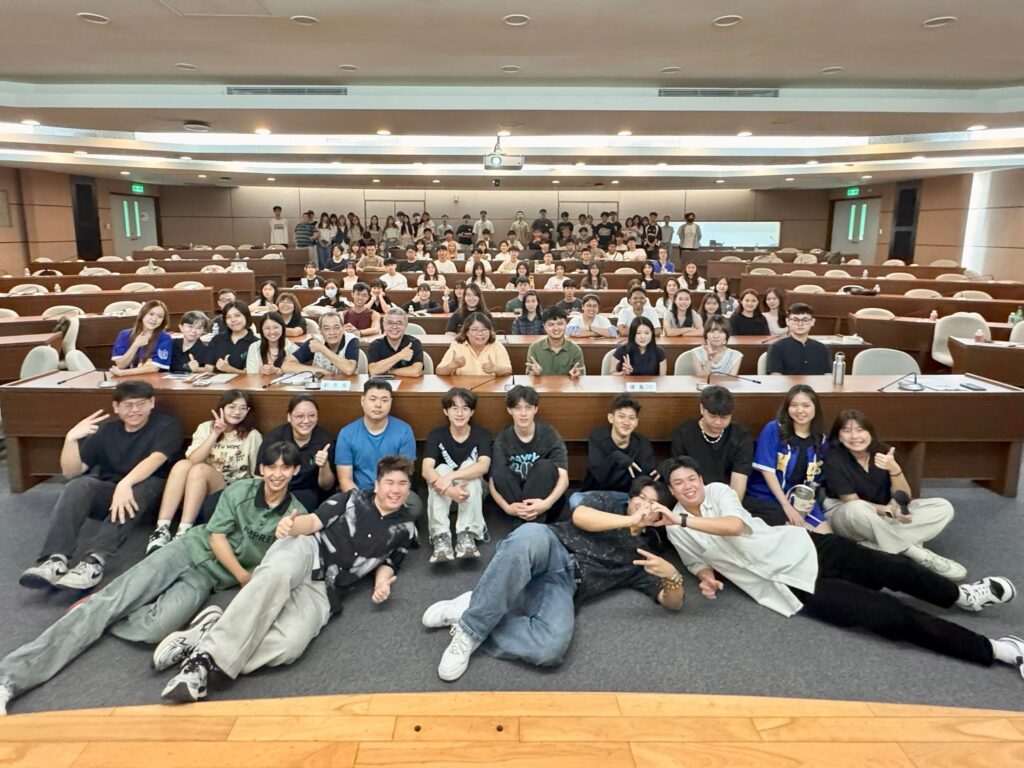
Alumni
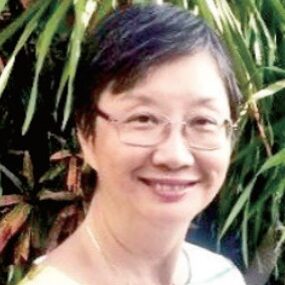
葉秀華
Principal of Chong Chun Middle School
Hong Kong
Justice of the Peace, Former Principal of Shatin Chong Chun Middle School
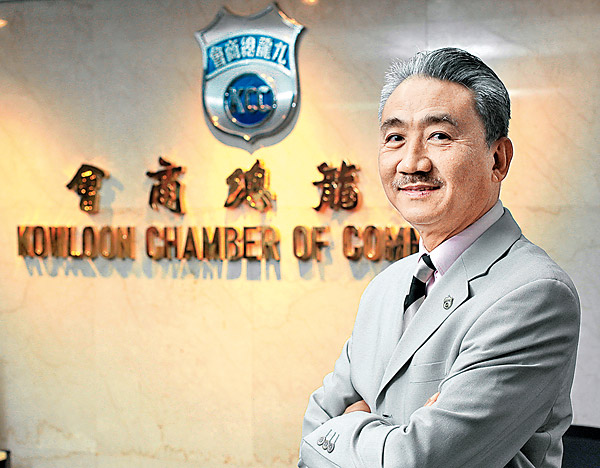
李光華
Chairman of the Kowloon General Chamber of Commerce
Hong Kong
Chairman of Zhuhai Rigao Sporting Goods Development Co., Ltd., Chairman of the Kowloon General Chamber of Commerce
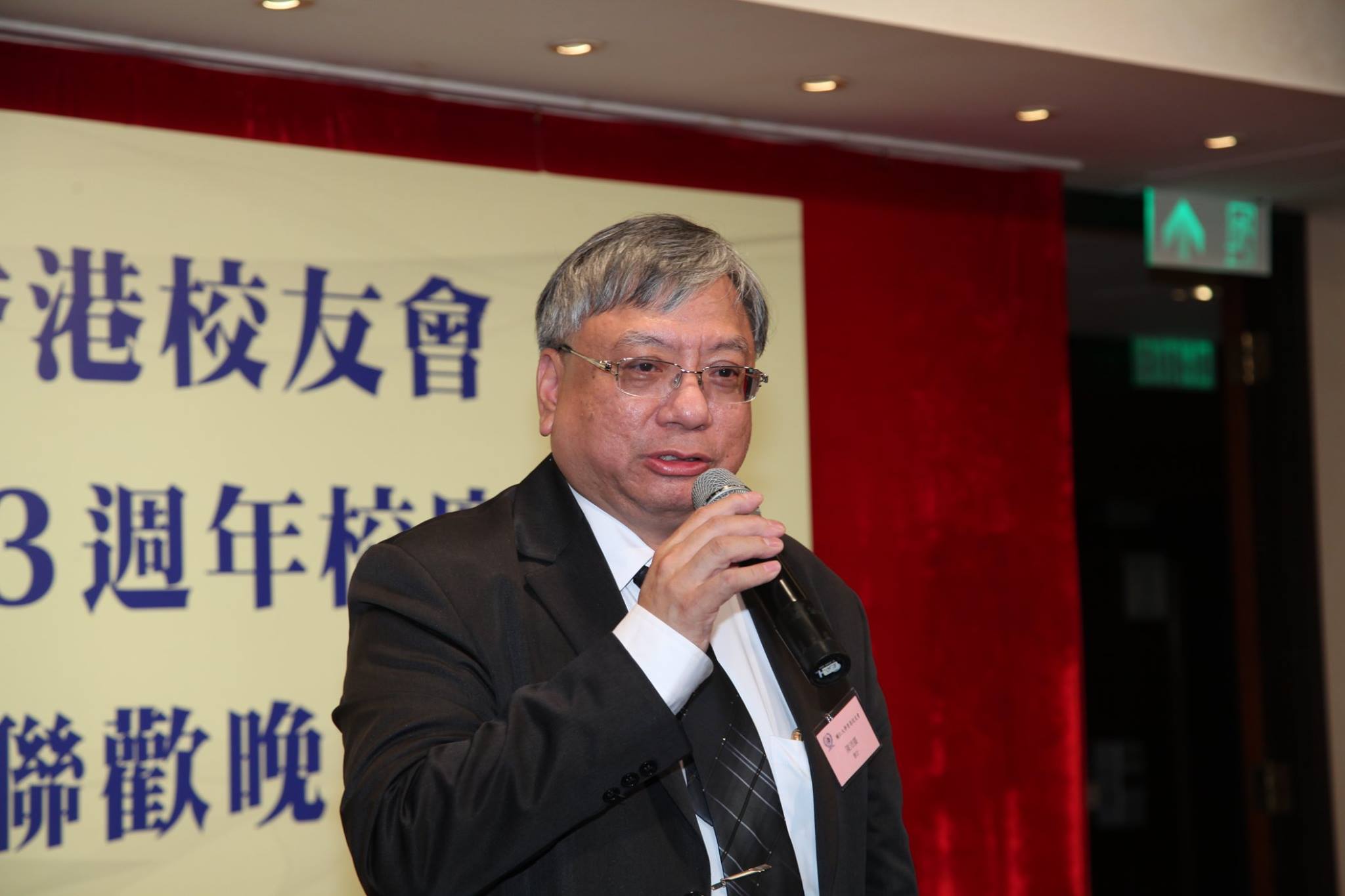
陳沛廣
President of the Fu Jen Catholic University Global Alumni Association
Hong Kong
President of the Hong Kong Alumni Association
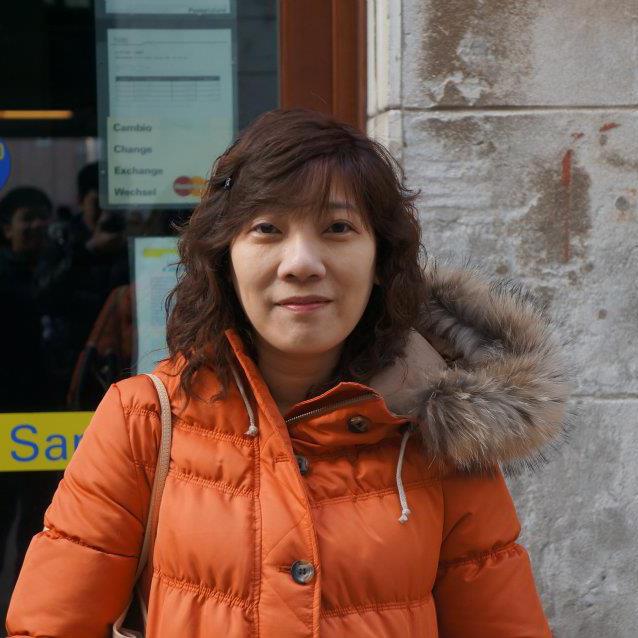
陳曉娟
President of the Fu Jen Catholic University Global Alumni Association
Malaysia
Overseas Chinese Affairs Promotion Commissioner of the Republic of China
President of the 5th, 6th, and 7th Sessions of the Fu Jen Catholic University Alumni Association in Malaysia
Deputy Director of the Public Relations Group of the United Federation of Alumni Associations in Malaysia, Deputy Coordinator of the Education Exhibition, Head of the Publicity Group
President of the FJCU Global Alumni Association
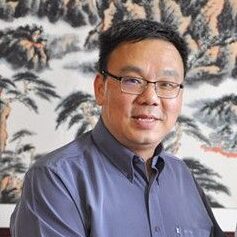
李裕光
President of INTI International University
Malaysia
President of INTI International University
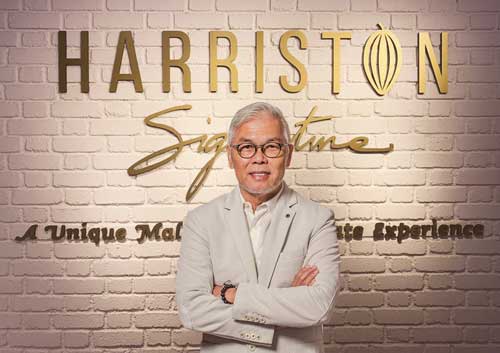
唐志忠
Founder of Harrington Chocolate Brand
Malaysia
Founder of Harrington Chocolate Brand
林偉祥
Advisor and Dean of the Faculty of Technology, Jakarta International University
Indonesia
Advisor and Dean of the Faculty of Technology, Jakarta International University
王賢達
Roti’O Backery , D’prima Hotel
Indonesia
Overseas Chinese Affairs Promotion Commissioner of Taiwan
President of the 5th, 6th, and 7th Sessions of the Fu Jen Catholic University Alumni Association in Malaysia
Deputy Director of the Public Relations Group of the United Federation of Alumni Associations in Malaysia, Deputy Coordinator of the Education Exhibition, Head of the Publicity Group
President of the Fu Jen Catholic University Global Alumni Association
Highlights
Interdisciplinary College
Interdisciplinary studies are a current trend, making various fields more special and creative. At Fu Jen, through the development of AI, there can be more interdisciplinary combinations, and science can also be integrated with humanities, arts, health, leisure, and business management. The credit programs of the Interdisciplinary College add unlimited points to students’ resumes. Let students live out their own slash life in various fields.
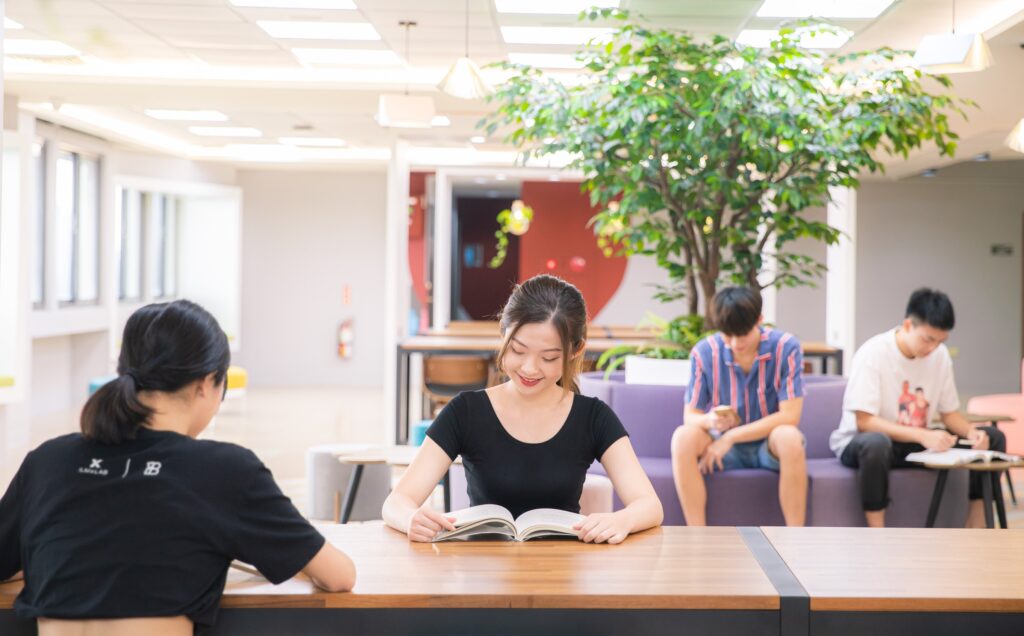
Foreign Language Teaching and Digital Learning Resource Center
Provide students with a field and equipment for autonomous foreign language learning, such as: language self-study classrooms and nearly 2,000 foreign language learning software, and provide various media smart classrooms and a variety of online interactive language learning digital platforms.
Convenient Transportation
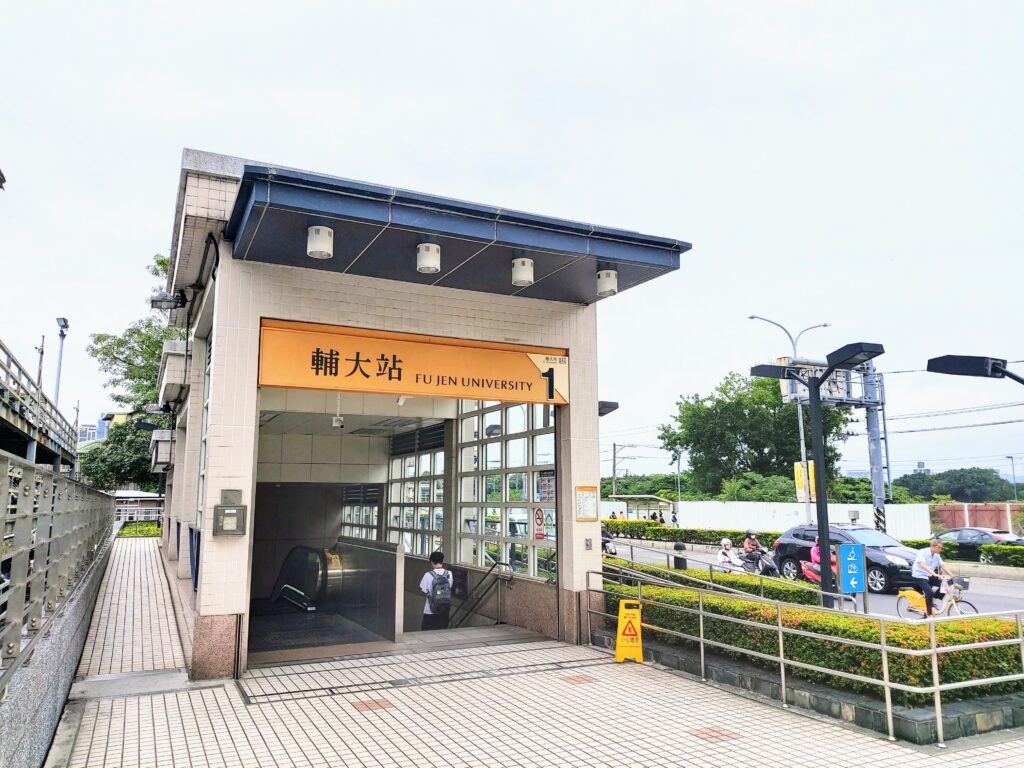
FJCU is located at the intersection of the Xinzhuang MRT Line and the Airport MRT Line, and there are also convenient buses to and from, and the convenient transportation network is conducive to the internationalization of student commuting.
Rich Learning Resources
The school has a student learning center and rich library resources, allowing students to study in a pleasant and comfortable environment. There are also E-lounge, Fun Learning Self-study Center, Learning Counseling Center, ESCHOOL, Zongfu Office, Curriculum Diagnosis Center, and TA assistance to provide you with comprehensive care in academics, coursework, or spiritual levels, and a lot of self-study courses and lectures are held.
High-quality Accommodation Environment
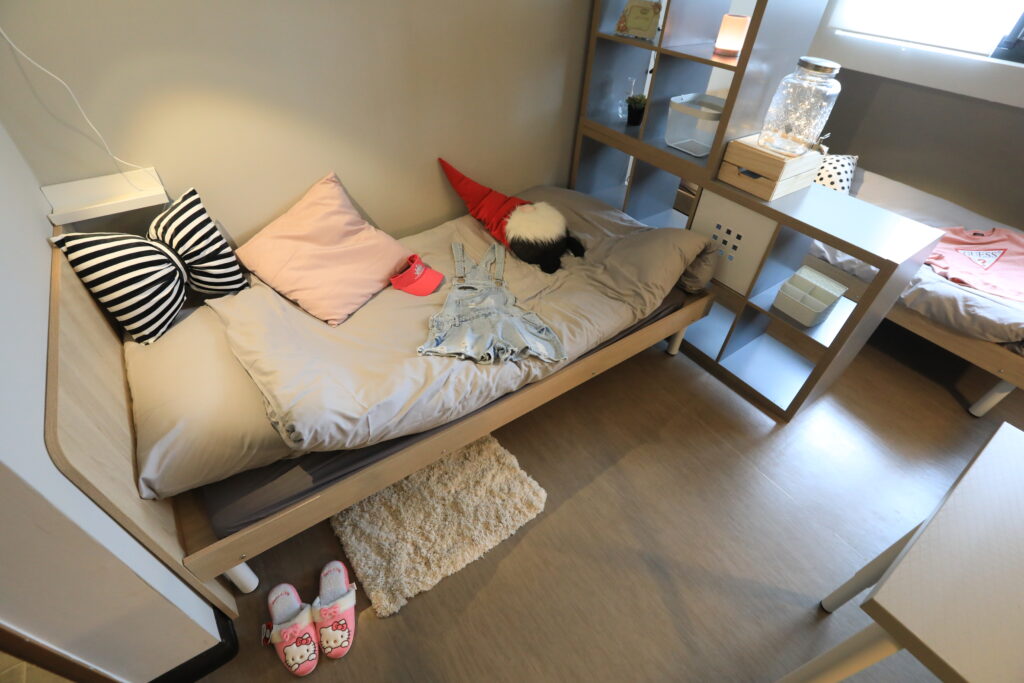
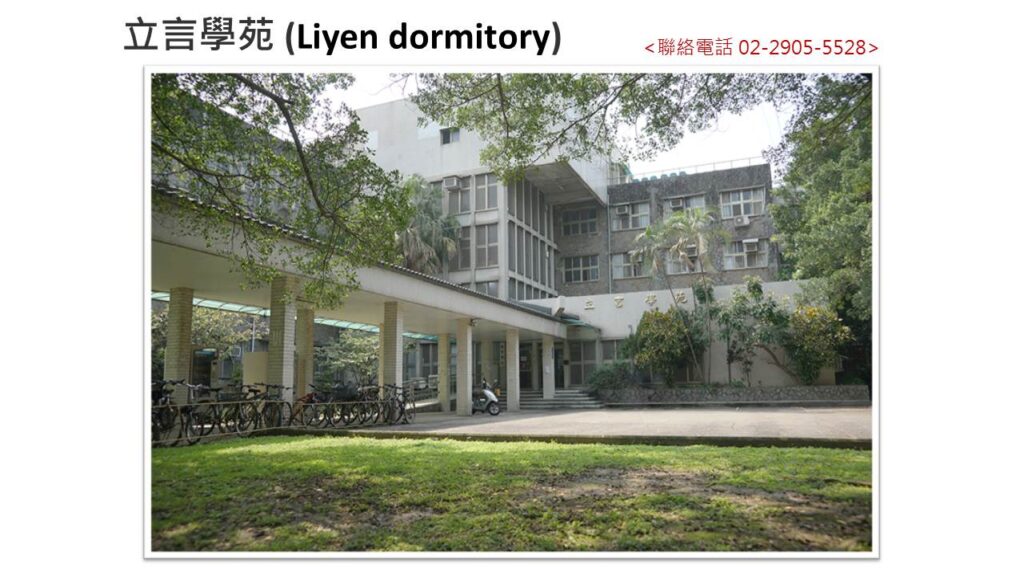
Our school provides a high-quality accommodation environment, hoping that children away from home can live comfortably, and there is a warmth of home when you walk into the dormitory. Our school has 7 dormitories with about 4,300 beds. In addition to providing the necessary equipment, the dormitory rooms are also equipped with 24-hour dormitory wired network. The dormitory is conveniently located near the dormitory.
Diverse Club Activities
Our school has six attributes (academic, leisure and social, service, physical fitness, art, music) with a total of more than 91 clubs for you to choose from. In addition to professional learning, there are also unique inter-school activities, joint club orientation activities, theme garden parties, sports games, autonomous learning competitions, and annual results presentations.
Campus Internationalization
Our school currently has more than 500 international sister schools, and actively promotes various international academic exchange activities, including exchange students, dual degree programs, visiting professors, joint seminars, visits and exchanges, and cooperative exchange programs. Through campus international exchange activities, cross-cultural lectures, and the International Corner, we build a foreign language learning environment for students and create a campus internationalization atmosphere.
Departments
School Departments and Programs
College of Liberal Arts
College of Art
College of Communication
College of Education and Sport Health
College of Medicine
College of Science and Engineering
- Bachelor's Program in Medical Informatics and Innovative Applications
- Dept. of Electrical Engineering (Master's Program)
- Dept. of Mathematics (Master's Program)
- Dept. of Chemistry (Ph.D. Program)
- Dept. of Computer Science and Information Engineering (Master's Program)
- Dept. of Life Science (Master's Program)
- Dept. of Physics (Master's Program)
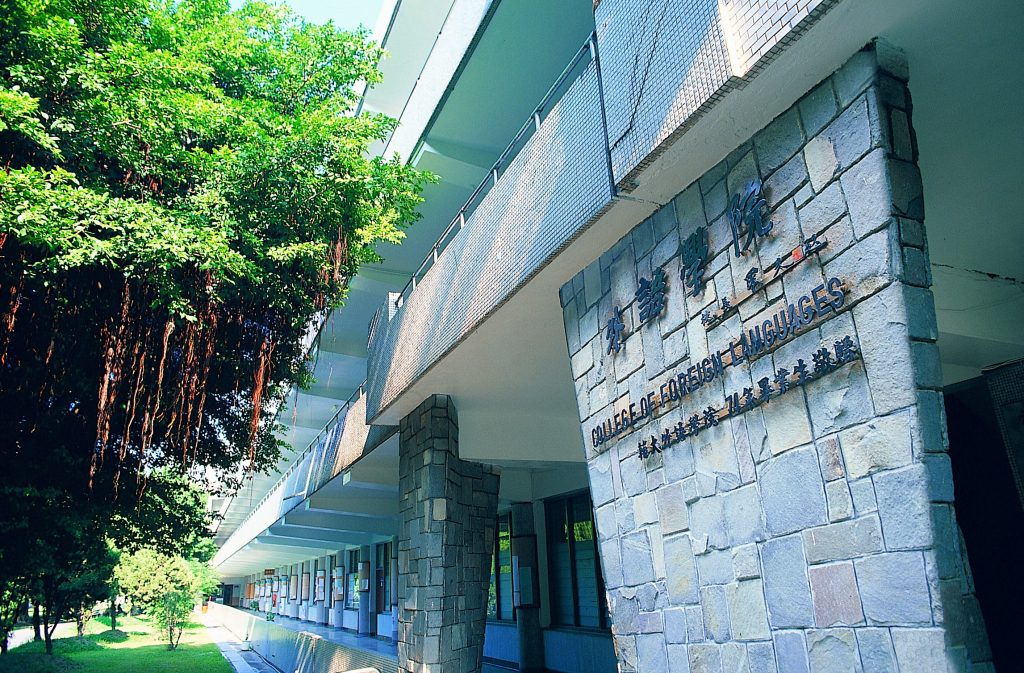
Faculty of Foreign Languages
- Dept. of English Language & Literature(Master's Program)
- Dept. of Japanese Language and Culture (Master's Program)
- Dept. of French Language & Culture(Master's Program)
- Dept. of Spanish Language & Culture (Master's Program)
- Dept. of German Language and Culture(Master's Program)
- Dept. of Italian Language and Culture
- Bachelor’s Program in Global Communications & Technological Innovations
College of Fashion and Textiles
College of Human Ecology
School of Law
College of Management
College of Social Sciences
Fu Jen Global Academy
Photos & Videos
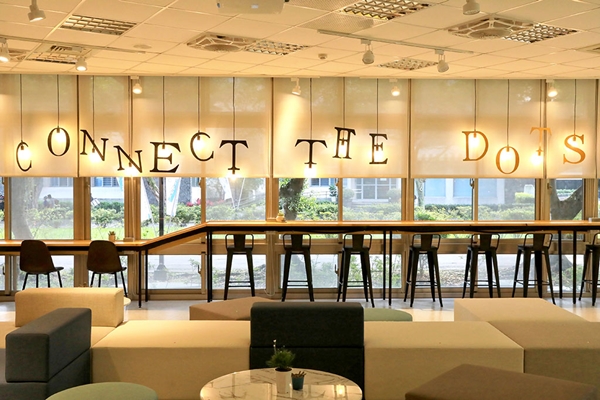
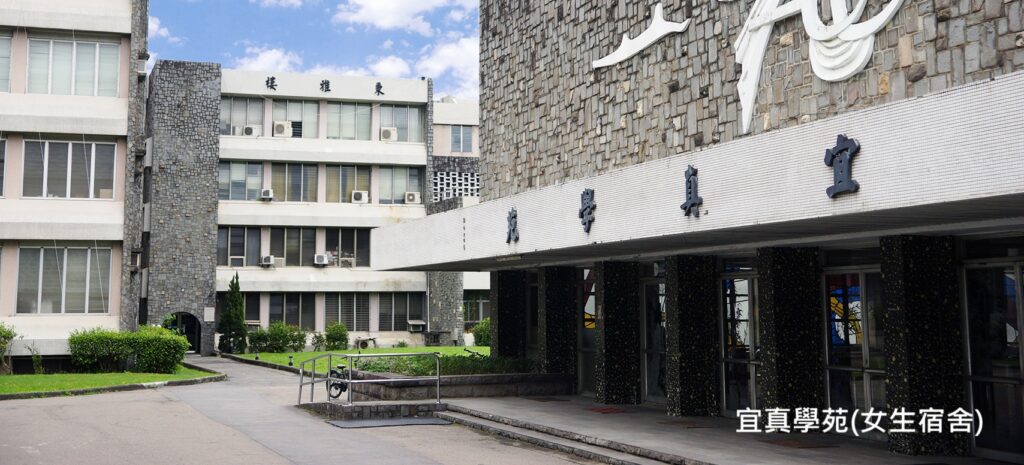
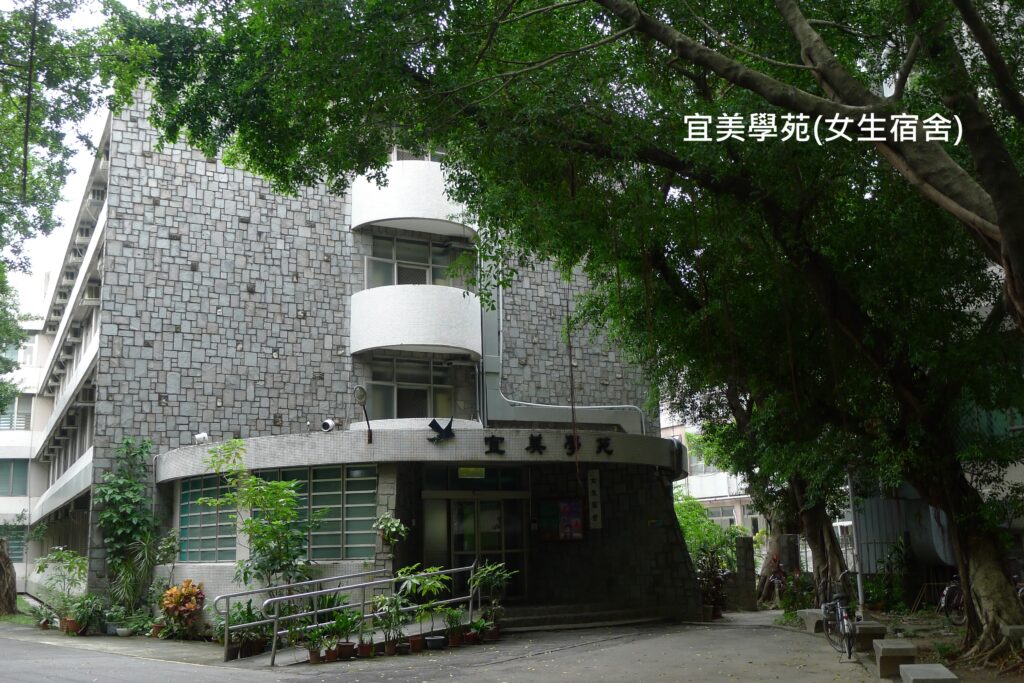
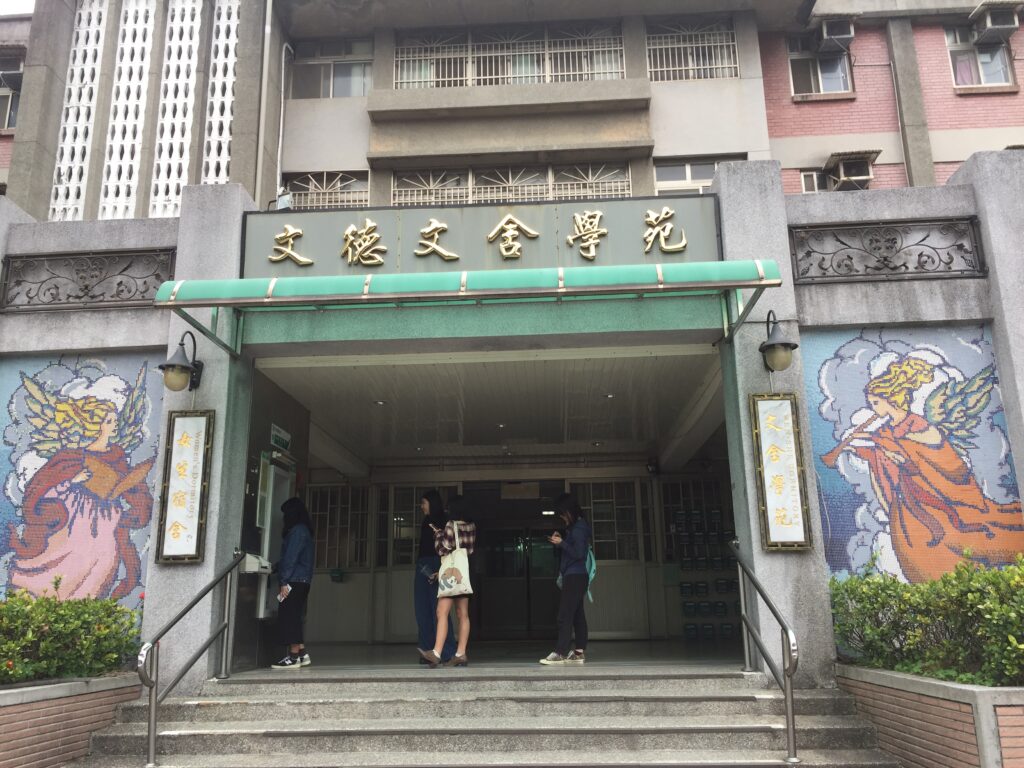
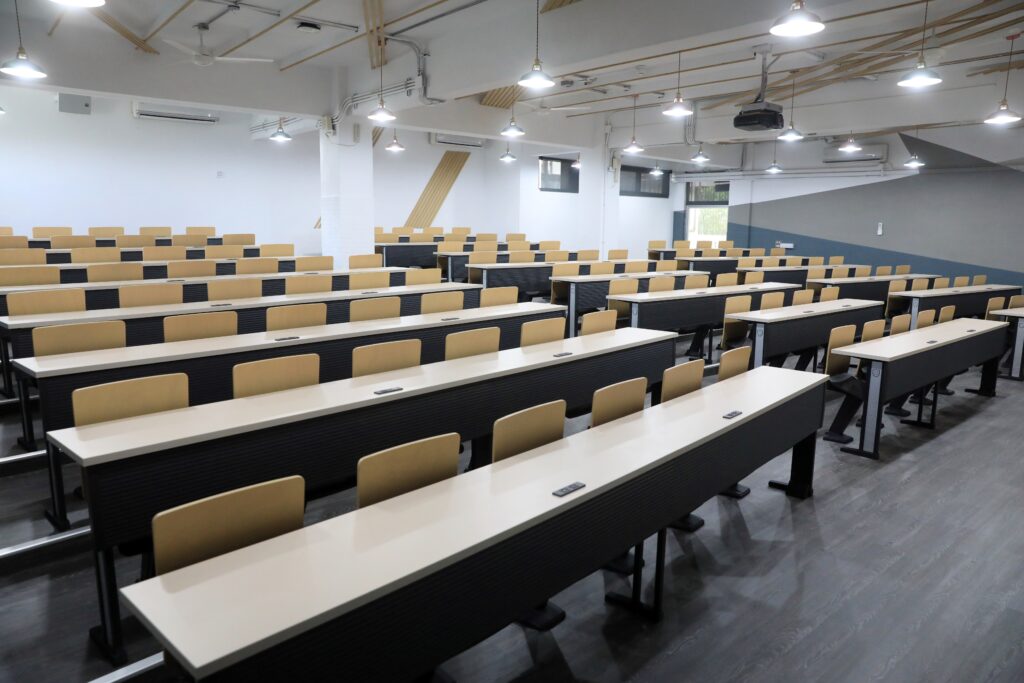
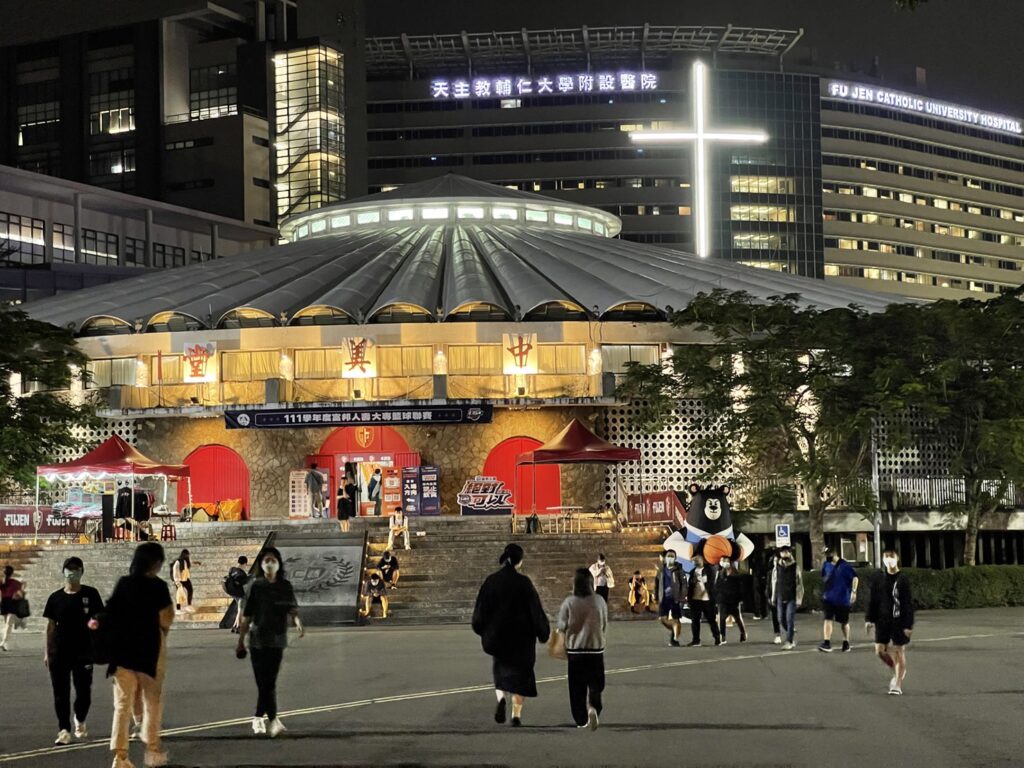
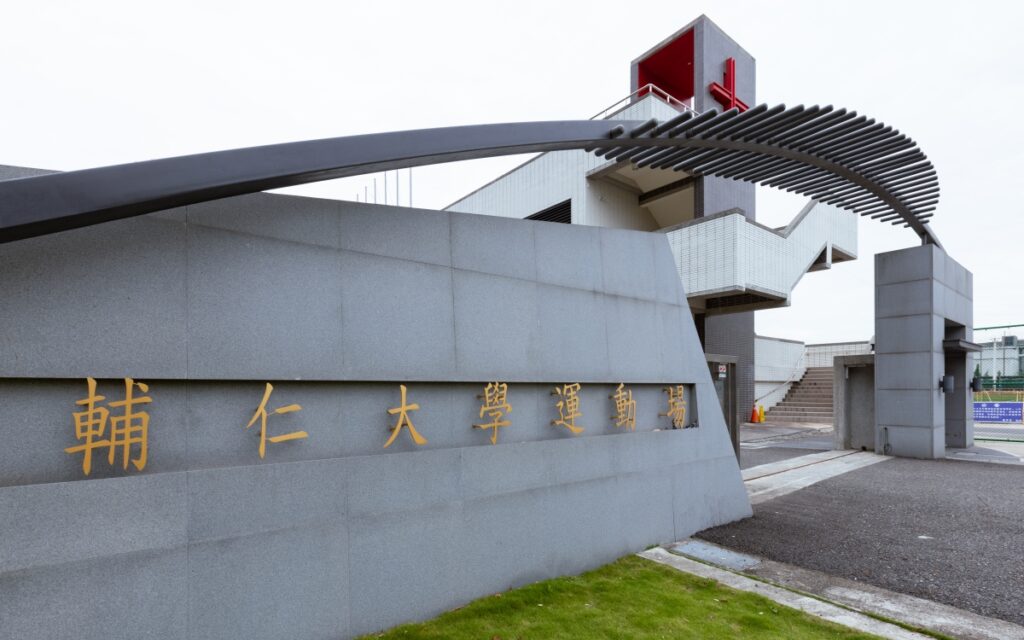
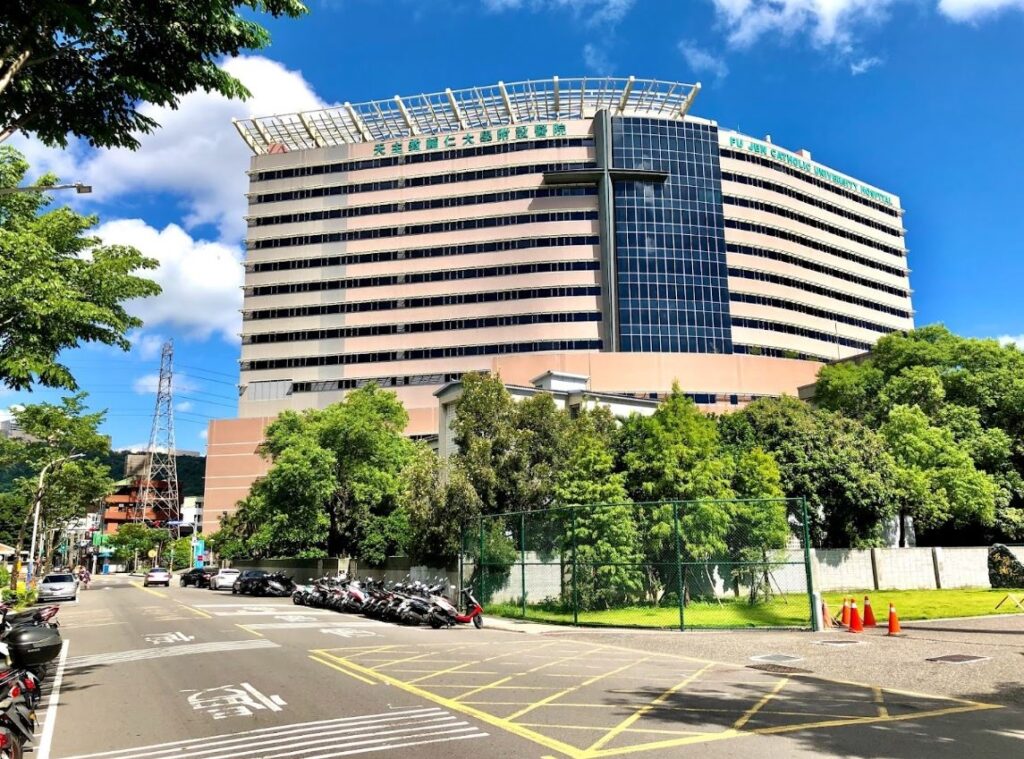
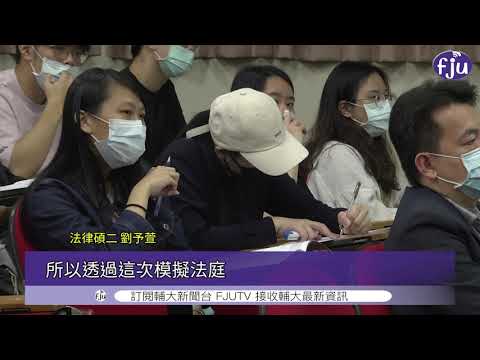
Videos
Fu Jen Catholic University_Overseas Chinese Student Sharing Indonesia
Fu Jen Catholic University_Overseas Chinese Student Sharing Myanmar Black Dragon Middle School
Fu Jen Catholic University Centennial Celebration
Fu Jen Catholic University_Overseas Chinese Student Sharing_Kuan Yew High School, Malaysia
Fu Jen Catholic University_Overseas Chinese Student Sharing_Hua Ren High School, Malaysia









Scholarships
Tuition/Year
|
One semester |
One academic year
|
|---|---|
|
College of Liberal Arts |
NTD 94,860
|
|
College of Art |
NTD 109,780
|
|
College of Management (except Department of Information Management) |
NTD 96,280
|
|
College of Science and Engineering |
NTD 110,700
|
|
College of Medicine (except Department of Medicine) |
NTD 116,400
|
|
Department of Medicine, Faculty of Medicine |
NTD 145,000
|
|
Bachelor’s Program in Interdisciplinary Studies |
NTD 142,720
|
Living Expenses/Year
Living Expenses: NTD 79,200 ~ 95,040/YR
Accommodation: NTD 16,540 ~ 43,200/YR
|
One semester |
One academic year |
Other Notes
|
|---|---|---|
|
NTD 8,270~21,600 |
NTD 16,540~43,200 |
Varies by dormitory; for reference only.
|
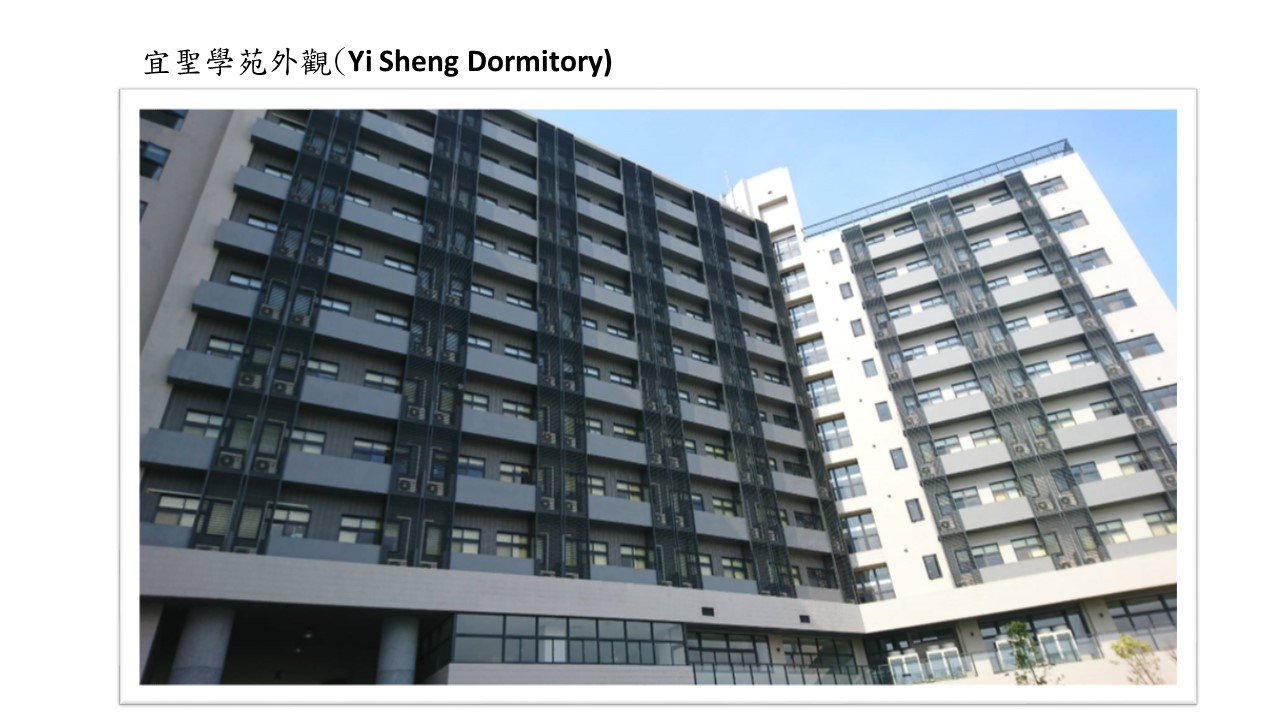
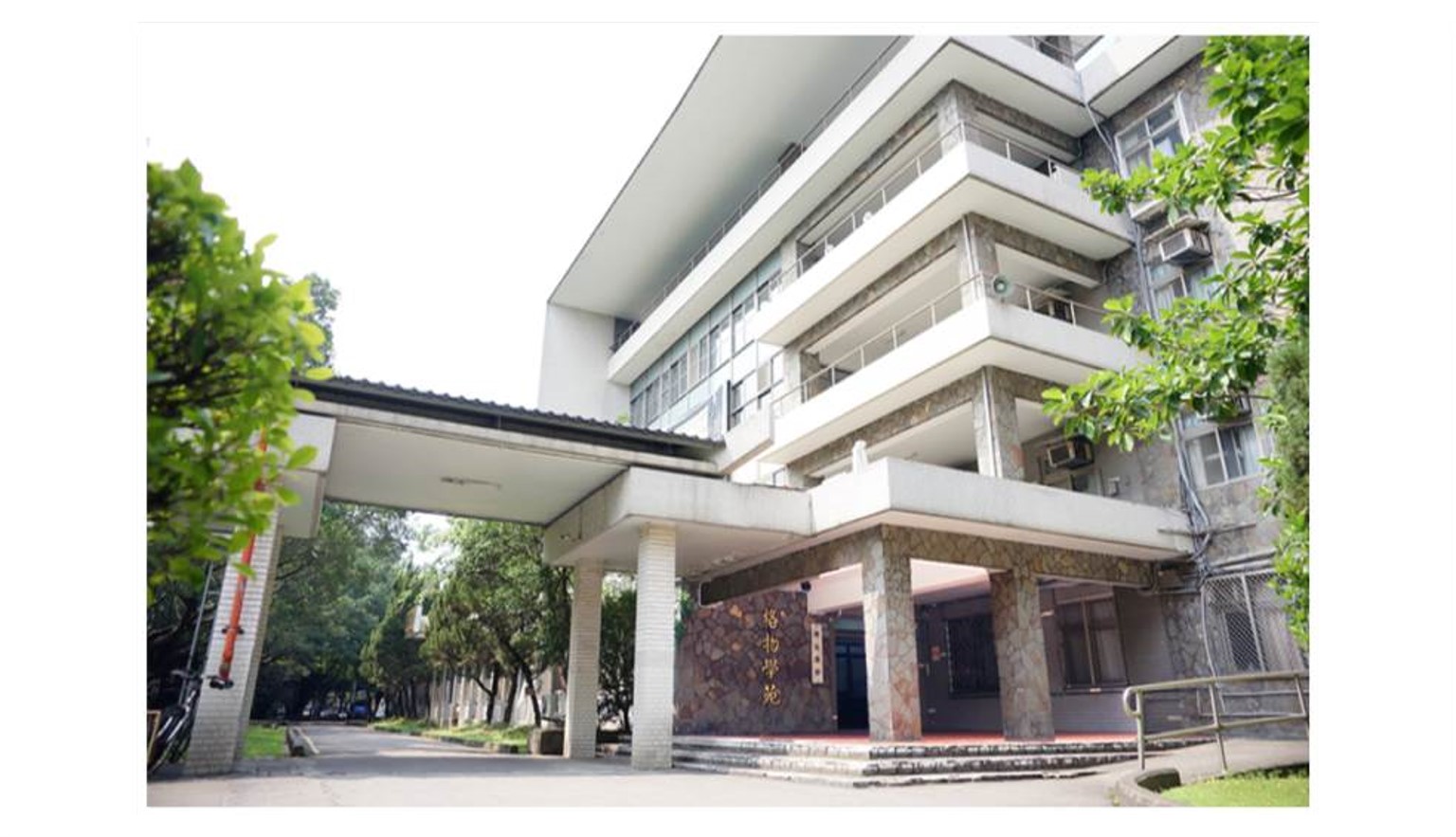
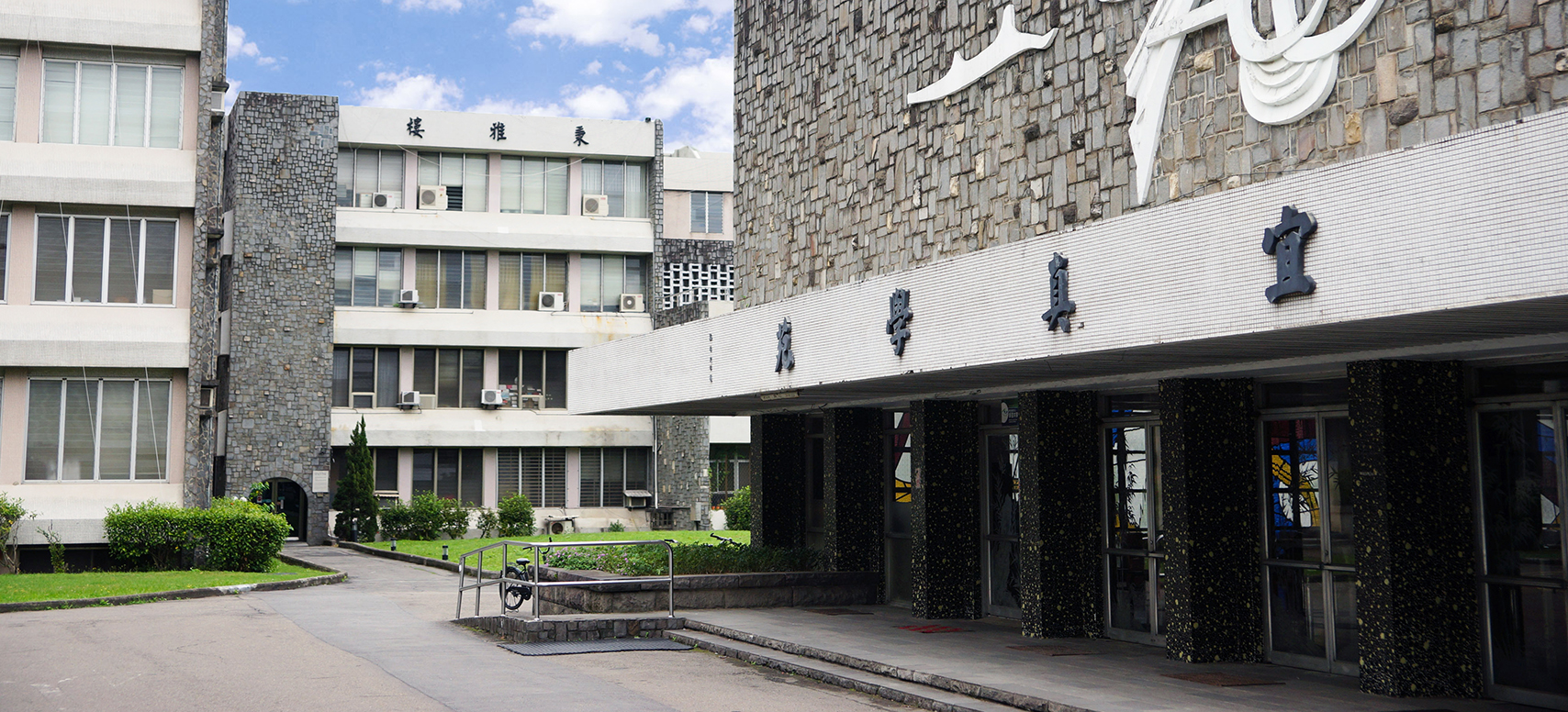
School accommodation
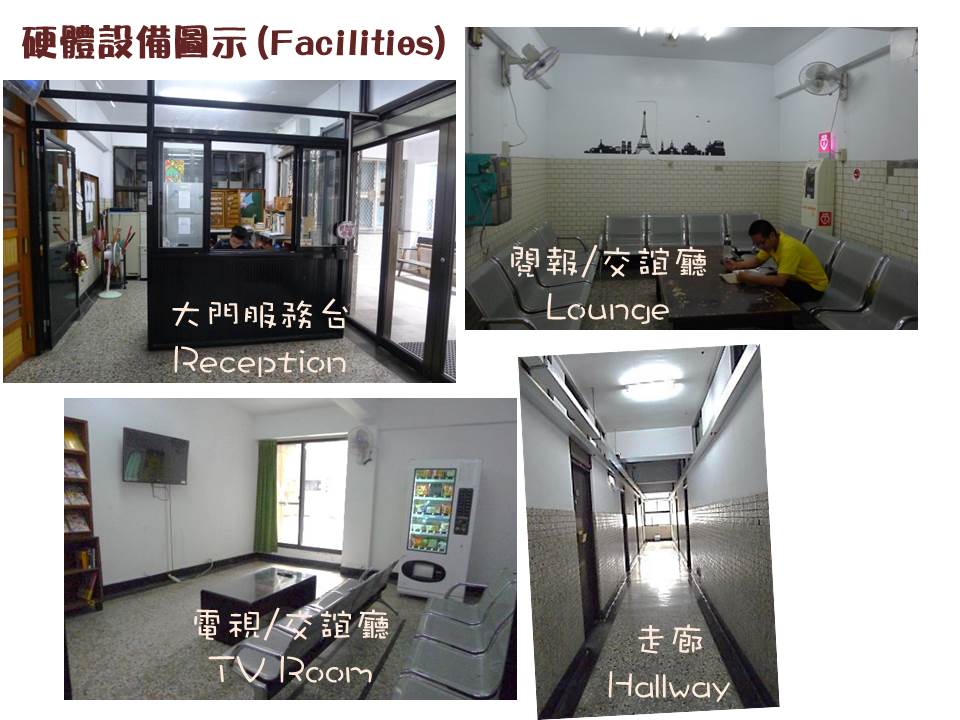
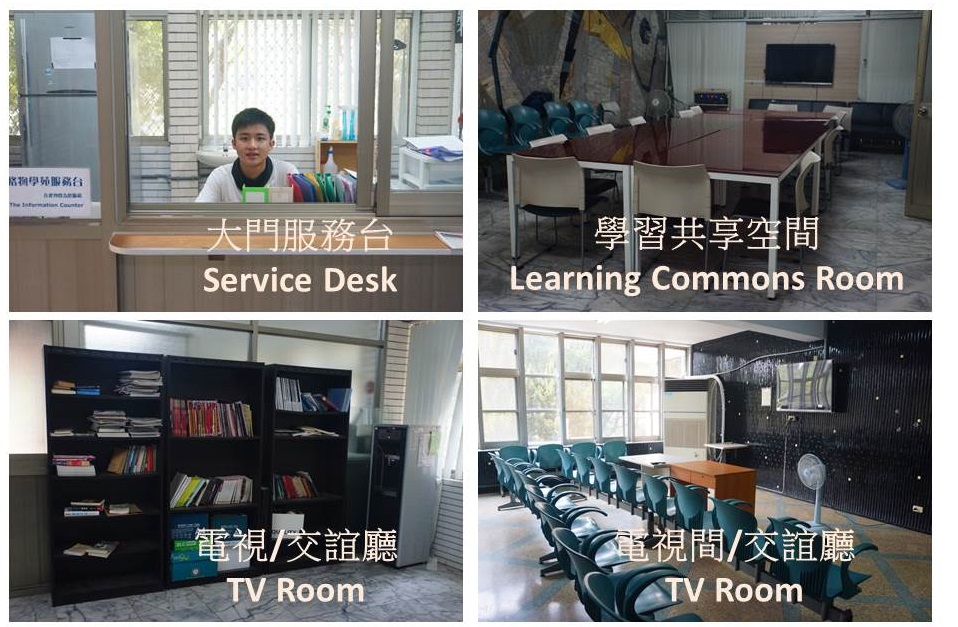
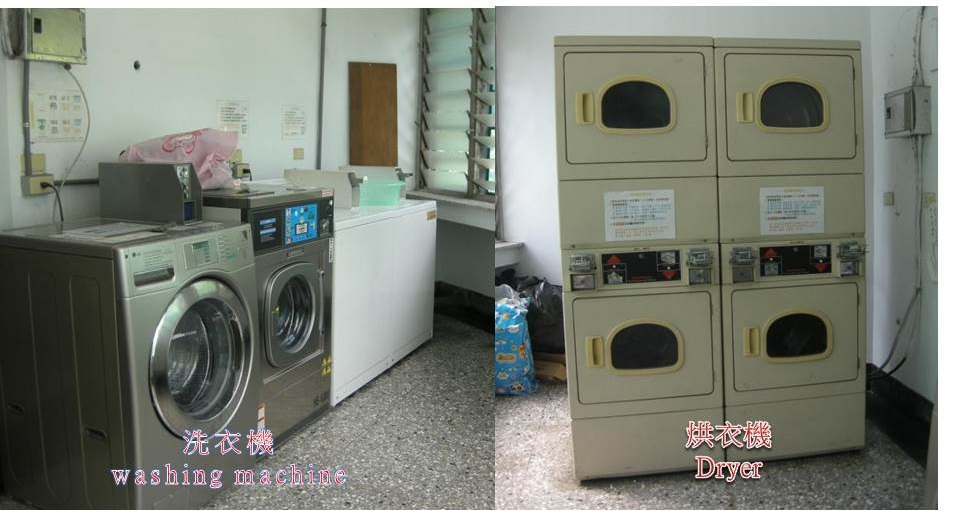
Pathways
Mackay Medical University
Information
Address
No. 46, Section 3, Zhongzheng Road, Sanzhi District, New Taipei City, 252005, Taiwan
Tuition and Accommodation Fees
Tuition: NTD/YR 97,000~122,000
Accommodation: NTD/YR 42,000
Official website
Contact Information
+886-2-2636-0303
[email protected]
Introduction
School Features
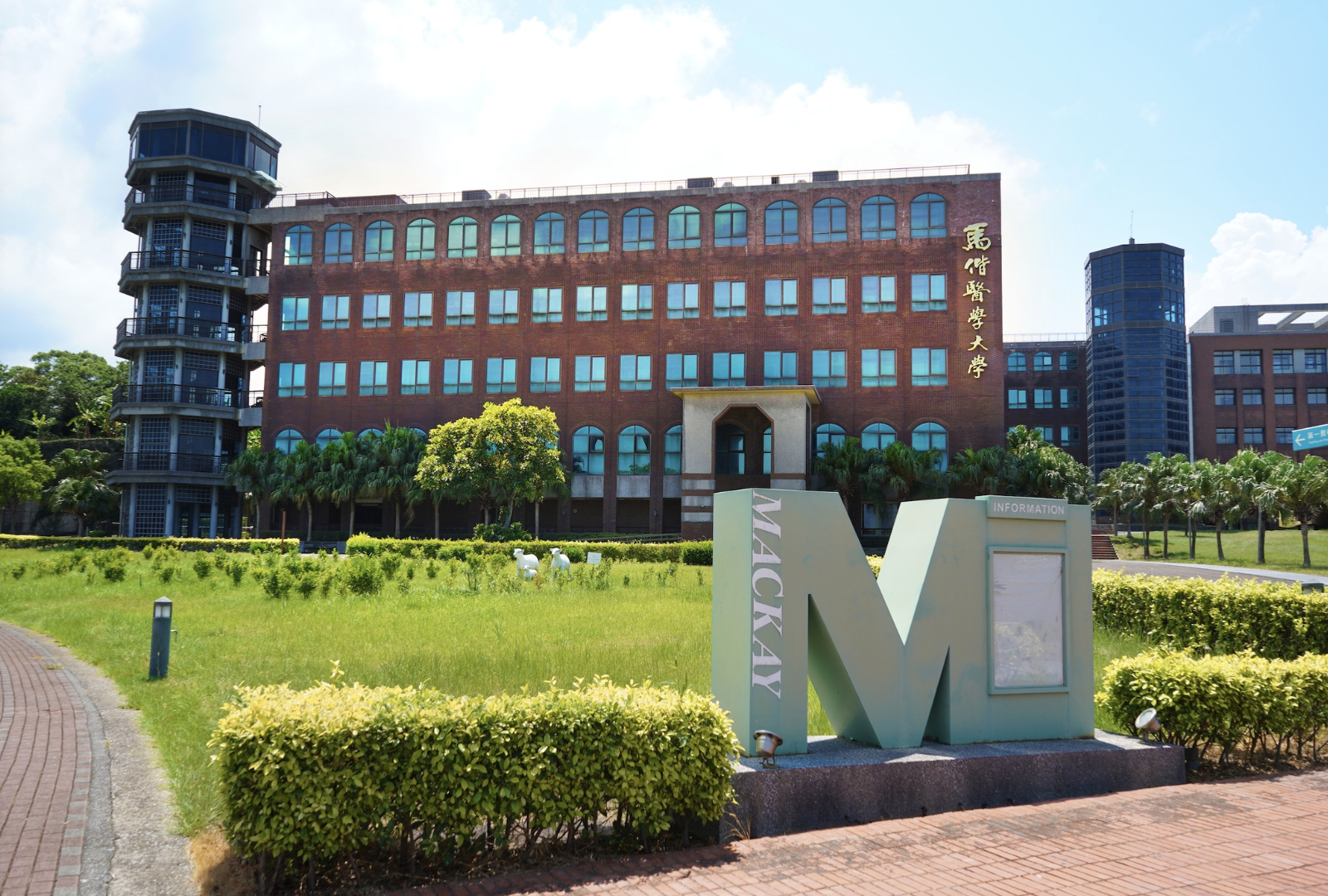
|Enjoy the Mountains and the Sea| The campus of MMU is located in the scenic and tranquil Sanzhi District of New Taipei City, where mountains meet the sea and nature supports focused learning and personal growth. MMU serves as the main teaching hospital for students. The teaching equipment is modern and well-maintained, and the research facilities are comprehensive and continuously updated. With dedicated and experienced faculty, thoughtfully designed curricula, a human-centered architectural design, a supportive student–teacher ratio, and abundant learning resources, MMU is a medical university committed to nurturing compassionate, competent, and globally minded healthcare professionals.
|Mackay’s Legacy Continues| MMU was founded in 1880 and is the oldest Western-style hospital in Northern Taiwan. In recent years, medical biotechnology has advanced rapidly. Recognizing that excellent clinical care must be supported by strong education and research, the University continues Dr. George Leslie Mackay’s enduring spirit of “rather burn out than rust out.” Guided by this legacy, the University provides students with a holistic medical education that emphasizes the integrated healing of body, mind, and spirit, grounded in Christian values. Mackay Medical University aims to cultivate healthcare professionals who respect life, serve with compassion, and care for others with empathy and integrity.
|Mackay Memorial Hospital: Your Strongest Support| MMU has four major branch hospitals across Taiwan—Taipei, Tamsui, Hsinchu, and Taitung—providing diverse clinical settings and rich learning opportunities. By integrating the hospital’s extensive clinical resources with its strong research and teaching capacity, the University continuously strengthens its academic environment. Outstanding clinicians are invited to teach and mentor students, and students have opportunities to participate in clinical observation and internship programs across different branch hospitals. After graduation, Mackay Memorial Hospital proudly remains a preferred and trusted career destination for many alumni.
School Resources
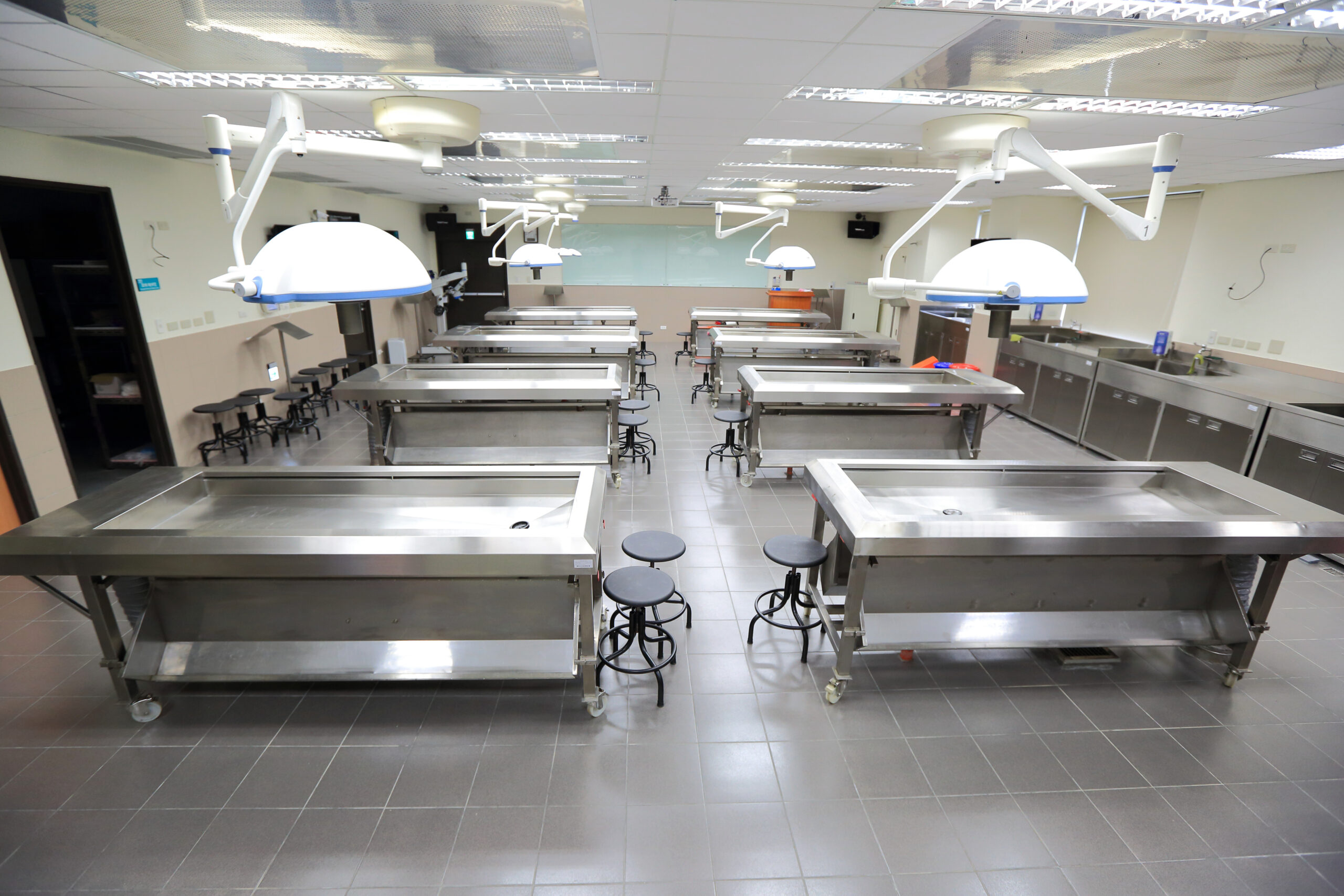
Each department is equipped with modern basic science and specialized laboratories, including a cadaver dissection room, specimen display room, nursing skills center, obstetric nursing demonstration classroom, simulation classrooms, video creativity center, and small discussion rooms. Additionally, there are professional facilities such as IAC soundproof rooms, acoustic analysis labs, audiology rooms, and large observation rooms. Furthermore, Mackay Memorial Hospital has completed a brand-new Tamsui campus medical building, built at a cost of NTD 3 billion, featuring specially designed teaching consultation rooms and multiple discussion rooms to meet the requirements of PBL (Problem-Based Learning) instruction.
Teaching Effectiveness
Students at MMU have consistently demonstrated excellent academic performance and strong professional readiness, as reflected in their outstanding national examination results. Over the years, the pass rates have reached 89% for the first stage of the national medical examination, 96% for the second stage, 95% for the Nursing Department, and an average pass rate of 97% for audiologists and 99% for speech-language pathologists in the Department of Audiology and Speech-Language Pathology.
Notably, students from the Department of Audiology and Speech-Language Pathology have achieved remarkable national recognition. In the 2022 academic year, they swept the top three positions in the national audiologist examination. In the 2023 academic year, they earned first place in the national audiologist examination and captured the fourth and fifth places in the national speech-language pathologist examination. In the 2024 academic year, students ranked third and seventh nationwide in the speech-language pathologist examination. In the 2025 academic year, they achieved the sixth and seventh places in the audiologist examination, as well as the first and third places in the speech-language pathologist examination—once again affirming the University’s strong teaching effectiveness and commitment to student success.
International Exchange and Cooperation
To date, the School of Medicine has signed memoranda of understanding with eight overseas medical schools and medical centers, including the University of Bristol and the University of Edinburgh in the UK, and Hirosaki University in Japan. The Departments of Nursing and Speech-Language Pathology also continue to support students in applying for the “Learning Abroad Dream Project,” enabling short-term study and exchange at foreign universities. These opportunities broaden students’ international perspectives and allow them to pursue careers overseas after graduation, instilling the concepts of “Medicine Without Borders” and the “Global Physician.”
Living Resources
MMU is located in the scenic Sanzhi District of New Taipei City, surrounded by mountains and facing the sea, creating a peaceful learning environment reminiscent of a gentle seaside town in a Miyazaki film. Nearby leisure and cultural destinations—including Baisha Bay, Qianshui Bay, the Sansheng Trail (famous for cherry blossoms), Sanzhi Four Art Villages, and the Fengzhimen Bicycle Trail—offer students and faculty abundant opportunities for relaxation and inspiration.
The campus is conveniently accessible via public transportation. Students may take the Taipei MRT Red Line to Tamsui Station and transfer to bus routes 861 or 876, or take the MRT to Hongshulin Station and transfer to bus routes 882 or 879. All bus routes stop directly at the university entrance, making daily commuting convenient and stress-free.
The campus features an on-campus dining facility that provides breakfast, lunch, and dinner. Students who enjoy cooking may also shop for fresh ingredients at nearby supermarkets or traditional markets and share home-cooked meals with roommates. In addition, Sanzhi Township offers a variety of well-known local restaurants, serving Chinese, Western, Southeast Asian cuisine, as well as charming afternoon tea and dessert cafés, enriching students’ daily life.
Student Dormitories
The student dormitories are designed based on the college-style residential philosophy of well-known international universities, fostering a warm sense of community and belonging. Each dormitory unit accommodates eight students(four bedrooms per unit, two students per bedroom). Beds, desks, and storage cabinets are arranged on the same level for comfort and accessibility.
Each unit includes a shared living room, dining area, and a bathroom with separate wet and dry zones, and is fully equipped with an electric ceramic cooktop, refrigerator, air conditioning, dryer, and double-layer clothes drying racks. Public spaces also include a piano room, and all dormitories are secured with electronic access control systems, ensuring both comfort and safety.
Club Activities
Student clubs at MMU are categorized into academic, sports, service, and recreational groups, with spacious activity areas and well-maintained facilities. Students are encouraged to establish new clubs based on their interests, express creativity, and cultivate leadership and teamwork skills.
There are currently 21 student clubs, including:
1. Seven Autonomous Organizations:
Student Union; Department of Medicine Student Association; Department of Nursing Student Association; Department of Audiology and Speech-Language Pathology Student Association; Department of Optometry Student Association; Department of Medical Laboratory Science and Regenerative Medicine Student Association; Dormitory Self-Government Association
2. Five Academic and Arts Clubs:
Orchestra Club; Hot Music Club; Choir; Photography Club; Guitar Club
3. Five Sports Clubs:
Hot Dance Club; Table Tennis Club; Badminton Club; Basketball Club; Volleyball Club
4. Three Service Clubs:
Hope and Love Club; Love Plus Club; Mao Bao Club
5. One Recreational Club:
Baking Club
Alumni
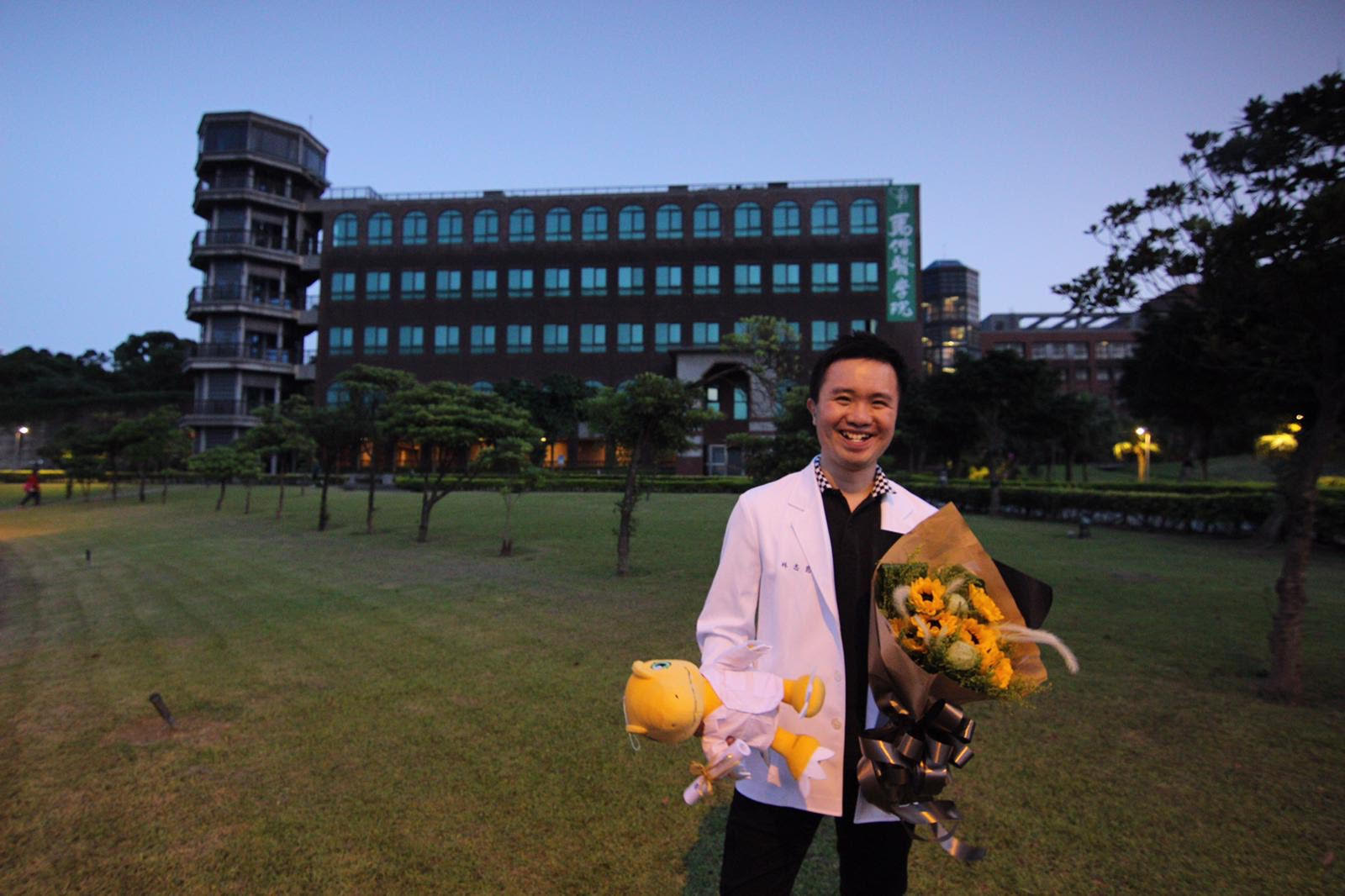
林志恩
Outstanding Alumnus
Hong Kong
Representing the school to participate in the AMSEP Zhengzhou Medical Student Exchange Program, traveling to Australia to conduct academic exchanges with medical students from other countries
Representing the school to exchange with students from Jichi Medical University in Japan, introducing them to Taiwan and visiting our hospital’s facilities
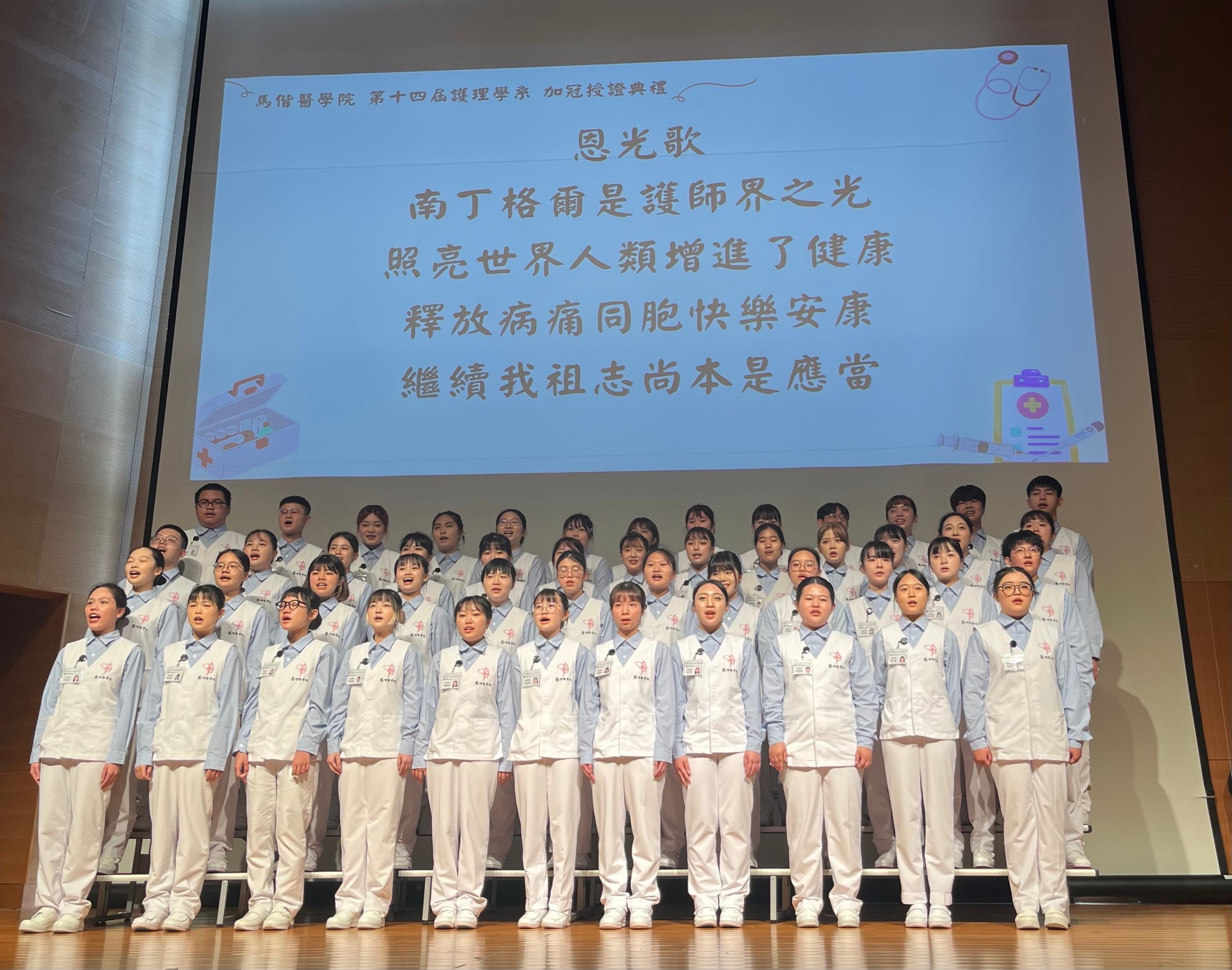
Capping Ceremony, welcoming the hospital internship life with anticipation
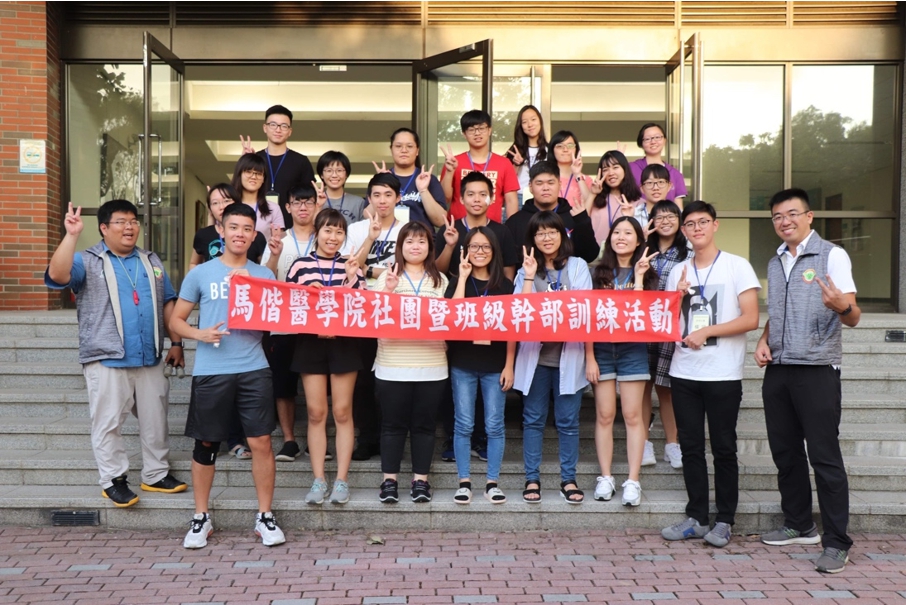
楊明
Outstanding Alumnus
Korea
Mentor-Student Dinner Activity Mackay Medical University is a small and exquisite school, and the relationship between mentors and students is very close. The mentor-student dinner activity held regularly every semester can not only enhance the good interaction between teachers and students, but also allow overseas Chinese students to adapt and integrate into university life more quickly. Welcome to join the warm Mackay family.
Club Cadre Training Activities Mackay Medical College has a rich and diverse range of clubs, and the average club participation rate of each student is quite high. In addition to literary, academic, and sports clubs, the school also established an Overseas Chinese Student Club for overseas Chinese students, whose purpose is to guide and care for each overseas Chinese student, solve various study abroad matters, and promote cross-national and cross-cultural exchanges.
AMSEP Asian Medical Student Exchange Program Through the Asian Medical Student Exchange Program, medical education and cultural exchange activities can be carried out with well-known universities in Asia.
Admission Highlights
[School of Medicine]
Cultivating future Dr. Mackay(s) and outstanding physicians who are committed to making meaningful contributions to global health and humanity.
Department Features
- One of the best student–teacher ratios nationwide (3.48), ensuring close mentorship and personalized learning
- Consistently high national examination pass rates, including 93% in the first stage and a 100% pass rate in the second stage in the 114th academic year
- A strong emphasis on medical humanities integrated into clinical training
- A seamless connection between education and career development: Mackay Memorial Hospital operates four major branch hospitals in Taipei, Tamsui, Hsinchu, and Taitung, offering well-established pathways for employment, residency training, and professional advancement
- A long-standing commitment to caring for underserved populations and promoting equitable access to medical resources
Teaching Resources
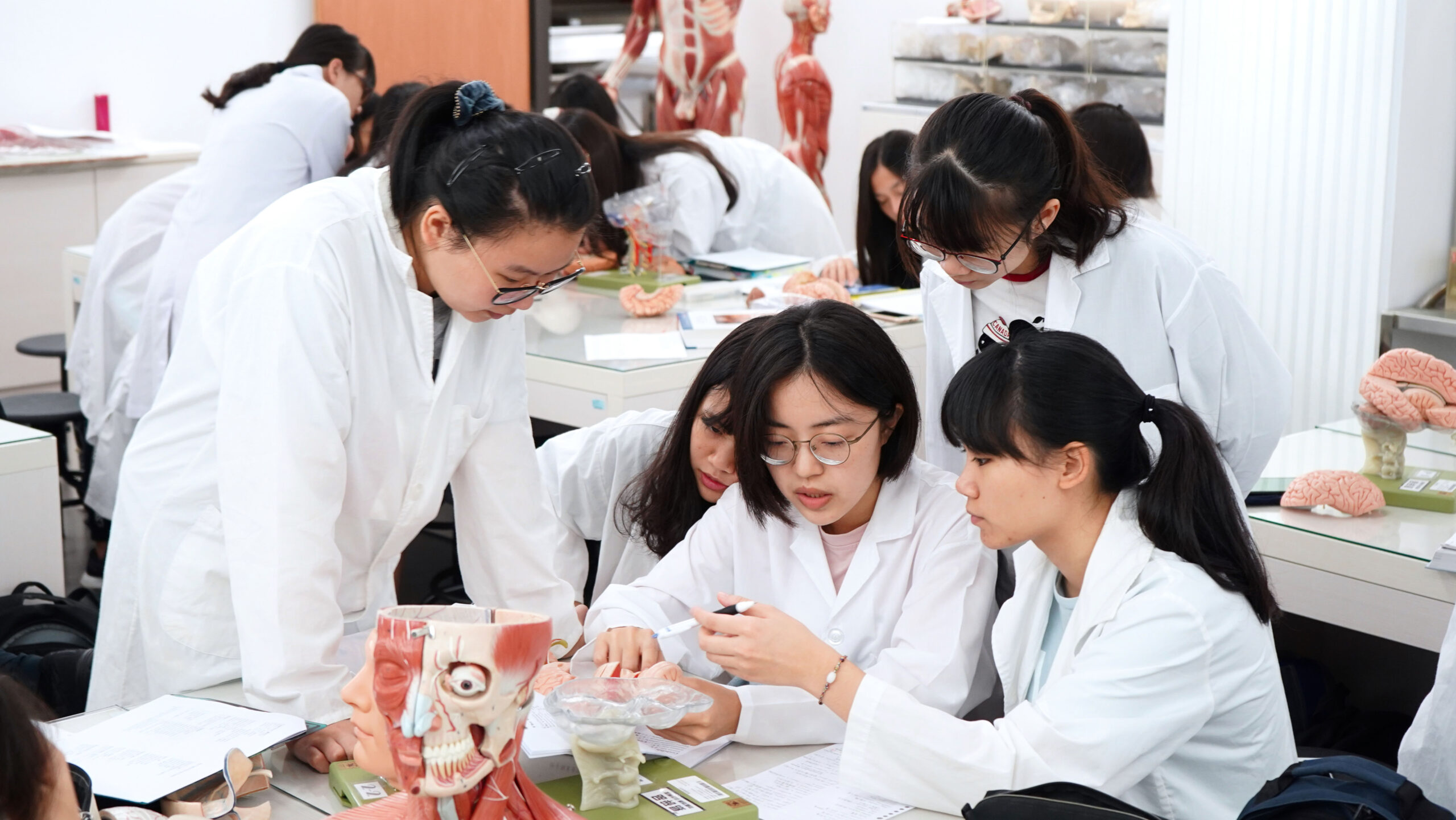
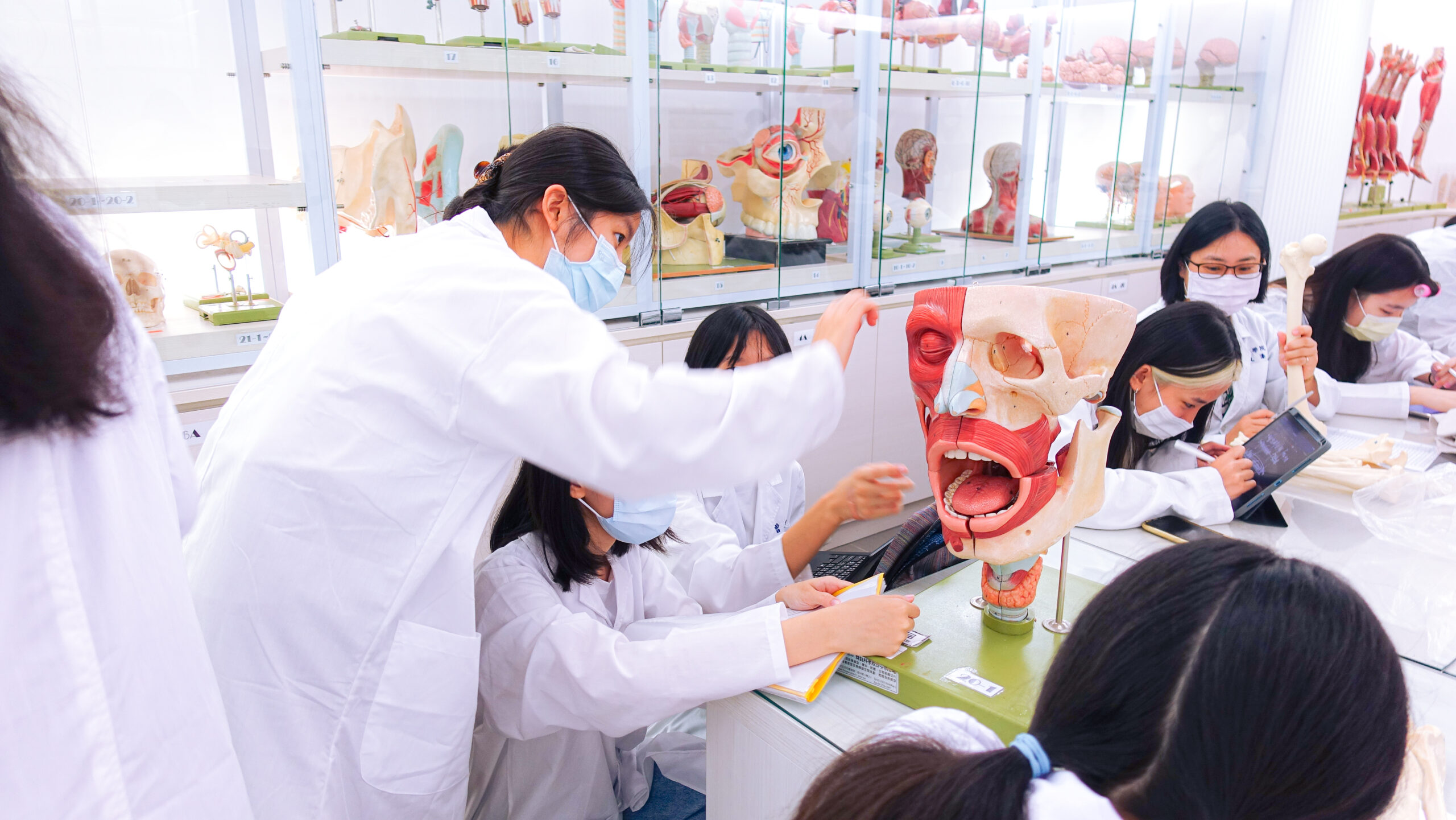
The Department of Medicine is equipped with comprehensive basic science laboratories, covering eight core disciplines: biology, general chemistry, anatomy, physiology, microbiology, pharmacology, pathology, and parasitology. In addition, the department offers six small-group discussion rooms, a gross anatomy laboratory, and a specimen display room, supporting both foundational learning and interactive discussion.
Mackay Memorial Hospital has invested NTD 3 billion in the construction of a new medical building at the Tamsui branch, featuring purpose-designed consultation rooms and multiple discussion spaces to support problem-based learning (PBL). Furthermore, twelve newly built OSCE training classrooms (including six discussion rooms) have been completed and are now fully operational, strengthening students’ clinical competence and readiness.
Featured Courses
1. Practical Anatomy
Gross anatomy is the foundational discipline for entering the medical profession. The Practical Anatomy course fully reflects the integration of theory and hands-on practice that characterizes medical education. The Department emphasizes learning through actual cadaver dissection, allowing students to develop essential skills in palpation, cutting, separation, identification, and spatial understanding of human structures. Through direct practice in the anatomy laboratory, students independently analyze, integrate, and synthesize anatomical knowledge, building a solid foundation for future clinical learning.
2. Medical Humanities Course
This course engages medical students in structured debates and discussions on ethical issues arising from contemporary medical, educational, and social contexts. According to the course progression, faculty members specializing in medical humanities guide in-depth dialogue with students. The curriculum includes an exploration of healthcare delivery in remote areas of Taiwan, as well as the geographical, cultural, and epidemiological characteristics of Indigenous communities. Students also examine the interrelationships among medical ethics, medical law, medical history, medical sociology, and the role of physicians in modern society, fostering reflective and compassionate medical practice.
3. Problem-Based Learning (PBL)
Through PBL curricula developed by experienced clinical physicians, real-world clinical scenarios are used to integrate disease presentation, progression, and decision-making processes. Students learn to apply evidence-based reasoning, understand differential diagnosis, pathophysiology, treatment principles, and prognosis, and develop strong problem-solving skills. Medical humanities perspectives are intentionally incorporated, with ethical issues serving as a basis for deeper discussion, helping students grow into thoughtful and socially responsible physicians.
Future Development
⦁ Career Development
Graduates are well prepared to pursue careers as physicians, public health professionals, and researchers in pathology or pharmacology. With the Mackay Medical System as a strong and trusted foundation, graduates may serve as physicians across various Mackay branch hospitals, benefiting from clear clinical training pathways and professional advancement opportunities.
⦁ Further Education Options
Mackay Medical University offers a range of advanced study opportunities, including a Master’s Program in Clinical Medicine, a Graduate Institute of Biomedical Sciences (Master’s and Doctoral Programs), a Graduate Institute of Long-Term Care, and a Graduate Institute of Geriatric Welfare Technology. In addition, the affiliated hospital system provides well-established channels for overseas study and international training. Graduates of the Department of Medicine may design flexible career pathways, choosing to focus on clinical service, academic teaching, or biomedical research, according to their interests and aspirations.
[Department of Nursing]
Cultivating compassionate and professionally competent nursing professionals who excel in clinical patient care, care for vulnerable populations, and embrace a strong international perspective.
Department Features
The faculty members of this department possess expertise across diverse nursing specialties, rich clinical experience, and a strong passion for education. They serve as professional role models, integrating general education with core nursing courses to foster students’ empathy, ethical awareness, and emotional intelligence, all of which are essential qualities in high-quality nursing practice.
The department actively leverages both domestic and international educational resources, providing diverse learning opportunities that inspire students in service, healthcare technology, and global engagement. By closely integrating the acute, chronic, and long-term care systems within the Mackay Medical System, the curriculum progressively bridges theory and practice. Through extensive use of real clinical cases, students develop solid nursing knowledge, practical competence, and professional judgment.
Teaching Resources
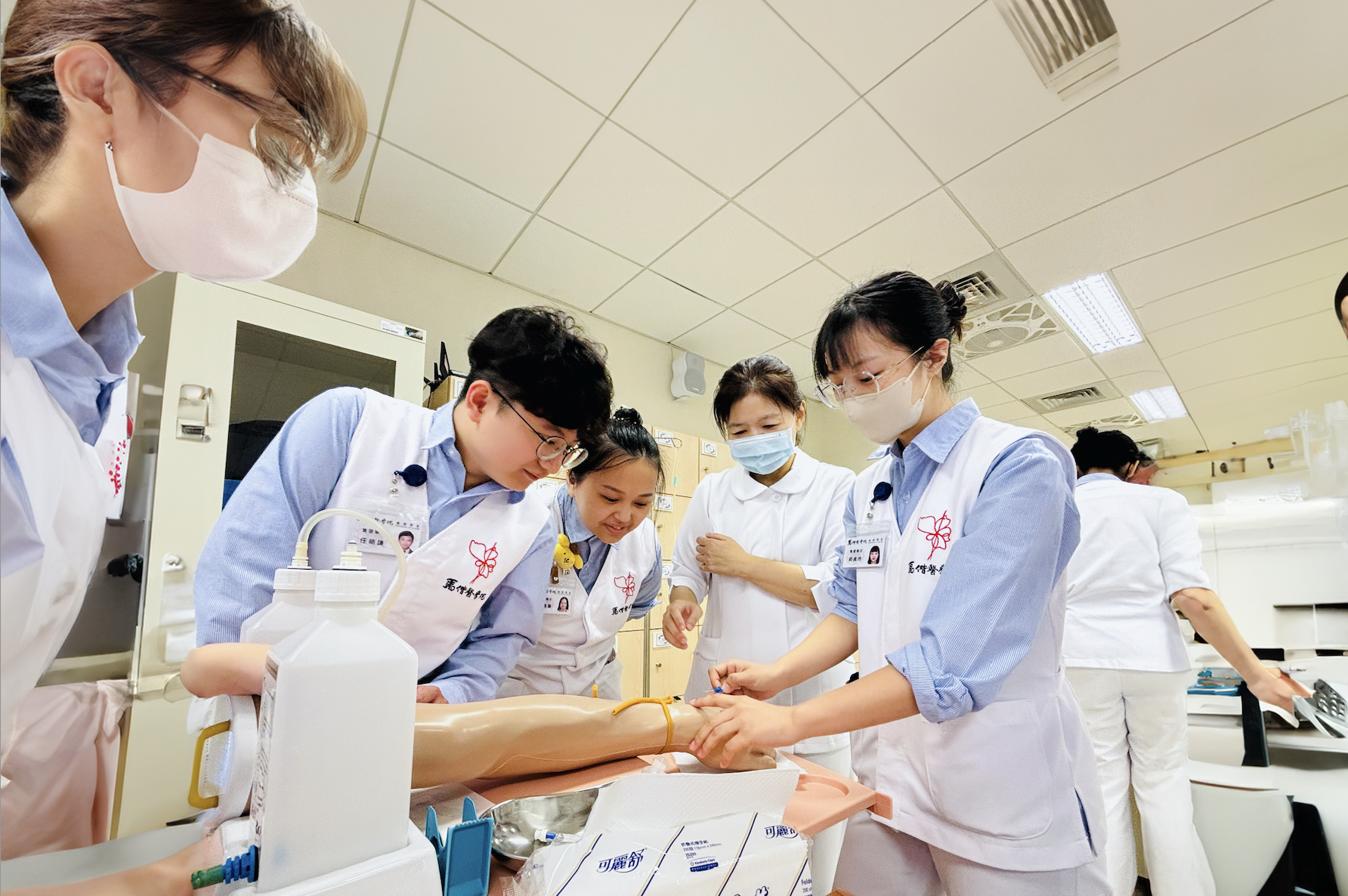
The department’s teaching facilities include a nursing skills center, an obstetrics nursing demonstration classroom, and small-group discussion rooms designed to support interactive learning. All teaching equipment is closely aligned with real clinical environments, and is systematically managed, maintained, and regularly updated by a dedicated professional team, ensuring optimal functionality and a high-quality learning experience.
Featured Courses
1. Oncology and Palliative Nursing Care
Founded on the ideals of Dr. George Leslie Mackay, Mackay Medical University is deeply rooted in holistic and compassionate care. The Mackay Hospice and Palliative Care Center is one of Taiwan’s most important training bases for Oncology nursing and palliative care professionals. In clinical practice, healthcare providers frequently face complex decisions related to end-of-life care. Through this course, students develop a clear understanding of cancer care and hospice philosophy, learn symptom management at the end of life, and acquire skills to address the physical, psychological, social, and spiritual needs of terminally ill patients and their families.
2. Introduction to Acute and Critical Nursing Care
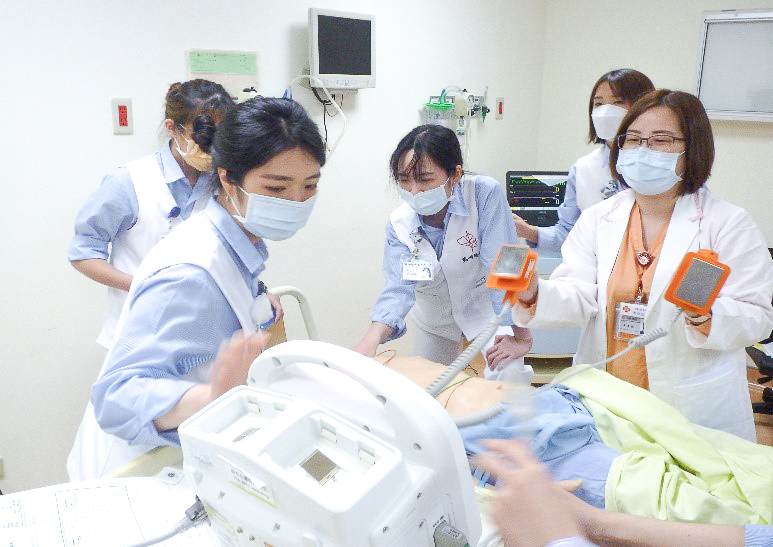
This course cultivates students’ interest in acute and critical nursing care, emphasizing critical thinking, interdisciplinary coordination, and teamwork. Students acquire fundamental competencies in assessment, clinical judgment, and intervention for critically ill patients. Toward the end of the course, high-fidelity simulated resuscitation scenarios are integrated with theoretical instruction, allowing students to experience real-time emergency decision-making, and to build confidence and competence in managing acute and critical situations.
3. Introduction to Long-Term Care
Long-term care has become a key global healthcare issue in aging societies. This course introduces students to long-term care systems, services, and professional roles, broadening their perspectives and expanding future career opportunities across healthcare and community-based settings.
Future Development
⦁ Career Development
- Clinical Nursing:
Graduates may participate in the national professional examination to obtain a registered nursing license and serve in major hospitals and long-term care institutions. - Teaching and Research:
Graduates may apply to domestic or international graduate programs in nursing or healthcare-related fields, and pursue careers in academic teaching, clinical education, or research institutions. - Administration and Management:
Opportunities include serving as administrative or managerial professionals in healthcare organizations, as well as roles in research, development, and business operations within medical and nursing-related industries. - Healthcare Industry Development:
Graduates may also engage in research and development or business roles within healthcare, medical technology, and nursing-related industries.
⦁ Further Education Options
MMU offers a Master’s Program in Nursing, providing nurses with structured opportunities for advanced professional development, specialization, and lifelong learning.
Industry–Academia Collaboration
Mackay Memorial Hospital operates four major branch hospitals across Taiwan—Taipei, Tamsui, Hsinchu, and Taitung. In addition, the Hsinchu Municipal Children’s Hospital, established in the 111th academic year, further strengthens pediatric and community healthcare services. By integrating the hospital system’s extensive clinical resources with its research and teaching capacity, the University continuously enhances educational quality.
Students have opportunities to participate in clinical observation and internship programs across multiple branch hospitals. After graduation, Mackay Memorial Hospital remains a trusted and preferred first-choice employer, offering graduates a smooth transition from education to professional nursing practice.
[Department of Audiology and Speech-Language Pathology]
Cultivating highly skilled, compassionate audiologists and speech-language pathologists dedicated to improving communication and quality of life across the lifespan
Department Features
Mackay Memorial Hospital is renowned for its strong pediatric medical and nursing teams, and its Department of Otolaryngology is a national pioneer in newborn hearing screening in Taiwan. The clinical audiology and speech centers at the Taipei and Tamsui branches are fully staffed with experienced audiologists and speech-language pathologists, and are equipped with comprehensive, state-of-the-art clinical facilities.
To meet the specialized curriculum needs of this department, faculty members from diverse professional backgrounds are recruited, ensuring a broad and integrated approach to audiology and speech-language pathology education. As a result, the department has established a solid and comprehensive foundation in curriculum design, clinical instruction, and teaching equipment, providing students with rigorous theoretical training combined with high-quality clinical education. Outstanding clinical instructors, well-structured clinical training, and excellent learning environments are defining strengths of the Department of Audiology and Speech-Language Pathology.
Teaching Resources
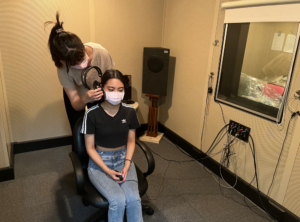
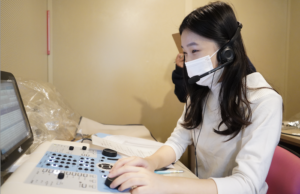
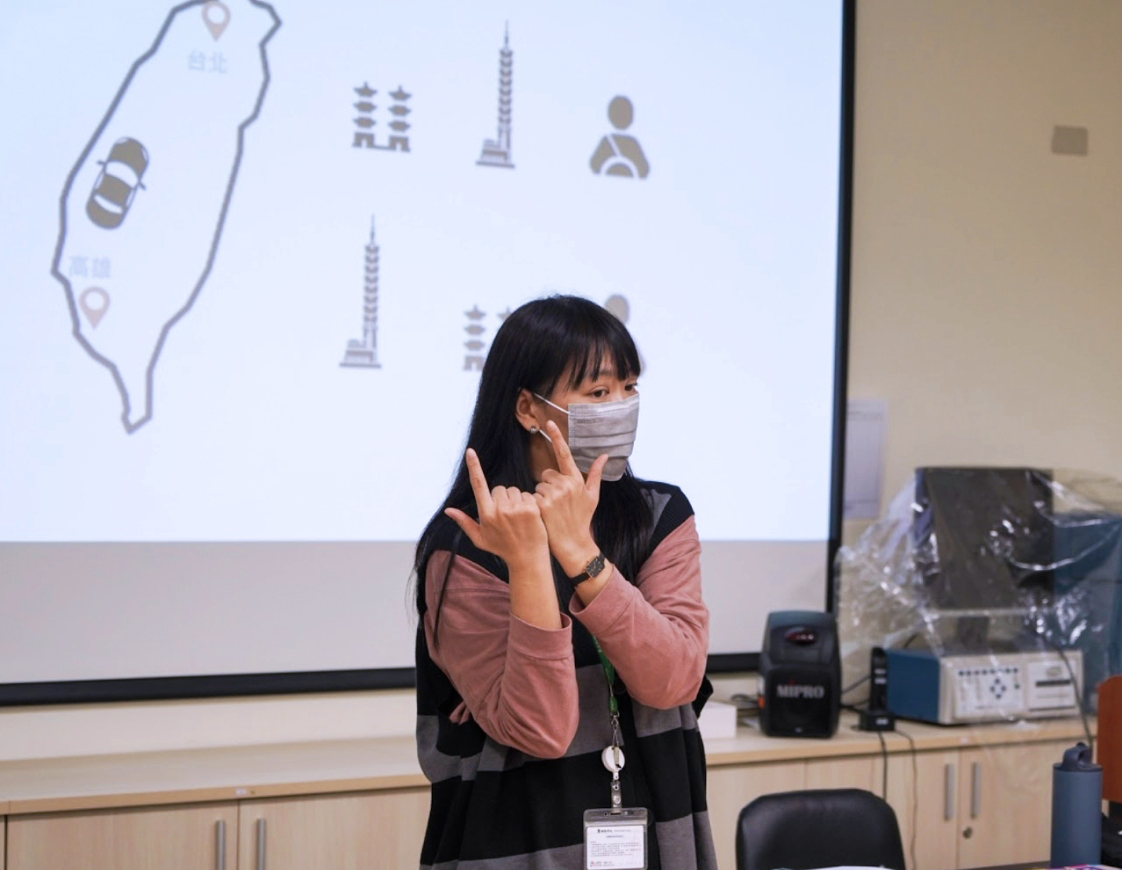
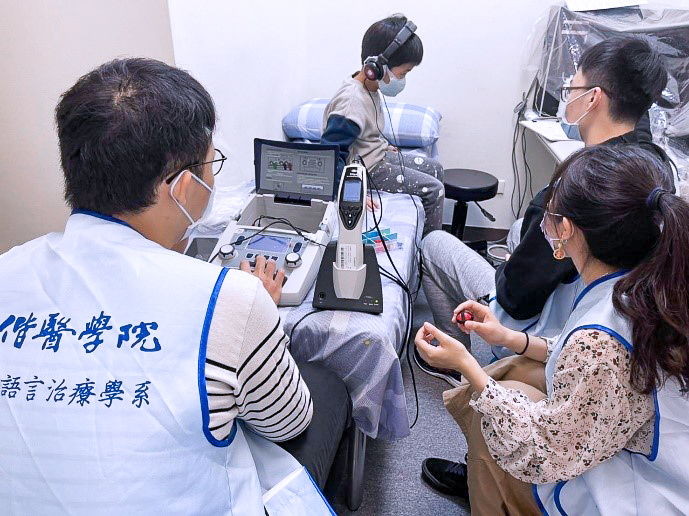
The department currently houses one of the most comprehensive audiology and speech-language teaching and practice centers in Taiwan, integrating a clinical education center and audiology and speech research laboratories. Facilities include a wide range of specialized professional spaces, such as IAC soundproof booths, acoustic analyzer examination rooms, large audiology observation rooms, and speech and language acoustics research laboratories.
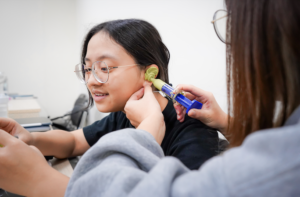
These facilities are equipped with internationally standardized audiology and speech-language instrumentation, including tympanometers, pure-tone audiometers, aerodynamic analyzers, nasalance measurement systems, and other advanced diagnostic tools. In addition, the department operates a professional remote audio-visual clinical education center, supported by synchronous video-based teaching systems, enabling real-time clinical instruction in collaboration with Mackay Memorial Hospital and enhancing students’ clinical learning experiences.
Featured Courses
1. Basic Audiology Observation/Internship
This department plans for audiology students in their junior year to observe at Mackay Memorial Hospital. The observation areas include the otolaryngology outpatient clinic, balance/dizziness examination room, and audiology examination room. The observation goal is to enable students to understand the hospital’s routine and clinical audiologist’s work flow, familiarize themselves with the theory and operation methods of various audiological assessment tools, and lay the necessary practical operation ability for clinical internships in their senior year.
2. Speech Sound Discrimination and Visual Reading
This course focuses on the perceptual and cognitive foundations of speech and language processing, guiding students to develop skills in speech sound discrimination and visual reading (lip-reading). Through structured practice, audiovisual materials, and guided exercises, students learn to identify, analyze, and differentiate speech sounds, as well as to integrate visual cues to enhance speech comprehension, particularly in individuals with hearing impairment.
The course emphasizes the clinical relevance of auditory–visual integration, helping students understand how these skills are applied in speech-language assessment and intervention, and building a strong foundation for future clinical training in speech-language pathology.
3. Basic Speech Therapy Internship
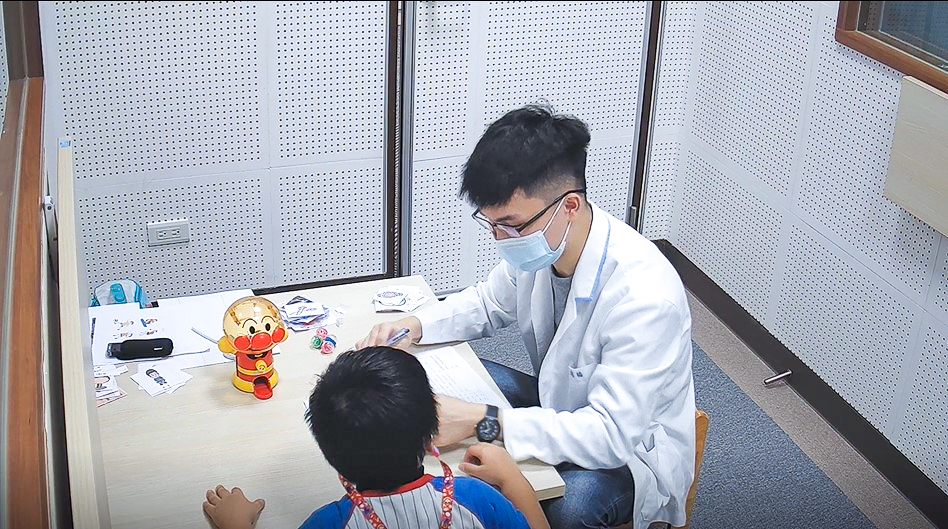
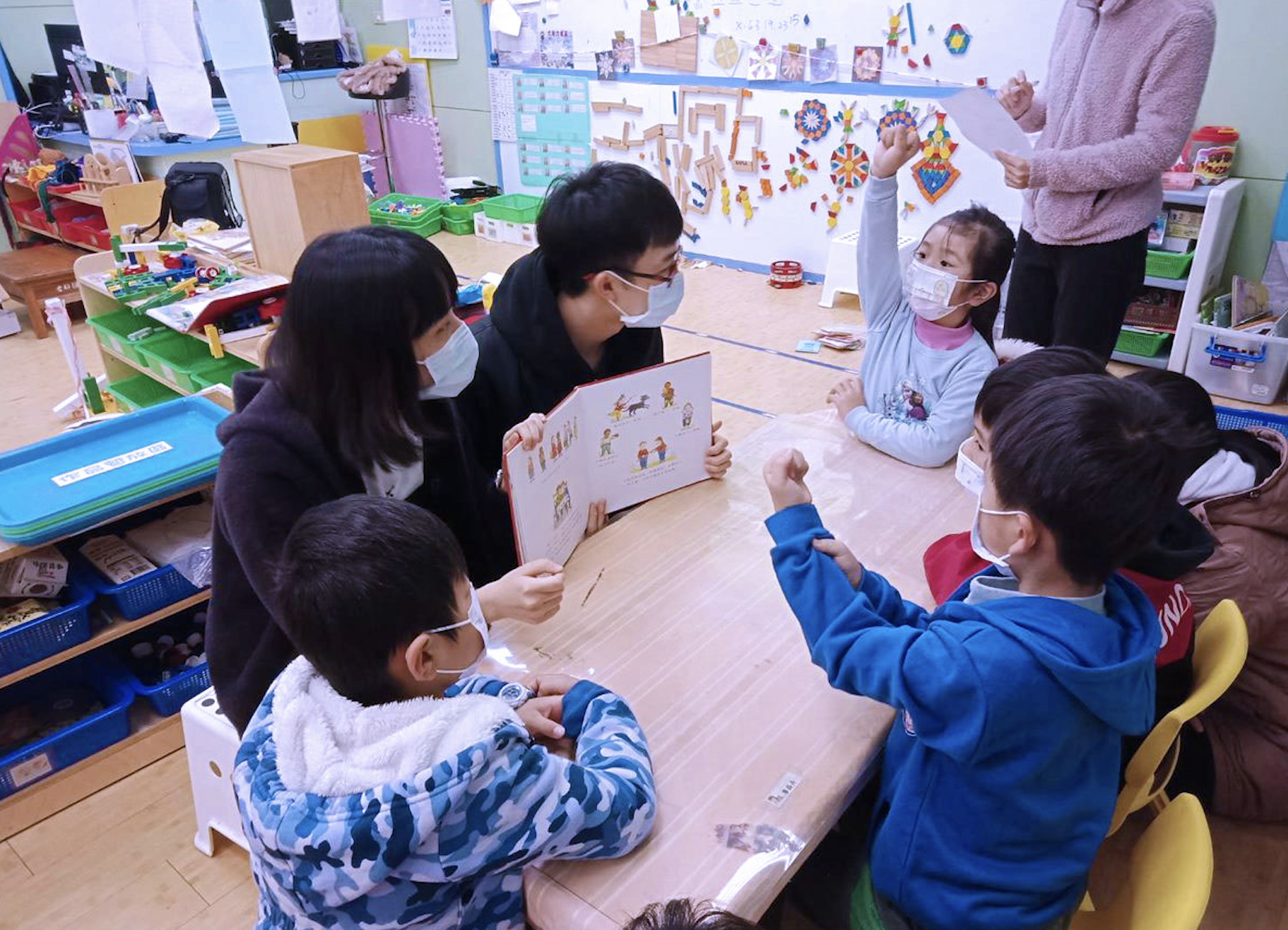
This course is a hands-on clinical internship that allows students to directly engage with real clinical cases and apply classroom learning in practice. Internships take place at the on-campus audiology and speech-language center, as well as at approved off-campus clinical institutions.
Under the supervision and guidance of experienced clinical professionals, students learn to select appropriate assessment tools, conduct evaluations based on case information, make clinical judgments, and write professional assessment reports. Students also gain experience in designing individualized treatment plans and developing therapeutic communication and counseling skills. This course lays a solid practical foundation for students’ advanced clinical internships in their senior year and supports their transition into professional practice.
Future Development
⦁ Career Development:
Clinical services in public and private rehabilitation hospitals, specializing in audiology and speech-language rehabilitation for children and adults.
- Clinical practice as audiologists or speech-language pathologists in general hospitals, providing assessment and intervention services across the lifespan.
- Employment in hearing aid and assistive device companies, engaging in hearing aid fitting, auditory rehabilitation, and client counseling.
- Independent practice, including establishing private audiology clinics or speech-language therapy clinics.
- Participation in government and public-sector services, such as special education units and social welfare agencies, assisting in the planning and implementation of programs for individuals with hearing or speech impairments.
- Engagement in basic and applied research in hearing and language sciences, including overseas study, academic research, or positions in research and development units of hearing aid or communication technology companies.
⦁ Further Education Options:
The Department offers a Master’s Program in Audiology and Speech-Language Pathology, providing audiologists and speech-language pathologists with advanced professional training, specialization opportunities, and continuing education to support long-term career development and lifelong learning.
[Department of Optometry]
Cultivating professional optometrists with expertise in clinical optometry, industry practice, visual science research, and cross-disciplinary collaboration.
Department Features
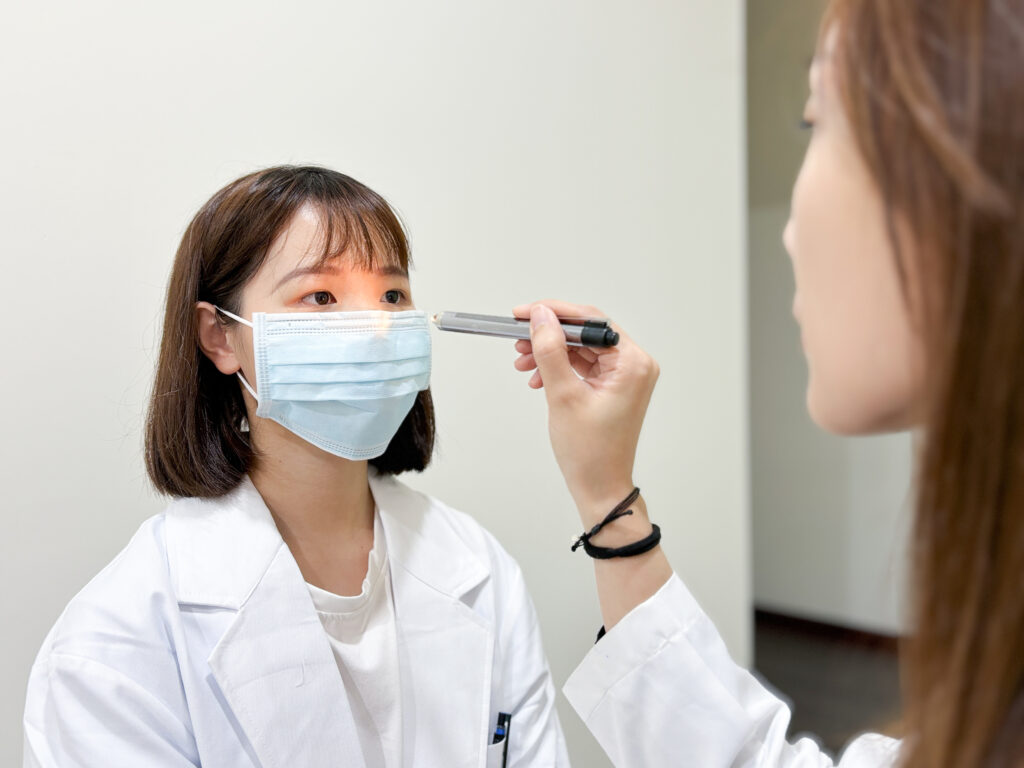
The Department of Optometry is the only optometry program in the country directly affiliated with a medical school system. Operating within a medical school–centered educational framework, the department nurtures optometry professionals with strong clinical competence, industry-oriented skills, and cross-disciplinary learning capabilities.
Built upon the medical school as its academic foundation, the curriculum integrates basic sciences, foundational medical education, clinical optometry, and interdisciplinary learning. The program places particular emphasis on developing optometrists with solid optometric medical expertise, research and innovation capacity, and cross-disciplinary strengths in biomedical engineering, medical engineering, and optical design. Through this integrated approach, students are well prepared for diverse professional pathways in clinical practice, industry, and research.
Teaching Resources
- Built upon three core pillars—basic sciences, foundational medical education, and professional optometry training—the program systematically cultivates students’ optometric competencies. To further strengthen cross-disciplinary development, the Department offers three interdisciplinary elective tracks, including biomedical and visual science research, intelligent medical device design and development, and lens materials and optical system design, enabling students to grow into high-level, cross-domain optometry professionals.
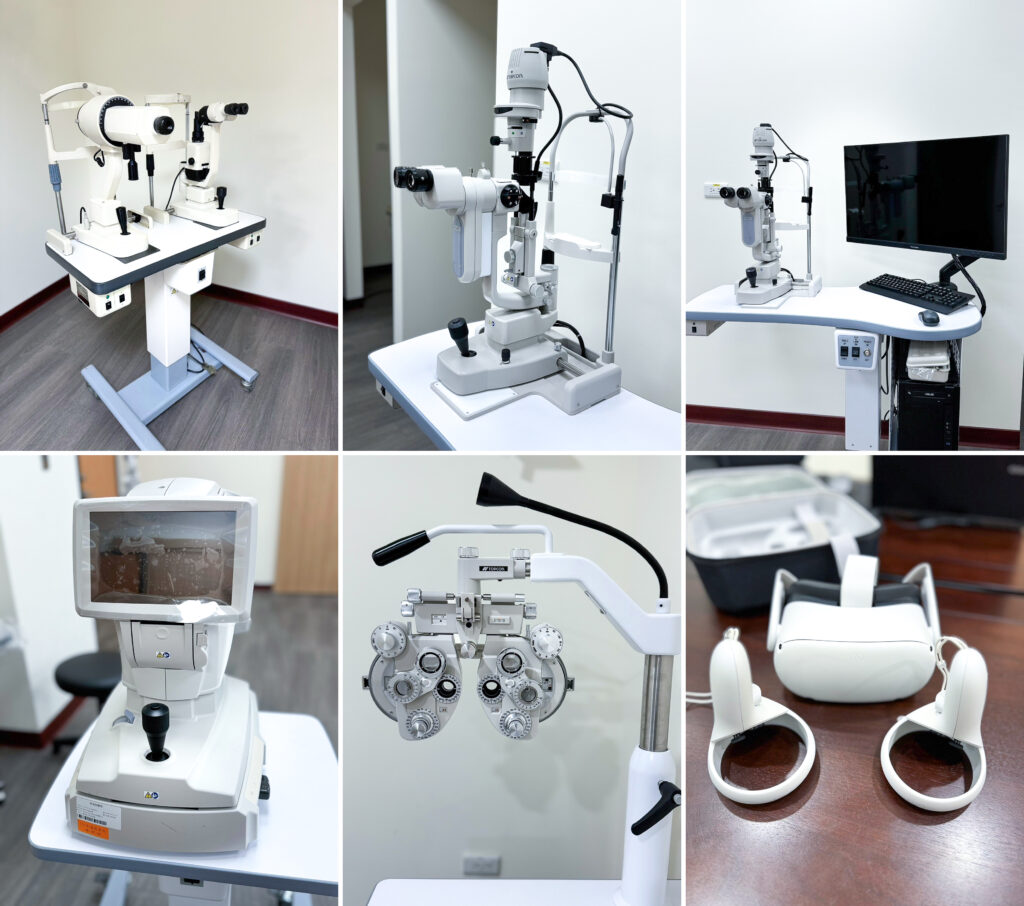
- Clinical instruction is supported by comprehensive, multi-functional teaching facilities, including clinical optometry laboratories, contact lens laboratories, spectacle dispensing laboratories, and low-vision assessment and assistive device laboratories. These resources provide students with well-structured curricula and an immersive, practice-oriented learning environment.
- For clinical internships, the Department integrates the extensive clinical resources of the four major Mackay Memorial Hospital campuses, offering students diverse and comprehensive internship opportunities. From ophthalmology outpatient clinics and operating rooms to optometry clinics, students receive training in real clinical settings, encounter a wide range of cases, and progressively build hands-on clinical experience and professional confidence.
- The Department actively connects with the global optometry community, collaborating with Pacific University (USA)and The University of Queensland (Australia) to establish international exchange pathways for faculty and students, broadening academic perspectives and enriching clinical exposure.
Featured Courses
Curriculum planning in the Department of Optometry follows the medical school’s educational philosophy, emphasizing both foundational medical sciences and clinical optometry practice. The curriculum closely integrates industry needs and clinical realities, while maintaining strong connections with the international optometry academic community. Through this approach, the Department provides a high-quality, future-oriented learning environmentand cultivates optometry professionals with solid medical literacy and professional competence.
Key curriculum features include:
- Diverse Career Pathway Development: Expanding students’ future opportunities through cross-disciplinary training in optometry-related medical electronics and applied technologies, creating competitive advantages in the optometry industry.
- Optometry Holistic Medical Education: Emphasizing the integration of medical education and hands-on optometry practice to strengthen clinical reasoning and patient-centered care.
- Strengthened Industry–Academia Collaboration: Actively expanding fundamental research activities and cooperative projects with the optometry industry, enhancing students’ understanding of real-world professional practice.
- Close Engagement with International Optometry Institutions: Encouraging participation in international research networks, academic exchanges, and professional service communities within the global optometry field.
Integrate related departments such as the Department of Audiology and Speech-Language Pathology and the Department of Medical Laboratory Science and Regenerative Medicine to promote precise vision testing and regenerative visual aging medicine, create a comprehensive health care system with good hearing and vision, and improve the quality of life and health and well-being of the elderly.
Future Development
- Career Development:
- Optometrist: Provide comprehensive vision examinations, prescribe optical corrections, and perform spectacle fitting and dispensing, delivering patient-centered clinical optometry services.
- Product Specialist: Work in optical lens, contact lens, or ophthalmic instrument companies, responsible for product planning, market analysis, and sales or technical support, bridging clinical expertise with industry needs.
- Education and Training Specialist: Serve as professional trainers within optical lens, contact lens, or ophthalmic instrument companies, delivering product knowledge education, explaining technical features and clinical advantages, and supporting effective product application and promotion.
- Biotechnology Research and Development Specialist: Engage in biomedical research related to ocular diseases and visual disorders, utilizing animal and cellular models, and translating research outcomes into applications in visual science and eye care technologies.
- Research Professionals in Optometry and Optical Materials: Collaborate with national biotechnology and biomedical industry initiatives, contributing to research and innovation in optometric medicine and optical-related materials.
- Further Education Options:
- Advanced Study in Visual and Biomedical Sciences: Pursue careers as optometry educators or researchers, engaging in visual science, biomedical research, and academic teaching.
- Doctoral-Level Optometry Training:Continue studies toward an optometry doctoral degree overseas, leading to careers in clinical practice, academic teaching, or leadership roles within the global optometry industry.
Industry-Academia Collaboration
In addition to the extensive clinical resources provided by Mackay Memorial Hospital’s four major hospital campuses across Taiwan, the Department actively collaborates with leading domestic chain optometry clinics, including Baodao Optical, Xiaolin Optical, and Deentang Optical, as well as ophthalmology medical institutions such as Mackay Memorial Hospital and Baodao Ophthalmology.
Through these partnerships, students are offered diverse clinical internship opportunities that span hospital-based ophthalmology services and community-based optometry practice. These collaborations not only support hands-on clinical training, but also create clear pathways for future employment, enabling students to smoothly transition from academic learning to professional practice in both clinical and industry settings.

[Department of Medical Laboratory Science and Regenerative Medicine]
Integrating expertise in Clinical Medical Laboratory Testing, Regenerative Medicine, and Precision Medicine within a single, future-oriented department.
Department Features
This department is distinct from traditional medical laboratory science programs. In addition to ensuring that students master the core competencies of clinical medical laboratory testing, the curriculum is designed to equip students with a second area of professional expertise in either regenerative medicine or precision diagnostics.
Through this integrated approach, the program not only strengthens students’ qualifications as medical laboratory technologists, but also expands their training into emerging and forward-looking fields of modern medicine. This enables graduates to develop diverse professional strengths, significantly enhancing their competitiveness and adaptability in the evolving healthcare and biotechnology workforce.
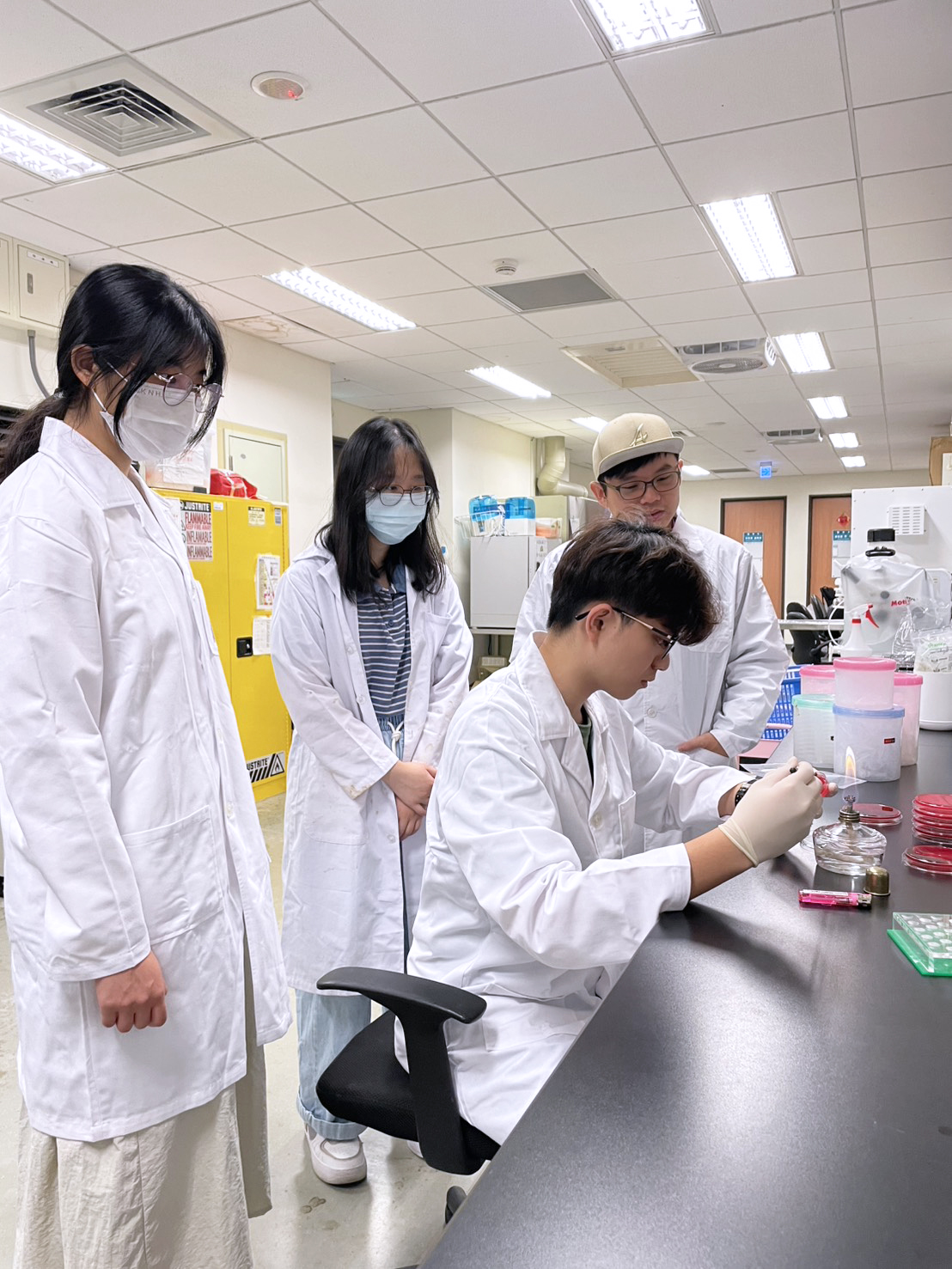
After completing four years of study, students are eligible to sit for the national examination for medical laboratory technologists. In parallel, the curriculum is closely aligned with current industry trends, providing students with early exposure to and training in industry-relevant skills and certifications, including precision medicine development and application, regenerative medicine research and application, GTP laboratory training, and laboratory-developed test services (LDTS) development.
These courses not only demonstrate the academic depth and interdisciplinary strength of the Department, but also allow students to engage early with the critical knowledge and practical skills required in the biotechnology and pharmaceutical industries. By doing so, students are well positioned to anticipate industry trends, seize emerging opportunities, and seamlessly connect with global developments in precision medicine and regenerative medicine.
Teaching Resources
Basic Medicine and Professional Faculty
The University has already established a comprehensive team of faculty members in basic medicine and foundational sciences, and continues to actively recruit a new generation of professional educators with expertise in precision medicine and regenerative medicine. Together, they form a solid, forward-looking teaching team responsible for delivering professional courses and cultivating future biomedical talent.
Advanced Laboratories and Equipment
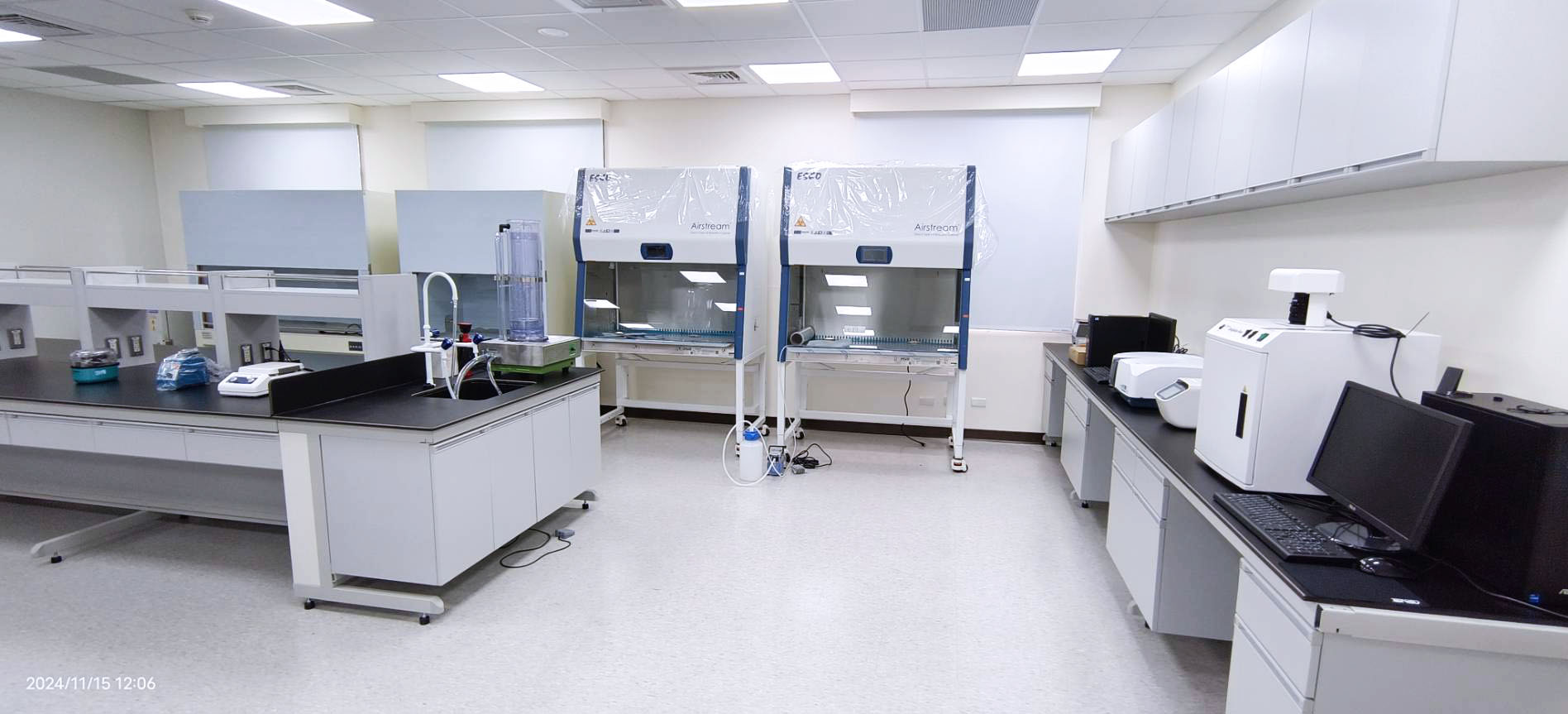
The Department has developed well-integrated research and teaching facilities, including practice-oriented teaching laboratories, such as GTP and LDTS laboratories, as well as access to the clinical internship environment of Mackay Memorial Hospital. These resources provide faculty and students with a rich hands-on learning environment, enabling close integration of academic research and clinical application, and significantly enhancing overall learning effectiveness.
Featured Courses
In addition to comprehensive training for clinical medical laboratory technologists, the Department proactively introduces courses in Precision Medicine and Regenerative Medicine, aiming to cultivate biomedical professionals with strong cross-disciplinary capabilities who are closely aligned with current and future industry needs.
The four-year curriculum fully covers all required courses and credits for the Higher Examination of Medical Laboratory Technologist Professional Technology, including 800 hours of clinical internship. At the same time, the curriculum is designed with diversified freshman-year courses, allowing students to early explore precision medicine and regenerative medicine, helping them identify interests, strengthen career direction, and gain academic inspiration.
Beginning in the second semester of the sophomore year, students may choose to specialize in either Precision Medicine or Regenerative Medicine based on their interests and career plans. Through track-based training guided by professional faculty, students receive focused, in-depth, and rigorous preparation in their chosen field.
This curriculum not only ensures that all students meet the eligibility requirements for the national medical laboratory technologist examination, but also allows those focusing on precision medicine or regenerative medicine to develop a distinct professional profile, laying a strong and promising foundation for future career development.
- Future Development
- Career Development
- Hospital Clinical Practice: After graduation, students may sit for the national medical laboratory technologist examination. Upon passing, they can work as professional clinical laboratory technologists, responsible for specimen collection, analysis, and reporting, providing critical support for clinical diagnosis and treatment.
- Research Careers: With solid experimental and laboratory training, graduates are well prepared for research and development roles, forming a strong foundation for future scientific inquiry and innovation.
- Public Service: Graduates may enter government agencies such as the Food and Drug Administration (FDA), Centers for Disease Control (CDC), and local Health Bureaus, engaging in public health, inspection, and testing-related work after passing relevant national examinations.
- Industry Development: Graduates may pursue careers in LDTS and GTP laboratories, biotechnology companies, or pharmaceutical manufacturers, serving as senior laboratory technologists, cell therapy R&D engineers, genetic testing specialists, or R&D and product specialists, working at the core of the biotechnology and pharmaceutical industries.
⦁ Further Education Options:
The Department’s training covers a broad range of disciplines, including life sciences, chemical principles and analysis, microbiology, immunology, clinical medicine, and big data analysis. After graduation, students may pursue advanced studies in life sciences, biomedical sciences, or cross-disciplinary graduate programs, further expanding their professional expertise and academic horizons.
Industry-Academia Collaboration
Through close collaboration with Mackay Memorial Hospital and the precision and regenerative medicine industries, the Department has established a comprehensive system linking clinical internships with future employment. This integrated approach not only provides students with diverse internship opportunities, but also builds a clear and stable pathway for long-term career development.
[Graduate Institute of Biomedical Sciences]
Cultivating graduate students with strong core knowledge in molecular biomedicine and the ability to translate this knowledge into clinical and discovery-driven research.
Department Features
1. Integrated Research in Clinical and Basic Medicine
The Graduate Institute operates in close alignment with the Mackay Memorial Hospital system, forming a seamless academic–clinical research network. Through strong collaboration between the College of Medicine and affiliated hospitals, the Institute fully integrates biomedical research with clinical medical applications, with the ultimate goal of advancing translational and patient-centered medical discovery.
2. Forward-Looking Curriculum and Research Focus
The curriculum is designed to bridge basic biomedical science and clinical medicine, with a strong emphasis on translational research. Research and training focus on the pathogenesis of modern civilization-related diseases, guided by the educational mission of cultivating graduate students with solid molecular biomedical foundations and the ability to apply them to basic or clinical research settings.
Teaching Resources
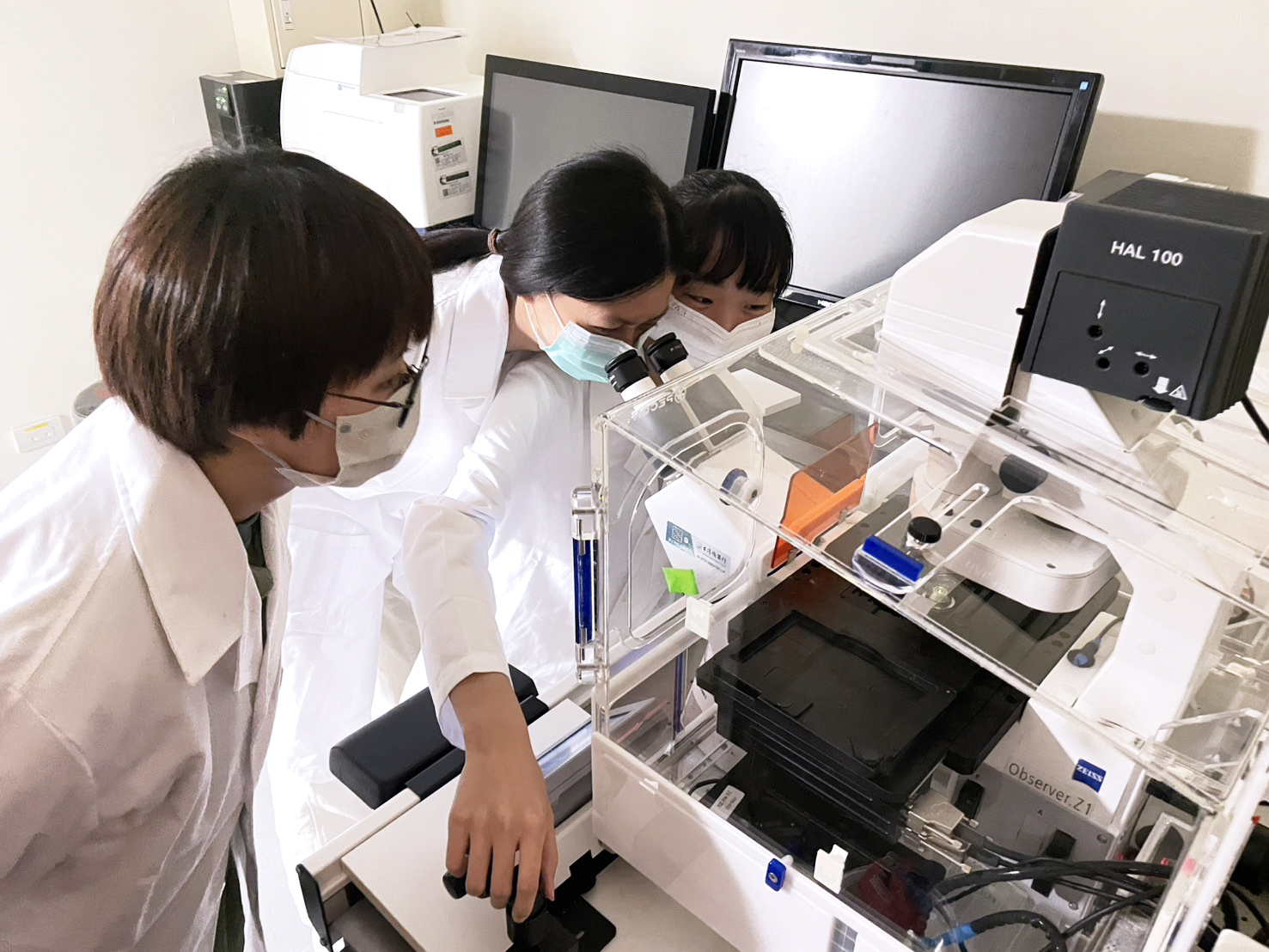
The Institute and the University are supported by well-established core instrumentation centers, equipped with a wide range of advanced and state-of-the-art research equipment, including confocal laser scanning microscopes, multi-fluorescence microscopy systems, microinjection platforms, flow cytometers, cell sorters, in vivo molecular imaging systems, real-time quantitative PCR systems, HPLC/FPLC platforms, and Seahorse bioenergetics analyzers.
In addition, the Institute provides multiple cell culture laboratories and advanced P2-level laboratories, offering faculty and graduate students safe, flexible, and high-quality research environments to conduct a broad spectrum of biomedical investigations.
Featured Courses
Integration of Basic and Clinical Medicine
Since the 2020 academic year, the Institute has developed a series of “Integrated Course in Basic & Clinical Medicine” for graduate students. These courses include Modern Molecular Medicine Research Methods, Animal Models for Cardiovascular Research, Special Topics in Clinical Biomedical Research, and Advanced Clinical Biomedical Research Seminars. Together, they strengthen students’ ability to translate fundamental discoveries into clinically relevant research questions.
Future Development
⦁ Career Development:
The Institute organizes annual career planning seminars, inviting professionals from medical centers, biotechnology companies, and pharmaceutical industries to share insights on current workforce demands, research career pathways, and required professional competencies in the biomedical field.
⦁ Further Education Options:
The University offers both a Master’s Program and a Doctoral Program in Biomedical Sciences, providing students with structured pathways for advanced training, academic development, and long-term research careers.
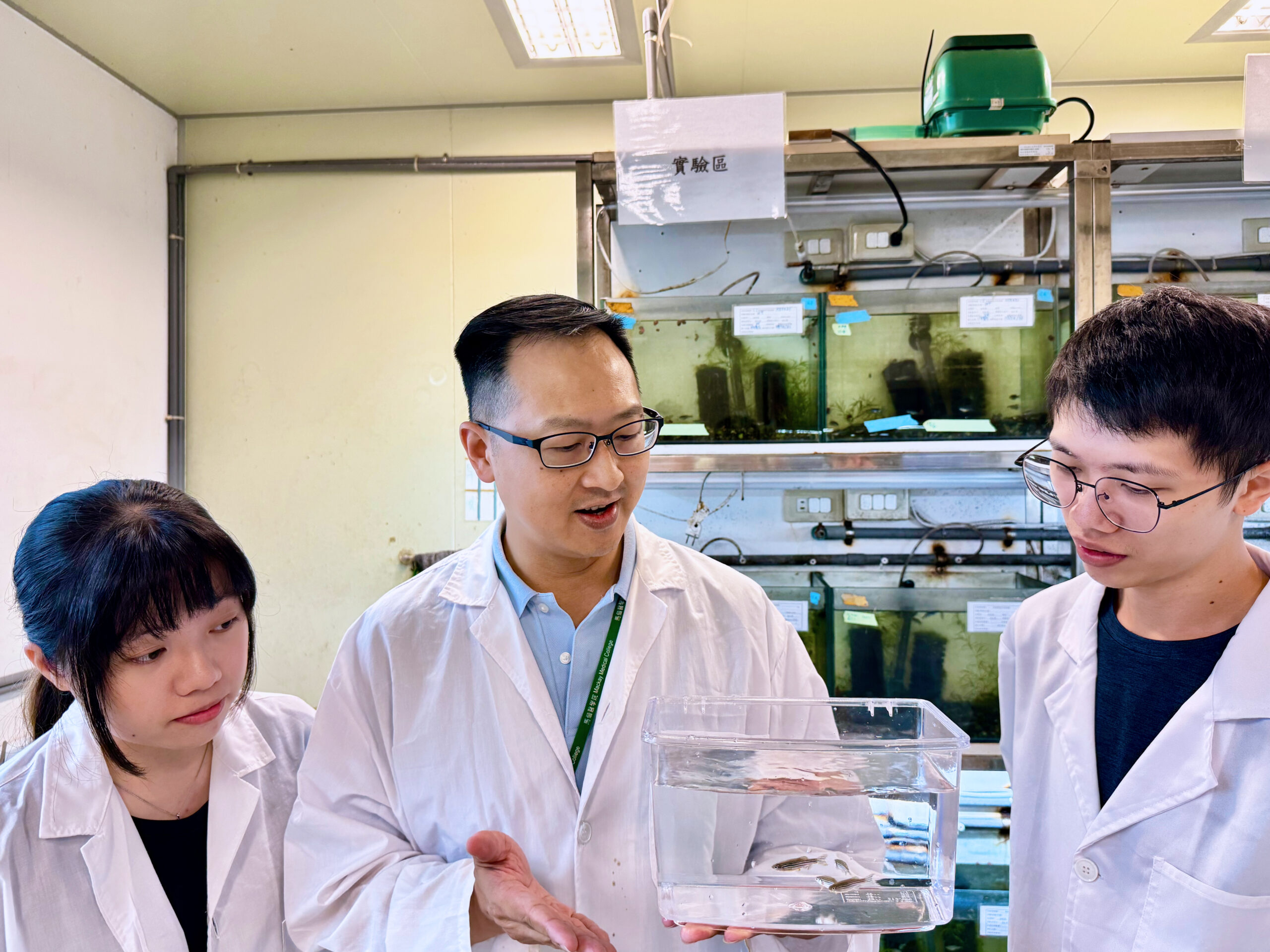
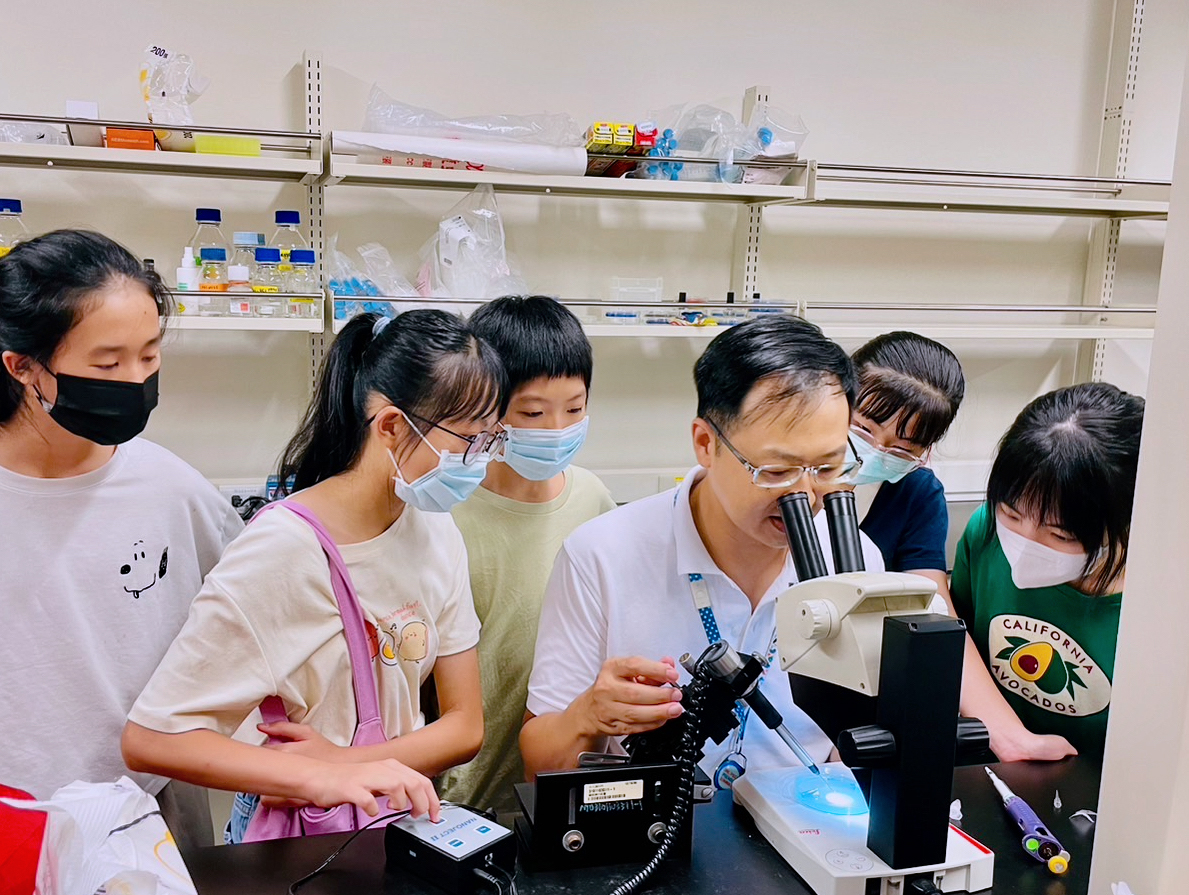
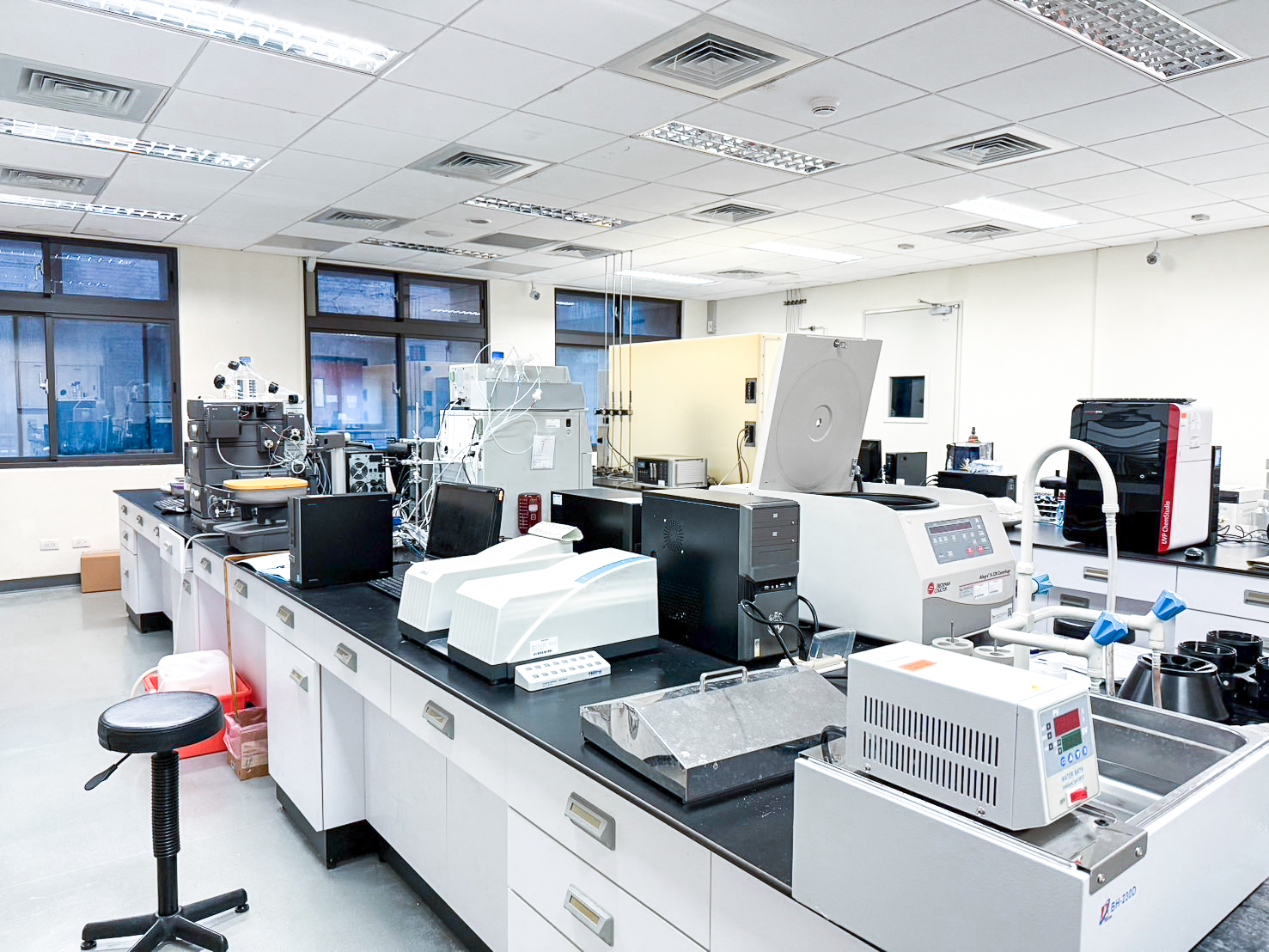
[Graduate Institute of Long-Term Care]
Cultivating interdisciplinary advanced professionals with competencies in long-term care practice, management, education, and research.
Department Features
In response to the global trend of population aging, the Graduate Institute of Long-Term Care promotes a team-based, interdisciplinary approach to healthcare, with a strong emphasis on teaching, research, management, and professional practice. The Institute actively integrates resources from the long-term care industry, government agencies, and academic institutions, aiming to cultivate high-level professionals with an international perspectivewho can contribute meaningfully to the sustainable development of the long-term care sector.
Teaching Resources
The Institute’s teaching facilities include conference rooms, small-group classrooms, graduate student workspaces, as well as specialized centers such as the Mind–Body Activation Research Center and the Care Innovation Research Center. In alignment with sustainable development goals, environmentally friendly laboratories are being progressively established.
The University has also developed diverse creative learning spaces, along with seven fully equipped e-learning facilities and interdisciplinary research platforms. In addition, the Institute integrates rich resources from Mackay Memorial Hospital, including expertise in geriatric medicine, long-term care services, and an internationally accredited hospice education center, providing graduate students with valuable opportunities for internships, field practice, and applied research.
Featured Courses
Integrated Long-Term Care Professional Curriculum
The curriculum is structured around three core modules: Health Care, Policy and Management, and Friendly Environments and Technology. With a diverse and interdisciplinary faculty, the Institute designs flexible learning pathways that allow students to tailor their coursework to individual academic interests and career goals. Through this approach, students are prepared to meet the complex and evolving professional demands of contemporary long-term care systems.
Future Development
- Career Development: Graduates of the Institute are well prepared to pursue careers as long-term care practitioners, facility and service managers, policy or program coordinators, and educators. Employment opportunities include long-term care institutions, community-based care organizations, healthcare-related agencies, and educational or training institutions.
- Further Education Options: Graduates may apply to doctoral programs in Taiwan or abroad in fields such as long-term care, physical therapy, environmental or universal design, gerontology, and aging industry–related disciplines, further advancing their academic and professional development.
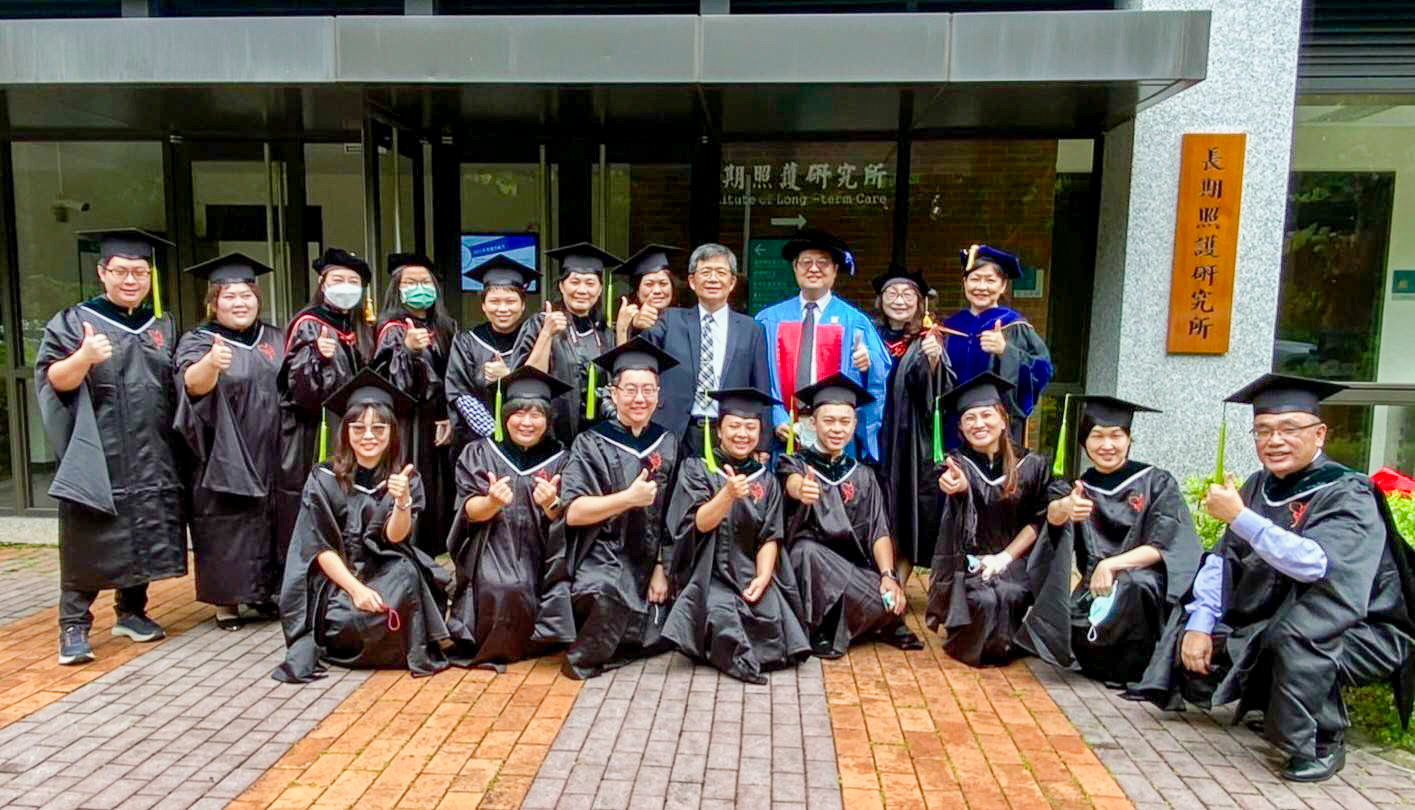
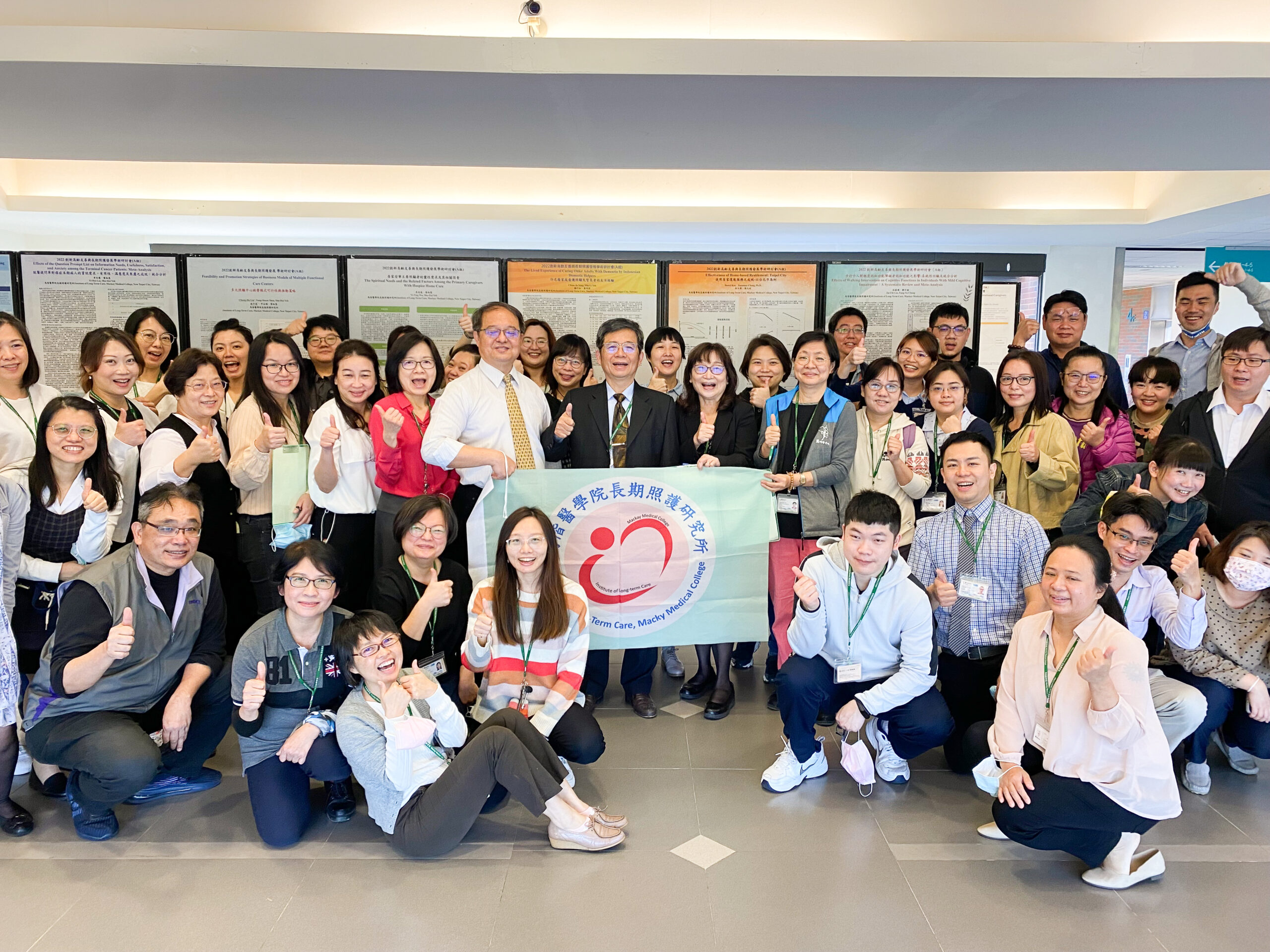
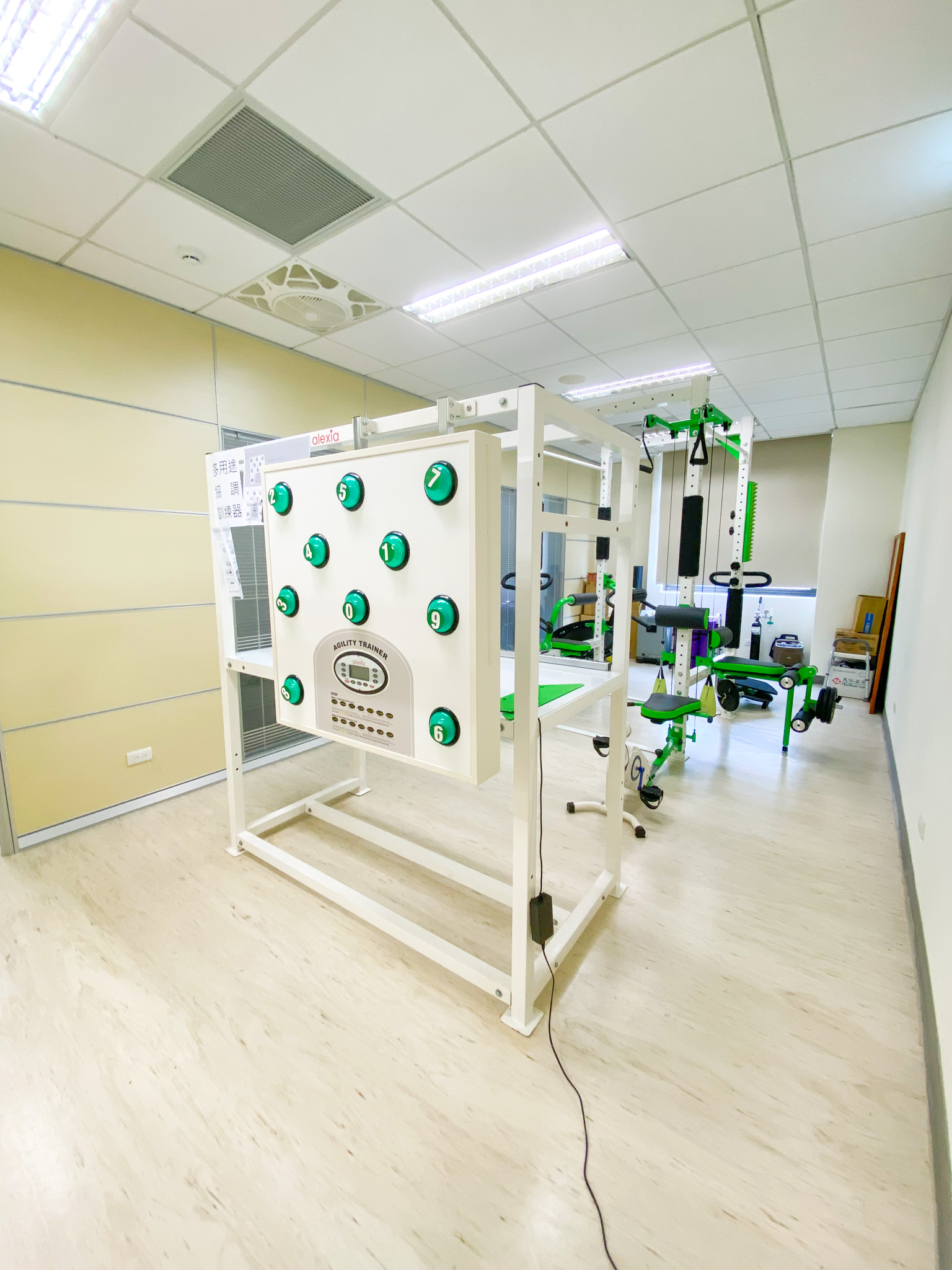
[Graduate Institute of Geriatric Welfare Technology]
Cultivating interdisciplinary talents with core competencies in humanistic care, innovative research, and collaborative teamwork, enabling them to analyze and solve challenges related to life-care support for older adults and sub-healthy populations.
- Department Features
- Cultivating interdisciplinary professionals capable of analyzing and solving challenges in life-care support technologies for older adults and sub-healthy populations.
- Establishing high-quality applied research that integrates modern engineering technologies, living technologies, long-term care, life sciences, and clinical medicine.
- Leveraging Taiwan’s strengths in industrial technology to develop innovative products and services, and fostering a globally competitive next-generation technology industry for elderly care and life-support systems.
- Promoting interdisciplinary collaboration across academic units within the University, integrating Mackay’s strong clinical healthcare resources, and extending the development of an integrated teaching and research model focused on community-based and in-home aging and long-term care support technologies.
Teaching Resources
1. Equipment:
The Institute has established a comprehensive shared instrumentation platform, including cloud computing servers, electronic system development equipment, 3D printing devices, and human motion analysis systems, supporting interdisciplinary research and innovation.
2. Specialized Laboratories:
The Institute operates a diverse range of professional laboratories, including computer-aided design and analysis rooms, aging and intergenerational innovation design laboratories, limb and mobility support laboratories, communication and information interaction laboratories, smart and age-friendly space laboratories, and empowerment and health resilience laboratories.
3. Teaching Space and Digital Facilities:
The Institute is equipped with dedicated classrooms and seminar rooms, along with comprehensive e-learning facilities that support both synchronous and asynchronous digital instruction. The Moodle learning management system, integrated with virtual classrooms and remote video technologies, enables a wide range of interactive, self-directed learning experiences that transcend time and geographic boundaries.
Featured Courses
The Graduate Institute of Geriatric Welfare Technology centers on the integration of humanistic values, technology, and elderly welfare, with a focus on developing support technologies that enhance the living environment and quality of life for aging populations. Core thematic areas include aging and intergenerational innovation, limb and mobility support, smart and age-friendly spaces, communication and information interaction, and health empowerment and resilience.
1. Technological Development of Aging and Intergenerational Innovation
Focusing on the psychological and social issues of technology for the elderly and intergenerational interaction, including
⦁ Technological applications and design for active aging and intergenerational interaction
⦁ Technological applications and design for elderly learning/education
⦁ Promotion and assessment of elderly physical and mental health
2. Technological Development of Aging and Intergenerational Innovation
Focusing on the psychological and social dimensions of aging technologies and intergenerational interaction, this area includes: Promotion and assessment of physical and mental health in older populations; Technology applications and design for active aging and intergenerational engagement; and Technology-based learning and educational design for older adults
3. Technological Development of Smart and Friendly Spaces
Emphasizing the research and development of mobility support and assistive technologies for older adults, including: Application and environmental integration of assistive and mobility support systems and Design and construction of individualized and transitional mobility support technologies
4. Technological Development of Communication and Information Interaction
Targeting the advancement of communication, information access, and digital interaction technologies for older adults, including: Artificial intelligence applications for aging-related information and interaction design; Information communication systems and applied technologies; Digital applications and health-support technologies for aging populations; and Diverse data analysis and information integration
5. Technological Development of Empowerment and Health Resilience
Focusing on professional practices that enhance and empower health functions in older adults, including: Aging health management and preventive medicine strategies; Design and evaluation of empowerment-based health activities; and Development and implementation of precision exercise programs for older adults
Future Development
⦁ Career Development:
- Participation in innovative research and development within elderly life-care technology industries, including smart and age-friendly spaces, limb and mobility support systems, and communication and information interaction technologies.
- Engagement in technology innovation, support system design, and operational technologies for long-term care and healthcare institutions, including roles in policy planning, system integration, and technical consulting for the promotion of elderly care support technologies.
⦁ Further Education Options:
Graduates may pursue doctoral studies in Taiwan or abroad in fields such as medical engineering, smart building technologies, information applications, physical therapy, and various engineering and technology-related disciplines, further advancing interdisciplinary research and professional leadership.
Industry-Academia Collaboration
The Institute has established formal academic and industry exchange partnerships with Olida Co., Ltd., Jih Tai Precision Industry Co., Ltd., and Kang Ling United Health Business, fostering collaborative research, technology development, internships, and knowledge transfer between academia and industry.
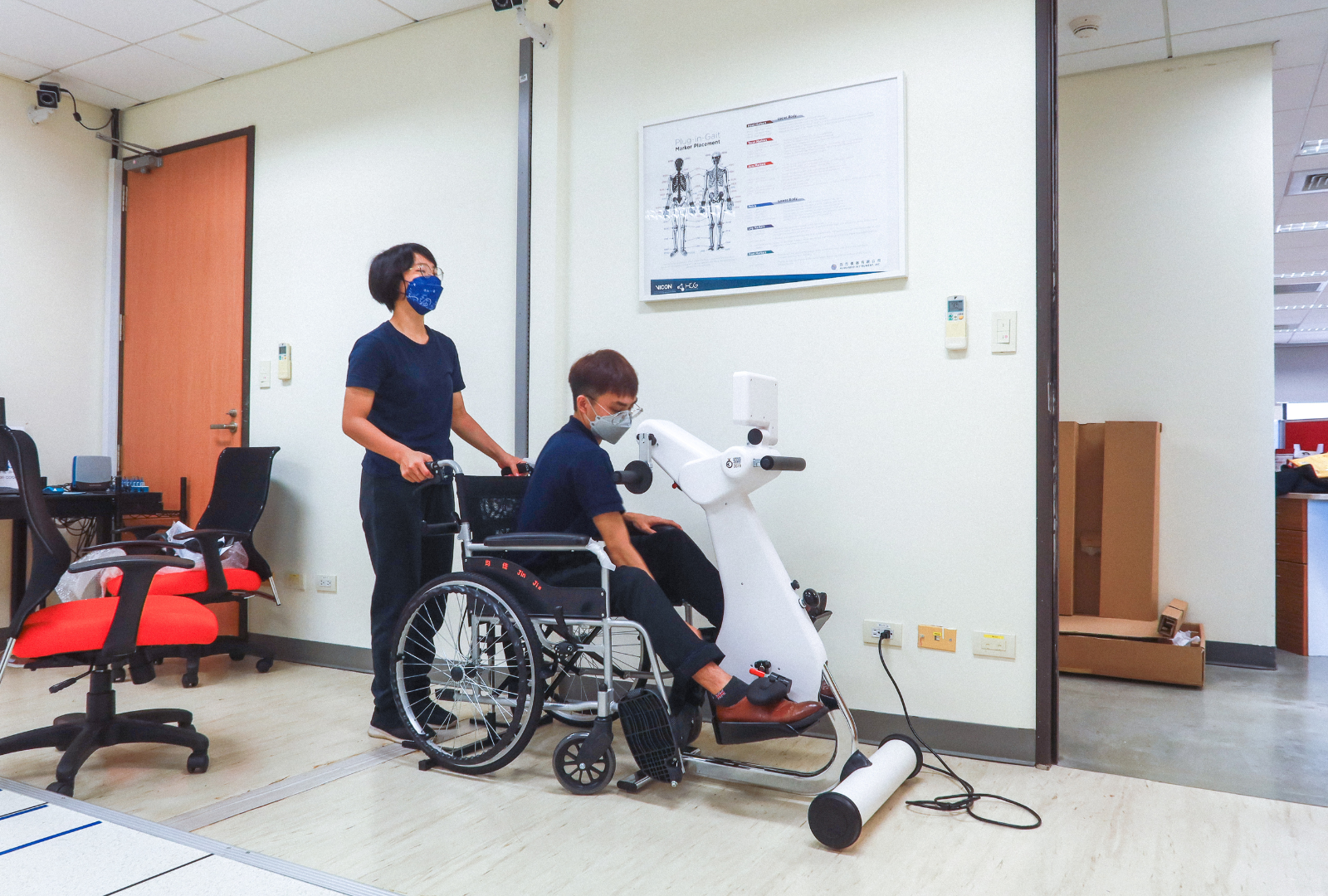
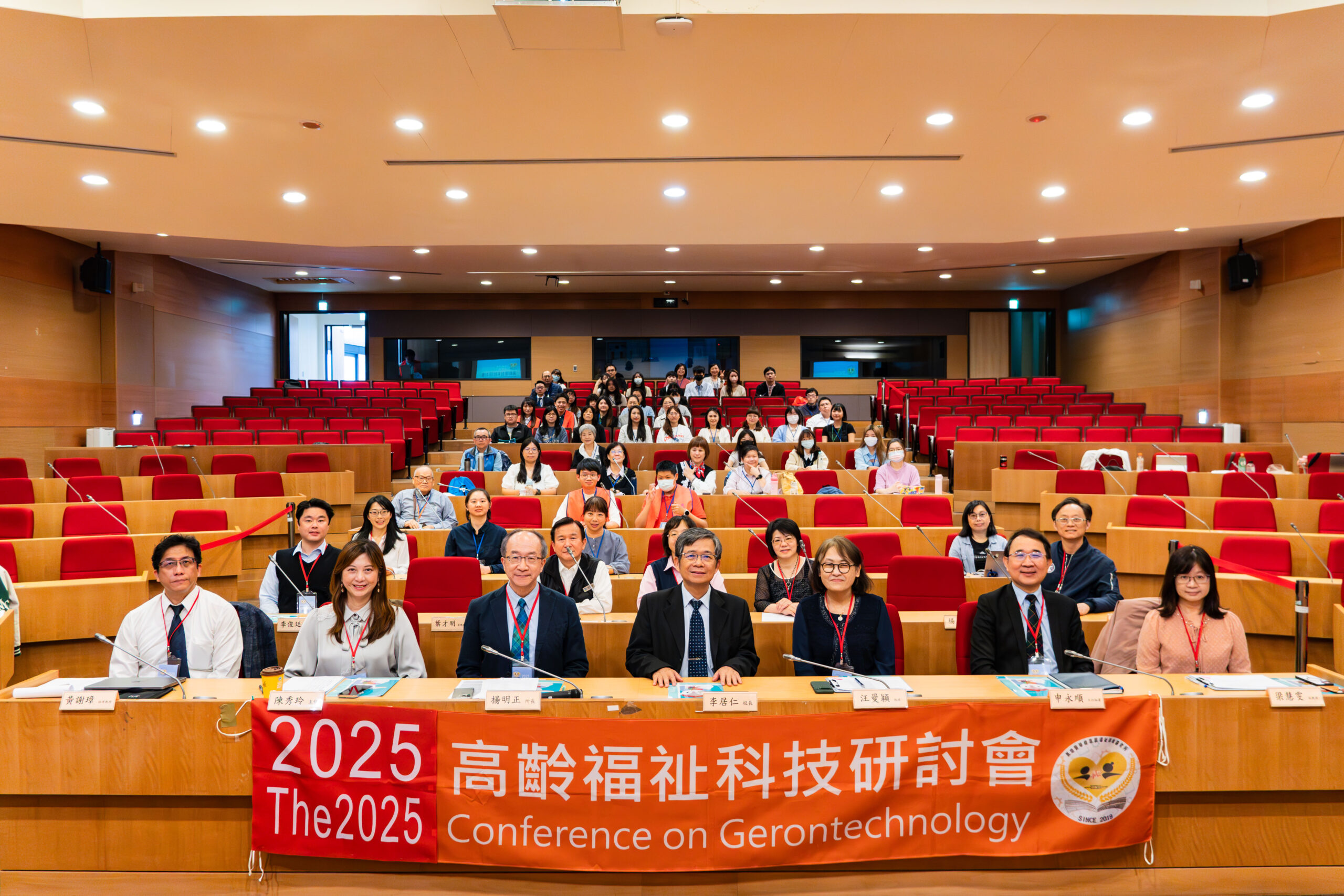
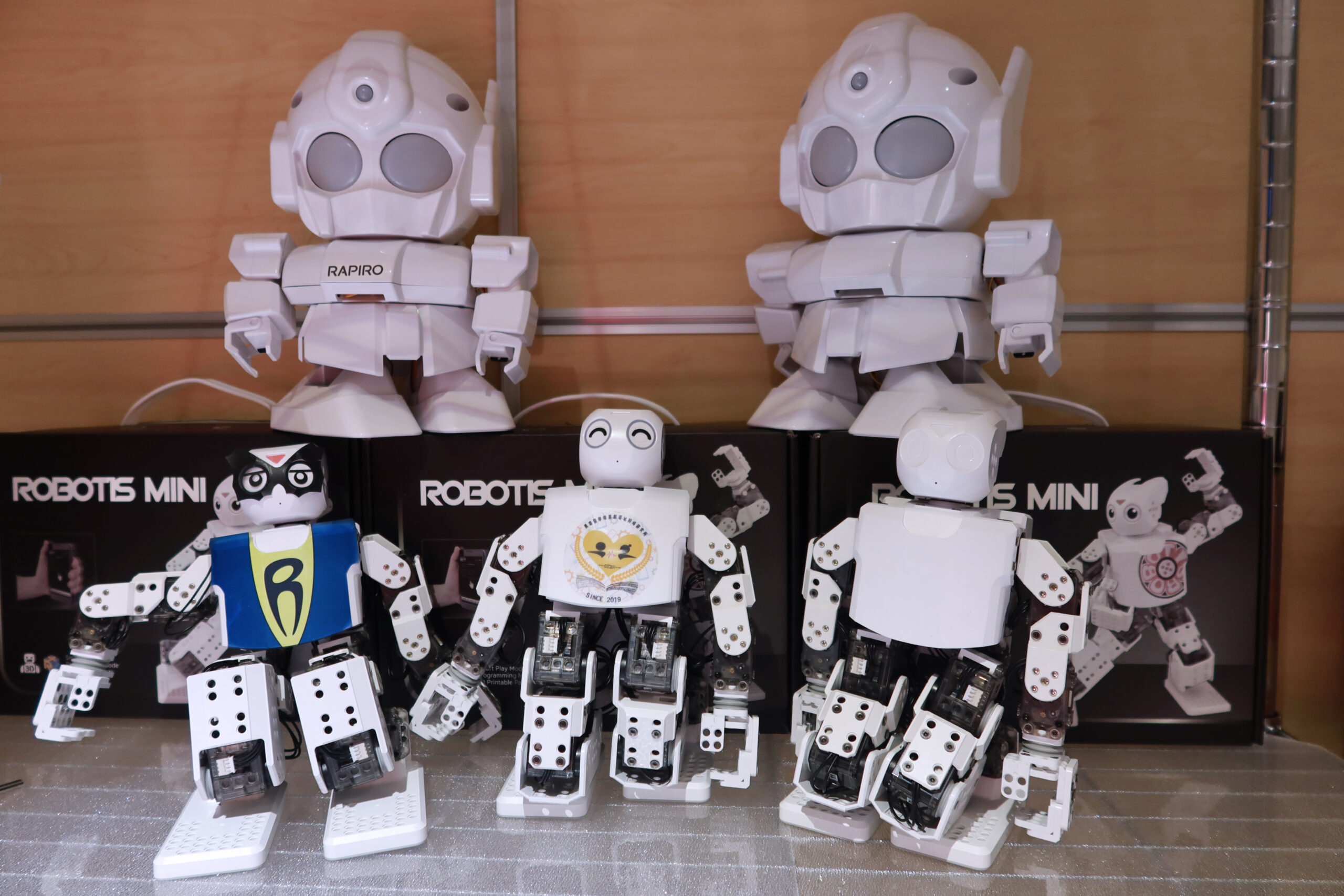
[Master’s Program in Audiology and Speech-Language Pathology]
Cultivating advanced professionals in audiology and speech-language pathology with strengths in clinical expertise, research, management, and specialized practice.
Department Features
In response to its social responsibility and professional mission, the Master’s Program is founded on the goal of deepening the academic foundations of audiology and speech-language sciences, while enhancing the professionalism of clinical supervision, education, and management, and promoting the development of innovative and integrated service models.
The Program is dedicated to cultivating advanced professionals in audiology and speech-language clinical services, education, and leadership. Supported by a strong faculty team and well-established teaching and research infrastructure, the Program features a comprehensive and mature educational environment in both hardware and software. It exemplifies a true model of “department–institute integration” and places a strong emphasis on both clinical practice and applied research, with the aim of leading the future development of audiology and speech-language pathology in Taiwan.
Teaching Resources
The Department operates a national-level audiology and speech-language teaching and practice center, a clinical education center, and a fully equipped research and experimental center. Facilities include a wide range of specialized professional spaces, such as IAC soundproof booths, acoustic analyzer examination rooms, large audiology observation rooms, and speech and language acoustics research laboratories.
These facilities are equipped with internationally standardized audiology and speech-language instruments, including tympanometers, pure-tone audiometers, aerodynamic analyzers, nasometers, and other advanced diagnostic systems. In addition, the Program is supported by synchronous video-based clinical teaching equipment, enabling real-time online clinical instruction in collaboration with Mackay Memorial Hospital.
Featured Courses
The Master’s Program is divided into two specialized tracks: the Speech-Language Therapy Track and the Audiology Track, with students admitted directly into their respective fields of specialization.
The curriculum structure includes:
- 14 credits of required core professional courses
- 6 credits of required Master’s thesis research
- At least 18 credits of elective courses, including a minimum of 12 credits of core electives and at least 6 credits of free electives
The minimum graduation requirement for both tracks is 38 credits.
Elective courses are organized into three professional domains:
⦁ Field 1: Research-Oriented Courses
⦁ Field 2: Clinical Supervision and Professional Education Courses
⦁ Field 3: Innovative and Integrated Service Model Courses
The elective courses in the three fields are:
⦁ Field 1: Research Topic Courses
⦁ Field 2: Clinical Supervision and Education Courses
⦁ Field 3: Innovative Service Integration Courses
These course domains enable students to strengthen research competence, enhance clinical leadership and teaching capacity, and explore innovative service integration, supporting diverse career pathways in clinical practice, education, administration, and advanced research.
Future Development
⦁ Career Development:
- Professionals in Basic Audiology and Speech-Language Research:
Graduates may pursue careers in medical research departments, academic faculty positions in audiology and speech-language pathology programs, or serve as research and development professionals in audiology- and speech-language–related industries. - Clinical Supervision and Management Professionals in Audiology and Speech-Language Pathology: Graduates are prepared for roles in clinical supervision, program management, and professional leadership within hospitals, rehabilitation centers, and specialized clinics.
- Professionals in Diversified and Innovative Service Development: Graduates may engage in innovative and integrated service models beyond traditional clinical settings, using audiology and speech-language services as a core foundation to promote cross-sector integration across education systems, long-term care services, early intervention programs, and rural or underserved community services.
- Clinical Practice as Audiologists and Speech-Language Pathologists: Career pathways include independent practice (self-employment), as well as clinical positions within hospital-based early intervention systems, school special education systems, Ministry of Health and Welfare long-term care systems, hospital rehabilitation departments, and otolaryngology services.
- Careers in Communication Enhancement and Related Industries: Graduates may enter the audiology and speech-language communication technology industries, including communication assistive devices, hearing aids (CI/HA/ALD), acoustics and sound engineering industries, and AI-driven communication and healthcare technology sectors.
⦁ Further Education Options:
Graduates who are interested in research careers (industry-oriented) or pursuing overseas further studies and academic teaching positions may continue their studies by applying to relevant doctoral programs in audiology and speech-language pathology, both domestically and internationally, after completing this Master’s program.
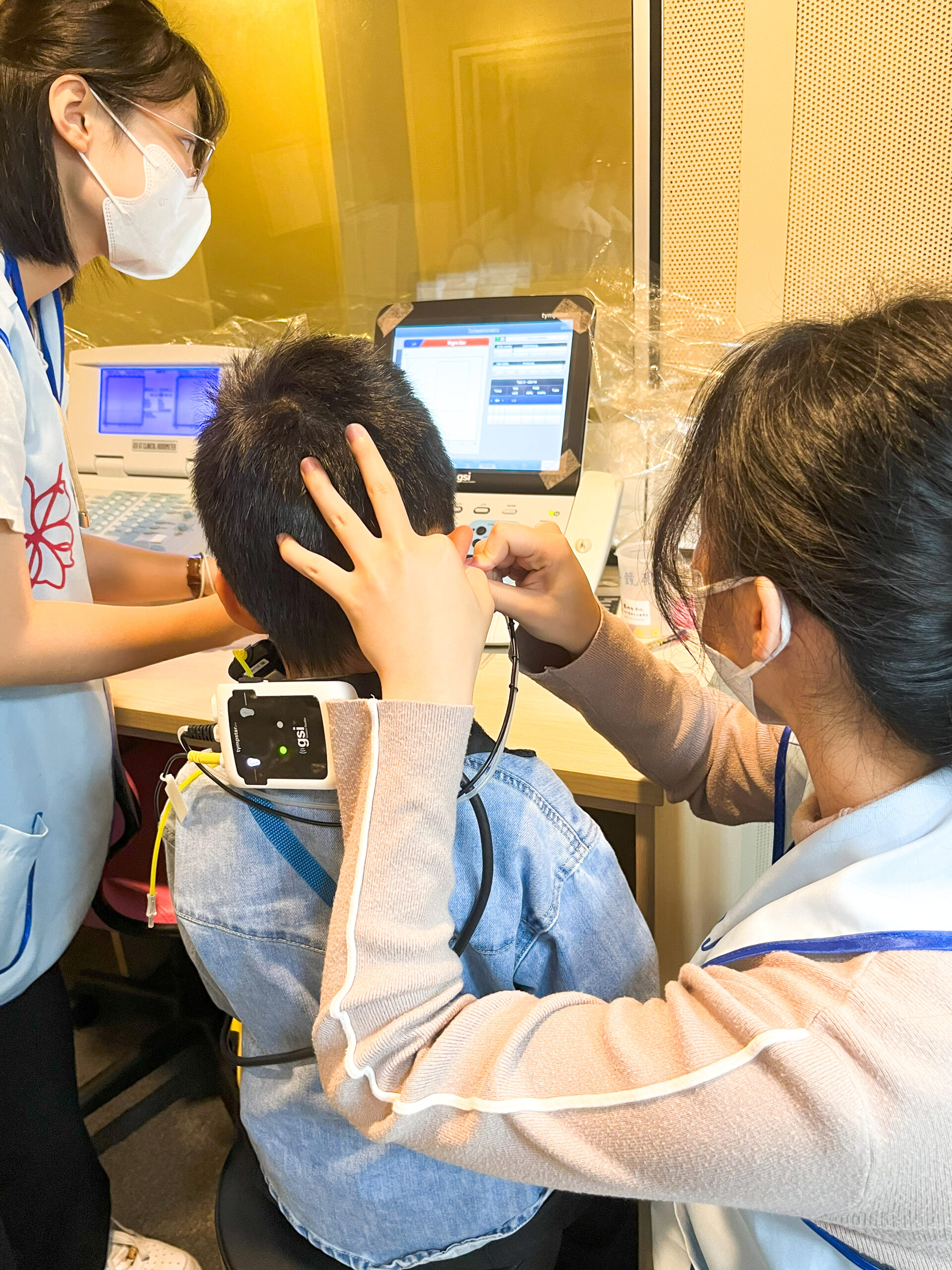
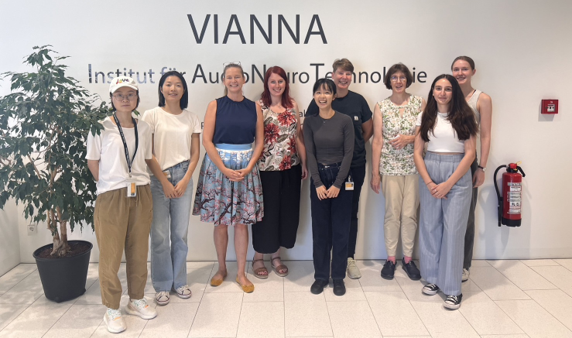
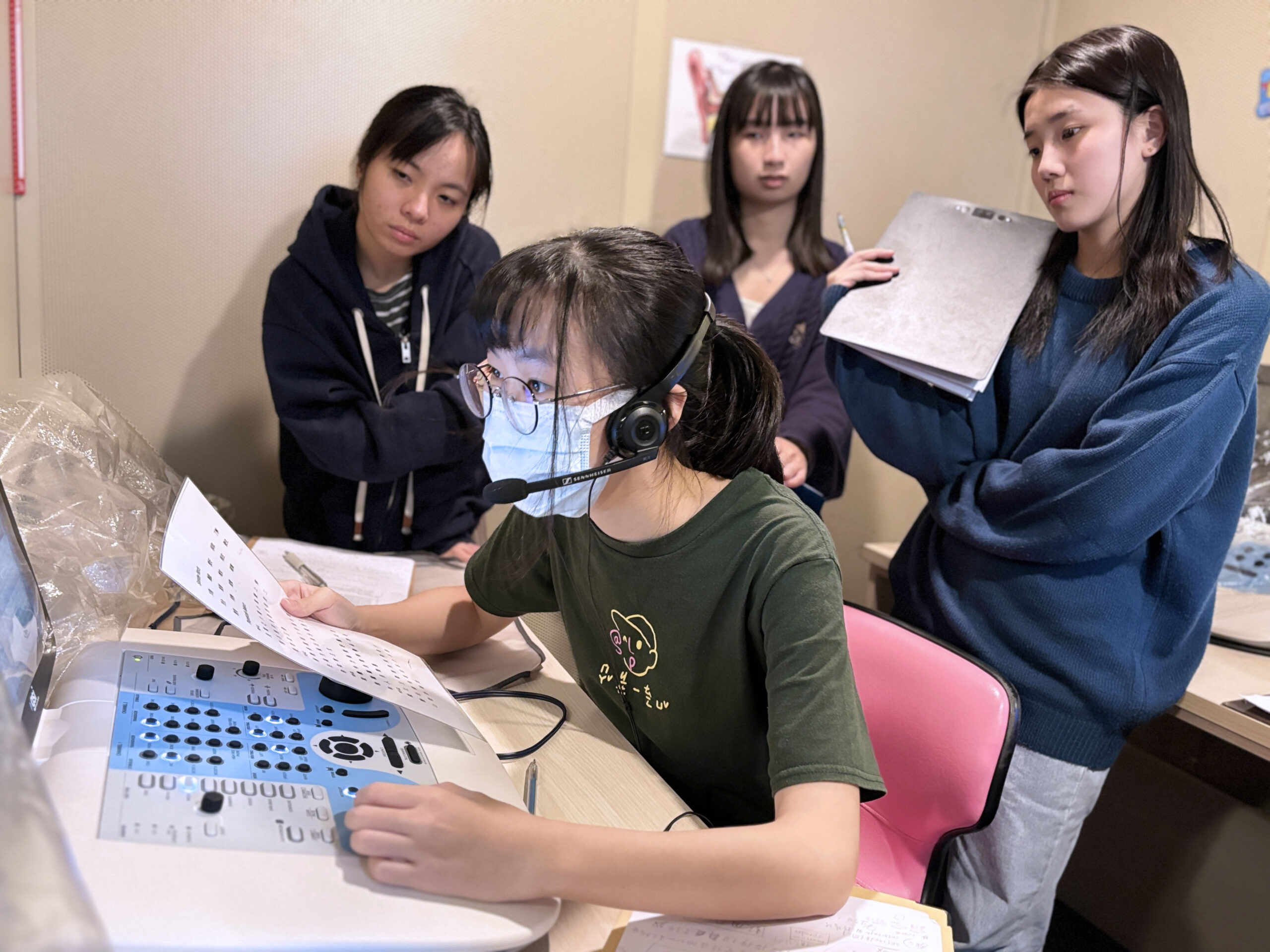
[Master of Science in Nursing]
Cultivating master-level Nurse Practitioners who strengthen the professional value of nursing roles and enhance advanced clinical care functions
Department Features
The establishment of this MSN Program aims to create a high-level platform for the exchange and sharing of advanced clinical nursing practice and professional scholarship. Through strong industry–academia collaboration, this Program horizontally integrates resources from the four major campuses of Mackay Memorial Hospital and partner hospitals in Northern Taiwan, while vertically leveraging and extending the academic and teaching resources of multiple departments within Mackay Medical University.
Based on this integrated framework, the Program is dedicated to cultivating master-level Nurse Practitioners with strong competencies in both academic research and advanced clinical care, preparing graduates to meet the evolving healthcare needs and societal expectations of Taiwan.
Teaching Resources
- The Department of Nursing at MMU has a long-standing history and has successfully passed national quality assurance accreditation commissioned by higher education institutions. It is supported by an experienced and dedicated faculty, a high-quality teaching environment, and strong academic performance, as well as comprehensive clinical internship sites provided by Mackay Memorial Hospital, including the Taipei, Tamsui, Hsinchu, and Taitung campuses.
- Curriculum planning is student-centered and practice-oriented, with courses scheduled on two days each week to support working professionals. To ensure close alignment with clinical teaching and practice, instruction is conducted not only in on-campus classrooms, but also by utilizing teaching facilities at Tamsui Mackay Memorial Hospital. This arrangement helps reduce travel burden during coursework and clinical training, allowing students to focus more effectively on learning and professional development.
Featured Courses
Core Competencies of Graduates
Graduates of this MSN Program are expected to demonstrate advanced clinical judgment, evidence-based nursing practice, professional leadership, interdisciplinary collaboration, and the ability to integrate research into clinical care, aligning with the core competencies required of master-level Nurse Practitioners.
To support the development of these competencies, the curriculum is structured into three integrated components:
- Professional Foundations (22 credits in total, including 6 credits for the Master’s thesis)
- Professional Core Courses (10 credits)
- Elective Courses (6 credits)
Students must complete a minimum of 38 credits to fulfill graduation requirements.
For students who do not yet hold a Nurse Practitioner (NP) license or formal NP training certificate, it is recommended that they enroll in designated courses such as Health Problem Diagnosis and Treatment, Clinical Evidence-Based Care, and Special Topics in Nurse Practitioner Internship. These courses are designed to meet the Nurse Practitioner training requirements announced by the Taiwan Nurse Practitioner Association, including 184 hours of academic coursework and 504 hours of supervised clinical training.
Upon completion of the program and fulfillment of the required training hours, graduates will be eligible to apply for and sit the Nurse Practitioner qualification examination, supporting a smooth transition into advanced nursing practice roles.
Future Development
⦁ Career Development:
Graduates are prepared to assume advanced professional roles such as clinical care experts, healthcare managers, professional consultants, care coordinators, case managers, and contributors to healthcare policy development.
Through the integrated resource network of the Mackay Medical System, graduates may pursue employment opportunities in medical and healthcare institutions across Taiwan, enabling them to apply advanced nursing competencies in diverse clinical, managerial, and policy-oriented settings.
⦁ Further Education Options:
Graduates of the MSN Program may pursue advanced academic and professional development through further studies in doctoral programs in nursing, healthcare sciences, public health, health policy, or related interdisciplinary fields, both domestically and internationally.
With strong preparation in advanced clinical practice, research methodology, and evidence-based nursing, graduates are well positioned to continue their education toward doctoral-level training, supporting career pathways in advanced clinical leadership, nursing education, healthcare research, and policy development. These opportunities enable graduates to further expand their professional impact, academic depth, and leadership roles within the healthcare system.
Industry-Academia Collaboration
Mackay Memorial Hospital has long been committed to the cultivation of high-quality clinical medical care across its Taipei, Tamsui, Hsinchu, and Taitung campuses, and is a recognized and qualified Nurse Practitioner (NP) training hospital.
With a team of advanced nursing professionals who possess strong academic foundations and extensive clinical experience, Mackay Memorial Hospital not only delivers high-quality patient-centered care but also serves as a key clinical teaching partner. These experienced professionals actively participate as clinical instructors, supporting the design and implementation of practice-oriented training courses within the MSN Program.
Through this close and complementary industry–academia collaboration, students benefit from integrated clinical training and mentorship, and upon graduation, may pursue employment opportunities within the Mackay Medical System, forming a seamless pathway from advanced education to professional clinical practice.
[Master’s Program in Clinical Medicine, Department of Medicine]
Cultivating physicians with strong research capacity, innovative thinking, and international competitiveness in modern clinical medicine.
Department Features
The Department of Medicine at Mackay Medical University (hereinafter referred to as the Department) has long upheld its educational mission of “Continuing the Mackay spirit and cultivating good doctors of tomorrow.” Over the years, the Department has nurtured numerous outstanding physicians, earning high recognition from both the medical community and society.
With ongoing changes in population structure and disease patterns, future physicians will face increasingly complex challenges. They must be capable of mastering advanced medical knowledge and emerging technologies, while demonstrating clinical excellence, adaptability, and innovation within diverse and rapidly evolving healthcare environments.
As Taiwan enters a super-aging society, the medical field has placed growing emphasis on areas such as aging medicine, regenerative medicine, precision medicine, cardiovascular and preventive medicine, chronic disease management, immunology and cancer medicine, as well as neurological and psychiatric medicine. These developments highlight the critical role of the Department in cultivating advanced clinical talents in these key medical domains.
To align with the Department’s Doctor–Scientist Credit Program and the educational concept of a post-graduation “gap year”, the Master’s Program in Clinical Medicine has been established to provide structured advanced training pathways for promising medical graduates. The Program aims to cultivate clinically competent, research-oriented physicians who can respond effectively to societal needs and future transformations in medical practice.
Teaching Resources
The Department is equipped with comprehensive teaching and research facilities, including PBL discussion rooms, pathology laboratories, micro-immunology and parasitology laboratories, general chemistry laboratories, general biology laboratories, and medical morphology laboratories, all of which support both instruction and academic research.
The Master’s Program in Clinical Medicine, Department of Medicine, was formally approved for establishment in the 2025 academic year. Based on existing teaching and research spaces, the Department has confirmed that current facilities and resources are sufficient to support program implementation.
To accommodate future development, the Department plans to establish a dedicated “Medical Department Discussion Room” in the 2025 academic year, equipped with discussion tables, projection systems, and related facilities, providing flexible space for courses, thesis discussions, academic meetings, and interdisciplinary collaboration.
Featured Courses
The University’s key strategic development areas include Aging Medicine, Regenerative Medicine, and Precision Medicine. In alignment with these priorities, the Master’s Program in Clinical Medicine actively integrates training in cardiovascular and preventive medicine, immunology and cancer medicine, and neurological and psychiatric medicine.
The curriculum further extends into applied and translational medical fields, including pharmaceutical research, interventional therapies, stem cell science, gene and cell therapy, and brain and behavioral psychology research, equipping students with a broad and forward-looking clinical research perspective.
Future Development
⦁ Career Development:
- Graduates may pursue careers as clinical specialist physicians, rural or primary healthcare providers, clinical researchers, or medical educators, contributing across diverse healthcare settings.
- For students who already hold full-time clinical positions, the Program provides opportunities to strengthen professional expertise, research capacity, and clinical competitiveness, enhancing advancement potential within hospitals and medical institutions.
⦁ Further Education Options:
Looking ahead, the Department plans to establish a Doctoral Program in Clinical Medicine, Department of Medicine, creating a continuous master’s–doctoral training pathway. This initiative aims to further cultivate high-level clinical physician–scientists and to fully realize the Department’s enduring educational mission of “Cultivating Tomorrow’s Competent Doctors.”
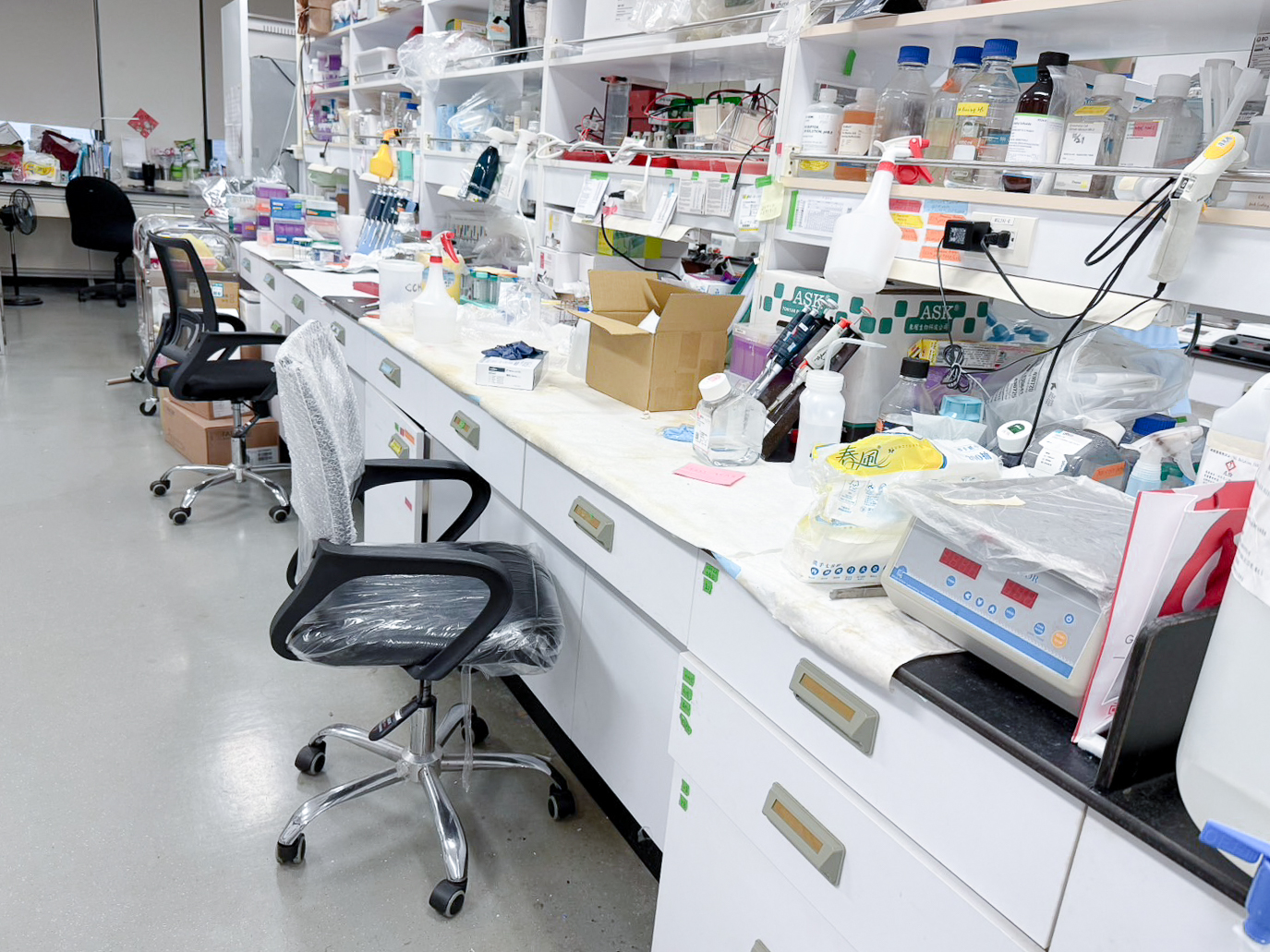
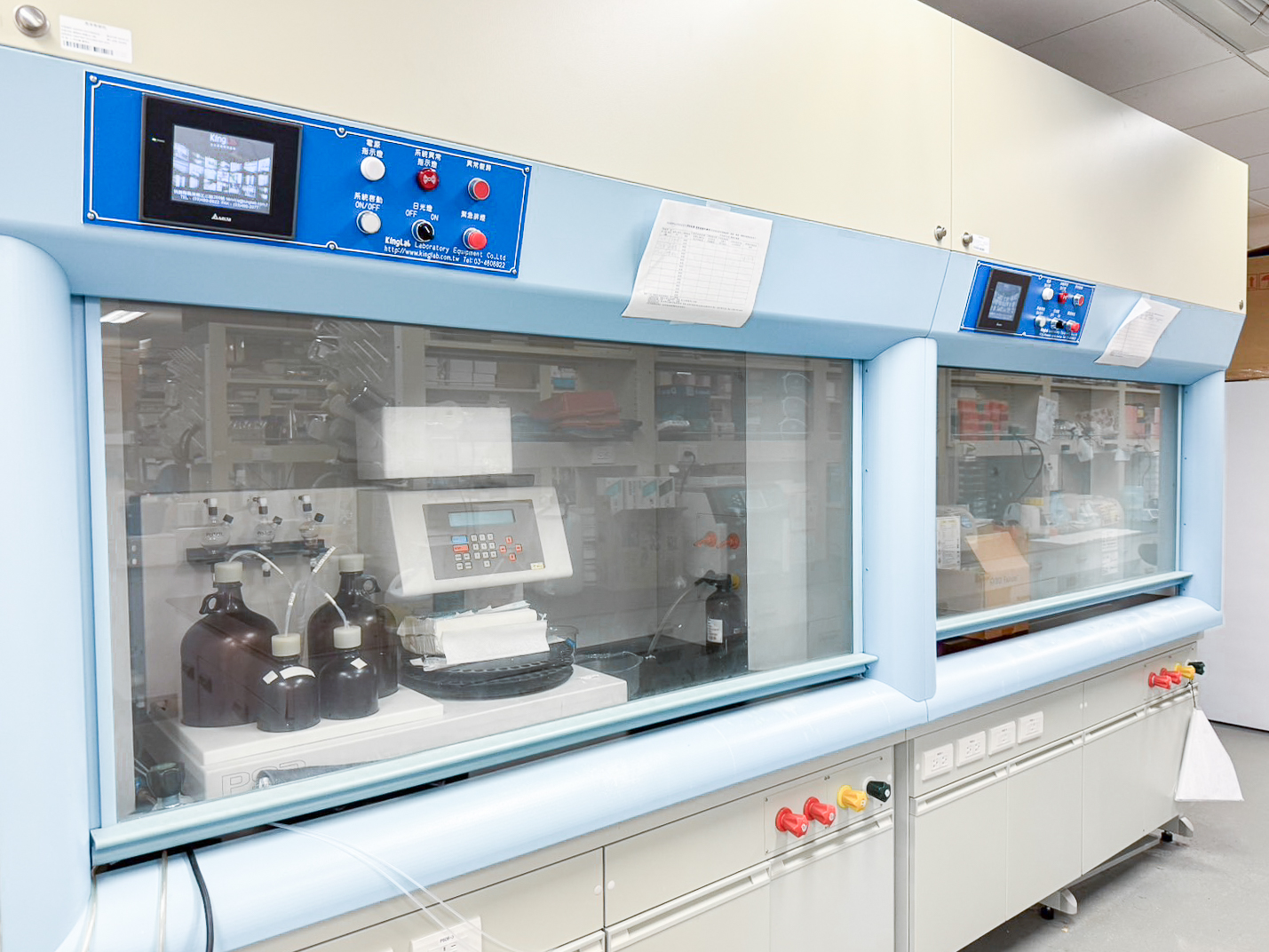
Photos & Videos
Photos


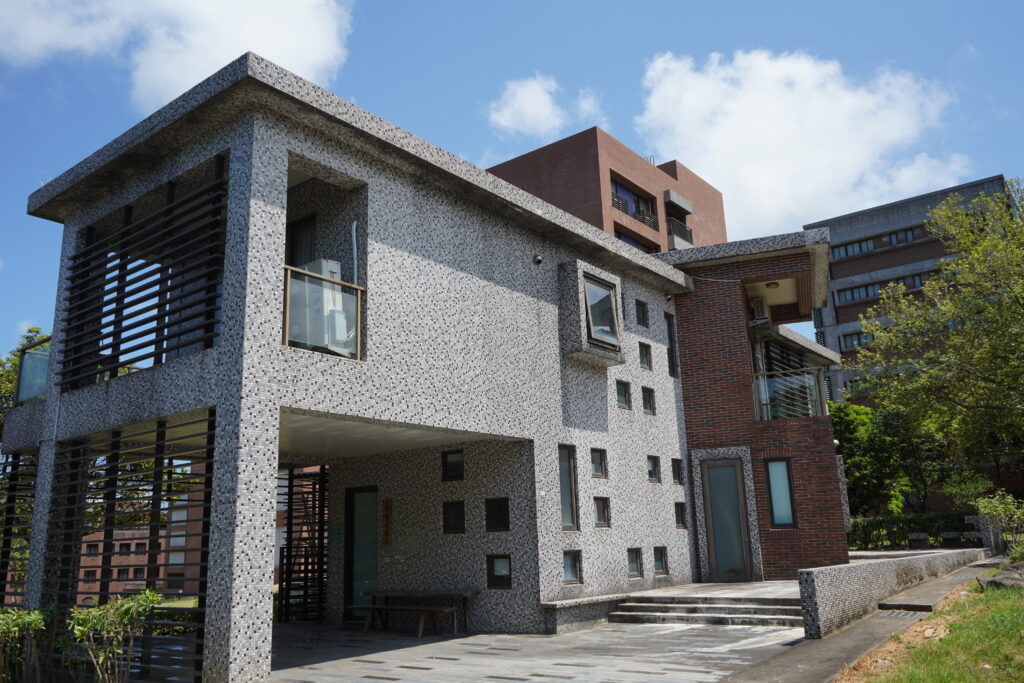
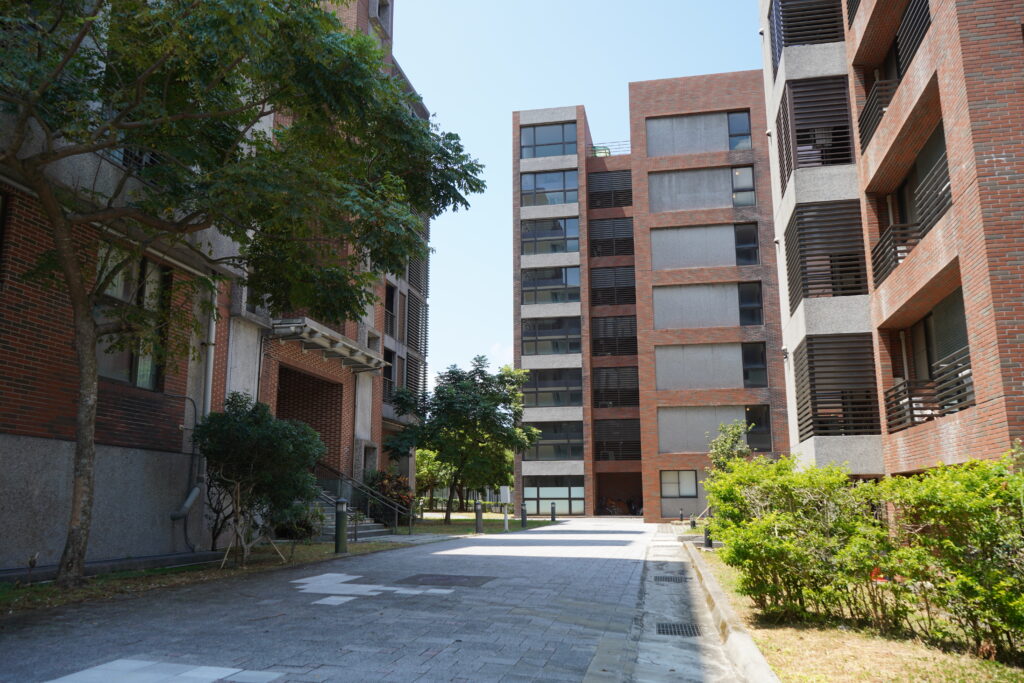

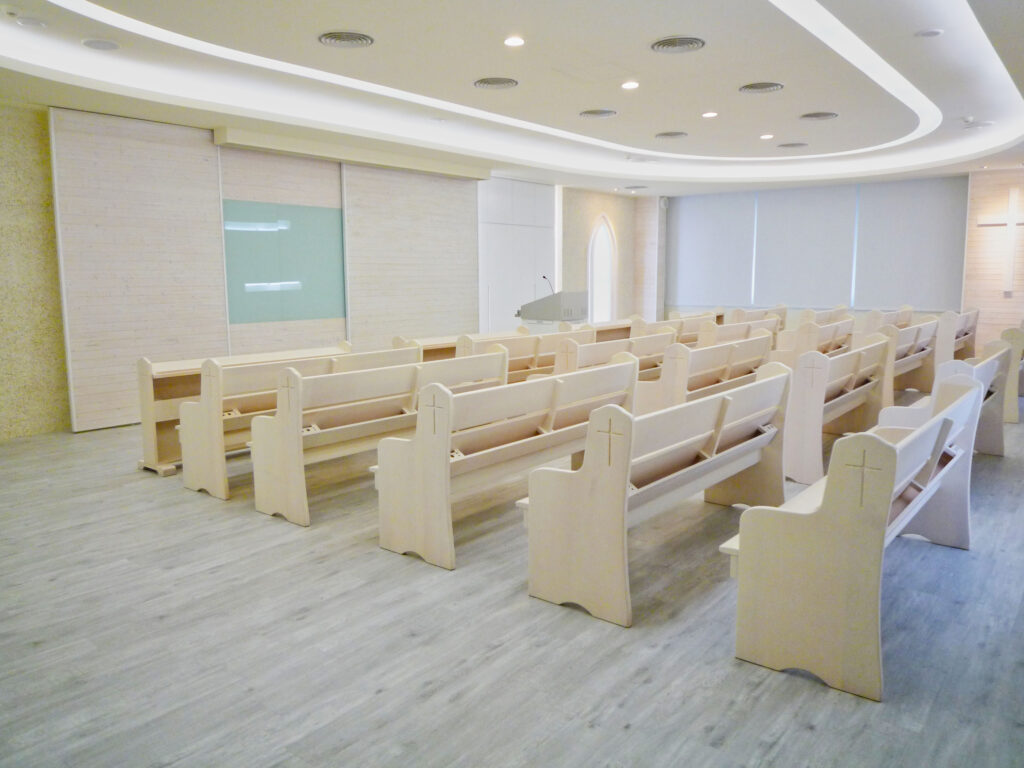
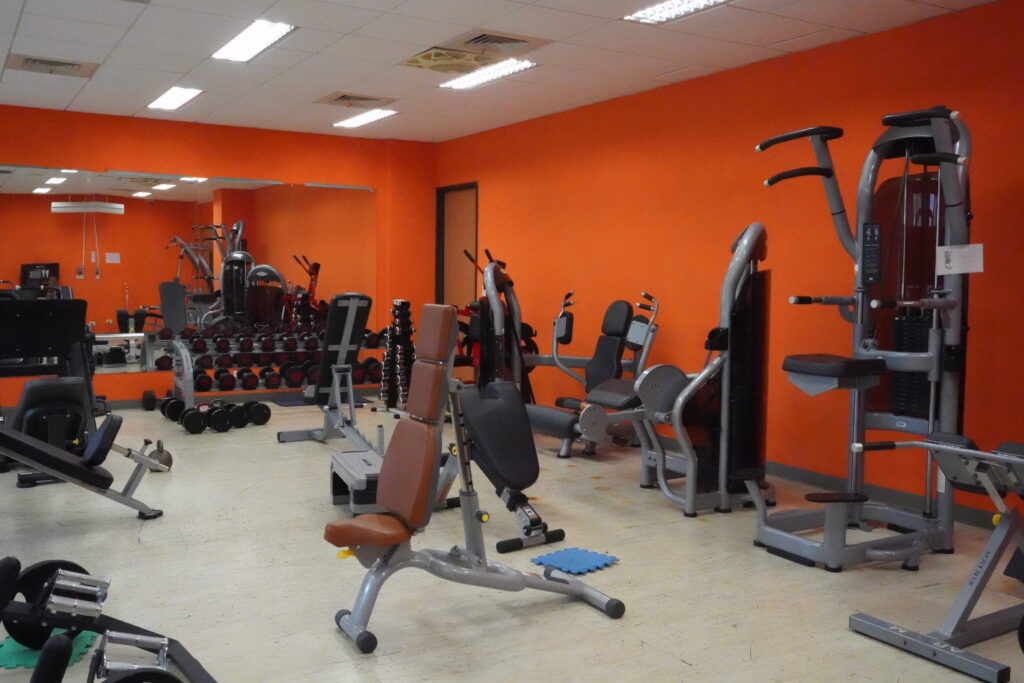
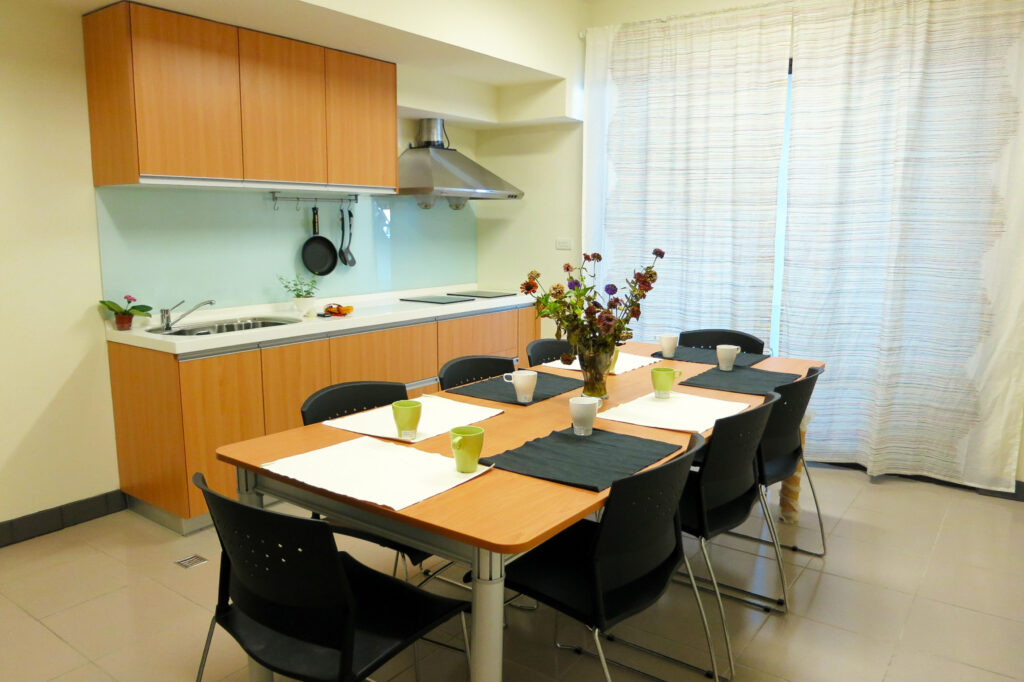

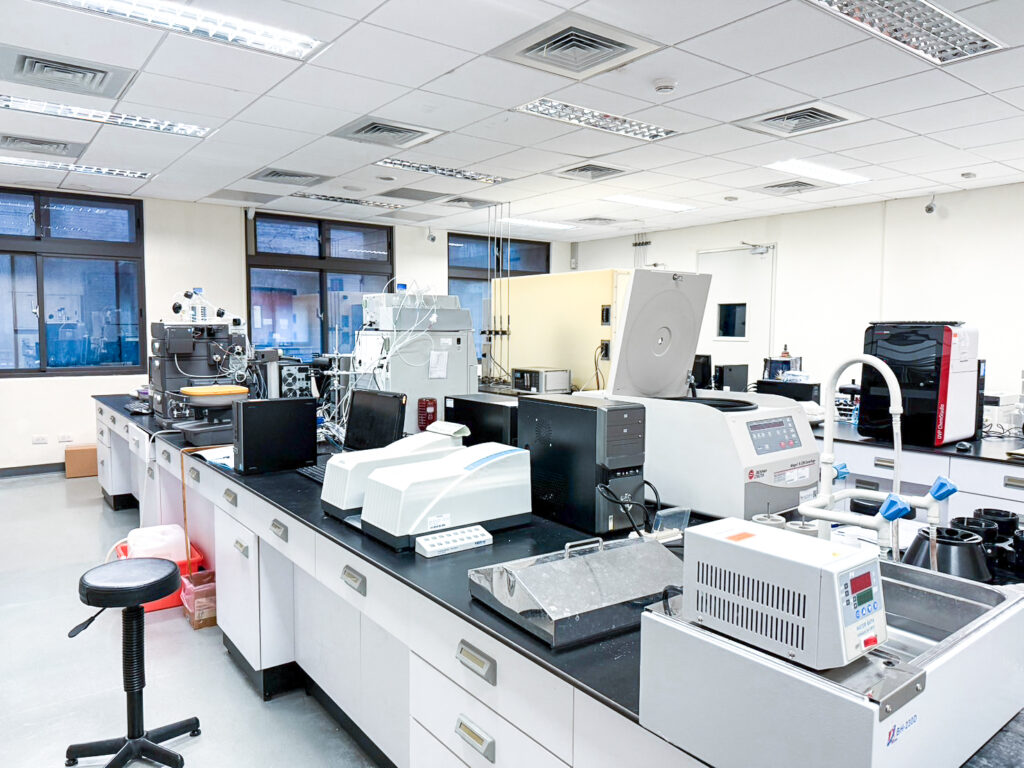
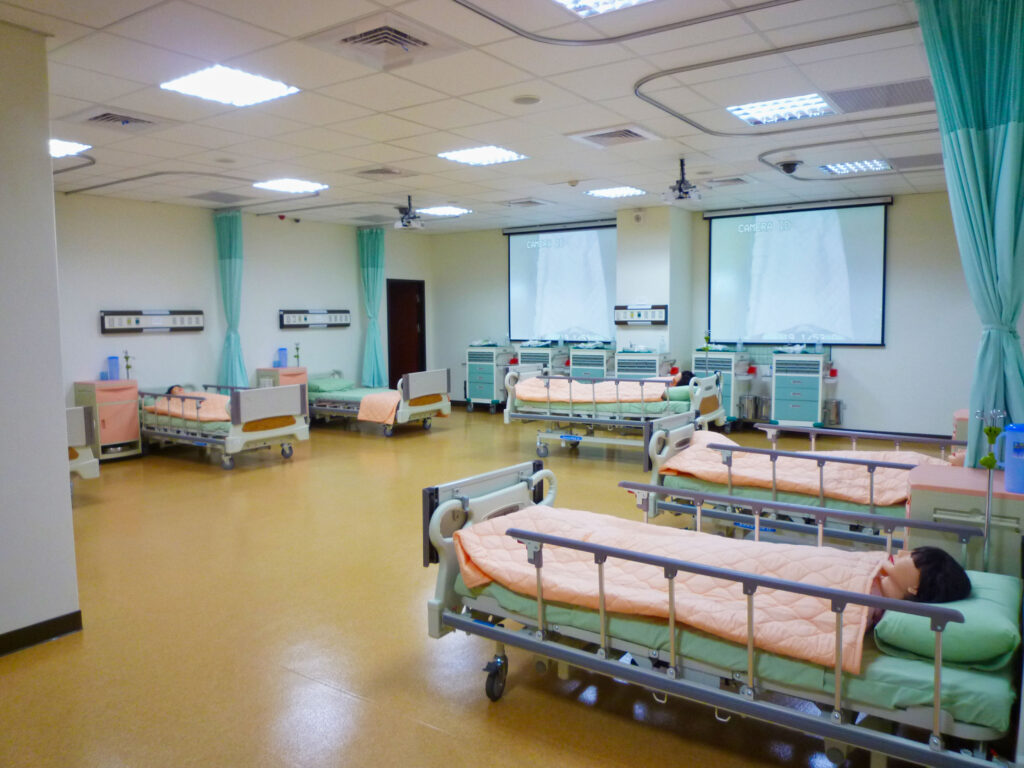
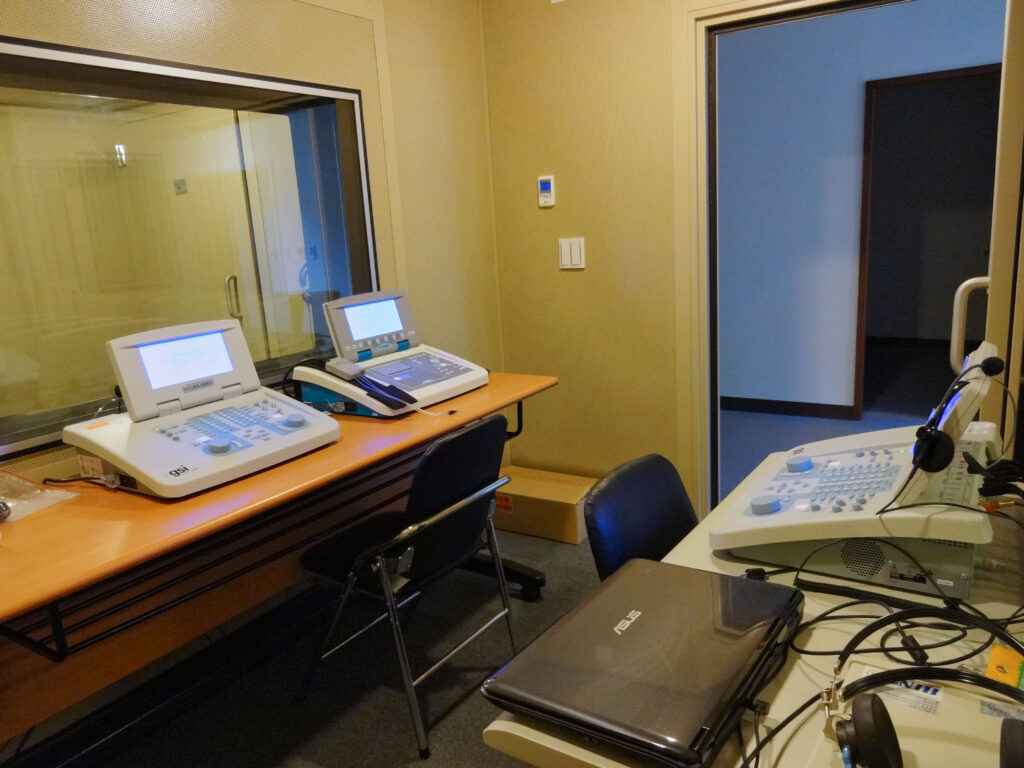
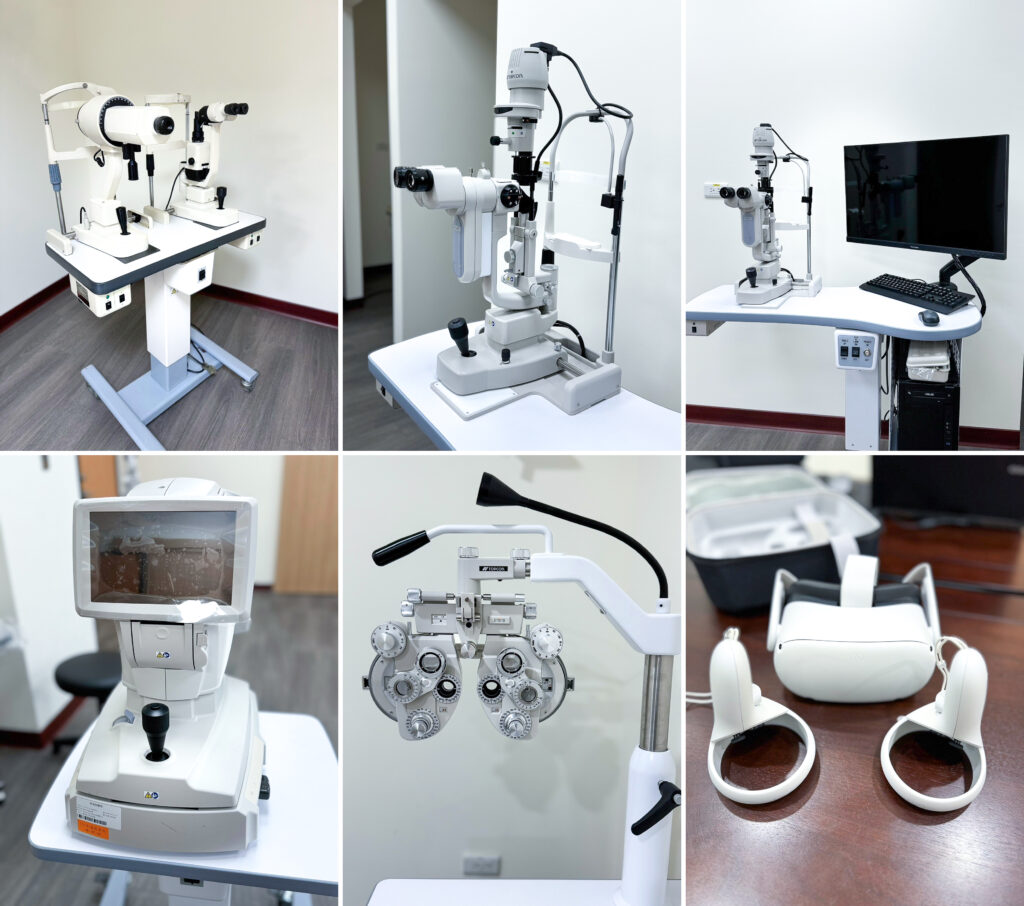
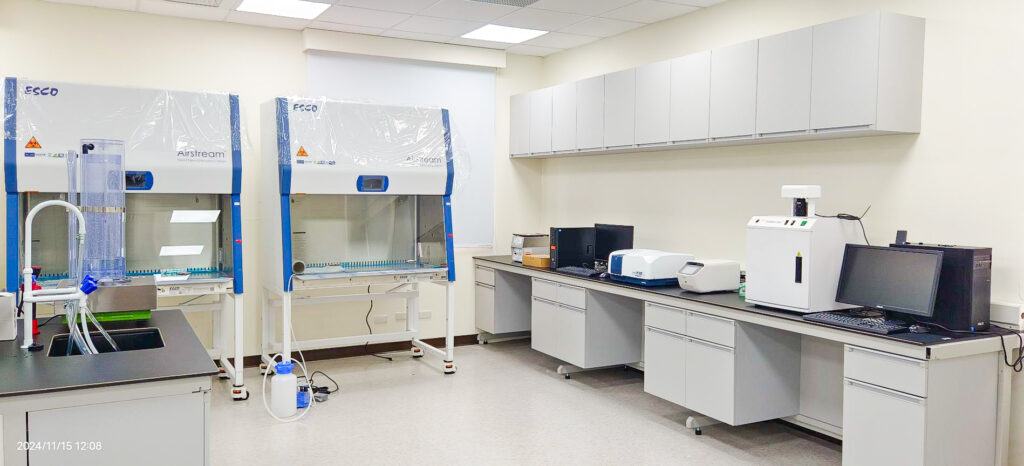
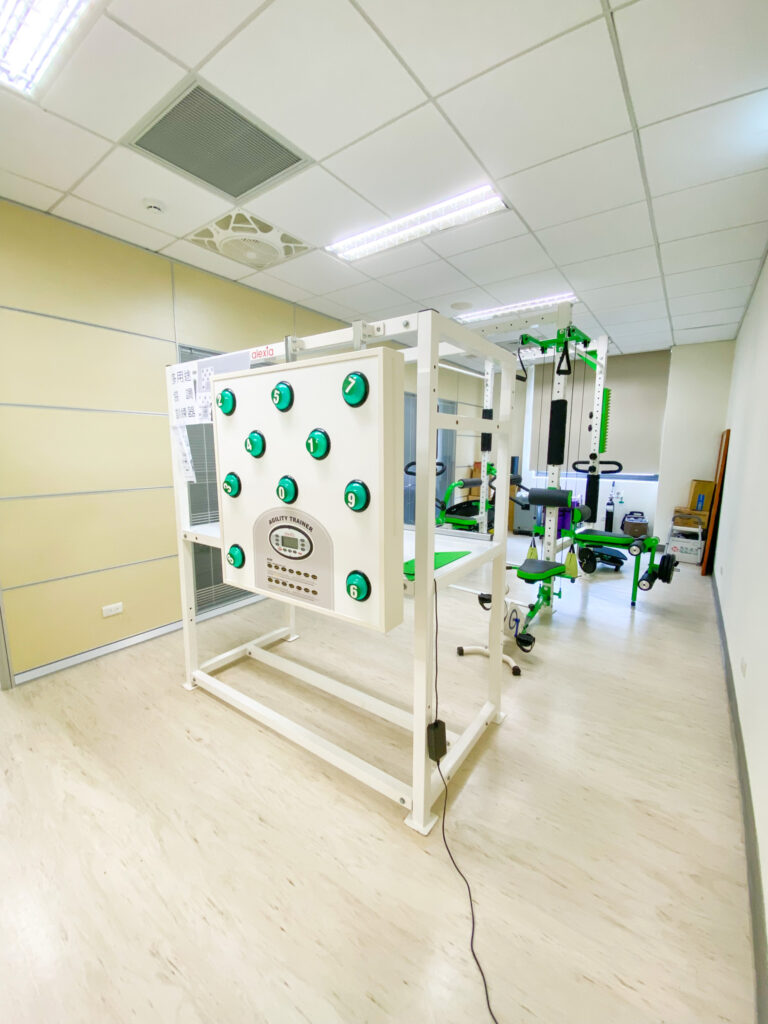
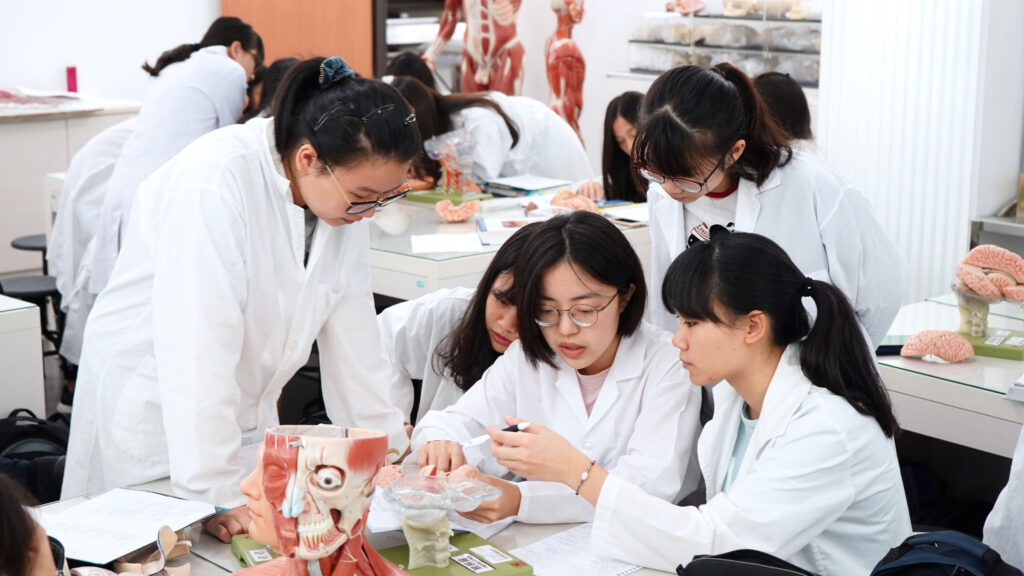
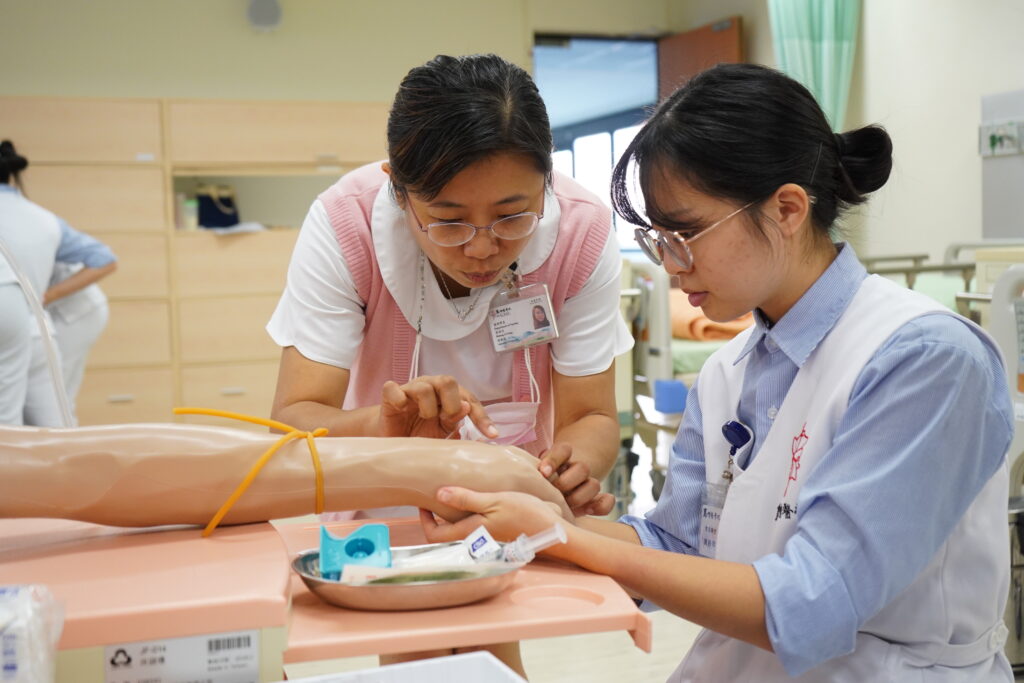
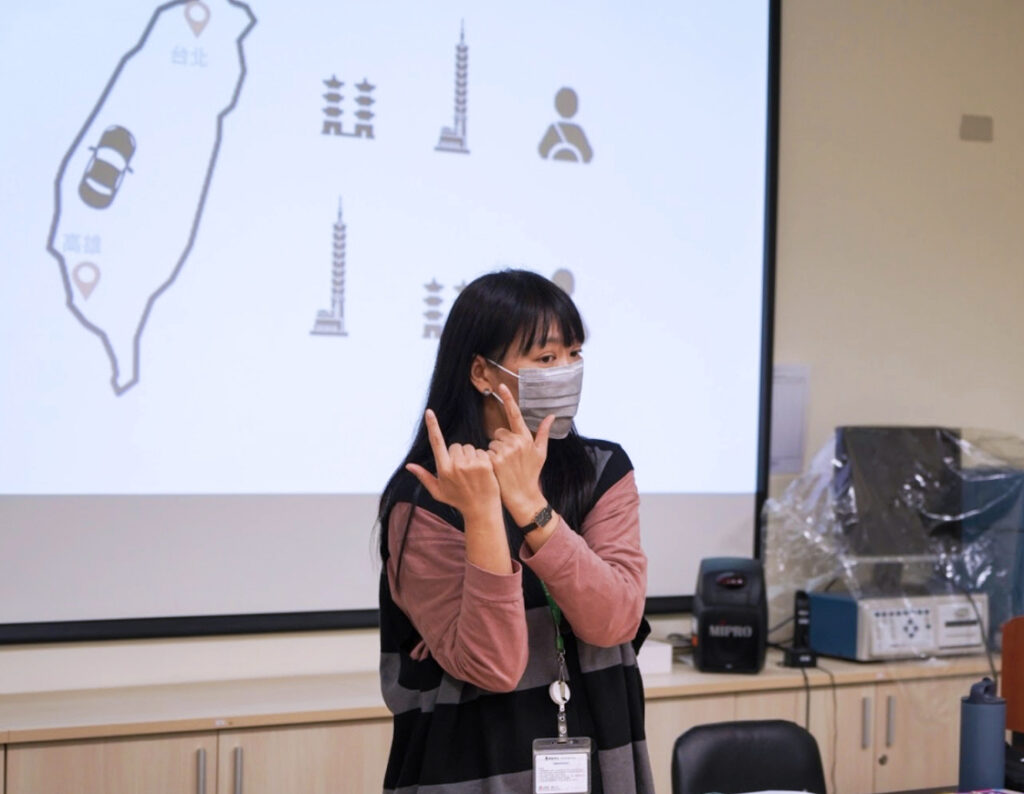
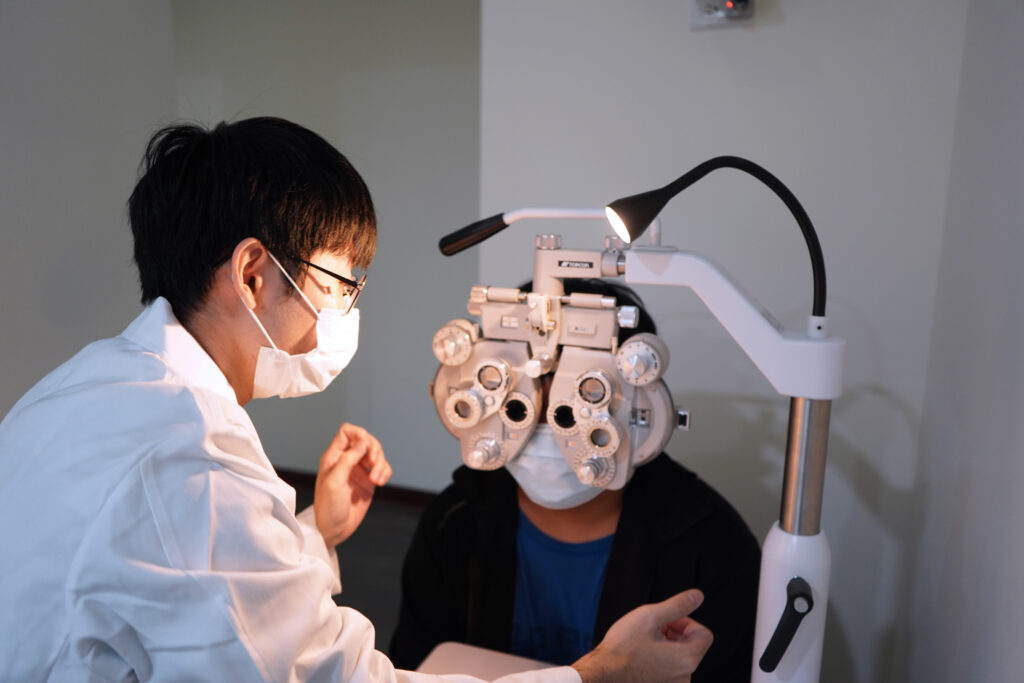
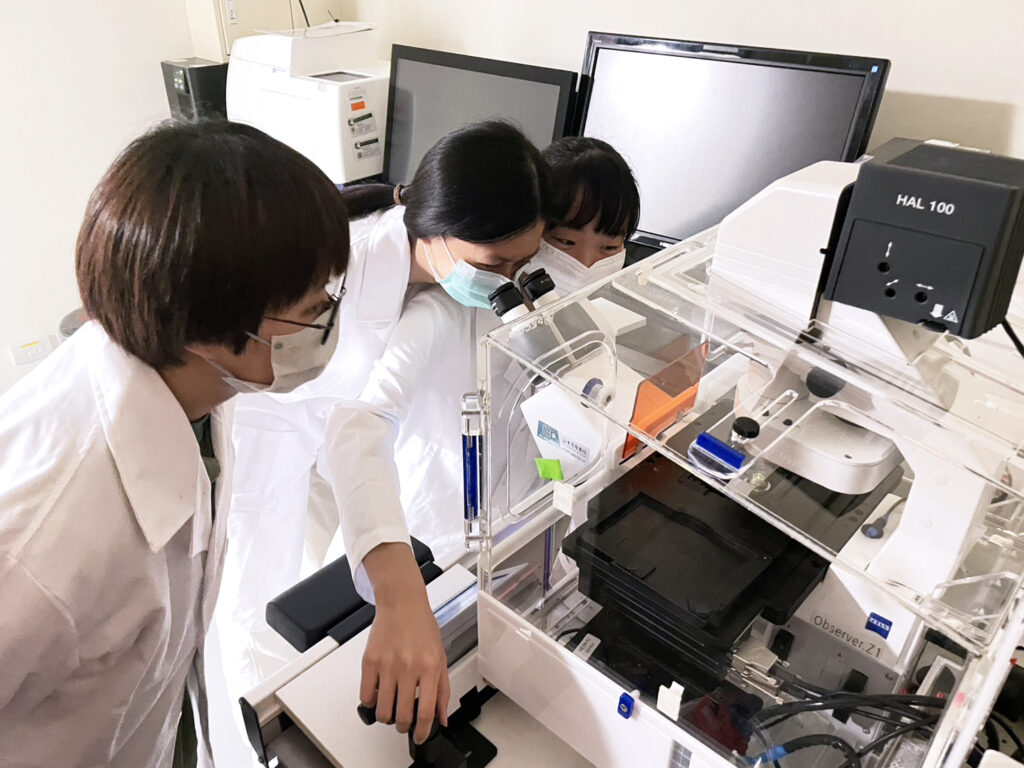
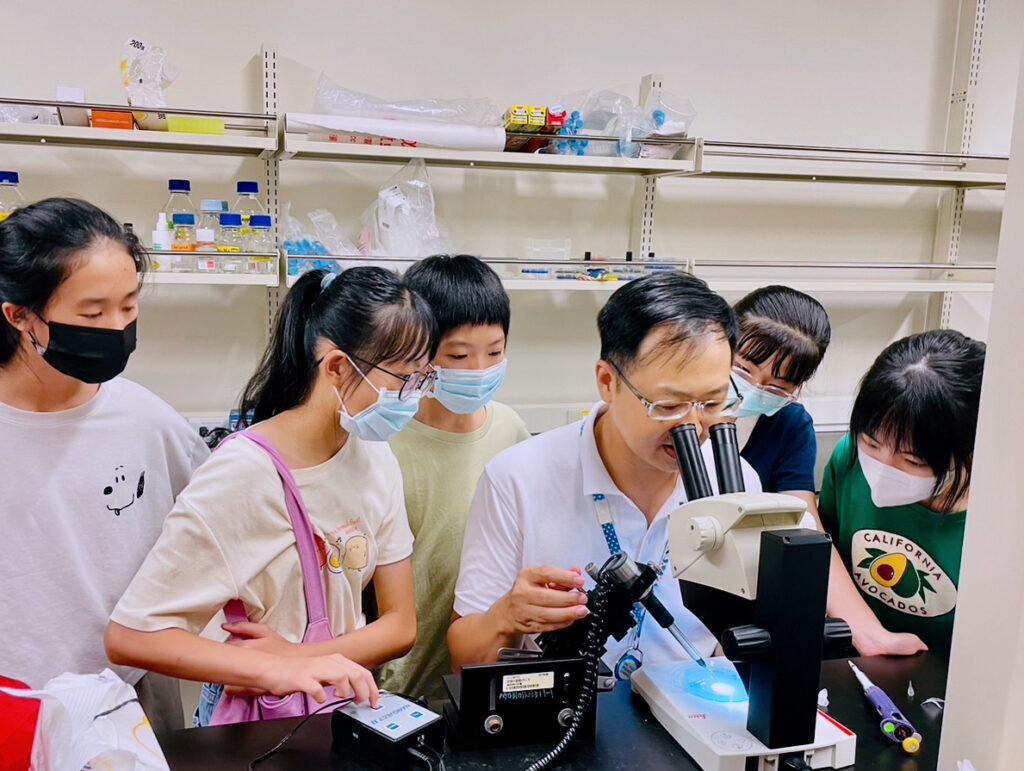
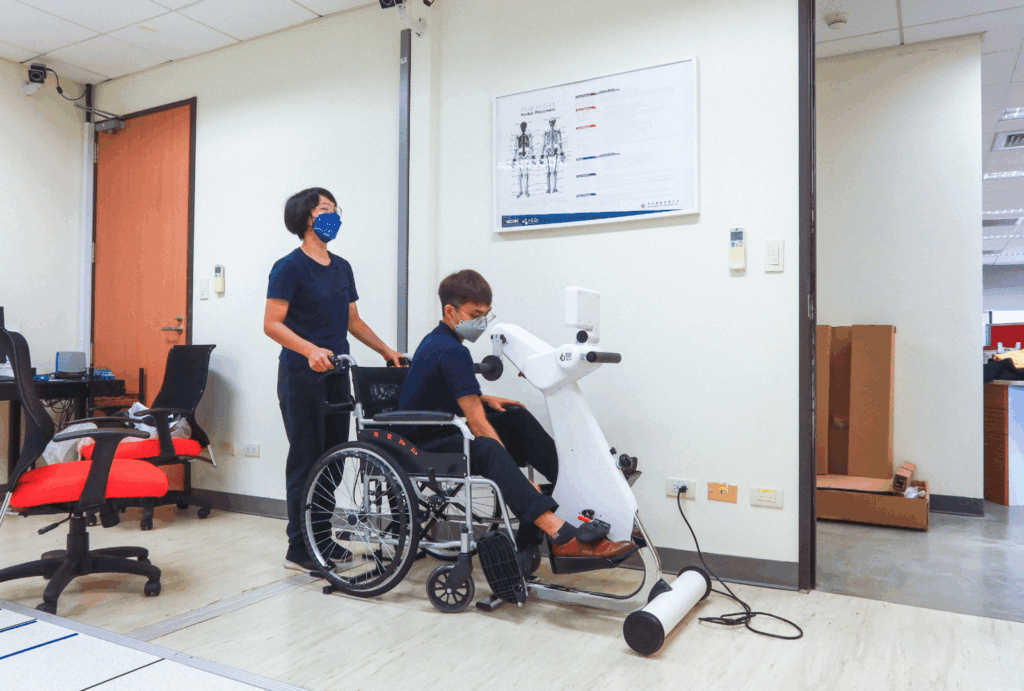
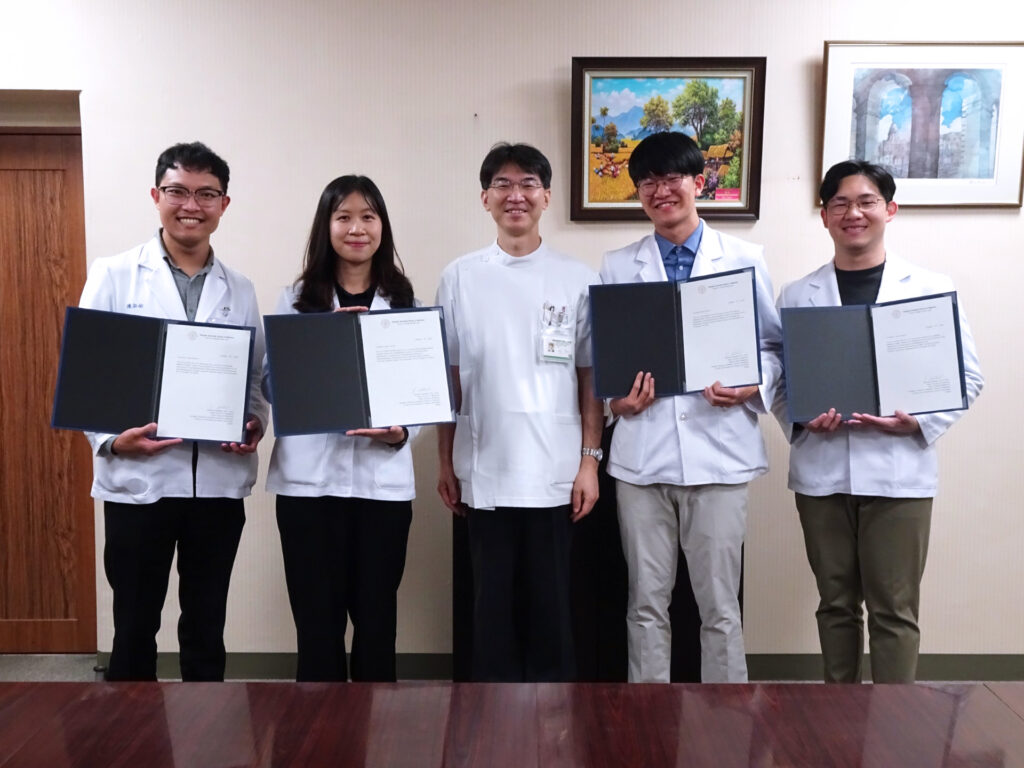


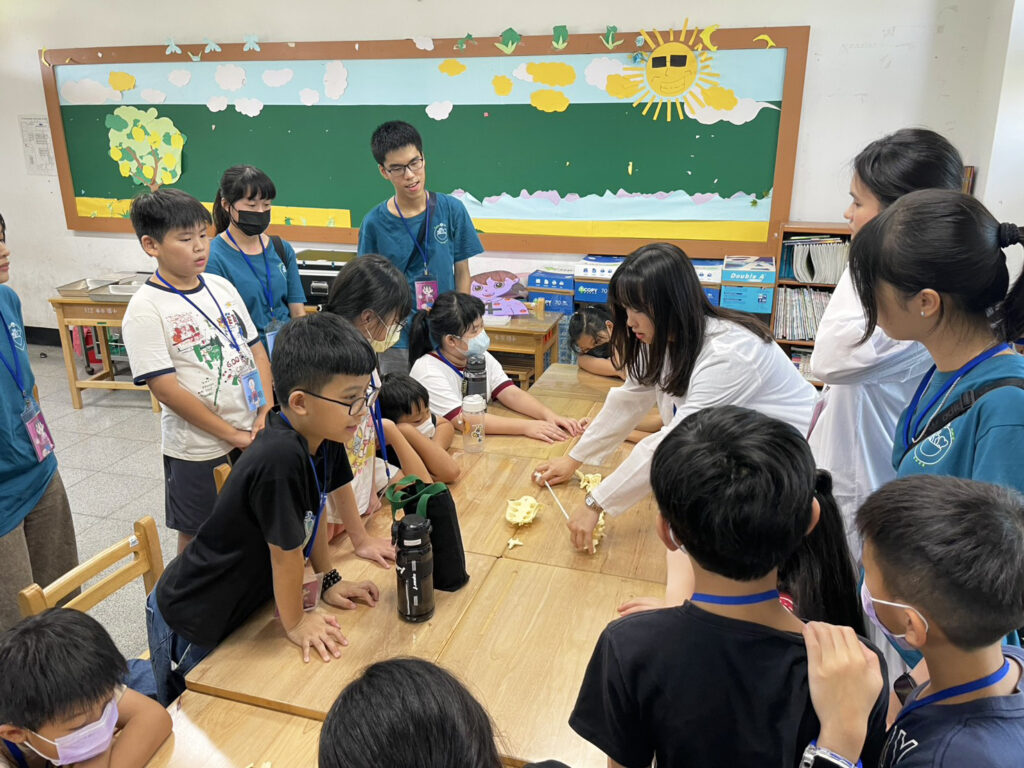
Videos
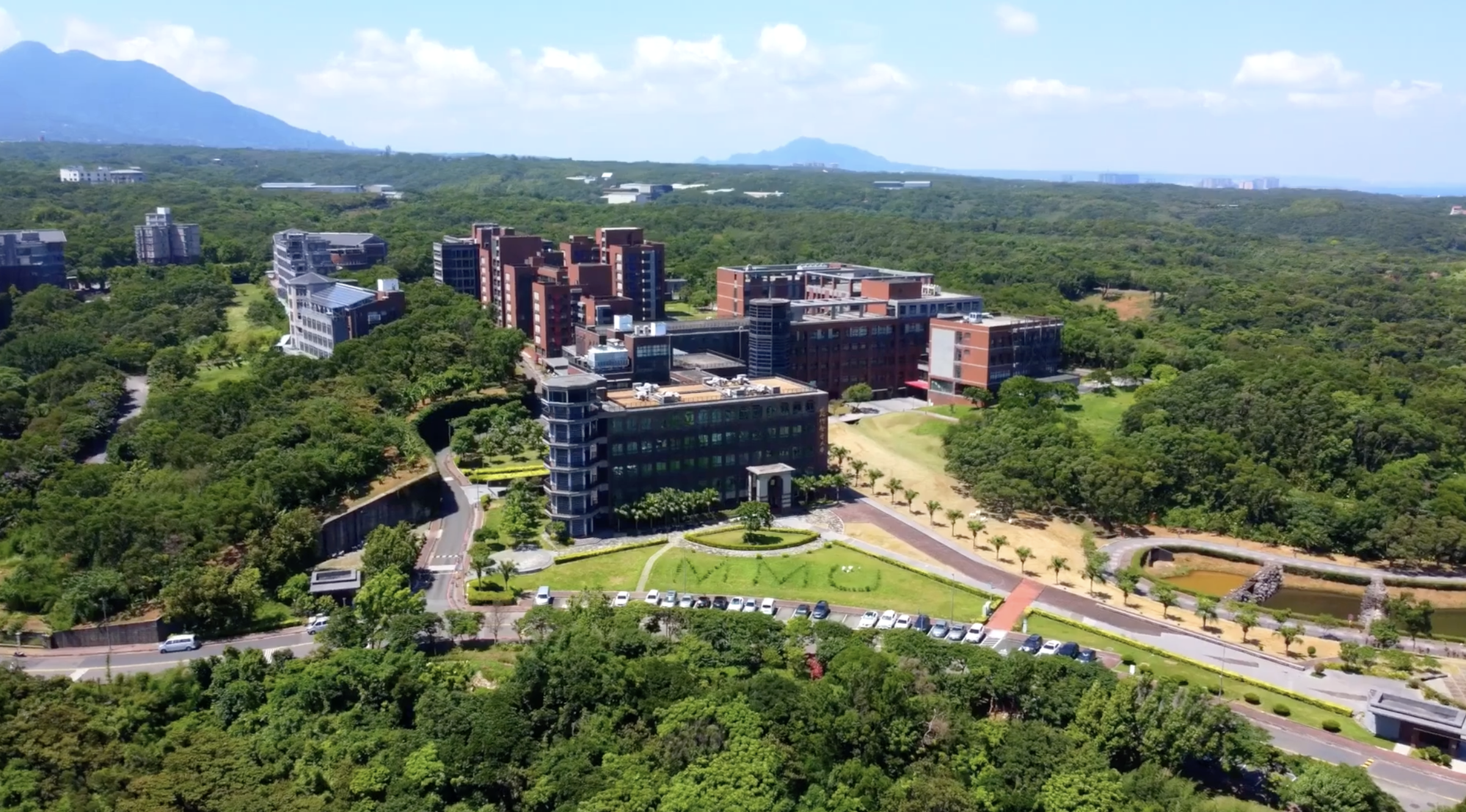
[Bachelor’s Program] Professors Tell You



[Bachelor’s Program] Alumni Tell You
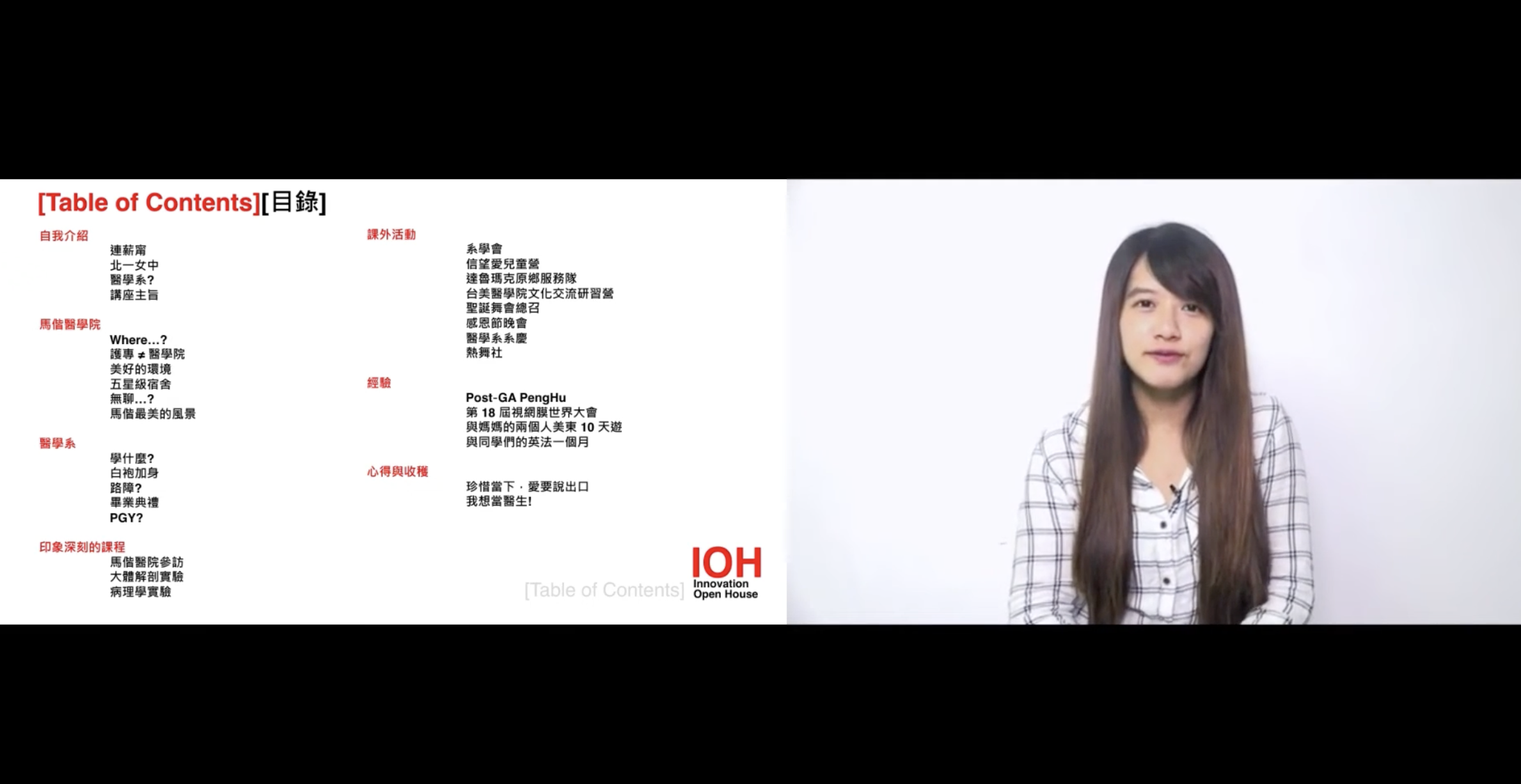
[Master’s Program] Professors Tell You
Scholarships
Tuition and Miscellaneous Fees by Department
|
College Name |
Tuition and Miscellaneous Fees (NTD/Year)
|
|---|---|
|
Department of Medicine |
NTD/YR 122,000
|
|
Department of Nursing |
NTD/YR 97,000
|
|
Department of Audiology and Speech-Language Pathology |
NTD/YR 97,000
|
|
Department of Optometry |
NTD/YR 113,000
|
|
Department of Medical Laboratory Science and Regenerative Medicine |
NTD/YR 118,000
|
|
Two-Year Bachelor’s Program in Nursing |
NTD/YR 115,000
|
|
Graduate Institute of Biomedical Sciences |
NTD/YR 98,100 (Master’s & Doctoral Programs Grades 1-2)
|
|
Graduate Institute of Long-Term Care |
NTD/YR 98,100 (Master’s Program Grades 1-2)
|
|
Graduate Institute of Geriatric Welfare Technology |
NTD/YR 98,100 (Master’s Program Grades 1-2)
|
|
Graduate Institute of Long-Term Care (Executive Master’s Program) |
NTD/YR 117,000 (Executive Master’s Program Grades 1-2)
|
|
Master’s Program in Clinical Medicine, Department of Medicine |
NTD/YR 110,000 (Master’s Program Grades 1-2) NTD/YR 55,500 (Master’s Program Grade 3)
|
|
Master of Science in Nursing |
NTD/YR 98,100 (MSN Program year 1-2)
|
|
Master’s Program in Audiology and Speech-Language Pathology |
NTD/YR 98,100 (Master’s Program Grades 1-2)
|
Scholarships
|
Scholarships |
Scholarship Amount |
Eligibility
|
|---|---|---|
|
Academic Excellence Award (Top Student of the Class) |
Award Items: After the Department of Audiology and Speech-Language Pathology is divided into groups, the top two students in each group will receive scholarships of NTD 12,500 for first place and NTD 10,000 for second place, respectively. |
Award Eligibility: All undergraduate students in Years 1 to 4 of the University are eligible to apply. Students who receive a New Student Admission Scholarship, as well as students graduating in the second semester of their fourth year, are not eligible under this regulation. Award Criteria & Selection Process:
Selection PrinciplesStudents’ academic status and class affiliation shall be determined according to the official student roster issued by the Office of Academic Affairs. Award Quota Based on class standing, the top three students in each class in terms of academic performance shall be selected as awardees. In the event of a tie in academic performance (calculated to the second decimal place), all tied students shall be awarded.
|
Visual Guide to Student Dormitories
|
One semester |
One academic year |
Other explanations
|
|---|---|---|
|
Buildings A and B: NTD 20,740 |
Buildings A and B: NTD 41,480 |
Dormitory Name: Buildings A & B / Buildings C & D Accommodation Eligibility: All students of the University Room Type: Facilities: In addition, each unit includes a shared living room, dining area, and bathrooms with separate wet and dry zones, providing a comfortable and home-like residential environment. Note: https://www.youtube.com/watch?v=2MCjmegregA&t=6s
|
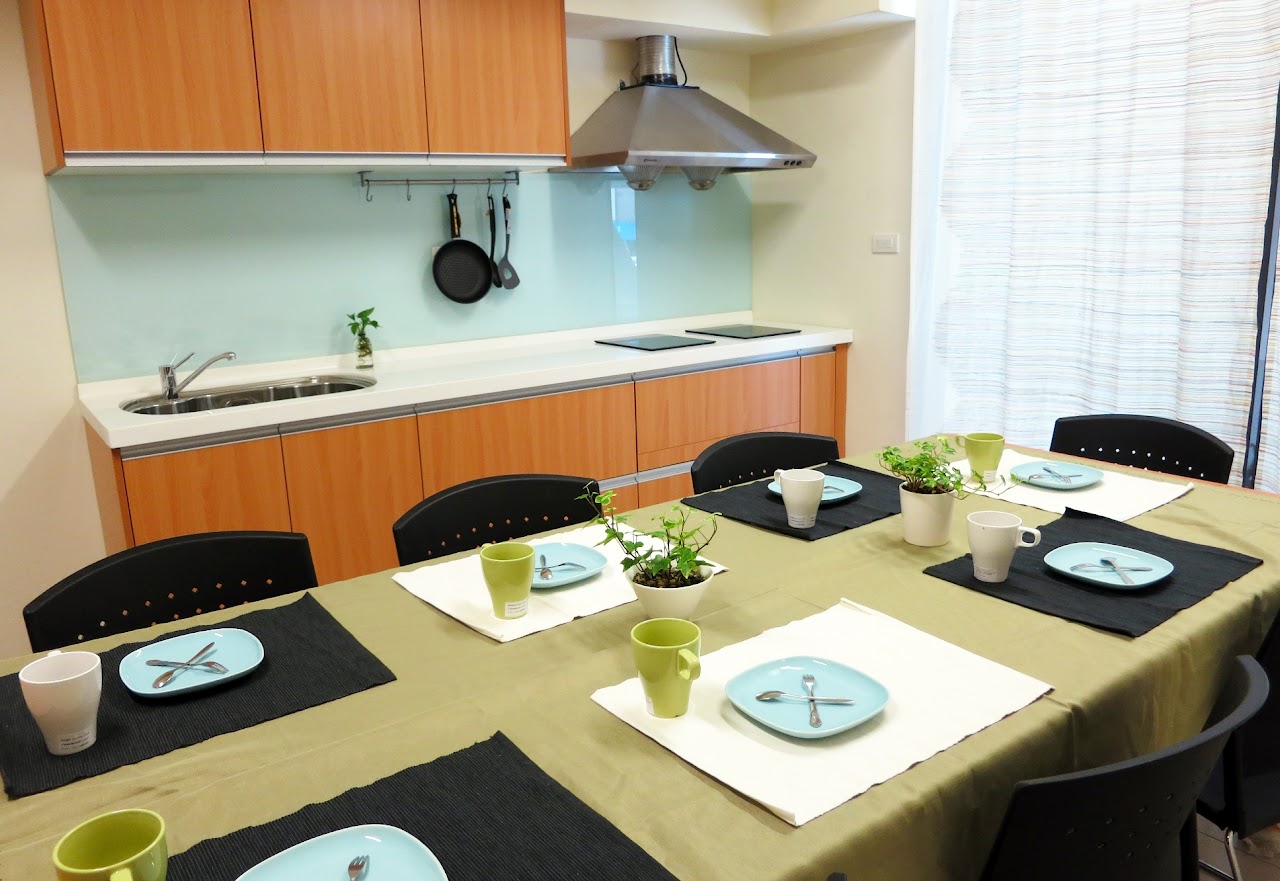
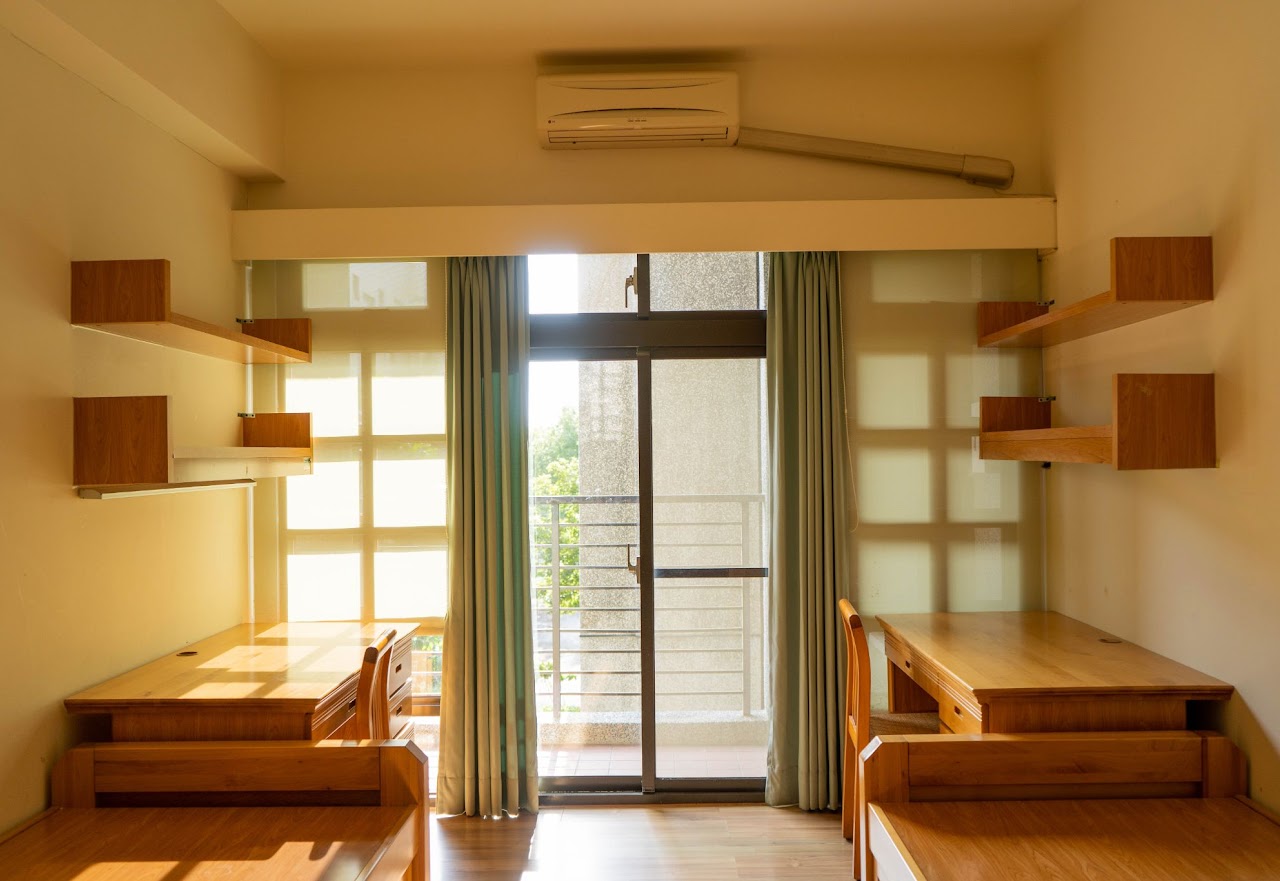
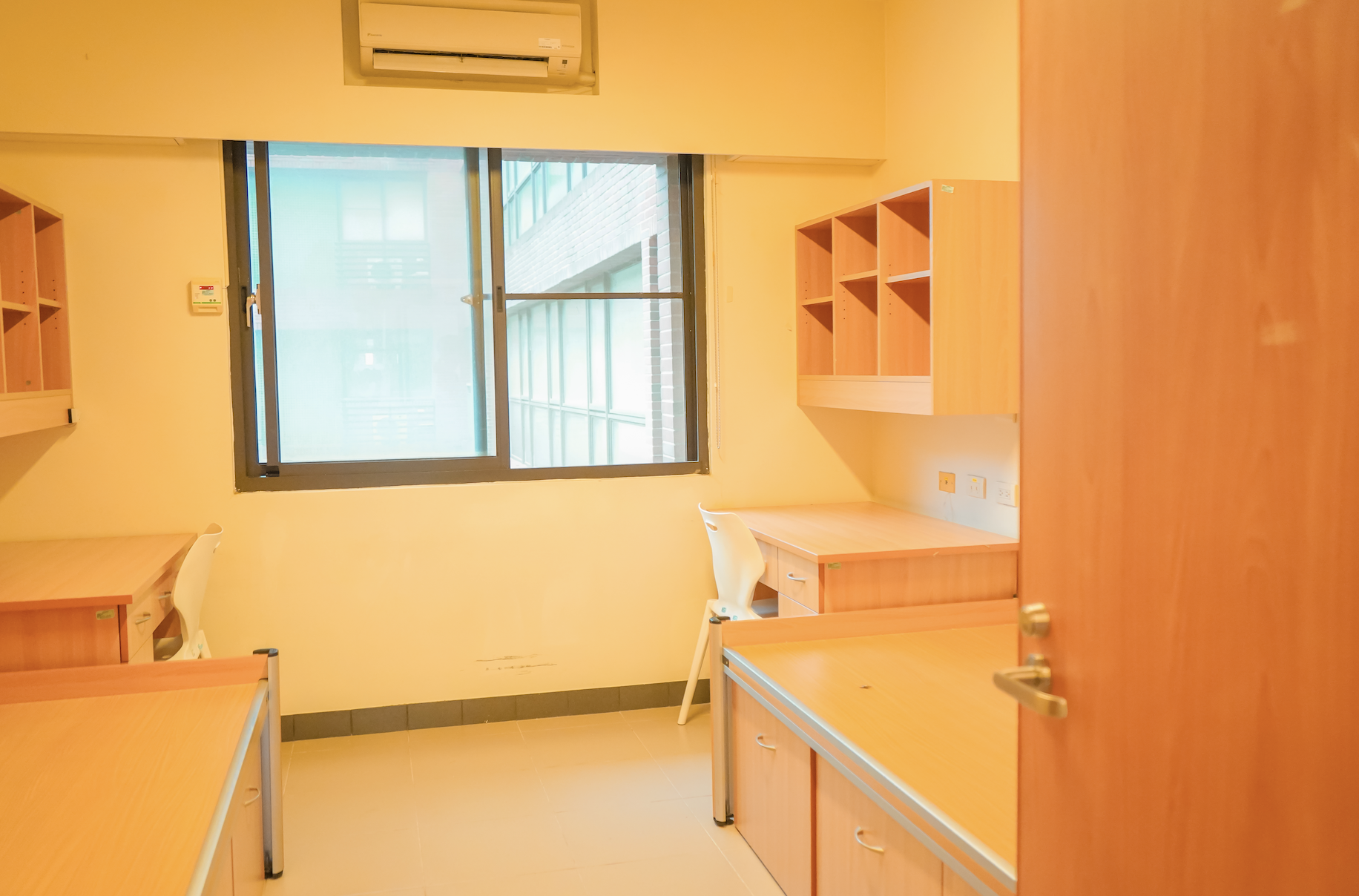
Pathways
National Yang Ming Chiao Tung University
Information
Address
Chiao Tung Campus 1001, University Road, East District, Hsinchu City, 300, Taiwan
Yang Ming Campus 155, Section 2, Linong Street, Beitou District, Taipei City, Taiwan
Official Website
Contact Information
Phone +886-3-5712121*50135
Email beckyshen@nycu.edu.tw
Introduction
National Yang Ming Chiao Tung University was established on February 1, 2021, through the merger of National Yang Ming University and National Chiao Tung University. This union of two of Taiwan’s top universities—one specializing in biomedicine and the other in electrical engineering and computer science—is hailed as a powerful alliance. NYCU is ranked 219th in the 2025 QS (Quacquarelli Symonds) rankings, placing it 4th in Taiwan.
The Yang Ming Campus, as a pioneer in medical education reform, cultivates outstanding talents in medicine, dentistry, pharmacy, nursing, life sciences, biomedical engineering, and medical humanities. It has a strong foundation in geriatric long-term care, oncology, brain science, and medical engineering, and holds a leading position in the global healthcare field. The Chiao Tung Campus is a leader in Taiwan in the fields of electronics, information and communication technology, management, science, and engineering. It has produced many entrepreneurs in the science park and cultivated outstanding talents for Taiwan’s semiconductor and technology industries.
Counseling mechanism for Hong Kong and Macao students
The International and Cross-Strait Service Team assists overseas Chinese students, mainland Chinese students, and international students with on- and off-campus academic and living matters, such as arrival arrangements, accommodation, health insurance, residence visas, registration, and departure procedures. We also assist students with course selection, tuition payment, scholarships, and other matters.
Campus Events
We regularly organize activities such as the Four-University Overseas Chinese Student Sports Day, welcome and farewell events, Lunar New Year ancestor worship, Christmas parties, spring outings, and cultural tours to promote friendship among students.
Accommodation
Dormitories are 100% provided for overseas Chinese (including Hong Kong and Macao) bachelor’s students in grades 1-4, master’s students in grades 1-2, and doctoral students in grades 1-3. All dormitories are equipped with air conditioning, and there are 24-hour security guard services. Regular healthy living dormitories are offered to provide students with diverse choices. Dorm rooms for students with disabilities are also available, providing humanized services.
Alumni
譚立武
Department of Mechanical and Electrical Engineering, College of Technology
Professor
Macau
Professor Li-Wu Tan of the Department of Mechanical Engineering, National Chiao Tung University, and Professor of the Department of Electromechanical Engineering, Faculty of Science and Technology, University of Macau, has researched and developed “Intelligent Detection Technology for Personal Heartbeat Monitoring,” which can accurately detect the key features of three different types of arrhythmia, thereby effectively identifying normal heartbeats, potential congestive heart failure, sleep apnea, and other personal heartbeat conditions.
This research was presented at the “2019 IEEE Eurasia Conference on Biomedical Engineering, Healthcare and Sustainability” and was highly praised by the conference, winning the “Best Conference Paper Award.”
潘健成
Penang Datuk
Malaysia
Yuk Choon Primary School, Pin Hwa High School, Klang; Department of Electrical and Control Engineering, National Chiao Tung University (Bachelor’s and Master’s degrees) Mr. Pua Khein Seng, an alumnus of the Department of Electrical and Control Engineering from Pin Hwa High School, Klang, Malaysia, is a role model for all young students and a source of pride for the Malaysian Chinese community.
Chairman of Phison Electronics; Penang Datuk, Malaysia; Fellow of the Chinese Society for Management of Technology (2009); ERSO Award of the Pan Wen Yuan Foundation (2009); Ten Outstanding Young Malaysians Award (2008); Ernst Young Entrepreneur of the Year Award (2008); Ten Outstanding Managers Award – General Manager Award (2006); Asia Association of Business Incubation (AABI) Dr. Madoka Koba Entrepreneur Award (2006); Outstanding Young Manager Award of the Hsinchu Outstanding Manager Award (2005); Outstanding Young Entrepreneur Award of the Taiwan Enterprise Award (2005); Outstanding Alumnus of National Chiao Tung University, Taiwan (2008, the youngest recipient); Taiwan’s youngest stock king
Highlights
Featured courses
Our university adheres to the vision and core values of a “Great University,” and is committed to pursuing truth, creating new knowledge, and cultivating outstanding talents. To encourage students to engage in interdisciplinary learning, expand their second expertise, and deepen their diverse knowledge structure, we have referenced the BxA cross-college degree structure promoted by Carnegie Mellon University (CMU) in the United States, as well as the innovative models of modularized curriculum and online/hybrid learning at the Massachusetts Institute of Technology (MIT), as benchmarks to promote the development of “Cross-Domain Programs.”
The “Cross-Domain Program” starts from the educational philosophy, emphasizing that under the principle of not extending the study period and not significantly increasing the number of course credits, it assists students in taking courses in their own department, and also selecting cross-domain module courses (BxA) offered by the second expertise department or college. Those who complete the program will have their cross-domain expertise added to their degree certificate upon graduation to highlight their diverse learning achievements. The design of this program emphasizes flexible credit allocation and core curriculum modularization, and combines living and learning communities and a flexible learning mentor system as support mechanisms to provide students with space for autonomous planning and diverse development. While enhancing the depth and breadth of learning, it also strengthens their interdisciplinary integration capabilities, further cultivating outstanding talents with international competitiveness and mobility, and responding to globalization trends and national future development needs.
industry-academia cooperation or study-to-employment pathway program
National Yang Ming Chiao Tung University has long been committed to promoting industry-academia cooperation, actively connecting top industry resources with cutting-edge academic research to create a learning environment that combines theory and practice. Students can participate in practical projects in cooperation with well-known companies during their studies, connect with the workplace early, accumulate key experience, and be ready to work upon graduation. Our university has established deep cooperative relationships with many international companies, covering key areas such as semiconductors, biomedicine, AI, and smart manufacturing. For example:
TSMC (Taiwan Semiconductor Manufacturing Company): Semiconductor process and packaging technology cooperation projects, internships, and talent development programs
MediaTek: Jointly offering AI and chip design courses to cultivate next-generation chip talents
Viatris: Signed a memorandum of understanding for industry-academia cooperation to launch a pharmaceutical talent development program, allowing students to participate in practical training and research and development projects at international pharmaceutical companies.
International pharmaceutical companies (such as Roche, Merck): Providing research resources and global perspectives through bilateral programs
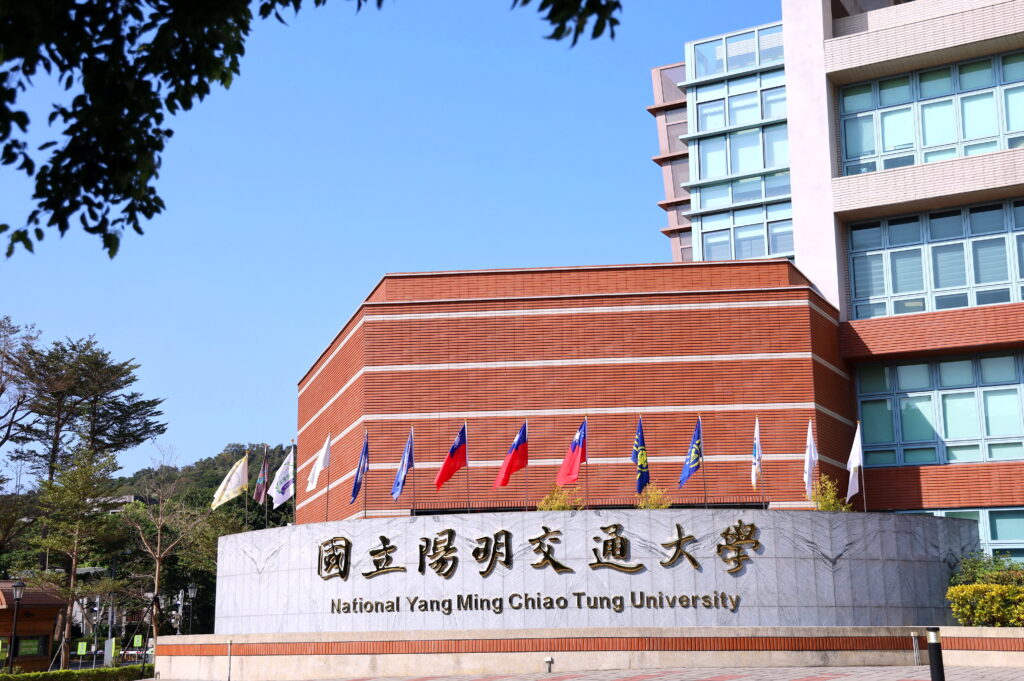
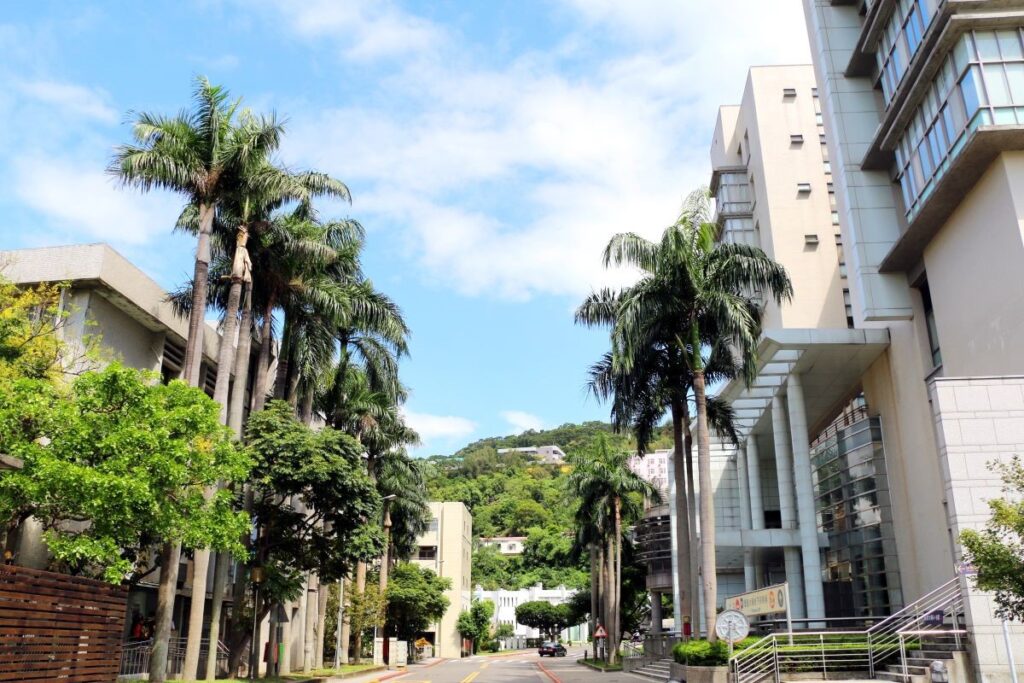
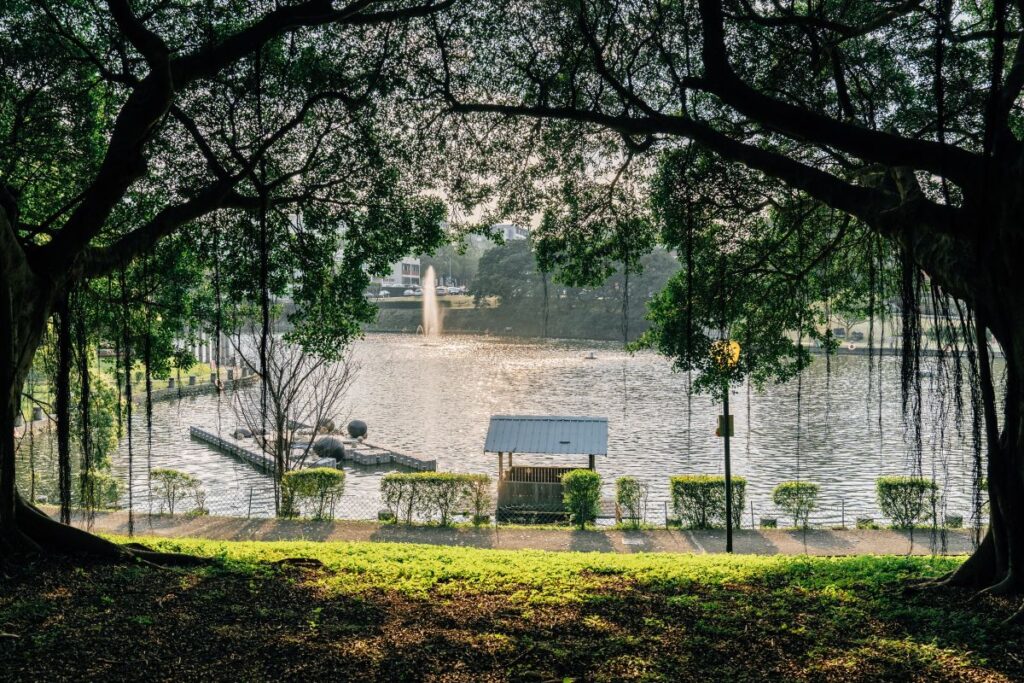
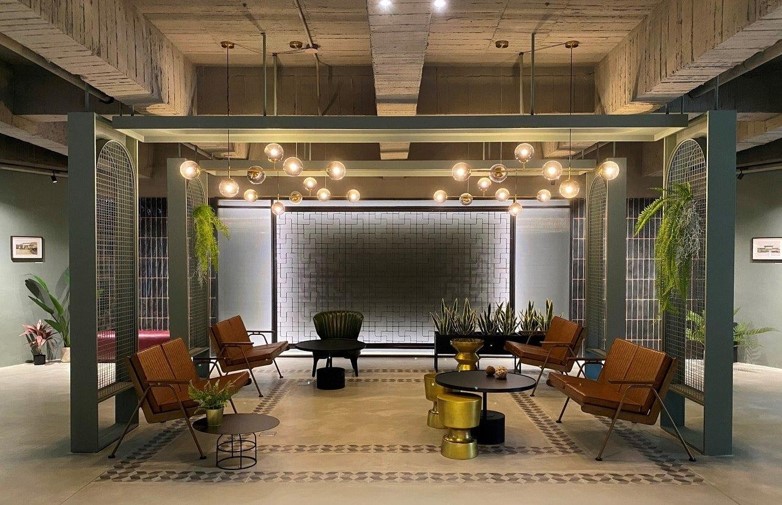
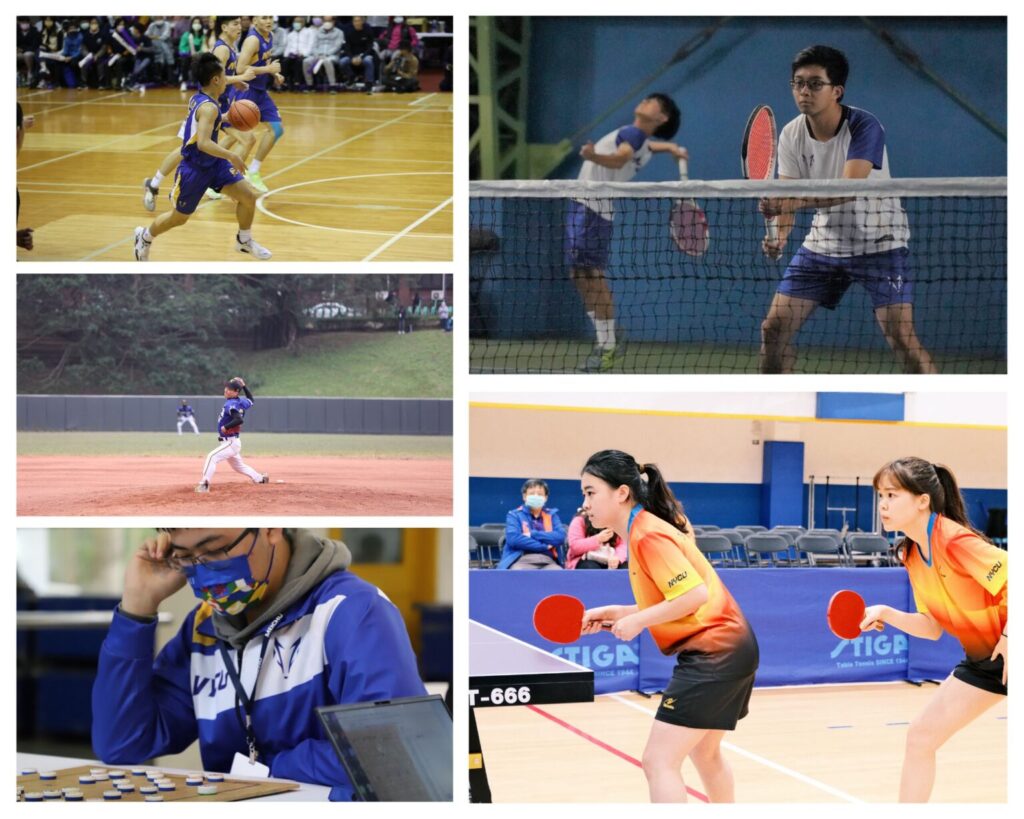
Departments
University Departments and Programs
College of Engineering
College of Computer Science
College of Science
College of Engineering Bioscience
School of Nursing
College of Management
College of Humanities Arts and Social Sciences
College of Hakka Studies
School of Medicine
School of Dentistry
School of Medical Technology and Engineering
College of Pharmaceutical Sciences
School of Life Sciences
Bachelor's Program for Freshman and Sophomore
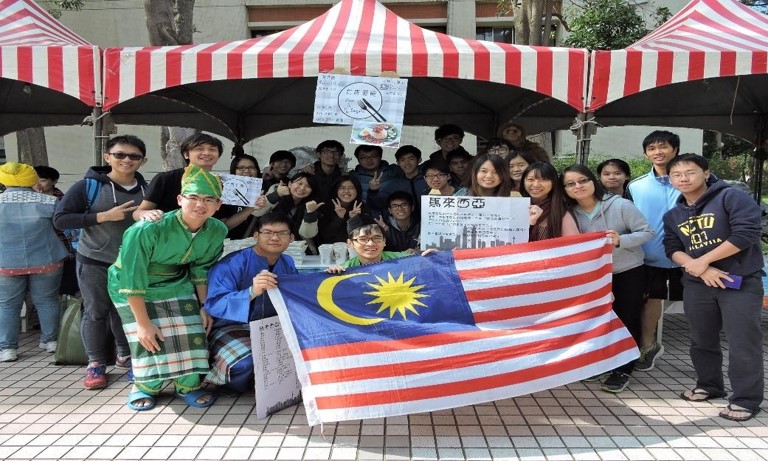
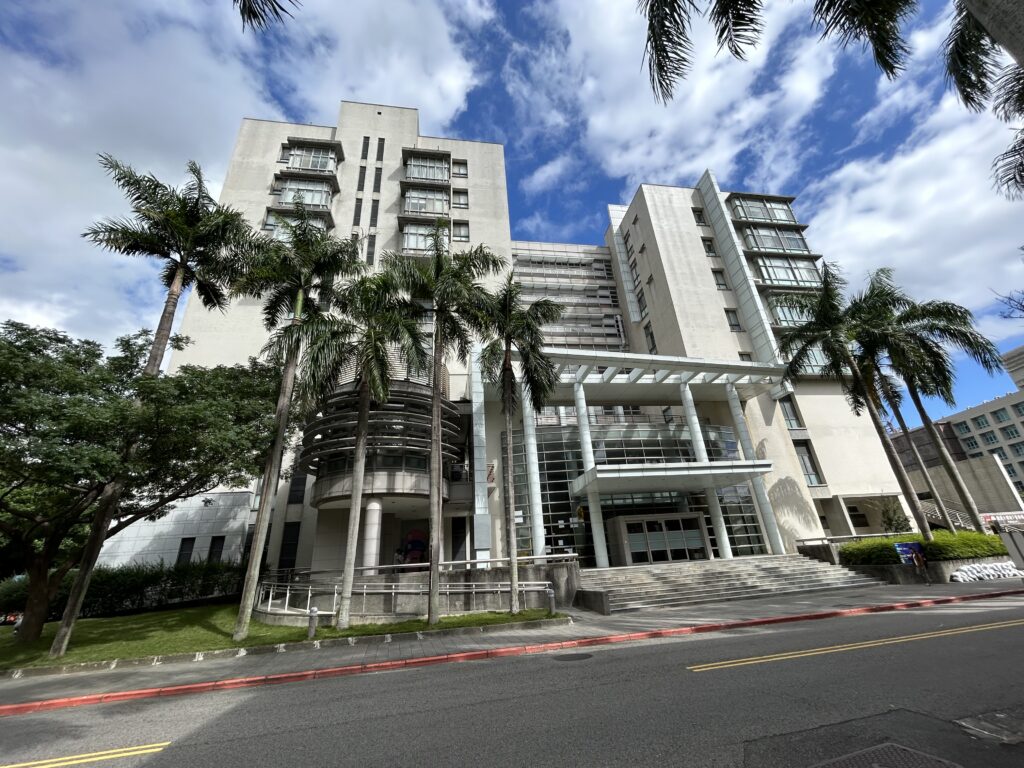
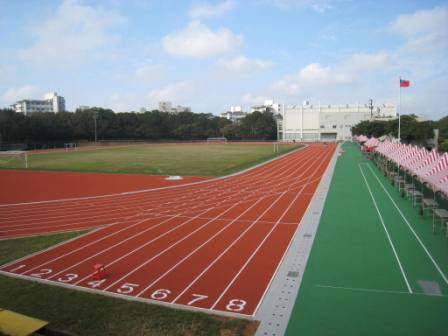
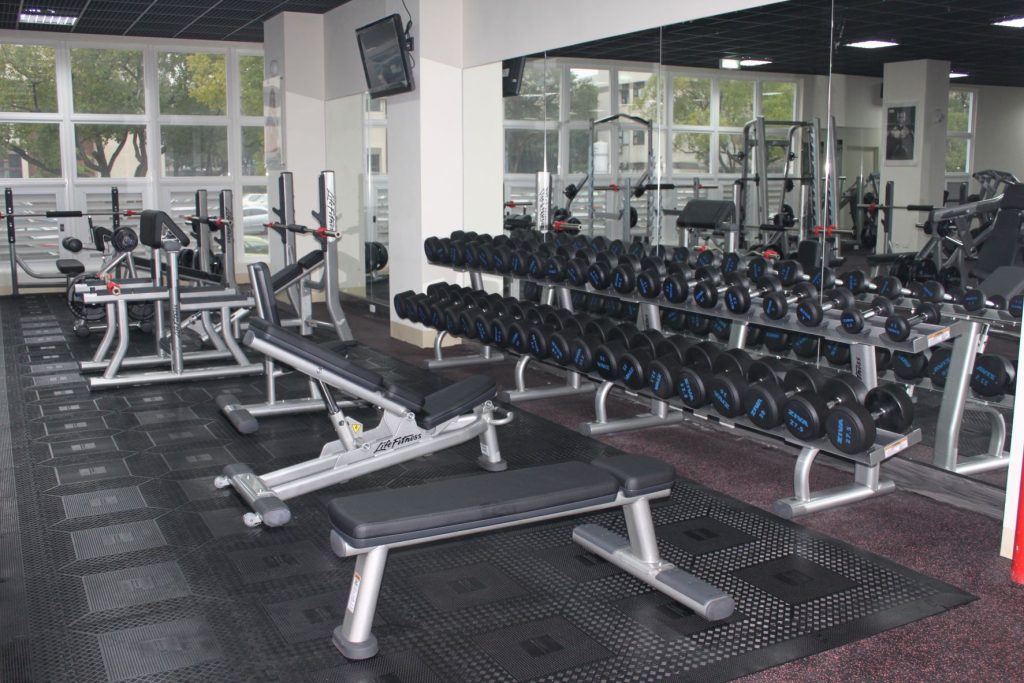
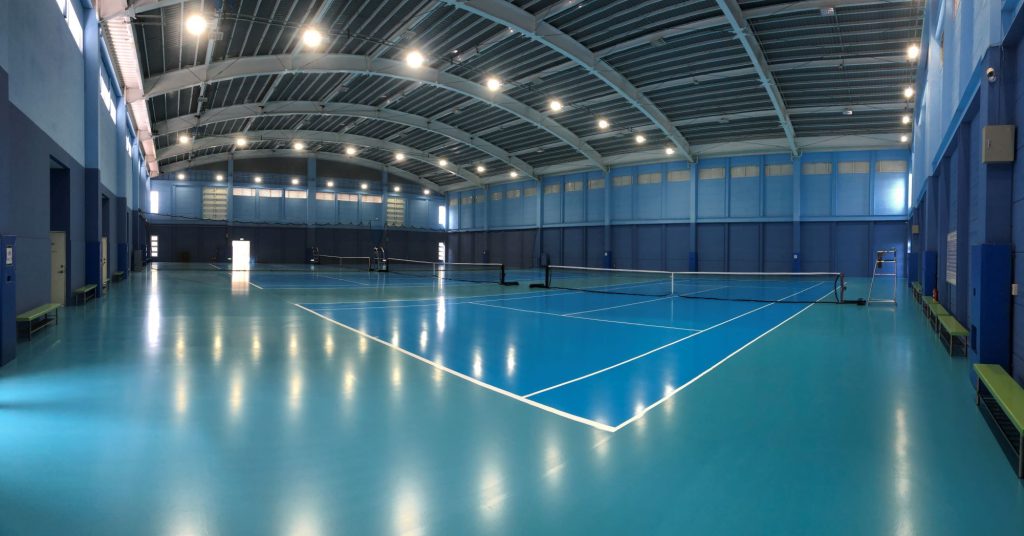


Scholarships
Scholarships
|
Scholarships |
Scholarship Amount |
Eligibility
|
|---|---|---|
|
Scholarship for Outstanding Overseas Chinese Graduate Students – Graduate Students |
NTD 120,000 (per year) |
|
Tuition/Year
|
College Category (Bachelor’s Program) |
Tuition/Year
|
|---|---|
|
School of Electrical Engineering |
NTD57,980
|
|
School of Information |
NTD57,980
|
|
College of Science (Department of Electrophysics, Department of Applied Chemistry) |
NTD57,980
|
|
College of Science (Department of Applied Mathematics) |
NTD57,480
|
|
College of Engineering |
NTD57,980
|
|
College of Biotechnology |
NTD57,980
|
|
College of Management |
NTD57,480
|
|
Faculty of Humanities and Social Sciences |
NTD49,540
|
|
College of Hakka Studies |
NTD49,540
|
|
College of Medicine |
NTD76,760
|
|
School of Dentistry |
NTD70,160
|
|
College of Life Sciences |
NTD60,220
|
|
College of Biomedical Science and Engineering |
NTD60,220
|
|
College of Pharmaceutical Sciences |
NTD60,220
|
|
College of Nursing |
NTD60,220
|
Living Expenses/Year
Living expenses: NTD84,000~120,000
Accommodation fee:
Chiao Tung Campus NTD14,040~22,300
Yang Ming Campus: NTD18,952~62,000 (excluding electricity/air conditioning/dormitory internet fees)
School accommodation
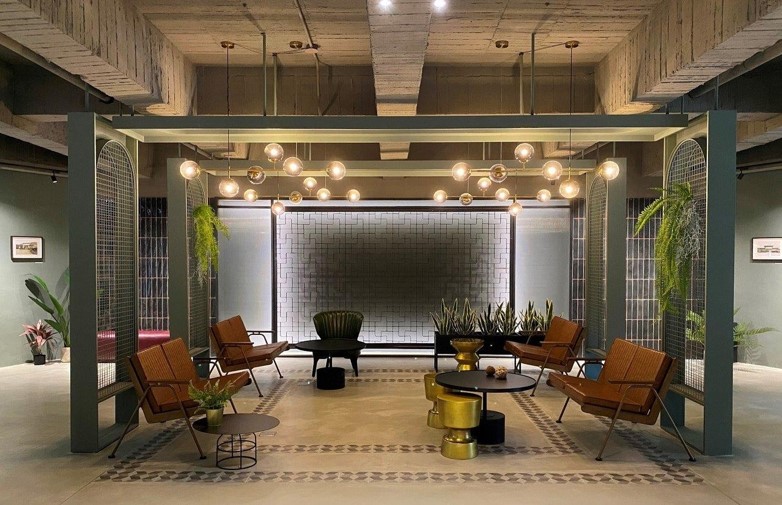
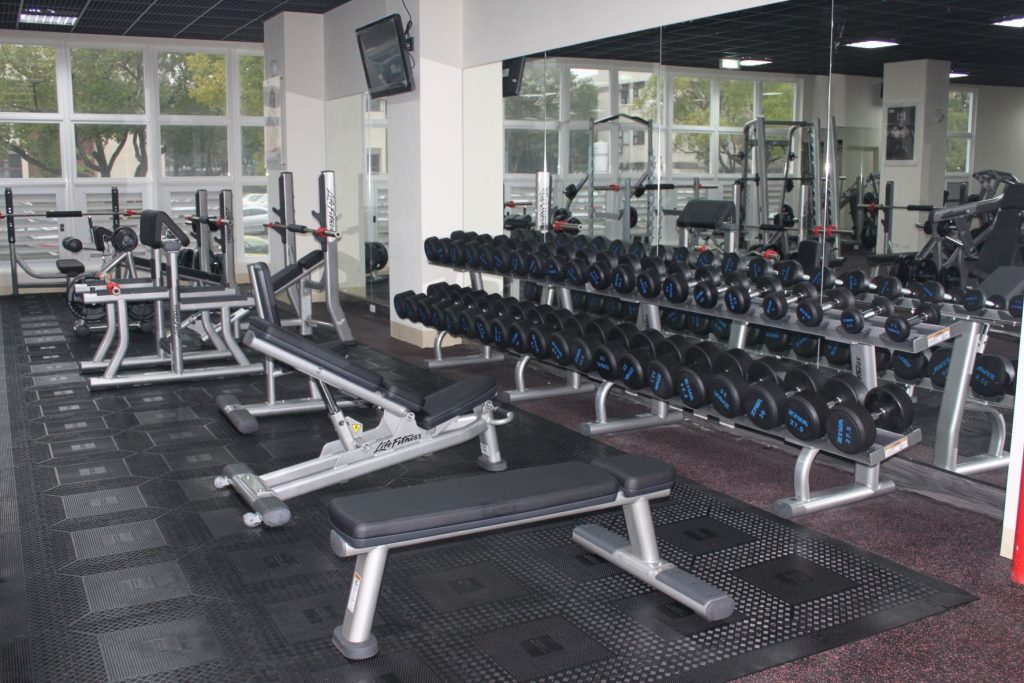
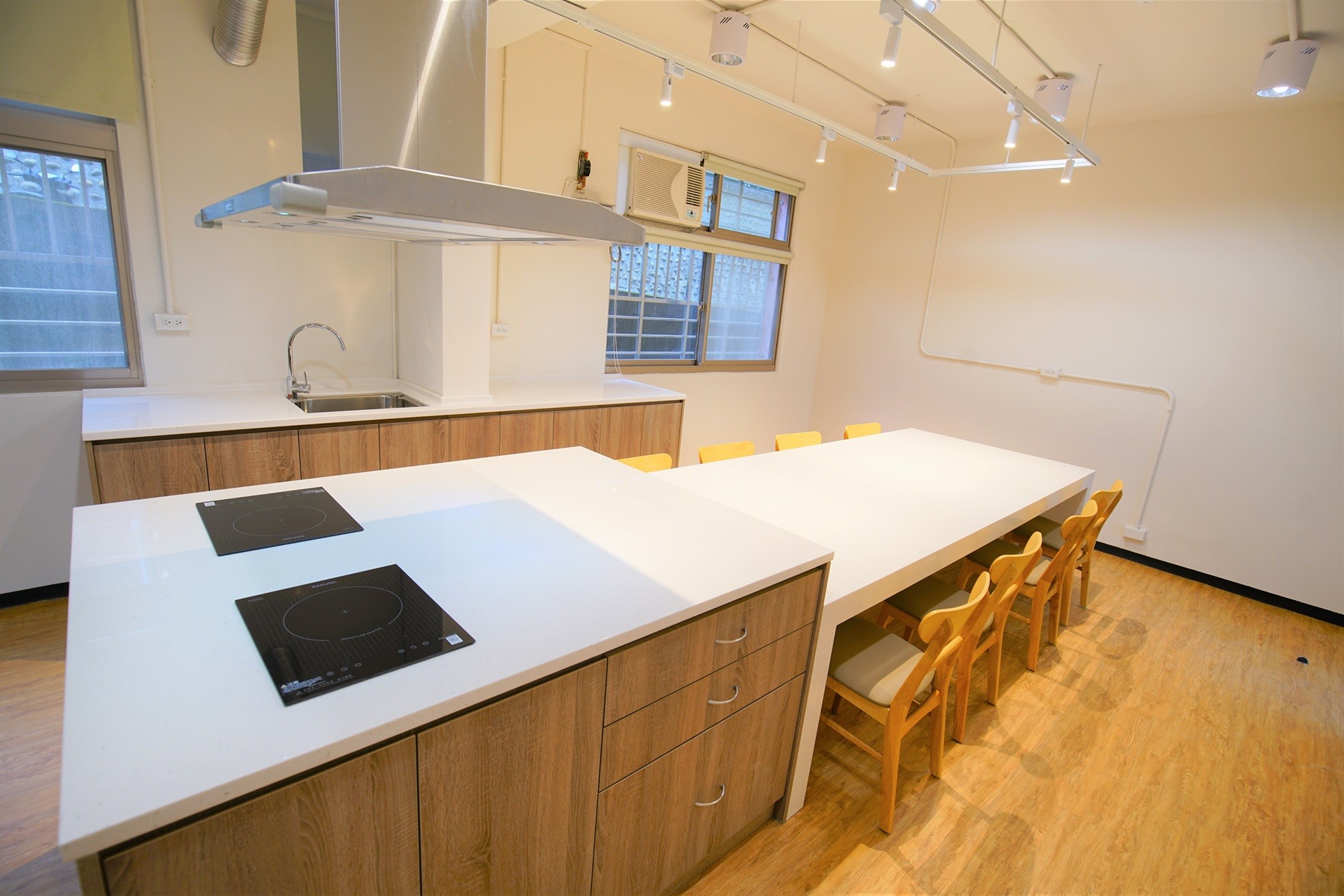
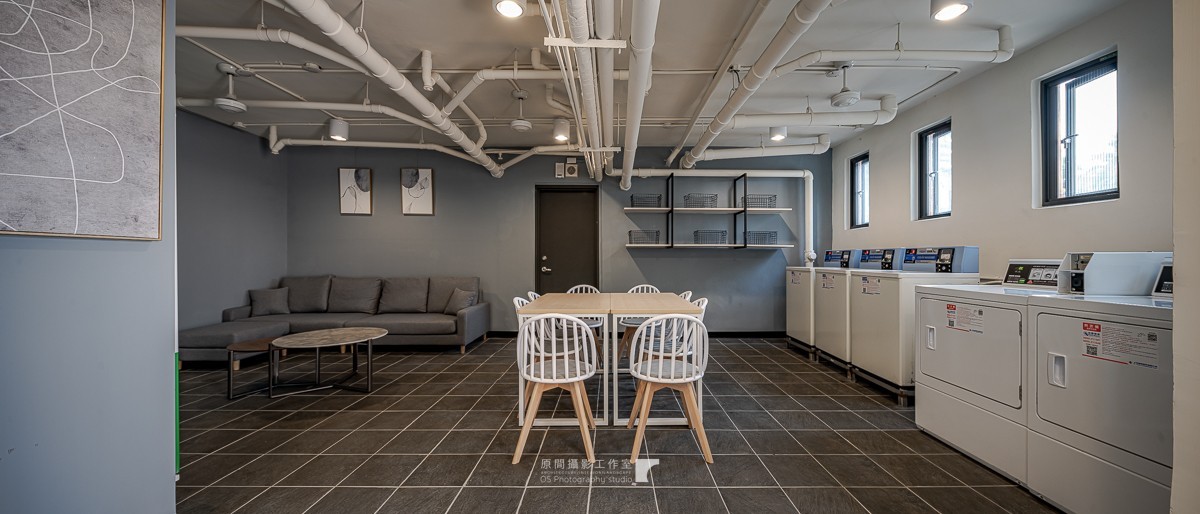
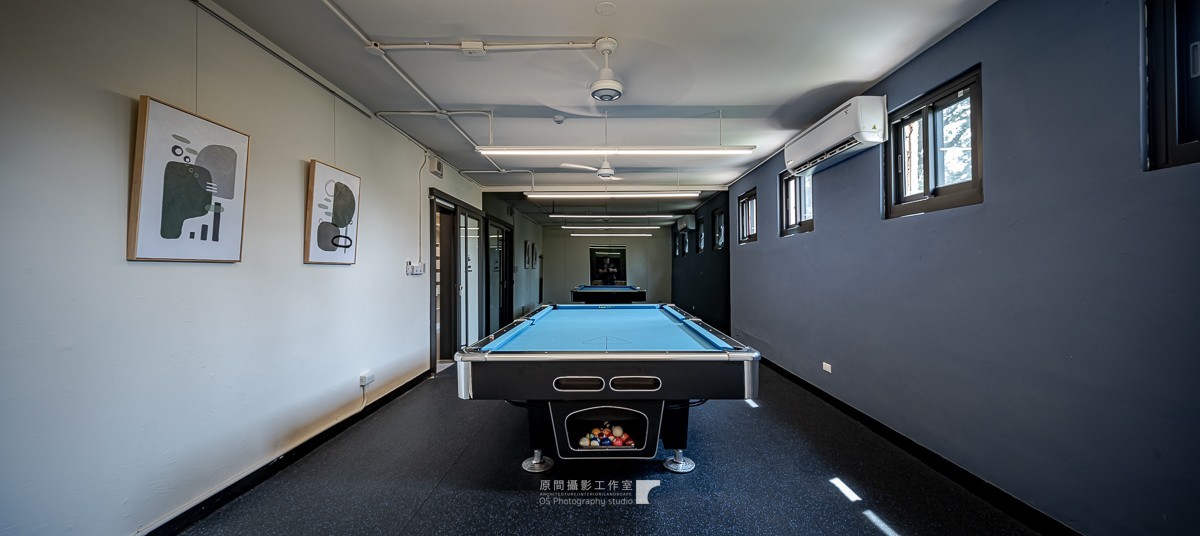
Pathways
National Taipei University of Nursing and Health Sciences
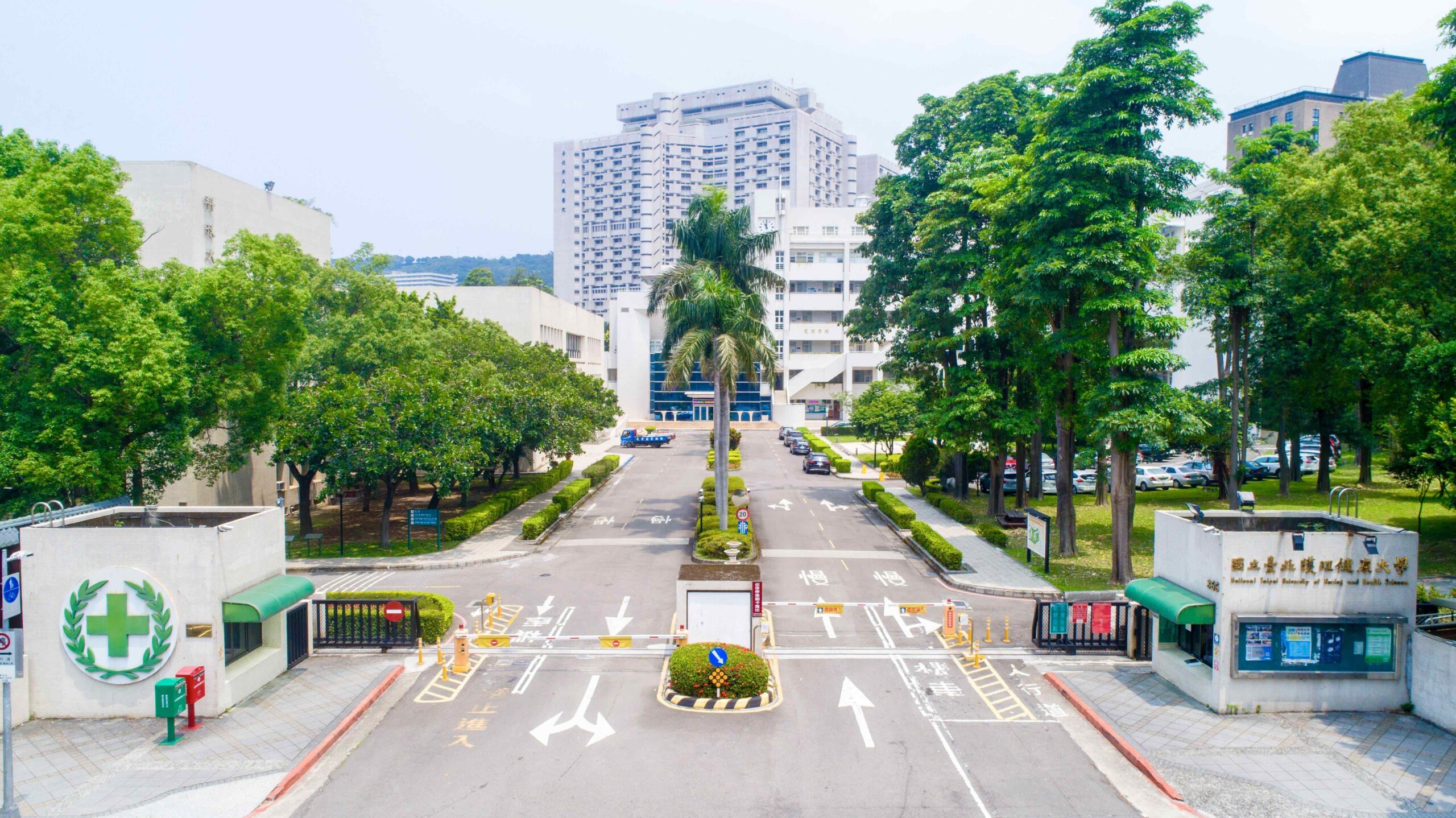
Information
Address
No. 365, Mingde Road, Beitou District, Taipei City, Taiwan 112303
Colleges and Schools
4 Colleges, 12 Departments, 14 Graduate Institutes, and 1 Center
Tuition and Accommodation Fees
Tuition: NTD/YR 54,035
Accommodation: NTD/YR 34,000~84,000 (standard room)
Living expenses: NTD/YR 72,000~96,000
Social Media
http://www.facebook.com/groups/273018366465314/
Contact Information
+886-2-28227101
[email protected]
Introduction
Since its establishment, the university has been based on nursing. Over the past sixty years, it has played a pioneering role in nursing education in Taiwan. Today, it has developed into an academic scale of four colleges, twelve departments, fourteen graduate institutes, and one center, covering the College of Nursing, the College of Health Technology, the College of Human Development and Health, and the School of Smart Healthcare.
NTUNHS aims to cultivate well-rounded professional service talents in health care. The curriculum planning emphasizes the integration of professional knowledge and practical skills. Through the establishment of curriculum maps and the assessment of students’ preparedness, the university cultivates diverse abilities.
In addition, the university actively promotes international academic exchanges between faculty and students. It has signed cooperation agreements with universities and departments in the United Kingdom, the United States, South Korea, New Zealand, Australia, and other countries, arranging for students to participate in international exchange programs and overseas internship courses, and providing scholarships for outstanding international students to study in Taiwan.
School Features
1. The first nursing school in Taiwan (since 1947), and the only government-established university of nursing and health.
2. The only university designated by domestic and foreign government academic organizations to cultivate global health care professionals.
International Exchange and Cooperation
The university has signed academic cooperation agreements with more than 200 outstanding universities in 19 countries across 5 continents.
Special Learning Performance
The university’s pass rate in higher examinations is higher than the national pass rate.
Highlights
International Exchange and Cooperation
Since 2001, NTUNHS has established “Go Global: Nurturing World-Class Healthcare Professionals” as the school’s guiding principle for promoting international and cross-strait cooperation and development.
In promoting the school’s internationalization efforts, the university has developed five major goals for internationalization:
(1) Internationalization of academic programs;
(2) Internationalization of students’ professional certifications and employment skills;
(3) Internationalization of student origins;
(4) Internationalization of students’ humanistic qualities;
(5) Internationalization of academic research.
Through the formulation of these five major goals, the university actively signs cooperation agreements with international higher education institutions, creating a number of forward-looking international cooperation models in Taiwan, including the International Nursing Dual Bachelor’s Degree Program, the International Early Childhood Education Dual Master’s Degree Program, the International Health Management Dual Degree Program, the International Information Management Dual Bachelor’s Degree Program, the International Exercise and Health Science Bachelor’s Dual Degree Program, and the all-English taught International Nursing and Midwifery Master’s Program, the International Nursing Doctoral Program, the International Montessori Master’s Program, the International Health Technology Master’s Program, and the International Exercise Science Master’s Program.
At the same time, the university cooperates with more than 30 academic or professional institutions abroad to offer international professional courses/international internship courses/exchange study courses/overseas professional volunteer services/international professional certification training and other international practical learning courses, establishing channels for cultivating students’ international professional abilities. Through the establishment of diverse international professional learning channels, the university provides funding and selects approximately 150 students each year to study professional courses abroad.
Evaluation
1. In 2020, NTUNHS was awarded the QS Stars five-star honor.
2. In 2023, NTUNHS’s nursing program was ranked first among national universities in Taiwan by QS Subject Rankings.
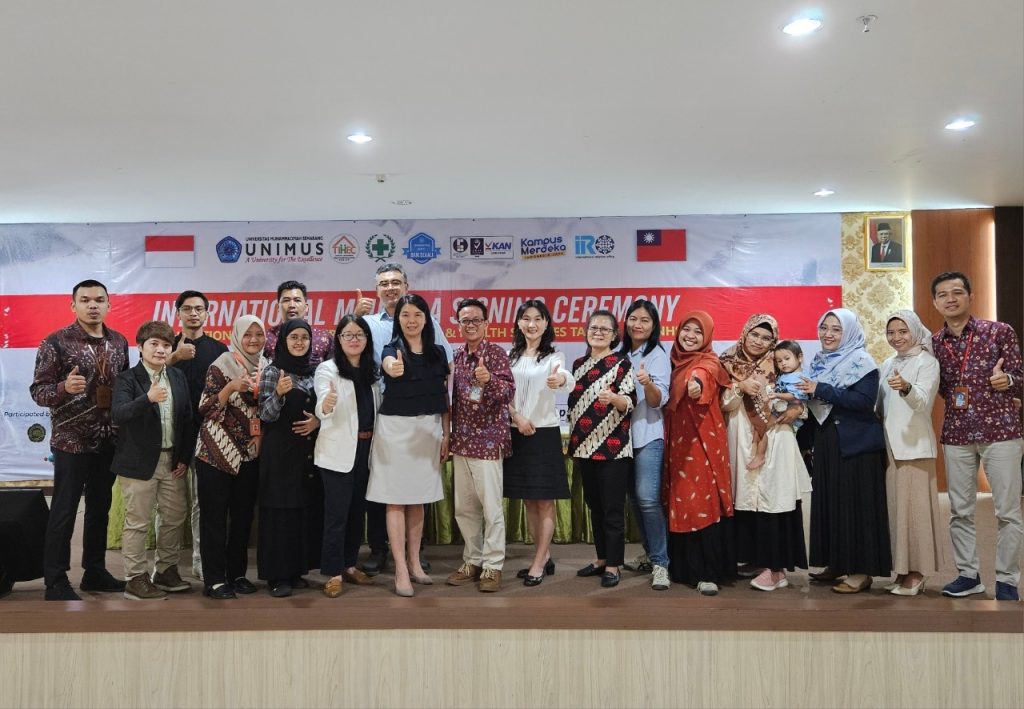
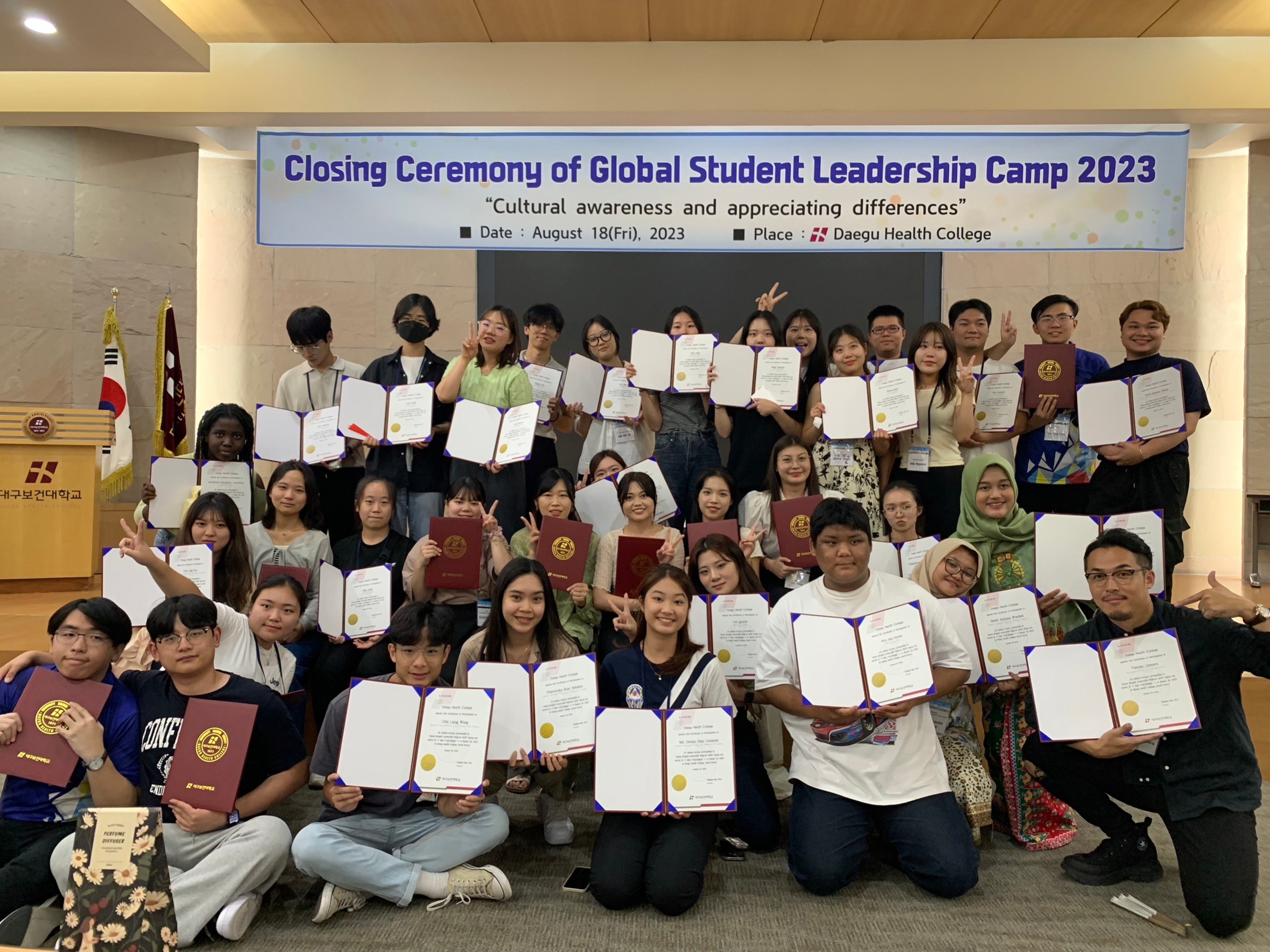
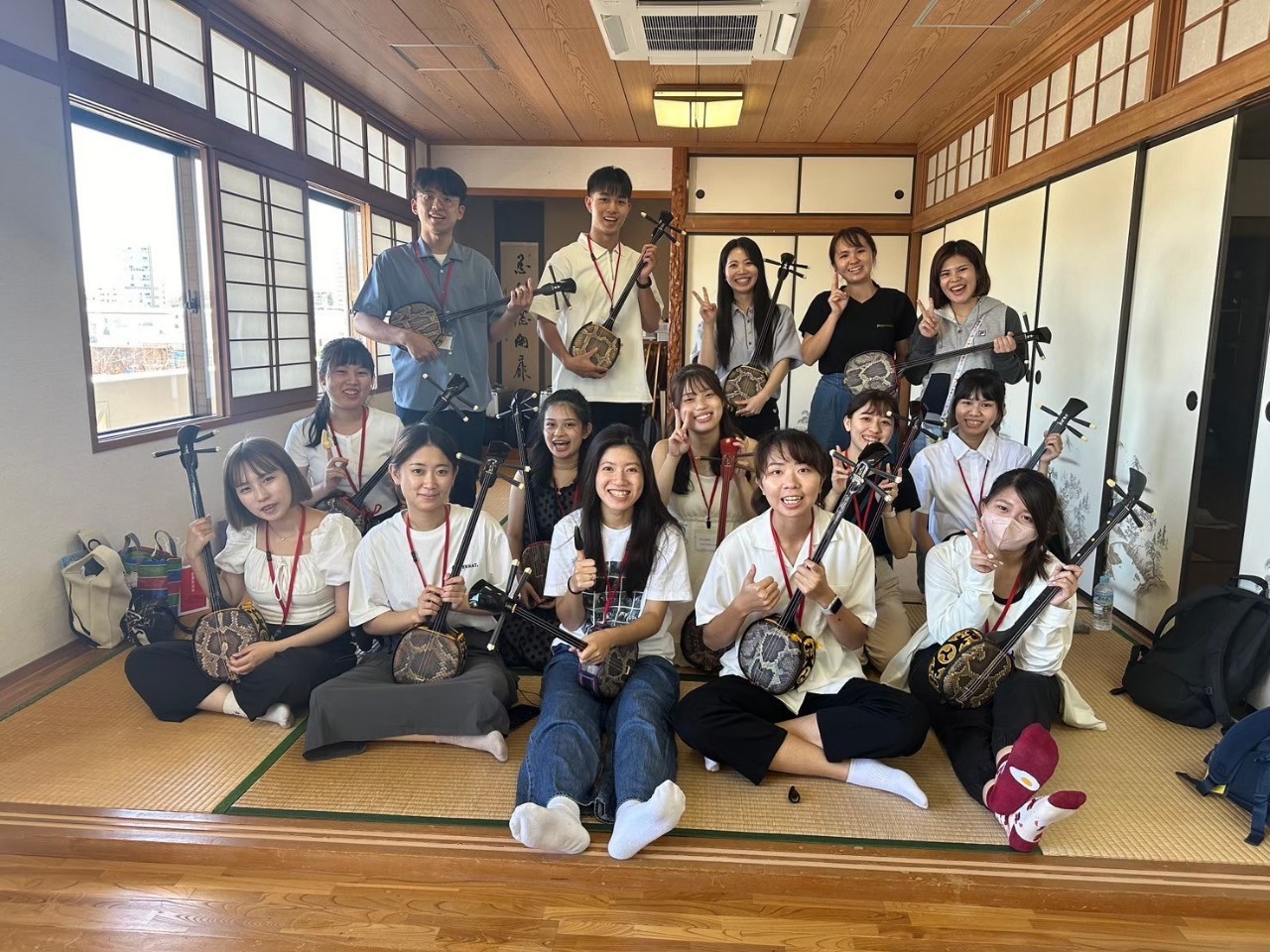
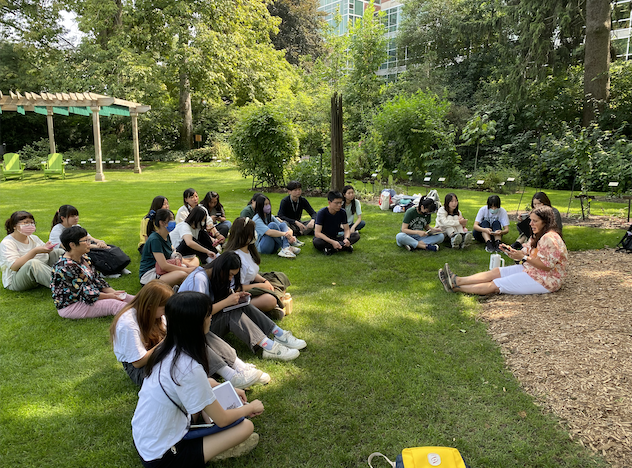
Departments
School Departments and Programs
College of Nursing
College of Health Technology
College of Human Development and Health
Smart Healthcare Interdisciplinary College
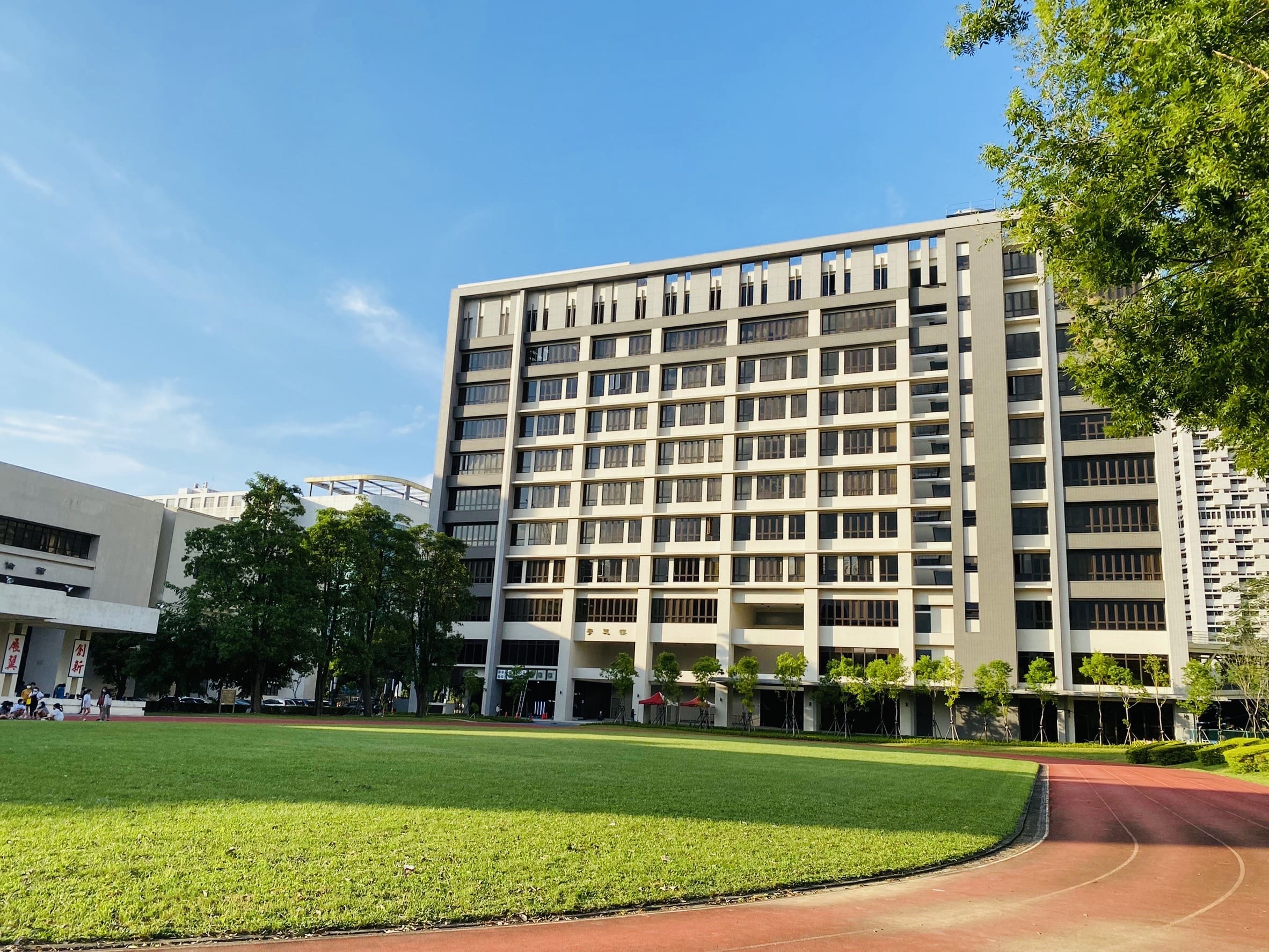
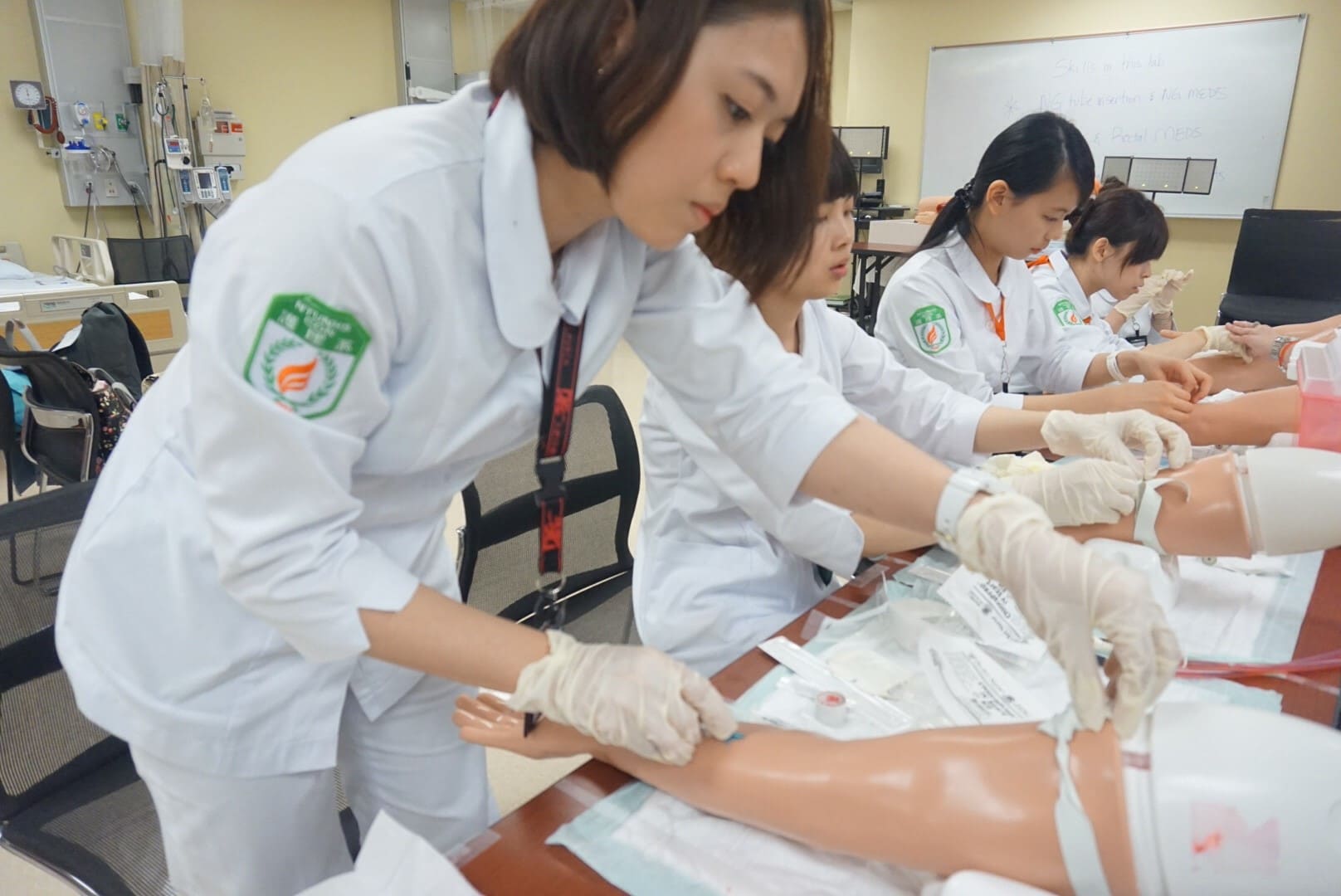
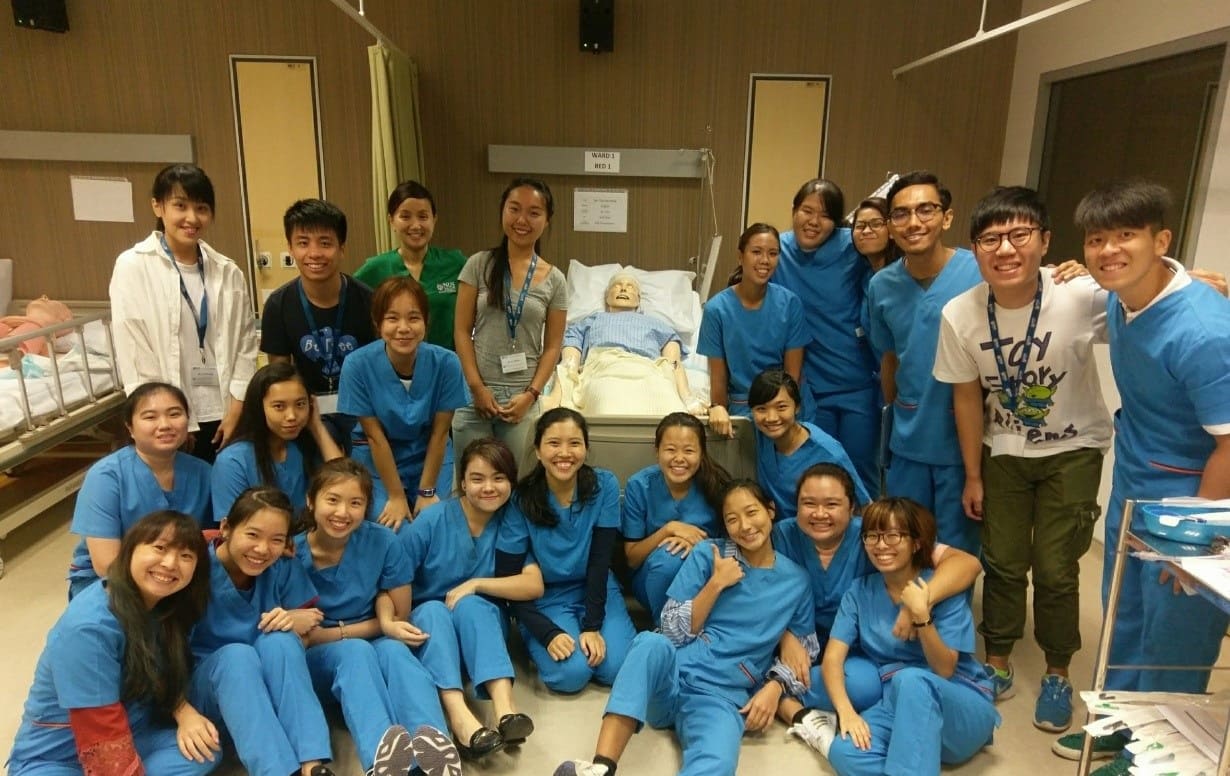
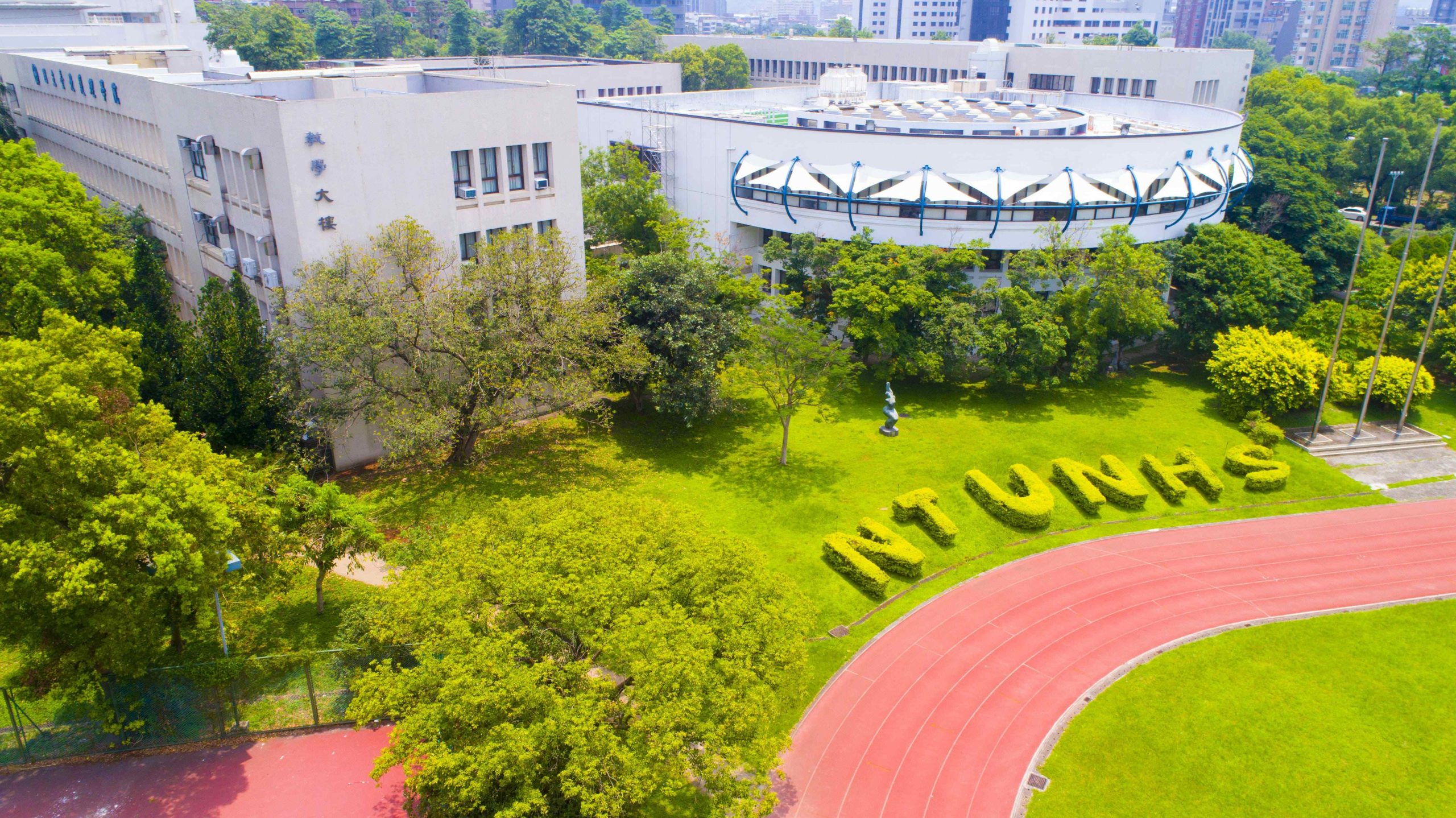
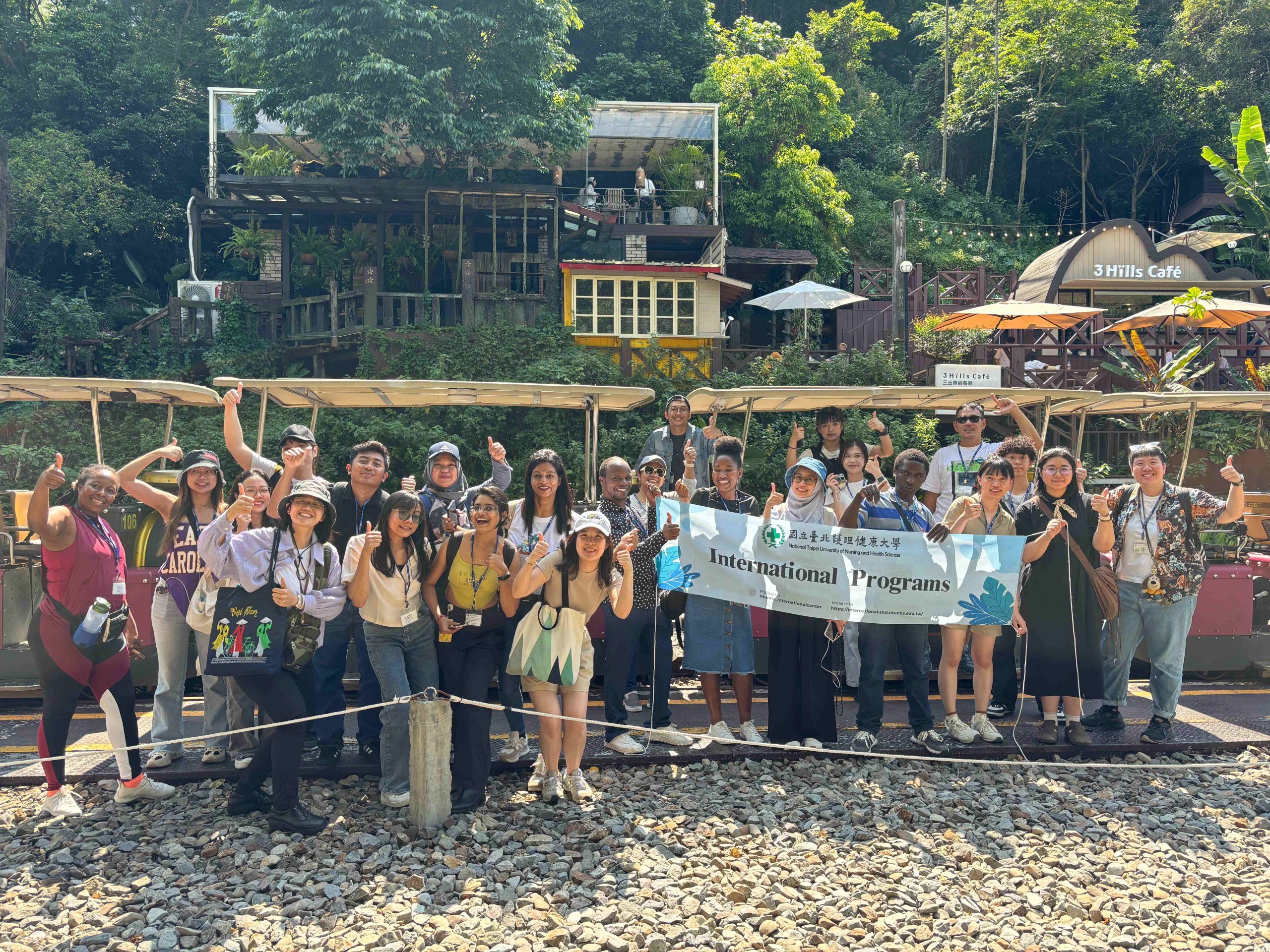

Scholarships
Scholarships
|
Scholarships |
Scholarship Amount |
Eligibility
|
|---|---|---|
|
International Student Scholarships |
NTD20,000 ~ 32,000 |
International students with formal student status at the university who have not been subject to any demerit (including) or above disciplinary action by the school and who meet one of the following requirements may apply: (1) Undergraduate students must take at least 6 credits per semester and have an academic average of 70 points or higher in the previous academic year; those who have been admitted for less than one academic year must have an overall academic average of 70 points or higher converted from the academic transcripts of their highest degree. (2) Master’s or doctoral students must take at least one subject per semester and have an academic average of 80 points or higher in the most recent academic year in which they have taken credits; those who have been admitted for less than one semester must have an overall academic average of 80 points or higher converted from the academic transcripts of their highest degree.
|
Tuition and Miscellaneous Fees
|
institute |
Tuition and Fees (Annual)
|
|---|---|
|
College of Nursing |
NTD/YR 54,035
|
|
College of Health Technology |
NTD/YR 46,082
|
|
College of Human Development and Health |
NTD/YR 49,464
|
|
School of Smart Healthcare |
NTD/YR 49,464
|
Living Expenses
Living expenses: NTD/YR 72,000 ~ 96,000
Accommodation: NTD 34,000 ~ 84,000
Graphic introduction to the school accommodation environment
|
One semester |
One academic year |
Other explanations
|
|---|---|---|
|
NTD10,800-13,000 |
NTD23,800 |
Dormitory Name:
|
|
Quadruple Suite |
Quadruple Suite NTD 38,800 Double Suite NTD 63,800 |
Dormitory Name:
|
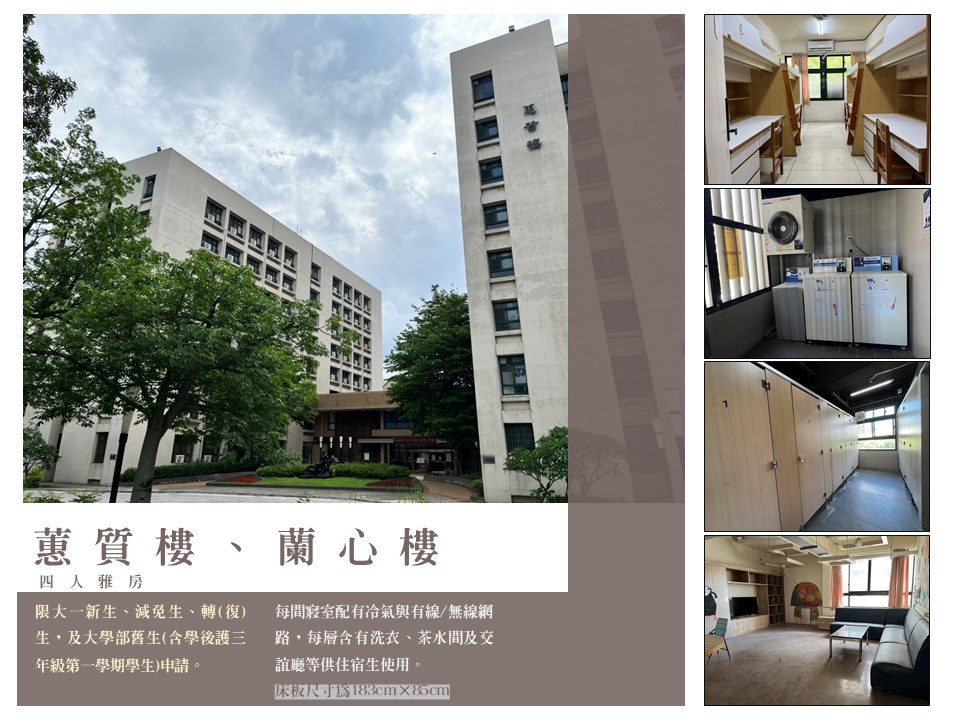
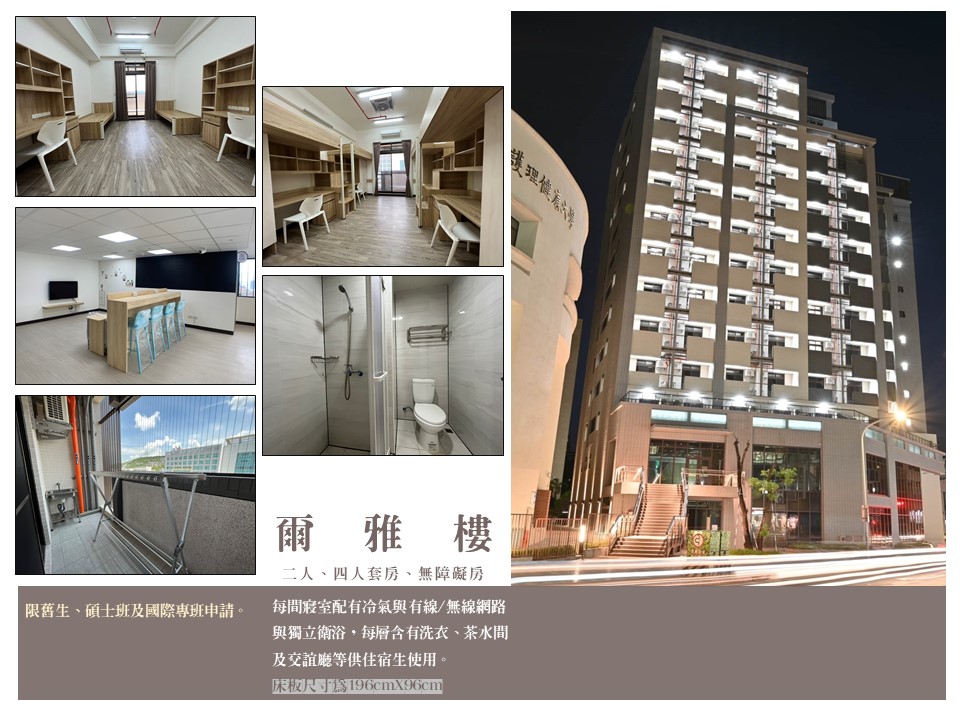
Pathways

