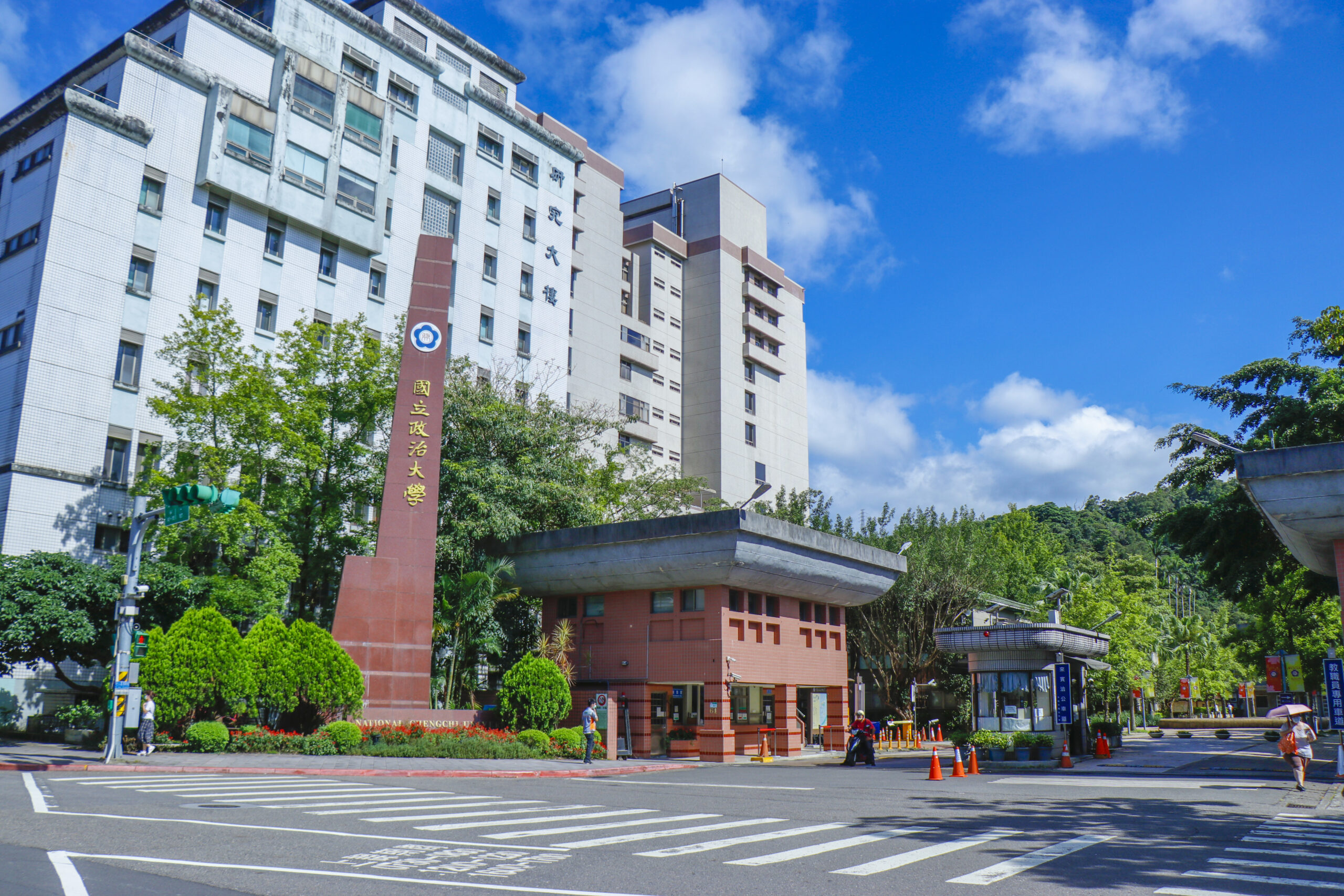
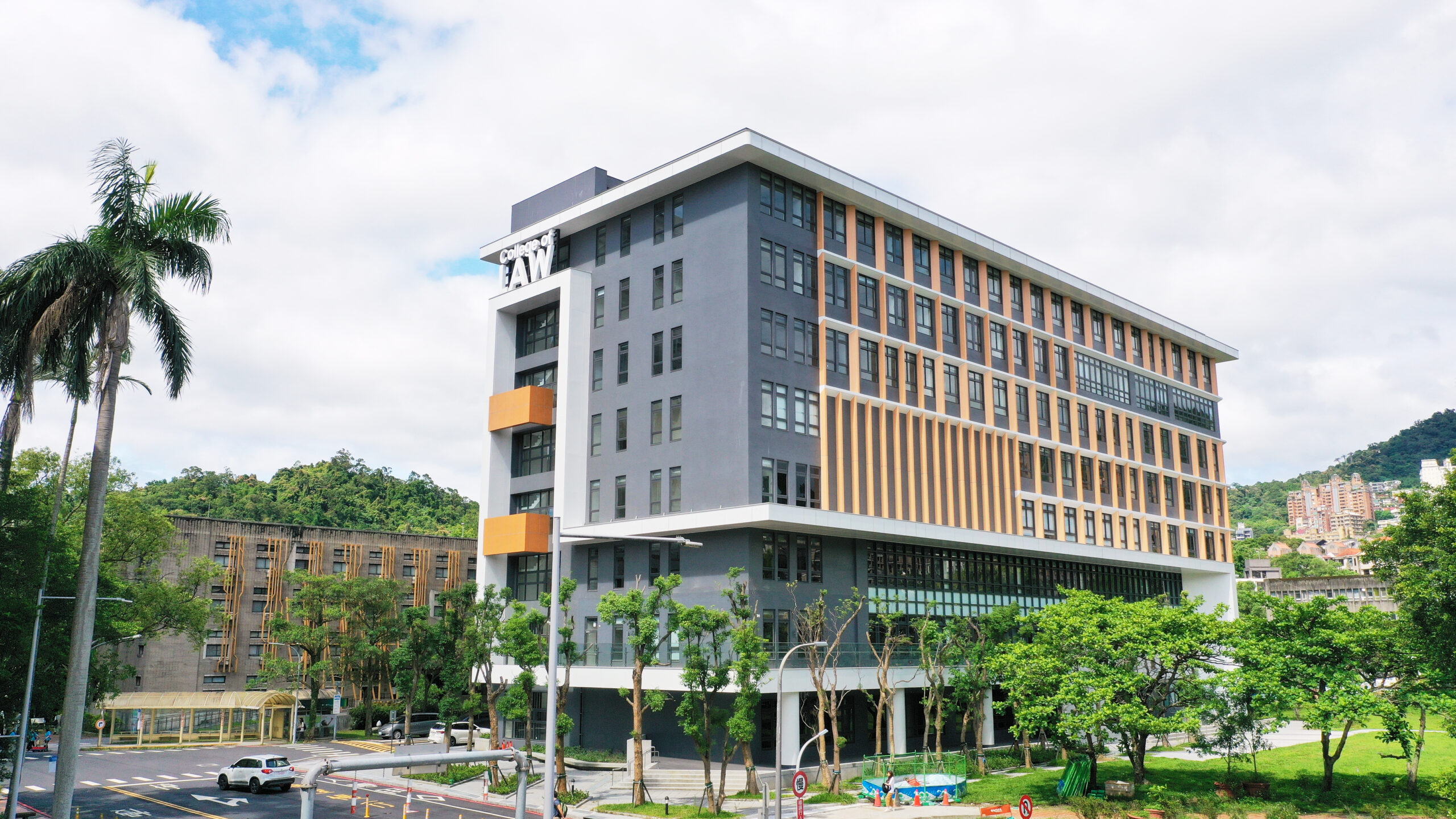
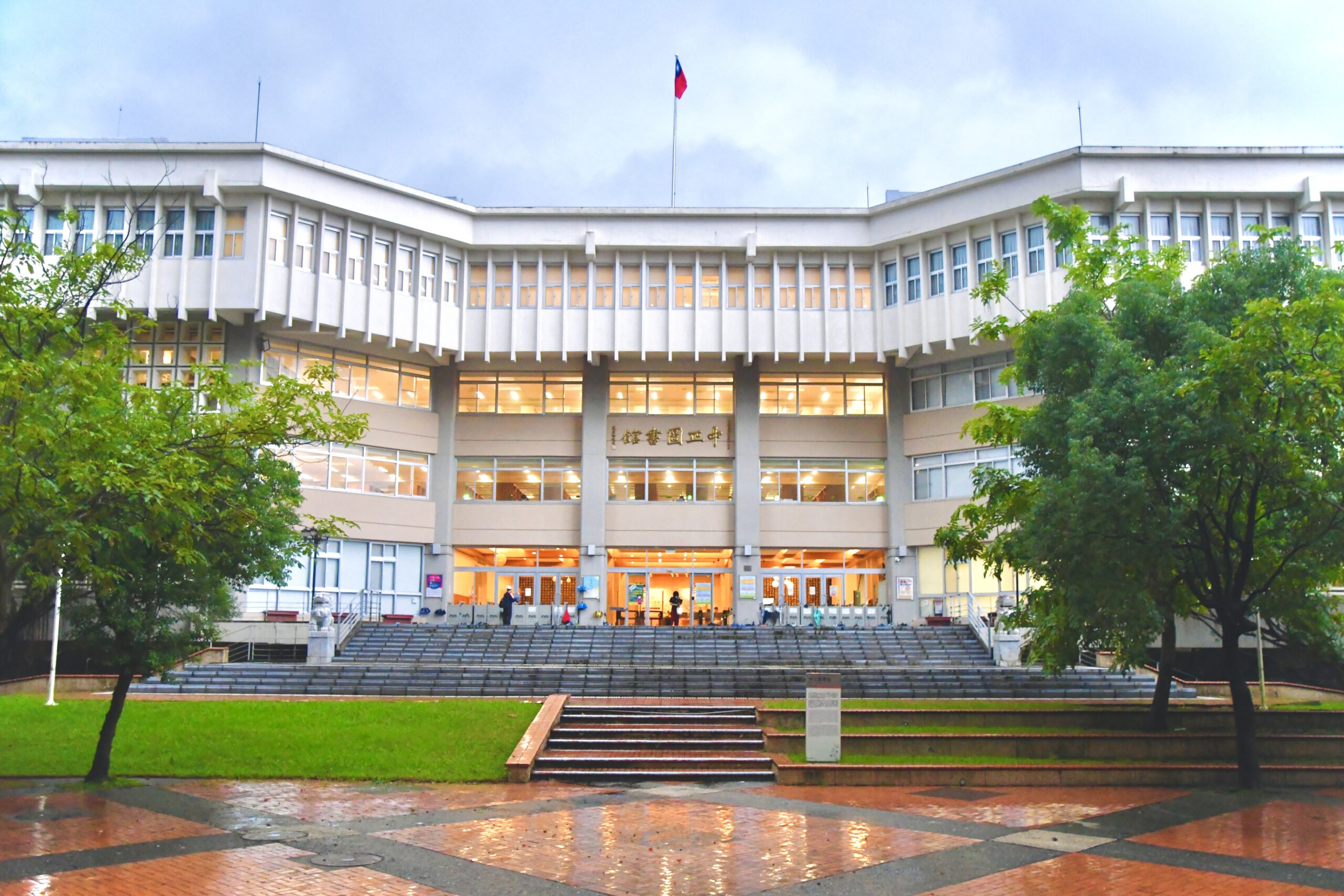
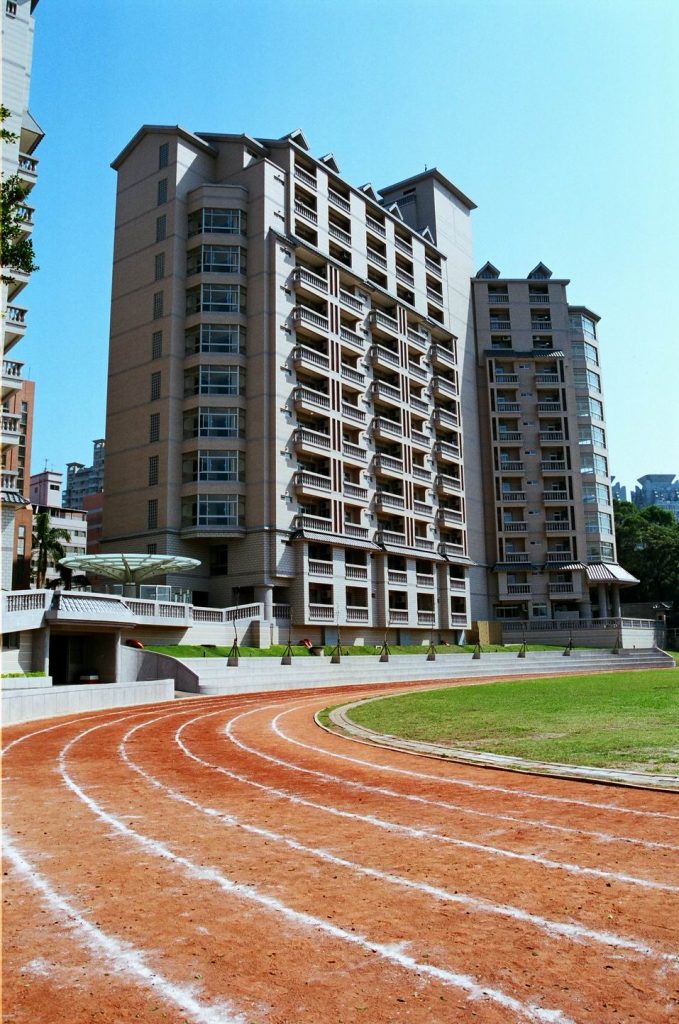
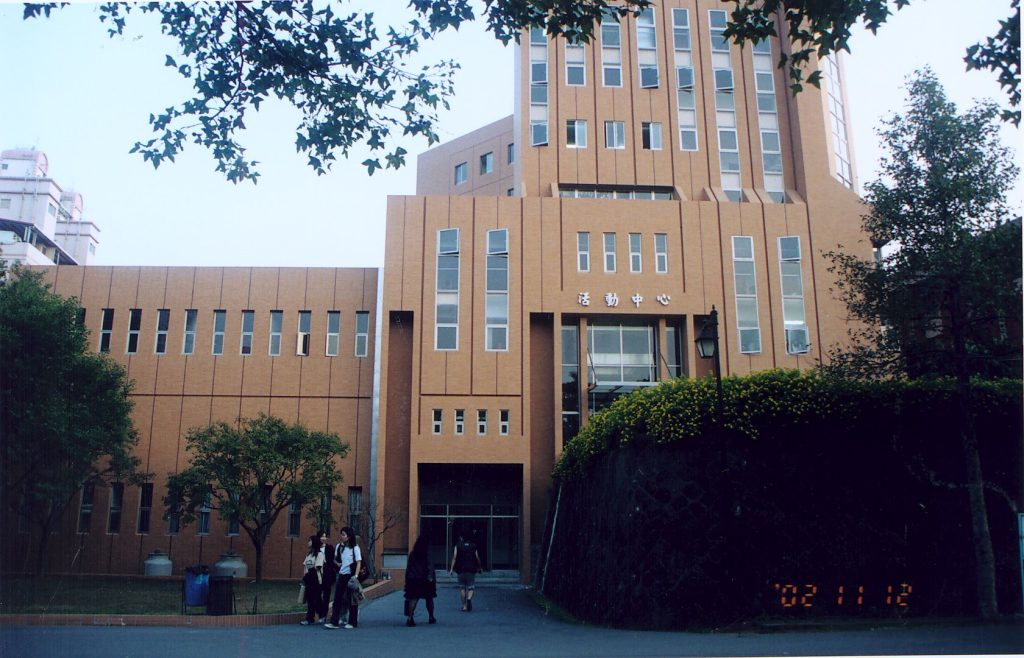
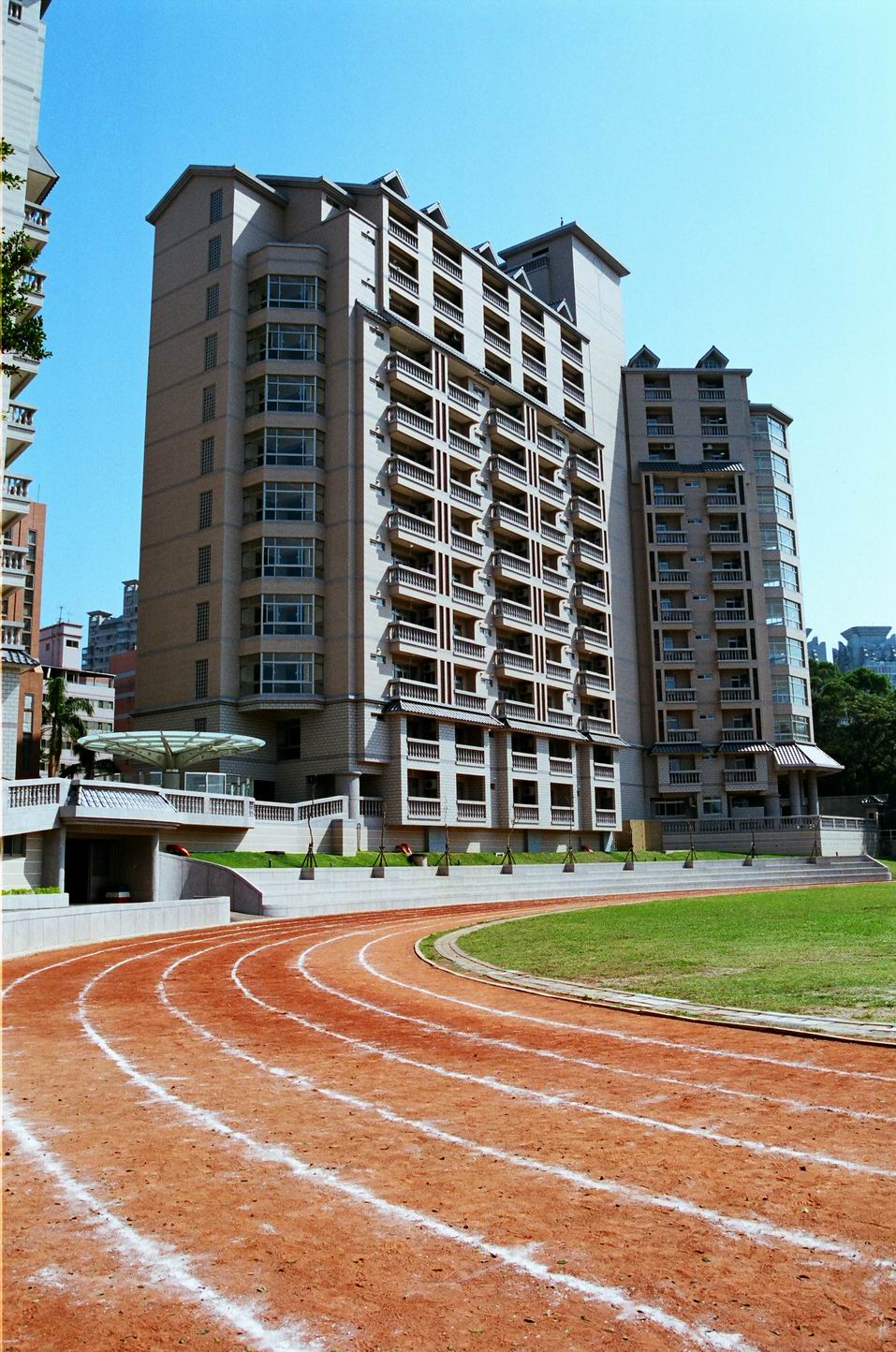
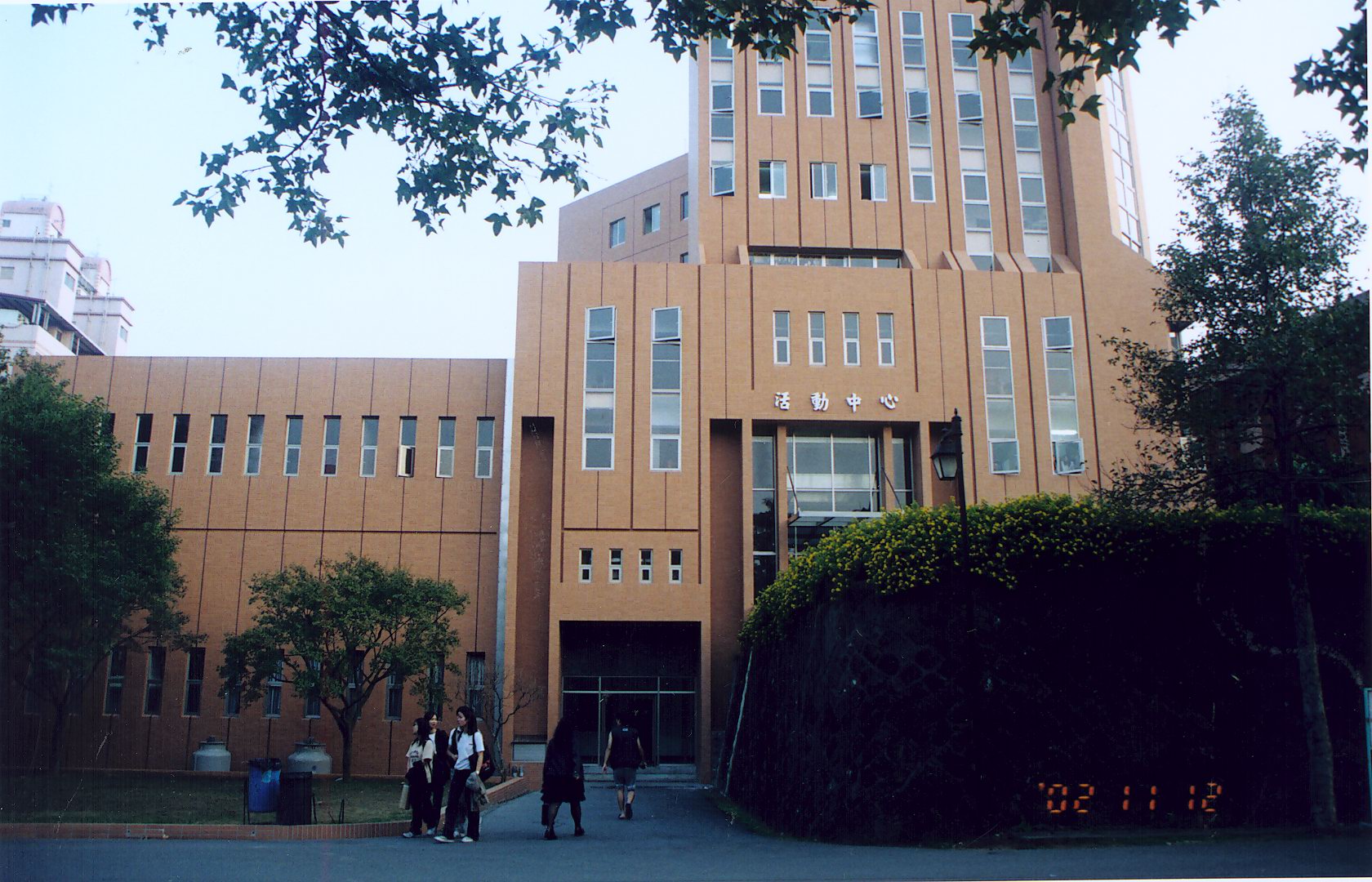
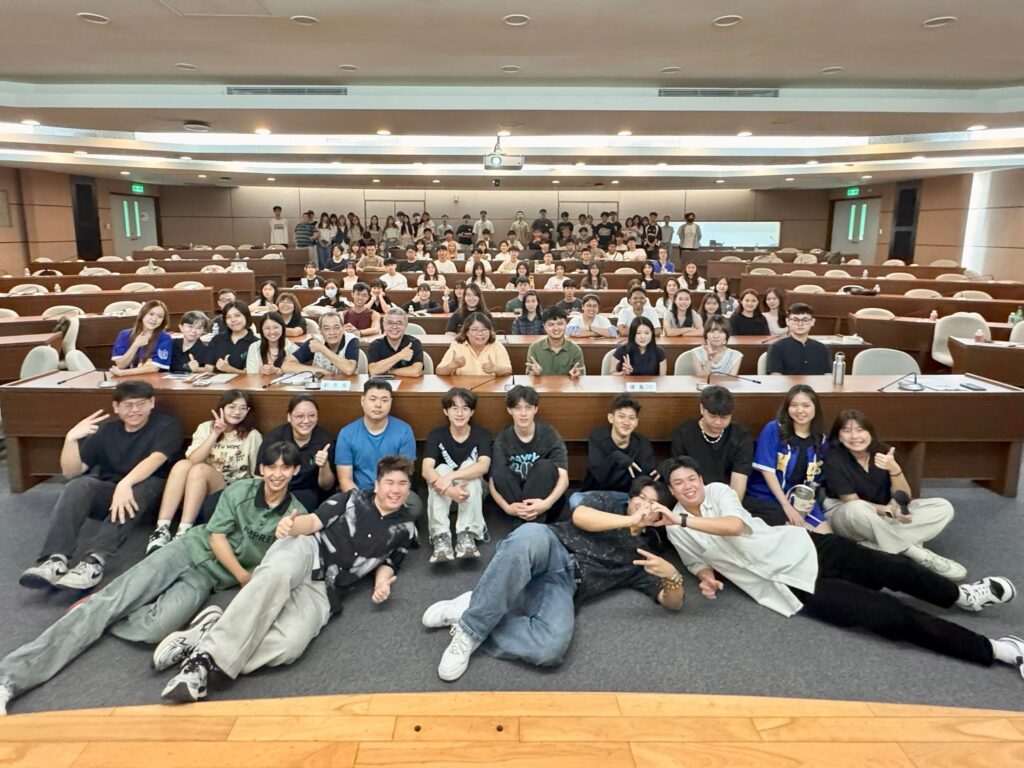
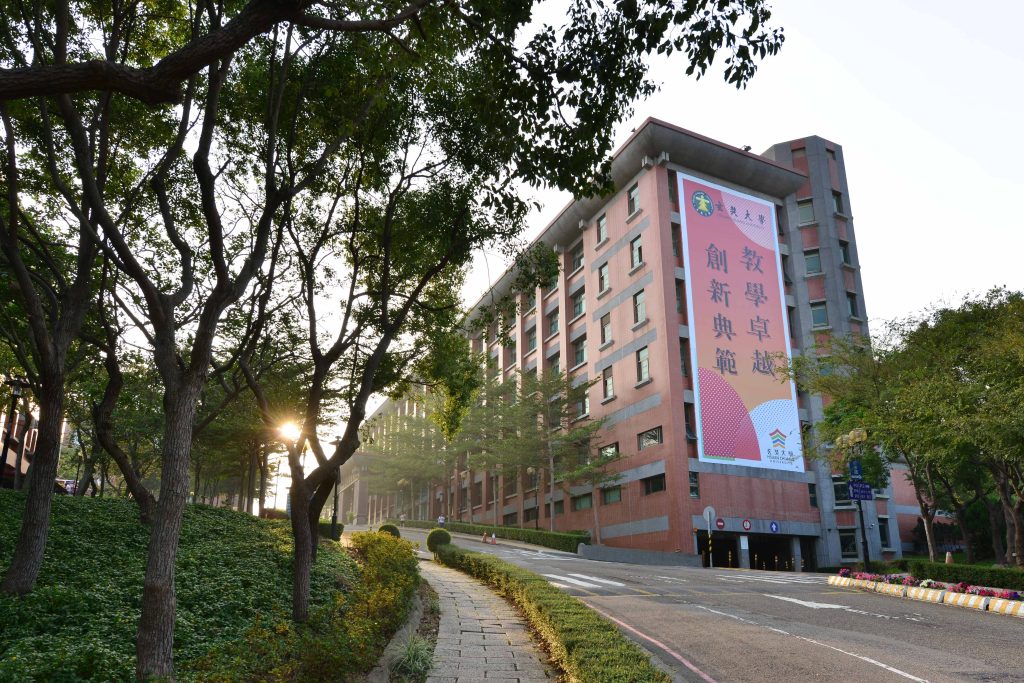
National Chengchi University (NCCU) was founded in 1927, and for more than 9 decades of re-formation and development, we have been upholding our motto, “Harmony, Independence, Balance and Preeminence”, We continue to refine our teaching methods and research in order to nurture talents for our country and the world.
We currently have 12 colleges excelling in the Liberal Arts, Law, Commerce, Science, Foreign Languages, Social Sciences, Communication, International Affairs, Education, Innovation, Informatics, Global Banking and Finance. We have 34 departments, one undeclared major in the College of Communication, 43 master’s programs and 34 doctoral programs. Additionally, NCCU offers 12 on-the-job Master’s Programs, and also 7 distinguished International Master’s Programs and International Doctoral Program.
Teaching quality and academic prestige
In the 2025 QS World University Rankings, National Chengchi University (NCCU) is positioned as a leading institution in Taiwan, particularly renowned for its excellence in humanities and social sciences. With Classics & Ancient History, Accounting & Finance, Politics & International Studies, Media & Communication, Modern Languages and Linguistics.
International Exchange and Cooperation
As of now, we have partnered with over 400+sister universities across 60+ countries. We offer more than 20+ language courses on campus and our professors’ academic research never stops connecting with the world.And more than 2500+ international students. It also actively promotes international exchanges such as overseas internships and volunteer work, providing students with more diverse learning experiences and making it the most comprehensive Taiwanese higher education institution in terms of internationalization.
Guidance Mechanism for Overseas Chinese Students from Hong Kong, Macau, and Malaysia
The Student Counseling and Overseas Chinese Student Affairs Division of the Office of Student Affairs has dedicated personnel responsible for matters related to overseas Chinese student counseling, including academic counseling, assistance with residence permits and entry/exit matters, scholarship applications, and arrangement of work-study opportunities, so that students can study without any worries.
Alumni
友善校園
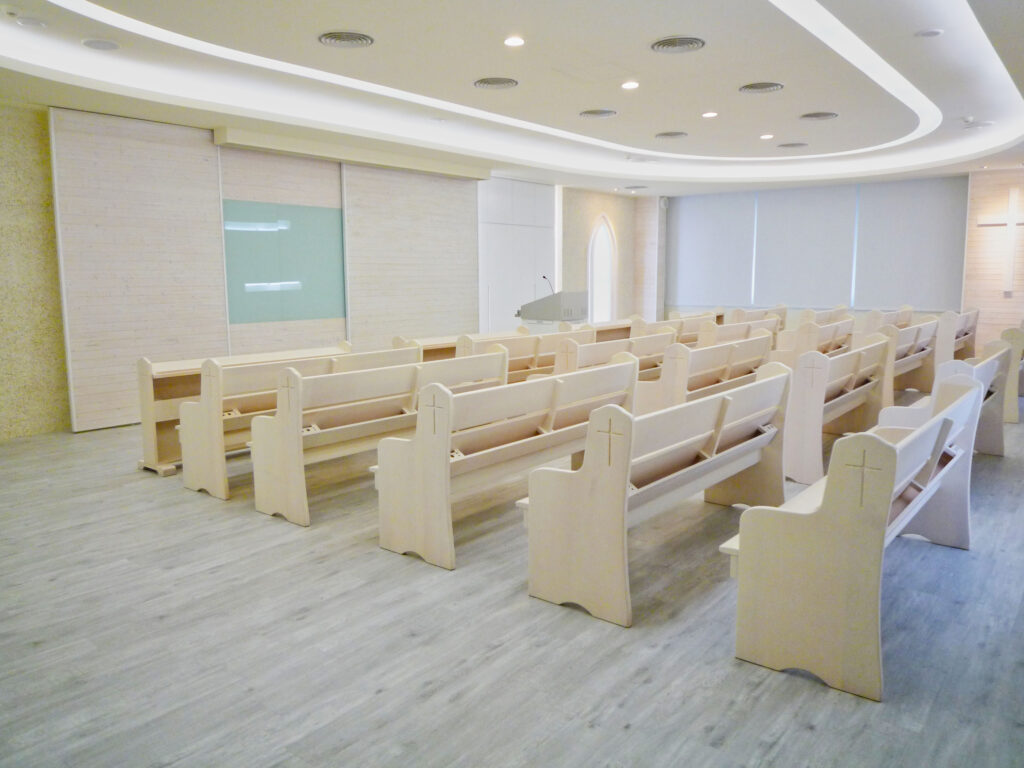
友善祈禱室友善餐廳友善廁所
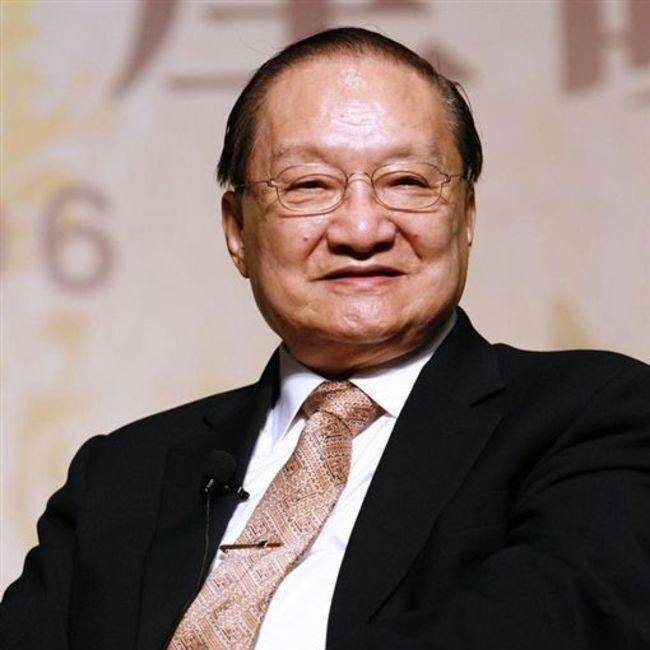
查良鏞(金鏞)
Famous martial arts novelist
Hong Kong
Jin Yong was admitted to the Department of Diplomacy at National Chengchi University in 1944. In 1952, he served as the editor of the supplement of the “New Evening Post.” In 1959, he founded “Ming Pao” in Hong Kong.
In 1955, he began writing numerous popular novels under the pen name Jin Yong, including “The Book and the Sword,” “The Legend of the Condor Heroes,” and “The Return of the Condor Heroes.” He also used the pen name Lin Huan to write scripts for Great Wall Movie Enterprises, including “The Peerless Beauty,” which won the Gold Medal Award from the Ministry of Culture of the People’s Republic of China.
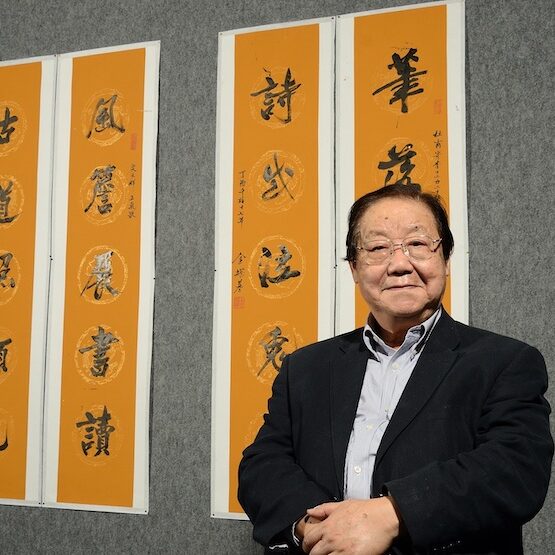
金耀基
Outstanding alumni
Hong Kong
Graduated from the Graduate Institute of Political Science at National Chengchi University. His Chinese and English literary works include “From Tradition to Modernity” (1966), “Chinese Society and Culture,” “Chinese Politics and Culture,” “China’s Modern Transformation,” “Sociology and Chinese Studies,” “Chinese Culture and Modern Transformation” (2016), “The Idea of the University,” and “Rethinking the Way of the University” (2017).
His essay collections include “Cambridge Jottings,” “Heidelberg Jottings,” “Companions in Life” (2018), and “King Yau-ki’s Eighty Calligraphy Collection.”
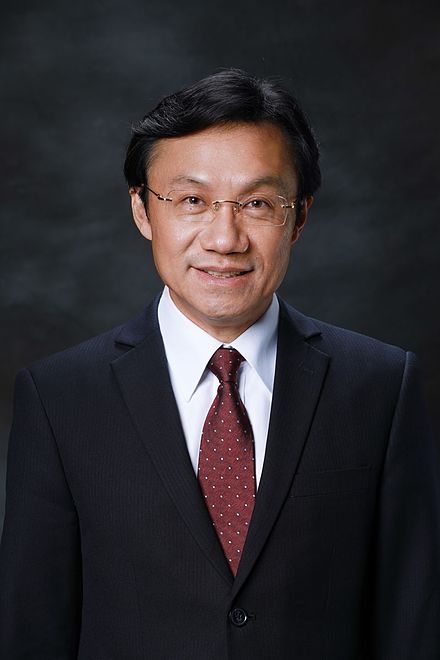
譚俊榮
Secretary for Social Affairs and Culture of Macao
Macau
Graduated from the Department of Business Administration at National Chengchi University in 1985. In 1994, he served as the Director of the Human Resources Department of the Public Administration and Civil Service Bureau. In 1995, he served as the President of the School of Social and Applied Sciences of the Macao Polytechnic Institute. In 1997, he served as the Director of the Higher Education Auxiliary Office. In 1999, he served as the Director of the Office of the Secretary for Social Affairs and Culture. In 2007, he was elected by UNESCO as the Chairman of the Asia-Pacific Regional Conference on Higher Education. In 2009, he served as the Chief of Office of the Chief Executive of the Macao Special Administrative Region. In 2014, he was appointed as the Secretary for Social Affairs and Culture of the Macao Special Administrative Region Government.
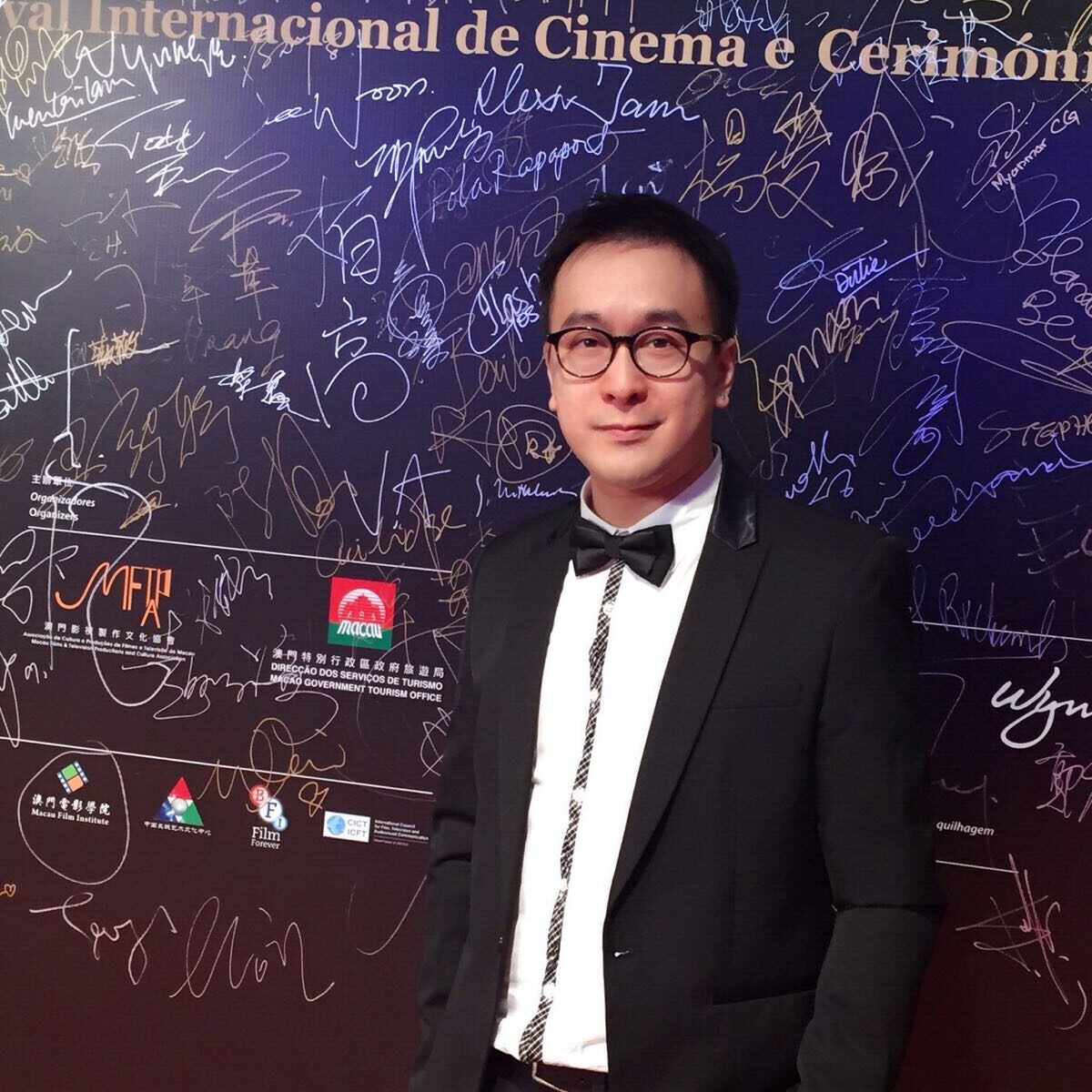
李展鵬
Outstanding alumni
Macau
Graduated from the Department of Journalism at National Chengchi University. He is currently a lecturer in the Department of Communication at the University of Macau, the president of “New Generation” magazine, a member of the Hong Kong Film Critics Association, and a columnist for “Ming Pao.” He is the author of “One Hundred Expressions of Film,” “Journey Moments,” and “Invisible Macau: The Neglected City and Culture,” and co-edited “The Last Song of the Evening: Anita Mui’s Performing Life” (co-edited with Cheuk Nam).
His articles have appeared in Hong Kong’s “Stand News,” Taiwan’s “Independent Commentary Network,” and “The News Lens.” He has served as a judge for film festivals such as the Taiwan Golden Horse Film Festival’s NETPAC Award, the Taiwan International Documentary Film Festival, and the Taiwan Queer Film Festival.
莊文杰
ASTRO Current Affairs Program Host
Malaysia
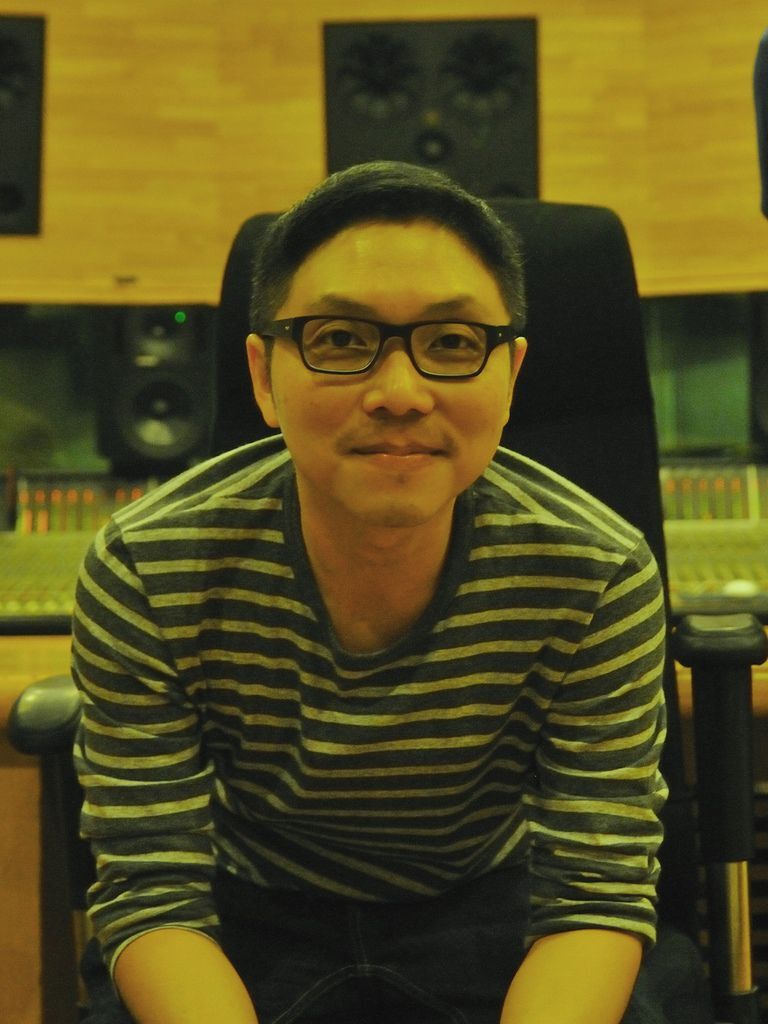
Chong Men Jet graduated from the Department of Radio and Television at National Chengchi University in Taiwan. He previously worked as an executive producer and cinematographer for a travel program at Chinese Television System (CTS) in Taiwan and as an executive producer for a financial program at Next TV.
In 2014, he returned to Malaysia and became a host for ASTRO’s current affairs programs.
彭學斌
Famous Mandarin Music Producer
Malaysia
Participated in the “Golden Melody Award” songwriting competition at NCCU and was noticed by producer Lee An-hsiu, who was one of the judges at the time. After returning to Malaysia in 1998, he has produced more than 100 albums and published more than 300 songs. The artists he has worked with include: Michael Wong, Yoga Lin, Stefanie Sun, Cheer Chen, Fish Leong, Z-Chen, Nicholas Teo, and Anthony Neely. In addition, he is also the mastermind behind the overseas development of Malaysian artists such as Z-Chen, Penny Tai, Lawrence Wong, and Eric Pen.
In 2004, he wrote “I Miss Him Too” for Stefanie Sun, reaching a new career milestone. Between 2006 and 2007, Peng Hsueh-bin released a large number of compositions, including Gigi Leung’s “Love Was So Hurtful,” Cyndi Wang’s “That Summer, Quiet Sea,” and Fish Leong’s “Adoration,” each of which was the main track of the album.
Recent hit songs include Z-Chen’s “Secret Love,” Cosmos People’s “Lonely, Okay,” Anthony Neely’s “Queen,” and Yoga Lin’s “Mentor.” Peng Hsueh-bin has repeatedly won awards at the Malaysia PWH Music Award (a biennial Chinese music award in Malaysia) and the AIM Chinese Music Awards (the largest music awards ceremony in Malaysia), including Original Golden Melody, Best Composer, Best Album, Most Played Chinese Song, and Overseas Highest Royalty Song.
陳嘉榮
Outstanding alumni
Malaysia
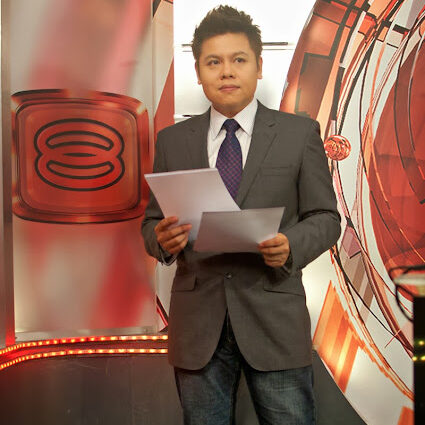
Graduated from the Department of Journalism at National Chengchi University. He is currently an anchor at 8TV and the author of: “New New Relationship: How Johor Bahru People See Singapore” (2001), “Falling in Love with the Anchor’s Desk” (2012), and “If You Blossom, Butterflies Will Come” (2015).
Highlights
友善校園
友善祈禱室友善餐廳友善廁所
Building an International Learning Environment for Students
I. Providing students with opportunities to study abroad and cultivate an international perspective
◇ Signed more than 500 cooperation agreements and more than 40 dual degree agreements, covering all parts of the world.
◇ Recommends more than 880+ students to study and research abroad (dual degree) each year.
◇ Nearly 10 teachers offer short-term courses abroad each year, leading students to study abroad.
◇ Offers as many as 20+ international languages.
◇ Has nearly 10 regional studies programs and centers to enhance students’ understanding of international affairs and culture.
II. Building an English learning environment that is in line with international standards
◇ Offers more than 880+ high-quality English-taught courses in professional fields each academic year.
◇ Established eleven all-English professional programs (eight master’s programs and three doctoral programs).
◇ The only all-English Asia-Pacific Studies English Doctoral Program (IDAS).
◇ All colleges in the school completed the ETP (English-Taught Program) program construction in the 107th academic year.
◇ International students come from more than 60+ countries, with one international student for every six students.
◇ The College of Innovation was established in the 108th academic year to continue building an international campus, shaping a diverse international learning atmosphere, and promoting administrative internationalization, with the aim of giving fuller play to the advantages of diverse cross-domain, local and international connections, and strengthening international mobility and global competitiveness.
III. Actively recruiting outstanding international students to study at the school.
◇ Produced a number of international recruitment brochures and micro-films. The 2017 international recruitment promotional video won the bronze medal in the 13th QS APPLE Global Most Creative University Video Awards for its excellent quality.
◇ Established a number of international student scholarships to attract outstanding international youth
(1) Graduate student scholarships for each department.
(2) International student scholarships.
(3) Tuition waiver scholarship for international freshmen in doctoral programs.
The Ministry of Education rewards outstanding overseas students with scholarships to study in universities in China.
According to the announcement of the Ministry of Education
12,500 yuan per month for freshmen1 yuan per month for current students
Outstanding Overseas Chinese Students
excellence
Ministry of Education Research Institute Outstanding Overseas Chinese Student Scholarship
First and second semester of each academic year
1 yuan per monthAvailable for 6 months
Graduate School (can apply from the second semester of first grade)
excellence
Ministry of Education Scholarship for Overseas Chinese Students
First semester of each academic year
3,000 yuan per month
Poor overseas Chinese students in school
cold
Overseas Chinese Affairs Committee Study Subsidy for Overseas Chinese Students in Han Dynasty
First and second semester of each academic year
$7,500 per quarter
undergraduate school
cold
Overseas Chinese Affairs Council Scholarship for Outstanding Overseas Chinese Students and Outstanding Academic Conduct
First semester of each academic year
Outstanding RMB 2;6000 yuan for excellent academic performance
College students who are sophomores or above
excellence
Overseas Chinese Affairs Council accepts donations for scholarships and bursaries
Next semester of each academic year
1 million yuan
Sophomore students and above(Including research institute)
Excellent, cold
Overseas Chinese Affairs Committee Chairman Award for Outstanding Overseas Chinese Graduates
Next semester of each academic year
5 million yuan
Fresh graduates from overseas Chinese
excellence
The Overseas Chinese Affairs Council awards scholarships to top and outstanding overseas Chinese students to study in universities in Taiwan.
According to the announcement of the Overseas Chinese Affairs Council
Top 26 yuanOutstanding RMB 10
Outstanding Overseas Chinese Students
excellence
National Chengchi University Joint Scholarship for Top and Outstanding Overseas Chinese Students and Overseas Chinese Affairs Council
First semester of each academic year
Top 13 yuanOutstanding RMB 5
Recipients of the Overseas Chinese Affairs Council’s Top and Outstanding Scholarships
excellence
National Chengchi University Outstanding Overseas Chinese Scholarship
Next semester of each academic year
2 million yuan
Fresh graduates from overseas Chinese
excellence
National Chengchi University Malaysia Alumni Association Scholarship
Next semester of each academic year
1 million yuan
Malaysian university student
cold
National Chengchi University Malaysia Alumni Association Graduate Scholarship
Next semester of each academic year
2 million yuan
Second-year students and above from the Institute of Malaysian Studies
excellence
National Chengchi University Hong Kong Alumni Association Scholarship
Next semester of each academic year
2 million yuan
Hong Kong undergraduate students who are in their second year or above
cold
Except for the above-mentioned scholarships and bursaries, which are announced annually by the Overseas Chinese Affairs Council and the Ministry of Education, you can check the latest news in this group.
In early September of each academic year, we will announce the acceptance of applications for various on-campus and off-campus scholarships and bursaries. For relevant information, please see:Latest news from the overseas Chinese group
Living Expenses
Living Expenses: Approximately NTD 120,000 per academic year
Accommodation: Approximately NTD 9,100~32,150 per semester
One semester
One academic year
Other Notes
Approximately NTD 9,000
Approximately NTD 18,000
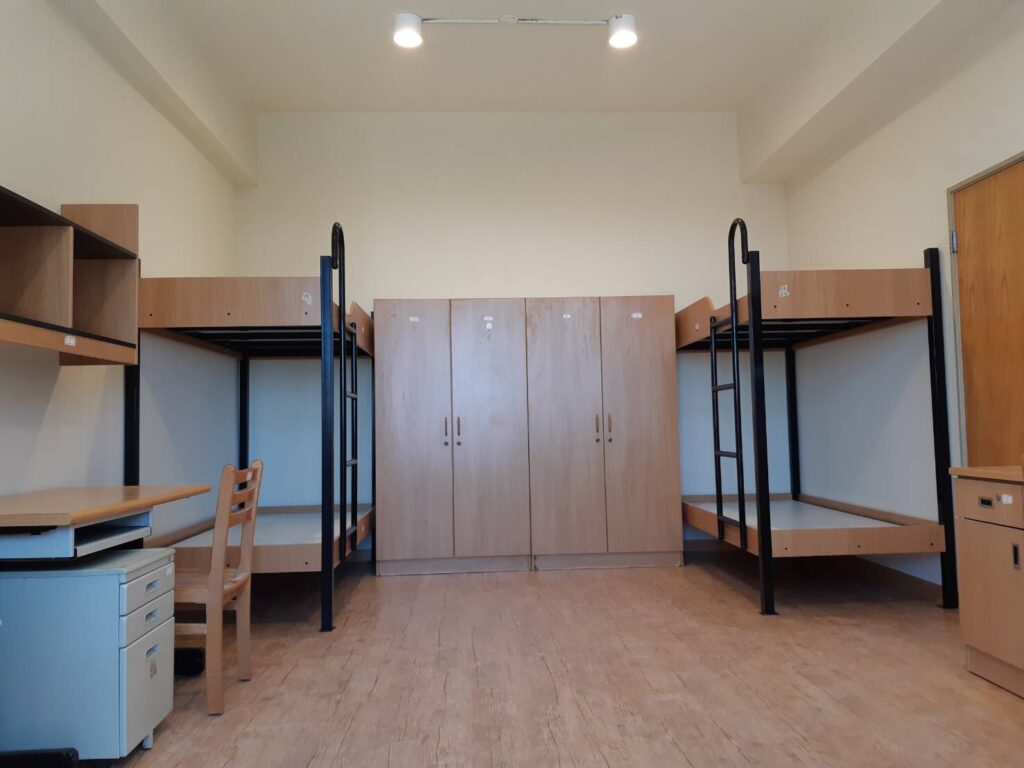
Four-person room
Tuition and Miscellaneous Fees
Tuition per semester for overseas Chinese students from Hong Kong and Macau (bachelor’s program) in each college is approximately NTD 24,510~28,430 Tuition per semester for foreign students and students from mainland China is approximately NTD 49,020~56,860
Tuition per semester for overseas Chinese students from Hong Kong and Macau (master’s and doctoral programs) in each college is approximately NTD 12,910~14,990 Tuition per semester for foreign students and students from mainland China is approximately NTD 12910~29,980
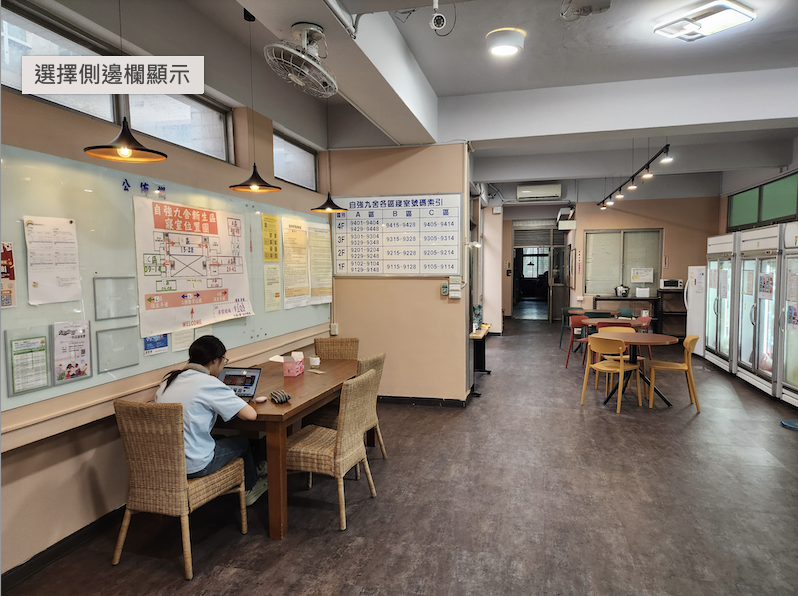
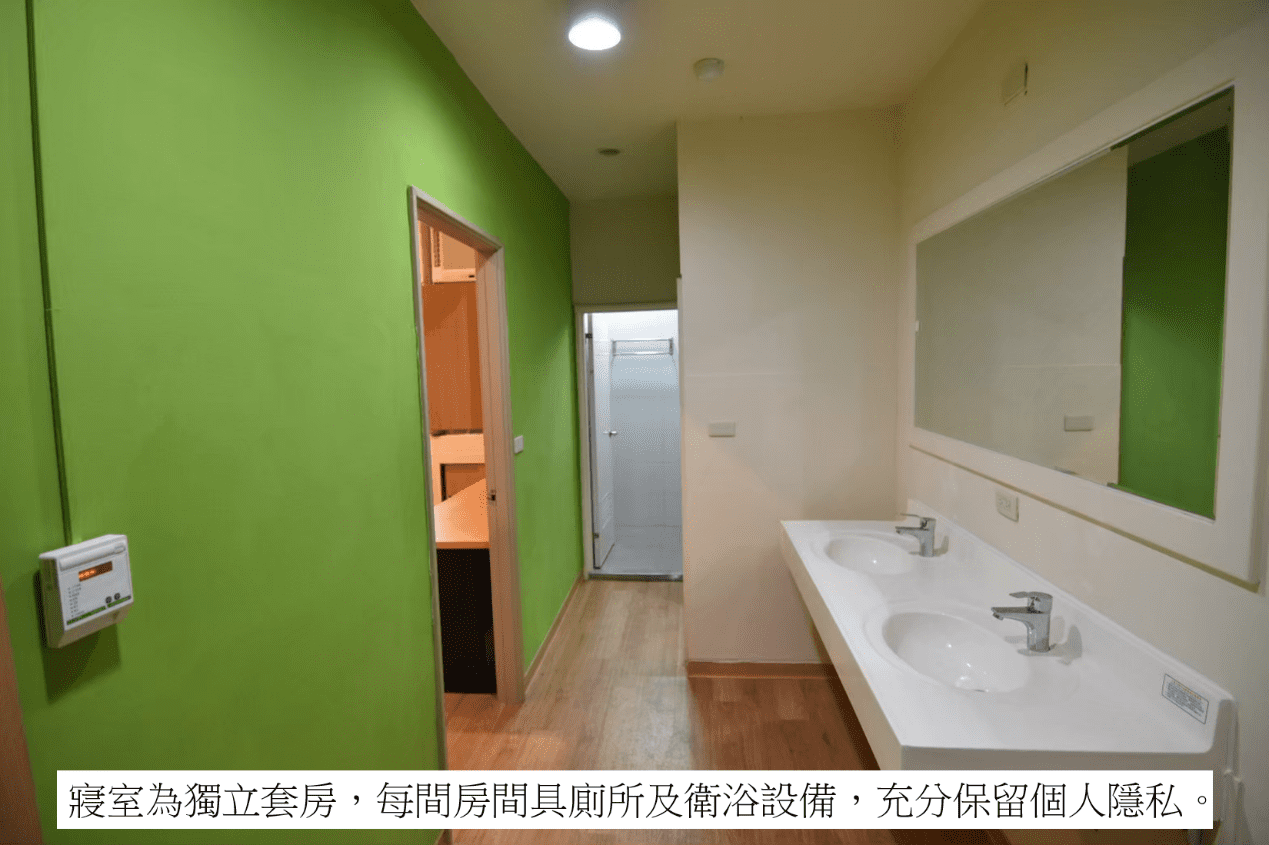
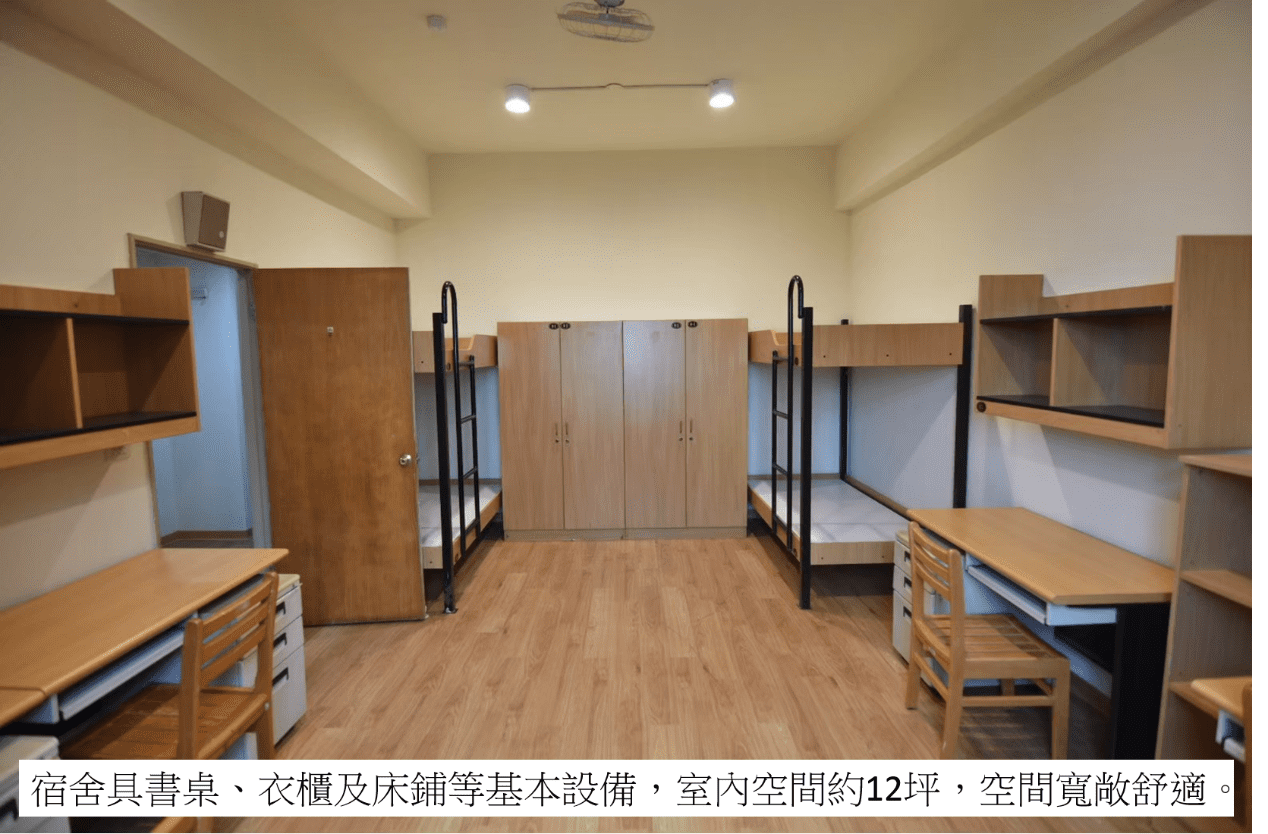
Graphic introduction to student dormitories
Accommodation Fee per Semester
Accommodation Fee per Academic Year
Other Notes
NTD 9,057
NTD 18,114
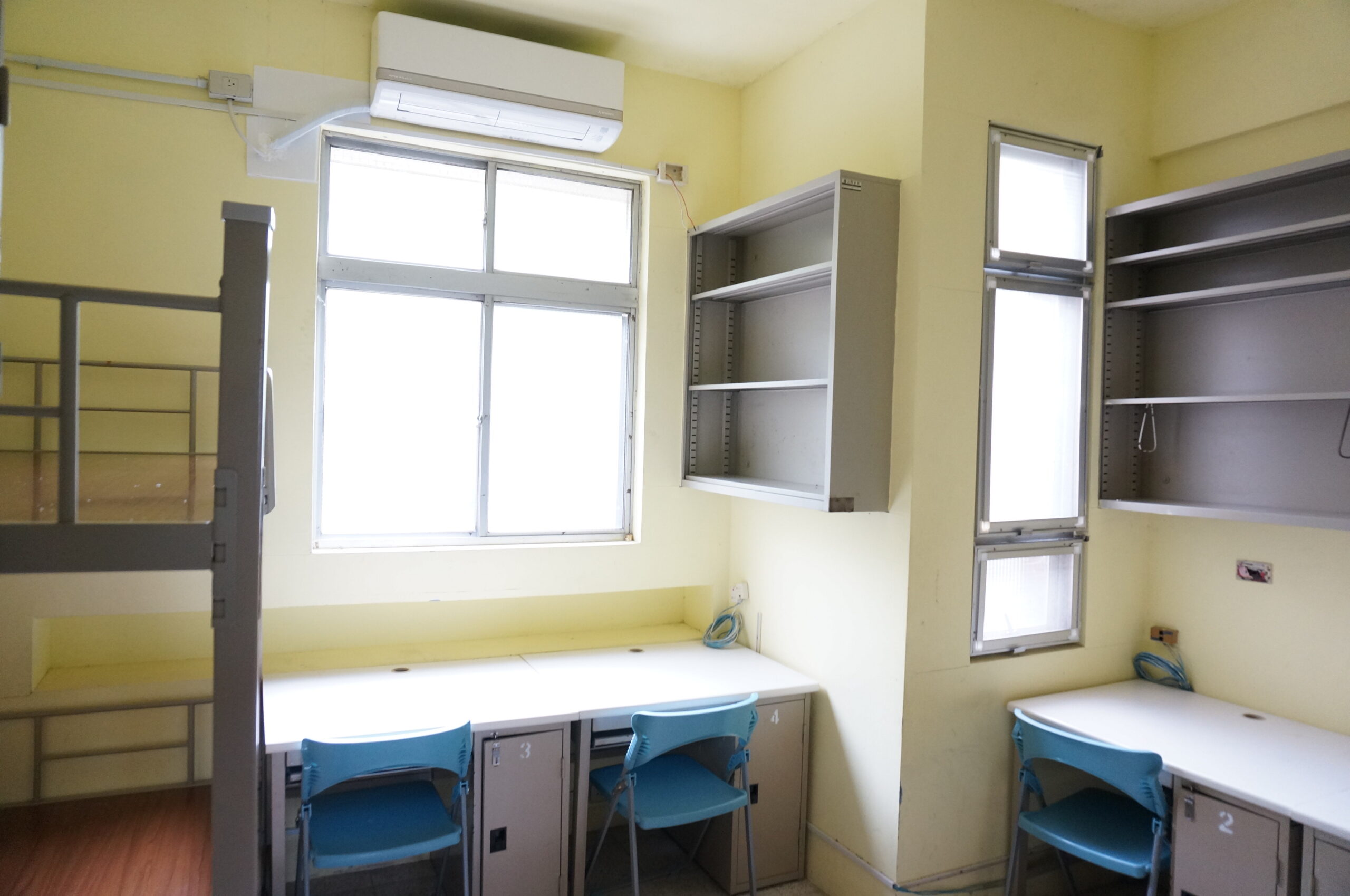
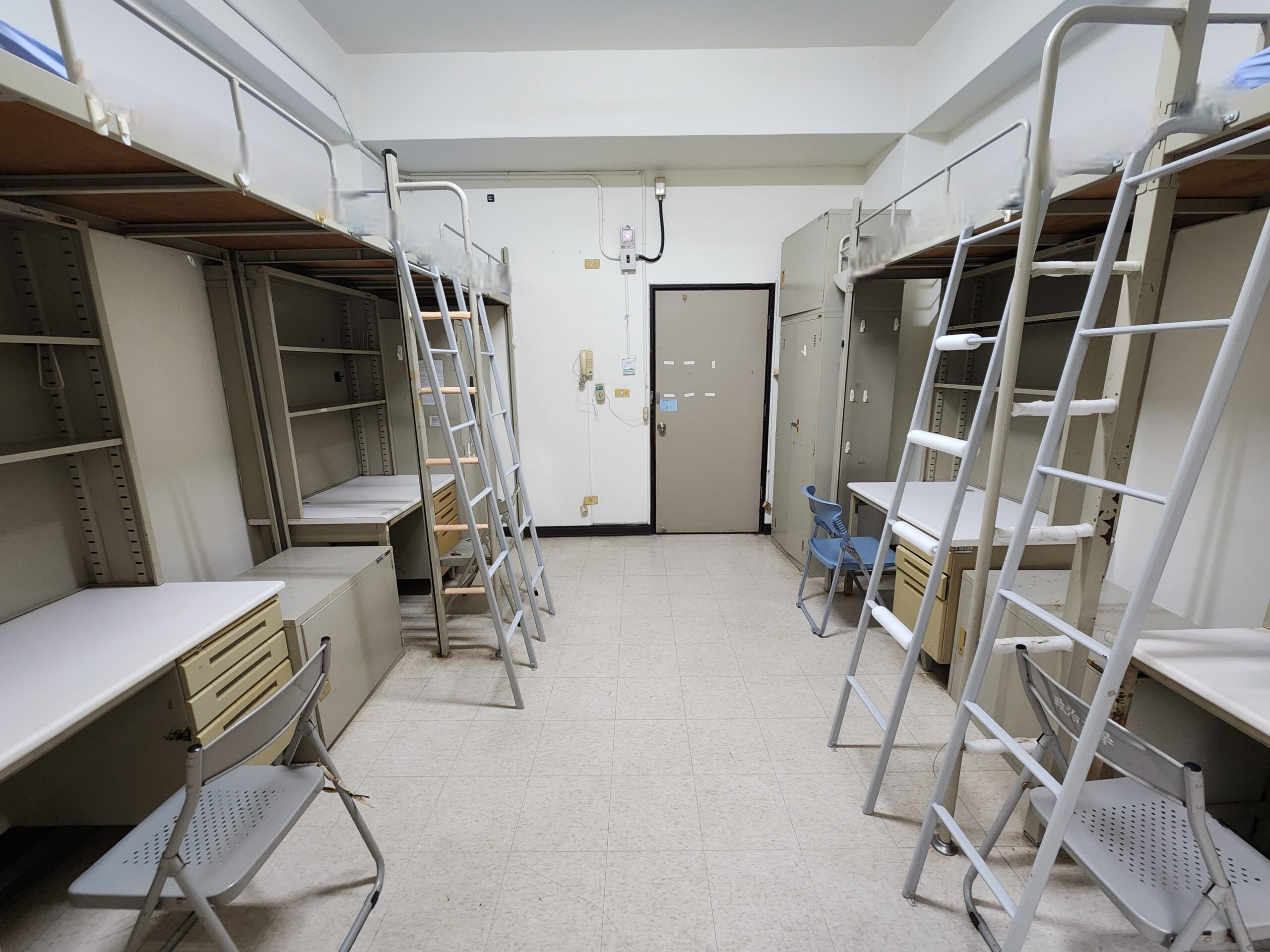
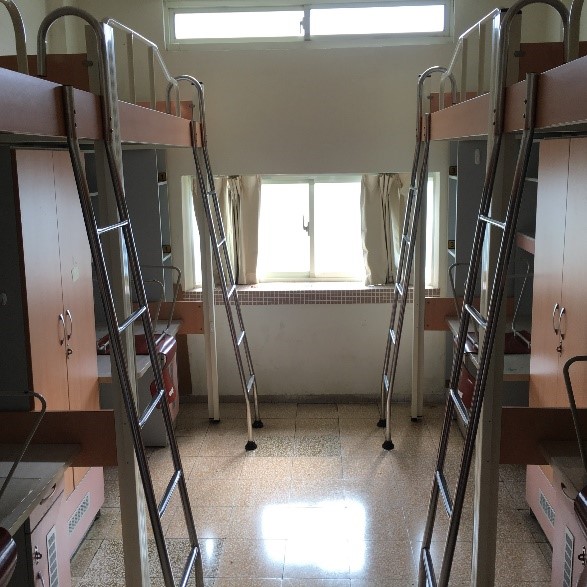
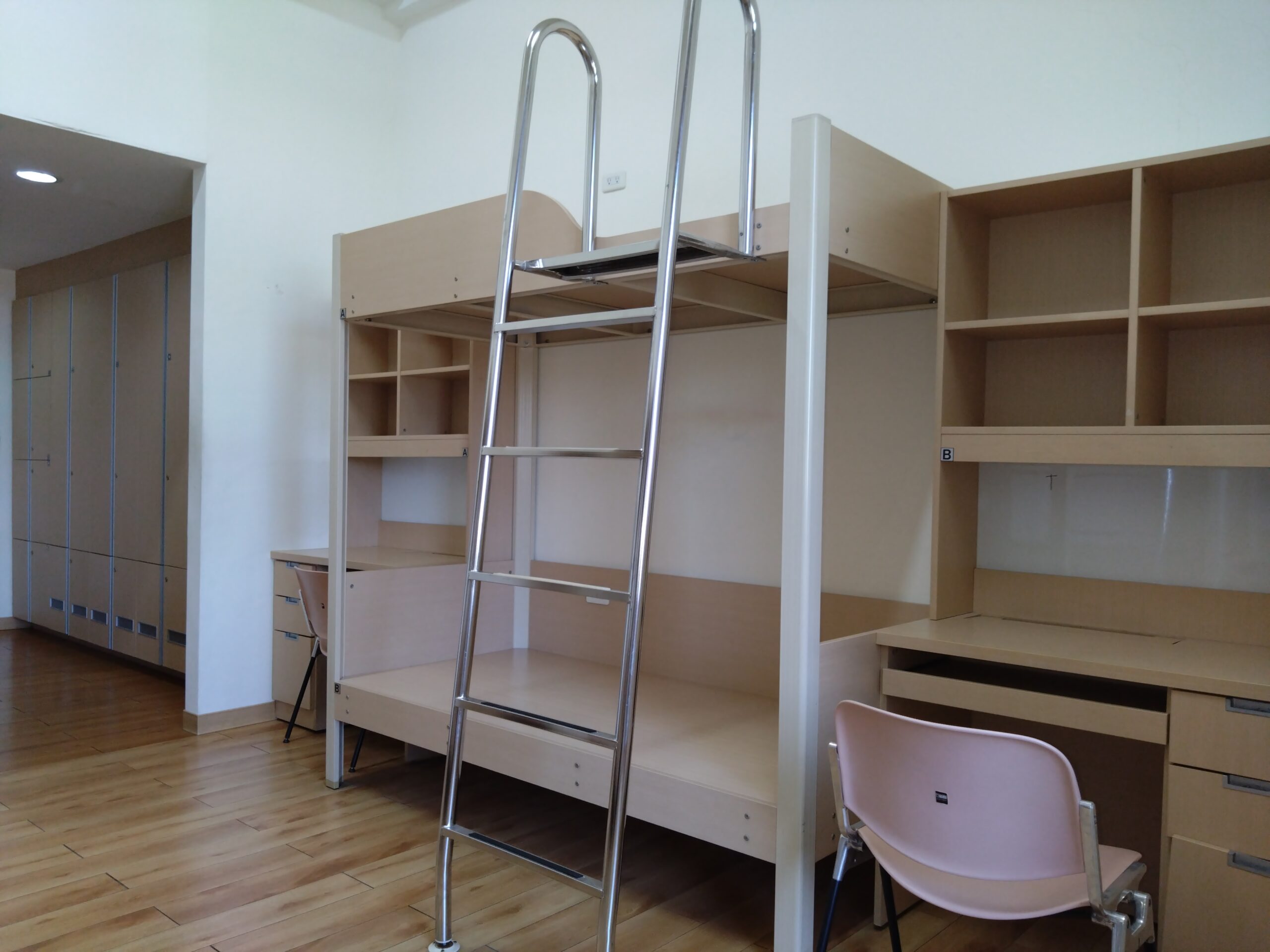
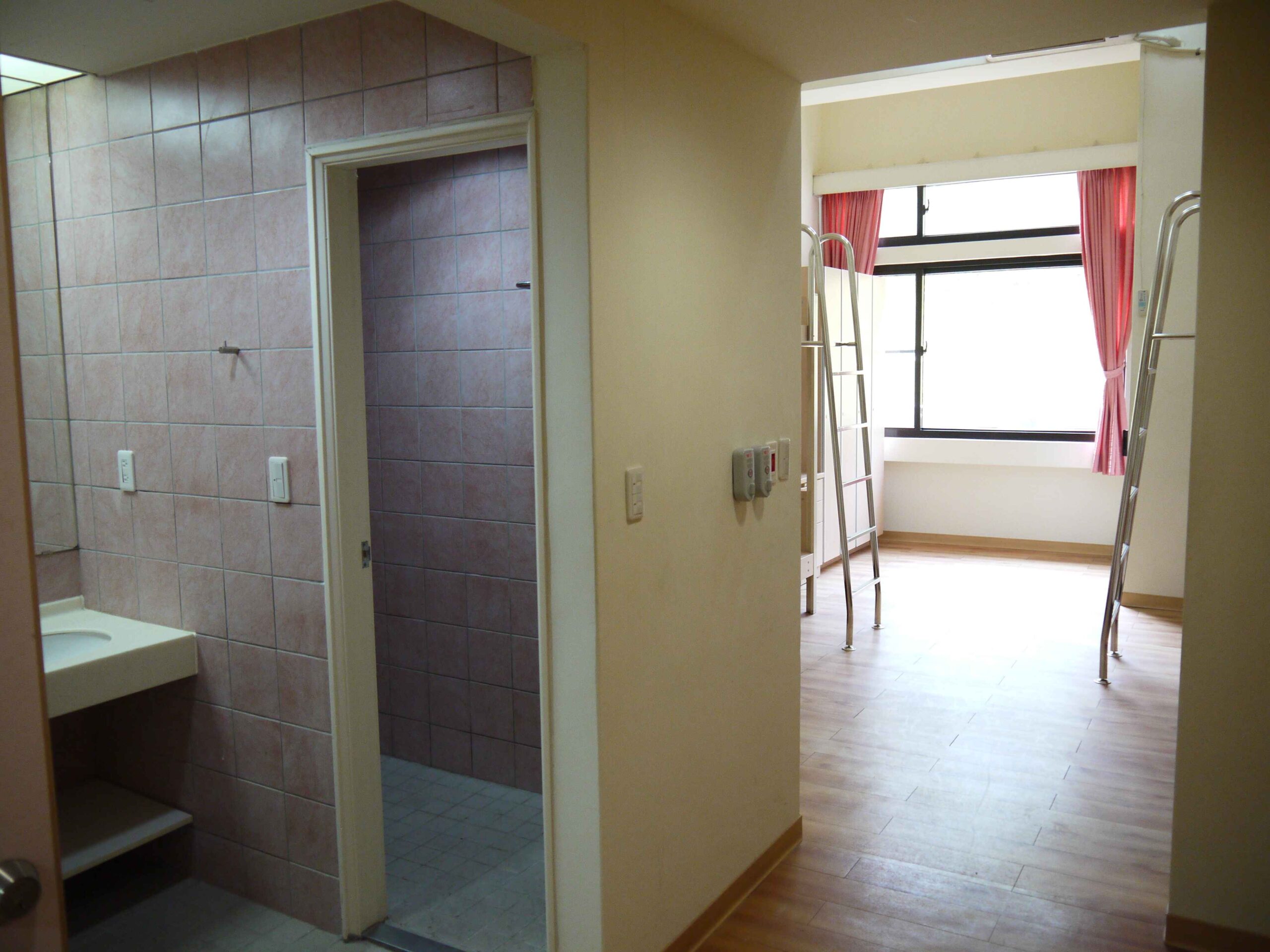
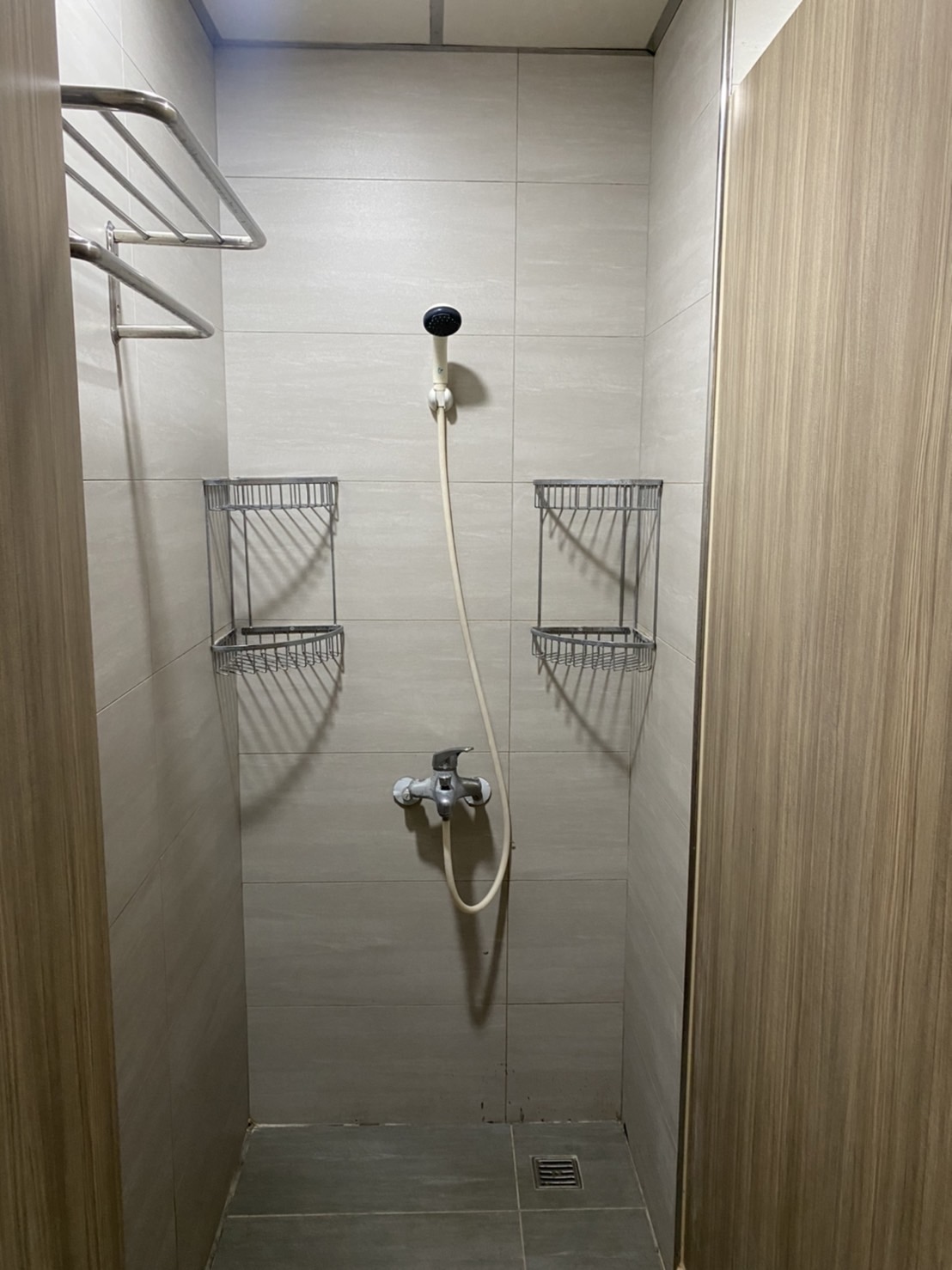
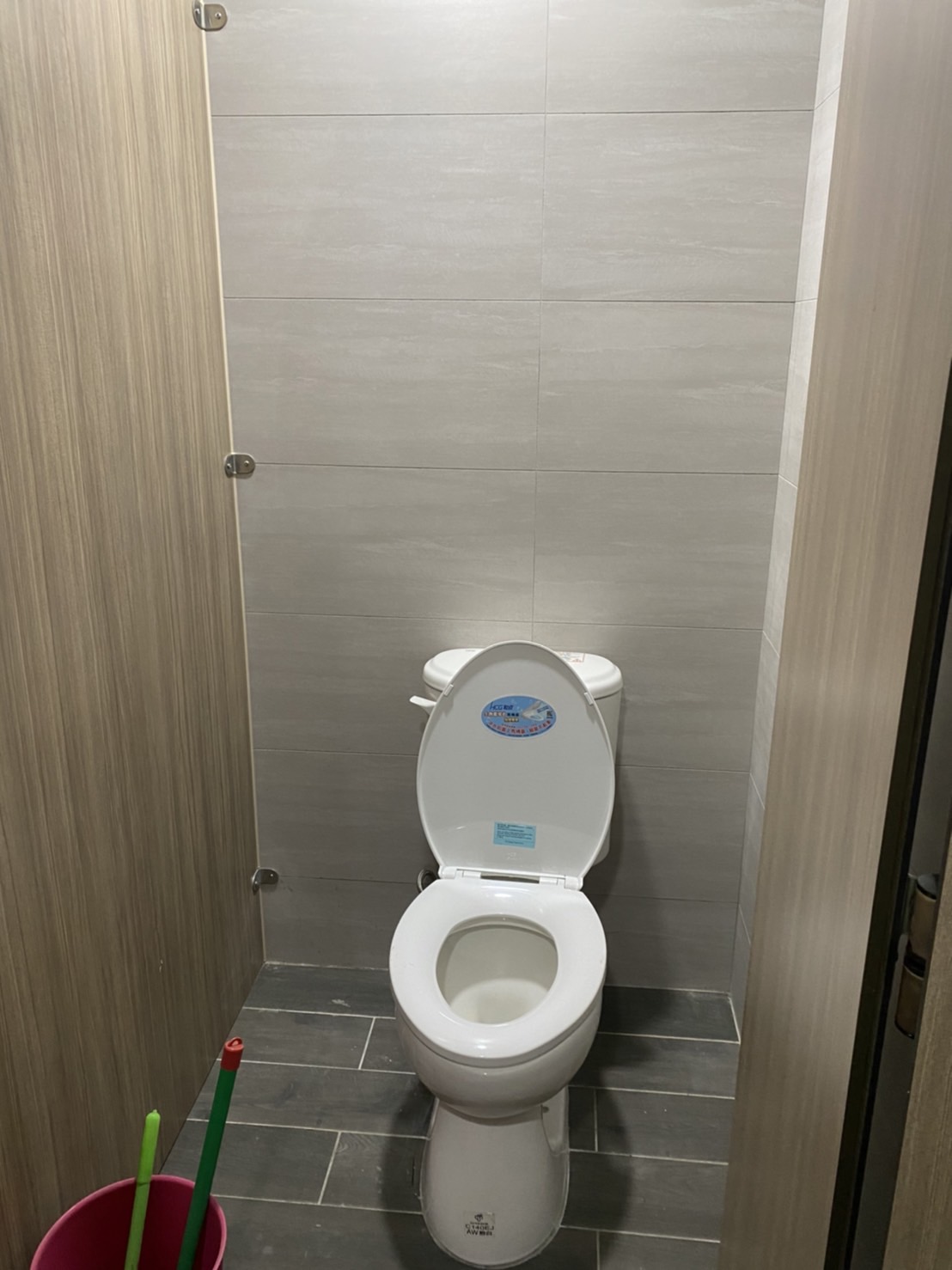
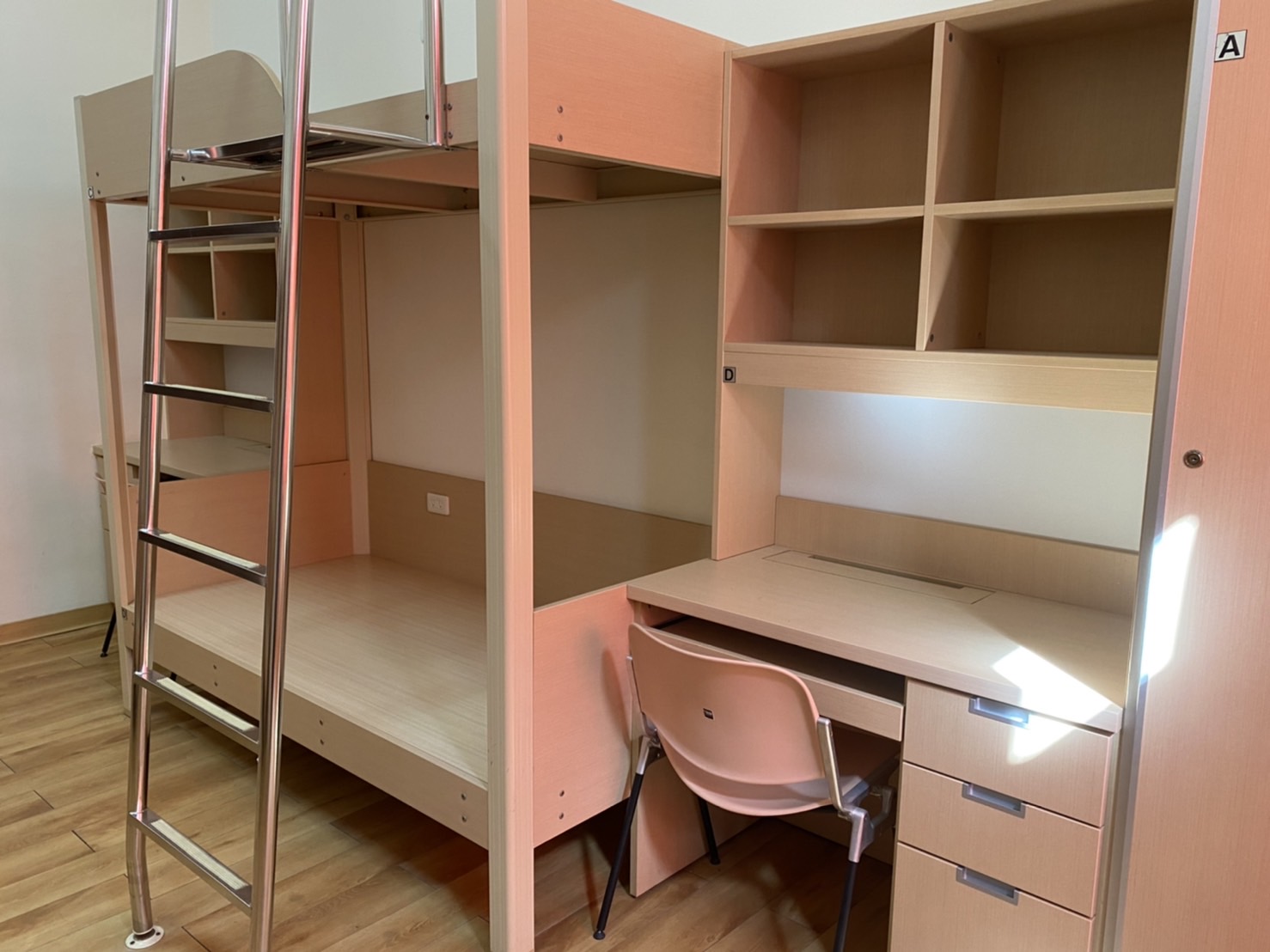
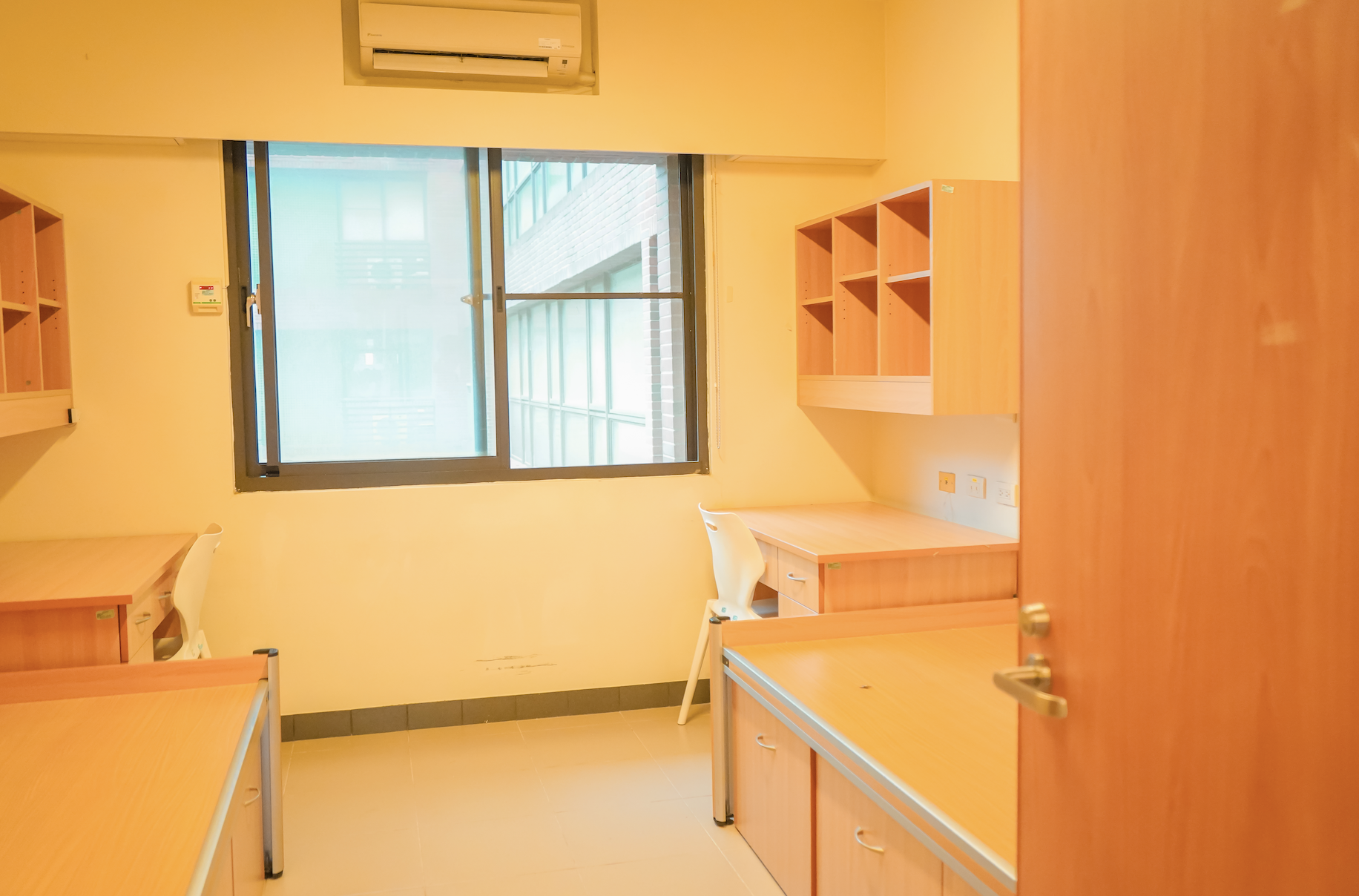
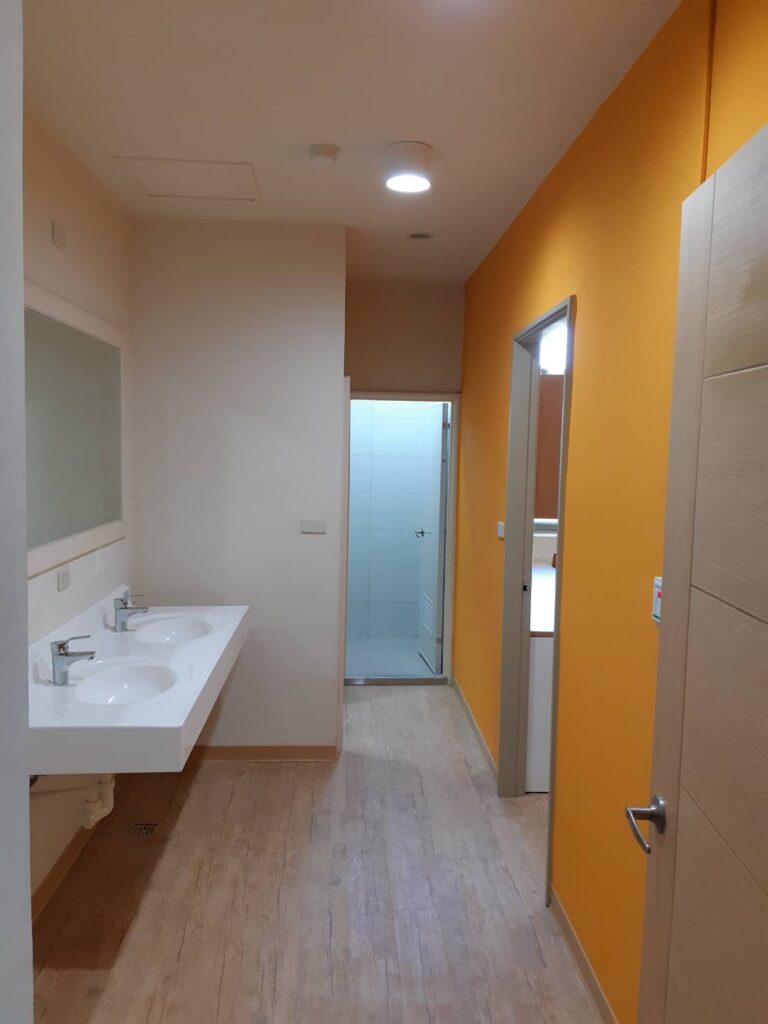
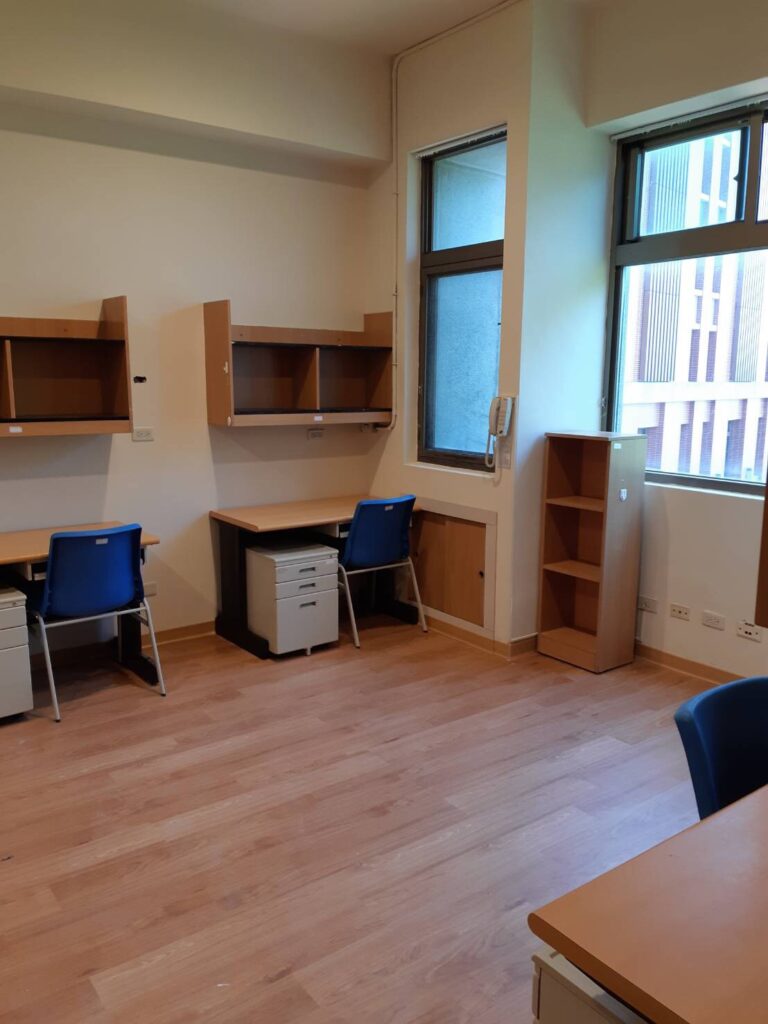
Dormitory Name: Ziqiang 6th Dorm (Male) / Ziqiang 9th Dorm (Female) Accommodation Target: Freshman Students Room Type: Four-person Room with Shared Bathroom Other Instructions: Overseas Chinese and foreign students in the bachelor’s program in the first and second grades are guaranteed accommodation (must complete the application qualifications themselves). If there is a need for accommodation in the third grade, they need to apply and draw lots themselves.
Pathways
友善校園
友善祈禱室友善餐廳友善廁所
Joint Admission
The “Joint Admission” process follows a standardized procedure to ensure fairness across different regions. The University Entrance Committee For Overseas Compatriot Students verifies and converts academic results based on the specific Admissions Brochures of the applicant’s country of residence and the “Detailed Rules for Score Calculation and Placement Operations.”
Admission is granted based on a “merit-based” system following these three primary criteria:
Ranked Scores: Applicants are sorted from highest to lowest based on their converted scores.
Order of Preference: The system identifies the highest-ranked preference available for each student.
Approved Quotas: Placements are limited by the total number of slots allocated to each department by the Ministry of Education.
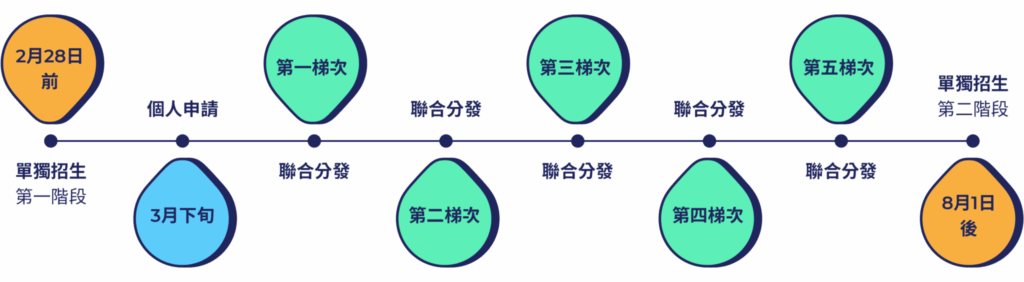
To expand recruitment opportunities for overseas Chinese and international students, the Ministry of Education has implemented a diverse admissions policy, allowing individual universities to conduct their own Independent Admission. However, to maintain administrative order and prevent double enrollment, the following rules apply: applicants already accepted through the first stage of a university’s Independent Admissions will no longer be processed or placed by the University Entrance Committee For Overseas Compatriot Students Joint Placement system; applicants who have already been placed through the Joint Placement system are ineligible to participate in the second stage of Independent Admissions for results announced after August 1st.
*Cheers Magazine’s “2021 Survey of Enterprises’ Favorite Master’s Students”: Our university won 11th place among national universities & 13th place among all universities in the category of enterprises’ favorite master’s students.
*Cheers Happy Worker Magazine – 2021 Best Graduate School Guide: Our university won 2nd place in the “Arts, Design, and Architecture” category among all universities and colleges in the country.
*Cheers Magazine’s survey of Taiwan’s 2000 enterprises ranked our university second among enterprises’ favorite master’s students in the architecture/design/art category.
*Our university has won the “Best Performing School Award” in the MOD Micro Film and Golden Film Creation Competition for 3 consecutive years (2018-2020).
*The NTUA Art Village Renovation Project upholds the preservation of cultural assets and the establishment of an art ecological park. The art village on the north side of the school was originally an old, idle dormitory for teachers. The plan is to recycle, renovate, and repair it, and cooperate with the existing courtyard texture of each building to develop into an art landscape garden with exhibition and performance functions, enhance the special urban geographical and humanistic value, and transform it into an international art village with humanistic and historical texture.
International Exchange and Cooperation
*Our university has signed academic exchange and cooperation agreements with more than 200 outstanding art universities and comprehensive universities around the world. All students enrolled in our university are eligible to apply for overseas exchange and study opportunities to enhance their international perspective and practical experience in exchange.
*We encourage teachers and students to participate in international competitions, exhibitions, and performances, and have a subsidy program for teachers and students to participate in international teaching, exhibition, and competition performances, which subsidizes more than 100 teachers and students to participate in international competitions every year.
*Each department has activities such as exhibitions, performances, and academic seminars in cooperation with well-known foreign universities, providing opportunities to contact well-known domestic and foreign artists and increase opportunities for international internships and participation in exhibitions and performances.
Care for international students’ life on campus
*Our university gives priority to providing accommodation for international students, 4 years for undergraduates and 2 years for graduate students.
*Dormitory Apple Festival activities to care about the accommodation status of boarding students and build relationships.
*The International Affairs Office and the Overseas Chinese and Foreign Student Association of our school hold monthly cultural activities for overseas students, in addition to increasing interaction opportunities with Taiwanese students, to strengthen the care for overseas students studying in Taiwan.
Highlights
Featured courses
The National Taiwan University of Arts (hereinafter referred to as NTUA) implements the horizontal and vertical development of art interdisciplinary experimental education in the technology era. With the concept of a central settlement, it connects the Center for Technology and Art Experiment and the Center for Sound Art Experiment, and mediates the Research Center for Cultural Heritage Maintenance, and expands the Research and Teaching Center for Intangible Cultural Heritage and the Experimental Teaching Center for Physical Art to gather diverse art practice energy and continue to develop innovative interdisciplinary experimental characteristic courses.
NTUA has always emphasized the solid deployment of teaching, and also balanced the distribution of students from various departments and institutes of characteristic courses. Starting from the interdisciplinary workshop of the pre-repair (college-level) academic innovation platform for bachelor and graduate students, the five centers strengthen the application-oriented science and technology of humanistic thinking, emphasize the radical experience of innovative knowledge and creative development, and cultivate young students to become outstanding art talents with aesthetic perception and interdisciplinary practice. From the 109th academic year to the present, NTUA has successively offered more than 40 series of innovative experimental/technology interdisciplinary courses, which have been fruitful. Focusing on the first semester of the 111th academic year, the five centers offered a total of 14 courses.
Center for Technology and Art Experiment A total of 2 innovative courses in technology and art application are offered. Courses such as “Digital Matte Painting Workshop” and “Virtual Concert Production Workshop” allow students to understand the process of game scene concept design, from composition to lighting and design concepts to help cultivate digital concept designers to meet industry trends, as well as manage virtual characters and use Mocap motion capture technology to complete the character’s performance production; Unreal Engine is used to create a complete stage and visual effects to create a trendy stage with idol charm.
Sound Art Experiment Center A total of 1 music technology interdisciplinary application course is offered. In the course “Max/MSP’s Sensory Symphony and Immersion Design”, students will learn about the artistic issues and programming skills involved in the development of interactive computer music and art. The course focuses on the Max/MSP programming environment, the basic principles of programming, MIDI, the details of digital audio, the algorithmic composition of music, and artificial intelligence, etc., to expand and enhance students’ basic abilities in sound software, and to have a basic understanding of immersive experience perception and cognitive design.
Research Center for Cultural Heritage Maintenance A total of 2 courses on scientific research on cultural relic restoration are offered. Through courses such as “Cultural Heritage Scientific Testing and Analysis Class (Beginner Class)” and “Microscopic Testing Technology and Radiation Safety Personnel Training and Certification Class”, the basic scientific concepts and chemical practices related to cultural relic preservation are promoted through parallel teaching and training of academic theory and operational skills.
Research and Teaching Center for Intangible Cultural Heritage A total of 4 practical courses on the preservation of intangible cultural heritage are offered. In response to current needs, traditional skills and modern design are integrated to launch courses such as “Development and Application of Lead-Free Glaze for Koji Pottery”, “Traditional Craftsman Qualification Training Class – Clay Sculpture and Cut and Paste”, “Introductory Course on Lacquer Thread Carving Craft”, and “Traditional Music Rooting Workshop – Beiguan Music”, to construct knowledge and content of cultural heritage, stimulate potential professional research on cultural heritage, cultivate technical and artistic talents for cultural heritage inheritance, and assist in applying for the review of traditional craftsman qualifications by the Ministry of Culture to improve the overall quality of technical talents in our school.
Experimental Teaching Center for Physical Art A total of 5 experimental courses on innovative development of physical movements are offered. Courses such as “Let’s Use Theater to Dialogue”, “Portrait Series of Artists – A Comprehensive View of Performing Body”, “Master the Skills of Storytelling! – Howling Performance’s Howling Short Film Creation Mindset”, “Suzuki Tadashi Actor Training Method (Beginner)”, and “Theater X Image X Immersive Interaction – ‘The Real Appearance’ Performance Workshop” allow students to develop critical thinking from different perspectives, redeploy spatial systems, bodies, and various media from their own contexts, find new perspectives of viewing and narration, and experience the integration or conflict of cross-border productions, etc., and then enhance their aesthetic literacy and analytical skills in Western mainstream contemporary theater, and develop creative models with local potential. The five centers will continue to pursue the combination and application of art and technology, and promote forward-looking art experimental characteristic courses through the integration of teaching, research and creation in the central settlement, and fulfill NTUA’s role as a stage for art and technology exhibition, performance, screening, and discussion.
Industry-Academia Cooperation
In order to implement the integration of learning and application, our school has begun to strengthen the connection between industry and academia, leading students to carry out industry-academia cooperation projects, internships and on-site visits to industries, combining the theoretical knowledge of the classroom and the practical operation of the industry to understand the basic knowledge and abilities of the current industry situation, and guide students to carry out product commercialization, participate in international competitions, patent licensing, innovation and entrepreneurship and other industrial knowledge, cultivate students’ ability to connect with the industry, and integrate the upstream, midstream and downstream of talent cultivation in a consistent mode of learning, internship, production and marketing, guide students to create, start businesses and find employment, and effectively enhance students’ employment competitiveness.
Departments
School Departments and Programs
暫無系所資料
Photos & Videos
Photos
Videos
NTUA: An International University of Arts
Introduction Video 2021, National Taiwan University of Arts (NTUA)
“NTUA International University of Arts” — Introduction Video of National Taiwan University of Arts 2021
Scholarships
Scholarships
Scholarships
Scholarship Amount
Eligibility
OCAC Academic Excellence Scholarship
NTD 5000
Overseas Chinese students (excluding master’s and doctoral students) who are officially enrolled in the school and are in their second year or above.
Overseas Community Affairs Council Accepts Donated Overseas Chinese Student Scholarships
Based on each donor
Overseas Chinese students who are officially enrolled in the school
Ministry of Education Scholarship for Overseas Chinese Graduate Students
NTD 60,000
Overseas Chinese students who are officially enrolled in the school and are in their first year or above (excluding students who are extending their studies), or those who originally studied at a university in Taiwan and graduated in the current year and continue to study in graduate school.
Tuition and Miscellaneous Fees
College Name
Tuition and Miscellaneous Fees
College of Fine Arts College of Communication College of Performing Arts
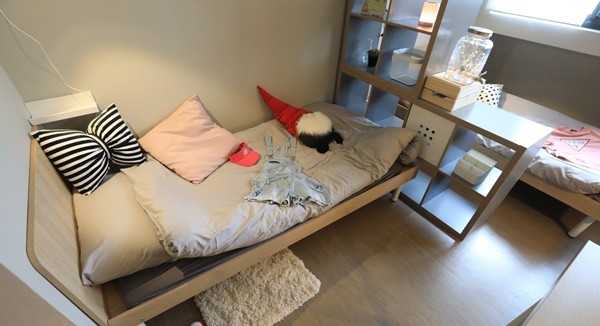
*Bed set (desk below, bed above, bedding to be prepared by yourself), bookcase, wardrobe, locker, air conditioner, telephone (incoming calls only), internet.
*Bed size: 195cm X 90cm
School accommodation
Pathways
Individual application
—Applicable target: Those who have special performance in school, excellent skills, or have been recommended by teachers.
– Application method: Fill in up to 4 applications and submit review materials according to the regulations of each department.
– Distribution principle: Those who pass the review will be distributed according to “qualified order + volunteer order + quota”;
– Those who are not admitted: Those who are not admitted will be directly distributed jointly and distributed in accordance with the applicable brochures.
The “Joint Admission” process follows a standardized procedure to ensure fairness across different regions. The University Entrance Committee For Overseas Compatriot Students verifies and converts academic results based on the specific Admissions Brochures of the applicant’s country of residence and the “Detailed Rules for Score Calculation and Placement Operations.”
Admission is granted based on a “merit-based” system following these three primary criteria:
Ranked Scores: Applicants are sorted from highest to lowest based on their converted scores.
Order of Preference: The system identifies the highest-ranked preference available for each student.
Approved Quotas: Placements are limited by the total number of slots allocated to each department by the Ministry of Education.
A teaching-oriented university that emphasizes practical skills
Emulate the spirit of Mackay and create environmental advantages.
Many visits and internships, industry-academia collaboration.
Promotion of “interdisciplinary courses” and “micro-credit courses.”
International exchange, global perspective.
Pragmatic teaching, excellent performance: Aletheia is visible
Emphasis on industry internship status, seamless integration of certification training and employment.
Emphasis on character education, balanced performance in both literary and martial arts.
Encourage participation in relevant off-campus competitions, and excellent performance verifies academic success.
The faculty are experts in various fields and strive to obtain teaching resources with dedication.
Dual degree programs, a grand slam for international studies.
Emphasize social responsibility and realize Mackay’s spirit of love and service.
A distinguished alumni network and a time-honored brand guarantee quality
Alumnus Lin Ting-san, the “Rice Expert,” is famous overseas, working with Taiwan and Japan to create a win-win situation.
Warm-hearted CEO: Yang Chi-hua, Chairman of Din Tai Fung
Distinguished alumnus Chang Kuo-wei, Chairman of Starlux Airlines, personally inspected and flew the plane back to Taiwan.
Taiwanese snacks seen by the world: Lin Tsung-ming, CEO of Shay Guo Yu Tou, returns to his alma mater.
AU’s outstanding alumnus Bai Wenliang promotes a win-win situation for alumni network enterprises and sustainable co-prosperity.
Outstanding alumnus enterprise of the school: Fushou wins the Circular Economy Leadership Award.
Multiple transnational courses and activities, lively and pragmatic international exchanges
Overseas study camps: Korea Exchange In-depth Cooperation Program, Japan Meijo University Skiing Course Program, Mainland Sister School Summer Camp, Philippines Winter and Summer Vacation Study Tours.
Sister schools have been established with many schools in the United States, Europe, Japan, South Korea, Mainland China, and the Philippines.
Dual degree programs: Middlesex University, University of the West of England, Sant Pol Hotel, University of Girona, Spain – Tourism College StPOL
Exclusive Resources for International Students
Exclusive activities for international students: New student orientation, welcome activities, cultural and intellectual tours, care activities, and festival activities, etc.
Scholarships: AU Scholarship for Outstanding International Students, AU Scholarship for International Students, AU Scholarship for Overseas Chinese Students.
Highlights
AU Deep-Rooted Education: Teaching Innovation, Dedicated Counseling
Starting from Mackay’s spirit of “pursuing truth, love, and service,” we strengthen the advantages of culture, technology, and innovation, emphasize interdisciplinary and practical teaching, as well as the characteristics of local connection, international exchange, and care for the disadvantaged, to become a first-class teaching university with both humanistic qualities and emphasis on practical skills.
— Teacher professional growth training: Provide teachers with teaching or learning, multiple self-training and discussion channels, so that teaching courses develop in a high-quality direction that keeps pace with the times.
— Industry-academia internships and workplace experience: Provide students with workplace internship channels, realize the application of what they have learned, and seamlessly integrate skills into today’s industry, and graduate to employment.
— Curriculum micro-learning flexibility: Make teaching innovation thematic, flexible credits, so that the topics learned are many and broad, and induce students’ ability to learn independently and make learning life-oriented.
— Promotion of interdisciplinary courses: In order to meet the diverse and ever-changing industry needs, cultivate cross-domain talents, broaden students’ learning fields, and cultivate students’ core expertise and employment capabilities.
— Implement a counseling mechanism for academic and life: Implement the mentor system, and carefully counsel students in their studies and life: let students adapt to the living environment and optimize learning methods.
— Competency Diagnosis and Career Exploration: Assessing individual abilities and interests to cultivate advantageous skill pathways, integrating learning outcomes to further explore suitable career fields.
— University Social Responsibility Promotion: Give back to the society what you have learned, encourage the use of professional knowledge and creativity, improve the gap between learning and application, focus on social issues, and practice sustainable development.
AU Limited Art and Culture Experience: Experience the power of immersive art and culture and walk out of AU’s values
General Art and Culture New Experience ─ New Generation Art Care Course: 1. The new taste of Tamsui Old Street: Returning to agriculture and cultural and creative marketing 2. Theater performance ─ Whimsical Drama Classroom 3. Mackay’s natural class 4. A date with Li Tianlu Puppet Show
Because of the school’s beautiful and historically rich campus, it is the best environment for implementing art and culture courses. In addition to being close to the abundant artistic energy of the Tamsui area, it can quickly connect the rich artistic resources of the Greater Taipei area, giving students a broader learning momentum.
Since the 98th academic year, we have started to offer the “General Art and Culture New Experience ─ New Generation Art Care” course, actively inviting high-quality art and cultural and creative groups from outside the school to offer courses, and successively cooperated with Cloud Gate Dance Theater, Juming Museum, Tamsui Fort Santo Domingo, Li Tianlu Puppet Show Museum, Vanilla Street House Cultural and Creative Company, and Whimsical Theater to offer courses, and combined with the New Taipei City Tamsui Environmental Art Festival to deepen the localization characteristics of this project and increase the diversity and richness of general education courses.
The learning environment is no longer a classroom lecture alone, but emphasizes the two-way interaction between learners and the physical art and cultural environment and industry. The teachers are all leaders in the fields of art, culture, and cultural research, so that students participating in the course can gain a lot and receive continuous positive feedback.
Featured courses
Highlight 1 Mackay Cultural and Creative Mackay and cultural development have always been inseparable. Highlight 1 presents the school’s various developments in “Mackay + Cultural and Creative,” including digital museums, monument performances, and the famous Mackay Natural Class, etc.
Highlight 2 Care for the Disadvantaged The school’s volunteer service has always enjoyed a good reputation. This highlight uses local and overseas services to promote Mackay’s compassion and benefit the disadvantaged.
industry-academia cooperation or school-employment integration system
Highlight 3 Innovation and Sustainability The school has always focused on innovative teaching. Through overseas and industry-academia internships, combined with innovative teaching and services, it enhances students’ learning outcomes and competitiveness.
Highlight 4 Programming Popularization In view of the rapid development of information technology, this highlight’s plan focuses on cultivating students’ latest information technology and developing professional talents in various industries.
Mackay’s Legacy, Vitality Aletheia Aletheia University
Scholarships
Scholarships
Scholarships
Scholarship Amount
Eligibility
Scholarships for Overseas Students
NTD13,000
International students who are admitted to the school through the following three channels will receive a full accommodation subsidy for staying in the school’s four-person dormitory:
1. Those who participate in the Overseas United Admissions Committee, fill in the school as their first choice and are admitted to the school.
2. Overseas Chinese students who are admitted to the school through the school’s independent admissions channel.
3. Foreign students who are admitted to the school.
Regulations for Scholarships for Outstanding International Students
NTD45,170~52,440
International students (excluding transfer students) who apply for admission and are officially admitted to the school and do not receive other full scholarships will be awarded based on their application documents, Chinese proficiency, and academic performance (including academic, moral, and sports performance) in the previous academic year after review.
Tuition and Miscellaneous Fees
College of Humanities NTD/YR 90,340~90,740 College of Management and Information NTD/YR 91,720~104,880 College of Finance NTD/YR 91,720~92,120 College of Tourism, Leisure and Sports NTD/YR 91,720~99,478
Living Expenses
Living expenses: NTD/YR 96,000~100,000 Accommodation: NTD/YR 33,000~37,000 (including electricity and deposit)
School accommodation
One semester
One academic year
Other Notes
Four-person room type NTD 16,500
Three-person room type NTD 18,500
Four-person room type NTD 33,000
Three-person room type NTD 37,000
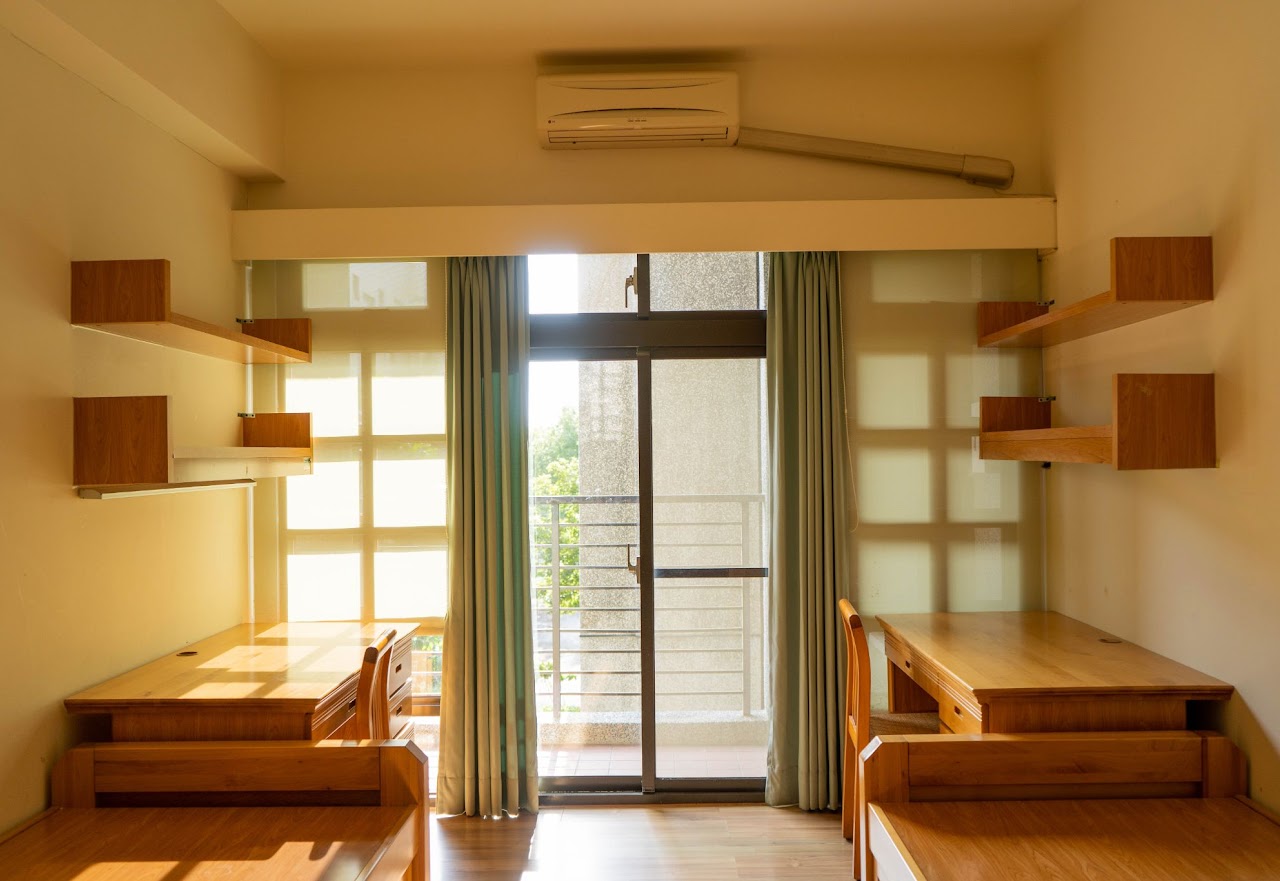
1. The dormitory rooms include bathroom equipment, desks and chairs, bookshelves, curtains, bed sets, wardrobes, electric fans, air conditioners, and dormitory internet.
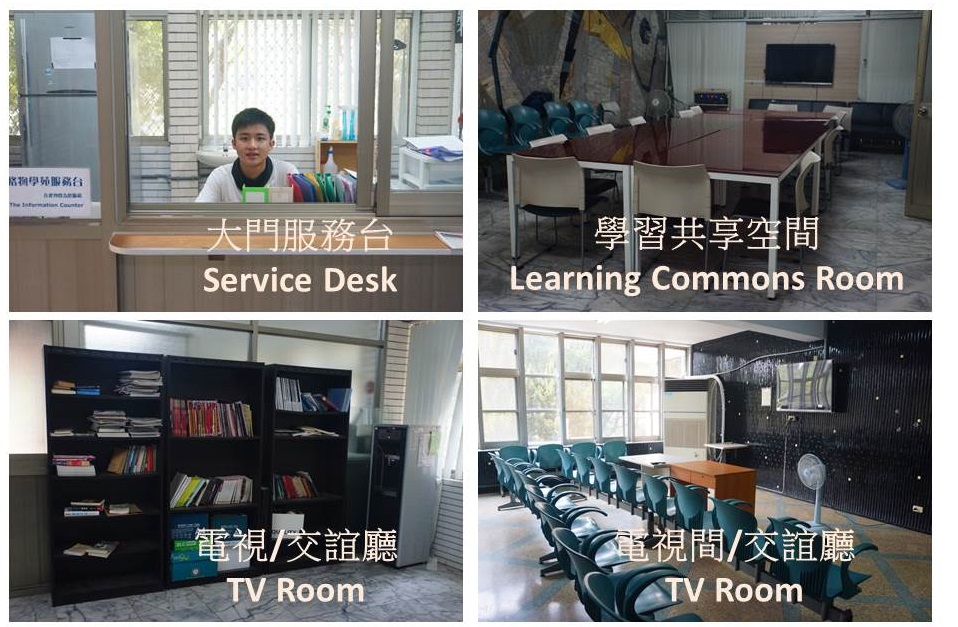
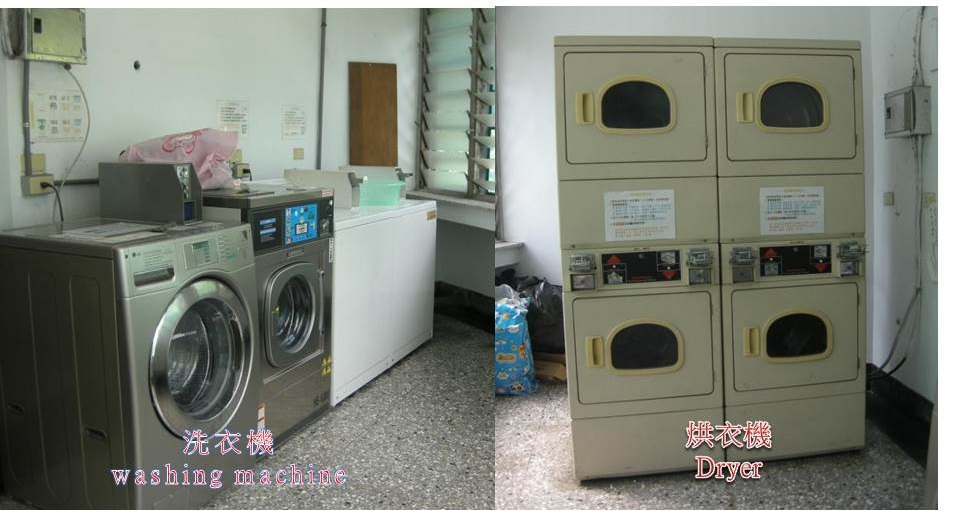
2. The public space is equipped with a lounge, reading room, storage room, and night self-study room. There are also automatic washing machines, dryers (coin-operated), and spin dryers.
Pathways
Individual application
—Applicable target: Those who have special performance in school, excellent skills, or have been recommended by teachers.
– Application method: Fill in up to 4 applications and submit review materials according to the regulations of each department.
– Distribution principle: Those who pass the review will be distributed according to “qualified order + volunteer order + quota”;
– Those who are not admitted: Those who are not admitted will be directly distributed jointly and distributed in accordance with the applicable brochures.
To expand recruitment opportunities for overseas Chinese and international students, the Ministry of Education has implemented a diverse admissions policy, allowing individual universities to conduct their own Independent Admission. However, to maintain administrative order and prevent double enrollment, the following rules apply: applicants already accepted through the first stage of a university’s Independent Admissions will no longer be processed or placed by the University Entrance Committee For Overseas Compatriot Students Joint Placement system; applicants who have already been placed through the Joint Placement system are ineligible to participate in the second stage of Independent Admissions for results announced after August 1st.
The “Joint Admission” process follows a standardized procedure to ensure fairness across different regions. The University Entrance Committee For Overseas Compatriot Students verifies and converts academic results based on the specific Admissions Brochures of the applicant’s country of residence and the “Detailed Rules for Score Calculation and Placement Operations.”
Admission is granted based on a “merit-based” system following these three primary criteria:
Ranked Scores: Applicants are sorted from highest to lowest based on their converted scores.
Order of Preference: The system identifies the highest-ranked preference available for each student.
Approved Quotas: Placements are limited by the total number of slots allocated to each department by the Ministry of Education.
◎ Founded in 1990, our school is the first university founded by Buddhists, and the founder is Venerable Xiaoyun, a great bhikshuni in the Buddhist world, integrating educators, religious scholars, and artists, advocating awareness education that emphasizes moral education.
◎ The first university in Taiwan to fully integrate Maker Education, Artificial Intelligence, and AV/VR (Virtual Reality) technologies across all academic programs, fostering hands-on, future-oriented learning.
◎ It pioneered the nation’s only customized learning system, in which each student has a personalized learning map and independently plans a four-year academic curriculum, with the freedom to take interdisciplinary and cross-college courses.
◎ The university is the only institution in the country to implement a Learning Clinic system that provides academic diagnosis and support.
◎ The first university nationwide where all students are provided with their own individual and independent workspace.
◎ The first university in Taiwan to fully implement a residential college system across the entire campus.
◎ The first university in the country where all students have their own independent workspaces.
◎ Students at the HFU emphasize learning by doing and hands-on practice. In addition to earning a degree from the university, students may also obtain dual master’s degrees in collaboration with overseas institutions, apply for exchange programs, participate in international internships, and attend overseas professional training programs, thereby connecting with global education and creating broader opportunities for their future careers.
Exclusive Scholarship
Jue Zhi Yu Moral Scholarship: NTD108,000, available to all freshmen who are interested in joining, the application method must take the “Campus Joint Maintenance Internship Course”, which will be guided and assessed by each teacher.
The dormitory provides
In addition to the protection of basic access control equipment, each dormitory has a dormitory supervisor to assist students in their accommodation needs, and the dormitory is equipped with air conditioning, wired and wireless networks for students to use.
Counseling mechanism for Hong Kong and Macao students
The Education Office of our college has dedicated personnel responsible for guiding overseas Chinese students to adapt to life in Taiwan and their studies, including learning counseling, assisting in applying for residence permits and immigration transfers, mobile phone and account opening, work-study opportunity arrangements, and scholarship applications.
Alumni
雷清琳
Distinguished alumni Hong Kong
◎The student graduated from the Department of Fine Arts and Cultural and Creative Studies of our university, and successfully applied to work in Taiwan, and is currently working at the Taiwan Sustainable Energy Research Foundation.
周承禧
Distinguished alumni Hong Kong
◎The student graduated from the Department of Fine Arts and Cultural and Creative Studies of our university, and his work won the 28th Annual Art Exhibition in the mixed media category.
◎In the 105th academic year, he was selected as an international exchange student by our school and went to his sister school, the University of Castile La Mancha in Spain, for a half-year exchange study.
Highlights
Green University
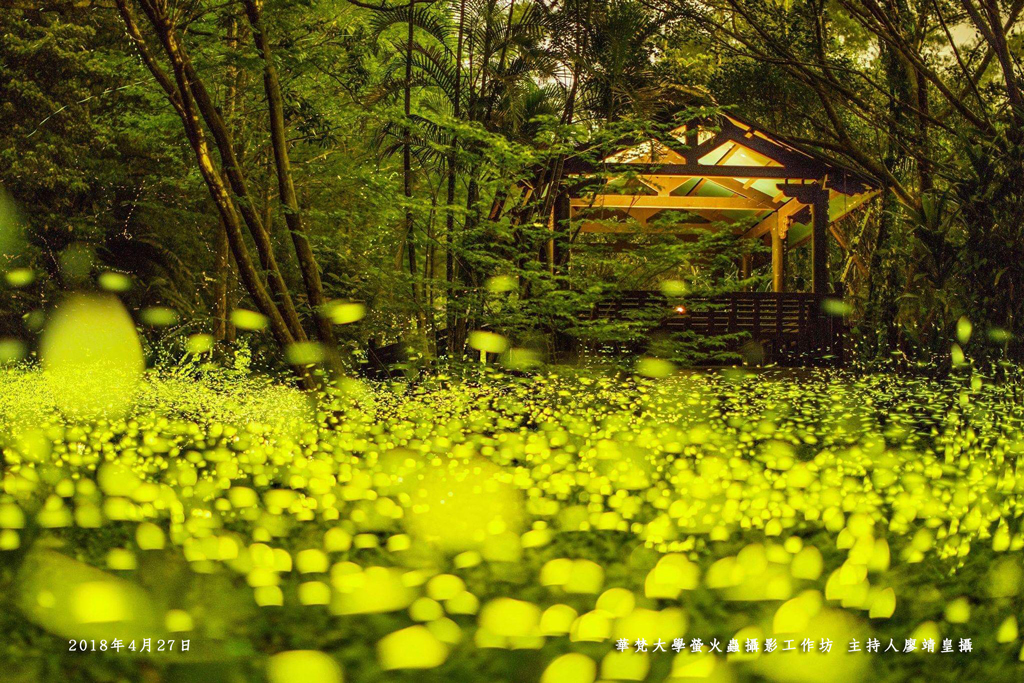
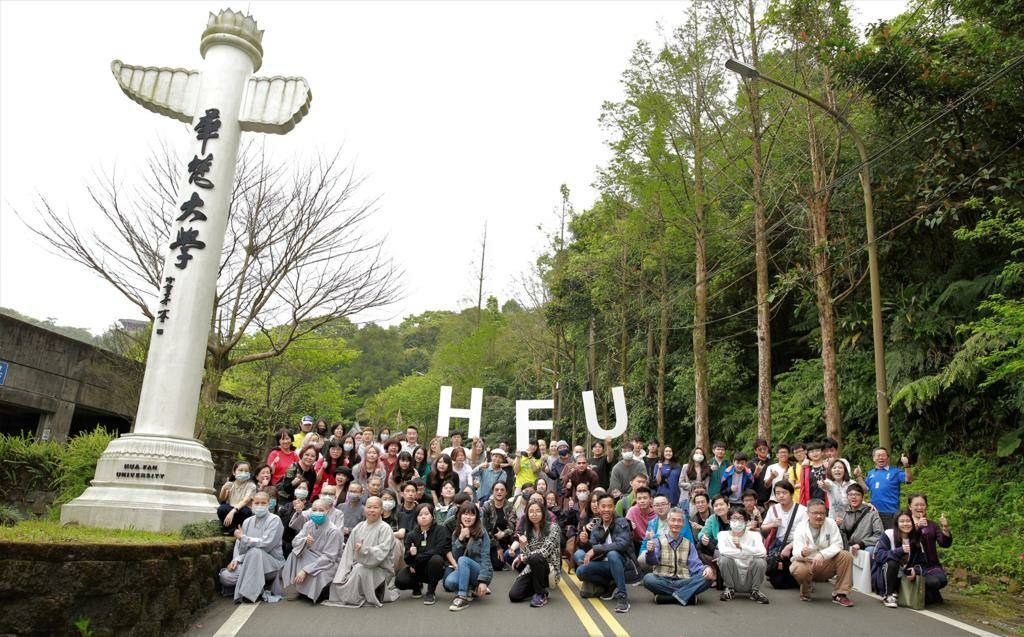
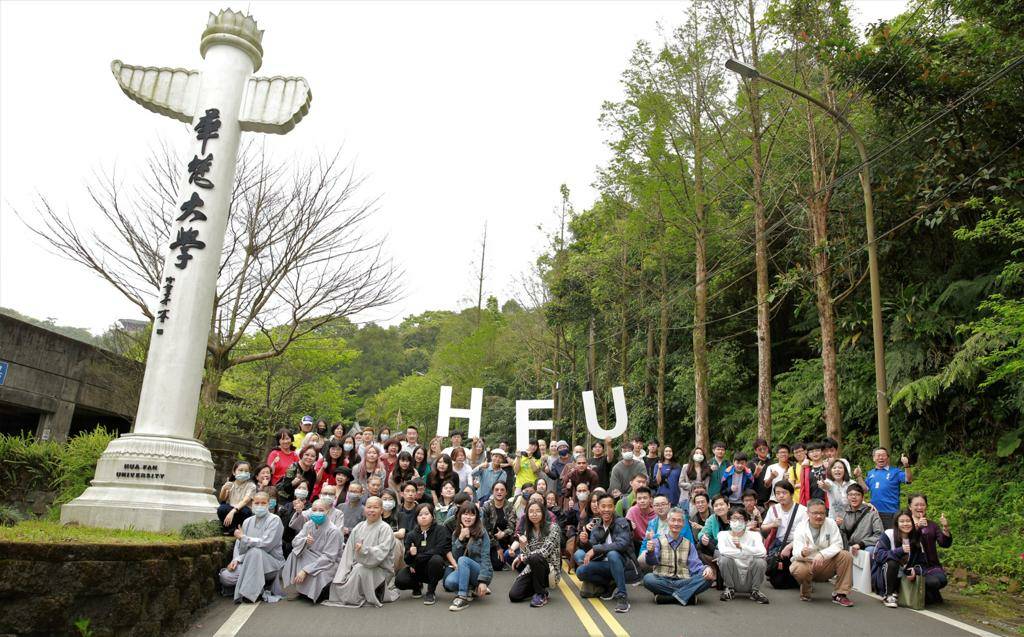
The campus is located in Shiding District, New Taipei City, Taiwan, with a beautiful campus environment and an exquisite forest university. HFU is located on Dalun Mountain, 550 meters away, and the water source of the back mountain has a rich and clean natural ecology. According to expert research, there are seven species of fireflies at HFU, including black-winged fireflies, red-breasted black-winged fireflies, Daduan black fireflies, and Sode’s vein-winged fireflies in spring, as well as mountain window fireflies, orange fireflies, and Yunnan flat fireflies in winter, with the best time to enjoy fireflies from late April to the end of May every year. (For pictures of fireflies, please refer to the China Times Electronic News: Huafan New Six Arts Achievement Exhibition and Firefly Appreciation Tea Party Taste the Essence of Culture Report link)
International exchange activities
In the four years of university, 4 out of 10 students will go abroad for internships, serve as exchange students at overseas sister schools, or participate in professional study tour courses.
1. Overseas exchange one-year universities: Purdue University in the United States, Murray State University in the United States, Arkansas State University in the United States, Louis Clark State College in the United States, Buddhist University of Law in the United States, Lawrence Institute of Technology in the United States, University of North Carolina at Pembroke, University of New England in the United States, Moheed State University in the United States, University of Castilla-La Mancha in Spain, Emmon University in the United Kingdom, Paris Eighth University in France, Konkuk University in South Korea, Samyuk University in South Korea, Kumgang University in South Korea, Kyungil University in South Korea, Weide University in South Korea, Sapporo City University in Japan, Nagasaki University of Foreign Studies in Japan, Kyoto Women’s University in Japan, Onomichi City University in Japan, Shitennoji University in Japan, and Ilmenau University of Technology in Germany. Mainland China: University of Science and Technology Beijing, Taiyuan University of Technology, Capital Normal University, Jiangnan University, Taiyuan University of Technology, Jinan University, Qingdao University, Qingdao University of Technology, Tianjin Academy of Fine Arts, Tianjin University of Technology, Sichuan Foreign Studies University, Sichuan Academy of Fine Arts, Shanghai Normal University, Xi’an University of Architecture and Technology, Liaocheng University, Nanjing Xiaozhuang College, Wenzhou University, Wenzhou University Oujiang College, Shaanxi University of Science and Technology, Liupanshui Normal University, Yibin College, Jishou University, Chongqing Three Gorges College, Ludong University, Jiangsu Institute of Technology, Junnan Normal University, Wuyi University, School of Information, Shanxi Agricultural University, Taiyuan Institute of Technology, Shanxi Media College.
2. Overseas internship countries (summer vacation or half a year): Germany, Japan, Mainland China, Vietnam, Philippines, Thailand, Malaysia, Mexico.
3. Master’s dual degree university: Master’s degree students from HFU can apply to enter the master’s program of the University of Castilla-La Mancha in Spain/Imperial Gate University in the United Kingdom at the same time, and obtain both Huafan and British/Spanish master’s degrees upon graduation.
4. Bachelor’s dual degree university: Bachelor’s degree students of HFU can apply to enter the bachelor’s program of Murray State University in the United States at the same time, and obtain both Huafan and American bachelor’s degrees upon graduation.
5. Obtain a bachelor’s degree in Chinese and a master’s degree in the United States (3+1+1) in five years: In my senior year, I worked as an exchange student at Purdue University in the United States, and at the same time obtained admission to the master’s program of the school, and then obtained a master’s degree from Purdue University in the United States one year later.
6. Obtained a bachelor’s degree in Chinese and a master’s degree in Germany (3+1+2) in six years: went to Germany to study languages during the summer vacation of two years at university, and served as an exchange student at the Ilmenau University of Technology in Germany in his senior year.
Departments
School Departments and Programs
暫無系所資料
Photos & Videos
Photos
Videos
School Introduction
Huafan’s new six arts – floral art
Huafan’s New Six Arts – Calligraphy
Huafan’s new six arts – tea art
Huafan’s new six arts – pottery
Huafan’s New Six Arts – Qin Art
Department of Photography and VR Design
Department of Fine Arts and Cultural and Creative Studies: Huafan University ∥ Department of Fine Arts and Cultural and Creative Studies Exclusive space 0 disturbance
Department of Fine Arts and Cultural and Creative Studies: Huafan Artist Unit Video – Zhang Caiwei “Daily Life”
Department of Fine Arts and Cultural and Creative Studies: Huafan Artist Unit Video – Chen Yunxin “Not Just the Department of Fine Arts”
Department of Fine Arts and Cultural and Creative Studies: Graduation Group Exhibition
Huafan University ∥ Department of Smart Life Became a Technology Upstart and Received an Annual Salary of Millions
Department of Smart Life Design
Department of Smart Life Technology
Scholarships
Living Expenses
Accommodation fee: NTD18,000 Living expenses: NTD48,000
Tuition and Miscellaneous Fees
Faculty of Humanities and Arts NTD109,710 School of Design and Creativity NTD109,710 College of Smart Life Science and Technology NTD109,710 Buddhist College NTD109,710
Scholarships
Scholarships
Scholarship Amount
Eligibility
Moral scholarship
NTD108,000
1. Regardless of status in the first and second semesters of freshman year, registration and payment procedures must be completed at the beginning of the semester.
2. In the first and second semesters of the freshman year, students must take the “Campus Joint Maintenance Internship Course”, which will be guided and assessed by each teacher.
3. In order to encourage diligent study, in the first semester of the freshman year, the total academic average of the previous semester must be 75 points or more, and the attendance rate of each subject must reach more than 80% before you can take the “Campus Joint Operation and Maintenance Internship Course” to receive the scholarship. (Public holidays and bereavement leave are considered to be attending class).
4. During the midterm exam and final exam week each semester, those who pass the assessment of the classroom teacher will receive a scholarship of NTD 27,000 each.
5. Scholars who have withdrawn midway will not be recovered if they have been awarded scholarships; If you are reprimanded or above during each semester, the scholarship will be suspended.
Innovative Co-learning Scholarship
NTD108,000 (approved incentive according to the content of the plan)
1. Two people (or more) will form a team to propose an innovative co-learning plan, and cross-departmental and cross-field formations are welcome. Individuals can also propose co-learning plans in the form of projects.
2. Subsidy content: creative equipment, creative space, and creative incentives (up to 5 yuan per person per semester, a total of 2 semesters, 50% in the middle of each semester, and 50% at the end of each semester.) )
3. Project completion reward: NTD 8,000 per person.
International Exchange Scholarship
NTD15,000~ 50,000
Students submit international exchange applications and submit them to the internationalization team for review, and different international exchange scholarships are granted according to different countries to encourage students to strengthen their international mobility skills
Bursary for overseas Chinese students
NTD3,000
For those with financial needs, the Ministry of Education will approve the quota and list after application.
Overseas Chinese Association: Overseas Chinese Student Scholarship
NTD5,000
Limited to sophomore years and above, with a total average of 75 points or more in the previous academic year (1-2 students from the school)
Overseas Chinese Affairs Committee: Scholarship for outstanding overseas Chinese students
NTD 50,000
limited to sophomore years and above, with a total average of 80 points or more in the previous academic year
Overseas Chinese Affairs Committee: Scholarship for outstanding overseas Chinese students
NTD 5,000
limited to sophomore years and above, with a total average of 80 points or more in the previous academic year
Pathways
Individual application
—Applicable target: Those who have special performance in school, excellent skills, or have been recommended by teachers.
– Application method: Fill in up to 4 applications and submit review materials according to the regulations of each department.
– Distribution principle: Those who pass the review will be distributed according to “qualified order + volunteer order + quota”;
– Those who are not admitted: Those who are not admitted will be directly distributed jointly and distributed in accordance with the applicable brochures.
To expand recruitment opportunities for overseas Chinese and international students, the Ministry of Education has implemented a diverse admissions policy, allowing individual universities to conduct their own Independent Admission. However, to maintain administrative order and prevent double enrollment, the following rules apply: applicants already accepted through the first stage of a university’s Independent Admissions will no longer be processed or placed by the University Entrance Committee For Overseas Compatriot Students Joint Placement system; applicants who have already been placed through the Joint Placement system are ineligible to participate in the second stage of Independent Admissions for results announced after August 1st.
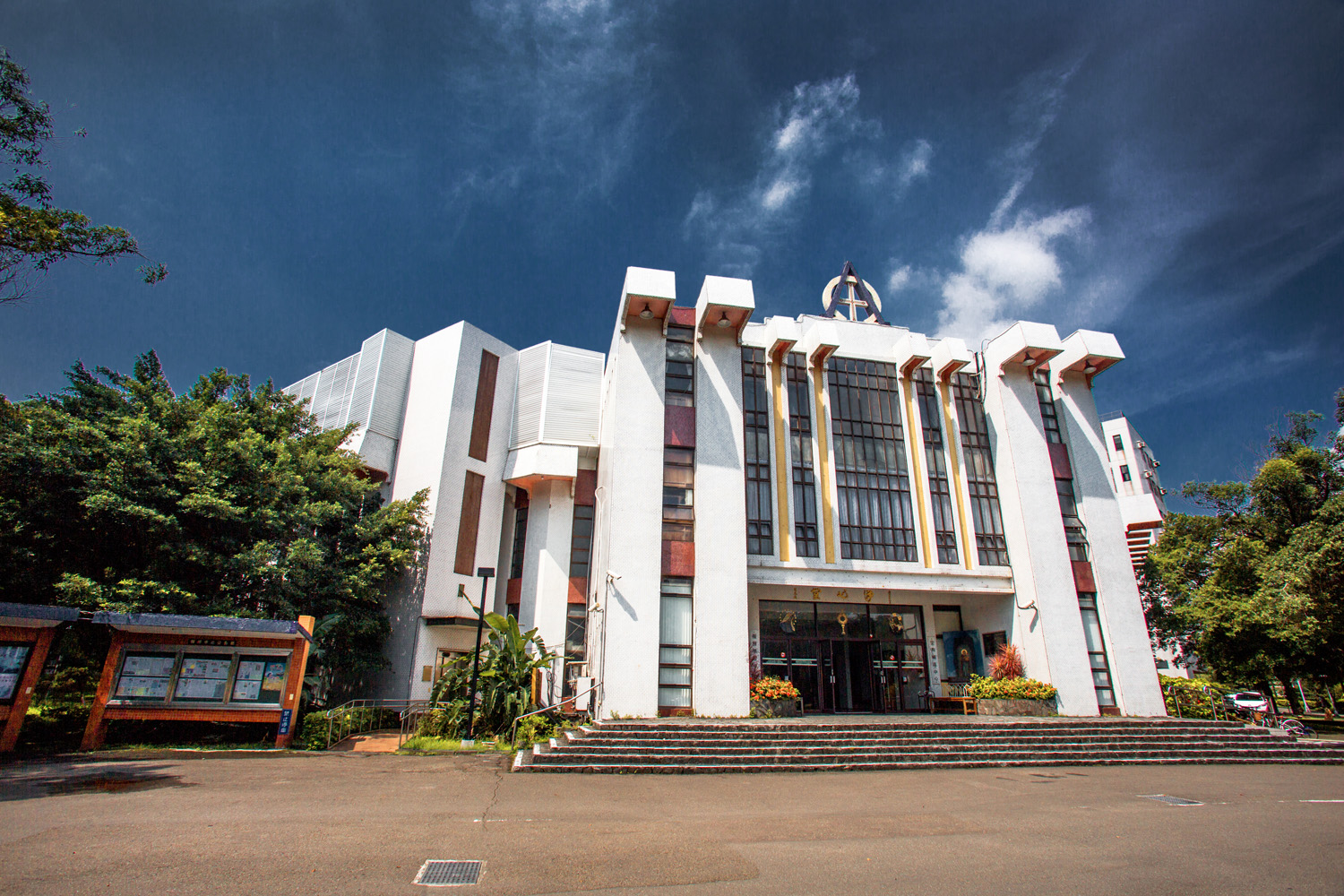
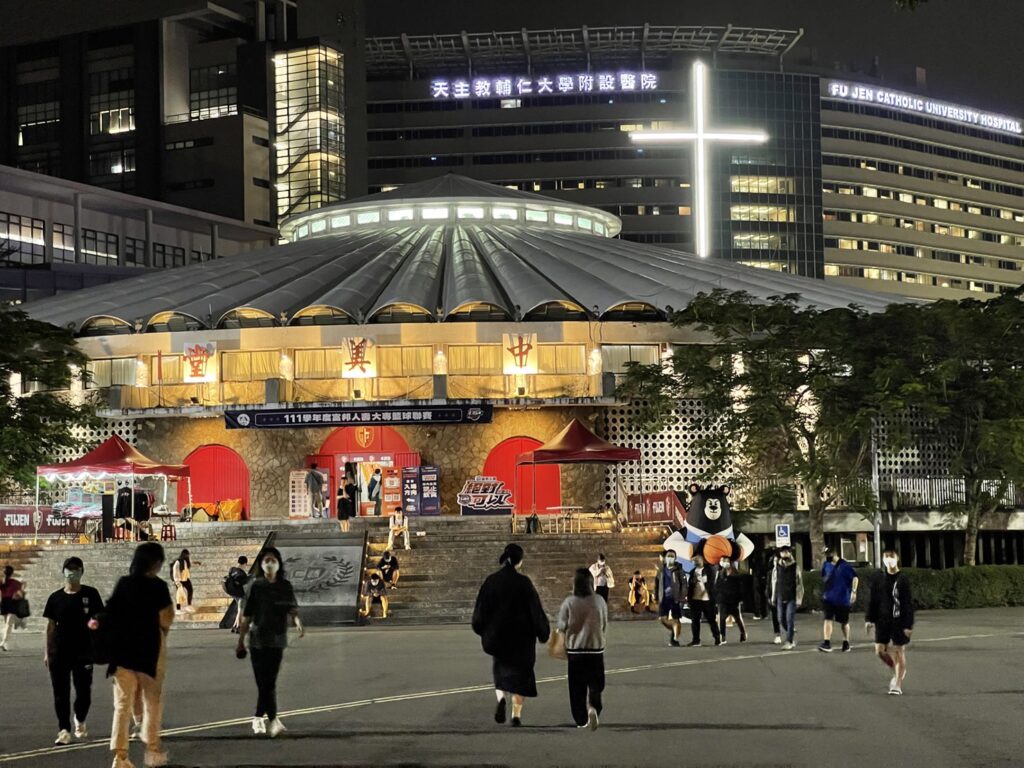
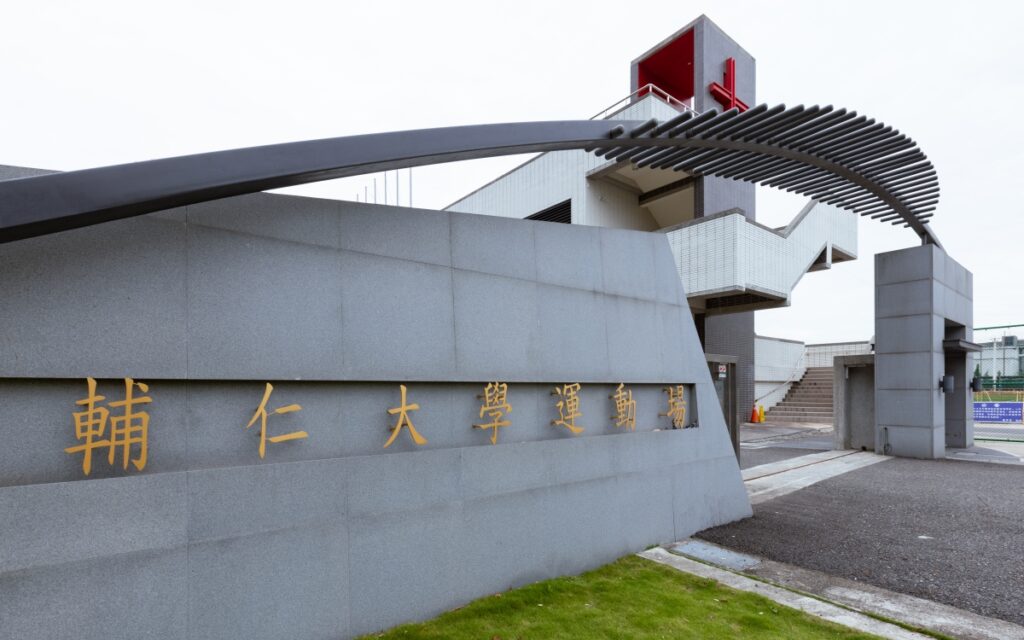
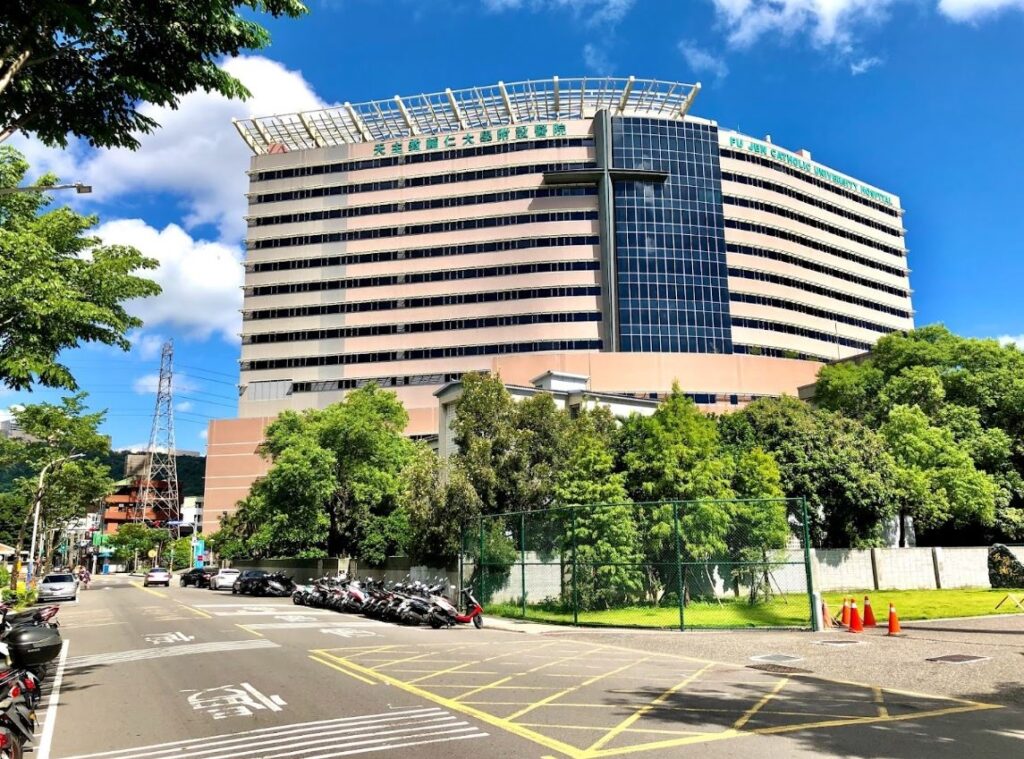
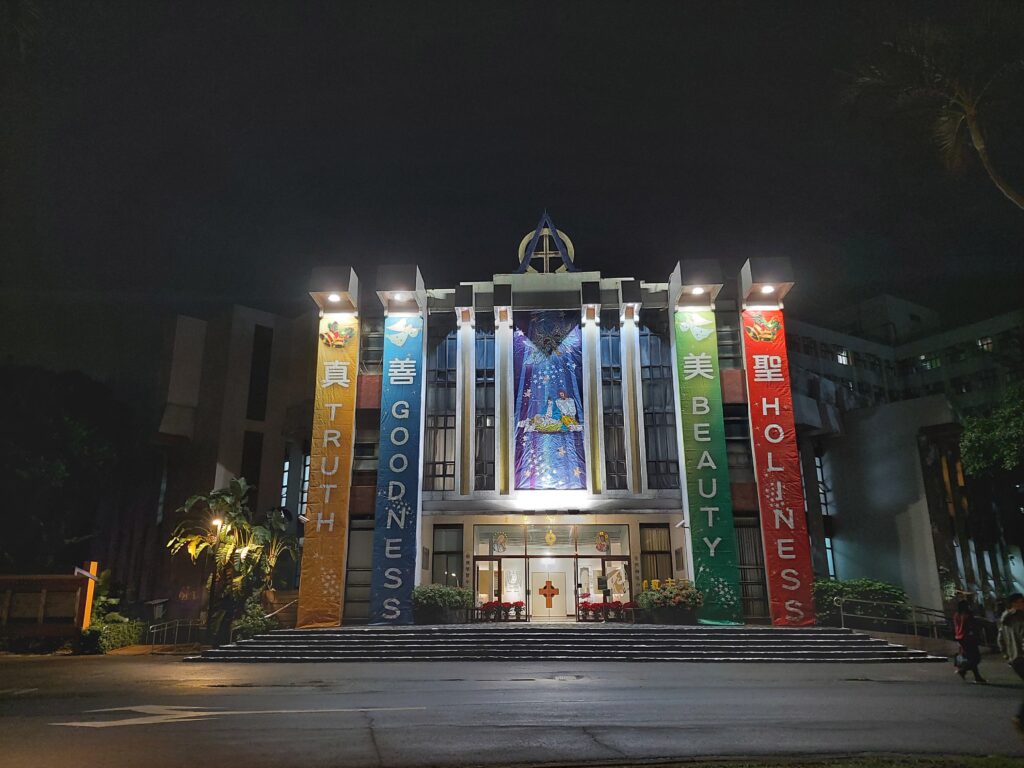
FJCU is located in New Taipei City, Taiwan, and is the only Catholic comprehensive university in Taiwan directly subordinated to the Holy See. It has 12 colleges including Literature, Arts, Art, Medicine, Communication, Education and Sports Health, Science and Engineering, Foreign Languages & Literatures, Human Ecology, Fashion and Textiles, Law, Management, and Social Sciences, with 53 departments, 48 master’s programs, 23 executive master’s programs, 12 doctoral programs, 16 extension departments, and 500 sister schools worldwide.
The campus features a well-organized layout with comprehensive hardware and software facilities, providing students with a diverse, holistic, interdisciplinary, and international learning and living environment. Founded over 100 years ago, it has more than 260,000 alumni at home and abroad, who have achieved outstanding results in various fields, laying a brilliant vision for the university.
Outstanding Performance
Ranked 7th in Taiwan in the Times Higher Education World University Impact Rankings
《104 Job Bank University Brand Power》Ranked 1st in Taiwan for two consecutive years in 2024 / 2025
《1111 Job Bank Enterprise Favorite University》Ranked 2nd among private universities for two consecutive years in 2024/2025
《Global Views Magazine Survey 2025 Enterprise Favorite University》Ranked 13th in Taiwan and 3rd among private universities
《Global Views Magazine USR University Social Responsibility Award》Double Model Award
《2025Asia Pacific Sustainability Action Awards(APSAA)》SDG17 Diverse Partnerships Only winning school
The College of Management is the first institution in Taiwan to receive AACSB accreditation, placing it among the world’s elite business schools. Furthermore, it is ranked as one of the top five business schools in Taiwan by Eduniversal, a prestigious European ranking agency. As a result, credits earned by Fu Jen students are widely recognized by leading universities worldwide. (Source: AACSB, EDUNIVERSAL)
The Department of Electrical Engineering, Department of Computer Science and Information Engineering, and Bachelor’s Program in Medical Informatics and Innovation Applications of the College of Science and Engineering of Fu Jen University have successfully maintained IEET accreditation, ensuring that our teaching quality, faculty expertise, and facilities meet international standards. This global recognition of our degrees provides students with a competitive edge and significantly enhances their future career development.
The Department of Occupational Therapy has successfully passed the WFOT (World Federation of Occupational Therapists) re-evaluation for its entry-level education programs.
The university has been honored with a prestigious 5-star rating in the 2019 Ranking of Universities in Greater China by Cuaa.net. This recognition places us alongside world-renowned institutions such as City University of Hong Kong, University of Macau, Hong Kong Polytechnic University, Beijing Forestry University, Central University of Finance and Economics, Beijing University of Science and Technology, Central China Normal University, Northwest University and other universities. Notably, we are ranked first among all private comprehensive universities in Taiwan.
Fu Jen’s overseas service learning footprints span five continents and 24 countries, deeply cultivating 26 regions, allowing the spirit of professional achievement to go international.
Counseling Mechanism and Campus Activities
In order to care for Overseas Chinese Student so that they can quickly adapt to local life and study with peace of mind, our school has a special “Overseas Compatriot and Mainland Chinese Students Advising Division” to take charge of related counseling matters, including arranging academic counseling, assisting in handling residence and entry-exit matters, club activities, and work-study opportunities. Encourage Overseas Chinese Student to learn the attitudes of democracy, autonomy, responsibility, caring for others, and serving the society through practical participation, develop students’ potential for independent thinking, and promote the extension and learning of activities other than academic work.
To support Overseas Chinese Student with financial difficulties, the University provides assistance in applying for various scholarships and financial aid programs, helping to reduce financial burdens and ensure a worry-free learning experience. In addition, Overseas Chinese Student are eligible to enroll in Overseas Chinese Student Accident Insurance and the National Health Insurance program, and may receive medical services directly at the University-affiliated clinics and hospitals, ensuring comprehensive healthcare coverage during their studies.
Overseas Chinese students are given priority for four years of on-campus accommodation. The dormitories are conveniently located near restaurants, convenience stores, and other daily amenities. Student organizations for overseas Chinese students include the Overseas Chinese Student Association, the Hong Kong and Macau Student Association, the Malaysian Student Association, and the Indonesian Student Association, providing a supportive and welcoming campus community.
Alumni
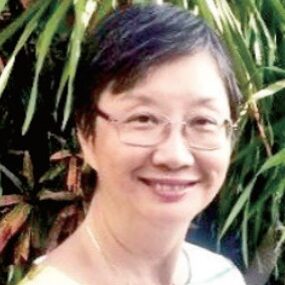
葉秀華
Principal of Chong Chun Middle School Hong Kong
Justice of the Peace, Former Principal of Shatin Chong Chun Middle School
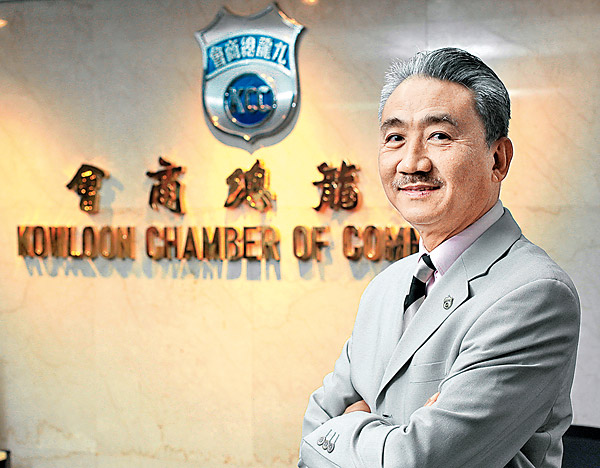
李光華
Chairman of the Kowloon General Chamber of Commerce Hong Kong
Chairman of Zhuhai Rigao Sporting Goods Development Co., Ltd., Chairman of the Kowloon General Chamber of Commerce
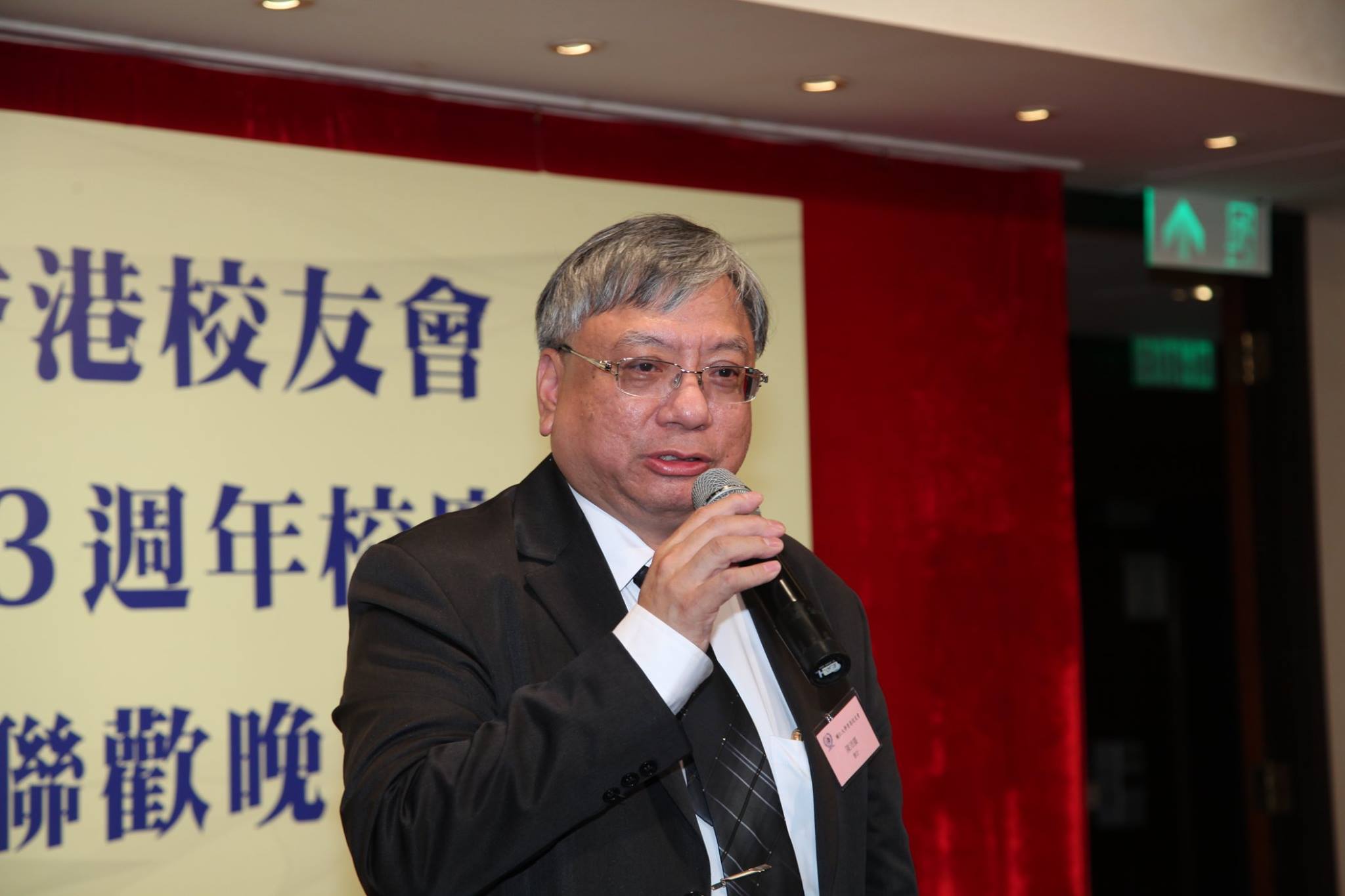
陳沛廣
President of the Fu Jen Catholic University Global Alumni Association Hong Kong
President of the Hong Kong Alumni Association
陳曉娟
President of the Fu Jen Catholic University Global Alumni Association Malaysia
Overseas Chinese Affairs Promotion Commissioner of the Republic of China
President of the 5th, 6th, and 7th Sessions of the Fu Jen Catholic University Alumni Association in Malaysia
Deputy Director of the Public Relations Group of the United Federation of Alumni Associations in Malaysia, Deputy Coordinator of the Education Exhibition, Head of the Publicity Group
President of the FJCU Global Alumni Association
李裕光
President of INTI International University Malaysia
President of INTI International University
唐志忠
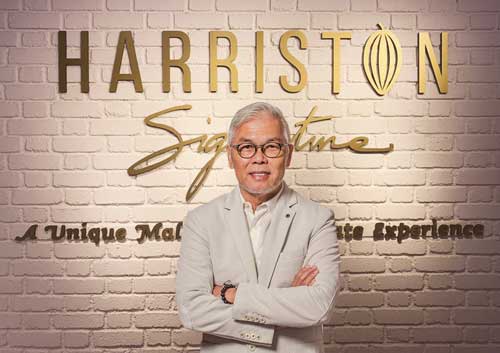
Founder of Harrington Chocolate Brand
Malaysia
Founder of Harrington Chocolate Brand
林偉祥
Advisor and Dean of the Faculty of Technology, Jakarta International University Indonesia
Advisor and Dean of the Faculty of Technology, Jakarta International University
王賢達
Roti’O Backery , D’prima Hotel Indonesia
Overseas Chinese Affairs Promotion Commissioner of Taiwan
President of the 5th, 6th, and 7th Sessions of the Fu Jen Catholic University Alumni Association in Malaysia
Deputy Director of the Public Relations Group of the United Federation of Alumni Associations in Malaysia, Deputy Coordinator of the Education Exhibition, Head of the Publicity Group
President of the Fu Jen Catholic University Global Alumni Association
Highlights
Interdisciplinary College
Interdisciplinary studies are a current trend, making various fields more special and creative. At Fu Jen, through the development of AI, there can be more interdisciplinary combinations, and science can also be integrated with humanities, arts, health, leisure, and business management. The credit programs of the Interdisciplinary College add unlimited points to students’ resumes. Let students live out their own slash life in various fields.
Foreign Language Teaching and Digital Learning Resource Center
Provide students with a field and equipment for autonomous foreign language learning, such as: language self-study classrooms and nearly 2,000 foreign language learning software, and provide various media smart classrooms and a variety of online interactive language learning digital platforms.
Convenient Transportation
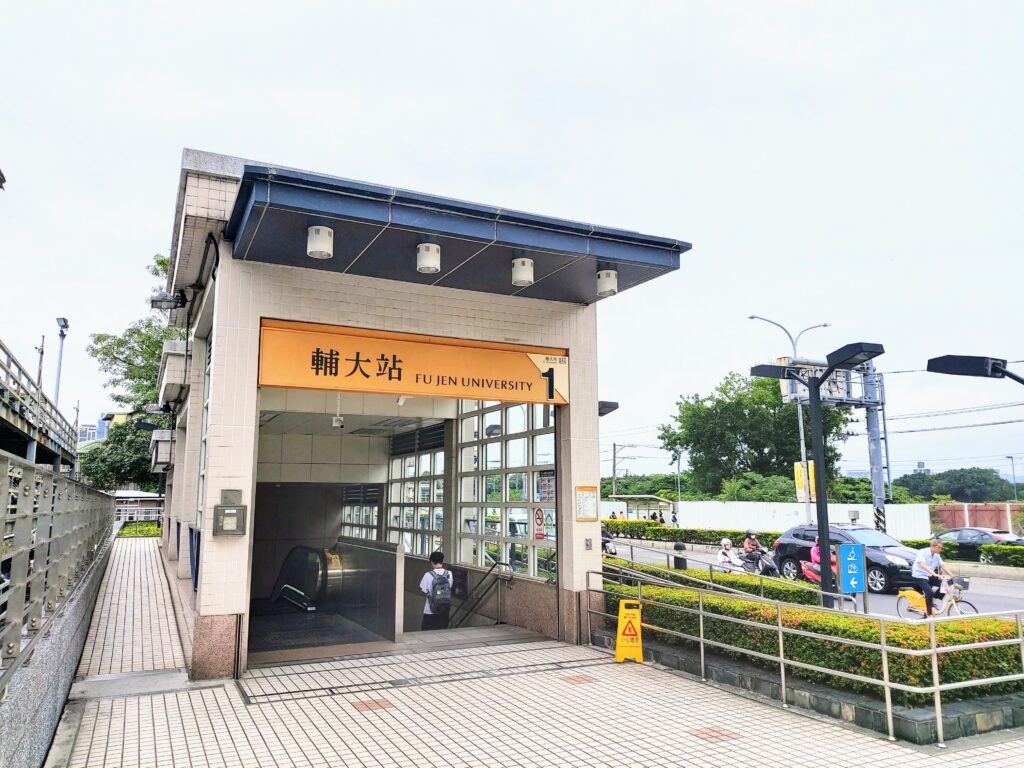
FJCU is located at the intersection of the Xinzhuang MRT Line and the Airport MRT Line, and there are also convenient buses to and from, and the convenient transportation network is conducive to the internationalization of student commuting.
Rich Learning Resources
The school has a student learning center and rich library resources, allowing students to study in a pleasant and comfortable environment. There are also E-lounge, Fun Learning Self-study Center, Learning Counseling Center, ESCHOOL, Zongfu Office, Curriculum Diagnosis Center, and TA assistance to provide you with comprehensive care in academics, coursework, or spiritual levels, and a lot of self-study courses and lectures are held.
High-quality Accommodation Environment
Our school provides a high-quality accommodation environment, hoping that children away from home can live comfortably, and there is a warmth of home when you walk into the dormitory. Our school has 7 dormitories with about 4,300 beds. In addition to providing the necessary equipment, the dormitory rooms are also equipped with 24-hour dormitory wired network. The dormitory is conveniently located near the dormitory.
Diverse Club Activities
Our school has six attributes (academic, leisure and social, service, physical fitness, art, music) with a total of more than 91 clubs for you to choose from. In addition to professional learning, there are also unique inter-school activities, joint club orientation activities, theme garden parties, sports games, autonomous learning competitions, and annual results presentations.
Campus Internationalization
Our school currently has more than 500 international sister schools, and actively promotes various international academic exchange activities, including exchange students, dual degree programs, visiting professors, joint seminars, visits and exchanges, and cooperative exchange programs. Through campus international exchange activities, cross-cultural lectures, and the International Corner, we build a foreign language learning environment for students and create a campus internationalization atmosphere.
College of Liberal Arts College of Foreign Languages & Literatures School of Law College of Social Sciences College of Education and Sports Health (Bachelor’s Program in Educational Leadership and Technology Development) College of Education and Sports Health (Department of Library and Information Science)
NTD 94,860
College of Art College of Science and Engineering (Chemistry, Life Science, Physics, Mathematics) College of Communication College of Human Ecology College of Fashion and Textiles College of Management (Department of Information Management) College of Education and Sports Health (Department of Physical Education) College of Social Sciences (Department of Psychology)
NTD 109,780
College of Management (except Department of Information Management) College of Social Sciences (Department of Economics)
NTD 96,280
College of Science and Engineering (Electrical Engineering, Computer Science and Information Engineering, Medical Informatics and Innovation Application)
NTD 110,700
College of Medicine (except Department of Medicine)
NTD 116,400
Department of Medicine, Faculty of Medicine
NTD 145,000
Bachelor’s Program in Interdisciplinary Studies
NTD 142,720
Living Expenses/Year
Living Expenses: NTD 79,200 ~ 95,040/YR
Accommodation: NTD 16,540 ~ 43,200/YR
One semester
One academic year
Other Notes
NTD 8,270~21,600
NTD 16,540~43,200
Varies by dormitory; for reference only.
School accommodation
Pathways
Individual application
—Applicable target: Those who have special performance in school, excellent skills, or have been recommended by teachers.
– Application method: Fill in up to 4 applications and submit review materials according to the regulations of each department.
– Distribution principle: Those who pass the review will be distributed according to “qualified order + volunteer order + quota”;
– Those who are not admitted: Those who are not admitted will be directly distributed jointly and distributed in accordance with the applicable brochures.
The “Joint Admission” process follows a standardized procedure to ensure fairness across different regions. The University Entrance Committee For Overseas Compatriot Students verifies and converts academic results based on the specific Admissions Brochures of the applicant’s country of residence and the “Detailed Rules for Score Calculation and Placement Operations.”
Admission is granted based on a “merit-based” system following these three primary criteria:
Ranked Scores: Applicants are sorted from highest to lowest based on their converted scores.
Order of Preference: The system identifies the highest-ranked preference available for each student.
Approved Quotas: Placements are limited by the total number of slots allocated to each department by the Ministry of Education.
To expand recruitment opportunities for overseas Chinese and international students, the Ministry of Education has implemented a diverse admissions policy, allowing individual universities to conduct their own Independent Admission. However, to maintain administrative order and prevent double enrollment, the following rules apply: applicants already accepted through the first stage of a university’s Independent Admissions will no longer be processed or placed by the University Entrance Committee For Overseas Compatriot Students Joint Placement system; applicants who have already been placed through the Joint Placement system are ineligible to participate in the second stage of Independent Admissions for results announced after August 1st.
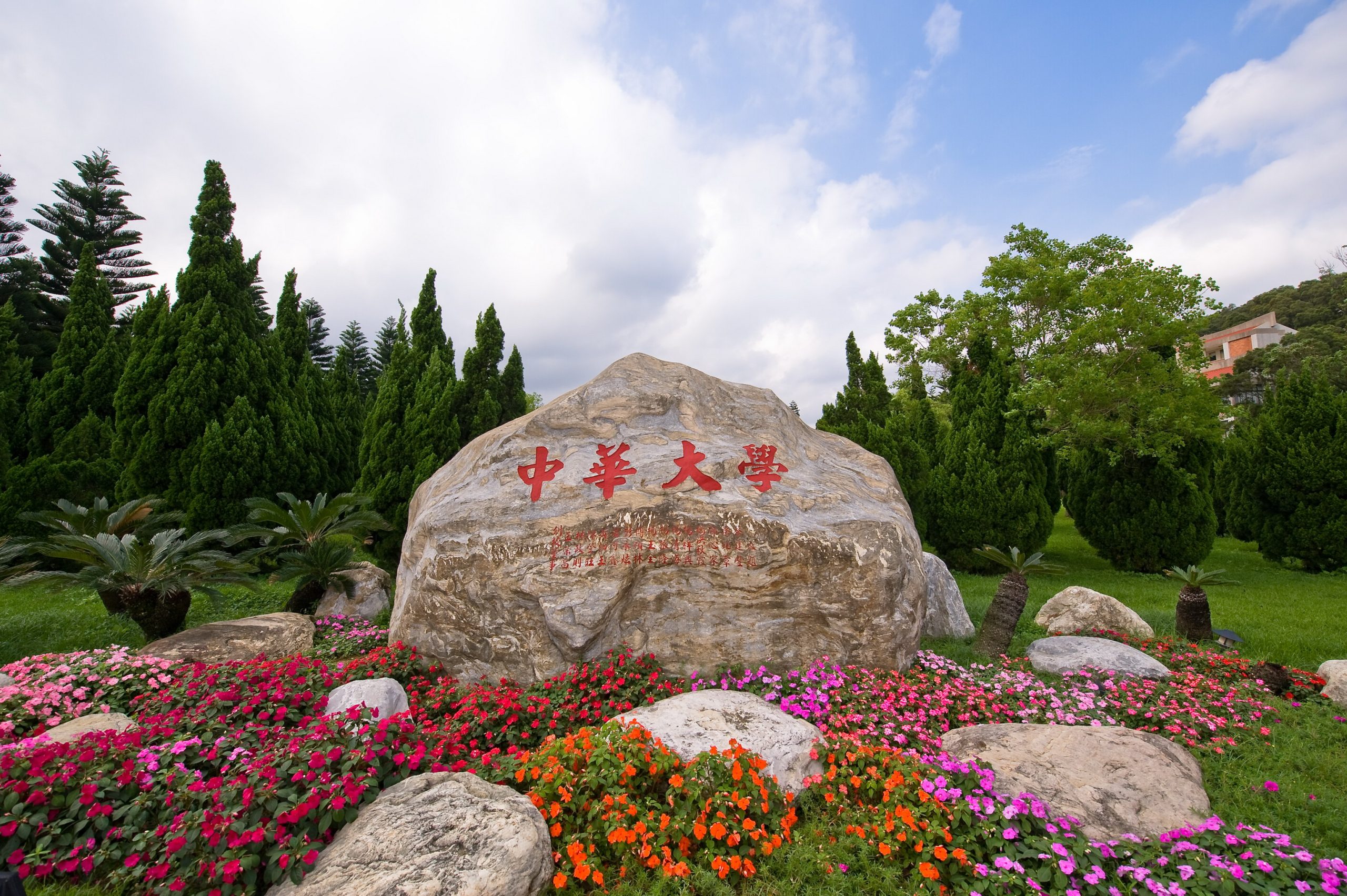
CHU was founded in 1990 and is located in Hsinchu City, known as both the City of Happiness and the Silicon Valley of Taiwan. CHU is not only a teaching-oriented university with high employment rates, high salaries, and high corporate satisfaction among its graduates, but it has also been ranked among the top 350 universities in Asia for two consecutive years since 2017, out of more than 10,000 universities in the region, and is also ranked among the top 10 comprehensive private universities in Taiwan.
The school is positioned as a university with a dual focus on quality teaching and industry-academia collaboration. “Quality teaching” aims to enhance students’ learning motivation, strengthen their foreign language skills and international perspectives, and increase their employment advantages. “Industry-academia collaboration” focuses on expanding student internships and obtaining professional certifications, and cultivating talents with workplace competitiveness through industry mentor teaching and curriculum learning. At the same time, it promotes close cooperation between teachers and industry to strengthen the effectiveness of industry-academia collaboration.
A Career-Focused University Excelling in Three Core Strengths
According to the latest surveys by the Ministry of Education, 104 Job Bank, and 1111 Job Bank, CHU graduates have demonstrated three high achievements: high employment rate, high salary, and high corporate satisfaction.
Among them, the employment rate of our school’s students ranks first among comprehensive universities subsidized by the Ministry of Education for teaching excellence. According to 104 Job Bank statistics, the average salary of more than half of the graduates is higher than the average salary of graduates from private universities nationwide, and it has been ranked among the top 10 private universities most satisfied by enterprises in the 1111 Job Bank for five consecutive years.
The only private university in the Hsinchu-Miaoli area with dual international AACSB and IEET accreditation
The first private university in Taiwan to obtain the new system certification of the American International AACSB, the College of Management ranks among the top 5% of business schools in the world. CHU is the only private university in the Hsinchu-Miaoli area to be accredited by the Association to Advance Collegiate Schools of Business (AACSB) and the Institute of Engineering Education Taiwan (IEET). Students’ degrees and credits can be recognized globally.
Our College of Management is not only among the top 5% of business schools in the world, but in the 2020 QS rankings by the British higher education survey company, our school jumped to the top 450 universities in Asia and is also ranked 9th among comprehensive private universities in Taiwan.
Strong cross-disciplinary (π) learning and employment ability
In order to strengthen students’ employment competitiveness, the school promotes cross-disciplinary learning, cultivates students’ second expertise through cross-disciplinary employment programs co-organized with enterprises, cross-college experience micro-credits, and the requirement to take 9 credits from other departments.
Highlights
Microsoft AI Academy
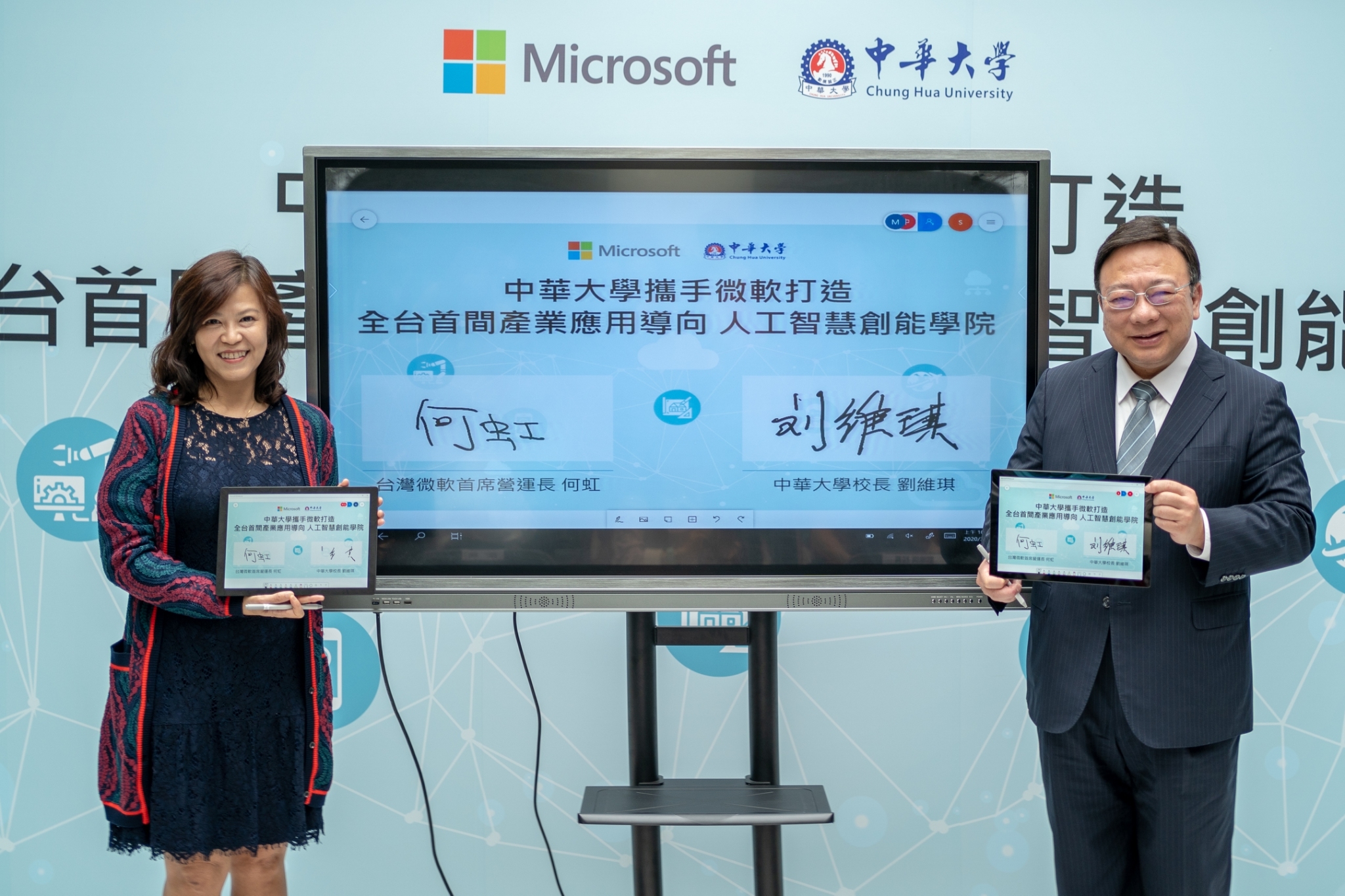
The AI wave is coming! Not only are human lifestyles being subverted, but major industries are also actively using AI to enhance data value and transformation, and the pace of cultivating local AI talents is even more urgent. CHU and Microsoft Taiwan announced a deepening of their cooperation and jointly established Taiwan’s first industry-academia-linked “Microsoft AI Academy” that teaches AI technology and practical courses.
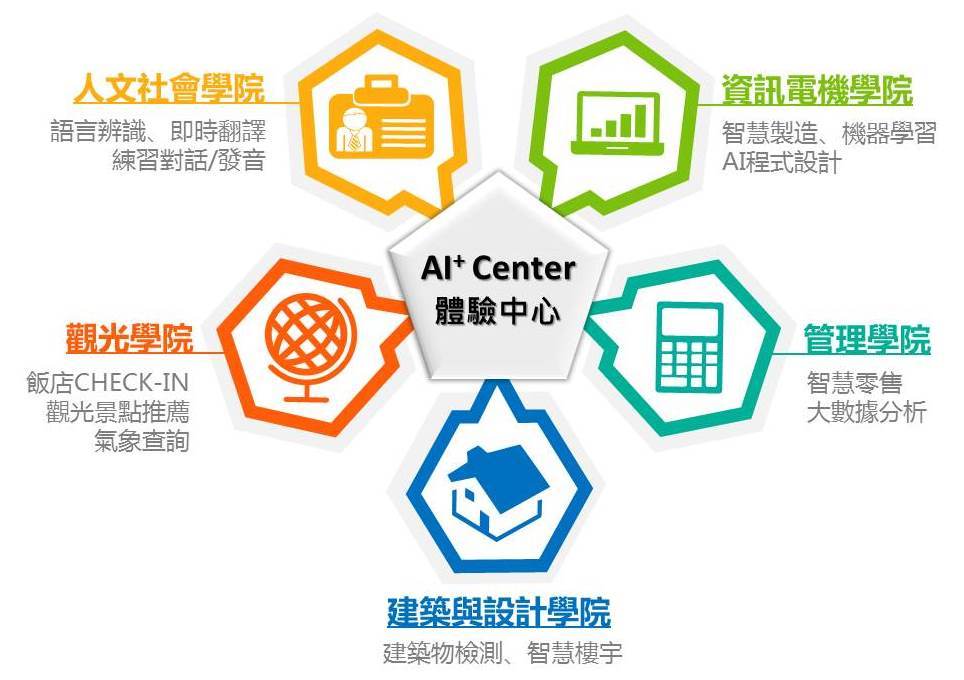
AI+ Artificial Intelligence Experience Learning
AI artificial intelligence has developed rapidly in recent years and has become a new hot topic in industry and academia. Major industries are in urgent need of AI talents to promote industrial AI. CHU combines AI artificial intelligence with the professional fields of each college to cultivate students who not only have expertise but also have the AI technology to understand industry trends, so that every student at CHU can become a popular talent in the industry through the three stages of learning design: experience, application, and practice during their studies.
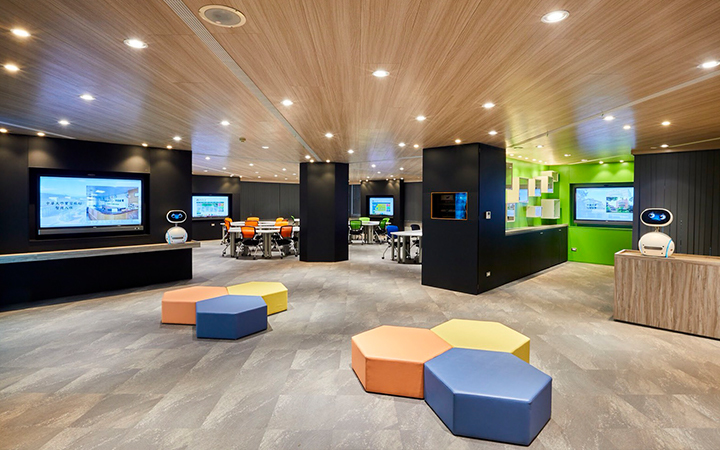
Taiwan’s First AI+ Experience Center
Taiwan’s first AI+ Experience Center has been completed at CHU, bringing the world’s latest AI applications to the campus, creating scenario experiences such as smart access control, smart hotels, smart retail, and smart buildings, and combining AI with the expertise of each college to create application fields and customized practical exercises, so that students have a certain level of AI artificial intelligence application capabilities.
Departments
School Departments and Programs
暫無系所資料
Photos & Videos
Photos
Videos
CHU Short Film
Media coverage of CHU’s “Cross-Domain Hacker Programming Talent Training Class” taught by industry technology supervisors
Foreign students with a Chinese proficiency test score (TOCFL Level 2) or above are exempt from tuition and miscellaneous fees for the first semester. (Scholarships will be refunded for the first semester’s tuition and miscellaneous fees after registration in the second semester)
Scholarships for Foreign Students
NTD44,442 ~ 51,880
Foreign students with an average academic score of 80 or above after admission and ranked within the top 10% of their department. Those who meet the qualifications will have their tuition and miscellaneous fees for the current semester refunded after registration
Tuition/Year
College Category
Tuition/Year
College of Electrical Engineering and Computer Science
To expand recruitment opportunities for overseas Chinese and international students, the Ministry of Education has implemented a diverse admissions policy, allowing individual universities to conduct their own Independent Admission. However, to maintain administrative order and prevent double enrollment, the following rules apply: applicants already accepted through the first stage of a university’s Independent Admissions will no longer be processed or placed by the University Entrance Committee For Overseas Compatriot Students Joint Placement system; applicants who have already been placed through the Joint Placement system are ineligible to participate in the second stage of Independent Admissions for results announced after August 1st.
Our university focuses on health care as its main axis of development and actively builds a model health care university that is the best in education, the strongest in employment, and the most loved by enterprises.
Best in Education: Practical teaching, comprehensive internships, and holistic education are the main features of our school. We have earned recognition from students, parents, and society. Facing a highly competitive employment environment, we formulate Chang Gung Six Arts (service learning, off-campus internships, English proficiency test, professional license, participation in competitions, and special project implementation) as graduation thresholds through industry analysis, opinions from business owners and alumni, and the educational commitment of all our colleagues to students and parents who choose to study at our school, in order to continuously deepen students’ employment competitiveness.
Strongest in Employment: Graduates’ employment has four highs and one low: high employment and schooling ratio, high starting salary (monthly salary higher than NTD 40,000), high employer satisfaction with alumni, high job satisfaction, and low gap between learning and application.
Most Loved by Enterprises: Graduates’ work performance is widely recognized by the industry. In the employer’s most satisfied university rankings conducted by 1111 Job Bank, it ranks first among medical and nursing technology universities.
Dormitory Provided, Scholarships
Richest in Resources: 100% of students in the school intern at enterprises, and cooperate with 295 industrial units such as Formosa Plastics Group and Chang Gung Medical System. Provide various scholarships, with a total annual scholarship amount of more than NTD 26 million. The school adopts a low tuition policy to encourage disadvantaged students to concentrate on their studies, and the annual tuition subsidy amount exceeds NTD 64.89 million. All teachers in the school are professional doctoral and master’s level teachers, and the teacher structure above full-time assistant professors reaches 84.38%.
Best Environment: Provide on-campus medical services, combine medical and nursing expertise, promote health consultation clinics, and build a healthy, mutually supportive, and friendly campus atmosphere.
Accommodation Environment: Provide a warm, comfortable and high-quality accommodation environment, promote the integration of life and learning, and provide wireless Internet access throughout the campus. Rich and diverse club activities promote group education development and encourage students to participate in service learning.
Industry-Academia Collaboration, Graduate Career Paths, Transportation Location
[Reasonable Tuition, Many Scholarship Resources]
The tuition and miscellaneous fees for each department of the college are approximately NTD 46,000 per semester.
Cooperate with Chang Gung Memorial Hospital and other medical units to provide hundreds of “tuition and miscellaneous fee waivers” for public-funded students each year, seamlessly connecting with the workplace.
Encourage students to concentrate on their studies and provide rich on-campus work-study scholarships, living subsidies, and scholarship applications.
[Full Accommodation, High-Quality Living Environment]
Provide a high-quality accommodation environment with four-person suites, full bathroom, wireless internet and other equipment. The accommodation fee is approximately NT$8,100 per semester.
Located near Chang Gung Medical Park, with on-campus medical clinic services for the convenience of teachers and students.
[Convenient Transportation, Complete Food, Clothing, Housing and Transportation]
The campus is surrounded by abundant living resources and is close to the Taipei metropolitan area, about 30 minutes away by car.
It is close to Taoyuan International Airport, about 30 minutes away by car, which is convenient for students to return home.
[Practical Teaching, Strong Workplace Competitiveness for Students]
100% of students in the school intern at enterprises, and cooperate with 240 industrial units such as Formosa Plastics Group and Chang Gung Medical System.
Establish a “Clinical Competence Center” and Taiwan’s only 3D digital anatomy classroom to enhance students’ practical application capabilities.
Signed a total of 41 overseas sister schools (departments) to connect with the world.
Highlights
Department Features
[Department of Nursing] Cultivate outstanding nursing talents with excellent performance in the industry. The proportion of graduates entering the medical and nursing workplace is as high as 90%.
[Department of Early Childhood Care and Education] Cultivate practitioners in the children’s industry, build students’ high-quality teaching and childcare knowledge, and open two major modules: infant care services and children’s industry, to assist students in obtaining nanny licenses and enhance their employment competitiveness.
[Department of Cosmetic Applications] Implement internships in cosmetic medicine institutions, cultivate overall styling planning and medical beauty consultation and care expertise, and create workplace employment competitiveness.
[Department of Health and Nutrition] Cultivate talents in dietary therapy, nutrition education and health care, and assist students in participating in skill appraisals and passing national examinations such as nutritionists.
[Department of Senior Citizen and Health Care Management] Establish a talent training base for the elderly long-term care industry, promote diversified teaching, strengthen practical knowledge and the ability to integrate professional knowledge and application, and cultivate professional talents in elderly care management.
[Department of Respiratory Care] Solid professional practical ability, opening “Clinical Respiratory Care Module” and “Elderly and Long-Term Care Module” to create professional respiratory therapists, the only vocational education system to cultivate respiratory care professionals.
Myanmar Students Talk About Chang Gung University of Science and Technology
Why Choose Chang Gung University of Science and Technology?
Education and Life at Chang Gung University of Science and Technology
Chang Gung University of Science and Technology [College of Human Ecology]
Chang Gung University of Science and Technology [Department of Nursing]
Chang Gung University of Science and Technology [Department of Early Childhood Care and Education]
Chang Gung University of Science and Technology [Department of Health and Nutrition]
Chang Gung University of Science and Technology [Department of Cosmetic Applications]
Chang Gung University of Science and Technology [Department of Senior Citizen and Health Care Management]
Chang Gung University of Science and Technology [Department of Respiratory Care]
A Model School for Health Care, Chang Gung University of Science and Technology Welcomes You!
Looking at “Chang Gung University of Science and Technology” from the Perspective of Students & [Dida University Hall] (Thanks to Dida for the Production)
Chang Gung University of Science and Technology [Department of Nursing (Chiayi Campus)]
Scholarships
Tuition and Miscellaneous Fees
Approximately NTD 46,000 per semester for each department of the college
Approximately NTD 50,000 per semester for each institute of the master’s program
Living Expenses
Accommodation fee: Approximately NTD 8,100 per semester
Living expenses: Approximately NTD 10,000 per month
Room desk and bed layout & independent bathroom equipment
Pathways
Individual application
—Applicable target: Those who have special performance in school, excellent skills, or have been recommended by teachers.
– Application method: Fill in up to 4 applications and submit review materials according to the regulations of each department.
– Distribution principle: Those who pass the review will be distributed according to “qualified order + volunteer order + quota”;
– Those who are not admitted: Those who are not admitted will be directly distributed jointly and distributed in accordance with the applicable brochures.
The “Joint Admission” process follows a standardized procedure to ensure fairness across different regions. The University Entrance Committee For Overseas Compatriot Students verifies and converts academic results based on the specific Admissions Brochures of the applicant’s country of residence and the “Detailed Rules for Score Calculation and Placement Operations.”
Admission is granted based on a “merit-based” system following these three primary criteria:
Ranked Scores: Applicants are sorted from highest to lowest based on their converted scores.
Order of Preference: The system identifies the highest-ranked preference available for each student.
Approved Quotas: Placements are limited by the total number of slots allocated to each department by the Ministry of Education.
To expand recruitment opportunities for overseas Chinese and international students, the Ministry of Education has implemented a diverse admissions policy, allowing individual universities to conduct their own Independent Admission. However, to maintain administrative order and prevent double enrollment, the following rules apply: applicants already accepted through the first stage of a university’s Independent Admissions will no longer be processed or placed by the University Entrance Committee For Overseas Compatriot Students Joint Placement system; applicants who have already been placed through the Joint Placement system are ineligible to participate in the second stage of Independent Admissions for results announced after August 1st.
|Enjoy the Mountains and the Sea| The campus of MMU is located in the scenic and tranquil Sanzhi District of New Taipei City, where mountains meet the sea and nature supports focused learning and personal growth. MMU serves as the main teaching hospital for students. The teaching equipment is modern and well-maintained, and the research facilities are comprehensive and continuously updated. With dedicated and experienced faculty, thoughtfully designed curricula, a human-centered architectural design, a supportive student–teacher ratio, and abundant learning resources, MMU is a medical university committed to nurturing compassionate, competent, and globally minded healthcare professionals.
|Mackay’s Legacy Continues| MMU was founded in 1880 and is the oldest Western-style hospital in Northern Taiwan. In recent years, medical biotechnology has advanced rapidly. Recognizing that excellent clinical care must be supported by strong education and research, the University continues Dr. George Leslie Mackay’s enduring spirit of “rather burn out than rust out.” Guided by this legacy, the University provides students with a holistic medical education that emphasizes the integrated healing of body, mind, and spirit, grounded in Christian values. Mackay Medical University aims to cultivate healthcare professionals who respect life, serve with compassion, and care for others with empathy and integrity.
|Mackay Memorial Hospital: Your Strongest Support| MMU has four major branch hospitals across Taiwan—Taipei, Tamsui, Hsinchu, and Taitung—providing diverse clinical settings and rich learning opportunities. By integrating the hospital’s extensive clinical resources with its strong research and teaching capacity, the University continuously strengthens its academic environment. Outstanding clinicians are invited to teach and mentor students, and students have opportunities to participate in clinical observation and internship programs across different branch hospitals. After graduation, Mackay Memorial Hospital proudly remains a preferred and trusted career destination for many alumni.
School Resources
Each department is equipped with modern basic science and specialized laboratories, including a cadaver dissection room, specimen display room, nursing skills center, obstetric nursing demonstration classroom, simulation classrooms, video creativity center, and small discussion rooms. Additionally, there are professional facilities such as IAC soundproof rooms, acoustic analysis labs, audiology rooms, and large observation rooms. Furthermore, Mackay Memorial Hospital has completed a brand-new Tamsui campus medical building, built at a cost of NTD 3 billion, featuring specially designed teaching consultation rooms and multiple discussion rooms to meet the requirements of PBL (Problem-Based Learning) instruction.
Teaching Effectiveness
Students at MMU have consistently demonstrated excellent academic performance and strong professional readiness, as reflected in their outstanding national examination results. Over the years, the pass rates have reached 89% for the first stage of the national medical examination, 96% for the second stage, 95% for the Nursing Department, and an average pass rate of 97% for audiologists and 99% for speech-language pathologists in the Department of Audiology and Speech-Language Pathology.
Notably, students from the Department of Audiology and Speech-Language Pathology have achieved remarkable national recognition. In the 2022 academic year, they swept the top three positions in the national audiologist examination. In the 2023 academic year, they earned first place in the national audiologist examination and captured the fourth and fifth places in the national speech-language pathologist examination. In the 2024 academic year, students ranked third and seventh nationwide in the speech-language pathologist examination. In the 2025 academic year, they achieved the sixth and seventh places in the audiologist examination, as well as the first and third places in the speech-language pathologist examination—once again affirming the University’s strong teaching effectiveness and commitment to student success.
International Exchange and Cooperation
To date, the School of Medicine has signed memoranda of understanding with eight overseas medical schools and medical centers, including the University of Bristol and the University of Edinburgh in the UK, and Hirosaki University in Japan. The Departments of Nursing and Speech-Language Pathology also continue to support students in applying for the “Learning Abroad Dream Project,” enabling short-term study and exchange at foreign universities. These opportunities broaden students’ international perspectives and allow them to pursue careers overseas after graduation, instilling the concepts of “Medicine Without Borders” and the “Global Physician.”
Living Resources
MMU is located in the scenic Sanzhi District of New Taipei City, surrounded by mountains and facing the sea, creating a peaceful learning environment reminiscent of a gentle seaside town in a Miyazaki film. Nearby leisure and cultural destinations—including Baisha Bay, Qianshui Bay, the Sansheng Trail (famous for cherry blossoms), Sanzhi Four Art Villages, and the Fengzhimen Bicycle Trail—offer students and faculty abundant opportunities for relaxation and inspiration.
The campus is conveniently accessible via public transportation. Students may take the Taipei MRT Red Line to Tamsui Station and transfer to bus routes 861 or 876, or take the MRT to Hongshulin Station and transfer to bus routes 882 or 879. All bus routes stop directly at the university entrance, making daily commuting convenient and stress-free.
The campus features an on-campus dining facility that provides breakfast, lunch, and dinner. Students who enjoy cooking may also shop for fresh ingredients at nearby supermarkets or traditional markets and share home-cooked meals with roommates. In addition, Sanzhi Township offers a variety of well-known local restaurants, serving Chinese, Western, Southeast Asian cuisine, as well as charming afternoon tea and dessert cafés, enriching students’ daily life.
Student Dormitories
The student dormitories are designed based on the college-style residential philosophy of well-known international universities, fostering a warm sense of community and belonging. Each dormitory unit accommodates eight students(four bedrooms per unit, two students per bedroom). Beds, desks, and storage cabinets are arranged on the same level for comfort and accessibility.
Each unit includes a shared living room, dining area, and a bathroom with separate wet and dry zones, and is fully equipped with an electric ceramic cooktop, refrigerator, air conditioning, dryer, and double-layer clothes drying racks. Public spaces also include a piano room, and all dormitories are secured with electronic access control systems, ensuring both comfort and safety.
Club Activities
Student clubs at MMU are categorized into academic, sports, service, and recreational groups, with spacious activity areas and well-maintained facilities. Students are encouraged to establish new clubs based on their interests, express creativity, and cultivate leadership and teamwork skills.
There are currently 21 student clubs, including:
1. Seven Autonomous Organizations: Student Union; Department of Medicine Student Association; Department of Nursing Student Association; Department of Audiology and Speech-Language Pathology Student Association; Department of Optometry Student Association; Department of Medical Laboratory Science and Regenerative Medicine Student Association; Dormitory Self-Government Association
2. Five Academic and Arts Clubs: Orchestra Club; Hot Music Club; Choir; Photography Club; Guitar Club
3. Five Sports Clubs: Hot Dance Club; Table Tennis Club; Badminton Club; Basketball Club; Volleyball Club
4. Three Service Clubs: Hope and Love Club; Love Plus Club; Mao Bao Club
5. One Recreational Club: Baking Club
Alumni
林志恩
Outstanding Alumnus
Hong Kong
Representing the school to participate in the AMSEP Zhengzhou Medical Student Exchange Program, traveling to Australia to conduct academic exchanges with medical students from other countries
Representing the school to exchange with students from Jichi Medical University in Japan, introducing them to Taiwan and visiting our hospital’s facilities
Capping Ceremony, welcoming the hospital internship life with anticipation
楊明
Outstanding Alumnus
Korea
Mentor-Student Dinner Activity Mackay Medical University is a small and exquisite school, and the relationship between mentors and students is very close. The mentor-student dinner activity held regularly every semester can not only enhance the good interaction between teachers and students, but also allow overseas Chinese students to adapt and integrate into university life more quickly. Welcome to join the warm Mackay family.
Club Cadre Training Activities Mackay Medical College has a rich and diverse range of clubs, and the average club participation rate of each student is quite high. In addition to literary, academic, and sports clubs, the school also established an Overseas Chinese Student Club for overseas Chinese students, whose purpose is to guide and care for each overseas Chinese student, solve various study abroad matters, and promote cross-national and cross-cultural exchanges.
AMSEP Asian Medical Student Exchange Program Through the Asian Medical Student Exchange Program, medical education and cultural exchange activities can be carried out with well-known universities in Asia.
Admission Highlights
[School of Medicine]
Cultivating future Dr. Mackay(s) and outstanding physicians who are committed to making meaningful contributions to global health and humanity.
Department Features
One of the best student–teacher ratios nationwide (3.48), ensuring close mentorship and personalized learning
Consistently high national examination pass rates, including 93% in the first stage and a 100% pass rate in the second stage in the 114th academic year
A strong emphasis on medical humanities integrated into clinical training
A seamless connection between education and career development: Mackay Memorial Hospital operates four major branch hospitals in Taipei, Tamsui, Hsinchu, and Taitung, offering well-established pathways for employment, residency training, and professional advancement
A long-standing commitment to caring for underserved populations and promoting equitable access to medical resources
Teaching Resources
The Department of Medicine is equipped with comprehensive basic science laboratories, covering eight core disciplines: biology, general chemistry, anatomy, physiology, microbiology, pharmacology, pathology, and parasitology. In addition, the department offers six small-group discussion rooms, a gross anatomy laboratory, and a specimen display room, supporting both foundational learning and interactive discussion.
Mackay Memorial Hospital has invested NTD 3 billion in the construction of a new medical building at the Tamsui branch, featuring purpose-designed consultation rooms and multiple discussion spaces to support problem-based learning (PBL). Furthermore, twelve newly built OSCE training classrooms (including six discussion rooms) have been completed and are now fully operational, strengthening students’ clinical competence and readiness.
Featured Courses
1. Practical Anatomy
Gross anatomy is the foundational discipline for entering the medical profession. The Practical Anatomy course fully reflects the integration of theory and hands-on practice that characterizes medical education. The Department emphasizes learning through actual cadaver dissection, allowing students to develop essential skills in palpation, cutting, separation, identification, and spatial understanding of human structures. Through direct practice in the anatomy laboratory, students independently analyze, integrate, and synthesize anatomical knowledge, building a solid foundation for future clinical learning.
2. Medical Humanities Course
This course engages medical students in structured debates and discussions on ethical issues arising from contemporary medical, educational, and social contexts. According to the course progression, faculty members specializing in medical humanities guide in-depth dialogue with students. The curriculum includes an exploration of healthcare delivery in remote areas of Taiwan, as well as the geographical, cultural, and epidemiological characteristics of Indigenous communities. Students also examine the interrelationships among medical ethics, medical law, medical history, medical sociology, and the role of physicians in modern society, fostering reflective and compassionate medical practice.
3. Problem-Based Learning (PBL)
Through PBL curricula developed by experienced clinical physicians, real-world clinical scenarios are used to integrate disease presentation, progression, and decision-making processes. Students learn to apply evidence-based reasoning, understand differential diagnosis, pathophysiology, treatment principles, and prognosis, and develop strong problem-solving skills. Medical humanities perspectives are intentionally incorporated, with ethical issues serving as a basis for deeper discussion, helping students grow into thoughtful and socially responsible physicians.
Future Development
⦁ Career Development
Graduates are well prepared to pursue careers as physicians, public health professionals, and researchers in pathology or pharmacology. With the Mackay Medical System as a strong and trusted foundation, graduates may serve as physicians across various Mackay branch hospitals, benefiting from clear clinical training pathways and professional advancement opportunities.
⦁ Further Education Options
Mackay Medical University offers a range of advanced study opportunities, including a Master’s Program in Clinical Medicine, a Graduate Institute of Biomedical Sciences (Master’s and Doctoral Programs), a Graduate Institute of Long-Term Care, and a Graduate Institute of Geriatric Welfare Technology. In addition, the affiliated hospital system provides well-established channels for overseas study and international training. Graduates of the Department of Medicine may design flexible career pathways, choosing to focus on clinical service, academic teaching, or biomedical research, according to their interests and aspirations.
[Department of Nursing]
Cultivating compassionate and professionally competent nursing professionals who excel in clinical patient care, care for vulnerable populations, and embrace a strong international perspective.
Department Features
The faculty members of this department possess expertise across diverse nursing specialties, rich clinical experience, and a strong passion for education. They serve as professional role models, integrating general education with core nursing courses to foster students’ empathy, ethical awareness, and emotional intelligence, all of which are essential qualities in high-quality nursing practice.
The department actively leverages both domestic and international educational resources, providing diverse learning opportunities that inspire students in service, healthcare technology, and global engagement. By closely integrating the acute, chronic, and long-term care systems within the Mackay Medical System, the curriculum progressively bridges theory and practice. Through extensive use of real clinical cases, students develop solid nursing knowledge, practical competence, and professional judgment.
Teaching Resources
The department’s teaching facilities include a nursing skills center, an obstetrics nursing demonstration classroom, and small-group discussion rooms designed to support interactive learning. All teaching equipment is closely aligned with real clinical environments, and is systematically managed, maintained, and regularly updated by a dedicated professional team, ensuring optimal functionality and a high-quality learning experience.
Featured Courses
1. Oncology and Palliative Nursing Care
Founded on the ideals of Dr. George Leslie Mackay, Mackay Medical University is deeply rooted in holistic and compassionate care. The Mackay Hospice and Palliative Care Center is one of Taiwan’s most important training bases for Oncology nursing and palliative care professionals. In clinical practice, healthcare providers frequently face complex decisions related to end-of-life care. Through this course, students develop a clear understanding of cancer care and hospice philosophy, learn symptom management at the end of life, and acquire skills to address the physical, psychological, social, and spiritual needs of terminally ill patients and their families.
2. Introduction to Acute and Critical Nursing Care
This course cultivates students’ interest in acute and critical nursing care, emphasizing critical thinking, interdisciplinary coordination, and teamwork. Students acquire fundamental competencies in assessment, clinical judgment, and intervention for critically ill patients. Toward the end of the course, high-fidelity simulated resuscitation scenarios are integrated with theoretical instruction, allowing students to experience real-time emergency decision-making, and to build confidence and competence in managing acute and critical situations.
3. Introduction to Long-Term Care
Long-term care has become a key global healthcare issue in aging societies. This course introduces students to long-term care systems, services, and professional roles, broadening their perspectives and expanding future career opportunities across healthcare and community-based settings.
Future Development
⦁ Career Development
Clinical Nursing: Graduates may participate in the national professional examination to obtain a registered nursing license and serve in major hospitals and long-term care institutions.
Teaching and Research: Graduates may apply to domestic or international graduate programs in nursing or healthcare-related fields, and pursue careers in academic teaching, clinical education, or research institutions.
Administration and Management: Opportunities include serving as administrative or managerial professionals in healthcare organizations, as well as roles in research, development, and business operations within medical and nursing-related industries.
Healthcare Industry Development: Graduates may also engage in research and development or business roles within healthcare, medical technology, and nursing-related industries.
⦁ Further Education Options
MMU offers a Master’s Program in Nursing, providing nurses with structured opportunities for advanced professional development, specialization, and lifelong learning.
Industry–Academia Collaboration
Mackay Memorial Hospital operates four major branch hospitals across Taiwan—Taipei, Tamsui, Hsinchu, and Taitung. In addition, the Hsinchu Municipal Children’s Hospital, established in the 111th academic year, further strengthens pediatric and community healthcare services. By integrating the hospital system’s extensive clinical resources with its research and teaching capacity, the University continuously enhances educational quality.
Students have opportunities to participate in clinical observation and internship programs across multiple branch hospitals. After graduation, Mackay Memorial Hospital remains a trusted and preferred first-choice employer, offering graduates a smooth transition from education to professional nursing practice.
[Department of Audiology and Speech-Language Pathology]
Cultivating highly skilled, compassionate audiologists and speech-language pathologists dedicated to improving communication and quality of life across the lifespan
Department Features Mackay Memorial Hospital is renowned for its strong pediatric medical and nursing teams, and its Department of Otolaryngology is a national pioneer in newborn hearing screening in Taiwan. The clinical audiology and speech centers at the Taipei and Tamsui branches are fully staffed with experienced audiologists and speech-language pathologists, and are equipped with comprehensive, state-of-the-art clinical facilities.
To meet the specialized curriculum needs of this department, faculty members from diverse professional backgrounds are recruited, ensuring a broad and integrated approach to audiology and speech-language pathology education. As a result, the department has established a solid and comprehensive foundation in curriculum design, clinical instruction, and teaching equipment, providing students with rigorous theoretical training combined with high-quality clinical education. Outstanding clinical instructors, well-structured clinical training, and excellent learning environments are defining strengths of the Department of Audiology and Speech-Language Pathology.
Teaching Resources The department currently houses one of the most comprehensive audiology and speech-language teaching and practice centers in Taiwan, integrating a clinical education center and audiology and speech research laboratories. Facilities include a wide range of specialized professional spaces, such as IAC soundproof booths, acoustic analyzer examination rooms, large audiology observation rooms, and speech and language acoustics research laboratories.
These facilities are equipped with internationally standardized audiology and speech-language instrumentation, including tympanometers, pure-tone audiometers, aerodynamic analyzers, nasalance measurement systems, and other advanced diagnostic tools. In addition, the department operates a professional remote audio-visual clinical education center, supported by synchronous video-based teaching systems, enabling real-time clinical instruction in collaboration with Mackay Memorial Hospital and enhancing students’ clinical learning experiences.
Featured Courses 1. Basic Audiology Observation/Internship This department plans for audiology students in their junior year to observe at Mackay Memorial Hospital. The observation areas include the otolaryngology outpatient clinic, balance/dizziness examination room, and audiology examination room. The observation goal is to enable students to understand the hospital’s routine and clinical audiologist’s work flow, familiarize themselves with the theory and operation methods of various audiological assessment tools, and lay the necessary practical operation ability for clinical internships in their senior year.
2. Speech Sound Discrimination and Visual Reading
This course focuses on the perceptual and cognitive foundations of speech and language processing, guiding students to develop skills in speech sound discrimination and visual reading (lip-reading). Through structured practice, audiovisual materials, and guided exercises, students learn to identify, analyze, and differentiate speech sounds, as well as to integrate visual cues to enhance speech comprehension, particularly in individuals with hearing impairment.
The course emphasizes the clinical relevance of auditory–visual integration, helping students understand how these skills are applied in speech-language assessment and intervention, and building a strong foundation for future clinical training in speech-language pathology.
3. Basic Speech Therapy Internship This course is a hands-on clinical internship that allows students to directly engage with real clinical cases and apply classroom learning in practice. Internships take place at the on-campus audiology and speech-language center, as well as at approved off-campus clinical institutions.
Under the supervision and guidance of experienced clinical professionals, students learn to select appropriate assessment tools, conduct evaluations based on case information, make clinical judgments, and write professional assessment reports. Students also gain experience in designing individualized treatment plans and developing therapeutic communication and counseling skills. This course lays a solid practical foundation for students’ advanced clinical internships in their senior year and supports their transition into professional practice.
Future Development
⦁ Career Development:
Clinical services in public and private rehabilitation hospitals, specializing in audiology and speech-language rehabilitation for children and adults.
Clinical practice as audiologists or speech-language pathologists in general hospitals, providing assessment and intervention services across the lifespan.
Employment in hearing aid and assistive device companies, engaging in hearing aid fitting, auditory rehabilitation, and client counseling.
Independent practice, including establishing private audiology clinics or speech-language therapy clinics.
Participation in government and public-sector services, such as special education units and social welfare agencies, assisting in the planning and implementation of programs for individuals with hearing or speech impairments.
Engagement in basic and applied research in hearing and language sciences, including overseas study, academic research, or positions in research and development units of hearing aid or communication technology companies.
⦁ Further Education Options:
The Department offers a Master’s Program in Audiology and Speech-Language Pathology, providing audiologists and speech-language pathologists with advanced professional training, specialization opportunities, and continuing education to support long-term career development and lifelong learning.
[Department of Optometry]
Cultivating professional optometrists with expertise in clinical optometry, industry practice, visual science research, and cross-disciplinary collaboration.
Department Features
The Department of Optometry is the only optometry program in the country directly affiliated with a medical school system. Operating within a medical school–centered educational framework, the department nurtures optometry professionals with strong clinical competence, industry-oriented skills, and cross-disciplinary learning capabilities.
Built upon the medical school as its academic foundation, the curriculum integrates basic sciences, foundational medical education, clinical optometry, and interdisciplinary learning. The program places particular emphasis on developing optometrists with solid optometric medical expertise, research and innovation capacity, and cross-disciplinary strengths in biomedical engineering, medical engineering, and optical design. Through this integrated approach, students are well prepared for diverse professional pathways in clinical practice, industry, and research.
Teaching Resources
Built upon three core pillars—basic sciences, foundational medical education, and professional optometry training—the program systematically cultivates students’ optometric competencies. To further strengthen cross-disciplinary development, the Department offers three interdisciplinary elective tracks, including biomedical and visual science research, intelligent medical device design and development, and lens materials and optical system design, enabling students to grow into high-level, cross-domain optometry professionals.
Clinical instruction is supported by comprehensive, multi-functional teaching facilities, including clinical optometry laboratories, contact lens laboratories, spectacle dispensing laboratories, and low-vision assessment and assistive device laboratories. These resources provide students with well-structured curricula and an immersive, practice-oriented learning environment.
For clinical internships, the Department integrates the extensive clinical resources of the four major Mackay Memorial Hospital campuses, offering students diverse and comprehensive internship opportunities. From ophthalmology outpatient clinics and operating rooms to optometry clinics, students receive training in real clinical settings, encounter a wide range of cases, and progressively build hands-on clinical experience and professional confidence.
The Department actively connects with the global optometry community, collaborating with Pacific University (USA)and The University of Queensland (Australia) to establish international exchange pathways for faculty and students, broadening academic perspectives and enriching clinical exposure.
Featured Courses
Curriculum planning in the Department of Optometry follows the medical school’s educational philosophy, emphasizing both foundational medical sciences and clinical optometry practice. The curriculum closely integrates industry needs and clinical realities, while maintaining strong connections with the international optometry academic community. Through this approach, the Department provides a high-quality, future-oriented learning environmentand cultivates optometry professionals with solid medical literacy and professional competence.
Key curriculum features include:
Diverse Career Pathway Development: Expanding students’ future opportunities through cross-disciplinary training in optometry-related medical electronics and applied technologies, creating competitive advantages in the optometry industry.
Optometry Holistic Medical Education: Emphasizing the integration of medical education and hands-on optometry practice to strengthen clinical reasoning and patient-centered care.
Strengthened Industry–Academia Collaboration: Actively expanding fundamental research activities and cooperative projects with the optometry industry, enhancing students’ understanding of real-world professional practice.
Close Engagement with International Optometry Institutions: Encouraging participation in international research networks, academic exchanges, and professional service communities within the global optometry field.
Integrate related departments such as the Department of Audiology and Speech-Language Pathology and the Department of Medical Laboratory Science and Regenerative Medicine to promote precise vision testing and regenerative visual aging medicine, create a comprehensive health care system with good hearing and vision, and improve the quality of life and health and well-being of the elderly.
Future Development
Career Development:
Optometrist: Provide comprehensive vision examinations, prescribe optical corrections, and perform spectacle fitting and dispensing, delivering patient-centered clinical optometry services.
Product Specialist: Work in optical lens, contact lens, or ophthalmic instrument companies, responsible for product planning, market analysis, and sales or technical support, bridging clinical expertise with industry needs.
Education and Training Specialist: Serve as professional trainers within optical lens, contact lens, or ophthalmic instrument companies, delivering product knowledge education, explaining technical features and clinical advantages, and supporting effective product application and promotion.
Biotechnology Research and Development Specialist: Engage in biomedical research related to ocular diseases and visual disorders, utilizing animal and cellular models, and translating research outcomes into applications in visual science and eye care technologies.
Research Professionals in Optometry and Optical Materials: Collaborate with national biotechnology and biomedical industry initiatives, contributing to research and innovation in optometric medicine and optical-related materials.
Further Education Options:
Advanced Study in Visual and Biomedical Sciences: Pursue careers as optometry educators or researchers, engaging in visual science, biomedical research, and academic teaching.
Doctoral-Level Optometry Training:Continue studies toward an optometry doctoral degree overseas, leading to careers in clinical practice, academic teaching, or leadership roles within the global optometry industry.
Industry-Academia Collaboration
In addition to the extensive clinical resources provided by Mackay Memorial Hospital’s four major hospital campuses across Taiwan, the Department actively collaborates with leading domestic chain optometry clinics, including Baodao Optical, Xiaolin Optical, and Deentang Optical, as well as ophthalmology medical institutions such as Mackay Memorial Hospital and Baodao Ophthalmology.
Through these partnerships, students are offered diverse clinical internship opportunities that span hospital-based ophthalmology services and community-based optometry practice. These collaborations not only support hands-on clinical training, but also create clear pathways for future employment, enabling students to smoothly transition from academic learning to professional practice in both clinical and industry settings.
[Department of Medical Laboratory Science and Regenerative Medicine]
Integrating expertise in Clinical Medical Laboratory Testing, Regenerative Medicine, and Precision Medicine within a single, future-oriented department.
Department Features
This department is distinct from traditional medical laboratory science programs. In addition to ensuring that students master the core competencies of clinical medical laboratory testing, the curriculum is designed to equip students with a second area of professional expertise in either regenerative medicine or precision diagnostics.
Through this integrated approach, the program not only strengthens students’ qualifications as medical laboratory technologists, but also expands their training into emerging and forward-looking fields of modern medicine. This enables graduates to develop diverse professional strengths, significantly enhancing their competitiveness and adaptability in the evolving healthcare and biotechnology workforce.
After completing four years of study, students are eligible to sit for the national examination for medical laboratory technologists. In parallel, the curriculum is closely aligned with current industry trends, providing students with early exposure to and training in industry-relevant skills and certifications, including precision medicine development and application, regenerative medicine research and application, GTP laboratory training, and laboratory-developed test services (LDTS) development.
These courses not only demonstrate the academic depth and interdisciplinary strength of the Department, but also allow students to engage early with the critical knowledge and practical skills required in the biotechnology and pharmaceutical industries. By doing so, students are well positioned to anticipate industry trends, seize emerging opportunities, and seamlessly connect with global developments in precision medicine and regenerative medicine.
Teaching Resources
Basic Medicine and Professional Faculty
The University has already established a comprehensive team of faculty members in basic medicine and foundational sciences, and continues to actively recruit a new generation of professional educators with expertise in precision medicine and regenerative medicine. Together, they form a solid, forward-looking teaching team responsible for delivering professional courses and cultivating future biomedical talent.
Advanced Laboratories and Equipment
The Department has developed well-integrated research and teaching facilities, including practice-oriented teaching laboratories, such as GTP and LDTS laboratories, as well as access to the clinical internship environment of Mackay Memorial Hospital. These resources provide faculty and students with a rich hands-on learning environment, enabling close integration of academic research and clinical application, and significantly enhancing overall learning effectiveness.
Featured Courses In addition to comprehensive training for clinical medical laboratory technologists, the Department proactively introduces courses in Precision Medicine and Regenerative Medicine, aiming to cultivate biomedical professionals with strong cross-disciplinary capabilities who are closely aligned with current and future industry needs.
The four-year curriculum fully covers all required courses and credits for the Higher Examination of Medical Laboratory Technologist Professional Technology, including 800 hours of clinical internship. At the same time, the curriculum is designed with diversified freshman-year courses, allowing students to early explore precision medicine and regenerative medicine, helping them identify interests, strengthen career direction, and gain academic inspiration.
Beginning in the second semester of the sophomore year, students may choose to specialize in either Precision Medicine or Regenerative Medicine based on their interests and career plans. Through track-based training guided by professional faculty, students receive focused, in-depth, and rigorous preparation in their chosen field.
This curriculum not only ensures that all students meet the eligibility requirements for the national medical laboratory technologist examination, but also allows those focusing on precision medicine or regenerative medicine to develop a distinct professional profile, laying a strong and promising foundation for future career development.
Future Development
Career Development
Hospital Clinical Practice: After graduation, students may sit for the national medical laboratory technologist examination. Upon passing, they can work as professional clinical laboratory technologists, responsible for specimen collection, analysis, and reporting, providing critical support for clinical diagnosis and treatment.
Research Careers: With solid experimental and laboratory training, graduates are well prepared for research and development roles, forming a strong foundation for future scientific inquiry and innovation.
Public Service: Graduates may enter government agencies such as the Food and Drug Administration (FDA), Centers for Disease Control (CDC), and local Health Bureaus, engaging in public health, inspection, and testing-related work after passing relevant national examinations.
Industry Development: Graduates may pursue careers in LDTS and GTP laboratories, biotechnology companies, or pharmaceutical manufacturers, serving as senior laboratory technologists, cell therapy R&D engineers, genetic testing specialists, or R&D and product specialists, working at the core of the biotechnology and pharmaceutical industries.
⦁ Further Education Options: The Department’s training covers a broad range of disciplines, including life sciences, chemical principles and analysis, microbiology, immunology, clinical medicine, and big data analysis. After graduation, students may pursue advanced studies in life sciences, biomedical sciences, or cross-disciplinary graduate programs, further expanding their professional expertise and academic horizons.
Industry-Academia Collaboration Through close collaboration with Mackay Memorial Hospital and the precision and regenerative medicine industries, the Department has established a comprehensive system linking clinical internships with future employment. This integrated approach not only provides students with diverse internship opportunities, but also builds a clear and stable pathway for long-term career development.
[Graduate Institute of Biomedical Sciences]
Cultivating graduate students with strong core knowledge in molecular biomedicine and the ability to translate this knowledge into clinical and discovery-driven research.
Department Features
1. Integrated Research in Clinical and Basic Medicine
The Graduate Institute operates in close alignment with the Mackay Memorial Hospital system, forming a seamless academic–clinical research network. Through strong collaboration between the College of Medicine and affiliated hospitals, the Institute fully integrates biomedical research with clinical medical applications, with the ultimate goal of advancing translational and patient-centered medical discovery.
2. Forward-Looking Curriculum and Research Focus
The curriculum is designed to bridge basic biomedical science and clinical medicine, with a strong emphasis on translational research. Research and training focus on the pathogenesis of modern civilization-related diseases, guided by the educational mission of cultivating graduate students with solid molecular biomedical foundations and the ability to apply them to basic or clinical research settings.
Teaching Resources The Institute and the University are supported by well-established core instrumentation centers, equipped with a wide range of advanced and state-of-the-art research equipment, including confocal laser scanning microscopes, multi-fluorescence microscopy systems, microinjection platforms, flow cytometers, cell sorters, in vivo molecular imaging systems, real-time quantitative PCR systems, HPLC/FPLC platforms, and Seahorse bioenergetics analyzers.
In addition, the Institute provides multiple cell culture laboratories and advanced P2-level laboratories, offering faculty and graduate students safe, flexible, and high-quality research environments to conduct a broad spectrum of biomedical investigations.
Featured Courses
Integration of Basic and Clinical Medicine
Since the 2020 academic year, the Institute has developed a series of “Integrated Course in Basic & Clinical Medicine” for graduate students. These courses include Modern Molecular Medicine Research Methods, Animal Models for Cardiovascular Research, Special Topics in Clinical Biomedical Research, and Advanced Clinical Biomedical Research Seminars. Together, they strengthen students’ ability to translate fundamental discoveries into clinically relevant research questions.
Future Development ⦁ Career Development:
The Institute organizes annual career planning seminars, inviting professionals from medical centers, biotechnology companies, and pharmaceutical industries to share insights on current workforce demands, research career pathways, and required professional competencies in the biomedical field.
⦁ Further Education Options: The University offers both a Master’s Program and a Doctoral Program in Biomedical Sciences, providing students with structured pathways for advanced training, academic development, and long-term research careers.
[Graduate Institute of Long-Term Care]
Cultivating interdisciplinary advanced professionals with competencies in long-term care practice, management, education, and research.
Department Features In response to the global trend of population aging, the Graduate Institute of Long-Term Care promotes a team-based, interdisciplinary approach to healthcare, with a strong emphasis on teaching, research, management, and professional practice. The Institute actively integrates resources from the long-term care industry, government agencies, and academic institutions, aiming to cultivate high-level professionals with an international perspectivewho can contribute meaningfully to the sustainable development of the long-term care sector.
Teaching Resources The Institute’s teaching facilities include conference rooms, small-group classrooms, graduate student workspaces, as well as specialized centers such as the Mind–Body Activation Research Center and the Care Innovation Research Center. In alignment with sustainable development goals, environmentally friendly laboratories are being progressively established.
The University has also developed diverse creative learning spaces, along with seven fully equipped e-learning facilities and interdisciplinary research platforms. In addition, the Institute integrates rich resources from Mackay Memorial Hospital, including expertise in geriatric medicine, long-term care services, and an internationally accredited hospice education center, providing graduate students with valuable opportunities for internships, field practice, and applied research.
Featured Courses Integrated Long-Term Care Professional Curriculum
The curriculum is structured around three core modules: Health Care, Policy and Management, and Friendly Environments and Technology. With a diverse and interdisciplinary faculty, the Institute designs flexible learning pathways that allow students to tailor their coursework to individual academic interests and career goals. Through this approach, students are prepared to meet the complex and evolving professional demands of contemporary long-term care systems.
Future Development
Career Development: Graduates of the Institute are well prepared to pursue careers as long-term care practitioners, facility and service managers, policy or program coordinators, and educators. Employment opportunities include long-term care institutions, community-based care organizations, healthcare-related agencies, and educational or training institutions.
Further Education Options: Graduates may apply to doctoral programs in Taiwan or abroad in fields such as long-term care, physical therapy, environmental or universal design, gerontology, and aging industry–related disciplines, further advancing their academic and professional development.
[Graduate Institute of Geriatric Welfare Technology]
Cultivating interdisciplinary talents with core competencies in humanistic care, innovative research, and collaborative teamwork, enabling them to analyze and solve challenges related to life-care support for older adults and sub-healthy populations.
Department Features
Cultivating interdisciplinary professionals capable of analyzing and solving challenges in life-care support technologies for older adults and sub-healthy populations.
Establishing high-quality applied research that integrates modern engineering technologies, living technologies, long-term care, life sciences, and clinical medicine.
Leveraging Taiwan’s strengths in industrial technology to develop innovative products and services, and fostering a globally competitive next-generation technology industry for elderly care and life-support systems.
Promoting interdisciplinary collaboration across academic units within the University, integrating Mackay’s strong clinical healthcare resources, and extending the development of an integrated teaching and research model focused on community-based and in-home aging and long-term care support technologies.
Teaching Resources 1. Equipment: The Institute has established a comprehensive shared instrumentation platform, including cloud computing servers, electronic system development equipment, 3D printing devices, and human motion analysis systems, supporting interdisciplinary research and innovation.
2. Specialized Laboratories: The Institute operates a diverse range of professional laboratories, including computer-aided design and analysis rooms, aging and intergenerational innovation design laboratories, limb and mobility support laboratories, communication and information interaction laboratories, smart and age-friendly space laboratories, and empowerment and health resilience laboratories.
3. Teaching Space and Digital Facilities: The Institute is equipped with dedicated classrooms and seminar rooms, along with comprehensive e-learning facilities that support both synchronous and asynchronous digital instruction. The Moodle learning management system, integrated with virtual classrooms and remote video technologies, enables a wide range of interactive, self-directed learning experiences that transcend time and geographic boundaries.
Featured Courses The Graduate Institute of Geriatric Welfare Technology centers on the integration of humanistic values, technology, and elderly welfare, with a focus on developing support technologies that enhance the living environment and quality of life for aging populations. Core thematic areas include aging and intergenerational innovation, limb and mobility support, smart and age-friendly spaces, communication and information interaction, and health empowerment and resilience.
1. Technological Development of Aging and Intergenerational Innovation Focusing on the psychological and social issues of technology for the elderly and intergenerational interaction, including ⦁ Technological applications and design for active aging and intergenerational interaction ⦁ Technological applications and design for elderly learning/education ⦁ Promotion and assessment of elderly physical and mental health
2. Technological Development of Aging and Intergenerational Innovation Focusing on the psychological and social dimensions of aging technologies and intergenerational interaction, this area includes: Promotion and assessment of physical and mental health in older populations; Technology applications and design for active aging and intergenerational engagement; and Technology-based learning and educational design for older adults
3. Technological Development of Smart and Friendly Spaces Emphasizing the research and development of mobility support and assistive technologies for older adults, including: Application and environmental integration of assistive and mobility support systems and Design and construction of individualized and transitional mobility support technologies
4. Technological Development of Communication and Information Interaction Targeting the advancement of communication, information access, and digital interaction technologies for older adults, including: Artificial intelligence applications for aging-related information and interaction design; Information communication systems and applied technologies; Digital applications and health-support technologies for aging populations; and Diverse data analysis and information integration
5. Technological Development of Empowerment and Health Resilience Focusing on professional practices that enhance and empower health functions in older adults, including: Aging health management and preventive medicine strategies; Design and evaluation of empowerment-based health activities; and Development and implementation of precision exercise programs for older adults
Future Development ⦁ Career Development:
Participation in innovative research and development within elderly life-care technology industries, including smart and age-friendly spaces, limb and mobility support systems, and communication and information interaction technologies.
Engagement in technology innovation, support system design, and operational technologies for long-term care and healthcare institutions, including roles in policy planning, system integration, and technical consulting for the promotion of elderly care support technologies.
⦁ Further Education Options: Graduates may pursue doctoral studies in Taiwan or abroad in fields such as medical engineering, smart building technologies, information applications, physical therapy, and various engineering and technology-related disciplines, further advancing interdisciplinary research and professional leadership.
Industry-Academia Collaboration The Institute has establishedformal academic and industry exchange partnerships with Olida Co., Ltd., Jih Tai Precision Industry Co., Ltd., and Kang Ling United Health Business, fostering collaborative research, technology development, internships, and knowledge transfer between academia and industry.
[Master’s Program in Audiology and Speech-Language Pathology]
Cultivating advanced professionals in audiology and speech-language pathology with strengths in clinical expertise, research, management, and specialized practice.
Department Features In response to its social responsibility and professional mission, the Master’s Program is founded on the goal of deepening the academic foundations of audiology and speech-language sciences, while enhancing the professionalism of clinical supervision, education, and management, and promoting the development of innovative and integrated service models.
The Program is dedicated to cultivating advanced professionals in audiology and speech-language clinical services, education, and leadership. Supported by a strong faculty team and well-established teaching and research infrastructure, the Program features a comprehensive and mature educational environment in both hardware and software. It exemplifies a true model of “department–institute integration” and places a strong emphasis on both clinical practice and applied research, with the aim of leading the future development of audiology and speech-language pathology in Taiwan.
Teaching Resources The Department operates a national-level audiology and speech-language teaching and practice center, a clinical education center, and a fully equipped research and experimental center. Facilities include a wide range of specialized professional spaces, such as IAC soundproof booths, acoustic analyzer examination rooms, large audiology observation rooms, and speech and language acoustics research laboratories.
These facilities are equipped with internationally standardized audiology and speech-language instruments, including tympanometers, pure-tone audiometers, aerodynamic analyzers, nasometers, and other advanced diagnostic systems. In addition, the Program is supported by synchronous video-based clinical teaching equipment, enabling real-time online clinical instruction in collaboration with Mackay Memorial Hospital.
Featured Courses The Master’s Program is divided into two specialized tracks: the Speech-Language Therapy Track and the Audiology Track, with students admitted directly into their respective fields of specialization.
The curriculum structure includes:
14 credits of required core professional courses
6 credits of required Master’s thesis research
At least 18 credits of elective courses, including a minimum of 12 credits of core electives and at least 6 credits of free electives
The minimum graduation requirement for both tracks is 38 credits.
Elective courses are organized into three professional domains:
⦁ Field 1: Research-Oriented Courses ⦁ Field 2: Clinical Supervision and Professional Education Courses ⦁ Field 3: Innovative and Integrated Service Model Courses
The elective courses in the three fields are: ⦁ Field 1: Research Topic Courses ⦁ Field 2: Clinical Supervision and Education Courses ⦁ Field 3: Innovative Service Integration Courses
These course domains enable students to strengthen research competence, enhance clinical leadership and teaching capacity, and explore innovative service integration, supporting diverse career pathways in clinical practice, education, administration, and advanced research.
Future Development ⦁ Career Development:
Professionals in Basic Audiology and Speech-Language Research: Graduates may pursue careers in medical research departments, academic faculty positions in audiology and speech-language pathology programs, or serve as research and development professionals in audiology- and speech-language–related industries.
Clinical Supervision and Management Professionals in Audiology and Speech-Language Pathology: Graduates are prepared for roles in clinical supervision, program management, and professional leadership within hospitals, rehabilitation centers, and specialized clinics.
Professionals in Diversified and Innovative Service Development: Graduates may engage in innovative and integrated service models beyond traditional clinical settings, using audiology and speech-language services as a core foundation to promote cross-sector integration across education systems, long-term care services, early intervention programs, and rural or underserved community services.
Clinical Practice as Audiologists and Speech-Language Pathologists: Career pathways include independent practice (self-employment), as well as clinical positions within hospital-based early intervention systems, school special education systems, Ministry of Health and Welfare long-term care systems, hospital rehabilitation departments, and otolaryngology services.
Careers in Communication Enhancement and Related Industries: Graduates may enter the audiology and speech-language communication technology industries, including communication assistive devices, hearing aids (CI/HA/ALD), acoustics and sound engineering industries, and AI-driven communication and healthcare technology sectors.
⦁ Further Education Options: Graduates who are interested in research careers (industry-oriented) or pursuing overseas further studies and academic teaching positions may continue their studies by applying to relevant doctoral programs in audiology and speech-language pathology, both domestically and internationally, after completing this Master’s program.
[Master of Science in Nursing]
Cultivating master-level Nurse Practitioners who strengthen the professional value of nursing roles and enhance advanced clinical care functions
Department Features The establishment of this MSN Program aims to create a high-level platform for the exchange and sharing of advanced clinical nursing practice and professional scholarship. Through strong industry–academia collaboration, this Program horizontally integrates resources from the four major campuses of Mackay Memorial Hospital and partner hospitals in Northern Taiwan, while vertically leveraging and extending the academic and teaching resources of multiple departments within Mackay Medical University.
Based on this integrated framework, the Program is dedicated to cultivating master-level Nurse Practitioners with strong competencies in both academic research and advanced clinical care, preparing graduates to meet the evolving healthcare needs and societal expectations of Taiwan.
Teaching Resources
The Department of Nursing at MMU has a long-standing history and has successfully passed national quality assurance accreditation commissioned by higher education institutions. It is supported by an experienced and dedicated faculty, a high-quality teaching environment, and strong academic performance, as well as comprehensive clinical internship sites provided by Mackay Memorial Hospital, including the Taipei, Tamsui, Hsinchu, and Taitung campuses.
Curriculum planning is student-centered and practice-oriented, with courses scheduled on two days each week to support working professionals. To ensure close alignment with clinical teaching and practice, instruction is conducted not only in on-campus classrooms, but also by utilizing teaching facilities at Tamsui Mackay Memorial Hospital. This arrangement helps reduce travel burden during coursework and clinical training, allowing students to focus more effectively on learning and professional development.
Featured Courses Core Competencies of Graduates
Graduates of this MSN Program are expected to demonstrate advanced clinical judgment, evidence-based nursing practice, professional leadership, interdisciplinary collaboration, and the ability to integrate research into clinical care, aligning with the core competencies required of master-level Nurse Practitioners.
To support the development of these competencies, the curriculum is structured into three integrated components:
Professional Foundations (22 credits in total, including 6 credits for the Master’s thesis)
Professional Core Courses (10 credits)
Elective Courses (6 credits)
Students must complete a minimum of 38 credits to fulfill graduation requirements.
For students who do not yet hold a Nurse Practitioner (NP) license or formal NP training certificate, it is recommended that they enroll in designated courses such as Health Problem Diagnosis and Treatment, Clinical Evidence-Based Care, and Special Topics in Nurse Practitioner Internship. These courses are designed to meet the Nurse Practitioner training requirements announced by the Taiwan Nurse Practitioner Association, including 184 hours of academic coursework and 504 hours of supervised clinical training.
Upon completion of the program and fulfillment of the required training hours, graduates will be eligible to apply for and sit the Nurse Practitioner qualification examination, supporting a smooth transition into advanced nursing practice roles.
Future Development ⦁ Career Development: Graduates are prepared to assume advanced professional roles such as clinical care experts, healthcare managers, professional consultants, care coordinators, case managers, and contributors to healthcare policy development.
Through the integrated resource network of the Mackay Medical System, graduates may pursue employment opportunities in medical and healthcare institutions across Taiwan, enabling them to apply advanced nursing competencies in diverse clinical, managerial, and policy-oriented settings.
⦁ Further Education Options: Graduates of the MSN Program may pursue advanced academic and professional development through further studies in doctoral programs in nursing, healthcare sciences, public health, health policy, or related interdisciplinary fields, both domestically and internationally.
With strong preparation in advanced clinical practice, research methodology, and evidence-based nursing, graduates are well positioned to continue their education toward doctoral-level training, supporting career pathways in advanced clinical leadership, nursing education, healthcare research, and policy development. These opportunities enable graduates to further expand their professional impact, academic depth, and leadership roles within the healthcare system.
Industry-Academia Collaboration Mackay Memorial Hospital has long been committed to the cultivation of high-quality clinical medical care across its Taipei, Tamsui, Hsinchu, and Taitung campuses, and is a recognized and qualified Nurse Practitioner (NP) training hospital.
With a team of advanced nursing professionals who possess strong academic foundations and extensive clinical experience, Mackay Memorial Hospital not only delivers high-quality patient-centered care but also serves as a key clinical teaching partner. These experienced professionals actively participate as clinical instructors, supporting the design and implementation of practice-oriented training courses within the MSN Program.
Through this close and complementary industry–academia collaboration, students benefit from integrated clinical training and mentorship, and upon graduation, may pursue employment opportunities within the Mackay Medical System, forming a seamless pathway from advanced education to professional clinical practice.
[Master’s Program in Clinical Medicine, Department of Medicine]
Cultivating physicians with strong research capacity, innovative thinking, and international competitiveness in modern clinical medicine.
Department Features The Department of Medicine at Mackay Medical University (hereinafter referred to as the Department) has long upheld its educational mission of “Continuing the Mackay spirit and cultivating good doctors of tomorrow.” Over the years, the Department has nurtured numerous outstanding physicians, earning high recognition from both the medical community and society.
With ongoing changes in population structure and disease patterns, future physicians will face increasingly complex challenges. They must be capable of mastering advanced medical knowledge and emerging technologies, while demonstrating clinical excellence, adaptability, and innovation within diverse and rapidly evolving healthcare environments.
As Taiwan enters a super-aging society, the medical field has placed growing emphasis on areas such as aging medicine, regenerative medicine, precision medicine, cardiovascular and preventive medicine, chronic disease management, immunology and cancer medicine, as well as neurological and psychiatric medicine. These developments highlight the critical role of the Department in cultivating advanced clinical talents in these key medical domains.
To align with the Department’s Doctor–Scientist Credit Program and the educational concept of a post-graduation “gap year”, the Master’s Program in Clinical Medicine has been established to provide structured advanced training pathways for promising medical graduates. The Program aims to cultivate clinically competent, research-oriented physicians who can respond effectively to societal needs and future transformations in medical practice.
Teaching Resources The Department is equipped with comprehensive teaching and research facilities, including PBL discussion rooms, pathology laboratories, micro-immunology and parasitology laboratories, general chemistry laboratories, general biology laboratories, and medical morphology laboratories, all of which support both instruction and academic research.
The Master’s Program in Clinical Medicine, Department of Medicine, was formally approved for establishment in the 2025 academic year. Based on existing teaching and research spaces, the Department has confirmed that current facilities and resources are sufficient to support program implementation.
To accommodate future development, the Department plans to establish a dedicated “Medical Department Discussion Room” in the 2025 academic year, equipped with discussion tables, projection systems, and related facilities, providing flexible space for courses, thesis discussions, academic meetings, and interdisciplinary collaboration.
Featured Courses The University’s key strategic development areas include Aging Medicine, Regenerative Medicine, and Precision Medicine. In alignment with these priorities, the Master’s Program in Clinical Medicine actively integrates training in cardiovascular and preventive medicine, immunology and cancer medicine, and neurological and psychiatric medicine.
The curriculum further extends into applied and translational medical fields, including pharmaceutical research, interventional therapies, stem cell science, gene and cell therapy, and brain and behavioral psychology research, equipping students with a broad and forward-looking clinical research perspective.
Future Development ⦁ Career Development:
Graduates may pursue careers as clinical specialist physicians, rural or primary healthcare providers, clinical researchers, or medical educators, contributing across diverse healthcare settings.
For students who already hold full-time clinical positions, the Program provides opportunities to strengthen professional expertise, research capacity, and clinical competitiveness, enhancing advancement potential within hospitals and medical institutions.
⦁ Further Education Options: Looking ahead, the Department plans to establish a Doctoral Program in Clinical Medicine, Department of Medicine, creating a continuous master’s–doctoral training pathway. This initiative aims to further cultivate high-level clinical physician–scientists and to fully realize the Department’s enduring educational mission of “Cultivating Tomorrow’s Competent Doctors.”
Photos & Videos
Photos
Videos
[Bachelor’s Program] Professors Tell You
Department of Medicine Professor Ching-Hu Chung
Department of Nursing Professor Yi-Heng Chen
Department of Audiology and Speech-Language Pathology Professor Pei-Chen Su
Department of Medical Laboratory Science and Regenerative Medicine Professor Chiao-Hsuan Chao
Department of Optometry Professor Ke-Liang Lin
[Bachelor’s Program] Alumni Tell You
Department of Medicine Hsin-Ning Lien
Department of Medicine Kai-Shuo Liu
Department of Medicine Wei-Lun Peng
Department of Nursing Fang-Chun Chen
Department of Nursing I-Hsuan Lu
Department of Audiology and Speech-Language Pathology Tai-Lien Chiang
Department of Audiology and Speech-Language Pathology Hui-Hsun Shih
[Master’s Program] Professors Tell You
Graduate Institute of Long-Term Care Professor Fang-Yu Cheng
Graduate Institute of Biomedical Sciences Professor Cheng-Yong Lin
Graduate Institute of Geriatric Welfare Technology Professor I-Ying Lin
Department of Nursing|Master’s Program Professor Shu-Fen Shen
Department of Audiology and Speech-Language Pathology|Master’s Program Professor Li-Chun Hsieh
Scholarships
Tuition and Miscellaneous Fees by Department
College Name
Tuition and Miscellaneous Fees (NTD/Year)
Department of Medicine
NTD/YR 122,000
Department of Nursing
NTD/YR 97,000
Department of Audiology and Speech-Language Pathology
NTD/YR 97,000
Department of Optometry
NTD/YR 113,000
Department of Medical Laboratory Science and Regenerative Medicine
NTD/YR 98,100 (Master’s Program Grades 1-2) NTD/YR 55,500 (Master’s Program Grade 3)
Graduate Institute of Geriatric Welfare Technology
NTD/YR 98,100 (Master’s Program Grades 1-2) NTD/YR 55,500 (Master’s Program Grade 3)
Graduate Institute of Long-Term Care (Executive Master’s Program)
NTD/YR 117,000 (Executive Master’s Program Grades 1-2) NTD/YR 55,500 (Executive Master’s Program Grade 3)
Master’s Program in Clinical Medicine, Department of Medicine
NTD/YR 110,000 (Master’s Program Grades 1-2)
NTD/YR 55,500 (Master’s Program Grade 3)
Master of Science in Nursing
NTD/YR 98,100 (MSN Program year 1-2) NTD/YR 55,500 (MSN Program year 3)
Master’s Program in Audiology and Speech-Language Pathology
NTD/YR 98,100 (Master’s Program Grades 1-2) NTD/YR 55,500 (Master’s Program Grade 3)
Scholarships
Scholarships
Scholarship Amount
Eligibility
Academic Excellence Award (Top Student of the Class)
Award Items: Awardees will receive a certificate and a scholarship. The scholarship amounts are as follows: NTD 20,000 for first place, NTD 15,000 for second place, and NTD 10,000 for third place.
After the Department of Audiology and Speech-Language Pathology is divided into groups, the top two students in each group will receive scholarships of NTD 12,500 for first place and NTD 10,000 for second place, respectively.
Award Eligibility:
All undergraduate students in Years 1 to 4 of the University are eligible to apply. However, students who are on leave of absence, have withdrawn, have extended their period of study, or are exchange students are not eligible.
Students who receive a New Student Admission Scholarship, as well as students graduating in the second semester of their fourth year, are not eligible under this regulation.
Award Criteria & Selection Process: Students’ academic performance must meet the following requirements:
Academic and Conduct Requirements
All academic grades in the previous semester must be passing.
The conduct grade must be 80 points or above (inclusive), with no record of demerit or disciplinary punishment.
Credit Load Requirements
Students must have completed at least 9 credits in the previous semester, and
Must meet the minimum credit requirements stipulated in the University’s course enrollment regulations.
Required Course Credit Ratio
The proportion of required course credits taken in the previous semester must account for at least one-half (50%) or more of the total credits for the student’s class level.
The aforementioned required credit ratio shall be jointly reviewed and approved by the Office of Academic Affairs and the respective departments.
Selection Principles
Students’ academic status and class affiliation shall be determined according to the official student roster issued by the Office of Academic Affairs.
Award Quota
Based on class standing, the top three students in each class in terms of academic performance shall be selected as awardees.
In the event of a tie in academic performance (calculated to the second decimal place), all tied students shall be awarded.
Visual Guide to Student Dormitories
One semester
One academic year
Other explanations
Buildings A and B: NTD 20,740 Buildings C and D: NTD 19,095
Buildings A and B: NTD 41,480 Buildings C and D: NTD 38,190
Dormitory Name: Buildings A & B / Buildings C & D
Accommodation Eligibility: All students of the University
Room Type: Each residential unit accommodates 8 students, consisting of 4 bedrooms, with 2 students per bedroom.
Facilities: Each dormitory unit is equipped with essential furnishings, including beds, desks, and storage cabinets, all designed on a single-level layout for comfort and convenience. Units also feature electric ceramic cooktops, refrigerators, and double-layer clothes drying racks, allowing students to enjoy cooking and daily living within the dormitory.
In addition, each unit includes a shared living room, dining area, and bathrooms with separate wet and dry zones, providing a comfortable and home-like residential environment.
Note: Please refer to the MMU introduction video (from 3:30 to 3:46) for a visual overview of the dormitory facilities.
—Applicable target: Those who have special performance in school, excellent skills, or have been recommended by teachers.
– Application method: Fill in up to 4 applications and submit review materials according to the regulations of each department.
– Distribution principle: Those who pass the review will be distributed according to “qualified order + volunteer order + quota”;
– Those who are not admitted: Those who are not admitted will be directly distributed jointly and distributed in accordance with the applicable brochures.
The “Joint Admission” process follows a standardized procedure to ensure fairness across different regions. The University Entrance Committee For Overseas Compatriot Students verifies and converts academic results based on the specific Admissions Brochures of the applicant’s country of residence and the “Detailed Rules for Score Calculation and Placement Operations.”
Admission is granted based on a “merit-based” system following these three primary criteria:
Ranked Scores: Applicants are sorted from highest to lowest based on their converted scores.
Order of Preference: The system identifies the highest-ranked preference available for each student.
Approved Quotas: Placements are limited by the total number of slots allocated to each department by the Ministry of Education.
HCU is a higher education institution funded by the Buddhist community. It is a refined teaching-oriented university with 4 colleges, 11 bachelor’s degree programs, and 6 master’s degree programs. It is particularly renowned in the fields of catering, hotel management, communications, Japanese language, art design, visual communication, psychological counseling, social work, and religious culture.
Dedicated unit to assist international students
1. A dedicated unit is set up to assist international students with entry and exit procedures, accommodation, life management, psychological counseling, and emergency handling.
2. Free airport pick-up and drop-off service during the school year.
3. Provide health check-ups, group insurance, and medical assistance services.
4. There is an overseas student association that regularly organizes welcome and social events.
5. Tutors are assigned to hold regular tutor-student seminars, and each class has a teaching assistant (TA) to provide academic tutoring.
Guaranteed accommodation safety
Guaranteed accommodation for international students, with a dormitory fee of NTD 12,500 per semester. The facilities are new, with suite designs of approximately 12 square meters, complete with bathroom equipment, air conditioning, and 10M fiber optic internet. The dormitory is equipped with a card swiping system to effectively manage personnel access, and the management room has dedicated personnel on standby 24 hours a day. Surveillance cameras, fire alarms, and other related safety equipment operate around the clock.
Outstanding performance throughout Taiwan
Recognized by the Ministry of Education as a “Program for Promoting Teaching Excellence Universities.”
Outstanding teaching resources
1. The College of Communication has the leading virtual studio in Taiwan and is equipped with complete film and television and various digital convergence teaching resources. The equipment investment exceeds NTD 100 million, and the faculty is mostly composed of professionals with both academic and practical experience.
2. The Department of Hospitality Management in the International College of Hospitality and Management has a five-star hotel lakeside practice hall and cooperates with many five-star hotels such as Shangri-La Hotel, Grand Hyatt Taipei, and Sheraton Hotel, providing employment upon graduation. The Department of Applied Japanese has a situational classroom in addition to professional teachers, allowing students to learn Japanese culture more deeply. It also promotes off-site learning, overseas internships, and exchange students to cultivate students’ international mobility and help them improve their employability.
3. The College of Social Sciences has the only psychology department in Taiwan named for its application. Over the years, it has cultivated many psychologists who serve in the industry. The Department of Religion and Culture offers a unique “life etiquette” course, and the department employs prestigious professional faculty in medicine, economics, and society, and assists students in obtaining professional funeral director licenses; and the Department of Social Work has a professional internship mechanism to cultivate professional social worker licenses.
4. The Department of Arts and Creative Design and the Department of Visual Communication Design of the College of Art and Design have many professional teachers, many of whom are masters from the industry, and are equipped with 5 professional workshops and creative classrooms. The teaching environment and equipment are complete, and emphasis is placed on practical course work.
Convenient transportation
Our school is located in Hsinchu City, near Sanxingqiao Railway Station, 40 minutes from Taoyuan Airport and 20 minutes from Hsinchu High-Speed Rail Station. Transportation is convenient, and there are passenger buses that go directly from the campus to Taipei City in just 70 minutes.
Low tuition and miscellaneous fees
The annual tuition and miscellaneous fees of our school are approximately NTD 100,000, and there are also discounts on tuition, miscellaneous fees, and accommodation fees for alliance schools.
https://youtu.be/sIvtlnyblsw?si=jR-FKV7I_BZJCxsV
Hong Kong Chen Jiaxi Outstanding Alumnus of 2024 《Internship Experience》-Department of Applied Japanese
https://youtu.be/JNTdhyMbS7E?si=hkUTy21pFWvC3eDR
Malaysia Chen Kehui Outstanding Student 《Internship Experience》-Department of Hospitality Management
https://youtu.be/J9qTAlIfI-w?si=N7LJ5DAnrJK0b3Mk
Malaysia Chen Huiyun Outstanding Student 《Internship Experience》-Department of Hospitality Management
Alumni
MALAYSIA Chen KeHui
Outstanding Student
2025, 2024 Malaysia WCC World Golden Chef International Competition WCC
World Chefs Cuisine Christmas Painted Cookie Set – Special Gold Medal WCC
World Chefs Cuisine Christmas House Display Set – Silver Medal
MALAYSIA Chen HuiJun
Outstanding Student
2024 Malaysia WCC World Golden Chef International Competition
WCC World Chefs Cuisine Creative Mooncake Set – Gold Medal
WCC World Chefs Cuisine Christmas Painted Cookie Set – Gold Medal
INDONESIA Ye Xinhan
Outstanding Student
2025 Malaysia WCC World Golden Chef International Competition WCC
Christmas Painted Cookies Gold Medal
MALAYSIA Xu Ruizhe
Outstanding Student
“2025 Chien Hsin Good Stick Cup Catering Skills National Open Competition” Boutique Coffee Hand Pour Extraction Group – University Group Excellence Award
HONG KONG Woo YingBei
Outstanding Alumnus of 2024
2023 Chien Hsin Good Stick Cup Boutique Coffee Hand Pour [University Group] Honorable Mention Award
Qualified as an intern at Hong Kong Marriott Hotel in 2023/2024
HONG KONG Chung JunSheng
Outstanding Alumnus of 2024
1. Won the “2022 Taiwan Pitch International Documentary Image Creation Grant Program” US 10,000
2. Won the Middlesex University London Research Scholarship for the 3+1 dual degree program in the Film Department
HONG KONG Shen ZhiRong
Outstanding Alumnus of 2023
2022APHCA Asia Pacific Alliance International Invitational Competition Beauty Industry Exchange Competition and Gourmet Art Aesthetics – Fine Arts Painting Creation (Static Group) – Third Place
HONG KONG Su HaoYing
Outstanding Alumnus of 2023
Honorable Mention in the Fine Arts Department Group of the National Student Art Competition in the 111th Academic Year
MALAYSIA Qian HuiJia
Outstanding Alumnus of 2024
2023 Malaysia WCC World Golden Chef International Competition
2024 Malaysia
WCC World Golden Chef International Competition
WCC World Chefs Cuisine Christmas Cookie Set – Gold Medal
WCC World Chefs Cuisine Cupcake Set – Silver Medal
WCC World Chefs Cuisine Freestyle Chinese Dim Sum Set – Gold Medal
MALAYSIA Wong HaoJie
Outstanding Alumnus of 2024
2024 Malaysia WCC World Golden Chef International Competition
WCC World Chefs Cuisine Vegetarian Dim Sum Set – Gold Medal
MALAYSIA Luo JiaLiang
Outstanding Alumnus of 2019
Interned at Hsinchu Fengyi Sheraton Hotel and is currently the Director of the Guest Relations Department of the hotel.
INDONESIA Chen Yong
Outstanding Alumnus of 2022
2021 15th Taipei International “Golden Chef Bodhi Award” Online Culinary Competition – Winner Award
2021 American Chicken Without Borders, Grateful Online Culinary Competition – Silver Award
2021 Domestic Grains Creative Souvenir Competition – Bronze Award
2020 International Culinary Elite Simulation Competition – Bronze Award
Highlights
Internationalization of courses
1. Our school provides exchange student and dual degree programs with many foreign universities, including Pittsburg State University in the United States, University of Westminster in the United Kingdom, Kansai University in Japan, and Dankook University in South Korea.
2. Provide overseas internships, overseas service learning, overseas off-site teaching, international volunteers, etc. Provide students with opportunities to participate in international competitions, accumulate experience, and increase their visibility.
Featured courses
1. The Department of Religion and Culture of our school offers a unique “life ceremony” course, and the department employs prestigious professional faculty in medicine, economics, and society, and assists students in obtaining professional funeral director licenses.
2. The Department of Social Work of our school cooperates with the social worker license internship hour mechanism in the Hong Kong and Macao regions to plan relevant internship courses in the undergraduate curriculum to assist students from Hong Kong and Macao in returning to their places of residence to connect with employment.
3. The Department of Applied Psychology of our school offers a unique “Criminal Psychology” course, which promotes counseling for public officials such as prison officers, prison administrators, and probation officers in addition to counselors.
Local industry-academia cooperation
1. Each college emphasizes integration with local industries to provide students with learning opportunities during their studies.
2. Equipped with the same level of equipment and workshops as the industry, we value students’ practical experience.
Special treatment for international students
1. Humanized dedicated unit counseling to assist in handling various life needs.
2. Free round-trip airport transfers during the school year. Priority is given to guaranteeing student accommodation during their studies.
See Hsuan Chuang University “Department Professional Classroom”
See Hsuan Chuang University “Life Function”
https://youtu.be/RSVPXsN2MzQ?si=zx4uKrRI5bfbz1Yk
Hsuan Chuang University “Your Future Choice” – Department of Applied Psychology
https://youtu.be/zaX4Y7oxI94?si=JFVDpZyR5sQzufX6
Hsuan Chuang University “Your Future Choice” – Department of Mass Communication
https://youtu.be/lceGAlsb7v0?si=j5LBTrDHu0XEmsKs
Hsuan Chuang University “Your Future Choice” – Department of Hospitality Management
https://youtu.be/4XYDBsAEugA?si=oaZLTNNemYUXXXQL
Hsuan Chuang University “Your Future Choice” – Department of Visual Communication Design
https://youtu.be/AkZbH1A9y5Q?si=t8ADTZhLc7-uI8am
Hsuan Chuang University “Your Future Choice” – Department of Arts and Creative Design
https://youtu.be/A3gA2tXLMnw?si=CJ-V2ZptMUUuzFOb
Hsuan Chuang University “Your Future Choice” – Department of Applied Japanese
https://youtu.be/lv4yO9NvZOE?si=e7Igyt3gN2w8spoe
Hsuan Chuang University “Your Future Choice” – Department of Religion and Culture
https://youtu.be/1F_mLM4eLdI?si=n9SqdB_s7Yg0SDKA
Hsuan Chuang University “Your Future Choice” – Department of Social Work
90-second challenge, fall in love with Hsuan Chuang, what do senior students say?
WHAT IS HCU +S Chinese version
What you want to be +s Chinese version
Firm Dreams “Keep going” Chinese version
“Hsuan Chuang University is worth your visit” You deserve to be seen here – English version
Principal Jian Shaoqi’s campus tour – various departments
Principal Jian Shaoqi’s campus tour – campus environment
Scholarships
Scholarships
Scholarships
Scholarship Amount
Eligibility
Scholarships for international students
NTD12,500~70,000
Students from partner (allied) schools of the University or those admitted upon recommendation by teachers from various regions (eligible recipients may renew the scholarship)
Ci En Scholarship
30,000~40,000 (year)
International students from financially disadvantaged families enrolled at HCU
Bursary for overseas Chinese students
NTD36,000 (year)
Overseas Chinese students and students from Hong Kong and Macau from financially disadvantaged families enrolled at HCU
Graduate Scholarship
Varies from 40,000 to 100,000 (year)
Daytime master’s program students may apply, provided that they meet the relevant scholarship requirements
Excellent Overseas Chinese Student First Choice Admission Scholarship
In the first academic year after admission, the tuition fee is charged at the rate of a national university and accommodation is free. Starting from the second academic year, if the academic performance reaches the top 20% of the class, 1/2 of the tuition and miscellaneous fees can be reduced for the current semester.
Overseas Chinese students, students from Hong Kong and Macau, and students of the Overseas Chinese Preparatory Program who applied for undergraduate admission through the University Entrance Committee For Overseas Compatriot Students and were admitted to the University as their first-choice institution
Tuition and Miscellaneous Fees
College of Social Sciences NTD 95,000 College of Communication NTD 105,000 College of Art and Design NTD 105,000 International College of Hospitality and Management NTD 95,000~105,000
**Students who are recommended by alliance schools or recommending units and rank in the top 50% of their class or have three B grades or above in the entrance examination can receive a waiver of 1/2 of tuition and miscellaneous fees or free accommodation for the first semester after admission.
Living Expenses
Accommodation fee: NTD25,000 Living expenses: NTD85,000 (during the school year)
—Applicable target: Those who have special performance in school, excellent skills, or have been recommended by teachers.
– Application method: Fill in up to 4 applications and submit review materials according to the regulations of each department.
– Distribution principle: Those who pass the review will be distributed according to “qualified order + volunteer order + quota”;
– Those who are not admitted: Those who are not admitted will be directly distributed jointly and distributed in accordance with the applicable brochures.
The “Joint Admission” process follows a standardized procedure to ensure fairness across different regions. The University Entrance Committee For Overseas Compatriot Students verifies and converts academic results based on the specific Admissions Brochures of the applicant’s country of residence and the “Detailed Rules for Score Calculation and Placement Operations.”
Admission is granted based on a “merit-based” system following these three primary criteria:
Ranked Scores: Applicants are sorted from highest to lowest based on their converted scores.
Order of Preference: The system identifies the highest-ranked preference available for each student.
Approved Quotas: Placements are limited by the total number of slots allocated to each department by the Ministry of Education.
To expand recruitment opportunities for overseas Chinese and international students, the Ministry of Education has implemented a diverse admissions policy, allowing individual universities to conduct their own Independent Admission. However, to maintain administrative order and prevent double enrollment, the following rules apply: applicants already accepted through the first stage of a university’s Independent Admissions will no longer be processed or placed by the University Entrance Committee For Overseas Compatriot Students Joint Placement system; applicants who have already been placed through the Joint Placement system are ineligible to participate in the second stage of Independent Admissions for results announced after August 1st.
– Applicable target: Students with outstanding academic/extracurricular, exceptional skills, or those recommended by faculty members.
– Application method: Applicants may fill in up to 4 preferences and submit required application materials according to the specific regulations of each department.
– Placement principles: Qualified applicants will be placed based on their qualification ranking, order of preference, and available quotas.
– Unsuccessful applicants: Those who are not admitted will be automatically transferred to Joint Admission process. Their placement will then be processed according to the regulations set forth in the admission brochure for Indonesia.
– Applicable target: Students with outstanding academic/extracurricular, exceptional skills, or those recommended by faculty members.
– Application method: Applicants may fill in up to 4 preferences and submit required application materials according to the specific regulations of each department.
– Placement principles: Qualified applicants will be placed based on their qualification ranking, order of preference, and available quotas.
– Unsuccessful applicants: Those who are not admitted will be automatically transferred to Joint Admission process. Their placement will then be processed according to the regulations set forth in the admission brochure for Macau.
– Applicable target: Students with outstanding academic/extracurricular, exceptional skills, or those recommended by faculty members.
– Application method: Applicants may fill in up to 4 preferences and submit required application materials according to the specific regulations of each department.
– Placement principles: Qualified applicants will be placed based on their qualification ranking, order of preference, and available quotas.
– Unsuccessful applicants: Those who are not admitted will be automatically transferred to Joint Admission process. Their placement will then be processed according to the regulations set forth in the admission brochure for Myanmar.
– Applicable target: Students with outstanding academic/extracurricular, exceptional skills, or those recommended by faculty members.
– Application method: Applicants may fill in up to 4 preferences and submit required application materials according to the specific regulations of each department.
– Placement principles: Qualified applicants will be placed based on their qualification ranking, order of preference, and available quotas.
– Unsuccessful applicants: Those who are not admitted will be automatically transferred to Joint Admission process. Their placement will then be processed according to the regulations set forth in the admission brochure for Vietnam.
– Applicable target: Students with outstanding academic/extracurricular, exceptional skills, or those recommended by faculty members.
– Application method: Applicants may fill in up to 4 preferences and submit required application materials according to the specific regulations of each department.
– Placement principles: Qualified applicants will be placed based on their qualification ranking, order of preference, and available quotas.
– Unsuccessful applicants: Those who are not admitted will be automatically transferred to Joint Admission process. Their placement will then be processed according to the regulations set forth in the admission brochure for Hong Kong.
—Applicable target: Those who have special performance in school, excellent skills, or have been recommended by teachers.
– Application method: Fill in up to 4 applications and submit review materials according to the regulations of each department.
– Distribution principle: Those who pass the review will be distributed according to “qualified order + volunteer order + quota”;
– Those who are not admitted: Those who are not admitted will be directly distributed jointly and distributed in accordance with the applicable brochures of Malaysia.
Applicants may choose to join the “Indonesian Preparatory Program”. Upon completion of the program, students take an exit examination covering three subjects: Chinese, English, and Mathematics (regardless of the chosen academic track).
The results of this exit examination serve as the primary score for Joint Placement. Students are then placed into universities based on their score ranking (from highest to lowest), their listed preferences, and the available quotas approved by the Ministry of Education.
Application category
Joint distribution of subjects (For students who completed their high school education in Indonesia)
The “Joint Admission” system for students in Myanmar primarily relies on the “Subject Competency Test” organized by the University Entrance Committee For Overseas Compatriot Students. Placements are determined based on the test results and the applicant’s listed preferences.
School Types and Evaluation Criteria
School or Program Type
Accepted Evaluation Method
6-Year Chinese High Schools
Subject Competency Test
Myanmar Schools (New/Old System)
Subject Competency Test
International Schools
Subject competency test;
(Note: Applicants holding an ROC passport with an Overseas Chinese Identity Endorsement may alternatively apply under the “Application Brochure for General Regions.”)
Joint Admission in Vietnam is categorized into two tracks: Local High School Graduates and Overseas Taiwan School Graduates. Each track follows specific regulations based on their respective admission brochures:
Joint Distribution
School Type
Evaluation Method
Admission Brochure
Phase 2
Local high school graduates
Evaluation of transcripts from the last three years of high school, SAT Subject Test scores, A-Level diplomas, or IBDP (International Baccalaureate) results.
Brochures for general exam-free regions
Phase 3
Overseas Taiwan school graduates
Participation in Subject Competency Tests.
Brochure for high school graduates of overseas Taiwan schools
“Joint distribution” process determines admission based on the subjects and scores specified in the brochure, the admission quotas of individual departments, and the applicant’s listed preferences. As many prestigious programs—including Medicine and Veterinary Medicine—primarily recruit through this channel, eligible students are strongly encouraged to utilize this pathway.
Recognized Diplomas
School Type
Accepted Diplomas / Standardized Tests
Hong Kong Chinese & English High Schoolsl (including international schools)
Hong Kong Diploma of Secondary Education Examination
Hong Kong Advanced Level Examination
SAT Subject Test scores
Overseas A-Level results
International Baccalaureate Diploma Programme (IBDP) results
High Schools Outside Hong Kong (Chinese & English Medium)
SAT Subject Test scores
Overseas A-Level results
International Baccalaureate Diploma Programme (IBDP) results
Transcripts from the last 3 years of High School
Hong Kong Diploma of Secondary Education Examination
For specific required subjects for each diploma type, please refer to the latest annual University Entrance Committee For Overseas Compatriot Students admission brochures or the dedicated Hong Kong Section on the official website.
“Joint distribution” system categorizes university departments into three categories: the first category (liberal arts, law, business, education, etc.), the second category (science, engineering, etc.), and the third category (biology, medicine, agriculture, etc.). Applicants can fill in up to 70 preferences in order of priority. Please refer to the table below to identify the correct admission brochure and evaluation criteria based on your high school type:
Application Phase – High School Type
Enrollment brochure – Evaluation Criteria
Phase 1
Chinese Independent High School Graduates
Applicable brochure for Malaysia:
Unified Examination Certificate (UEC) results
Phase 2
International School Graduates
Applicable brochures for general exam-free regions:
Transcripts from the last 3 years of high school
SAT Subject Test scores
IBDP scores
A-Level results
Phase 3
Overseas Taiwan School Graduates
Applicable brochure for overseas Taiwan school graduates:
Participation in the Subject Competency Test
Phase 5
SMJK, SMK, International School, or Independent High School Graduates
1. Founded in 1900, Soochow University has upheld the educational philosophy of “Nurturing the Noble Spirit of Heaven and Earth, Emulating the Perfect Individuals of the Past and Present” and “Unto A Full-grown Man” for a century, maintaining rigorous academic standards and establishing a solid brand image.
2. In 2024, the Far Eastern Economic Magazine and CHEER Magazine survey ranked Soochow University as the No. 1 private university favored by enterprises [in the fields of business, management, law, and finance]; 104 Job Bank’s “University Brand Power” ranked it No. 1 among private universities [in the fields of finance, economics, and political science].
3. Passed in 2017 and re-certified in 2022: The Association to Advance Collegiate Schools of Business (AACSB) recognizes it as one of the top 5% of business schools worldwide.
4. Since 1999, Soochow University has continuously held the 24-hour “Soochow International Ultra-Marathon,” promoting the life education of “Never Give Up.” In 2012, 2014, 2017, and 2018, it was certified as a Gold Label Road Race by the International Association of Ultrarunners (IAU), making it the only one in Taiwan and one of only two classic races in the world to have received this honor.
5. As one of the “Excellent Long-Established University Consortium of Taiwan” schools, it allows students to have diverse choices, cross-school, cross-domain learning resources, and a broader range of adaptive development.
International Exchange and Cooperation
Soochow University has long been dedicated to international academic exchange and cooperation, encouraging faculty and students to engage in research and exchange programs abroad. It also provides abundant learning resources and welcomes outstanding students from around the world to study at the university. With over 388 global partner institutions, including the University of Queensland, Western Sydney University, Aichi University, Doshisha University, Thunderbird School of Global Management at Arizona State University, and California State Polytechnic University, students have diverse opportunities for overseas learning.
Guidance Mechanism for Hong Kong, Macau, and Overseas Chinese Students
1. Dedicated Chinese language classes are offered to provide exclusive academic support for overseas Chinese and foreign students.
2. Priority is given to overseas Chinese and foreign students for on-campus dormitory accommodation in their first year.
3. Various scholarships and grants are provided to reward and support overseas Chinese and foreign students at the university.
Alumni
賀曾慶
President of the Hong Kong Alumni Association Hong Kong
Class of 1992, Department of Chinese Literature, current President of the Soochow University Hong Kong Alumni Association. During his studies, he took the course “News Editing and Writing” and participated in the production of club newspapers and publications, which sparked his love for journalism. After graduation, he worked for television stations and newspapers, serving as a data clerk, reporter, and editor. Years ago, he left mainstream media and served in a church, responsible for communications and serving as the editor-in-chief of a Christian newspaper.
Although serving in the news industry, he remains deeply interested in Chinese literature. Nearly twenty years after graduation, he relied on the foundation cultivated by the Department of Chinese Literature at Soochow University to pursue further studies in Hong Kong, earning a Master of Arts in Chinese Language and Literature. In 2013, he participated in the production of a church special publication, which won the 6th “Golden Book Award—Church Commemorative Special Publication Category” from the Hong Kong Christian Publishing Association.
何藝峰
Current President of the Soochow University Macau Alumni Association Macau
Class of 2012, Department of Law, current President of the Soochow University Macau Alumni Association.
Currently serving as the person in charge of three companies. I am very grateful to be able to study at Soochow University, an excellent and long-established university. In addition to absorbing knowledge, I have also made very good teachers and friends, which has made my life more exciting.
I have been involved in club activities throughout my time at the university. After graduation, in order to unite alumni, I participated in the preparation and establishment of the Macau Alumni Association. In the blink of an eye, the Alumni Association has been established for more than 10 years. I look forward to the Alumni Association growing stronger in the future with the joint efforts of all directors.
邢益智
President of the Malaysian Alumni Association Malaysia
Graduated from the Department of Economics, Soochow University, Taiwan in 1993. During his university years, he served as the treasurer (sophomore year) / president (junior year) / consultant (senior year) of the Overseas Chinese Student Association. In 1993, he received the Individual Contribution Award in the 5th (1992) People’s Award Club File Competition at Soochow University. In 1994, he returned to Malaysia (Penang) and worked at Taiwan-funded Sheng Optronics PCB Co., Ltd. as a business section chief. In 1997, he founded GPI Electronic Sdn. Bhd, which operates the agency business of printed circuit boards (PCB and FPC). In 2003, he entered the agency of the upstream system of materials. He obtained the overseas general agency of Taiwan Asia Electronic Material (4939) and the Malaysian general agency of Japan Panasonic (flexible board materials). The PCB/FPC cooperating manufacturers include Taoyuan Yi Sheng Circuit Board, Jia Zong Circuit Board, and Kaohsiung Taijun. He is currently the acting president of the Soochow University Alumni Association of Malaysia and a director of the United Federation of Alumni Associations of Taiwan Universities in Malaysia.
I lived in Taiwan for 5 years, working hard in a work-study environment during my studies. In addition to achieving academic standards, the rich club activity environment at my alma mater, Soochow University, has created a smooth path for my subsequent life. The leaders of various departments of my alma mater provided complete guidance at all times. Compared with now, the school has established more complete departments, such as the International Office and the Alumni Association, which provide assistance to current students and alumni from time to time. The software and hardware of my alma mater are almost perfect. I hope that the younger students will cherish the excellent learning environment of the school, and they will definitely be able to develop and walk out of a perfect life after graduation.
林秀琴
Outstanding alumni Indonesia
I am Lin Hsiu-chin, an overseas Chinese from Indonesia. I entered the Department of English Language and Literature, College of Foreign Languages, Soochow University in 1997 and graduated in June 2004. At that time, choosing to study in Taiwan was a good choice because the environment was better than Indonesia, and Taiwanese people were known for their hospitality and very good attitude. The school also had student dormitories, which made it very convenient for me and saved time and money.
Graduating from Taiwan made it easy for me to find a job in both Taiwan and Indonesia. I have a wealth of work experience: I had work-study programs and part-time jobs outside the school during my university years, which improved my language skills and gave me a deeper understanding of Taiwanese dialects and slang. The teachers also encouraged me and allowed me to think independently and bravely pursue my dreams.
I have lived and worked in Indonesia for 20 years since 2004. I have worked as a secretary, visa group 《general staff》, public security group 《manager》, tour guide, translator, and Chinese teacher. And now my profession is a teacher. I really like being a teacher because it is my pride to be able to teach students to become smart and successful.
I hope that younger students will have the opportunity to create their own path. No matter what challenges you are facing now, don’t be discouraged or give up, because the future will definitely be better than now. You must believe in yourself, no matter how difficult the road ahead is, please always believe in your ability to face it.
On campus, you have abundant resources and opportunities, try to explore and try as much as possible. Every course, every activity, and every interpersonal interaction is an opportunity for you to grow.
曾春雲
Class of 1986, Department of Business Administration, current President of the Soochow University Myanmar Alumni Association Myanmar
Born into a fisherman’s family in Shagang Village, Huxi Township, Penghu County, he successfully completed his studies with a work-study program for four and a half years. After completing his military service, he worked for a seafood company for two years. He saved a sum of money to prepare for studying abroad and chose Oklahoma City University, which had a publicly funded study cooperation with the Police Administration at the time, to pursue a major in MBA International Marketing. At the same time, he was very impressed by the solid curriculum training of the Department of Business Administration for four years, which allowed him to review the course content that he had already absorbed in college and also strengthened his language skills.
After graduating from the United States, he was introduced by a friend to start a business in Myanmar, which has been more than 30 years. In those days, there were many opportunities waiting to be developed, but the current situation is that the opportunities waiting for younger students will only become less and less. I encourage younger students to plan their future and work hard and create opportunities with a “persistent” heart. In addition, the viewpoints and attitudes of “doing things” and “being a person” must be separated. Doing things can be rational, but being a person must be emotional. The same is true for the alumnus’s vision and expectations for his alma mater. He believes that Soochow must find a way to go, that is, to have its own characteristics, and as an alumnus, he must also bear the responsibility of maintaining and establishing the image of Soochow.
Highlights
Featured courses
In 2015, Soochow University took the lead among universities in Asia to establish the “College of Big Data Management,” which specializes in the research of data science, bringing together the energy and height of the college to fully cultivate the data combat power of data science talents. In this era of “Artificial Intelligence (AI),” with “integration” and “innovation” as the core and “practical application” as the guidance, we cultivate data analysis talents who have both theoretical and practical experience and can become immediately effective in the industry after graduation.
Interdisciplinary learning
The university has a total of six colleges, 26 departments and programs, and one international program, making it a complete comprehensive university. The school focuses on cultivating interdisciplinary integrated talents, providing a variety of interdisciplinary learning opportunities such as minor, double major, interdisciplinary credit program, and second expertise. With the exception of the Department of Music, every department can accept applications from students of the university for a minor and double major.
We pay attention to the student’s learning process, and the results of interdisciplinary learning will be clearly recorded on the transcripts and certificates. Without extending the study period and increasing the number of credits, students can effectively use elective credits from other departments to make learning more autonomous, flexible, and targeted, and enhance future workplace competitiveness!
Dormitory Name: Ronghua/Youfang (on-campus dormitory) Accommodation Target: All students Room Type: 5-8 person room Description: Priority is given to overseas Chinese and foreign freshmen for on-campus dormitory accommodation in their first year.
NTD10,200
NTD20,400
Dormitory Name: Songjin Building (on-campus dormitory) Accommodation Target: All students Room Type: 8-person room Description: Priority is given to overseas Chinese and foreign freshmen for on-campus dormitory accommodation in their first year.
NTD37,200-52,800
NTD74,400-105,600
Dormitory Name: You Rong Student Residence (off-campus dormitory) Accommodation Target: All students Room Type: 2-4 person suite Description: Priority is given to overseas Chinese and foreign freshmen for on-campus dormitory accommodation in their first year.
NTD24,000-36,000
NTD48,000-72,000
Dormitory Name: Quansi Dormitory (off-campus dormitory) Accommodation Target: All students Room Type: 2-4 person suite Description: Priority is given to overseas Chinese and foreign freshmen for on-campus dormitory accommodation in their first year.
Pathways
Individual application
—Applicable target: Those who have special performance in school, excellent skills, or have been recommended by teachers.
– Application method: Fill in up to 4 applications and submit review materials according to the regulations of each department.
– Distribution principle: Those who pass the review will be distributed according to “qualified order + volunteer order + quota”;
– Those who are not admitted: Those who are not admitted will be directly distributed jointly and distributed in accordance with the applicable brochures.
The “Joint Admission” process follows a standardized procedure to ensure fairness across different regions. The University Entrance Committee For Overseas Compatriot Students verifies and converts academic results based on the specific Admissions Brochures of the applicant’s country of residence and the “Detailed Rules for Score Calculation and Placement Operations.”
Admission is granted based on a “merit-based” system following these three primary criteria:
Ranked Scores: Applicants are sorted from highest to lowest based on their converted scores.
Order of Preference: The system identifies the highest-ranked preference available for each student.
Approved Quotas: Placements are limited by the total number of slots allocated to each department by the Ministry of Education.
To expand recruitment opportunities for overseas Chinese and international students, the Ministry of Education has implemented a diverse admissions policy, allowing individual universities to conduct their own Independent Admission. However, to maintain administrative order and prevent double enrollment, the following rules apply: applicants already accepted through the first stage of a university’s Independent Admissions will no longer be processed or placed by the University Entrance Committee For Overseas Compatriot Students Joint Placement system; applicants who have already been placed through the Joint Placement system are ineligible to participate in the second stage of Independent Admissions for results announced after August 1st.
This page includes an AI-generated translation for reference. In case of discrepancies, the original Chinese content and the university's official announcements shall prevail.


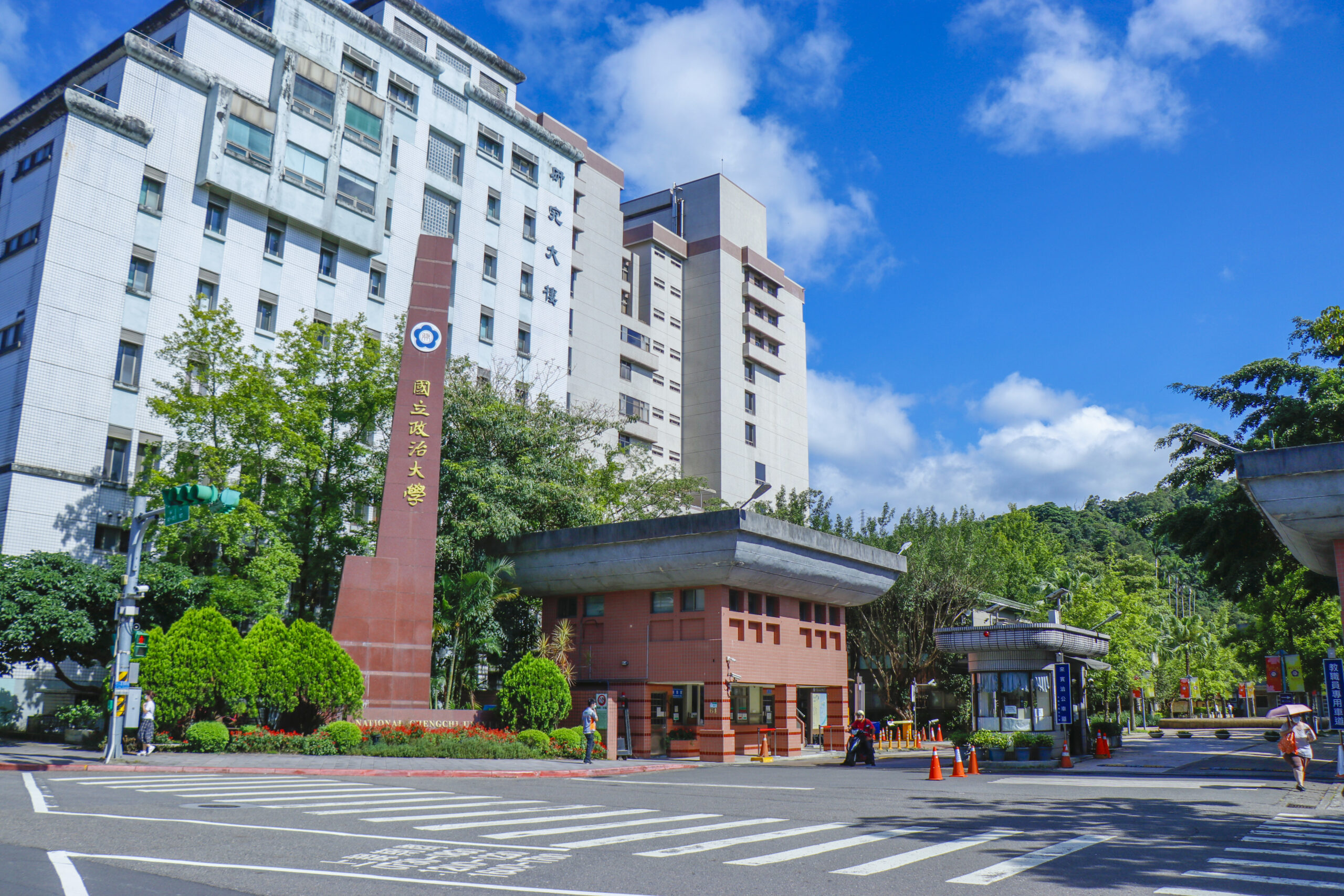
 友善校園
友善校園
 友善祈禱室
友善祈禱室 友善餐廳
友善餐廳 友善廁所
友善廁所