Tungnan University
About the University
校園資訊
Information
Address
222304 No. 152, Section 3, Beishen Road, Shenkeng District, New Taipei City
Tuition and Accommodation Fees
Tuition fee NTD/YR 89,420~102,686
Accommodation fee NTD/YR 21,450
Living expenses are NTD/YR 150,000
Social Media
https://www.facebook.com/TNUFB/?locale=zh_TW
Contact Information
02-8662-5948/5949
[email protected]
Introduction
The school was founded in August 1970, formerly known as “Tungnan Junior College of Technology”, and was approved to be restructured into “Tungnan Institute of Technology” on August 1, 2000, and was approved to change its name to “Tungnan University” on August 1, 2007.
In order to ensure the sustainable operation and development of the school, as well as the accurate implementation of the school affairs plan, various business and department adjustments have been made in response to the needs of sustainable development after the name change to the University of Science and Technology, and at the same time, in order to improve the effectiveness of teacher teaching and student learning, the practices and effectiveness indicators of the relevant plans for promoting the development of teaching excellence will be closely linked to the school’s mid-term school affairs development plan, and implement the school’s “students first, teaching paramount”, “Education tailored to individual aptitudes, with equal access to learning for all”The school’s philosophy comprehensively improves students’ learning ability and workplace employability, achieves successful career careers for our graduates, cultivates talents who make positive contributions to society and industry, and establishes the characteristics and reputation of the school.
International Exchange and Cooperation
In order to promote the operation of internationalization, our school has set up an international and cross-strait exchange center under the Research and Development Office in the 100th academic year, actively promoting the signing of cooperation agreements with overseas friend schools, and conducting student exchange and study, overseas high school strategic alliances and other activities. In recent years, due to the increasing vigor of international exchange activities, the frequency of international exchanges between the two sides of the Taiwan Strait, and the increasing diversification of exchange forms, it is urgent to establish a dedicated unit for international affairs in order to further enhance the degree of “internationalization” of the university and integrate relevant resources within the university.
Therefore, in the 2014 academic year, the “International Affairs Office” was established, which was officially operated on February 1, 2015, to oversee the international affairs of the whole school, handle international and cross-strait activities, and provide comprehensive exchange and consulting services between overseas students and overseas scholars, thereby deepening the overall “internationalization” of the campus, enhancing the international vision of teachers and students, and strengthening the international competitiveness and popularity of the school. Our school attaches great importance to the cultivation of students’ international mobility, and has achieved good results in students’ overseas study and overseas internships. On August 1, 2023, the Comprehensive Business Group of the International Affairs Office of the Office was officially renamed the International and Cross-Strait Affairs Office.
Description of scholarships and bursaries for overseas Chinese students and foreign students
1. Types and amounts of student aid
(1) Overseas Chinese and foreign students who apply for the first year of each academic system of the school will receive NTD 20,000per semester in the first academic year. In the second semester of undergraduate and the second semester of graduate school, students who have a total average of 85 points in the previous semester and a total score of less than 85 points in the semester are not allowed to apply for this bursary.
(2) Overseas Chinese and foreign students in the second year or above (hereinafter referred to as overseas Chinese and foreign students, including transfer students), but excluding students who have extended their study period. From the 3rd semester to the 8th semester of the undergraduate department and the 3rd semester to the 4th semester of the graduate school, the bursary is NTD 15,000 per semester. According to the student’s overall average of conduct scores in the previous semester of less than 85 points and the total average score of the semester is less than 85 points, they are not allowed to apply for this bursary.
(3) Transfer students are not eligible to apply in the semester of transfer admission. Applications may be submitted starting from the following semester, in accordance with the regulations applicable to enrolled overseas Chinese and international students.
(4) Students resuming their studies are not eligible to apply in the semester of reinstatement. Applications may be submitted starting from the following semester, in accordance with the regulations applicable to enrolled overseas Chinese and international students.
(5) Applicants must not be recipients of any other scholarships or grants provided by the University.
(6) Applicants who have been approved to receive financial aid under these Regulations and subsequently take a leave of absence, withdraw from the University, or are expelled shall refund a prorated portion of the financial aid for the semester, calculated based on the official date of departure.
(7) Students enrolled in overseas Chinese and international special programs who transfer to regular degree programs are not eligible to apply in the semester of transfer. Applications may be submitted starting from the following semester, in accordance with the regulations applicable to enrolled overseas Chinese and international students.
(8) Applicants who accumulated more than 40 class periods of absences and leaves (excluding official leave) in the preceding semester are not eligible to apply for this financial aid. For students admitted in or before Academic Year 2023 (inclusive), the limit is 50 class periods.
(9) Applicants with any outstanding fees owed to the University are not eligible to apply.
(10) Non-first-time undergraduate students may apply for financial aid for a maximum of eight semesters during their period of study at the University. Non-first-time graduate students may apply for a maximum of four semesters.
2. The budget required for each academic year of this bursary shall be allocated and paid by the school’s tuition and miscellaneous fee income for the current academic year.
Accommodation arrangement instructions
The two student dormitories of our school have a total of about 1,000 beds and can be moved in. The dormitory and bed allocation of dormitory students will be prioritized by the student assistance team, and appropriate adjustments may be requested if there are special circumstances. After students arrive at the school, they should be familiar with and abide by the school’s student dormitory counseling methods and dormitory life conventions. The dormitory work and rest are jointly cared for by class tutors, counselors, counseling instructors and dormitory autonomous cadres, etc., and students with enthusiasm for service are arranged to live in nearby dormitories to assist in daily daily life, so that students can feel warm and adapt to the new school environment as soon as possible.
Fee payment amount (per semester)
(1) Dormitory fee: NTD 10,725 /1 semester for rooms with less than 4 people.
(2) Winter and summer vacation accommodation: Only students who are produced by teachers and overseas students who cannot return to China for special reasons are allowed to apply for accommodation.
(3) Winter and summer vacation fee payment regulations: Accommodation fees are calculated on a weekly basis (NTD 596/week for rooms with less than 4 people), and 1 week fees will be calculated if you do not stay for less than 1 week
Transportation
1. Taipei Railway Station> >Southeast University of Science and Technology
Taipei Main Station (MRT Blue Line) → Exit 3 of Shifu MRT Station→ transfer to bus 912 Zhongxiao Fuxing Station (MRT Brown Line) → Muzha Station→ transfer to bus 251.660.666.679.795.819
2. Xinyi Business District> >Southeast University of Science and Technology
Exit 3 of Municipal MRT Station or Exit 1 of Xiangshan Station→ transfer to bus 912
3. Dazhi and Neihu areas> >Southeast University of Science and Technology
Dazhi or Neihu MRT Station (MRT Wenhu Line) →Muzha Station →transfer to bus 251.660.666.679.795.819)
4. Shilin, Beitou, Tamsui area> >Southeast University of Science and Technology
Shilin, Beitou, Tamsui area (MRT Red Line) → Xiangshan Station Exit 1 → transfer to bus 912
5. Central and Yonghe District> >Southeast University of Science and Technology
Zhongyonghe Area (MRT Orange Line) → Guting Station Exit 4 → transfer to bus 949 Zhongyonghe Area (MRT Orange Line) → Dongmen Station (MRT Orange Line) → Xiangshan Station Exit 1 → transfer to bus 912
6. Banqiao, Tucheng area> >Southeast University of Science and Technology
Banqiao area, train station (MRT Blue Line) → Exit 3 of the Municipal MRT Station→ transfer to bus 912
7. Xinzhuang, Luzhou, and Sanchong areas> >Southeast University of Science and Technology
Luzhou or Xinzhuang MRT Station (MRT Orange Line) → Xiangshan Station Exit 1 (Guide Bus 912)
Alumni

方清兒
Outstanding alumni
Macau
Southeast University of Science and Technology Department of Performing Arts Drama and Dance Performance “Zero” – Dancer
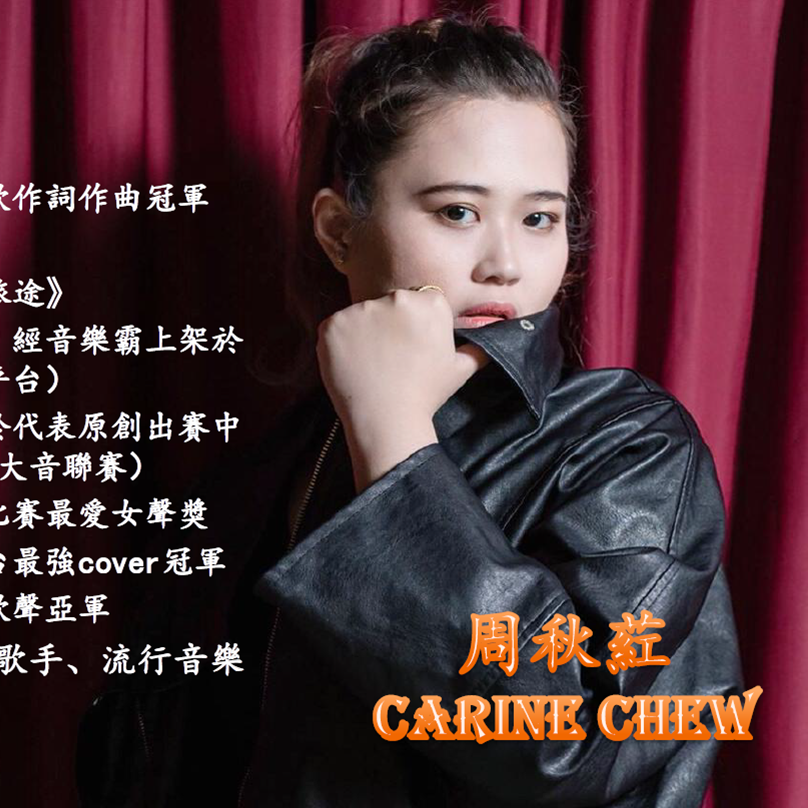
周秋葒
Outstanding alumni
Malaysia
2023 Global Overseas Chinese School Students and Overseas Chinese Students Singing Contest Domestic Overseas Chinese Students Group – Champion
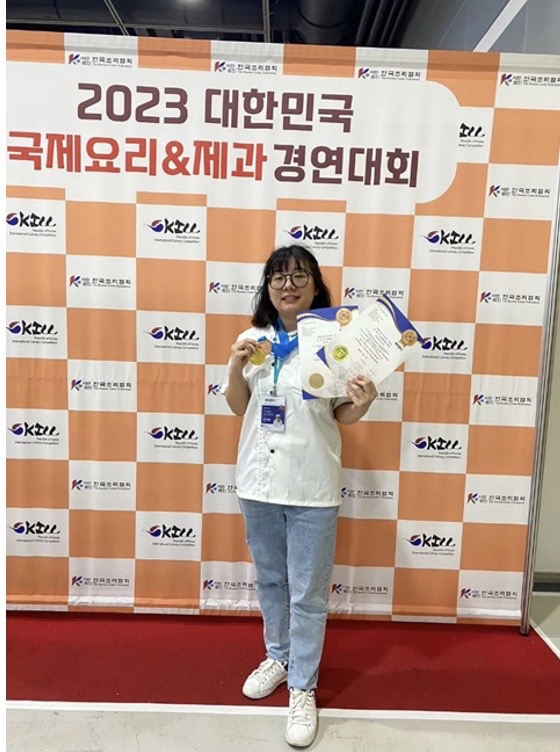
黃惠敏
Outstanding alumni
Myanmar
023 Korea Catering International Competition 1 gold and 1 bronze
Japan International Tourism Product Design Competition 2 gold
Highlights
Promote integrated teaching
Integration teaching is the process of breaking down some important concepts or skills into pieces, integrating related issues into the main curriculum, and transmitting them to students through infiltration to achieve the intangible purpose of education. These related topics can be general knowledge or cross-disciplinary expertise, as well as hot topics or practical cases.
The school encourages teachers to teach students important issues such as basic literacy, core competencies of departments, moral education, and service education through integrated courses.
Build a teaching quality assurance system to improve teaching quality
Students are guided by learning outcomes, and the relationship between educational goals and courses is planned in the course map, allowing students to learn from the department’s courses and understand their career development after graduation.
In addition to implementing placemental, formative, diagnostic and summative teaching evaluation mechanisms, the teaching cycle is improved according to the principle of aptitude, and the “1131” learning measures are implemented, that is, students must obtain 1 service certificate, 1 interdisciplinary course, and 3 types of certificates – foreign language proficiency certificate and professional ability certificate before graduation , information ability certificate, and complete the study requirements of the 1st department to improve learning effectiveness.
In addition, to ensure the quality of teaching at our school, we will actively participate in international education certifications to improve educational quality and align with international standards.
All-round student counseling with attention, care, care and care
“attention” to strengthen students’ learning adaptation, learning early warning and counseling; “care” opens up schoolwork and employment channels for students; To provide students with a high-quality learning environment with “care”; “Care” is used to establish a number of life adaptation counseling mechanisms for students to take care of students’ hearts and lives.
Departments
School Departments and Programs
School of Engineering and Electrical Engineering
Department of Mechanical Engineering (including master’s programs)
Department of Mechanical Engineering, Department of Vehicle Engineering, Department of Electrical Engineering
Department of Electrical Engineering
Master’s Program in Construction Technology and Disaster Prevention (no bachelor’s program)
The Engineering College
School of Hospitality, Leisure and Management
College of Innovation and Design
School of Hospitality, Leisure and Management
Department of Leisure Business Management
Department of Hospitality and Tourism
School of Innovative Design
Department of Digital Media Design
Department of Interior Design
Photos & Videos
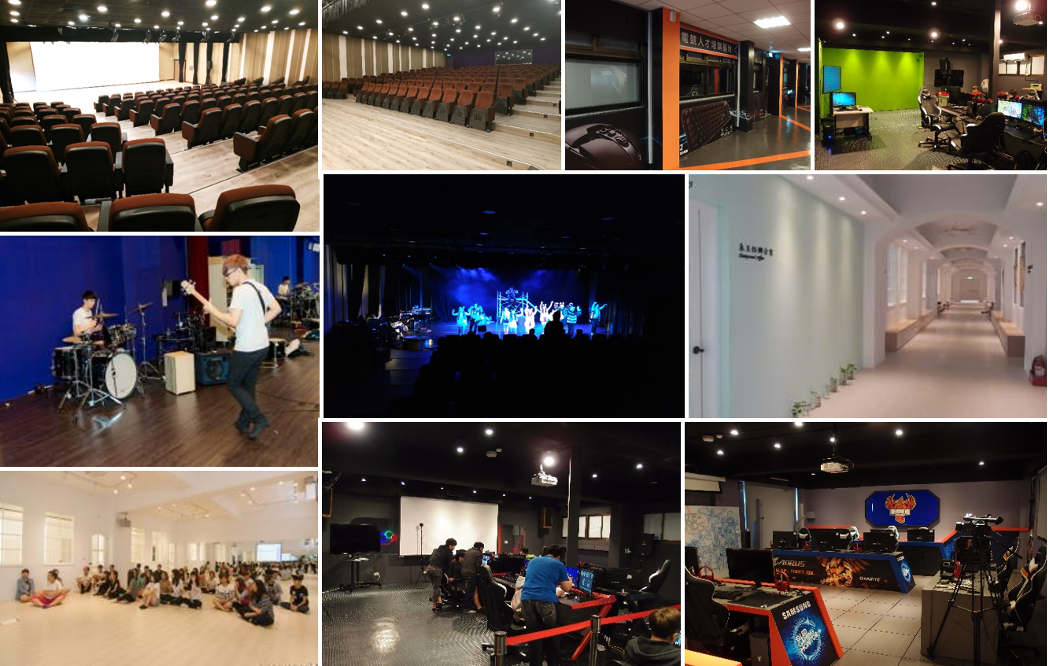
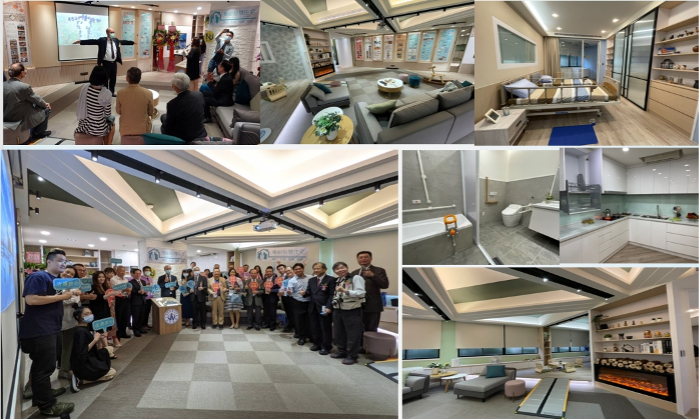
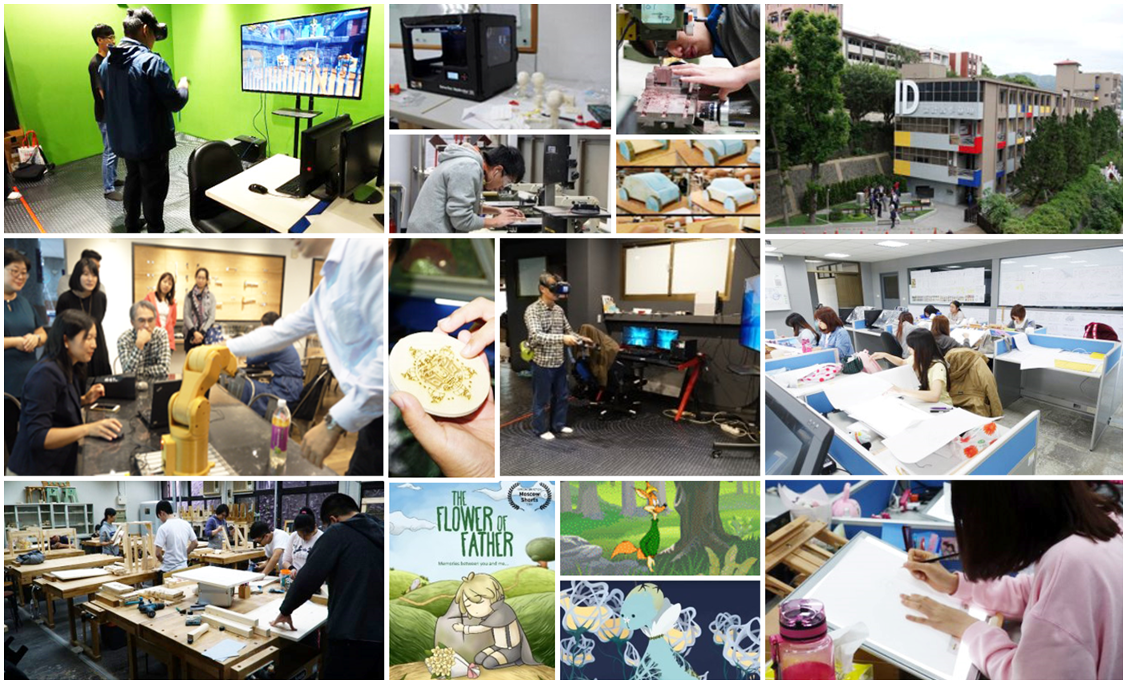
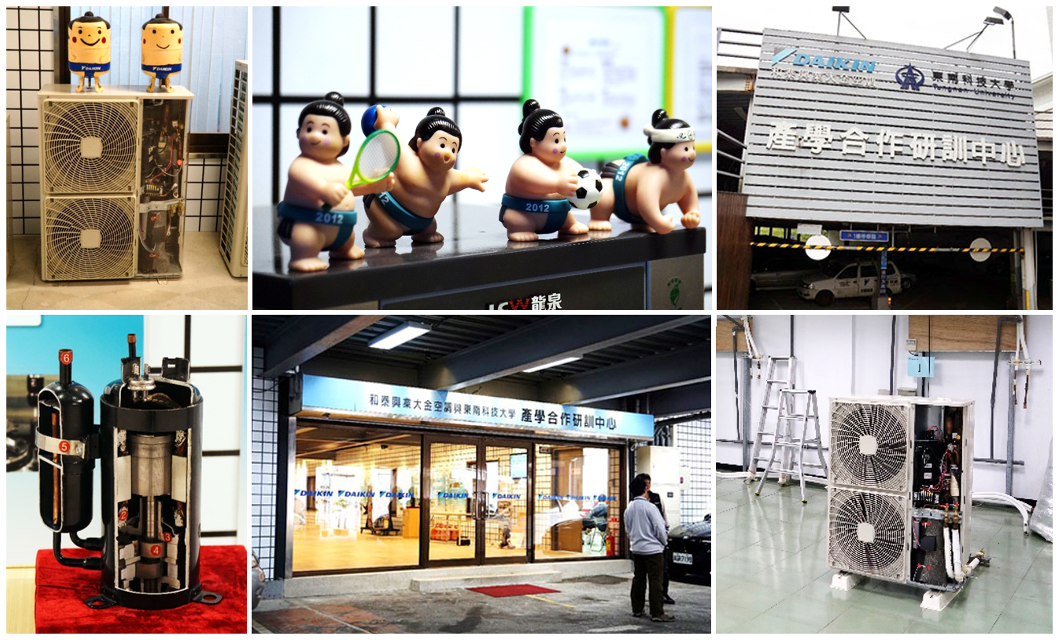
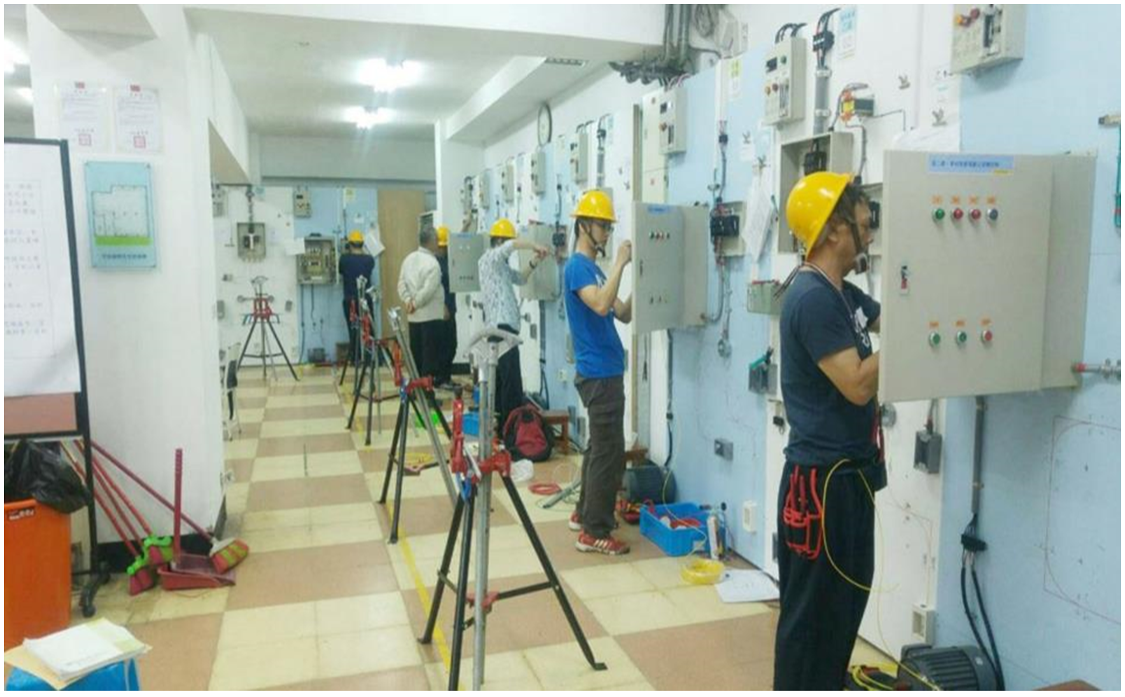
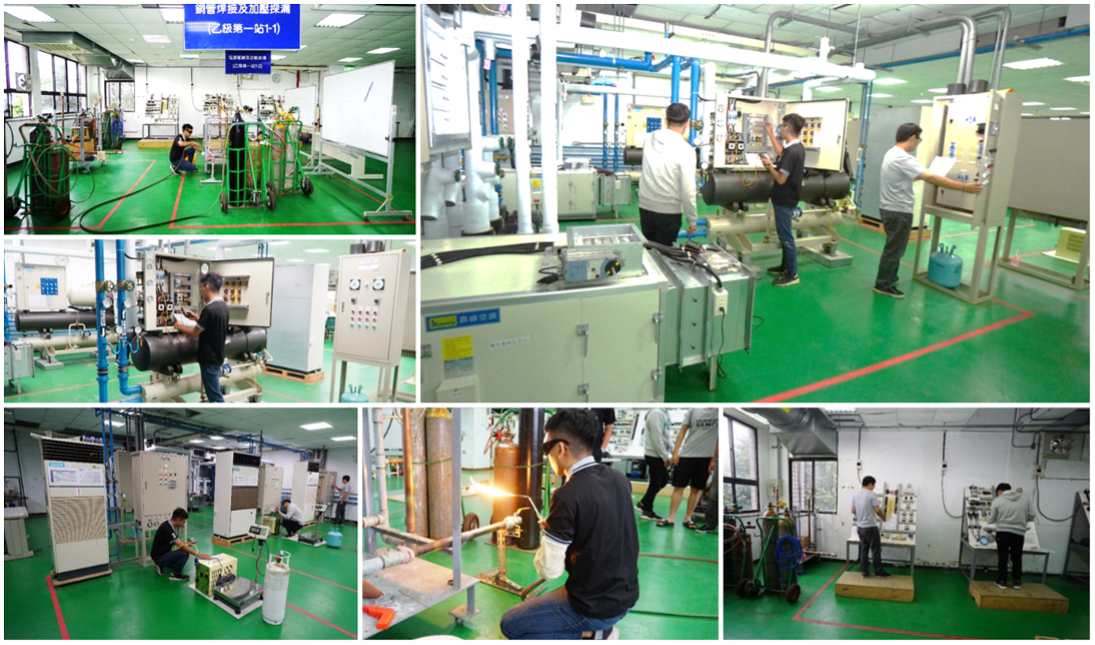
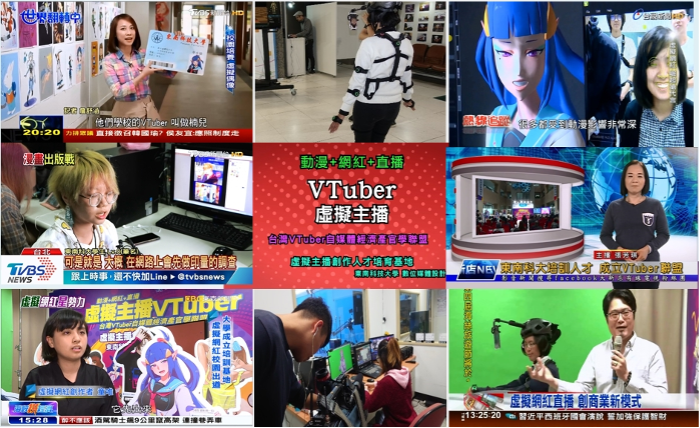
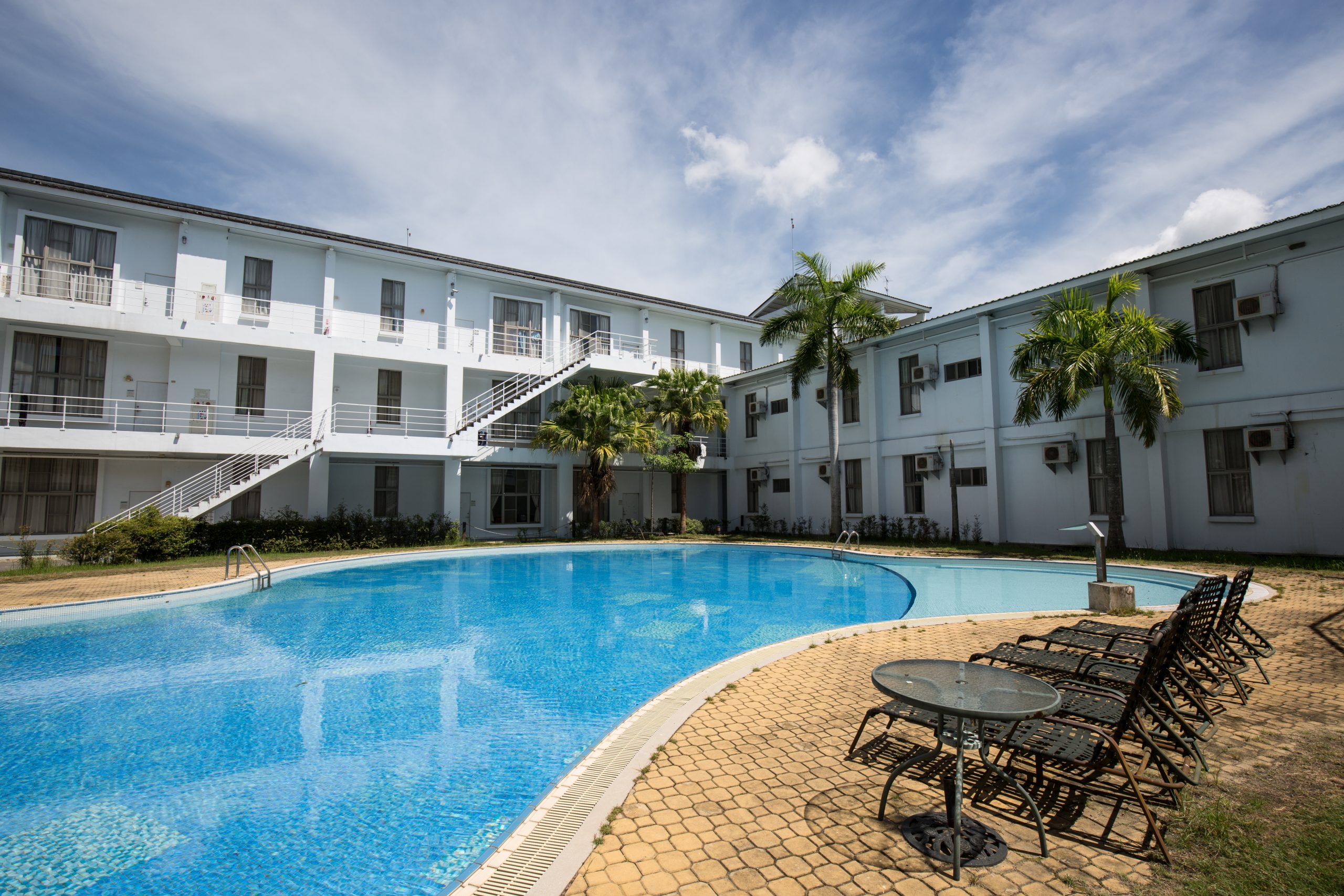
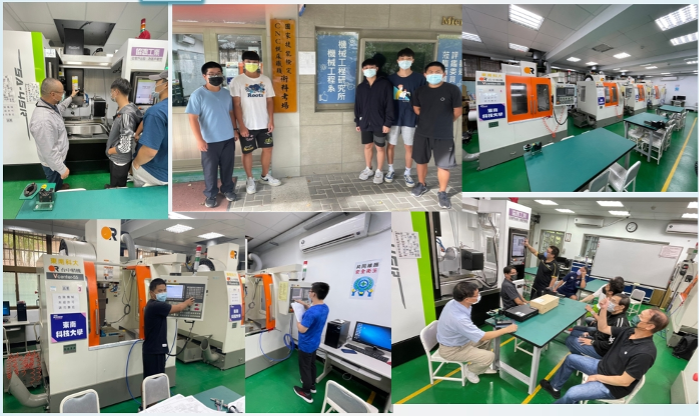
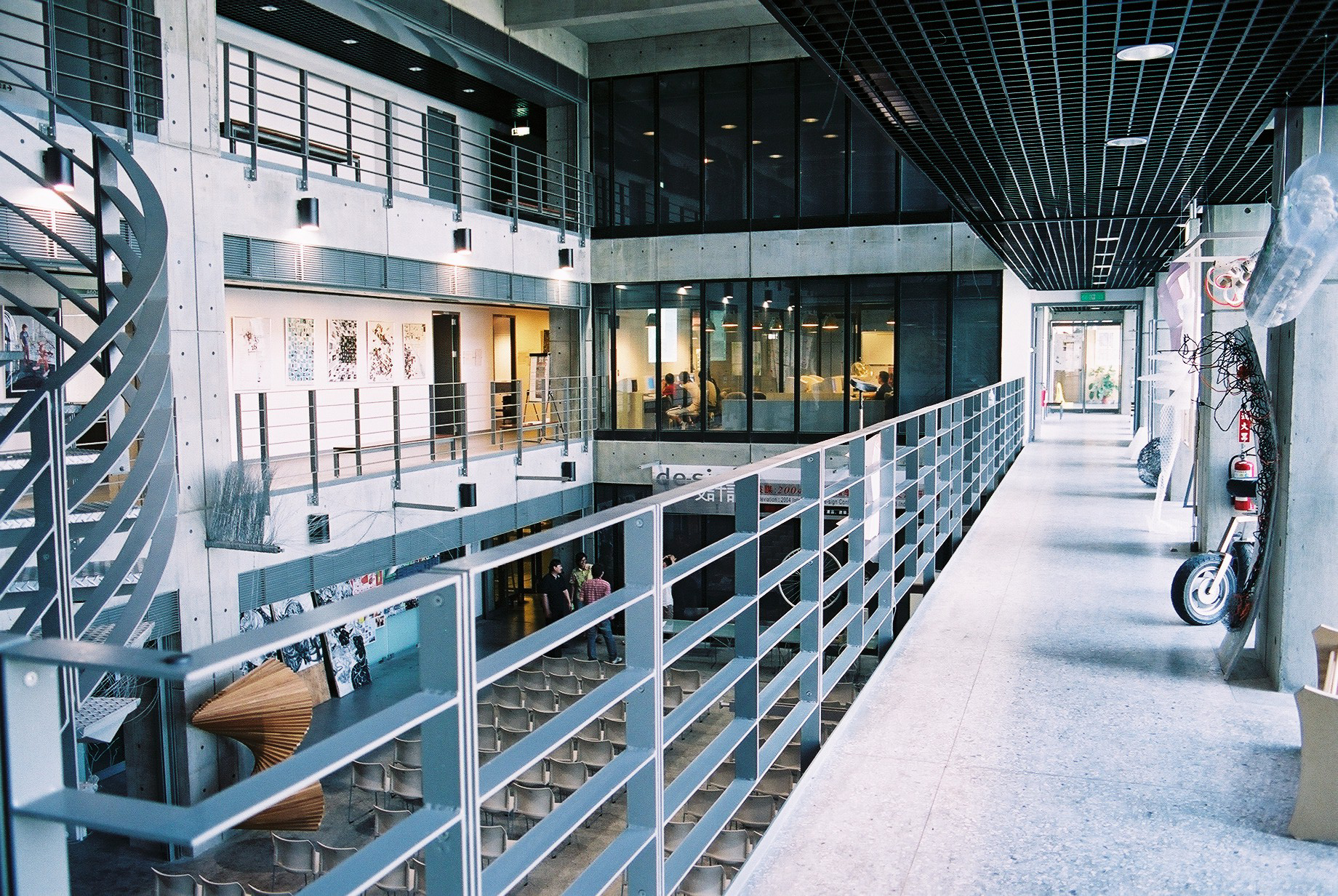
Photos
Videos


Scholarships
Scholarships
|
Scholarships |
Scholarship Amount |
Eligibility |
|---|---|---|
|
Description of scholarships and bursaries for overseas Chinese students and foreign students |
NTD20,000 |
1. Types and amounts of student aid: (2) Overseas Chinese and foreign students in the second year or above (hereinafter referred to as overseas Chinese and foreign students, including transfer students), but excluding students who have extended their study period. From the 3rd semester to the 8th semester of the undergraduate department and the 3rd semester to the 4th semester of the graduate school, the bursary is NTD 15,000 per semester. According to the student’s overall average of conduct scores in the previous semester of less than 85 points and the total average score of the semester is less than 85 points, they are not allowed to apply for this bursary. (3) Transfer students are not eligible to apply in the semester of transfer admission. Applications may be submitted starting from the following semester, in accordance with the regulations applicable to enrolled overseas Chinese and international students. (4) Students resuming their studies are not eligible to apply in the semester of reinstatement. Applications may be submitted starting from the following semester, in accordance with the regulations applicable to enrolled overseas Chinese and international students. (5) Applicants must not be recipients of any other scholarships or grants provided by the University. (6) Applicants who have been approved to receive financial aid under these Regulations and subsequently take a leave of absence, withdraw from the University, or are expelled shall refund a prorated portion of the financial aid for the semester, calculated based on the official date of departure. (7) Students enrolled in overseas Chinese and international special programs who transfer to regular degree programs are not eligible to apply in the semester of transfer. Applications may be submitted starting from the following semester, in accordance with the regulations applicable to enrolled overseas Chinese and international students. (8) Applicants who accumulated more than 40 class periods of absences and leaves (excluding official leave) in the preceding semester are not eligible to apply for this financial aid. For students admitted in or before Academic Year 2023 (inclusive), the limit is 50 class periods. (9) Applicants with any outstanding fees owed to the University are not eligible to apply. (10) Non-first-time undergraduate students may apply for financial aid for a maximum of eight semesters during their period of study at the University. Non-first-time graduate students may apply for a maximum of four semesters. |
Tuition and Miscellaneous Fees
|
institute |
Tuition and Fees (NTD/year) |
|---|---|
|
School of Engineering and Electrical Engineering |
NTD/YR 104,624~106,324 |
|
School of Hospitality, Leisure and Management |
NTD/YR 93,058 |
|
School of Innovative Design |
NTD/YR 106,324 |
Living Expenses
Living expenses: NTD/YR 150,000
Accommodation fee: NTD10,725 (1 semester)
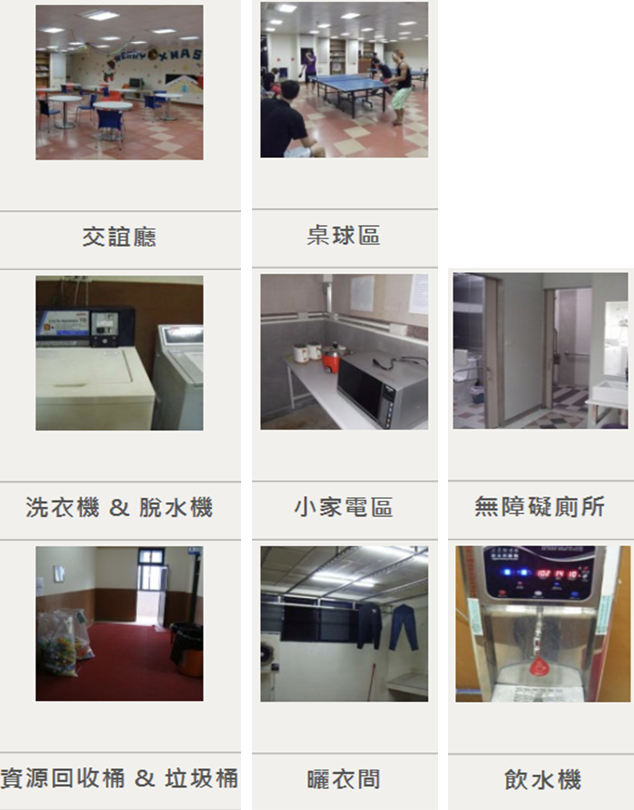
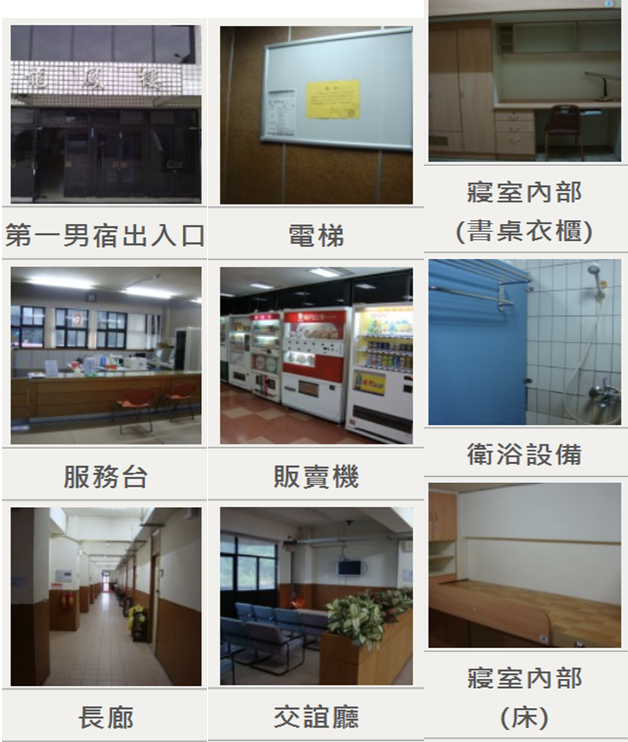
Graphic introduction to the school accommodation environment
|
One semester |
One academic year |
|---|---|
|
NTD10725 |
NTD21450 |