National Chi Nan University
NCNU
About the University
校園資訊
Information
Address
No.1, University Rd, Puli, Nantou County,545301 Taiwan,R.O.C.
Colleges and Schools
6 colleges, 25 departments
Tuition
Tuition: 44,000-52,000 NTD/YR
Living expenses: 72,000-96,000 NTD/YR
Accommodation fee
Accommodation fee: 17,000 NTD/YR
Contact Information
Introduction
The most vibrant, caring, balanced, and excellent teaching and research cradle in Central Taiwan
National Chi Nan University (NCNU) was established in 1995 in Puli Township, Nantou County, the geographical center of Taiwan. With the mission of spreading Chinese culture southward and overseas, it is committed to cultivating well-rounded talents based in Taiwan with international mobility. It is a comprehensive university encompassing humanities, management, technology, and education.
The current president, Professor Wu Tung-hsing, leads the university’s 20 lean teaching, administrative, and research units, with nearly 700 faculty and staff members, working together to create NCNU into the most vibrant, caring, balanced, and excellent teaching and research cradle in Central Taiwan. More than 6,000 students choose to study at NCNU’s 26 bachelor’s programs (including 3 indigenous-specific programs), 27 master’s programs, and 14 doctoral programs each year, absorbing knowledge and incubating life ideals at NCNU.
In the past 29 years, more than 20,000 alumni have spread their branches and leaves all over the world. NCNU has won the GreenMetric Top 50 in the world, and WURI (World University with Real Impact) Ranking 2024 has won three global Top 50 awards in competitions and rankings, and the proportion of international students ranks third in the country.
In terms of transportation, NCNU has signed a contract with Nantou Bus, providing 30 daily round trips between National Chi Nan University and Puli Transfer Station, passing through the “City Bus No. 1” in Puli’s important living blocks, which is convenient for students to go to class, shop and live. In order to meet the needs of students in the Greater Taipei area, Kuo-Kuang Motor Transportation has opened the “1832E” regular bus route directly to National Chi Nan University, with 2 buses each on Friday and Sunday afternoons. In addition, students can take the “Taiwan Tourist Shuttle Sun Moon Lake Line” with their NCNU student ID to enjoy free discounts from the HSR Taichung Station directly to the campus. There are also 10 daily buses between NCNU and Taichung HSR Station, which is convenient for students to travel back and forth.
The surrounding townships of NCNU are mostly a combination of rural and urban areas, bordering the traditional territories of indigenous peoples, with a rich cultural heritage; and because it is close to Sun Moon Lake, Xinzhongheng Highway, and Hehuan Mountain and other well-known recreational tourism resources, it has gradually developed a number of cross-disciplinary, social participation-style innovative teaching programs, and echoes the regional industrial pulse, forming the educational feature of “deeply cultivating Shuishalian and welcoming Southeast Asia.”
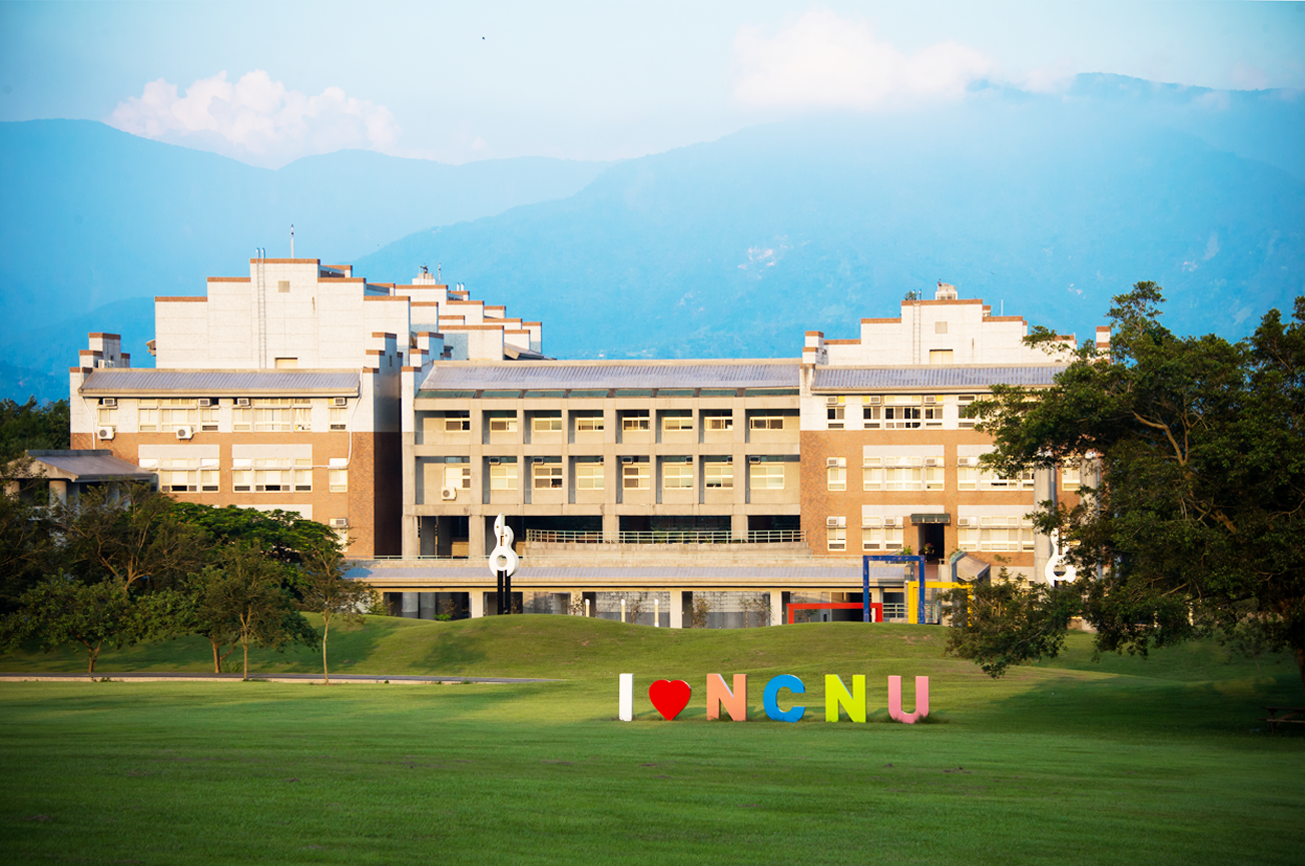
World-class green university with stunning campus scenery
Green Sustainability
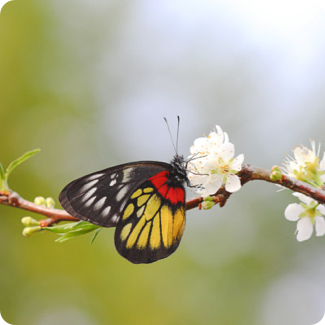
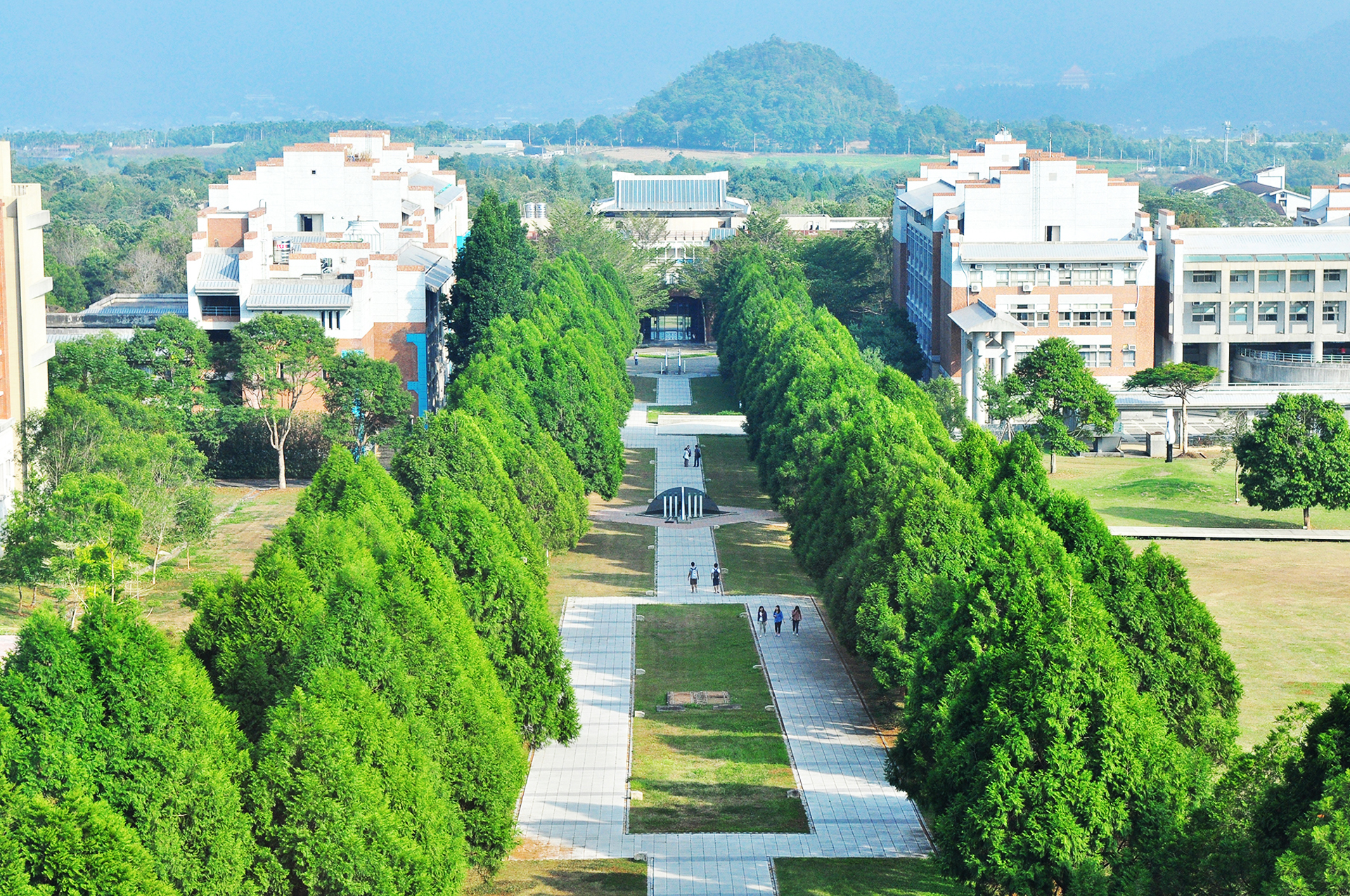
NCNU is located on the Puli suburban terrace, sheltered by the Central Mountain Range, Hehuan Mountain, and Xueshan Mountain Range; 88% of the 150-hectare campus is covered by rolling grassland, and is surrounded by more than 12,000 trees of 113 species such as Taiwan fir, and the shade is decorated with cherry blossoms, plum blossoms and osmanthus forests, and it is also the habitat of more than 10 species of frogs and 110 species of butterflies; the curriculum integrates green energy, waste reduction, and smart machinery; it has won the international “UI GreenMetric World University Rankings” 31st in the world, and has been the No. 1 national comprehensive university in Taiwan for seven consecutive years, and ranks 2nd in the world in the infrastructure category.
Source of Cherry Blossoms
Thousands of Taiwan cherry blossoms and Japanese double cherry blossoms in the NCNU campus bloom in succession in February and March every year, attracting a large number of people to enjoy the cherry blossoms, participate in NCNU and community tea ceremony activities, and experience the beauty of daily life.
International Exchange and Cross-domain Cooperation
Go international
A total of 173 colleges and universities around the world have established sister schools with 23 schools in China, 25 schools in Japan, 10 schools in South Korea, 45 schools in Europe and other countries, and nearly 600 overseas students from all over the world are pursuing their degrees every year. In addition, it has a complete Southeast Asian talent cultivation system, which is the best bridge and platform connecting domestic and foreign universities and Taiwanese enterprises.
Borderless Education
NCNU actively guides teachers and students to cross the boundaries of learning, build learning fields outside the campus, and enhance students’ understanding of local communities through school-wide service-learning courses; in addition, it also connects teacher communities, teaching and research resources, and off-campus civic groups to create multi-level knowledge exchange paths to create a university town that crosses the boundaries of the university.
Expand enrollment and open “Key Industry Departments” and “International Vocational Training Department” for enrollment
In response to the domestic low birth rate and the talent needs of key industries, in line with the immigration policy planning of the National Development Council, NCNU has launched the “Key Industry Department Enrollment” and “International Vocational Training Department” since the 112 academic year to promote the employment of outstanding talents in Taiwan.
Key Industry Departments: Department of Information Management, Department of Computer Science and Engineering, Department of Civil Engineering, Department of Electrical Engineering, Department of Applied Chemistry, Department of Applied Materials and Optoelectronic Engineering, and Bachelor’s Program of the College of Science and Technology.
International Vocational Training Department: Department of Tourism, Leisure and Hospitality Management—Tourism and Leisure Group, Department of Tourism, Leisure and Hospitality Management—Hospitality Management Group, Department of Information Management, Department of Computer Science and Engineering, Department of Civil Engineering, Department of Electrical Engineering, Department of Applied Chemistry, and Department of Applied Materials and Optoelectronic Engineering.
Alumni

陳穎志
Founder of Huadu International Group
Hong Kong
• Outstanding Alumni Award in the 104th Academic Year
• Outstanding Alumni Award in the 105th Academic Year
• Founding President of the National Chi Nan University Hong Kong Alumni Association
• Director of the General Association of Hong Kong Alumni Associations of Various Universities in Taiwan
• Deputy Director of the World Federation of Taiwan Alumni Associations
• President of the Hong Kong Shenzhou Youth Service Society
• Director of the Hong Kong Sun Yat-sen Society
• Founder and Executive Director of Huadu International (Hong Kong) Investment Development Co., Ltd.
• Founder and Executive Director of Huadu International (Macau) Investment Development Co., Ltd.
• Executive Director of Guangzheng Holdings Limited
• Executive Director of Macau Jialun Garment Weaving Factory
• Health Management Consultant of Taiwan MJ Hong Kong Health Examination Center Co., Ltd.

陳偉平
Executive Director of Hong Kong Southeast Investment Co., Ltd.
Hong Kong
• Outstanding Alumni Award in the 108th Academic Year
• Outstanding Alumni Award in the 109th Academic Year
Current:
• Executive Director of Hong Kong Southeast Investment Co., Ltd.
• Director of Taichung Shengyao Land Development Co., Ltd.
• President of the Guangdong-Hong Kong-Macao-Taiwan Youth Federation
• Vice President of the Junior Chamber International Hong Kong
• Vice Chairman of the Alumni Association of National Chi Nan University
• Supervisor of the Sun Yat-sen University Taiwan Alumni Association
Formerly:
• Marketing Director of UBS Financial Leasing Co., Ltd.
• Director of Financial Leasing Business of Renrui Investment Holdings Co., Ltd. (2322.HK)
• Representative of the University Affairs Conference of National Chi Nan University
• Dream Mentor of National Chi Nan University

葉鑑波
Key Person in Taiwan-Australia Exchange
Macau
Director of the Macau Anglican Church Lok Tin Lun Gambling Counseling and Healthy Family Service Center
Macau’s social work field platform – key person in Macau exchange
Outstanding Alumni Award in the 103rd Academic Year

張國樑
Outstanding Alumni Award in the 104th Academic Year
Macau
General Manager of the Funds Department of China Guangfa Bank Macau Branch
Founding President of the National Chi Nan University Macau Alumni Association
Outstanding Alumni Award in the 104th Academic Year

陳曉君
Outstanding Alumni Award in the 105th Academic Year
Macau
Director of the Information and Communication Technology Department of the University of Macau
President of the Macau Junior Chamber of Commerce
President of the National Chi Nan University Macau Alumni Association
Outstanding Alumni Award in the 105th Academic Year

黃天賜
Founder of Shengxue Intelligence
Malaysia
Founder of Shengxue Intelligence Center, Shengxue Intelligence Magazine and website (fsi.my). Outstanding alumnus of the Department of Counseling Psychology and Human Resource Development (formerly “Graduate Institute of Adult and Continuing Education”).
王雪婷
Co-founder and Chief Marketing Officer of Venture Grab, an entrepreneurial platform
Malaysia
Co-founder and Chief Marketing Officer of Venture Grab, an entrepreneurial platform
何俊樺
Director of the Student Affairs Department of Foon Yew High School, Johor Bahru
Malaysia
Director of the Student Affairs Department of Foon Yew High School, Johor Bahru
許環偉
Director of the Counseling Department of Yik Chiao Secondary School, Perak
Malaysia
Director of the Counseling Department of Yik Chiao Secondary School, Perak
吳鄢如
Director of the Religious Education Department of Yik Chiao Secondary School, Perak
Malaysia
Director of the Religious Education Department of Yik Chiao Secondary School, Perak
鄭雅君
Deputy Director of the Student Affairs Office and Head of the Counseling Group of Kuan Cheng High School
Malaysia
Deputy Director of the Student Affairs Office and Head of the Counseling Group of Kuan Cheng High School
皮鉅漢
Specialist of the Human Resources Development Department of CTBC Bank
Indonesia
Specialist of the Human Resources Development Department of CTBC Bank
Specialist of the Human Resources Department of Delta International Electronics
李彥毅
Technical Deputy Manager of MediaTek Technology Co.
Indonesia
Engineer of Zhiyi Technology Co., Ltd.
Senior Engineer of Synopsys Technology Co., Ltd.
Technical Deputy Manager of MediaTek Technology Co.
蘇峻賢
Deputy Manager of the Electronic Product Development Department of AU Optronics Co., Ltd.
Indonesia
Deputy Manager of the Electronic Product Development Department of AU Optronics Co., Ltd.
陳金益
Founder and CEO of PT. Kayong Muara Teknoindo
Indonesia
Founder and CEO of PT. Kayong Muara Teknoindo
Highlights
Featured courses
I Excellent teaching and research results, providing graded Chinese language courses for international students
1.The employment rate of NCNU students ranks 2nd among national comprehensive universities, the overall employment performance ranks 7th in the country, and the average starting salary of graduates is higher than 30,000 yuan.
2.Stanford University released the “Top 2% of the World’s Top Scientists List”. A total of 11 teachers from our school were selected in the “Lifetime Science Impact Ranking” and the “2020 Annual Science Impact Ranking”, accounting for about 5% of the number of teachers in NCNU. The selected professors are from the College of Science and Technology and the College of Management, and their research covers semiconductor materials and components, transportation, disaster management, and artificial intelligence and the Internet of Things.
3.NCNU provides international students with [Chinese Language Courses] graded teaching. Students can take graded Chinese language courses suitable for their level to effectively improve their Chinese language skills.
II. NCNU has signed cross-school course selection with 10 national universities to implement a borderless university
The “Taiwan National University System” jointly formed by 11 national universities in central and southern Taiwan includes National Chi Nan University, National Chung Hsing University, National United University, National Taiwan University of Sport, National Chin-Yi University of Technology, National Taichung University of Education, National Changhua University of Education, National Yunlin University of Science and Technology, National Formosa University, National Chiayi University and National Kaohsiung University, jointly signed a cross-school course selection cooperation agreement. Students from 11 schools can cross-select courses and mutually recognize credits. Bachelor’s students can take 2 courses per semester for free, which is very helpful to encourage students to cross-school and cross-domain learning, and also builds a good foundation for the subsequent promotion of cross-school minor and double major, and exchange student cooperation.
Through the university system platform, 11 national universities are combined to make good use of the resources of each school, seek complementary benefits, expand the basis of cooperation, create cross-domain synergy, and concretely present the horizontal connection power of the university system, so that teachers and students can actually benefit; cross-school course selection cooperation is just the beginning, followed by cross-school minor and double major, cross-school exchange students and other cooperation, through curriculum resource sharing, to meet students’ diverse learning needs, broaden students’ learning fields, and then enhance students’ future employment competitiveness.
Through cross-school course selection cooperation, NCNU students can take courses at other schools for free, increasing the diversity and choice of students’ cross-domain learning. Students from other schools can also come to NCNU to take characteristic courses, such as the R-Cubic Youth Returning Home Innovation Practice Credit Program, the Southeast Asian Culture Characteristic Credit Program, the Green Environmental Protection Credit Program, the Music Technology Micro-Credit Program, the Local Industry and Rural Development Credit Program, the Civil Service Development Credit Program, and the Global Management Elite Credit Program. In addition, there are also characteristic sports courses such as archery, boating, golf, and international standard dance, which are popular among students and are very welcome for students from other schools to take.
III. The school’s extracurricular activities are diverse and rich, and the sports and health center has new equipment
1.The school’s extracurricular activities are diverse, rich and unique, including characteristic sports courses (required physical education courses), cherry blossom season activities, spring hiking activities, school anniversary series activities, student union activities (such as campus concerts), etc.
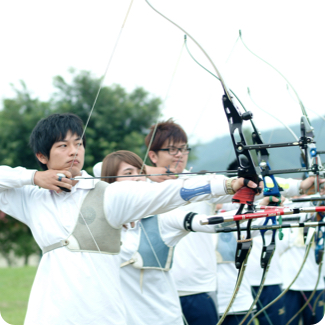
2.Characteristic sports courses: NCNU connects the environmental advantages of the adjacent Sun Moon Lake and local talents, and offers “characteristic sports” school-wide common courses – boating, archery, swimming, tennis, golf, international standard dance and other 6 characteristic sports. Each student must complete at least two characteristic sports courses before graduation.
3.There are about 86 student clubs in the school, including seven categories:
— Sports clubs: such as mountaineering club, football club, tennis club, vitality YOGA club, badminton club, baseball and softball club, kendo club, archery club, table tennis club, fitness club, men’s volleyball club, boxing training club, Dongtian street fitness club, women’s basketball club, etc.
— Academic and artistic clubs: NCNU English Debate Society, Da Bei Fa Zang Buddhist Society, Fire Dance Performing Arts Society, Knbiyax Club Indigenous Youth Society, Dora Art Society, Reasoning Research Society, Western Baking Society, Yu Ji Sign Language Society, Coffee Research Society, Securities Research Society, Chan Yue Society, Drama Society, Reading Promotion Society, Drinking Society, Card Competition Research Society, Literary Creation Society, Astronomy Society, Information Maker Society, etc.
— Social clubs: Malaysian Student Association, Overseas Chinese Student Association, Indonesian Student Association, Hong Kong and Macao Student Association, Living Spring Singing Society, NCNU Fellowship, North Friendship Association, etc.
— Music clubs: Guitar Club, Wind Music Club, Popular Music Club, National Style Music Club, Piano Club, String Music Club, Ukulele Club, FUN Music Club, Hip Hop Culture Research Club.
— Recreational clubs: Popular Dance Club, Shuxin Club, Anime Club, Survival Game Club, Life Navigation Club, Table Game Club.
— Service clubs: Social Service Group, Animal Protection Society, Chongde Youth Volunteer Society, Goodwill Ambassador Group, Shuishalian Rover Group, Shanlifang Education Group, Tzu Ching Society, etc.
— Autonomous clubs: Student Union, Department of Chinese Language and Literature, Department of Foreign Languages and Literature, Department of Social Work, Department of Public Administration, Department of History, Department of Southeast Asian Studies, Department of Indigenous Special Class, Department of Cultural Creativity and Social Marketing Master’s Program, Department of International Business, Department of Economics, Department of Information Management, Department of Finance, Department of Tourism and Hospitality, Department of Management Bachelor’s Program, Department of Civil Engineering, Department of Computer Science and Engineering, Department of Electrical Engineering, Department of Applied Chemistry, Department of Science and Technology Bachelor’s Program, Department of Applied Optics, Department of International and Comparative Education, Department of Education Administration, Department of Counseling and Human Resources, Department of Education Bachelor’s Program.
4.The Sports and Health Center is fully equipped: including a comprehensive gymnasium on the first floor (basketball, volleyball, badminton shared), table tennis room, indoor 50-meter heated swimming pool in the swimming pool, water sports pool, spa pool, sauna, steam room, and a gym and aerobics classroom on the second floor.
5.Construction of an outdoor exploration education center
In cooperation with the town office, we applied for a central subsidy of 28 million yuan through the local revitalization project to build an outdoor exploration education center on campus, build the most complete low-to-high-altitude exploration education facilities in central Taiwan, and become an important field for mountain and wilderness exploration education in central Taiwan, and further develop characteristic courses and camp activities. In the area between the NCNU Sports and Health Center and the large playground, 6 low-altitude facilities and 42 medium-to-high-altitude exploration facilities modules are built according to the existing slope, scale, and difficulty level.
Industry-Academia Cooperation
The school gives full play to its own advantages and characteristics. Through the joint efforts of various colleges, departments, centers, and institutes, the school’s industry-university cooperation projects in recent years, government-commissioned and industry-university cooperation projects in 107 were 79 cases, with an amount of 144,217,925 yuan, 85 cases in 108, with an amount of 126,506,049 yuan, and 88 cases in 109, with an amount of 302,299,525 yuan, showing diverse and high-quality industry-university cooperation results.
I In terms of signing industry-university cooperation agreements: The school has signed agreements with the Financial Information Center of the Ministry of Finance, the National Science and Technology Center for Disaster Reduction, the Taiwan Literature Museum of the National History Museum, King Yuan Electronics Co., Ltd., the Instrument Technology Research Center of the National Laboratory Research Institute, the Chungshan Institute of Science and Technology of the Ministry of National Defense, the National Health Research Institute, Taichung Veterans General Hospital, the Metal Industry Research and Development Center, the National Immigration Agency of the Ministry of the Interior, Puli Veterans Hospital, Puli Christian Hospital, Zhushan Xiuchuan Hospital, Changhua County Government, Nantou County Government, LDC Hotels & Resorts and U-Media Digital Technology Co., Ltd. and other agencies or institutions to promote industry-university cooperation in various fields. In addition, in order to promote local industry-university cooperation, we have also signed cooperation agreements with 22 public associations or non-profit organizations such as the Greater Puli Tourism Association.
II In terms of government subsidies and commissioned projects:
The school has received many major government project subsidies, which have injected a lot of funds into teaching and research, and enriched the school’s various equipment.
— Ministry of Education subsidy projects:
Higher Education Deep Cultivation Project, Strengthening Cooperation and Exchange with ASEAN and South Asian Countries Project, University Social Responsibility Practice Project (USR), Issue-Oriented Interdisciplinary Narrative Power Cultivation Project, Humanities, Social Sciences and Technology Forward-looking Talent Project, Southeast Asian Language Education Center Project, Teaching Practice Research Project, Borderless University Project, Teaching Empowerment Project, Teaching Innovation Project, Characteristic University Project, etc.
— Government commissioned projects:
The Ministry of Education’s National and Preschool Education Administration’s “107 Academic Year Senior High School Student Learning Process Database Construction and Operation Project – Sub-Project – Academic Performance Process Reporting Platform”, “Senior High School Data Filling Integration Platform Phase 1 Construction Project”, “National Senior High School Student Basic Database Construction and Operation Project (Phase 2)” and the “Soil and Water Conservation Bureau Autonomous Disaster Prevention Community 2.0 Promotion Project Management Project” in cooperation with the Soil and Water Conservation Bureau of the Council of Agriculture, Executive Yuan, etc., show that the school has the research and development energy to implement major government projects.
— Promote industry-university cooperation with local industrial characteristics:
The school is located in Nantou County, and the local industrial characteristics are agriculture and tourism. We encourage teachers to invest in projects that connect with local industries, such as the Ministry of Education’s University Social Responsibility Practice Project (USR), the Ministry of Science and Technology’s Humanities Innovation and Social Practice Project, the Ministry of Science and Technology’s University and Local Government Cooperation to Promote Local Human Development and Cross-domain Governance Project, the Ministry of Science and Technology’s Industry-University Technology Alliance Cooperation Project, promote and market the innovation of Nantou’s local coffee industry and rural catering, and cooperate with the Nantou County Government on disaster prevention and hillside land use and management projects, environmental landscape general consultant projects, food (real) bank assistance professional service projects, climate change environmental protection business response strategy projects, Nantou County Government Indigenous Peoples Administration Bureau official website construction projects, etc., showing that the school cares about the local area and contributes to society.
— In terms of assisting resident manufacturers and encouraging teachers and students to start businesses:
In order to enhance the entrepreneurial atmosphere among teachers and students in the school, the school’s Entrepreneurship Incubation Center assists students in entrepreneurial practice. Since 109, it has offered a 24-hour course called “Reading and Creation Sprout Elementary Class” to provide students with the basic concepts of entrepreneurship; and offered a “Reading and Creation Sprout Advanced Class – U-start Special Class”, hiring industry mentors to conduct individual counseling for the team; in 109, 2 teams received the first-stage subsidy of the Ministry of Education’s Youth Development Agency U-start Program, with a total of 1 million yuan in entrepreneurial funds; one of the teams also received a 600,000 yuan bonus in the second stage. In 110, 3 teams received the first-stage subsidy of the U-start Program, with a total of 1.5 million yuan in entrepreneurial funds.
In addition, in order to assist micro-enterprises that are just starting out, in addition to finding external resources, the center assists resident manufacturers in completing planning books to compete for government project subsidies, and provides specific counseling according to the needs of the manufacturers. The center currently has 2 areas of entrepreneurial incubation space, located in the main campus and the Central Science Park, with a total of 7 physical resident manufacturers in 109 and 5 virtual resident manufacturers in 109.

Low tuition fees and comfortable accommodation environment
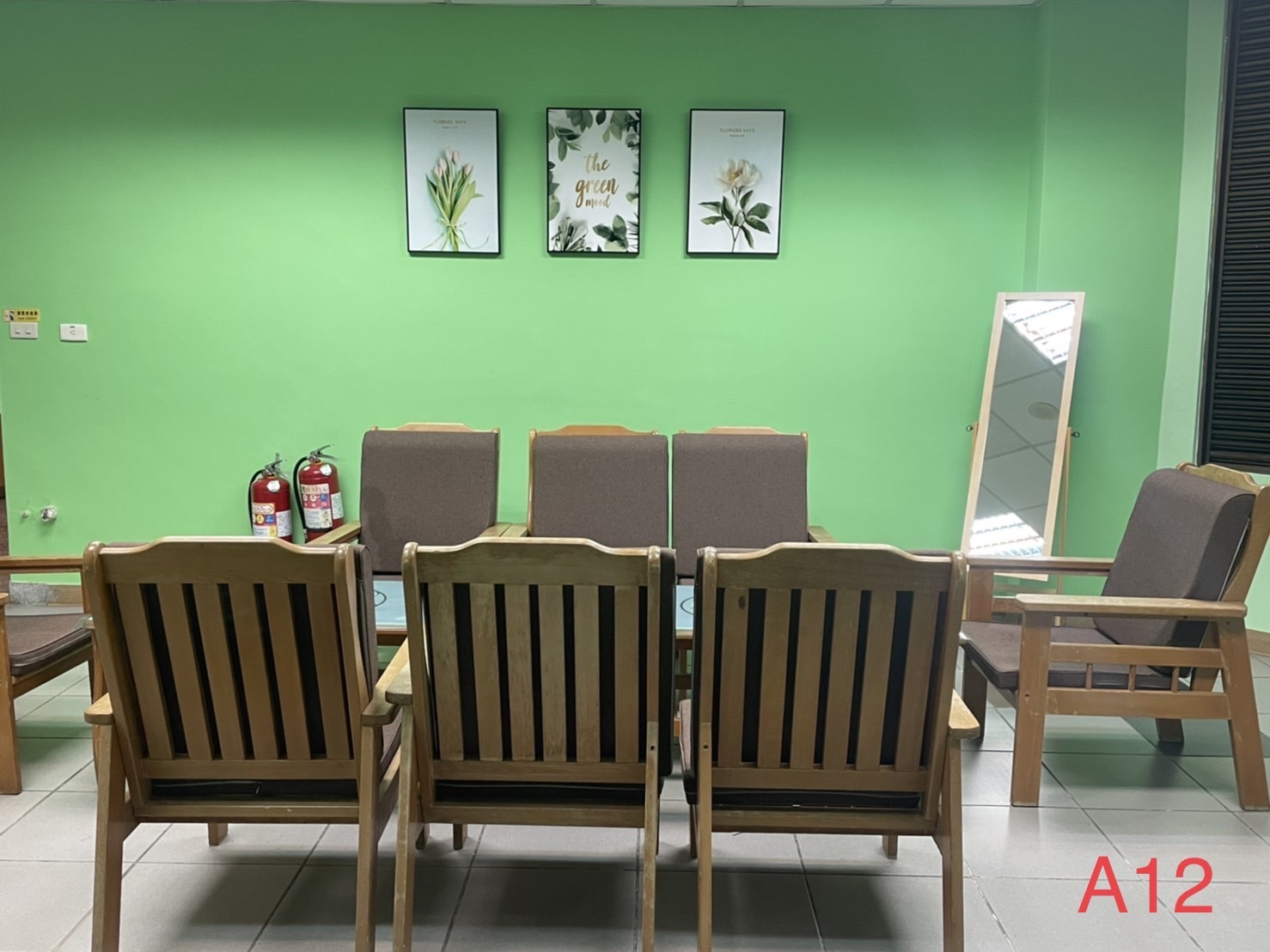
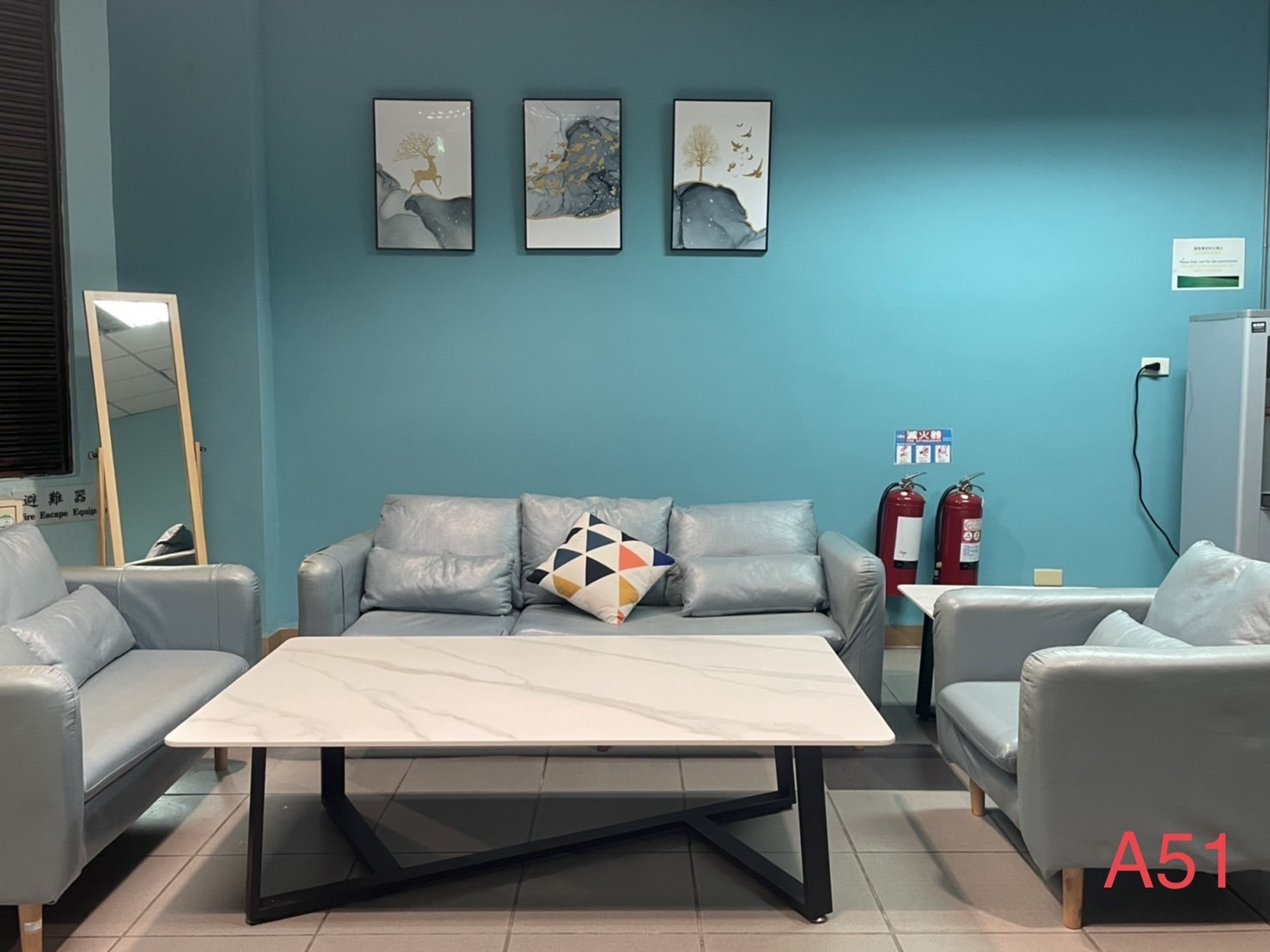
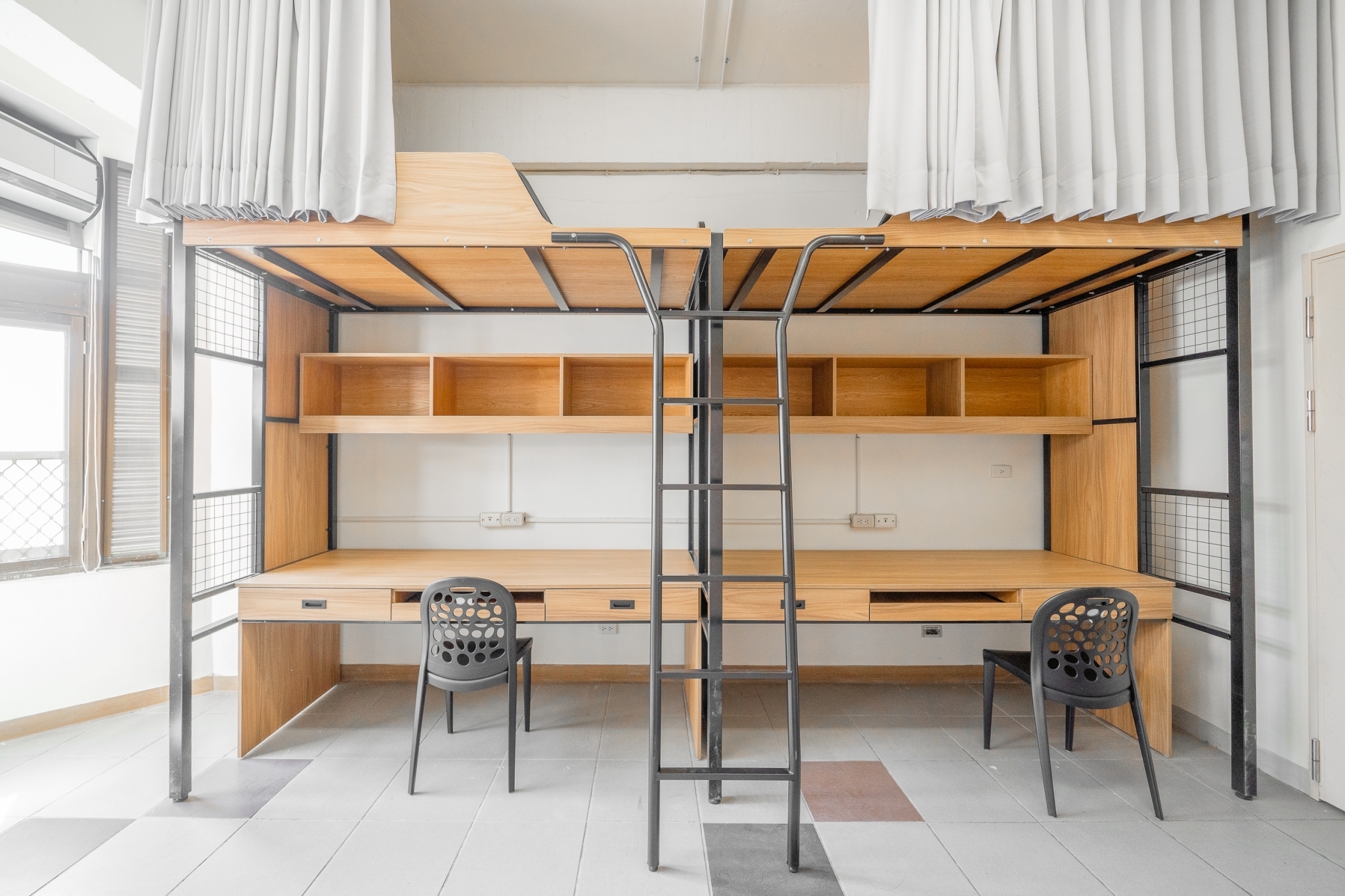
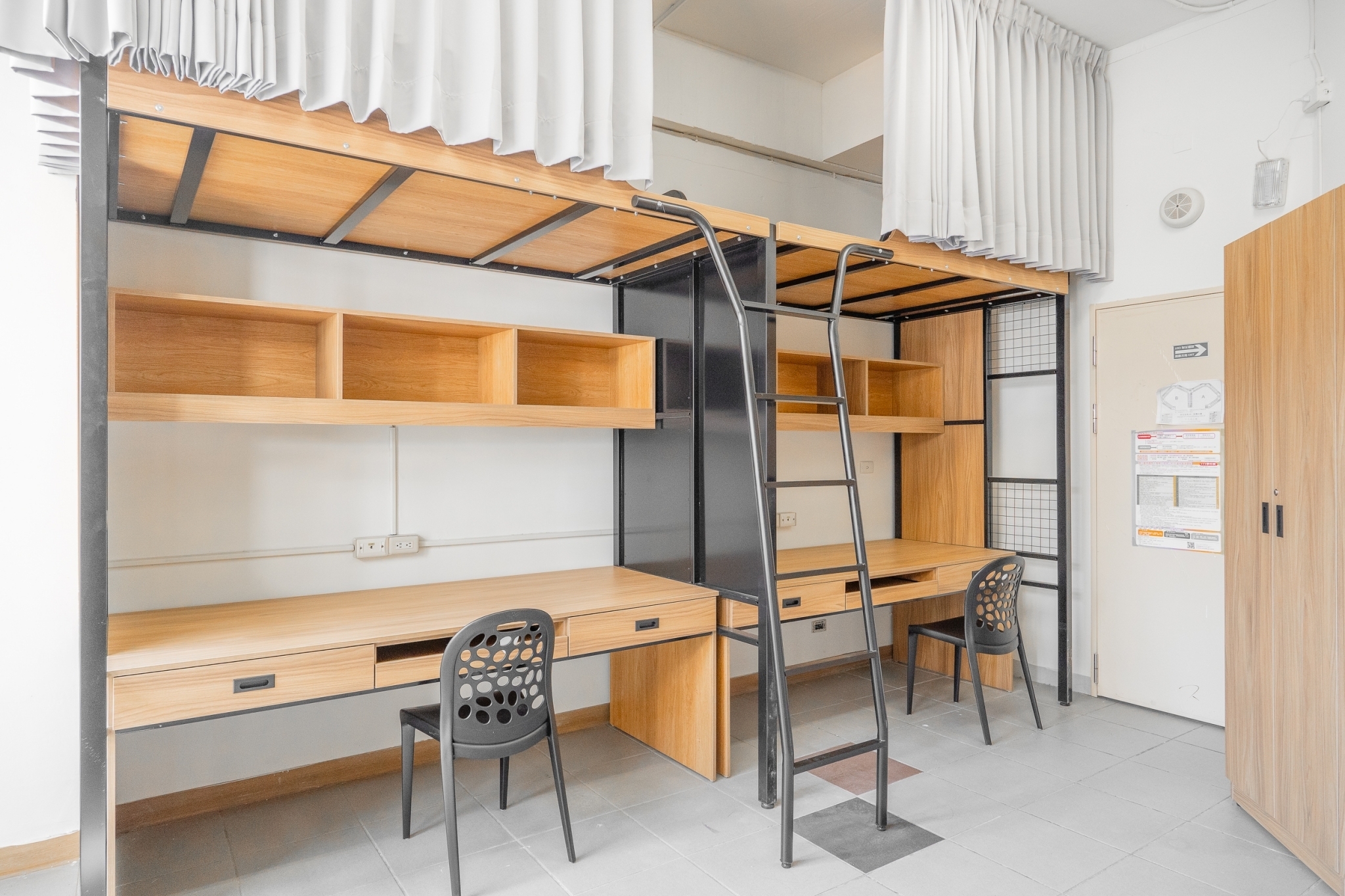
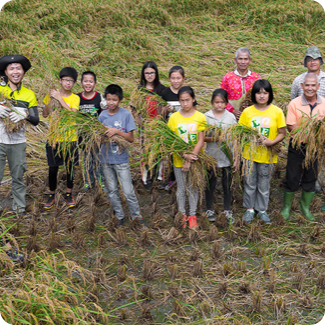
The school has low tuition fees, a beautiful environment, comfortable accommodation, and provides international students with four-year guaranteed accommodation, reducing the burden.
Departments
School Departments and Programs
College of Humanities
- Department of Chinese Language and Literature
- Department of Foreign Languages and Literature
- Department of Social Policy and Social Work
- Department of Public Policy and Administration
- Department of History
- Graduate Institute of Southeast Asian Studies
- Master Program of Anthropology, Department of Southeast Asian Studies
- Master Program in Teaching Chinese as a Second Language
- Master of Cultural Creative Industry and Social Marketing
College of Management
- Department of International Business Studies
- Department of Economics
- Department of Banking and Finance
- Department of Information Management
- Department of Tourism, Leisure and Hospitality Management
- Department of Tourism, Leisure and Hospitality Management-Division of Hospitality Management
- The Ph.D. Program in Strategy and Development of Emerging Industries(Division of Tourism Innovation/Division of Emerging Industries)
- Master Program in Strategy and Development of Emerging Industries
- Bachelor of Business Administration
College of Education
- Department of International and Comparative Education
- Department of Educational Policy and Administration
- Counseling Psychology Program, Department of Counseling Psychology and Human Resource Development
- Lifelong Learning and Human Resource Development Program, Department of Counseling Psychology and Human Resource Development
- Master’s program of Lifelong Learning and Human Resource Development
- Master’s program of Guidance and Counseling, Department of Counseling Psychology and Human Resource Development
- Institute of Curriculum Instruction and Technology
- Interdisciplinary Program of Education
College of Science and Technology
- Department of Computer Science and Information Engineering
- Department of Civil Engineering
- Department of Applied Chemistry
- Department of Electrical Engineering
- Master Program of Artificial Intelligence and Robotics
- Department of Applied Materials and Optoelectronic Engineering
- Bachelor Program of College of Science and Technology
Shuei-Sha Lian College
College of Nursing and Health Welfare
Photos & Videos


Photos
Videos


Scholarships
Scholarships
|
Scholarships |
Scholarship Amount |
Eligibility |
|---|---|---|
|
Outstanding Overseas Chinese Student Scholarship |
1. Those who meet the application qualifications 1 (admission through individual application) (2) or qualification 2 (admission through joint distribution) (2) listed in the right column will be given NTD 50,000 yuan once after enrollment and registration. 2. Those who meet the application qualifications 1 (admission through individual application) (1) or qualification 2 (admission through joint distribution) (1) listed in the right column will be given NTD 20,000 yuan after enrollment and registration, which will be distributed in four semesters. 3. Those who are admitted to our school through the [Teacher Training Program] can be exempted from tuition and miscellaneous fees and teacher training course credits for 4 years if they meet the requirements of their contract. 4. Scholarships cannot be received repeatedly, and only one scholarship can be awarded. |
1. Individual Application: 2. Joint Distribution: 3. Teacher Training Project: Those who are admitted to the school through the teacher training project. |
|
Overseas Chinese Student Scholarship |
Once per semester, the number of places is allocated according to the proportion of overseas Chinese students in each department.
Semester average score of 70-79 points, NTD 5,000 per semester. Semester average score of 80-89, NTD 6,000 per semester and a certificate. Semester average score of 90 or above, NTD 8,000 and a certificate.
|
|
|
National Chi Nan University Poverty Alleviation Subsidy for Overseas Chinese Students |
NTD 36,000 per person per academic year (NTD 3,000 per month * 12) Graduating students NTD 30,000 (NTD 3,000 per month * 10) |
Overseas Chinese students in undergraduate programs can apply once per academic year. Old students must have an average academic score of 60 points or above in the previous academic year |
|
Overseas Chinese Student Learning Subsidy |
NTD 2,200 per student per month |
Overseas Chinese students in school |
|
Scholarship for Overseas Chinese Graduate Students |
NTD 60,000 per student per semester (NTD 10,000 per month * 6) |
Overseas Chinese graduate students in school can apply once per semester |
Tuition and Miscellaneous Fees
College of Humanities: Approximately NTD 22,000 * 2 semesters
College of Education: Approximately NTD 22,000 * 2 semesters
College of Management: Approximately NTD 22,000 * 2 semesters
College of Science and Technology (including the Department of Information Management): Approximately NTD 26,000 * 2 semesters
College of Nursing and Health and Welfare: Approximately NTD 28,000 * 2 semesters
Living Expenses
Living expenses: NTD 6,000~8,000/month, NTD 72,000~96,000/year
School accommodation
|
One semester |
One academic year |
Other Notes |
|---|---|---|
|
NTD8,800 |
NTD17,600 |
Dormitory name: Buildings A and B |
|
NTD8,800 |
NTD17,600 |
Dormitory name: Buildings C and D |
|
NTD11,289 |
NTD22,596 |
Dormitory name: Buildings E and F |