National Taiwan University of Arts
About the University
校園資訊
Information
Address
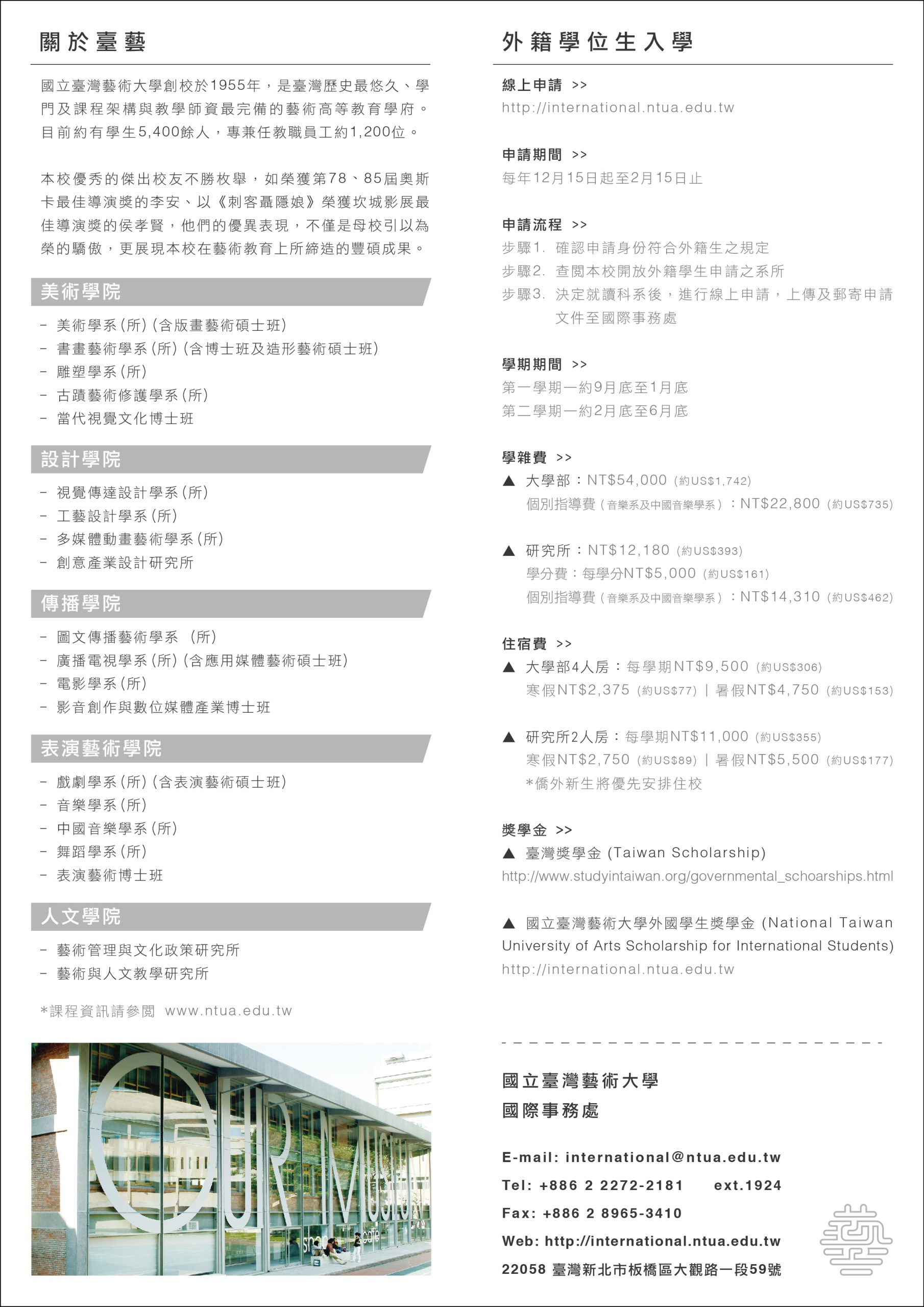
No.59, Sec. 1, Daguan Rd., Banqiao Dist., New Taipei City
Tuition and Accommodation Fees
Tuition
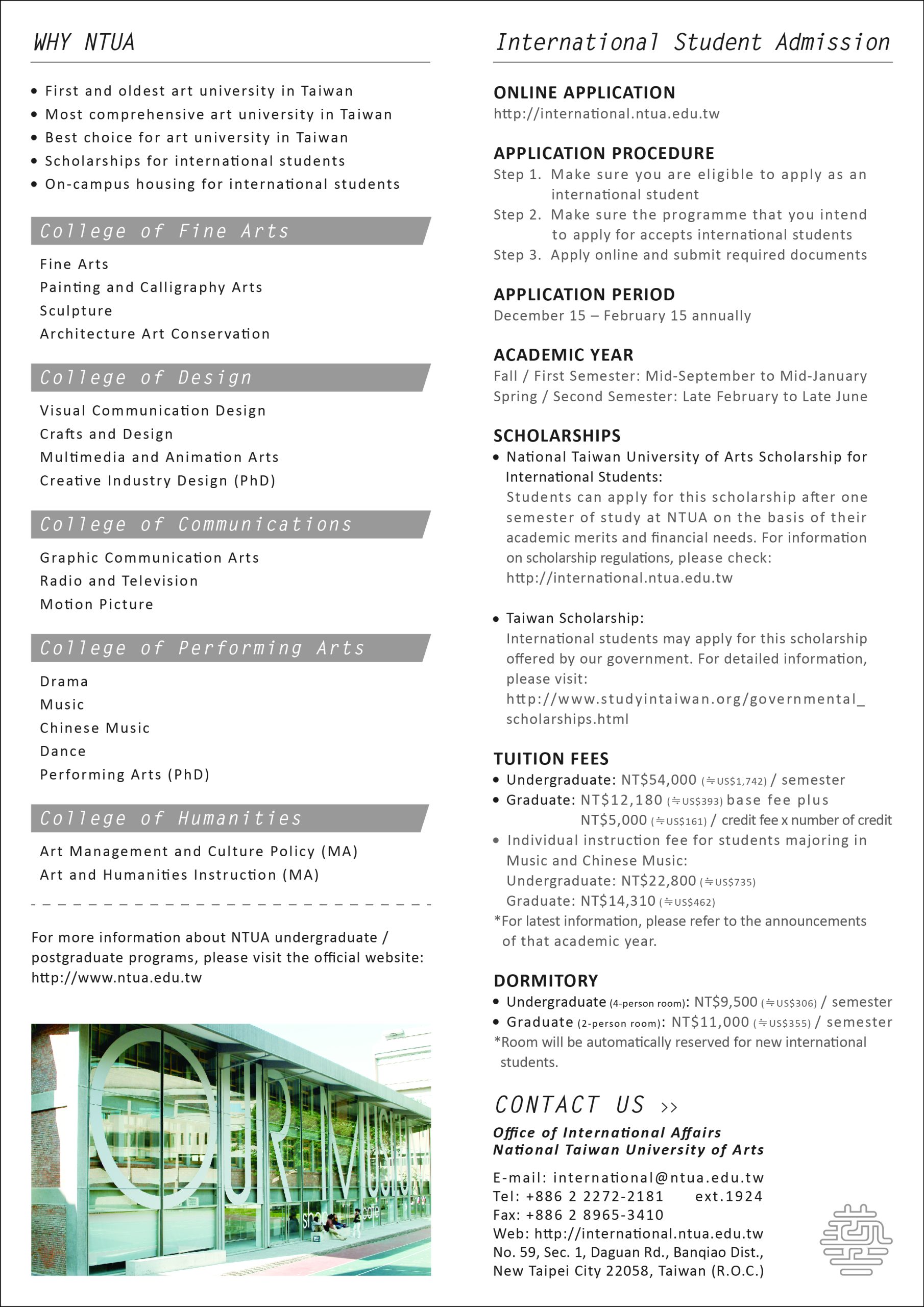
Undergraduate: 52,460 NTD/YR
Graduate/Credits: 24,360+1,440 NTD/YR
Accommodation Fee:
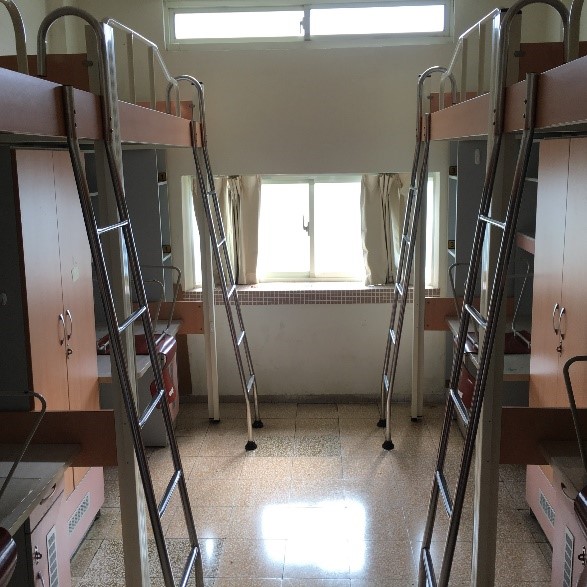
NTD/YR19,000 (4 people per room, undergraduate dormitory)
NTD/YR22,000 (2 people per room, graduate dormitory)
Living Expenses:
NTD 96,000 – 120,000NTD/YR, depending on personal living habits
Official website
NTUA OIA Office of International Affairs
Contact Information
(+886) 02-22722181
[email protected]
Introduction
Teaching quality and academic prestige
*Cheers Magazine’s “2021 Survey of Enterprises’ Favorite Master’s Students”: Our university won 11th place among national universities & 13th place among all universities in the category of enterprises’ favorite master’s students.
*Cheers Happy Worker Magazine – 2021 Best Graduate School Guide: Our university won 2nd place in the “Arts, Design, and Architecture” category among all universities and colleges in the country.
*Cheers Magazine’s survey of Taiwan’s 2000 enterprises ranked our university second among enterprises’ favorite master’s students in the architecture/design/art category.
*Our university has won the “Best Performing School Award” in the MOD Micro Film and Golden Film Creation Competition for 3 consecutive years (2018-2020).
*The NTUA Art Village Renovation Project upholds the preservation of cultural assets and the establishment of an art ecological park. The art village on the north side of the school was originally an old, idle dormitory for teachers. The plan is to recycle, renovate, and repair it, and cooperate with the existing courtyard texture of each building to develop into an art landscape garden with exhibition and performance functions, enhance the special urban geographical and humanistic value, and transform it into an international art village with humanistic and historical texture.
International Exchange and Cooperation
*Our university has signed academic exchange and cooperation agreements with more than 200 outstanding art universities and comprehensive universities around the world. All students enrolled in our university are eligible to apply for overseas exchange and study opportunities to enhance their international perspective and practical experience in exchange.
*We encourage teachers and students to participate in international competitions, exhibitions, and performances, and have a subsidy program for teachers and students to participate in international teaching, exhibition, and competition performances, which subsidizes more than 100 teachers and students to participate in international competitions every year.
*Each department has activities such as exhibitions, performances, and academic seminars in cooperation with well-known foreign universities, providing opportunities to contact well-known domestic and foreign artists and increase opportunities for international internships and participation in exhibitions and performances.
Care for international students’ life on campus
*Our university gives priority to providing accommodation for international students, 4 years for undergraduates and 2 years for graduate students.
*Dormitory Apple Festival activities to care about the accommodation status of boarding students and build relationships.
*The International Affairs Office and the Overseas Chinese and Foreign Student Association of our school hold monthly cultural activities for overseas students, in addition to increasing interaction opportunities with Taiwanese students, to strengthen the care for overseas students studying in Taiwan.
Highlights
Featured courses
The National Taiwan University of Arts (hereinafter referred to as NTUA) implements the horizontal and vertical development of art interdisciplinary experimental education in the technology era. With the concept of a central settlement, it connects the Center for Technology and Art Experiment and the Center for Sound Art Experiment, and mediates the Research Center for Cultural Heritage Maintenance, and expands the Research and Teaching Center for Intangible Cultural Heritage and the Experimental Teaching Center for Physical Art to gather diverse art practice energy and continue to develop innovative interdisciplinary experimental characteristic courses.
NTUA has always emphasized the solid deployment of teaching, and also balanced the distribution of students from various departments and institutes of characteristic courses. Starting from the interdisciplinary workshop of the pre-repair (college-level) academic innovation platform for bachelor and graduate students, the five centers strengthen the application-oriented science and technology of humanistic thinking, emphasize the radical experience of innovative knowledge and creative development, and cultivate young students to become outstanding art talents with aesthetic perception and interdisciplinary practice. From the 109th academic year to the present, NTUA has successively offered more than 40 series of innovative experimental/technology interdisciplinary courses, which have been fruitful. Focusing on the first semester of the 111th academic year, the five centers offered a total of 14 courses.
Center for Technology and Art Experiment
A total of 2 innovative courses in technology and art application are offered. Courses such as “Digital Matte Painting Workshop” and “Virtual Concert Production Workshop” allow students to understand the process of game scene concept design, from composition to lighting and design concepts to help cultivate digital concept designers to meet industry trends, as well as manage virtual characters and use Mocap motion capture technology to complete the character’s performance production; Unreal Engine is used to create a complete stage and visual effects to create a trendy stage with idol charm.
Sound Art Experiment Center
A total of 1 music technology interdisciplinary application course is offered. In the course “Max/MSP’s Sensory Symphony and Immersion Design”, students will learn about the artistic issues and programming skills involved in the development of interactive computer music and art. The course focuses on the Max/MSP programming environment, the basic principles of programming, MIDI, the details of digital audio, the algorithmic composition of music, and artificial intelligence, etc., to expand and enhance students’ basic abilities in sound software, and to have a basic understanding of immersive experience perception and cognitive design.
Research Center for Cultural Heritage Maintenance
A total of 2 courses on scientific research on cultural relic restoration are offered. Through courses such as “Cultural Heritage Scientific Testing and Analysis Class (Beginner Class)” and “Microscopic Testing Technology and Radiation Safety Personnel Training and Certification Class”, the basic scientific concepts and chemical practices related to cultural relic preservation are promoted through parallel teaching and training of academic theory and operational skills.
Research and Teaching Center for Intangible Cultural Heritage
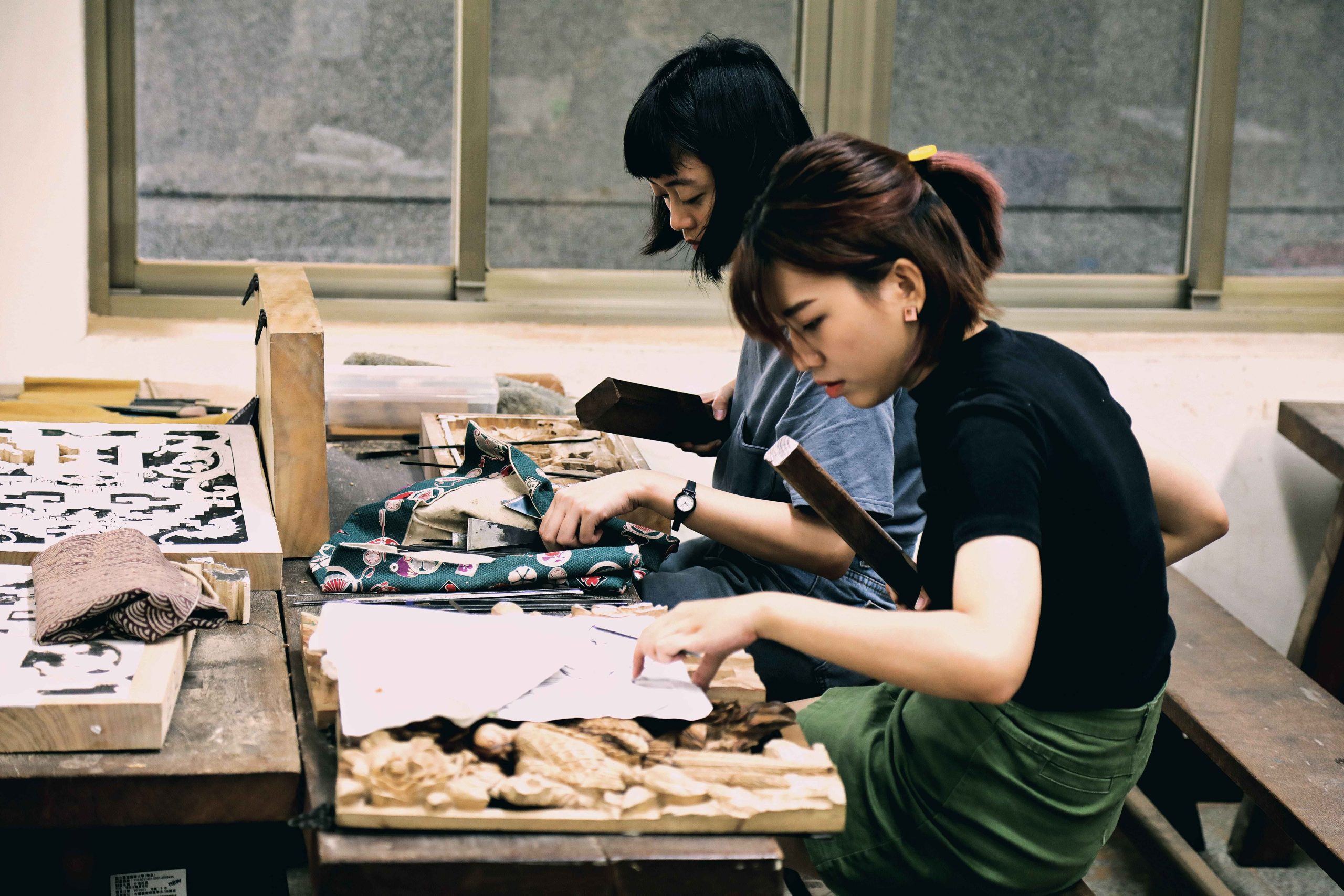
A total of 4 practical courses on the preservation of intangible cultural heritage are offered. In response to current needs, traditional skills and modern design are integrated to launch courses such as “Development and Application of Lead-Free Glaze for Koji Pottery”, “Traditional Craftsman Qualification Training Class – Clay Sculpture and Cut and Paste”, “Introductory Course on Lacquer Thread Carving Craft”, and “Traditional Music Rooting Workshop – Beiguan Music”, to construct knowledge and content of cultural heritage, stimulate potential professional research on cultural heritage, cultivate technical and artistic talents for cultural heritage inheritance, and assist in applying for the review of traditional craftsman qualifications by the Ministry of Culture to improve the overall quality of technical talents in our school.
Experimental Teaching Center for Physical Art
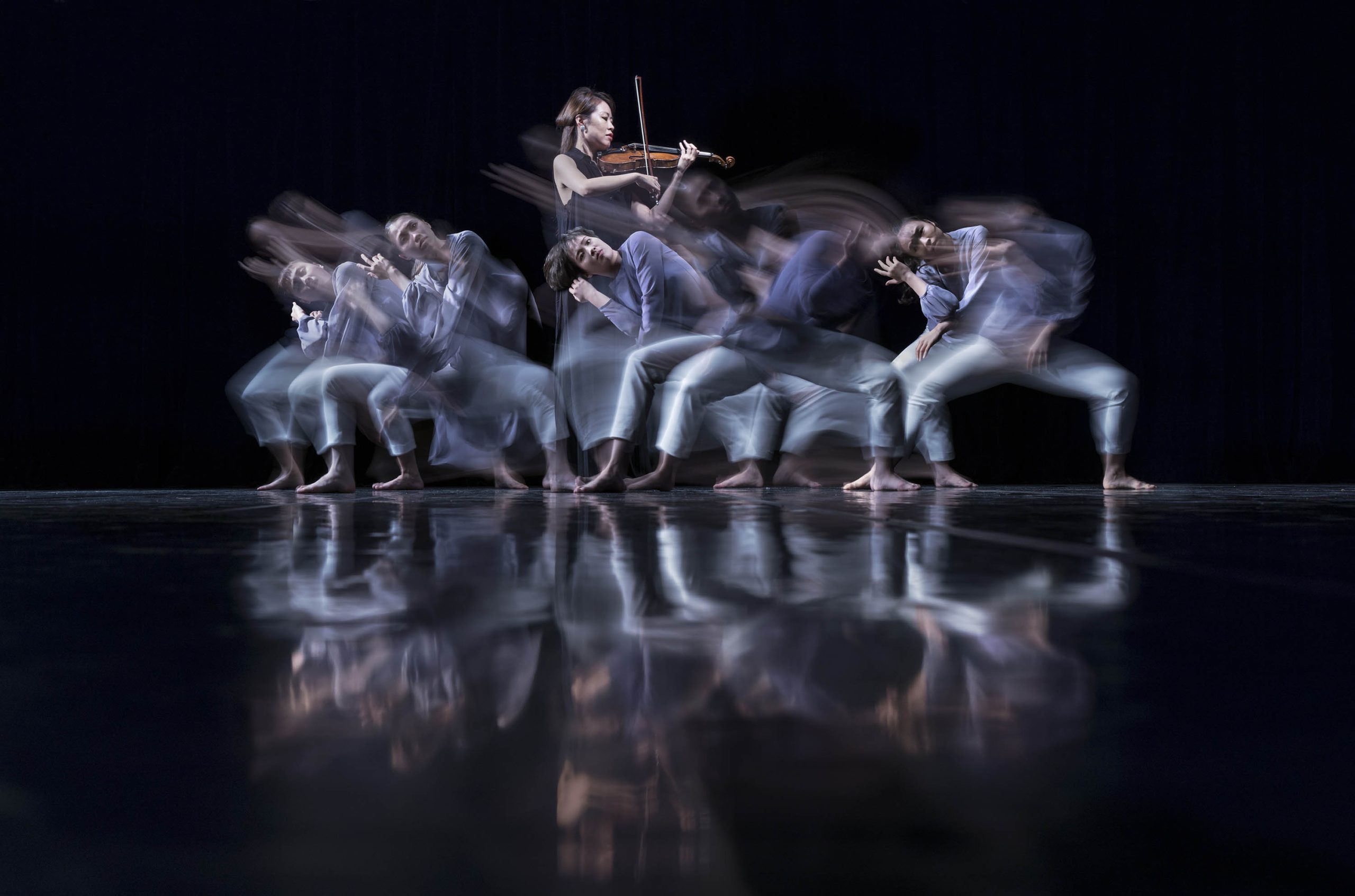
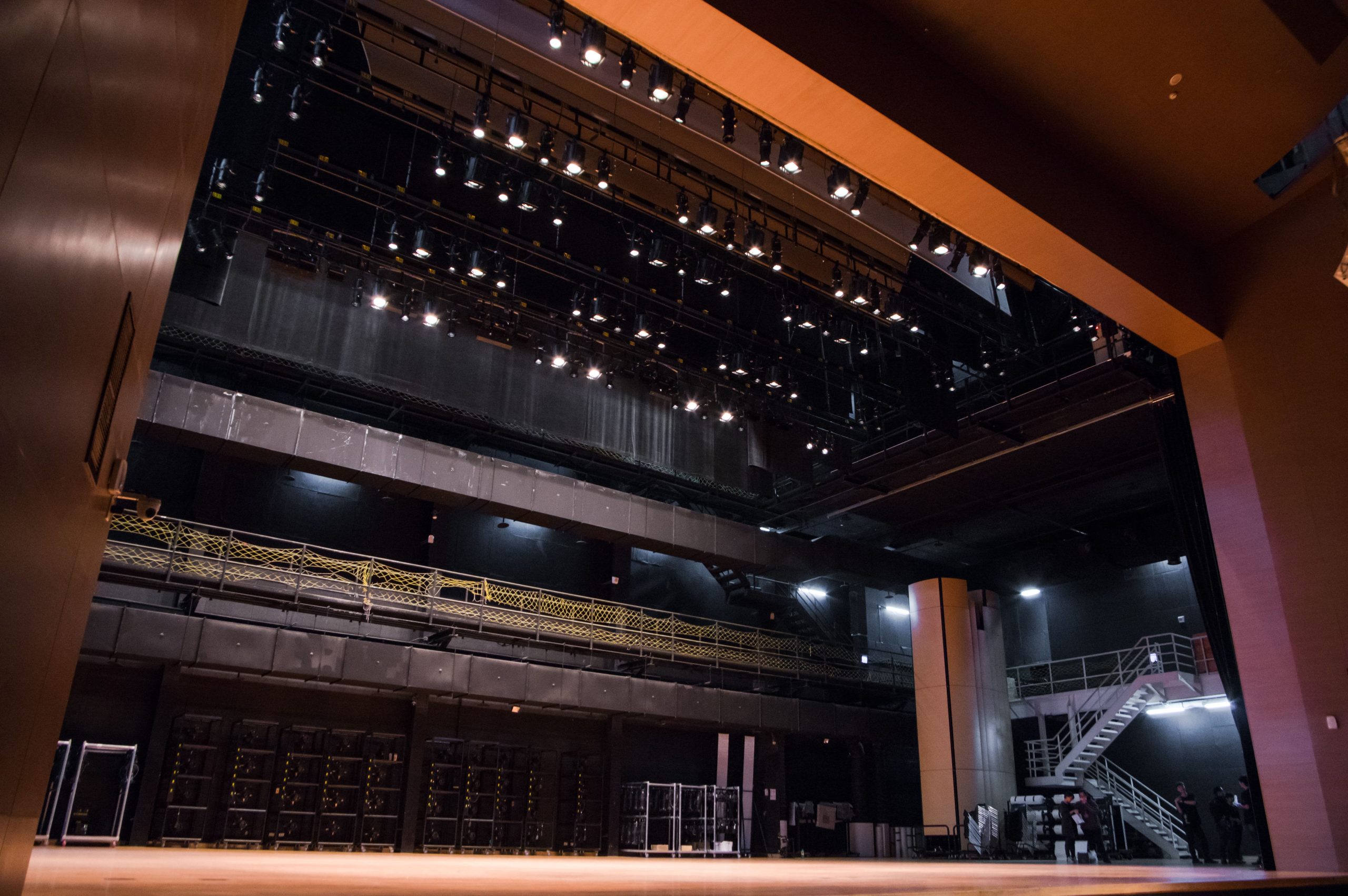
A total of 5 experimental courses on innovative development of physical movements are offered. Courses such as “Let’s Use Theater to Dialogue”, “Portrait Series of Artists – A Comprehensive View of Performing Body”, “Master the Skills of Storytelling! – Howling Performance’s Howling Short Film Creation Mindset”, “Suzuki Tadashi Actor Training Method (Beginner)”, and “Theater X Image X Immersive Interaction – ‘The Real Appearance’ Performance Workshop” allow students to develop critical thinking from different perspectives, redeploy spatial systems, bodies, and various media from their own contexts, find new perspectives of viewing and narration, and experience the integration or conflict of cross-border productions, etc., and then enhance their aesthetic literacy and analytical skills in Western mainstream contemporary theater, and develop creative models with local potential. The five centers will continue to pursue the combination and application of art and technology, and promote forward-looking art experimental characteristic courses through the integration of teaching, research and creation in the central settlement, and fulfill NTUA’s role as a stage for art and technology exhibition, performance, screening, and discussion.
Industry-Academia Cooperation
In order to implement the integration of learning and application, our school has begun to strengthen the connection between industry and academia, leading students to carry out industry-academia cooperation projects, internships and on-site visits to industries, combining the theoretical knowledge of the classroom and the practical operation of the industry to understand the basic knowledge and abilities of the current industry situation, and guide students to carry out product commercialization, participate in international competitions, patent licensing, innovation and entrepreneurship and other industrial knowledge, cultivate students’ ability to connect with the industry, and integrate the upstream, midstream and downstream of talent cultivation in a consistent mode of learning, internship, production and marketing, guide students to create, start businesses and find employment, and effectively enhance students’ employment competitiveness.
Departments
School Departments and Programs
暫無系所資料


Scholarships
Scholarships
|
Scholarships |
Scholarship Amount |
Eligibility |
|---|---|---|
|
OCAC Academic Excellence Scholarship |
NTD 5000 |
Overseas Chinese students (excluding master’s and doctoral students) who are officially enrolled in the school and are in their second year or above. |
|
Overseas Community Affairs Council Accepts Donated Overseas Chinese Student Scholarships |
Based on each donor |
Overseas Chinese students who are officially enrolled in the school |
|
Ministry of Education Scholarship for Overseas Chinese Graduate Students |
NTD 60,000 |
Overseas Chinese students who are officially enrolled in the school and are in their first year or above (excluding students who are extending their studies), or those who originally studied at a university in Taiwan and graduated in the current year and continue to study in graduate school. |
Tuition and Miscellaneous Fees
|
College Name |
Tuition and Miscellaneous Fees |
|---|---|
|
College of Fine Arts |
Undergraduate NTD 52,460 |
|
Department of Music |
Additional fees for major courses |
Living Expenses
Living expenses: NTD 96,000 – 120,000, depending on personal living habits
Accommodation fee: NTD 19,000 (4 people per room, undergraduate dormitory) NTD 22,000 (2 people per room, graduate dormitory)
|
One semester |
One academic year |
One academic year |
|---|---|---|
|
NTD 9,500 |
NTD 19,000 |
Female Dorm 1: 4 floors, 4-person room. |
School accommodation