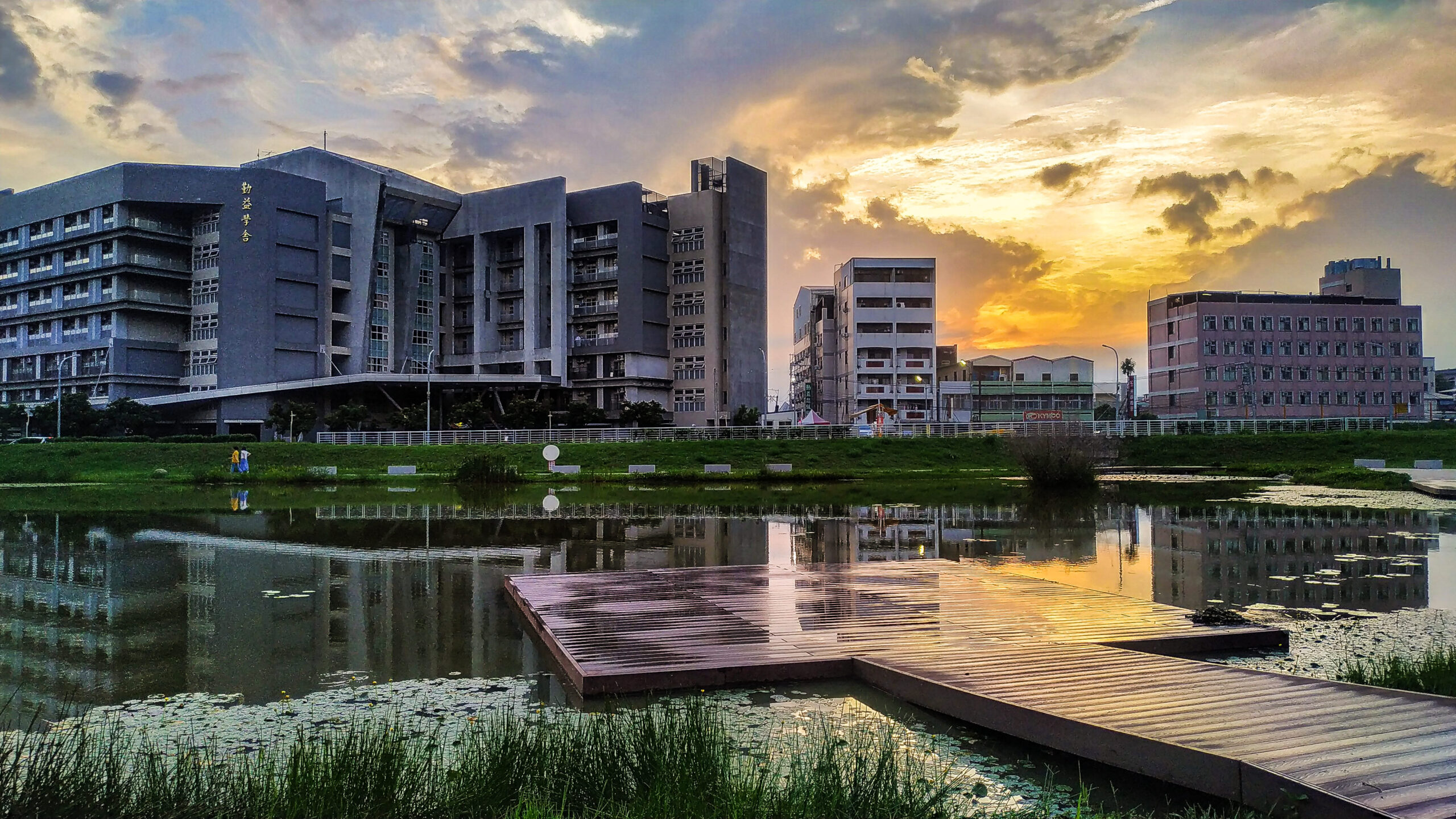
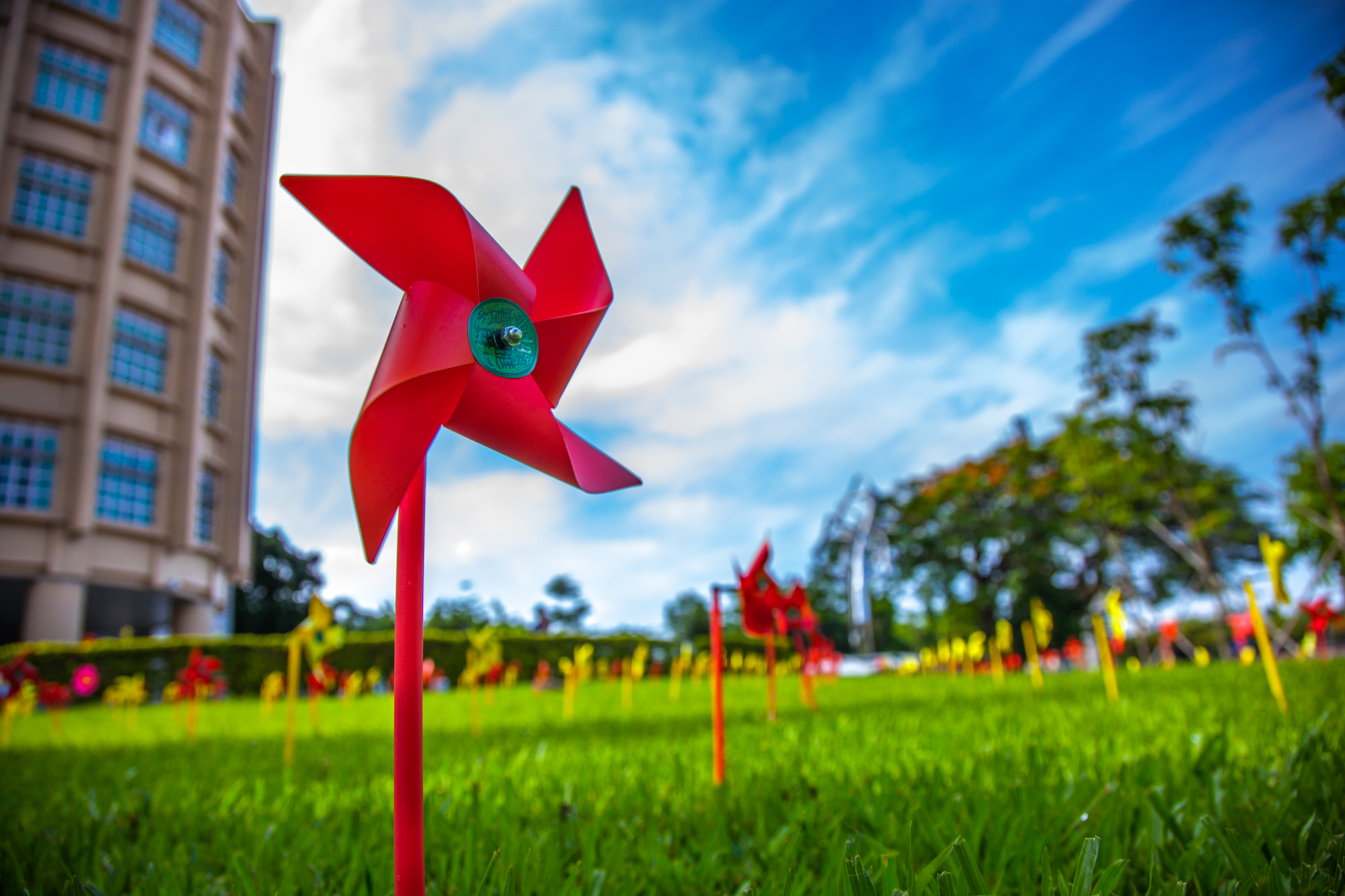
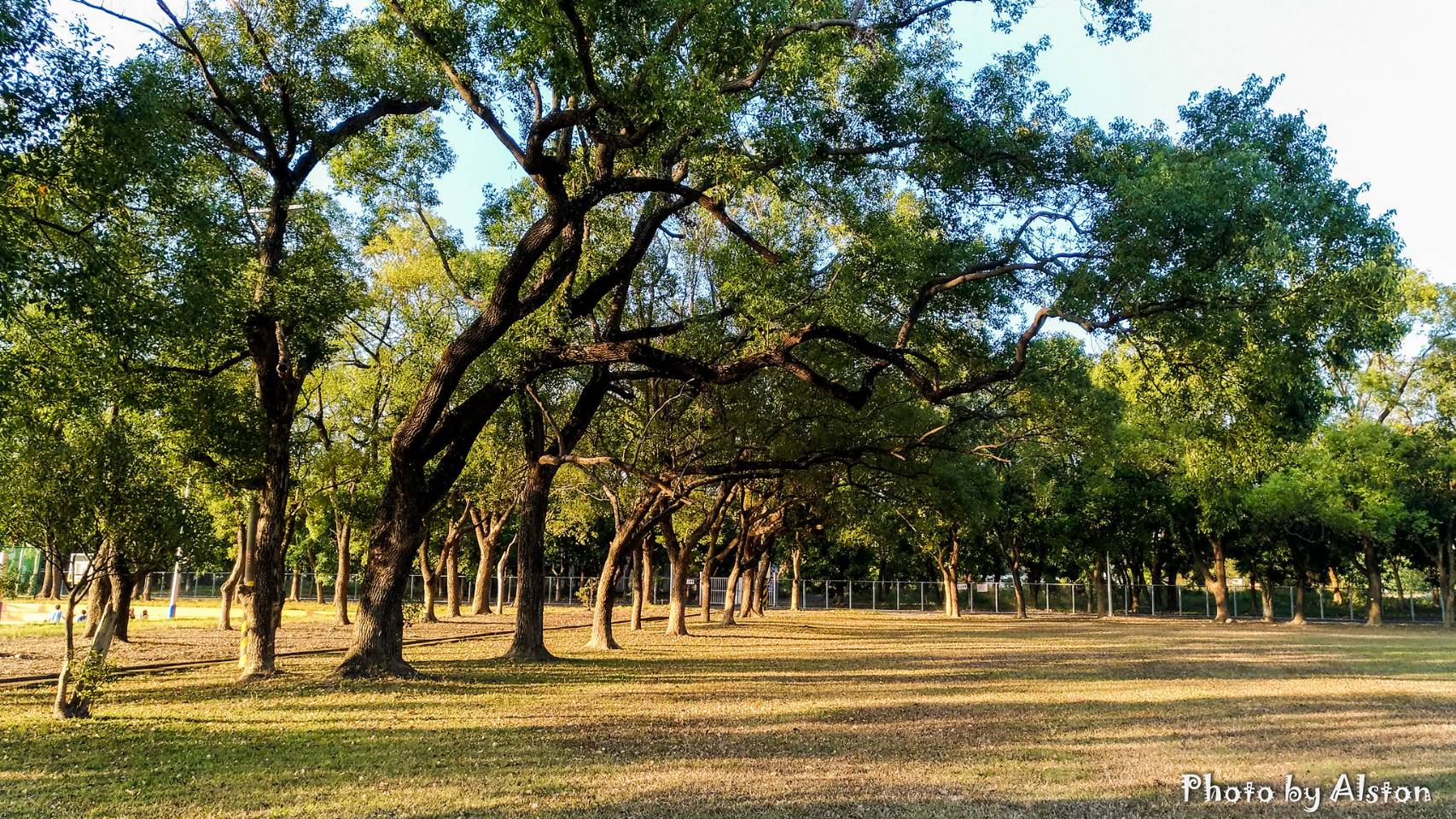
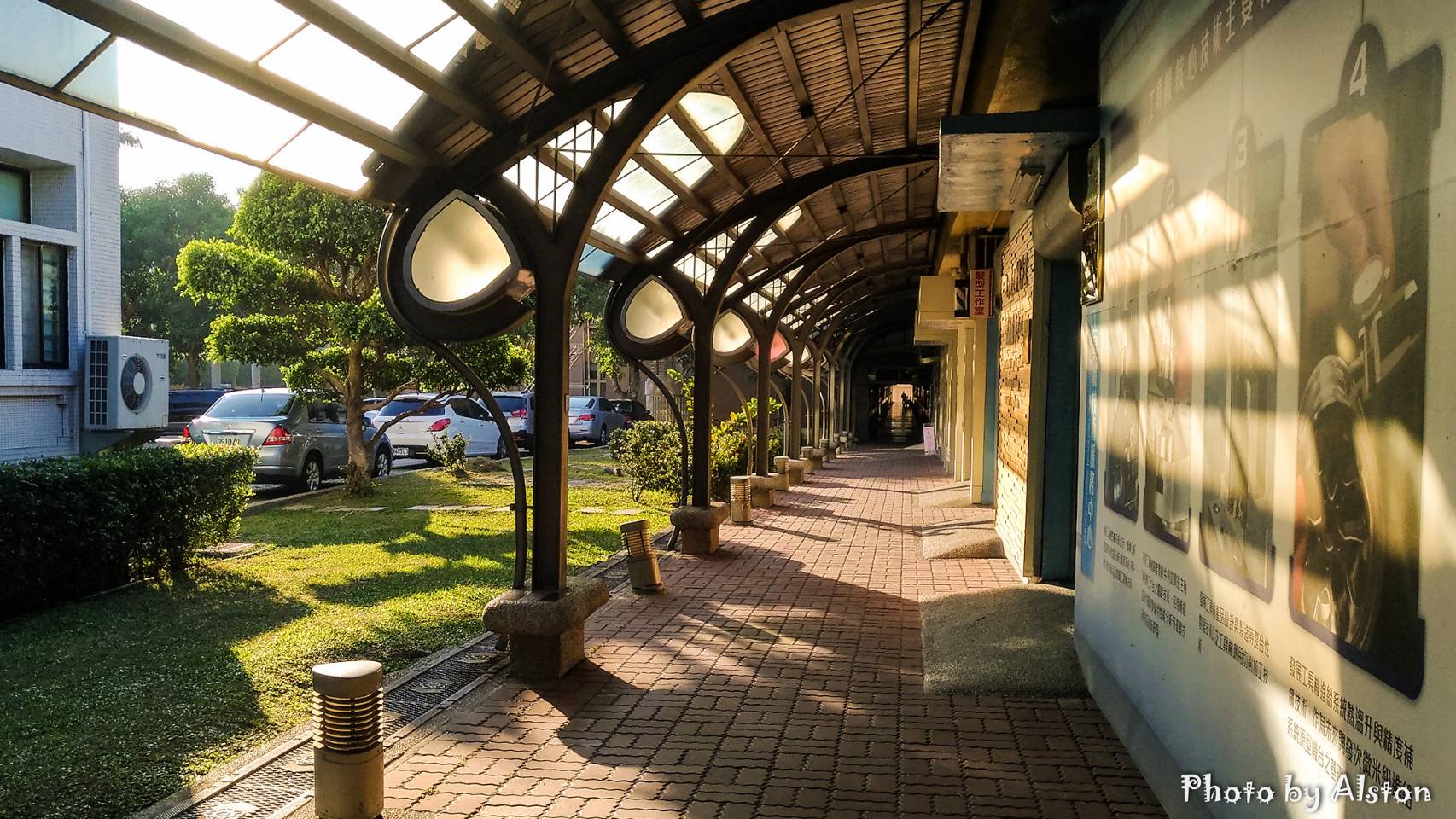
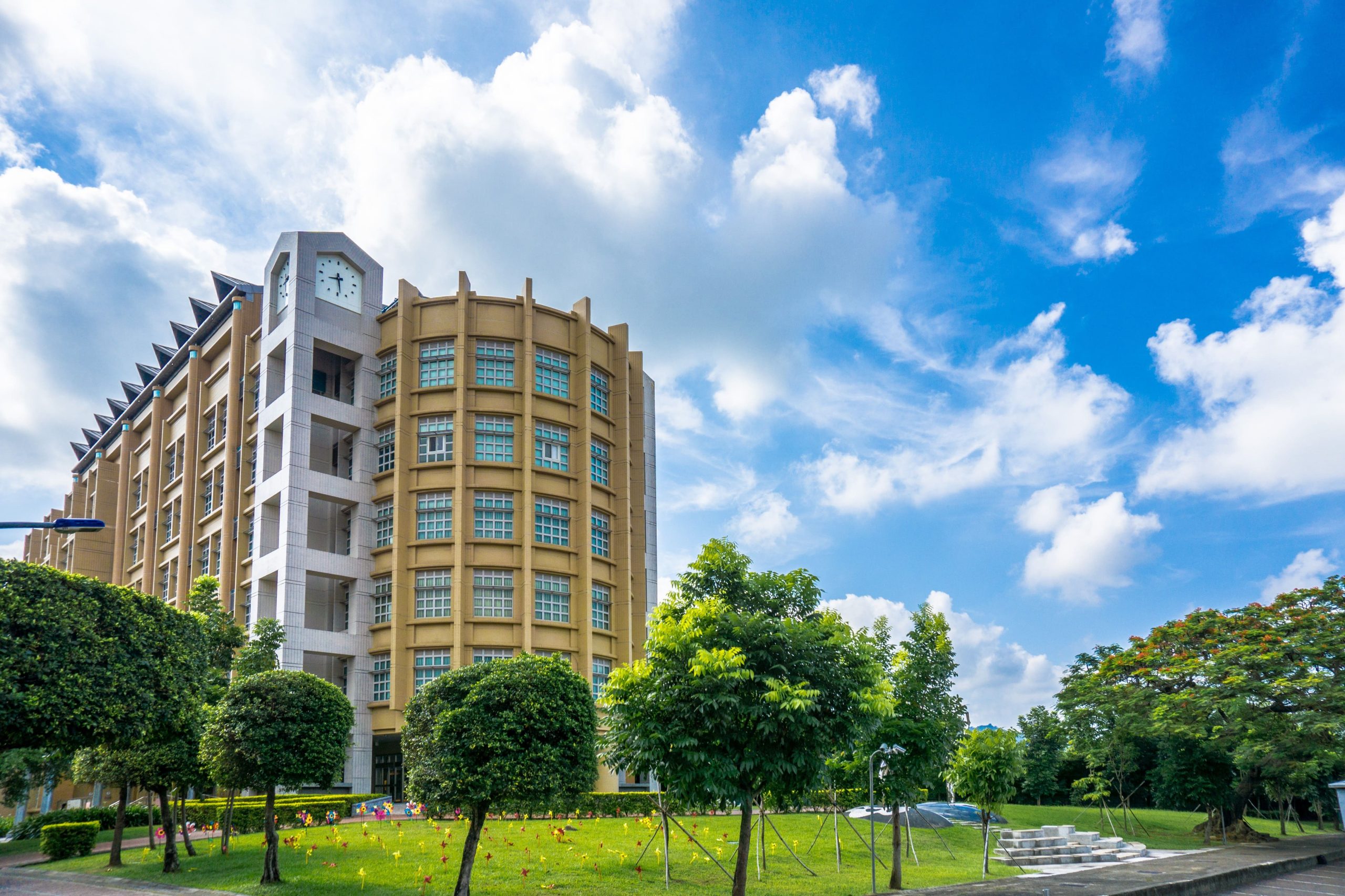
With the development vision of “a pragmatic and innovation-oriented high-quality industrial and technological university”, and the development goal of “the cradle of industrial talent cultivation” and “the base of technology research and development”, NCUT of Science and Technology shoulders the mission of cultivating high-quality technical talents in science and technology colleges, fulfills the social responsibility of national universities, promotes the sustainable operation and development of the school, and cultivates high-quality students with “professional knowledge, humanistic quality, social care and international vision”.
World ranking
World Green University Ranking has been ranked among the top 100 international green energy universities for three consecutive years. In 2021, NCUT was ranked 181st in the world and 16th in Taiwan; In 2022, it jumped to 68th in the world rankings and 7th in Taiwan; In 2023, it continued to improve to 54th in the world and 3rd in Taiwan. 2023 UK Higher Education (QS) ranked 401-450 best universities in Asia, 251-300 in the world in the field of electrical engineering, and all in the field of engineering 2023 Times Higher Education Special Issue (THE) ranked 601-800 in the world, 801-1000 in the field of electrical engineering, and 1001-1200 in the field of engineering. Ball ranking 301-350. Foresight Magazine’s “2023 Corporate Favorite College Student Ranking” ranked 20th in the country and 6th among the National University of Science and Technology.
Connection with the community – Improving the environment for mushroom cultivation
In recent years, mushrooms have been affected by climate change, causing the hyphae to be subjected to heat stress during growth, preventing the hyphae from growing, which in turn has led to a decline in mushroom production. Through the Ministry of Education’s USR program “Central Taiwan Mushroom Industry Creation and Sustainable Management Improvement Plan”, our school assists in improving the difficulty of mushroom cultivation and monitors growth environment data.
Mainly monitoring growth conditions for two different environments: the new water curtain technology field and the traditional field. In 2023, sensors were installed in three fields to monitor relevant environmental factors such as sunlight, humidity, and altitude, collect relevant data, and construct optimal growth conditions, using technology and agriculture to go hand in hand.
In addition, the relevant growth data of the water curtain field is compared with the traditional field, providing data on the relevant growth conditions of mushroom farmers, thereby increasing the production capacity of mushrooms and reducing the impact of environmental factors.
Connection with the community – Industry-academia collaboration with hospitals
NCUT collaborates with the Minimally Invasive Spine and Joint Center of Taichung Tzu Chi Hospital to promote social health and well-being in terms of spine-related health issues. Our school signed a memorandum of cooperation with the National Army Taichung General Hospital and jointly implemented the “Precision Exercise Instructor Training and Sarcopenia Screening Service Program for Older Adults” to promote health and well-being and exert influence.
Connection to the community – Eliminate food waste
In 2021, in order to promote the concept of “Serve with care, eat without waste” and link the “Enterprise and Humanities” course, professors from the Department of Business Administration of our school collaborated with Yingxi Precision Industry, Cultural Righteousness Education Foundation, the USR Program of the Ministry of Education of the School of Management (Smart Innovation Local Practice – Loquat and Lychee to Celebrate a Prosperous Era) and the Qinyi Yunus Social Enterprise Center to produce overproduced pineapples into jam and enzymes to reduce leftover food waste and cultivate students’ social problem-solving skills.
The dormitory provides
The university not only provides on-campus student dormitories, but also provides the NCUT of Science and Technology off-campus rental information network (https://rent.ncut.edu.tw/rent2018/) for students to search for with confidence.
Introduction to National Qinyi University of Science and Technology (Chinese Version) -2023
About National Chin-Yi University of Science and Technology (Multilingual Version)
Yanghao School Unboxing – 3-minute version
National Chin-Yi University of Technology ,Taiwan
Scholarships
Scholarships
Scholarships
Scholarship Amount
Eligibility
National Qinyi University of Science and Technology Overseas Chinese Students Scholarship and Bursary
NTD8,000 per semester
1. Applicants admitted through overseas recommendation or placement based on examination results. 2. Applicants who obtained admission through placement after examinations taken in Hong Kong or Macau. 3. Applicants who independently applied to study in Taiwan and were formally referred by the Overseas Community Affairs Council to the educational authorities.
Scholarship for outstanding overseas Chinese students
Scholarship and bursary NTD6,000 and a certificate
Overseas Chinese, Hong Kong and Macao students above the sophomore year, the academic performance of the previous academic year reached 80 points per semester; The conduct score reaches 80 points per semester The amount is based on the regulations of the current year
Accept donations of scholarships and bursaries for overseas Chinese students
Depending on the type of scholarship, NTD 5,000~50,000, a certificate of merit
Overseas Chinese and Hong Kong and Macao students above the sophomore year, with an academic performance of 75 points per semester in the previous academic year; Conduct score reaches 80 points per semester (students with a certificate of poverty will be given priority to apply)
Tuition/Year
College Category
Tuition/Year
Faculty of Engineering
NTD/YR 27,029
School of Electrical Resources
NTD/YR 27,029
College of Business (Management).
NTD/YR 23,466
College of Humanities and Creativity
NTD/YR 23,100
Living Expenses/Year
Living expenses: NTD/YR 80,000-130,000
Accommodation fee (excluding winter and summer vacation accommodation): NTD/YR 50,000
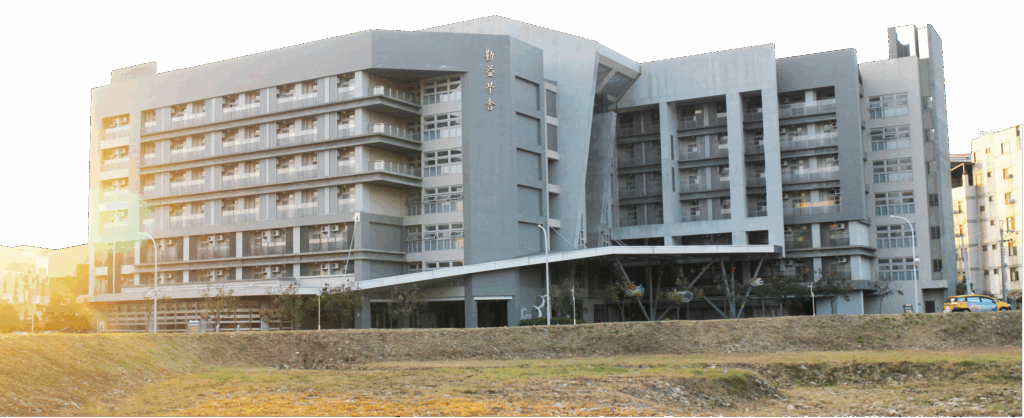
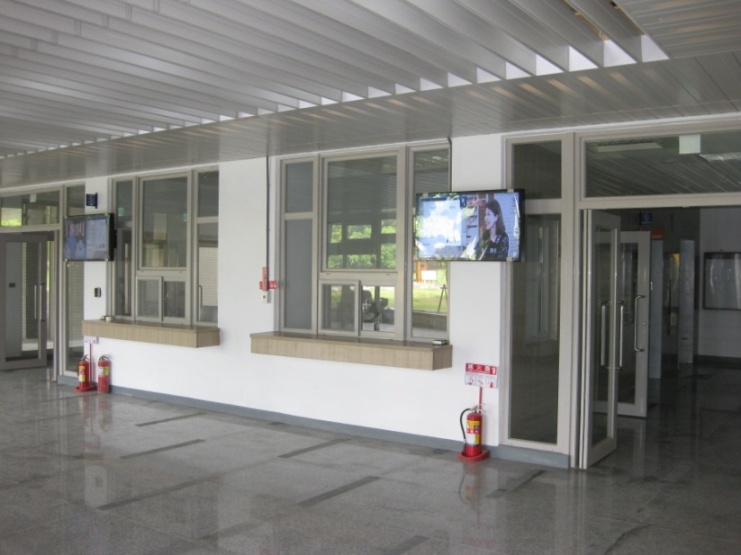
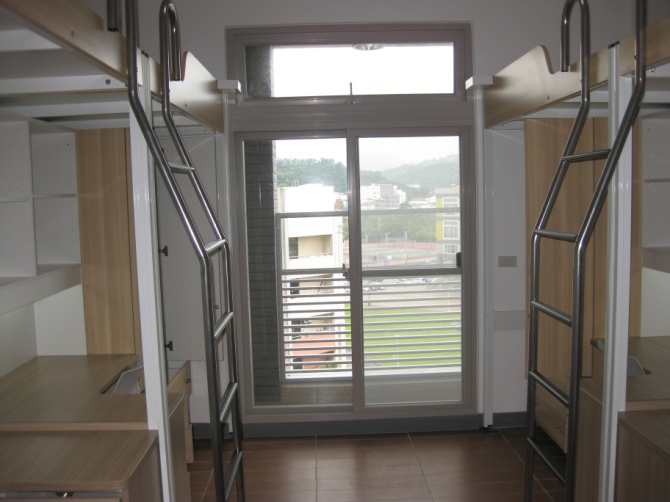
Graphic introduction to the school accommodation environment
semester/academic year
Other Notes
NTD 25,000/semester NTD 50,000/academic year
1. Overview of the dormitory: — The student dormitory of the school is located on the northwest side of the campus, and is a seven-story interchangeable building divided into A (women’s dormitory) and B (men’s dormitory), with a staircase in the middle.
— There are 248 bedrooms and 886 beds [8 barrier-free dormitories on the 1st floor with 16 beds (double suites); 100 rooms (4-person suites) each in buildings A and B on the 2nd~6th floor, with a total of 800 beds; The 7th floor is the International Scholars House (10 single suites, 30 double suites) with 70 beds]
— There is a student cafeteria and mailboxes in each dormitory on the first floor, and Mingxiu College on the first basement floor, etc., to facilitate student life, work and leisure
– Each dormitory is equipped with optical fiber network, air conditioning equipment, separate bathrooms, telephones, and 24-hour dormitory management personnel to maintain dormitory safety. In order to coordinate relevant units and combine the use of various resources, the school has specially established the “Student Dormitory Management Committee” in the 100th academic year to assist in the planning and accommodation management of dormitory environmental facilities to provide students with an excellent accommodation environment.
— The dormitory life management adopts an autonomous method, and the life counseling team guides the students to establish the “Student Dormitory Autonomy Committee” to implement various service work.
2. Establishment and responsibilities of dormitory counselors: 1. Establishment: There are a total of 4 dormitory administrators in the male and female student dormitories. 2. The main work is to provide life guidance and services for dormitory students, handle the overall business of the dormitory and other administrative tasks.
3. Safety maintenance measures: 1. A dormitory administrator is on duty every day to handle special incidents and report the situation at any time, and maintain the peace and safety of the dormitory.
2. Access to each building in the dormitory is controlled by card swiping to maintain the simplicity of personnel entering and exiting, and video surveillance systems are installed on each floor to maintain dormitory safety.
3. The dormitory gate is equipped with electronic access control from 23:00~06:00, and you need to complete the approval application with the dormitory administrator when going out during the access control period.
4. Each building is equipped with a fire brigade and an ambulance team, and relevant safety seminars and training are provided.
5. Each floor is equipped with more than 10 fire extinguishers and 3 to 5 fire hydrants, and is equipped with a slow down machine.
6. Due to the safety of electricity in the dormitory, the use of electrical appliances that consume a lot of electricity is prohibited in all dormitories.
4. Life care: 1. Illness sent to the hospital: The dormitory administrator is responsible for sending the patient to the hospital at night.
2. Dormitory repair: — After the dormitory student applies to the dormitory committee, it will be transferred to the maintenance team after being confirmed by the dormitory administrator. — Comprehensive overhaul of dormitory equipment during winter and summer vacations to maintain safety.
3. Item borrowing: — Spare Keys: The dormitory management room provides spare keys for dormitory students to borrow in an emergency. (When borrowing, you must bring your accommodation certificate to register before you can borrow it.) The number of borrowings is limited to twice a semester. If the key is borrowed more times, the accommodation service shall be carried out for 30 minutes according to regulations. ) — Borrowing of medical supplies: The dormitory management room is equipped with a first aid kit for boarding students.
4. Life counseling: Provide counseling for the late return of dormitory students, abnormal dormitory, illness, emotions, life, etc., and contact the tutor, department head and parents by letter or phone respectively depending on the situation, so that they can understand the student’s accommodation situation and provide joint guidance.
5. Emergency handling: For the handling of accidental incidents, dormitory students can use the phone to notify the dormitory administrator or instructor at any time to assist in supporting the handling.
5. Features of student dormitories: 1. Every academic year, the neighborhood association organizes various arts, culture and fun activities, such as birthday parties, karaoke competitions, stair climbing competitions, ball games, art weeks, etc., to provide proper leisure activities for boarding students.
2. Implement safety protection drills for dormitory students, including firefighting, medical care, escape, evacuation and other drills.
3. The dormitory of our school is equipped with social halls, laundry rooms, pantries and other household equipment to provide dormitory students with more comfortable and convenient living needs.
4. Each dormitory is equipped with a computer academic network to broaden students’ knowledge fields.
5. Each dormitory is equipped with a telephone for easy contact.
6. From 19 p.m. to 11 p.m. every day, the head of the building (dormitory) in the student dormitory management office is on duty to assist in handling routine affairs.
Dormitory Name
Accommodation Target
Room Type
Accommodation Fee per Semester
Qinyi Academy
International Students Local students
Quad Room with Private Bathroom
NTD11,500 (Excluding internet fees and winter and summer vacations)
Pathways
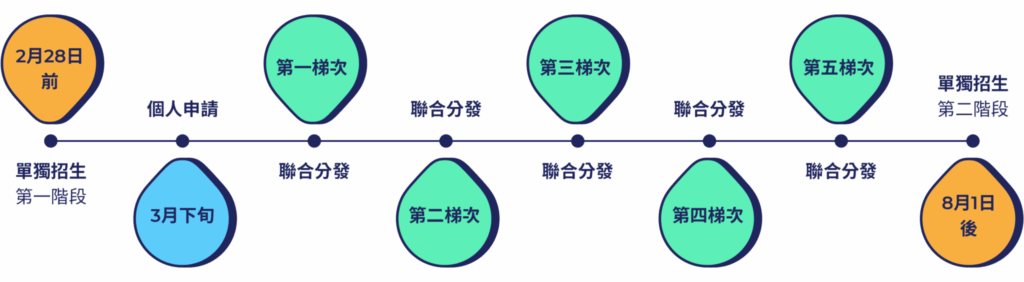
Individual application
—Applicable target: Those who have special performance in school, excellent skills, or have been recommended by teachers.
– Application method: Fill in up to 4 applications and submit review materials according to the regulations of each department.
– Distribution principle: Those who pass the review will be distributed according to “qualified order + volunteer order + quota”;
– Those who are not admitted: Those who are not admitted will be directly distributed jointly and distributed in accordance with the applicable brochures.
3+4 Industry-Academia Collaboration Program for Overseas Chinese Students
In alignment with the New Southbound Policy, the Overseas Community Affairs Council (OCAC) promotes the “3+4 Industry-Academia Collaboration Program.” This program offers a seamless educational track consisting of 3 years of Senior Vocational High School followed by 4 years of University of Science and Technology, specifically designed to cultivate professional technical talent. Training focuses on five major industries, including manufacturing, construction, institutional care (long-term care), agriculture, and e-commerce (data processing). Quotas and specific departments are adjusted “on a rolling basis” to meet evolving industrial demands. The program encourages graduates to pursue high-paying employment in Taiwan or expand their international careers upon completion.
Industry-Academia Collaboration Overseas Youth Vocational Training Program Bachelor Degree (4 Year OYVTP)
The Overseas Community Affairs Council (OCAC) has launched the “4-Year Industry-Academia Collaboration Bachelor’s Program,” specifically targeting overseas Chinese youth who hold a high school diploma (or equivalent). The program emphasizes an equal balance of theoretical knowledge and practical skills, with mandatory internship placements integrated into the curriculum. The key industries cover manufacturing, construction, e-commerce, and service industries. Graduates are conferred a formal Bachelor’s Degree and can apply to stay and work in Taiwan via the “Points System” for Overseas Chinese and Foreign Students or through Intermediate Skilled Technical Personnel channels. They can also choose to return to their home countries for work or continue their postgraduate studies (Master’s/PhD) in Taiwan.
Preparatory Course for Compatriot Students from Indonesia
1. Program Purpose: To strengthen the Mandarin Chinese proficiency of Indonesian students and help them adapt to life and academic expectations in Taiwan at an early stage, the Overseas Community Affairs Council (OCAC) organizes the “Preparatory Training Program for Indonesian Overseas Chinese Students” (referred to as Indonesian Student Preparatory Program).
2. Program Schedule: Students arrive in Taiwan in mid-to-late June and take the exit examination in July. The exam covers three core subjects: Chinese, English, and Mathematics. The training institution submits these scores to the University Entrance Committee for Overseas Compatriot Students. The placement process is finalized by the end of July. Successful candidates begin their university studies in Taiwan in September.
The “Joint Admission” process follows a standardized procedure to ensure fairness across different regions. The University Entrance Committee For Overseas Compatriot Students verifies and converts academic results based on the specific Admissions Brochures of the applicant’s country of residence and the “Detailed Rules for Score Calculation and Placement Operations.”
Admission is granted based on a “merit-based” system following these three primary criteria:
Ranked Scores: Applicants are sorted from highest to lowest based on their converted scores.
Order of Preference: The system identifies the highest-ranked preference available for each student.
Approved Quotas: Placements are limited by the total number of slots allocated to each department by the Ministry of Education.
To expand recruitment opportunities for overseas Chinese and international students, the Ministry of Education has implemented a diverse admissions policy, allowing individual universities to conduct their own Independent Admission. However, to maintain administrative order and prevent double enrollment, the following rules apply: applicants already accepted through the first stage of a university’s Independent Admissions will no longer be processed or placed by the University Entrance Committee For Overseas Compatriot Students Joint Placement system; applicants who have already been placed through the Joint Placement system are ineligible to participate in the second stage of Independent Admissions for results announced after August 1st.
– Applicable target: Students with outstanding academic/extracurricular, exceptional skills, or those recommended by faculty members.
– Application method: Applicants may fill in up to 4 preferences and submit required application materials according to the specific regulations of each department.
– Placement principles: Qualified applicants will be placed based on their qualification ranking, order of preference, and available quotas.
– Unsuccessful applicants: Those who are not admitted will be automatically transferred to Joint Admission process. Their placement will then be processed according to the regulations set forth in the admission brochure for Indonesia.
– Applicable target: Students with outstanding academic/extracurricular, exceptional skills, or those recommended by faculty members.
– Application method: Applicants may fill in up to 4 preferences and submit required application materials according to the specific regulations of each department.
– Placement principles: Qualified applicants will be placed based on their qualification ranking, order of preference, and available quotas.
– Unsuccessful applicants: Those who are not admitted will be automatically transferred to Joint Admission process. Their placement will then be processed according to the regulations set forth in the admission brochure for Macau.
– Applicable target: Students with outstanding academic/extracurricular, exceptional skills, or those recommended by faculty members.
– Application method: Applicants may fill in up to 4 preferences and submit required application materials according to the specific regulations of each department.
– Placement principles: Qualified applicants will be placed based on their qualification ranking, order of preference, and available quotas.
– Unsuccessful applicants: Those who are not admitted will be automatically transferred to Joint Admission process. Their placement will then be processed according to the regulations set forth in the admission brochure for Myanmar.
– Applicable target: Students with outstanding academic/extracurricular, exceptional skills, or those recommended by faculty members.
– Application method: Applicants may fill in up to 4 preferences and submit required application materials according to the specific regulations of each department.
– Placement principles: Qualified applicants will be placed based on their qualification ranking, order of preference, and available quotas.
– Unsuccessful applicants: Those who are not admitted will be automatically transferred to Joint Admission process. Their placement will then be processed according to the regulations set forth in the admission brochure for Vietnam.
– Applicable target: Students with outstanding academic/extracurricular, exceptional skills, or those recommended by faculty members.
– Application method: Applicants may fill in up to 4 preferences and submit required application materials according to the specific regulations of each department.
– Placement principles: Qualified applicants will be placed based on their qualification ranking, order of preference, and available quotas.
– Unsuccessful applicants: Those who are not admitted will be automatically transferred to Joint Admission process. Their placement will then be processed according to the regulations set forth in the admission brochure for Hong Kong.
—Applicable target: Those who have special performance in school, excellent skills, or have been recommended by teachers.
– Application method: Fill in up to 4 applications and submit review materials according to the regulations of each department.
– Distribution principle: Those who pass the review will be distributed according to “qualified order + volunteer order + quota”;
– Those who are not admitted: Those who are not admitted will be directly distributed jointly and distributed in accordance with the applicable brochures of Malaysia.
Overseas Youth Vocational Training Program (OYVTP)
To promote Taiwan’s vocational education and expand the pool of skilled talent, the Overseas Community Affairs Council (OCAC) offers the “Overseas Youth Vocational Training Program” (a two-year, non-degree program). This provides overseas compatriot students with diverse pathways to develop hands-on practical skills. Upon completion, students may enter the workforce, start their own businesses, or continue their advanced studies in Taiwan. (This is a professional certificate program and does not confer a formal academic degree.)
Applicants may choose to join the “Indonesian Preparatory Program”. Upon completion of the program, students take an exit examination covering three subjects: Chinese, English, and Mathematics (regardless of the chosen academic track).
The results of this exit examination serve as the primary score for Joint Placement. Students are then placed into universities based on their score ranking (from highest to lowest), their listed preferences, and the available quotas approved by the Ministry of Education.
Application category
Joint distribution of subjects (For students who completed their high school education in Indonesia)
The “Joint Admission” system for students in Myanmar primarily relies on the “Subject Competency Test” organized by the University Entrance Committee For Overseas Compatriot Students. Placements are determined based on the test results and the applicant’s listed preferences.
School Types and Evaluation Criteria
School or Program Type
Accepted Evaluation Method
6-Year Chinese High Schools
Subject Competency Test
Myanmar Schools (New/Old System)
Subject Competency Test
International Schools
Subject competency test;
(Note: Applicants holding an ROC passport with an Overseas Chinese Identity Endorsement may alternatively apply under the “Application Brochure for General Regions.”)
Joint Admission in Vietnam is categorized into two tracks: Local High School Graduates and Overseas Taiwan School Graduates. Each track follows specific regulations based on their respective admission brochures:
Joint Distribution
School Type
Evaluation Method
Admission Brochure
Phase 2
Local high school graduates
Evaluation of transcripts from the last three years of high school, SAT Subject Test scores, A-Level diplomas, or IBDP (International Baccalaureate) results.
Brochures for general exam-free regions
Phase 3
Overseas Taiwan school graduates
Participation in Subject Competency Tests.
Brochure for high school graduates of overseas Taiwan schools
“Joint distribution” process determines admission based on the subjects and scores specified in the brochure, the admission quotas of individual departments, and the applicant’s listed preferences. As many prestigious programs—including Medicine and Veterinary Medicine—primarily recruit through this channel, eligible students are strongly encouraged to utilize this pathway.
Recognized Diplomas
School Type
Accepted Diplomas / Standardized Tests
Hong Kong Chinese & English High Schoolsl (including international schools)
Hong Kong Diploma of Secondary Education Examination
Hong Kong Advanced Level Examination
SAT Subject Test scores
Overseas A-Level results
International Baccalaureate Diploma Programme (IBDP) results
High Schools Outside Hong Kong (Chinese & English Medium)
SAT Subject Test scores
Overseas A-Level results
International Baccalaureate Diploma Programme (IBDP) results
Transcripts from the last 3 years of High School
Hong Kong Diploma of Secondary Education Examination
For specific required subjects for each diploma type, please refer to the latest annual University Entrance Committee For Overseas Compatriot Students admission brochures or the dedicated Hong Kong Section on the official website.
“Joint distribution” system categorizes university departments into three categories: the first category (liberal arts, law, business, education, etc.), the second category (science, engineering, etc.), and the third category (biology, medicine, agriculture, etc.). Applicants can fill in up to 70 preferences in order of priority. Please refer to the table below to identify the correct admission brochure and evaluation criteria based on your high school type:
Application Phase – High School Type
Enrollment brochure – Evaluation Criteria
Phase 1
Chinese Independent High School Graduates
Applicable brochure for Malaysia:
Unified Examination Certificate (UEC) results
Phase 2
International School Graduates
Applicable brochures for general exam-free regions:
Transcripts from the last 3 years of high school
SAT Subject Test scores
IBDP scores
A-Level results
Phase 3
Overseas Taiwan School Graduates
Applicable brochure for overseas Taiwan school graduates:
Participation in the Subject Competency Test
Phase 5
SMJK, SMK, International School, or Independent High School Graduates
Applicable brochure for Malaysia:
STPM results
A-Level results
SPM results
O Level results
Chinese language learning
—Learn Mandarin and go to Taiwan
Taiwan Chinese Language Education Resource Center Taiwan Mandarin Educational Resources Center