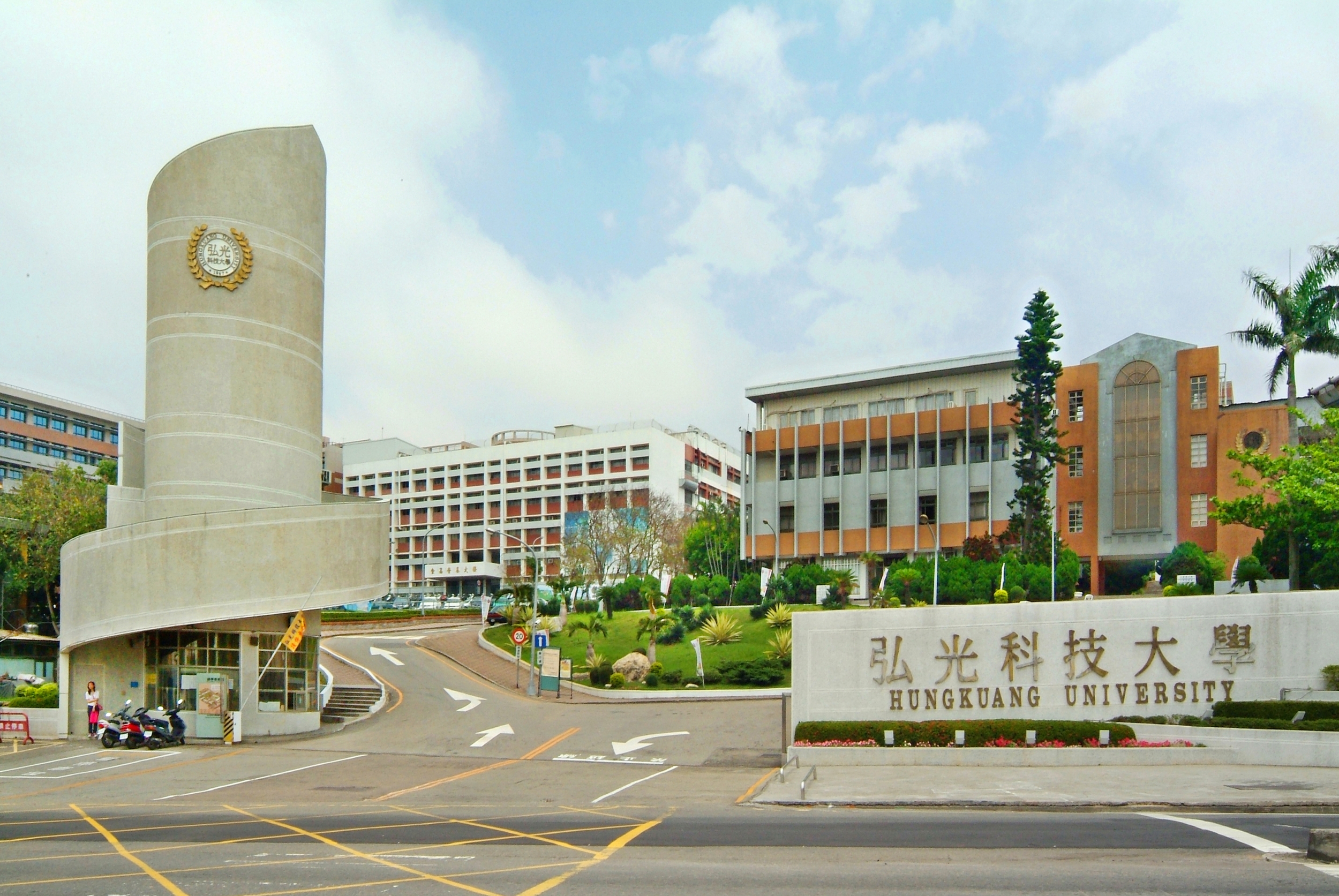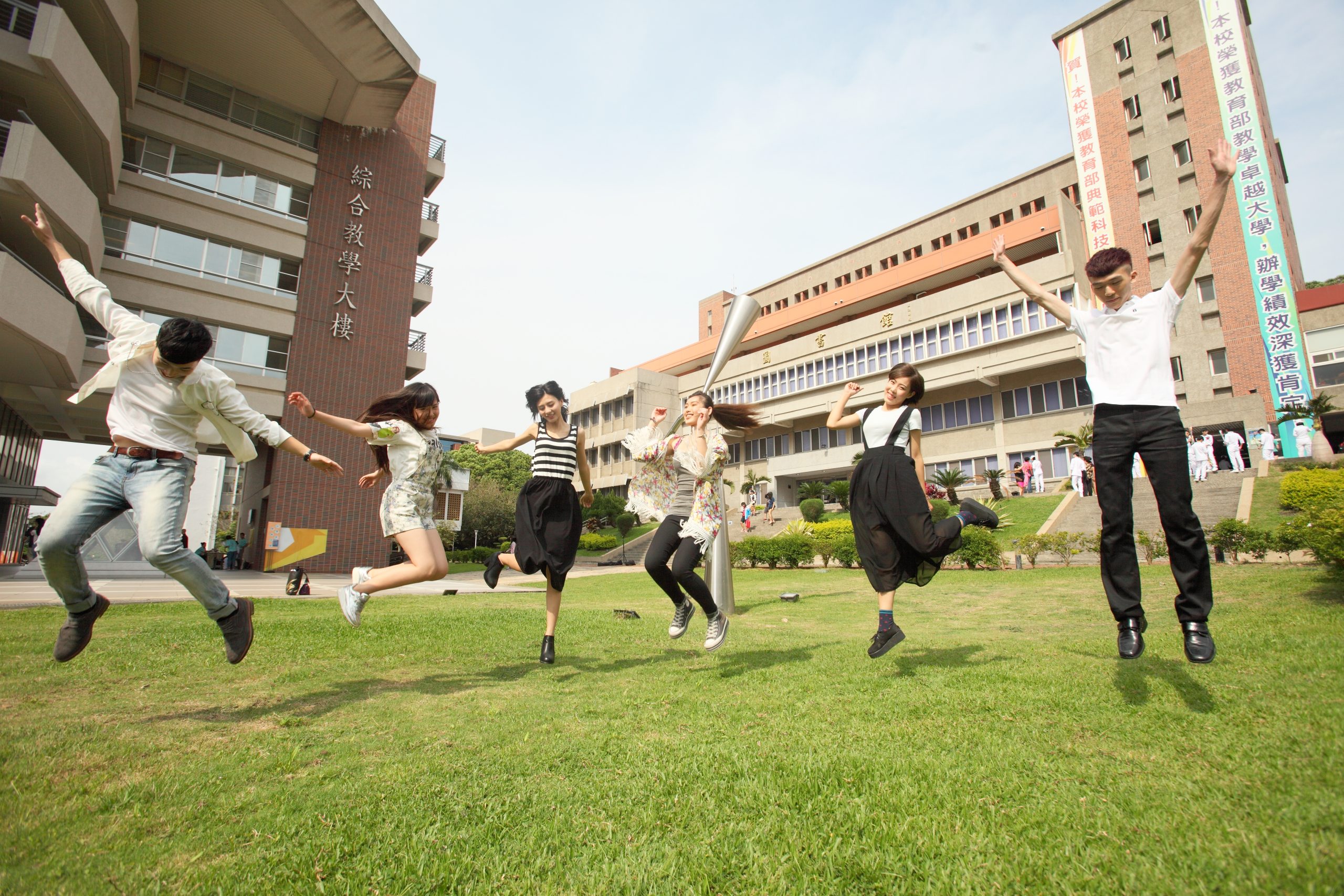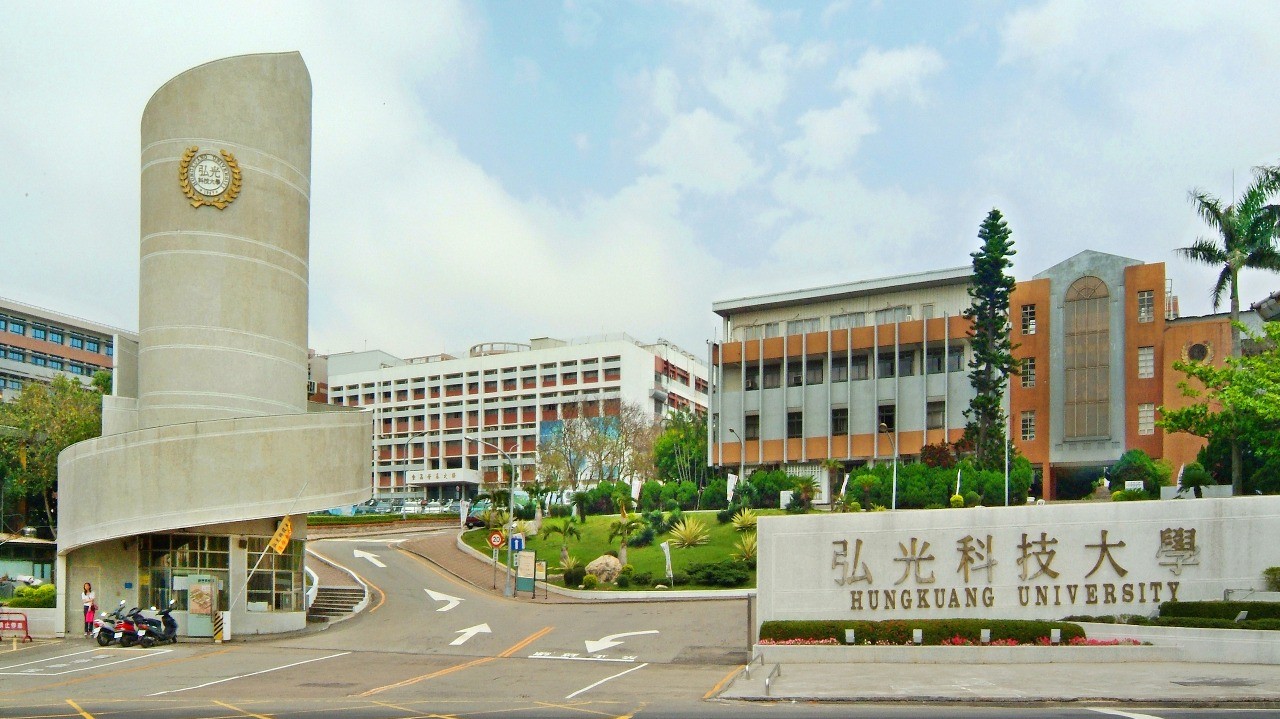
Hungkuang University of Science and Technology adheres to the educational philosophy of “people-oriented, caring for life,” and is committed to deeply cultivating vocational education. It has consistently been ranked among the top universities in the Ministry of Education’s evaluations. In 2022, the total enrollment rate of new students (including various admission channels) reached over 100.59%. In recent years, it has extended its enrollment reach overseas, attracting students from Asia-Pacific countries, and its achievements have been widely recognized.
As the only model university of science and technology in the health and livelihood fields in central Taiwan, it has undergone 55 years of environmental changes and has now developed into a comprehensive and outstanding university with 7 graduate schools and 19 departments. In 2022, the number of students reached 12,106.
School Performance
1. 2019 “Global Views Magazine” Taiwan’s Best University Rankings, ranked 8th among Taiwan’s vocational universities and 3rd among private vocational universities.
2. Received the Higher Education Deep Cultivation Subsidy from the Ministry of Education, ranking 1st among private universities of science and technology in central and northern Taiwan.
3. The only private university in central Taiwan to receive the Ministry of Education’s subsidy for the Model University of Science and Technology Program.
4. The first university of science and technology in Taiwan to receive the National Sustainable Development Award and the Excellence in Management Quality Benchmark University.
5. The first university of science and technology in Taiwan to pass the Ph.D. program in the Graduate Institute of Nursing.
Transportation
Our school is located on Taiwan Boulevard in Taichung City, central Taiwan, with convenient transportation. It is close to the National Highway No. 3 interchange and Taichung Ching Chuan Kang Airport, about 10 minutes by car from Shalu Railway Station, and 40 minutes to Taichung Railway Station. There are also Taichung City optimized buses, Giant Eagle, Taichung and United Highway buses, and many other public transportation options available. From the Taichung HSR station, you can take a shuttle bus to Tunghai University Station, and then take an optimized bus or passenger bus to our school.
25996_5a8358-de>
Alumni
郭莉婷、黃繼祥
Distinguished Alumni
Malaysia

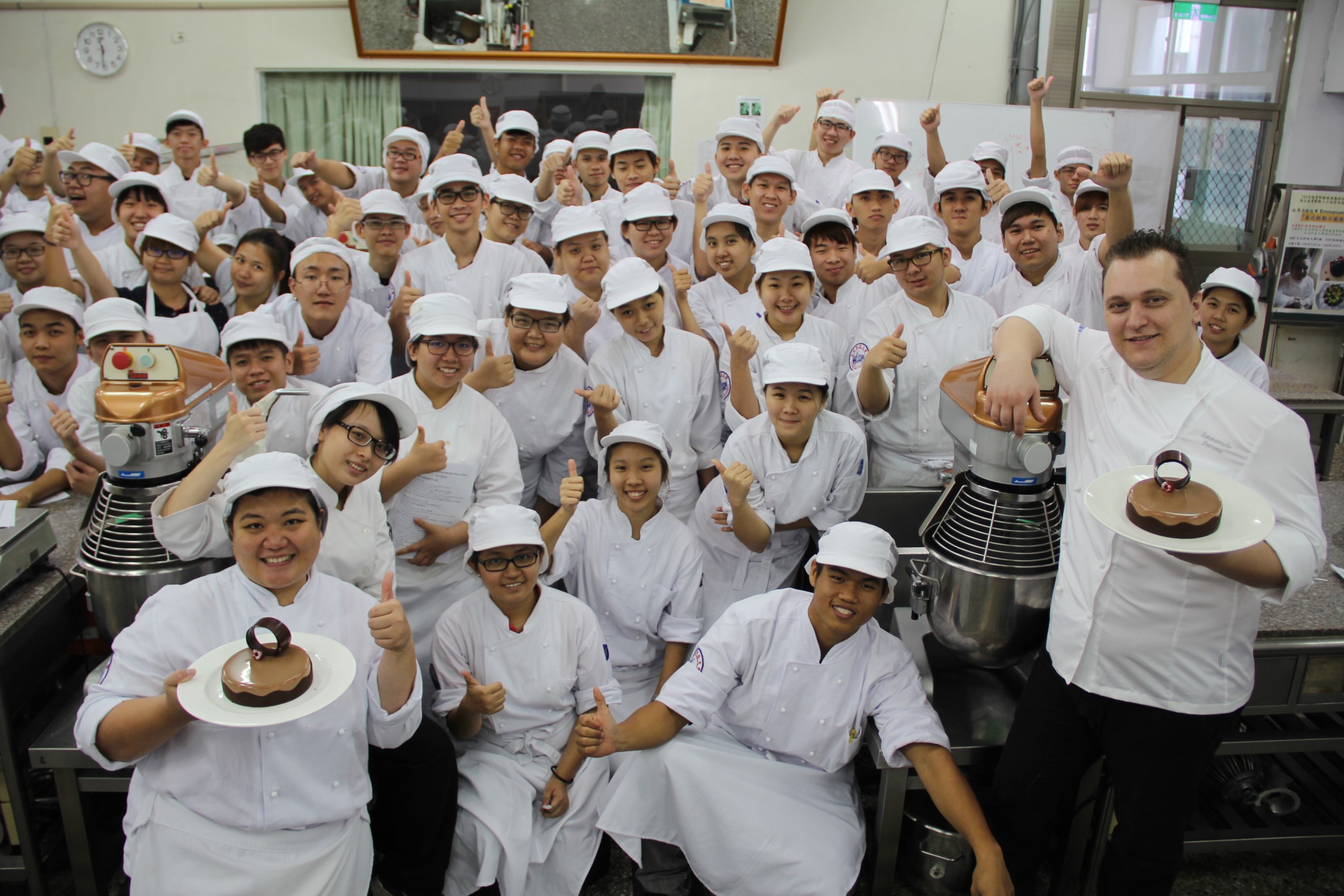
2020 2nd Uni-President Baking Cup Inter-School Baking Competition “Judges’ Special Award”

Malaysia WCC World Golden Chef Culinary Competition (Gold Medal)
25996_4400fd-aa>
Highlights
Featured courses
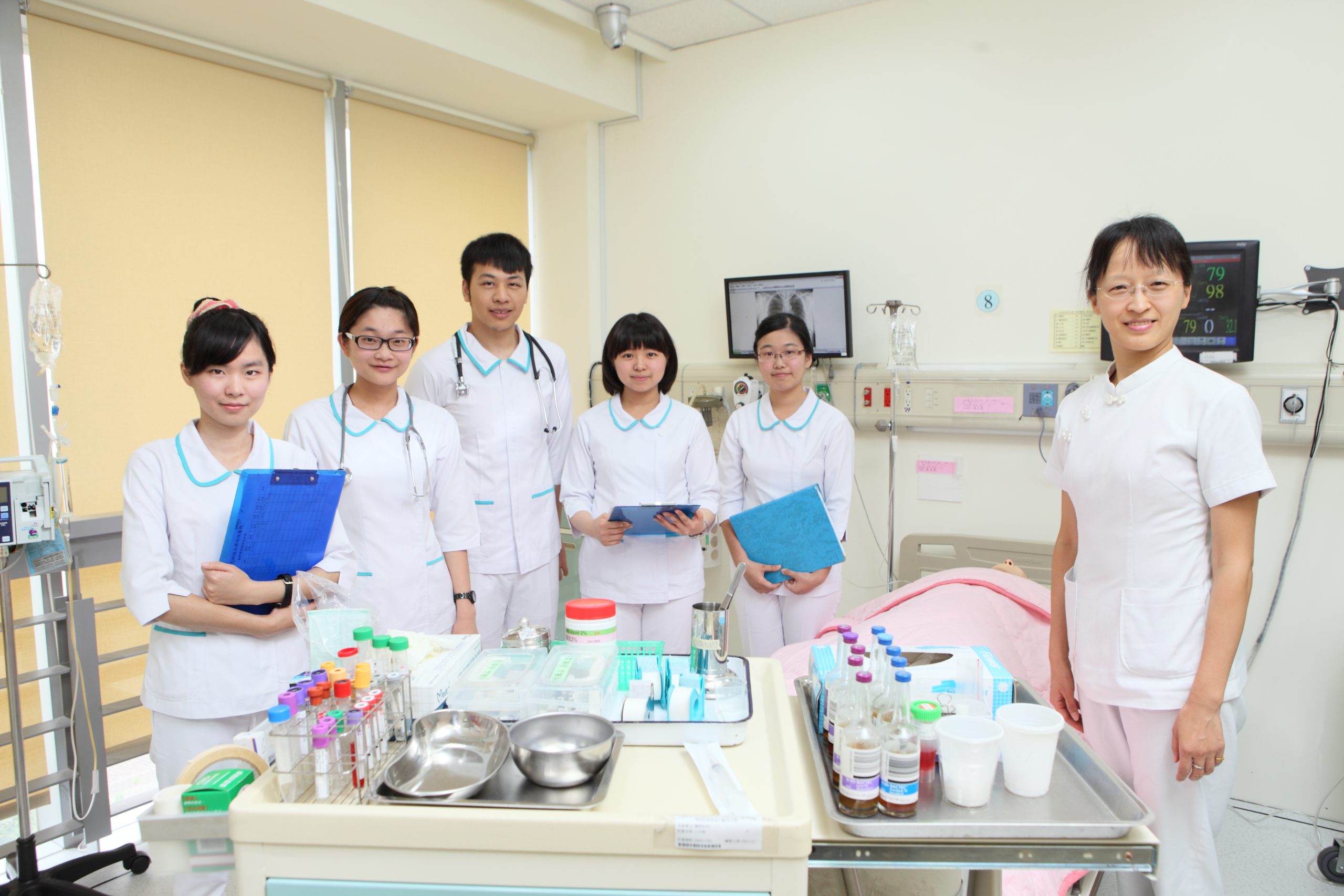
1. Medical and Nursing Health
2. Catering and Baking
3. Cosmetics and Hairdressing
4. Smart Technology
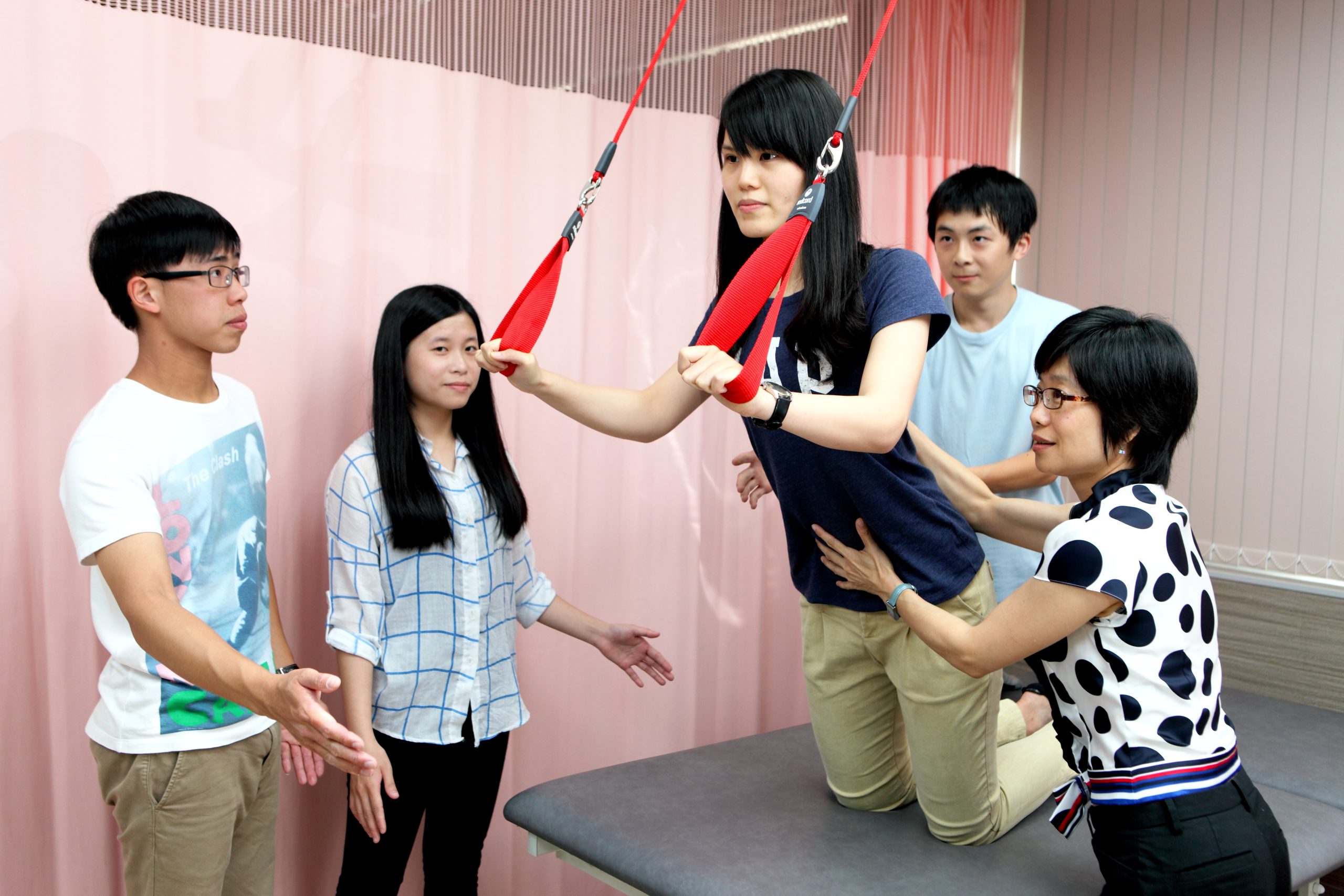
The school’s educational feature lies in the holistic care of people’s physical, mental, and spiritual well-being. It starts with cultivating medical and nursing talents, and then cultivates food nutrition, medical management, and industrial safety, and then expands to various aspects such as environmental safety, early childhood care, elderly welfare, cosmetics, medical equipment, smart technology, hairdressing, cultural and creative industries, sports and leisure, and information management. In recent years, it has been improving in the fields of physical therapy, speech and hearing, and animal conservation, and closely following the national sports development policy to develop the e-sports industry and the application of drones. It is a university of science and technology characterized by holistic health and people’s livelihood and well-being.
Introduction to Hungkuang University of Science and Technology Video
Let Hungkuang introduce itself to you
HKUST Admission Short Film
Introduction Video
Scholarships
Scholarships
Scholarships
25996_5cf265-49>
Scholarship Amount
25996_75a478-c6>
Eligibility
25996_736869-f1>
Scholarships for International Students
25996_cb448e-b3>
Grade A: NTD$50,000/semester
Grade B: NTD$30,000/semester
Grade C: NTD$10,000/semester
25996_020752-55>
Apply after admission and pass the review
25996_5c057f-6a>
Tuition and Miscellaneous Fees
College of Nursing NTD 110,110 College of Medical and Health Sciences NTD 91,094~110,110 College of Living Innovation NTD 91,094~104,000 International College of Hospitality Management NTD103,872 College of Smart Technology NTD104,738
Living Expenses
Living Expenses: NTD 96,000~150,000 (year)
Accommodation Fee: NTD 30,000~68,000 (year)
One semester
25996_ac9707-a0>
One academic year
25996_95ca50-6d>
Other explanations
25996_d55005-57>
NTD15,000~17,000
25996_2aa093-c1>
NTD30,000~34,000
25996_9d24cd-3c>
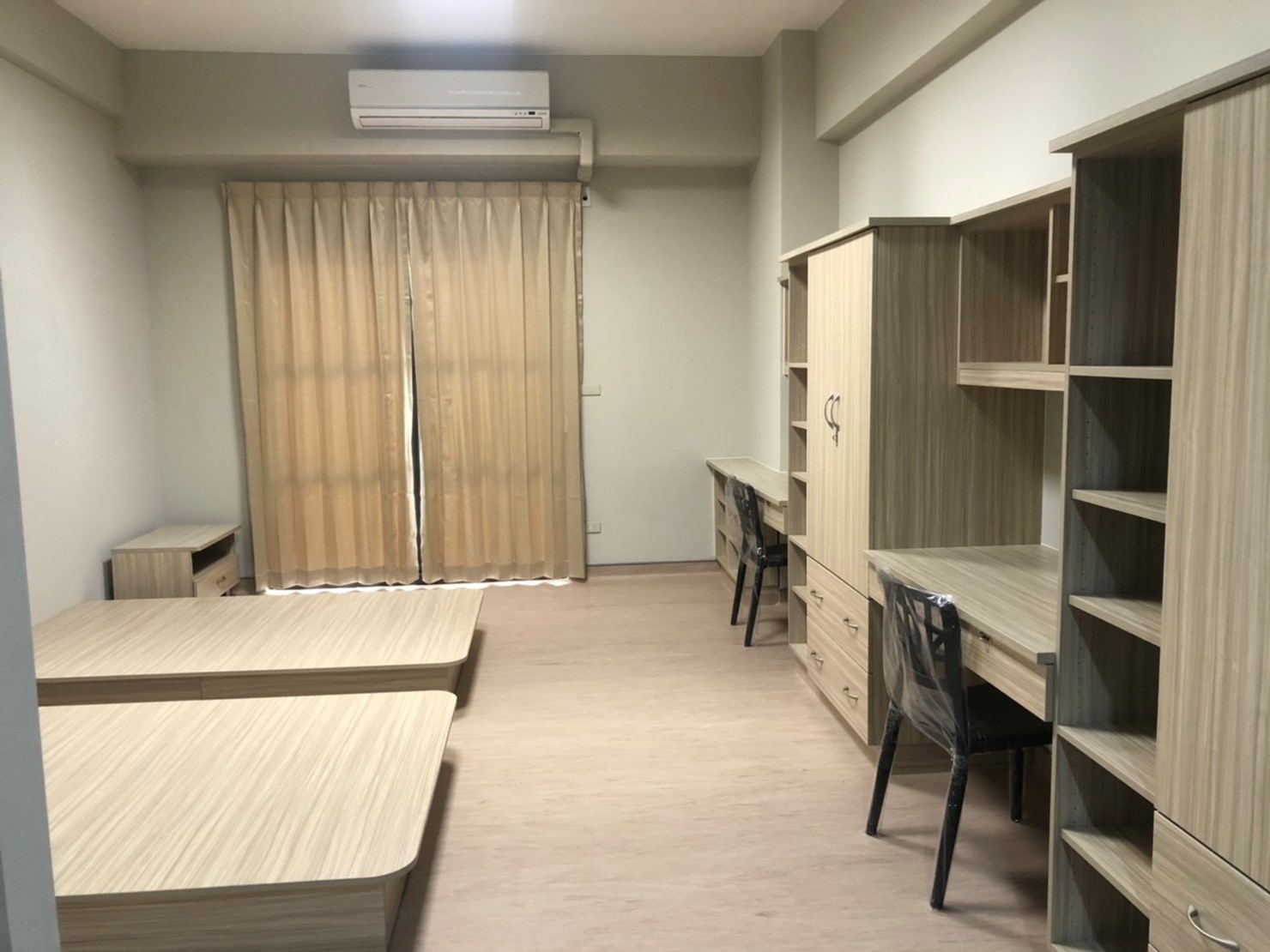
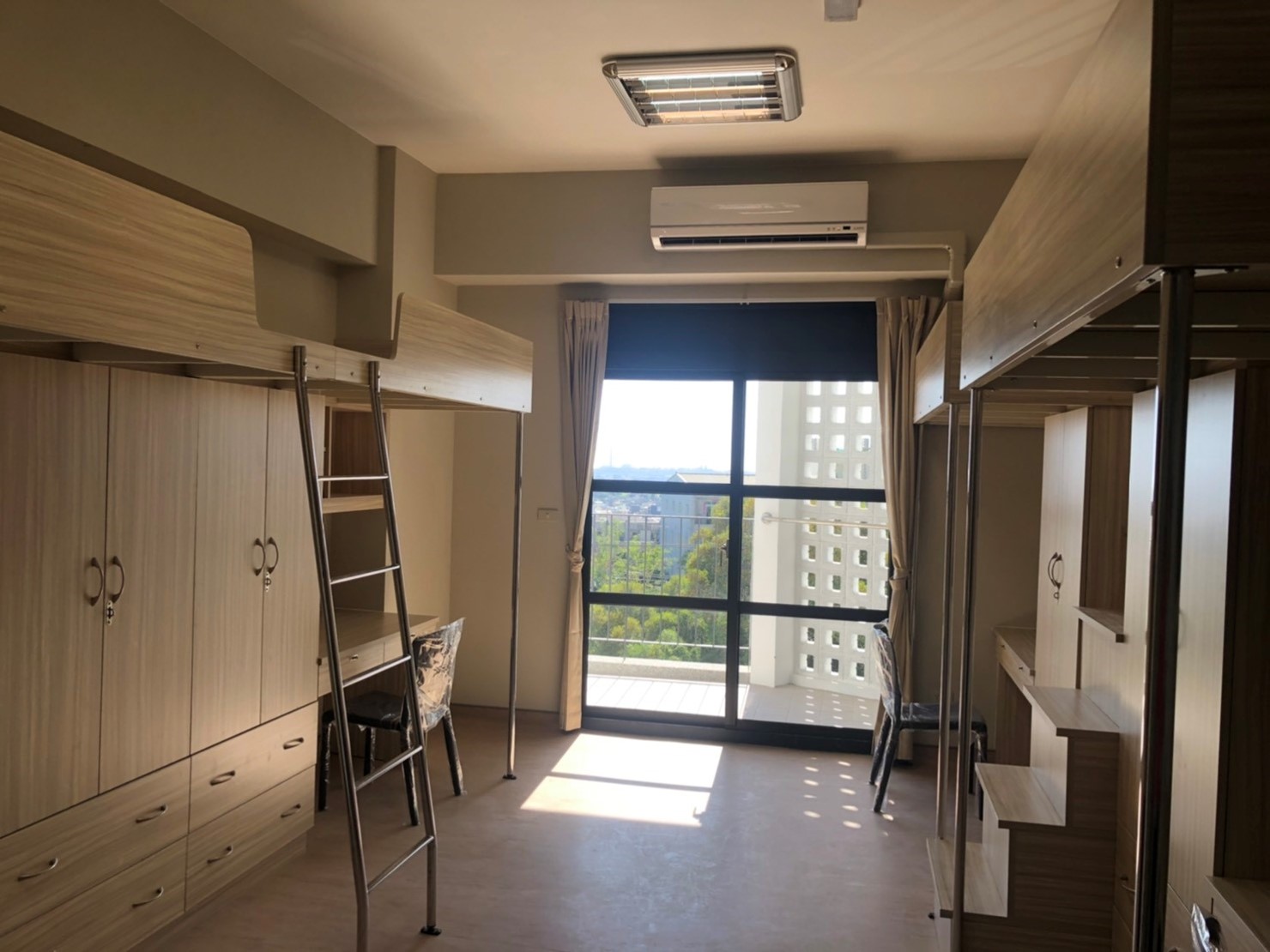
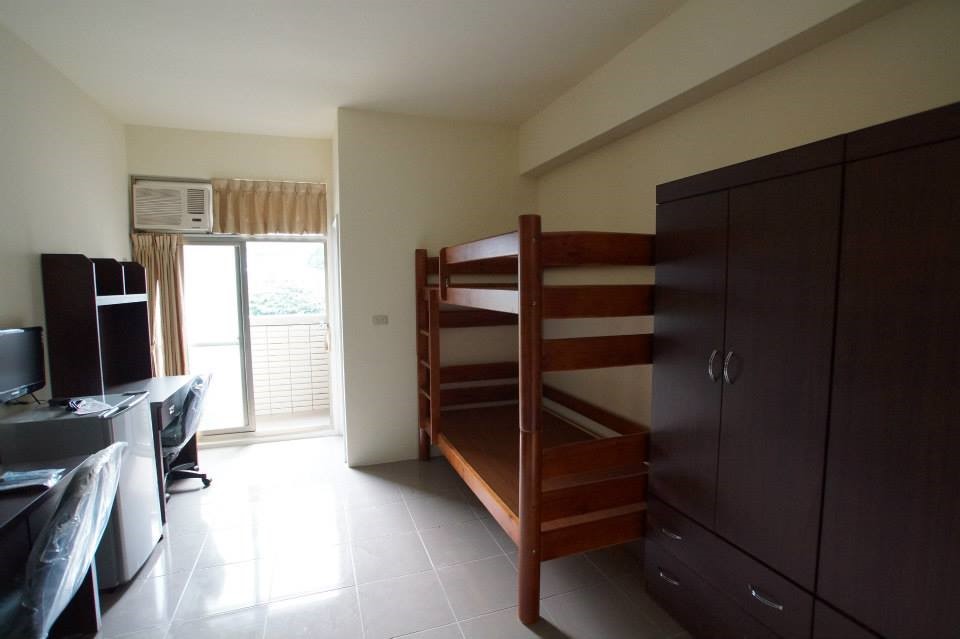
Accommodation Fee: 1. Agreement Dormitory: 1-2 people in 1 room, priced according to the actual room type, excluding water, electricity, and air-conditioning fees. A deposit of 5,000 yuan must be paid upon check-in and will be refunded upon departure), all with internet.
2. Female Dormitory: The dormitory fee is 8,500 yuan per semester. The four-person room type includes water and electricity fees. The air-conditioning fee is charged according to actual use. Accommodation fees for winter and summer vacations are calculated separately.
25996_dfa9a5-c0>
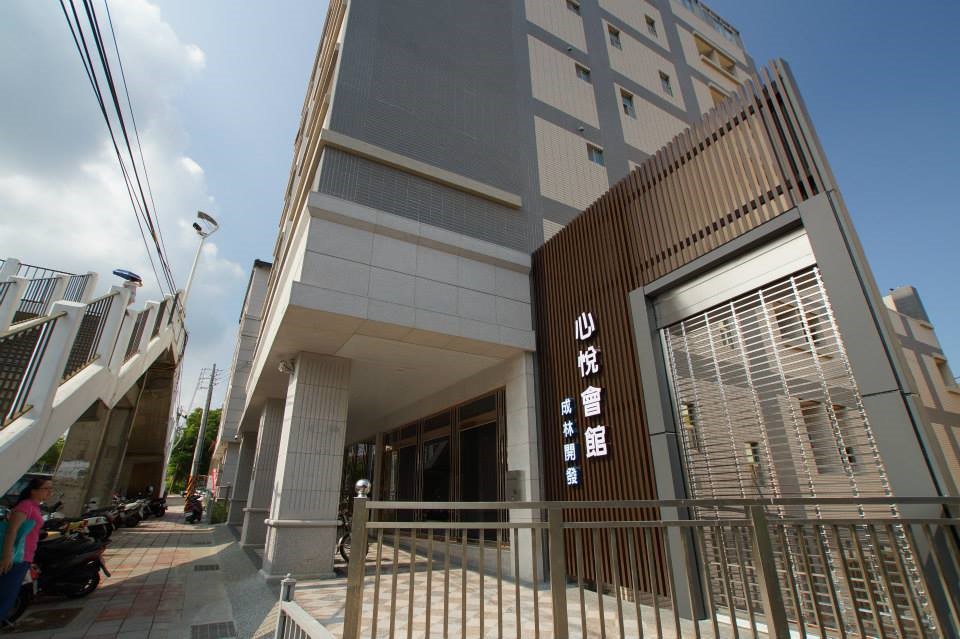
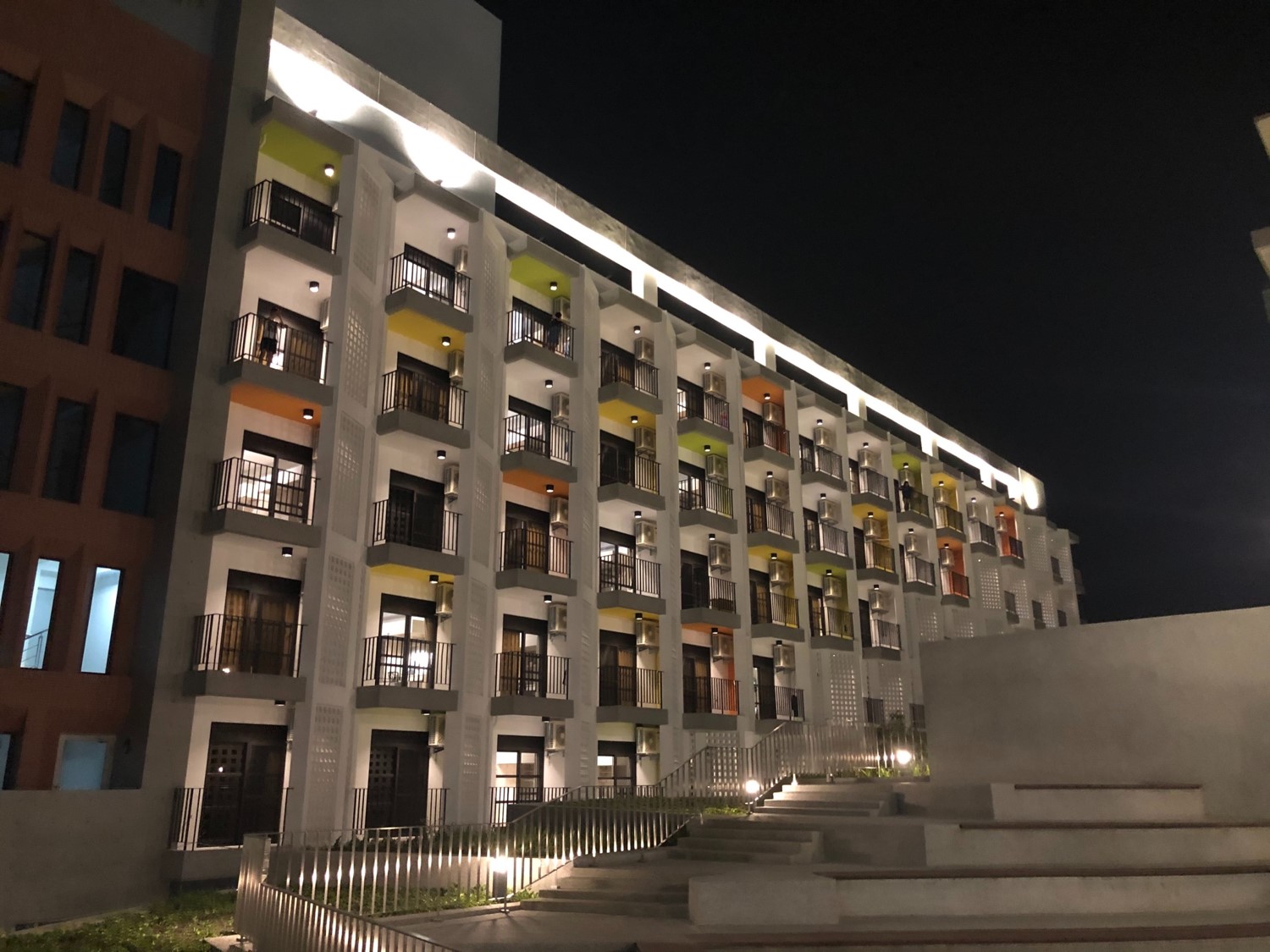
School accommodation
Pathways
Individual application
—Applicable target: Those who have special performance in school, excellent skills, or have been recommended by teachers.
– Application method: Fill in up to 4 applications and submit review materials according to the regulations of each department.
– Distribution principle: Those who pass the review will be distributed according to “qualified order + volunteer order + quota”;
– Those who are not admitted: Those who are not admitted will be directly distributed jointly and distributed in accordance with the applicable brochures.
3+4 Industry-Academia Collaboration Program for Overseas Chinese Students
In alignment with the New Southbound Policy, the Overseas Community Affairs Council (OCAC) promotes the “3+4 Industry-Academia Collaboration Program.” This program offers a seamless educational track consisting of 3 years of Senior Vocational High School followed by 4 years of University of Science and Technology, specifically designed to cultivate professional technical talent. Training focuses on five major industries, including manufacturing, construction, institutional care (long-term care), agriculture, and e-commerce (data processing). Quotas and specific departments are adjusted “on a rolling basis” to meet evolving industrial demands. The program encourages graduates to pursue high-paying employment in Taiwan or expand their international careers upon completion.
Industry-Academia Collaboration Overseas Youth Vocational Training Program Bachelor Degree (4 Year OYVTP)
The Overseas Community Affairs Council (OCAC) has launched the “4-Year Industry-Academia Collaboration Bachelor’s Program,” specifically targeting overseas Chinese youth who hold a high school diploma (or equivalent). The program emphasizes an equal balance of theoretical knowledge and practical skills, with mandatory internship placements integrated into the curriculum. The key industries cover manufacturing, construction, e-commerce, and service industries. Graduates are conferred a formal Bachelor’s Degree and can apply to stay and work in Taiwan via the “Points System” for Overseas Chinese and Foreign Students or through Intermediate Skilled Technical Personnel channels. They can also choose to return to their home countries for work or continue their postgraduate studies (Master’s/PhD) in Taiwan.
The “Joint Admission” process follows a standardized procedure to ensure fairness across different regions. The University Entrance Committee For Overseas Compatriot Students verifies and converts academic results based on the specific Admissions Brochures of the applicant’s country of residence and the “Detailed Rules for Score Calculation and Placement Operations.”
Admission is granted based on a “merit-based” system following these three primary criteria:
Ranked Scores: Applicants are sorted from highest to lowest based on their converted scores.
Order of Preference: The system identifies the highest-ranked preference available for each student.
Approved Quotas: Placements are limited by the total number of slots allocated to each department by the Ministry of Education.
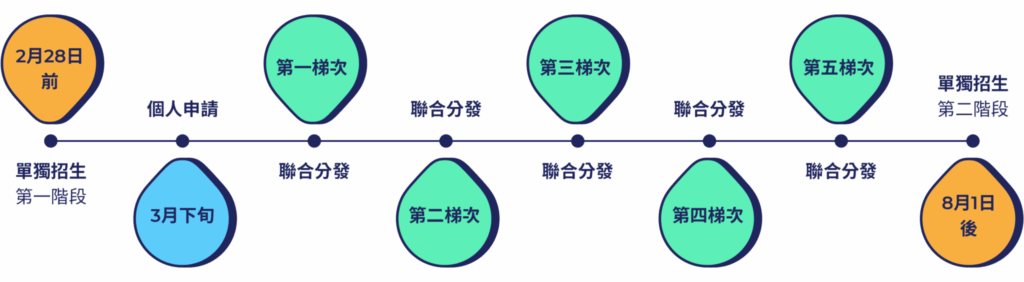
To expand recruitment opportunities for overseas Chinese and international students, the Ministry of Education has implemented a diverse admissions policy, allowing individual universities to conduct their own Independent Admission. However, to maintain administrative order and prevent double enrollment, the following rules apply: applicants already accepted through the first stage of a university’s Independent Admissions will no longer be processed or placed by the University Entrance Committee For Overseas Compatriot Students Joint Placement system; applicants who have already been placed through the Joint Placement system are ineligible to participate in the second stage of Independent Admissions for results announced after August 1st.
– Applicable target: Students with outstanding academic/extracurricular, exceptional skills, or those recommended by faculty members.
– Application method: Applicants may fill in up to 4 preferences and submit required application materials according to the specific regulations of each department.
– Placement principles: Qualified applicants will be placed based on their qualification ranking, order of preference, and available quotas.
– Unsuccessful applicants: Those who are not admitted will be automatically transferred to Joint Admission process. Their placement will then be processed according to the regulations set forth in the admission brochure for Indonesia.
– Applicable target: Students with outstanding academic/extracurricular, exceptional skills, or those recommended by faculty members.
– Application method: Applicants may fill in up to 4 preferences and submit required application materials according to the specific regulations of each department.
– Placement principles: Qualified applicants will be placed based on their qualification ranking, order of preference, and available quotas.
– Unsuccessful applicants: Those who are not admitted will be automatically transferred to Joint Admission process. Their placement will then be processed according to the regulations set forth in the admission brochure for Hong Kong.
– Applicable target: Students with outstanding academic/extracurricular, exceptional skills, or those recommended by faculty members.
– Application method: Applicants may fill in up to 4 preferences and submit required application materials according to the specific regulations of each department.
– Placement principles: Qualified applicants will be placed based on their qualification ranking, order of preference, and available quotas.
– Unsuccessful applicants: Those who are not admitted will be automatically transferred to Joint Admission process. Their placement will then be processed according to the regulations set forth in the admission brochure for Macau.
– Applicable target: Students with outstanding academic/extracurricular, exceptional skills, or those recommended by faculty members.
– Application method: Applicants may fill in up to 4 preferences and submit required application materials according to the specific regulations of each department.
– Placement principles: Qualified applicants will be placed based on their qualification ranking, order of preference, and available quotas.
– Unsuccessful applicants: Those who are not admitted will be automatically transferred to Joint Admission process. Their placement will then be processed according to the regulations set forth in the admission brochure for Myanmar.
– Applicable target: Students with outstanding academic/extracurricular, exceptional skills, or those recommended by faculty members.
– Application method: Applicants may fill in up to 4 preferences and submit required application materials according to the specific regulations of each department.
– Placement principles: Qualified applicants will be placed based on their qualification ranking, order of preference, and available quotas.
– Unsuccessful applicants: Those who are not admitted will be automatically transferred to Joint Admission process. Their placement will then be processed according to the regulations set forth in the admission brochure for Vietnam.
—Applicable target: Those who have special performance in school, excellent skills, or have been recommended by teachers.
– Application method: Fill in up to 4 applications and submit review materials according to the regulations of each department.
– Distribution principle: Those who pass the review will be distributed according to “qualified order + volunteer order + quota”;
– Those who are not admitted: Those who are not admitted will be directly distributed jointly and distributed in accordance with the applicable brochures of Malaysia.
Applicants may choose to join the “Indonesian Preparatory Program”. Upon completion of the program, students take an exit examination covering three subjects: Chinese, English, and Mathematics (regardless of the chosen academic track).
The results of this exit examination serve as the primary score for Joint Placement. Students are then placed into universities based on their score ranking (from highest to lowest), their listed preferences, and the available quotas approved by the Ministry of Education.
Application category
Joint distribution of subjects (For students who completed their high school education in Indonesia)
The “Joint Admission” system for students in Myanmar primarily relies on the “Subject Competency Test” organized by the University Entrance Committee For Overseas Compatriot Students. Placements are determined based on the test results and the applicant’s listed preferences.
School Types and Evaluation Criteria
School or Program Type
23449_dd4280-79>
Accepted Evaluation Method
23449_080e30-3c>
6-Year Chinese High Schools
23449_1d75f6-7a>
Subject Competency Test
23449_ce5e9d-b8>
Myanmar Schools (New/Old System)
23449_325f52-43>
Subject Competency Test
23449_72612c-fb>
International Schools
23449_9cf7c4-27>
Subject competency test;
(Note: Applicants holding an ROC passport with an Overseas Chinese Identity Endorsement may alternatively apply under the “Application Brochure for General Regions.”)
Joint Admission in Vietnam is categorized into two tracks: Local High School Graduates and Overseas Taiwan School Graduates. Each track follows specific regulations based on their respective admission brochures:
Joint Distribution
23445_1873f0-00>
School Type
23445_ed360a-93>
Evaluation Method
23445_9c7b52-8a>
Admission Brochure
23445_7154d8-59>
Phase 2
23445_0c5d7a-74>
Local high school graduates
23445_c73b18-59>
Evaluation of transcripts from the last three years of high school, SAT Subject Test scores, A-Level diplomas, or IBDP (International Baccalaureate) results.
23445_c28b6b-73>
Brochures for general exam-free regions
23445_679b90-f5>
Phase 3
23445_fbeedb-ce>
Overseas Taiwan school graduates
23445_28ae8d-eb>
Participation in Subject Competency Tests.
23445_df8368-18>
Brochure for high school graduates of overseas Taiwan schools
“Joint distribution” process determines admission based on the subjects and scores specified in the brochure, the admission quotas of individual departments, and the applicant’s listed preferences. As many prestigious programs—including Medicine and Veterinary Medicine—primarily recruit through this channel, eligible students are strongly encouraged to utilize this pathway.
Recognized Diplomas
School Type
23456_71932b-f4>
Accepted Diplomas / Standardized Tests
23456_a6faad-65>
Hong Kong Chinese & English High Schoolsl (including international schools)
23456_aea035-43>
Hong Kong Diploma of Secondary Education Examination
Hong Kong Advanced Level Examination
SAT Subject Test scores
Overseas A-Level results
International Baccalaureate Diploma Programme (IBDP) results
23456_631154-83>
High Schools Outside Hong Kong (Chinese & English Medium)
23456_0e80ca-ed>
SAT Subject Test scores
Overseas A-Level results
International Baccalaureate Diploma Programme (IBDP) results
Transcripts from the last 3 years of High School
Hong Kong Diploma of Secondary Education Examination
23456_48c6d3-bb>
For specific required subjects for each diploma type, please refer to the latest annual University Entrance Committee For Overseas Compatriot Students admission brochures or the dedicated Hong Kong Section on the official website.
“Joint distribution” system categorizes university departments into three categories: the first category (liberal arts, law, business, education, etc.), the second category (science, engineering, etc.), and the third category (biology, medicine, agriculture, etc.). Applicants can fill in up to 70 preferences in order of priority. Please refer to the table below to identify the correct admission brochure and evaluation criteria based on your high school type:
Application Phase – High School Type
23428_356330-1d>
Enrollment brochure – Evaluation Criteria
23428_0d2cda-d8>
Phase 1
Chinese Independent High School Graduates
23428_8e328f-34>
Applicable brochure for Malaysia:
Unified Examination Certificate (UEC) results
23428_3cfb90-81>
Phase 2
International School Graduates
23428_51e9f7-af>
Applicable brochures for general exam-free regions:
Transcripts from the last 3 years of high school
SAT Subject Test scores
IBDP scores
A-Level results
23428_74f29c-68>
Phase 3
Overseas Taiwan School Graduates
23428_ad7b78-d5>
Applicable brochure for overseas Taiwan school graduates:
Participation in the Subject Competency Test
23428_1dc9a4-1f>
Phase 5
SMJK, SMK, International School, or Independent High School Graduates
23428_c30b62-64>
Applicable brochure for Malaysia:
STPM results
A-Level results
SPM results
O Level results
23428_78ce86-b8>
International Foundation Program
In order to expand the recruitment of overseas Chinese and international students in an orderly and stable manner while encouraging top talent to seek employment in Taiwan, the Ministry of Education has assisted universities in establishing “International Foundation Programs.” These programs recruit students in six key industry sectors, including manufacturing, construction, agriculture, long-term care, e-commerce (including information processing) and services industries. Students take 1 year of intensive Mandarin Chinese study. Once they reach Level A2 (TOCFL) proficiency, they officially enter their chosen professional degree program. The curriculum is tailored to current industry demands and may include off-campus internships. The program provides comprehensive guidance for both academic learning and daily life in Taiwan.
Currently, admission slots are available through “Individual Application” provided by University Entrance Committee For Overseas Compatriot Students, and “Independent Admissions” conducted by individual universities (open to Overseas Chinese, Hong Kong/Macau students, and International students).